Cornwall Reflections
By Josh Fairhead • 10 minutes read •
Contextual Considerations
While visiting Ireland to help with some painting, the Eden Project surfaced on my radar — and having finished the Dramatic Universe just before visiting, the project appears to be one of the contemporary wonders of the world. A fantastic synthesis of the four great cultures articulated in book four; its imposing geodesic domes symbolic of the creator god, spiritualised from within symbolising the great spirit, with gigs and concerts acting as a dramatic commitment to the saviour god, all hosted by mother earth who offers the ground of tooling and agriculture. Inspiring stuff.
The Prompt
Considering Bennett’s Cosmology in the context of my own life, I wonder if I’m visiting the project for a reason beyond myself. It would seem that there are a number of selves jostling for influence leading to confusion and a definitive lack of clarity, and there is no clear direction present beyond a search but that’s just how it is.
While visiting the project, I stay at St. Christopher’s hostel in Newquay, which is a colourful place. The bar staff are friendly and accommodating, the clientele pretty hazardous, like most of the area. After a confrontation with some imposing characters playing pool one of their group apologises and strikes up a conversation with me.
This leads to an interaction around the Eden Project’s education programme, and unable to answer my questions, the friendly actor of the group calls a friend before the two of them get into a debate on the project’s value. I remain opinionated about my own experience but neutral to the discussion.
The guy called over says they had been on several school trips and yes, they had received a guide, but emphasises that they didn’t learn anything. He really dislikes the place, saying that Eden takes people for granted as it’s all volunteer work and so forth. “How does it make me money?” he states, calling it a scam; yeah that’s a shame — clearly he can’t see the forest through the trees but this is perhaps not his fault and so I reason that the education programme may have perhaps failed him. This conversation is cut short by someone challenging the group to a game of pool, but the interaction leaves a lingering question; having no experience with such trips I decide to do some participatory action research.
Participatory Action Research
Formulating some basic questions, I set out to ask the locals about their impressions. The first interview is extremely negative, the next more positive, and so on. Weighing up the pros and cons, it seemed like most people were pretty neutral about the project but feel Eden is probably not serving the Newquay locality or particularly benefiting them in any way.
Having gathered enough testimonials for the day I return to the hostel before encountering a surf instructor that I’d met over the week named Willow who is somewhat unopinionated — he starts talking about outdoor education instead, which leads to questions about immaterial schooling.
This leads to interviewing various staff members at the hostel, who highlight the area’s problems while suggesting potential interventions when lightly prompted. This is generally oriented around drink and drug abuse as well as homelessness and surfing. Themes include psychedelic therapy, religion that works, abstinence from technology, an alcohol-free pub or youth centre, guerrilla gardening, food drives and feeding the homeless, the council misallocating resources, tourism and so on.
Writing things up the next day, I end up doing a few more interviews with the staff members I missed as well as talking with a local chef serving the RAF who gives me the down low on the local business ecosystem. He says the council are buying Walkabout, a huge pub that is losing millions due to the lack of off-season tourism, and says he’s going to Sailors for dinner, owned by the same bar group. Looking this place up I recognise my past working for SBG and begin to infer some of the area’s deeper problems, while considering solutions.
Pattern Integrity
In a nutshell, the area’s ‘dharmic pattern’ seems to be getting smashed from summer surf tourism, which appears to revolve around partying, drink and drugs. When the tourists leave, their energetic patterning essentially haunts the area, lingering like a bad smell that leaves the locals dispirited and worse off. The tourism brings in money, generally consumed by the larger businesses which cater to degenerate behaviour (such as Walkabout), at the cost of the locality’s ‘mind and soul’. This ‘energetic patterning’ can be seen all over town; tattoos symptomatic of a death cult, homelessness, alcoholism and hard drugs used everywhere as ‘recreation’ (i.e. decreationally).
If the pattern integrity of the town is being degenerated, the question becomes the intervention point? Let’s not forget that this is in the context of Bennett’s cosmology and its implications. It would seem that sensitive energy is getting consumed, leaving automatic energy behind in the form of chaotic patterning. The question that comes alive is how can this be raised to sensitive, conscious, creative or possibly even unitive energy? In other words, how can Newquay play a role beyond purely animalistic behaviour patterns?
A number of ideas came up during the staff interviews which seemed to touch the elephant; though this whirlpool didn’t have the necessary viability to pass the pragmatism test of management — who could articulate the various roadblocks that pure idealism tends to ignore. Regardless, I add the new testimonials to a document and take a train to Exeter to explore the university and see what opportunities might be possible there.
The Train to Exeter
While on the train I wonder if an existential pattern is really what ‘matters’… based on my reading I should be looking for a hyparchic pattern of some sort, though it seems I’m lacking clarity on how exactly to interpret this.
Initial thoughts all seem like a functionally oriented ball of associations, though this seems at odds with the notion of hyparxis. Further down the line some ideas begin to emerge relating the humanoid cosmos to its respective energies, potencies, and then existential patterning or observations within the area — local dependencies like the homeless epidemic and such. This interpretation has more depth to it but is technically still an associative schema.
If we are to talk about hyparxis specifically, then we need to incorporate properties like recurrence, which the excursion to Eden certainly seems to fit (see India/Japan posts from 2023) — but again this seems relatively incomplete. “Participatory repatterning” dominates as a theme, but all my interpretations seem a bit like a functional fallacy. (Update 15th June: The DU mentions ‘essential loyalty’ which seems likely to be a form of loyalty towards a given demiurge/energetic pattern).
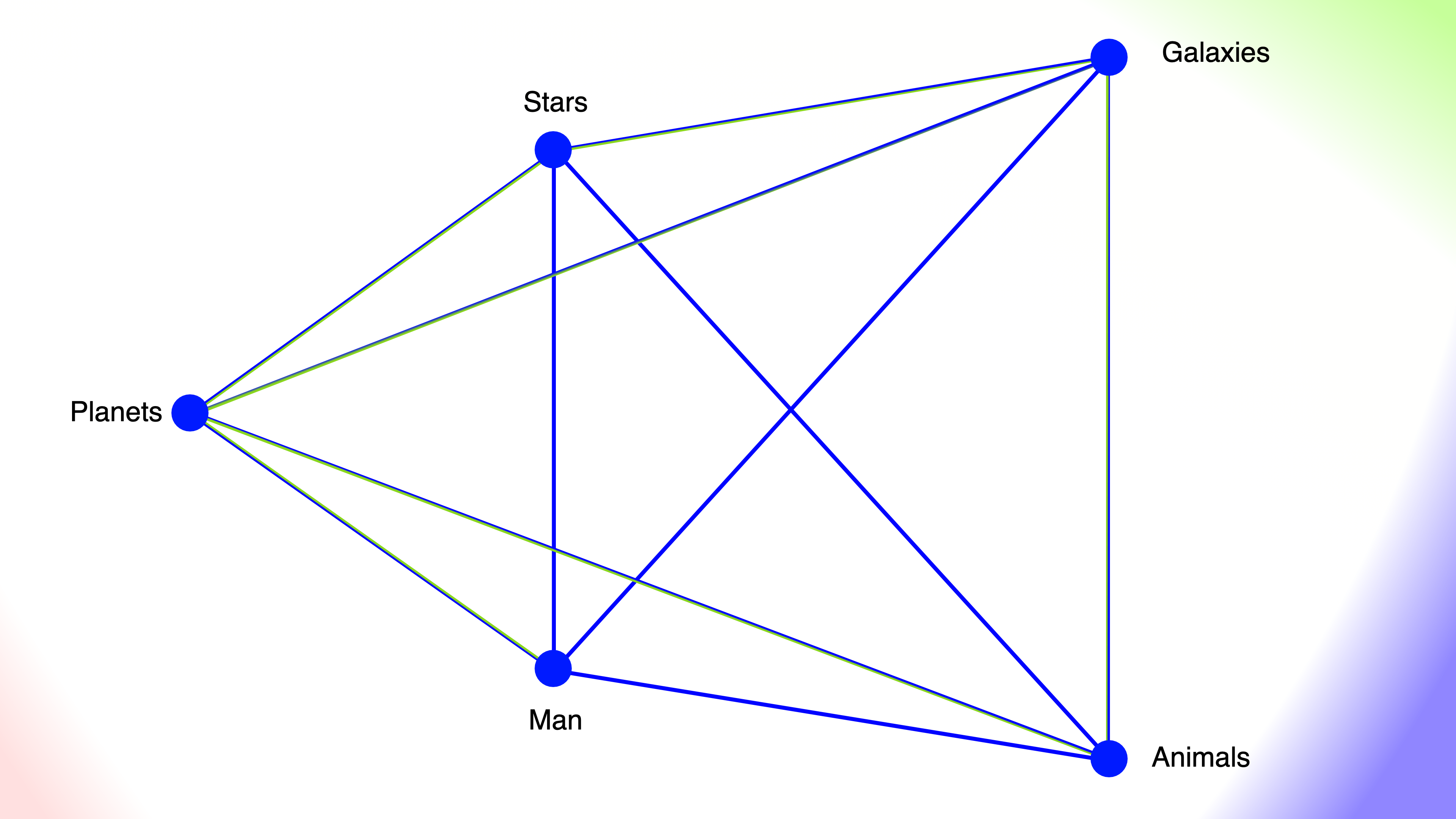
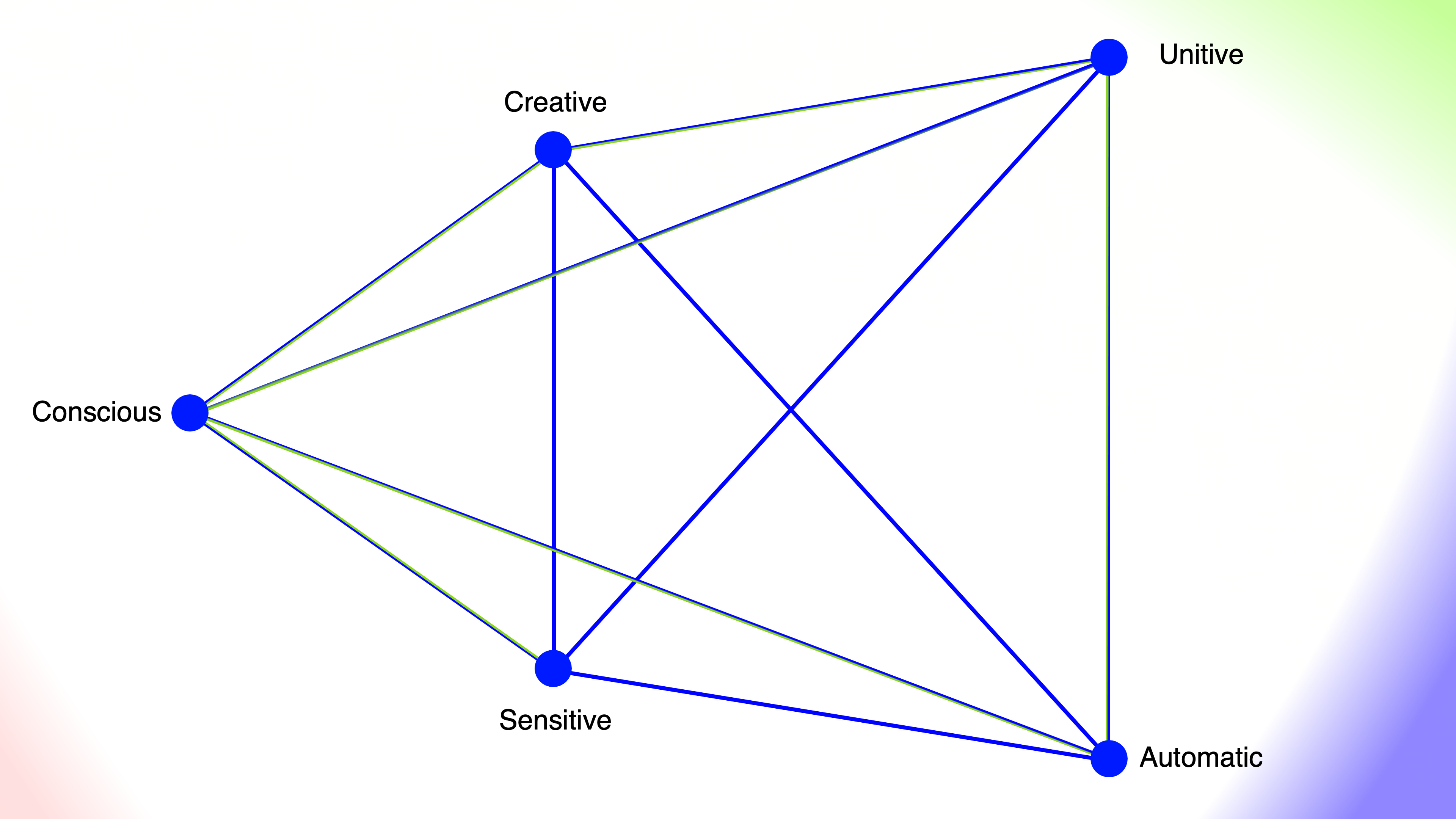
Returning from a reconnaissance mission at the university after staying a night in the Globe hostel, which is a slum, I notice one of the people staying there around the cathedral who falls over face first, and then a friend of his also staying there, who runs off to get help. Back at the hostel I end up taking a testimonial that starts to bring the pattern together. George says ‘a homeless town or city’. His suggestions are telling — he says yes to a town of geodesics but says they wouldn’t go unless there were drugs about, since they hang out around the centre for access to food, money and narcotics.
Eden as Germinal Pattern
Perhaps the deeper significance of the relational patterning I’ve been witnessing is as follows:
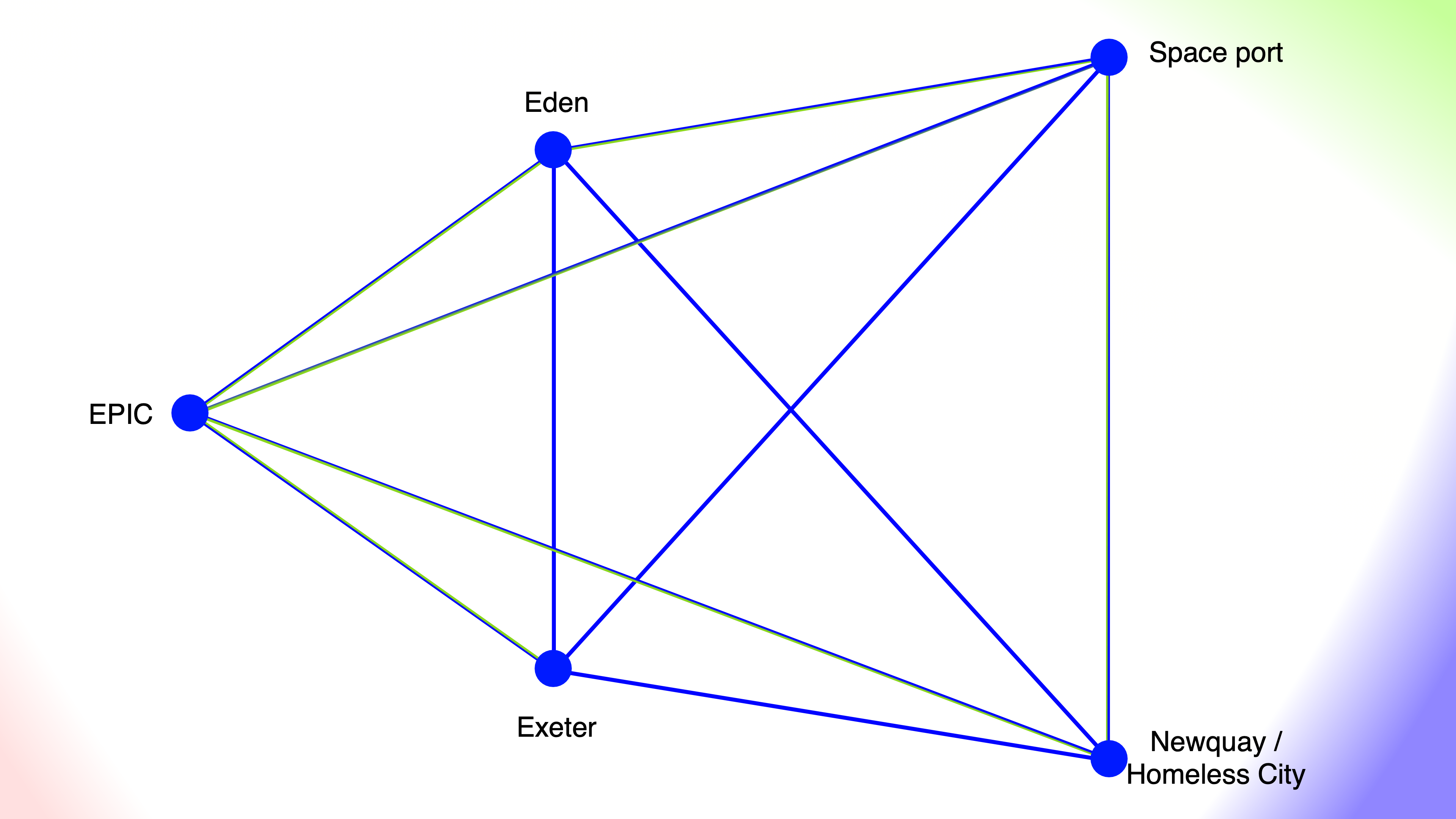
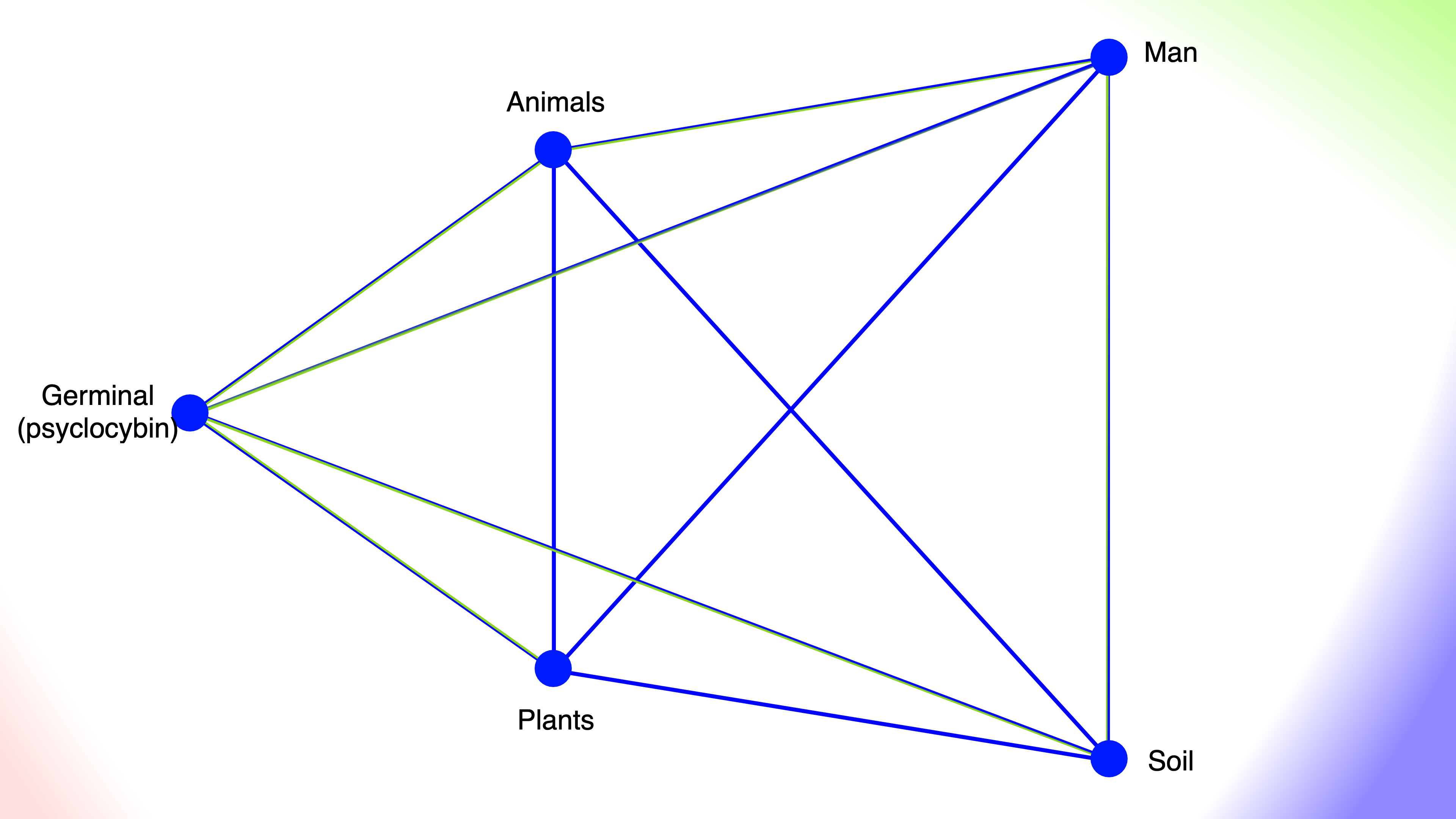
The EPIC colloquium being a significant point of integration, leveraging Eden as a source of order, pattern, integrity and inspiration — perhaps to prototype extraterrestrial living. Exeter University in that regard might be the place to prototype such a study, trialling a homeless city in Newquay in the form of small geodesic huts, supplying food through the gardens, possibly the ‘drugs’ necessary to get homeless out of the centre in the form of psilocybin mushrooms, acting as both therapy and as a catalyst for the energetic transformations needed to ‘spiritualise the biosphere’.
Think Boomlands in Portugal, which provides such infrastructure and becomes a festival every two years or so, providing a means for dependants to live and work in service to the planet. While unplanned in any concrete sense, the shape of this isn’t far off existing regenerative villages like La Tierra in Costa Rica.
It would seem that such a prototype, if successful, could be quite an interesting proof of concept for ecological civilisation, though I wonder how risky such a venture might actually be — as based on JGB’s creation myth in the Foundations of Moral Philosophy, there would need to be a partitioning and blending requiring careful management. This would require a lot of careful research.
The World Mandala
The issues map onto Tony Hodgson’s world mandala. Imagine you are homeless: you need foundations like food, air, water, habitat. You also need money for the basics, as well as energy. Eventually you pass through community, health, and worldview — all necessary elements for repatterning.
Eden integrates several of these indicators in one location. It manages water and energy to grow food, benefiting the climate and biosphere, holding community while enabling local trade and exchange, while changing worldviews through its education programmes. It has a PR problem, and many believe it could do more to extend its reach to places like Newquay. Overall it’s a site of great potential that could benefit the entire region.
Mutual Credit
Mutual credit currencies could meet the dispossessed whose core problems Eden doesn’t directly solve. The obvious export is food from the gardens to feed the homeless, which could be treated as a form of credit — prompting thoughts about mutual credit systems such as the Brixton pound, which could become a tax-free micro-economy for the homeless. Such an accounting system would provide leverage for the essential repatterning needed around Newquay. Work the gardens, grow food you directly benefit from, and receive housing credits. Alternatively cook and serve the community, or host any form of event to develop a positive-sum environmental pattern.
Ultimately something along these lines would be a path to sovereignty, though checks and balances via those granting such credit lines would be needed — independent economies without imbued values can lead to pub crawls or drug rings. Credit lines need to be issued carefully at first. The research and development has already been done by the likes of the Metacurrency Project, and the infrastructure is nearly complete. There are regulatory and political issues to address but local currency already has precedent in the UK — though it would need refinement for new implementations, as well as Pillars of Integrity to activate such systems through trials with local suppliers, or granting lines of credit to different communities, who ultimately act as the underwriters.
Open Questions
Could this work out? Or would it be a disaster? Can particular values be regenerated, or are the negative ones too deeply embedded? Could mutual currencies be implemented and underwritten to incentivise change, propagating patterning, or would this lead down a slippery slope? Does this account for right action in the context of Bennett’s schema?
We shall perhaps need to mull on it further, though if we are to accept the hypothesis of demiurgic intervention and the notion of the cosmic plan, the patterning of this journey seems significant. Is this what’s being asked for? I don’t know, but frankly I don’t trust the creative agency that has cooked up such a plan — a university would be much more suitable.
Related
The raw interviews behind this piece live in Newquay Participatory Action Research.