The Eden Project
By Josh Fairhead • 50 minutes read •
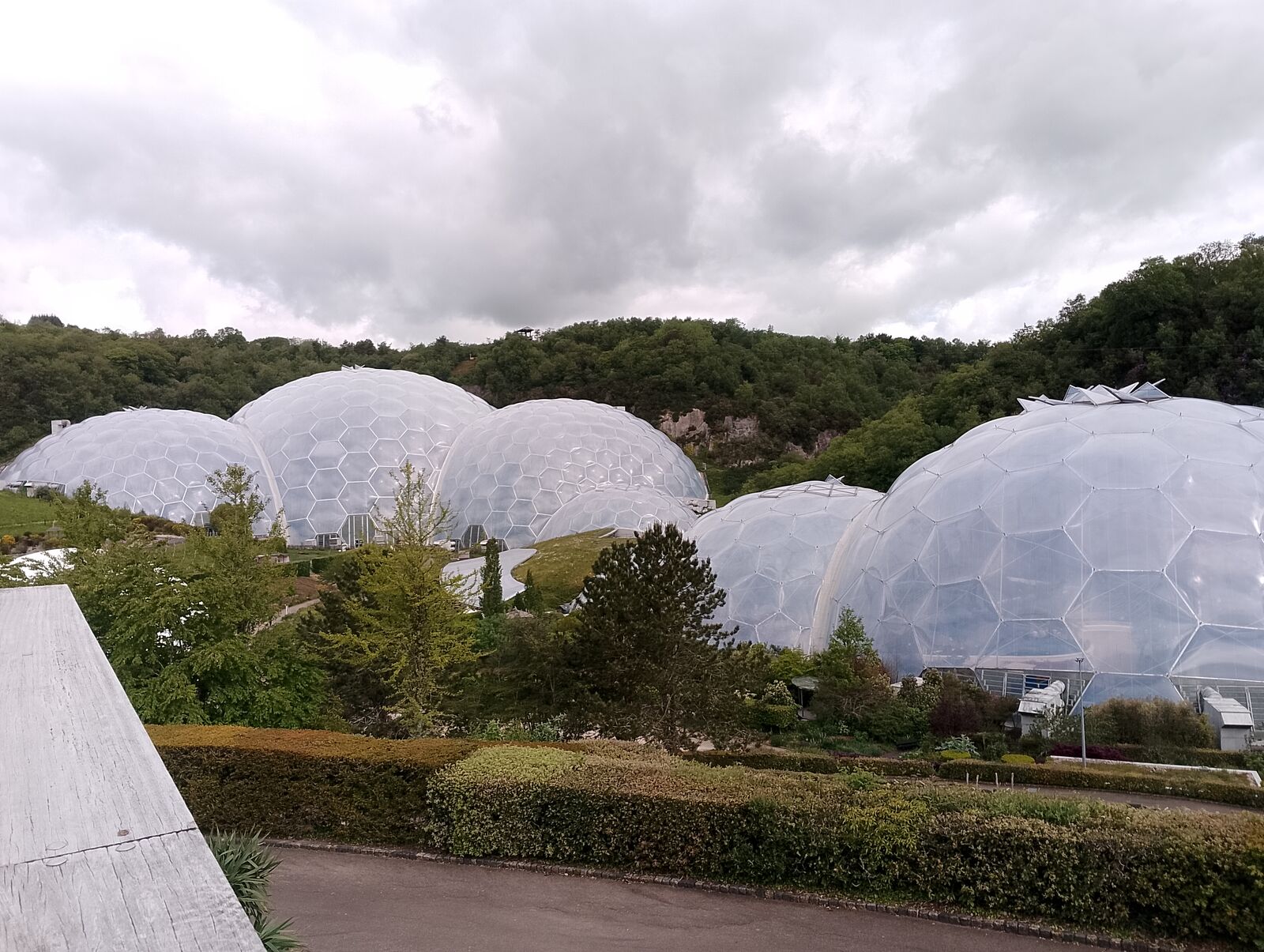
Having heard a call to the Eden Project while in Ireland I depart from my friends house in London towards Newquay Cornwall, home of the Eden Project. Having arrived in Newquay on the 11th of March, I go for a walk and cup of tea a friend of the road who’s also a bit tired from the travel and waiting to check in at St. Christophers Hostel - which is the cheapest accommodation in Cornwall.
This place has a cool vibe with friendly staff, pool tables, a retro games console, several televisions playing surf videos and guitars on the wall. Theres probably a review of this colourful place that could be written another time but we’ll leave that here for now. The Eden project itself is located in St. Austell, an hours train ride away - which is also relatively cheap.
Planning to stay in St. Austell for a night I rise at 6am, pack my bags and hit the road. Upon arrival I realise the accommodation has gone up but discover the Eden Project has lockers so continue on, intending to stash those before return to Newquay. The bus ride there is short and pleasent enough, dropping us by the entrance - though I don’t have a pound coin on me. The staff offer to store my bags for free so long as I trust them with my electronics.
After this kind gesture I’m freed of my burdens and take a look at the posters before the project opens. As the gardens are a number of huge geodesic domes its unsurprising that I get a bang of Buckminster Fuller, but I’m struck with the poster introducing the projects history and story. It reads like Bucky’s history verbatim - where “the old greybeards” hatch a cunning plan to get the kids to design it because they don’t know its impossible…
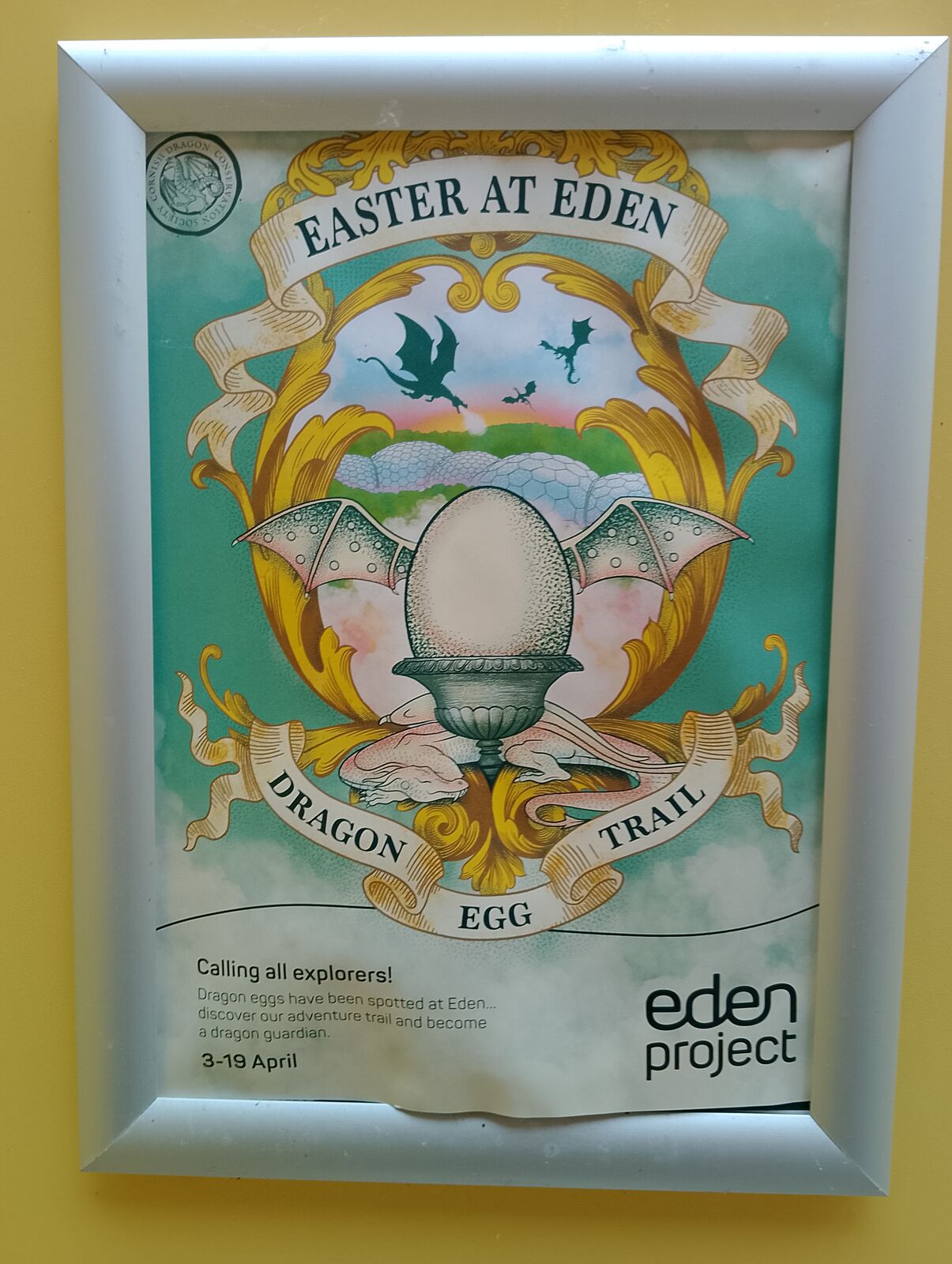
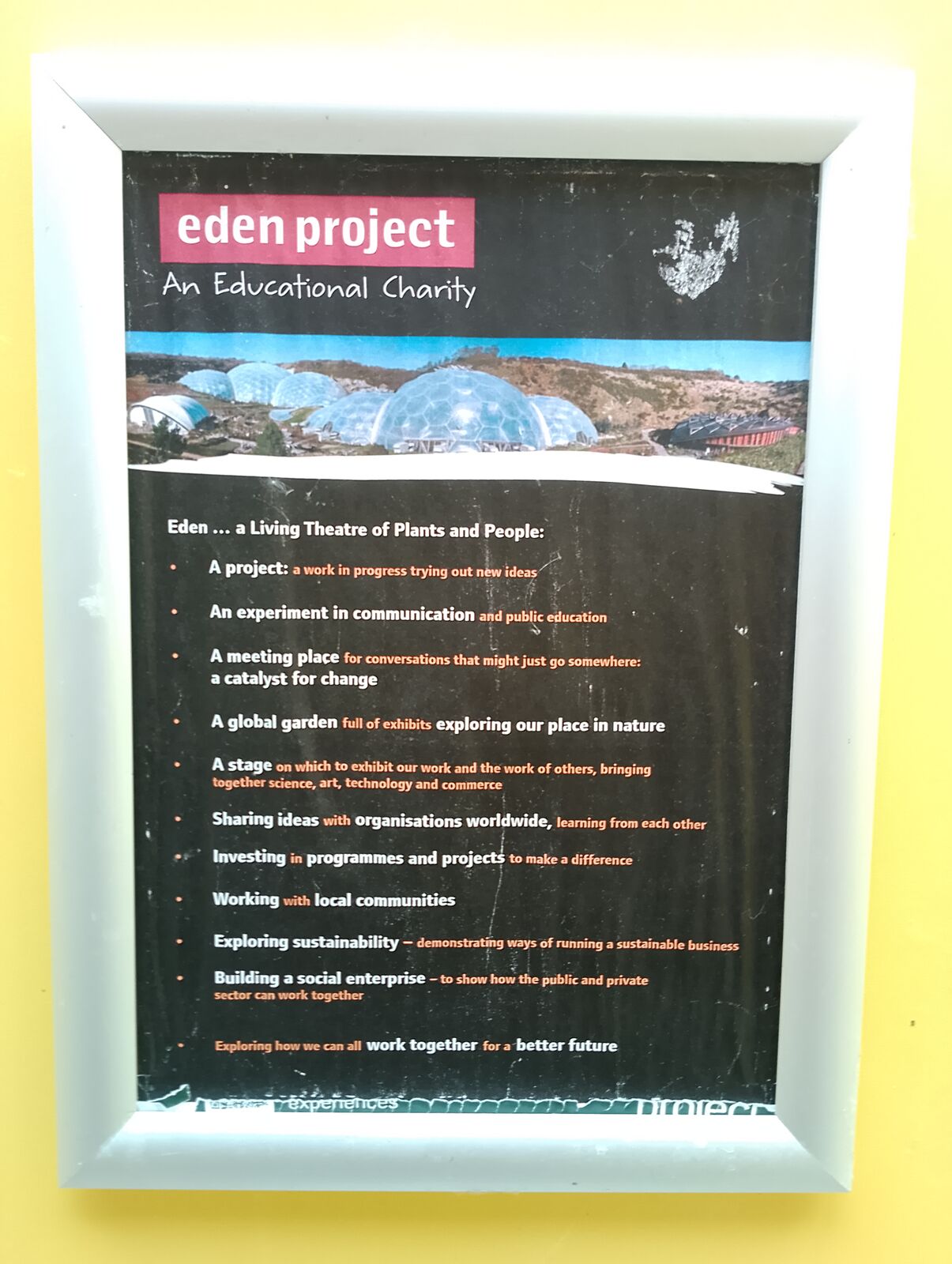
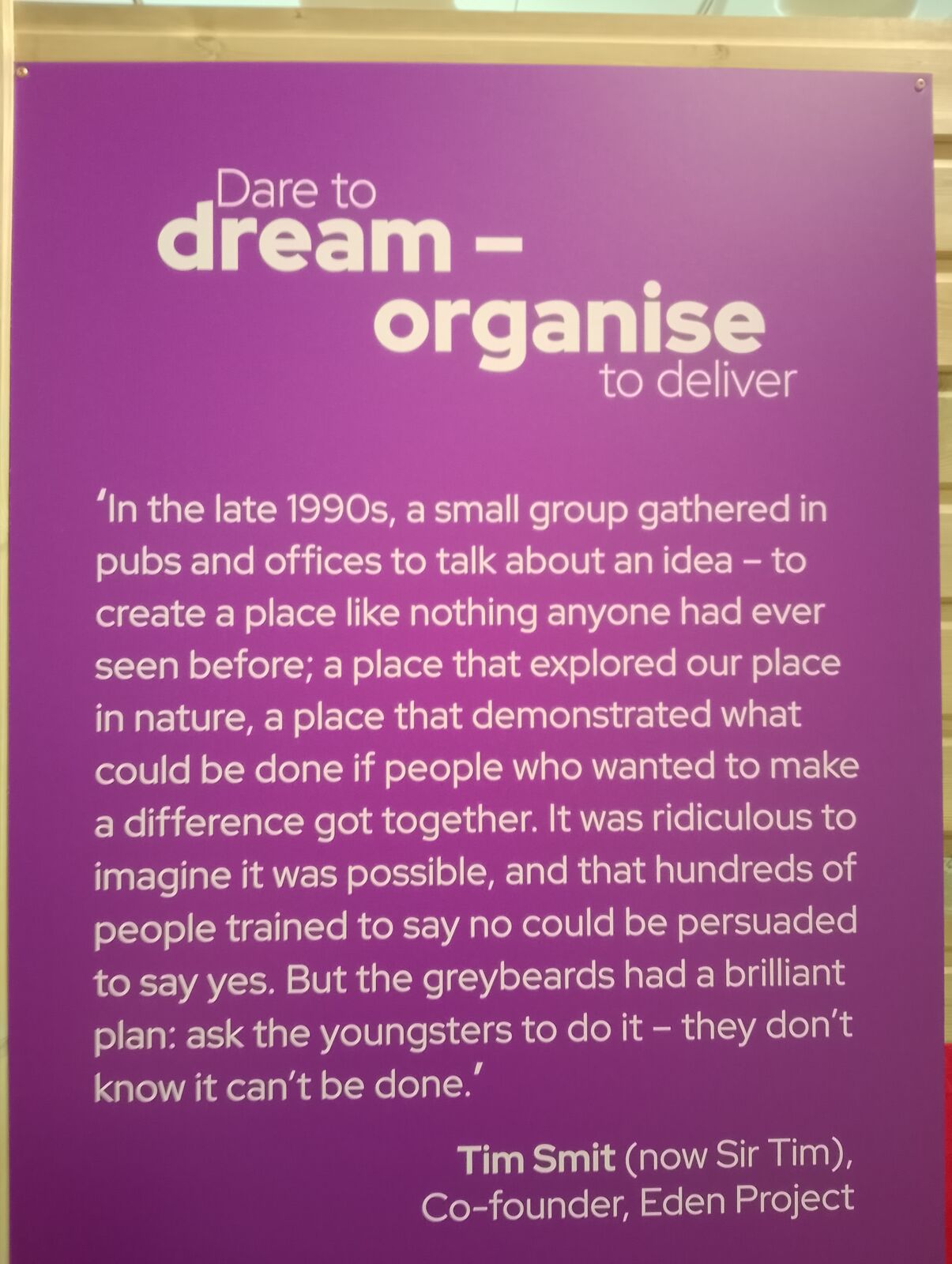
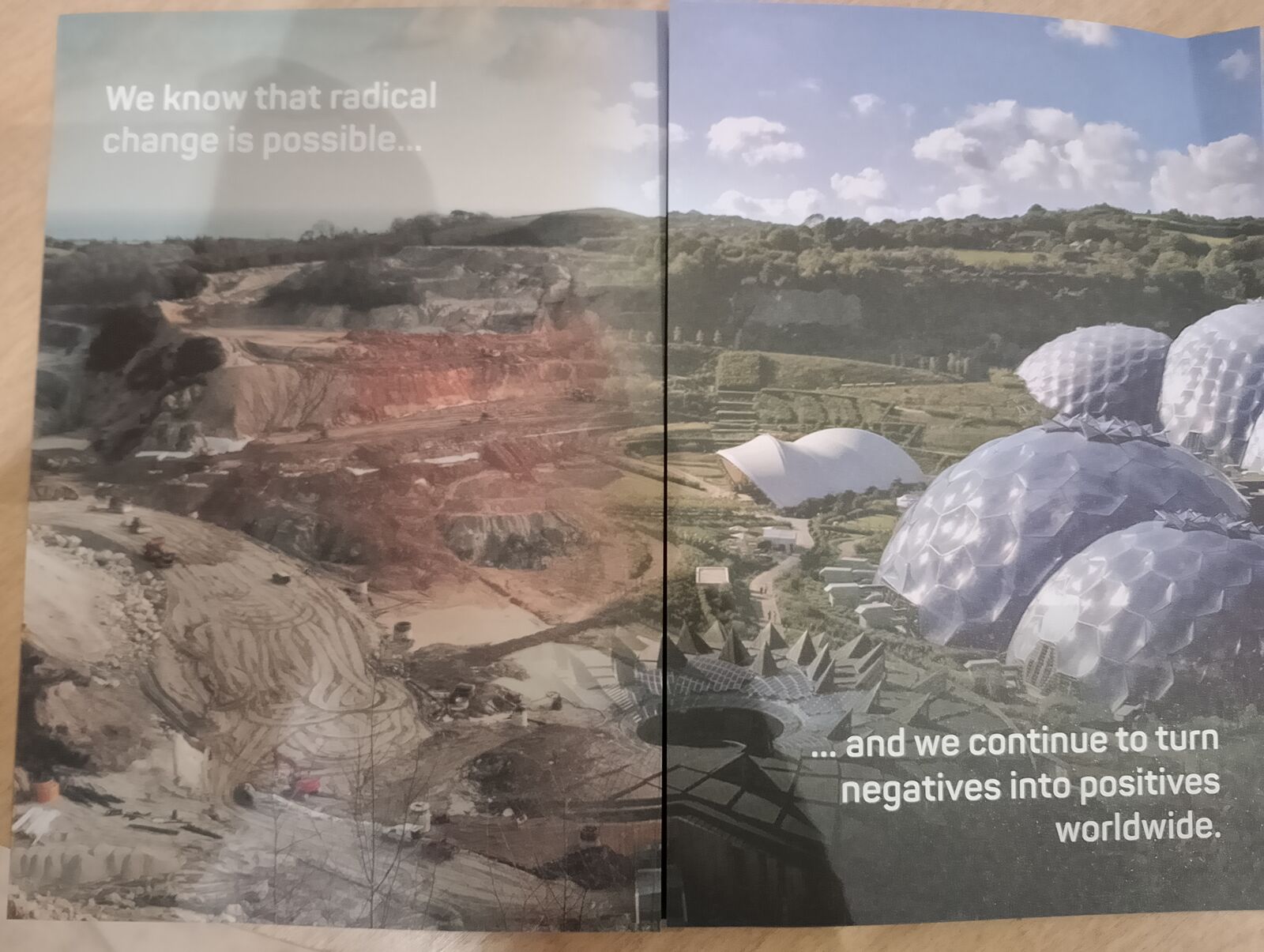
Ok, thats kind of unexpected but I’m aware of Tim Schmits acknowledgement of John Allens Biosphere2 project in Arizona as inspiration, which was influenced by both Bucky Fuller and John Bennett. This is something I was aware of when answering the ‘cosmic call’, but was still struck by the historical correspondence of the stories. I had even wondered why the Biosphere2 had not been geodesic in its design, but having looked it up realised that Bucky had patented the design. Another suggestion was that Eden used a special plastic, which probably wouldn’t have been possible with glass in the 60’s and 80’s when these titans were operational.
History aside, these beautiful domes should probably the future of ‘biospheric’ architecture. There are a few more projects done by Eden happening, but they are to my awareness net using the geodesic architecture for unknown reasons. They are perhaps projections of this original cosmic egg and as such, are not exact replicas of the whole, though that is a more metaphysical discussion beyond the scope of this digression.
Entry
Paying my ticket fare I’m struck by the two guide books, one for adults that is utterly boring, and a kids manual that looked quite well designed (by an educator). These are ‘half a crown’ each - meaning five pounds - which I decline along with the wooden marble (the latter for budget reasons as they seem like a good idea).
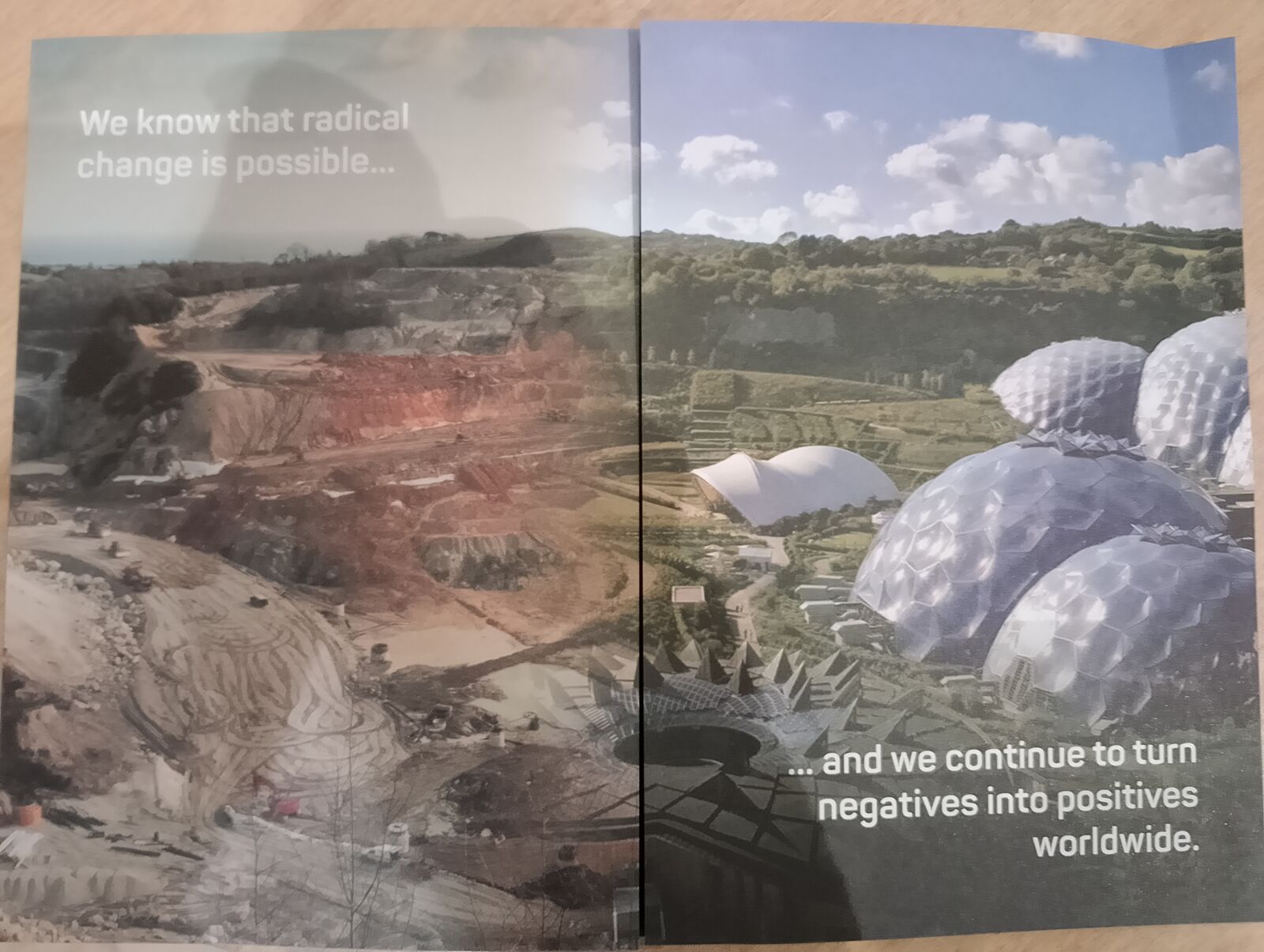
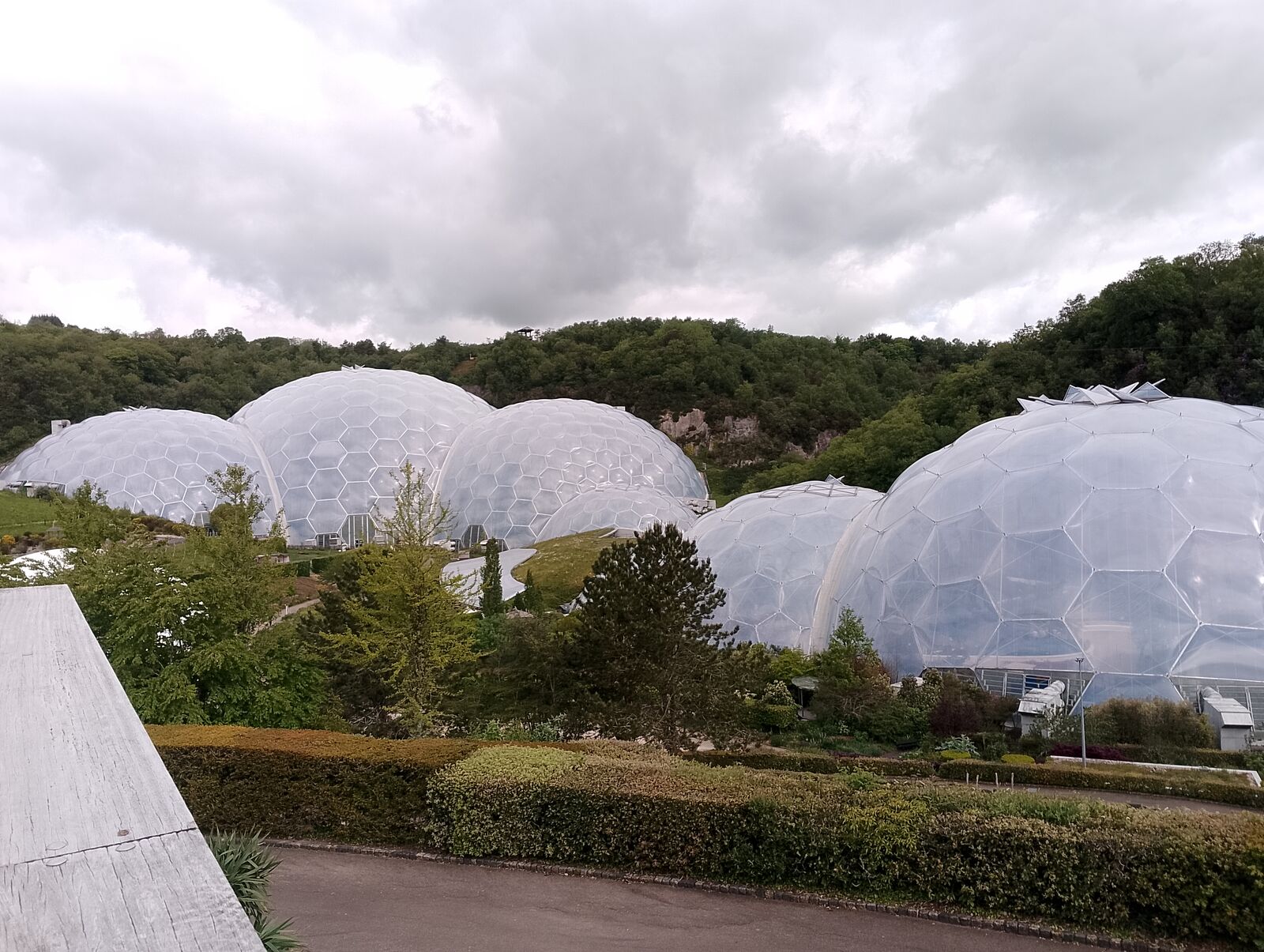
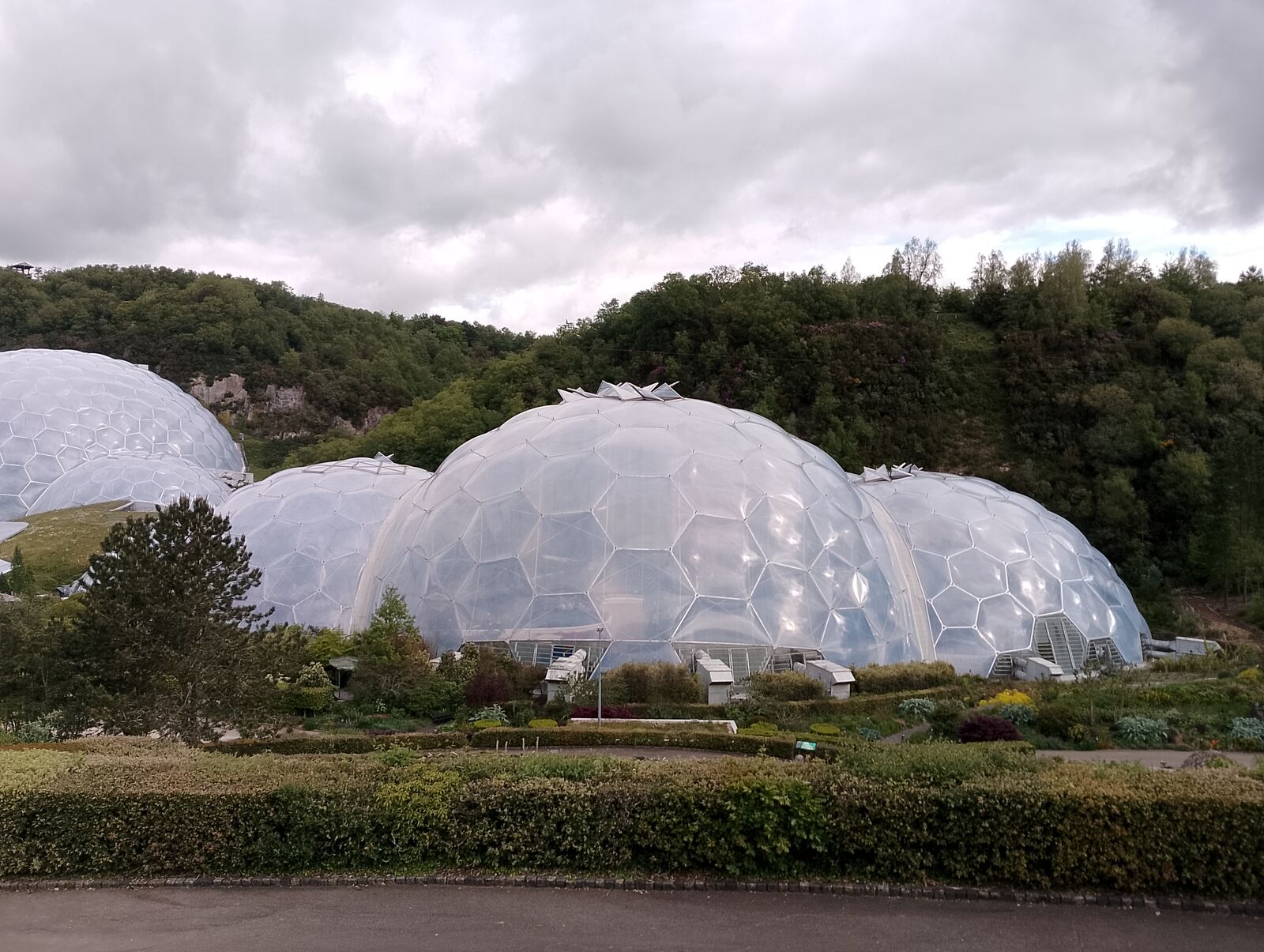
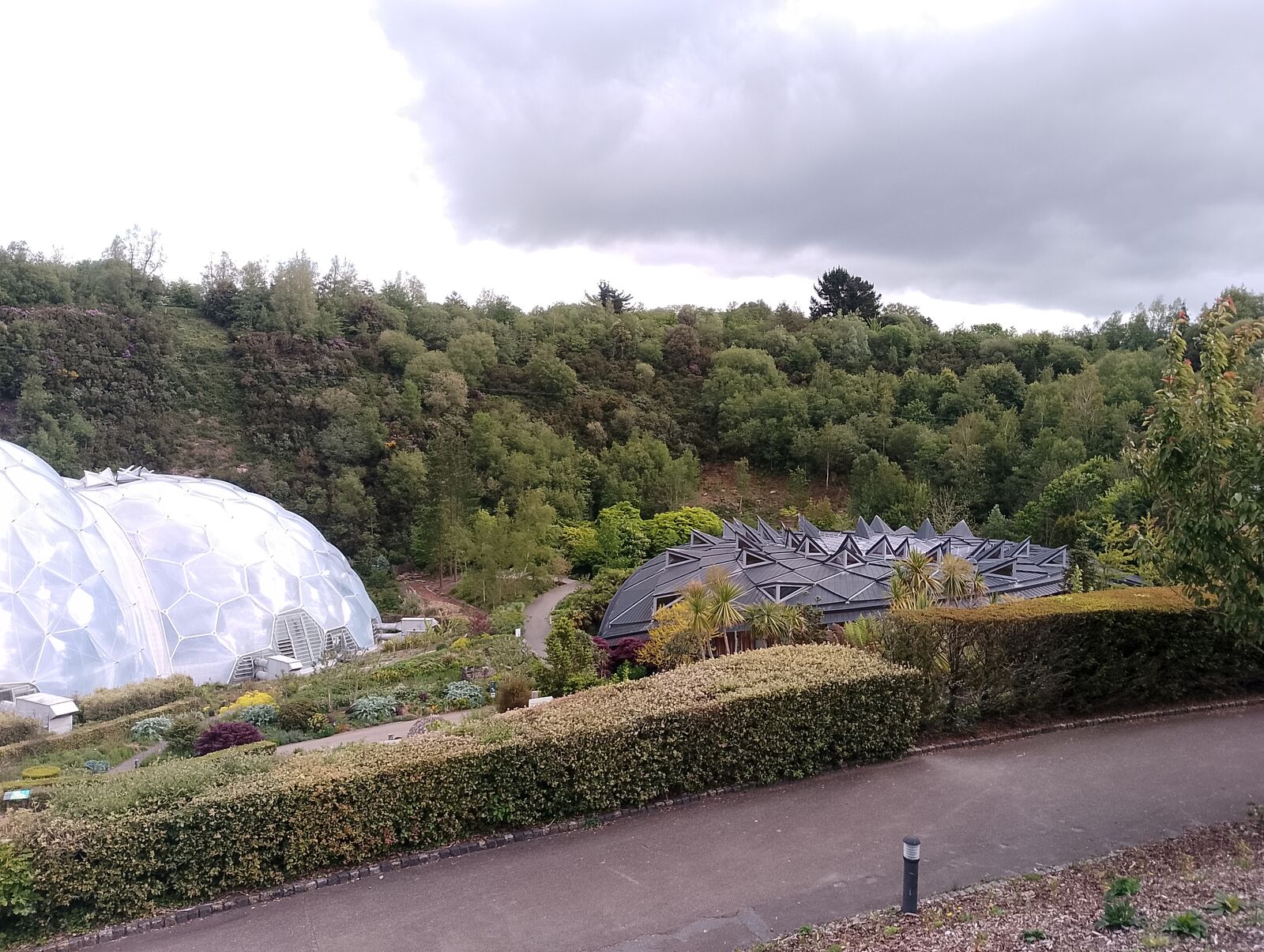
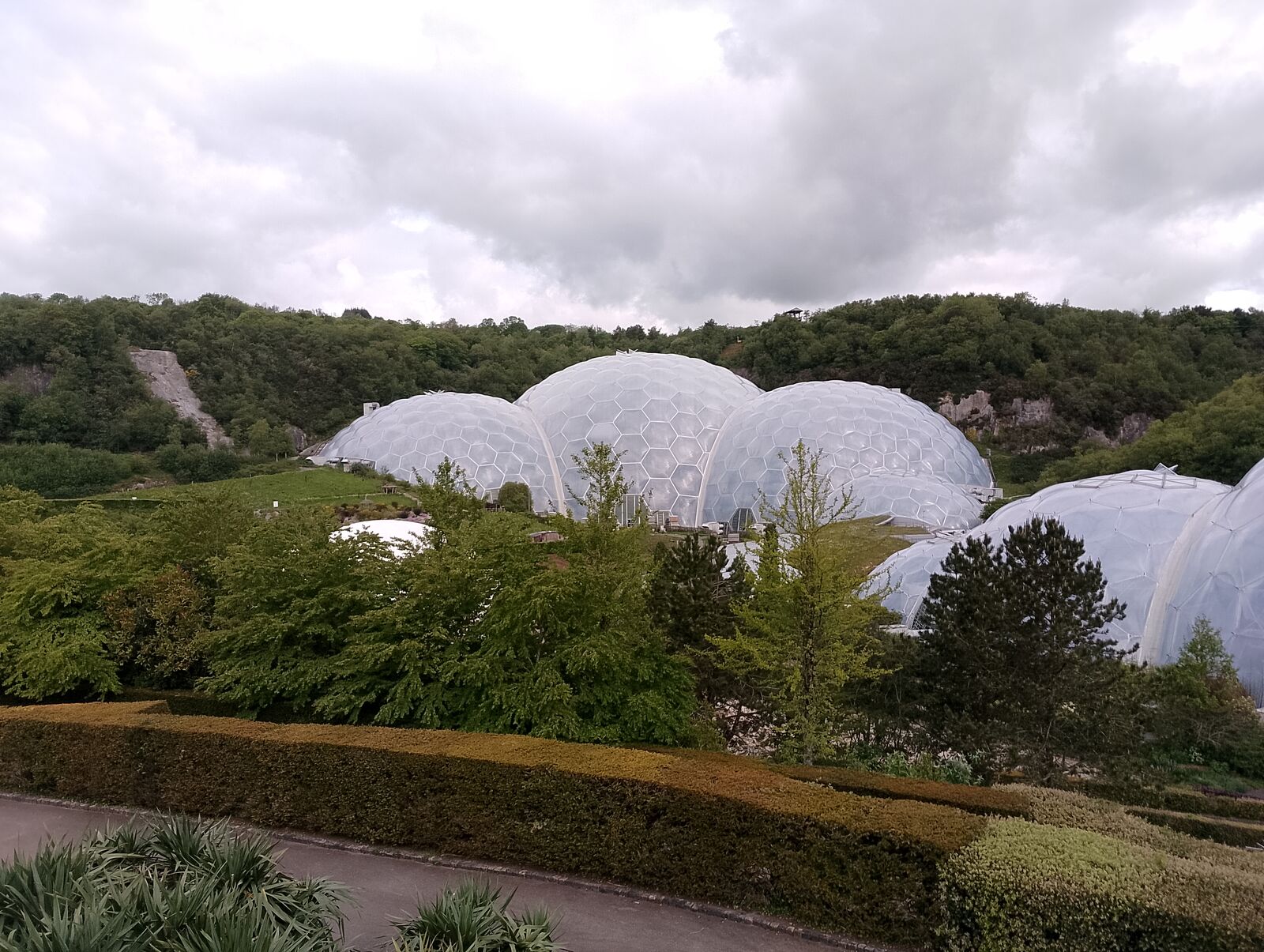
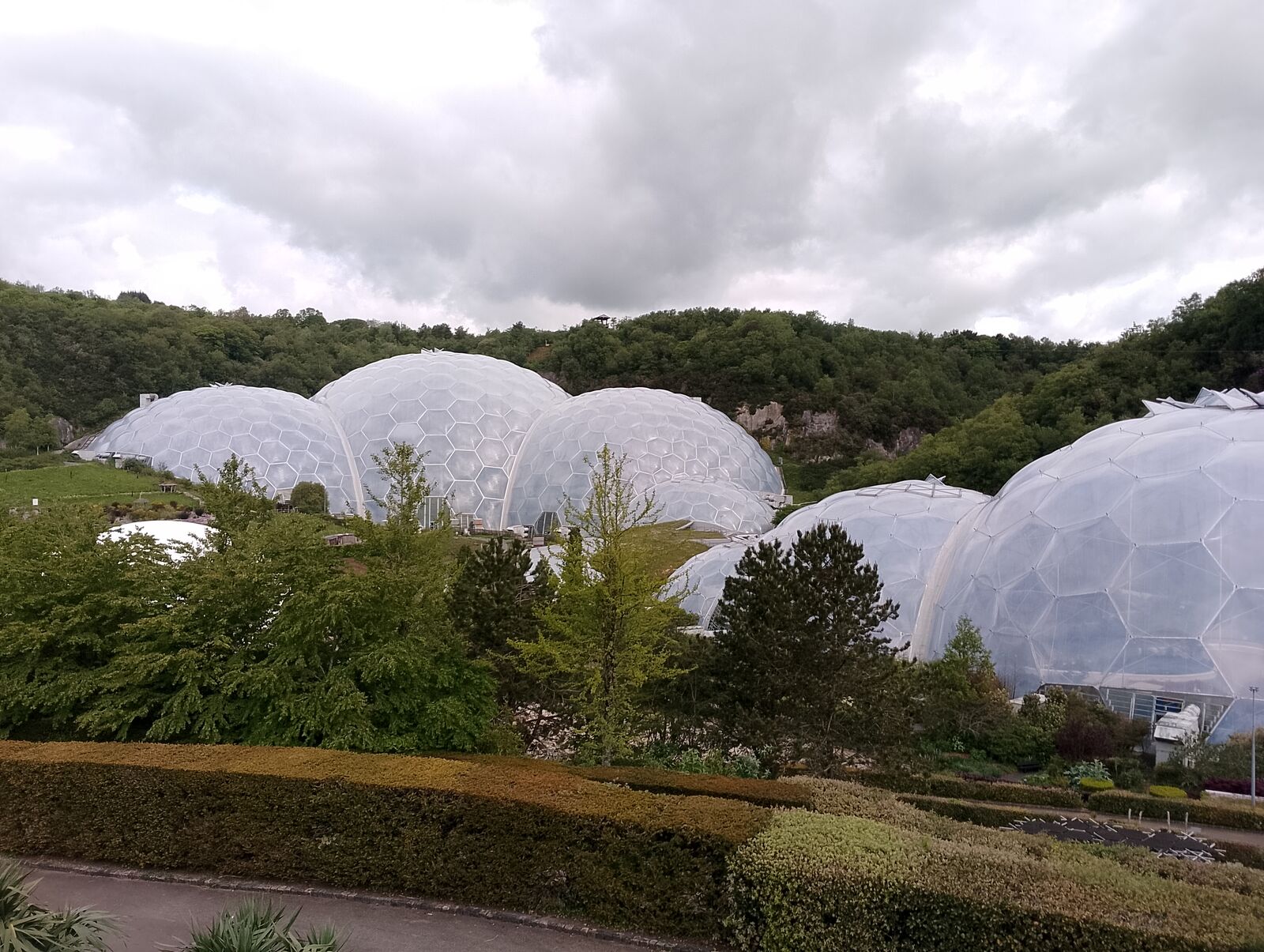
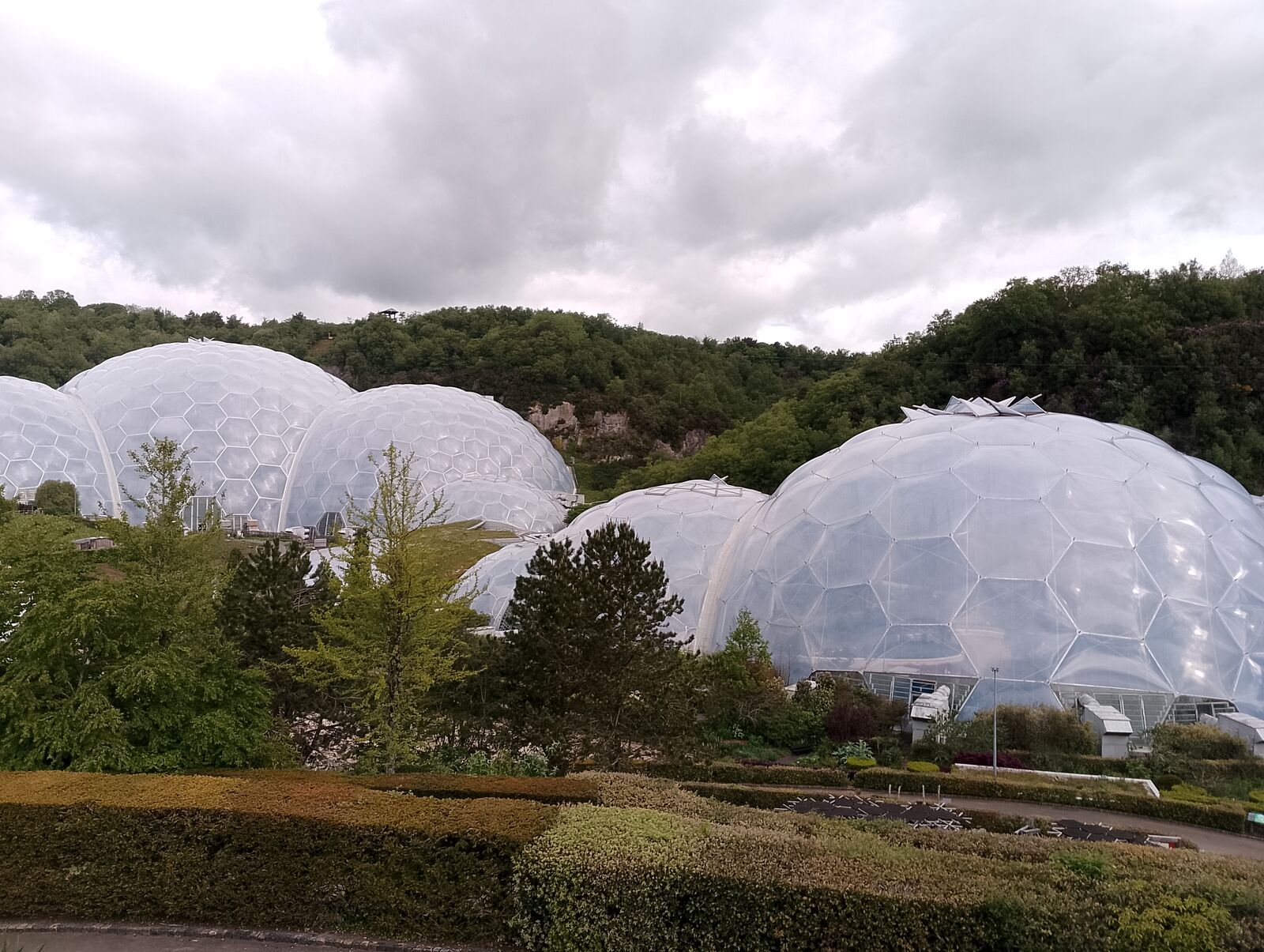
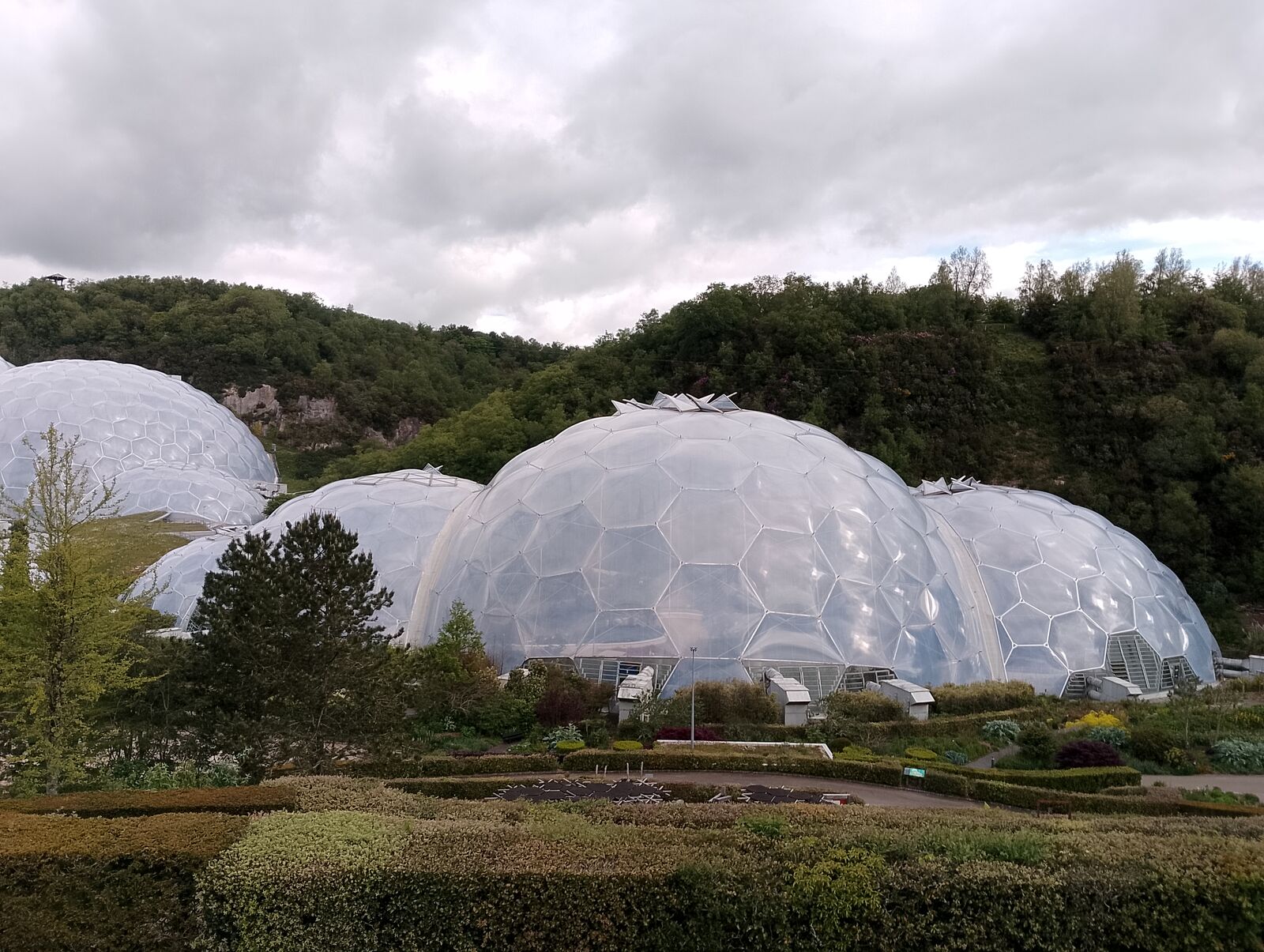
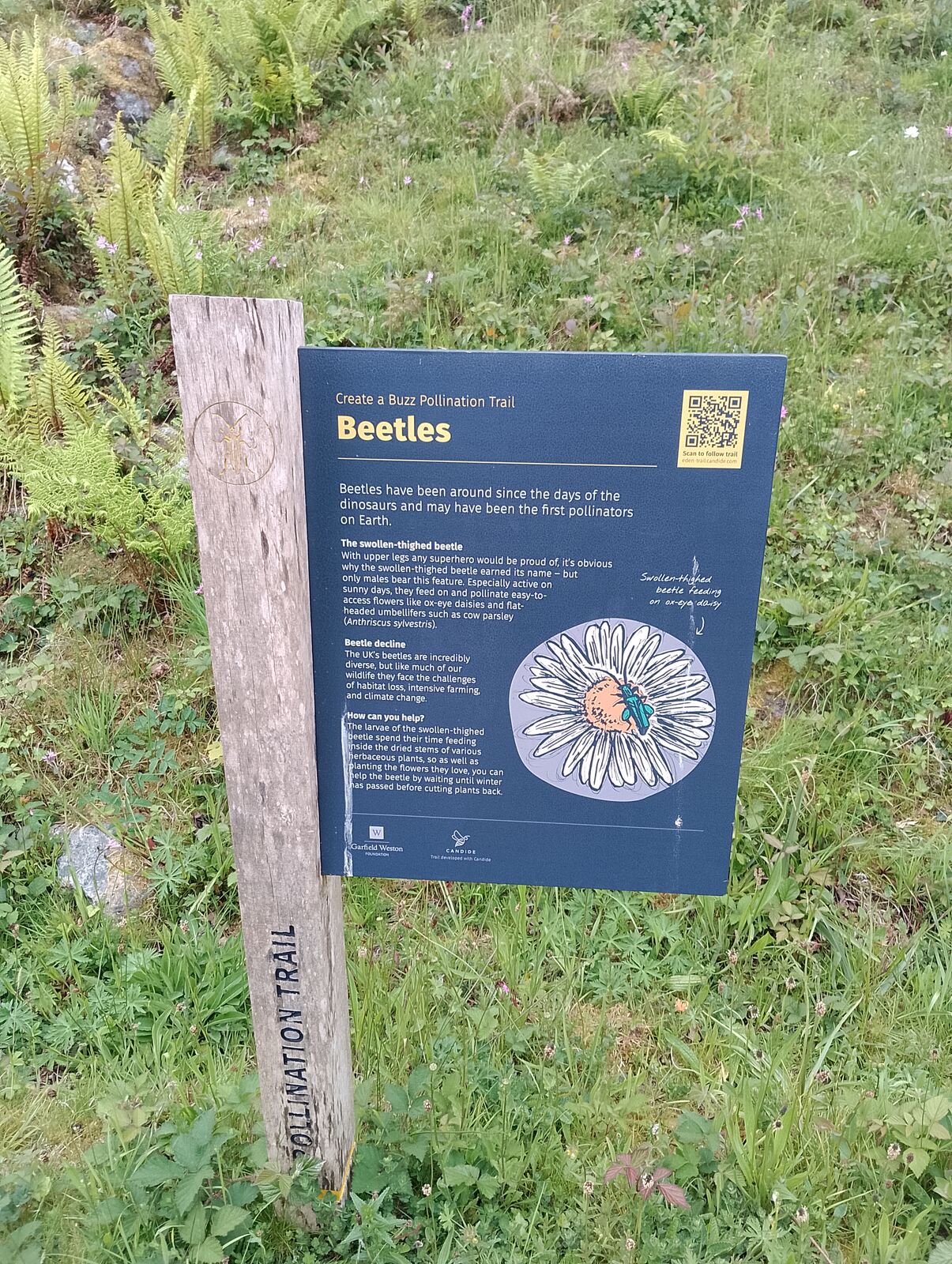
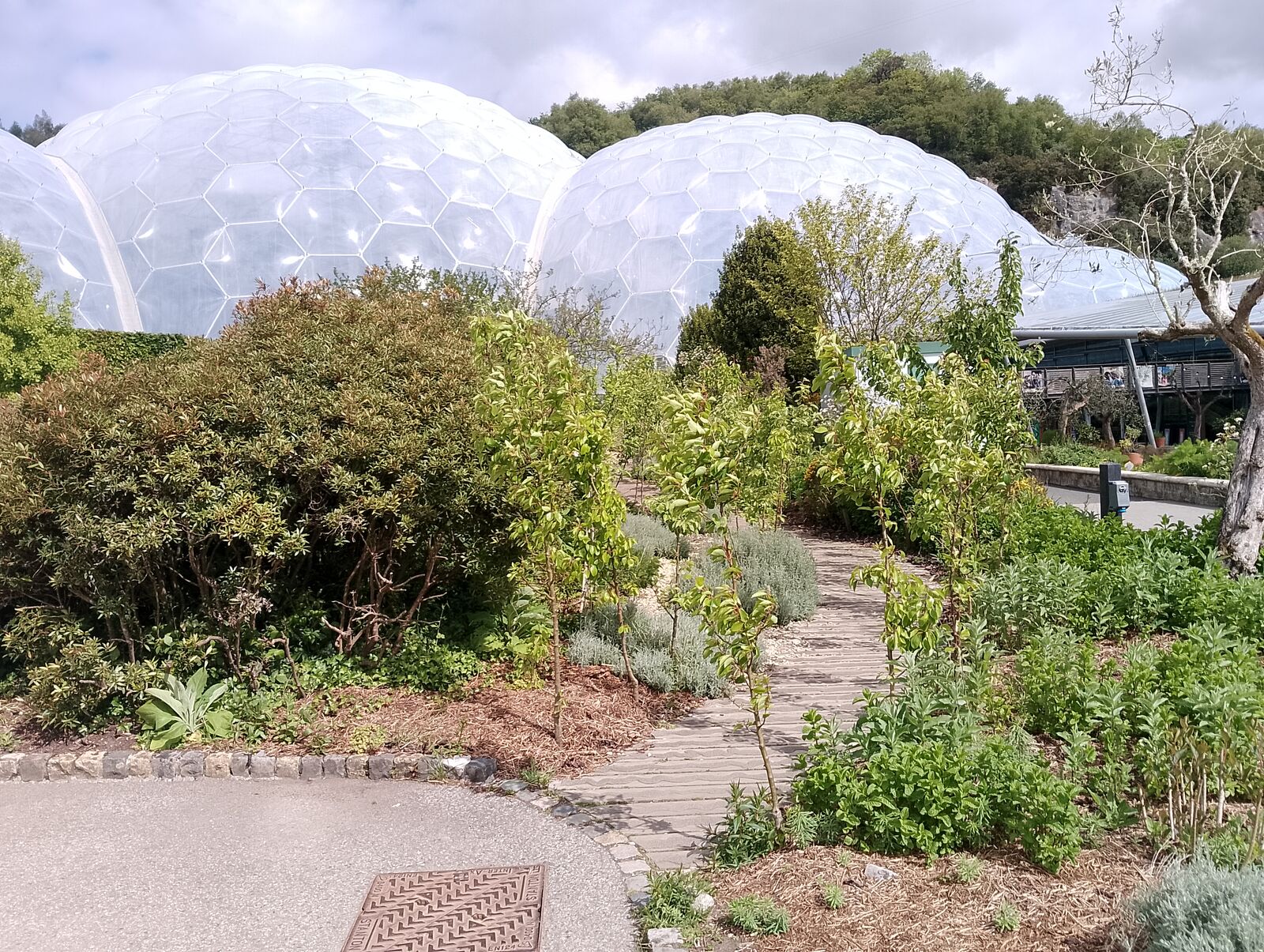
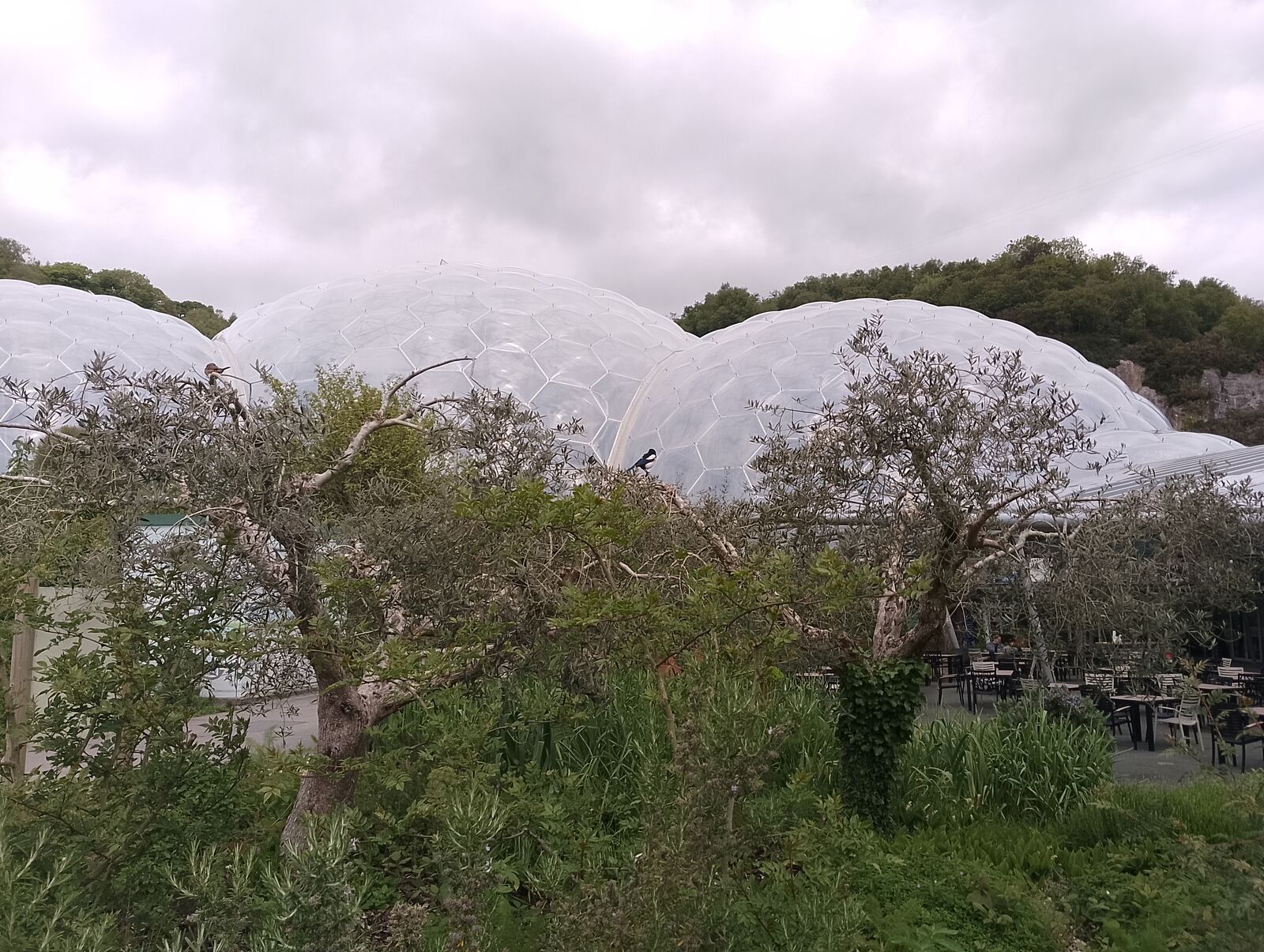
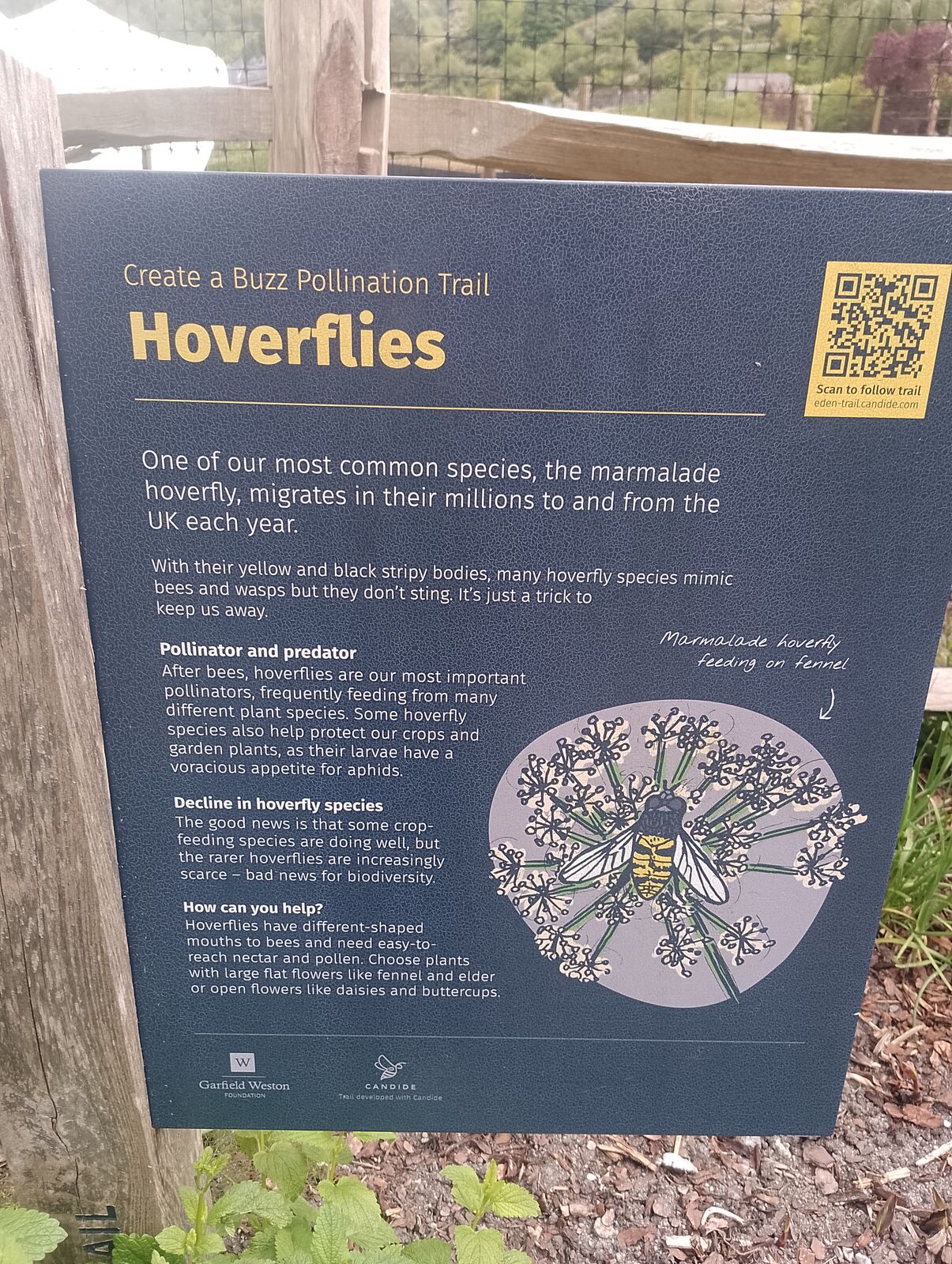
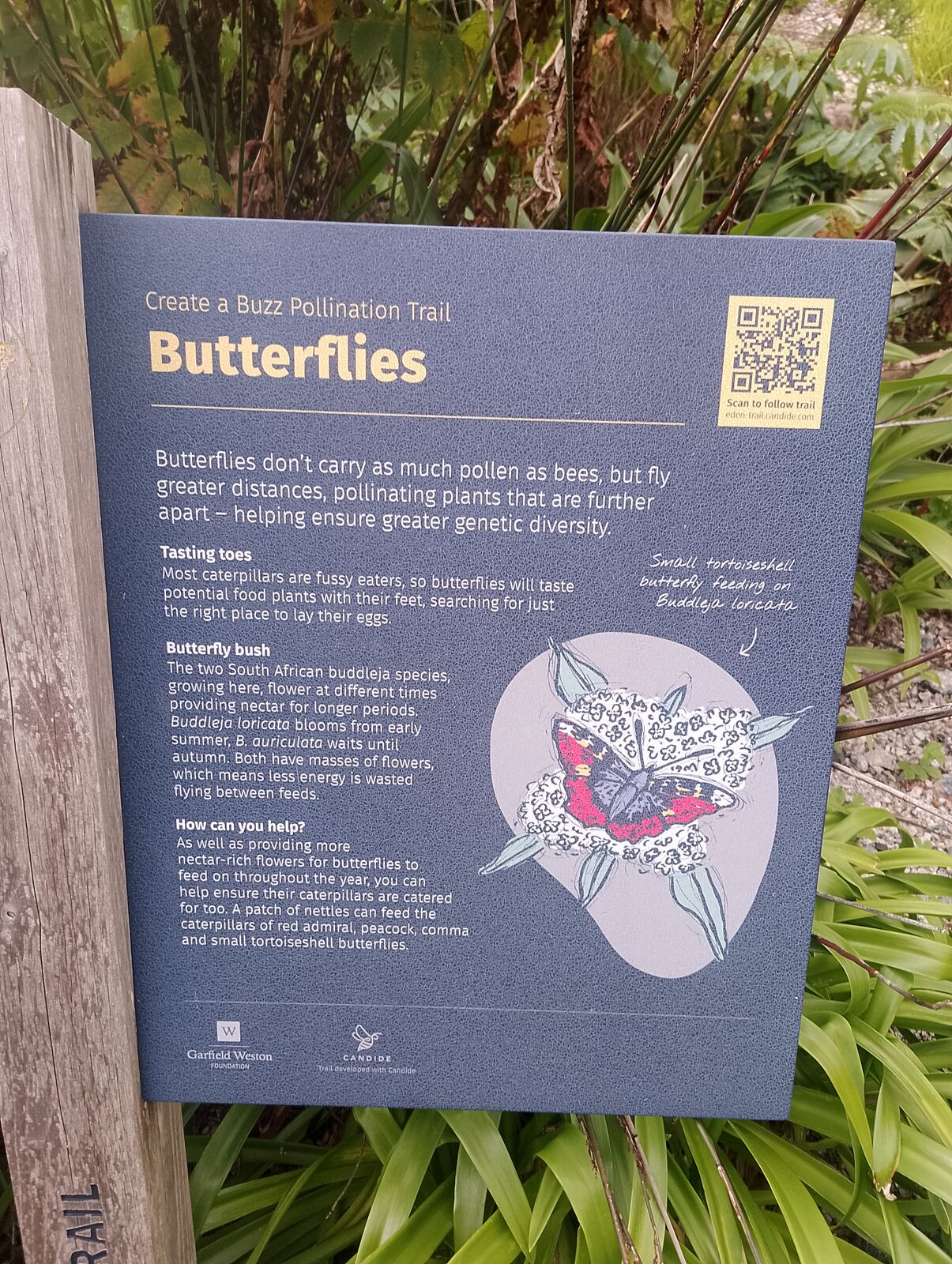
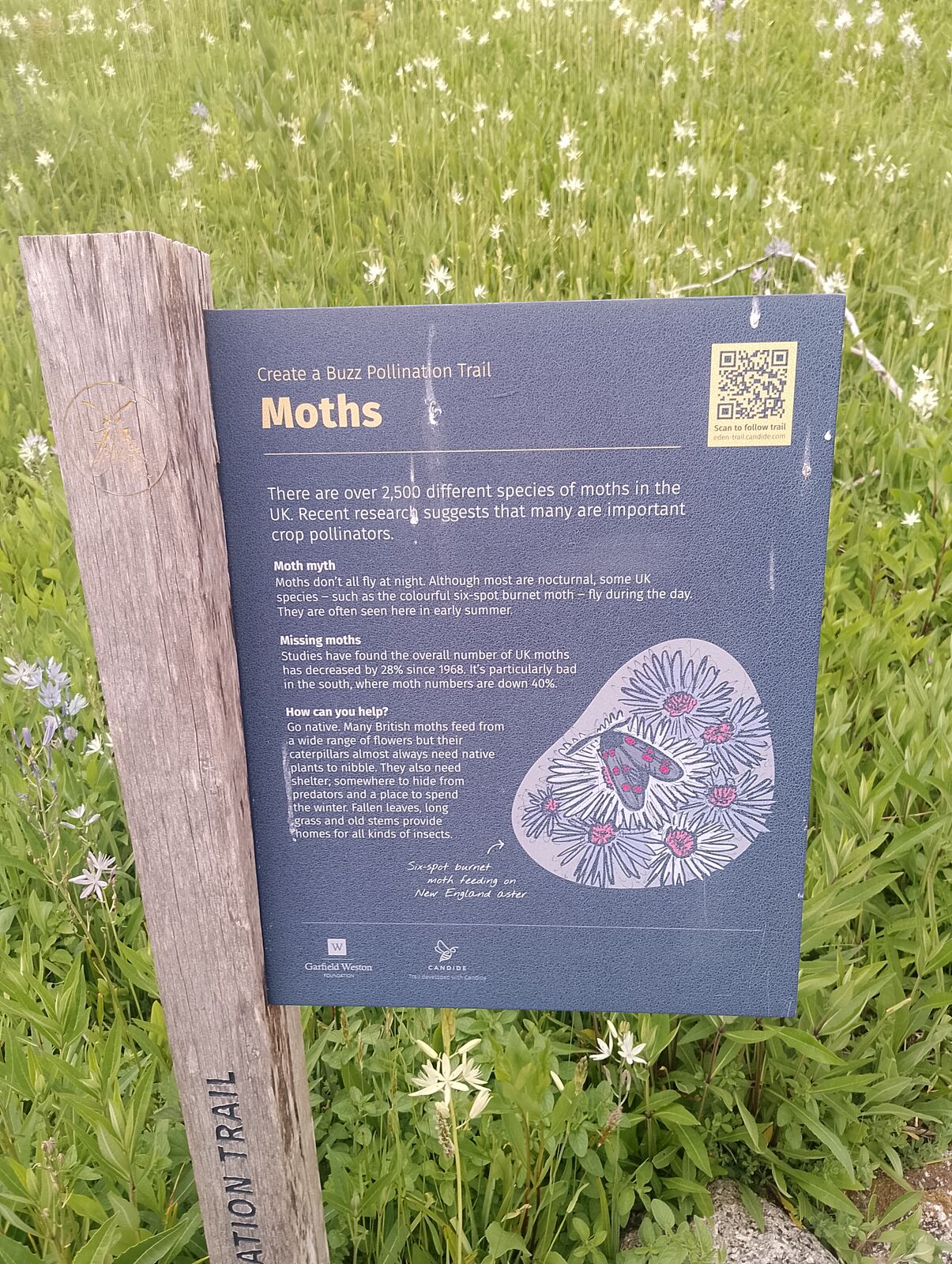
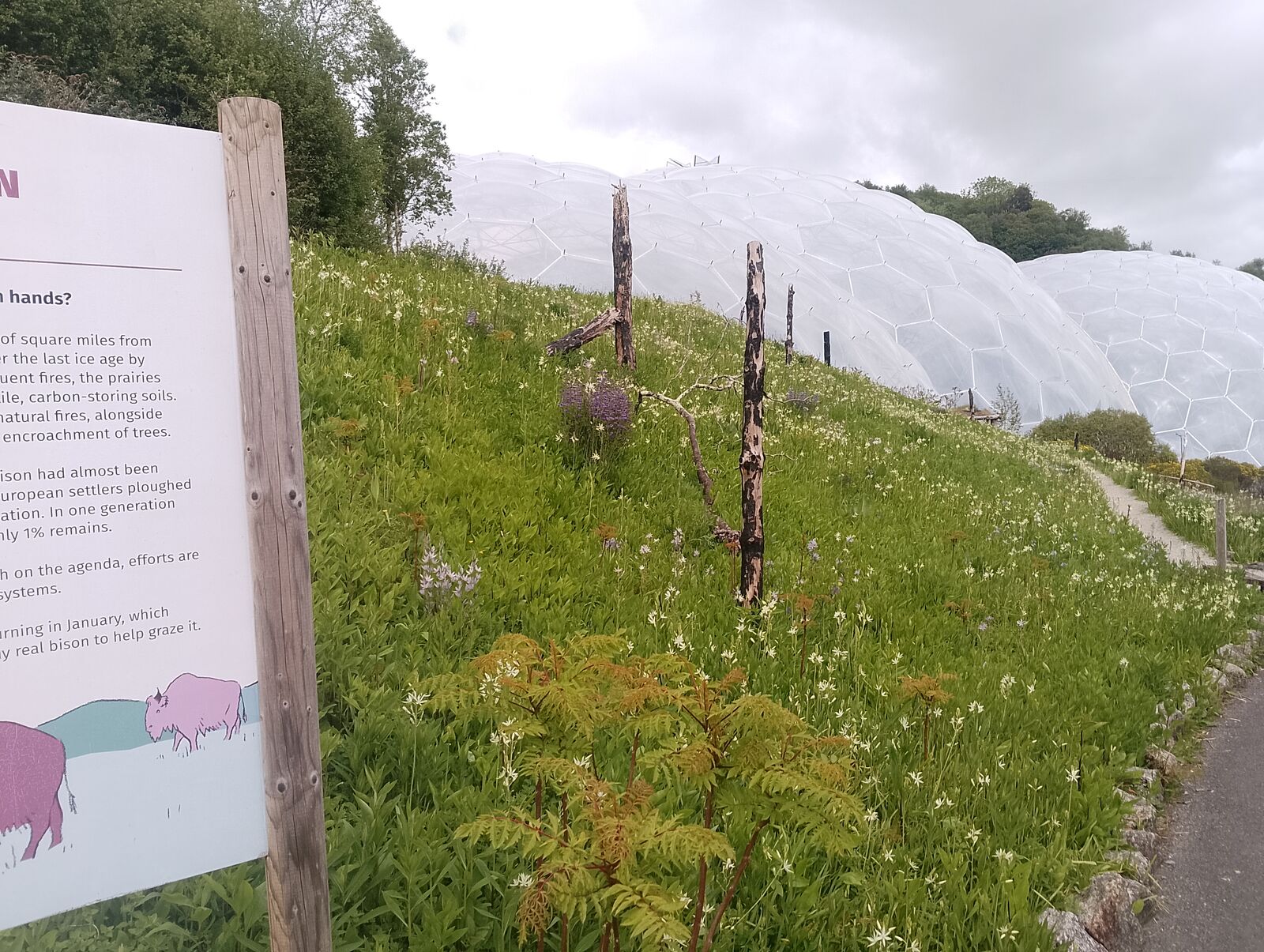
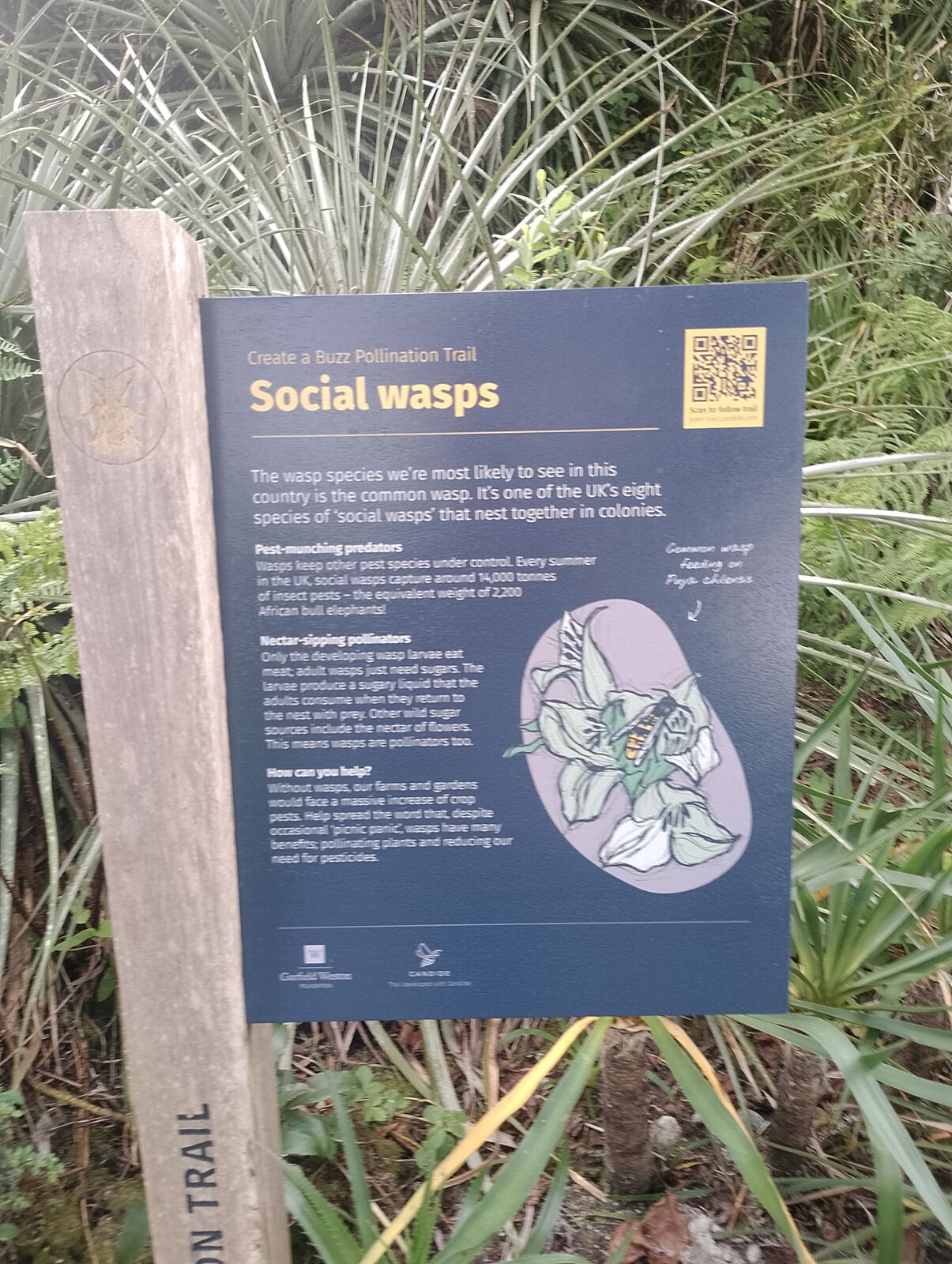
I head out to the vista and take in the alien landscape, five geodesic domes that look like bubbles on the earth, and a spikey museum structure all surrounded by nature trails. Being a fan of treasure hunts, I head along the ‘pollination pathway’ to collect the infographics of different insects. This fits with my hidden agenda of hoping to apply some of the learnings I’ve made through reading the Dramatic Universe, where the Twelve Essence classes are examined through the lens of Bennetts Pentadic structure. This would be what he calls the pentad of emergence, or as Tony Hodgeson has articulated as the phytogenic cosmos with the quality of vitality; this consists of:
- Animals
- Germs
- Plants
- Soil and Ocean
- Crystals
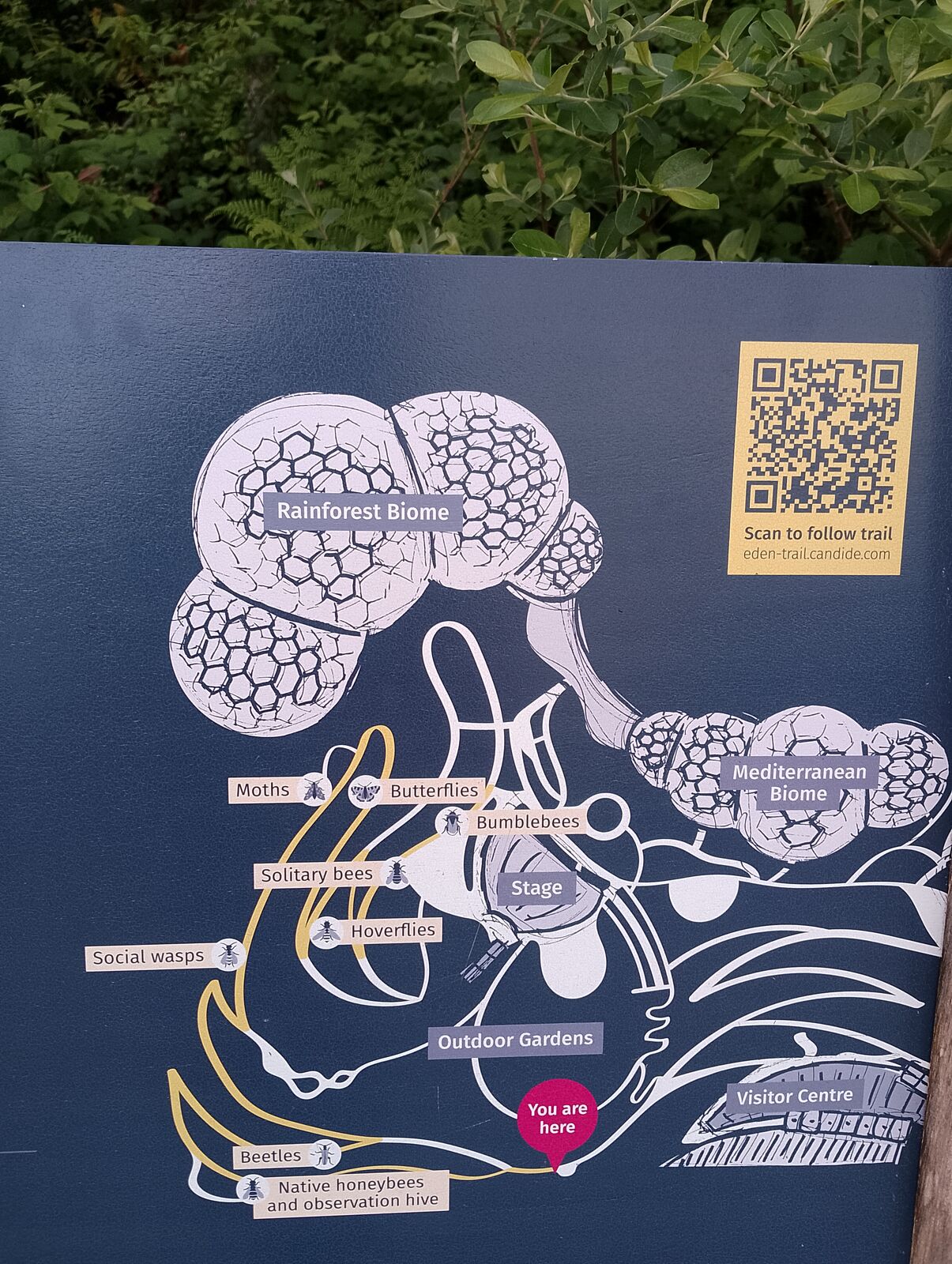
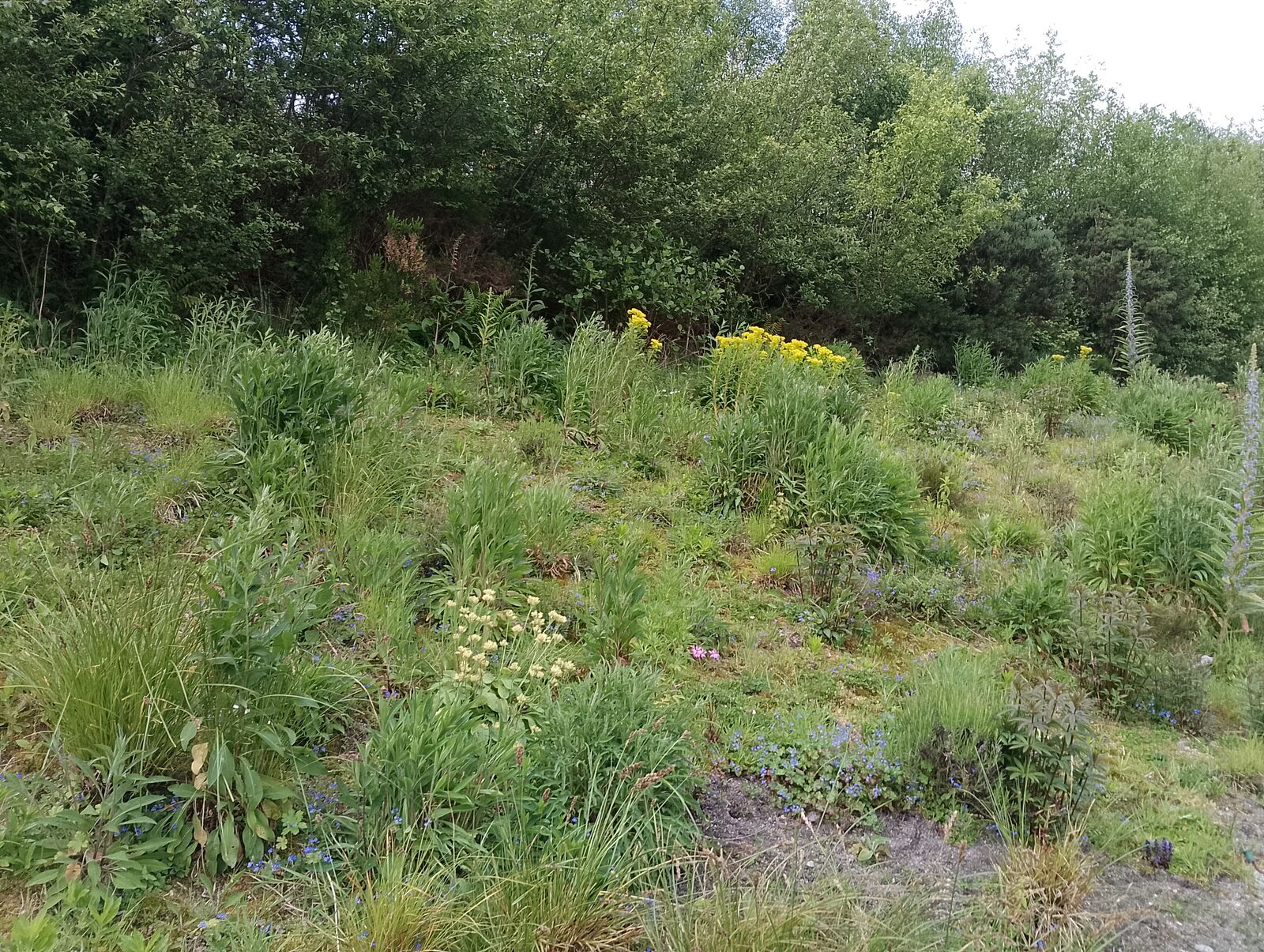
Insects, or more specifically are of a germinal essence, and so I was hoping to investigate the gardens from this lens. Naturally I got side tracked by all the wondrous things to discover and was overwhelmed by the amount of information I would have to gather in order to do the project properly. In other words these signs provided a means to piece together the higher pontenital of the pentad at a later date, while offering a treasure hunt instead.
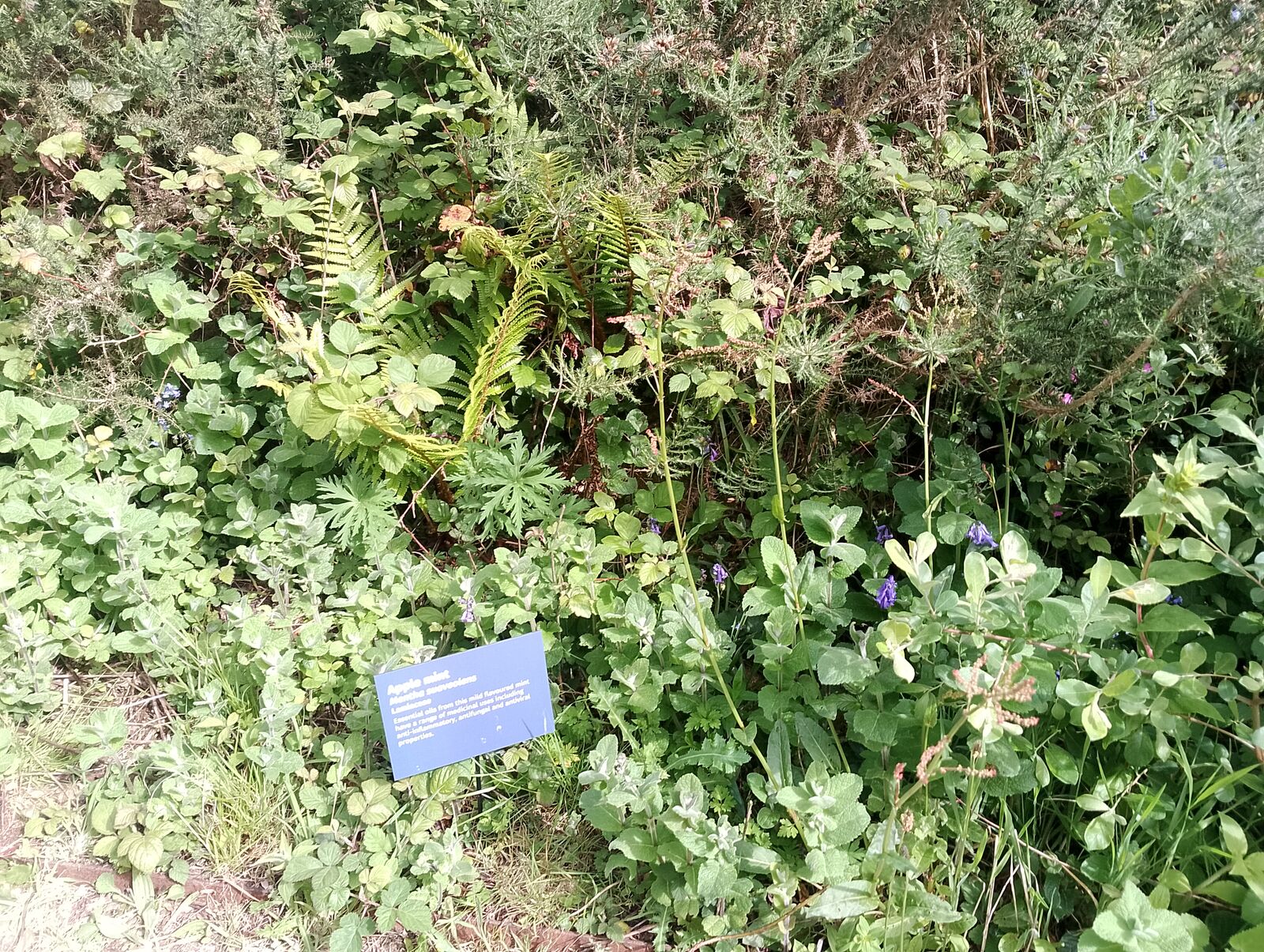
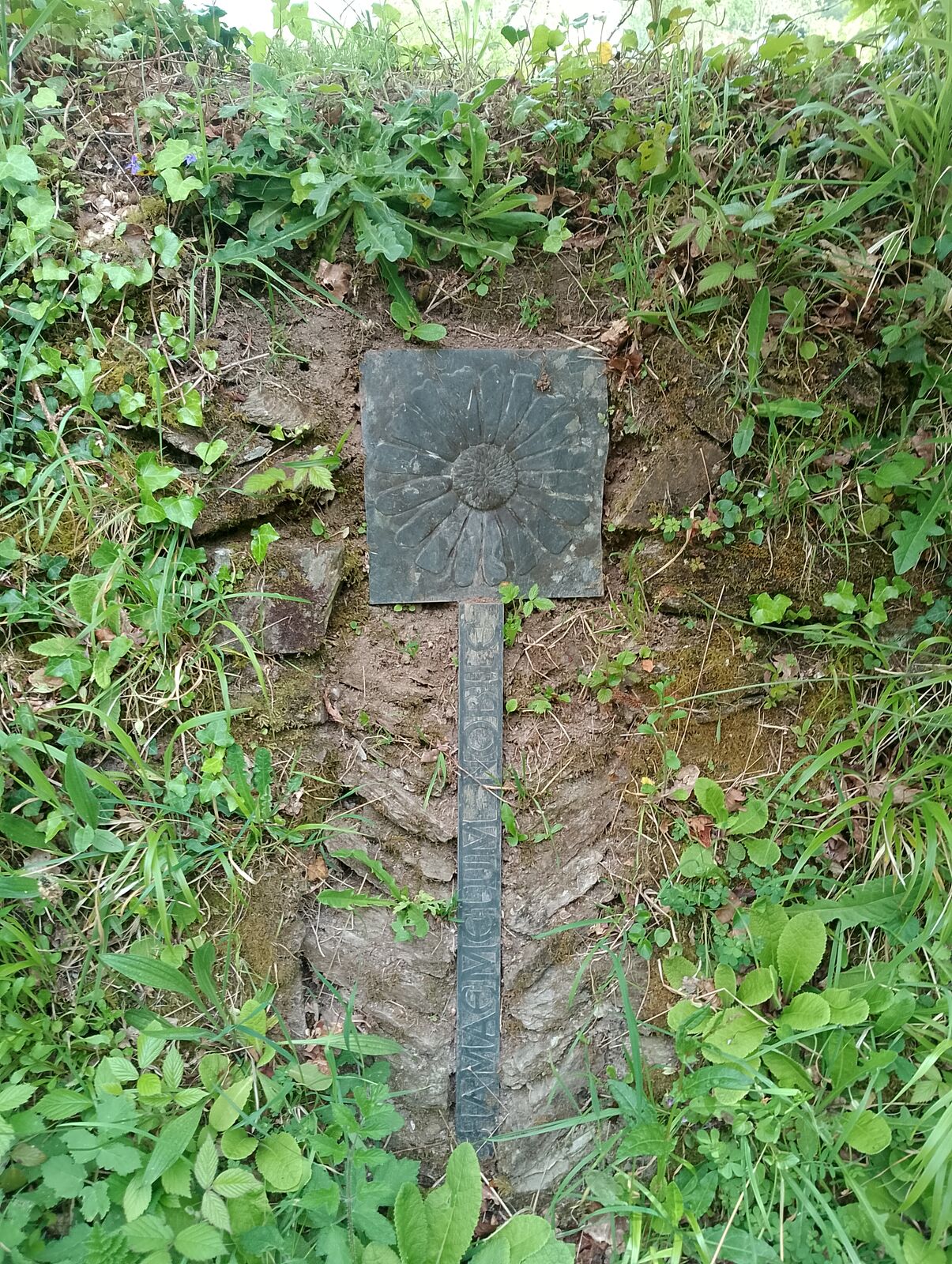
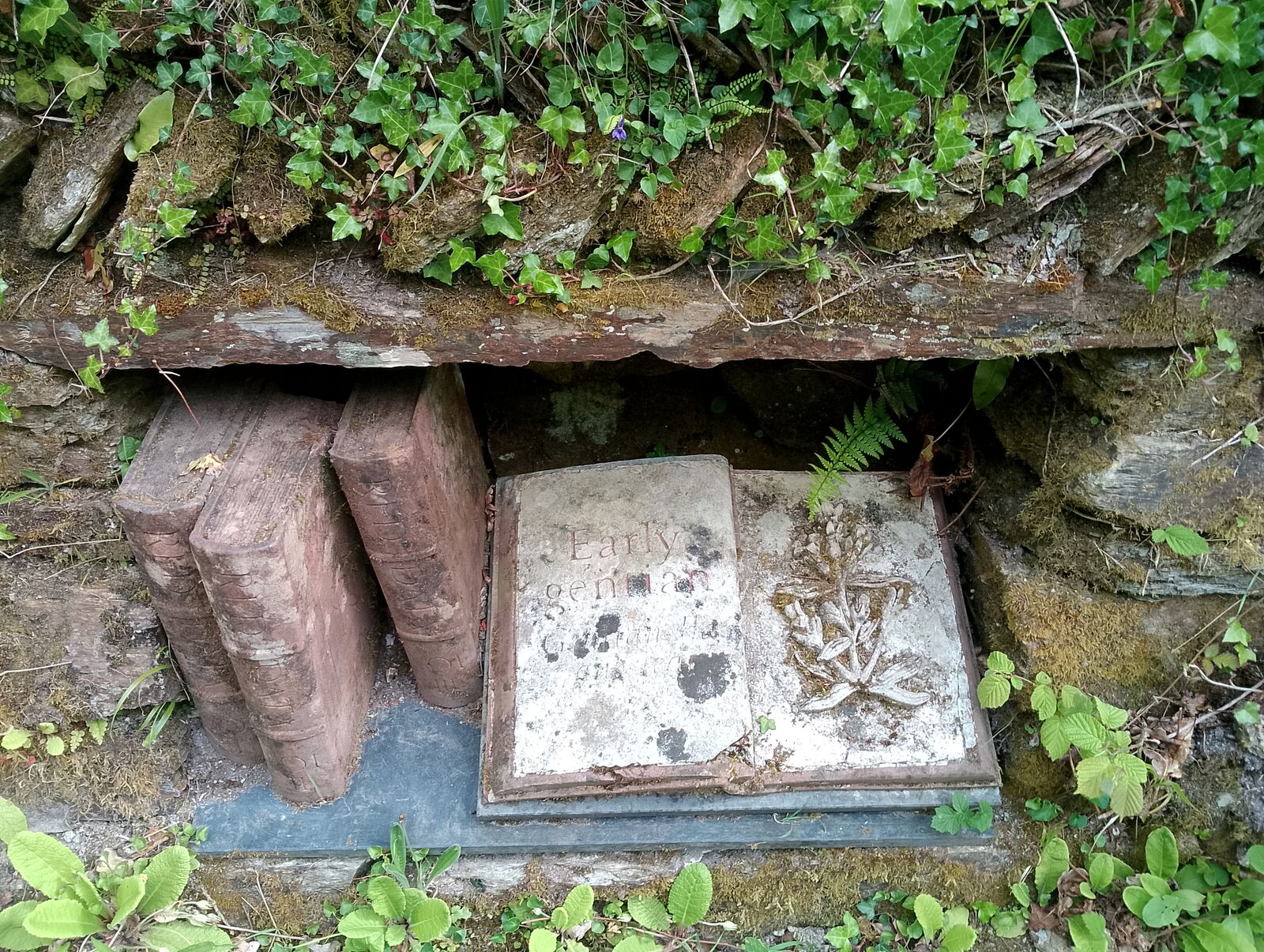
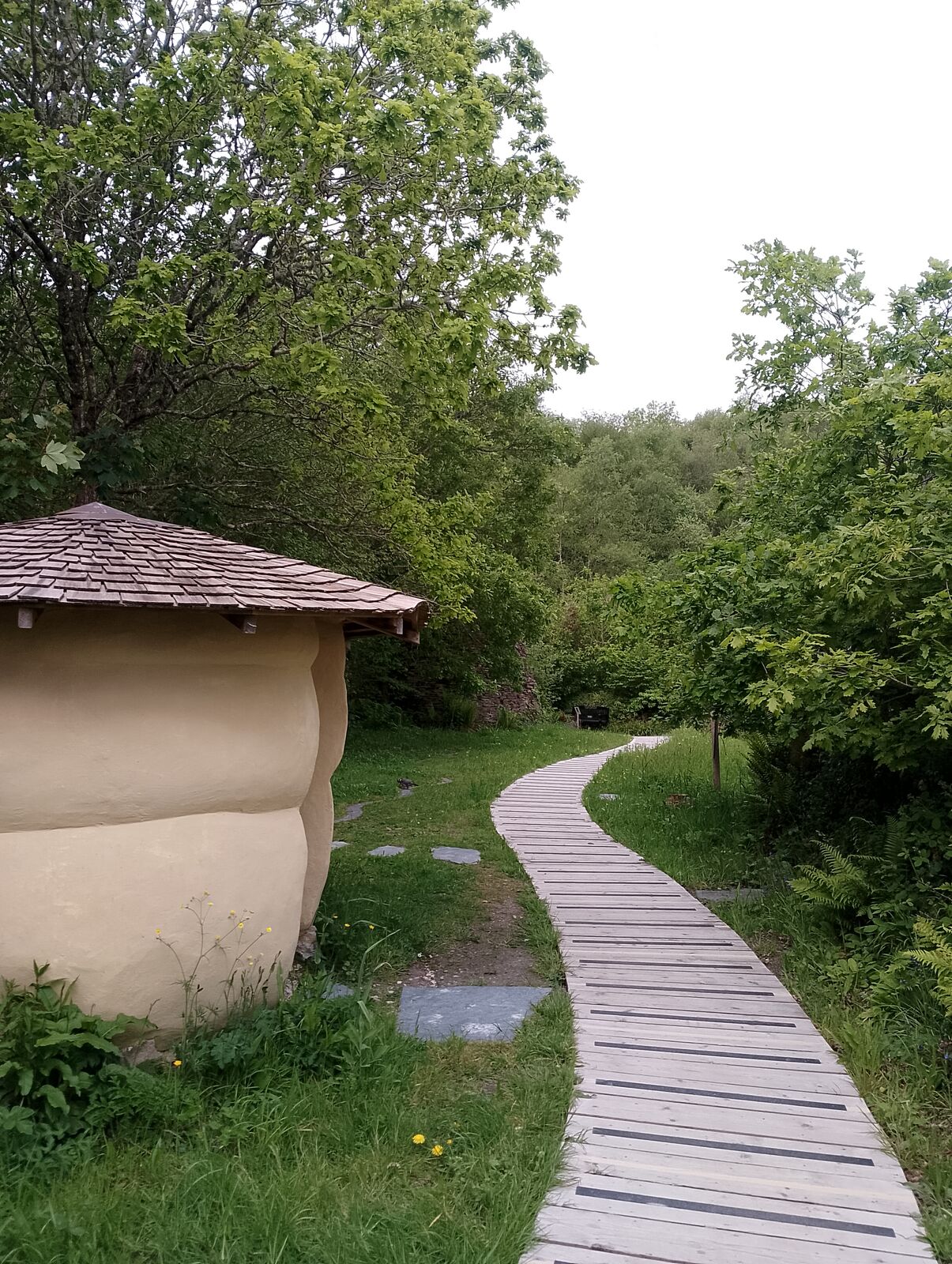
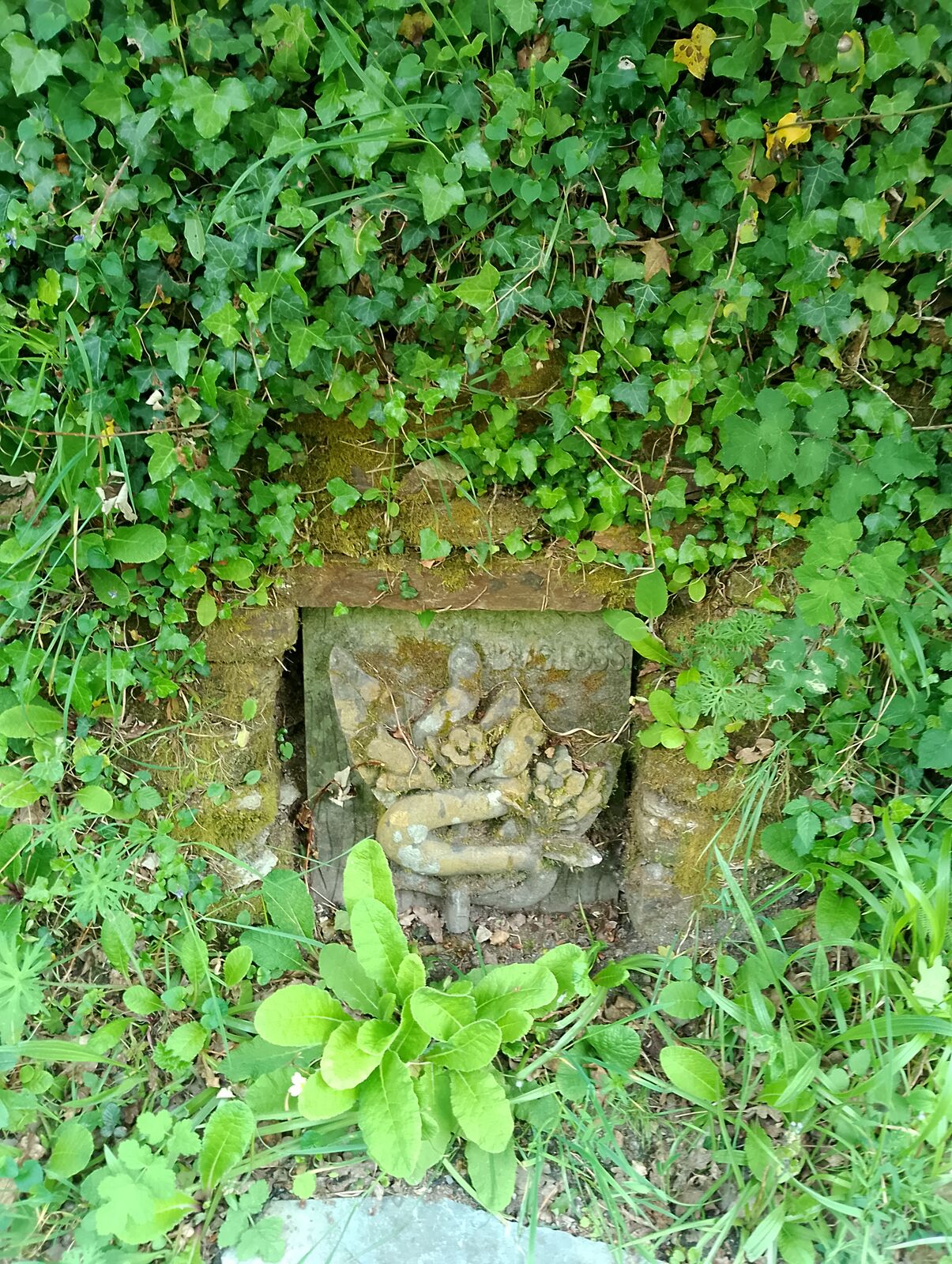
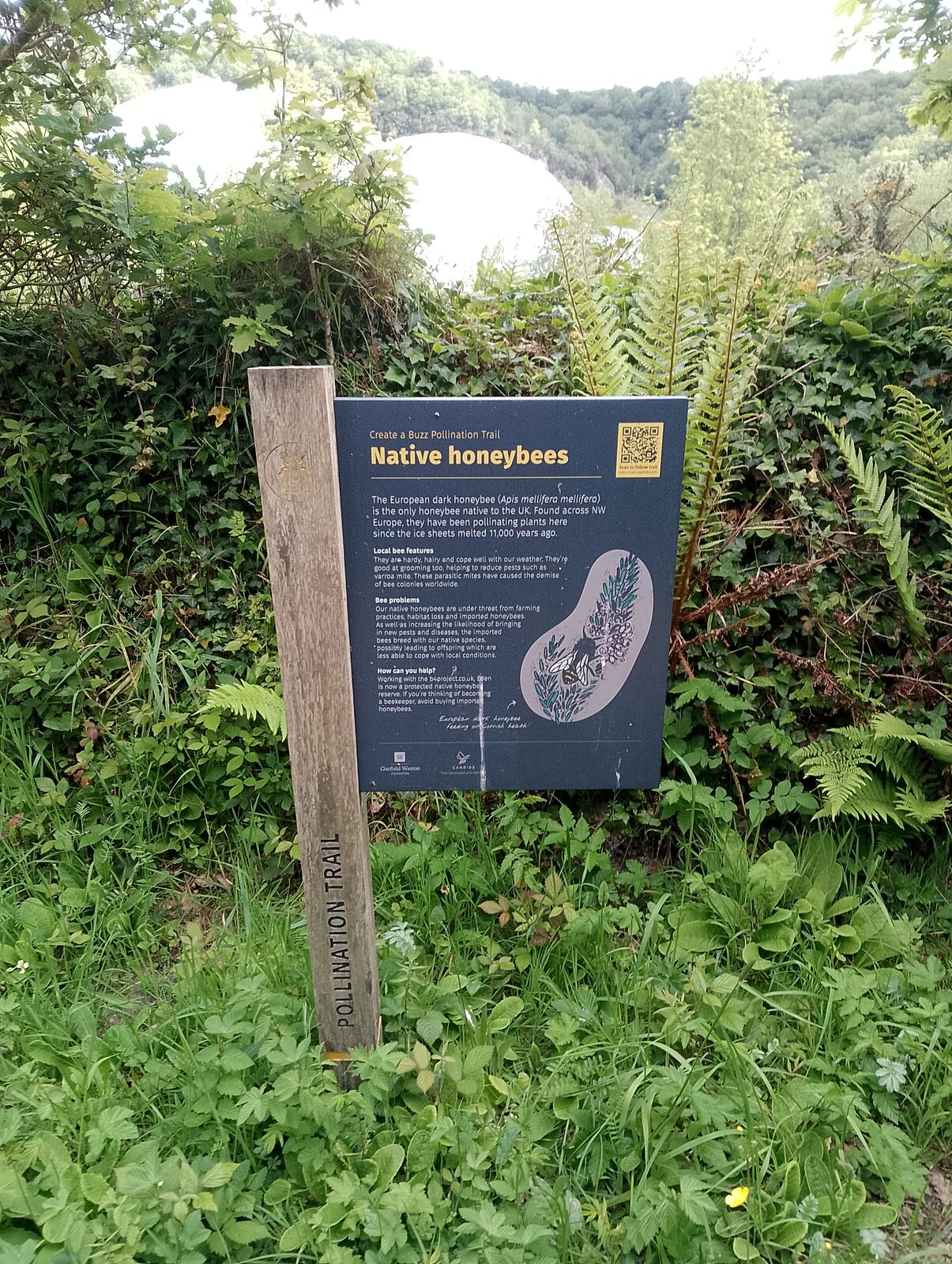
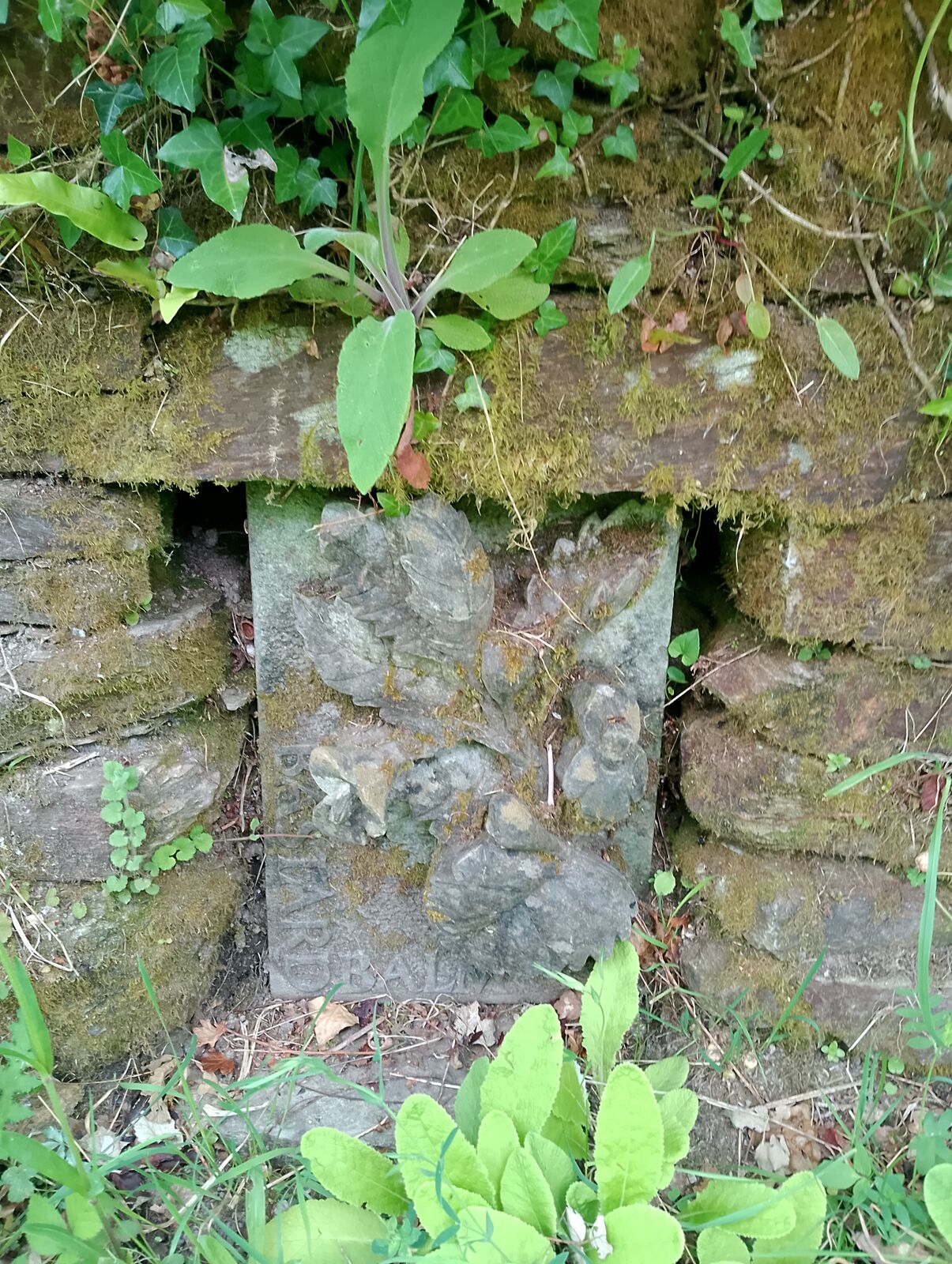
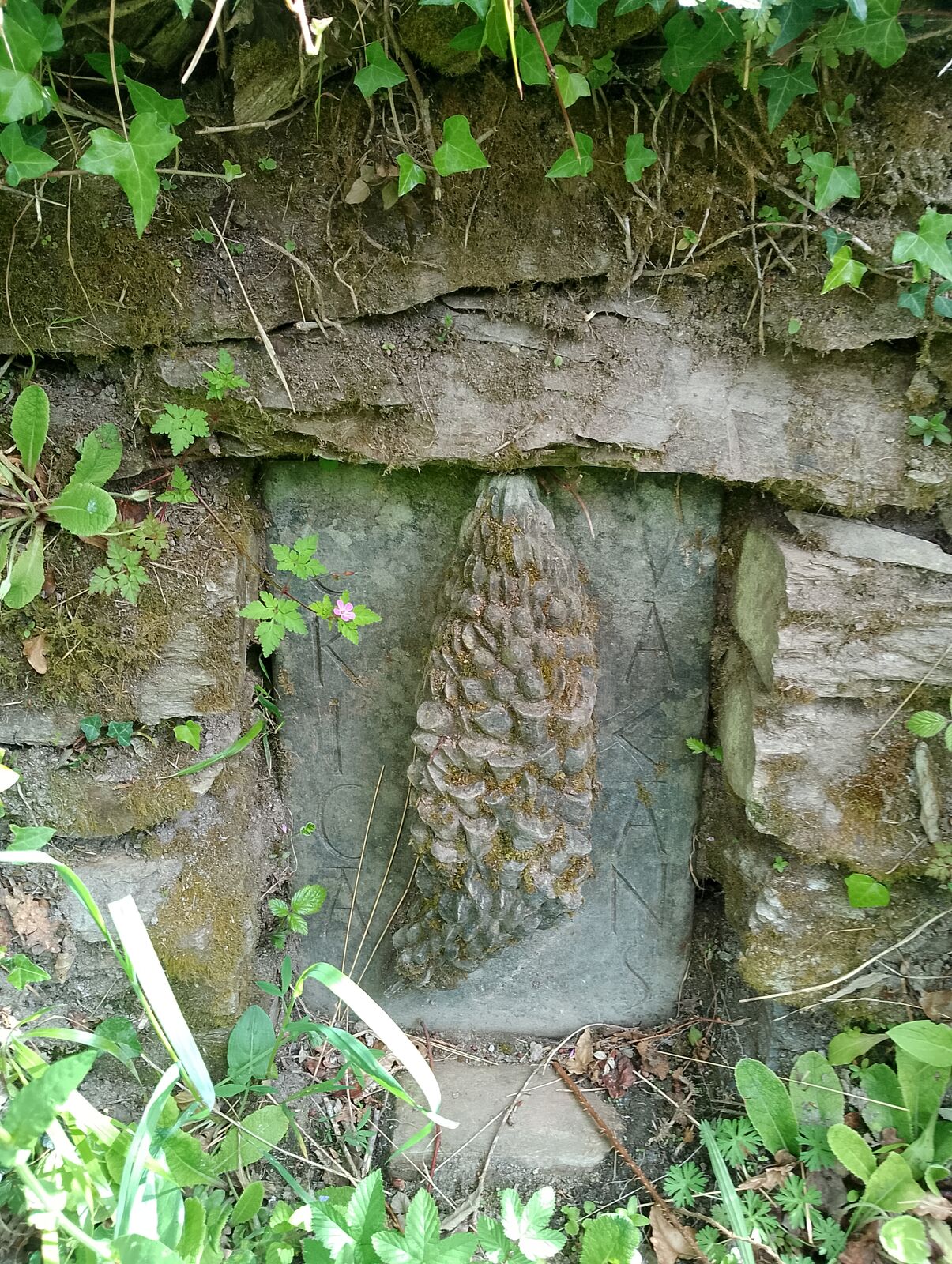
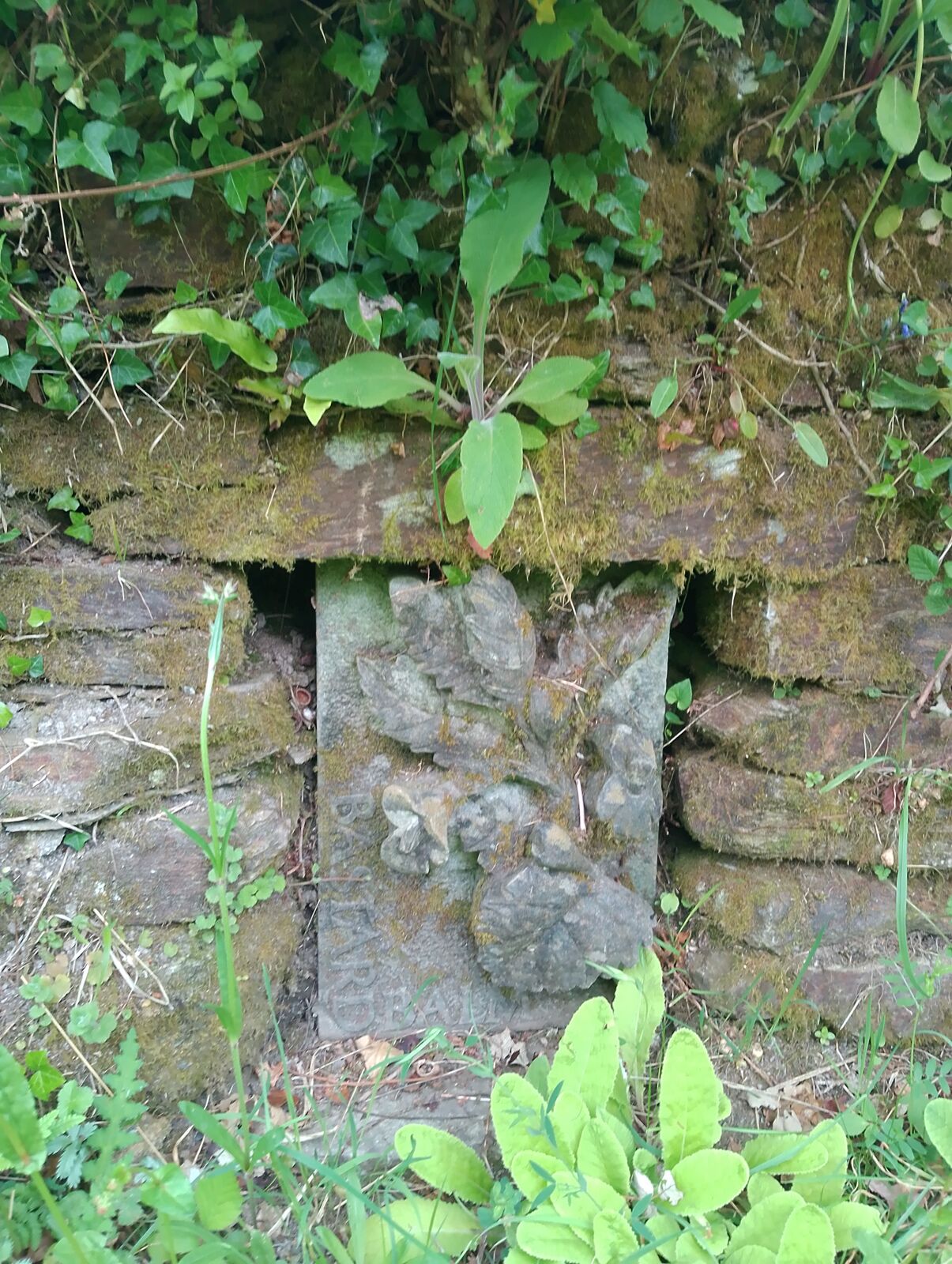
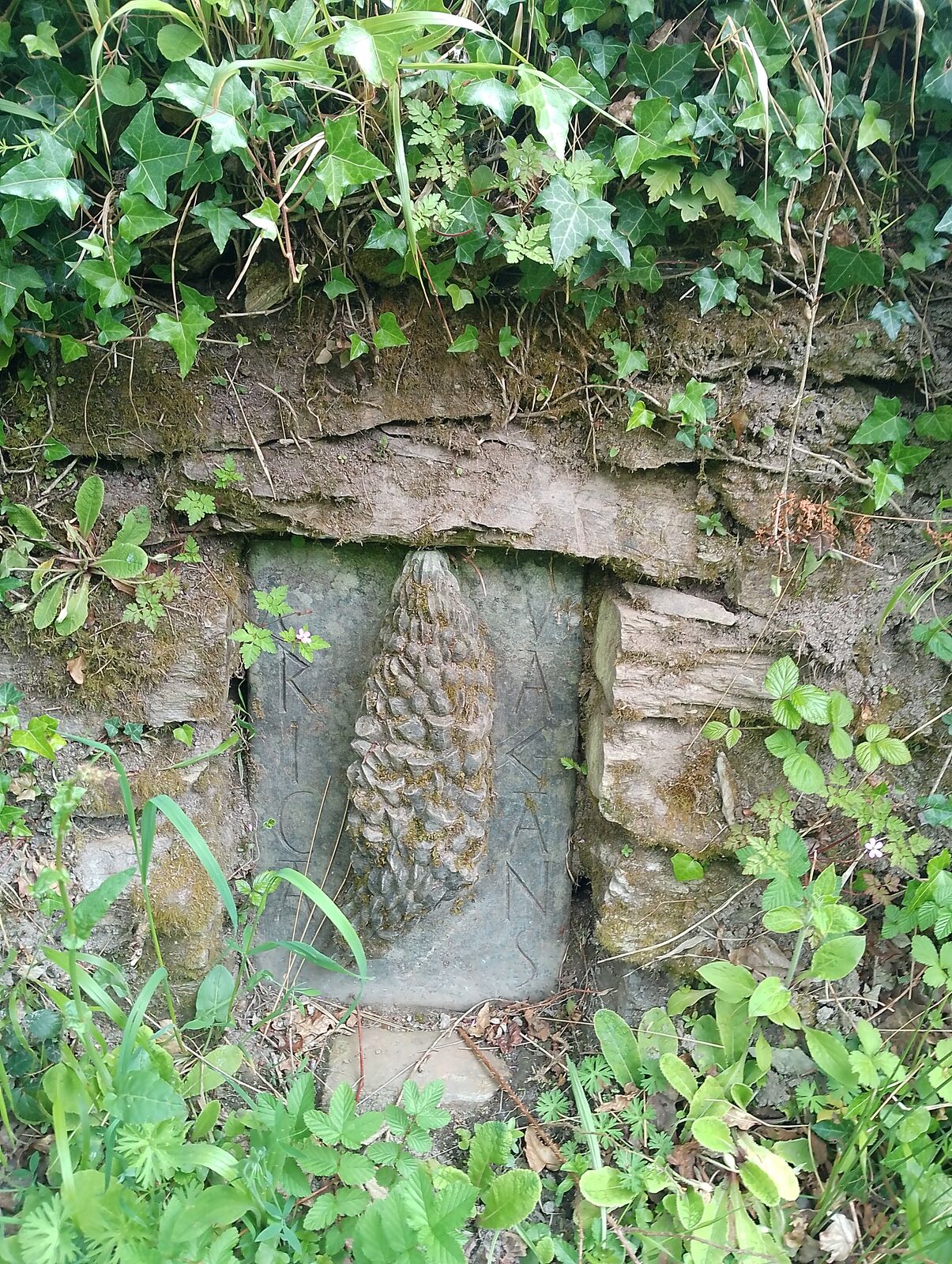
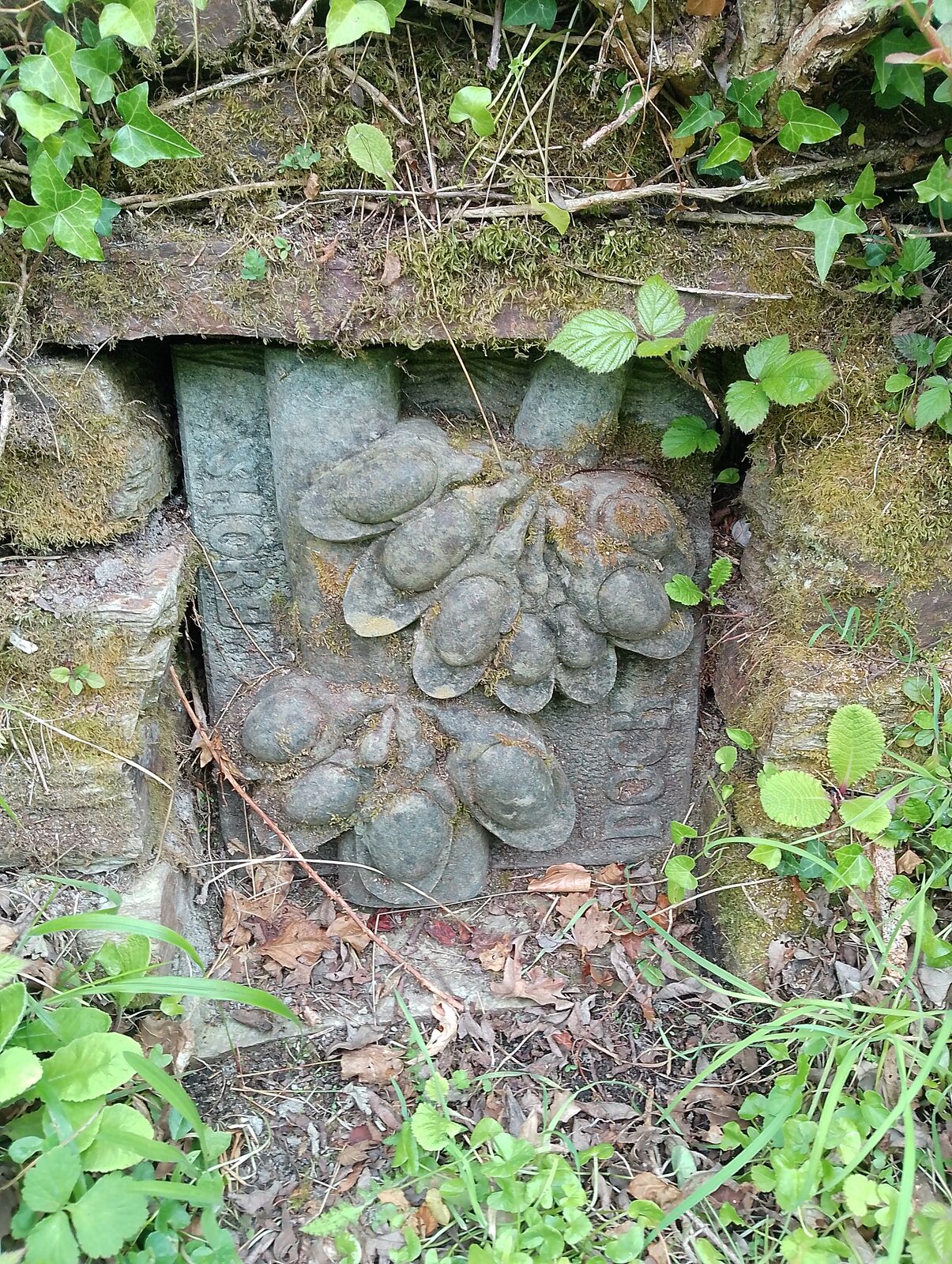
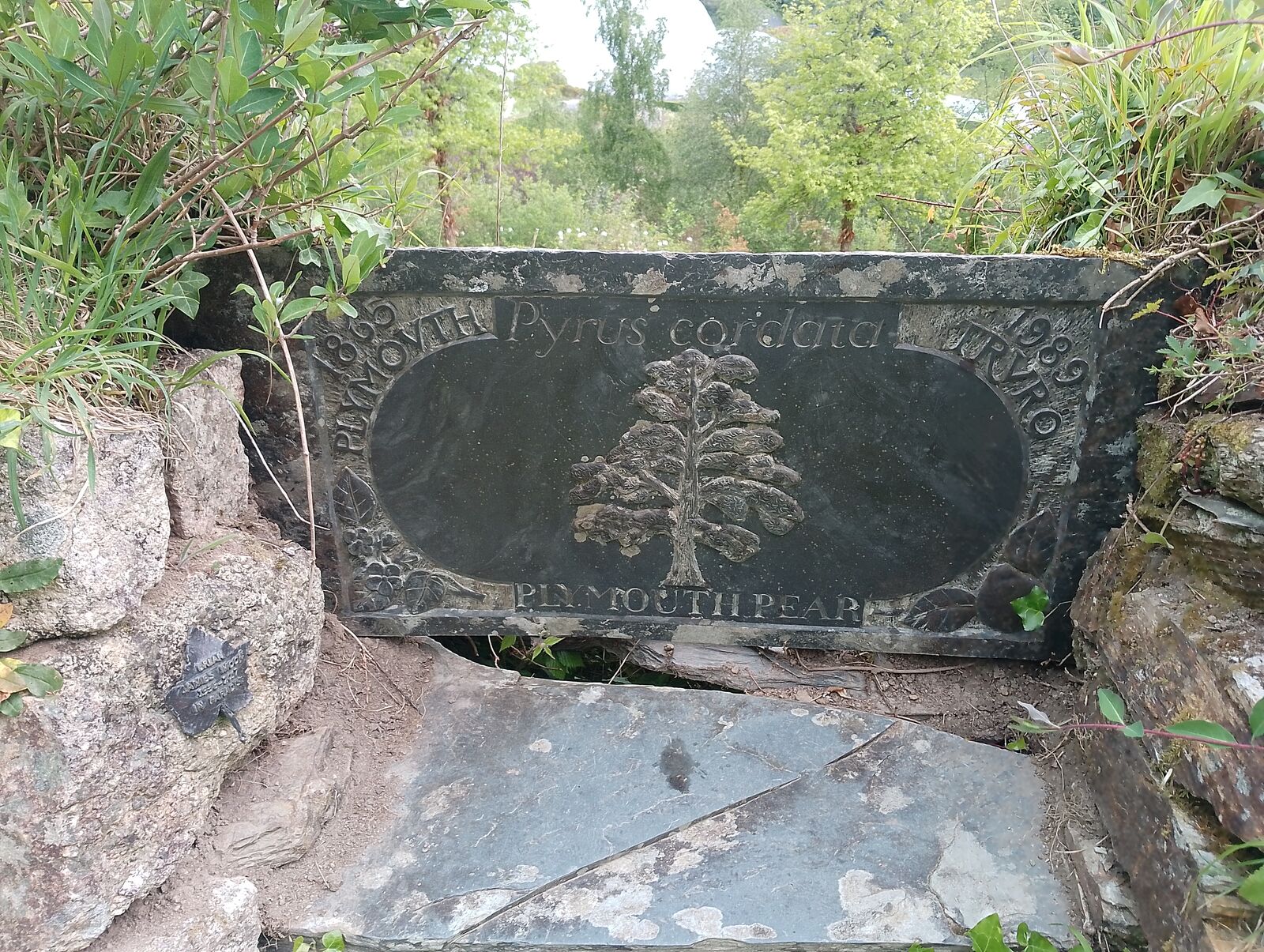
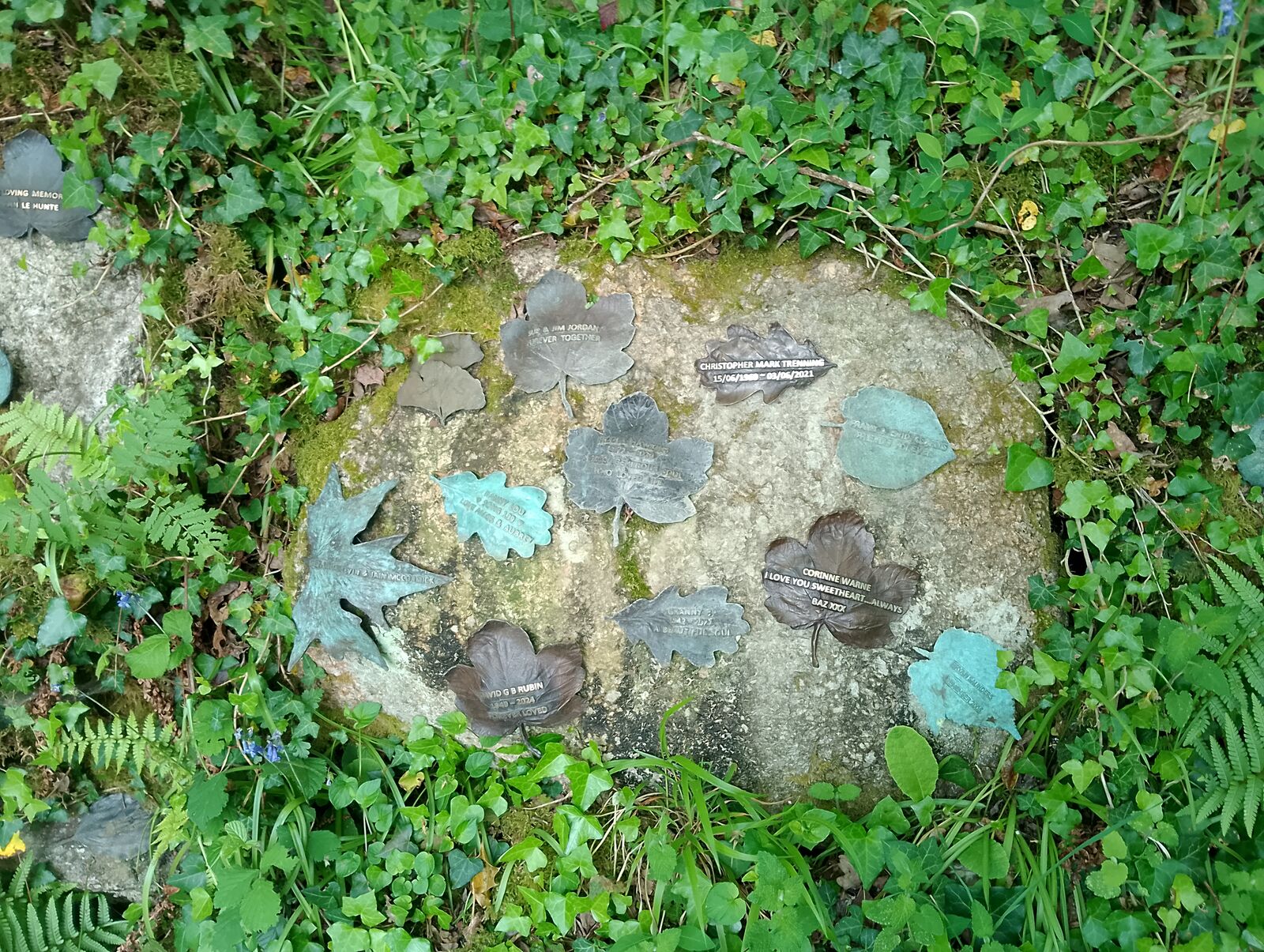
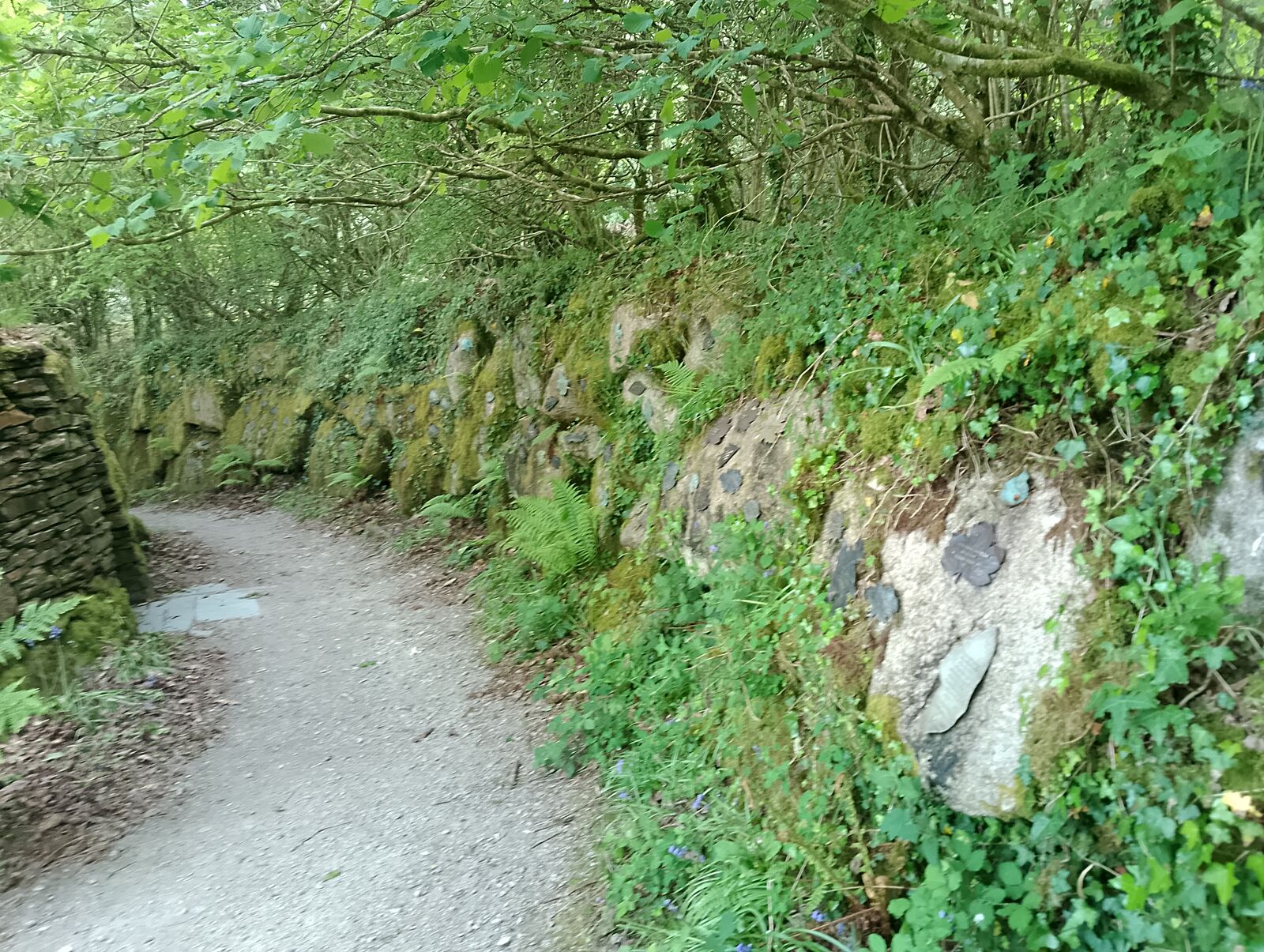
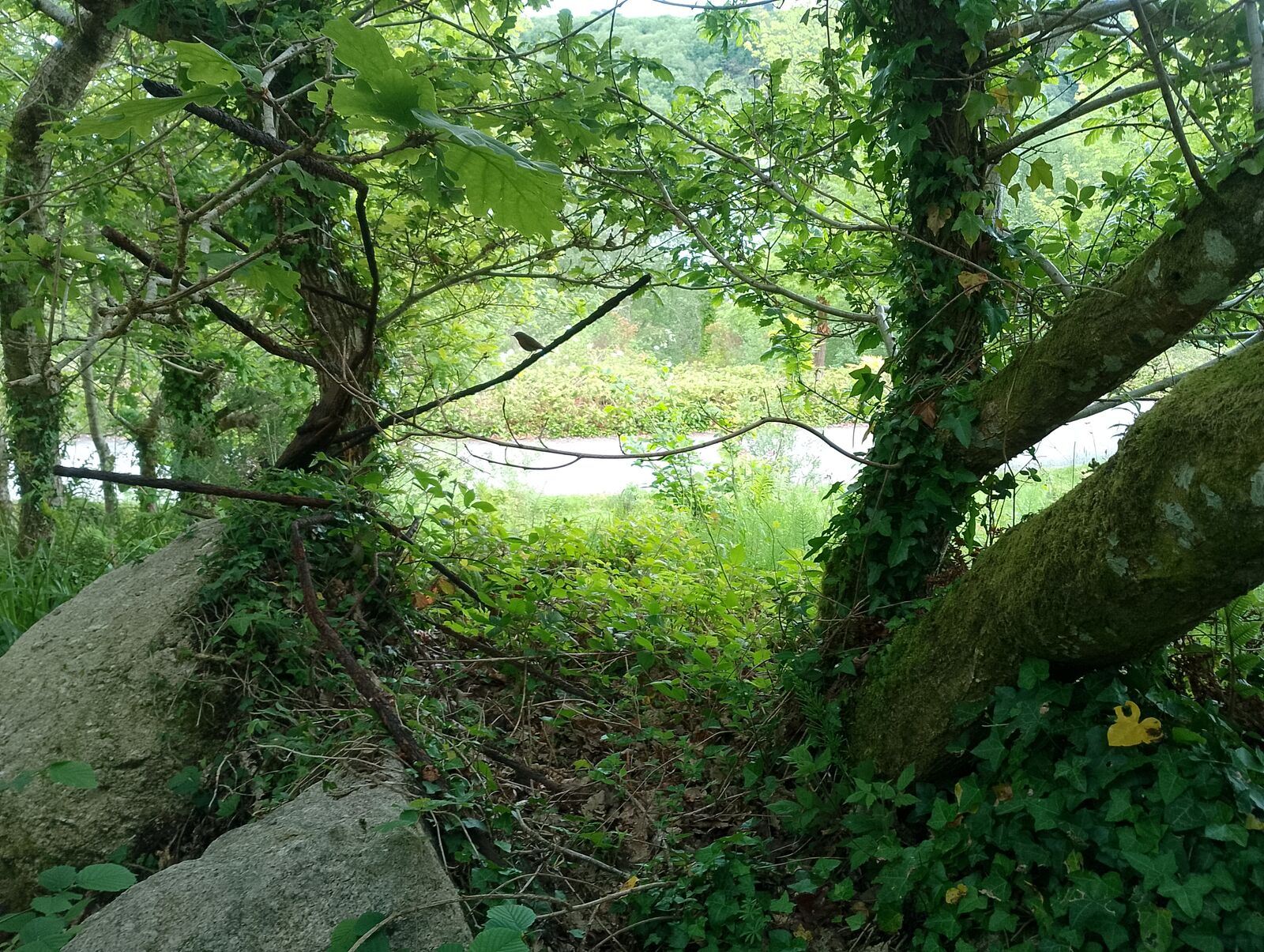
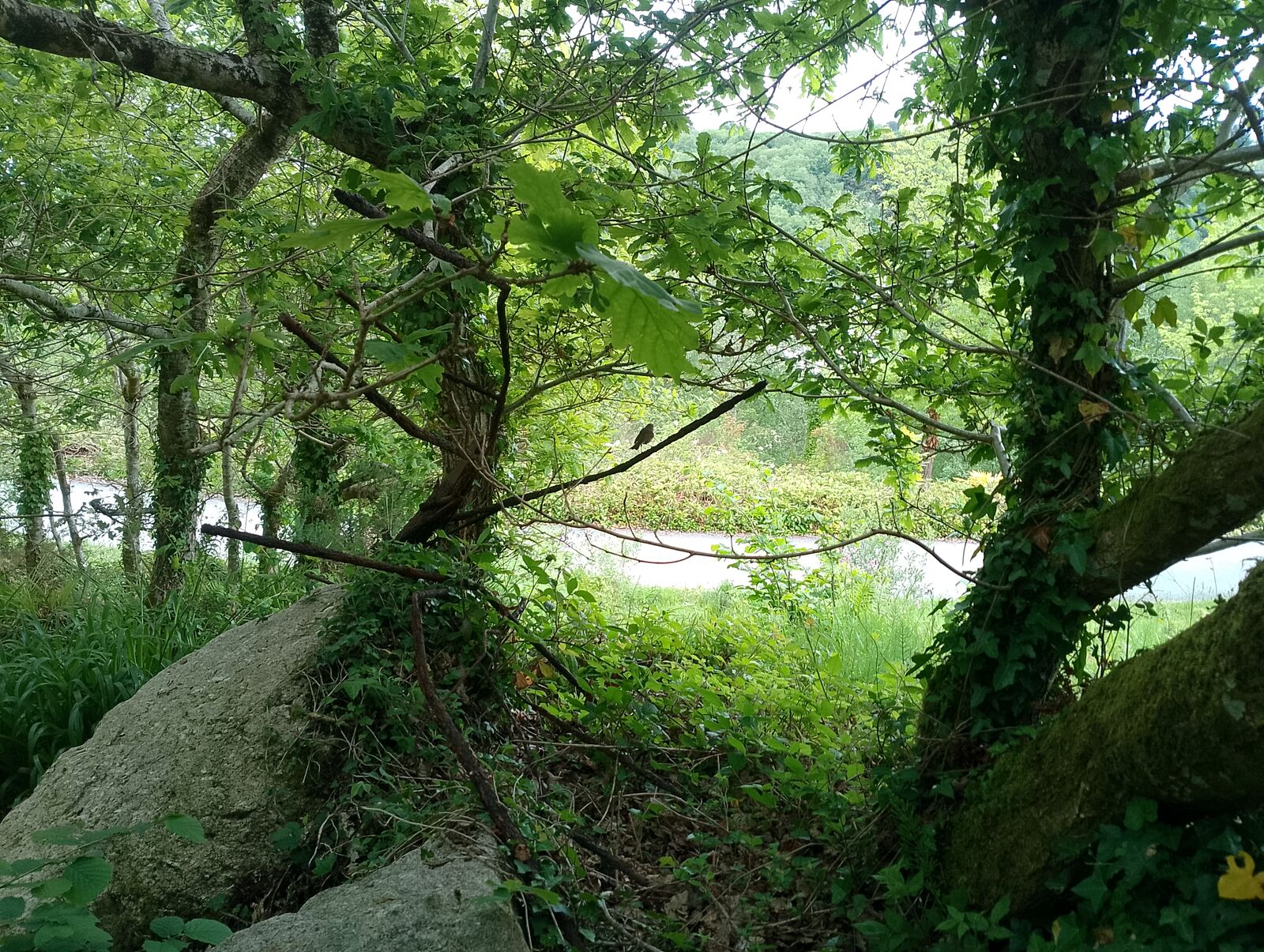
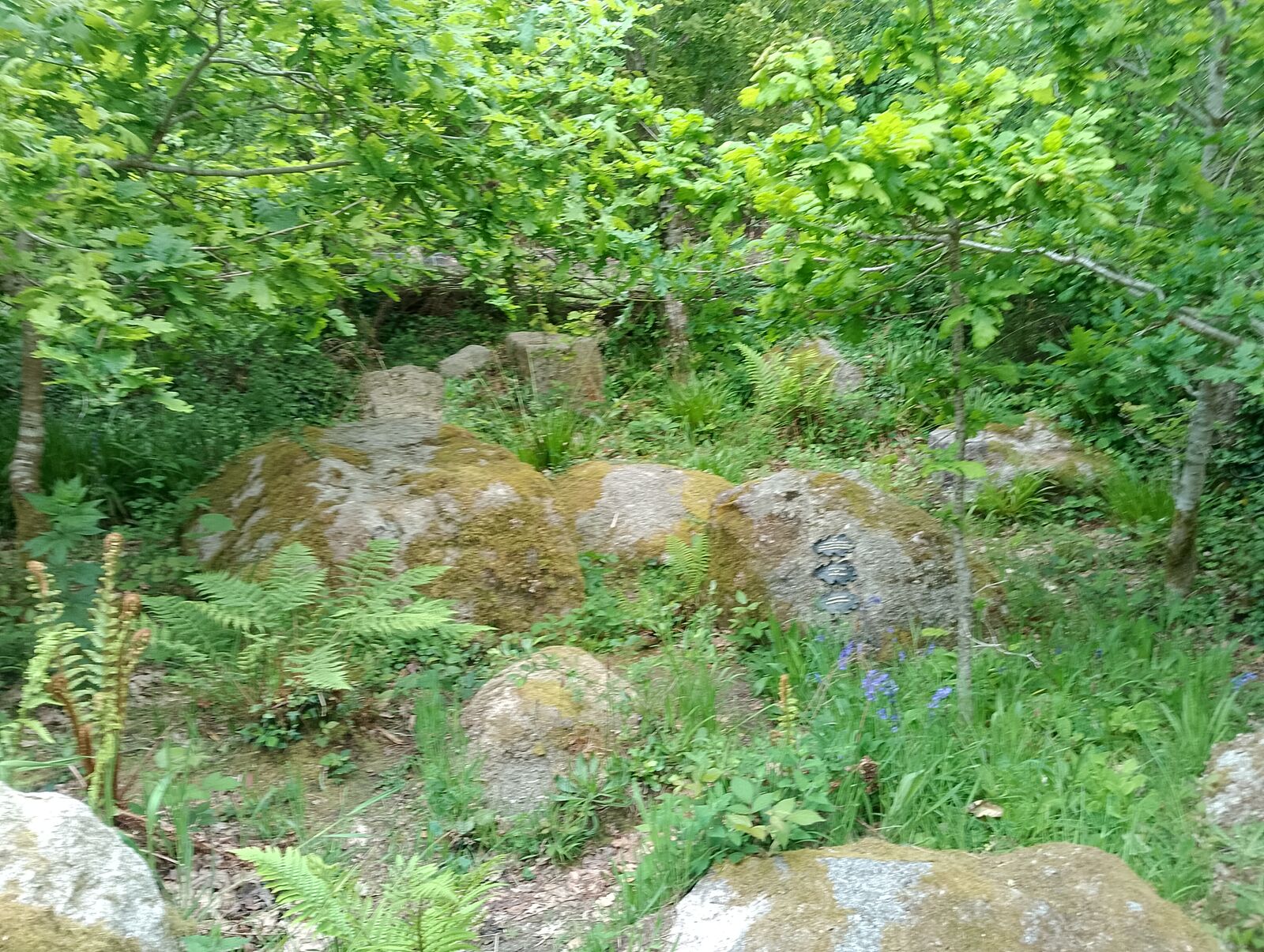
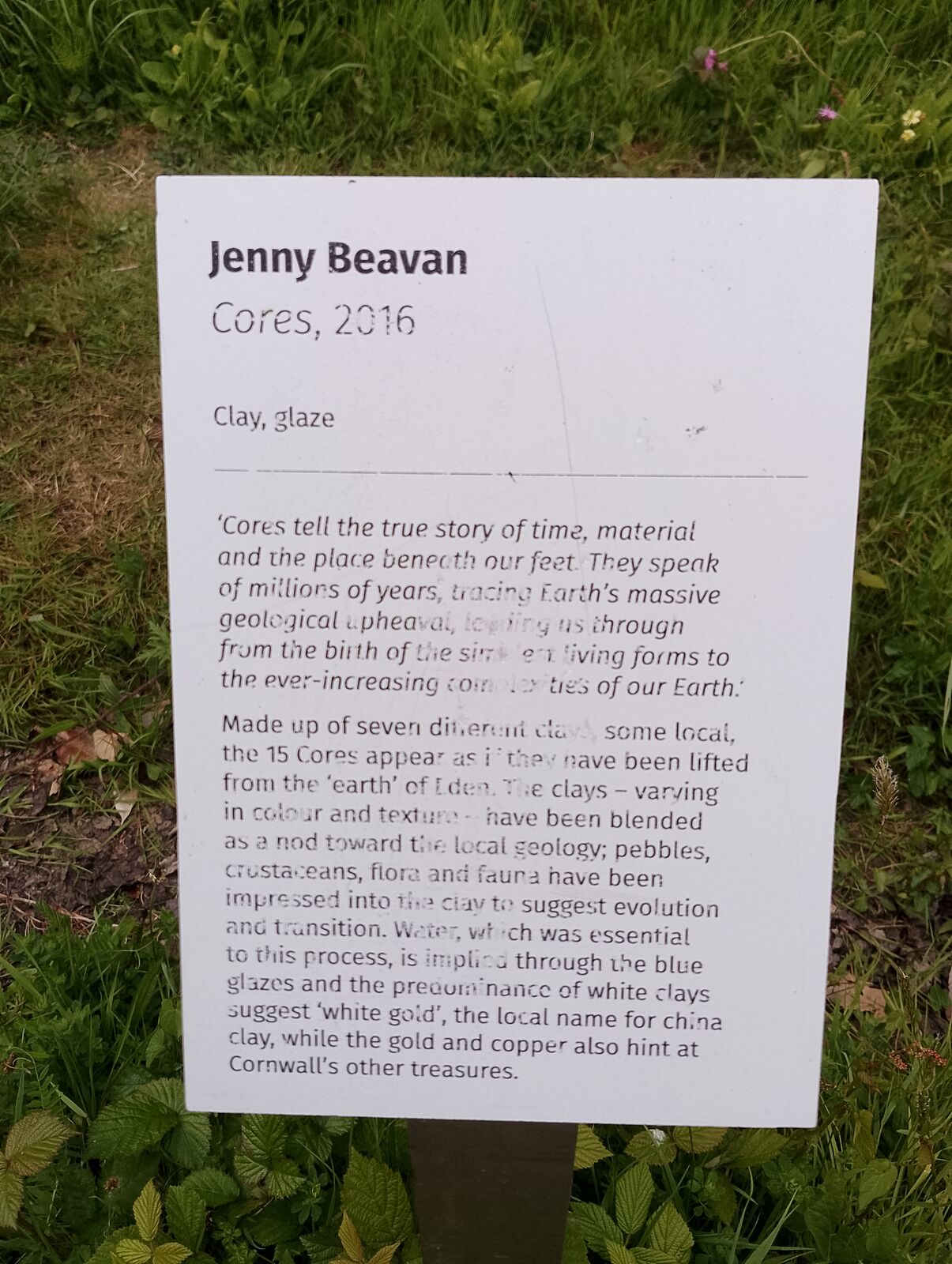
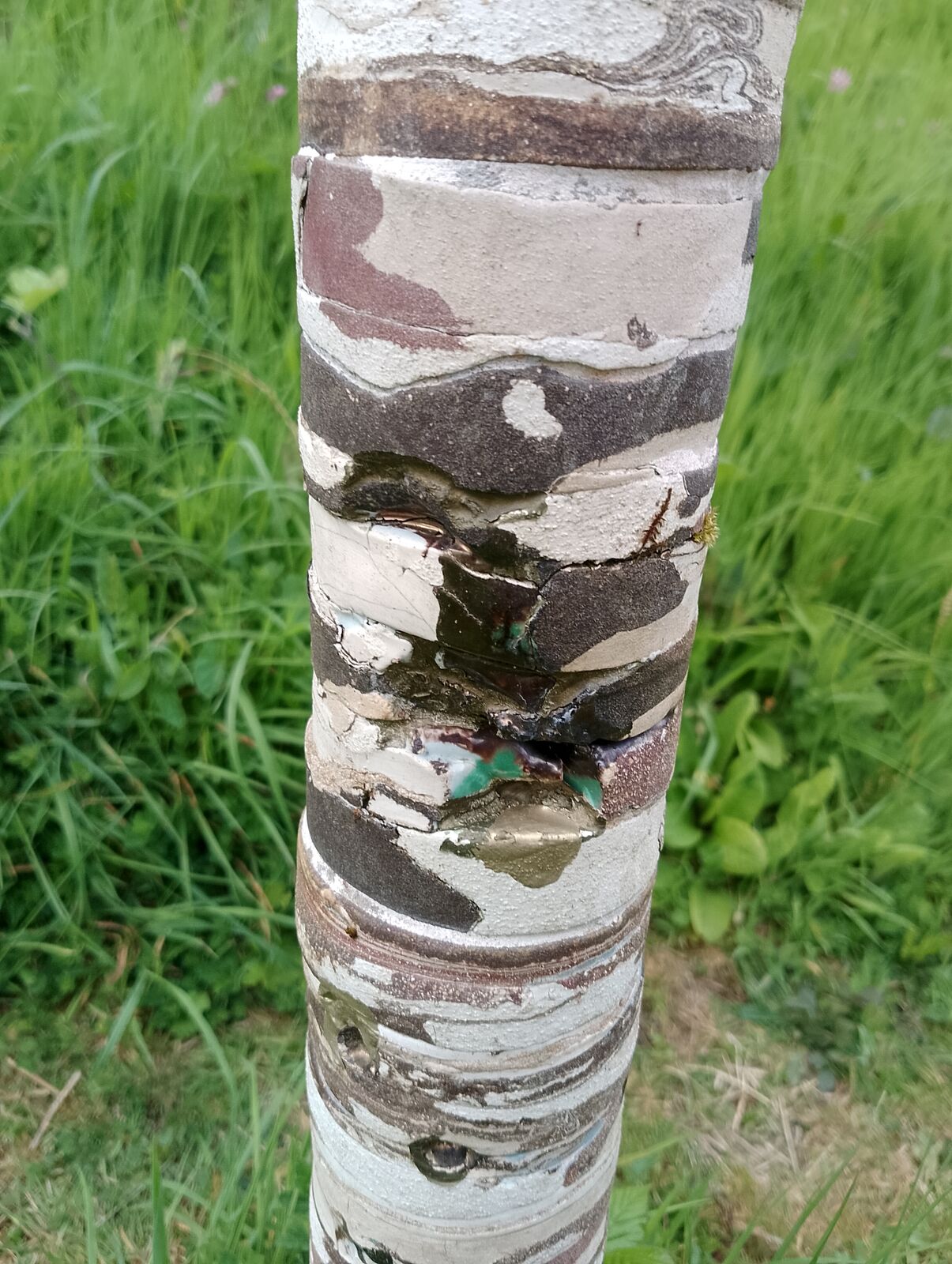
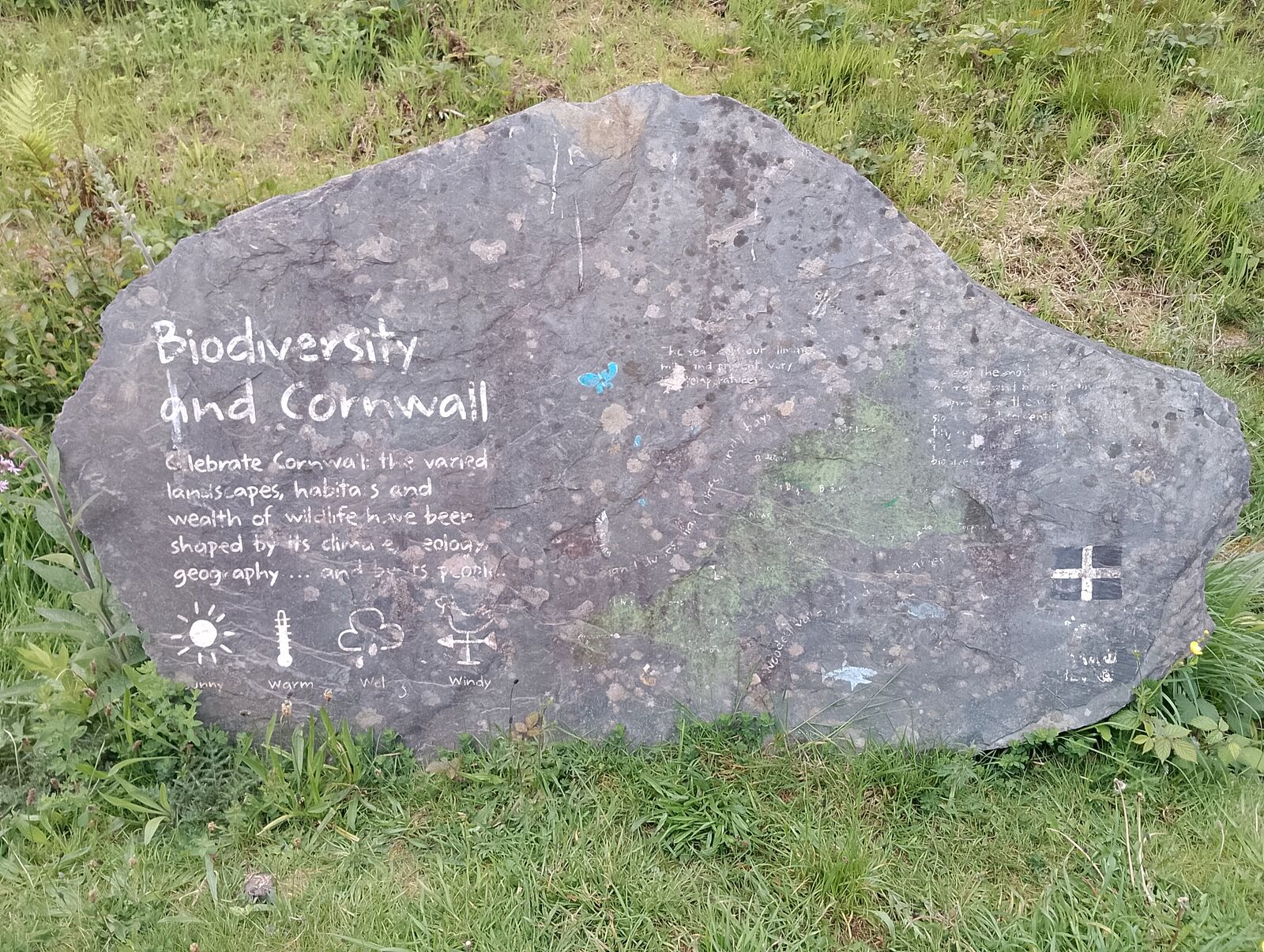
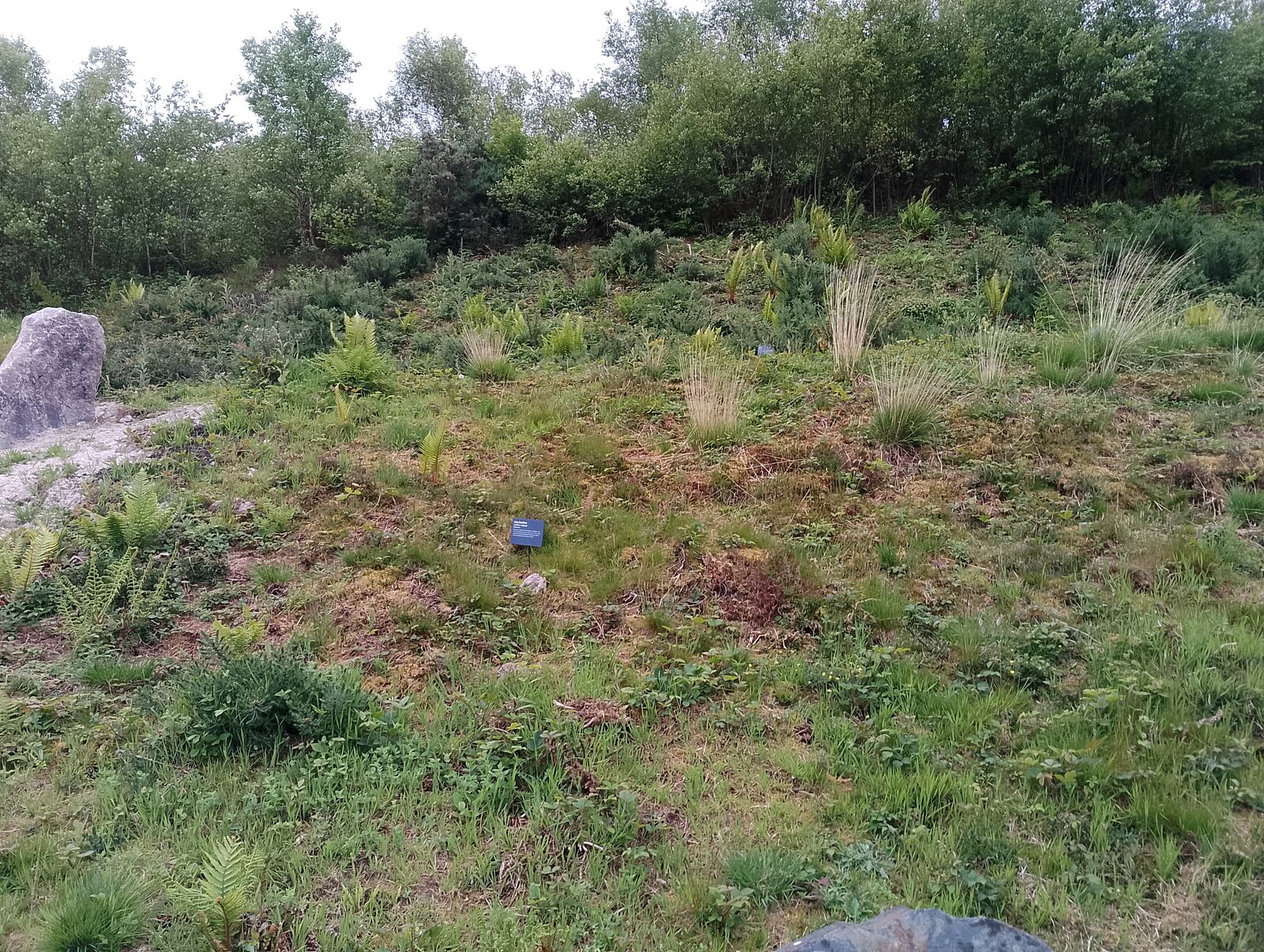
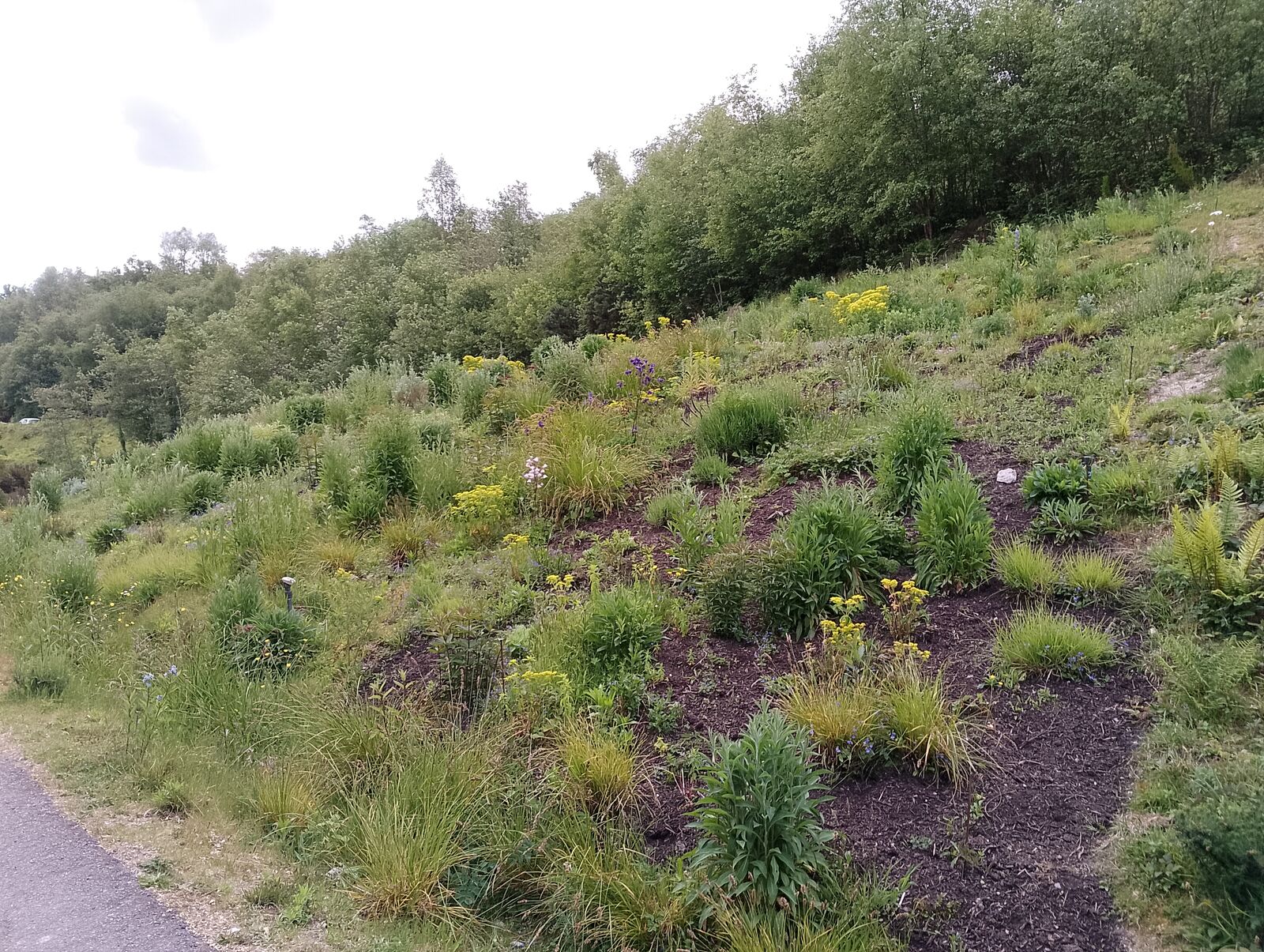
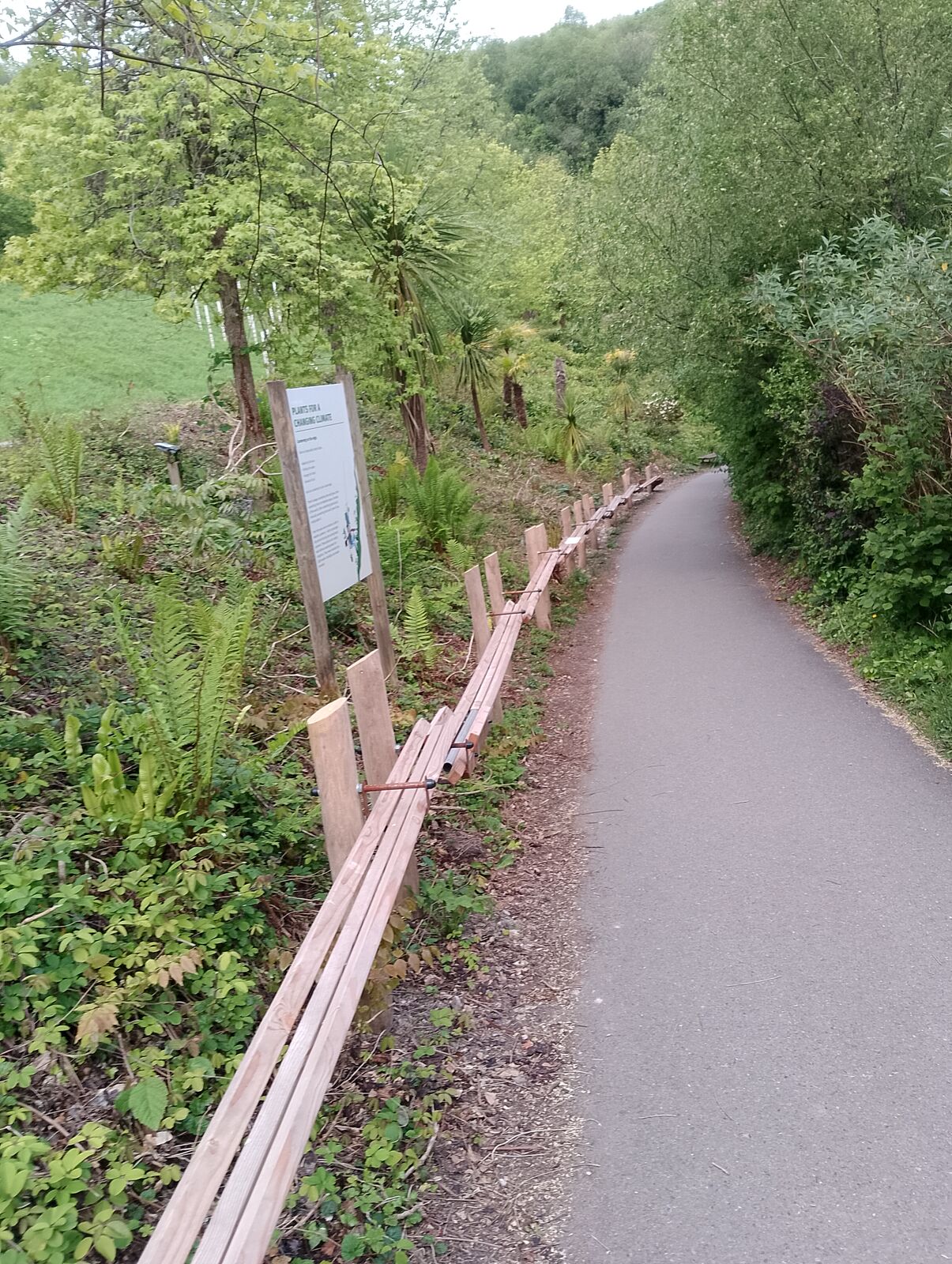
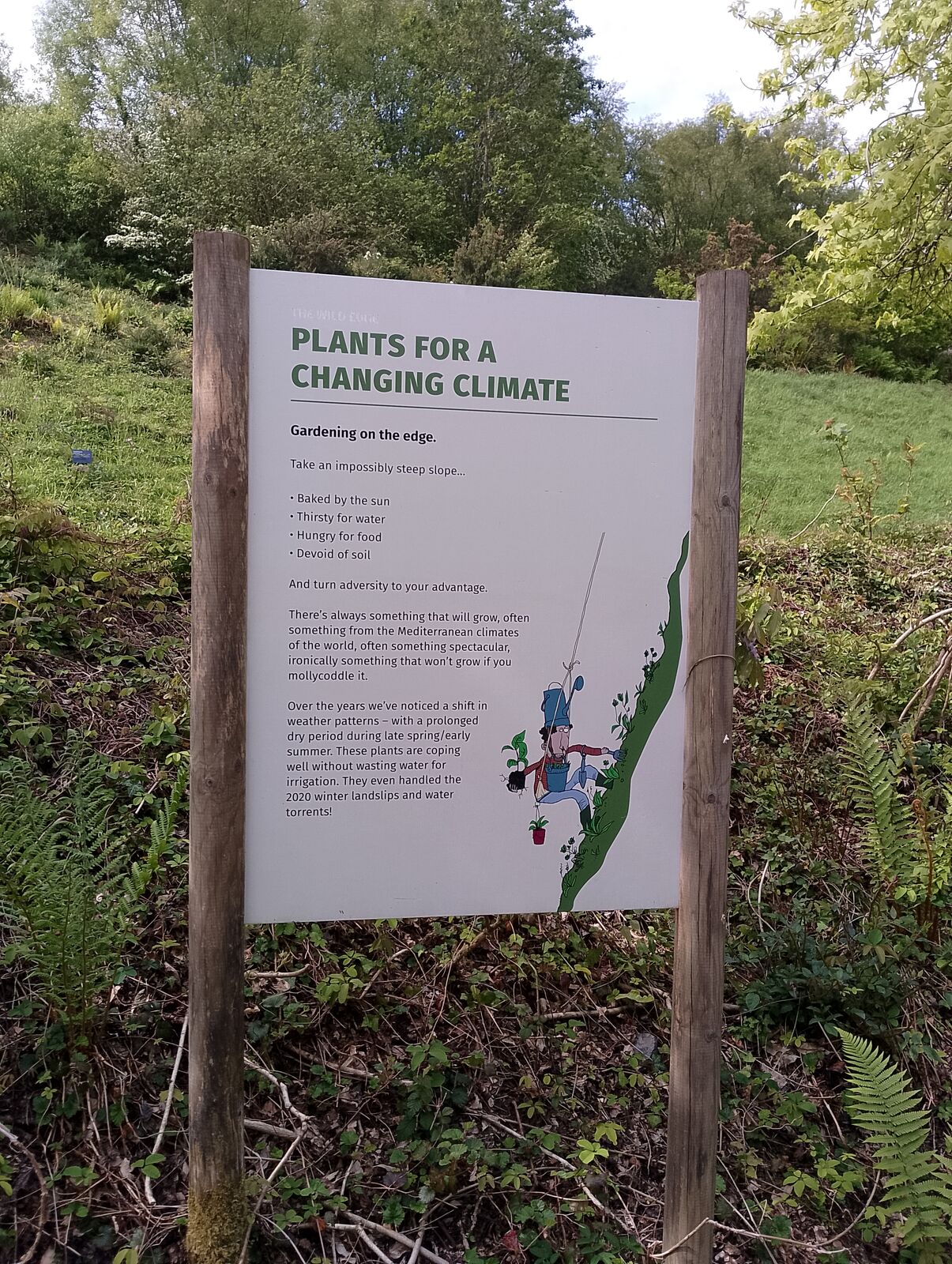
Heading don the trail I discover a hive like structure as an art work that one can go inside thats rather hermetically inspired with the idea of viewing outwards throuhg a ‘pin hole’ skylight to illustrate how narrow our world view is in comparison to the planetary scale, yet imbued with an as above, so below style gesture. This didn’t quite drive its point home but was a good effort, and outside were some lovely stone castings with different plants on them that formed another collection.
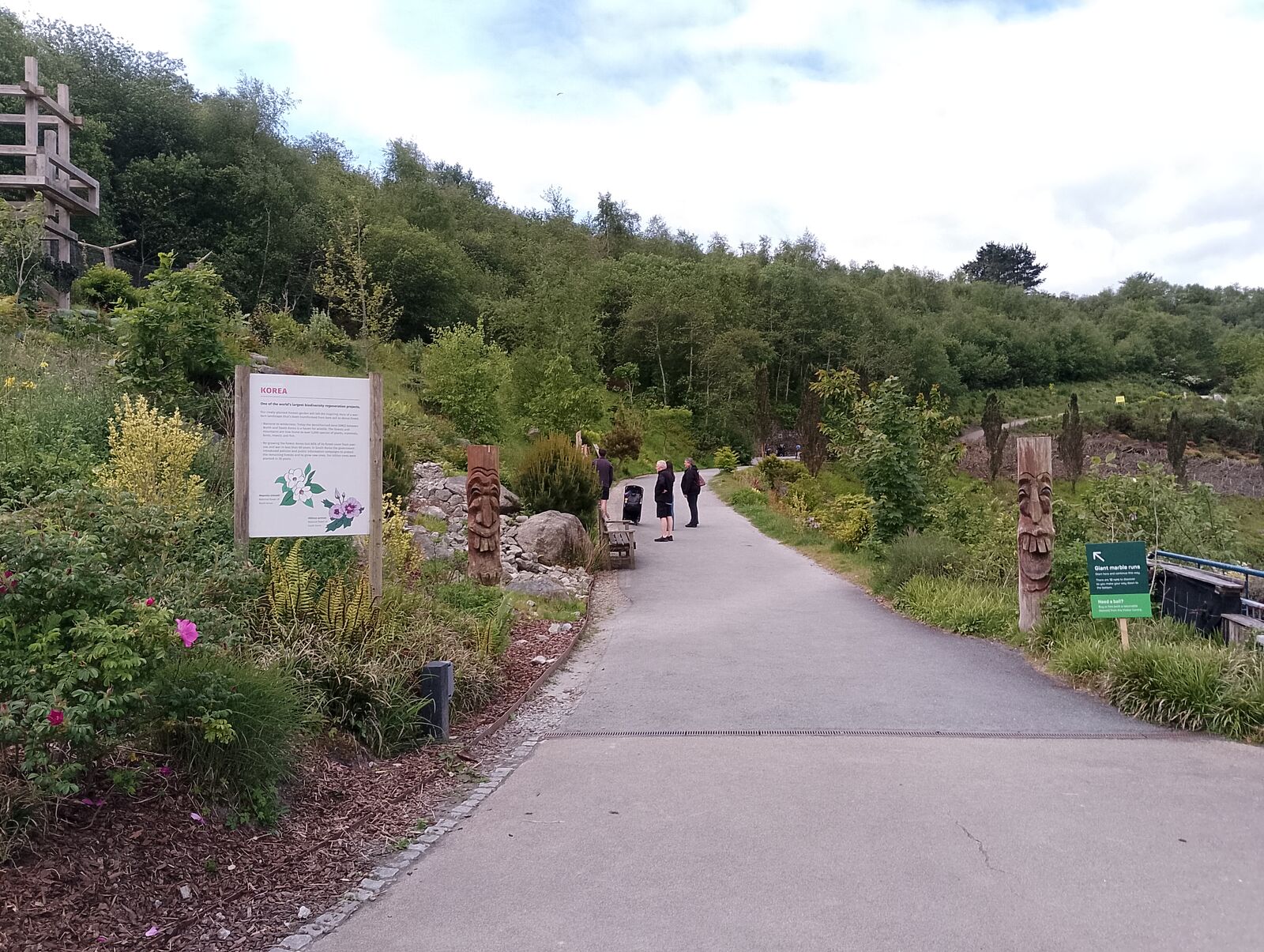
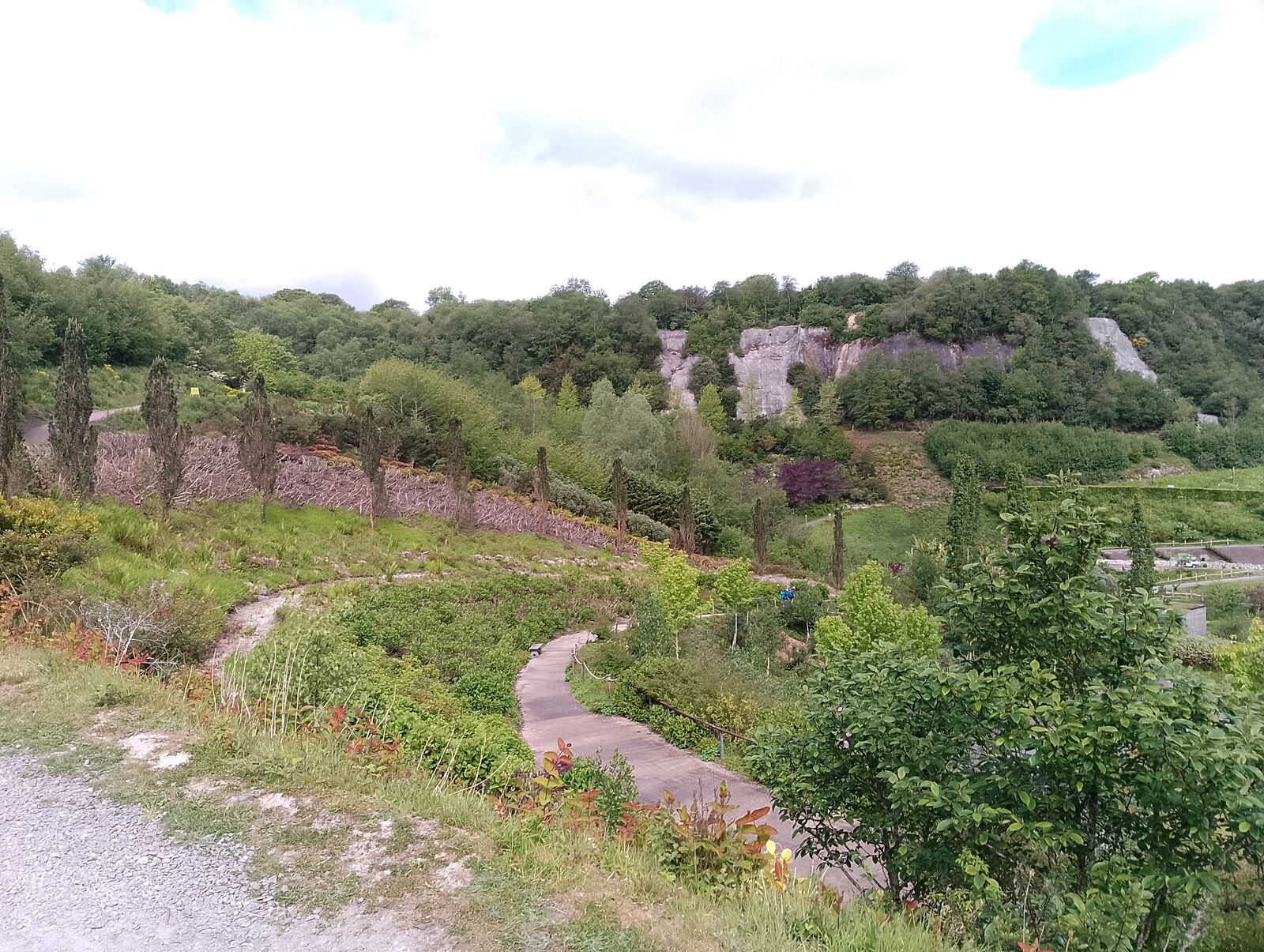
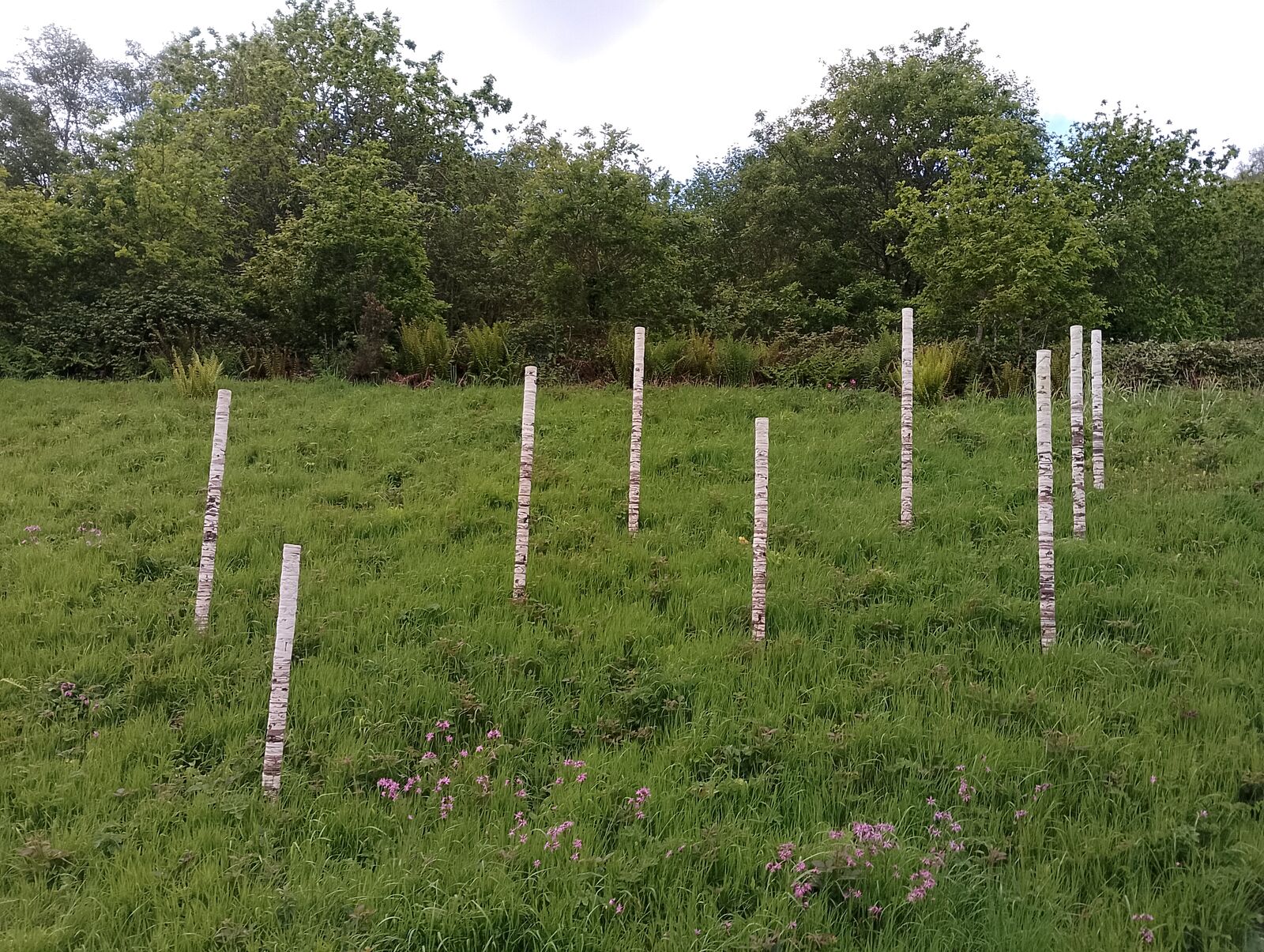
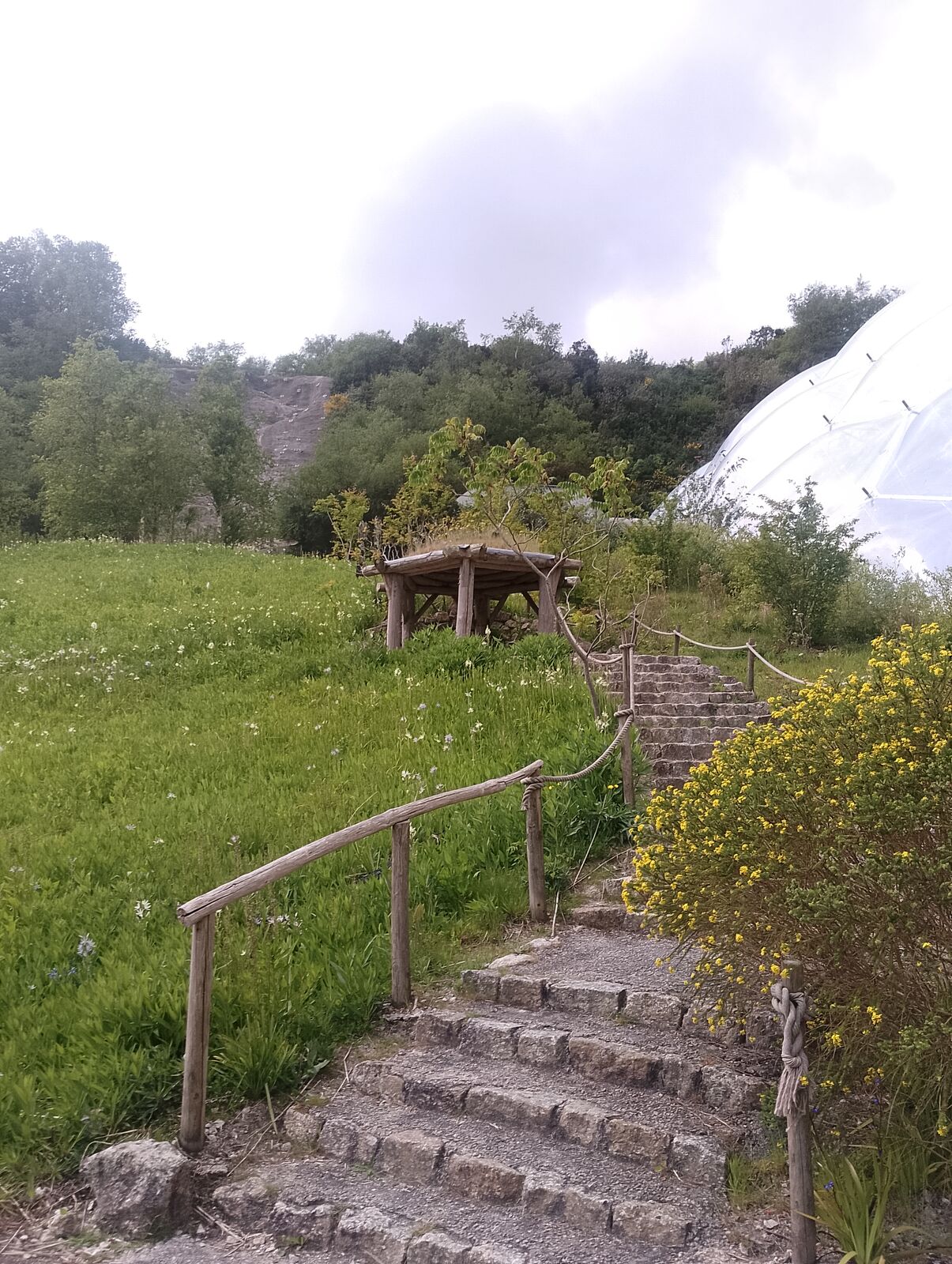
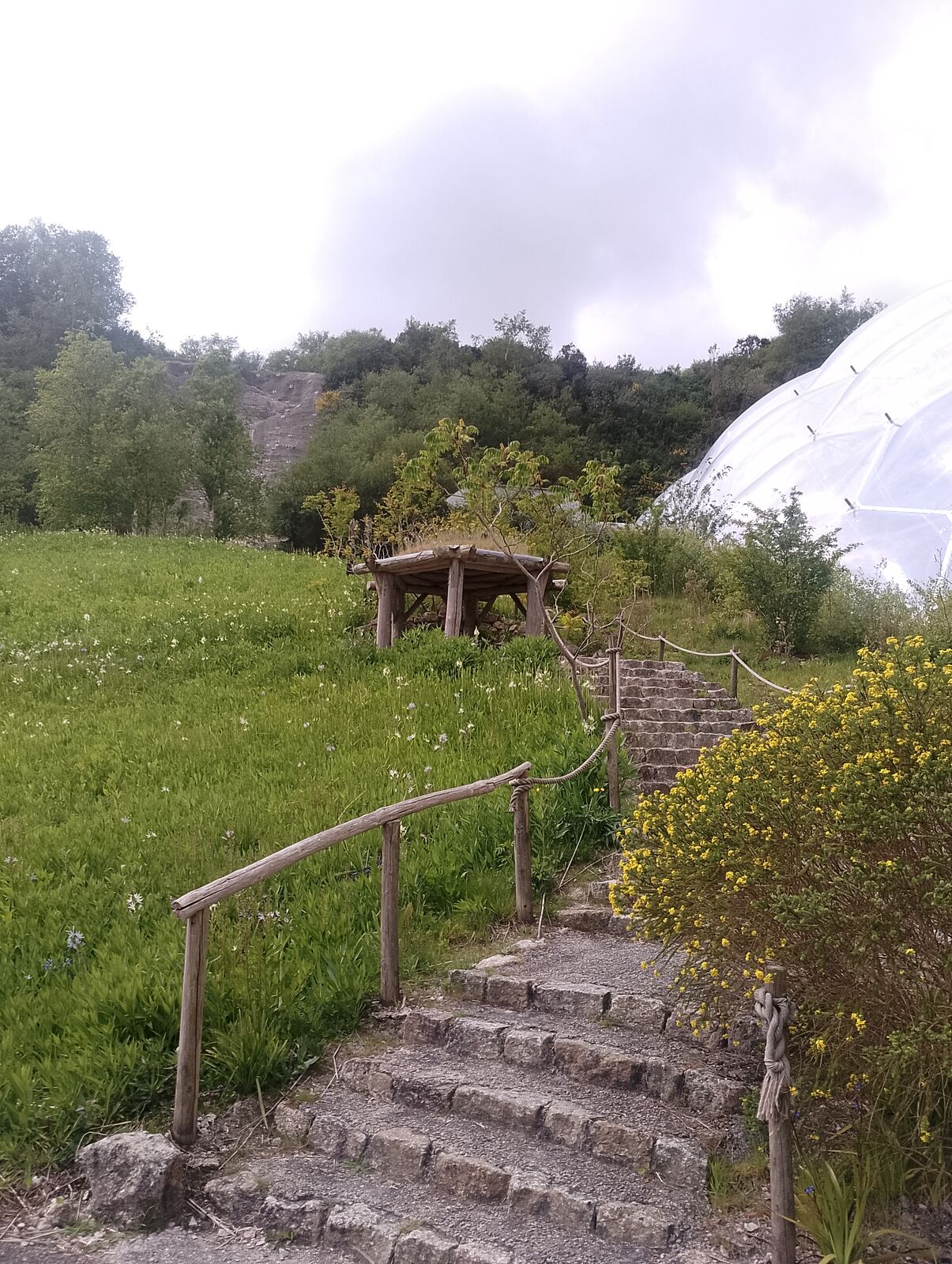
Carrying on down the trail there are several pillars made of recycled plastic that look like white stone. The plants are beautiful and the wooden poles with ropes used for railings on the steps were also tastefully fitting. At this moment there is a choice of direction, so into the woods we go!
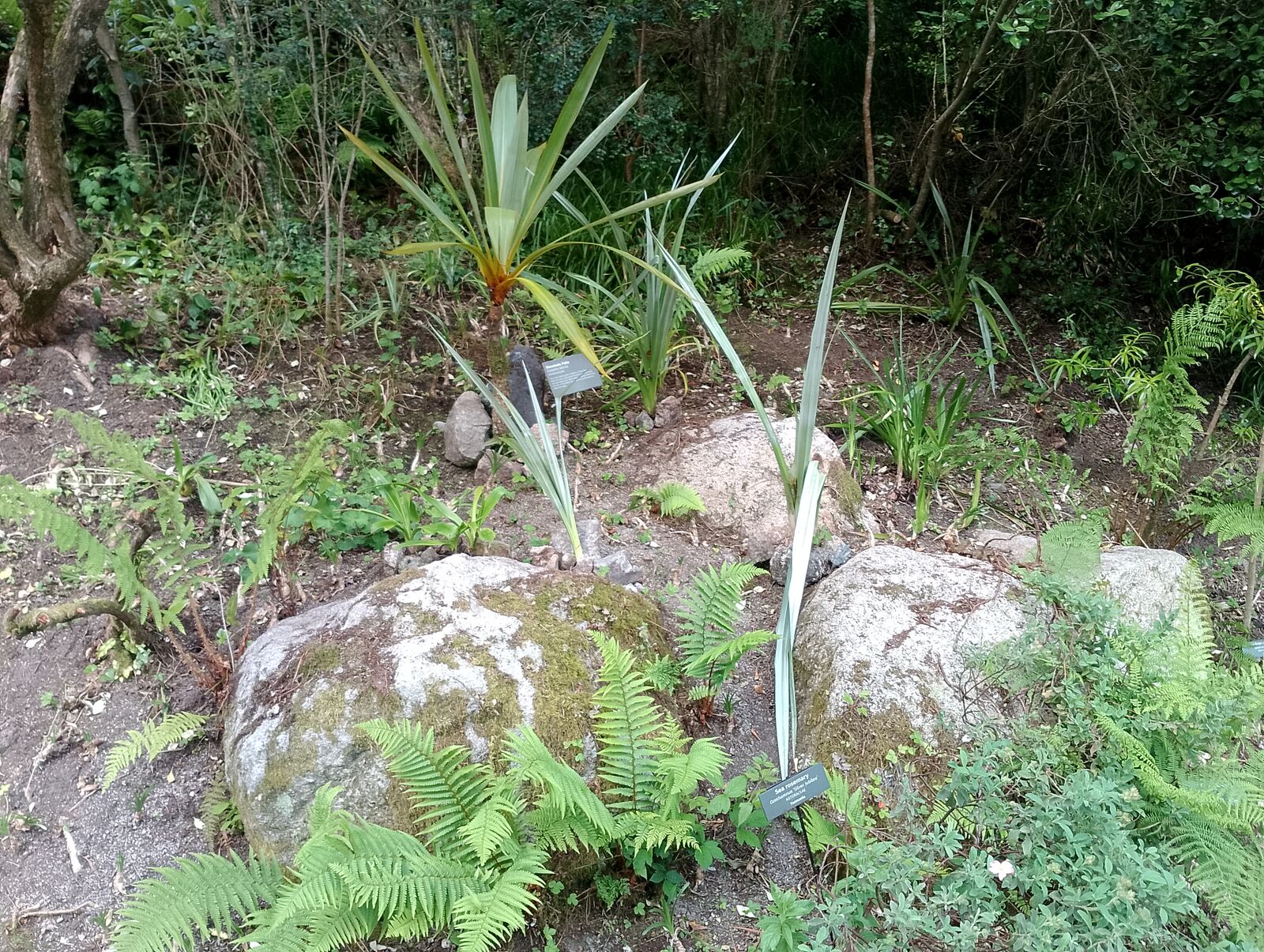
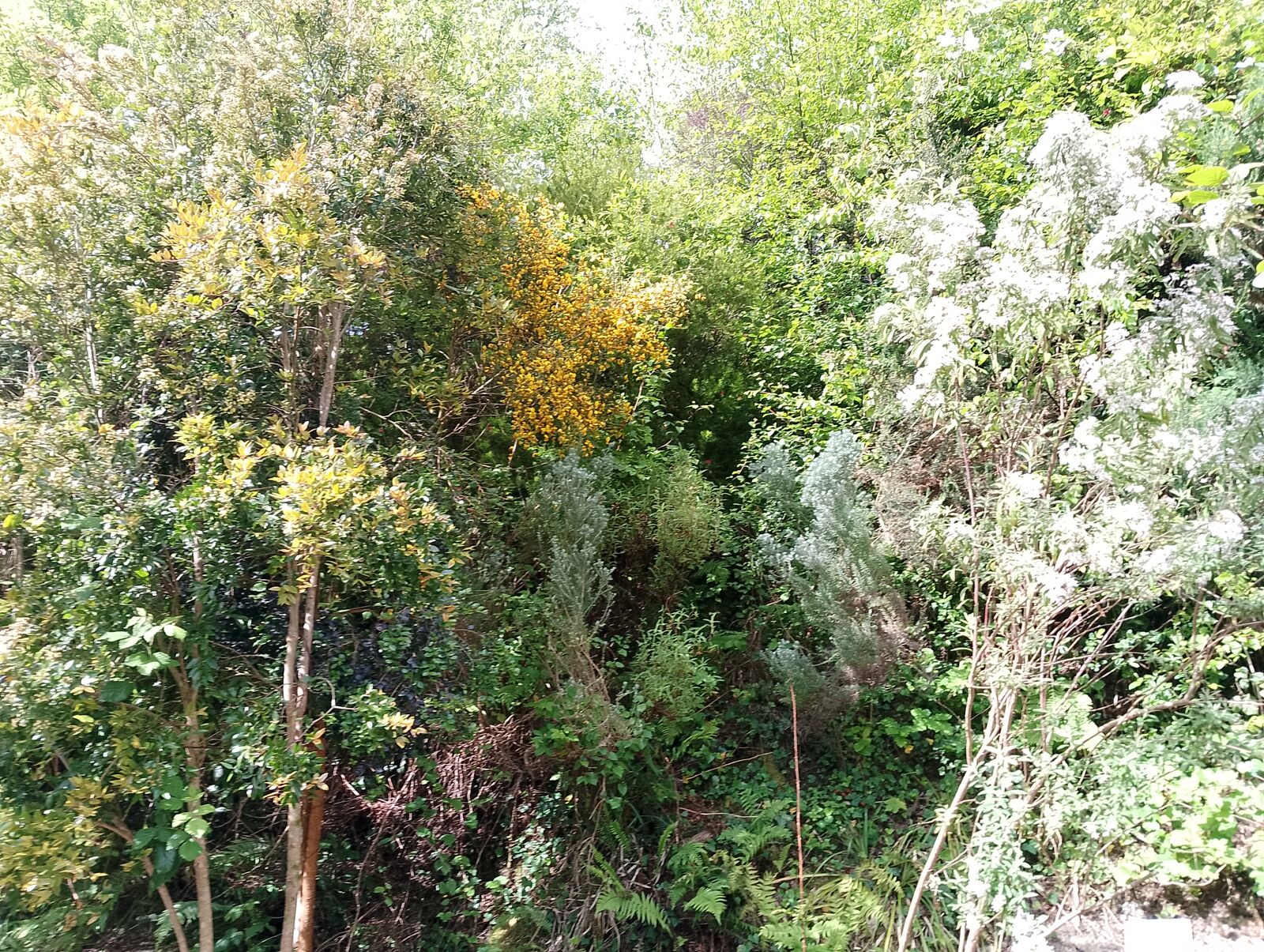
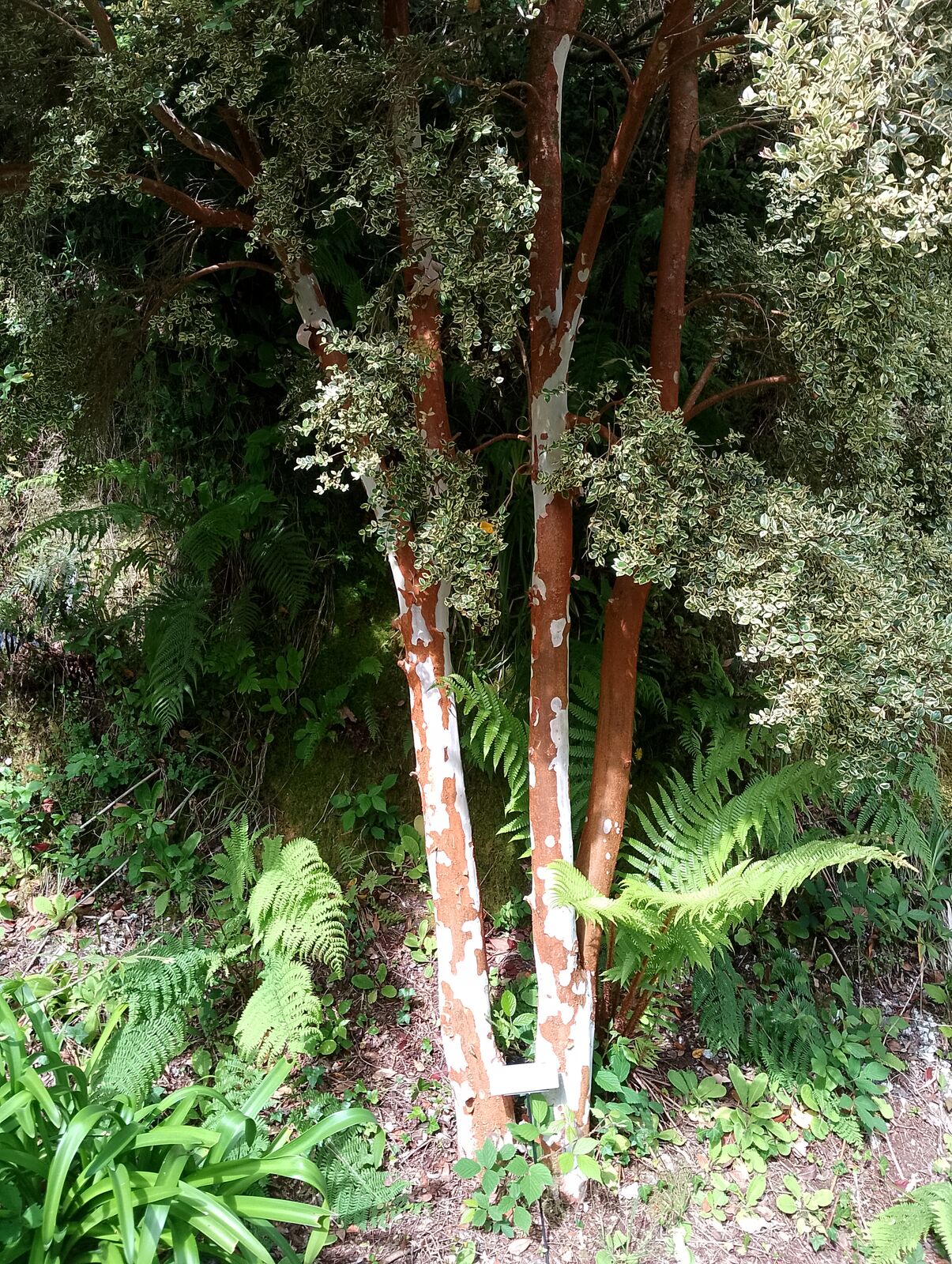
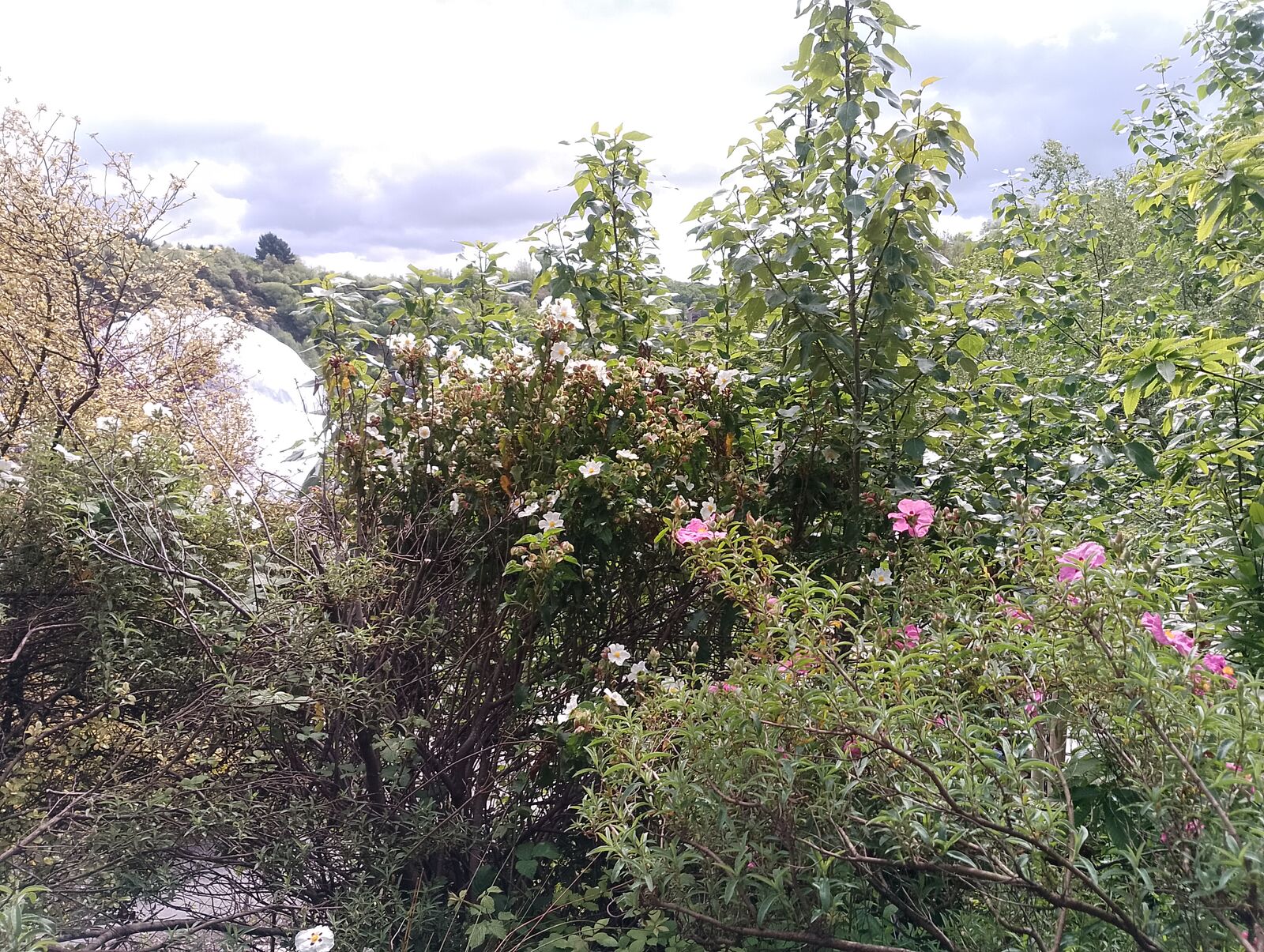
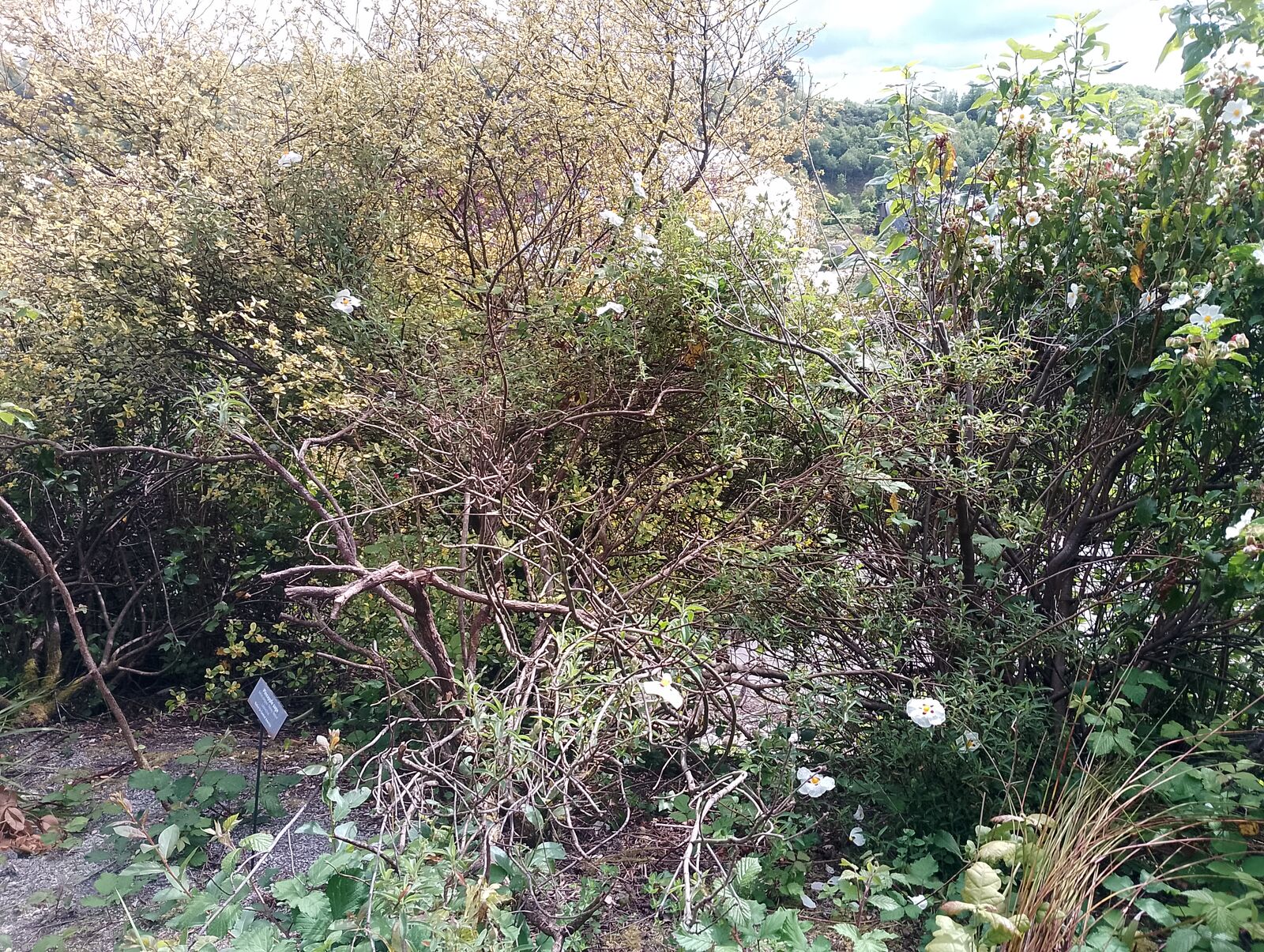
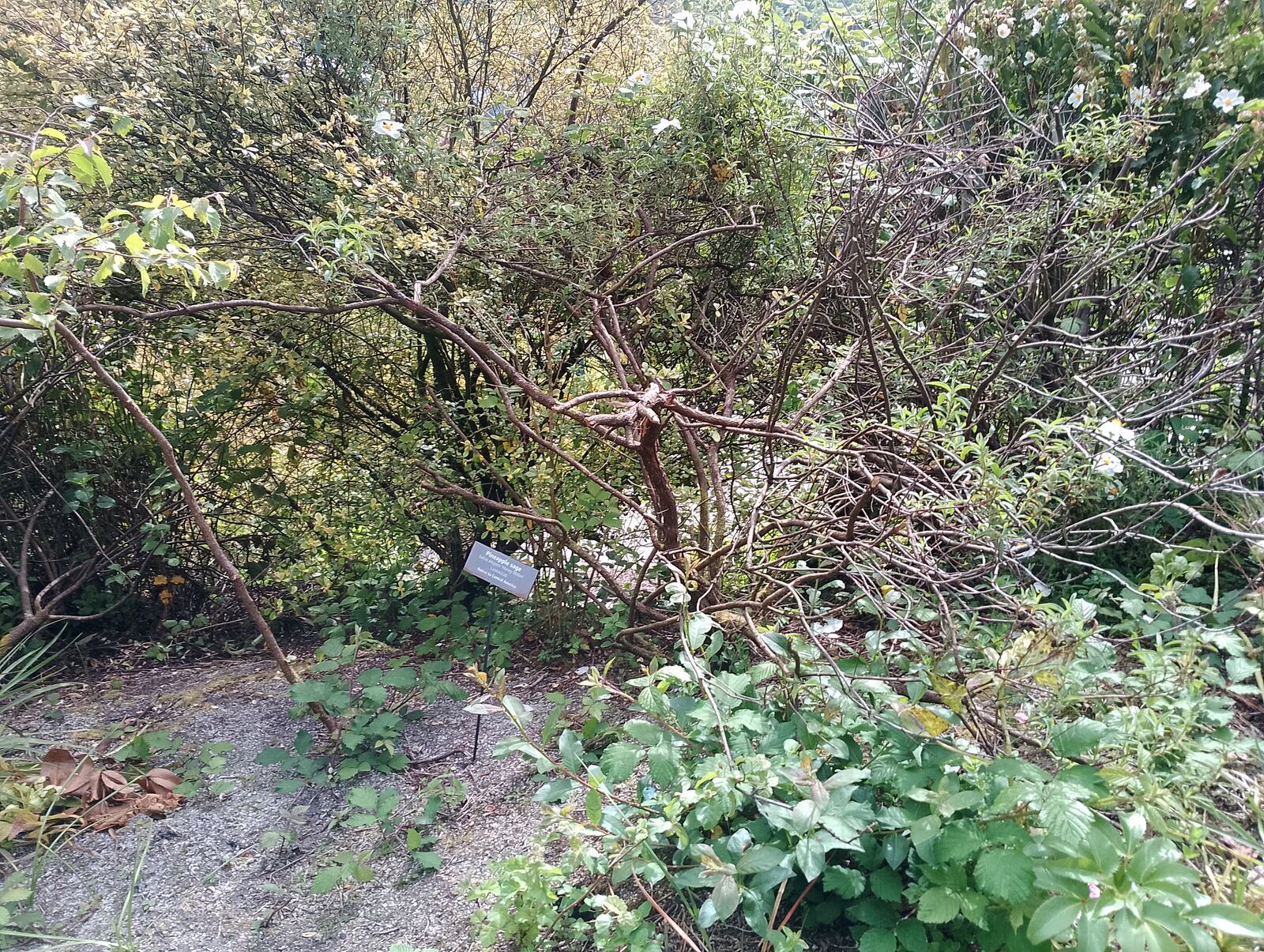
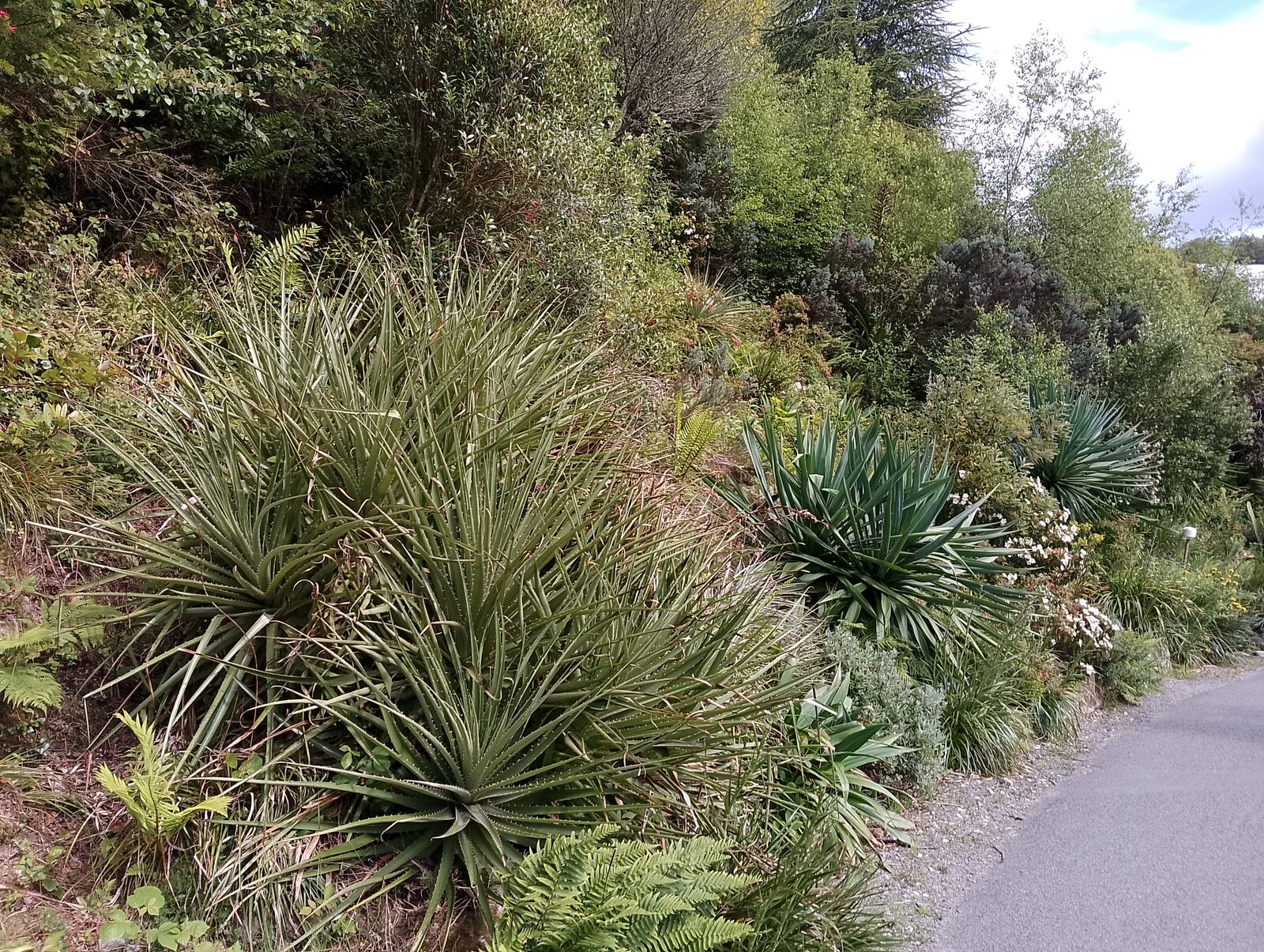
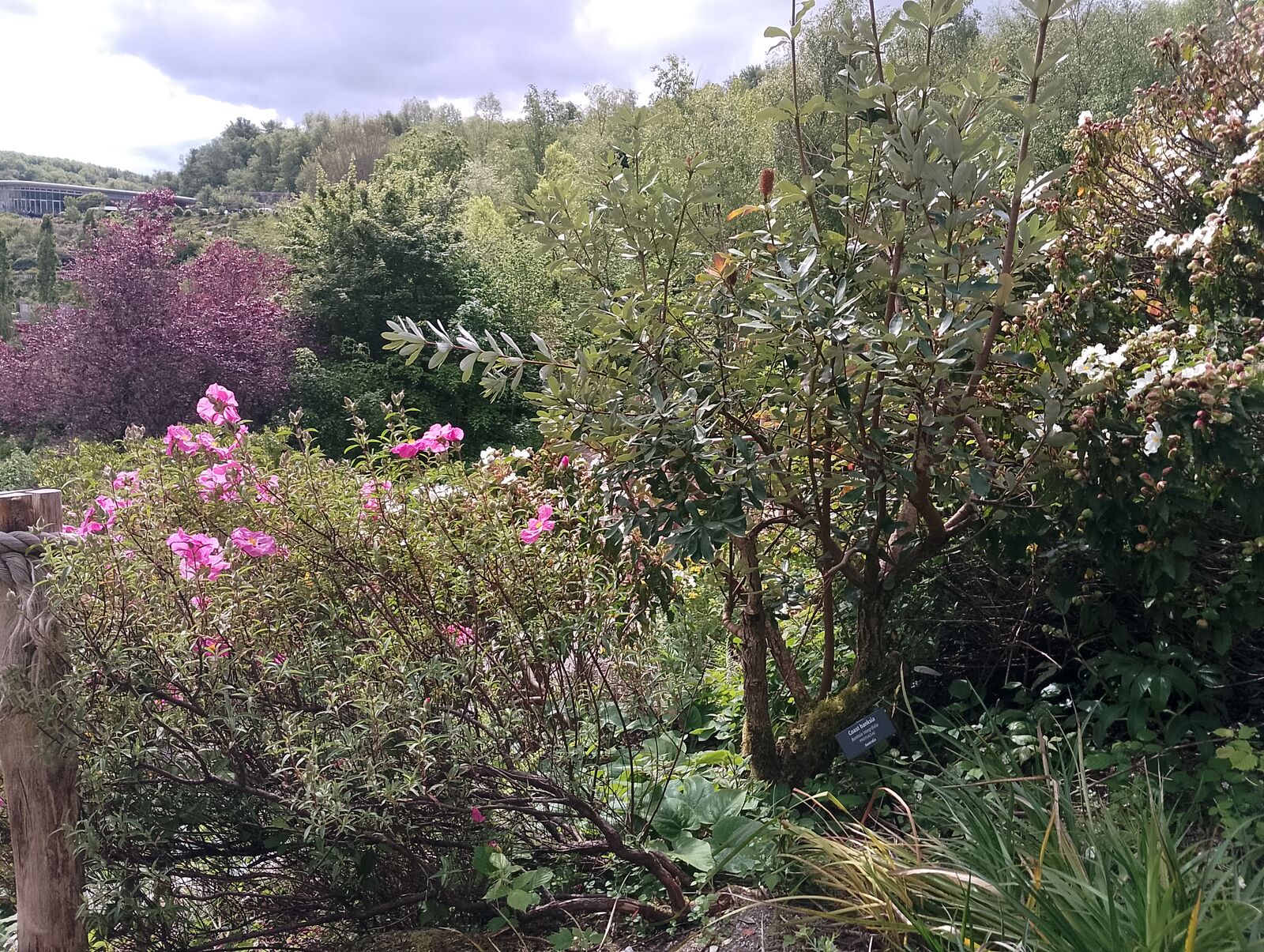
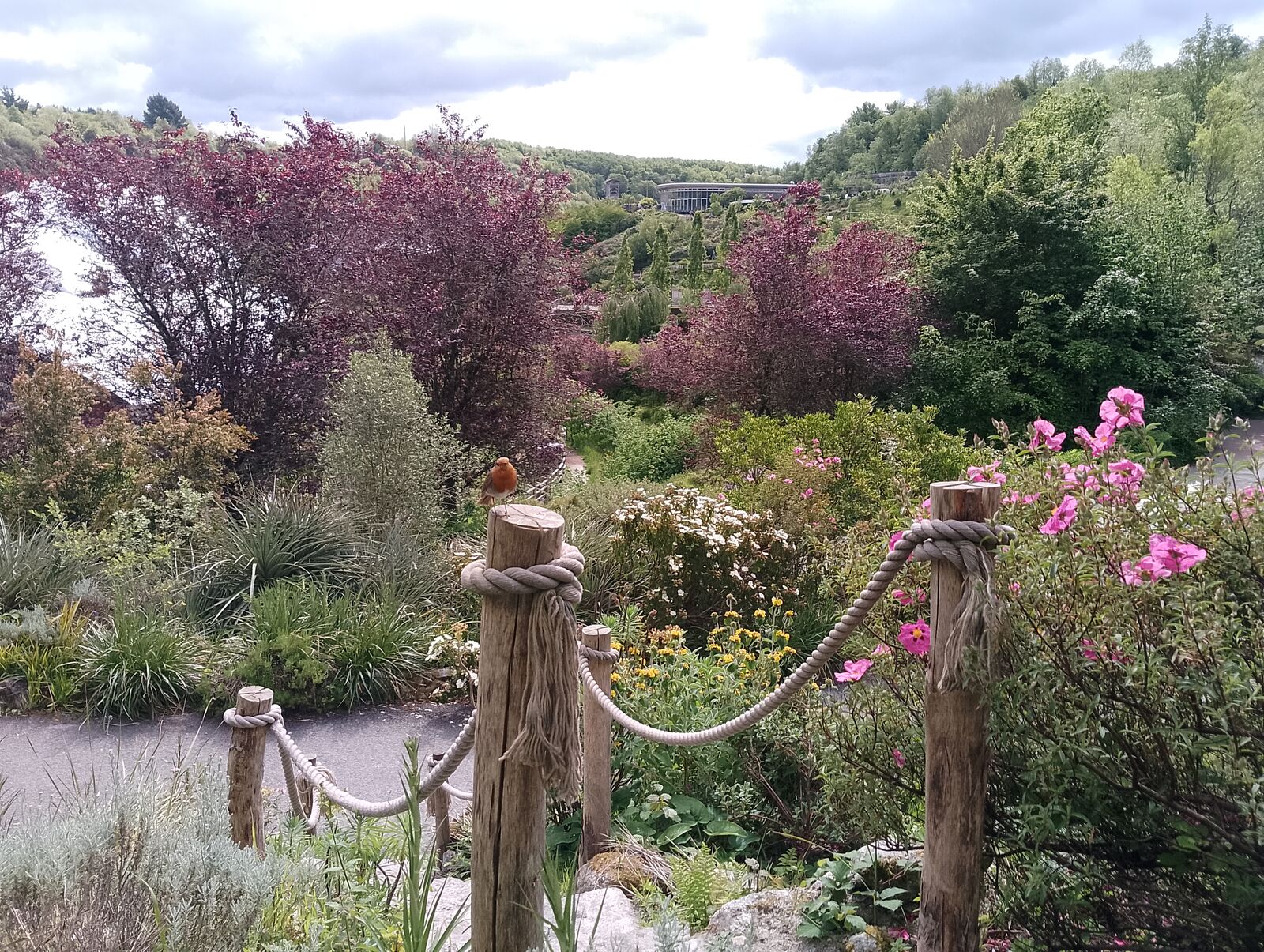
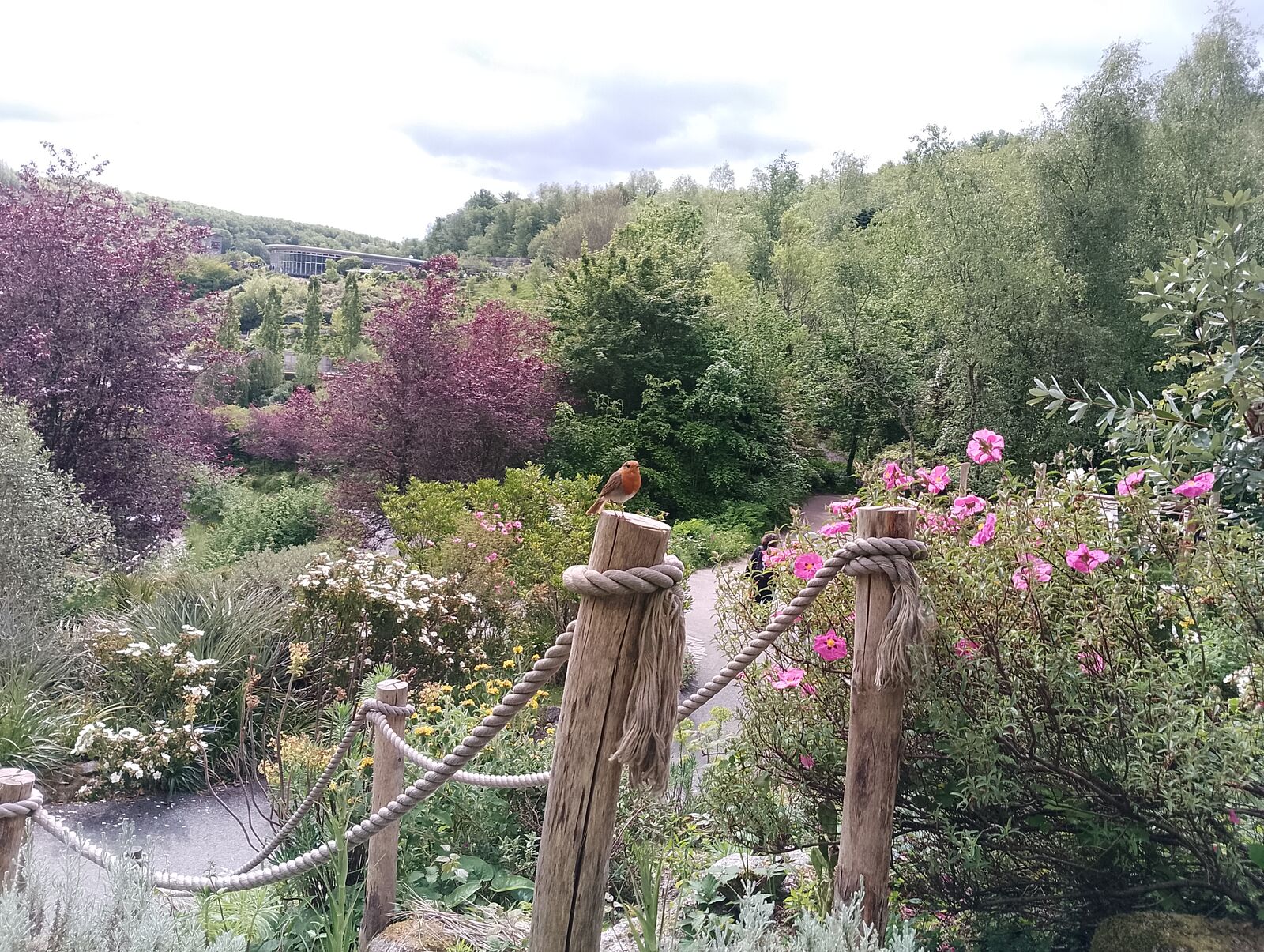
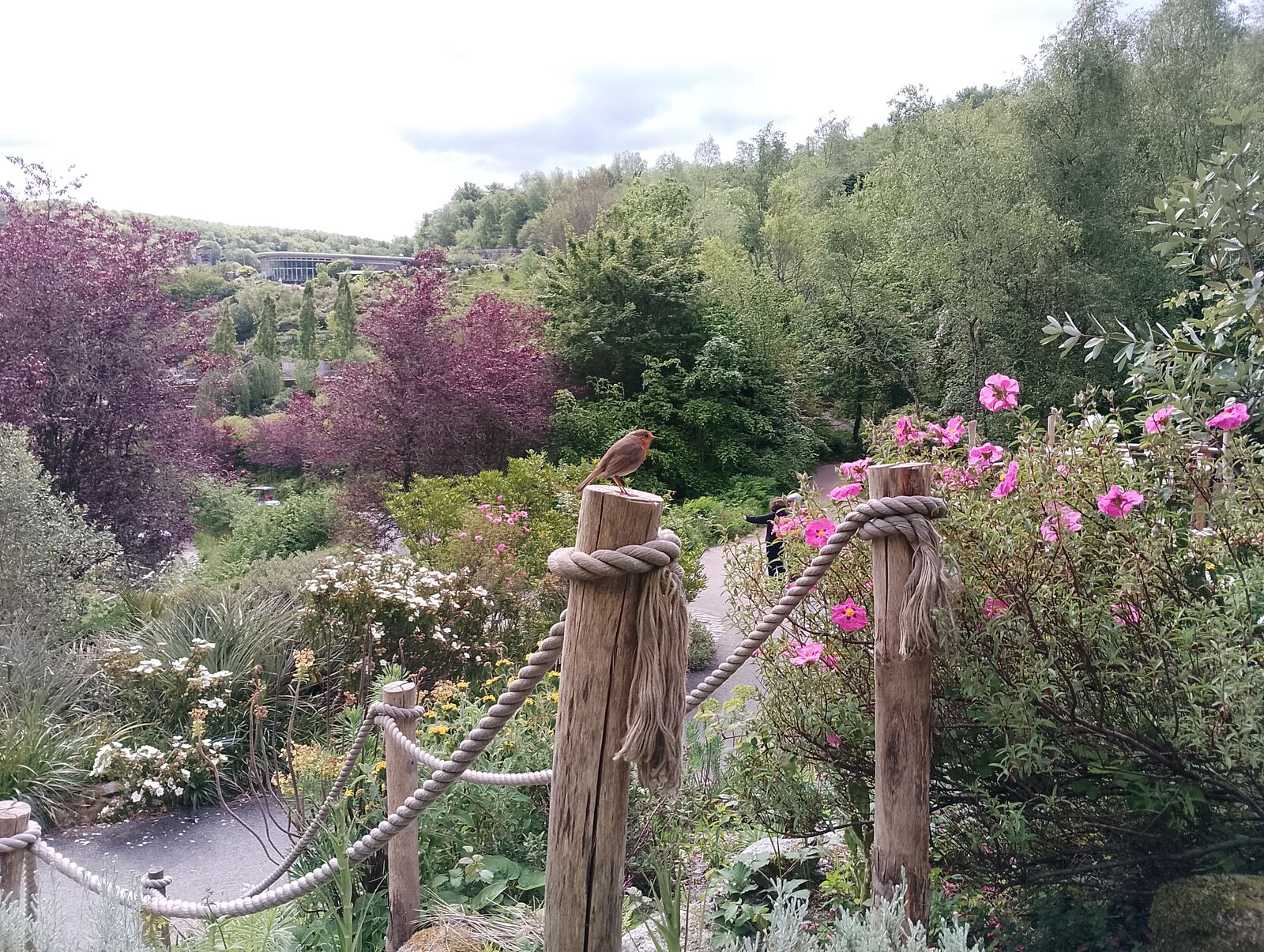
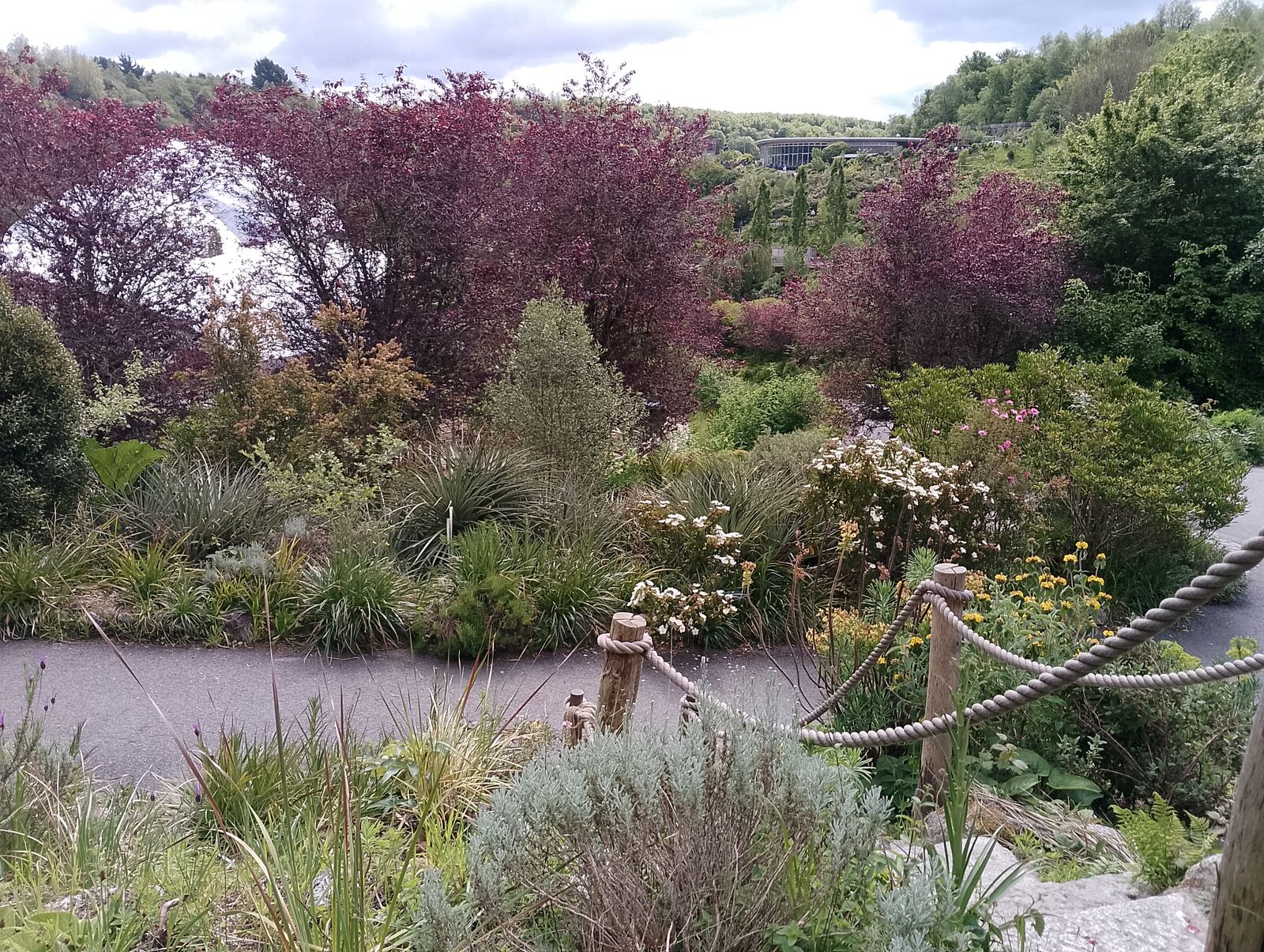
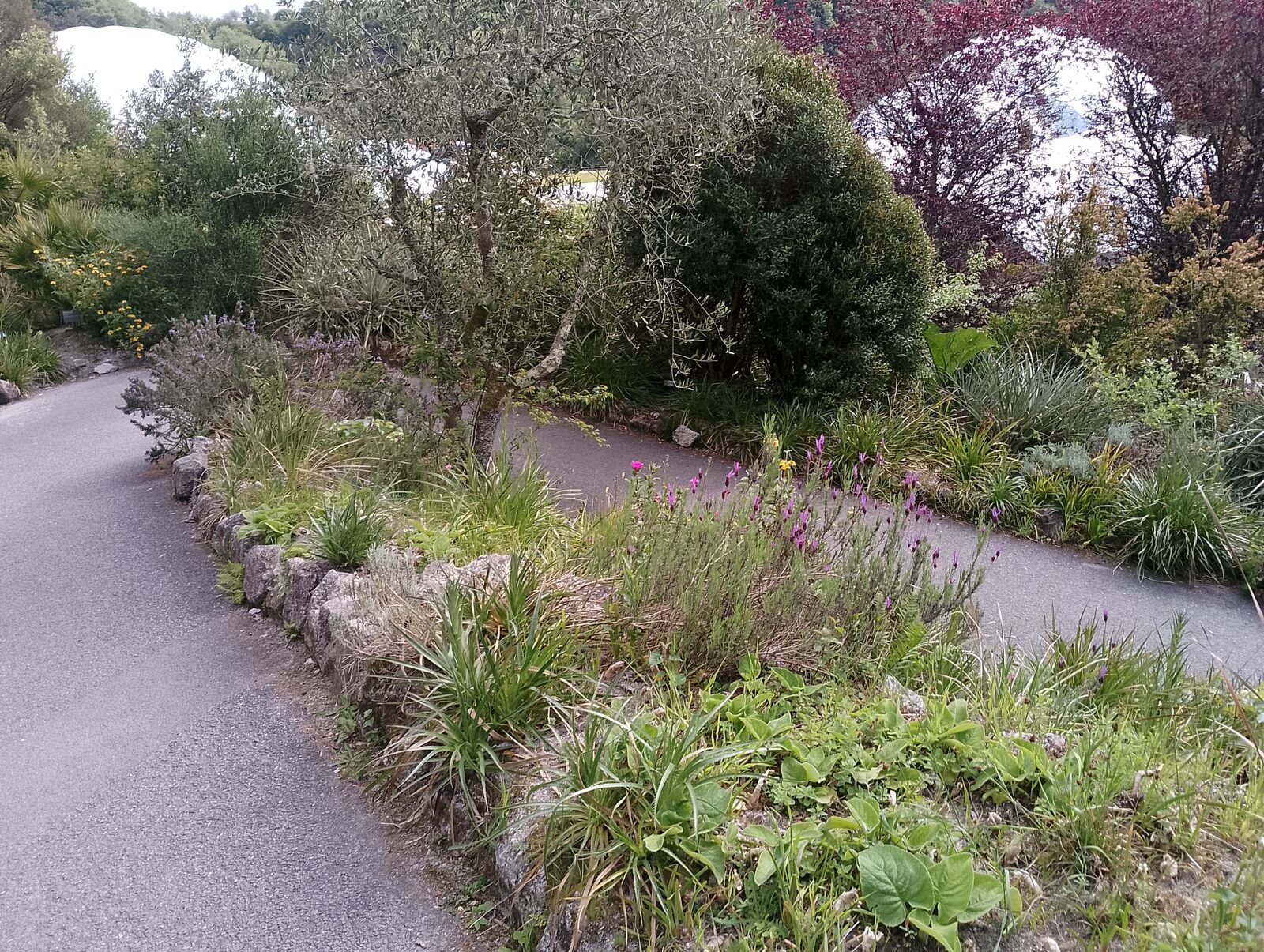
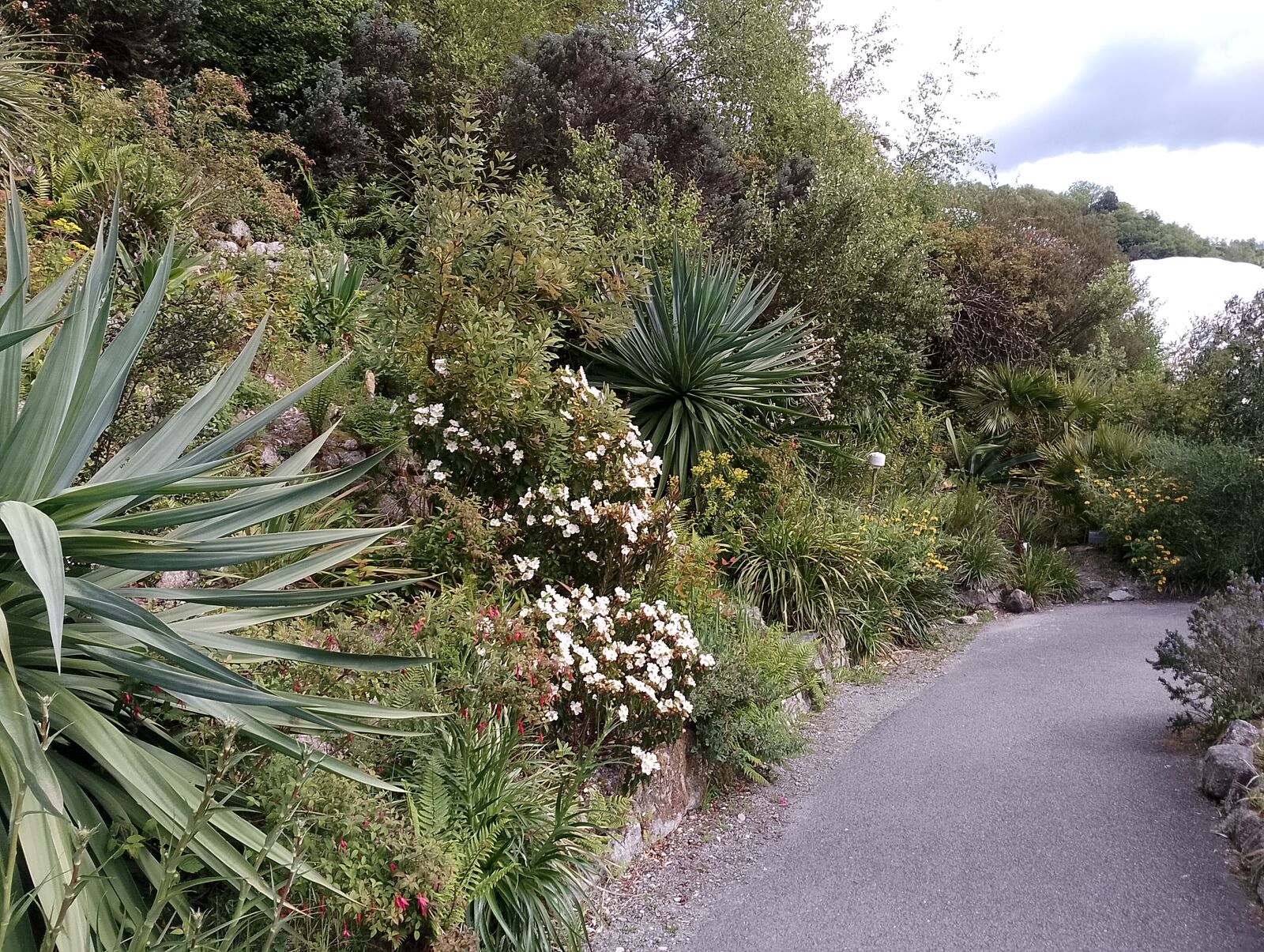
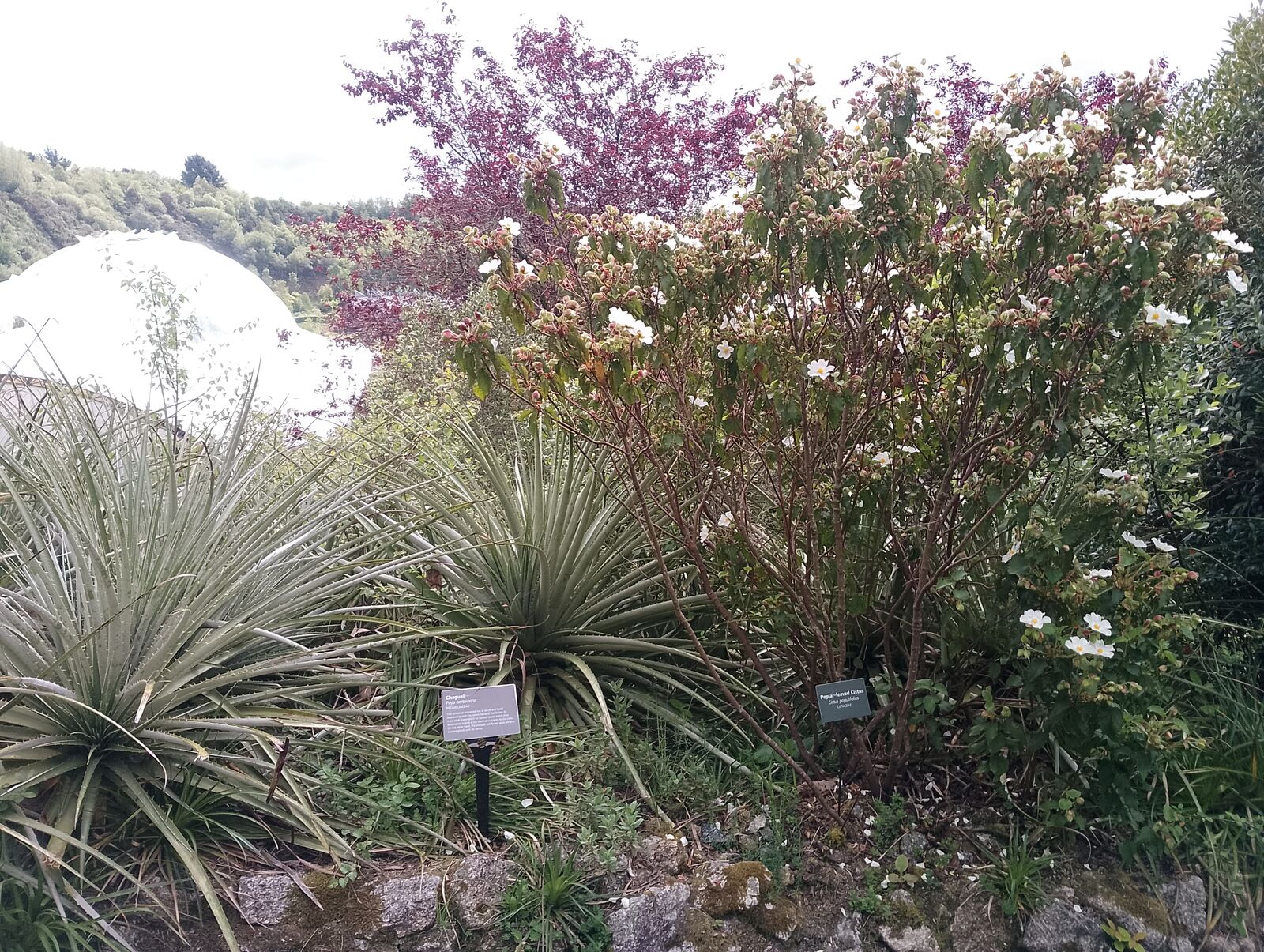
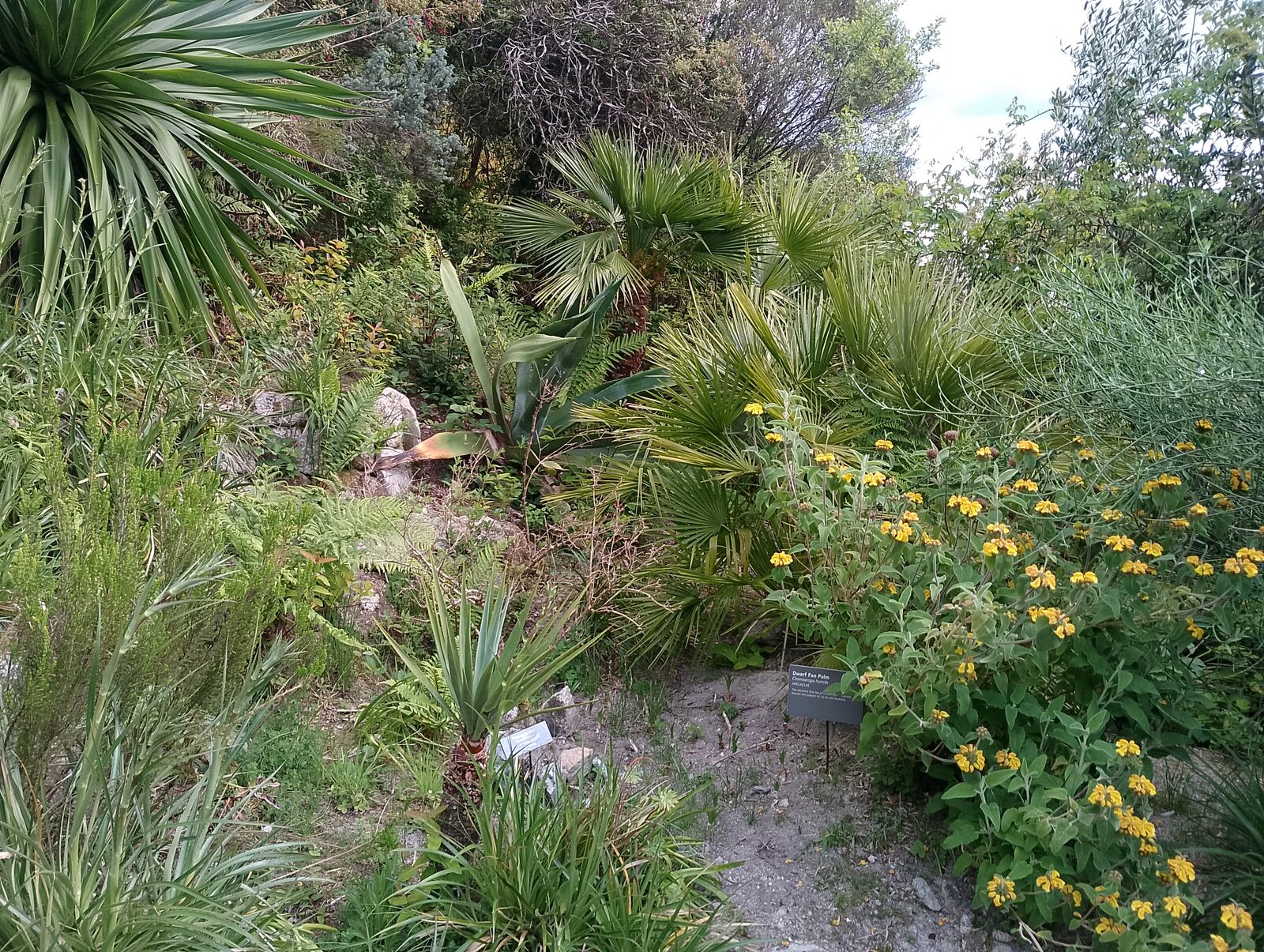
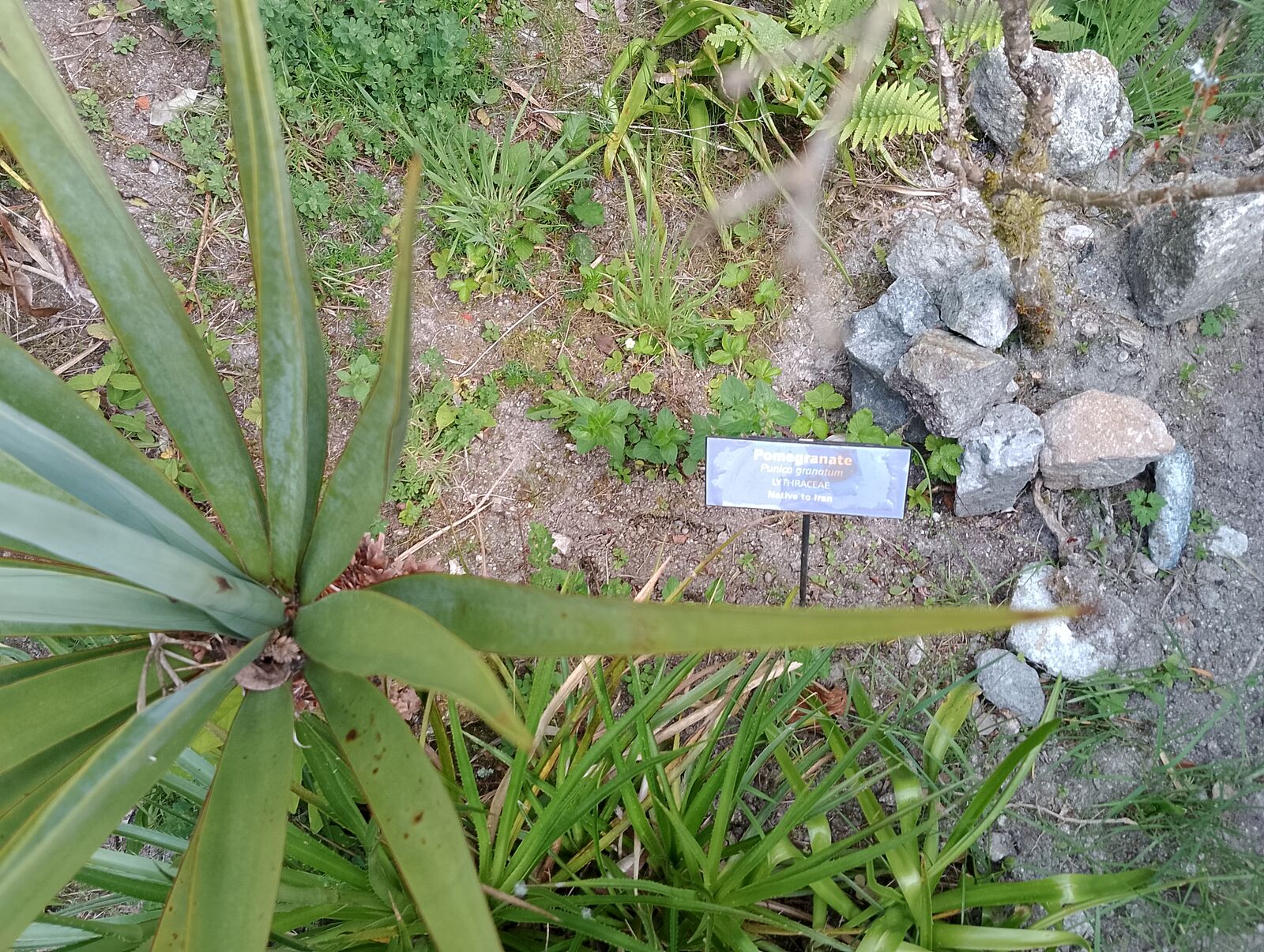
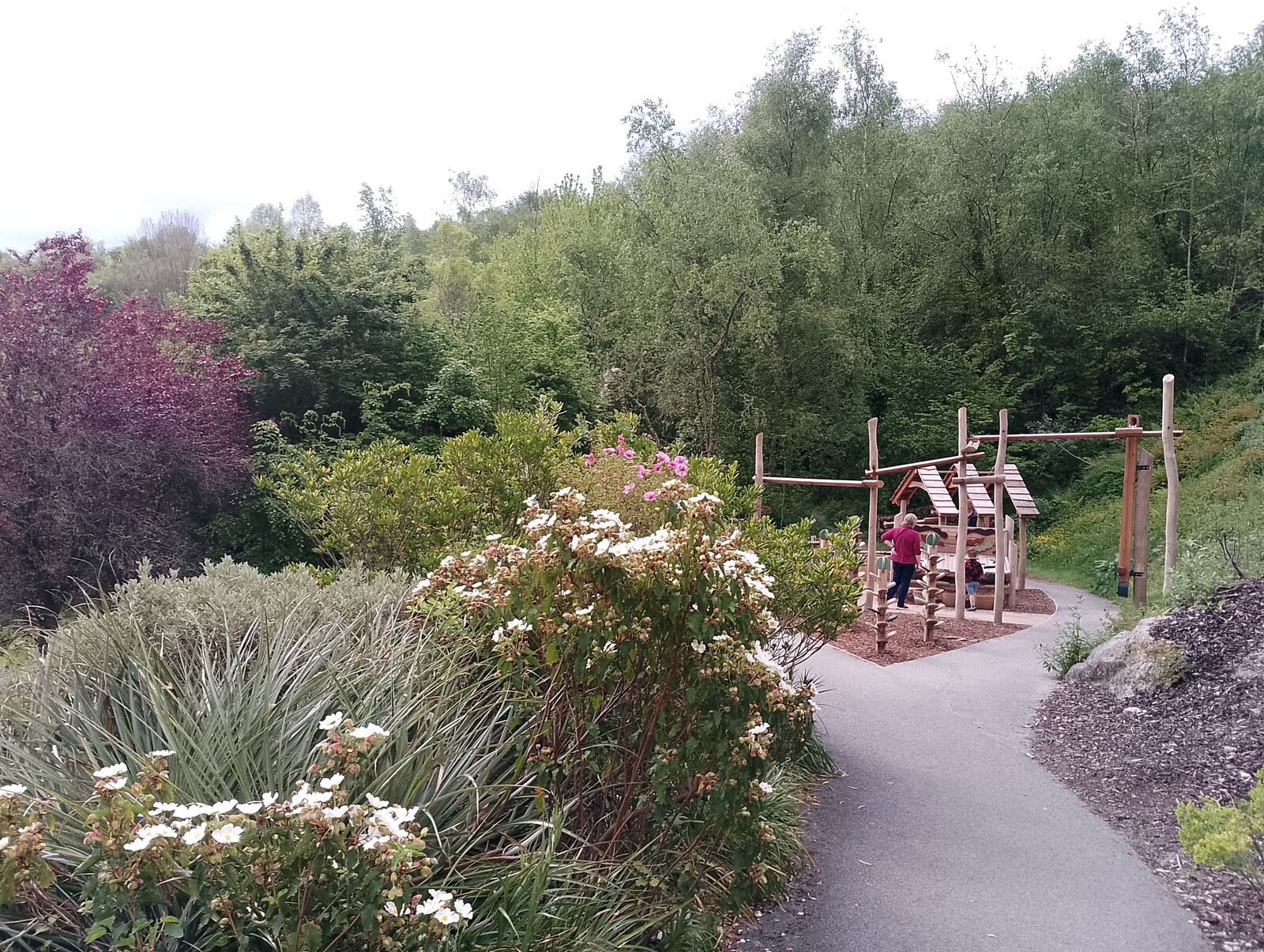
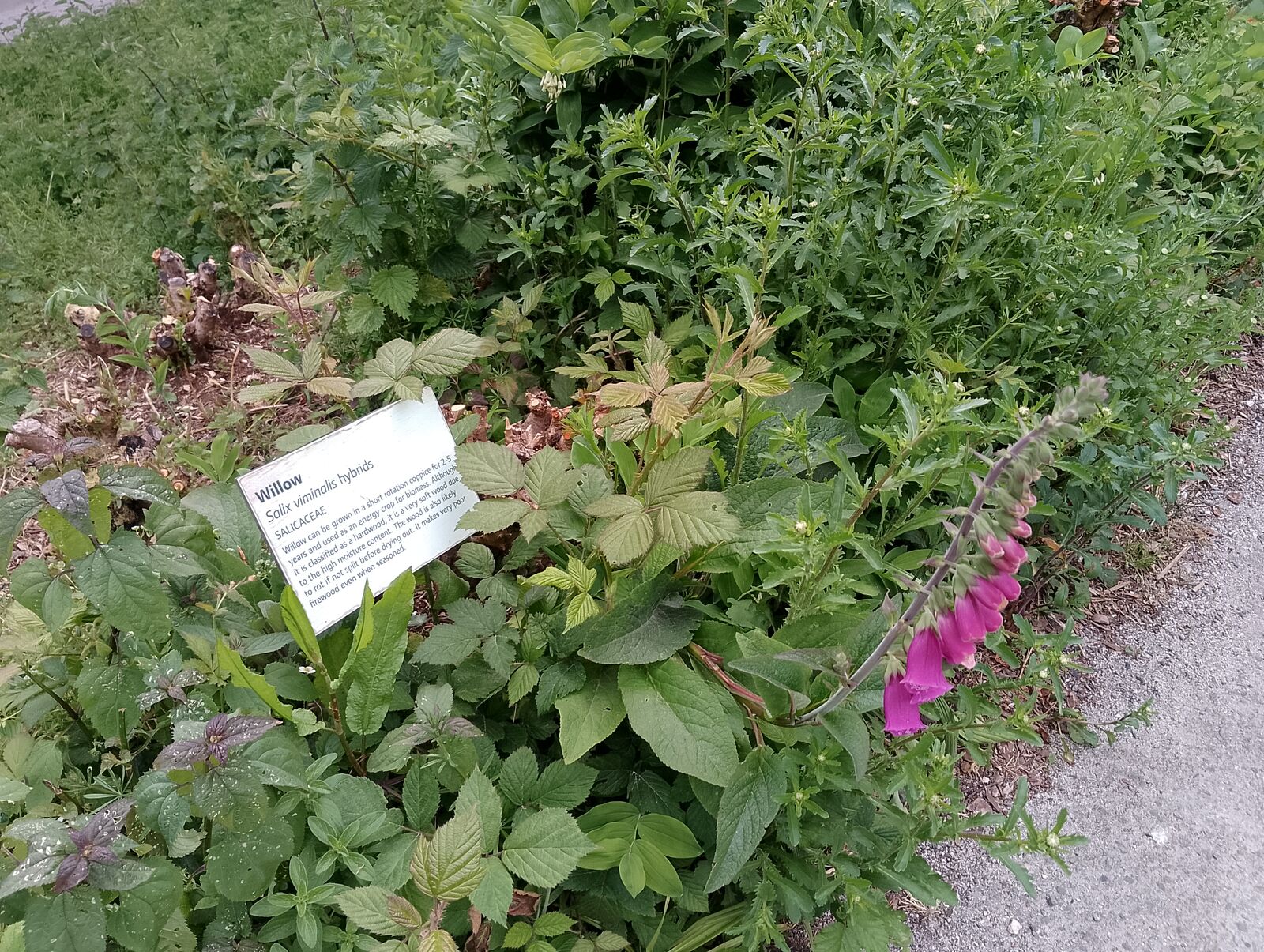
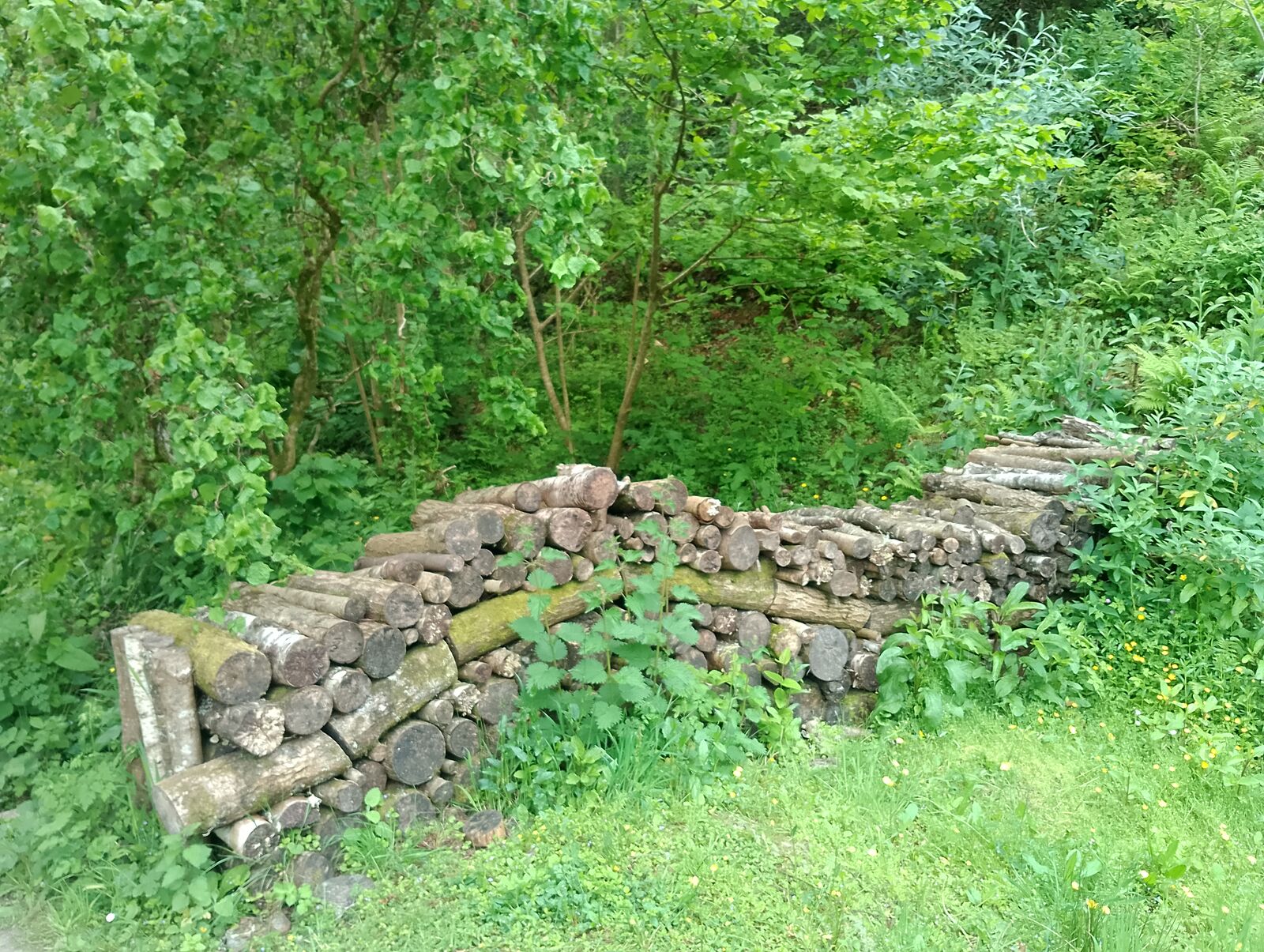
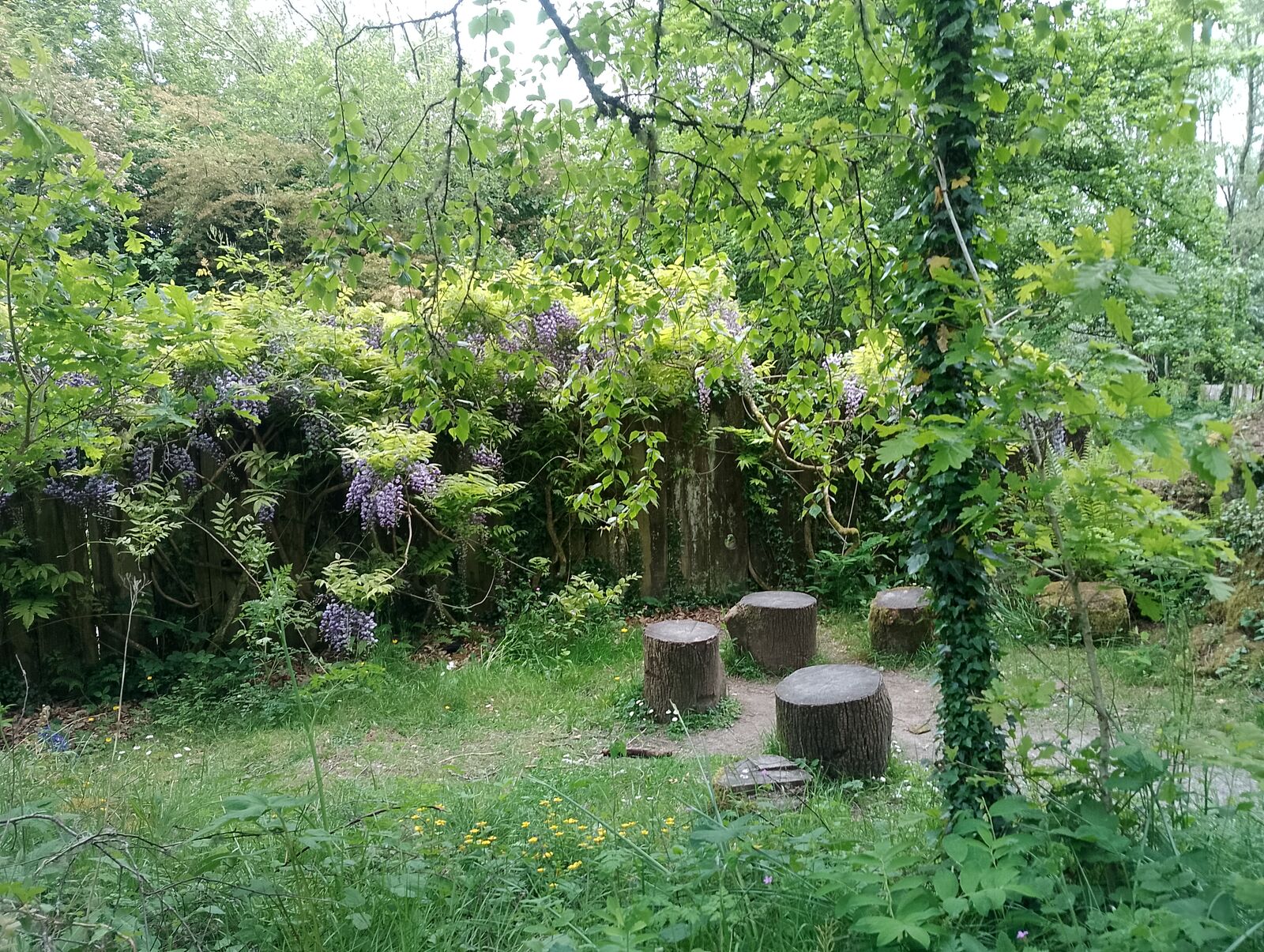
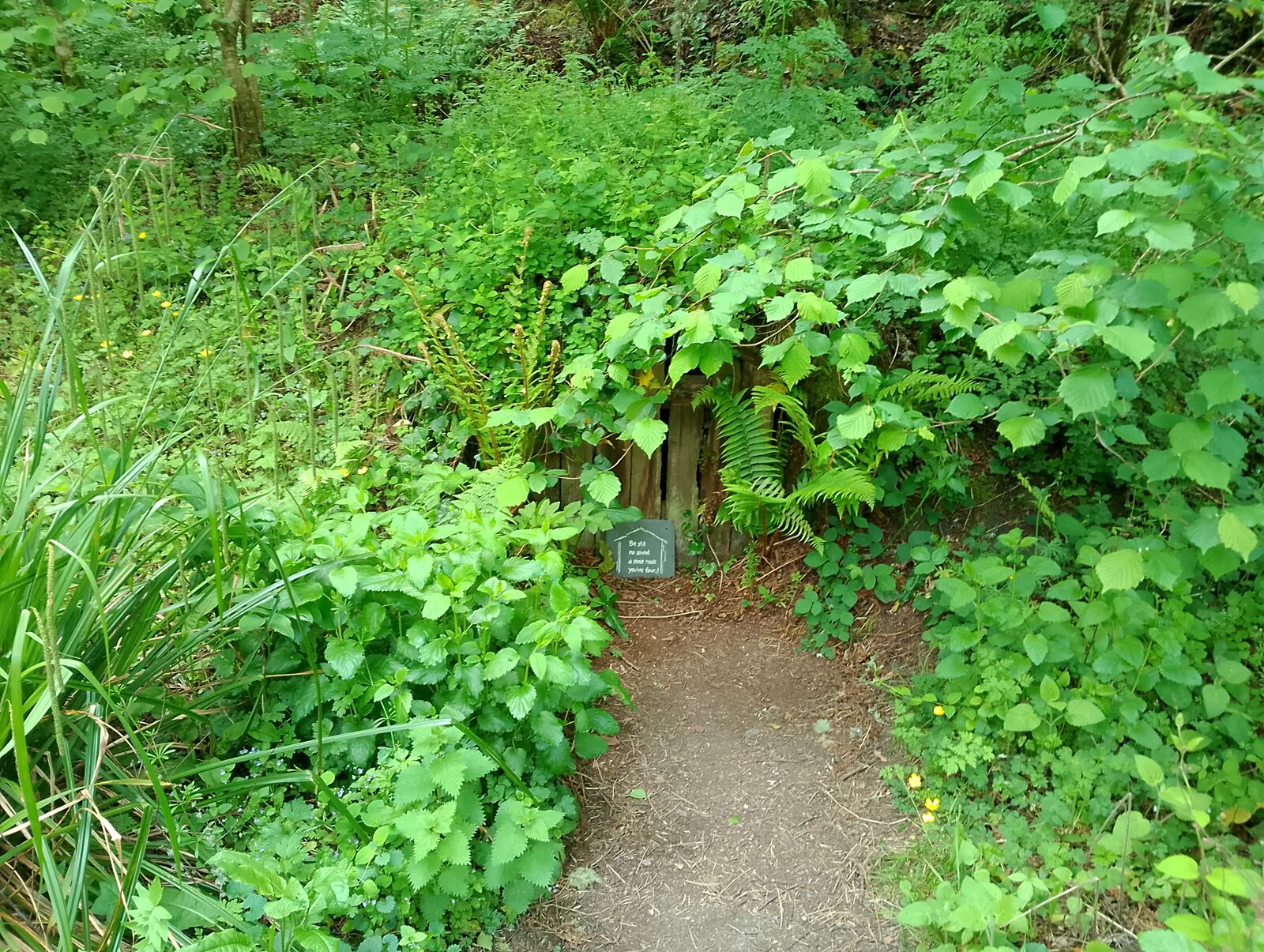
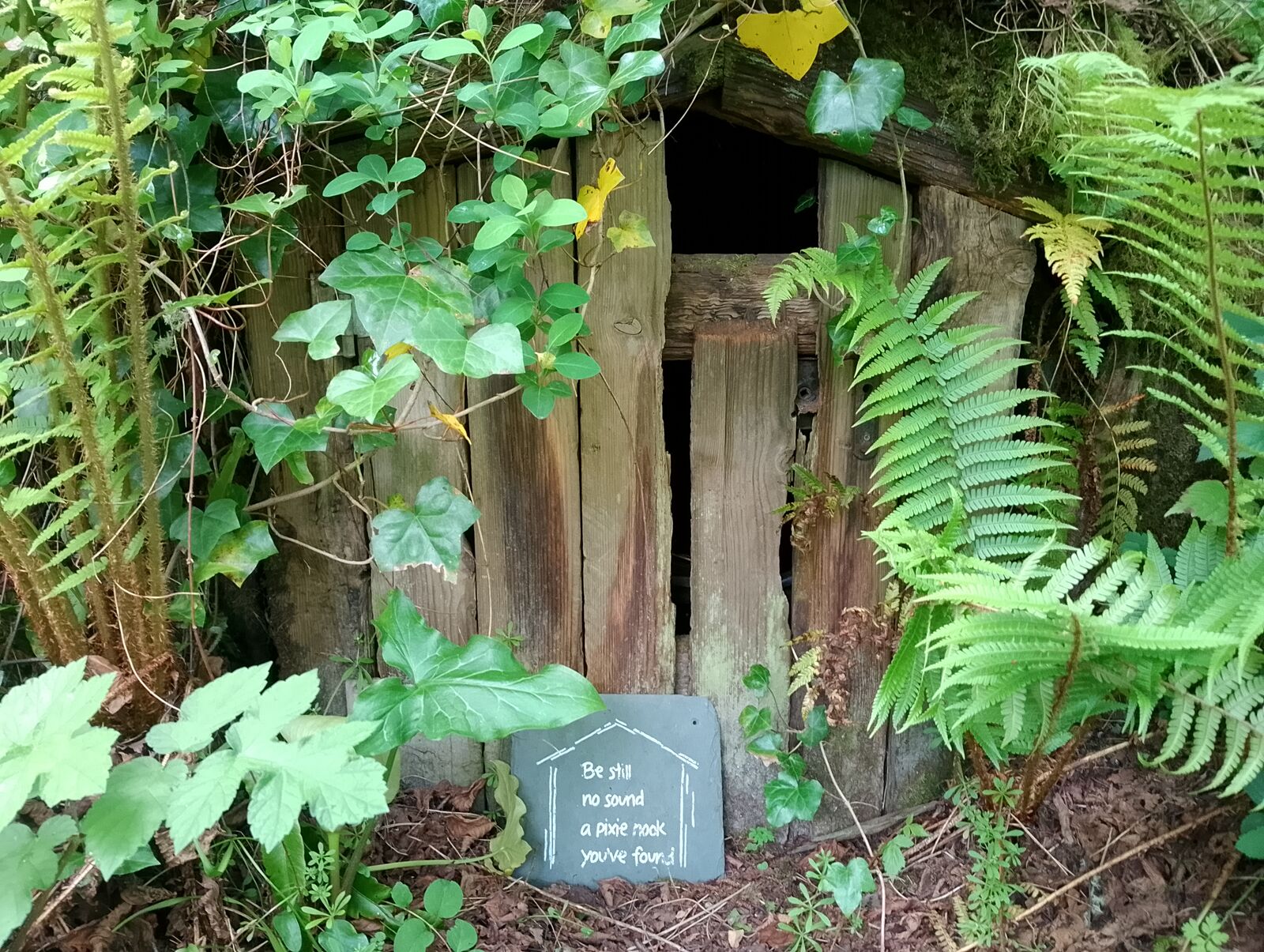
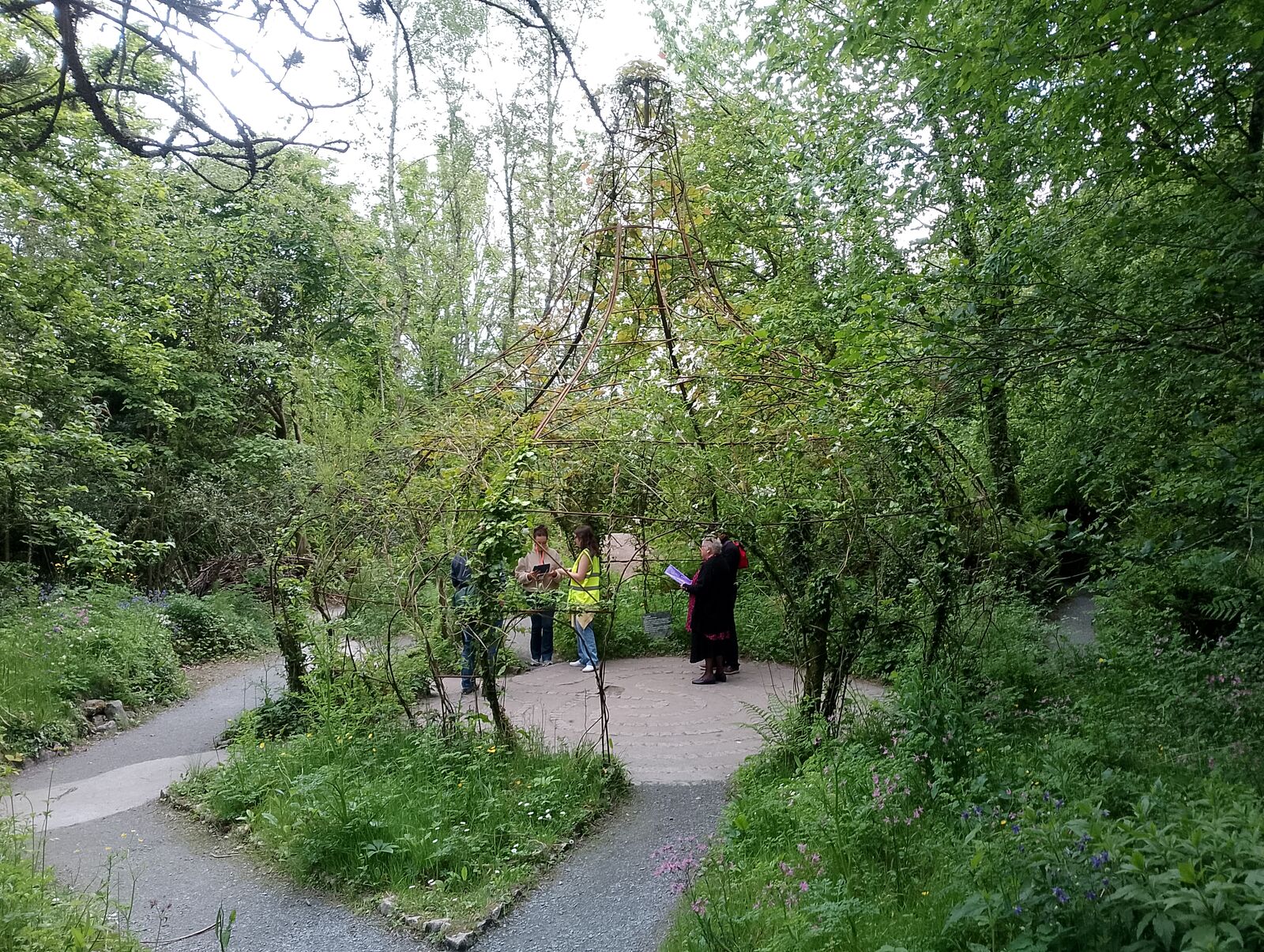
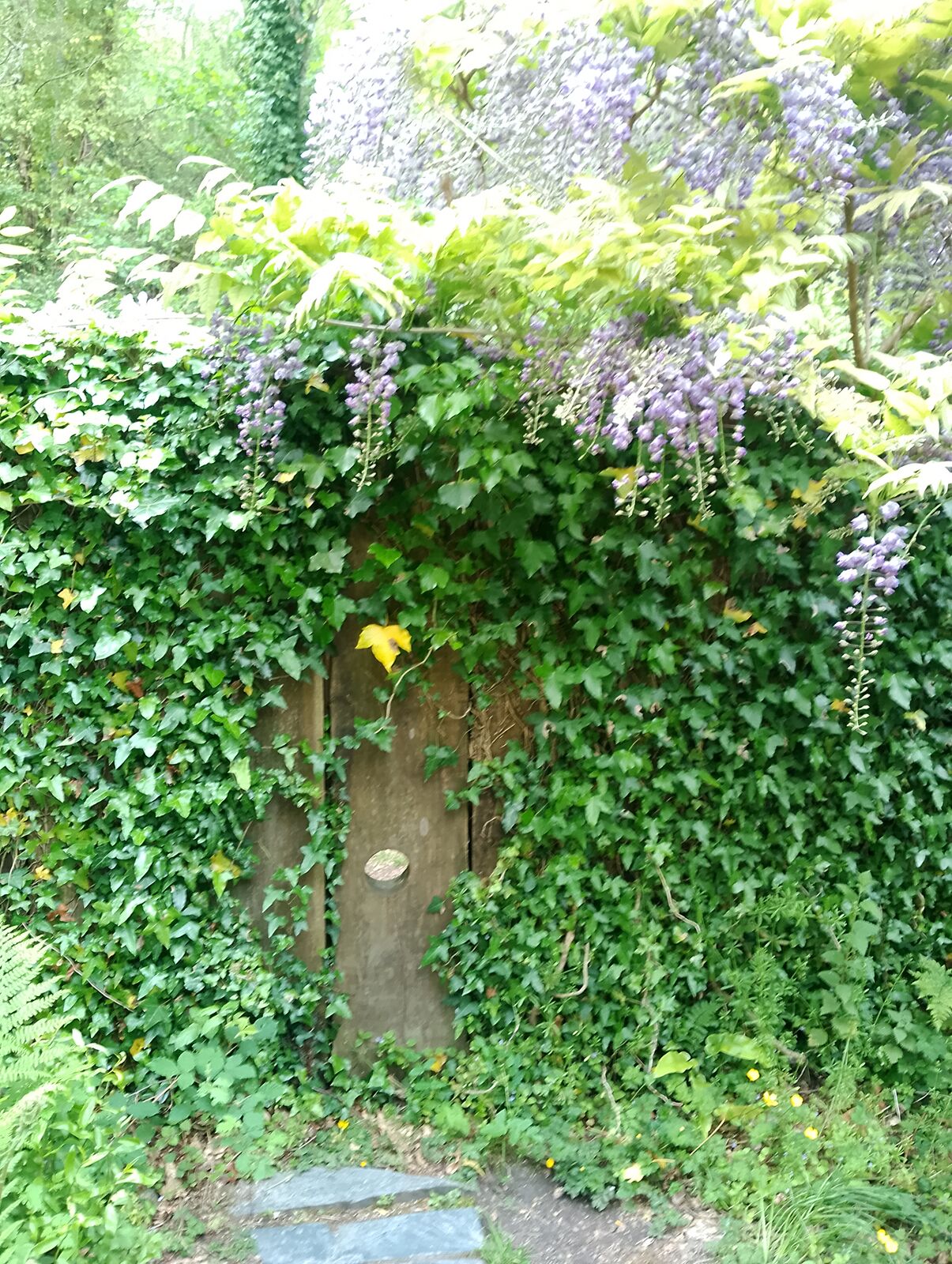
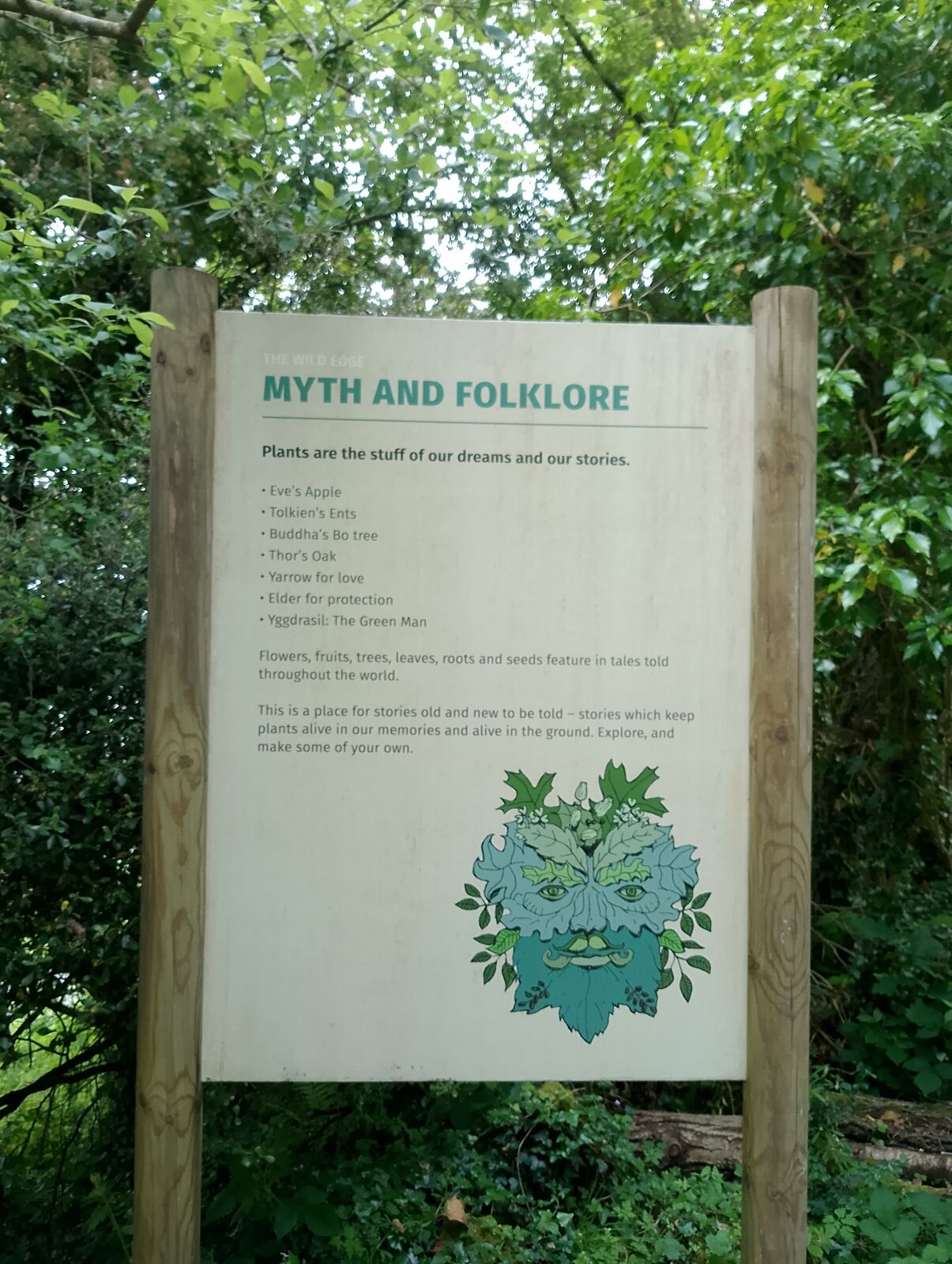
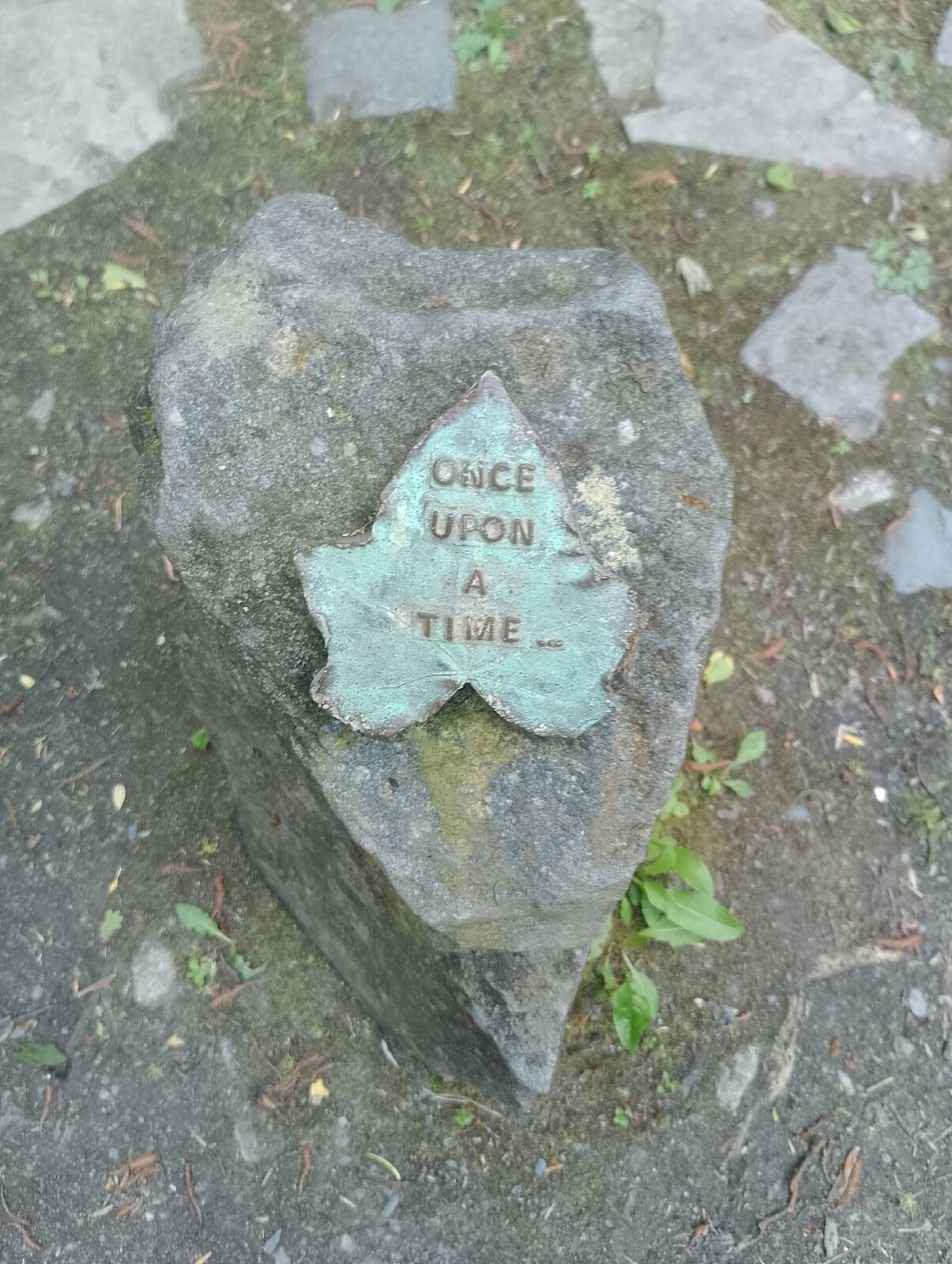
This is a world of myth and story telling, the green man is present and some actors are setting up for their show in a couple of hours time, which is a fitting comment as once they have said hello, I’m invited to their performance on the nature of time. We shall save the review of this for later, since blog pieces are cronological, and so we will address the visit sequentially.
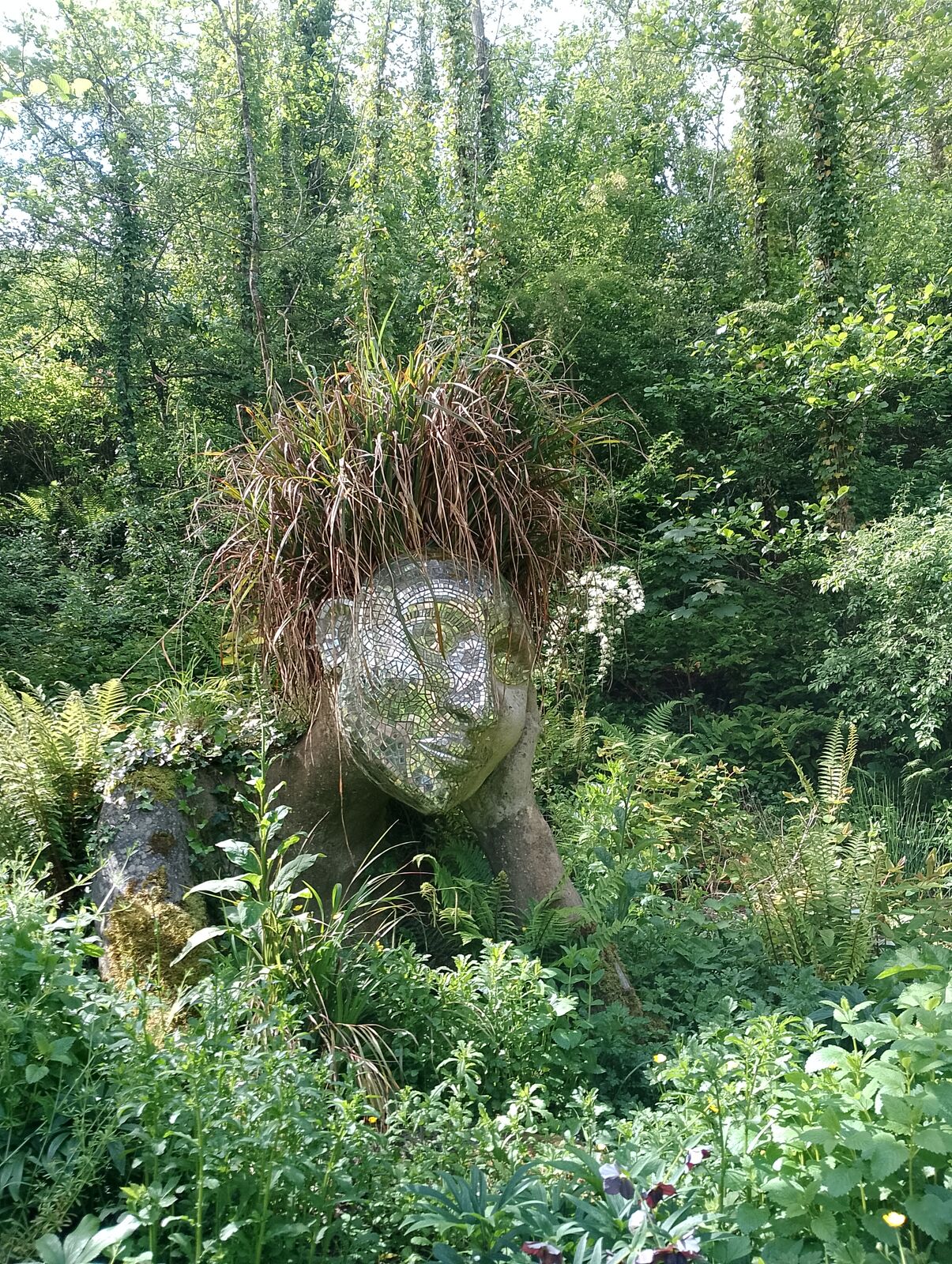
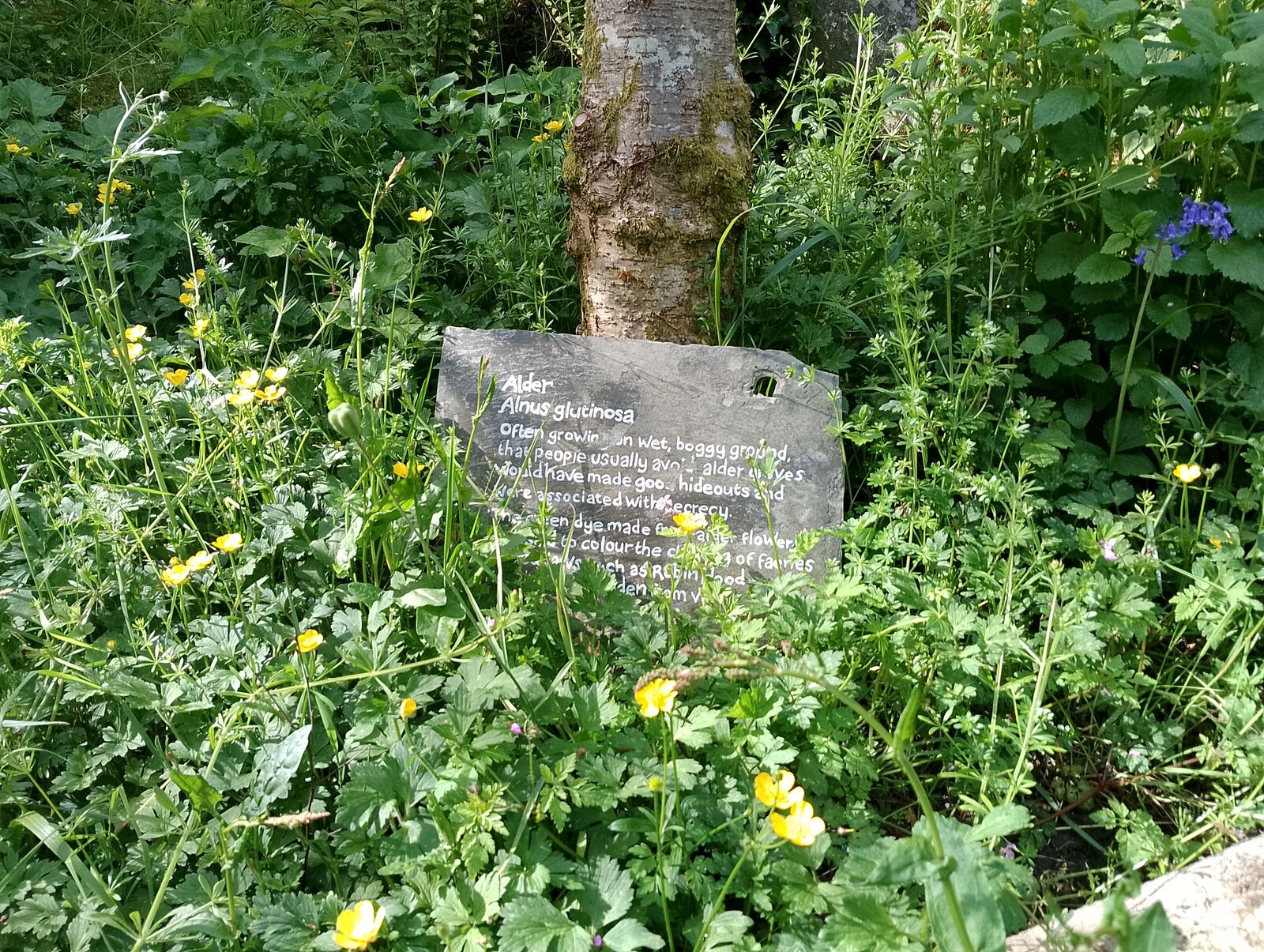
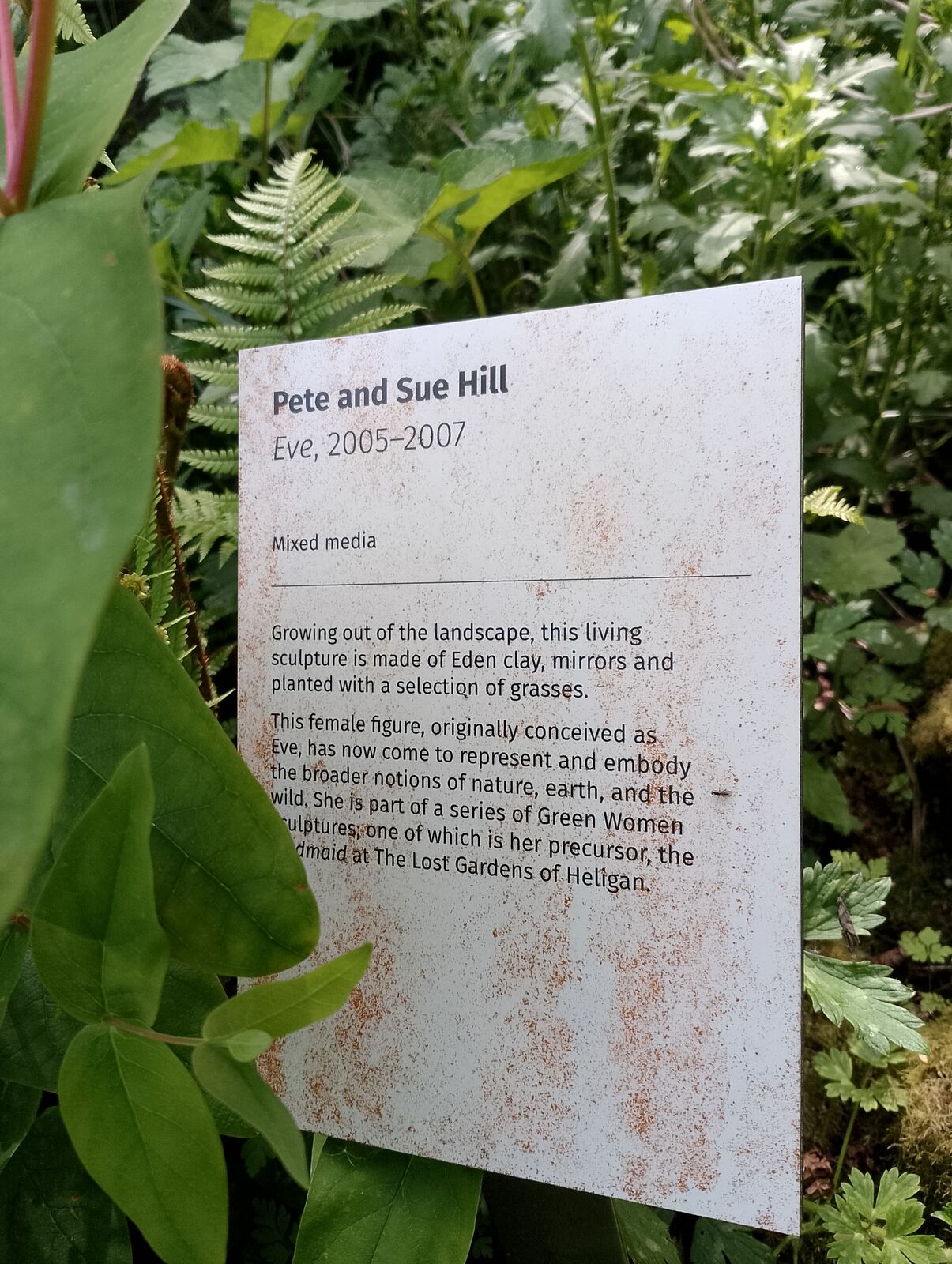
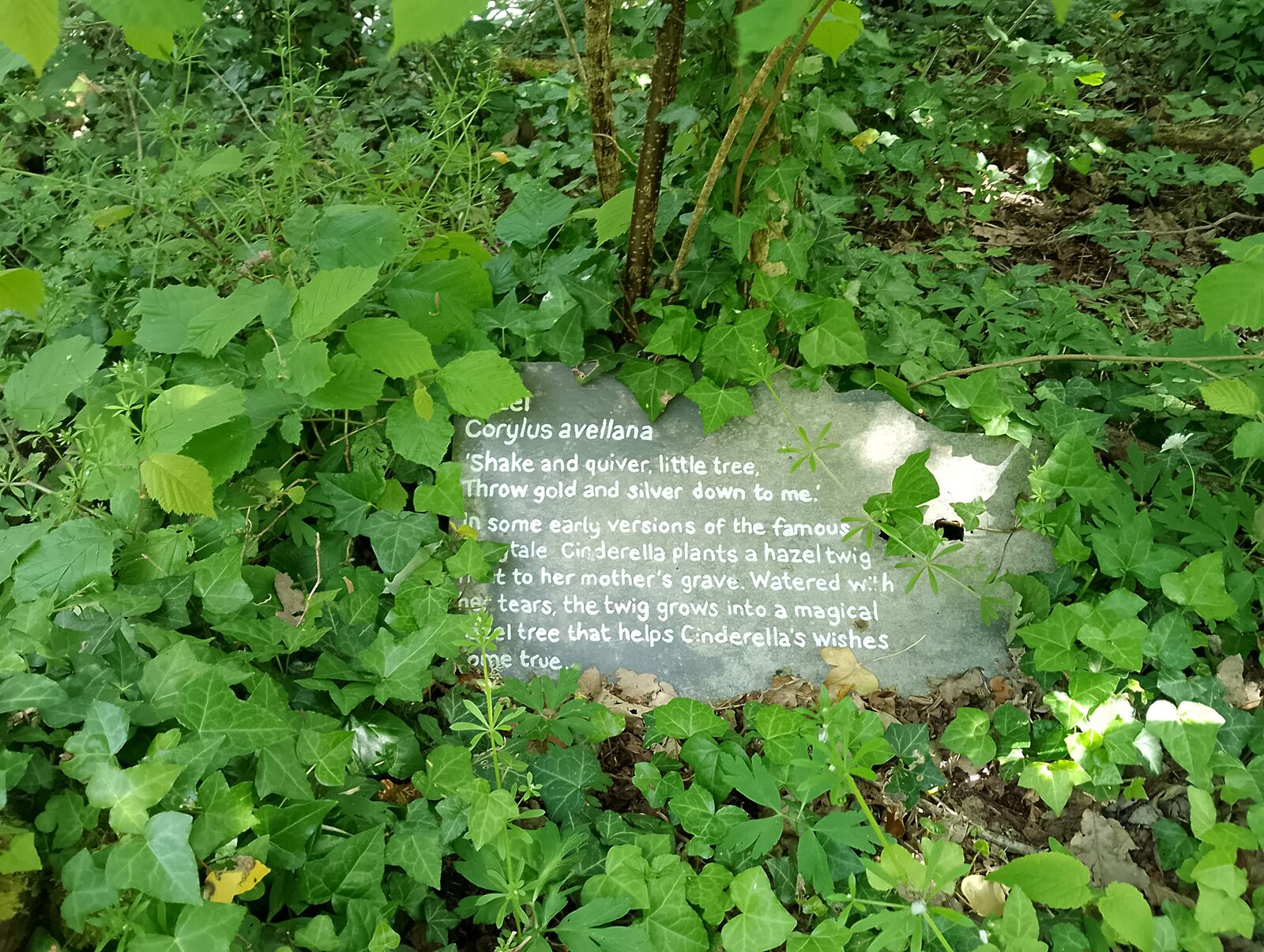
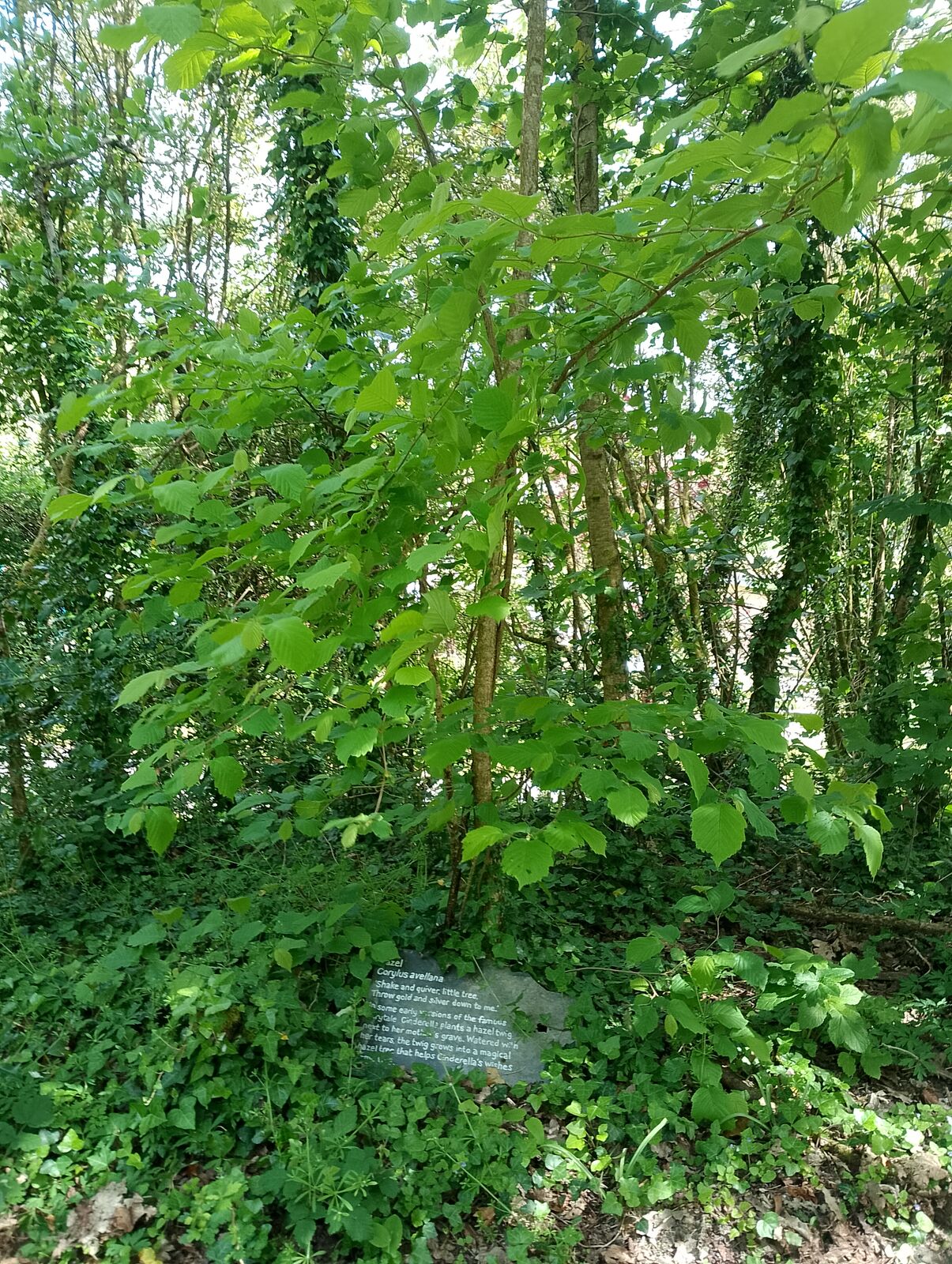
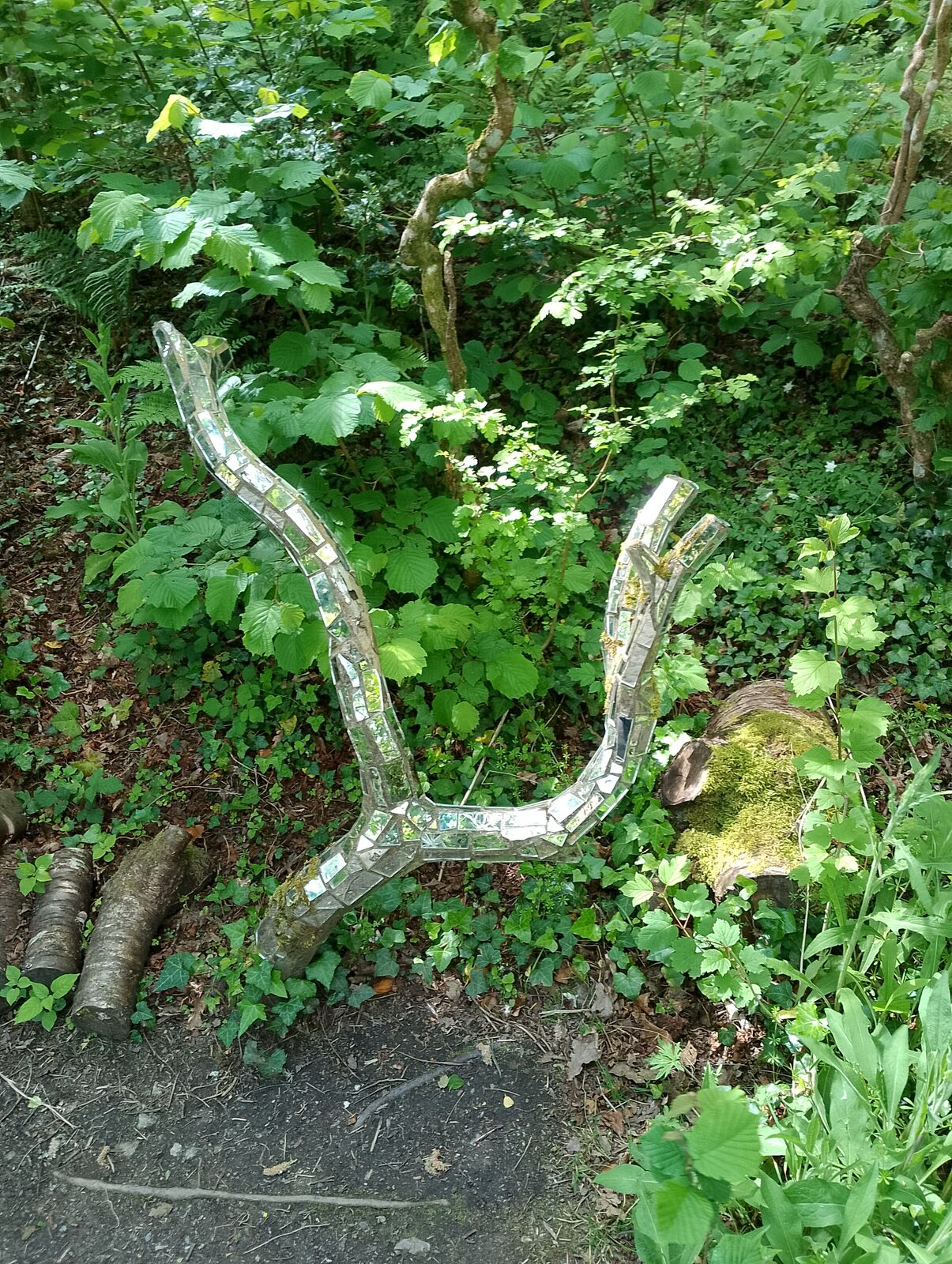
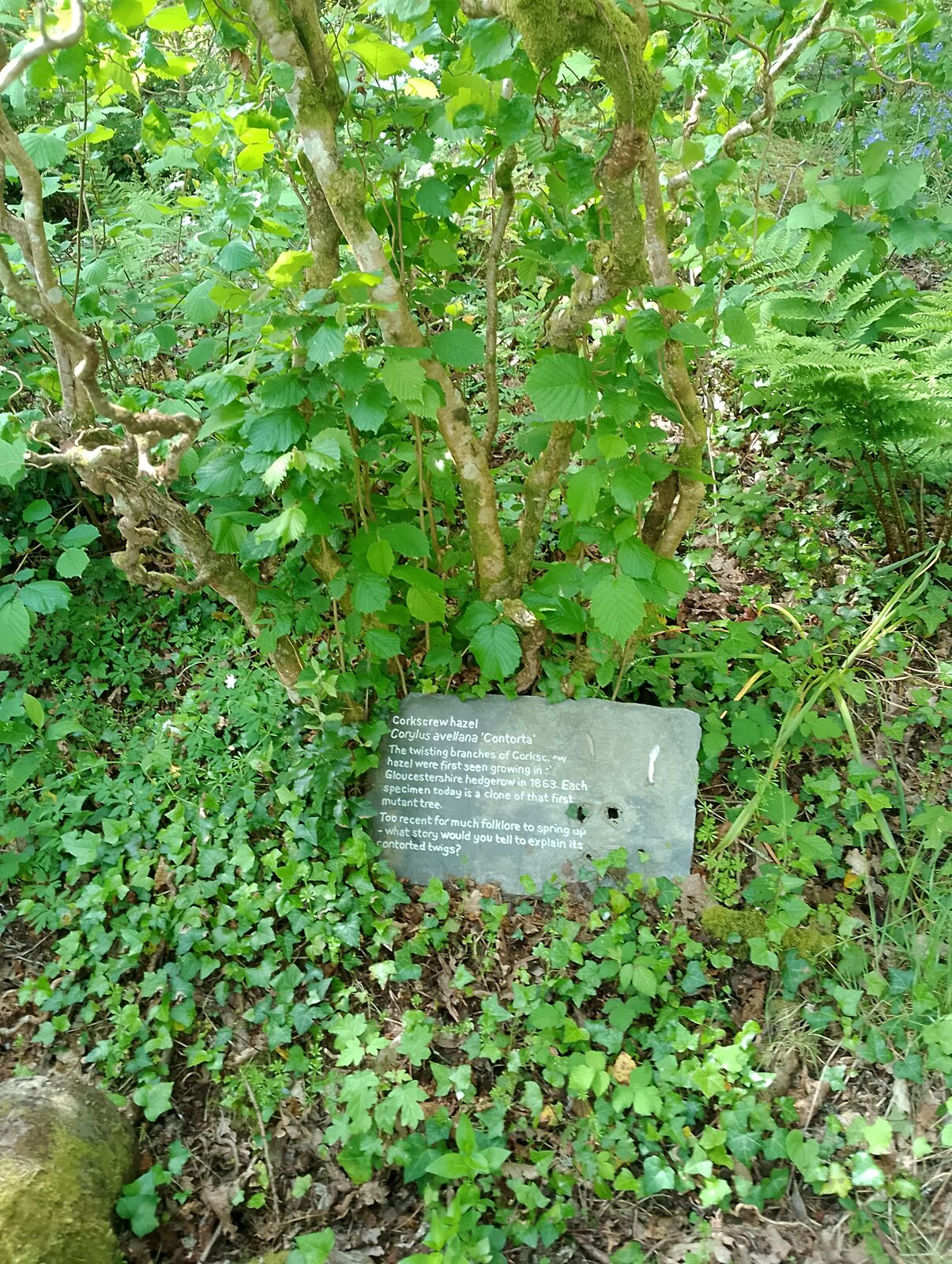
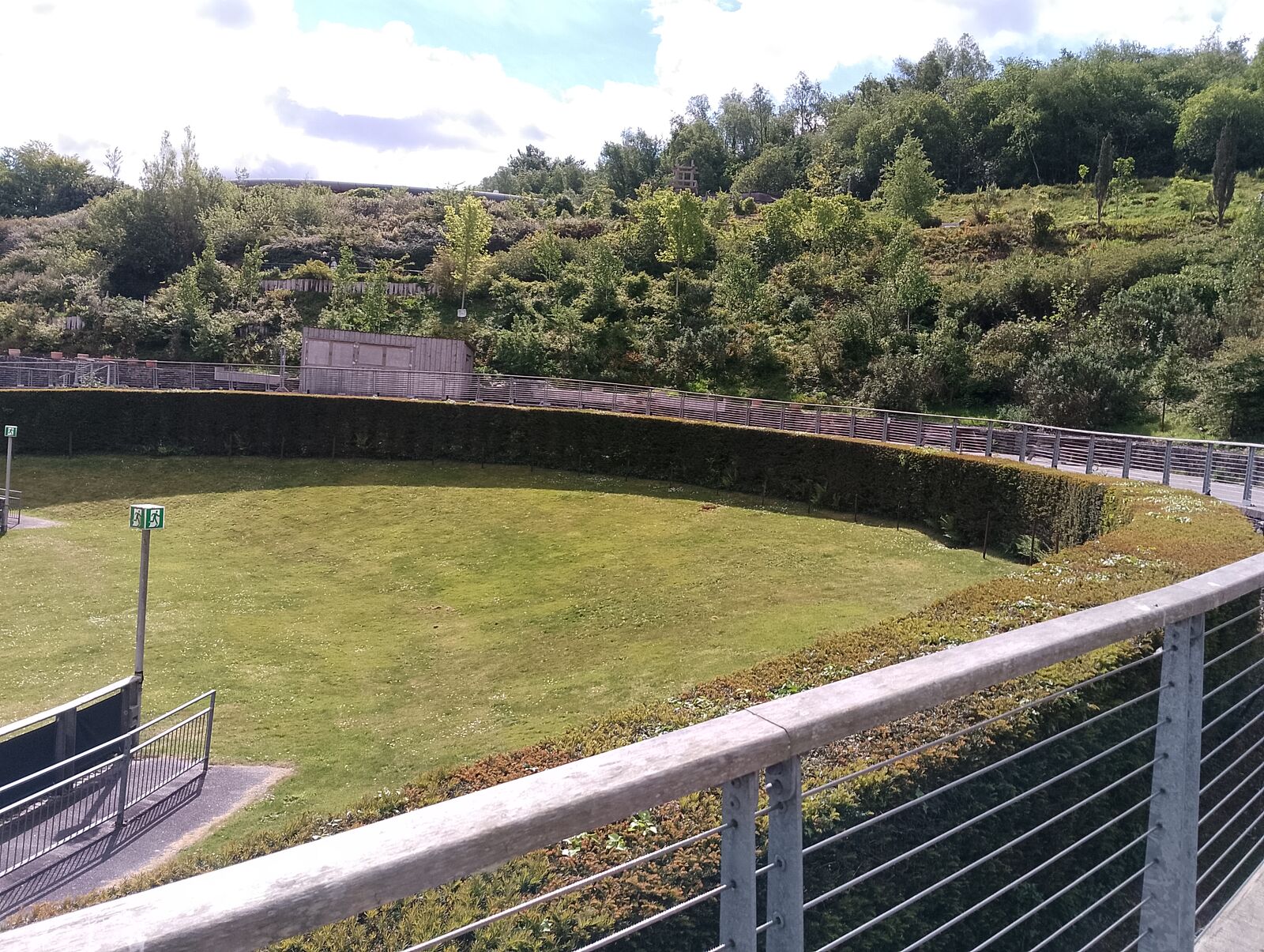
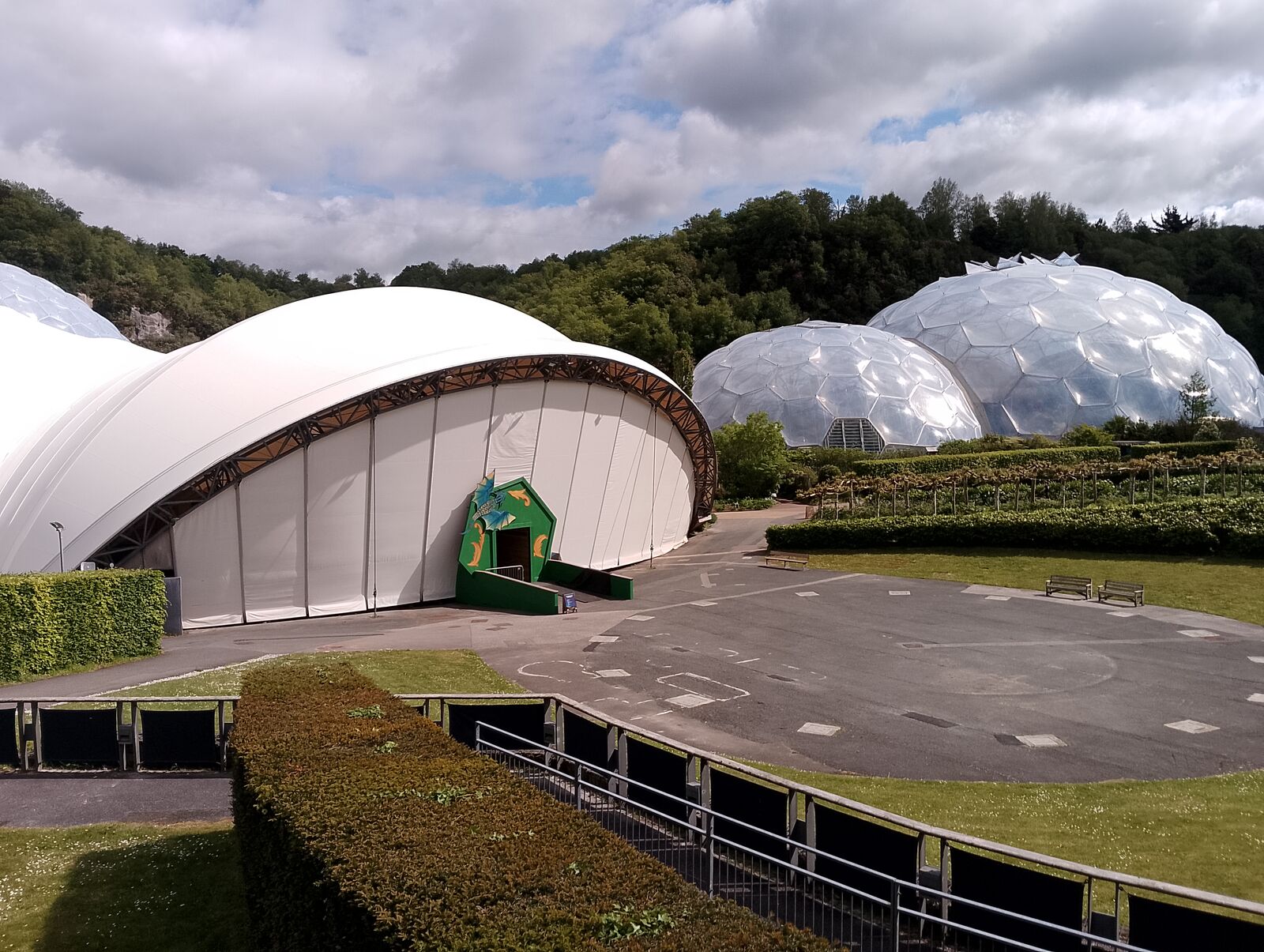
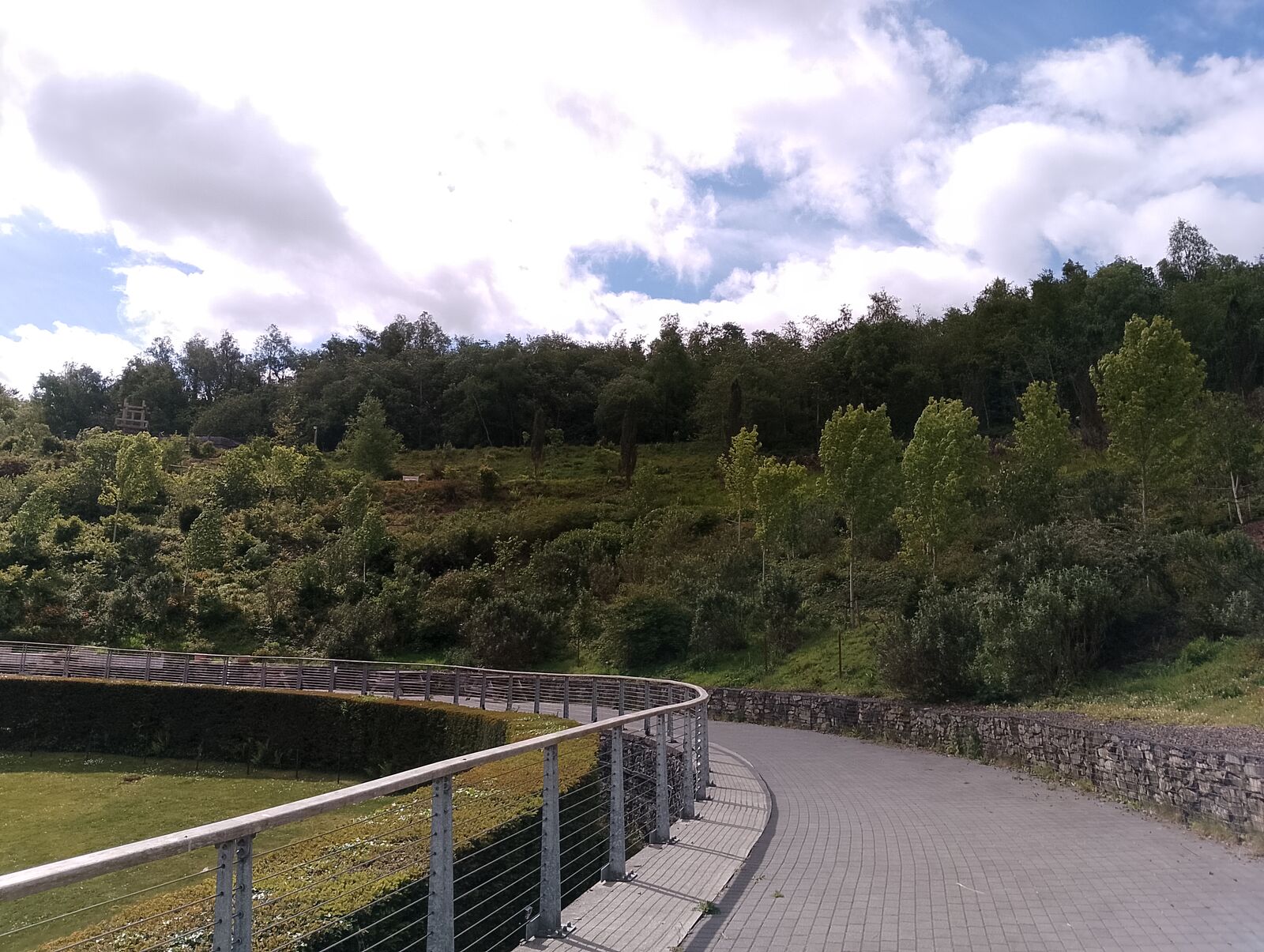
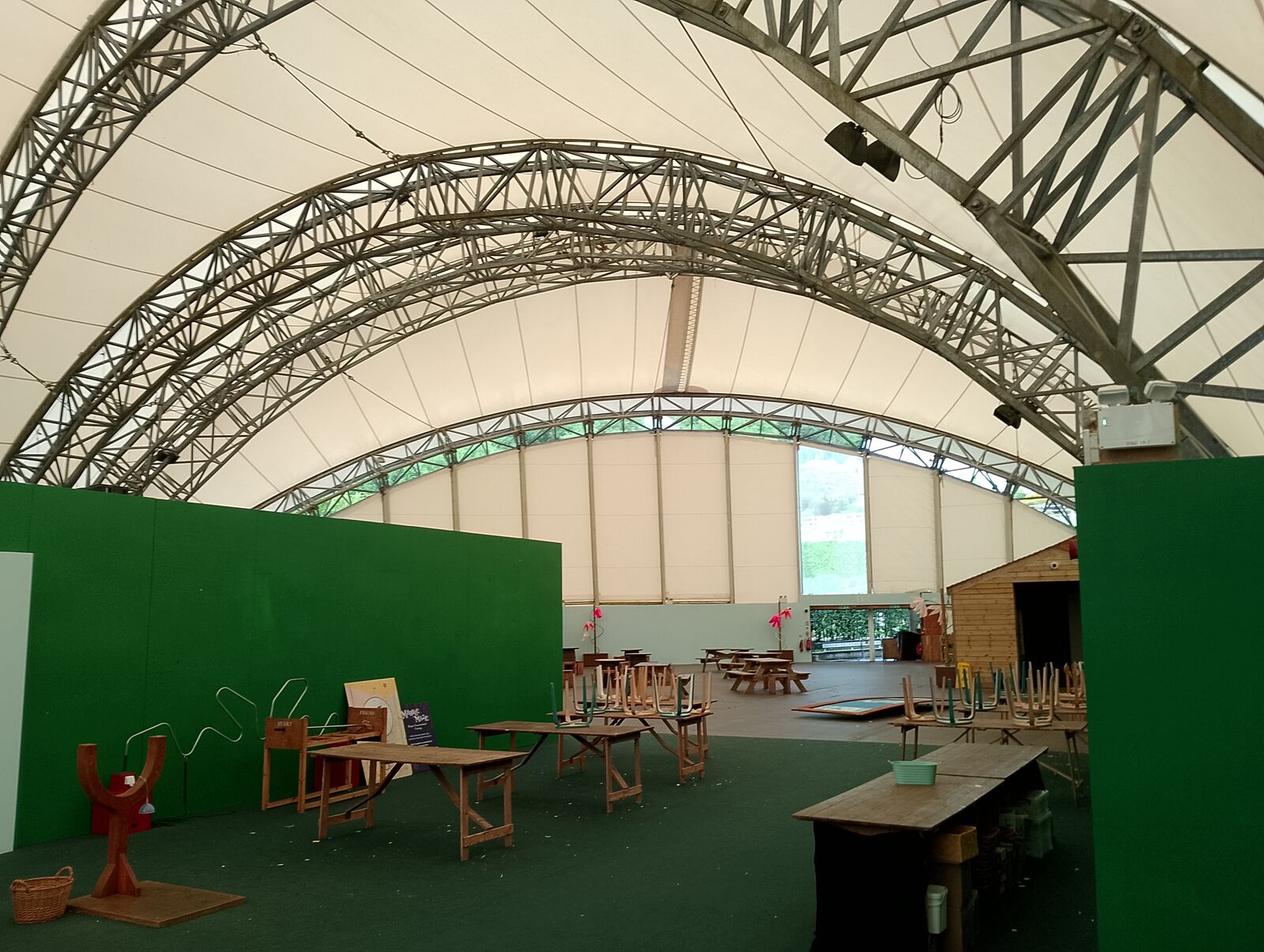
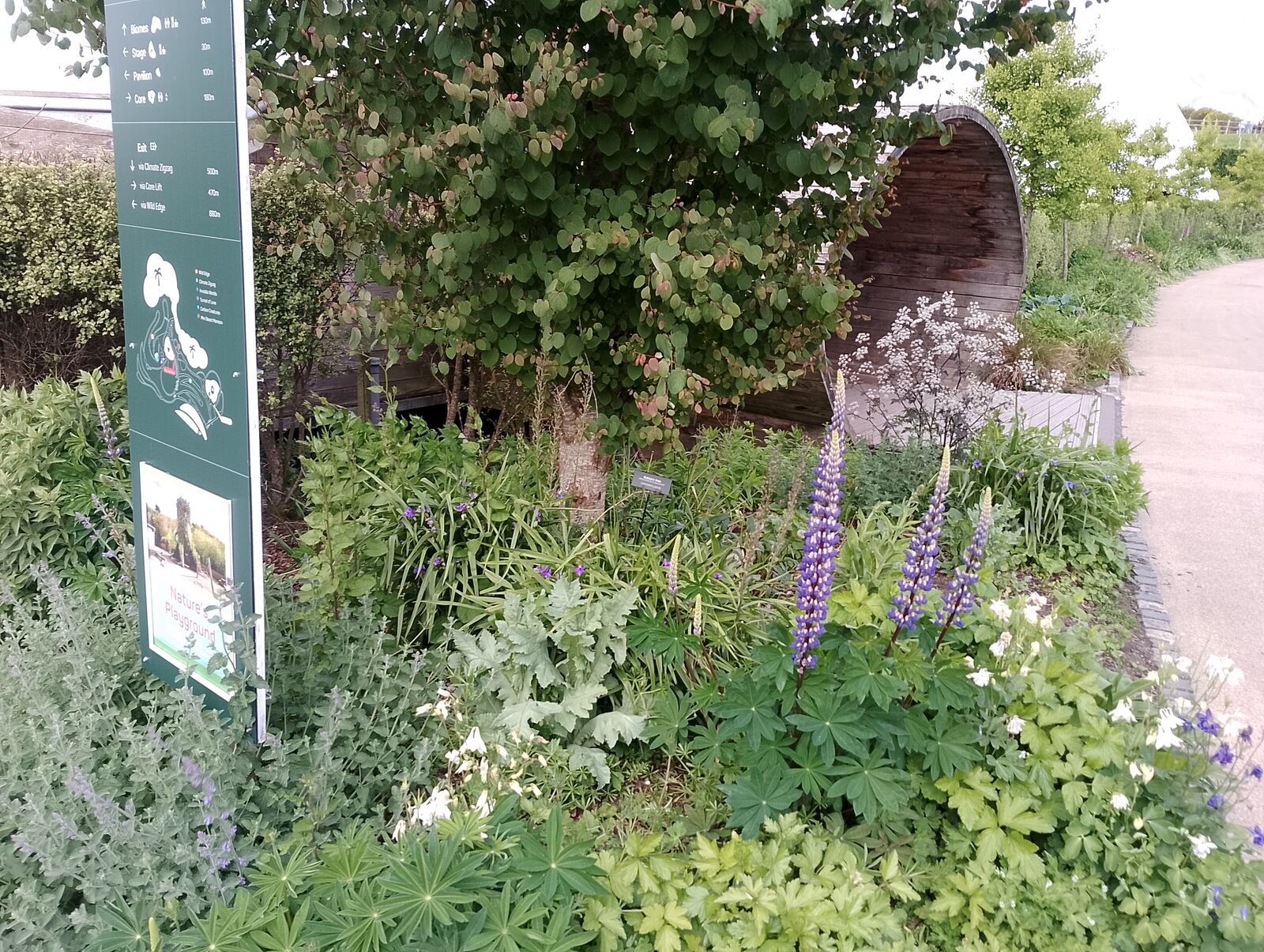
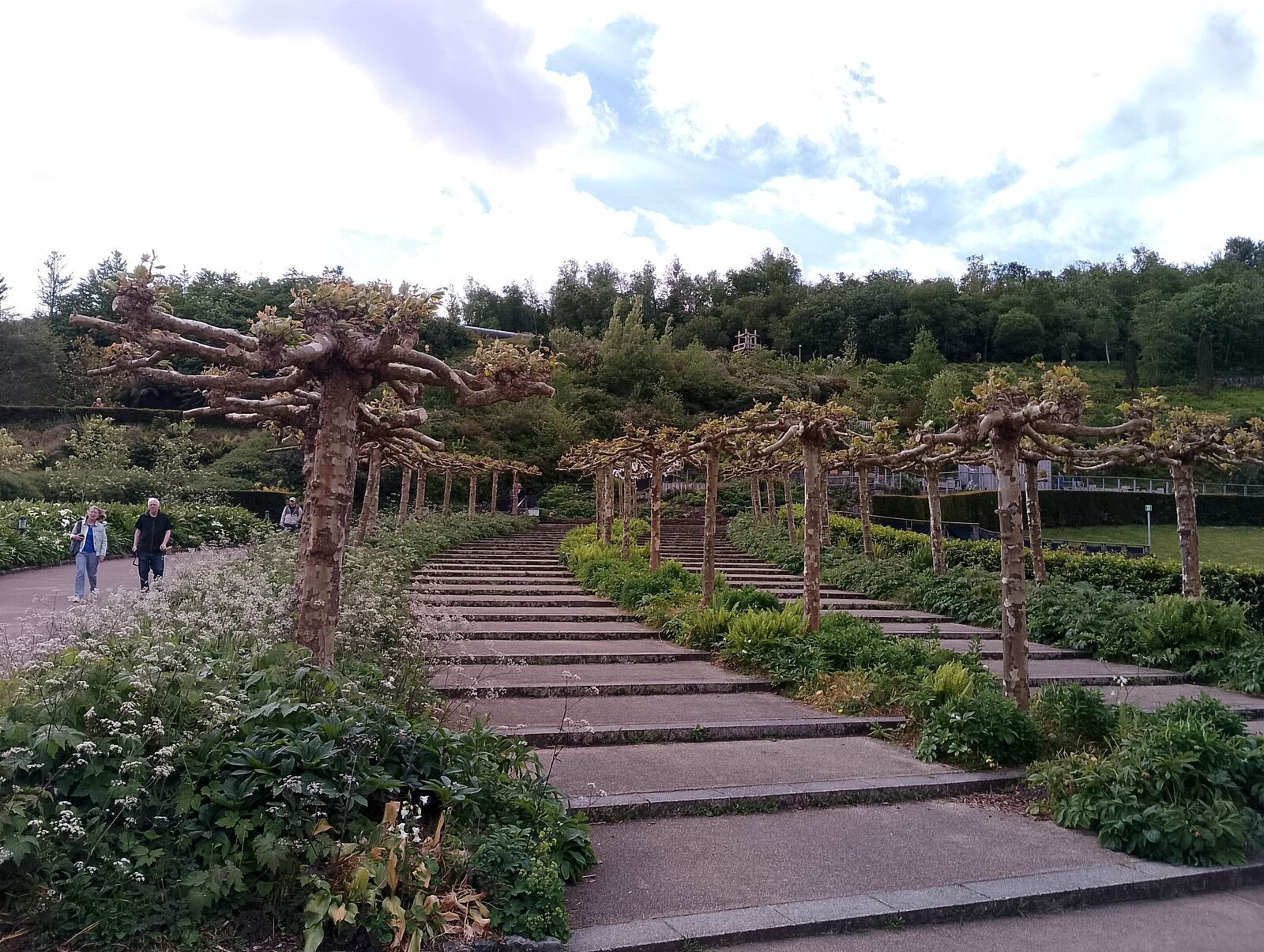
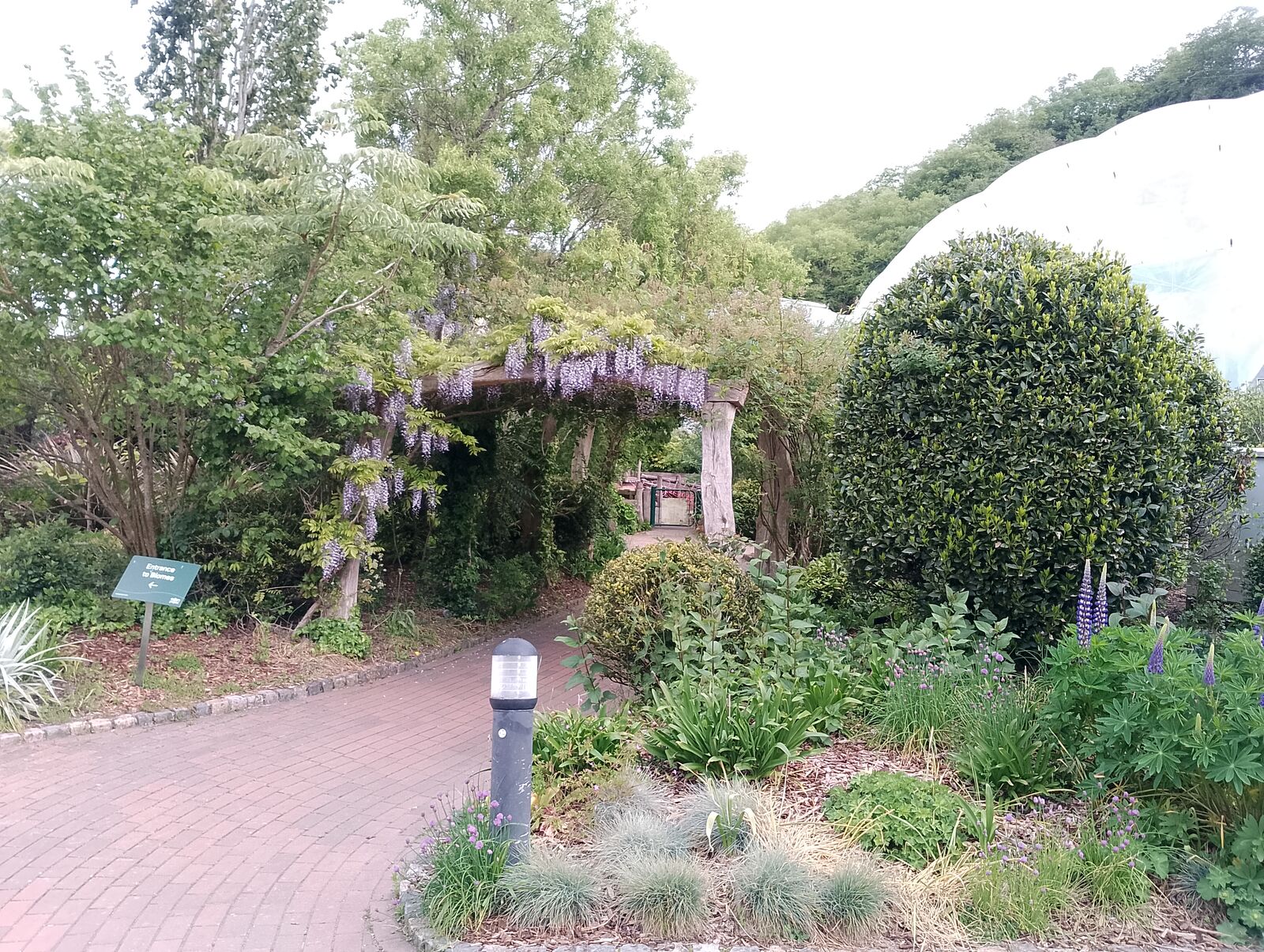
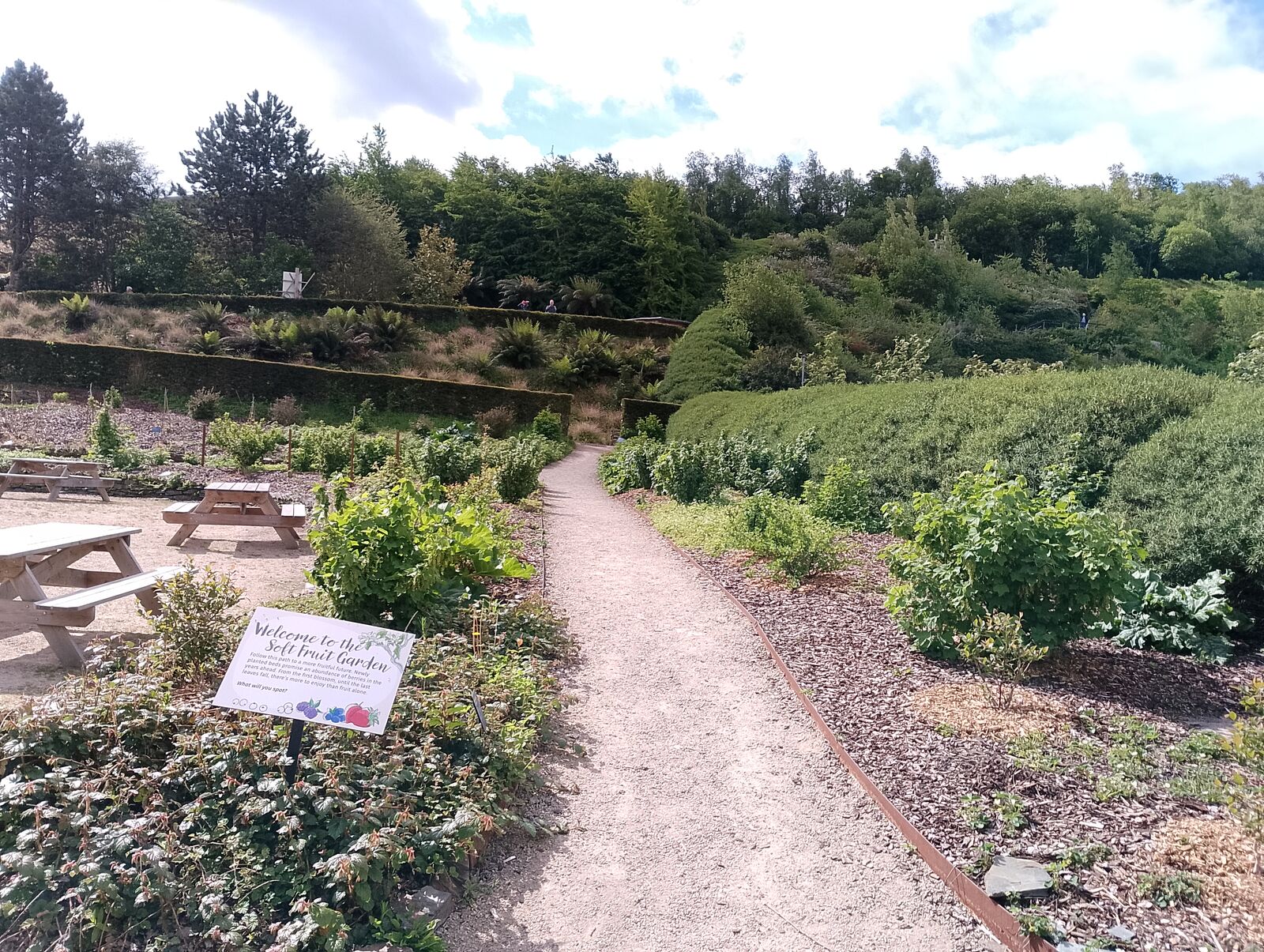
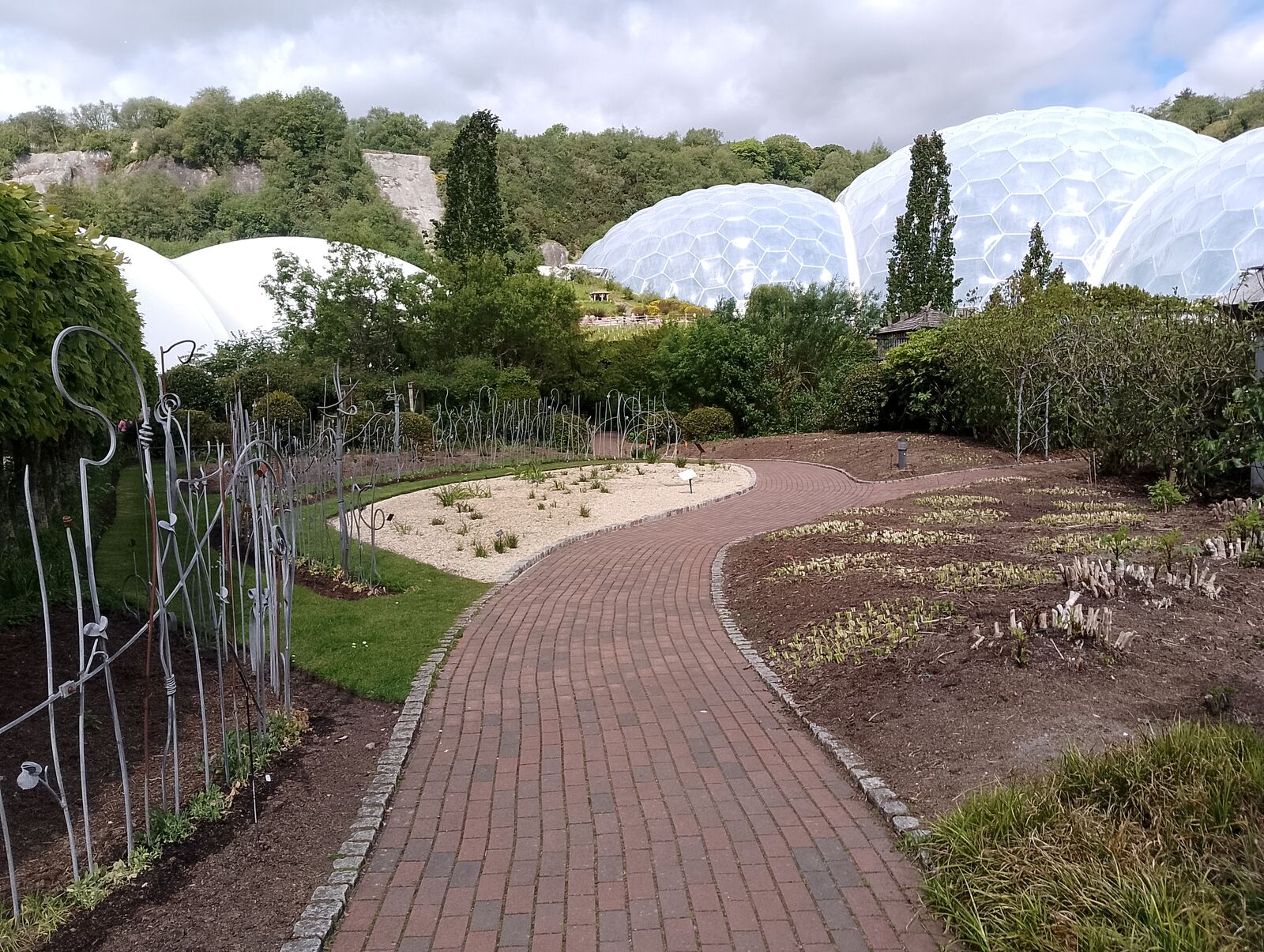
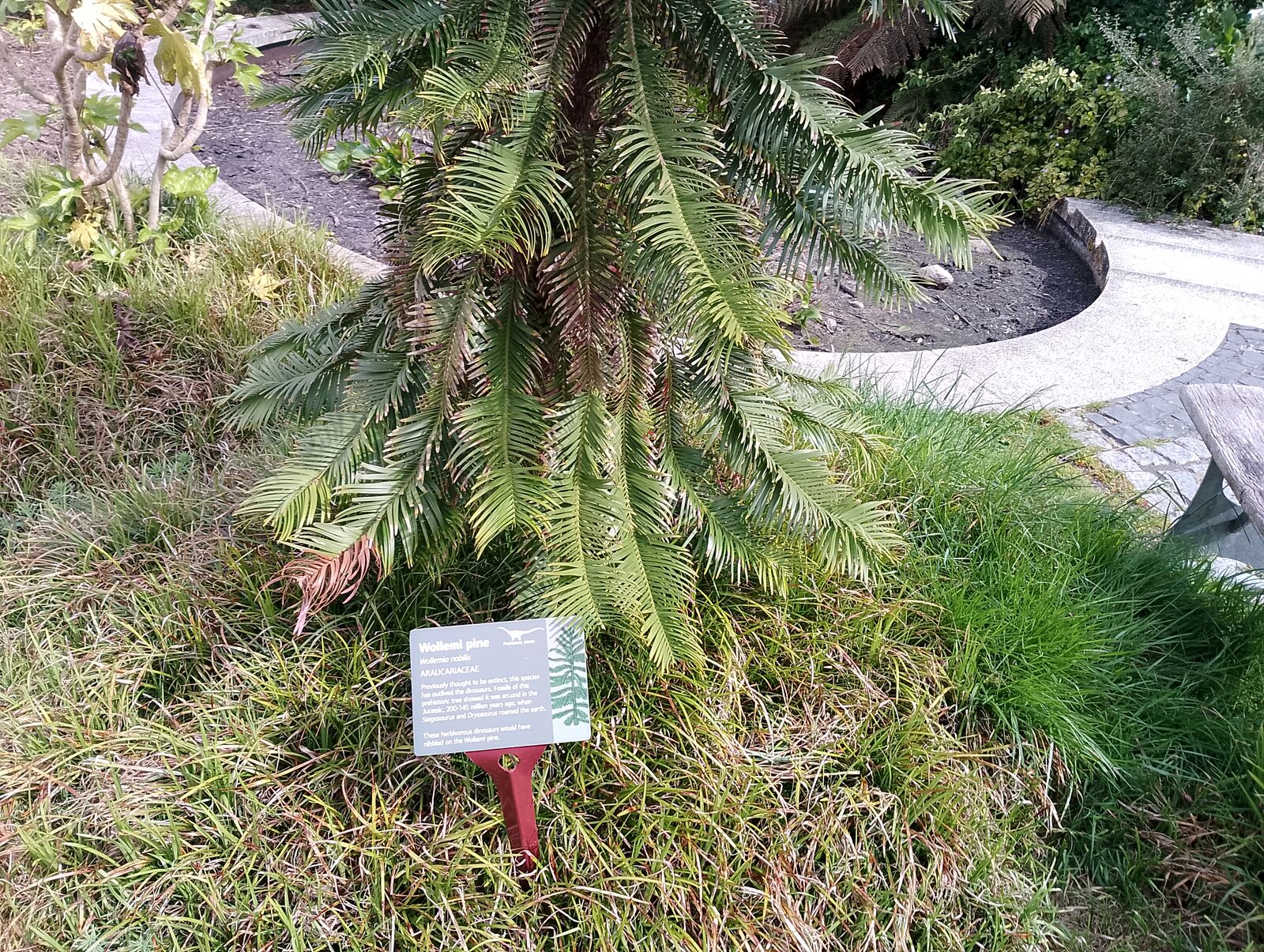
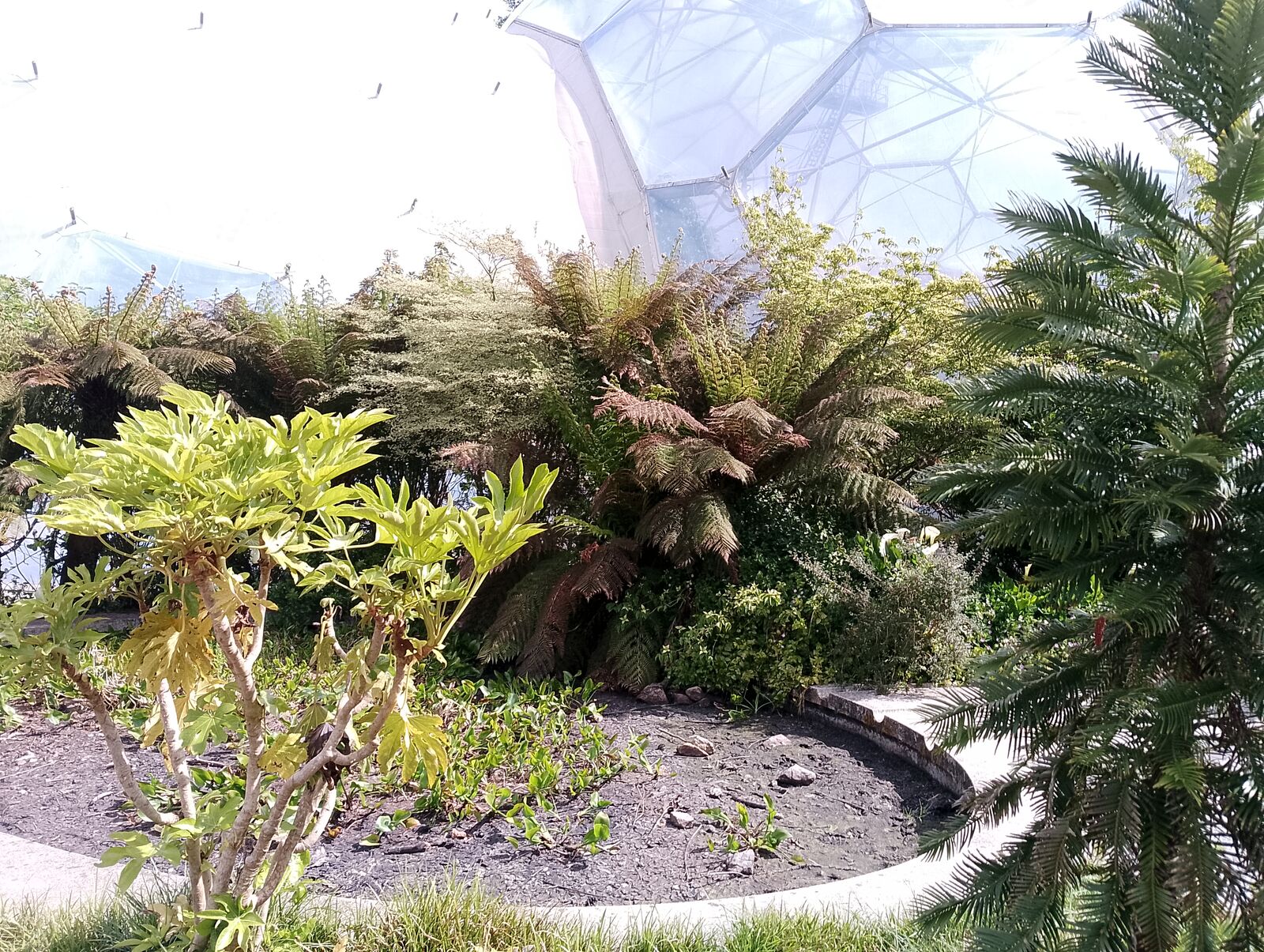
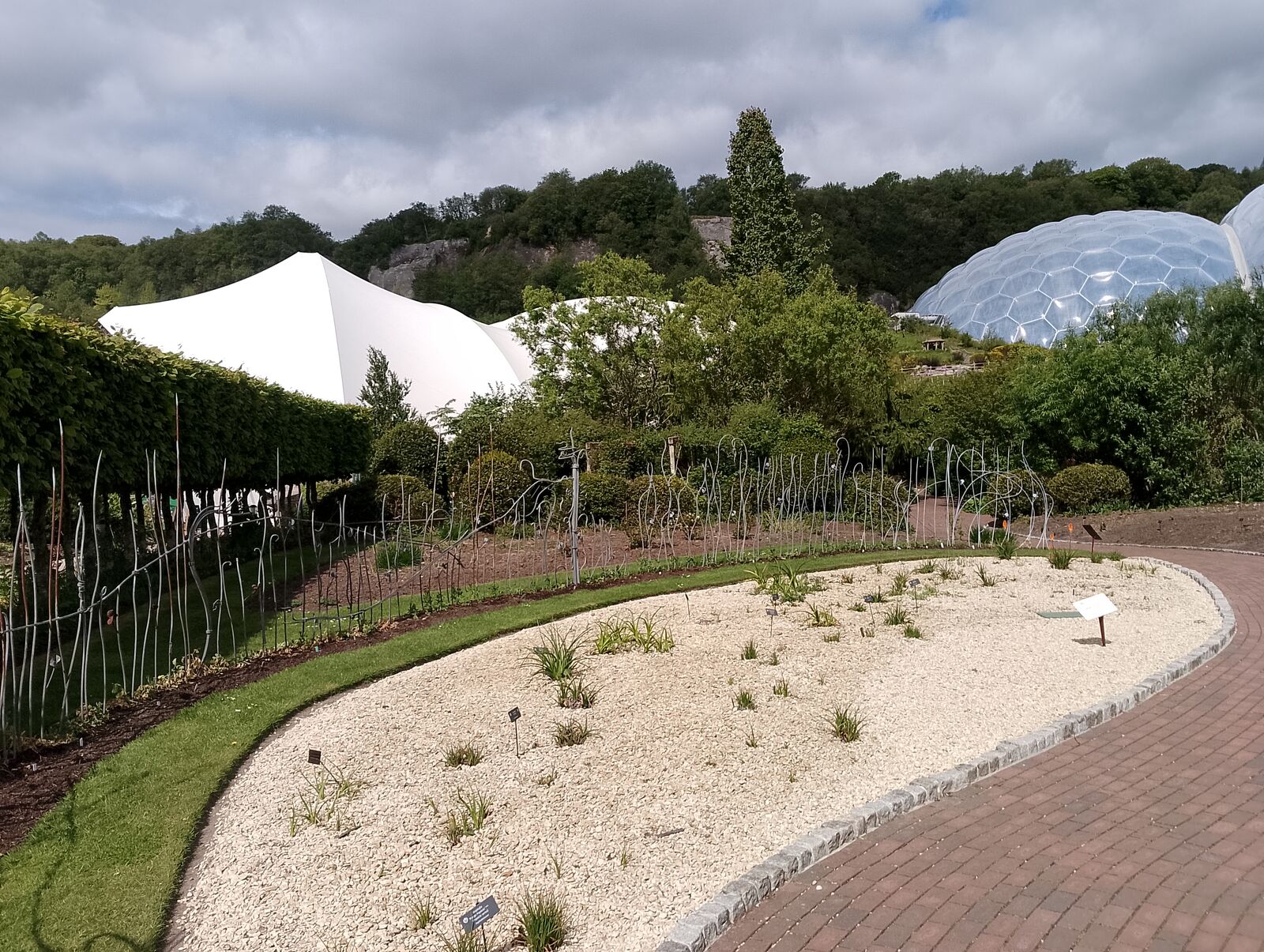
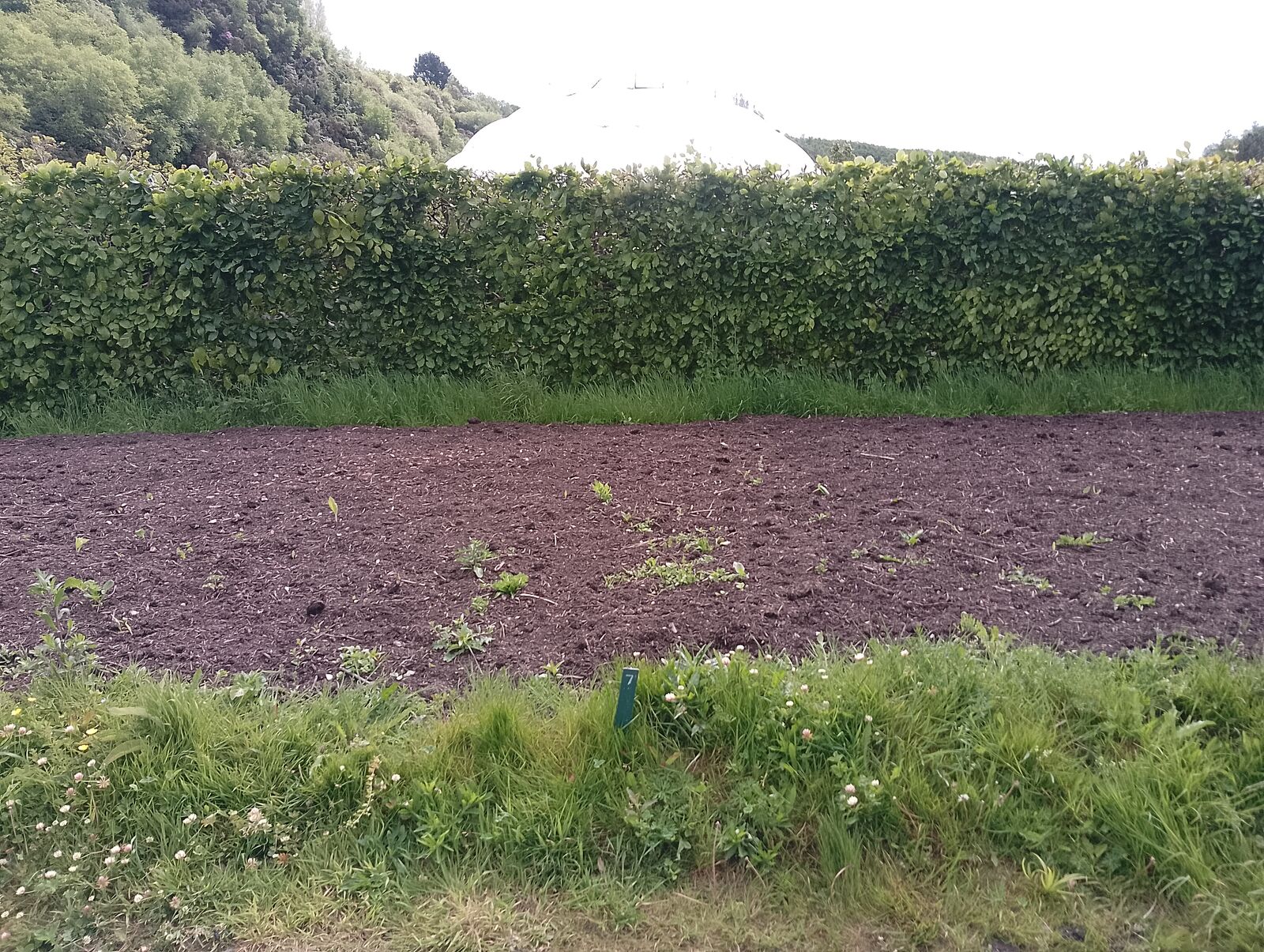
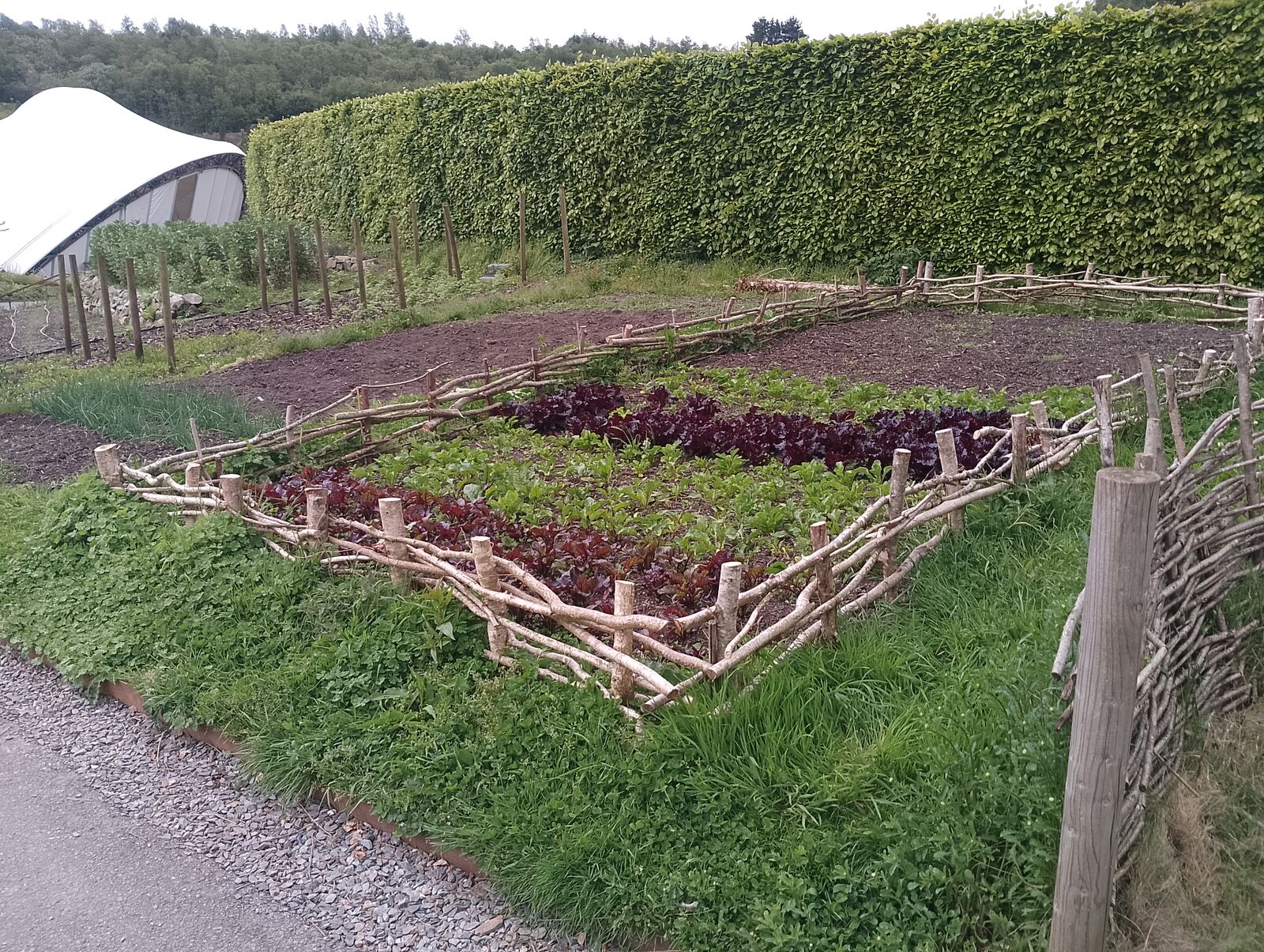
Making it to the bottom of the old mine, I take a quick look in the stage structure and find school tables, which seems like a part of the universal pattern if I’ve ever noticed it. Outside are both a set of gardens and the regenerative agriculture section.
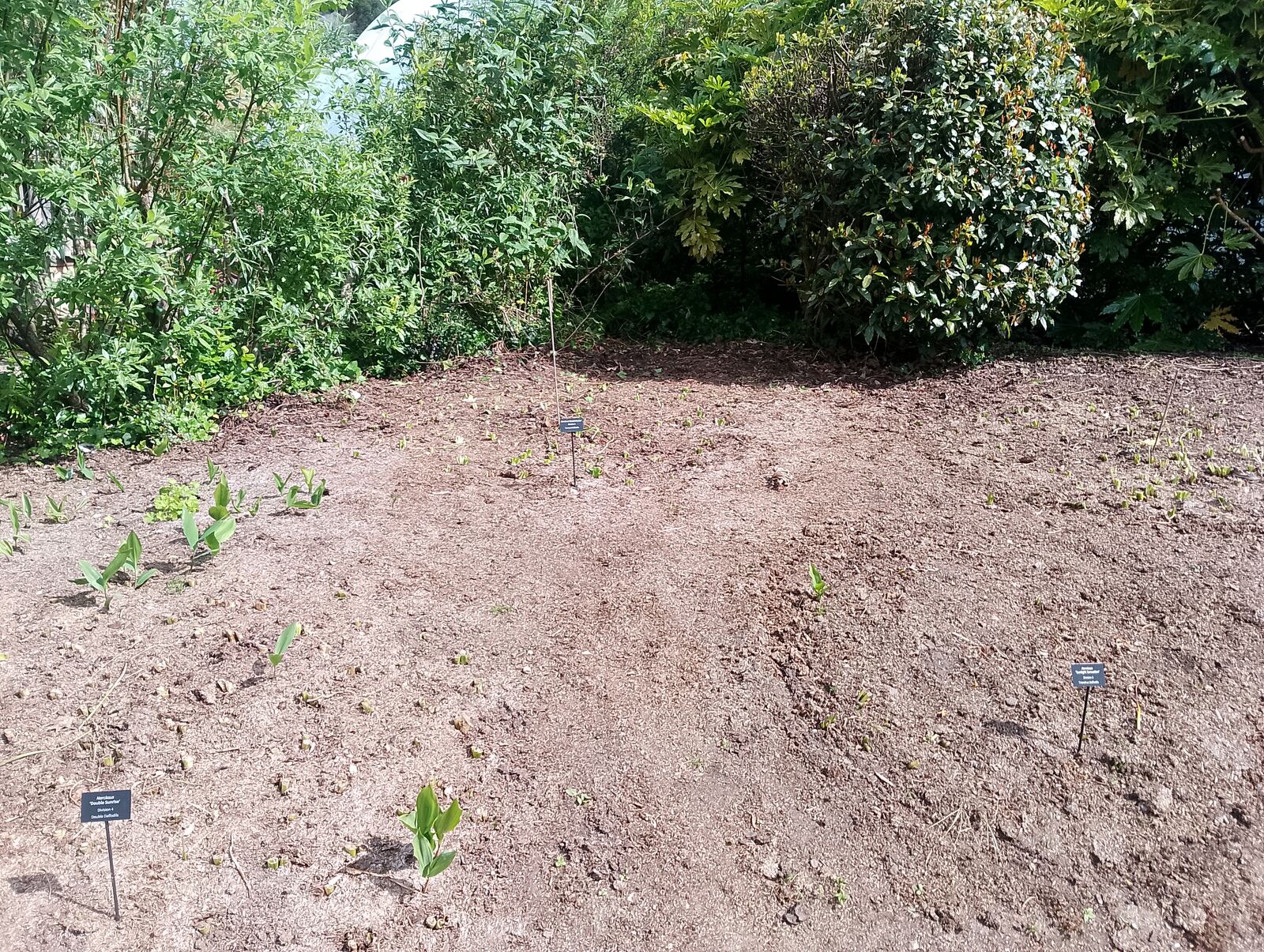
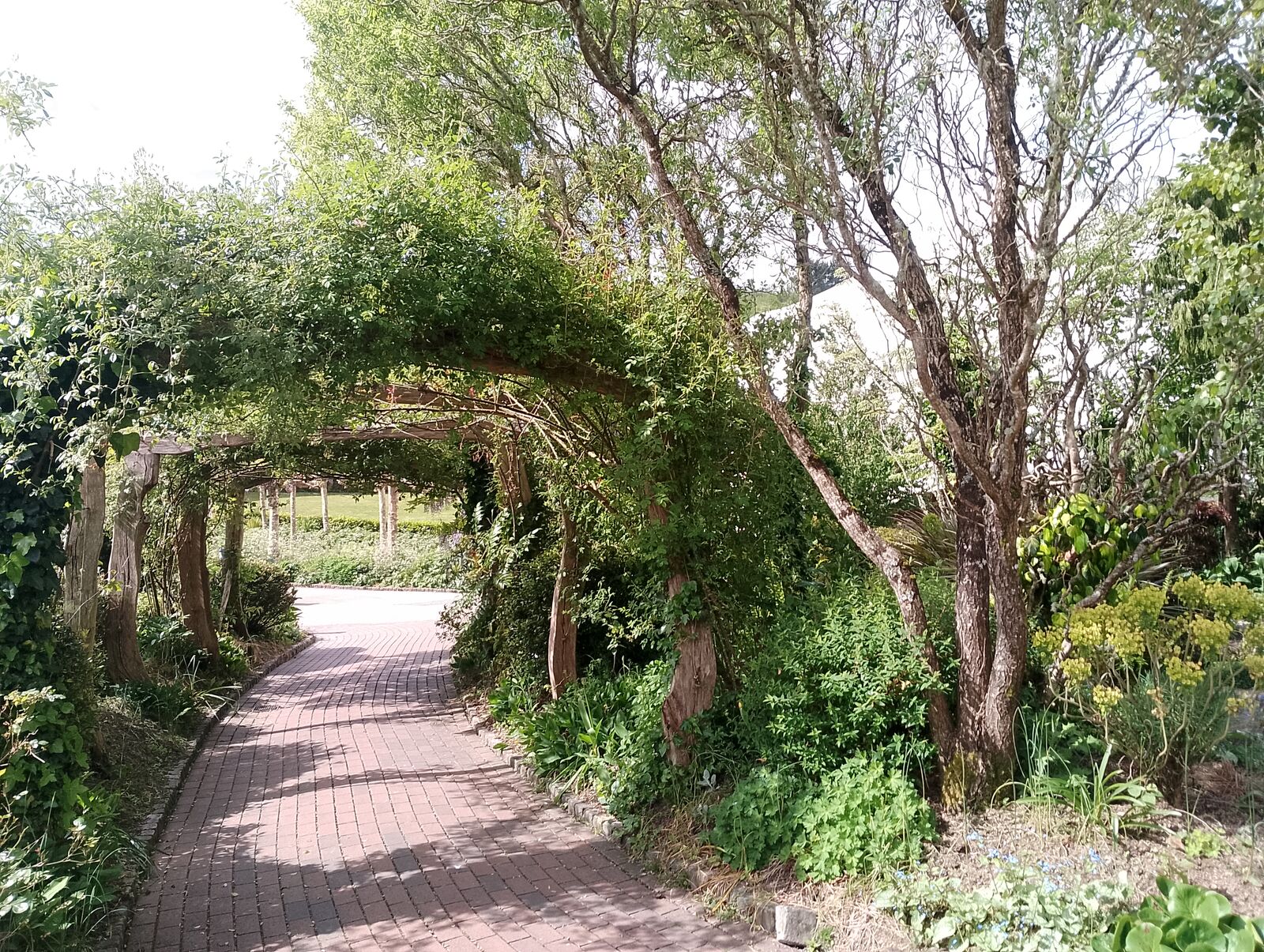
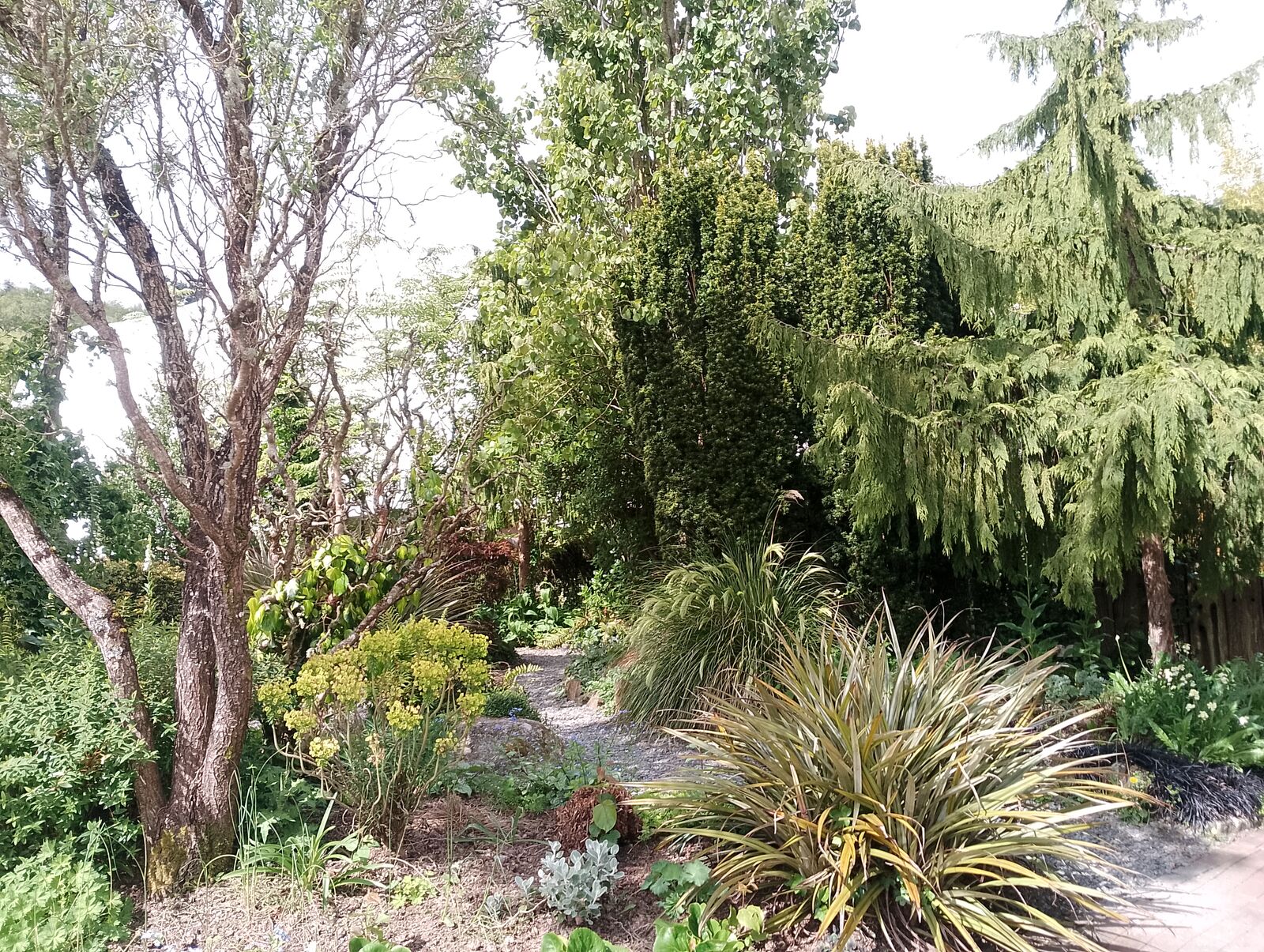
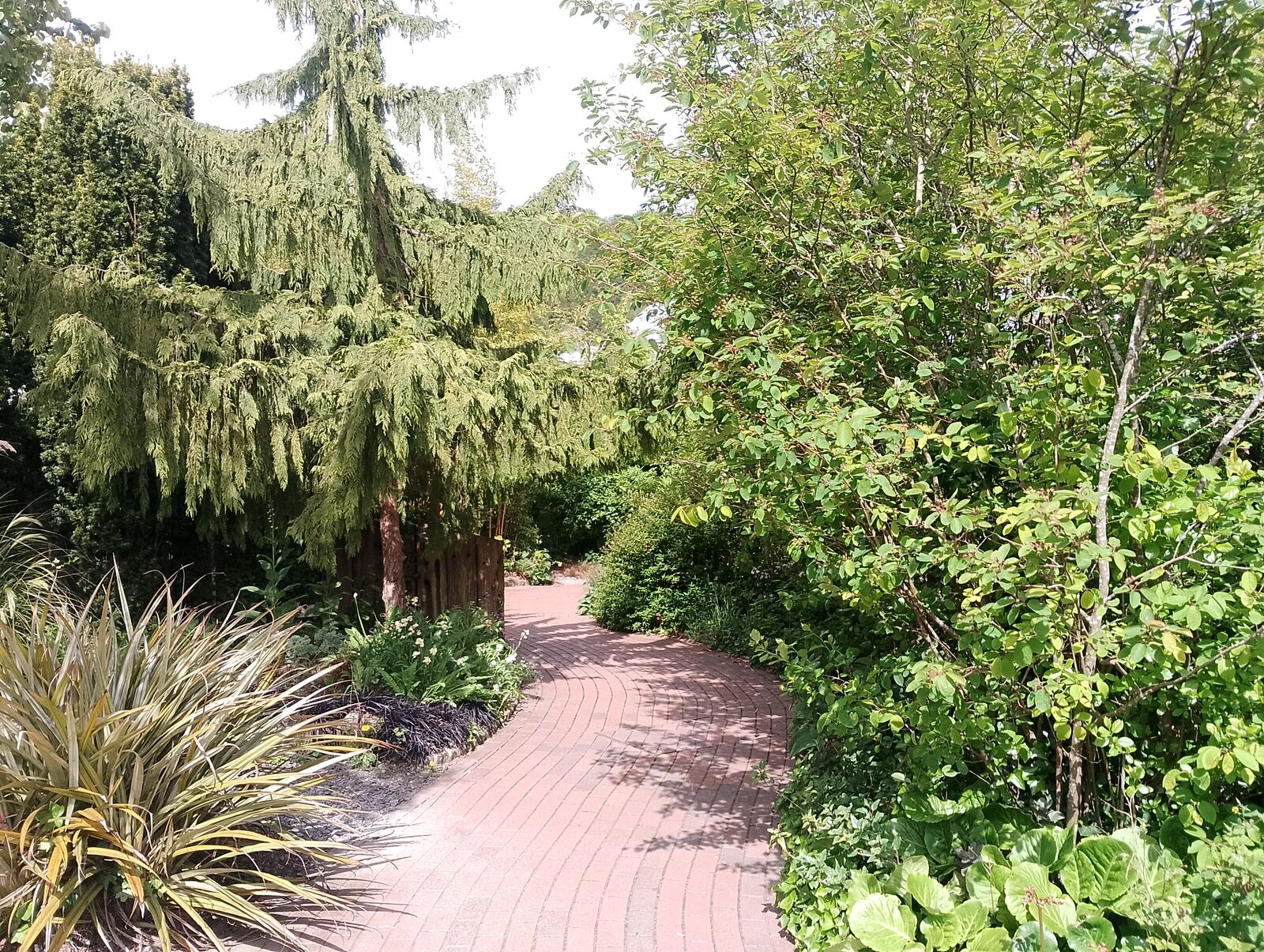
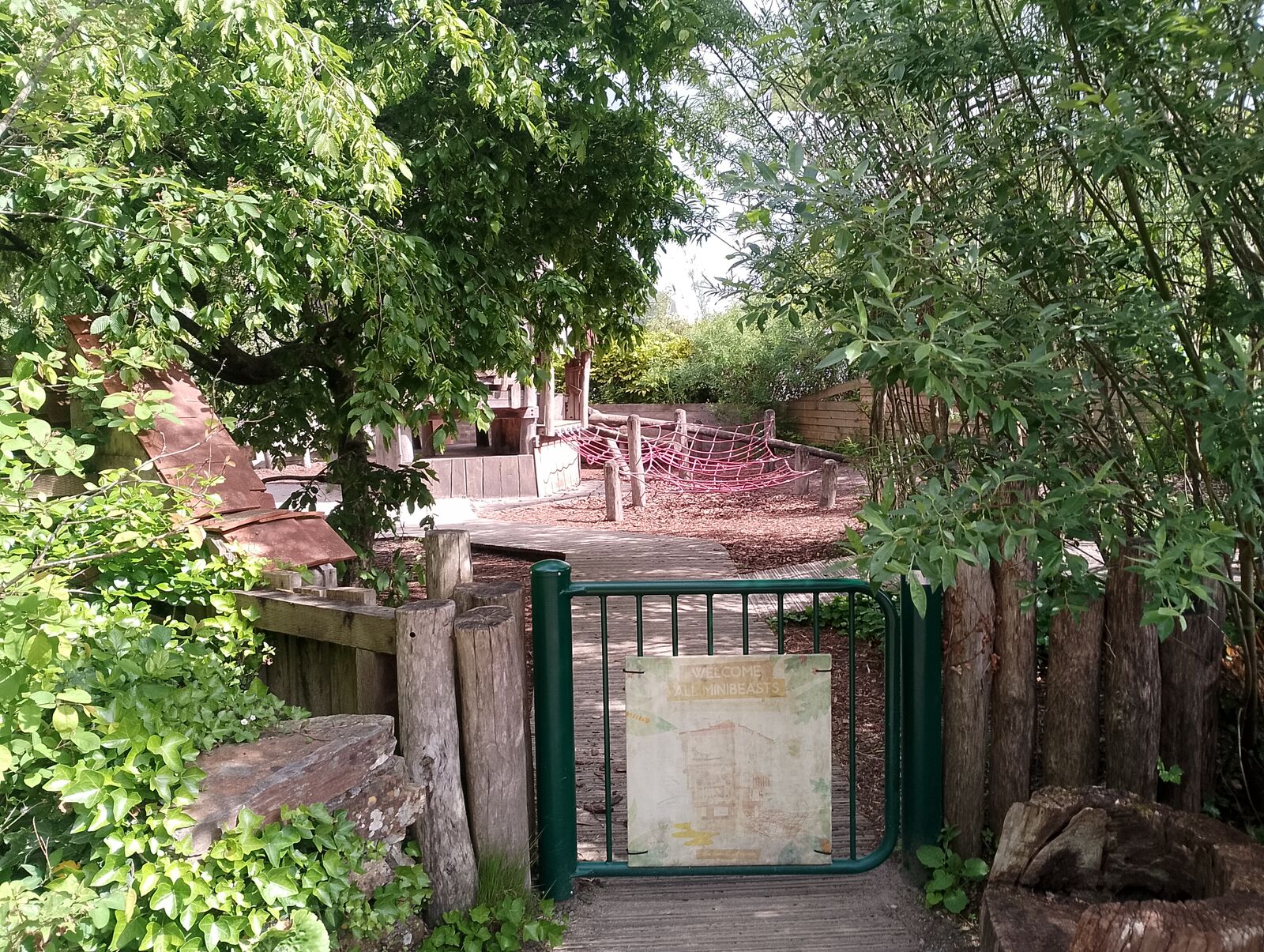
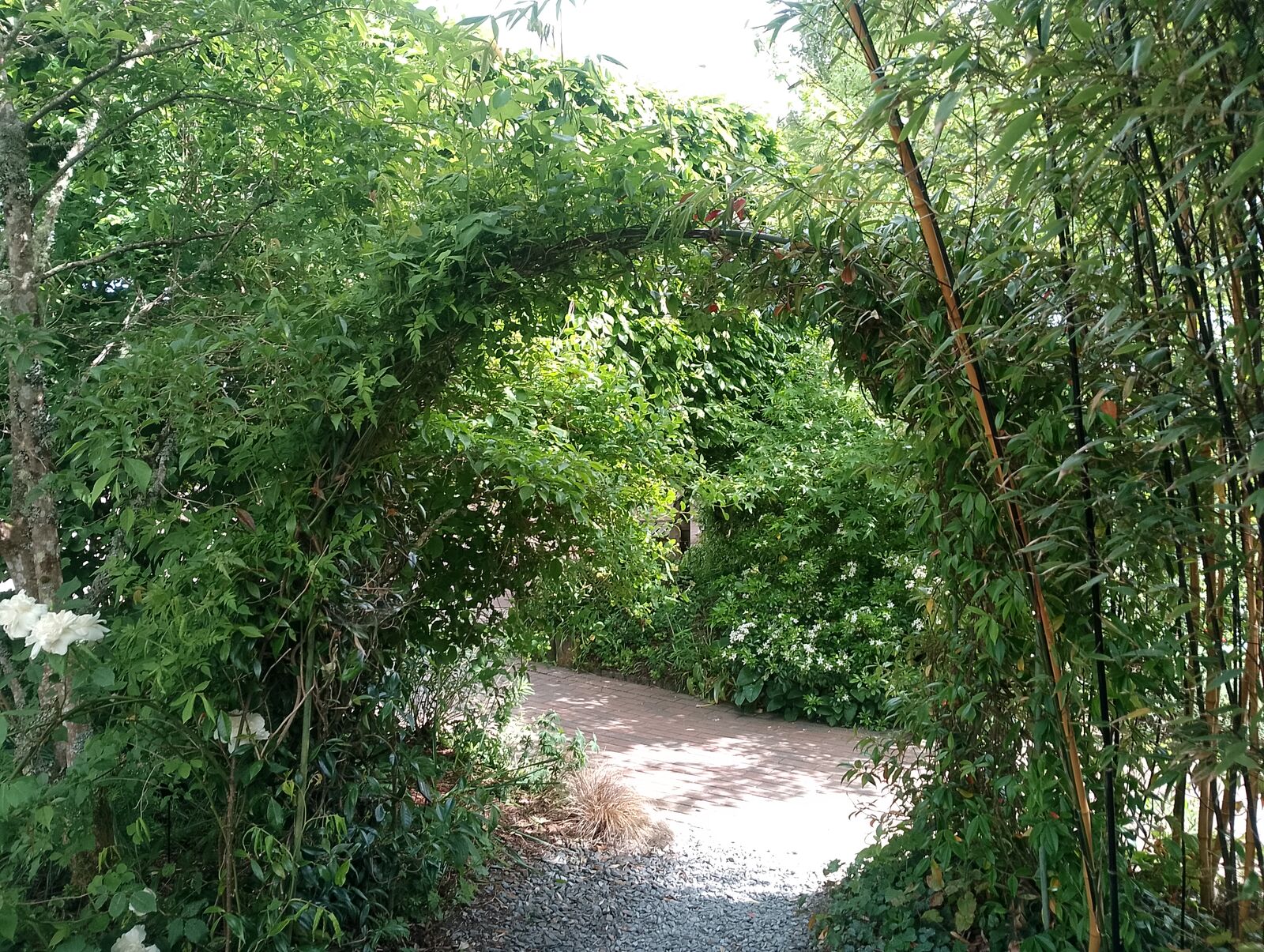
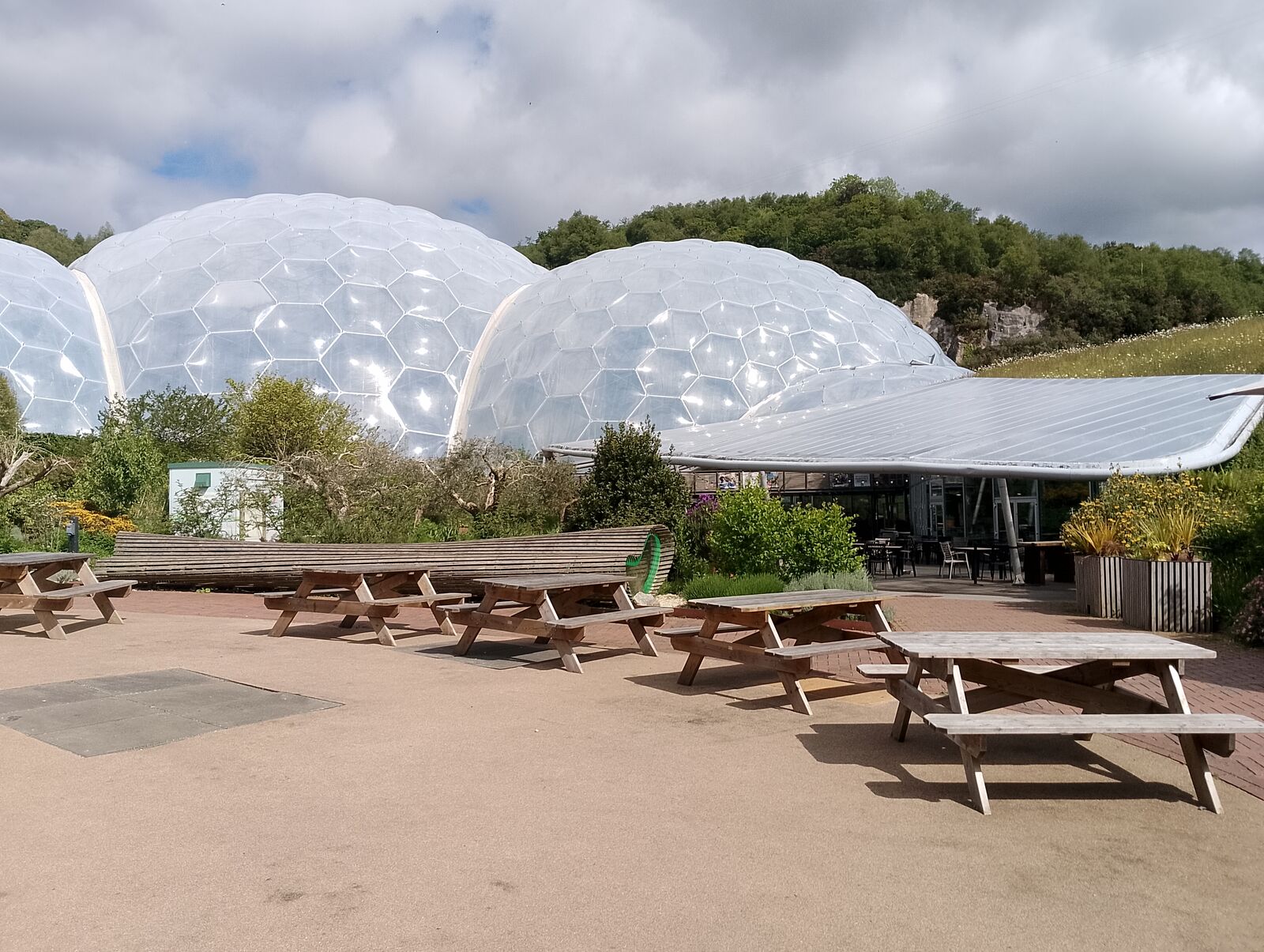
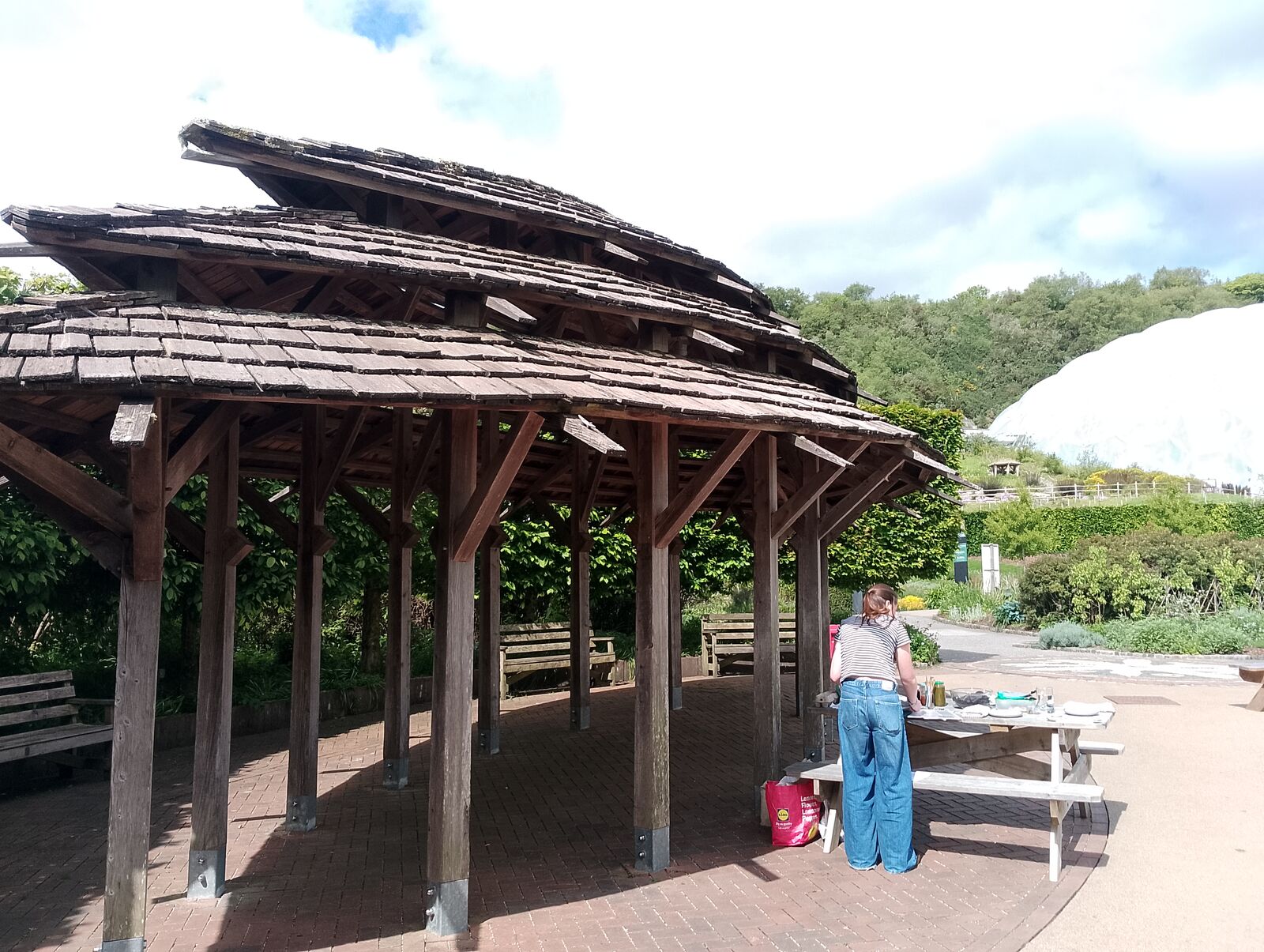
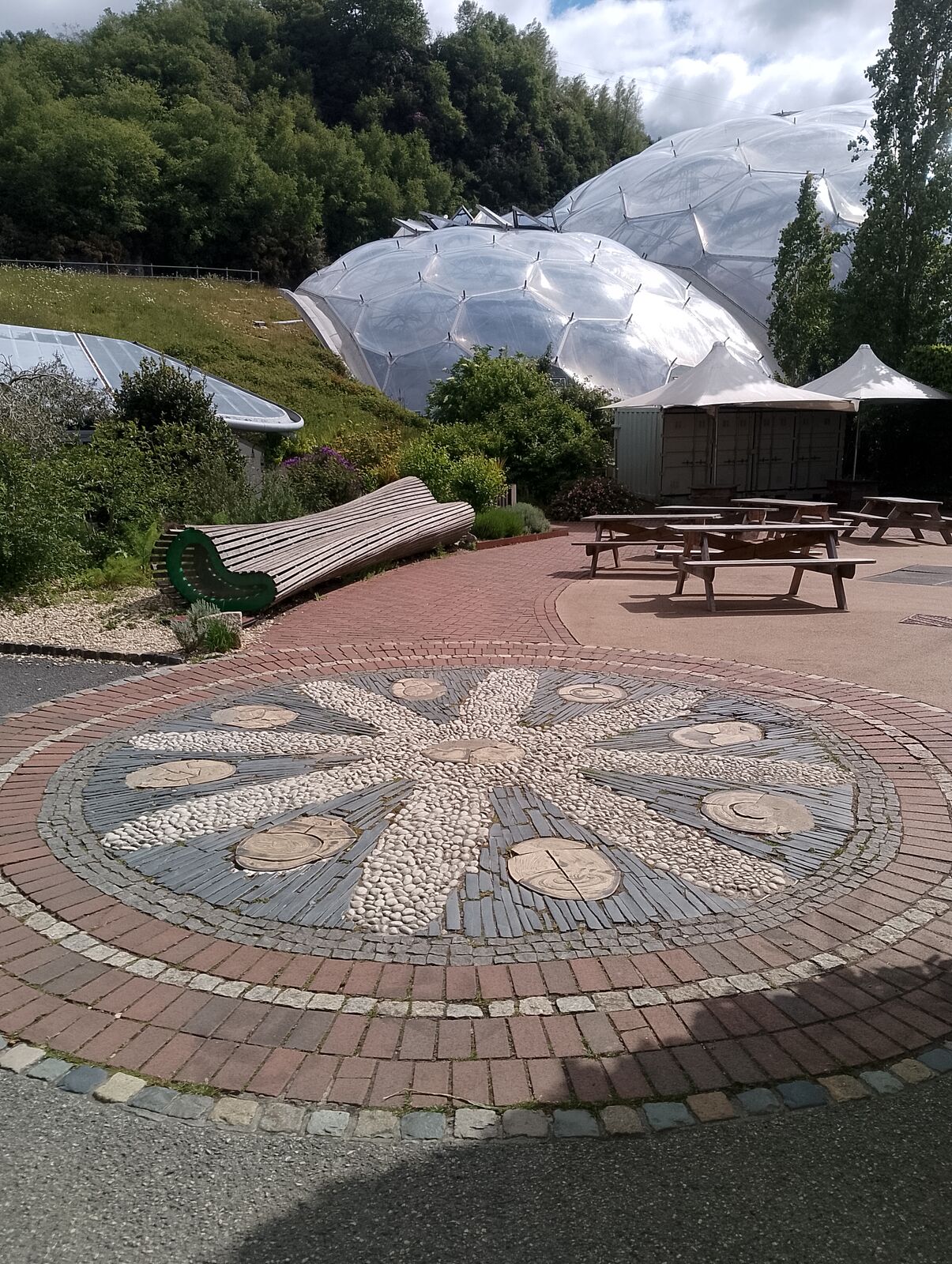
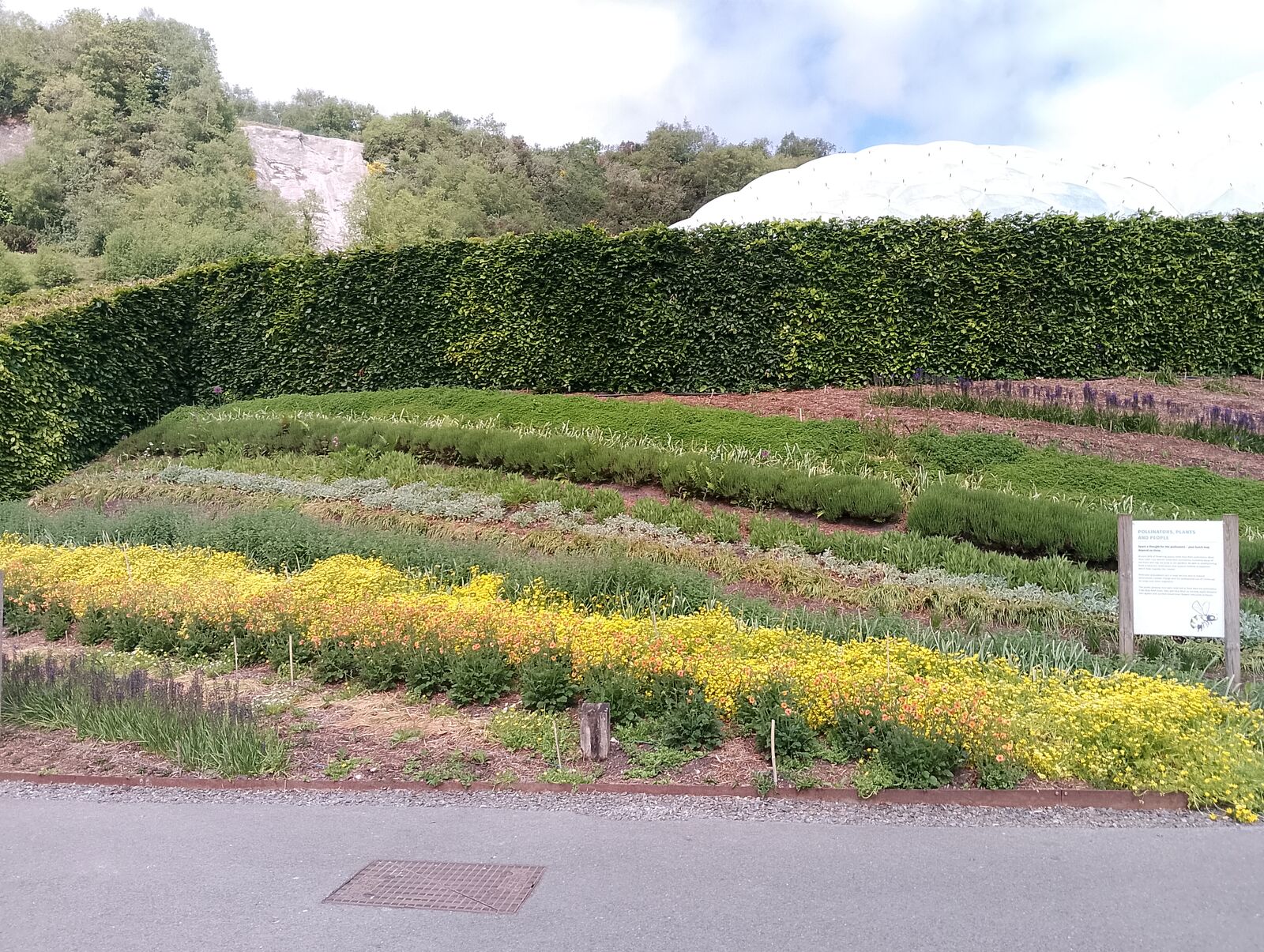
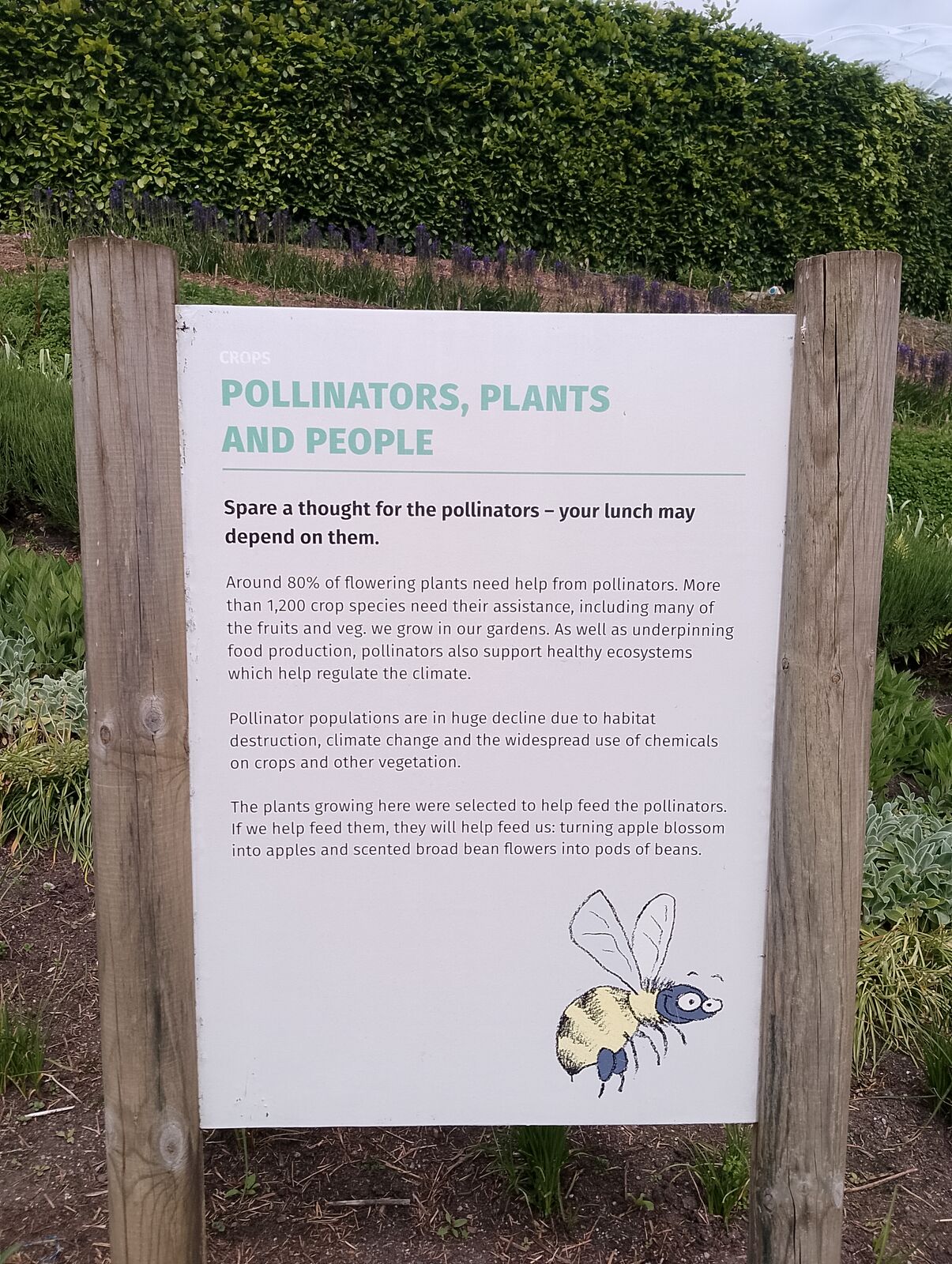
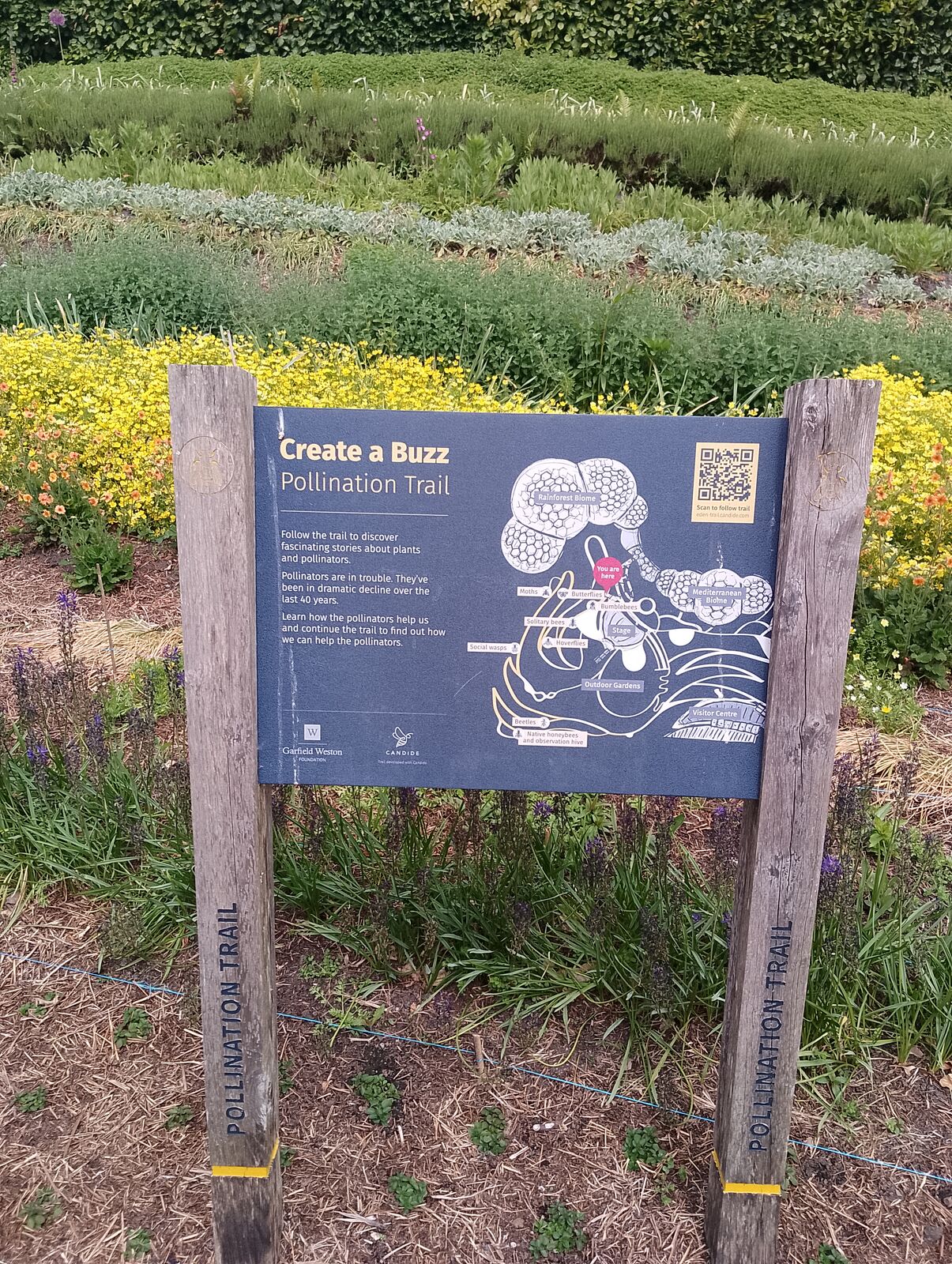
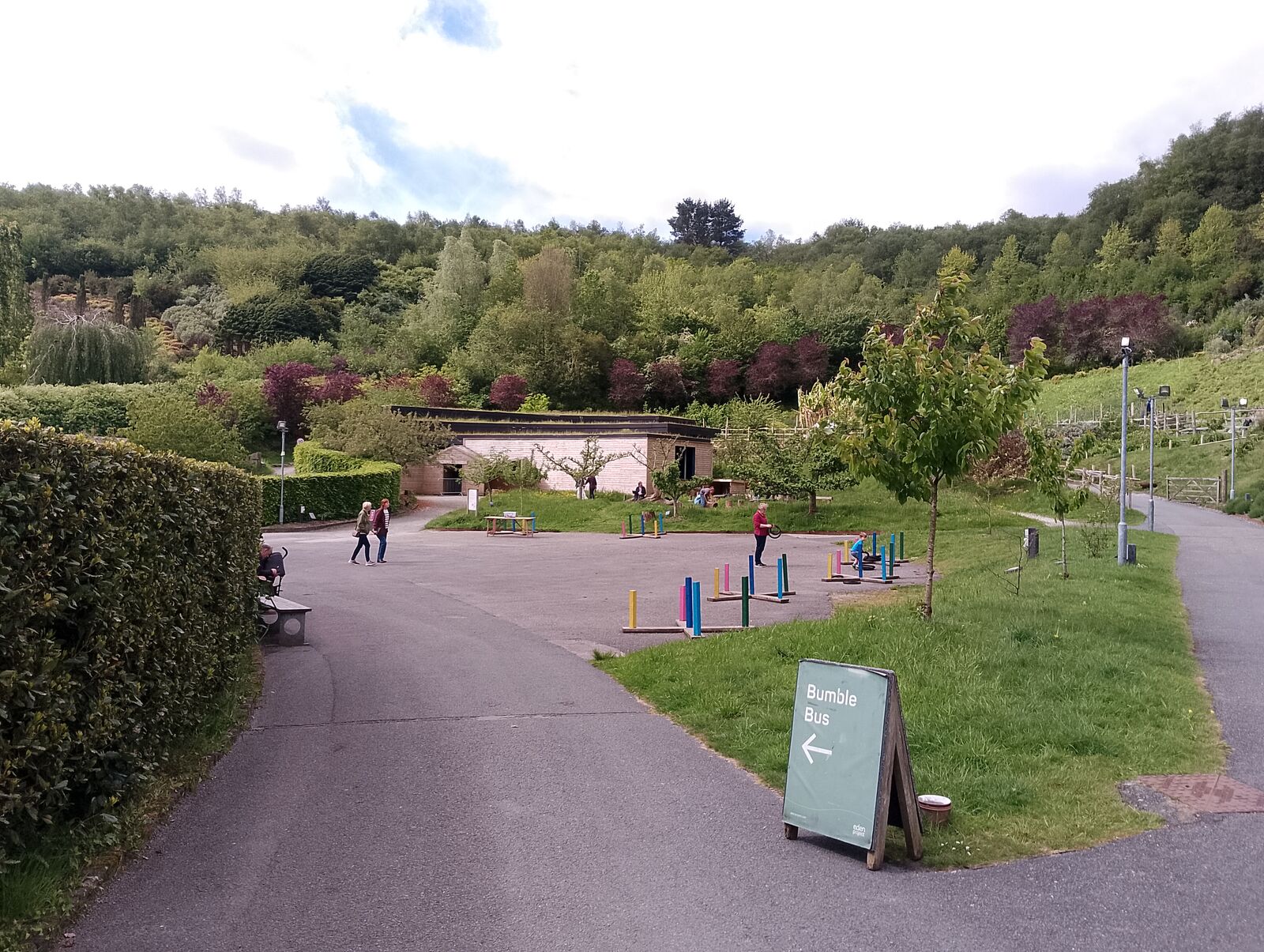
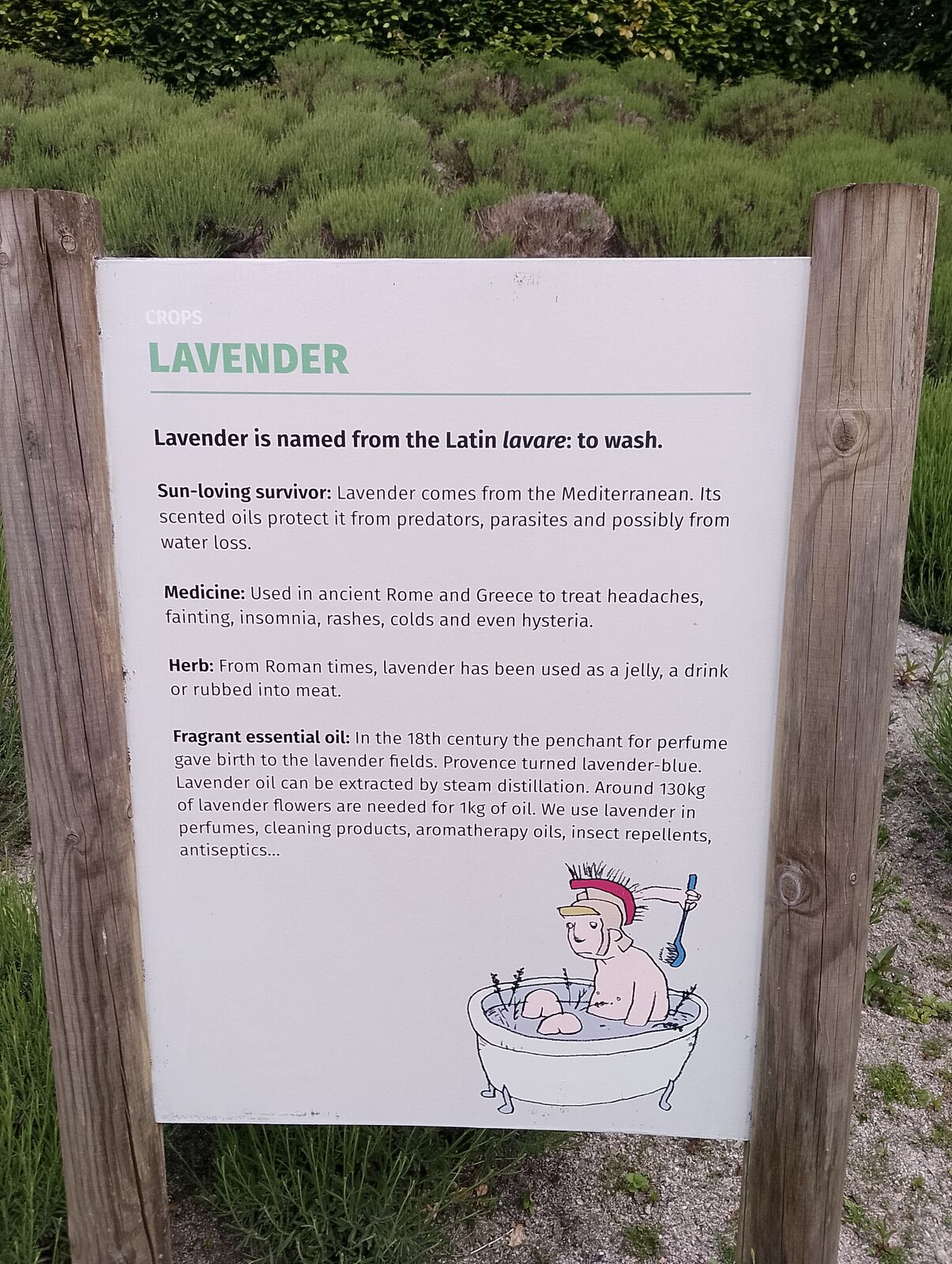
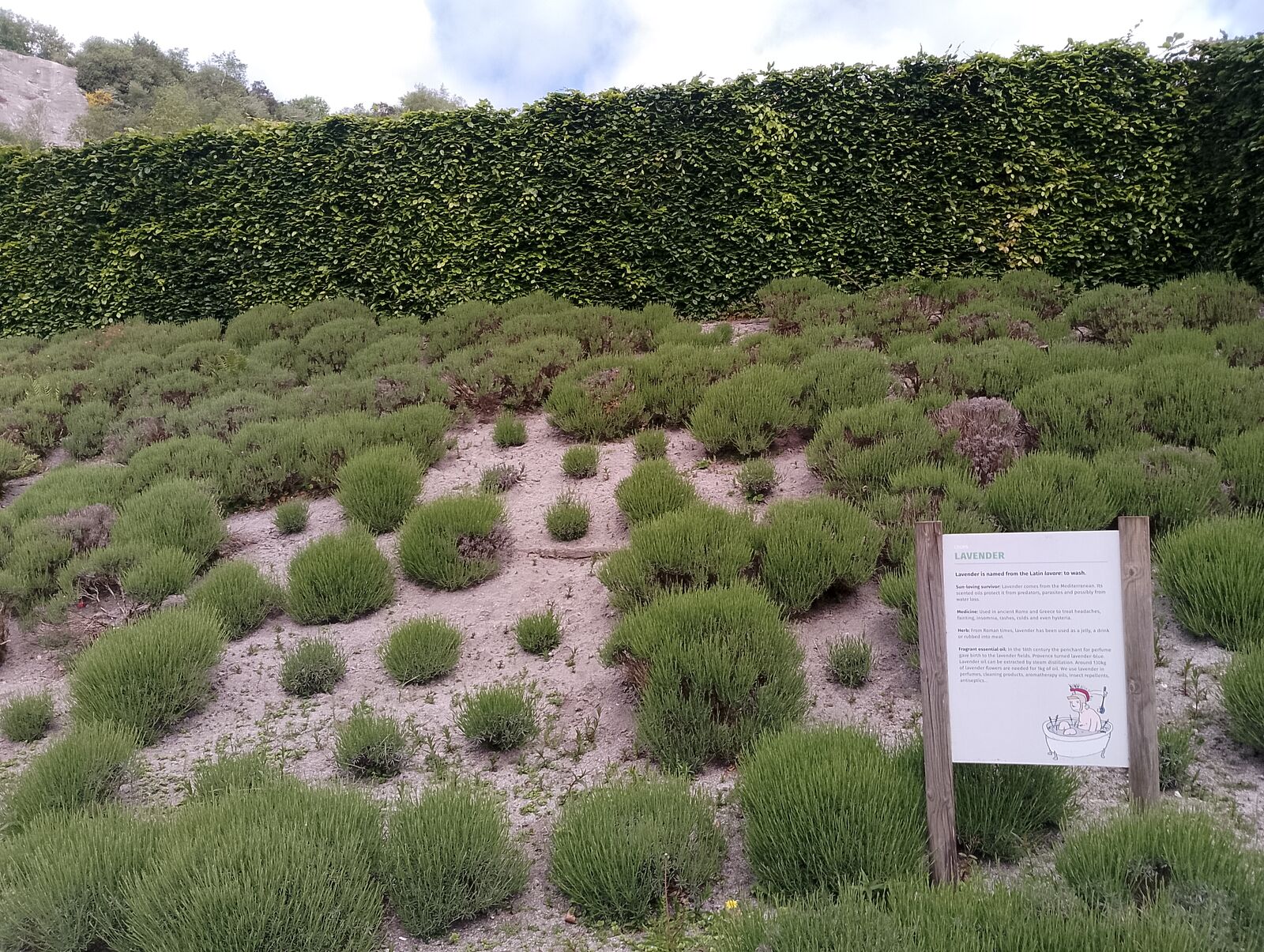
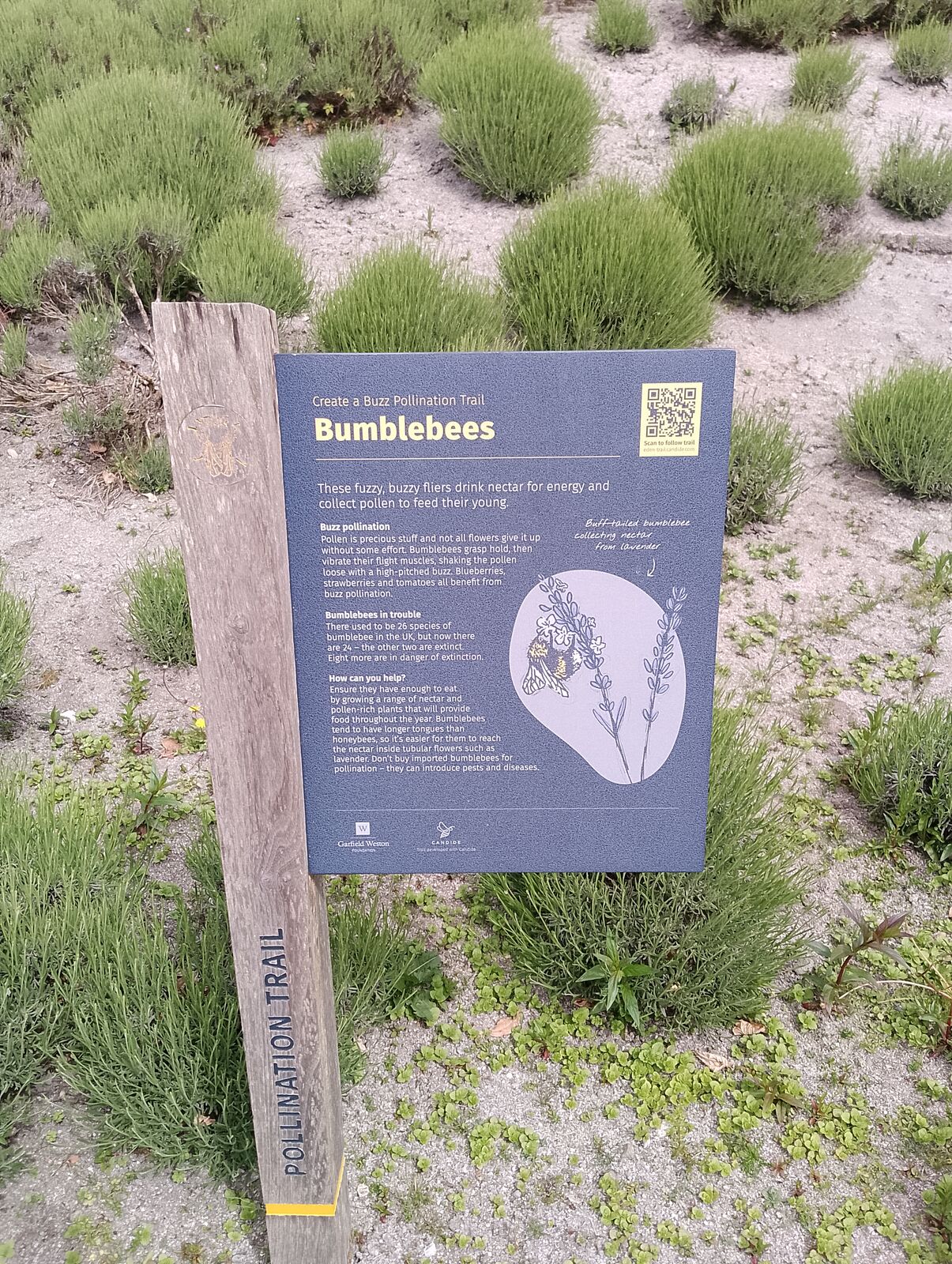
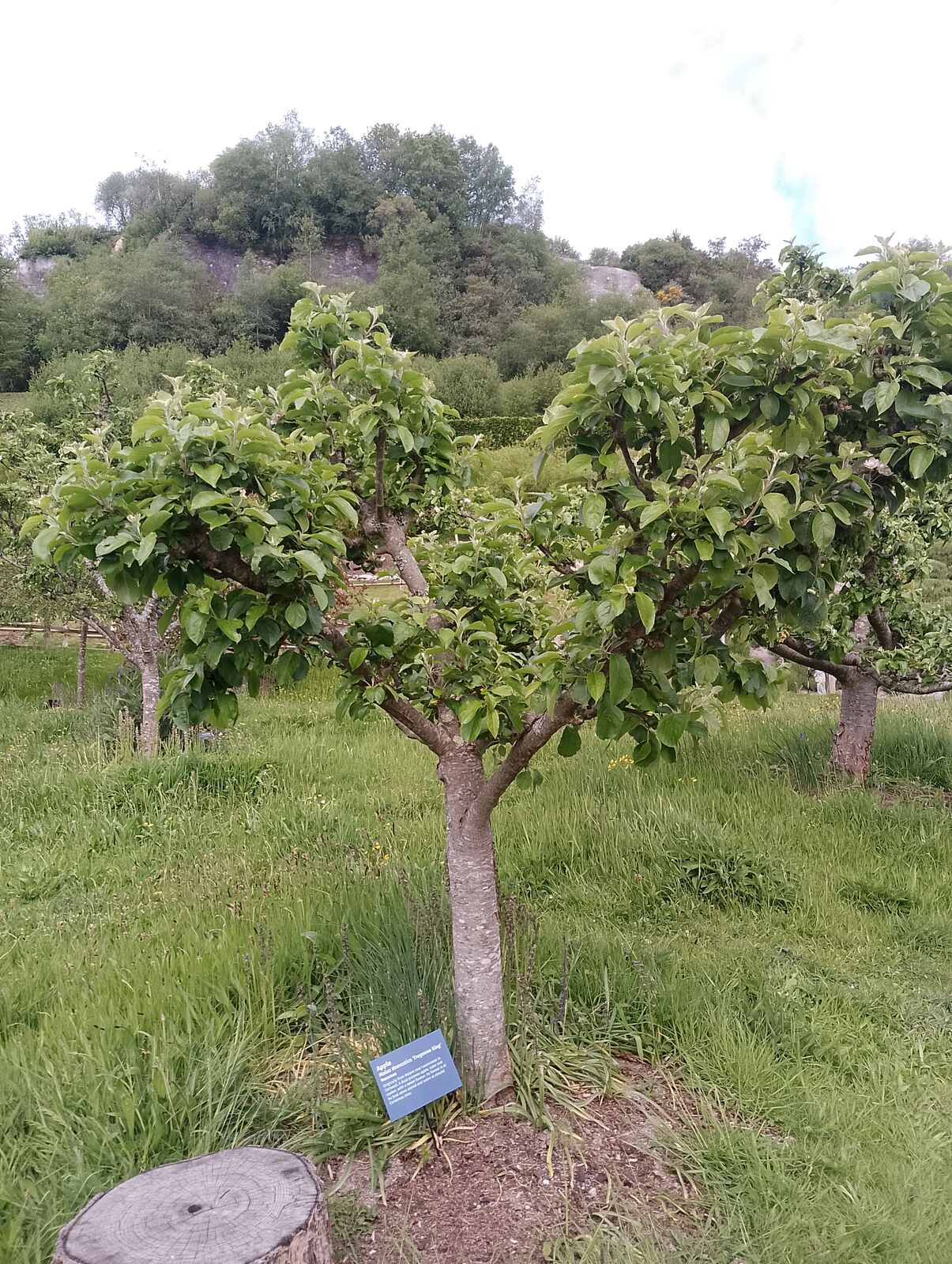
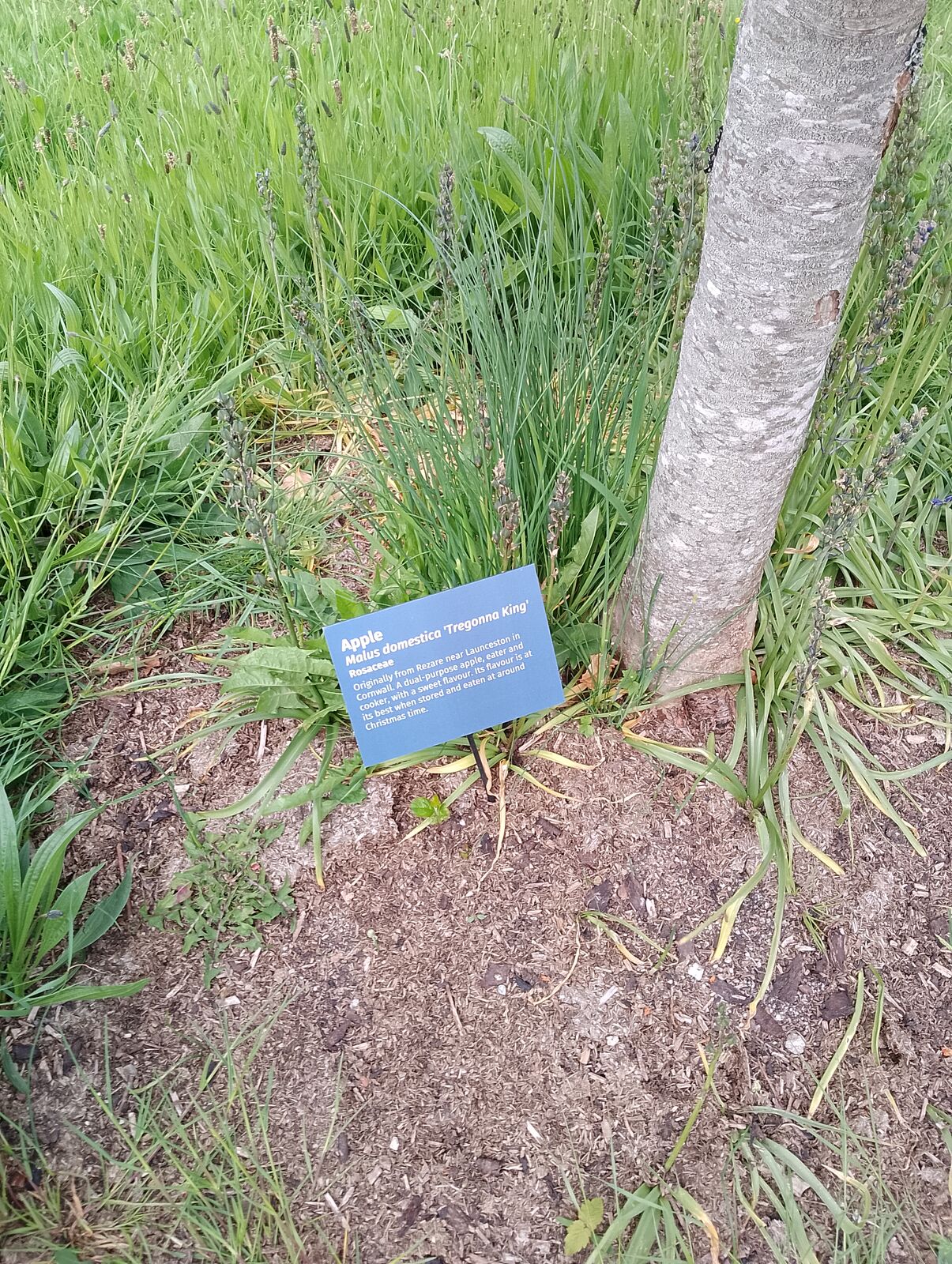
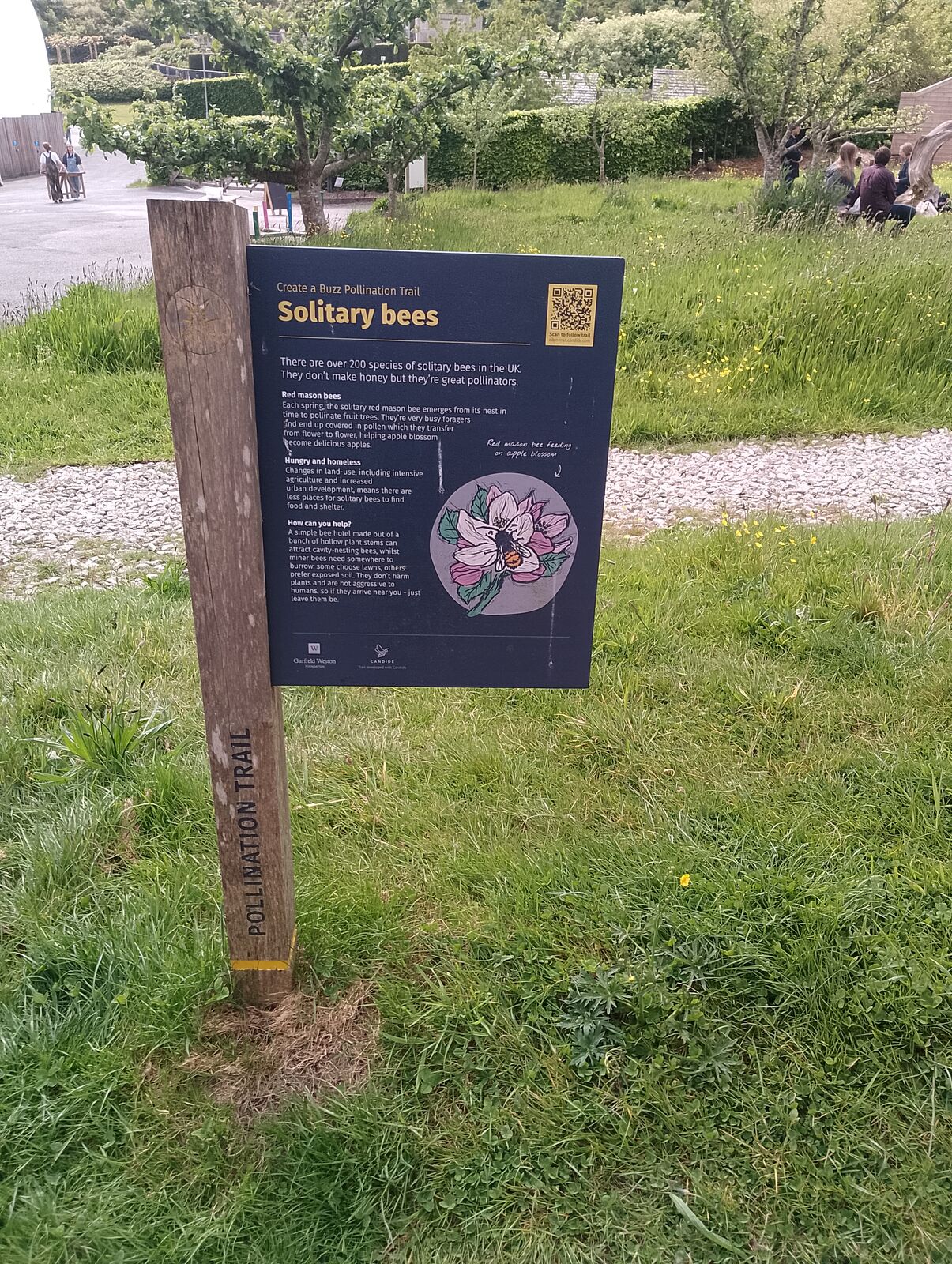
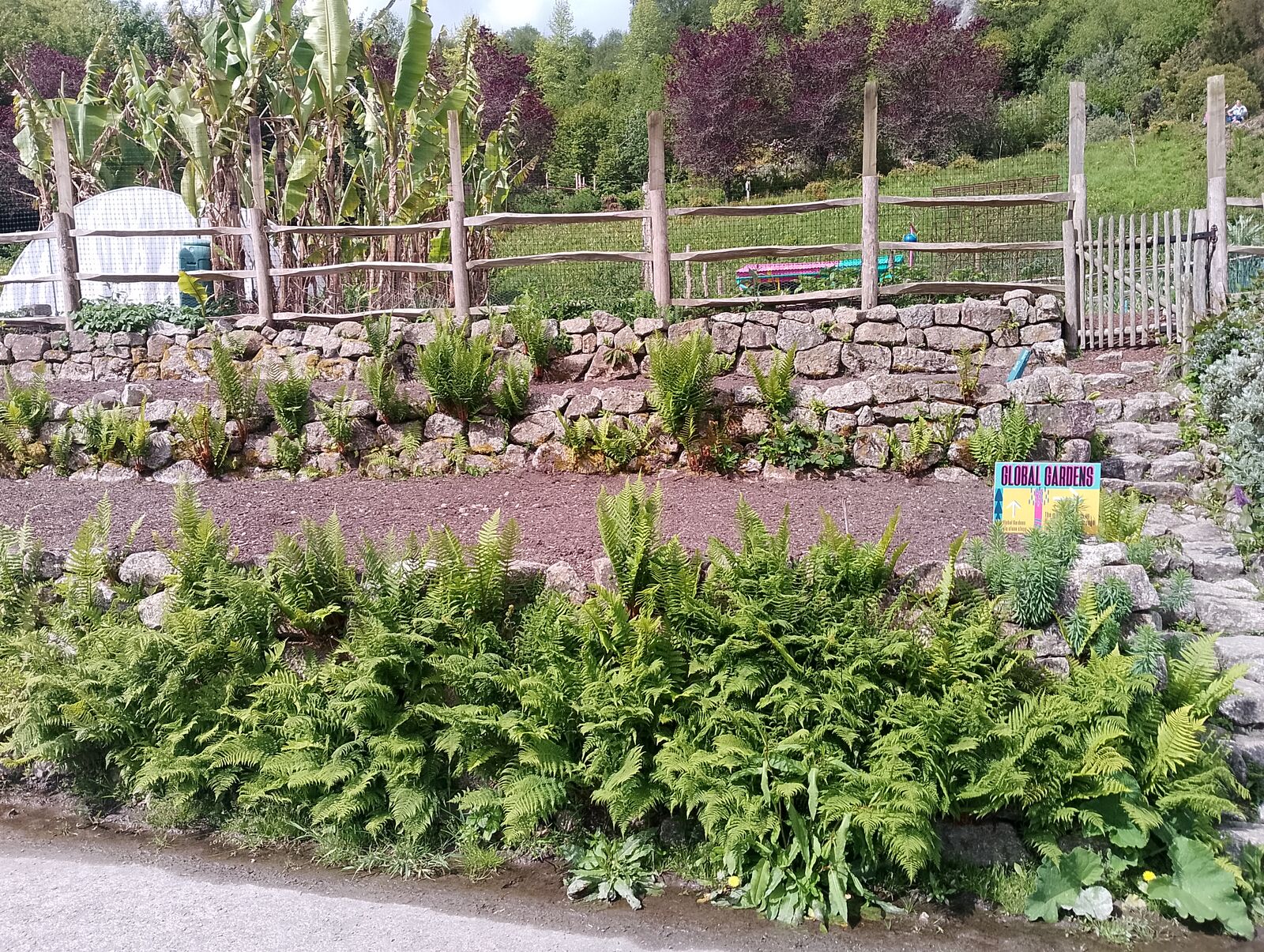
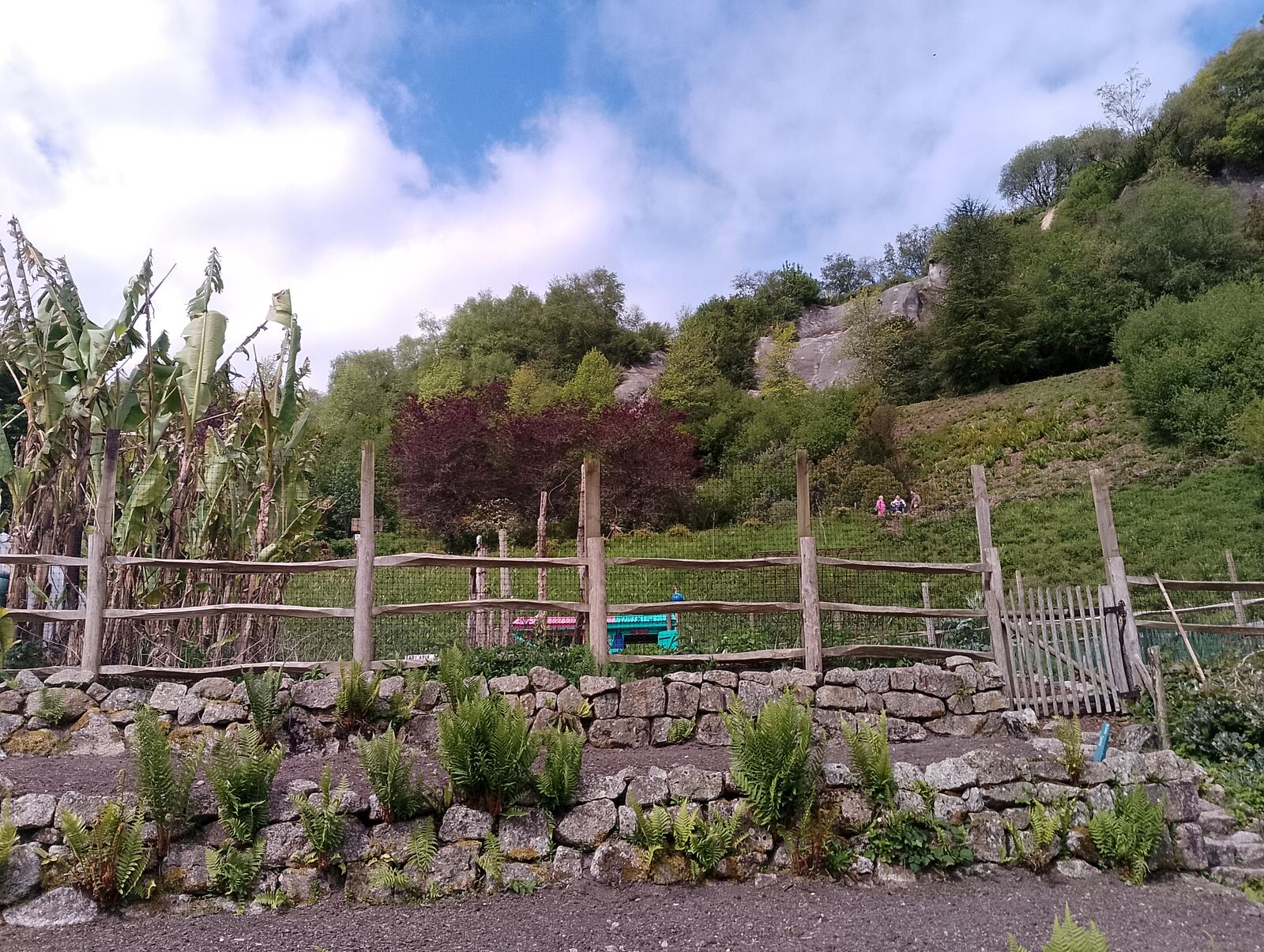
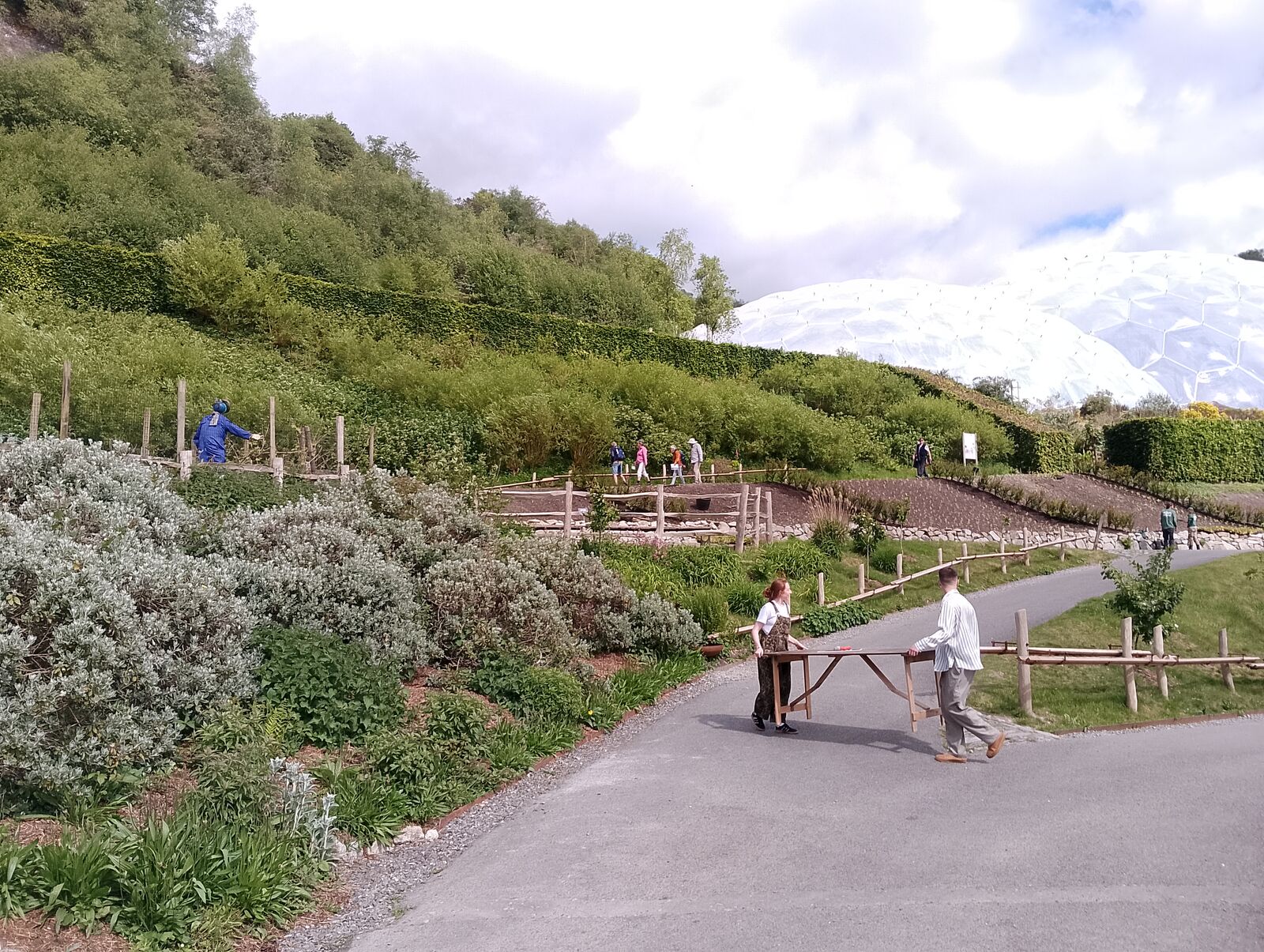
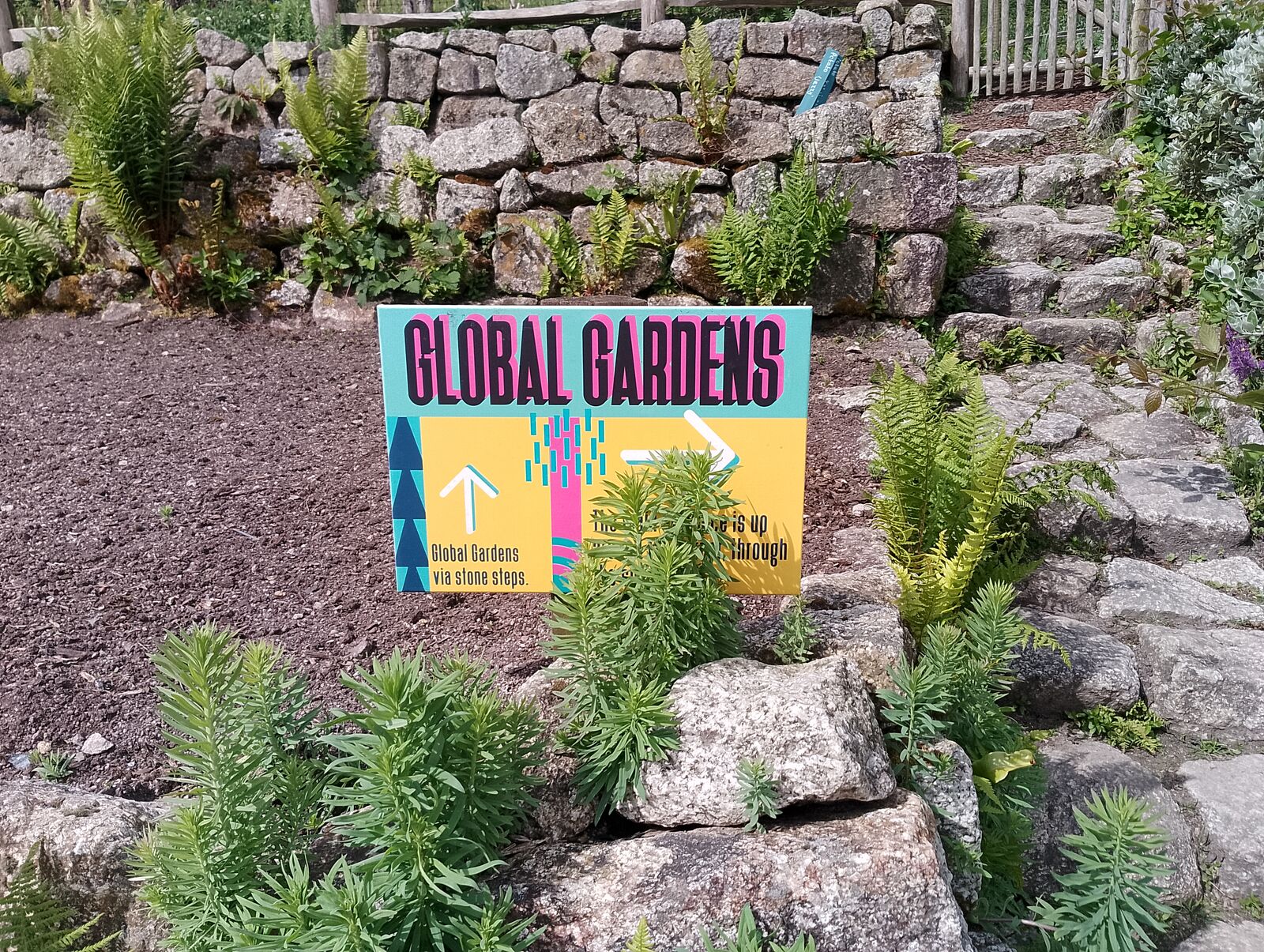
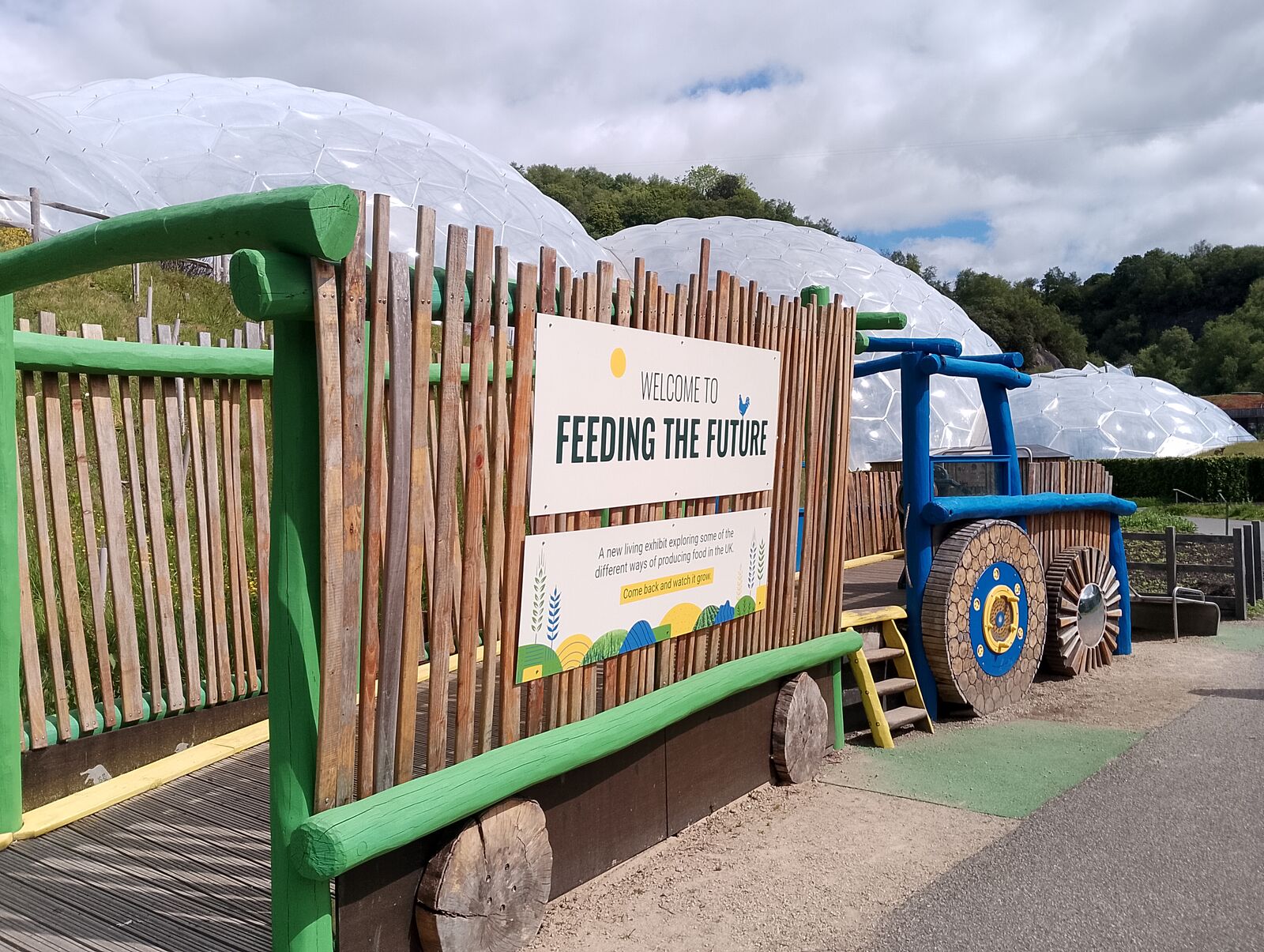
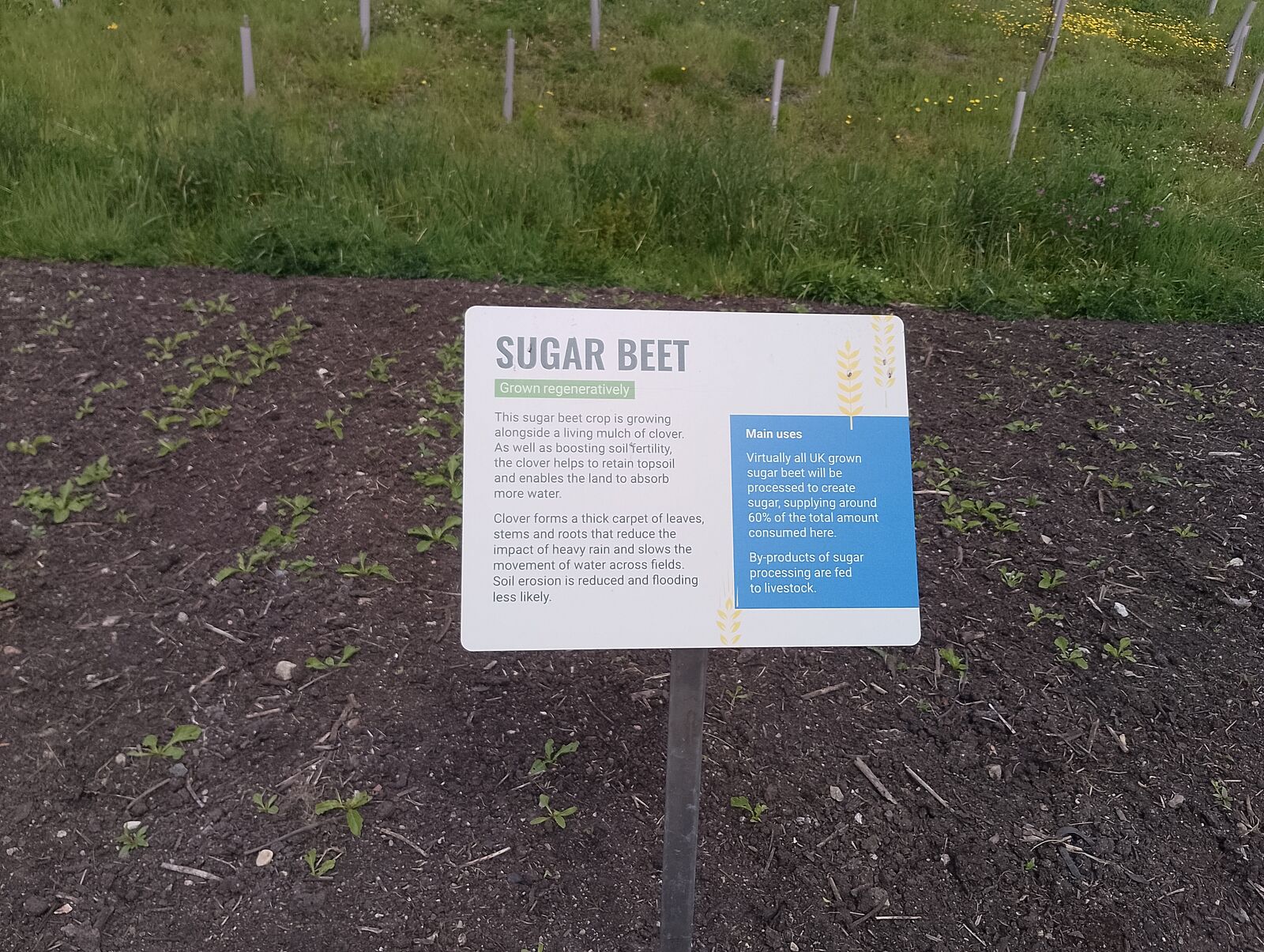
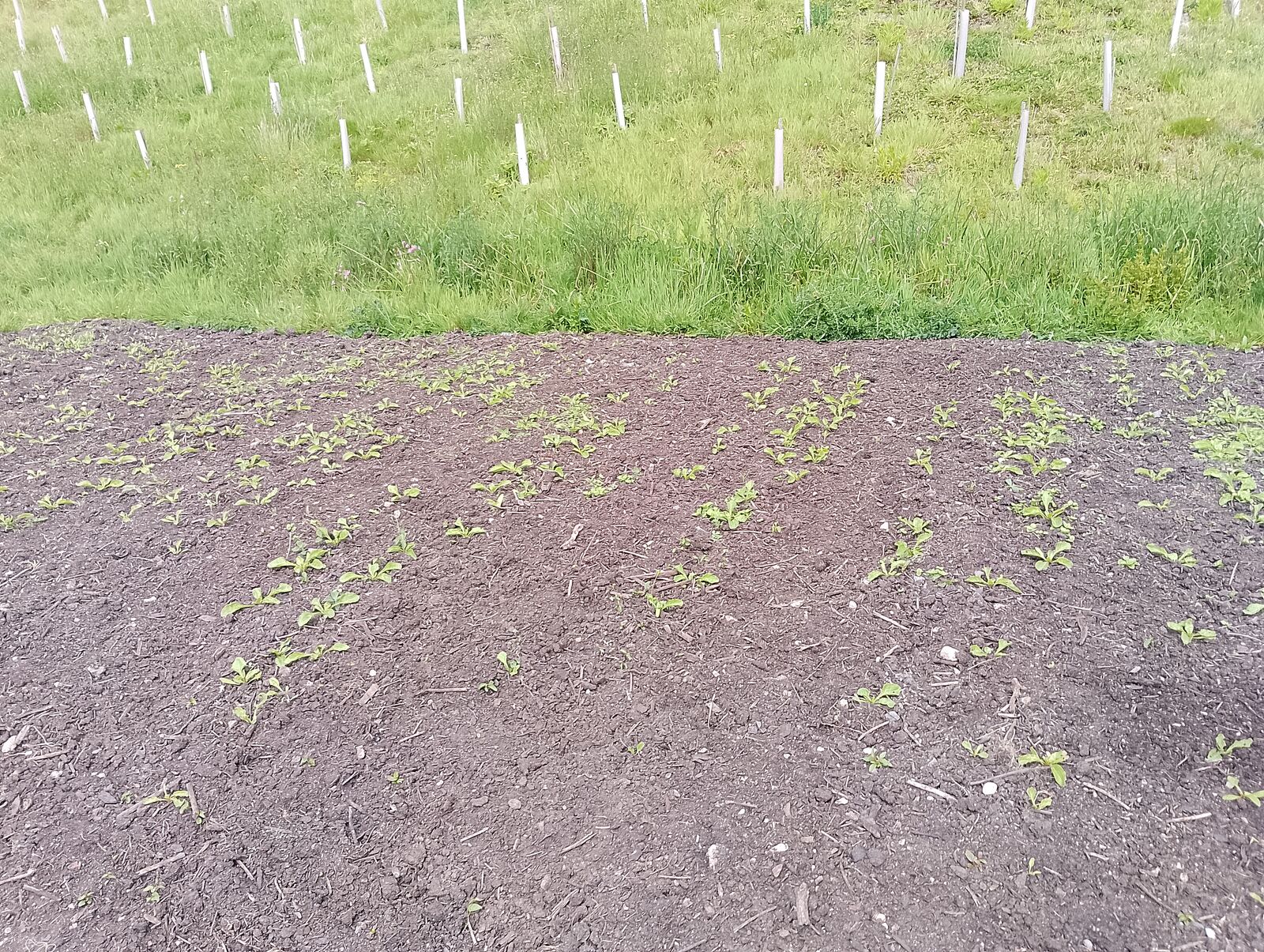
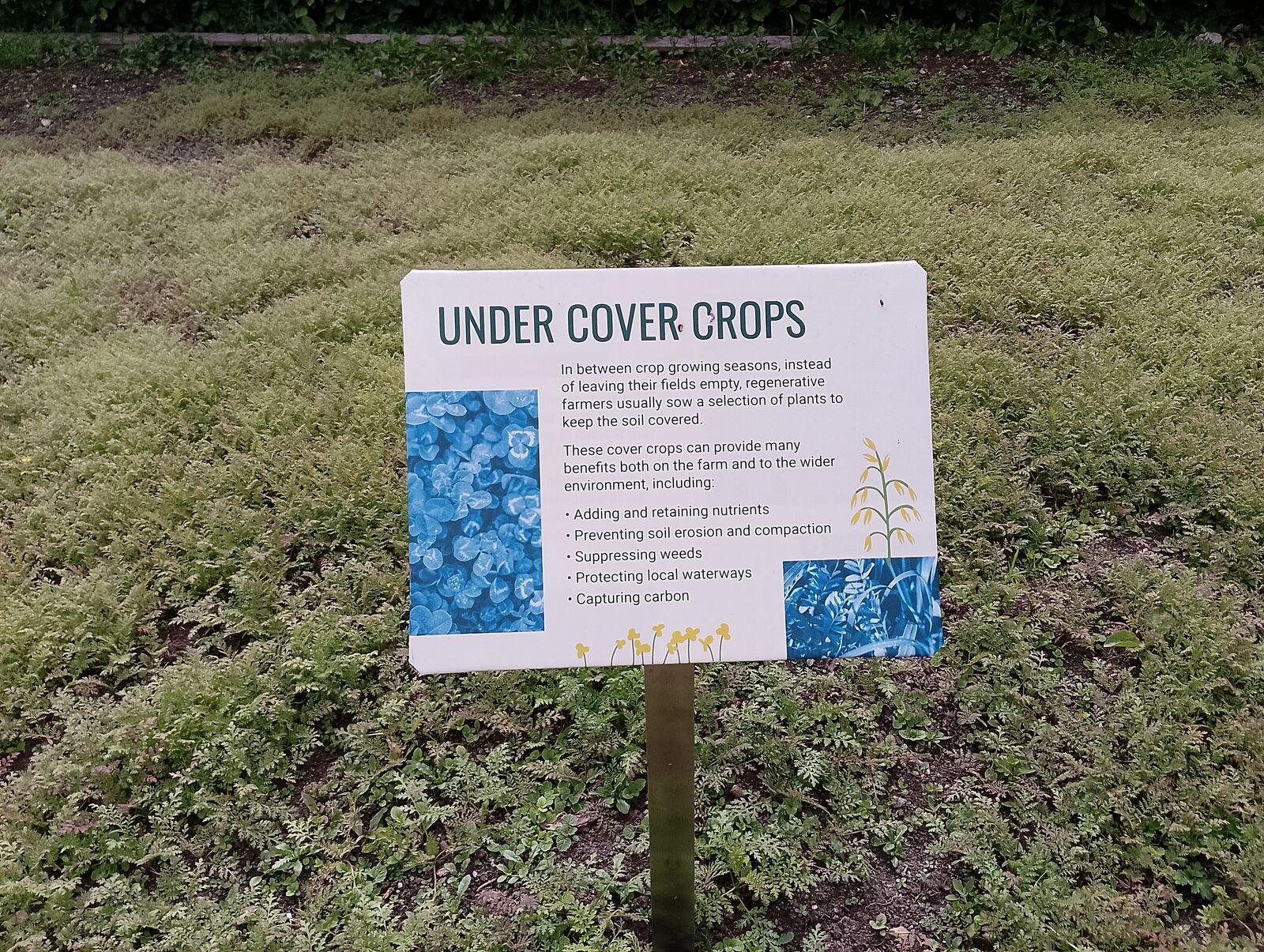
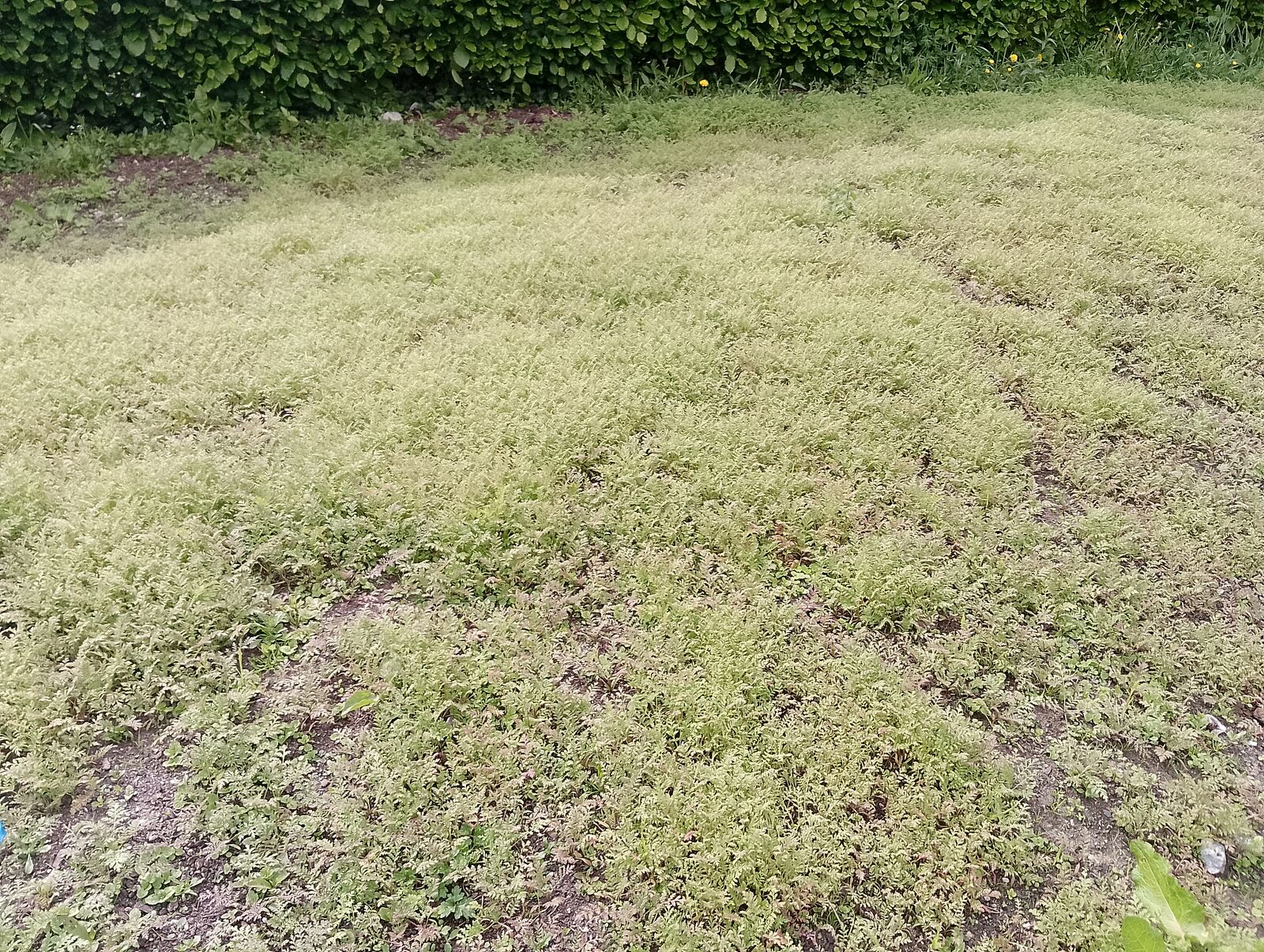
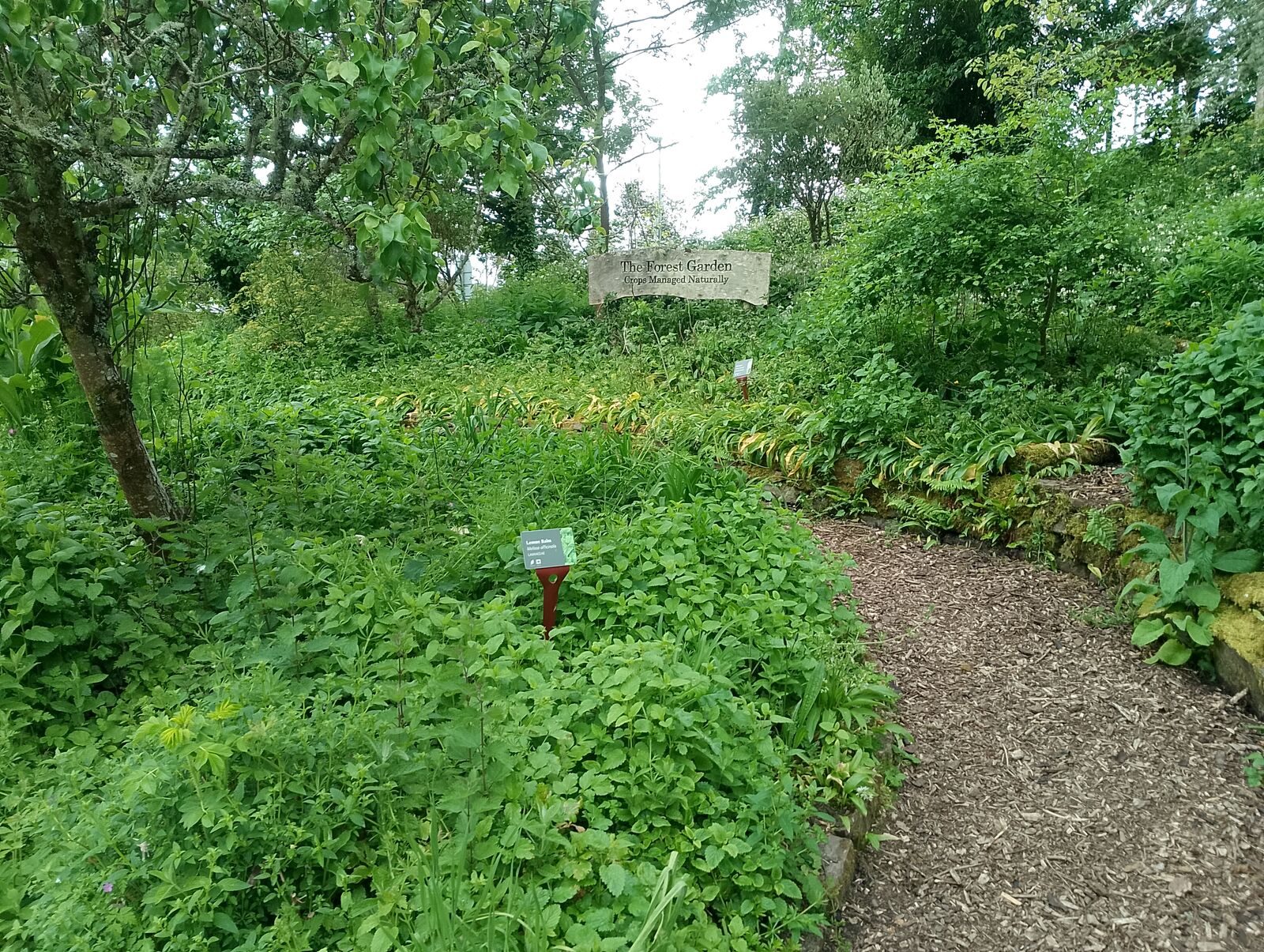
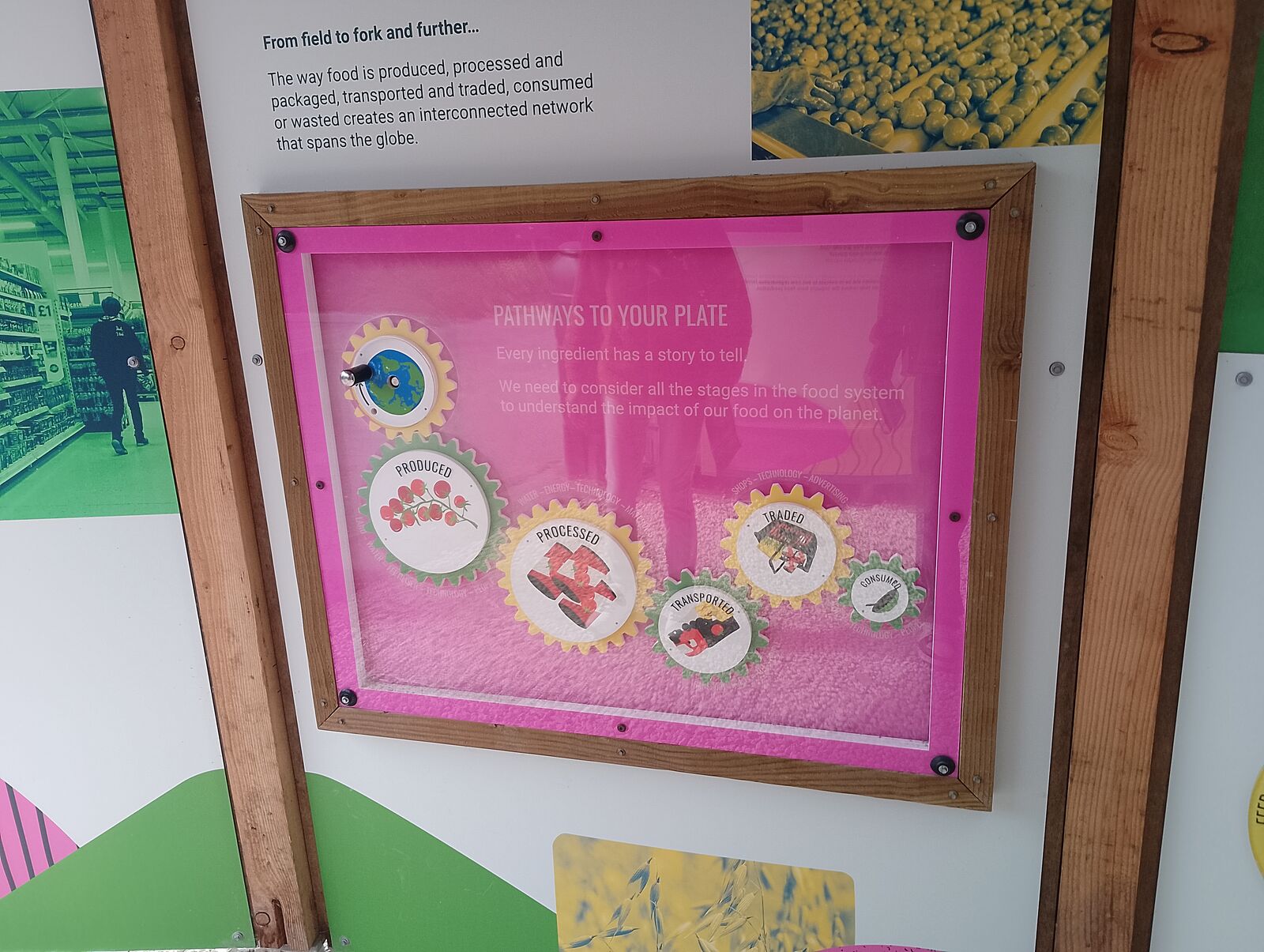
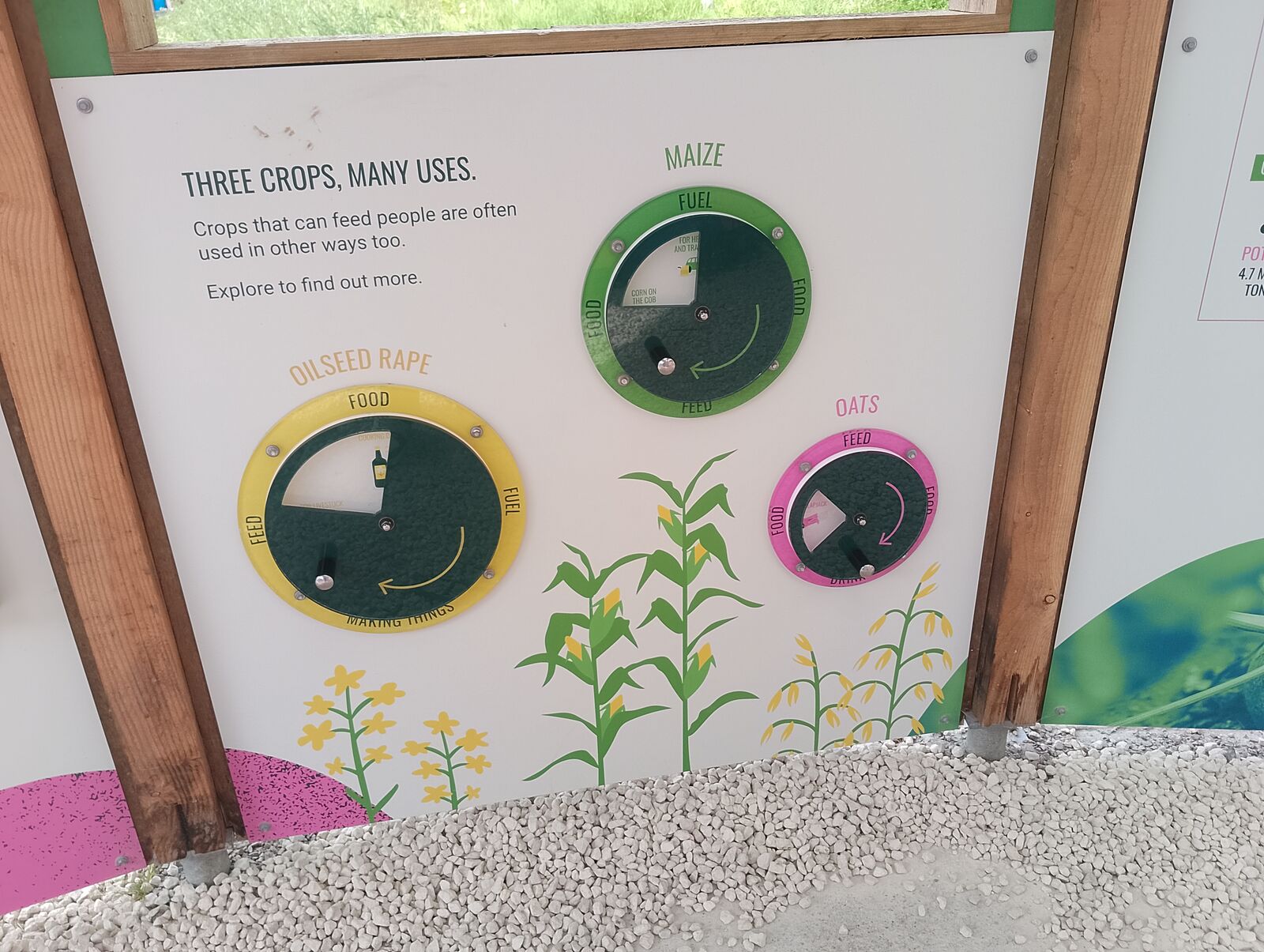
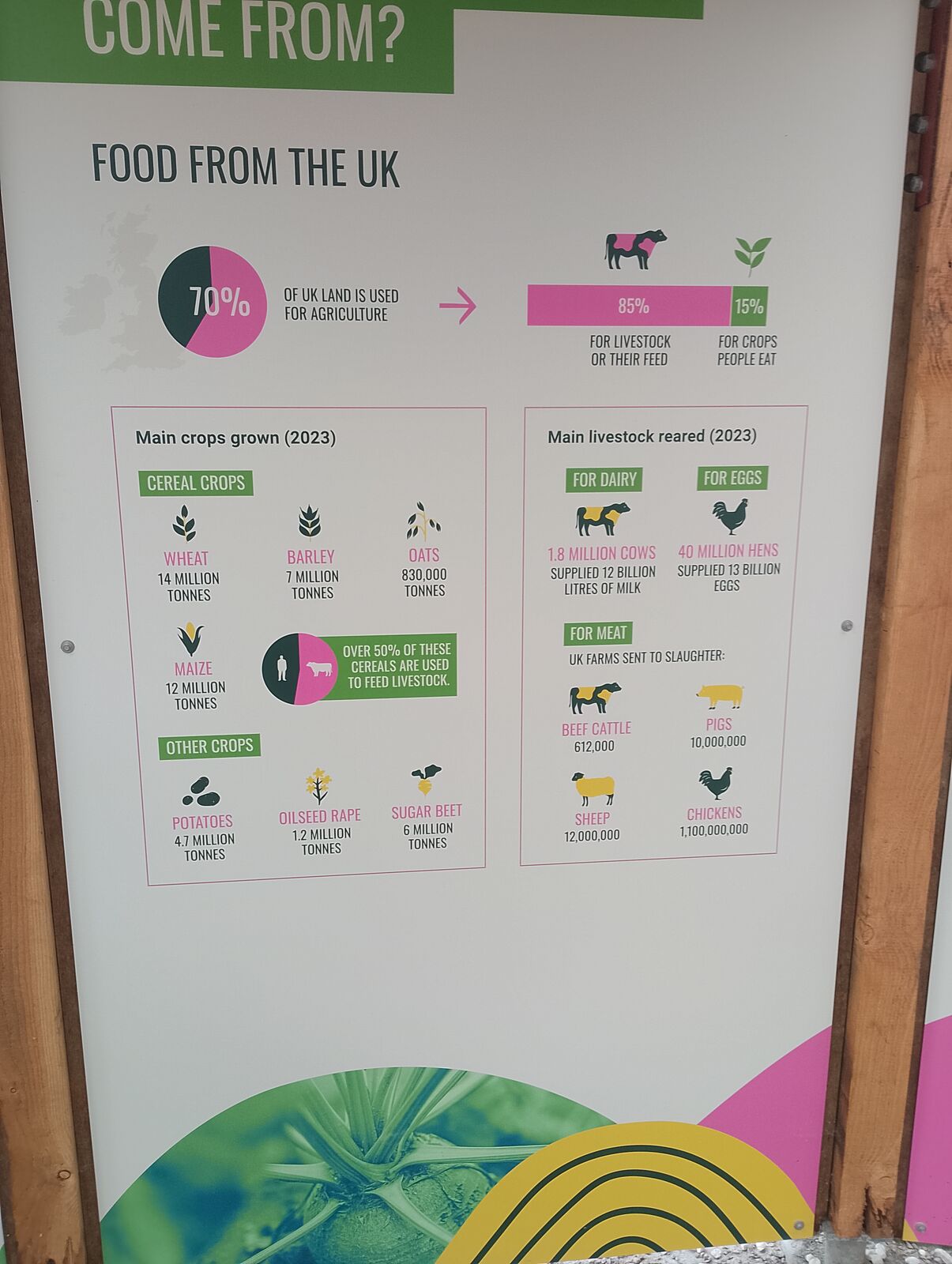
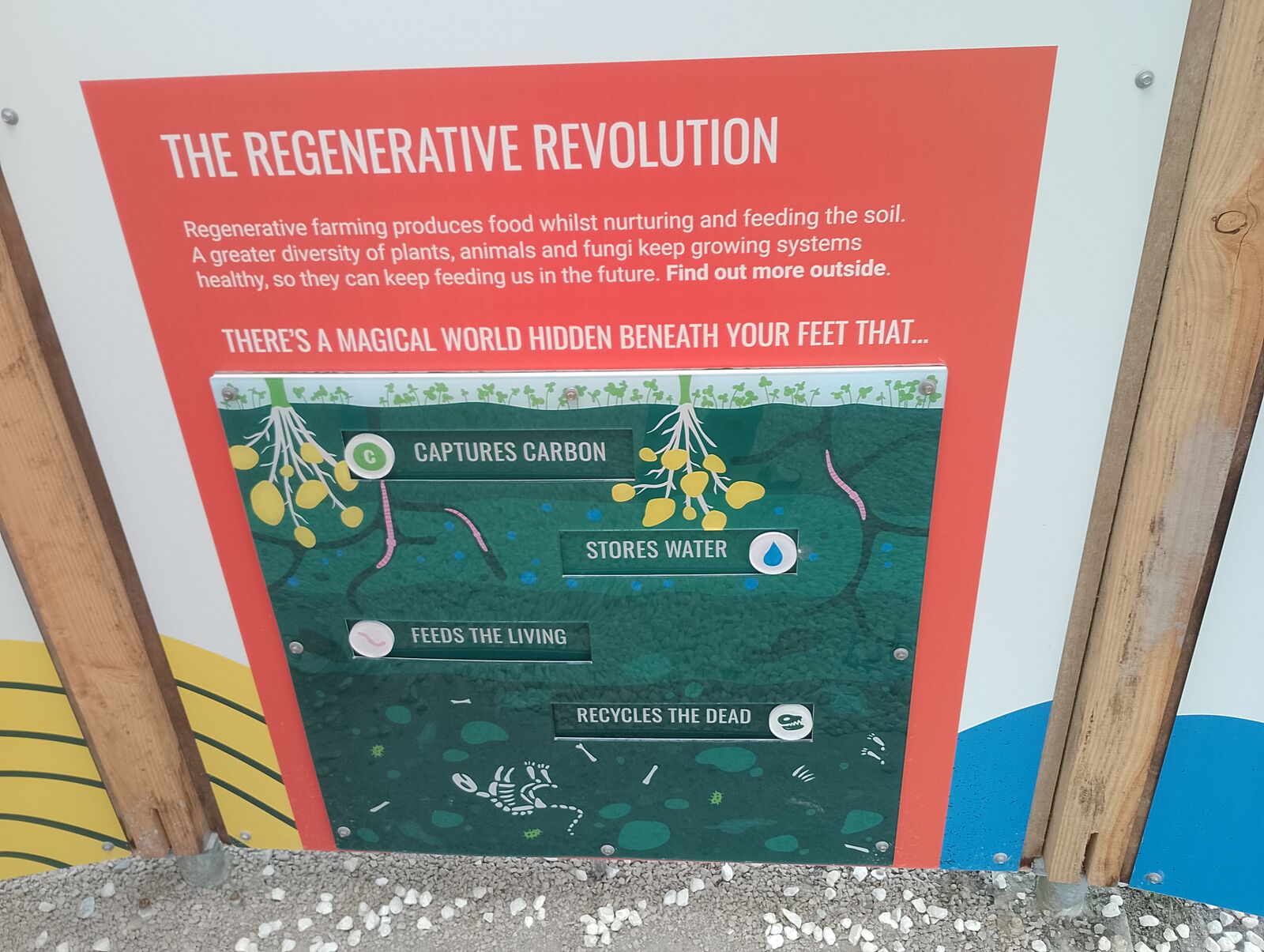
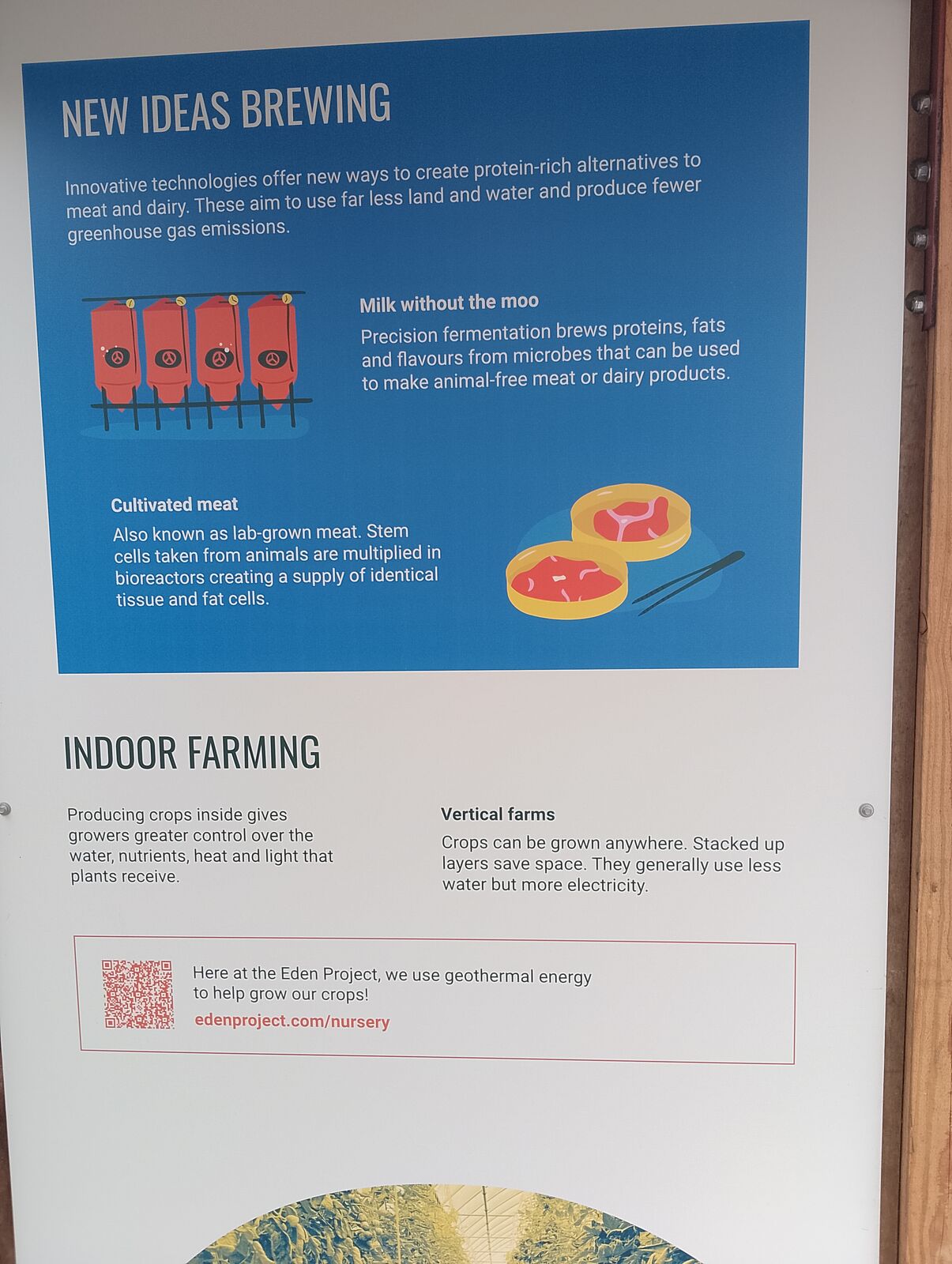
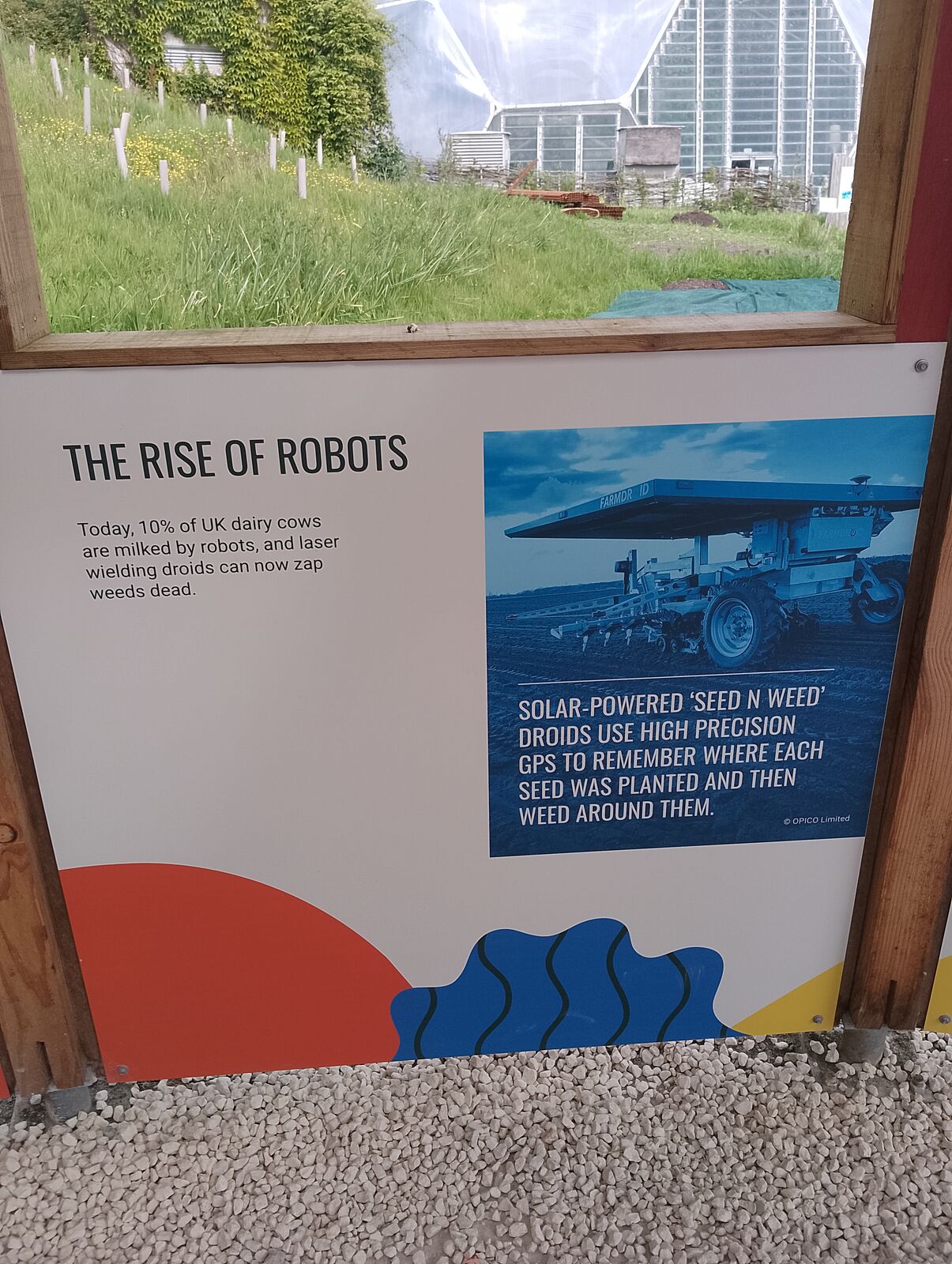
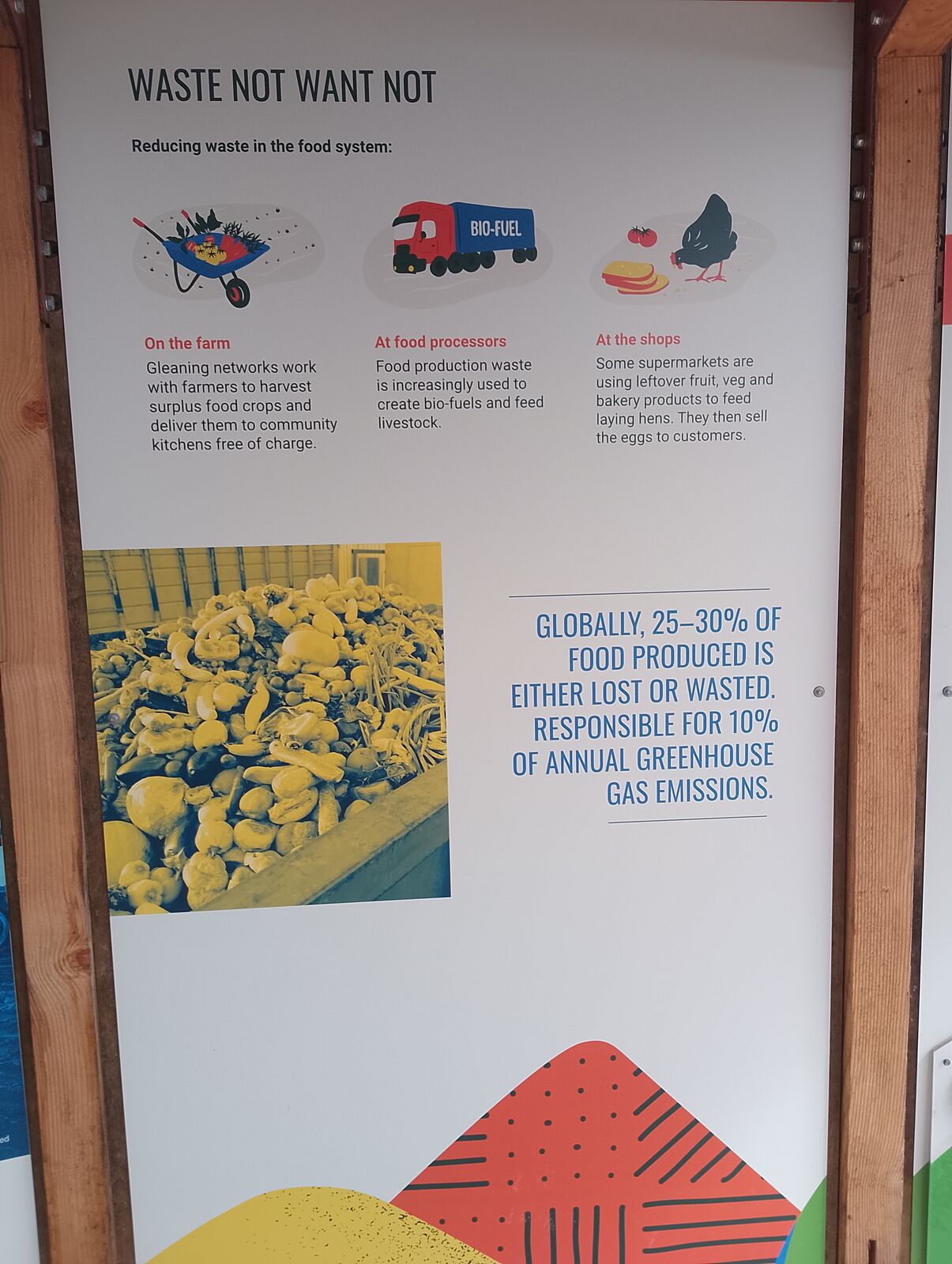
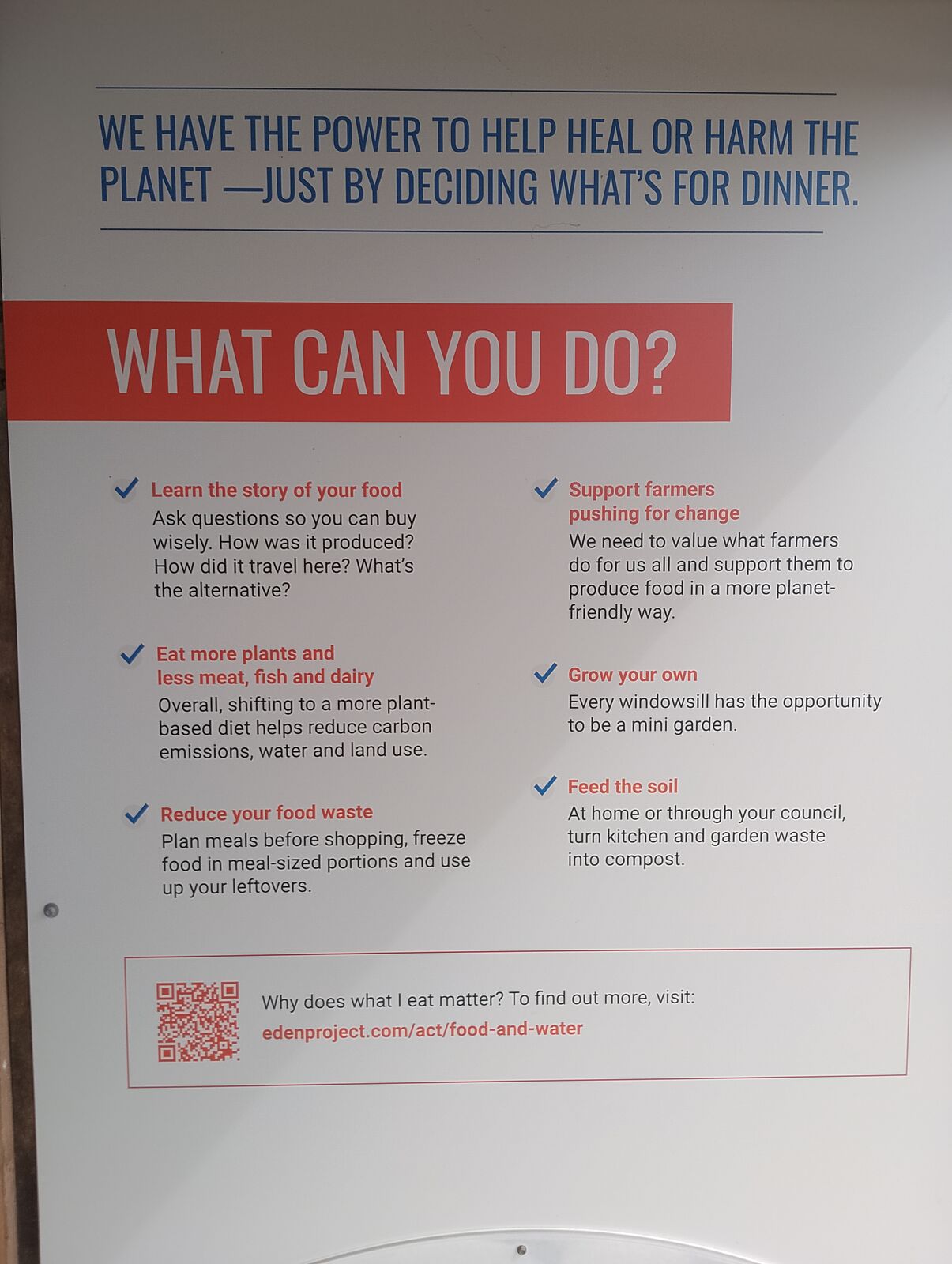
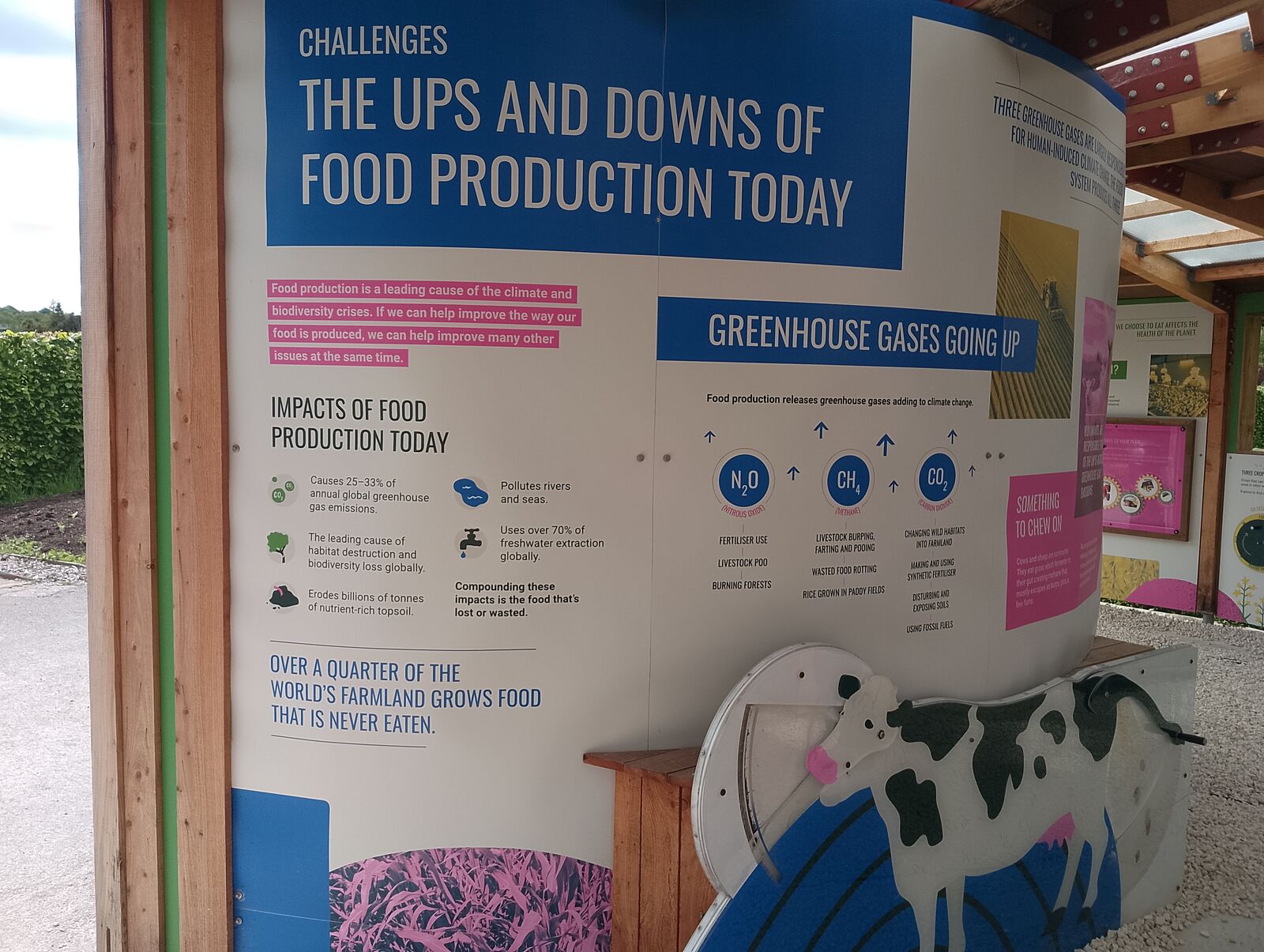
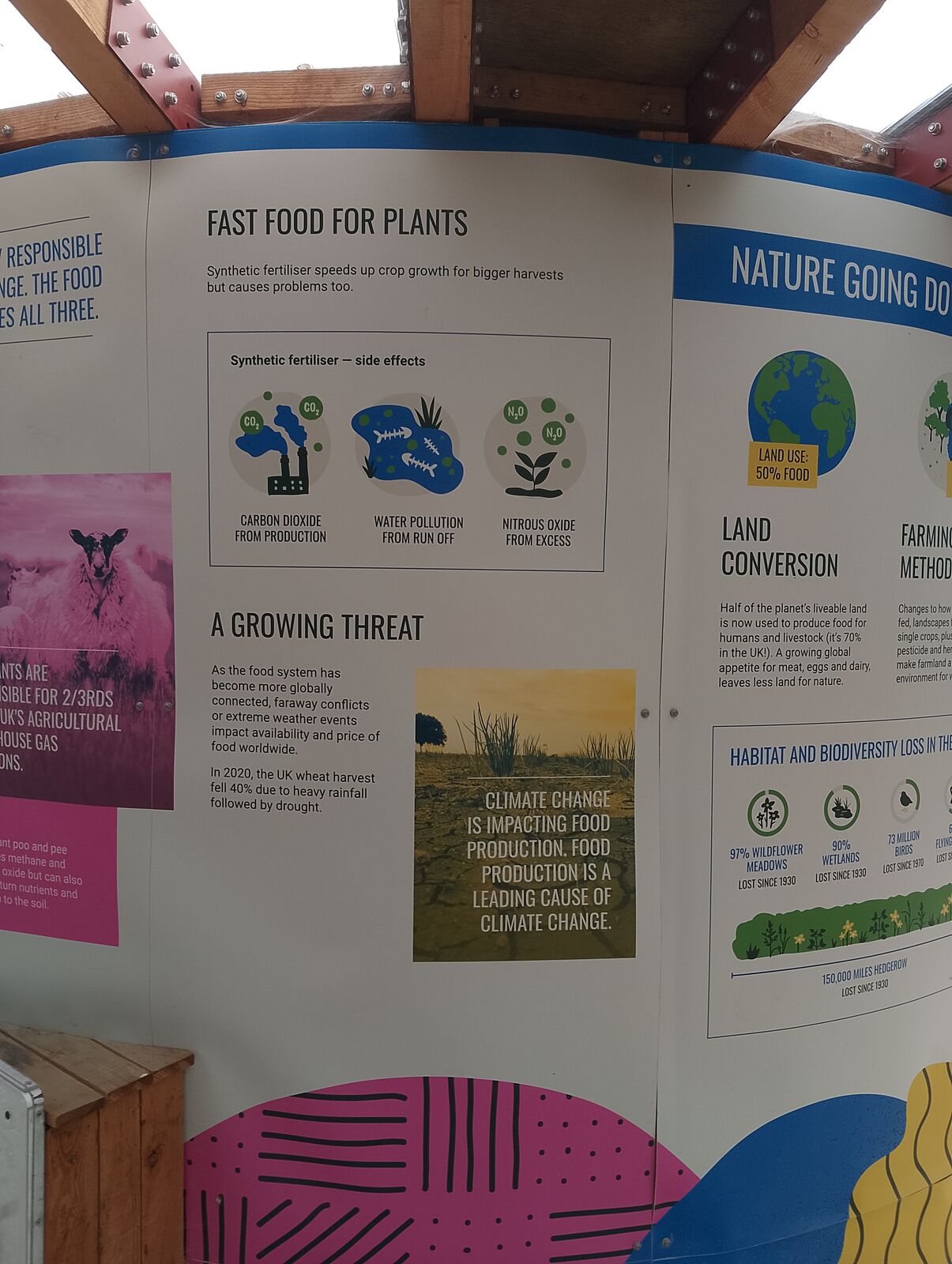
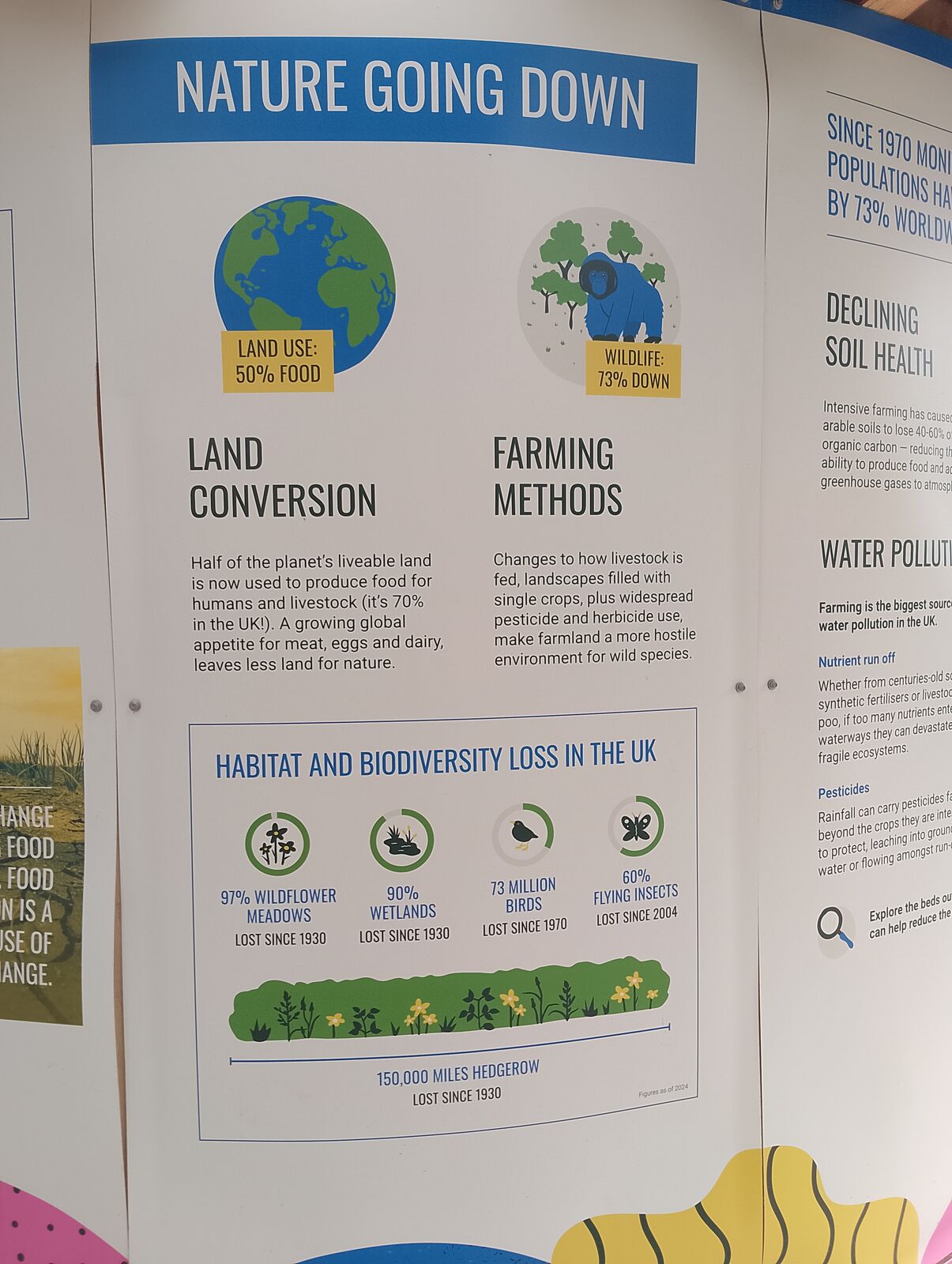
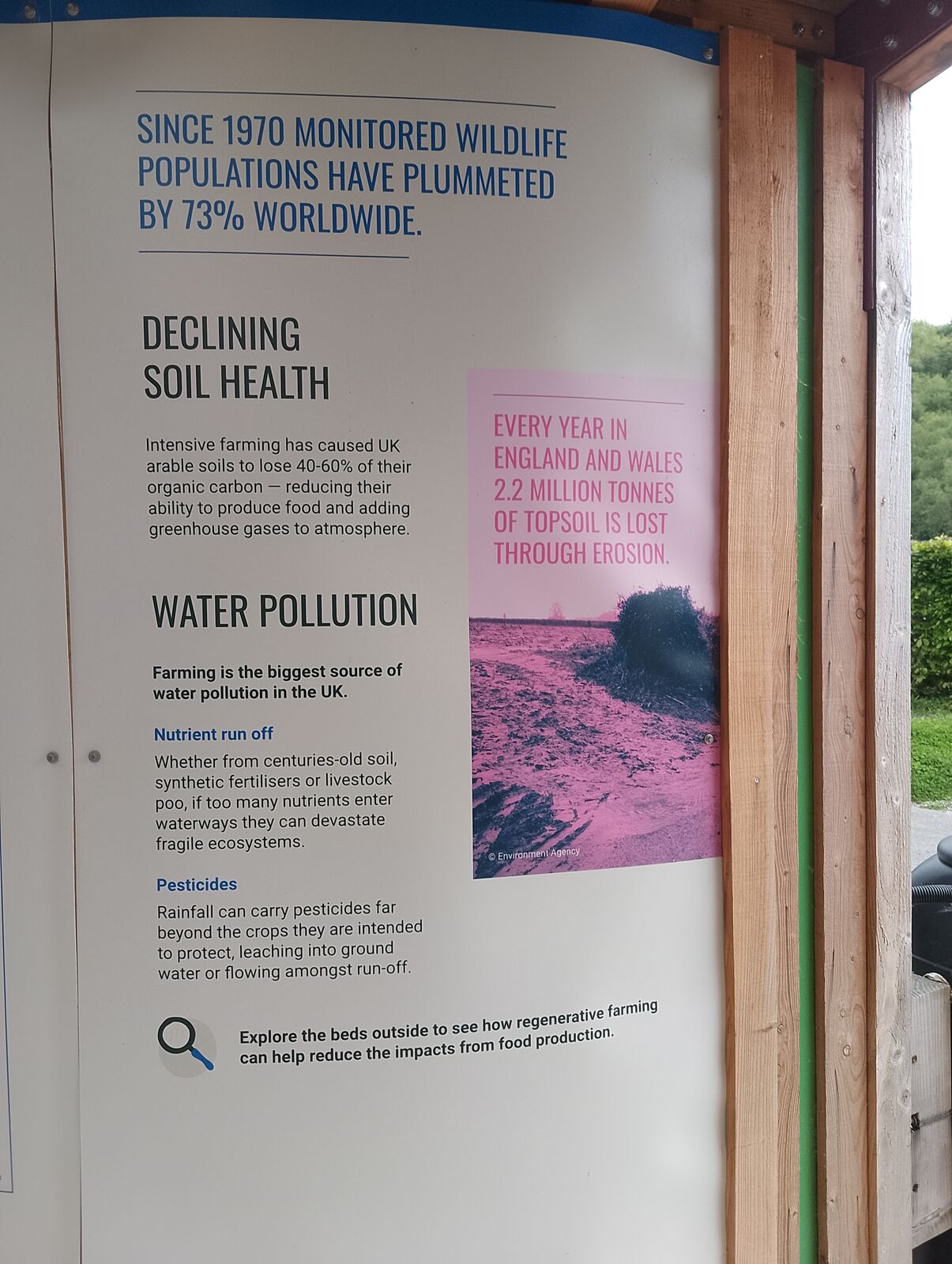
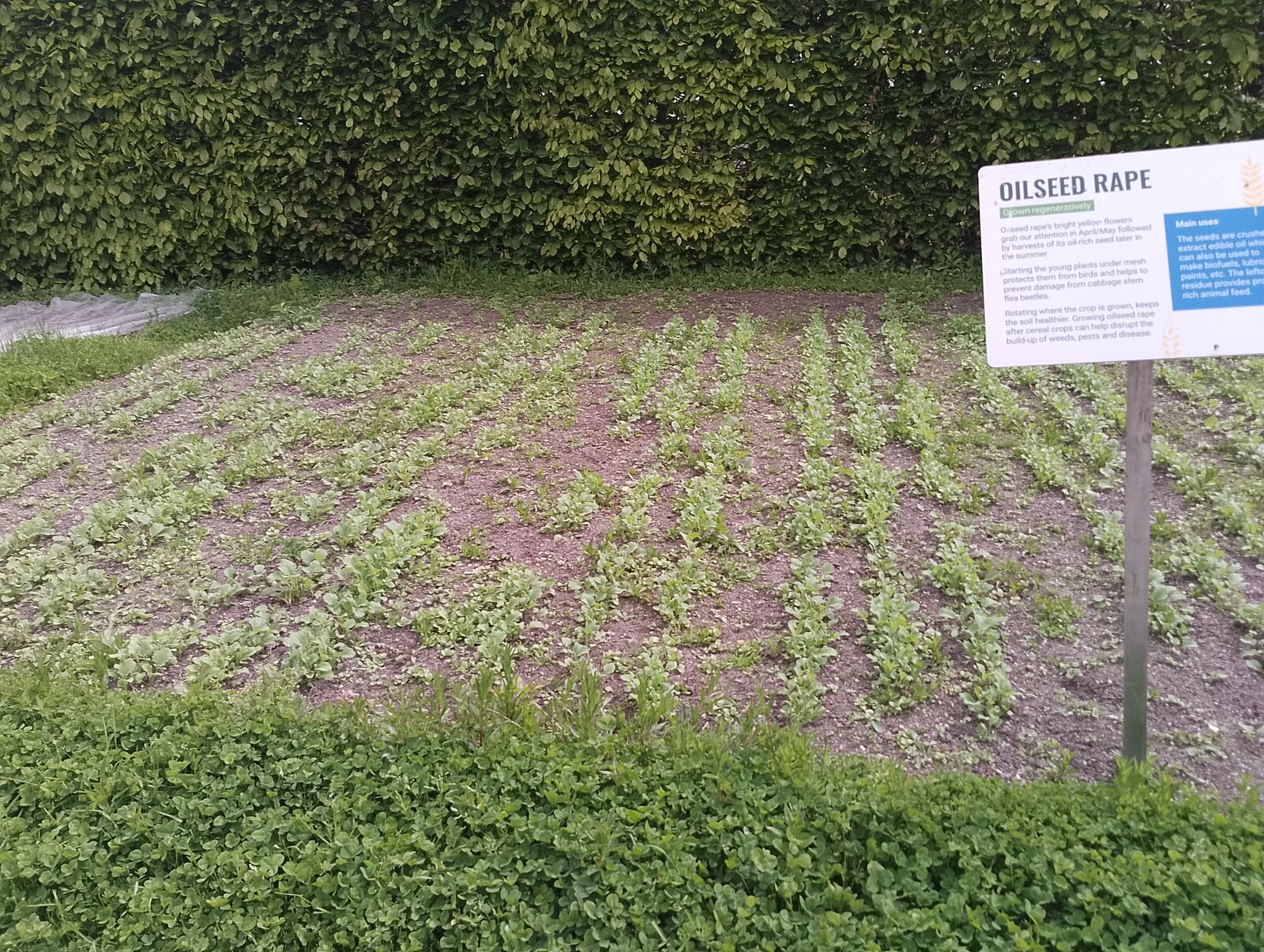
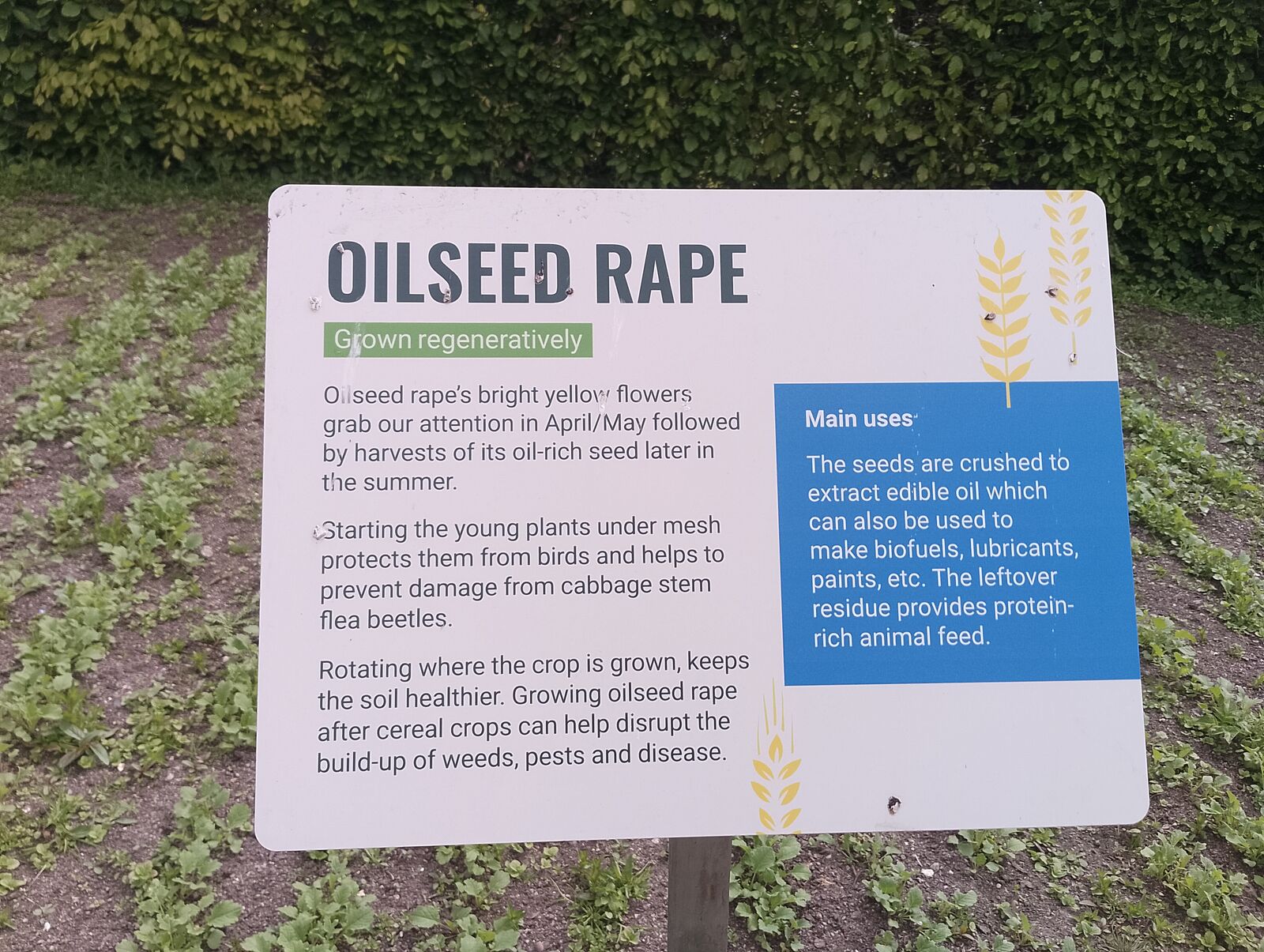
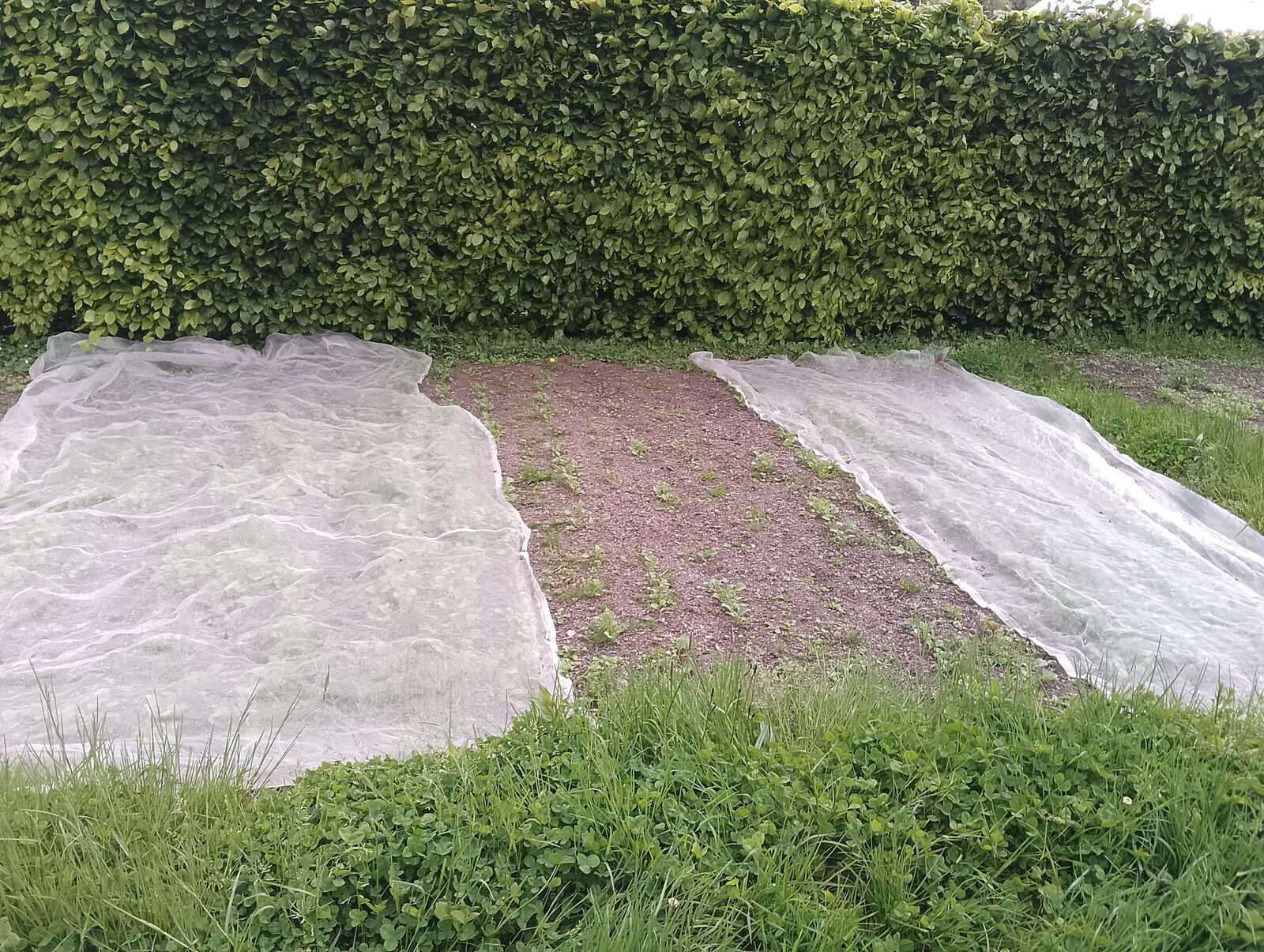
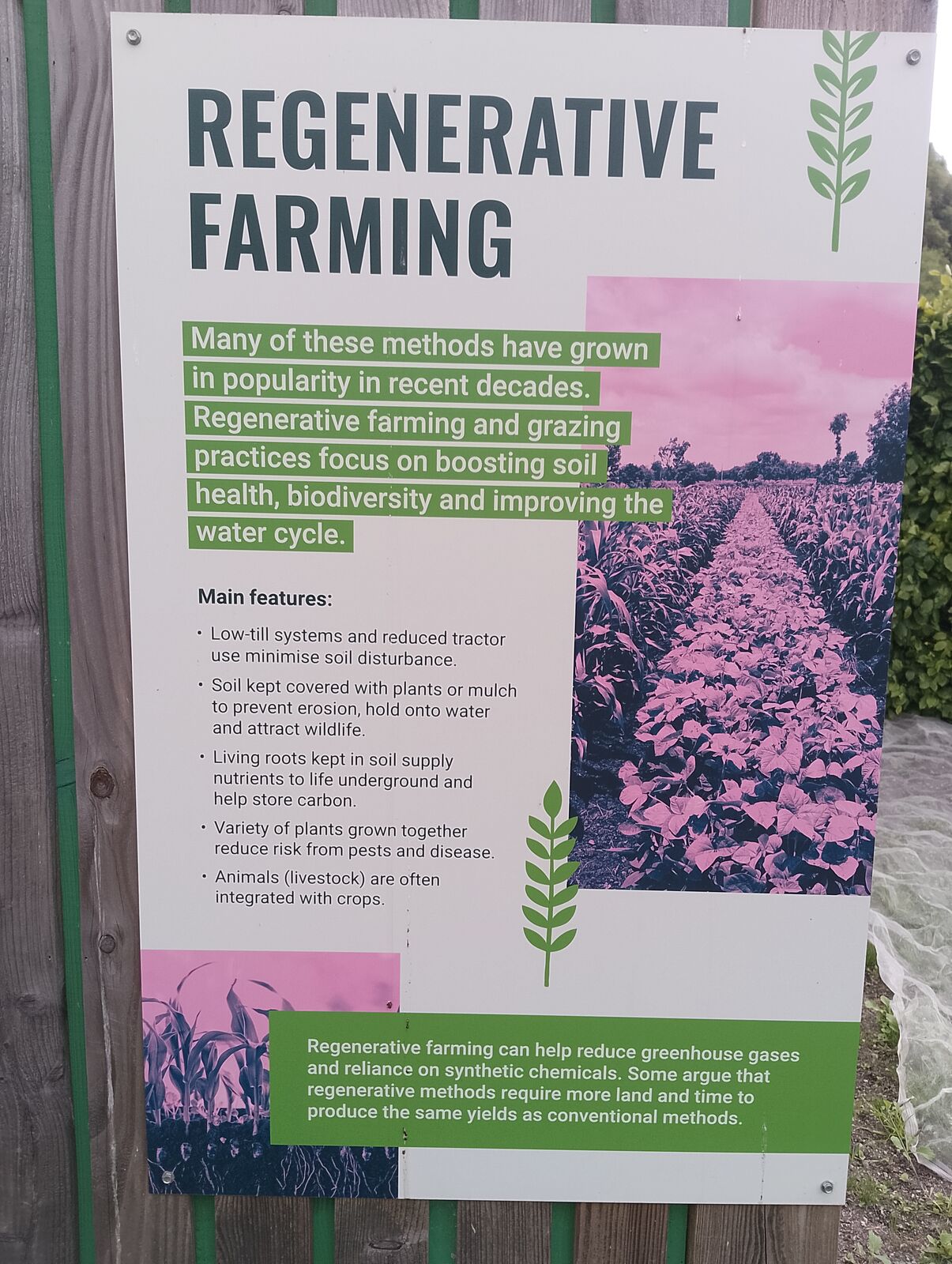
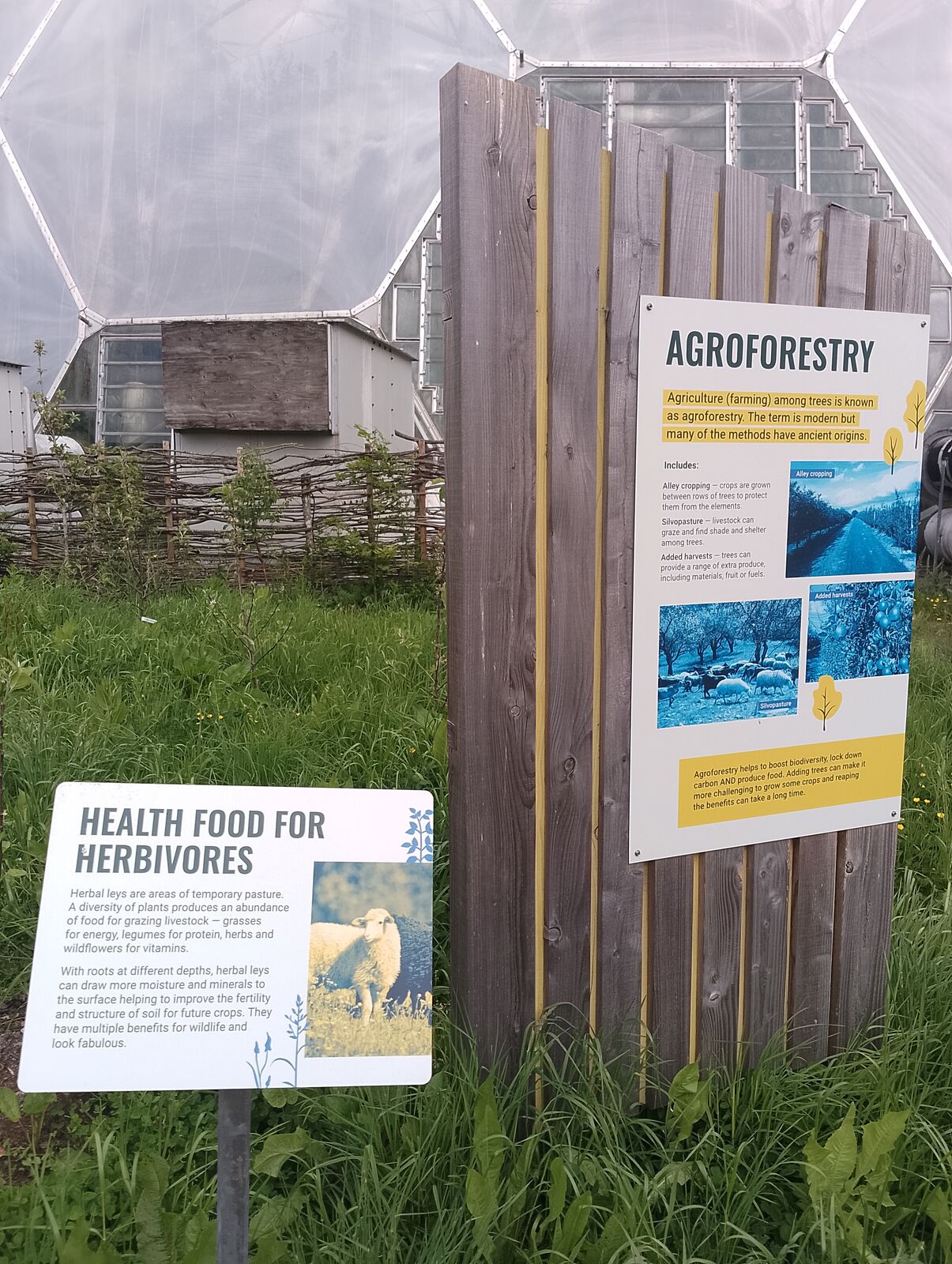
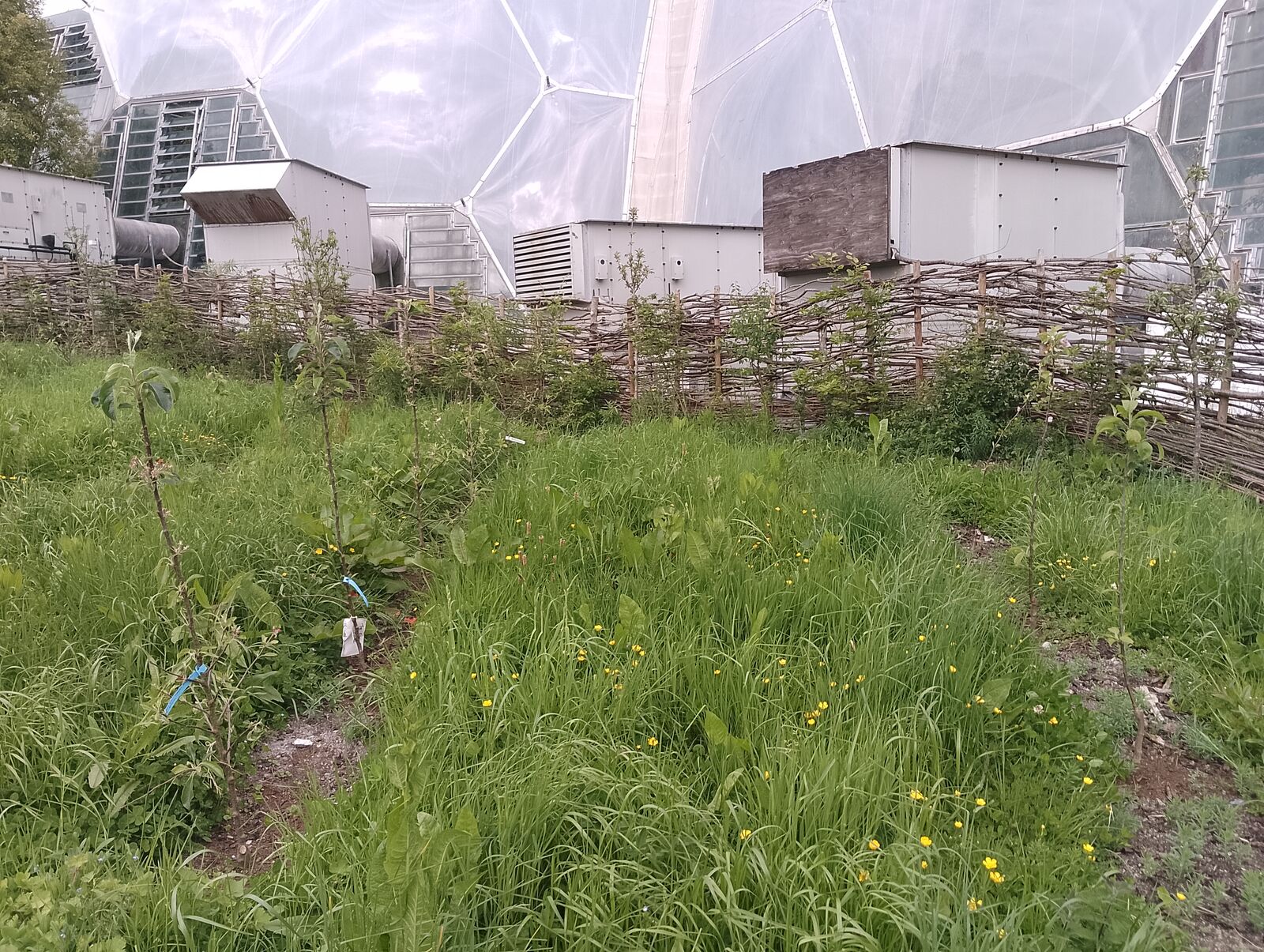
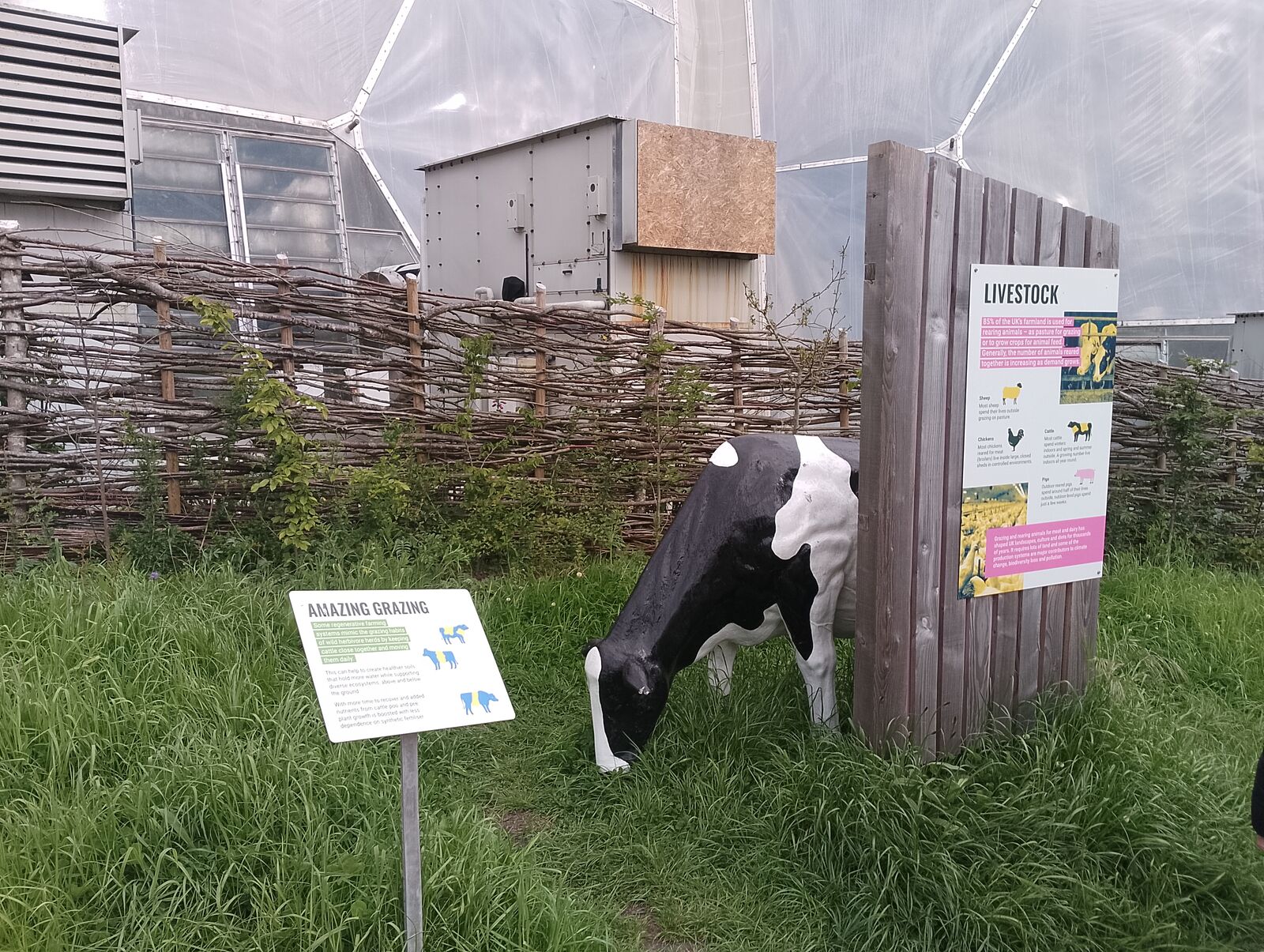
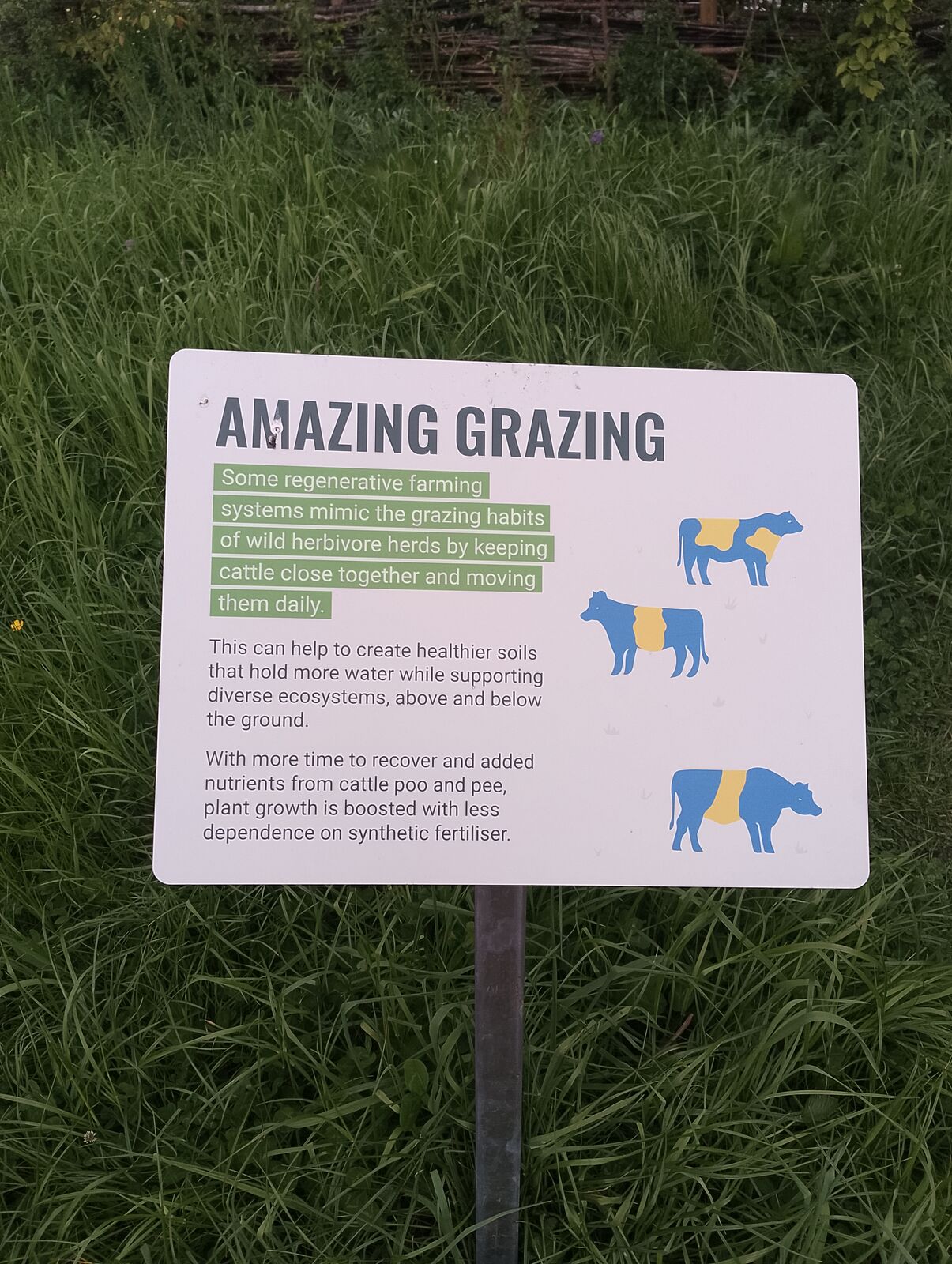
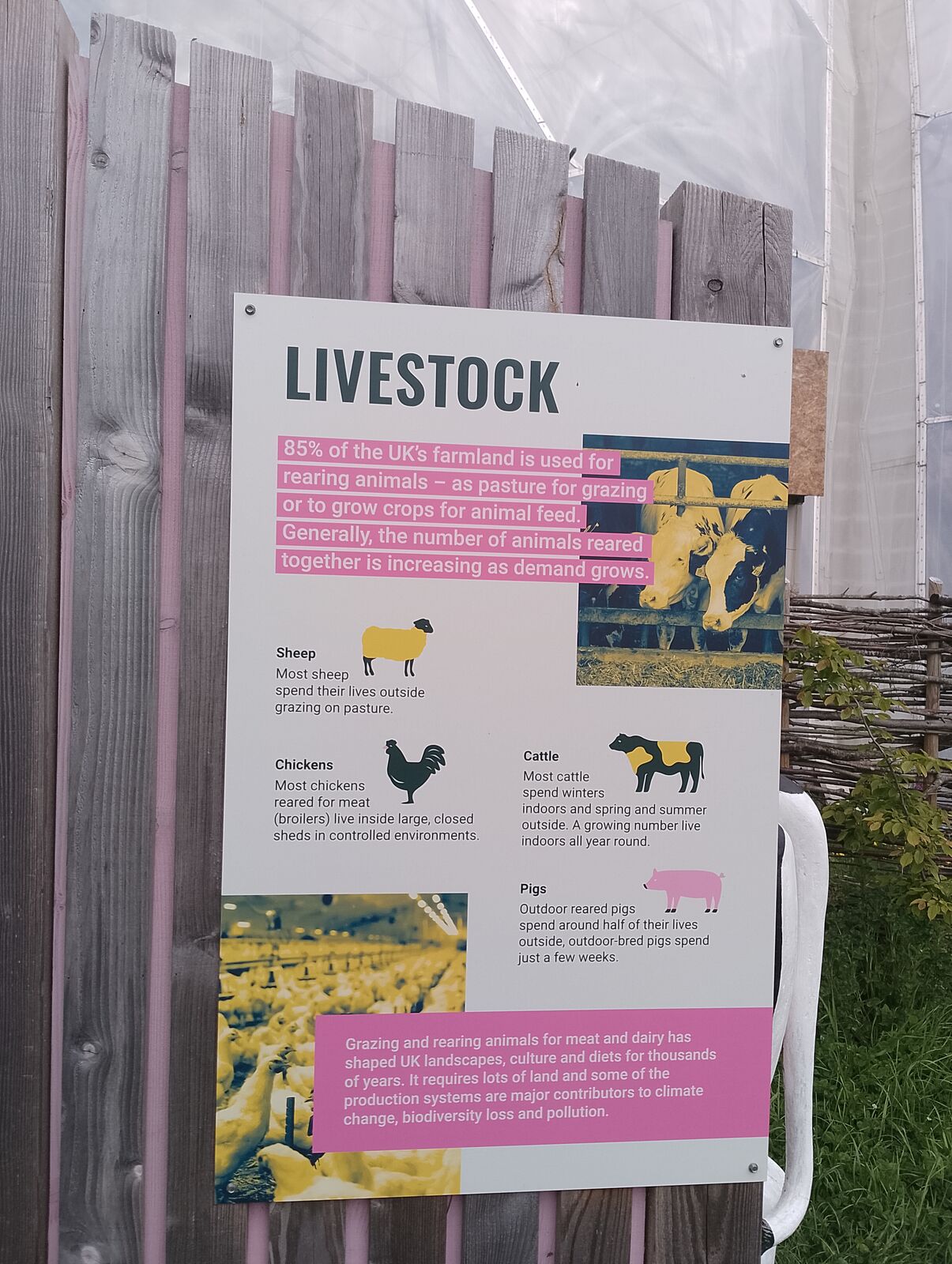
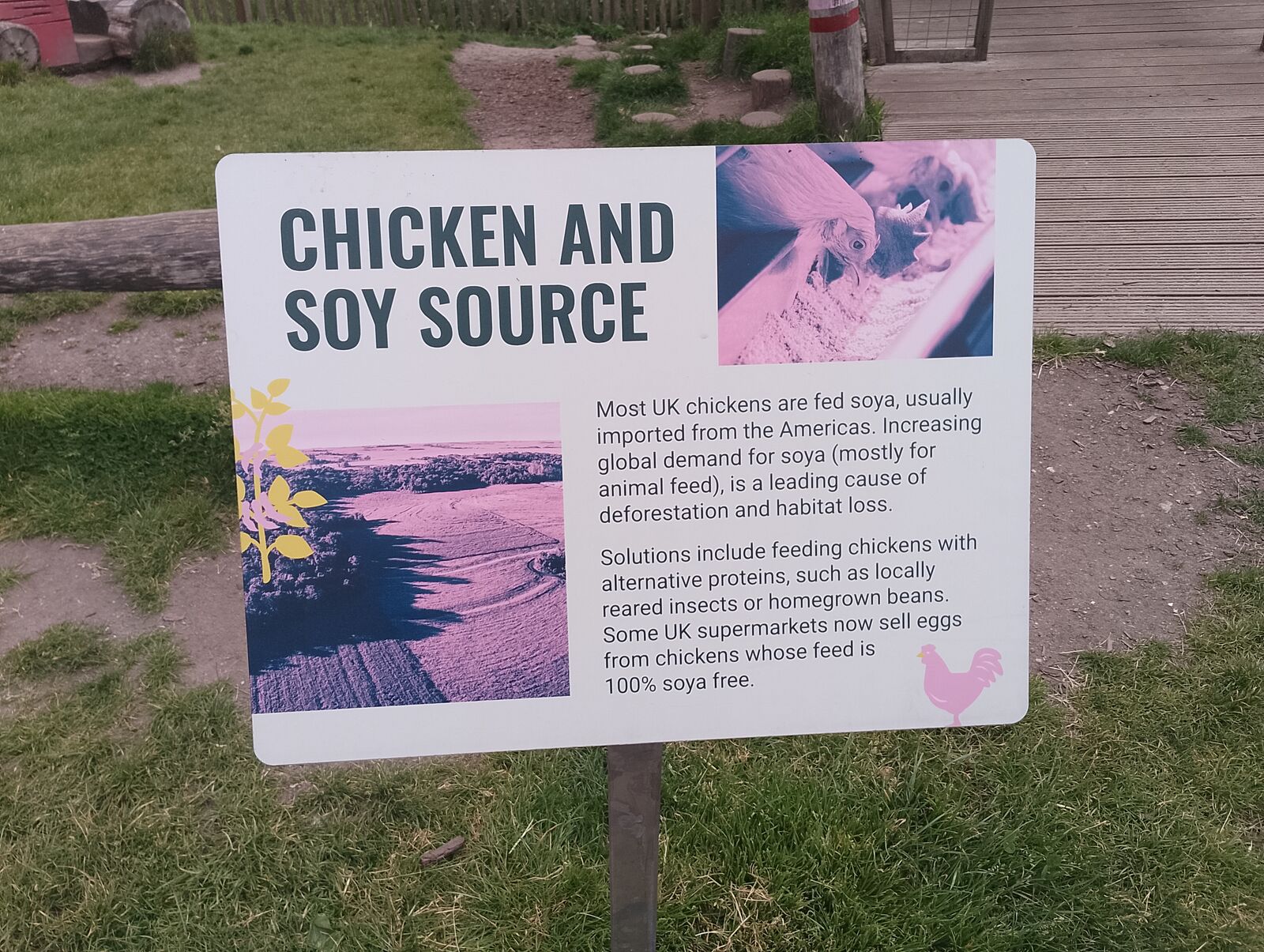
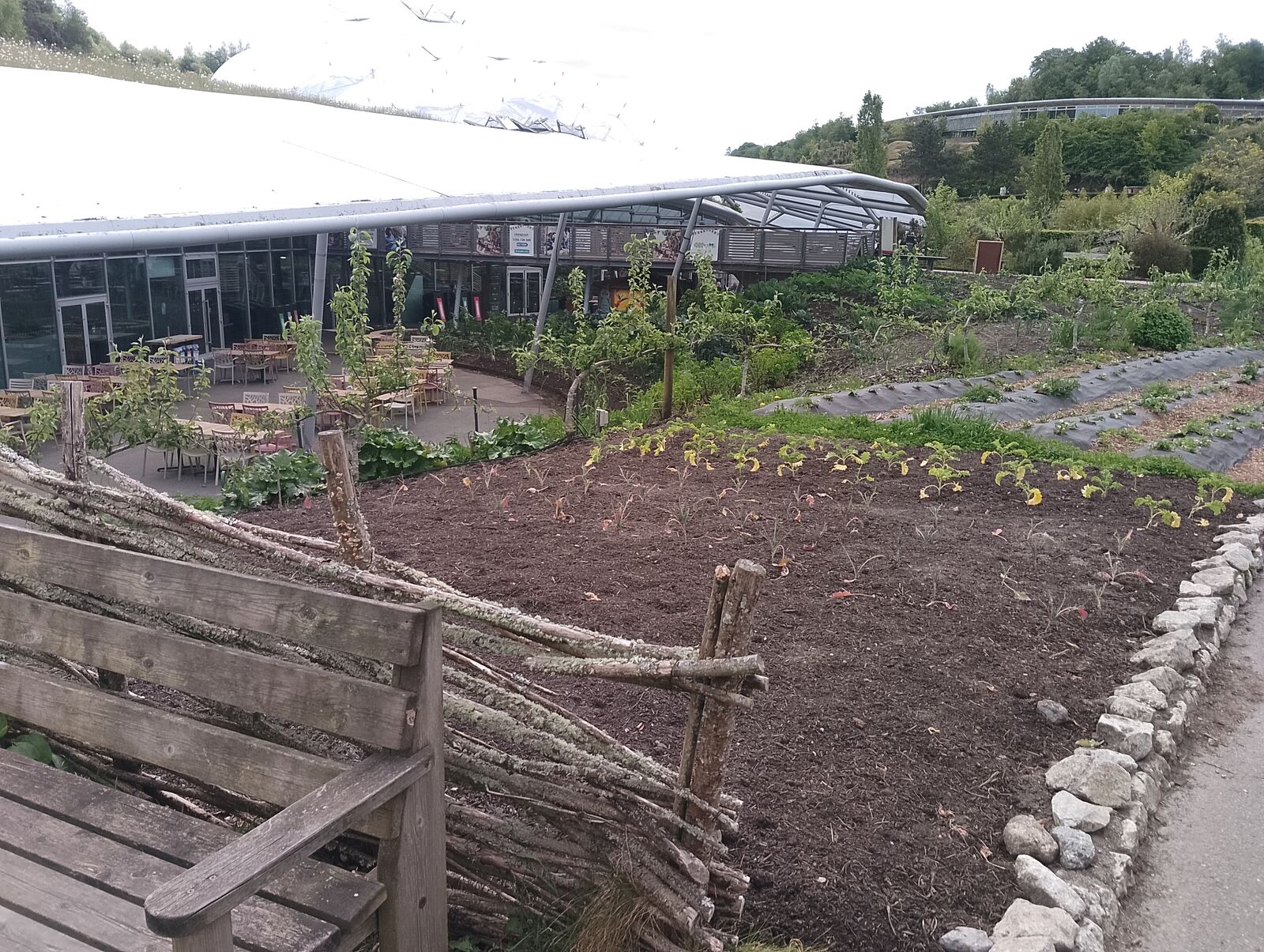
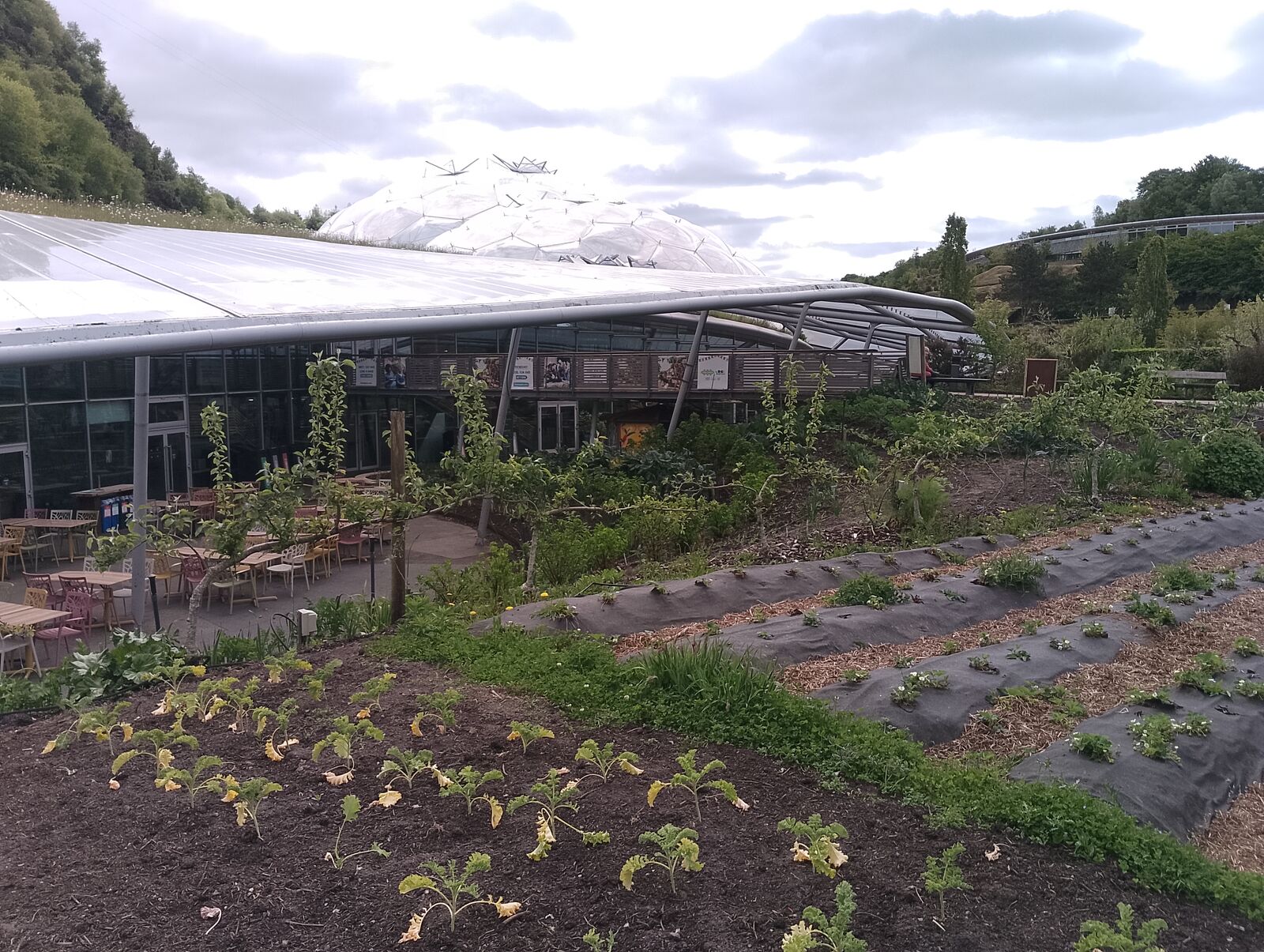
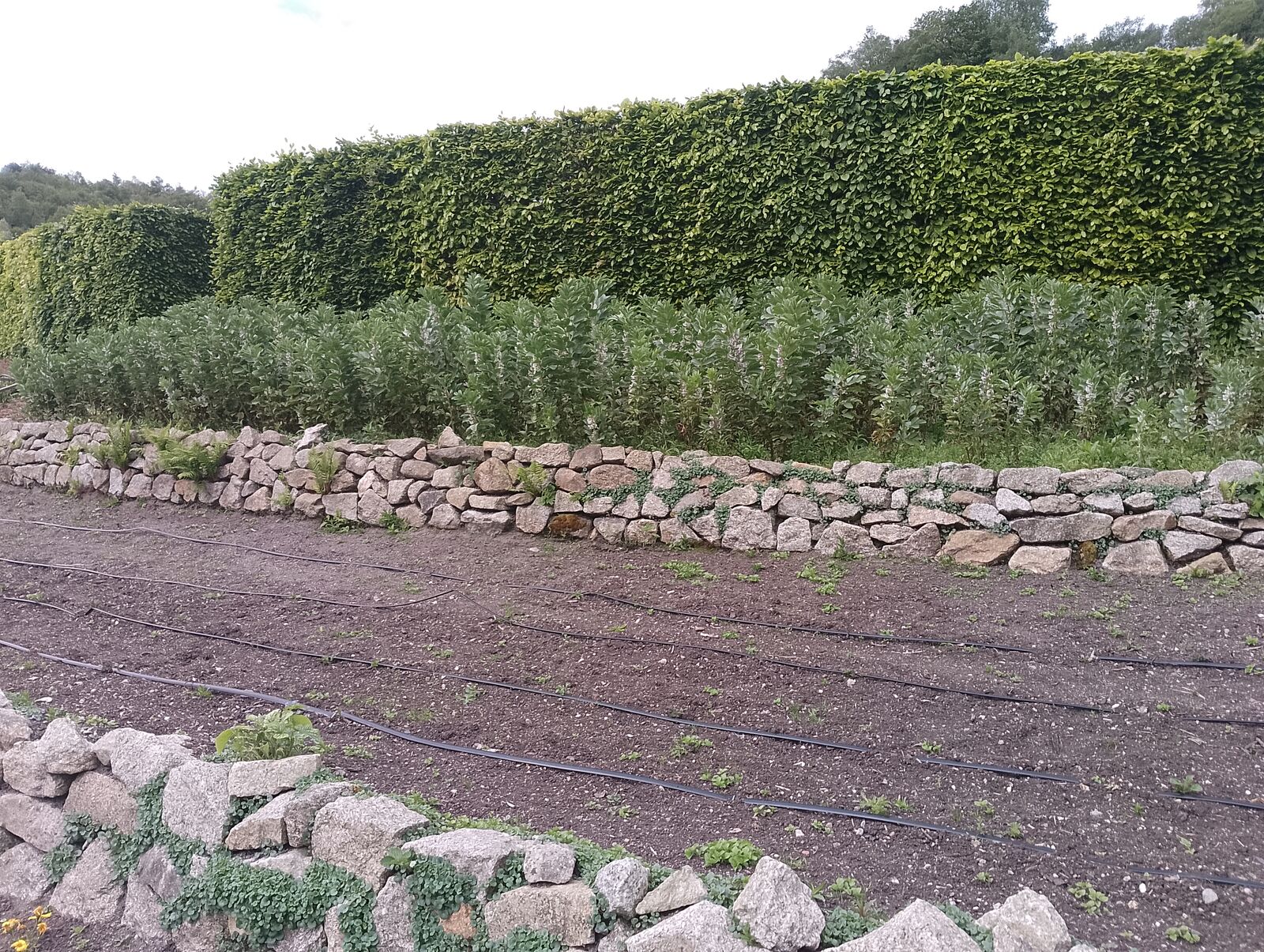
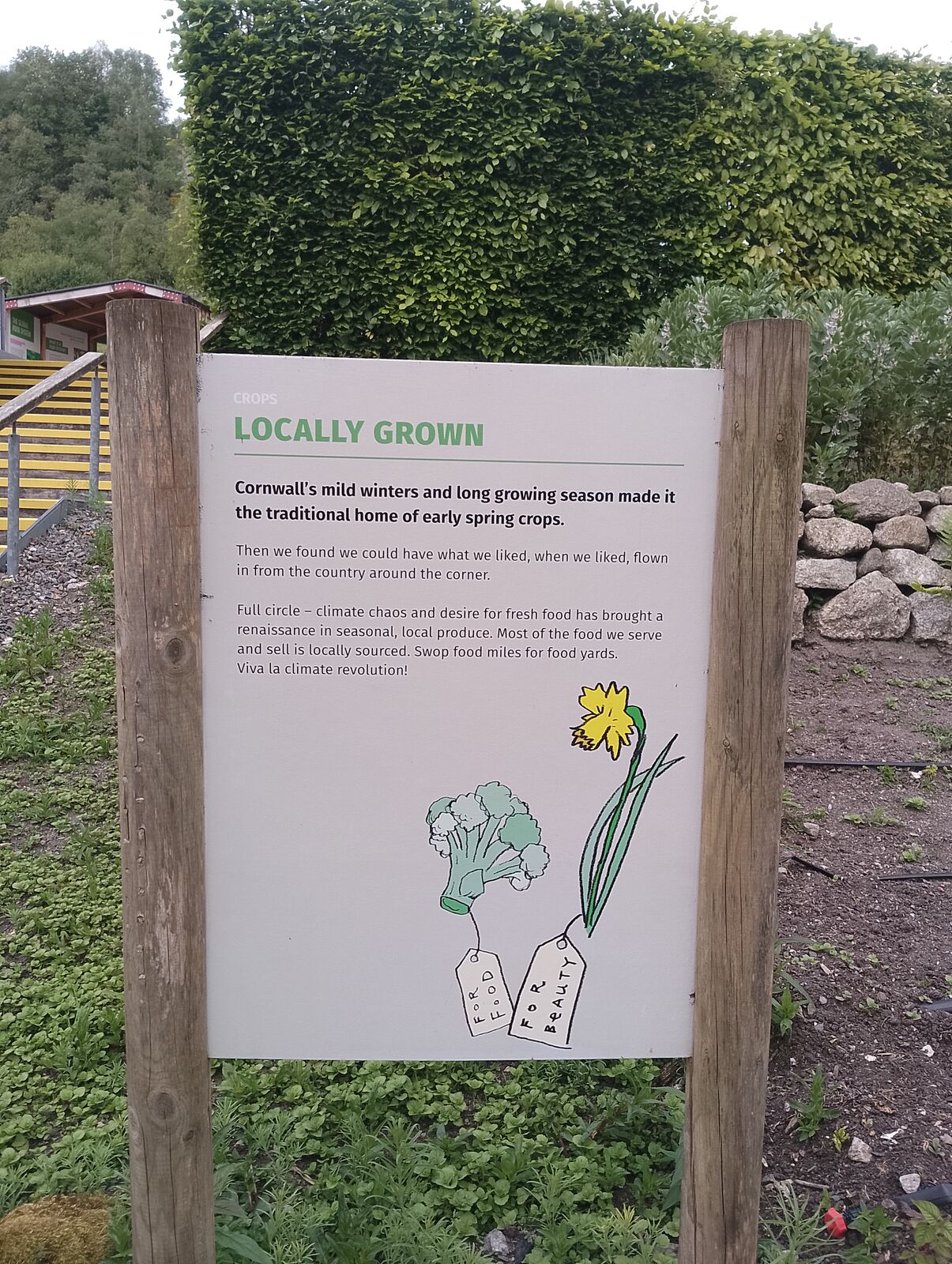
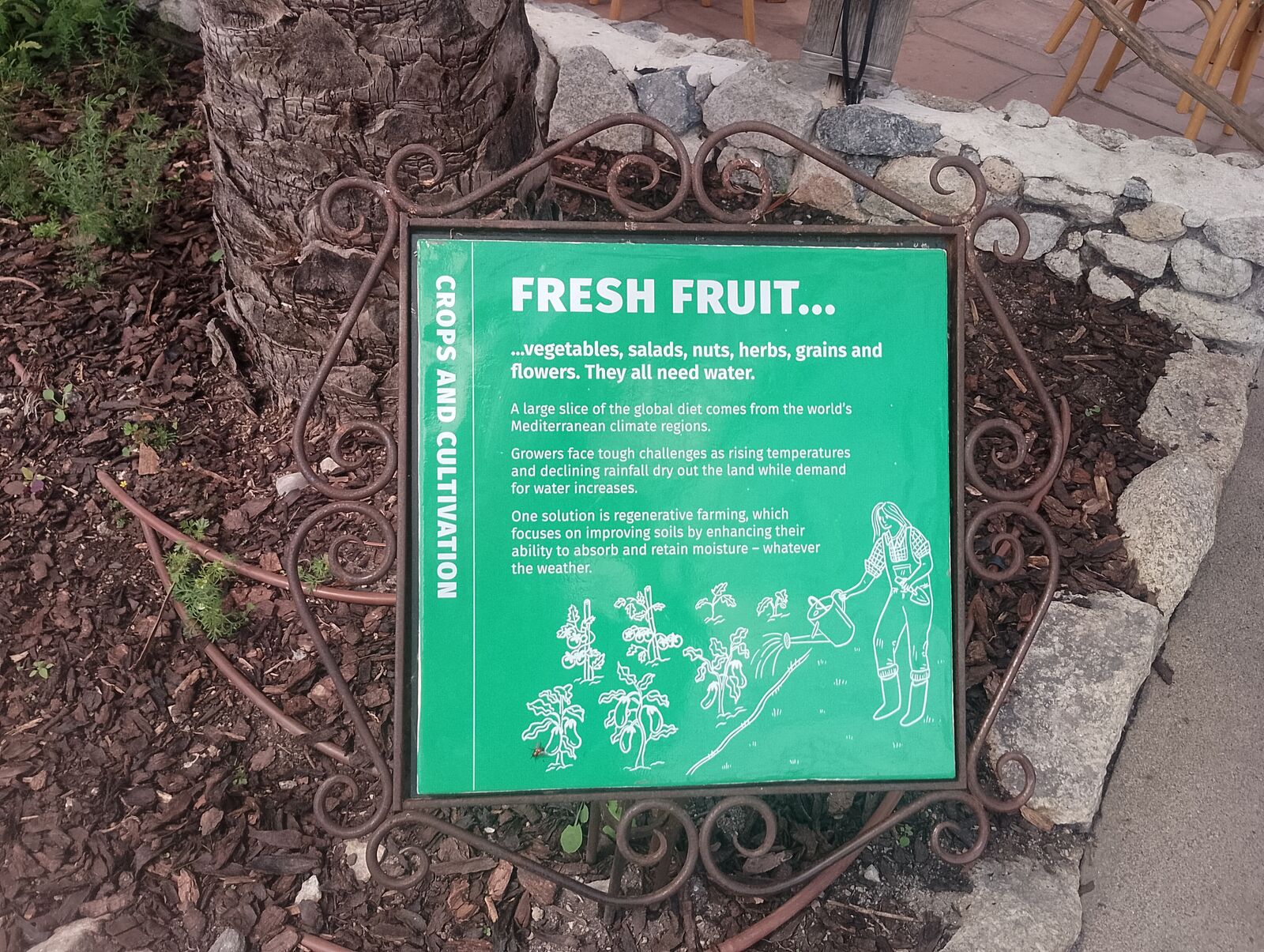
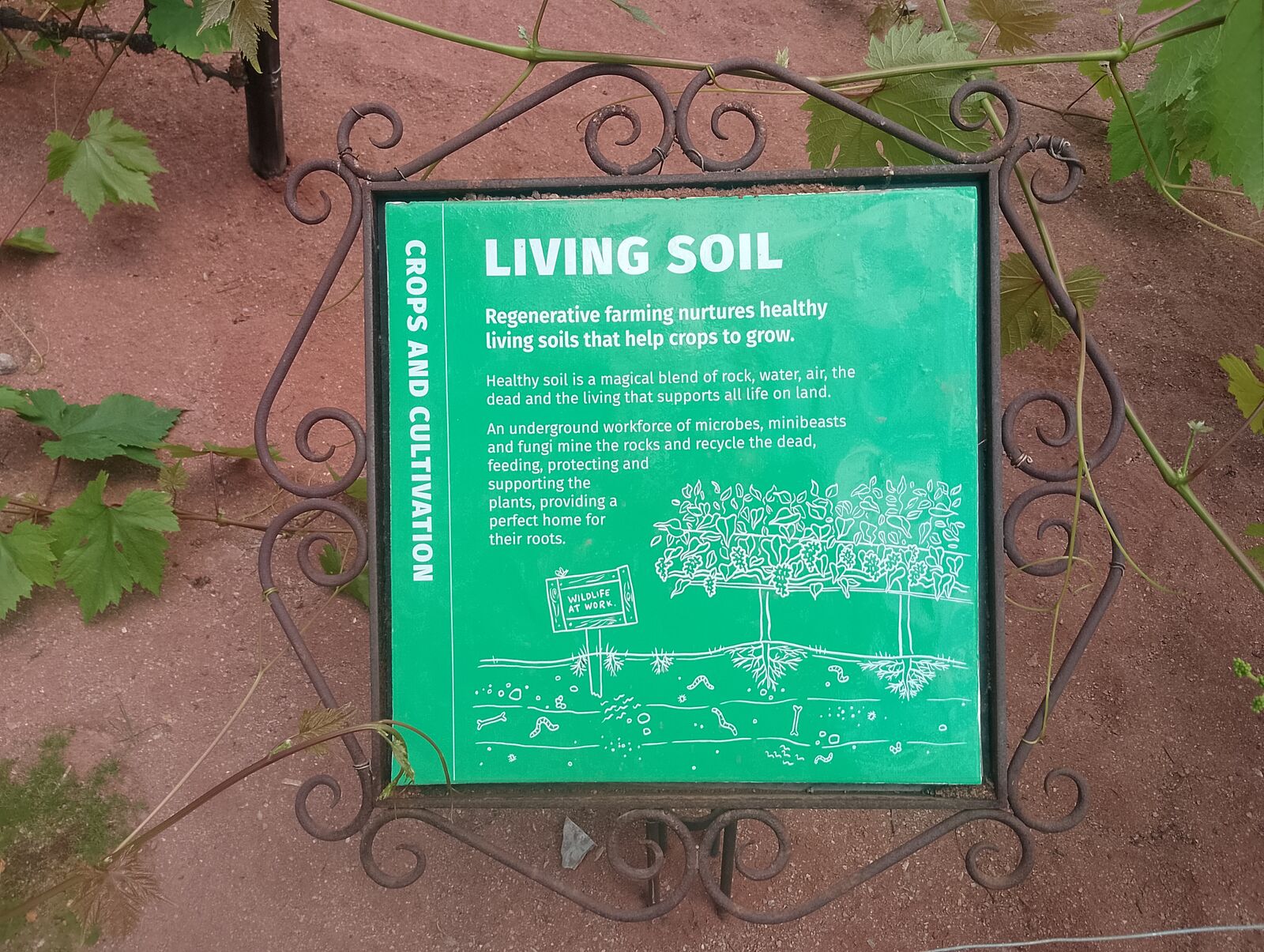
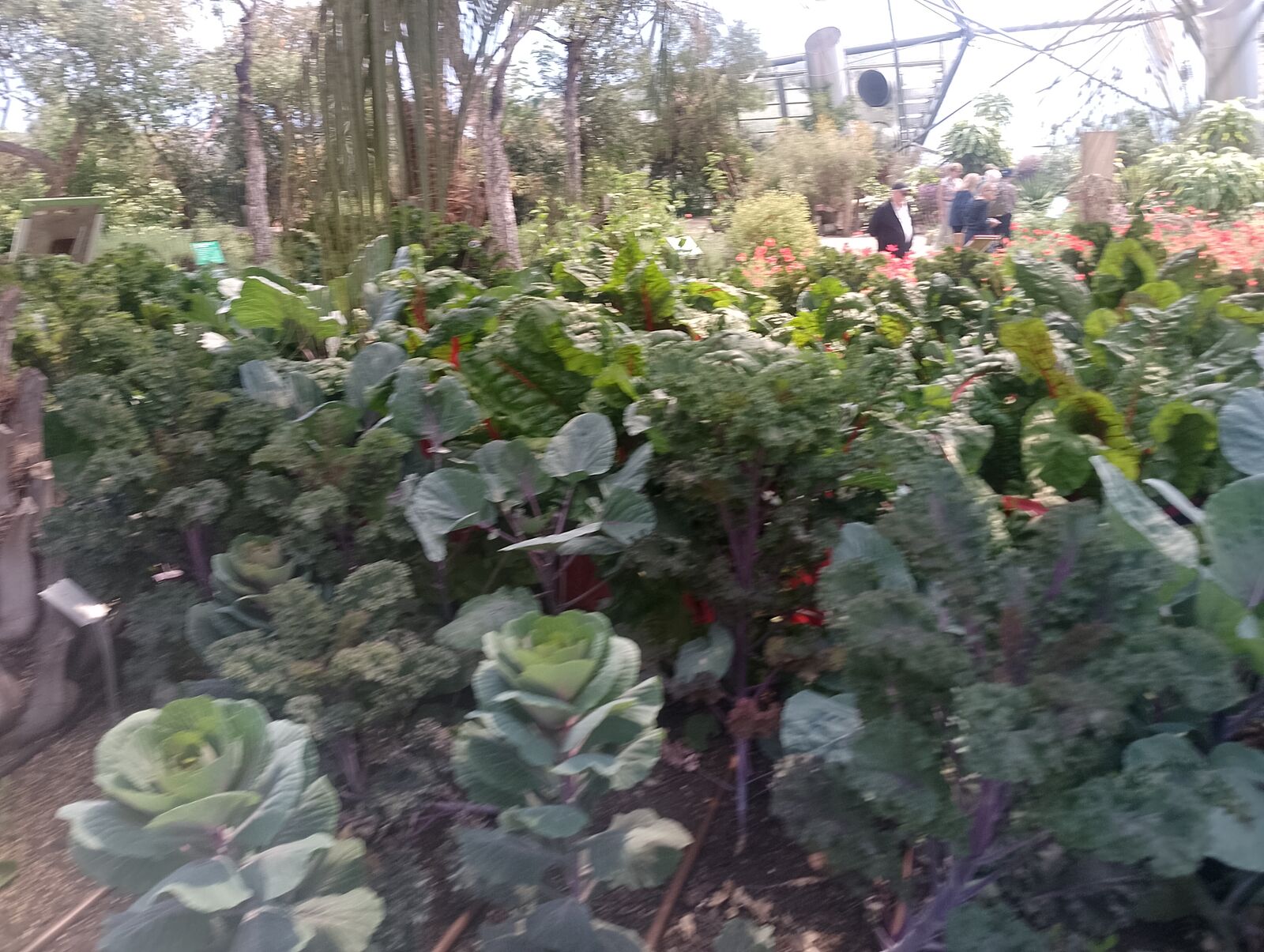
Having visited the gardens first I take a look around at the agricultural section, called the ‘global gardens’, which contain crops and information on what regenerative agriculture actually means. The info graphics are, well informative, articulating relations between ecosystem actors like chickens and soy but the links are inconsistent and don’t really help with the big picture - which we can interpret through Bennetts structures and make sense of much more consistently.
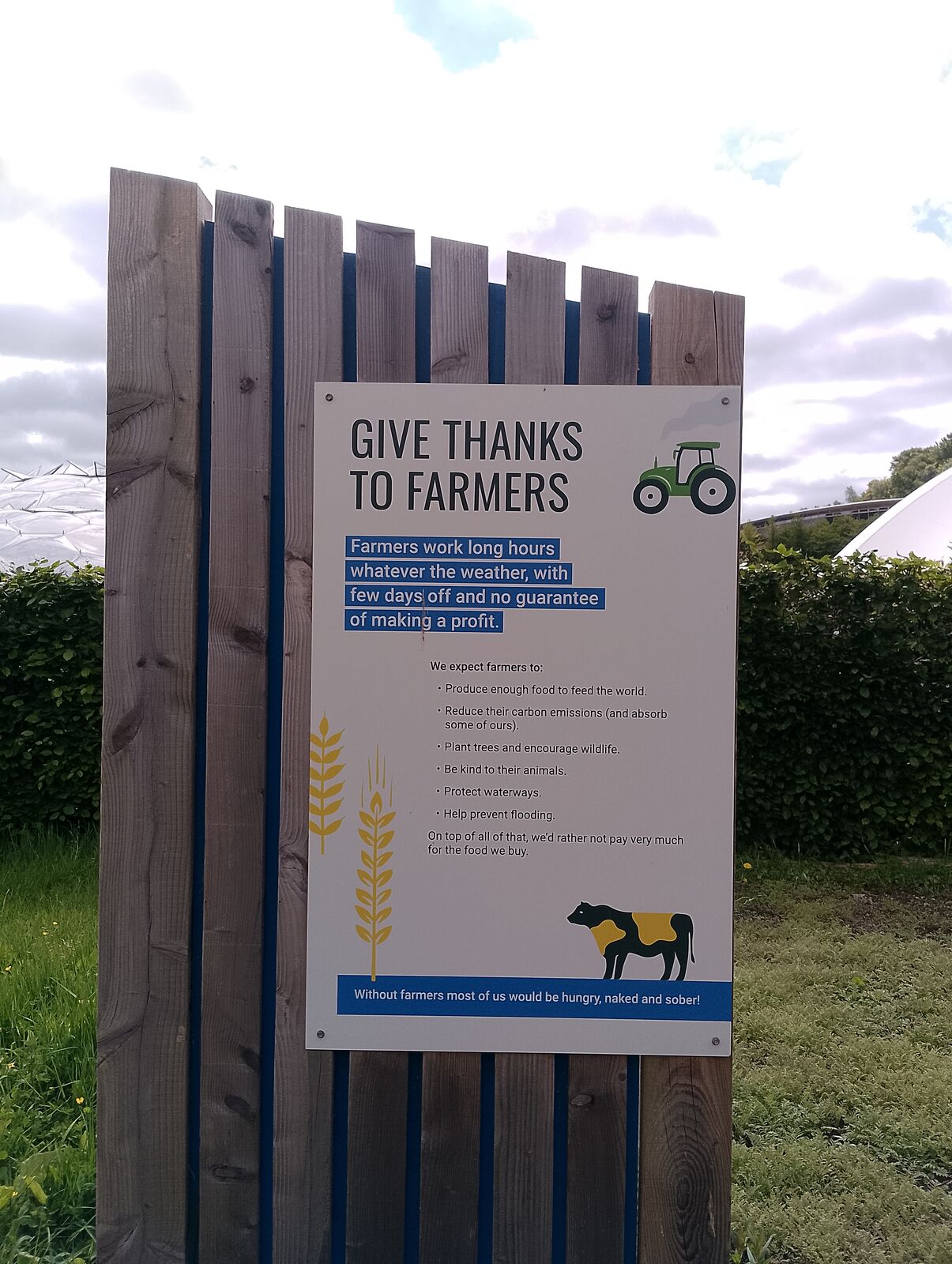
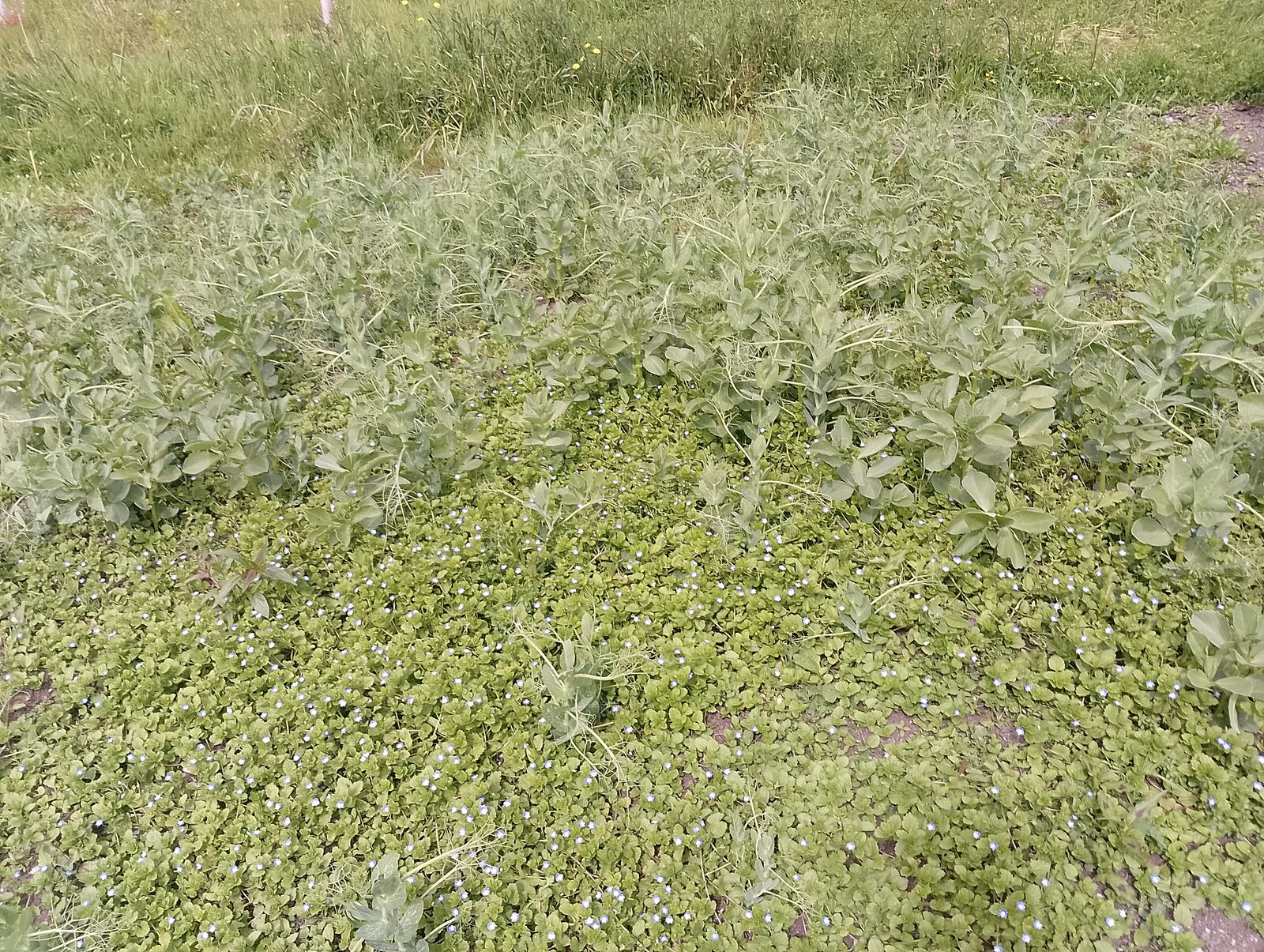
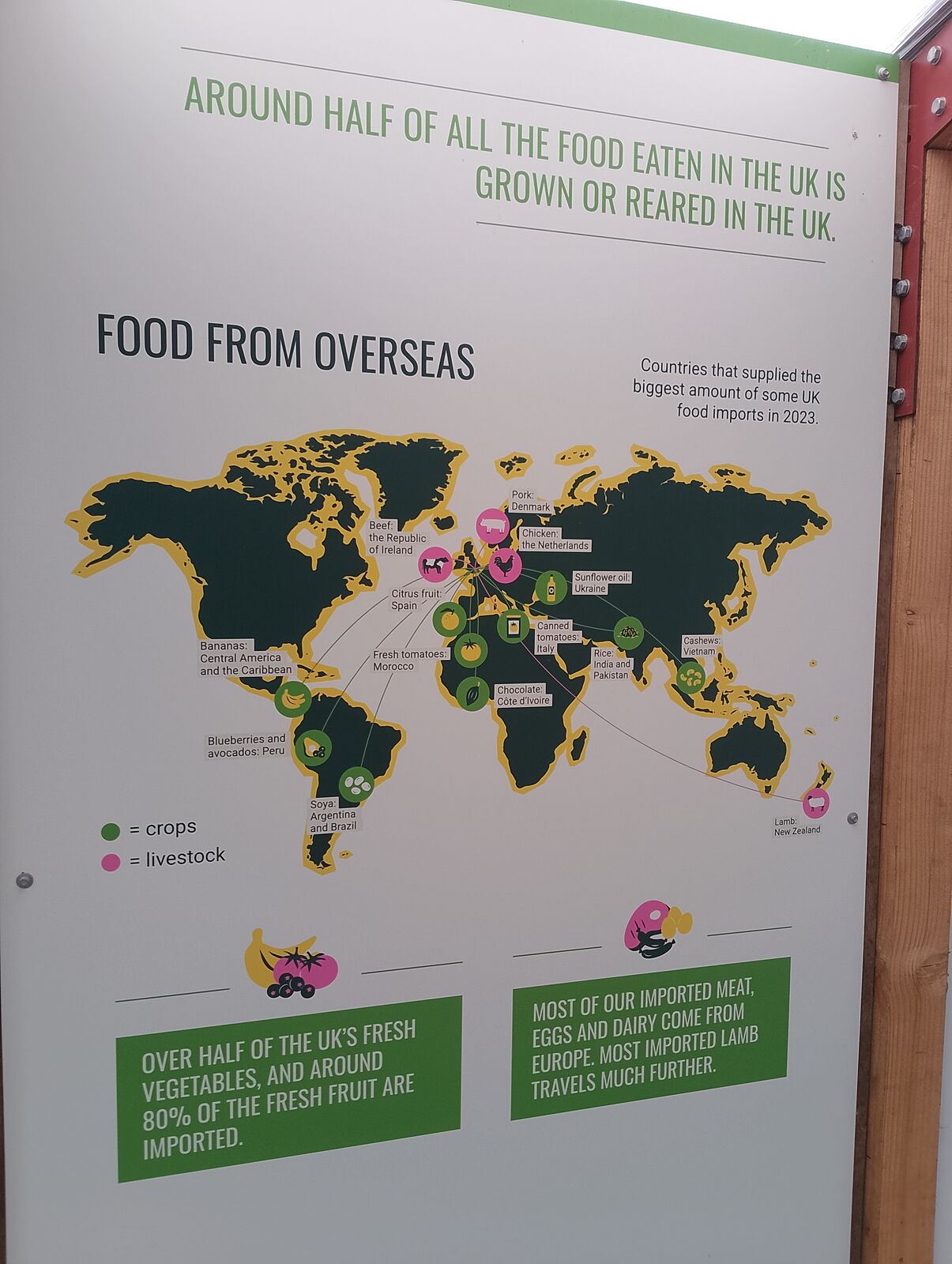
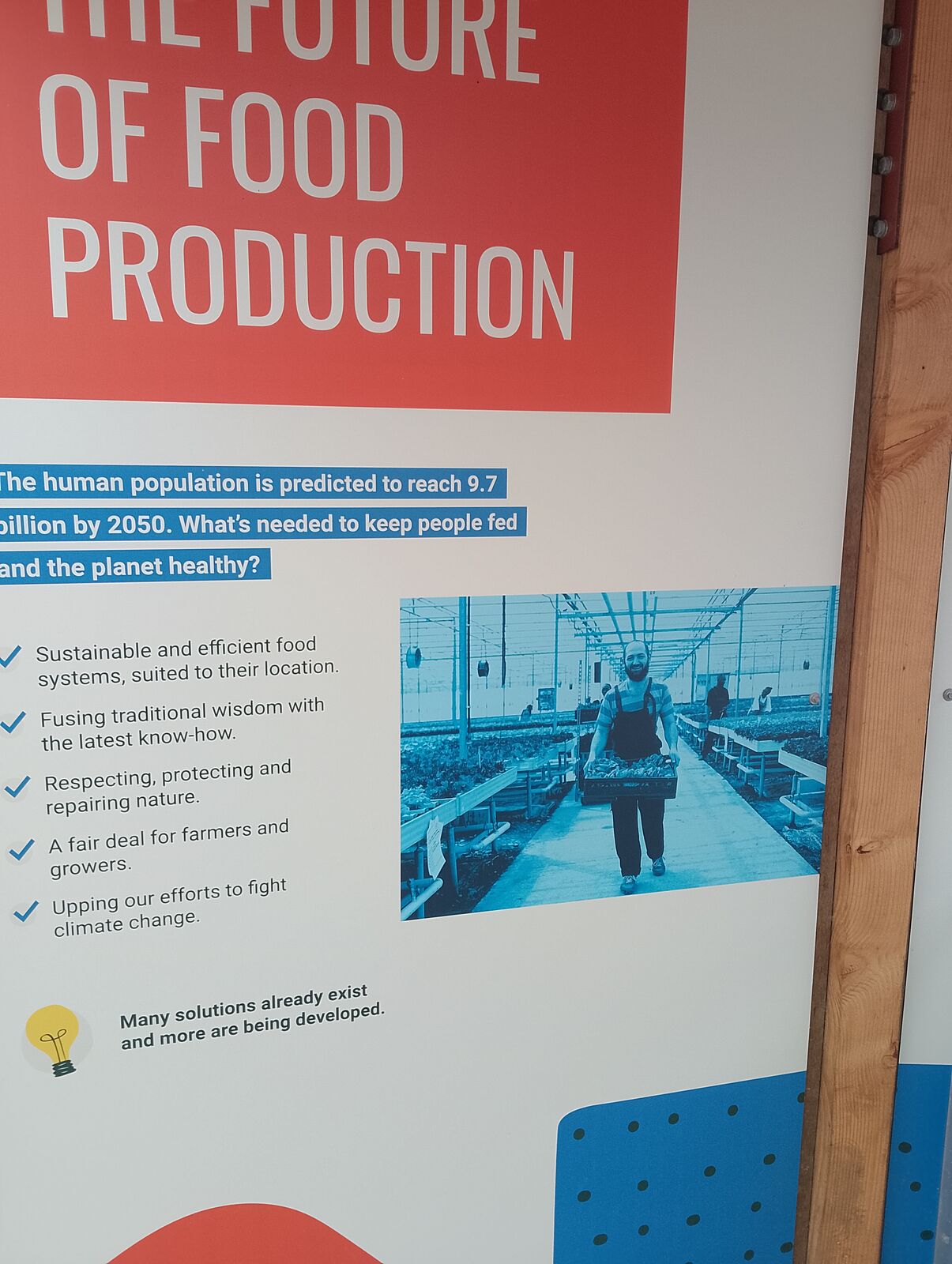
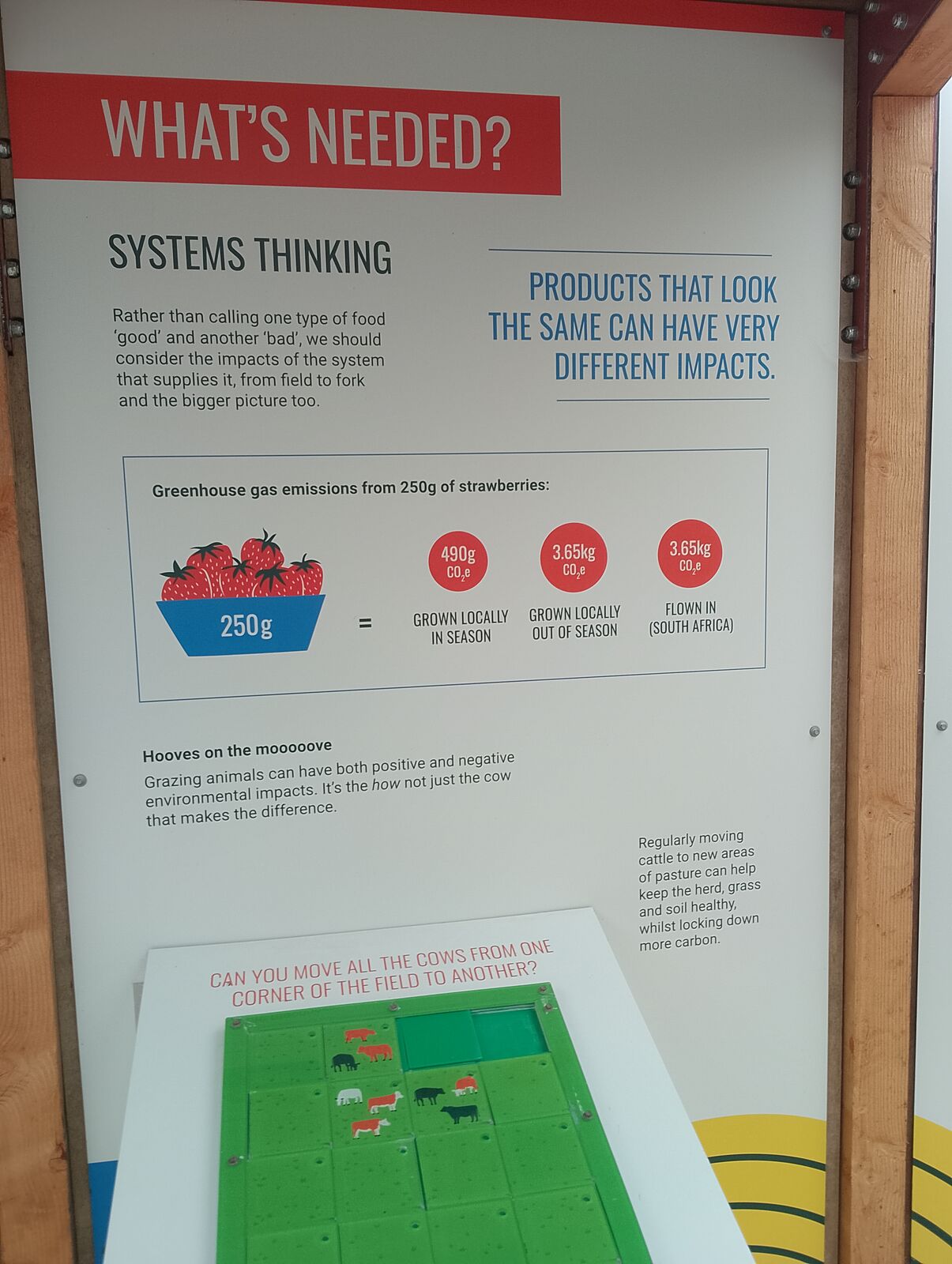
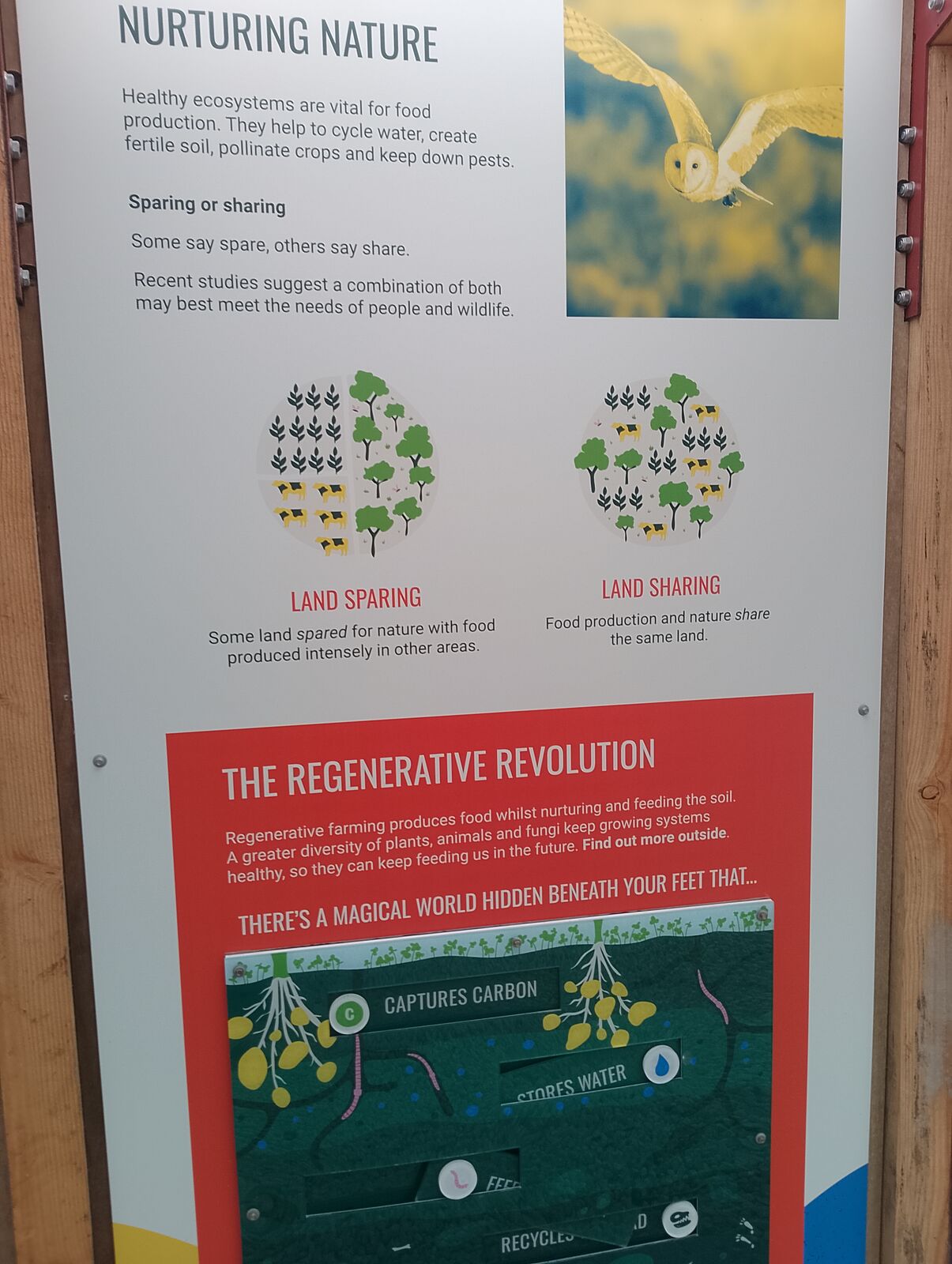
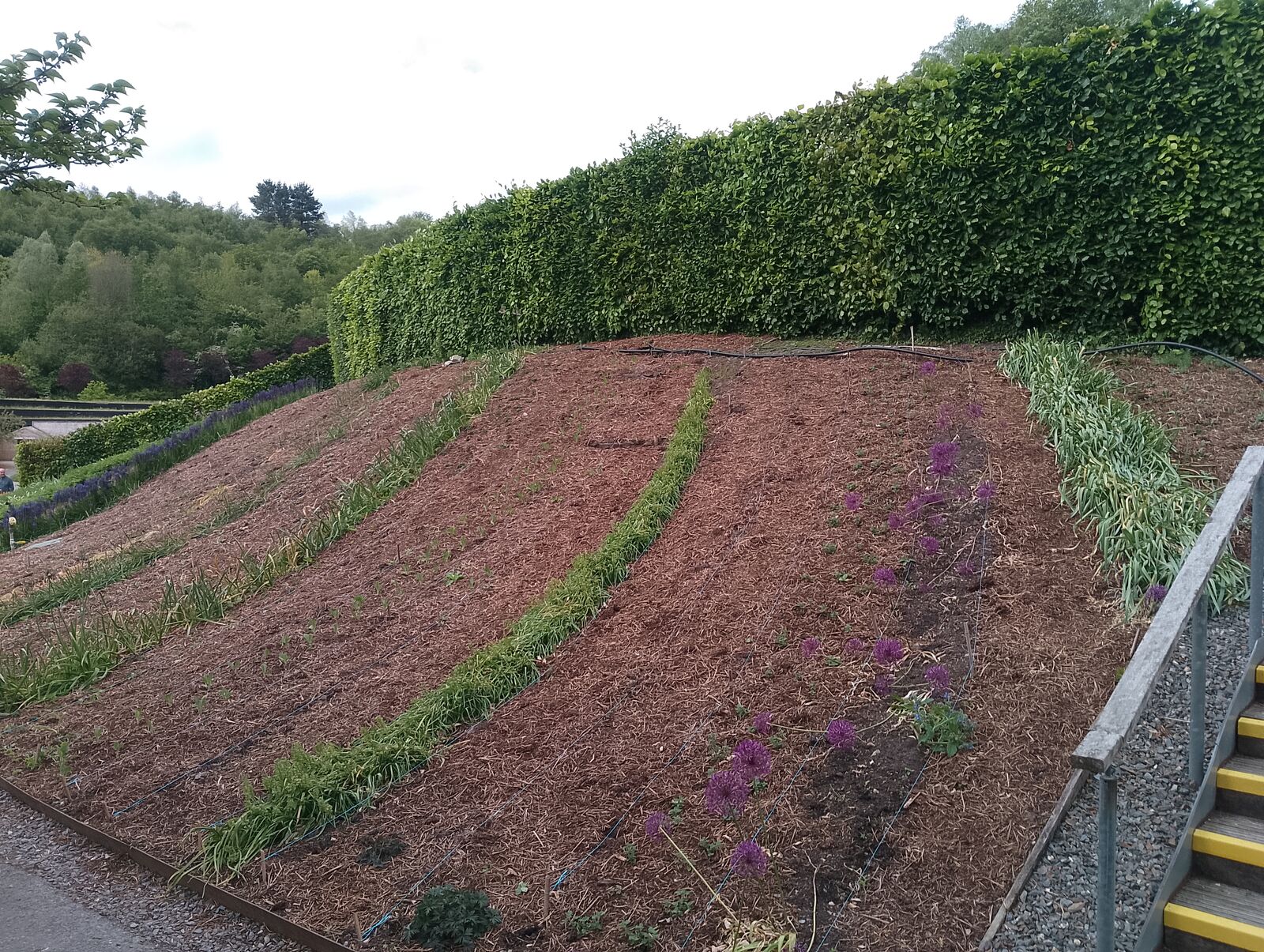
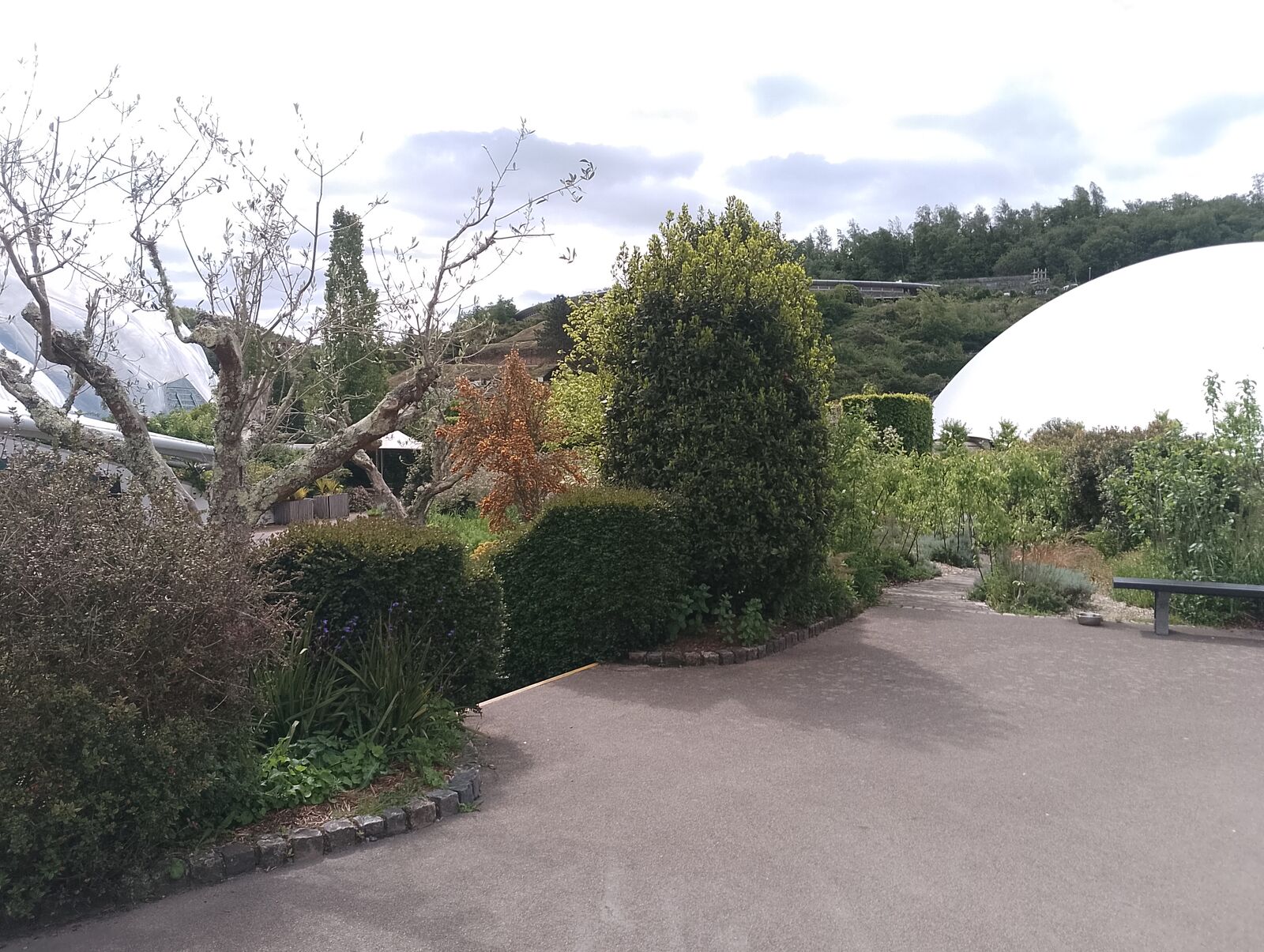
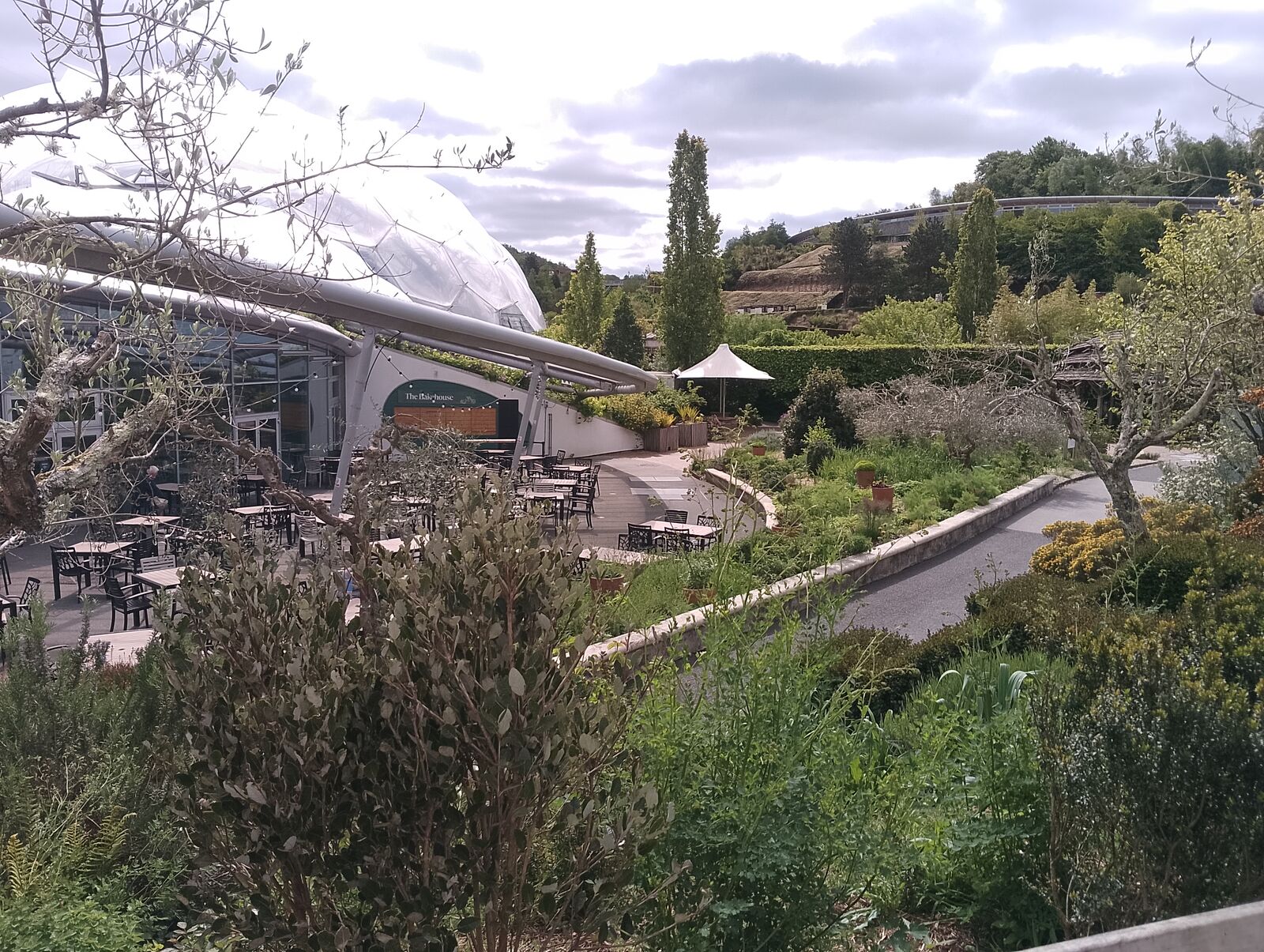
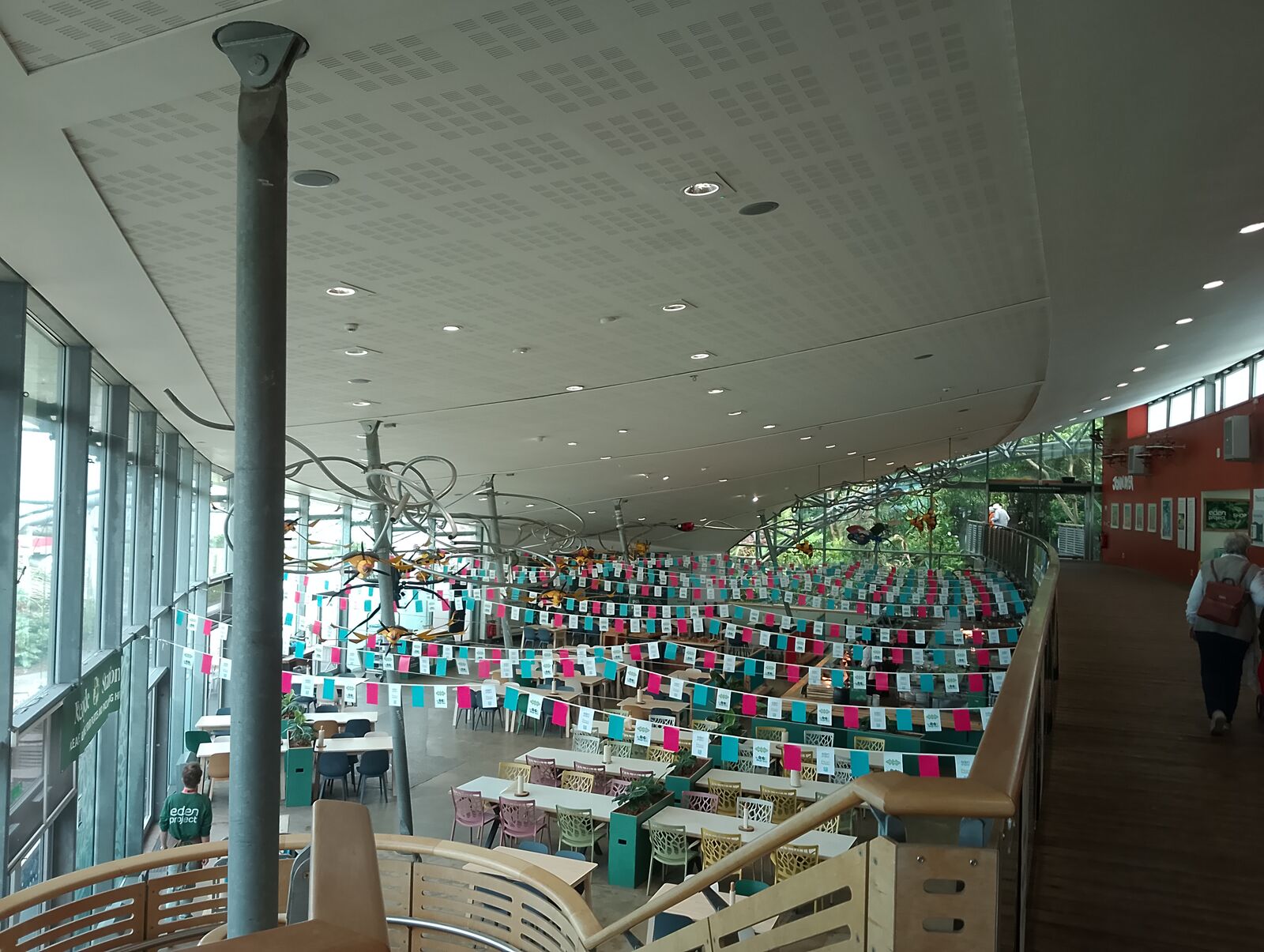
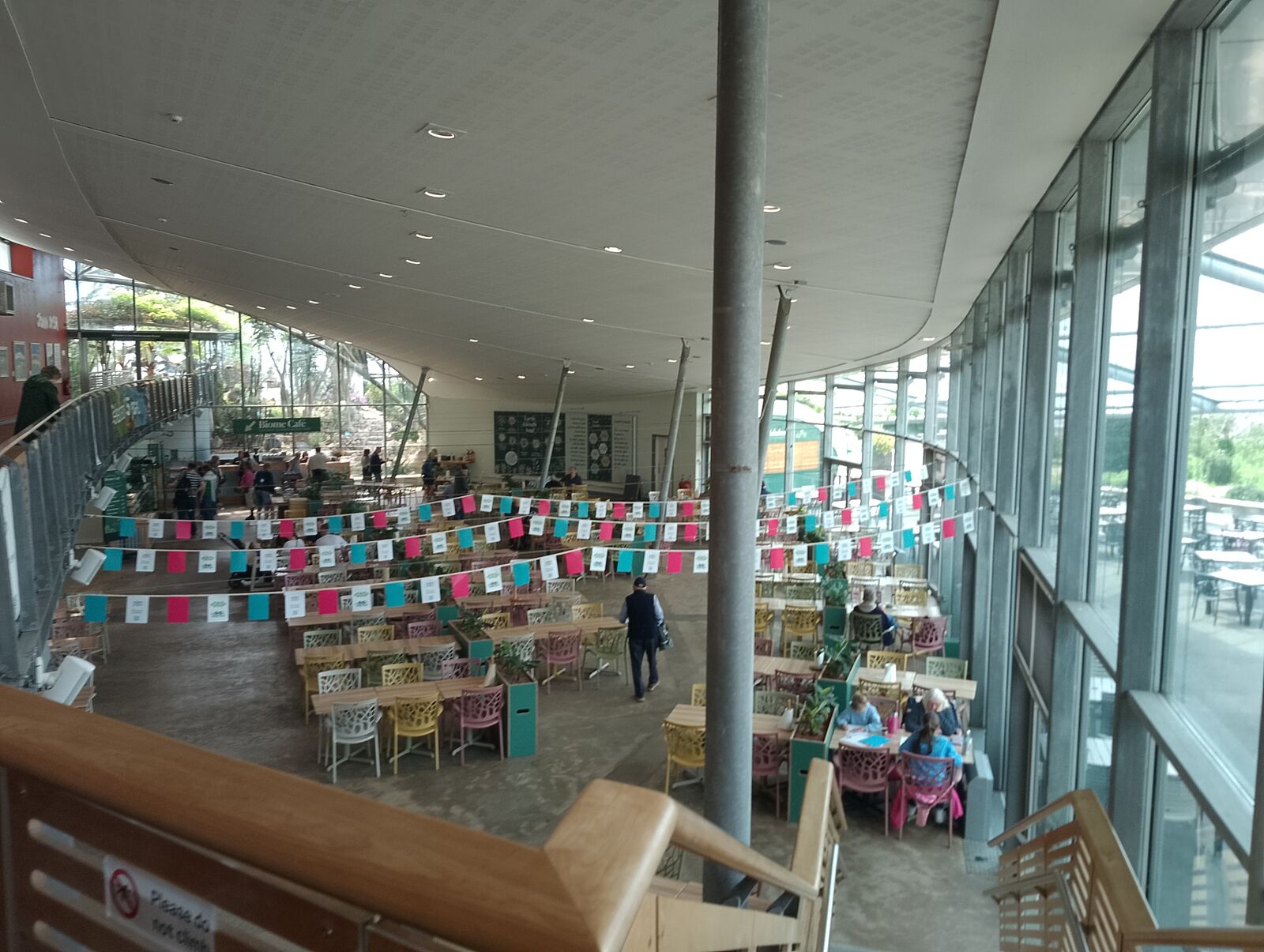
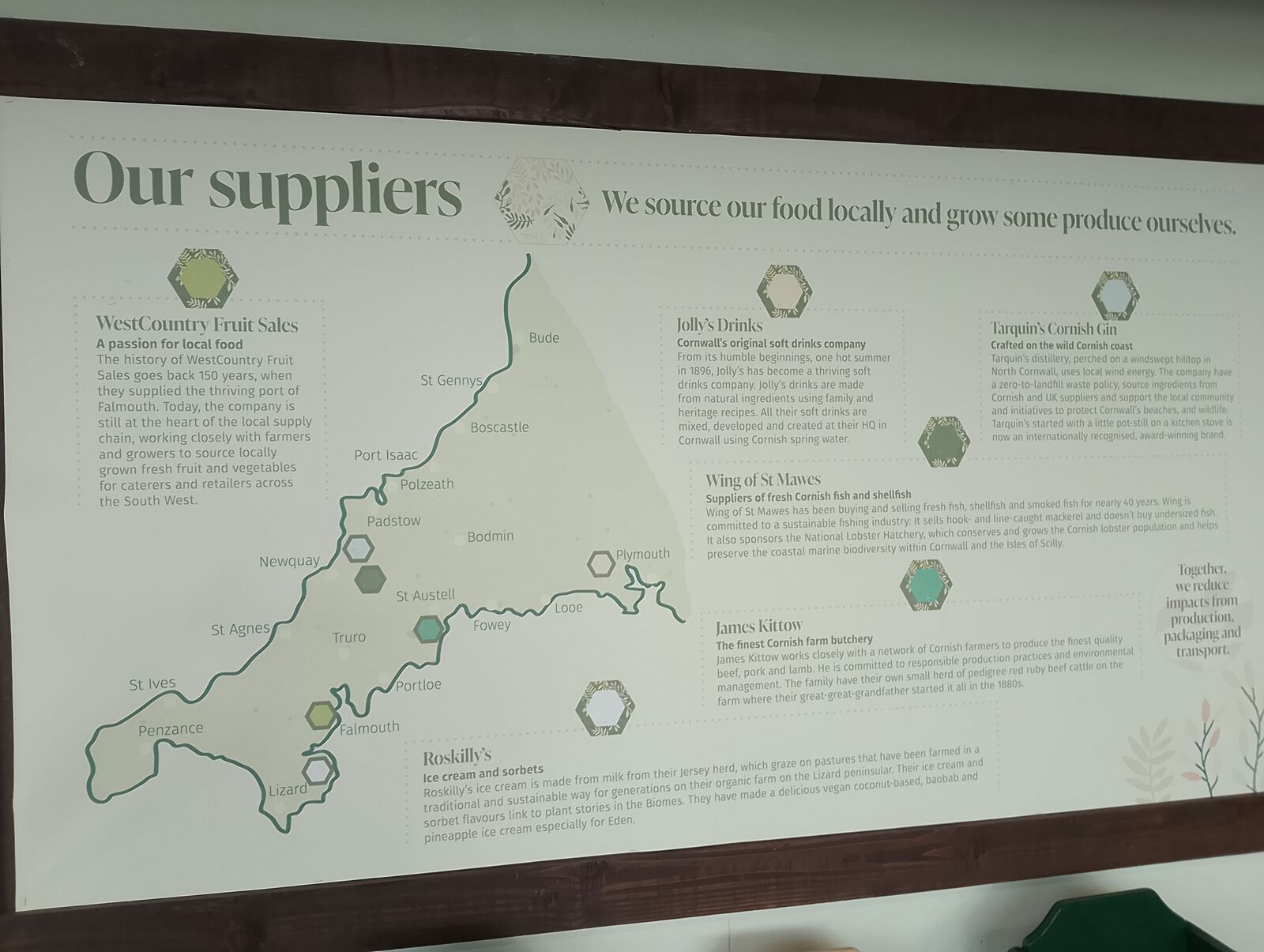
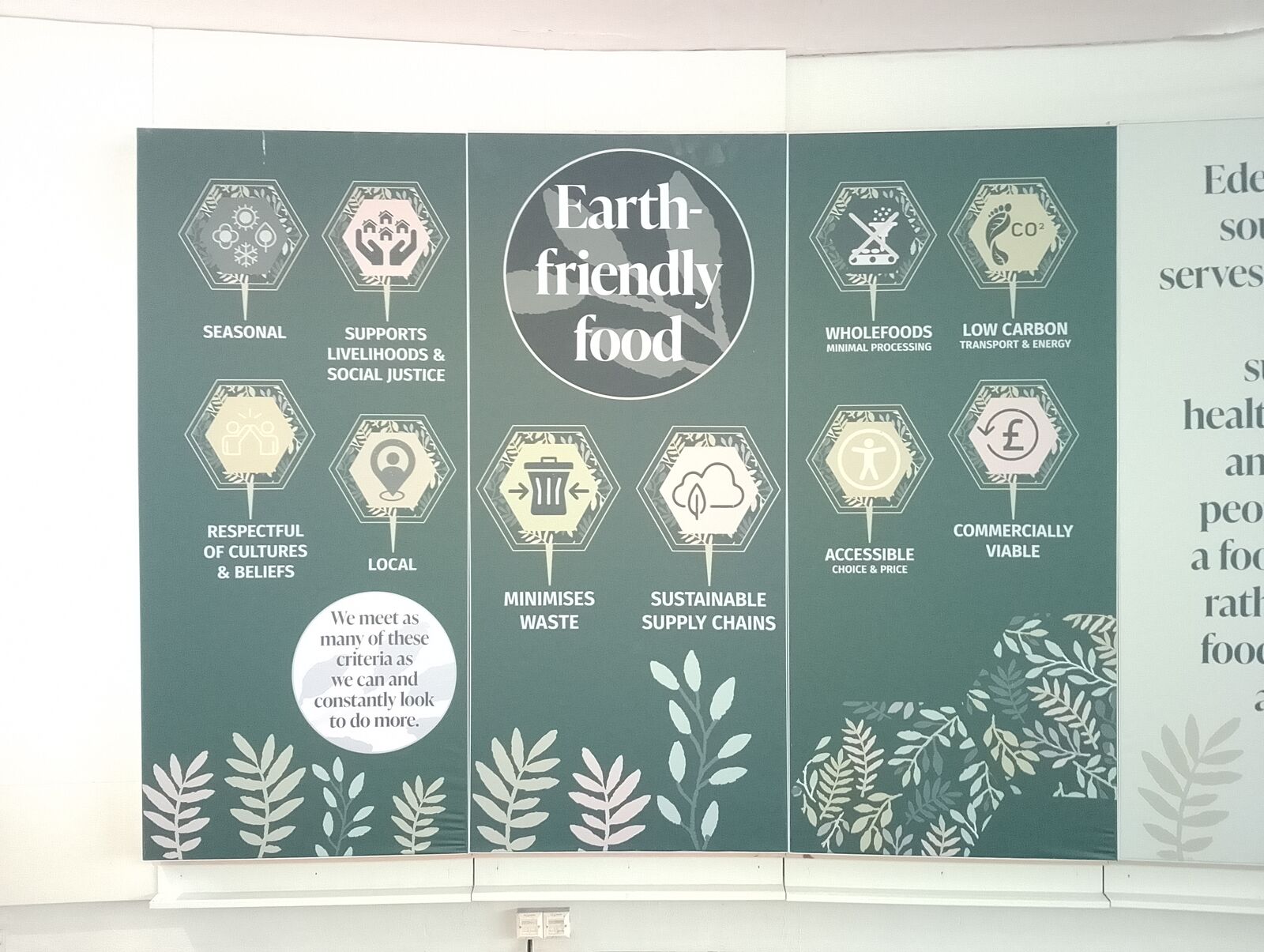
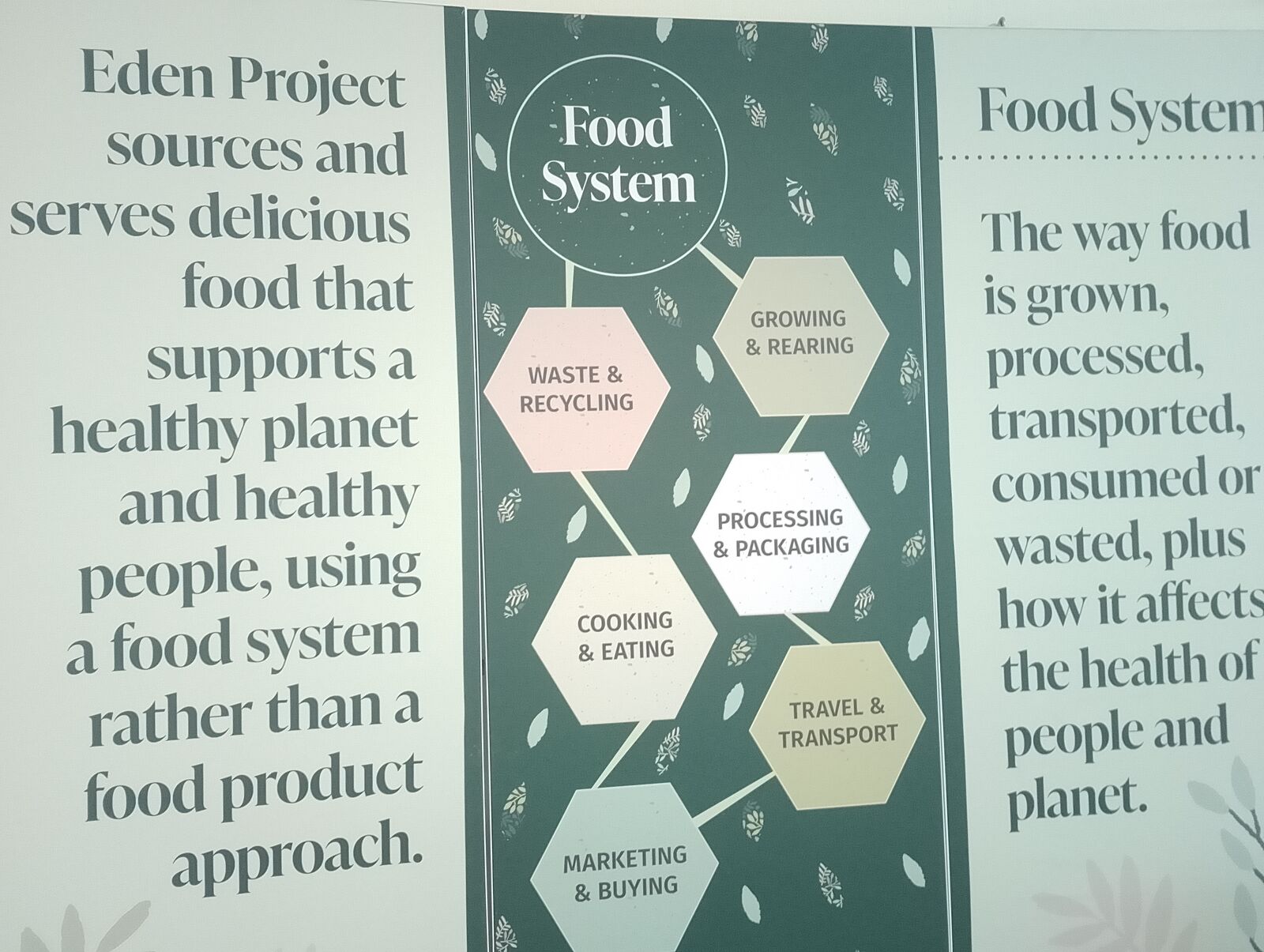
At this point its time for lunch, the foods mostly non-vegatarian, so my options are a cornish pasty or cheese wrap. It’s not the cheapest but it’s reasonable enough, within the context of local supply chains that are expressed in appropriately coded hexagons on the wall as the items within each hexagon seems like an event. The aesthetic obviously draws inspiration from the geodesic but its still implicitly using the qualities of number correctly, with hexads representing events.
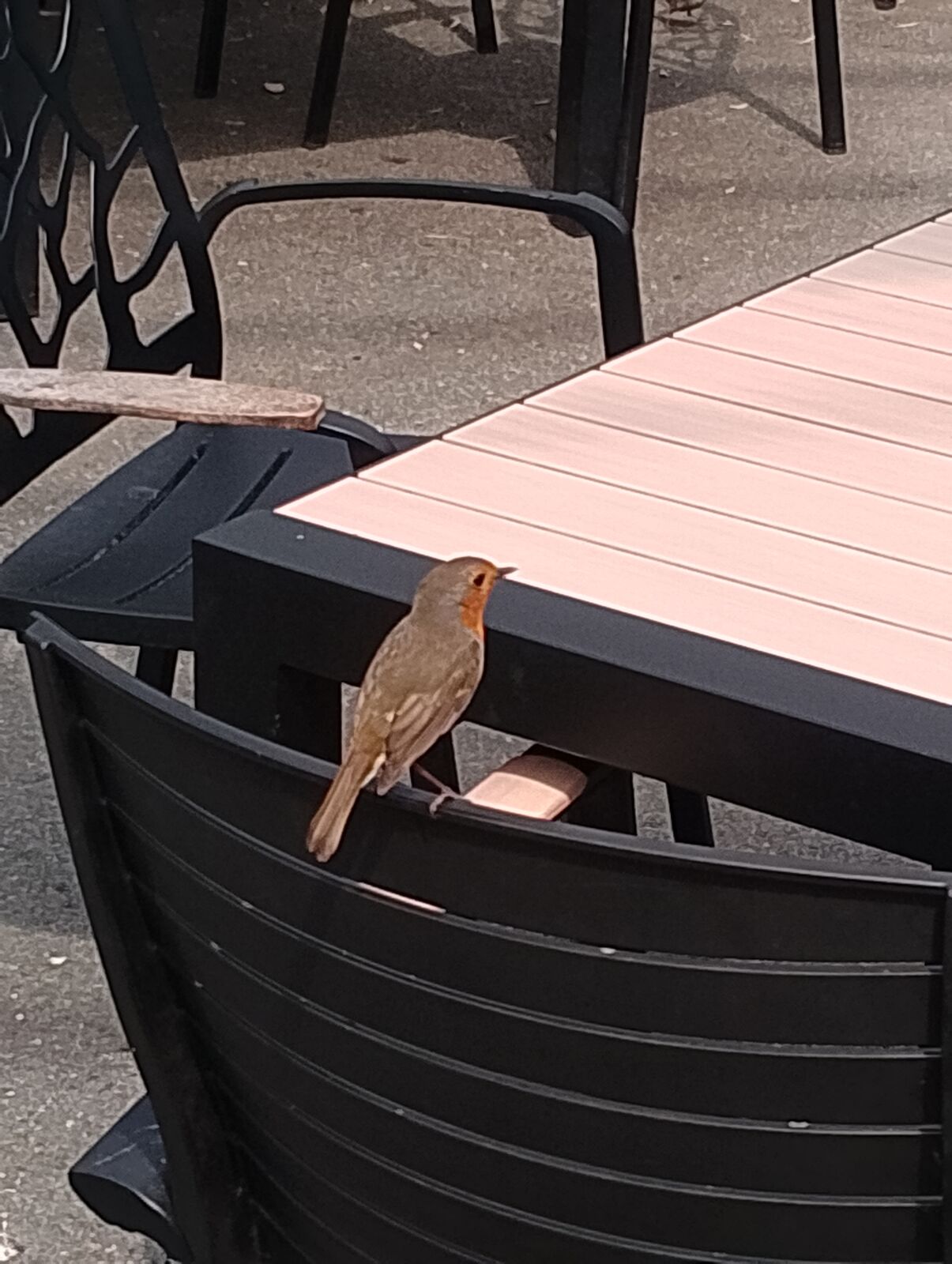
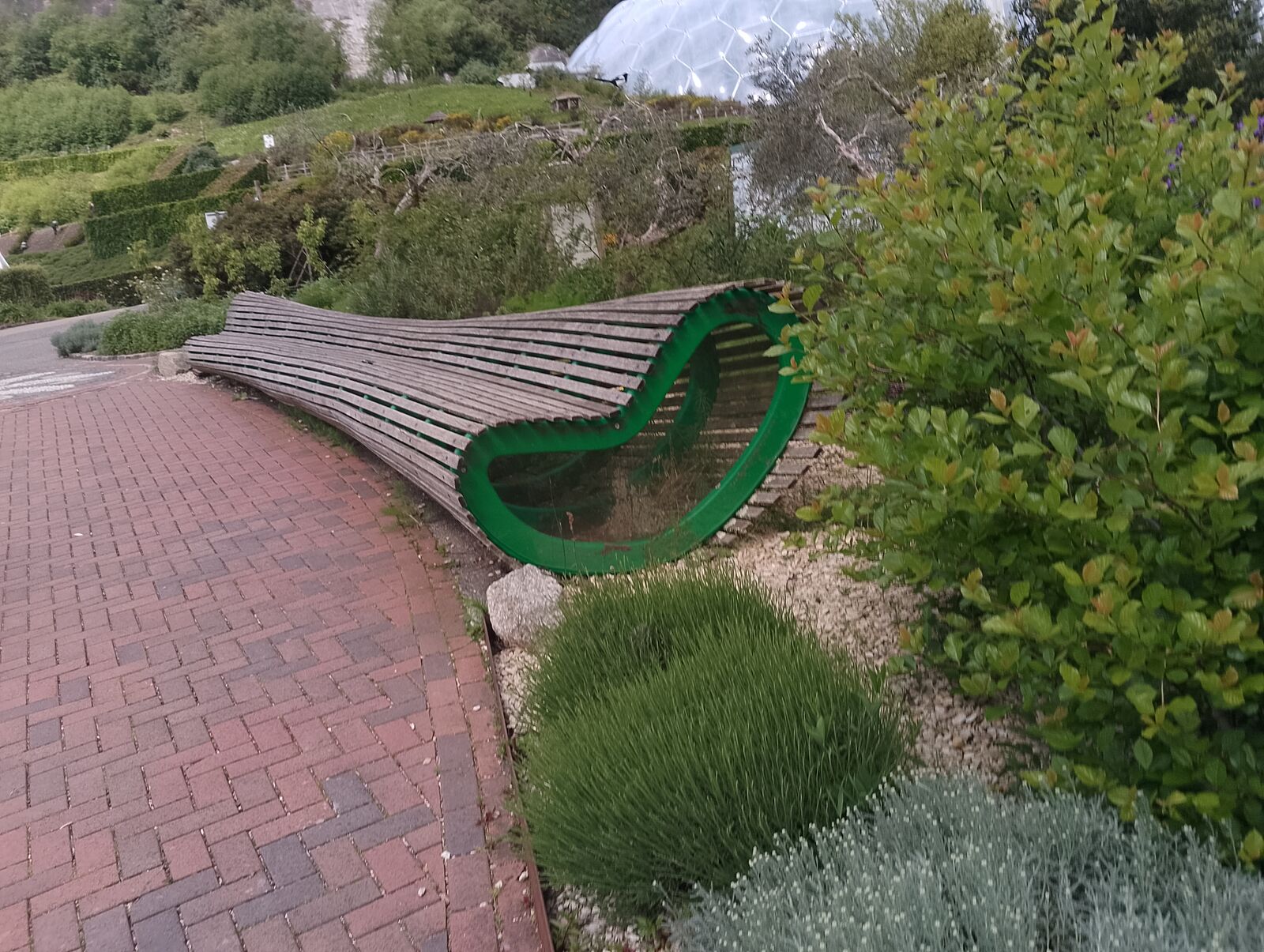
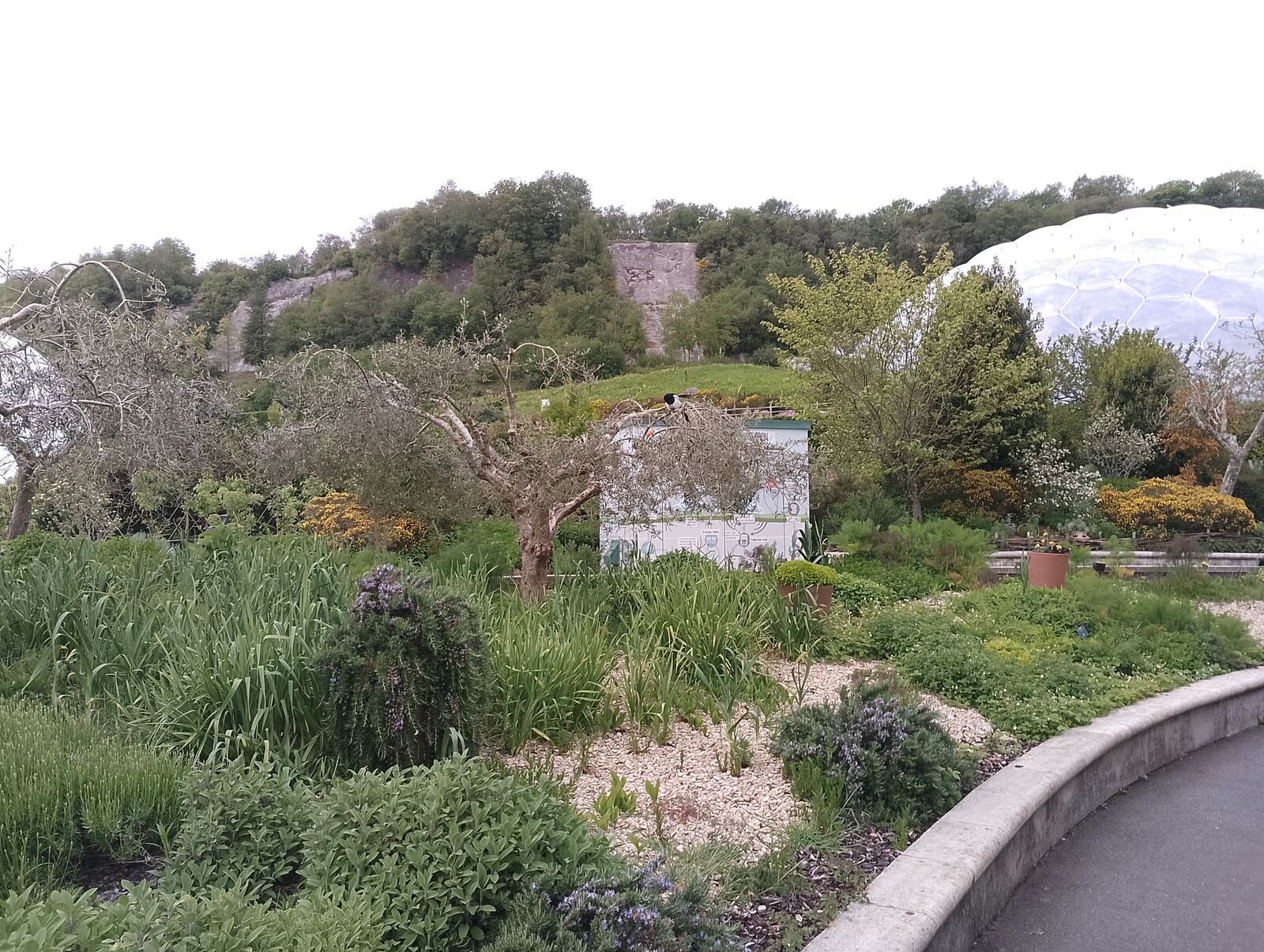
Outside the bioacoustics are in full swing with bird song everywhere. The robins are not bothered by the tourists at all hopping around on tables outside, with magpies also occupying nearby trees.
Inside
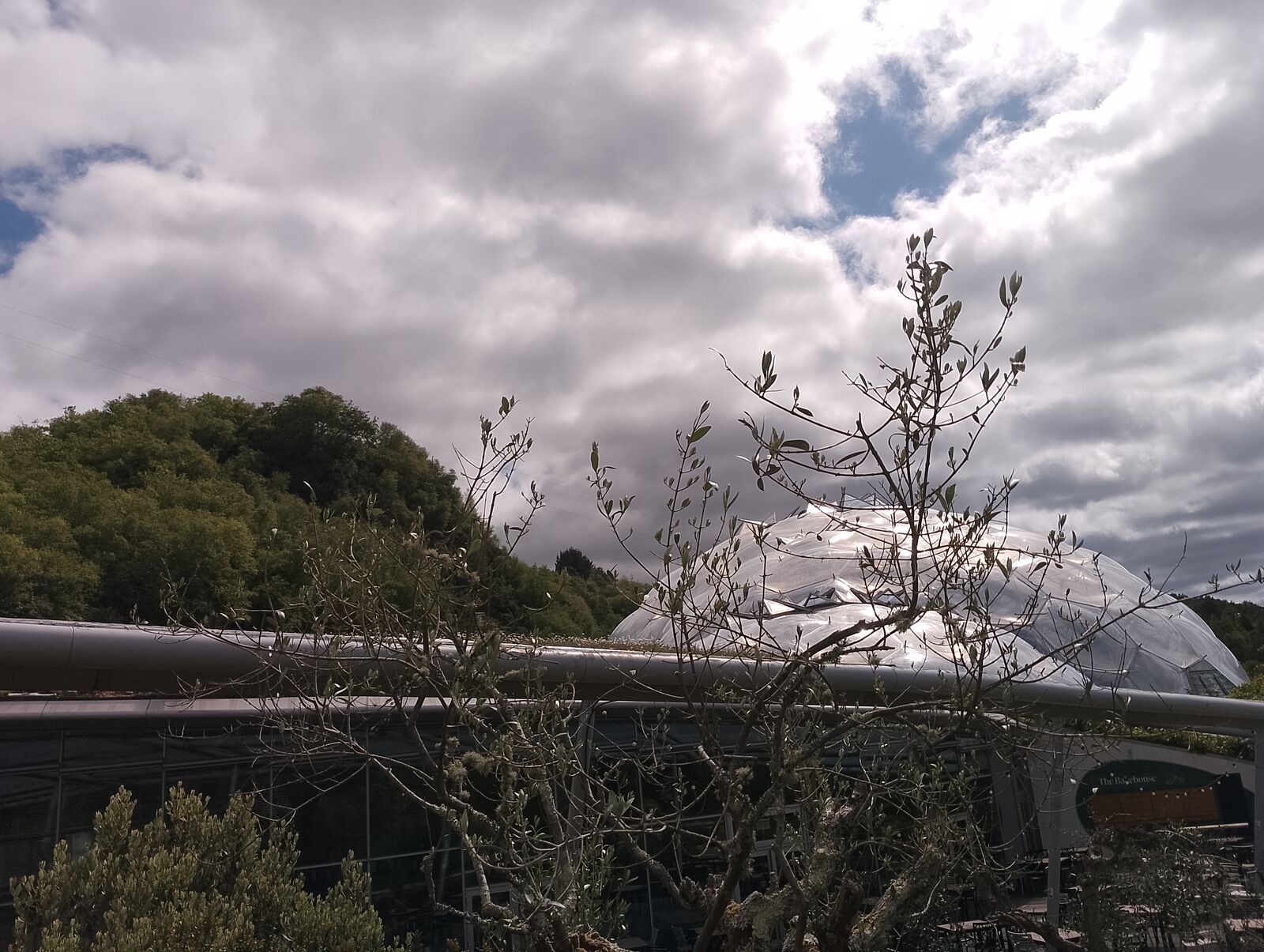
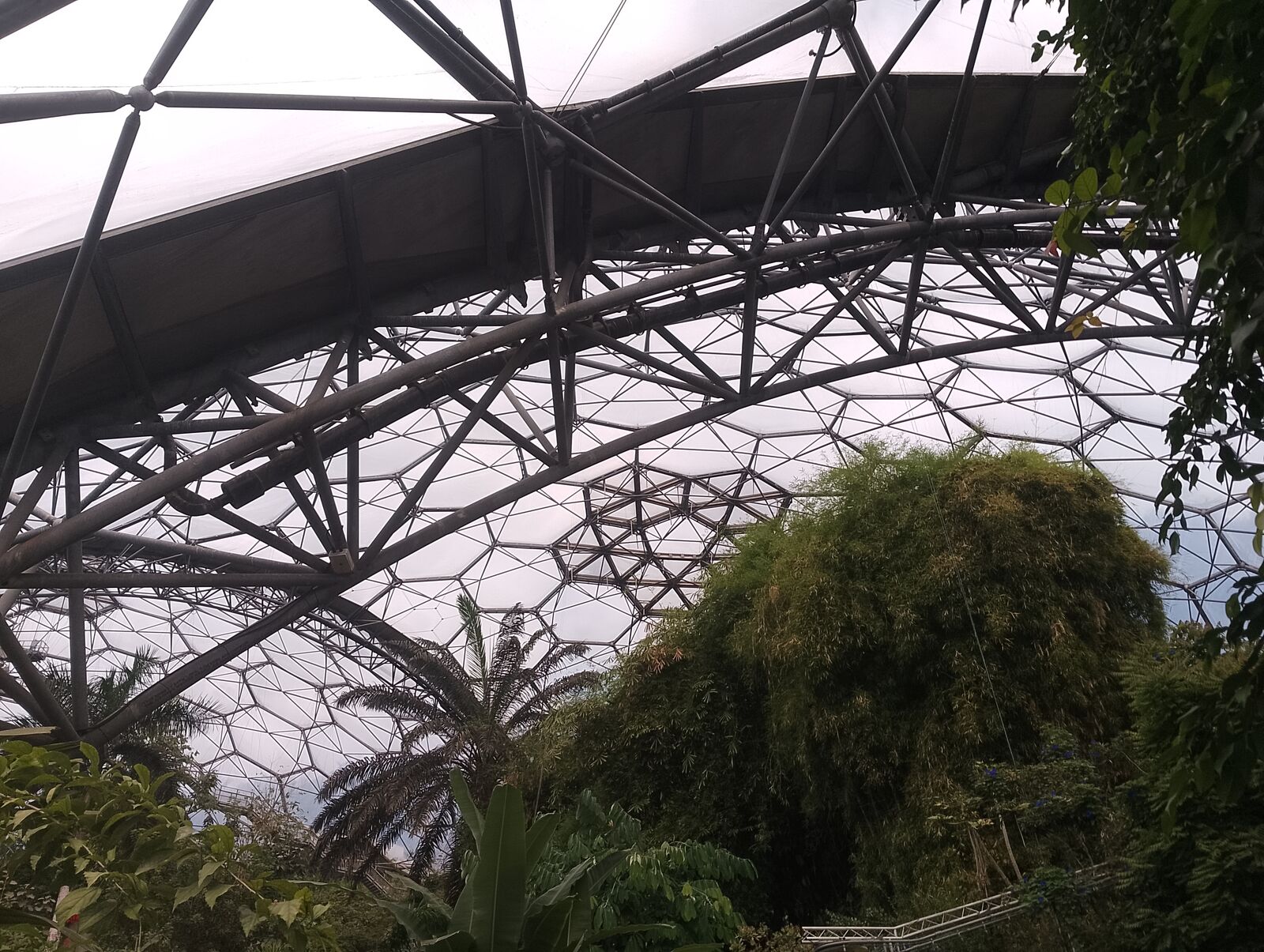
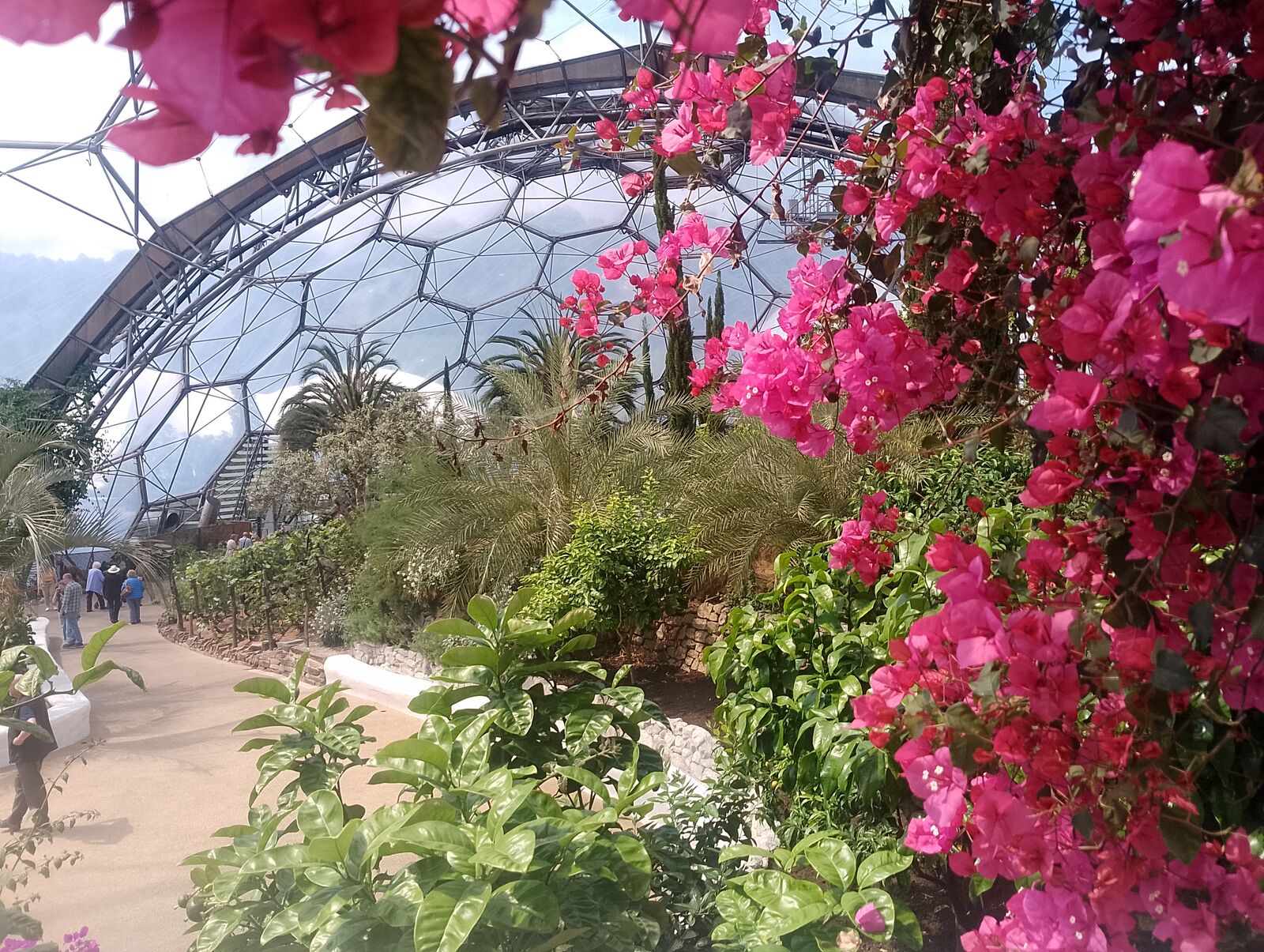
The moment of truth finally arrives, as having eaten lunch its finally time to enter the domes themselves. Looking up I take in the spacious architecture and notice the hexagons and corresponding tetrahedral trusses that support the vast structure. It’s quite incredible as there is not a pillar in sight, and all self supporting.
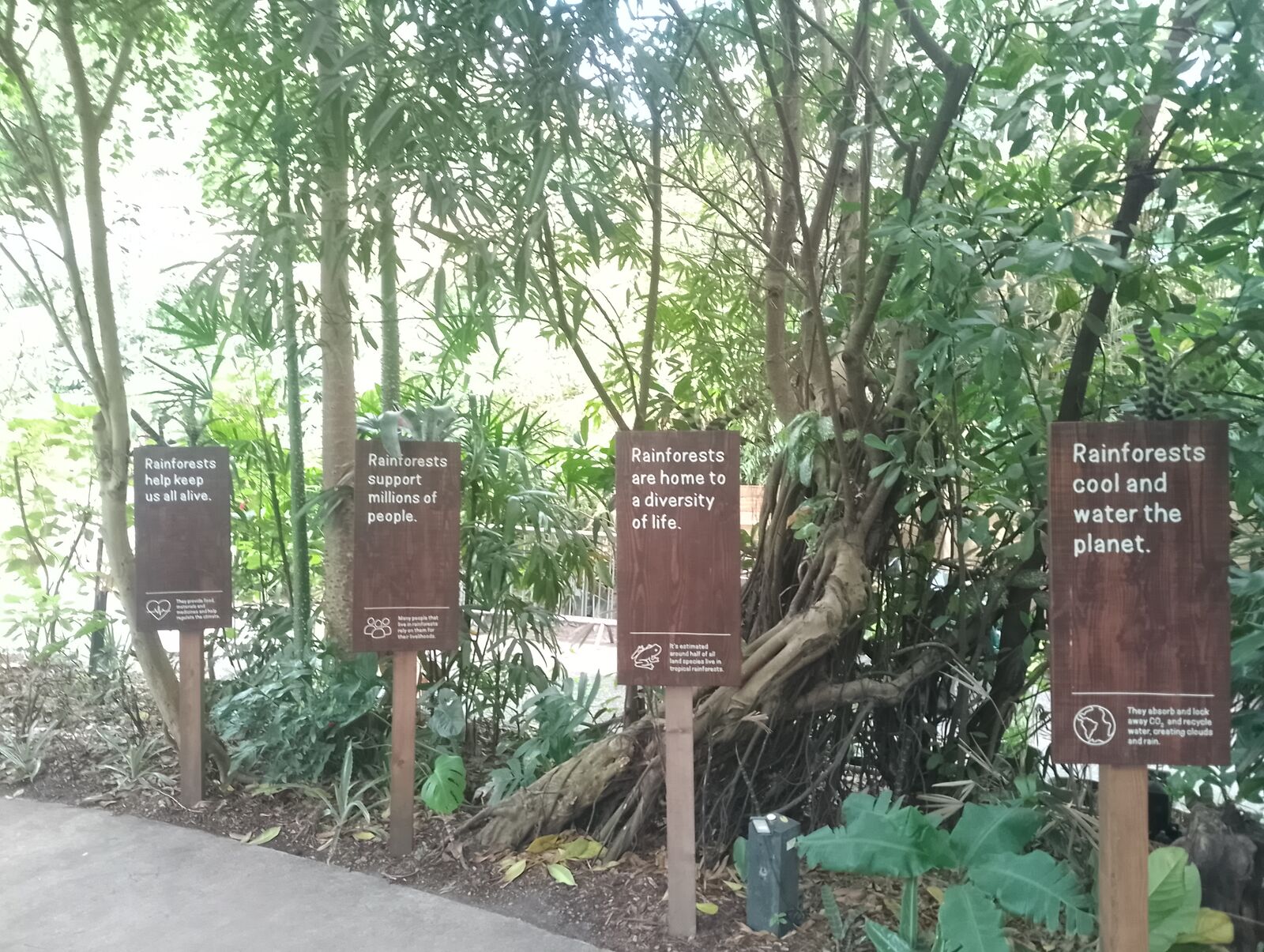
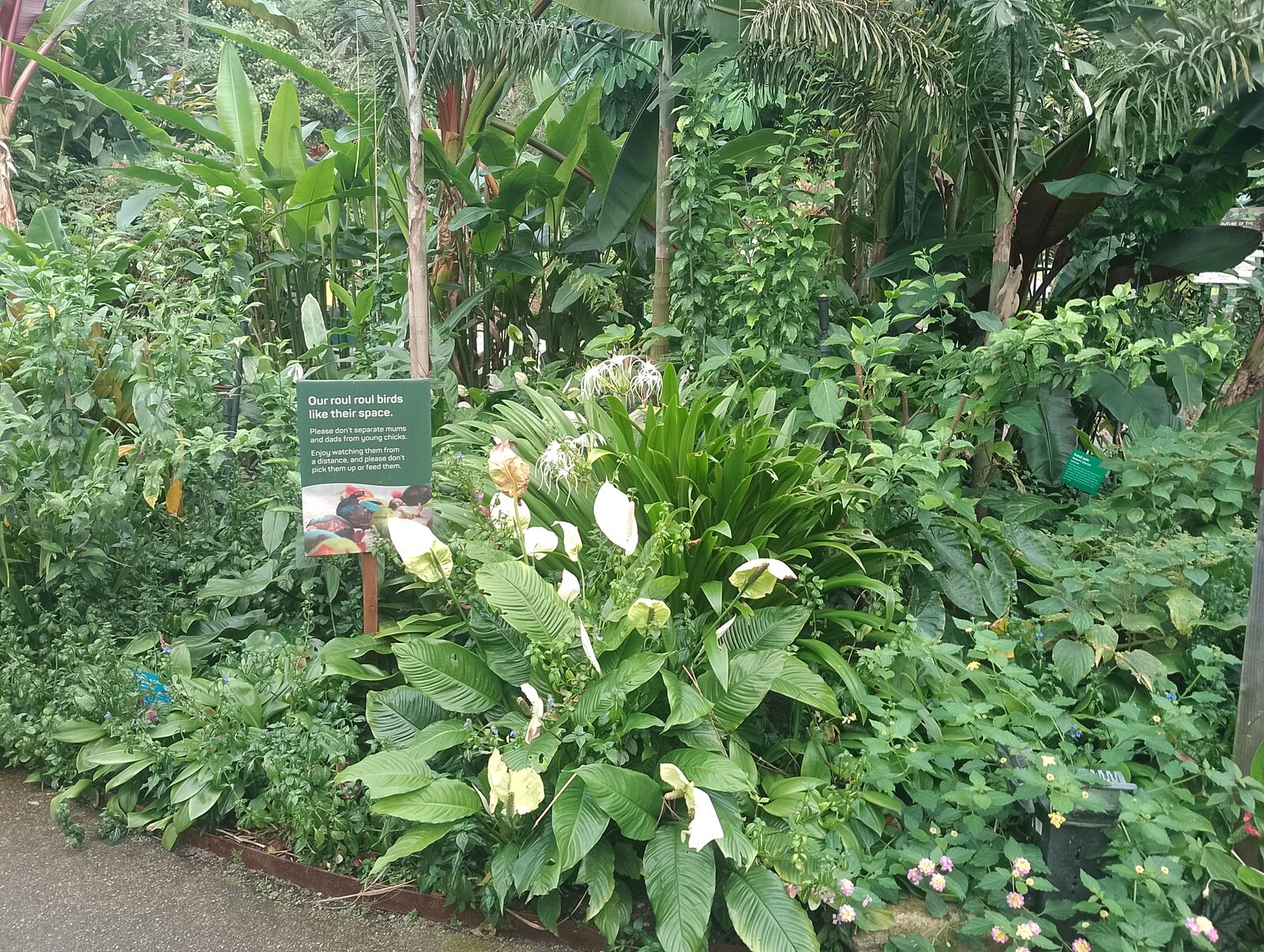
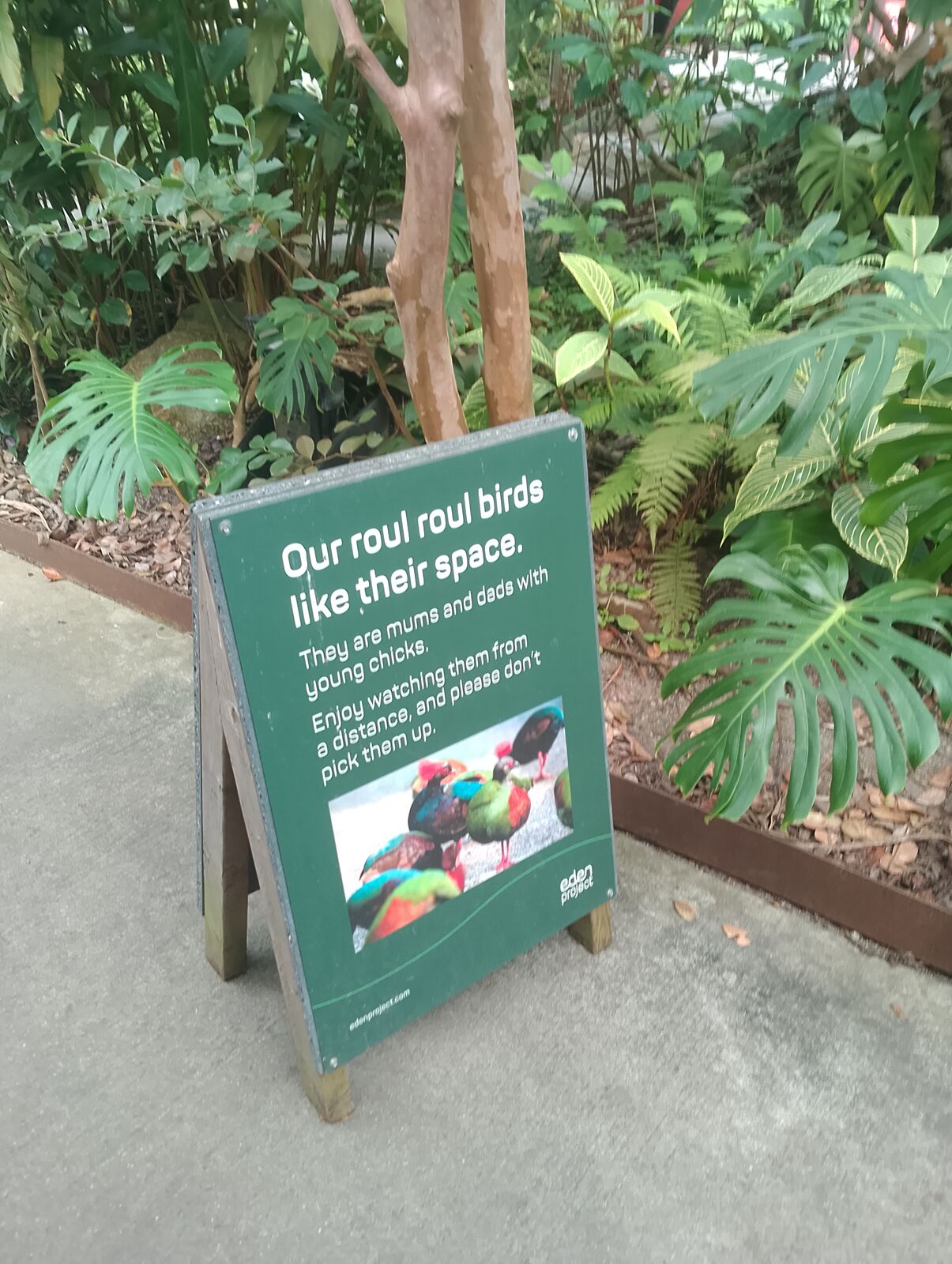
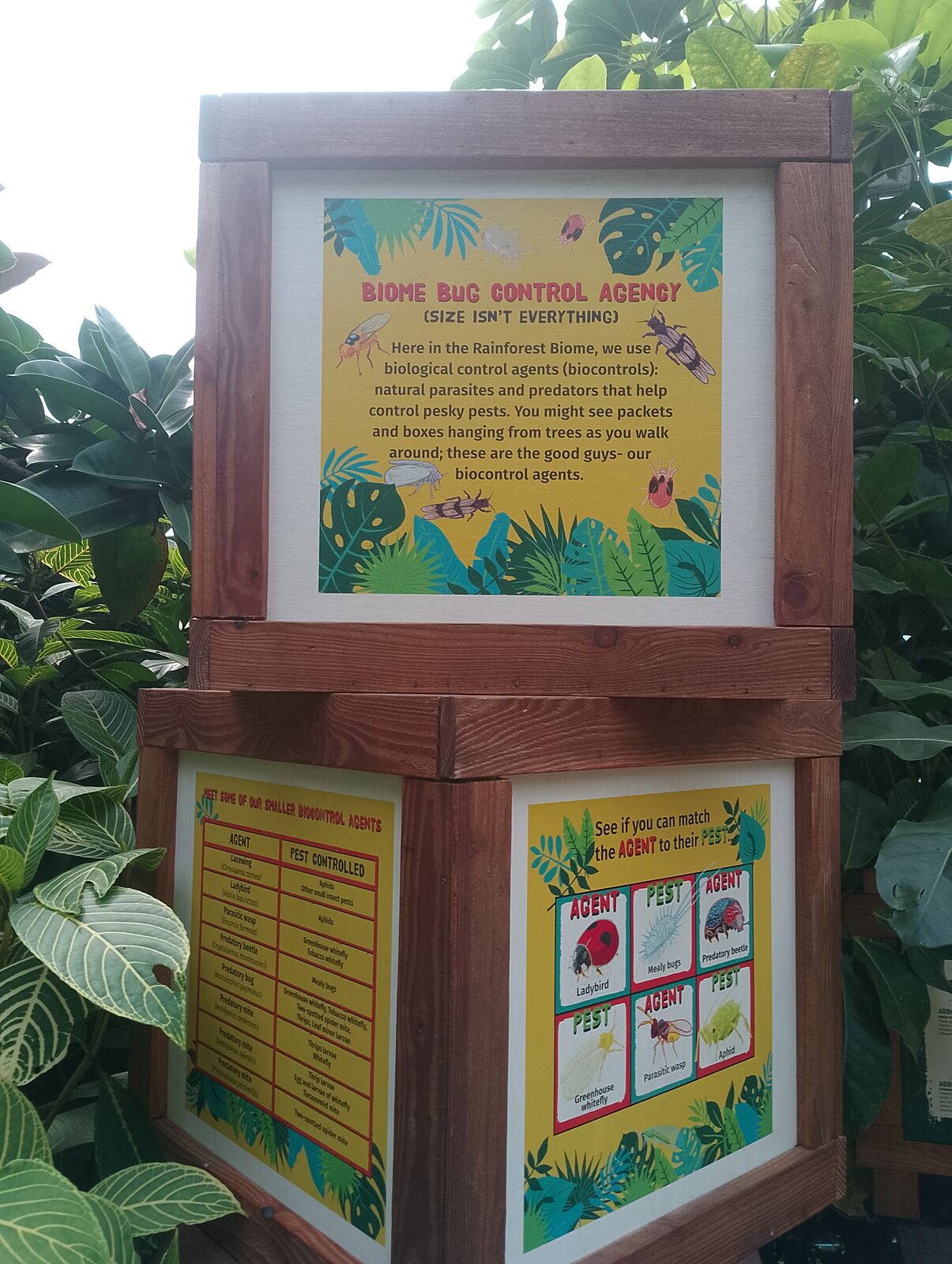
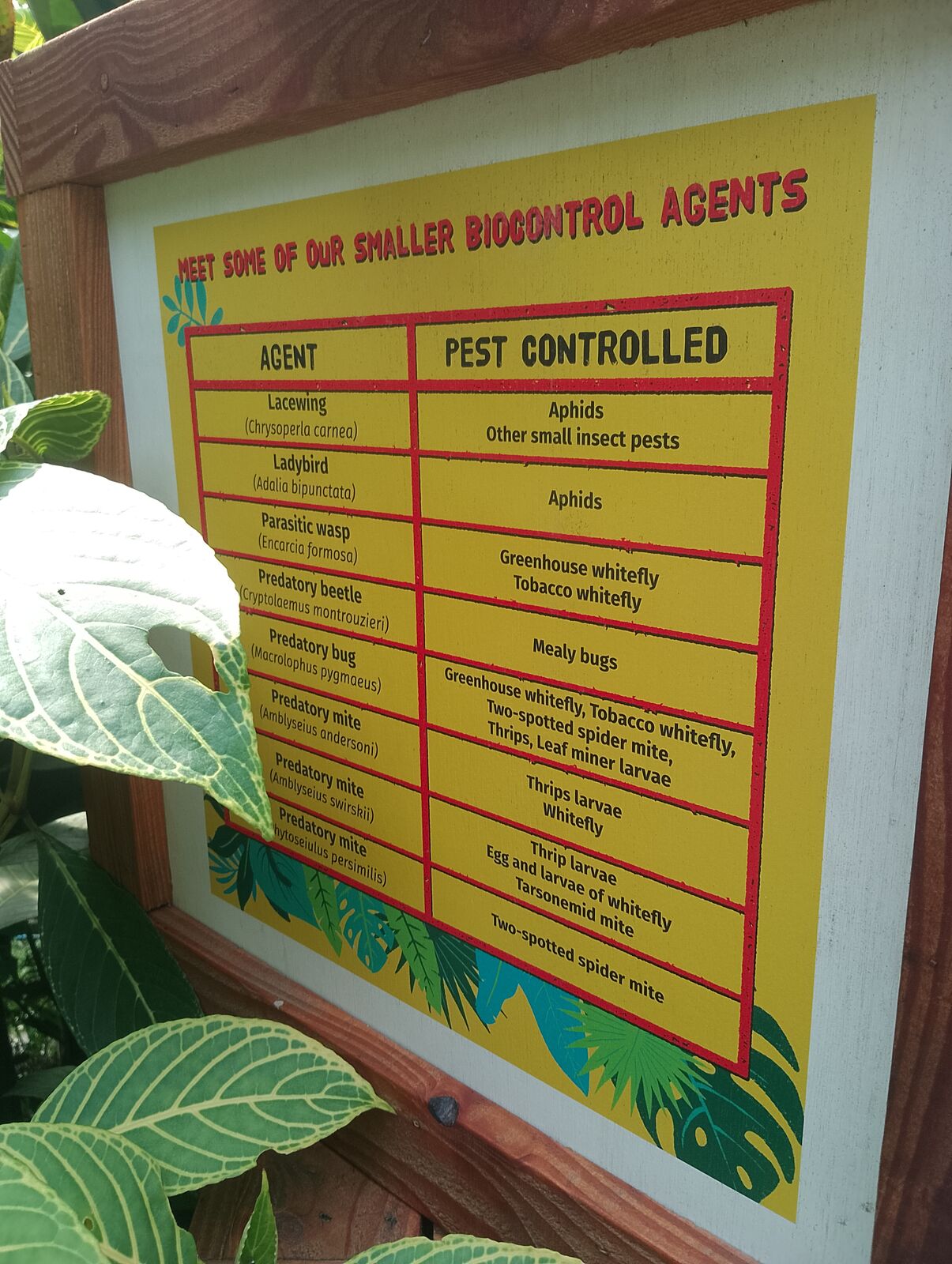
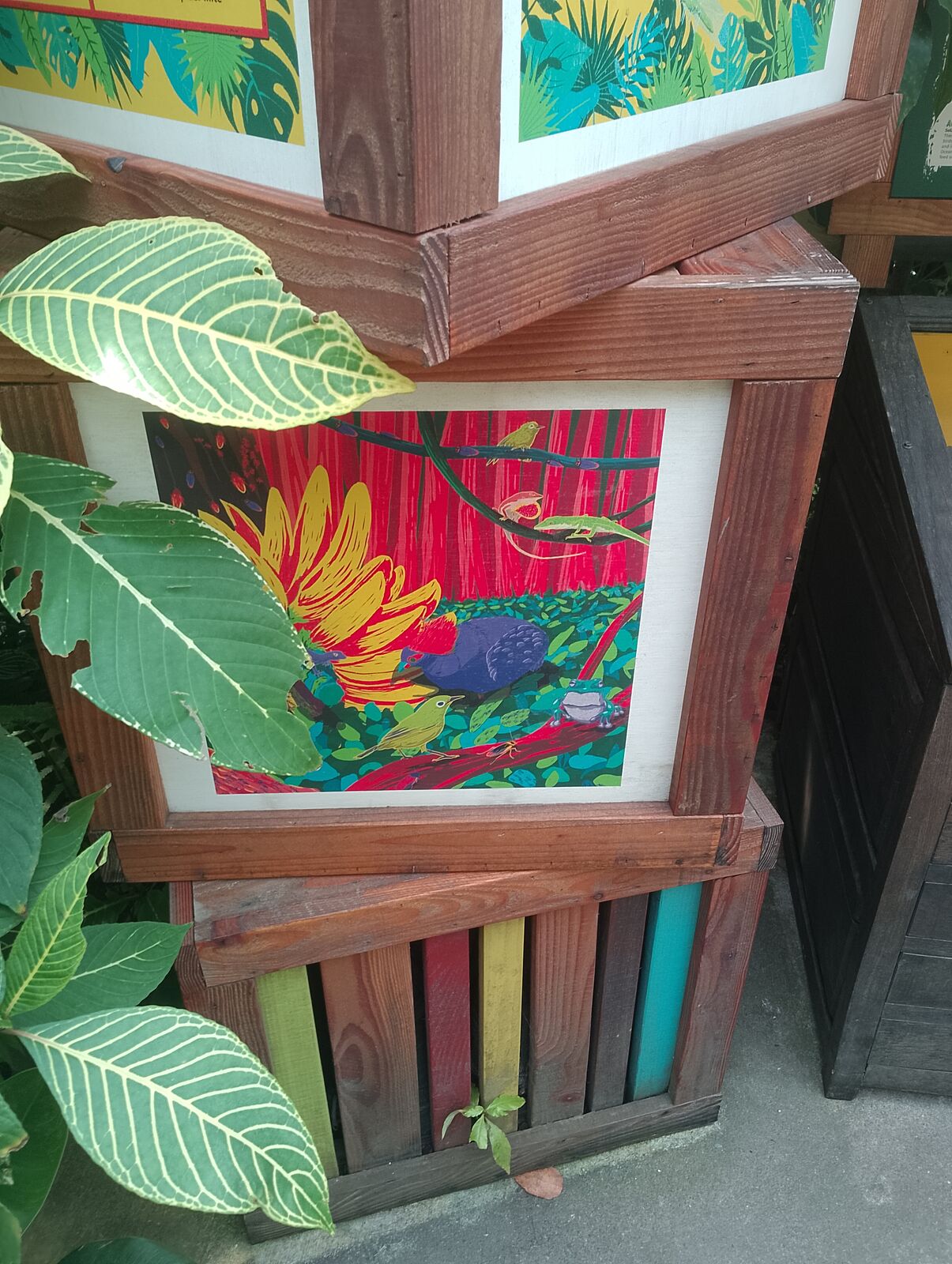
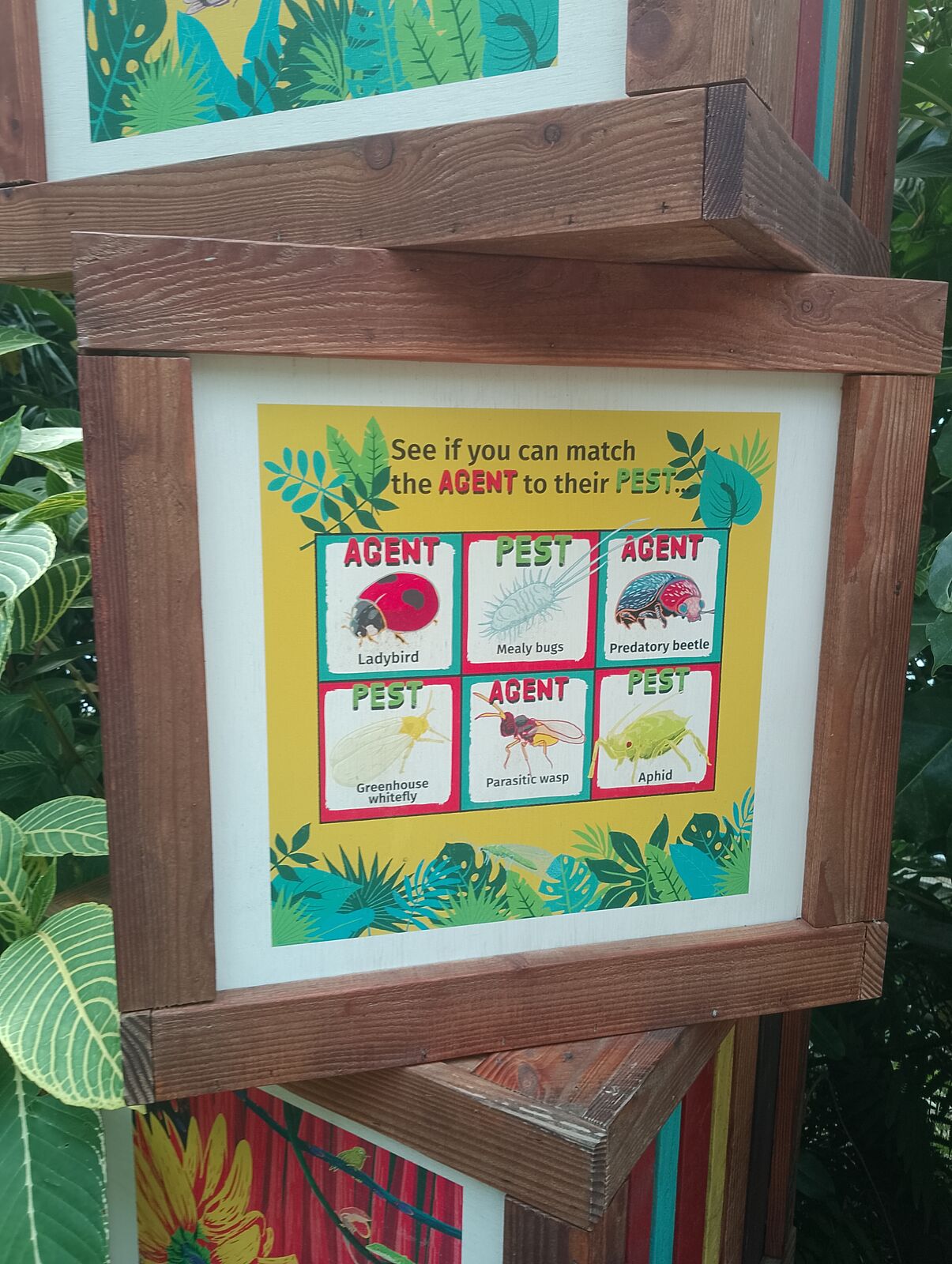
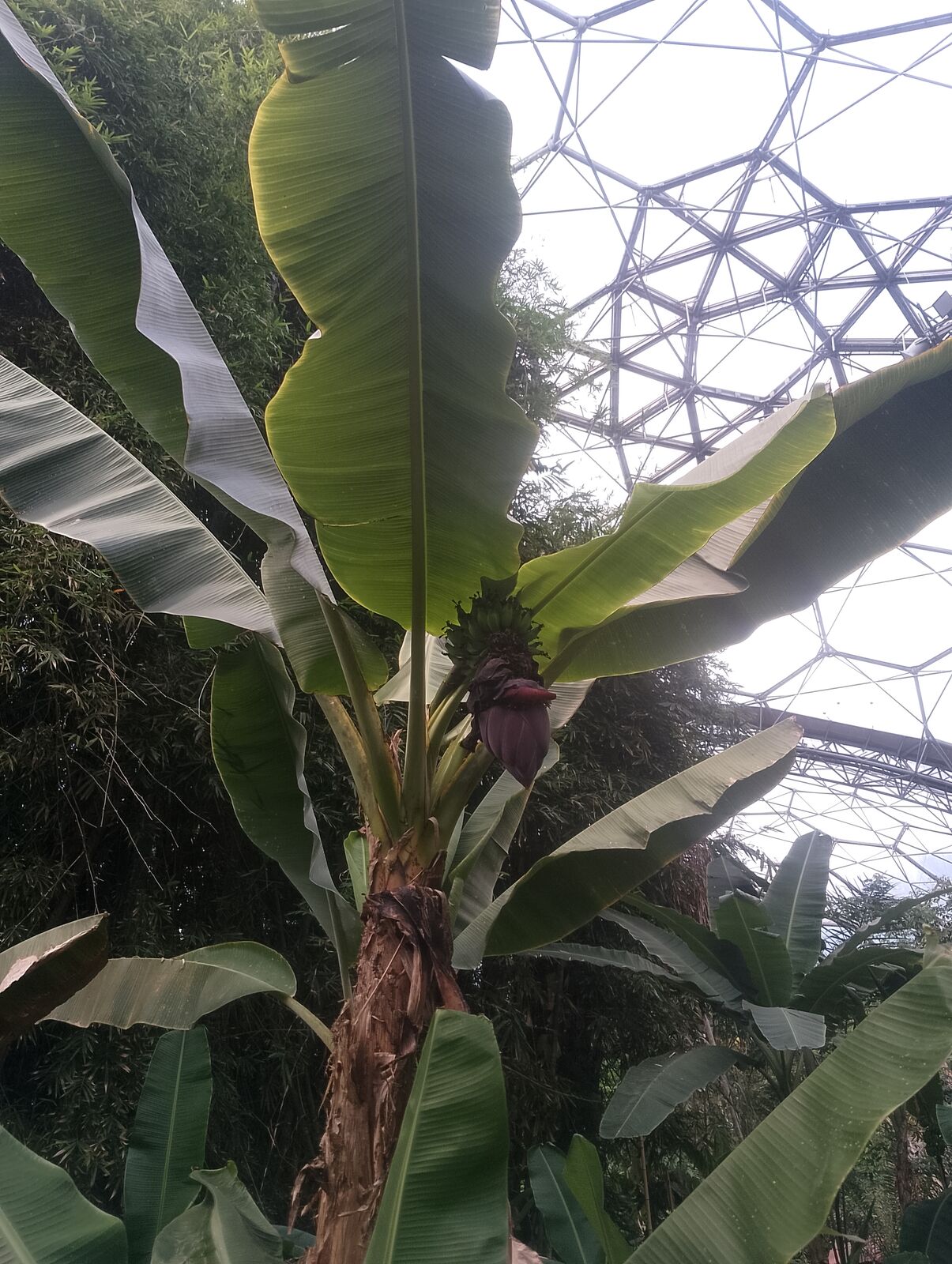
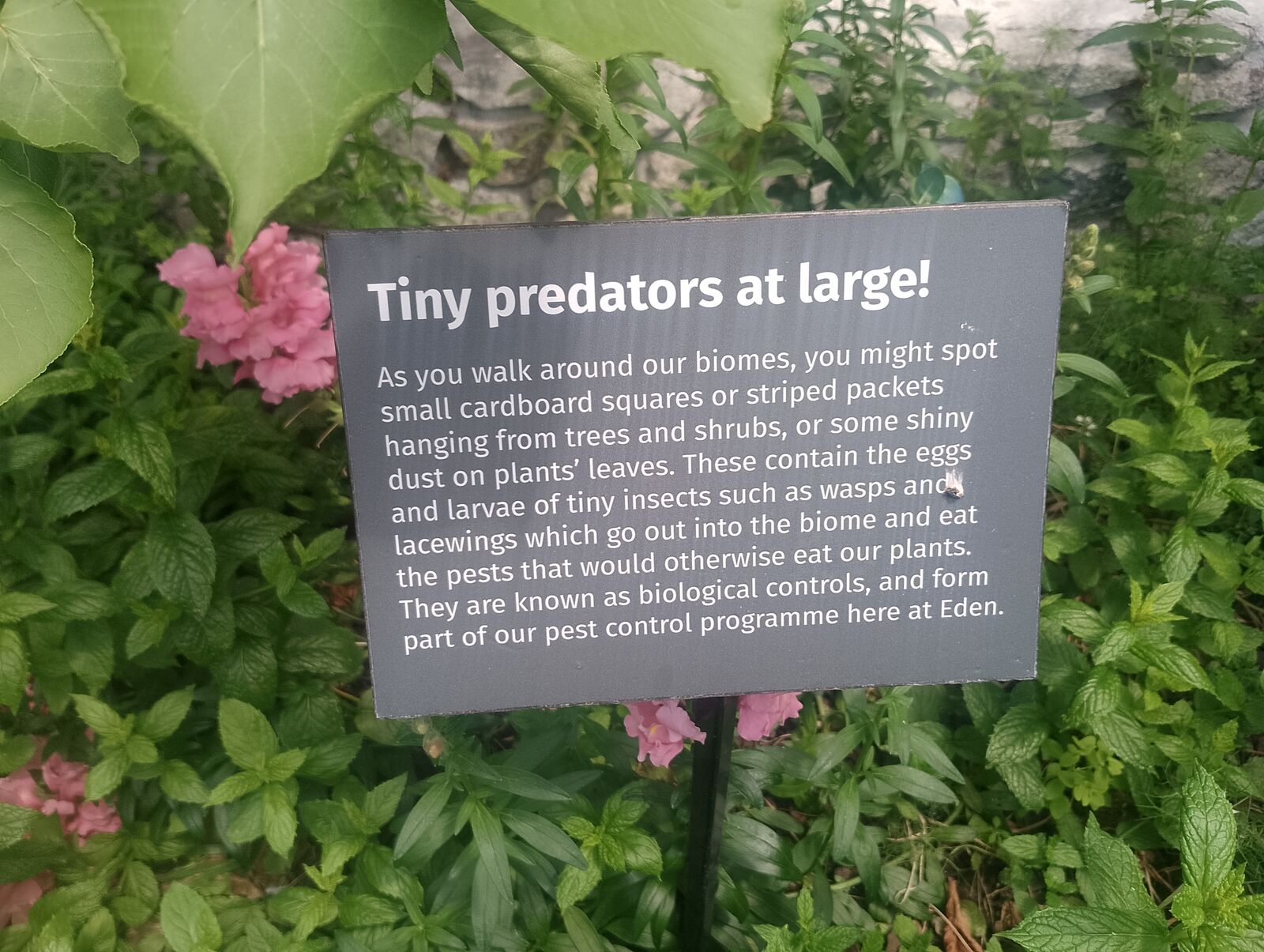
Besides the first few plants I notice a display about both the pests and agents within the ecosystem, as well as an infographic describing the animals within the dome. Certainly there is a lot of birdsong but the other animals seem to be in hiding, as I didn’t spot any frogs or the Hawaian Rou Rou birds that we were warned to leave in peace.
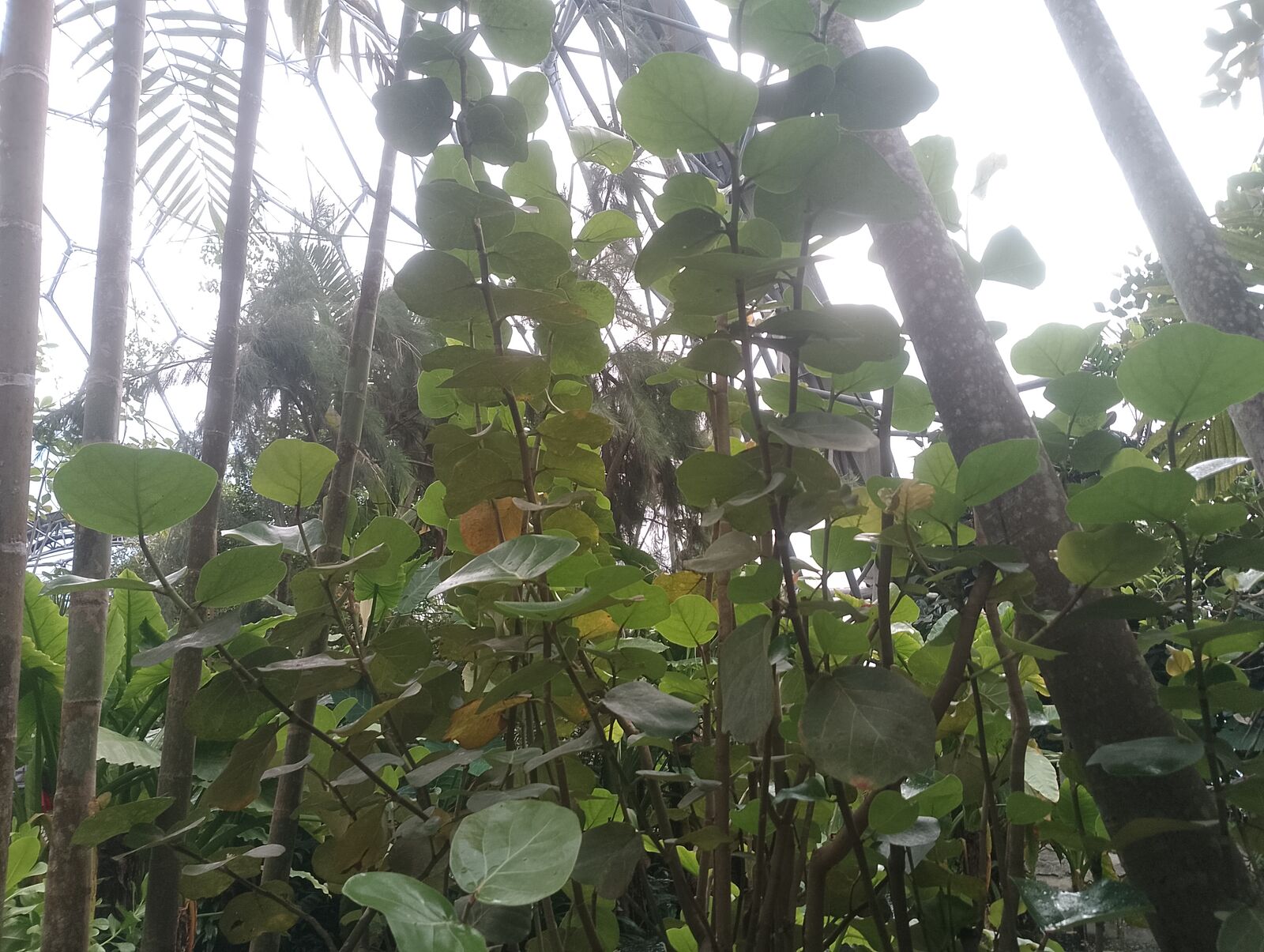
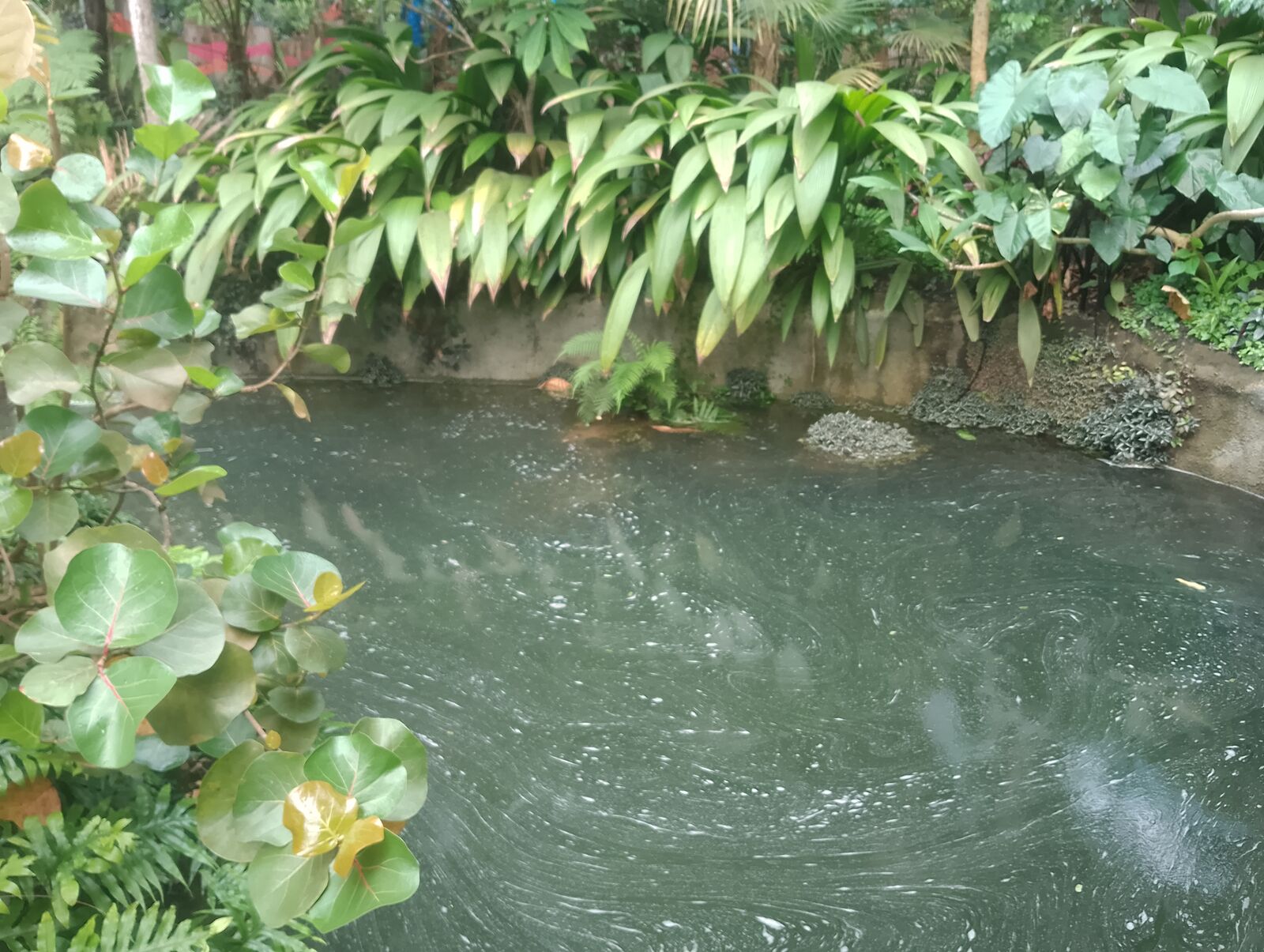
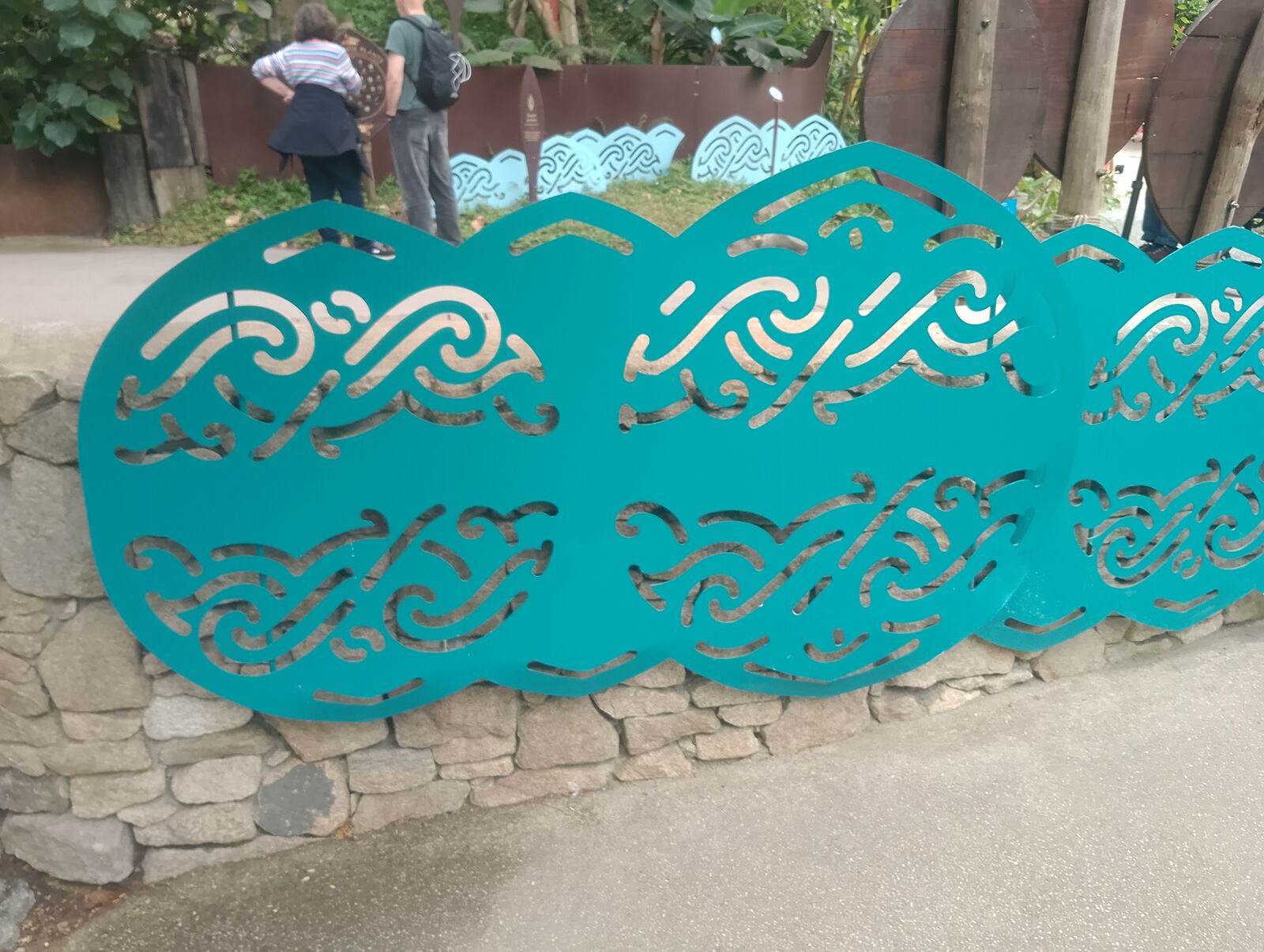
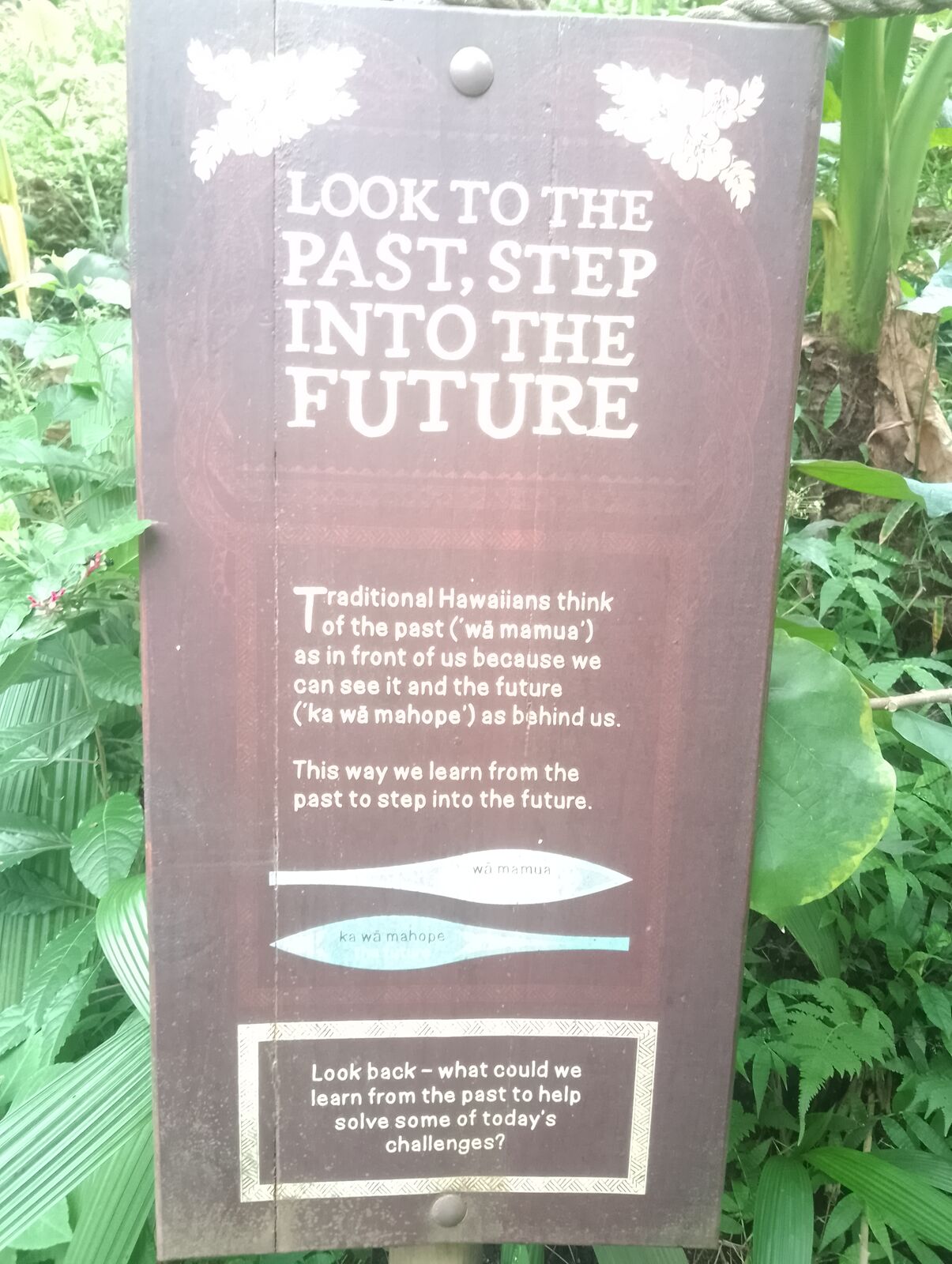
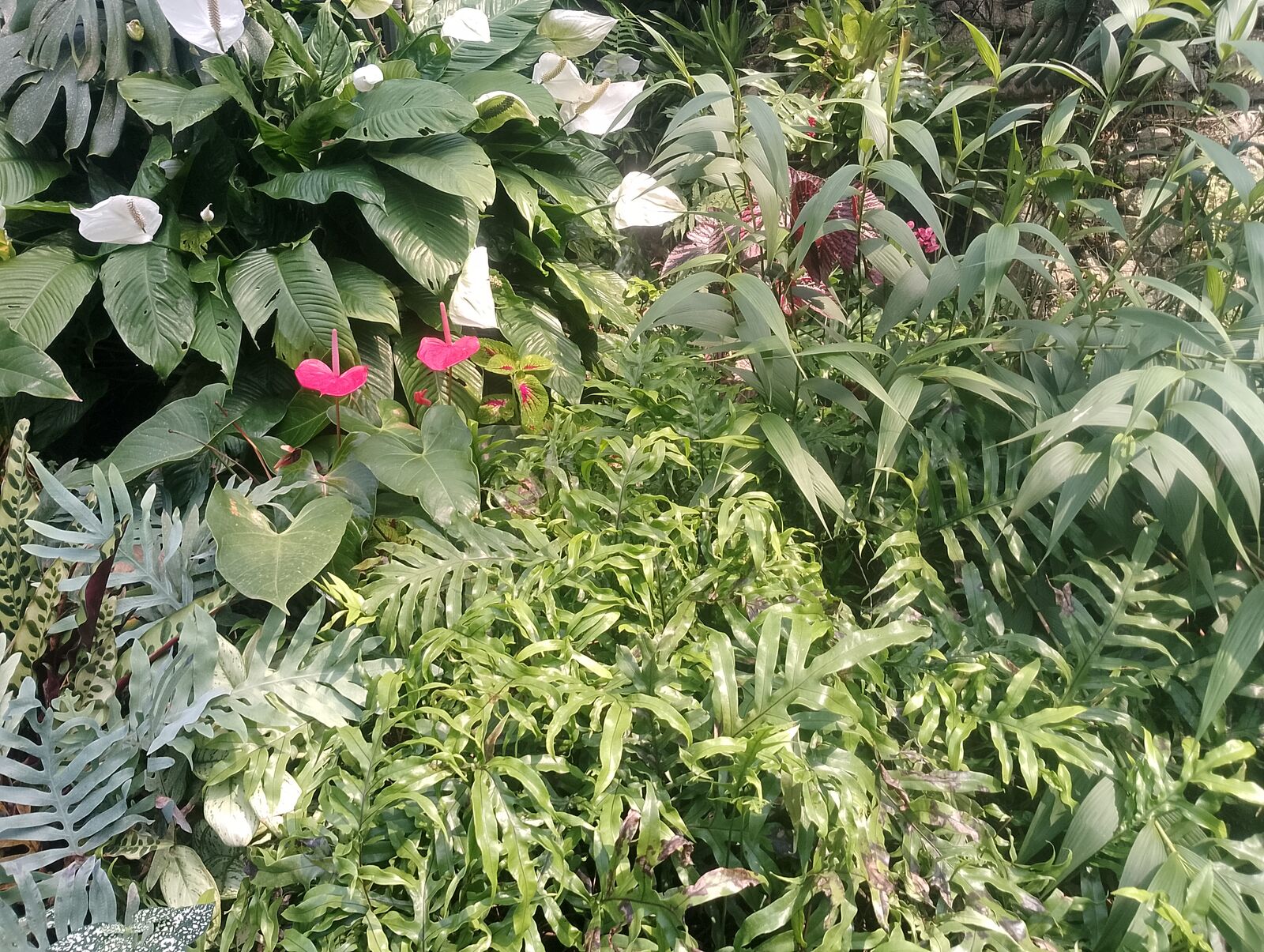
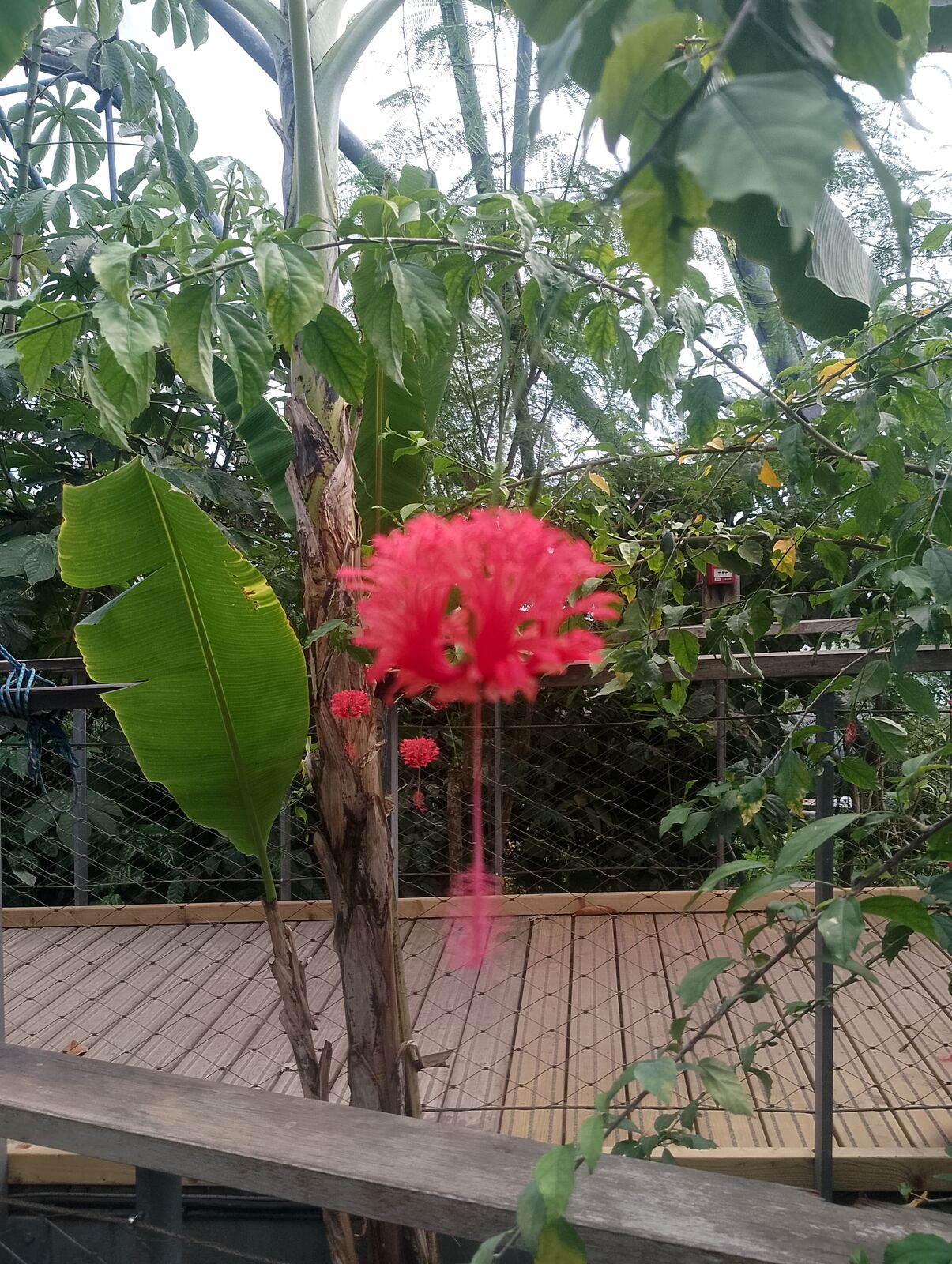
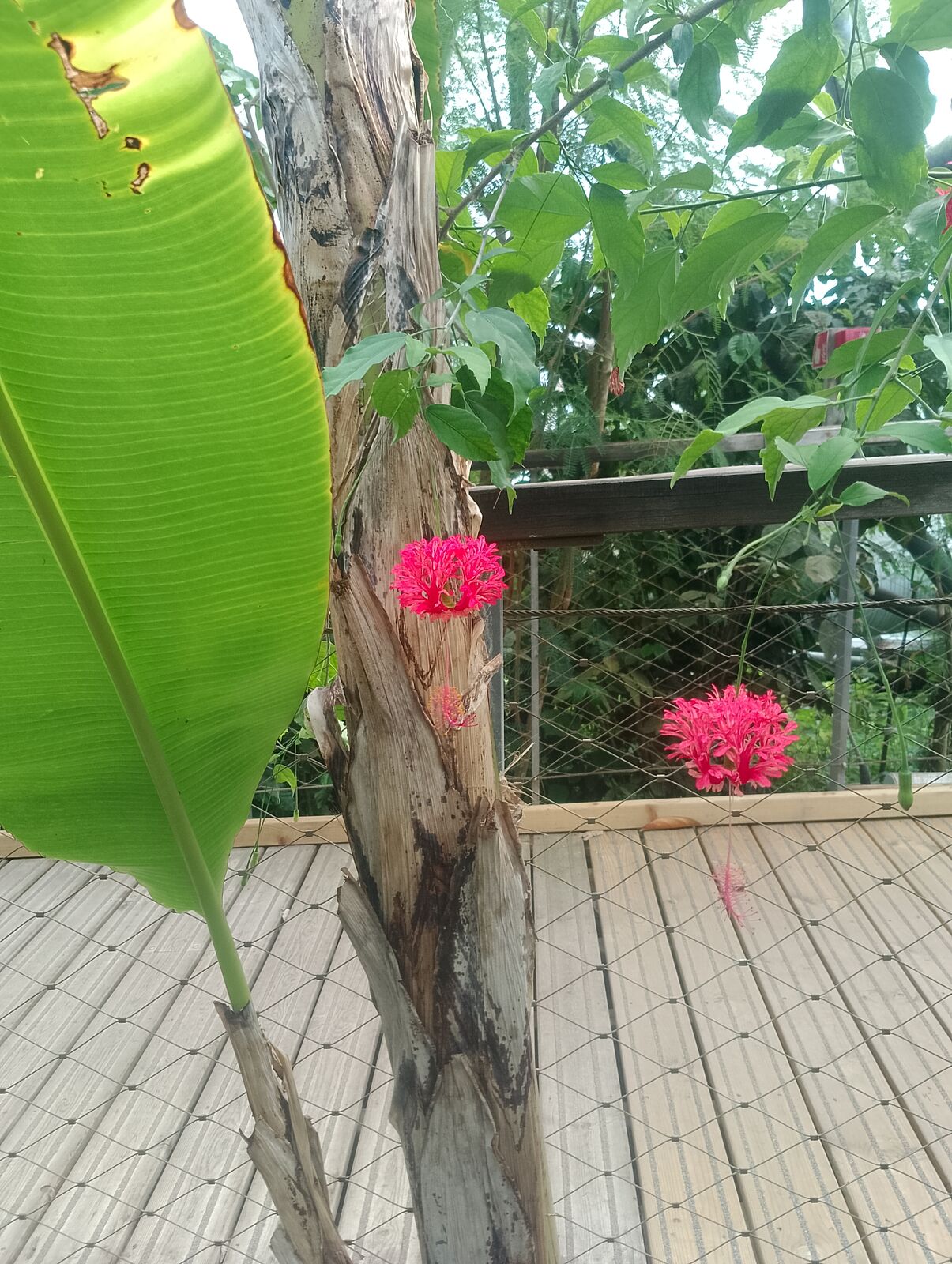
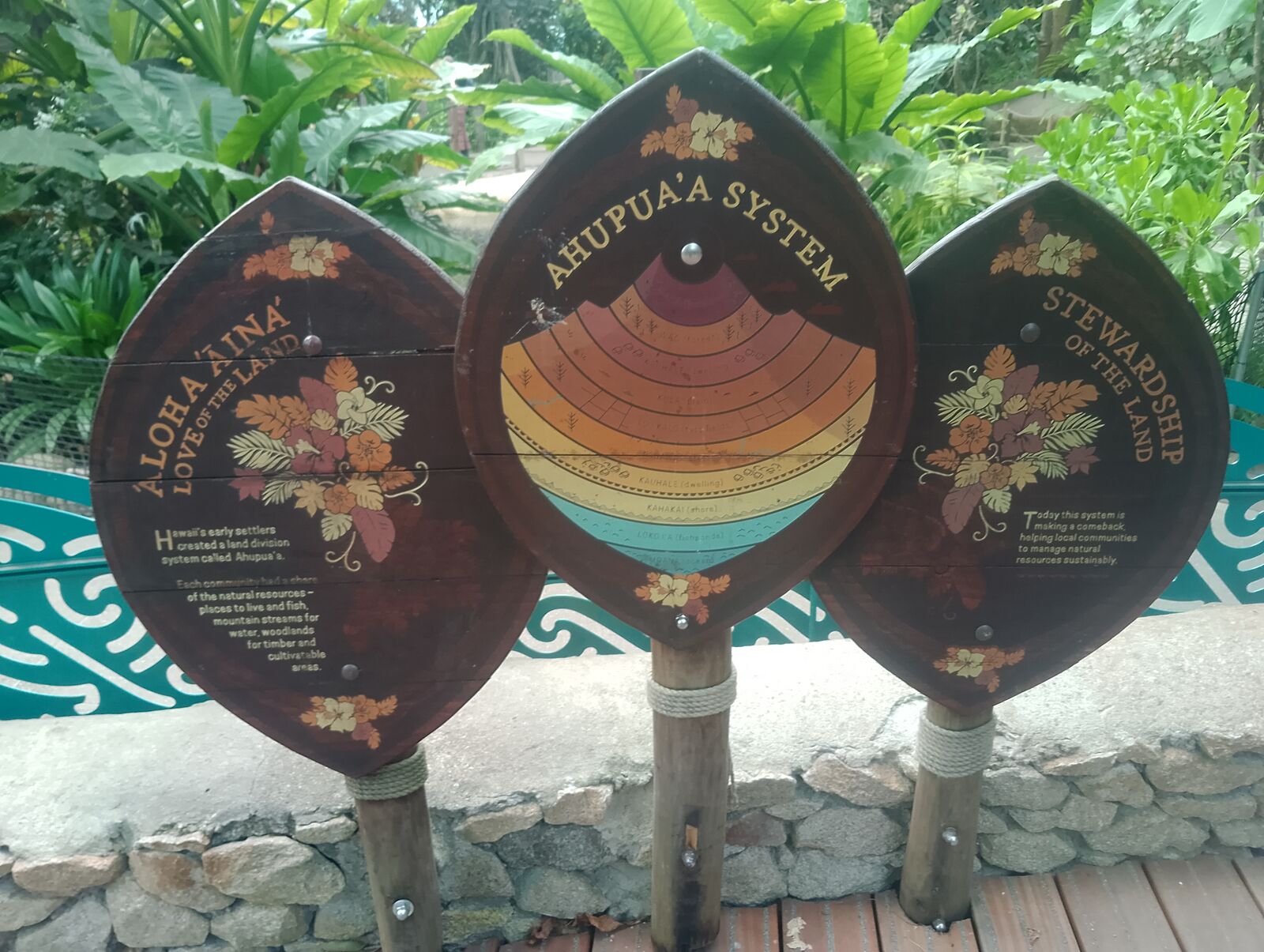
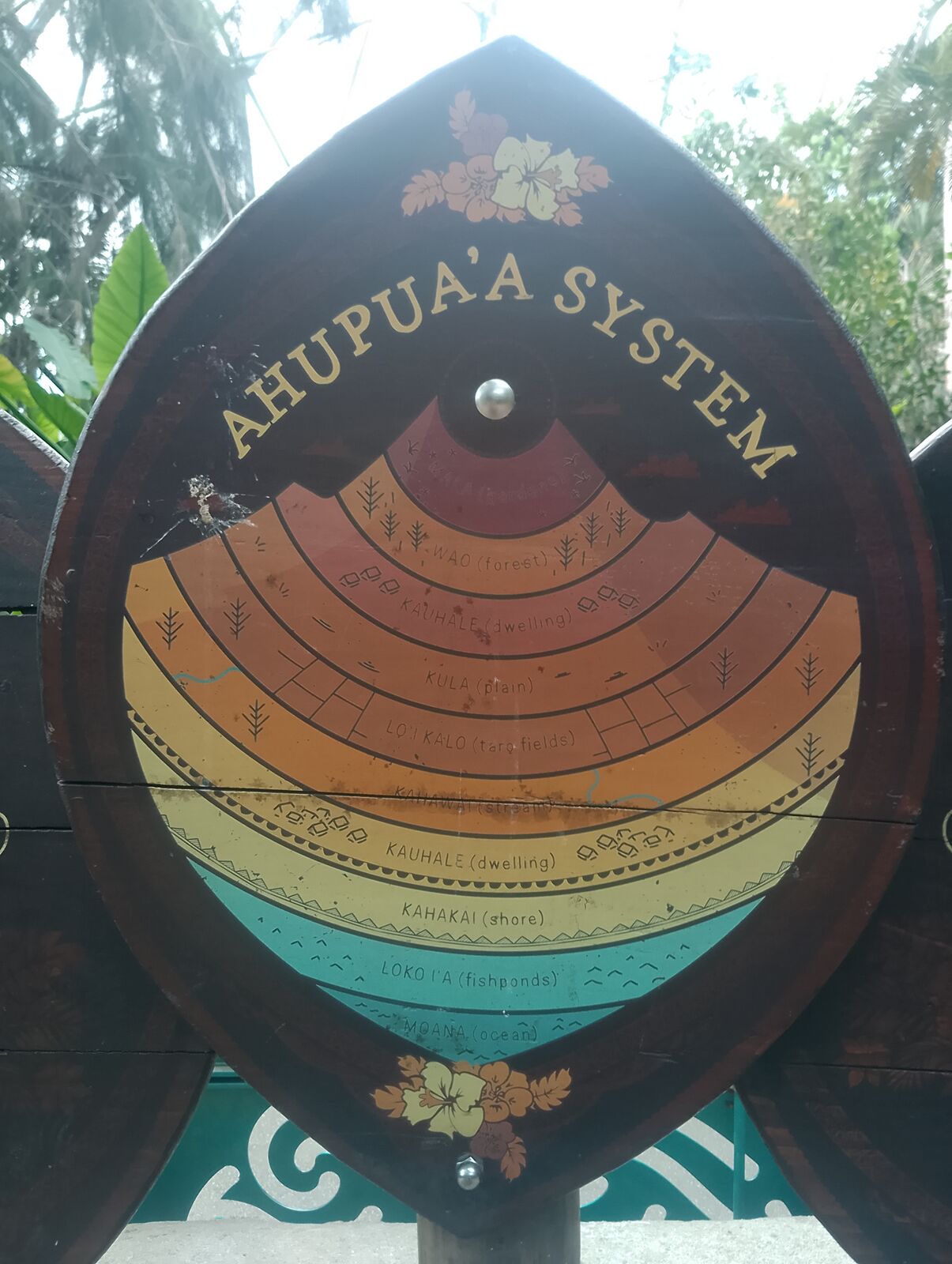
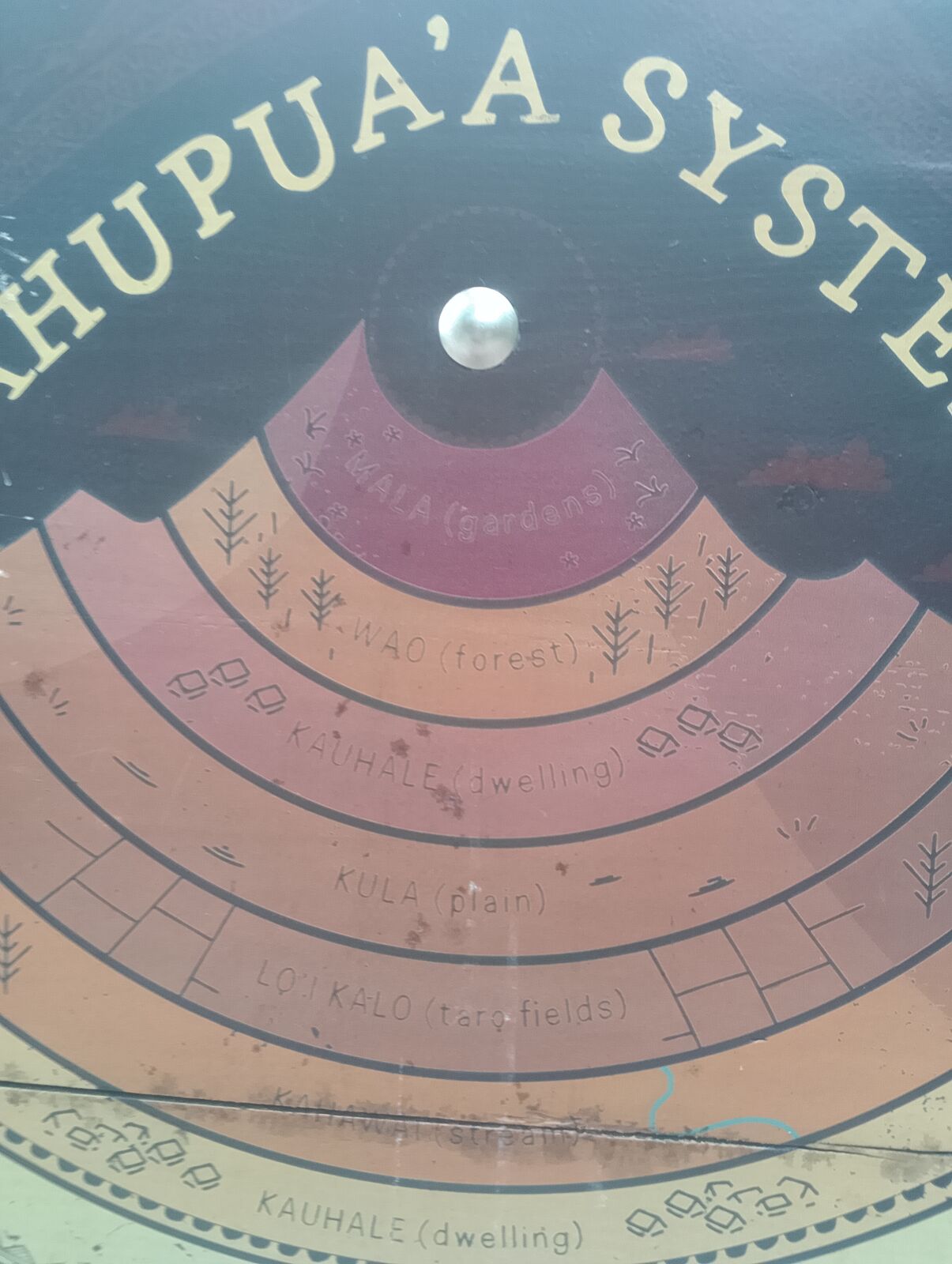
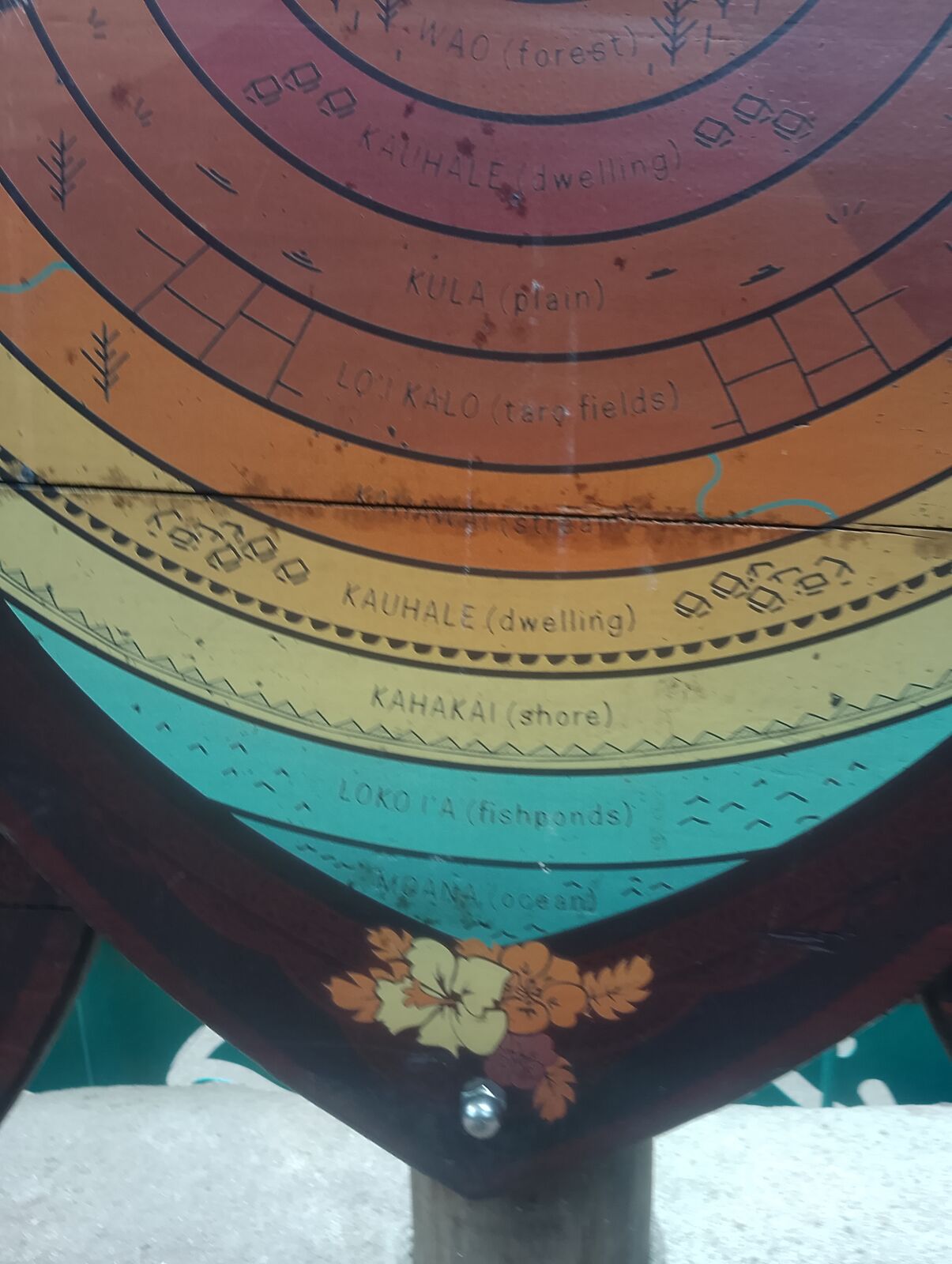
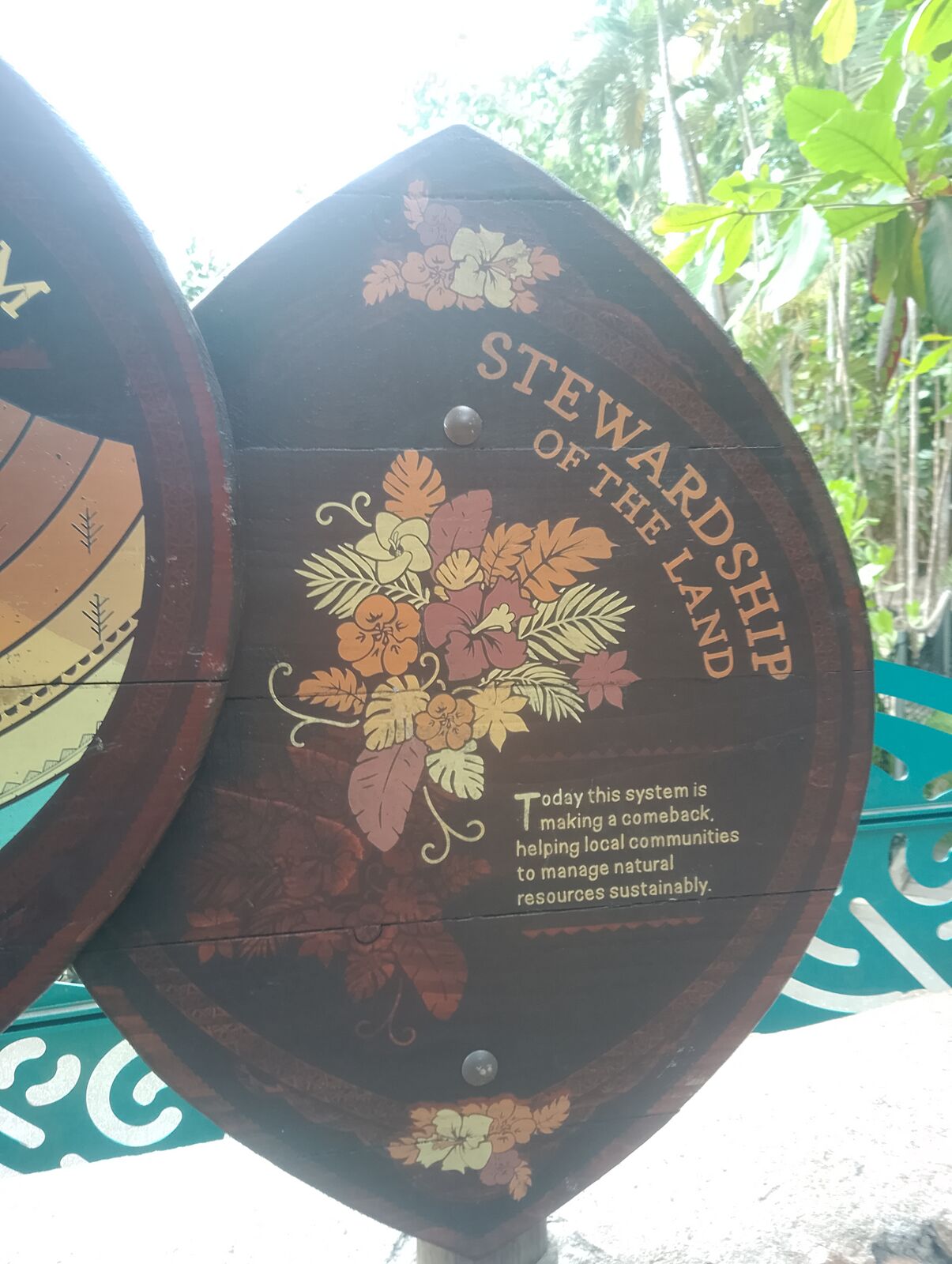
This section is perhaps the most beautiful in my book, Hibiscus flowers, little lagoons and setting appropriate infographics that were frankly beautifully crafted in Hawaiian style. Choosing to document the different vegatation seemed a bit like stepping out of the experience, yet seemed important to do somehow, for memories fade and these are ones to keep.
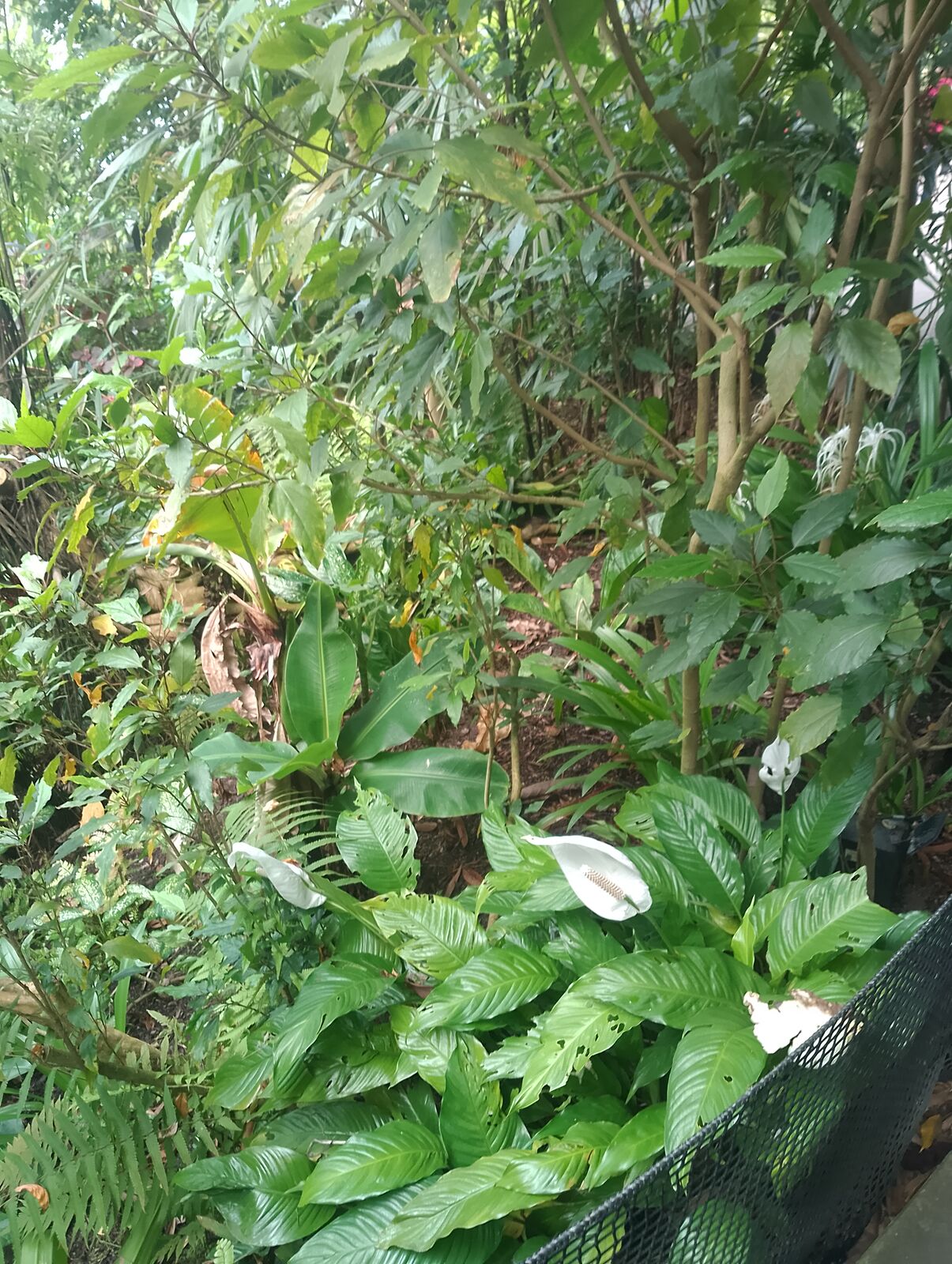
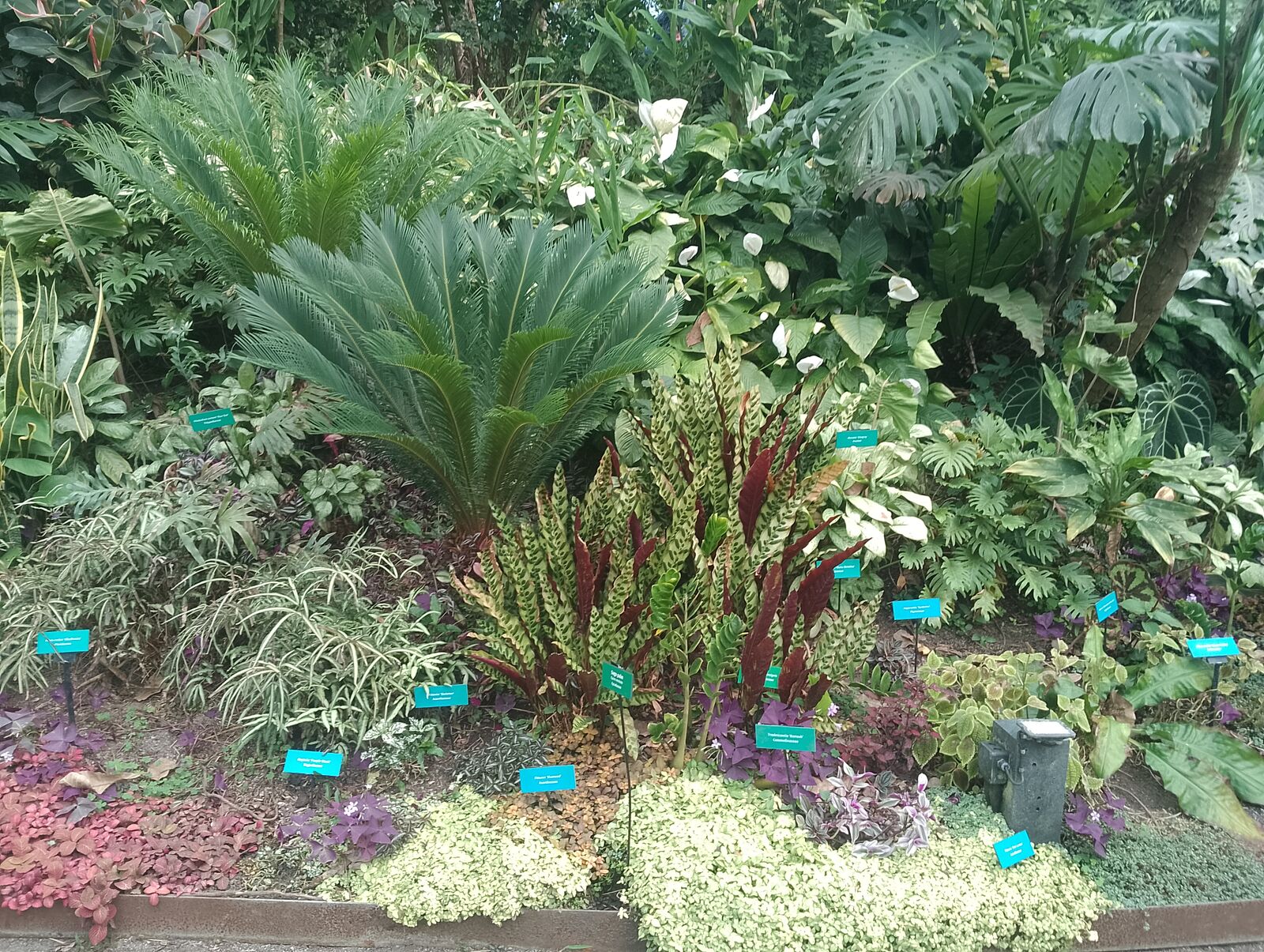
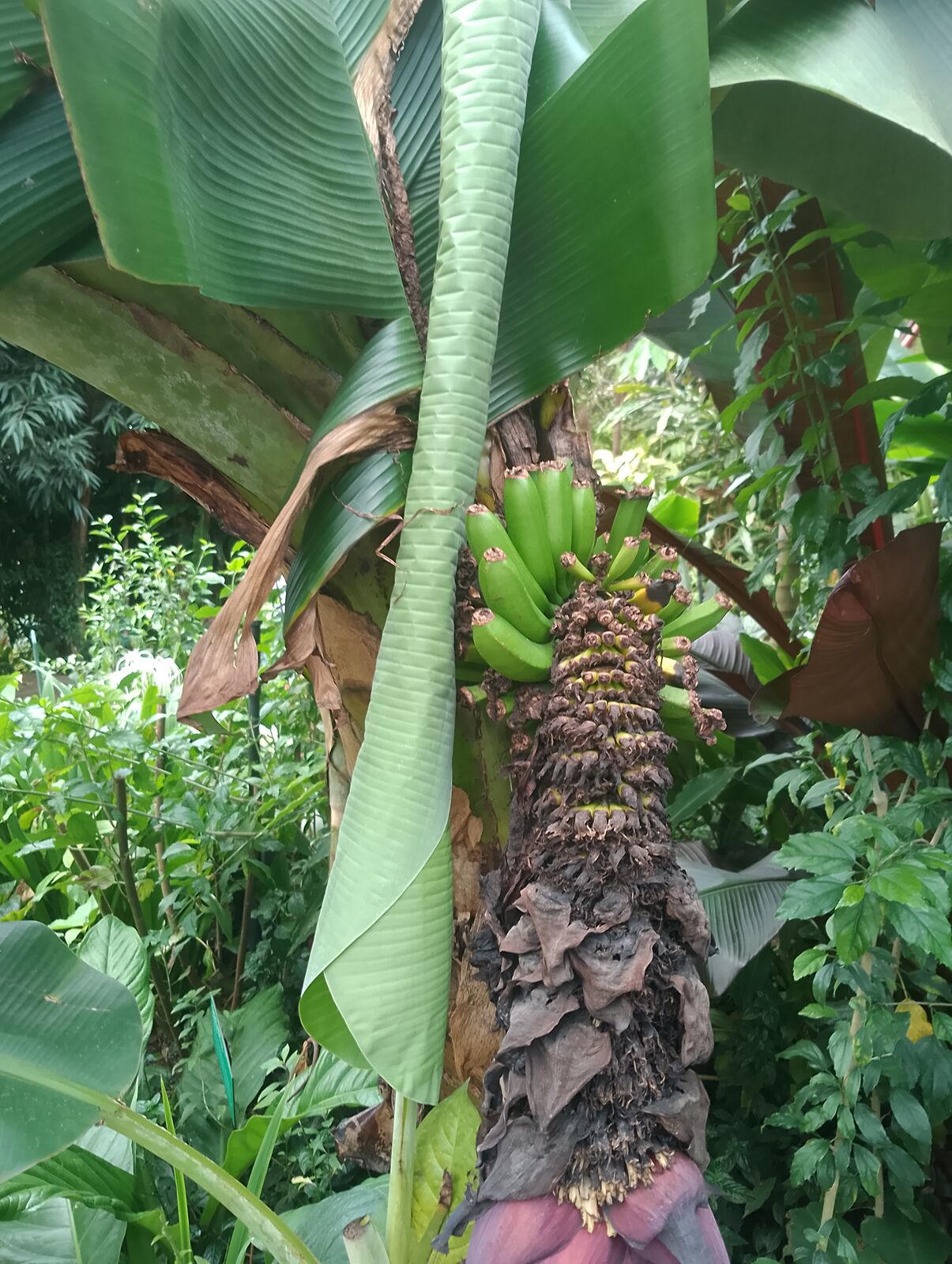
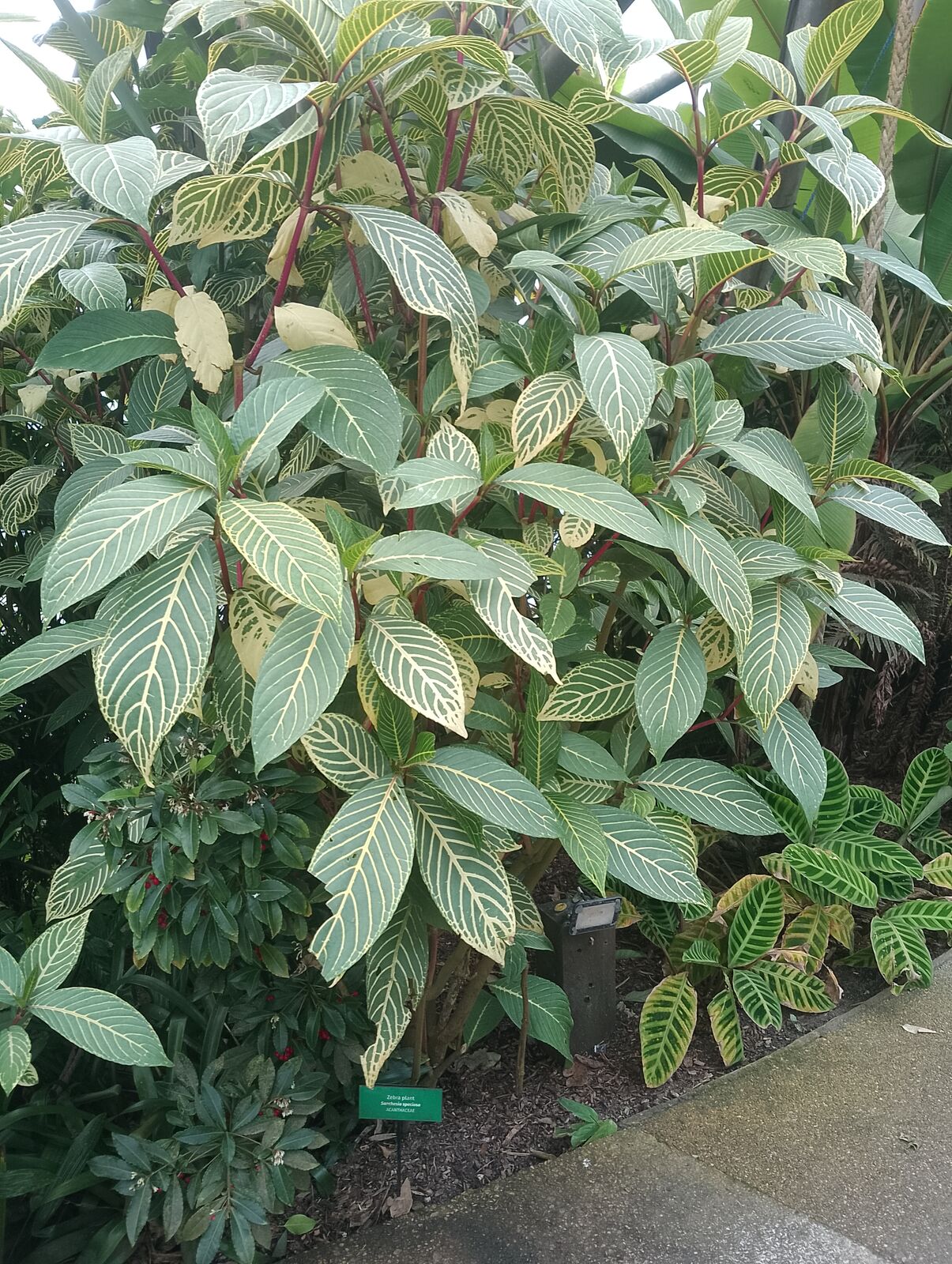
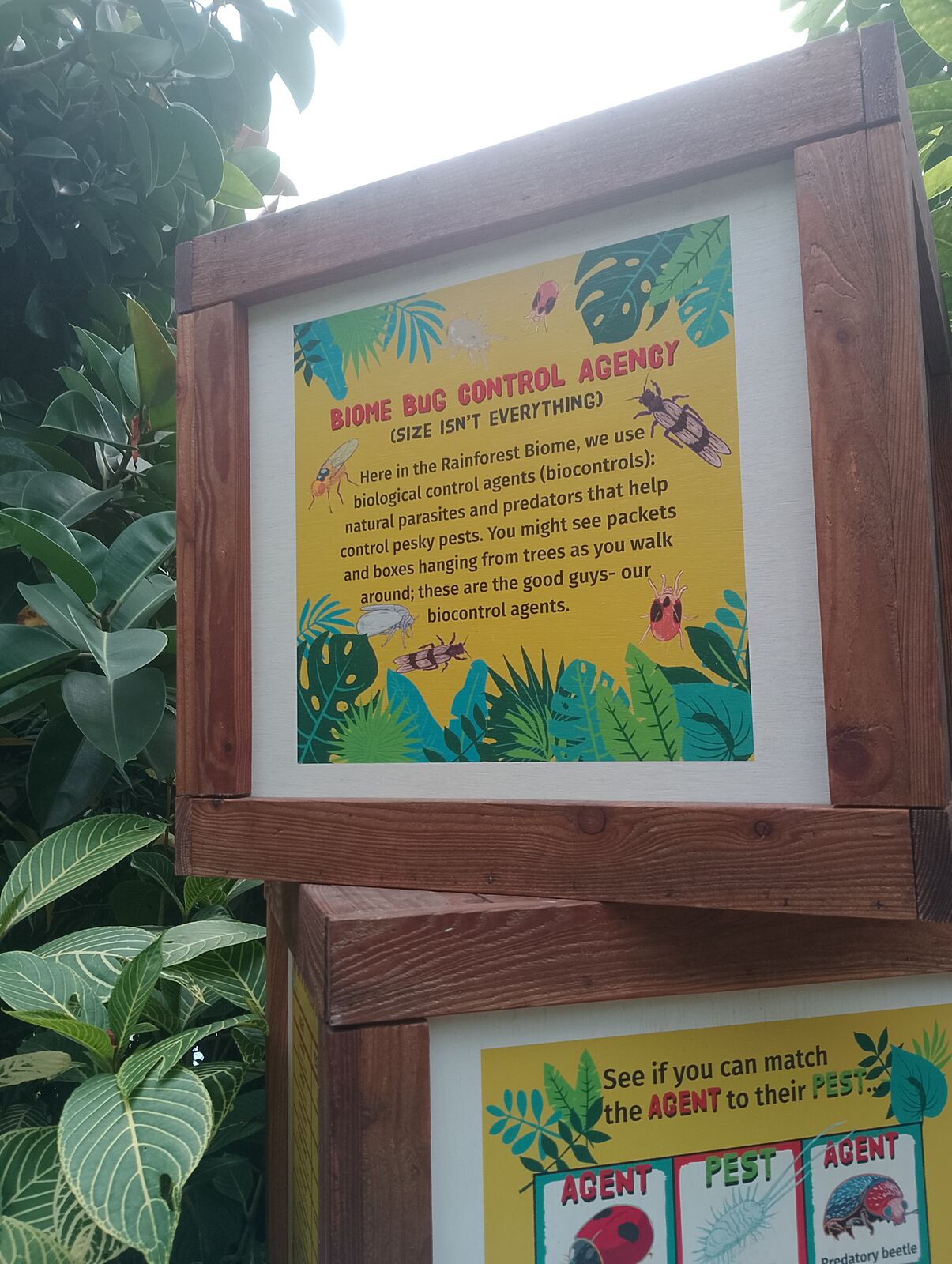
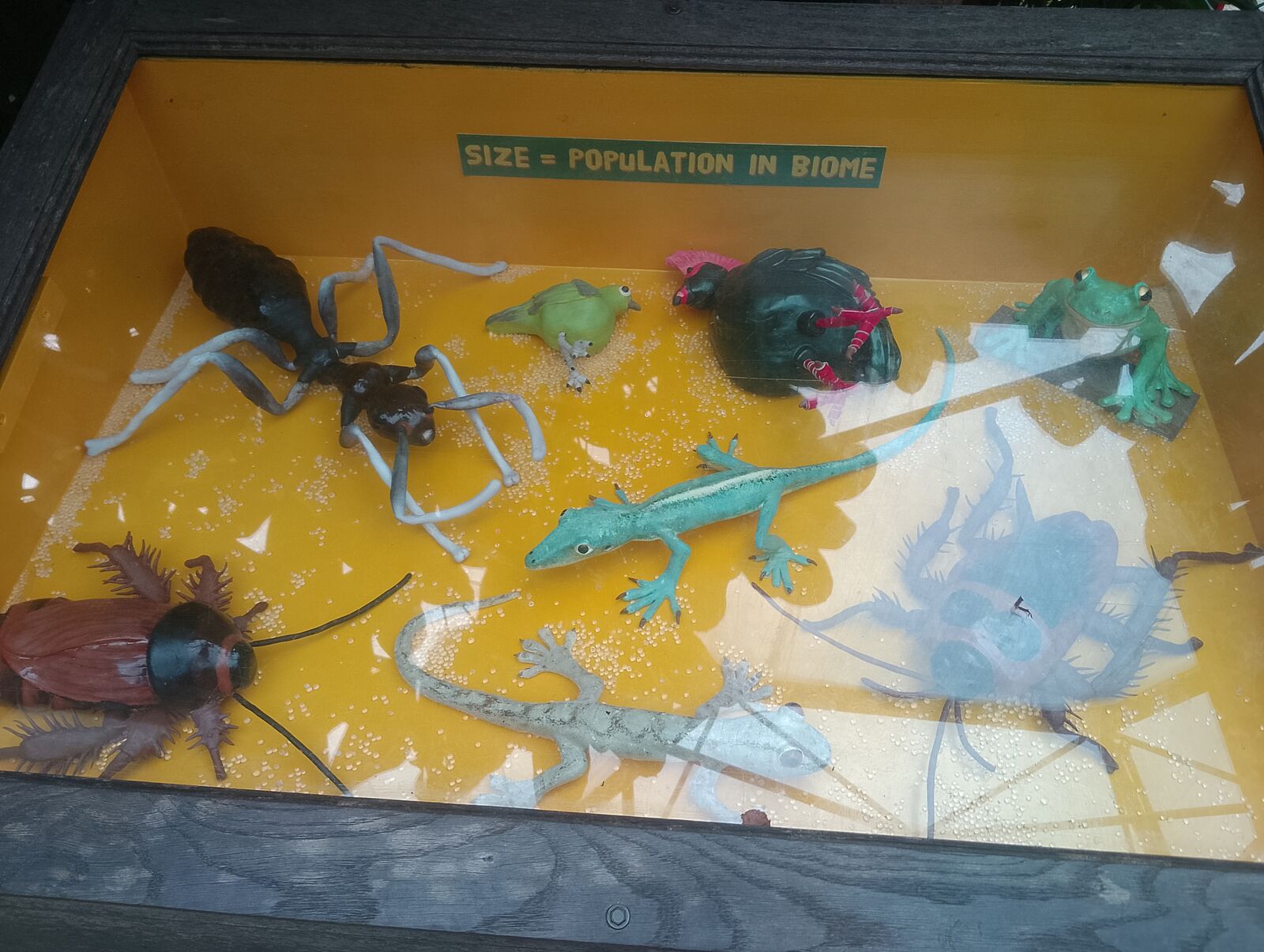
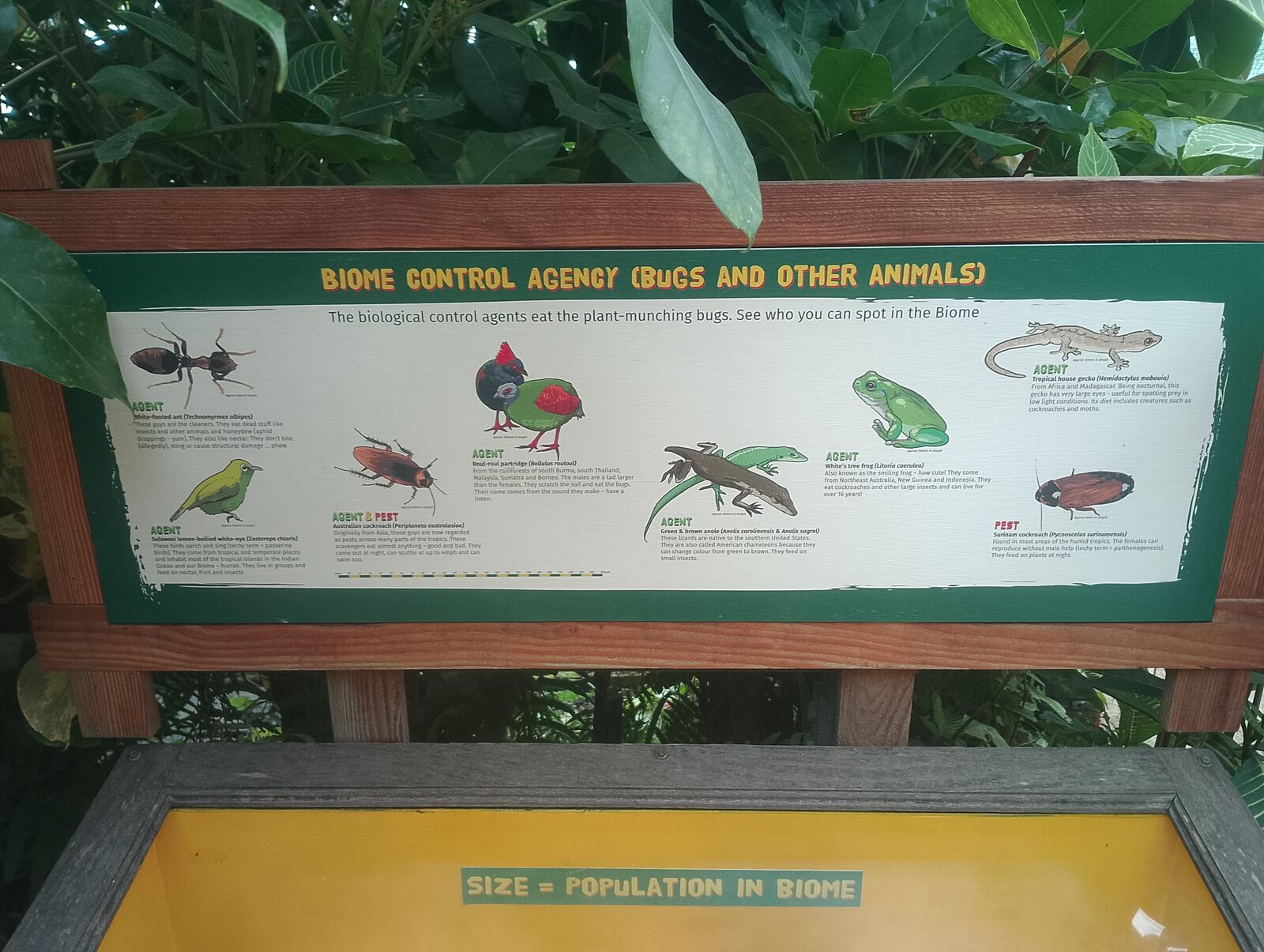
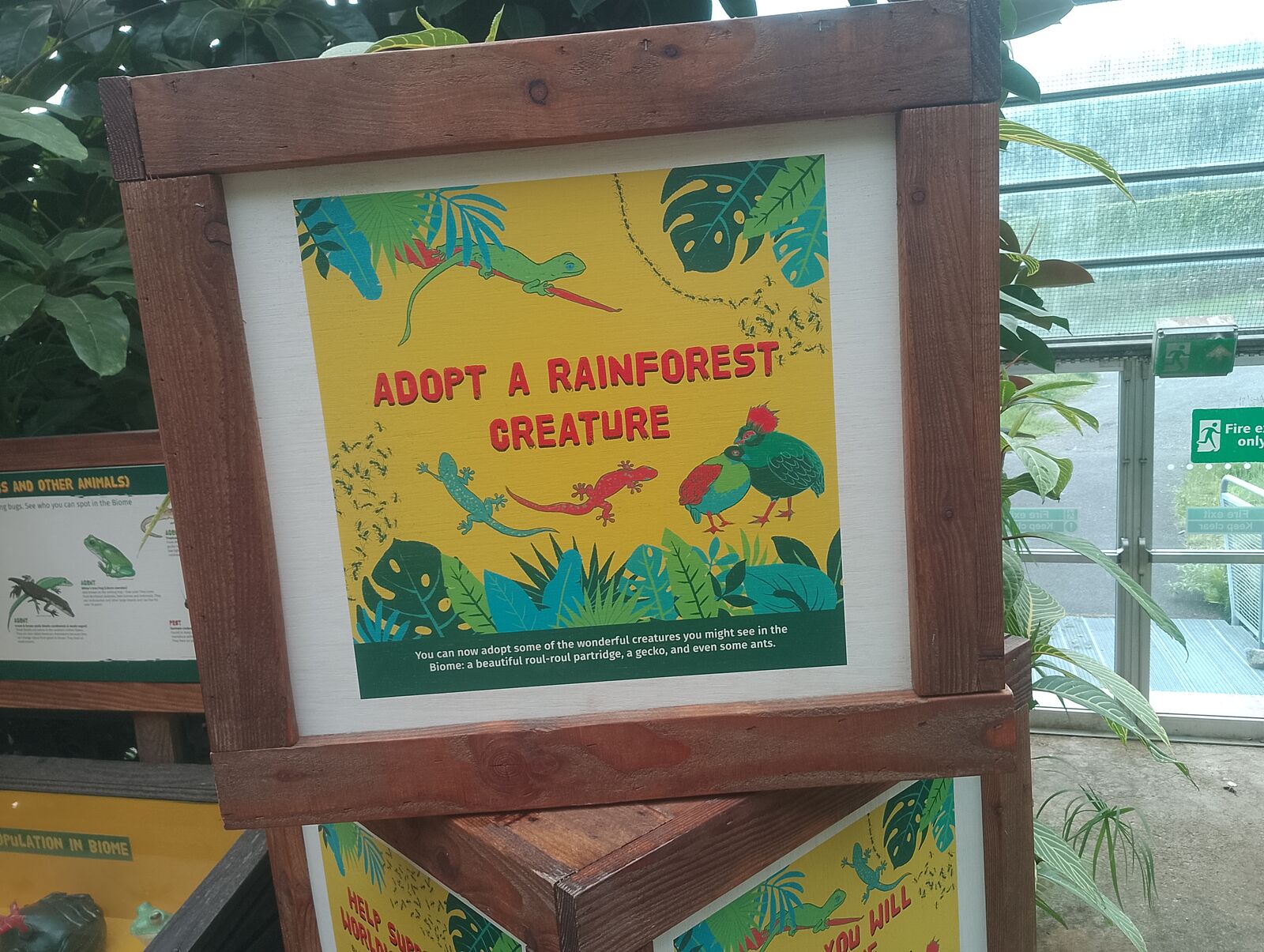
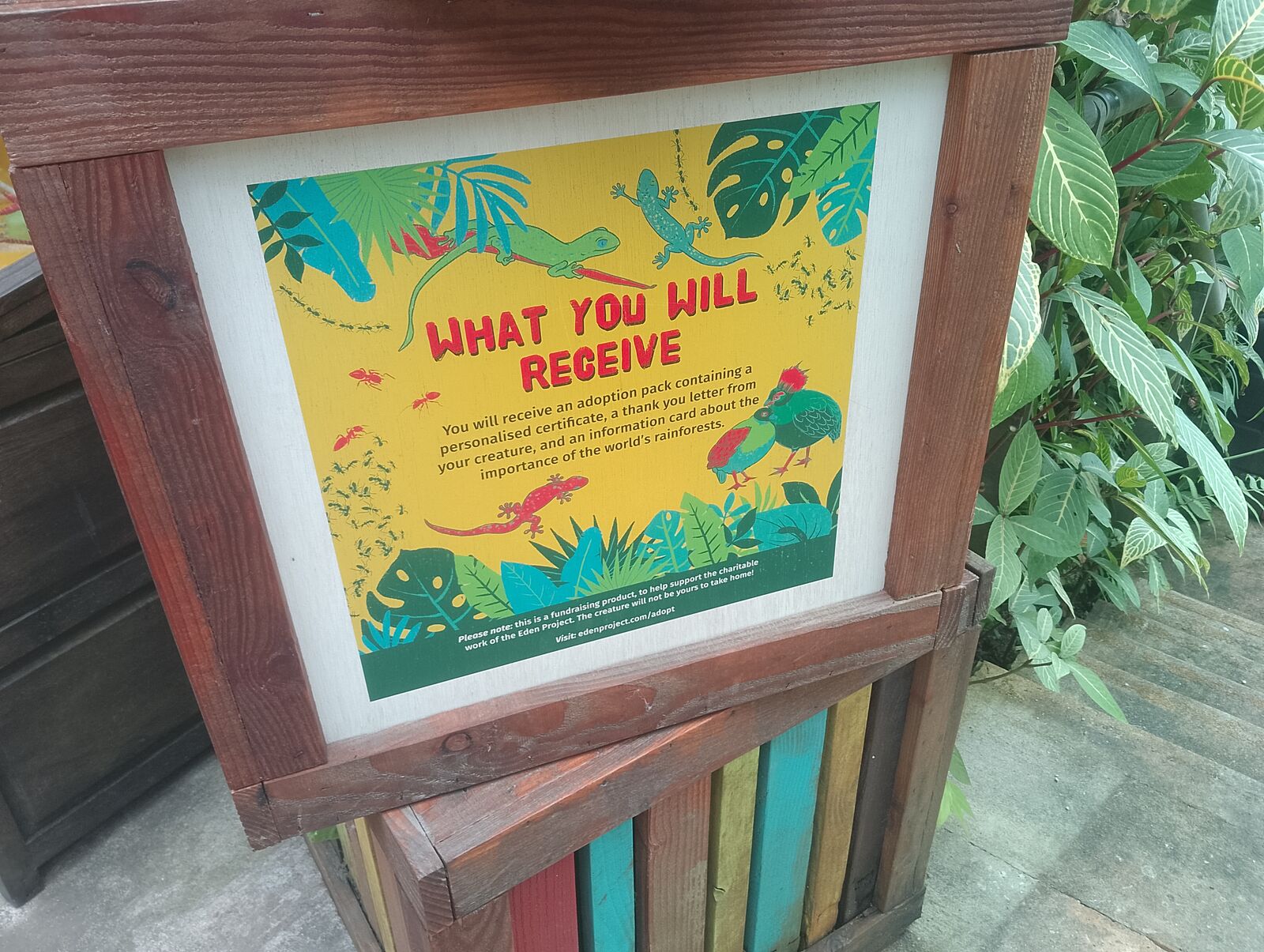
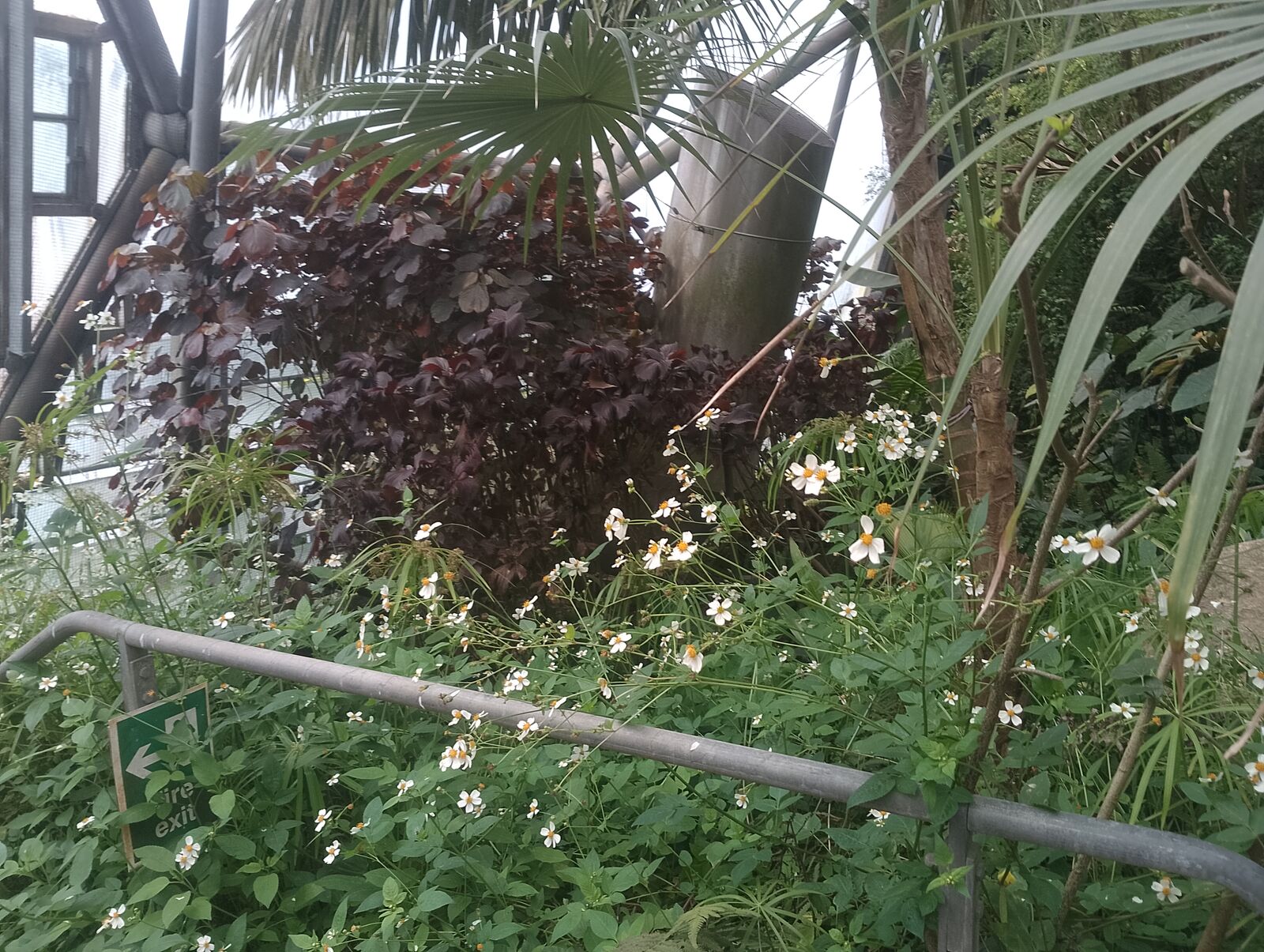
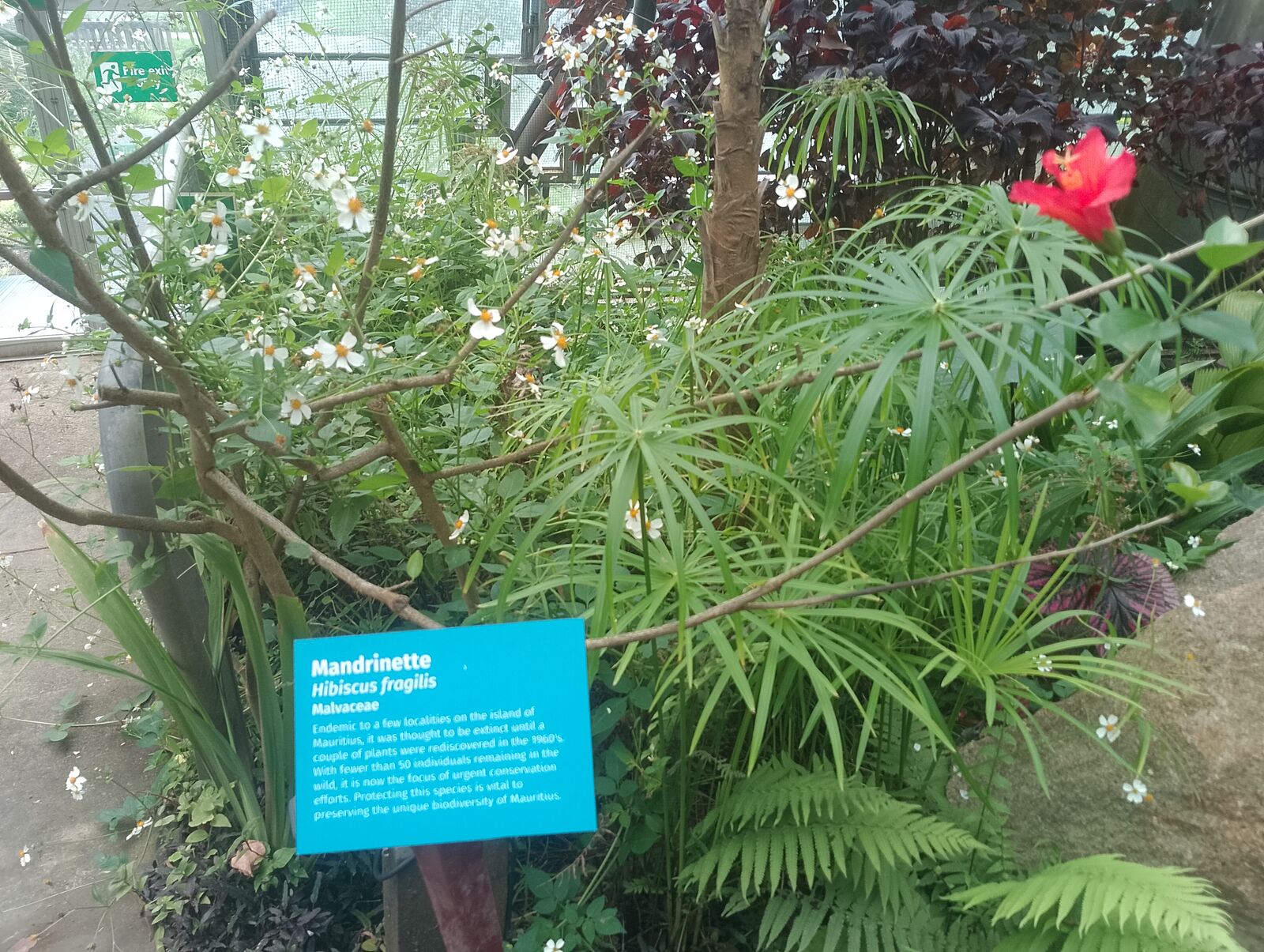
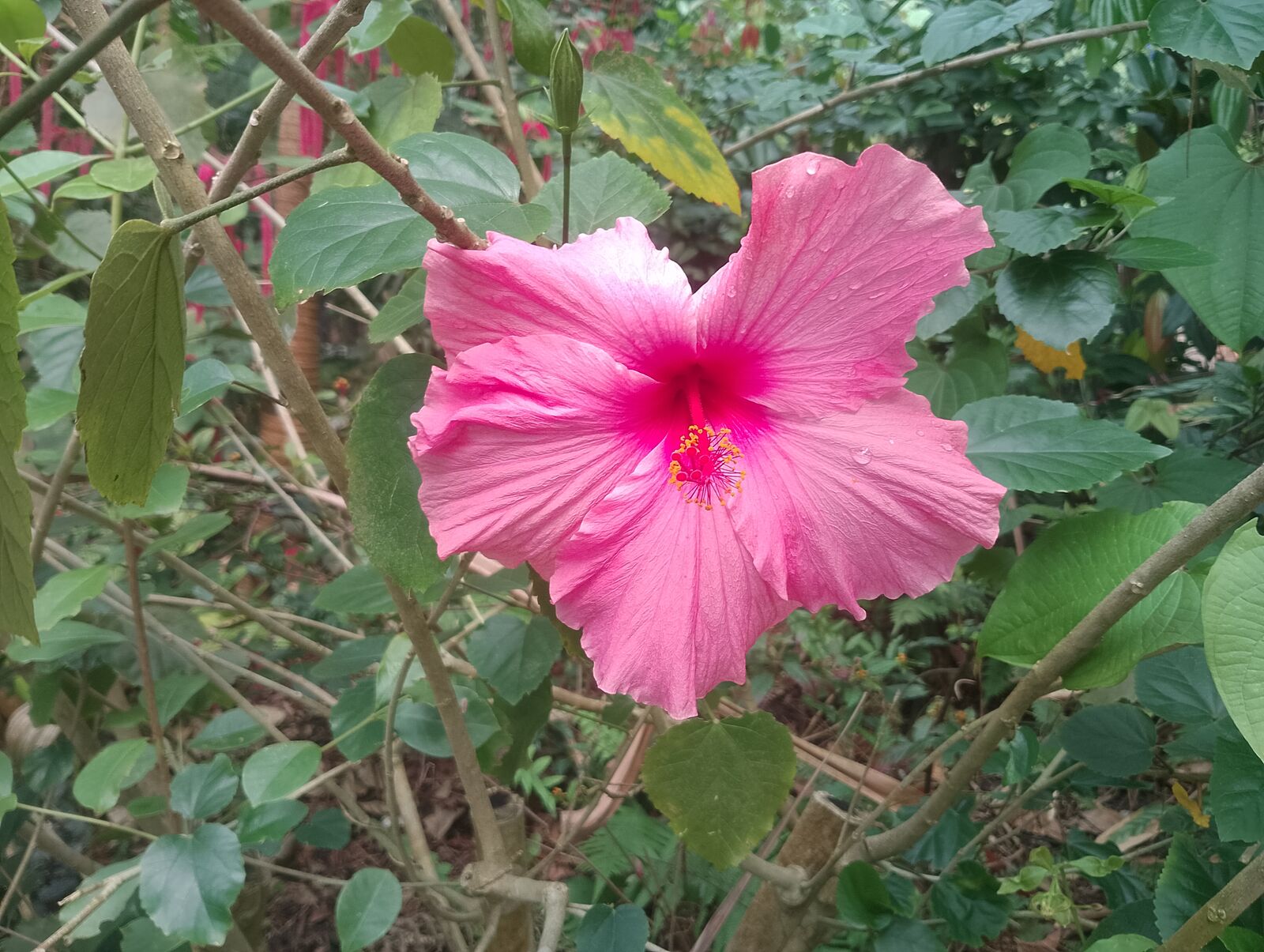
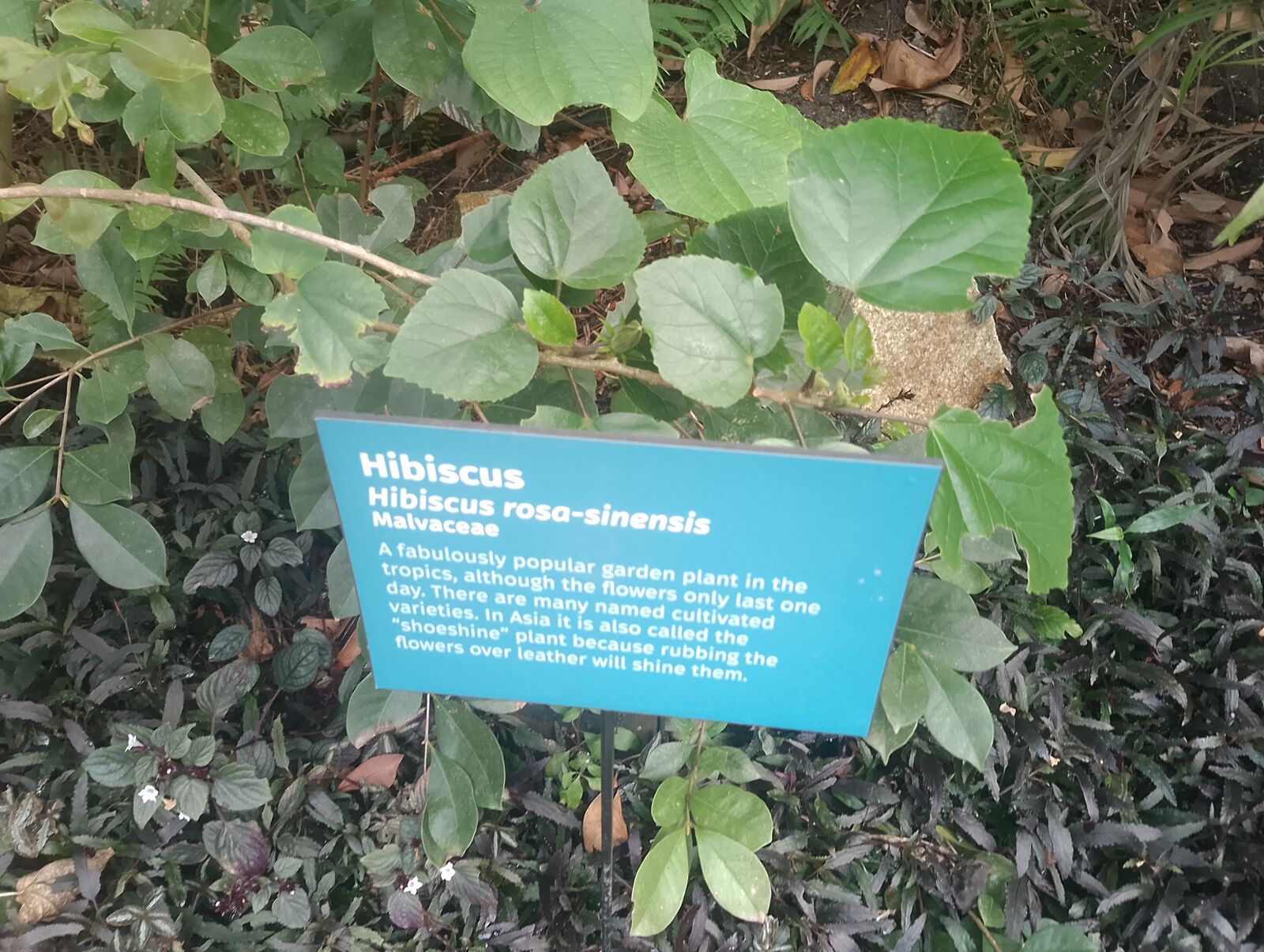
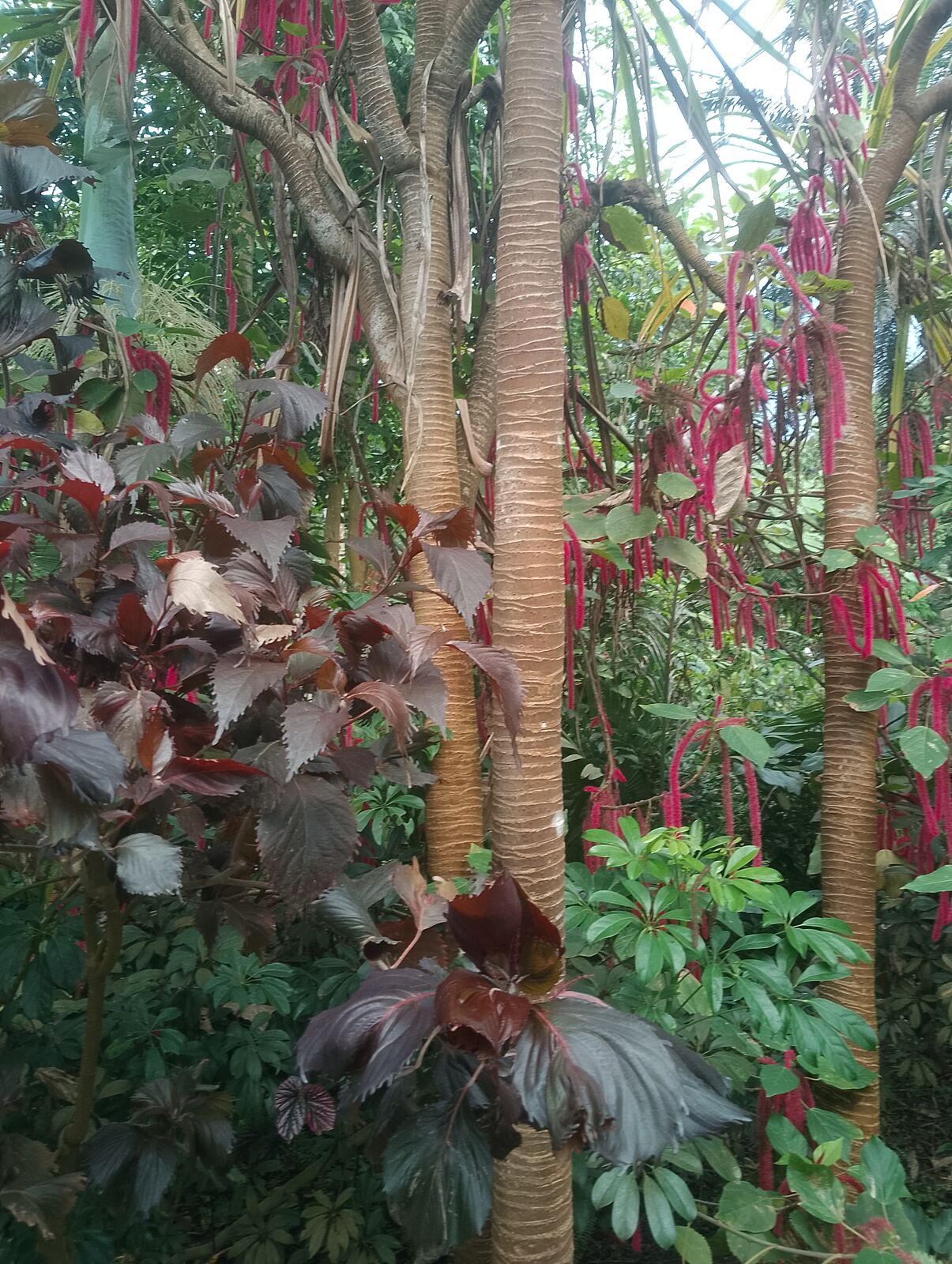
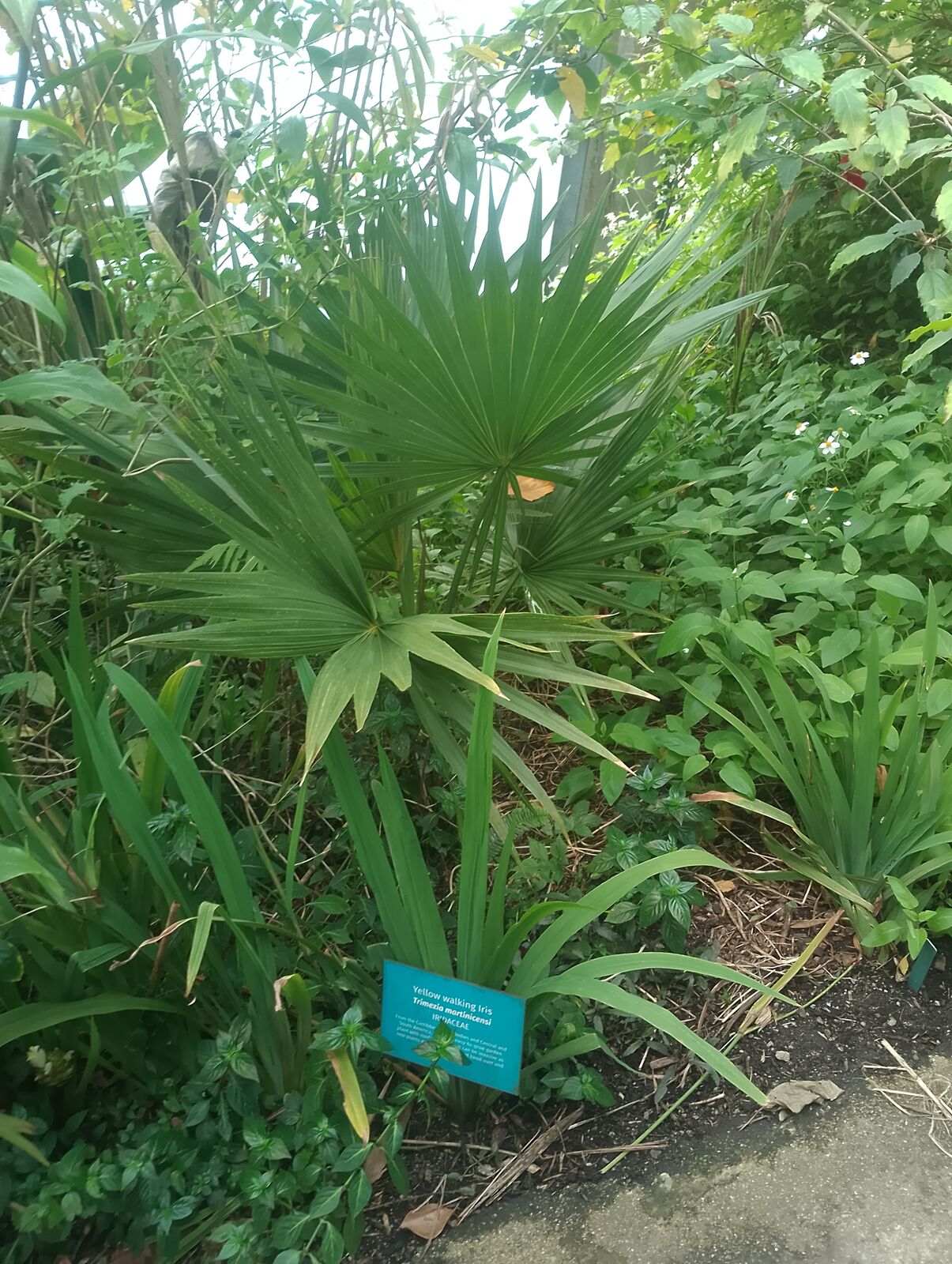
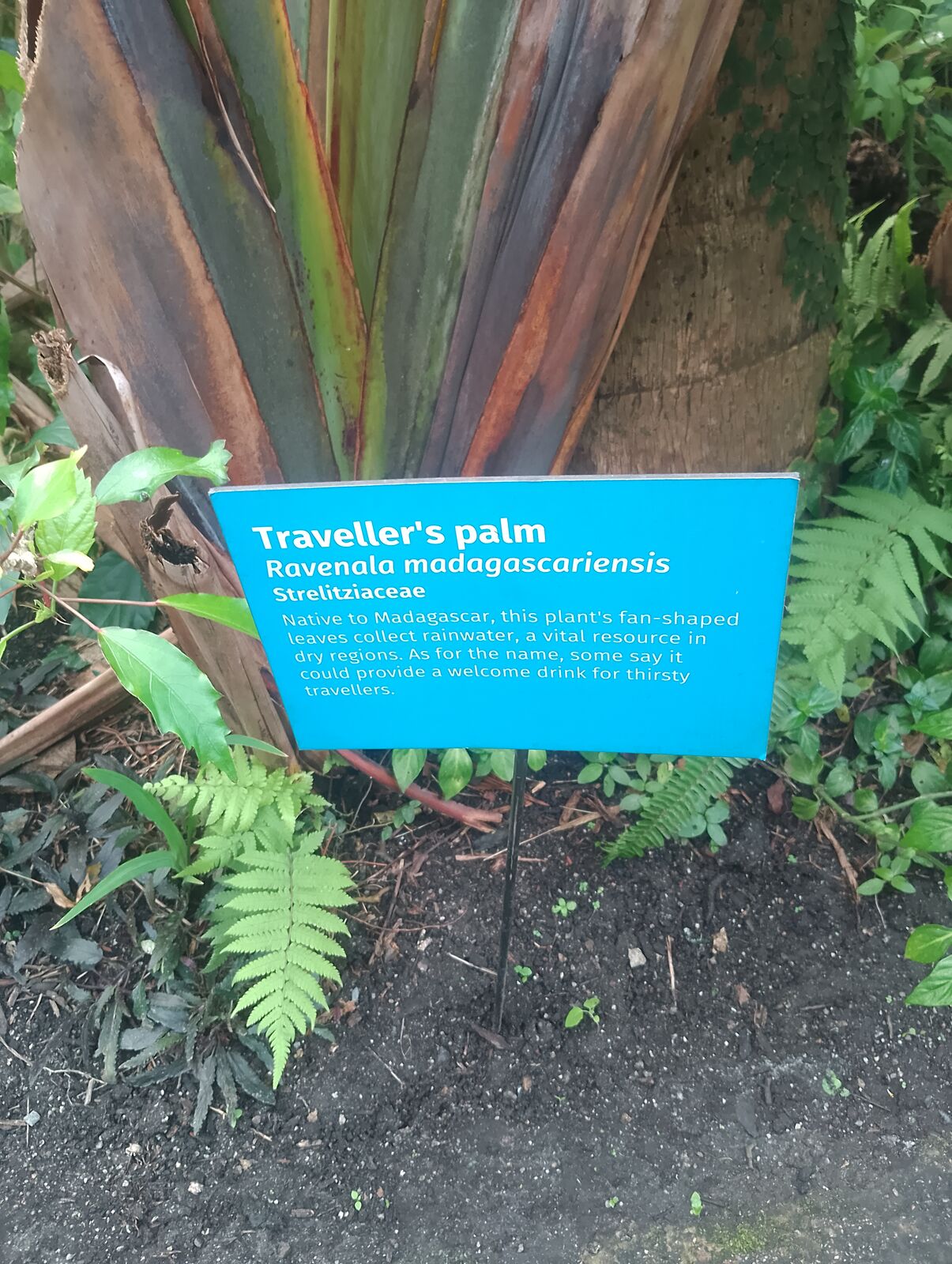
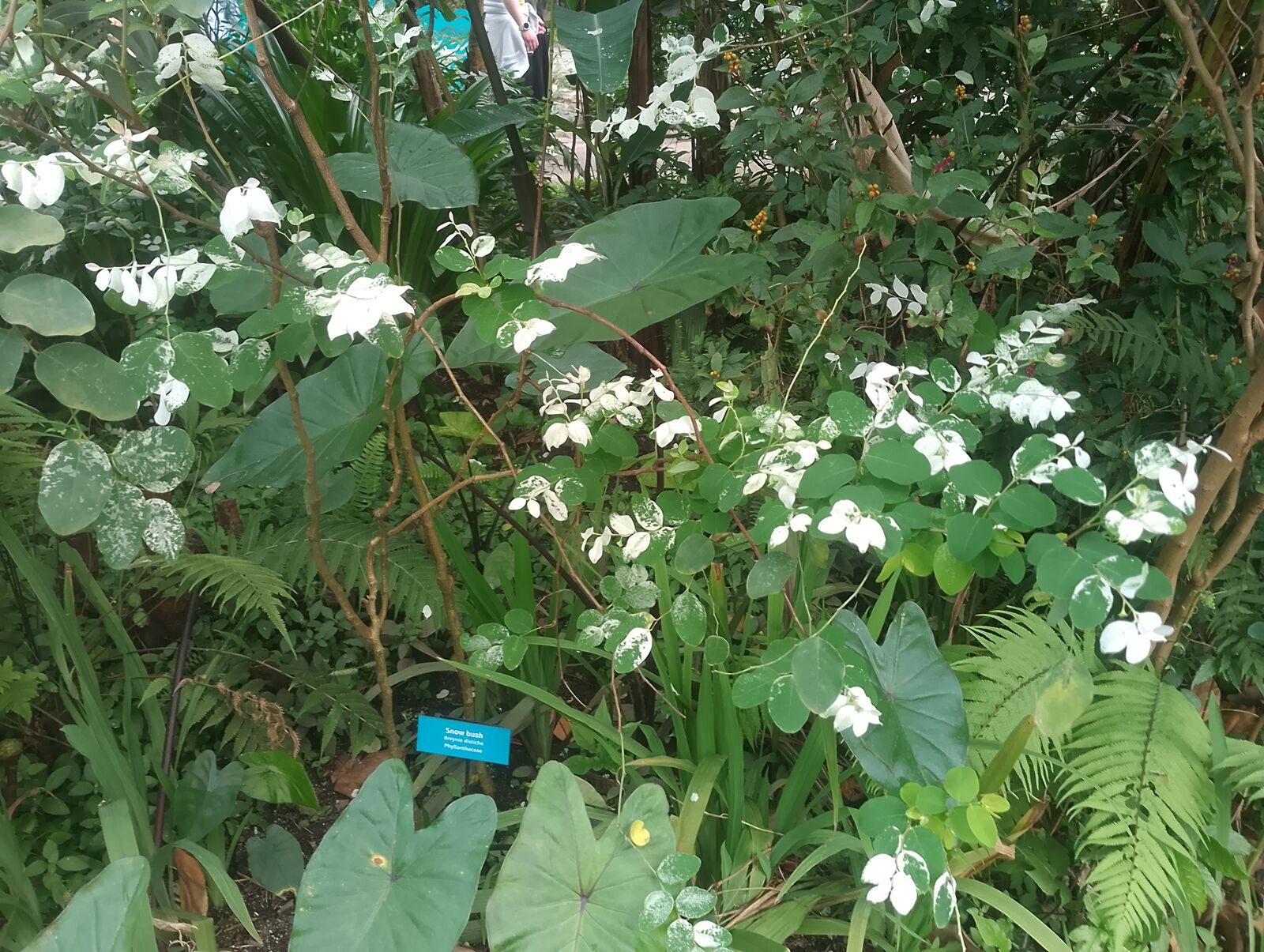
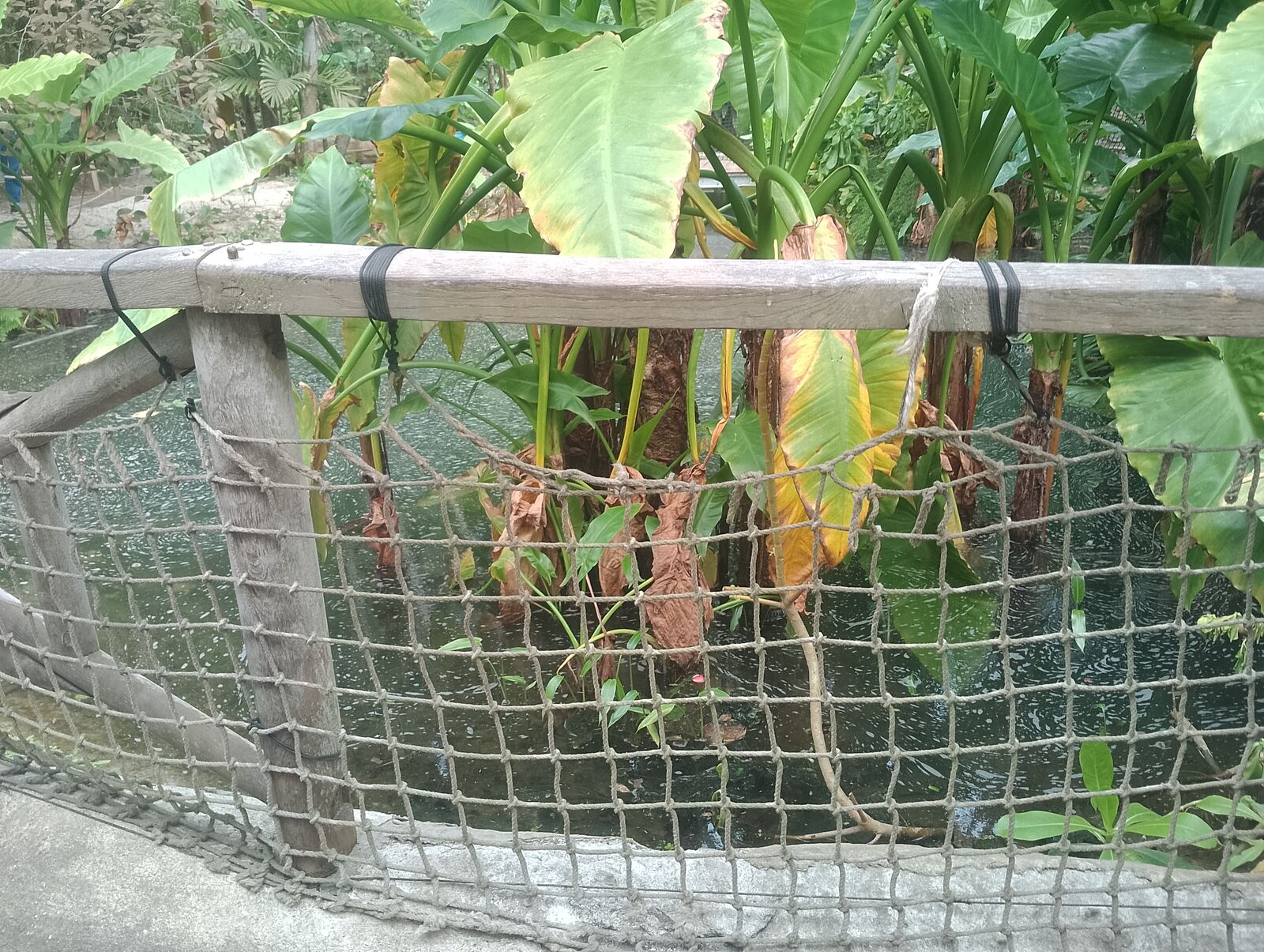
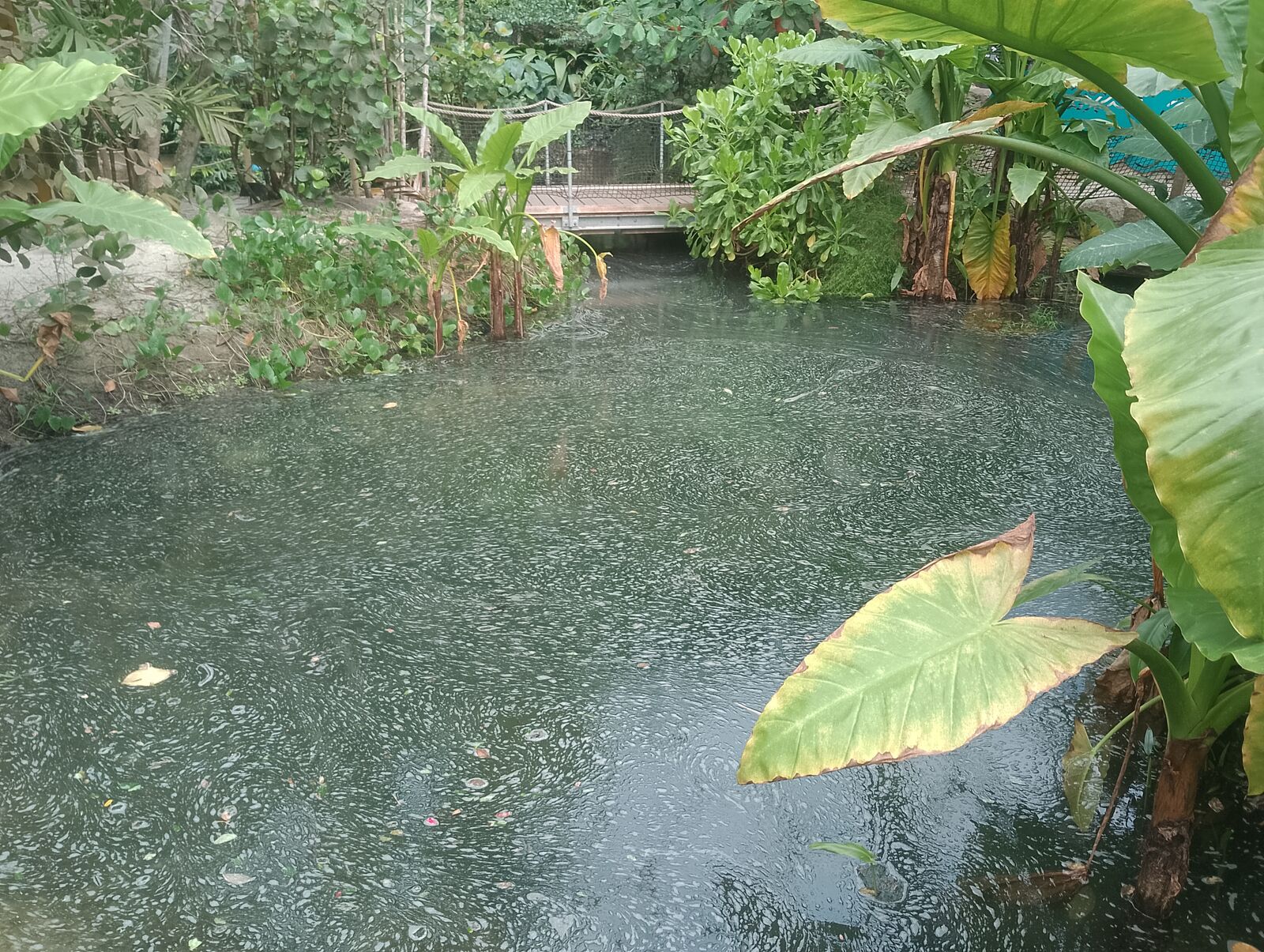
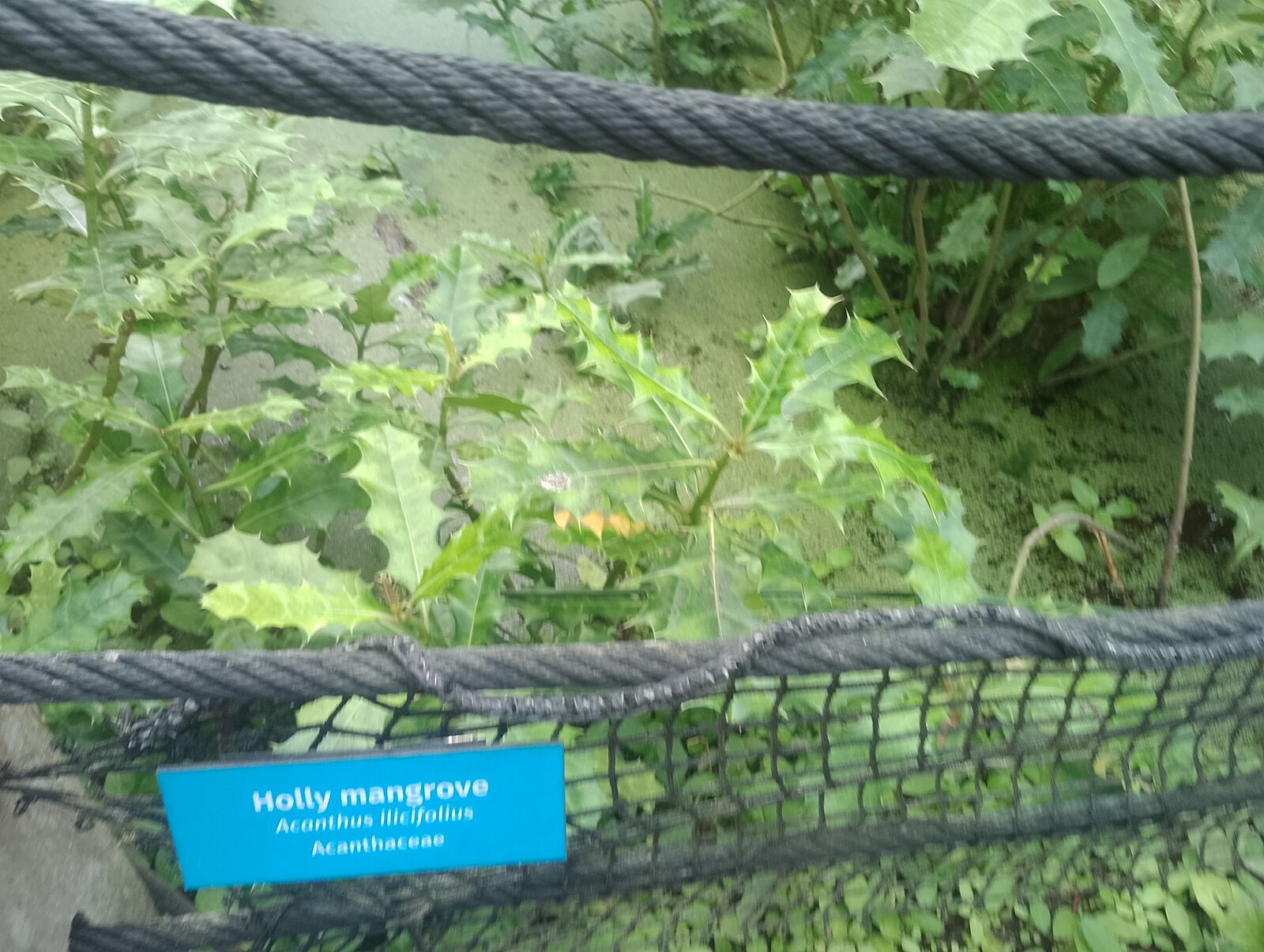
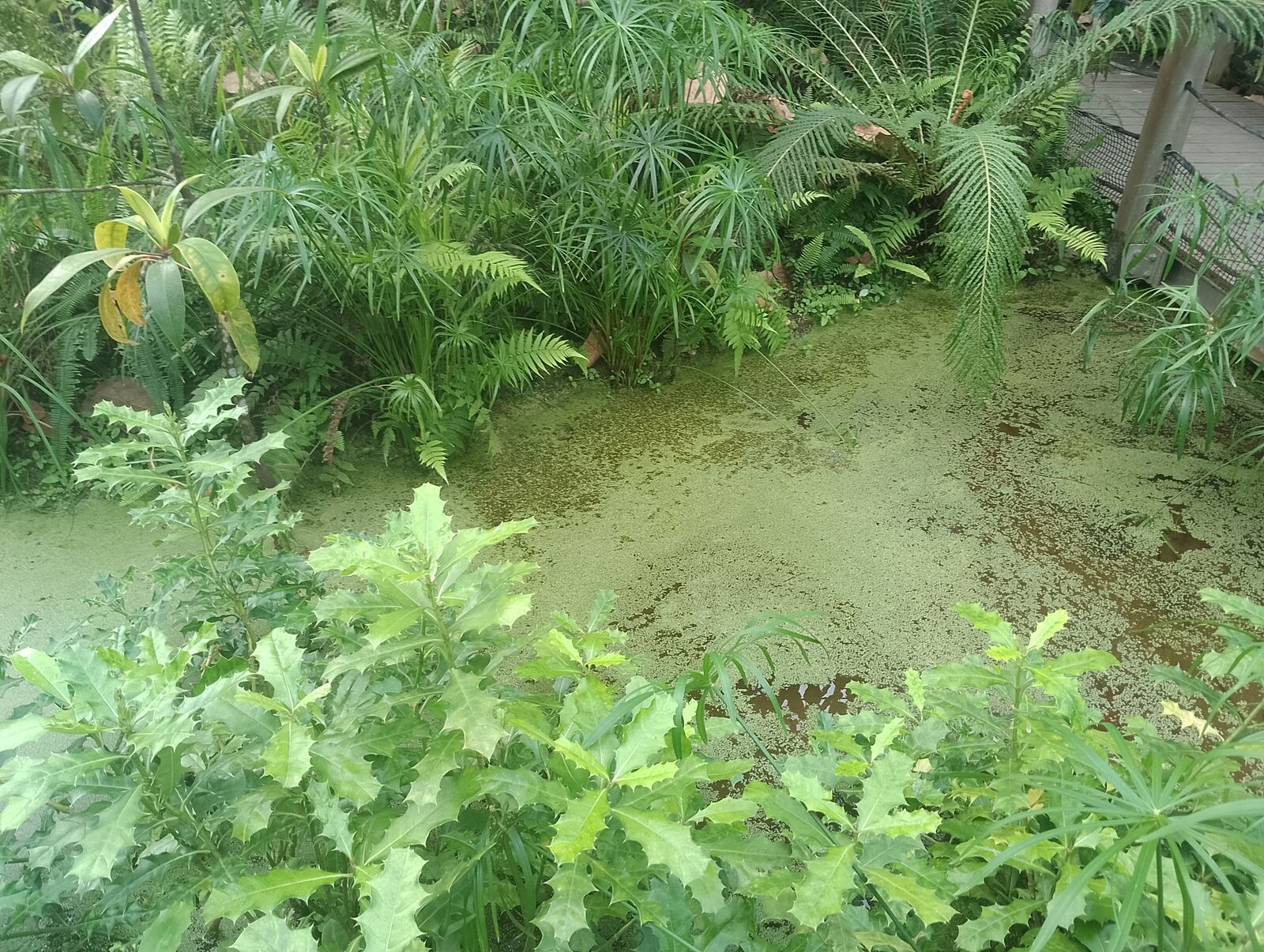
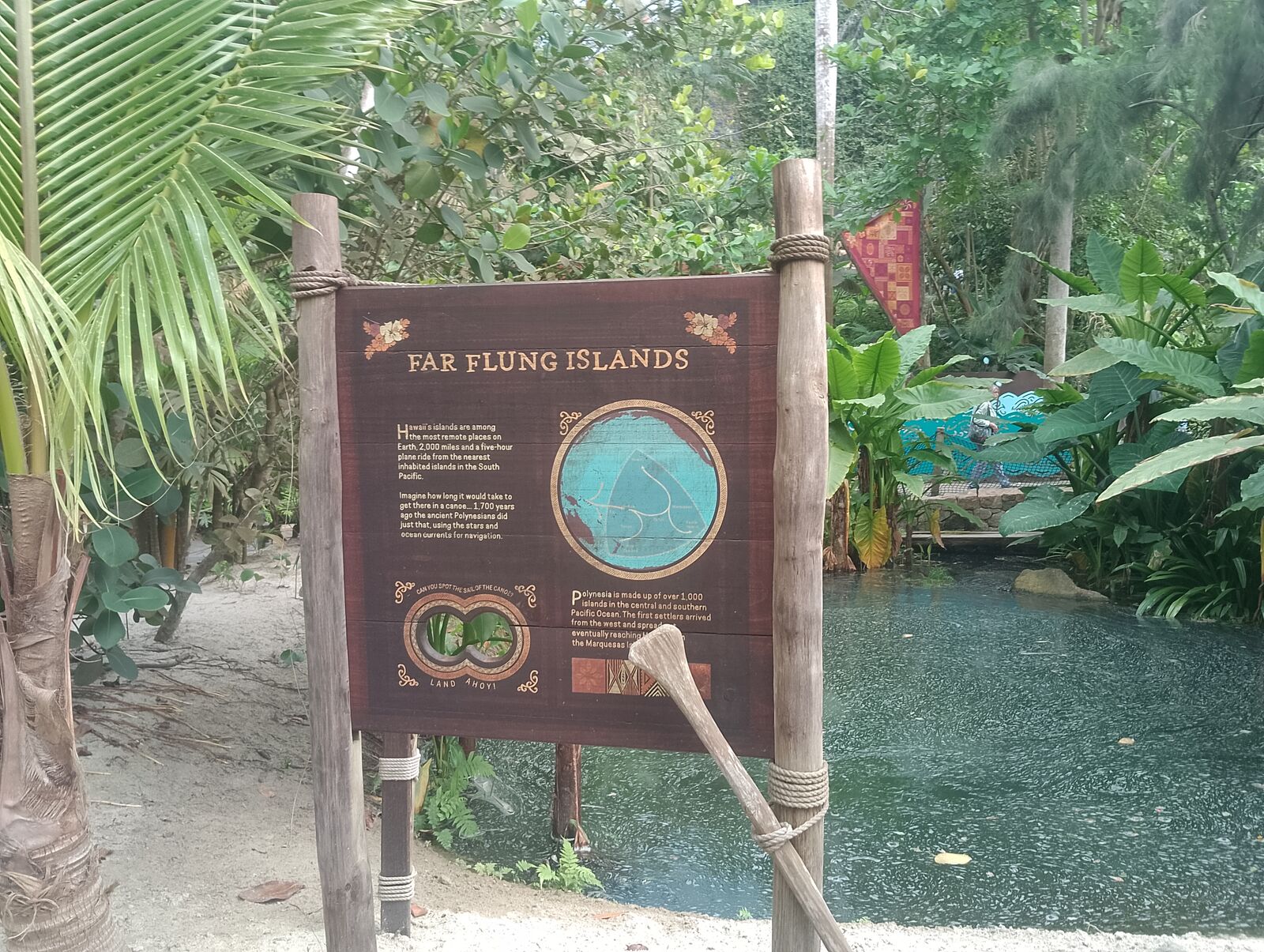
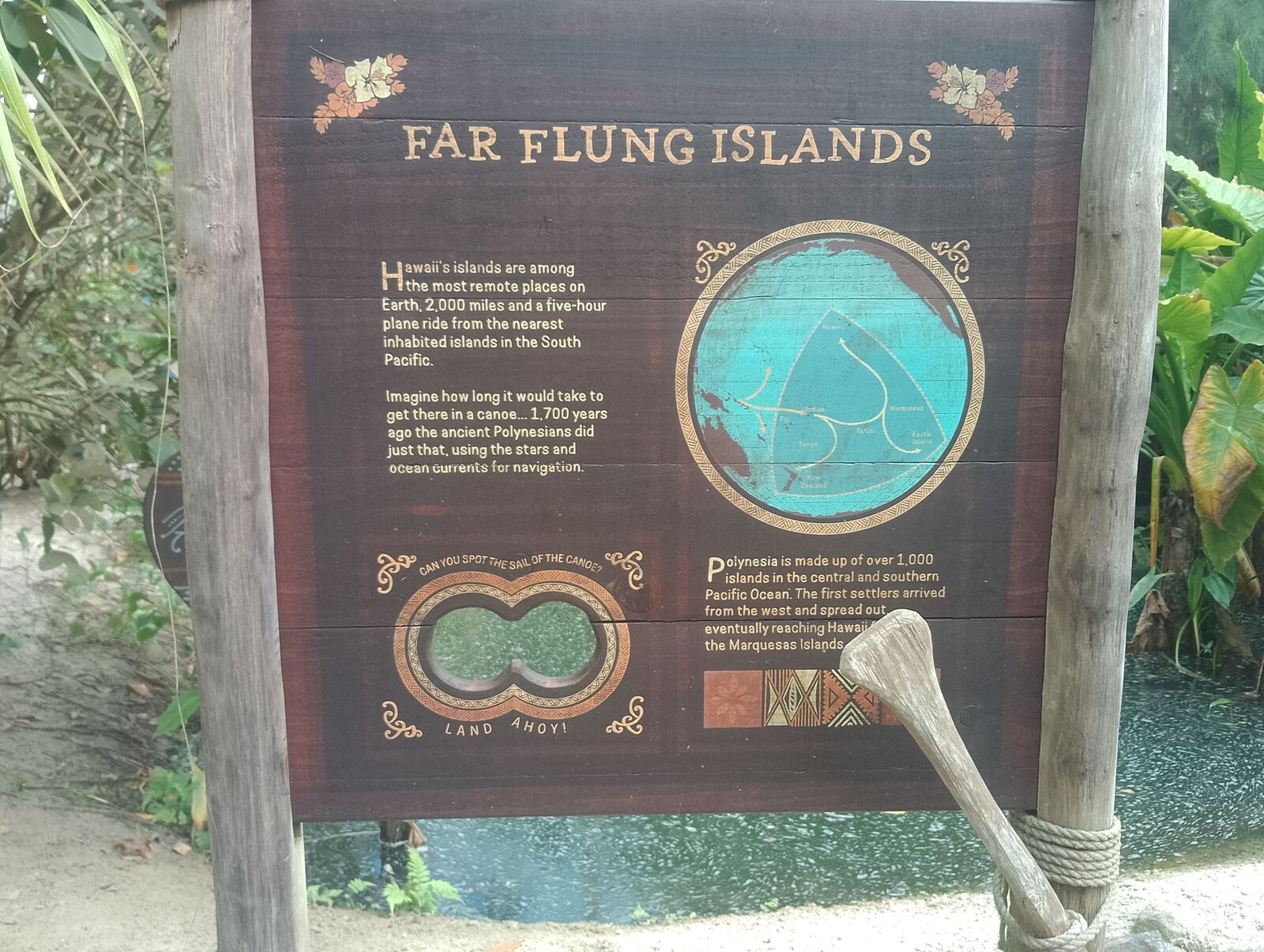
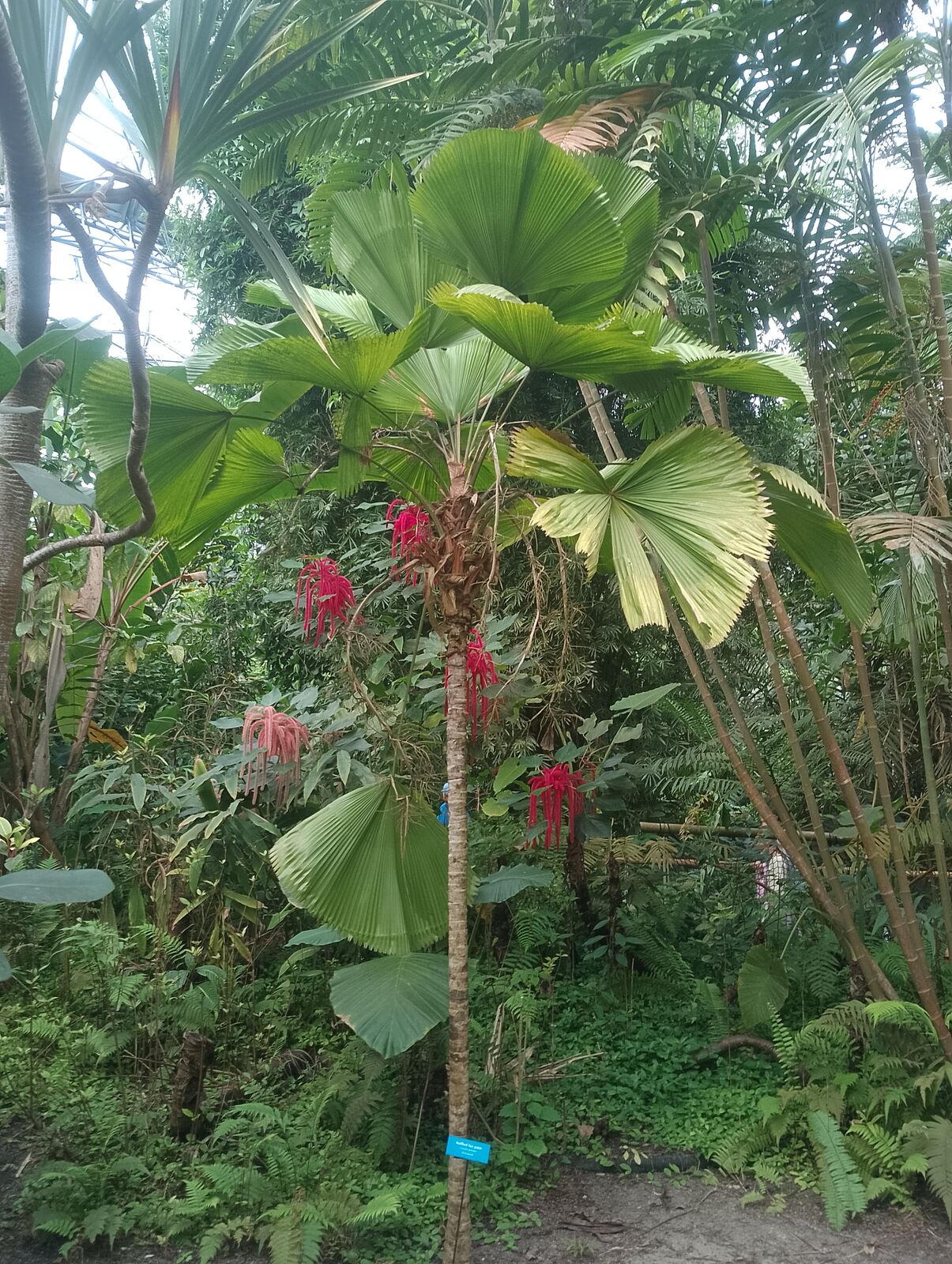
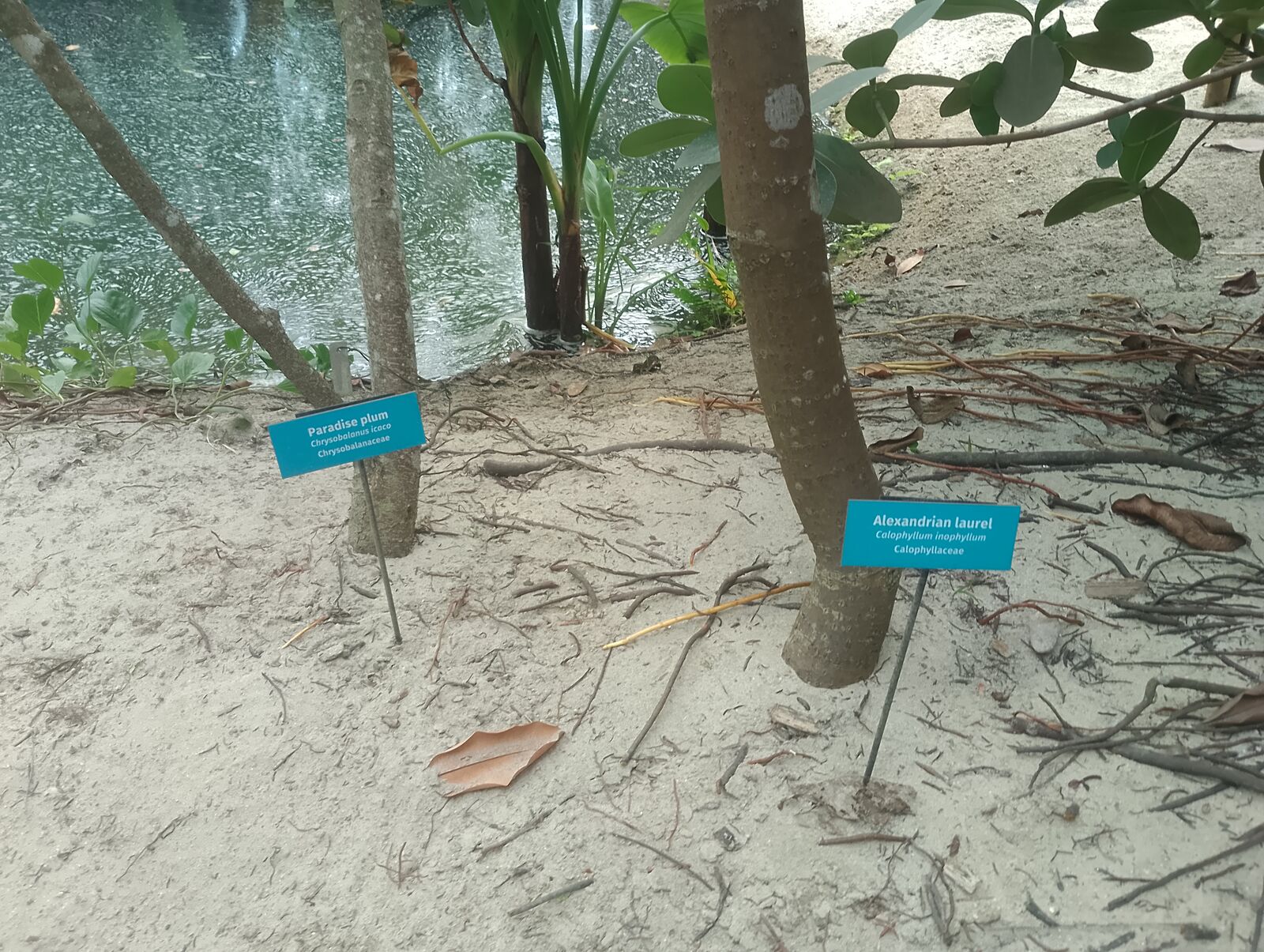
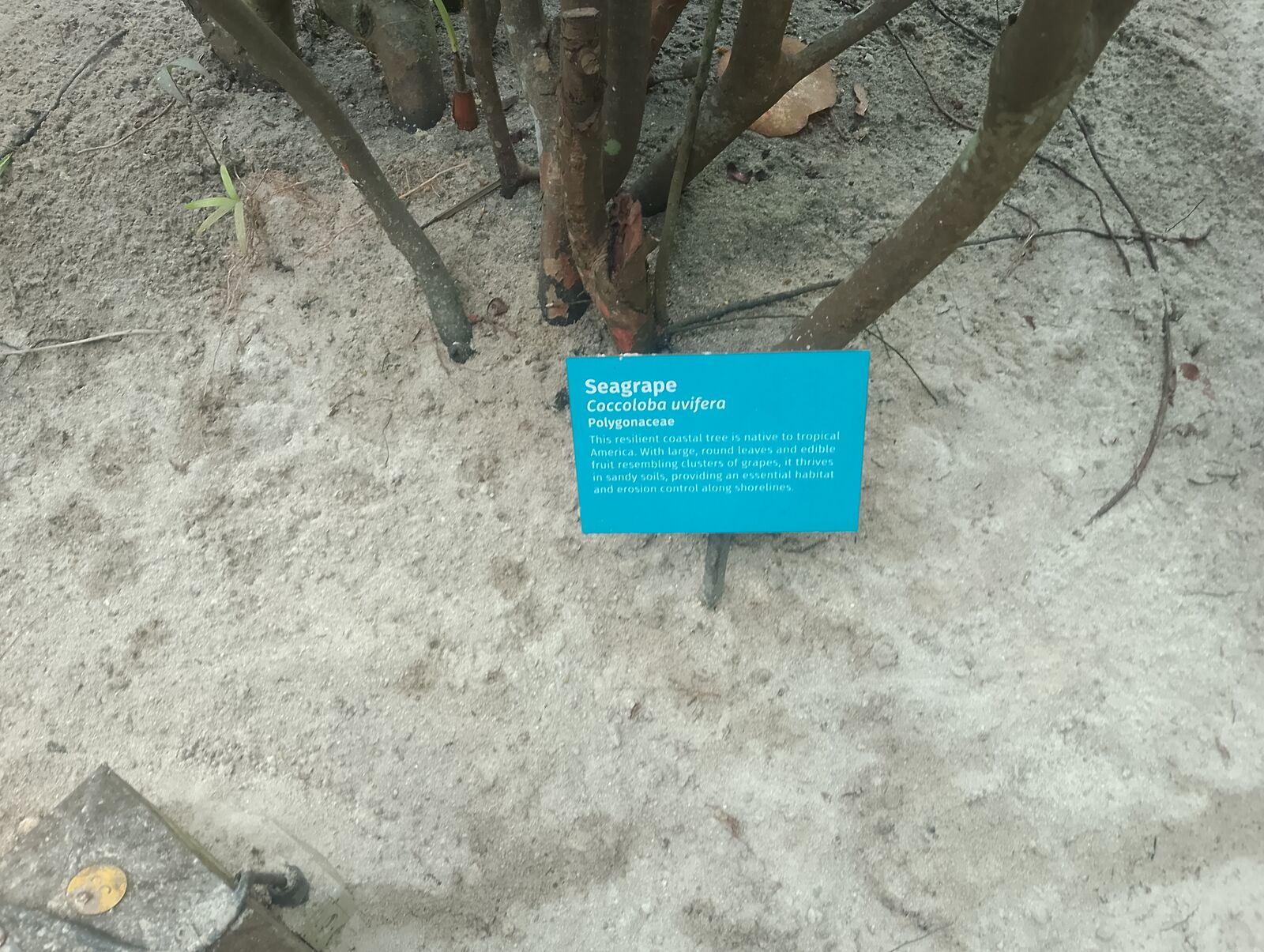
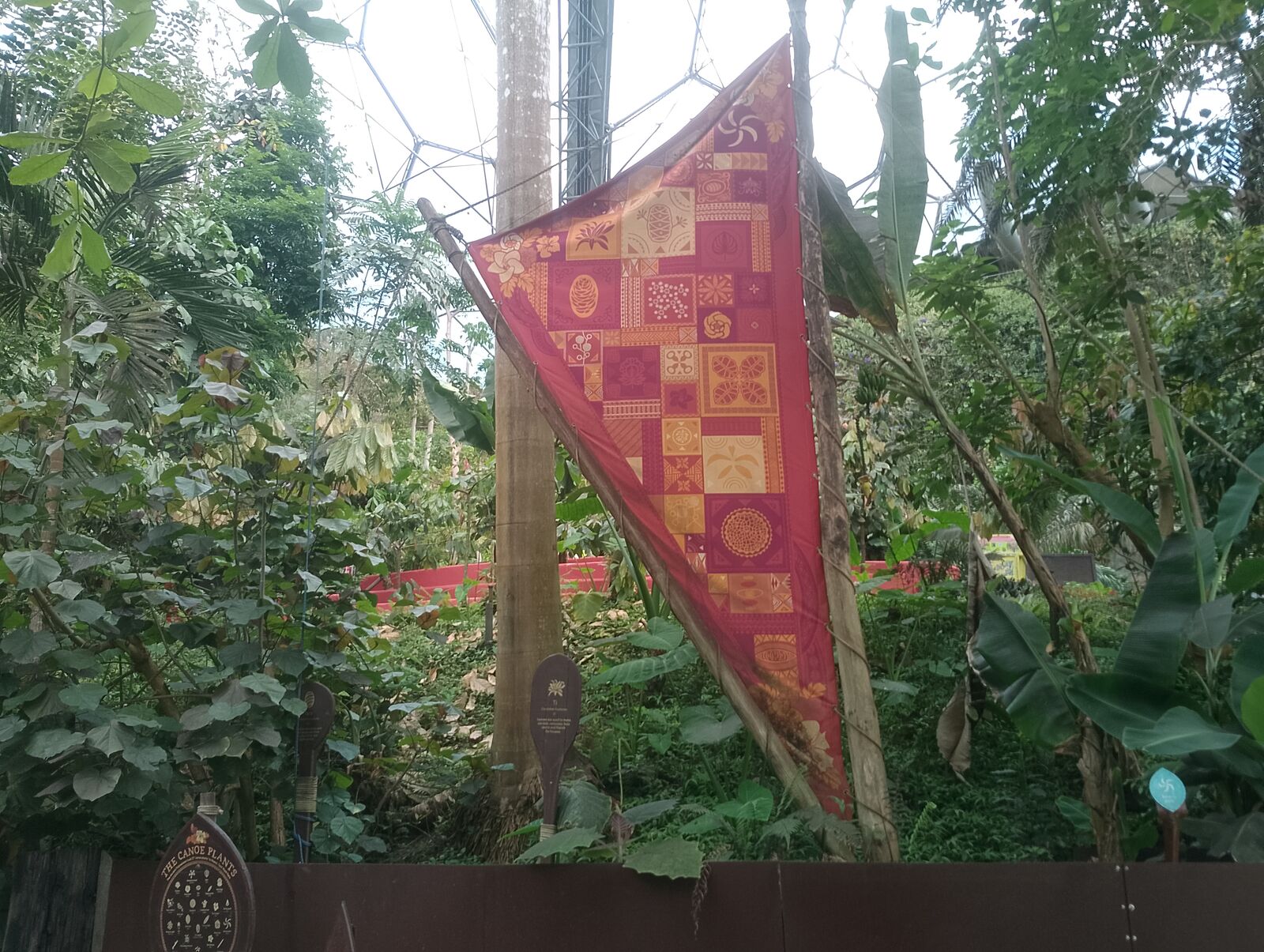
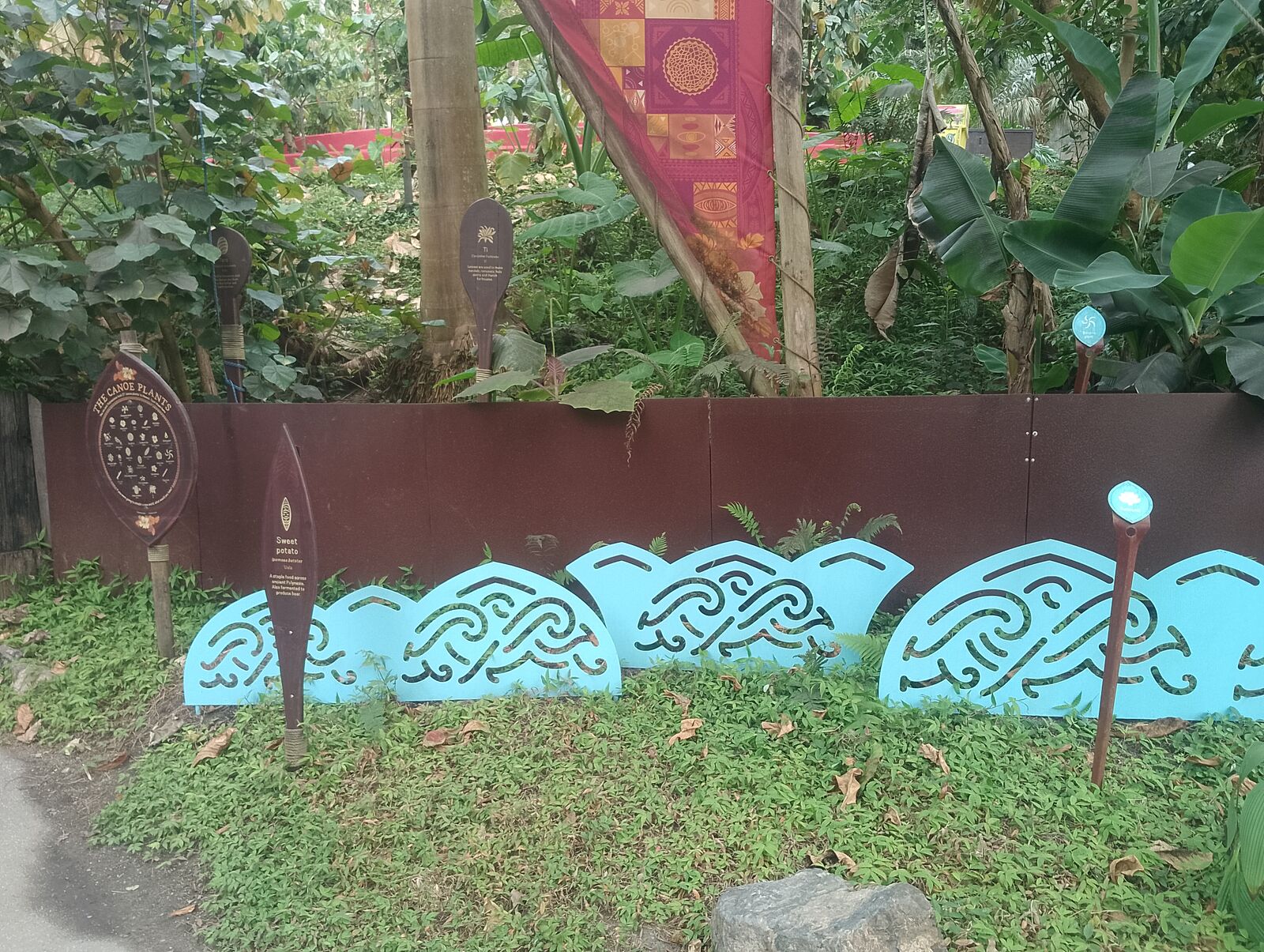
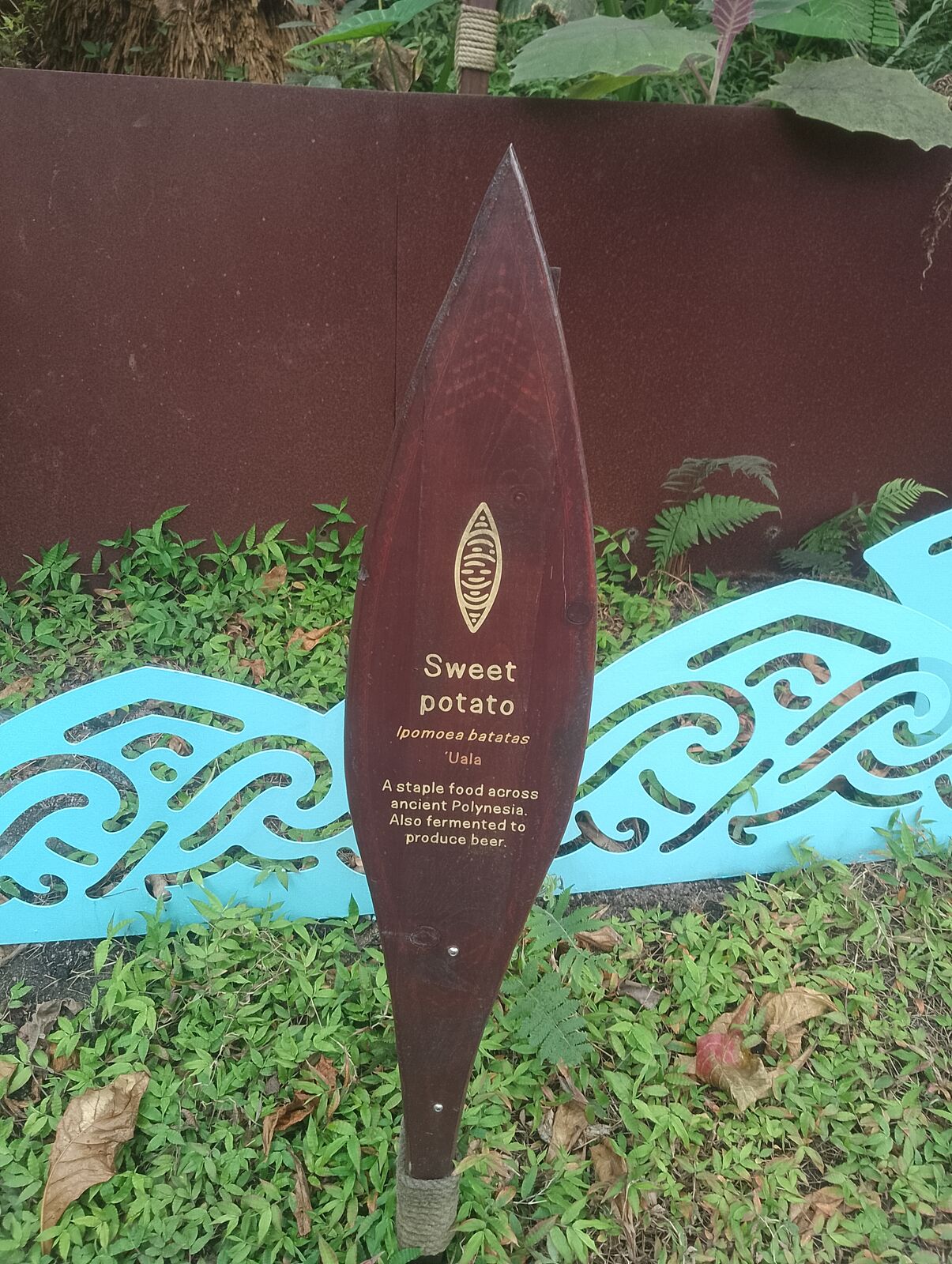
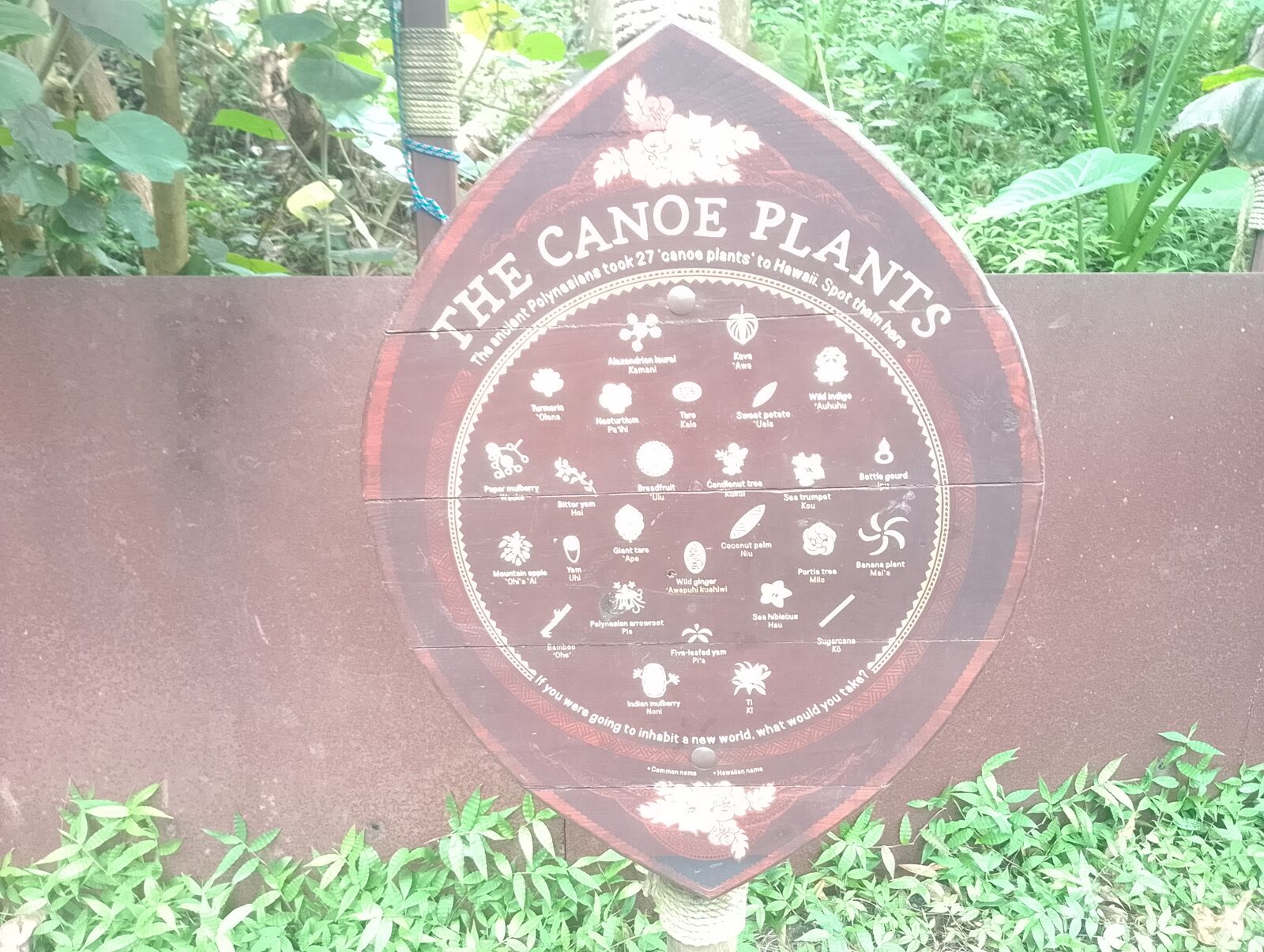
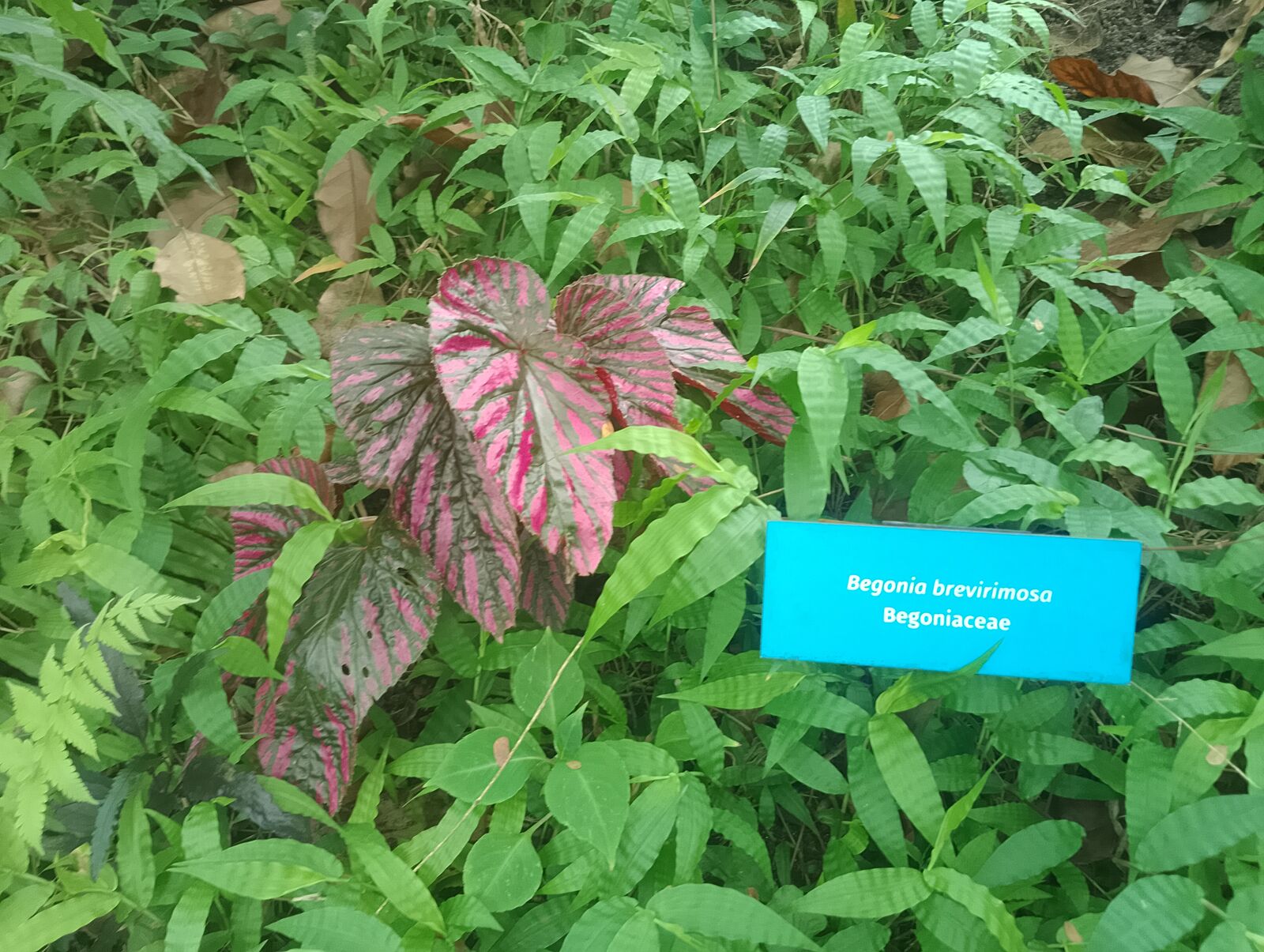
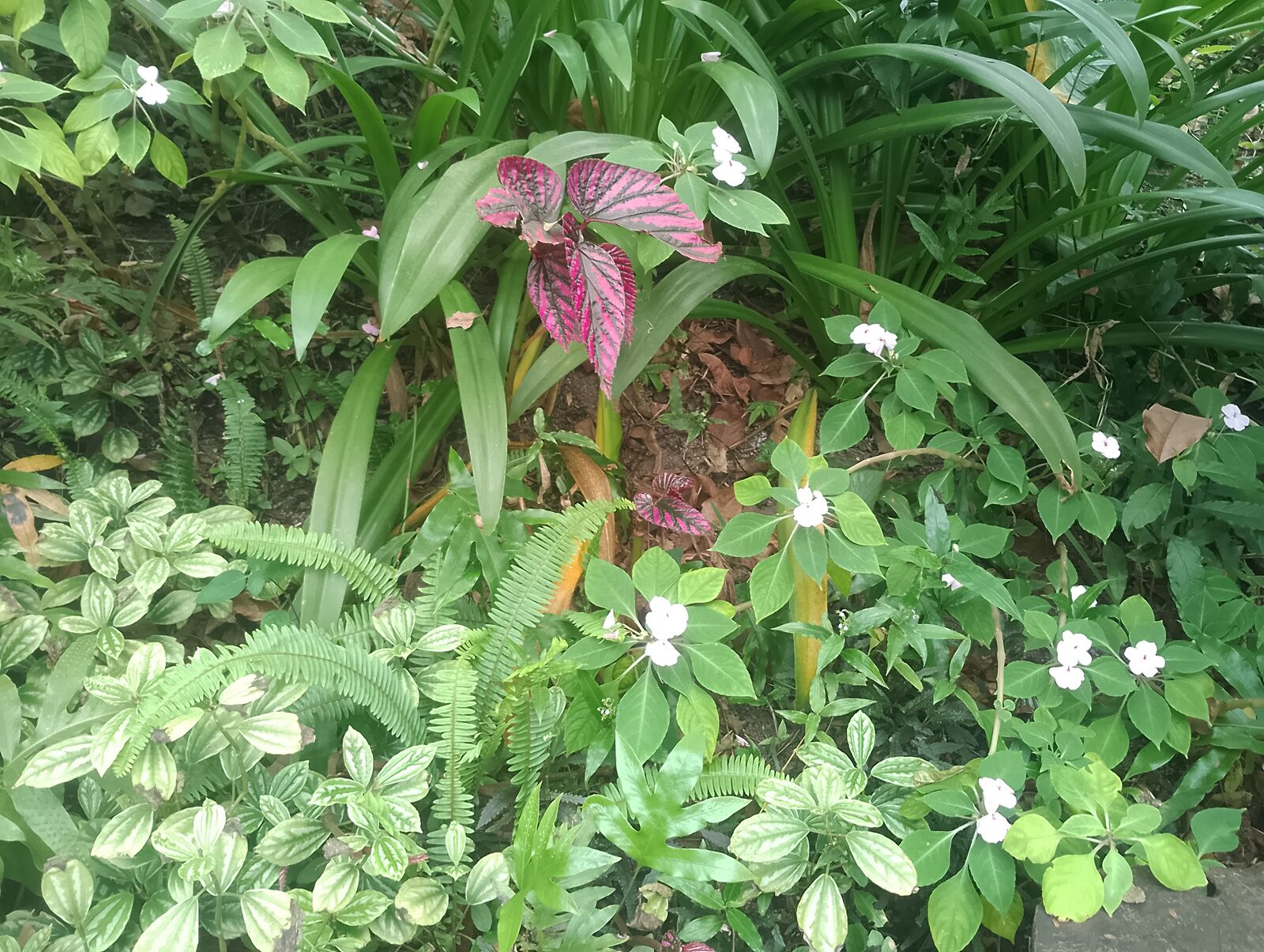
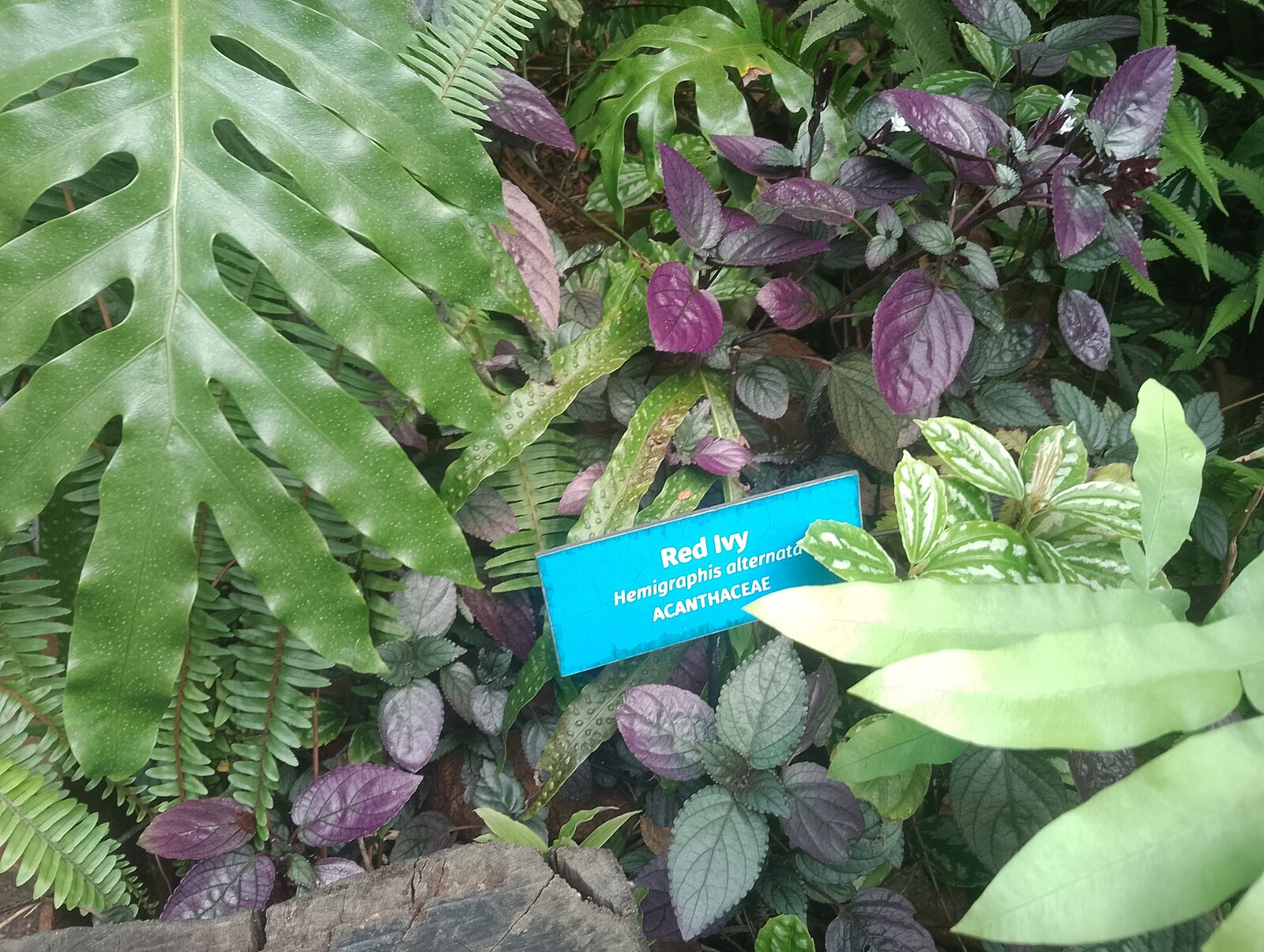
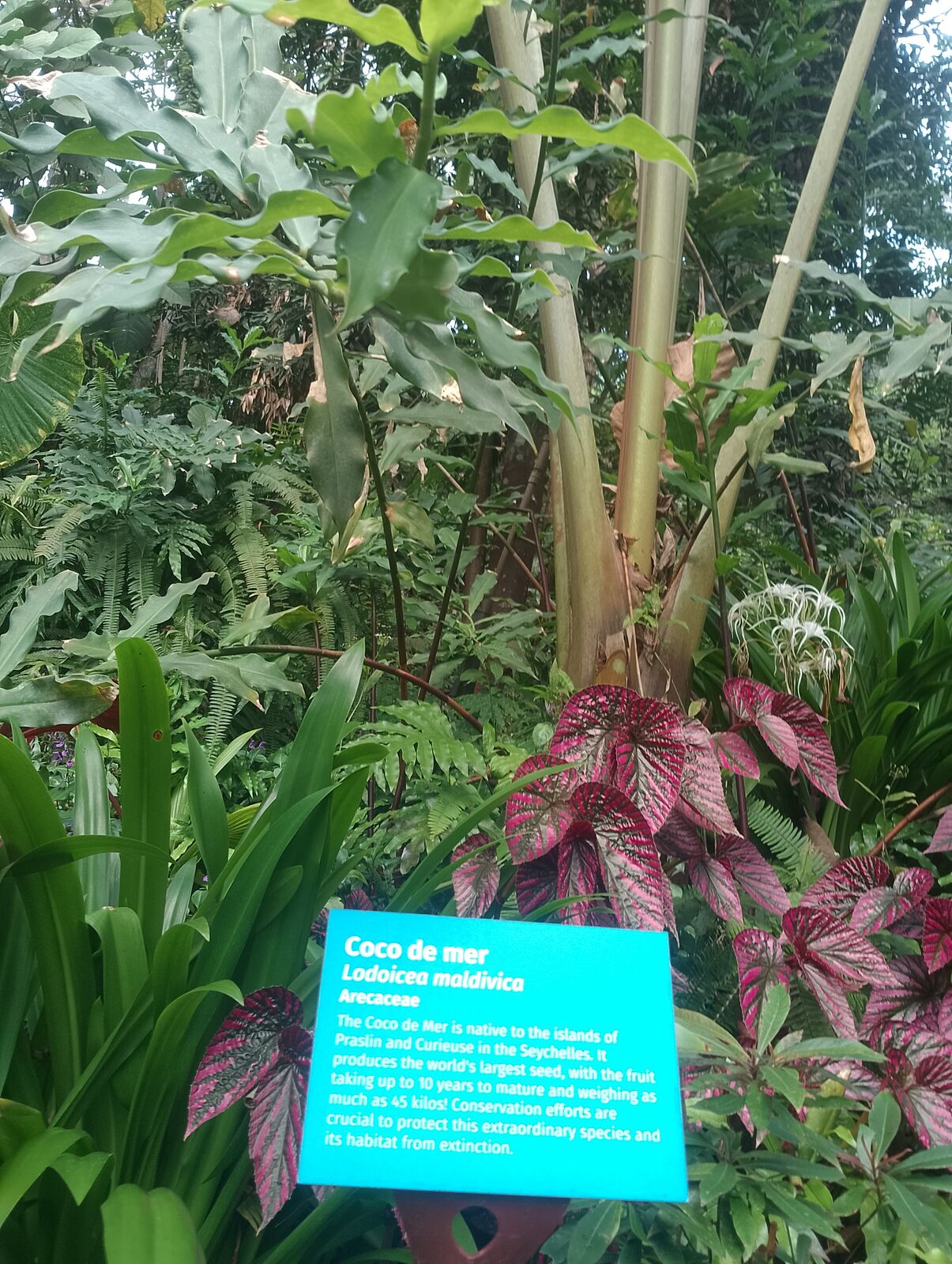
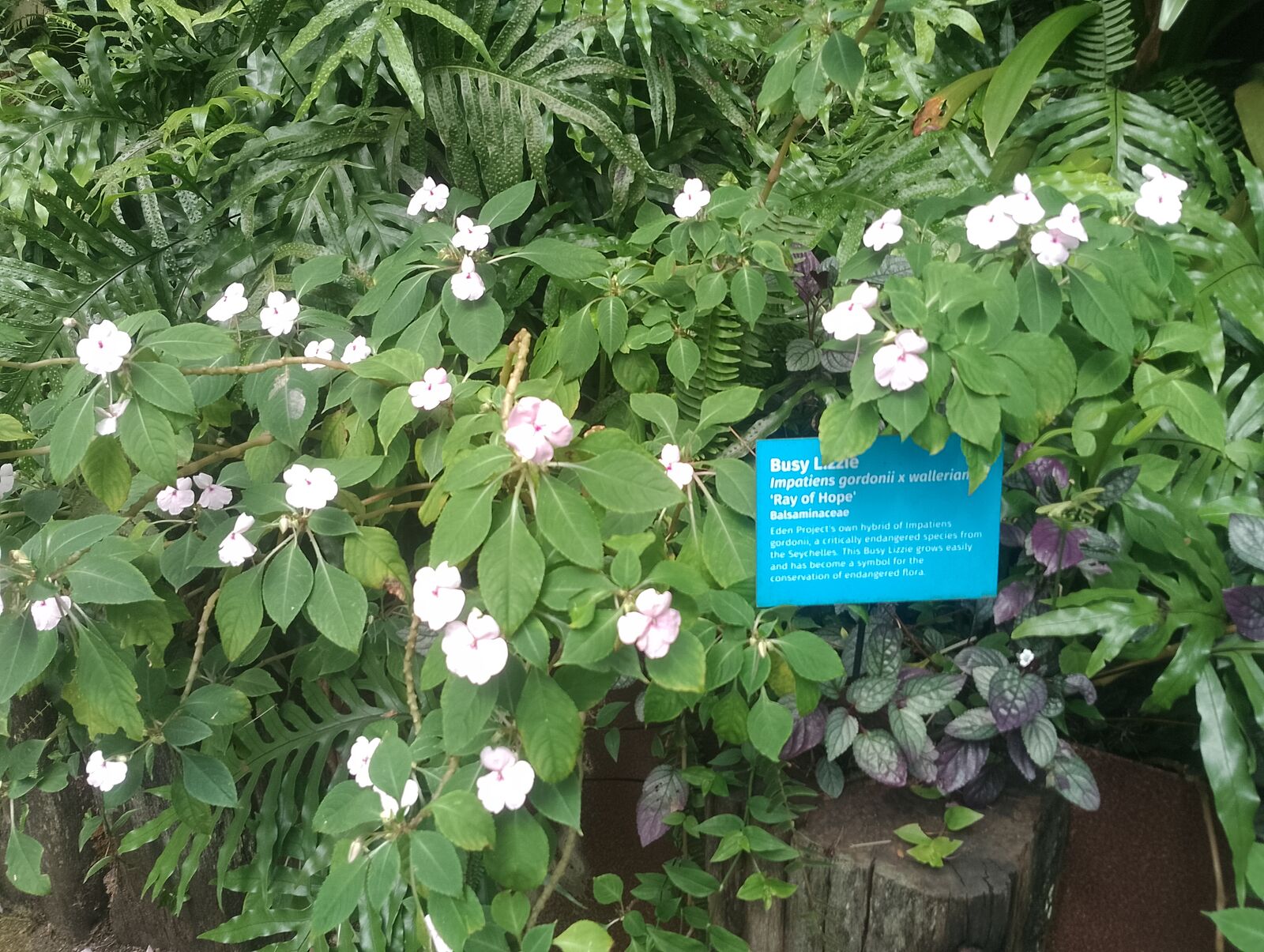
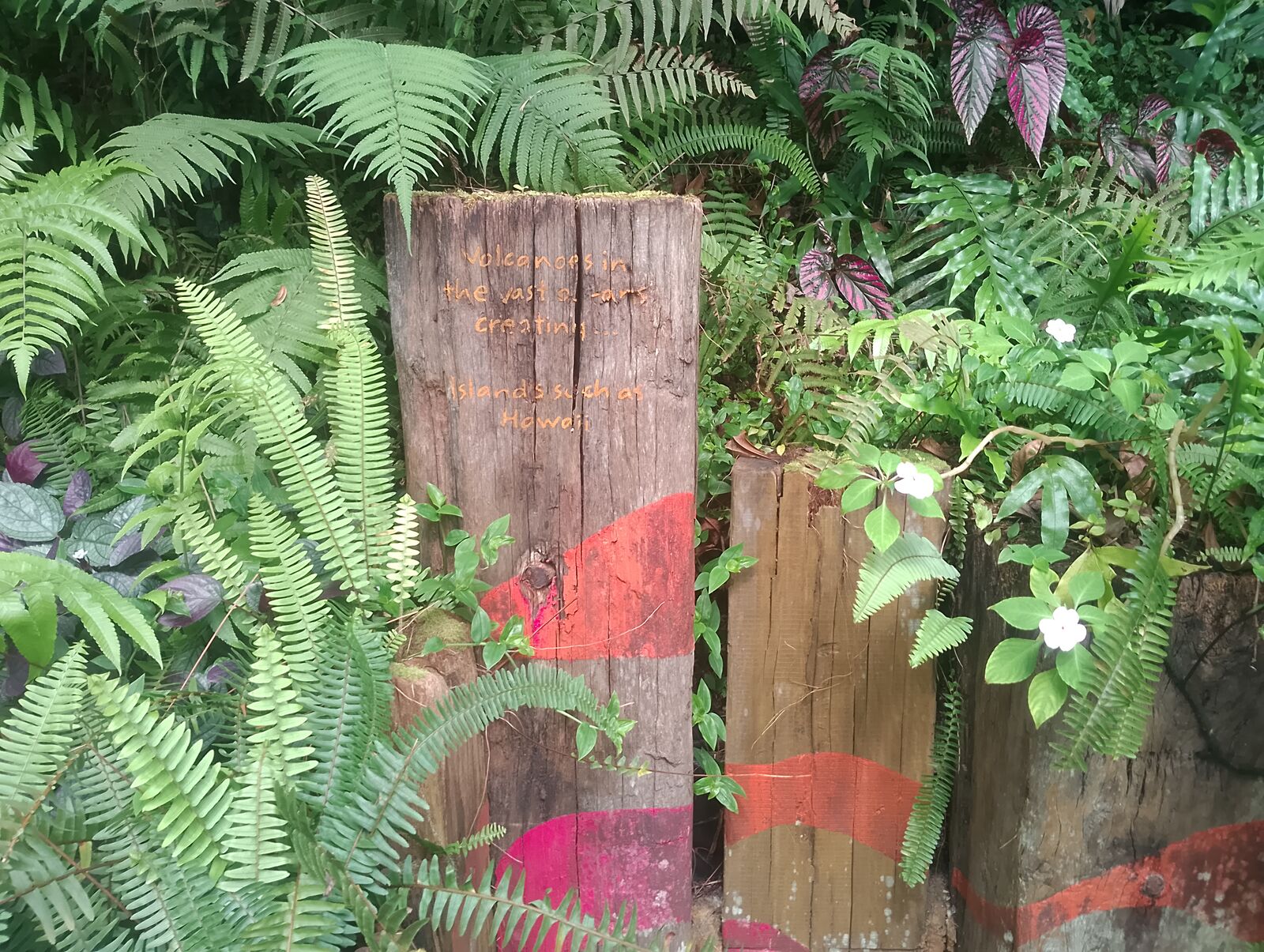
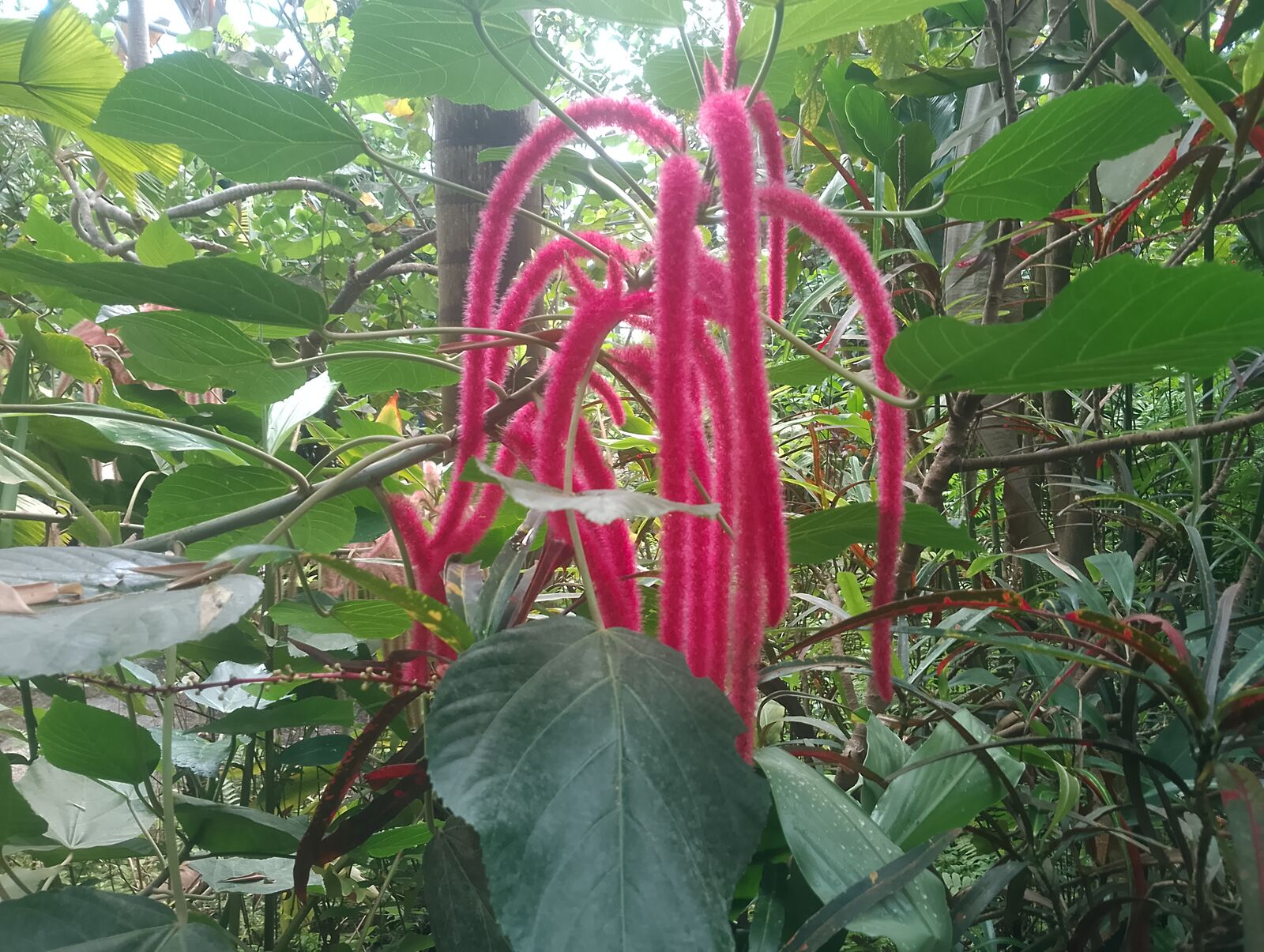
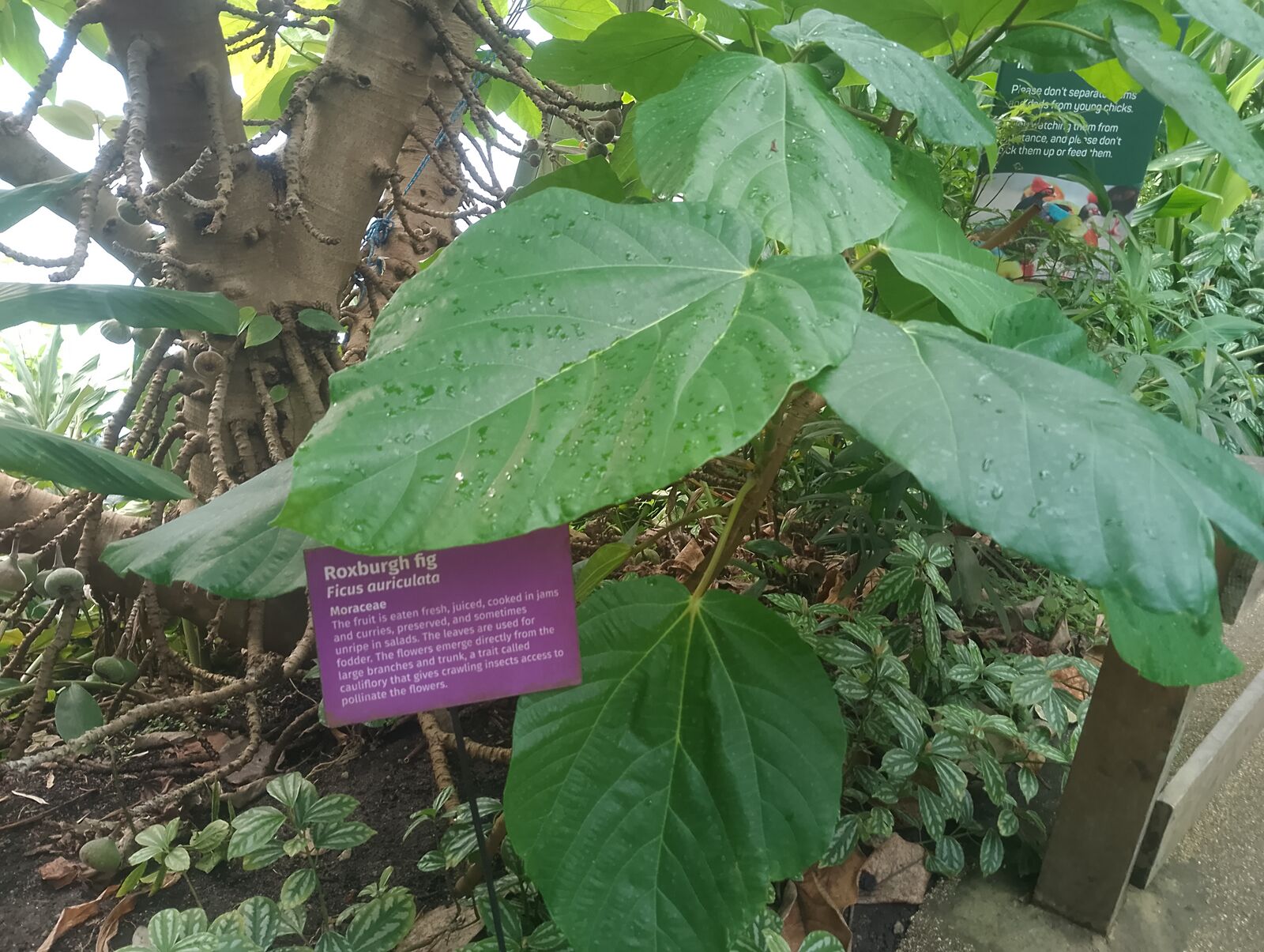
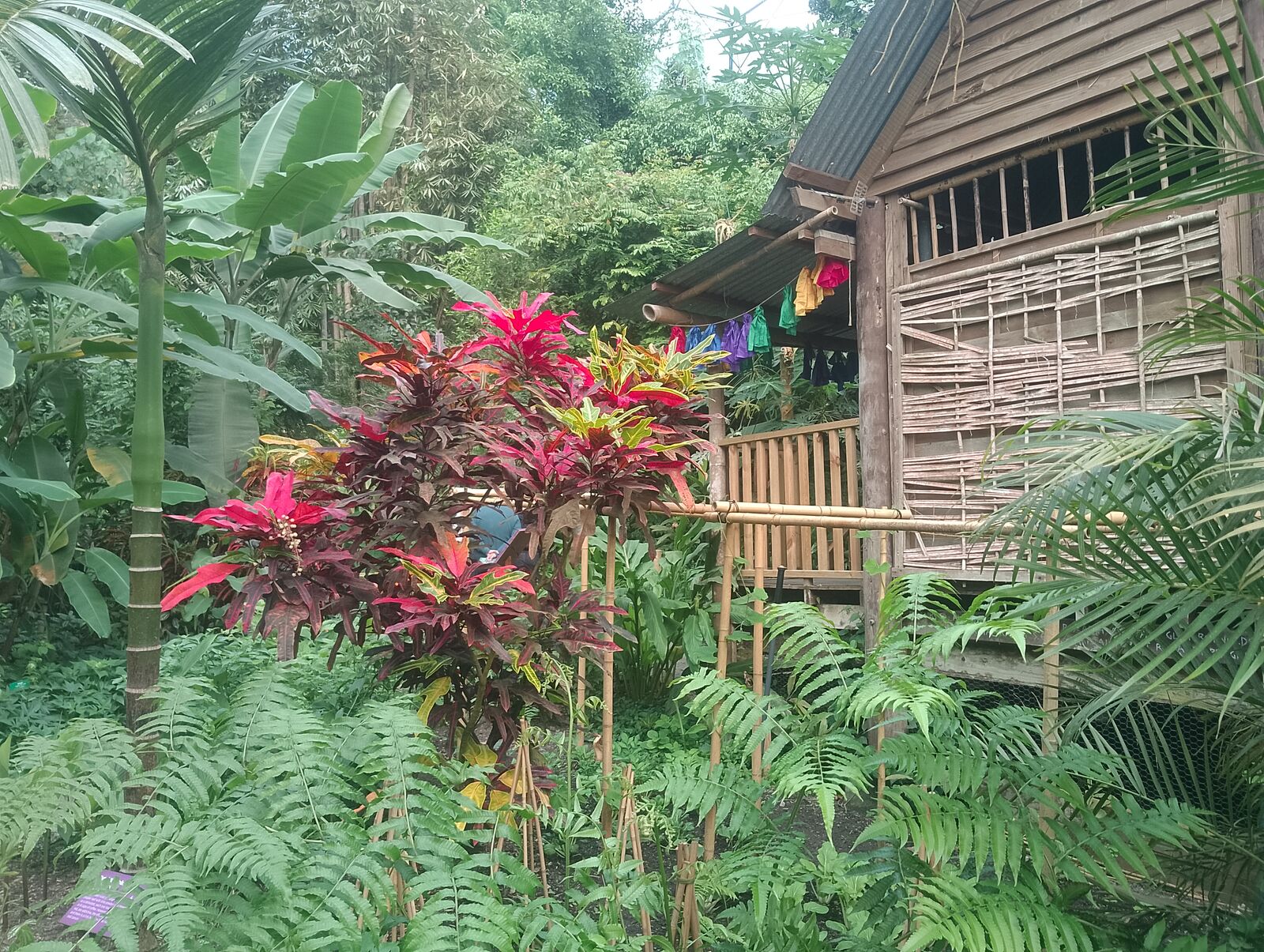
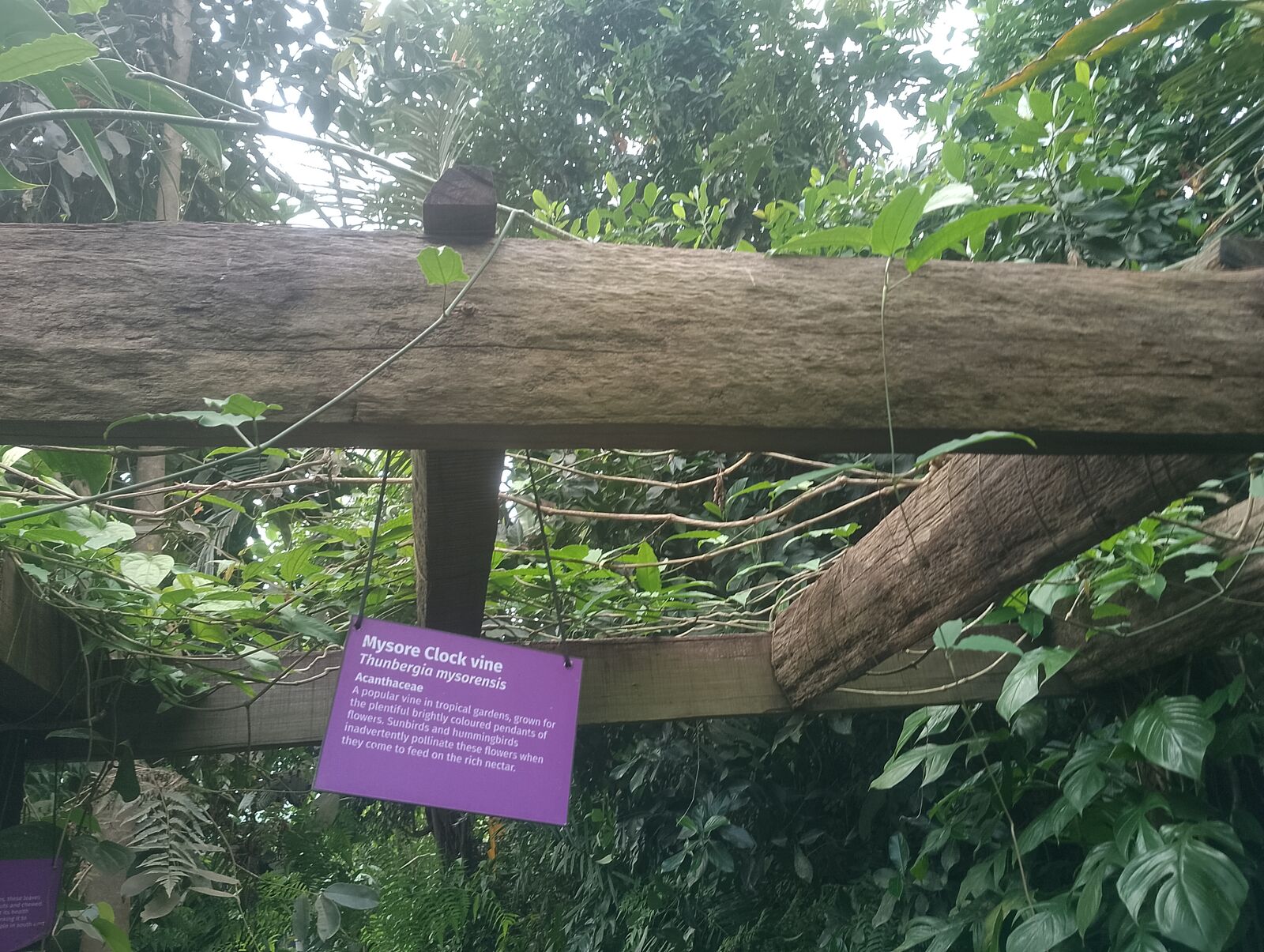
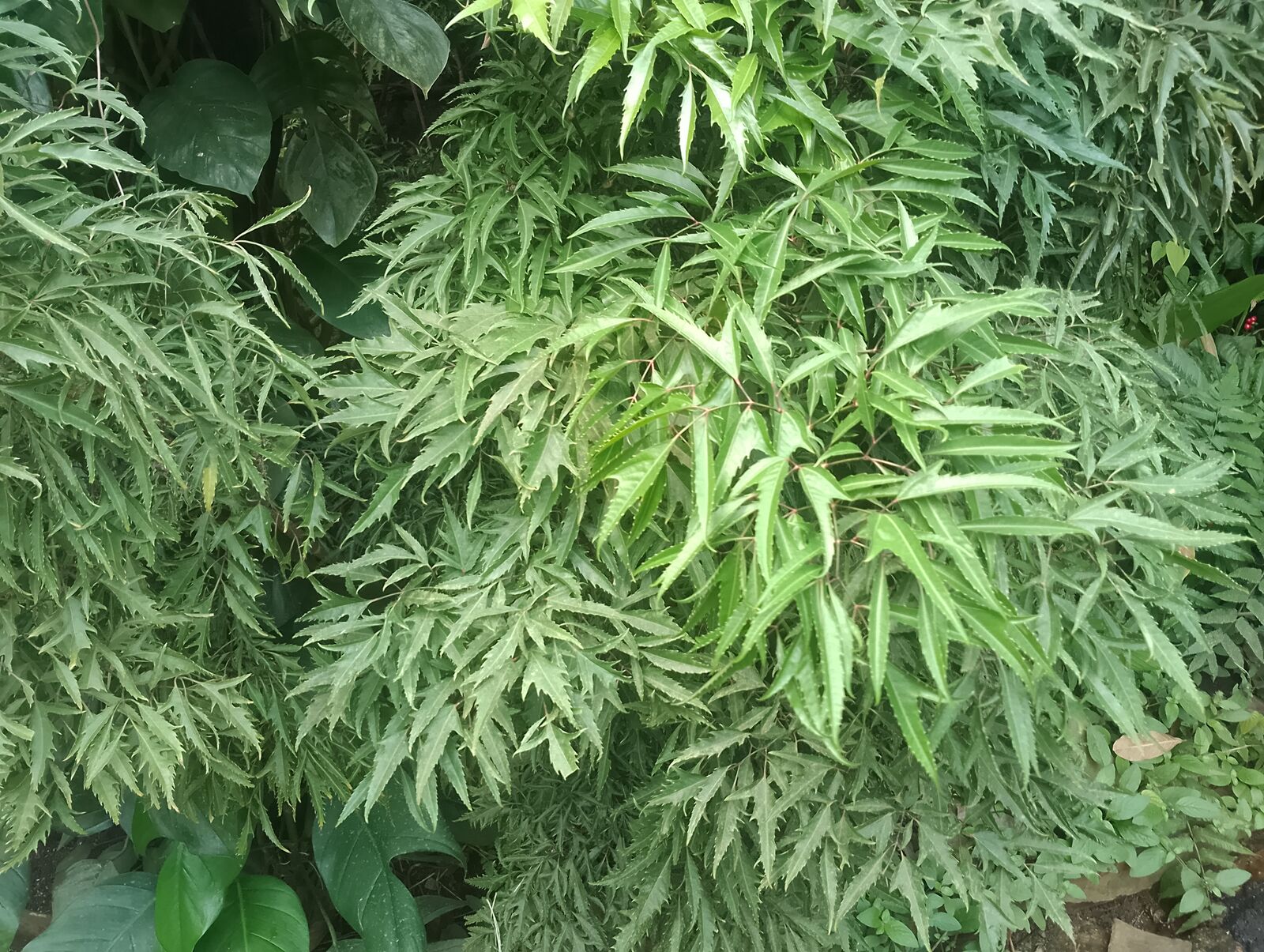
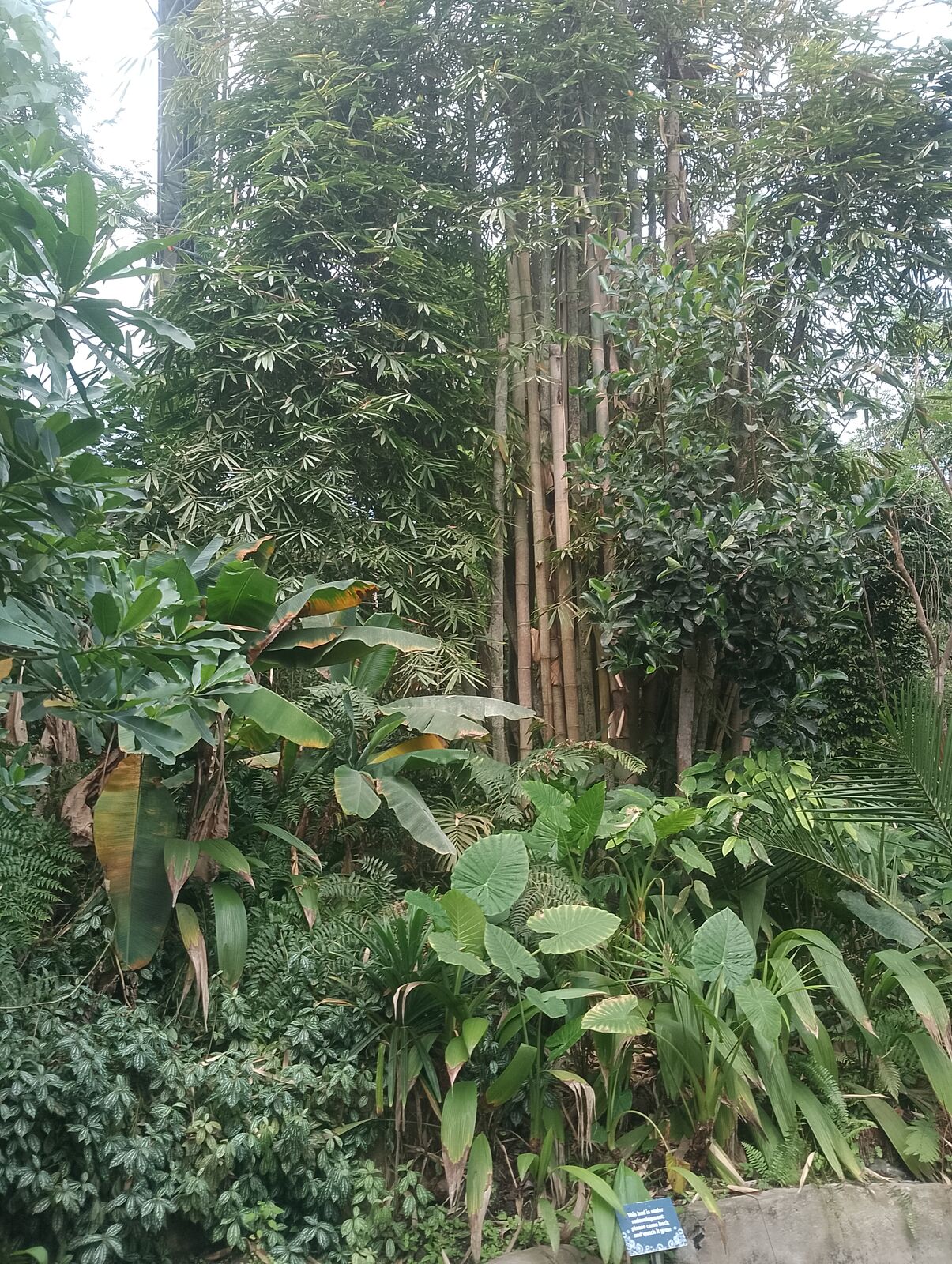
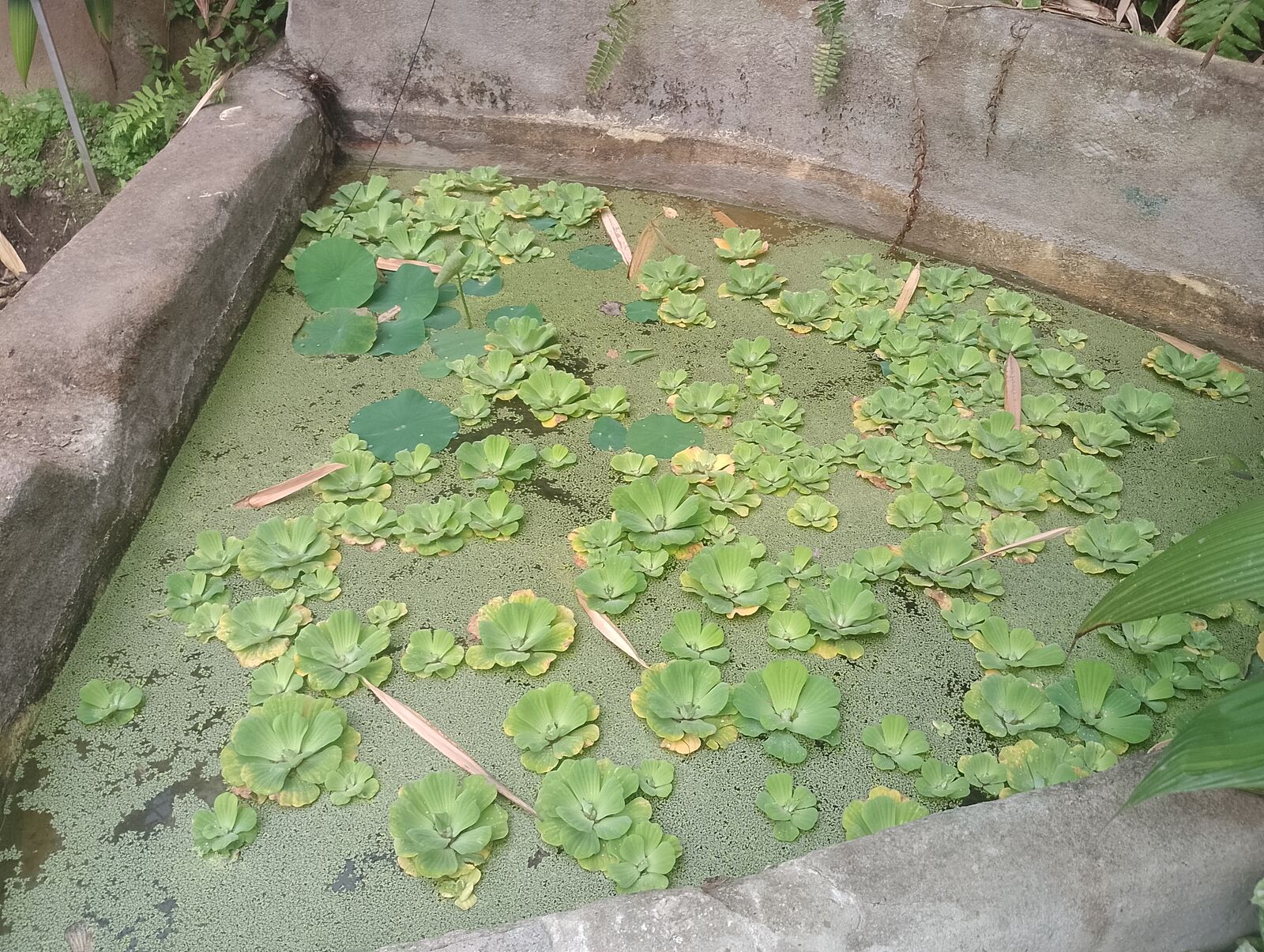
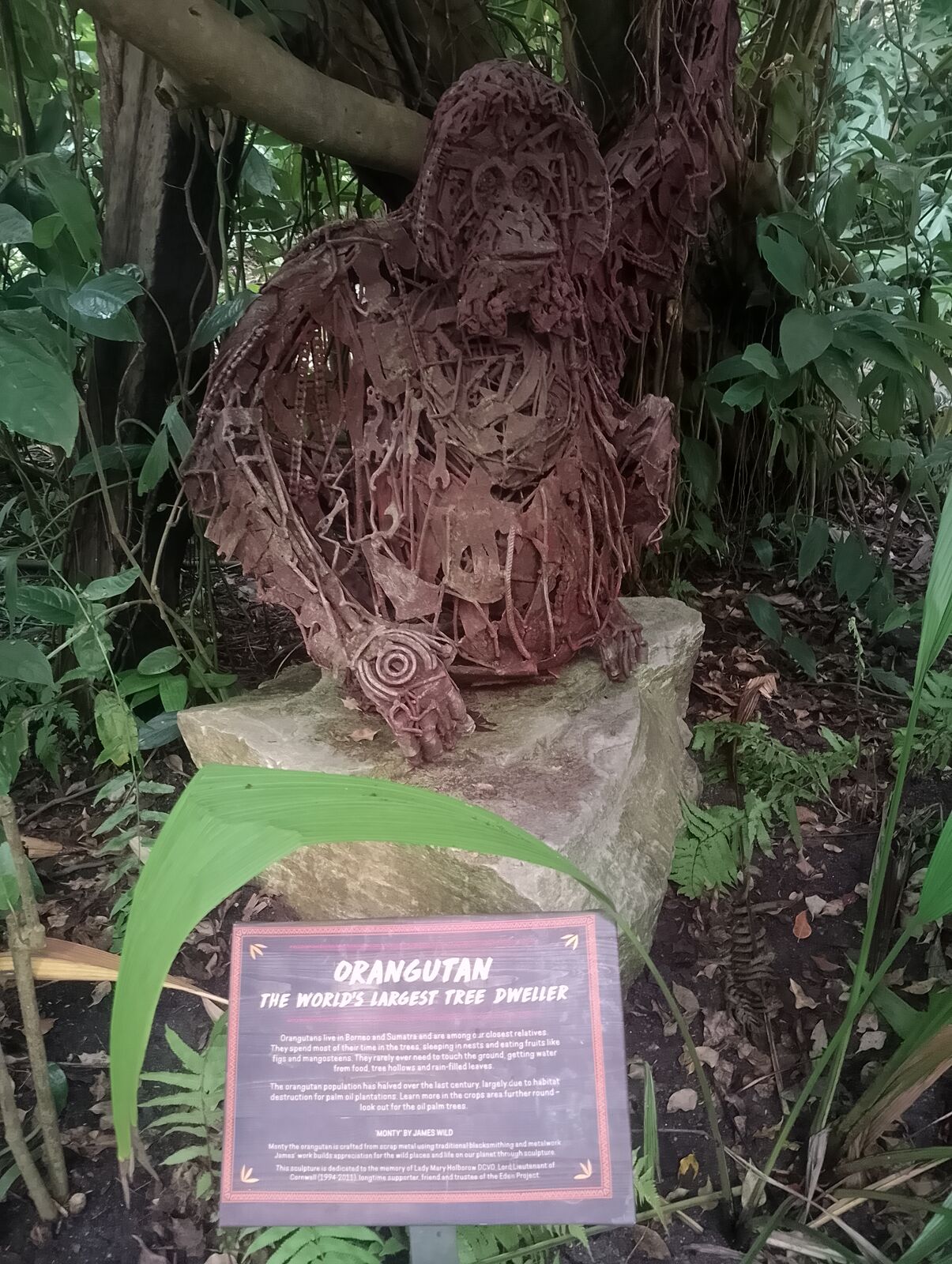
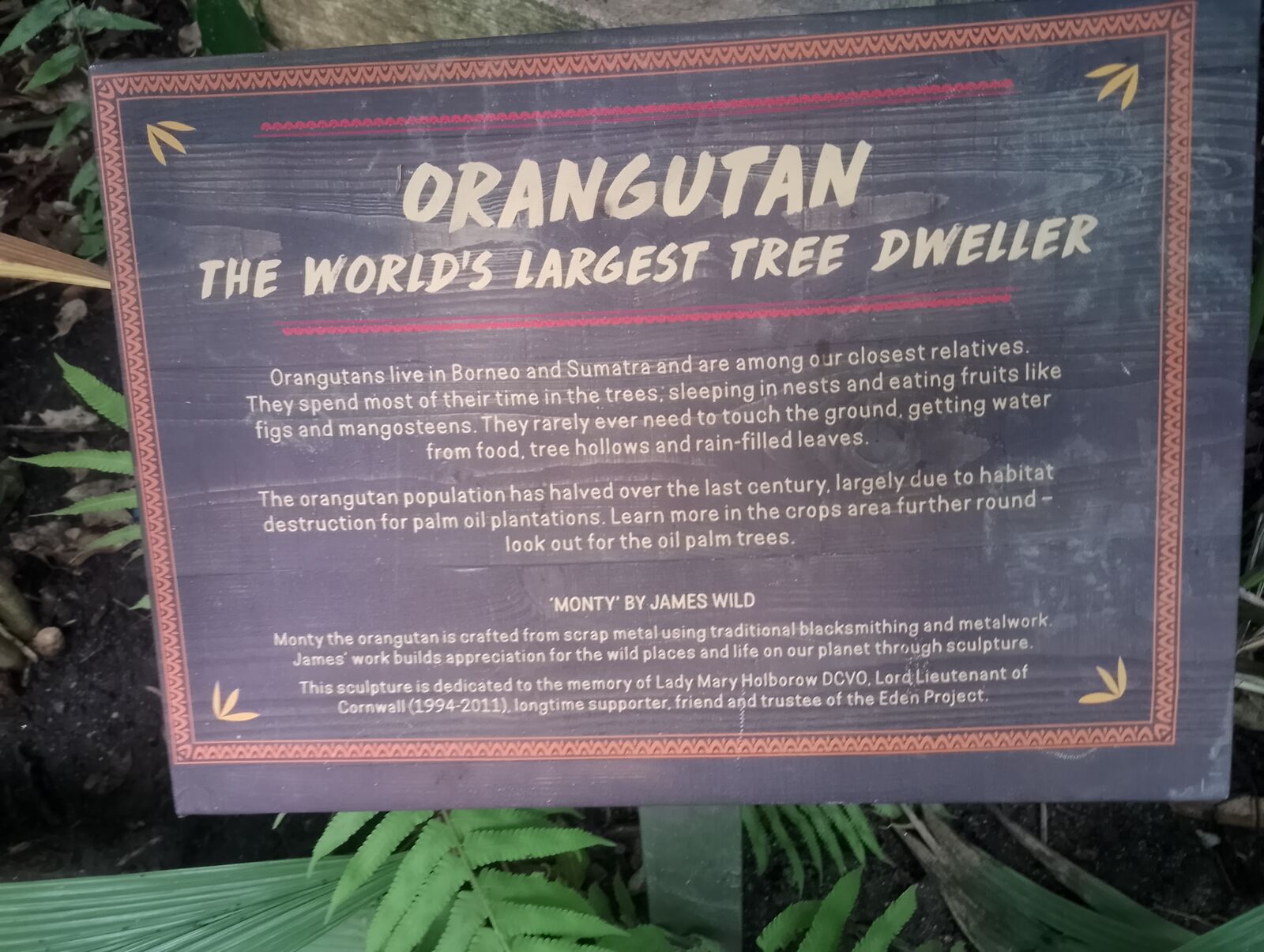
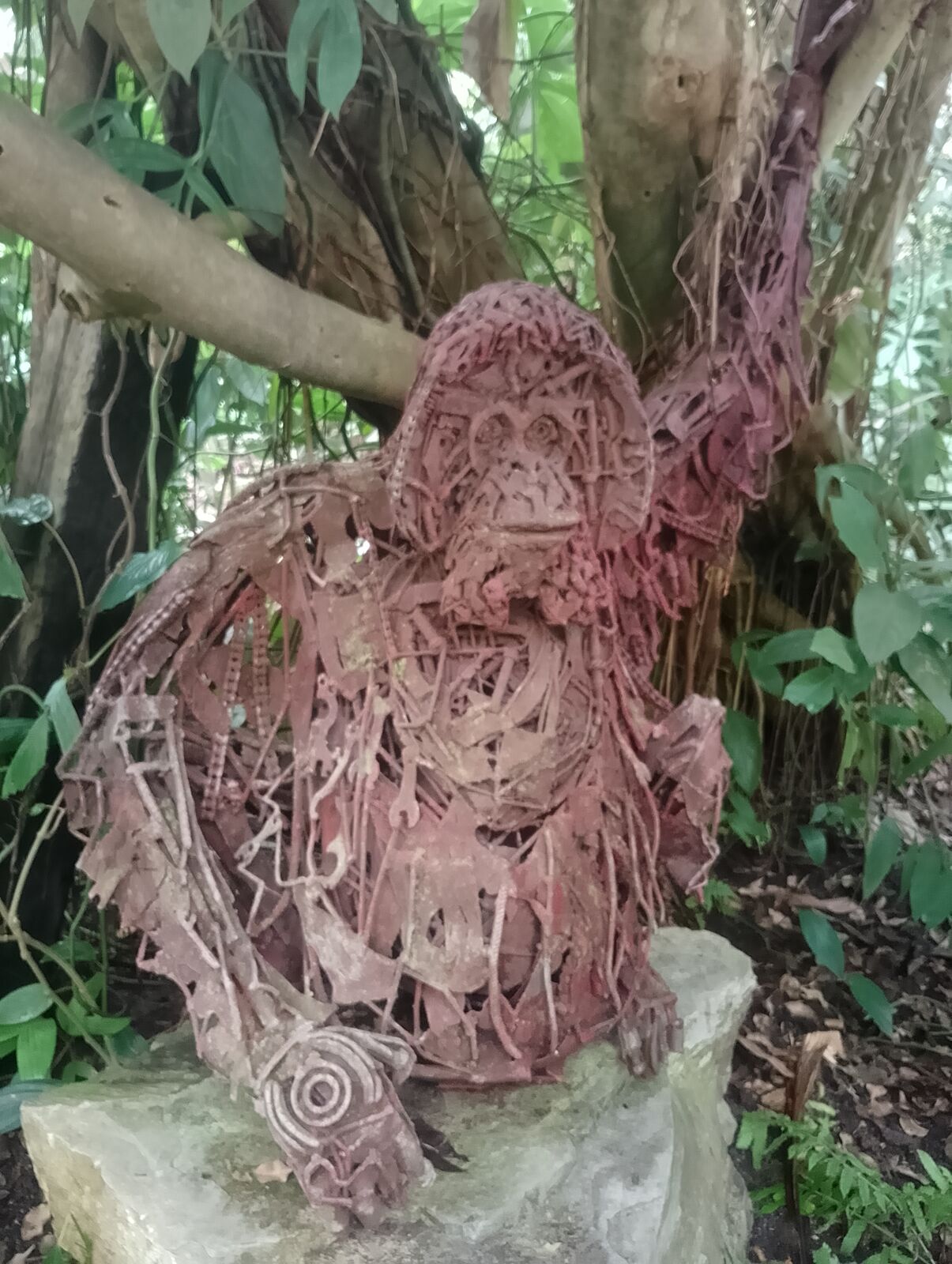
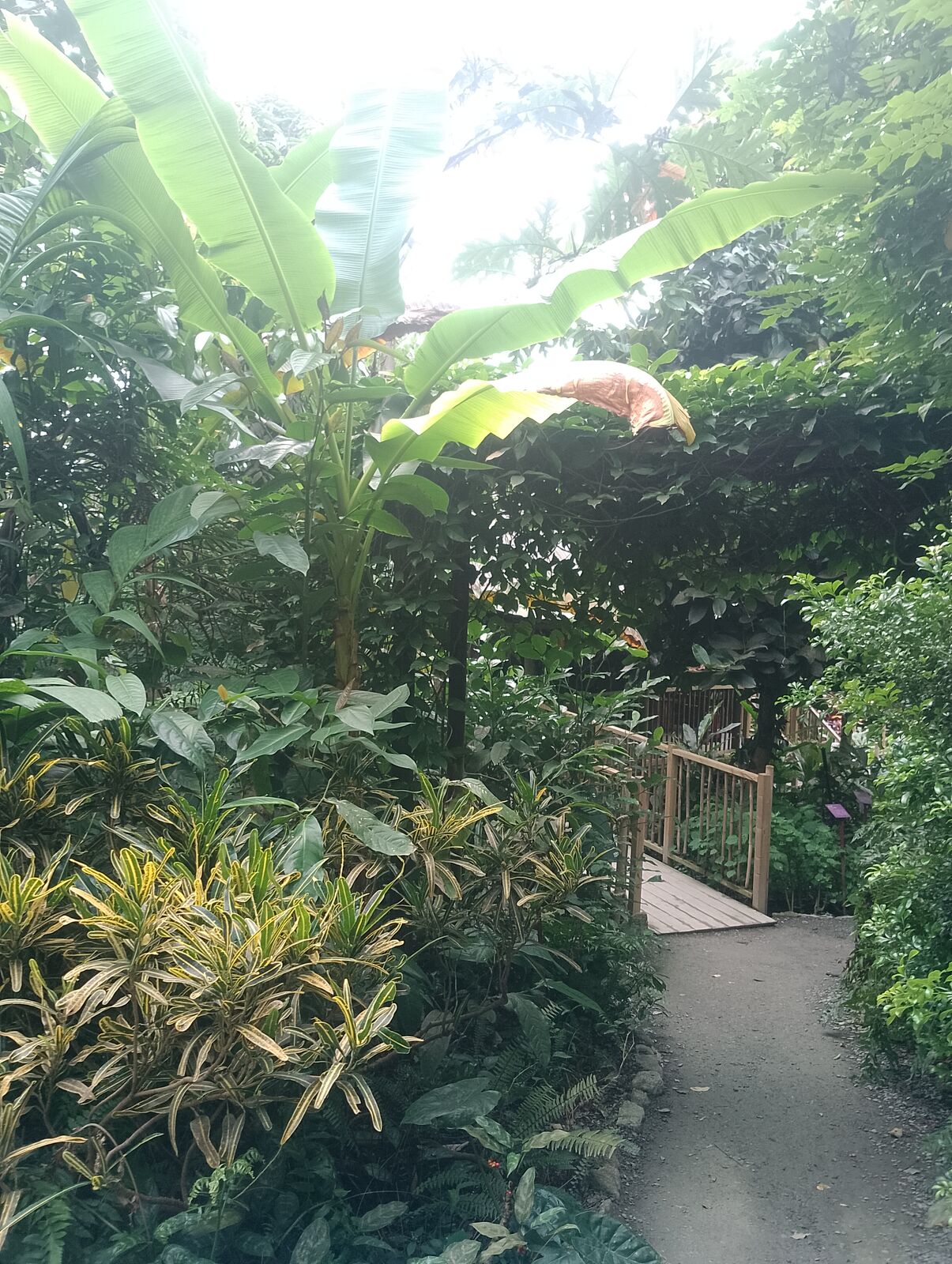
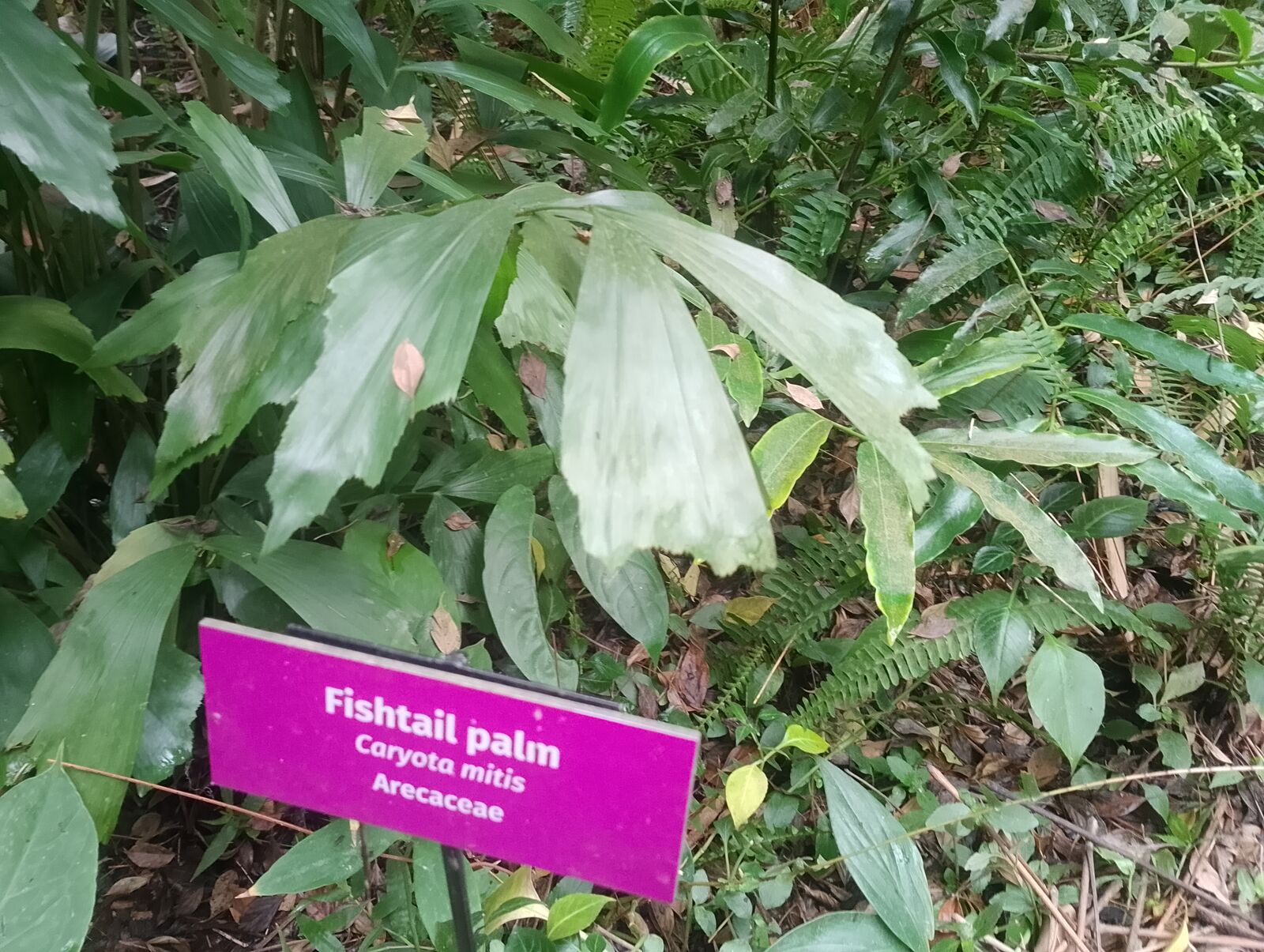
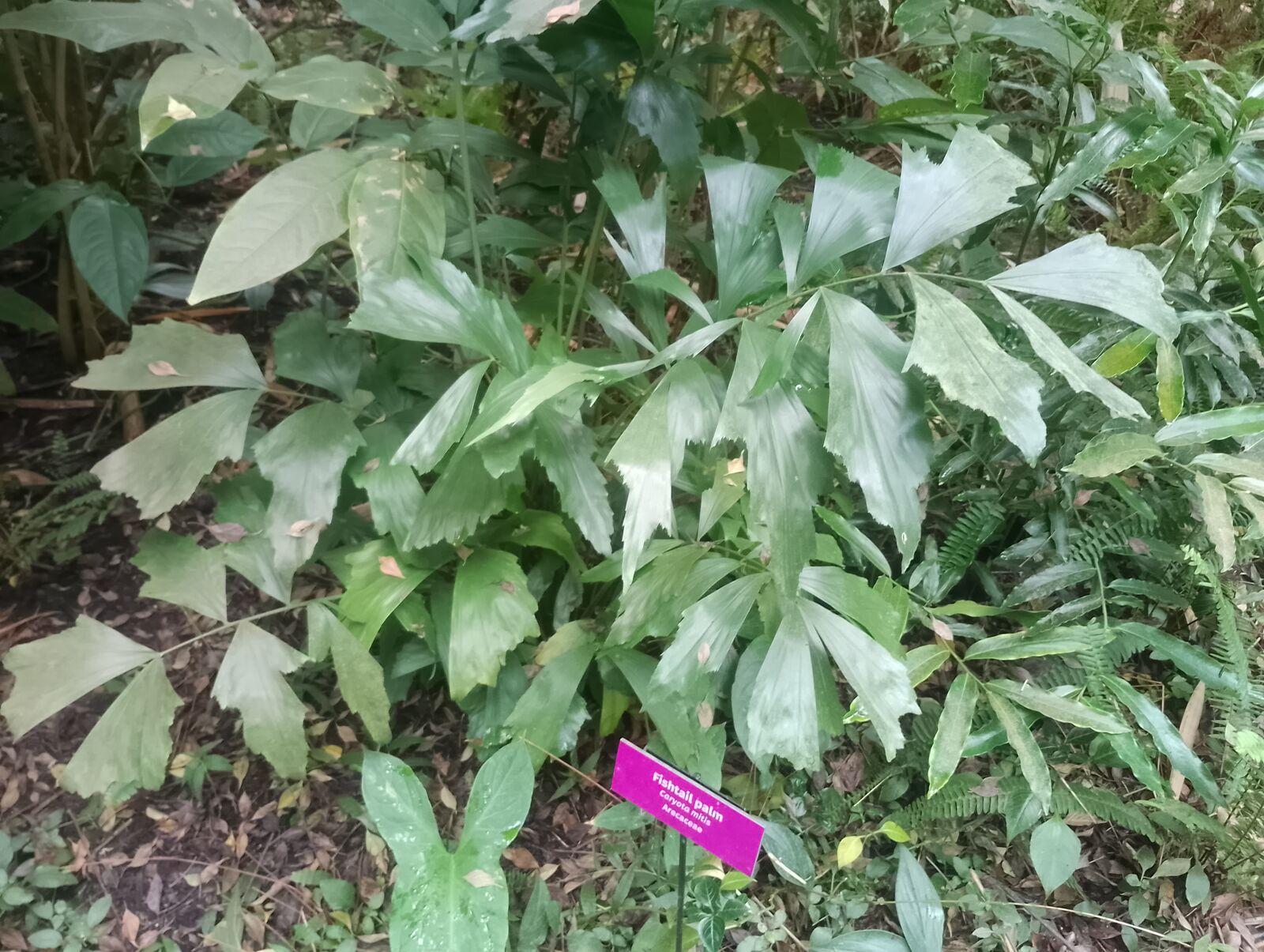
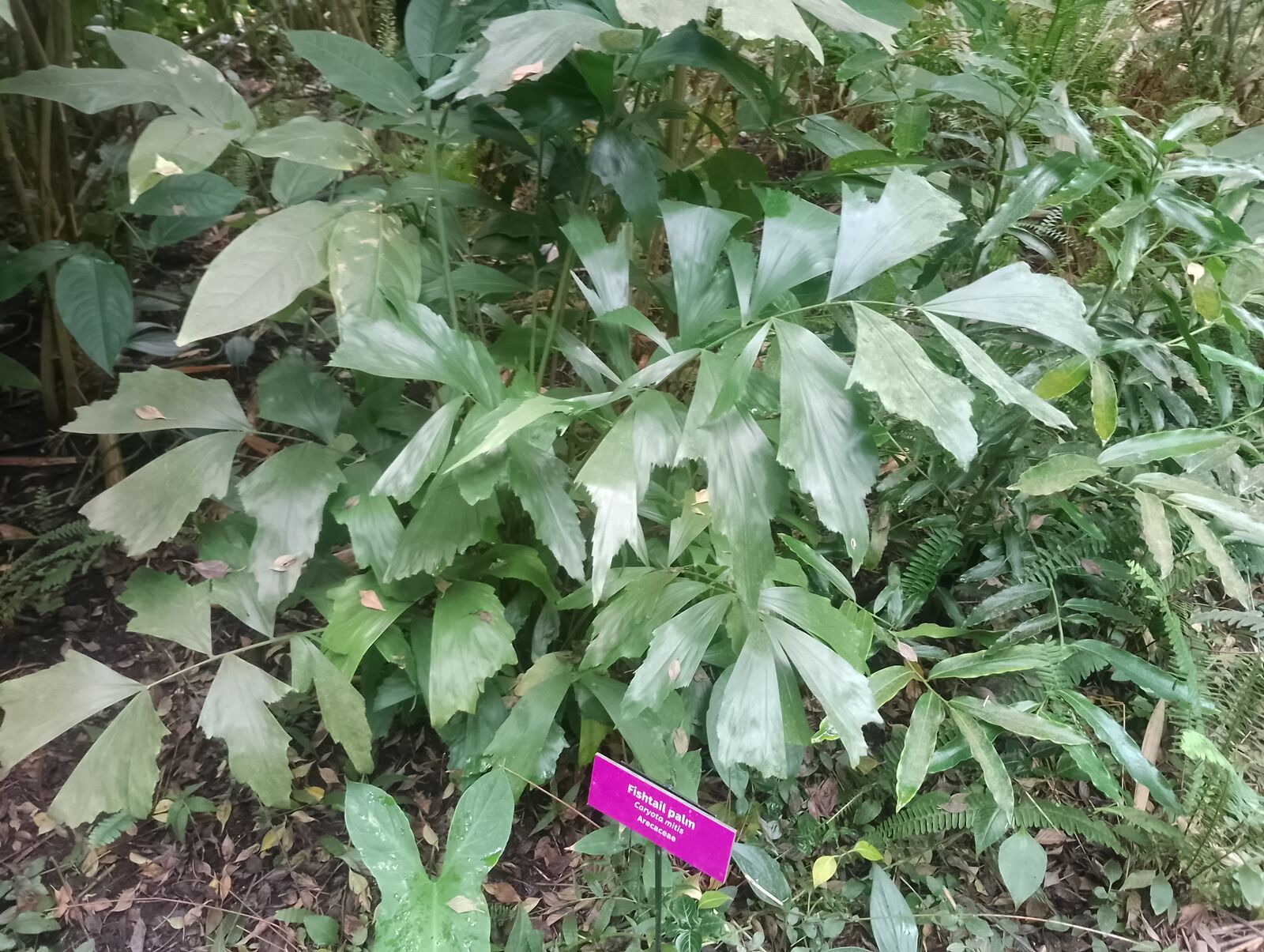
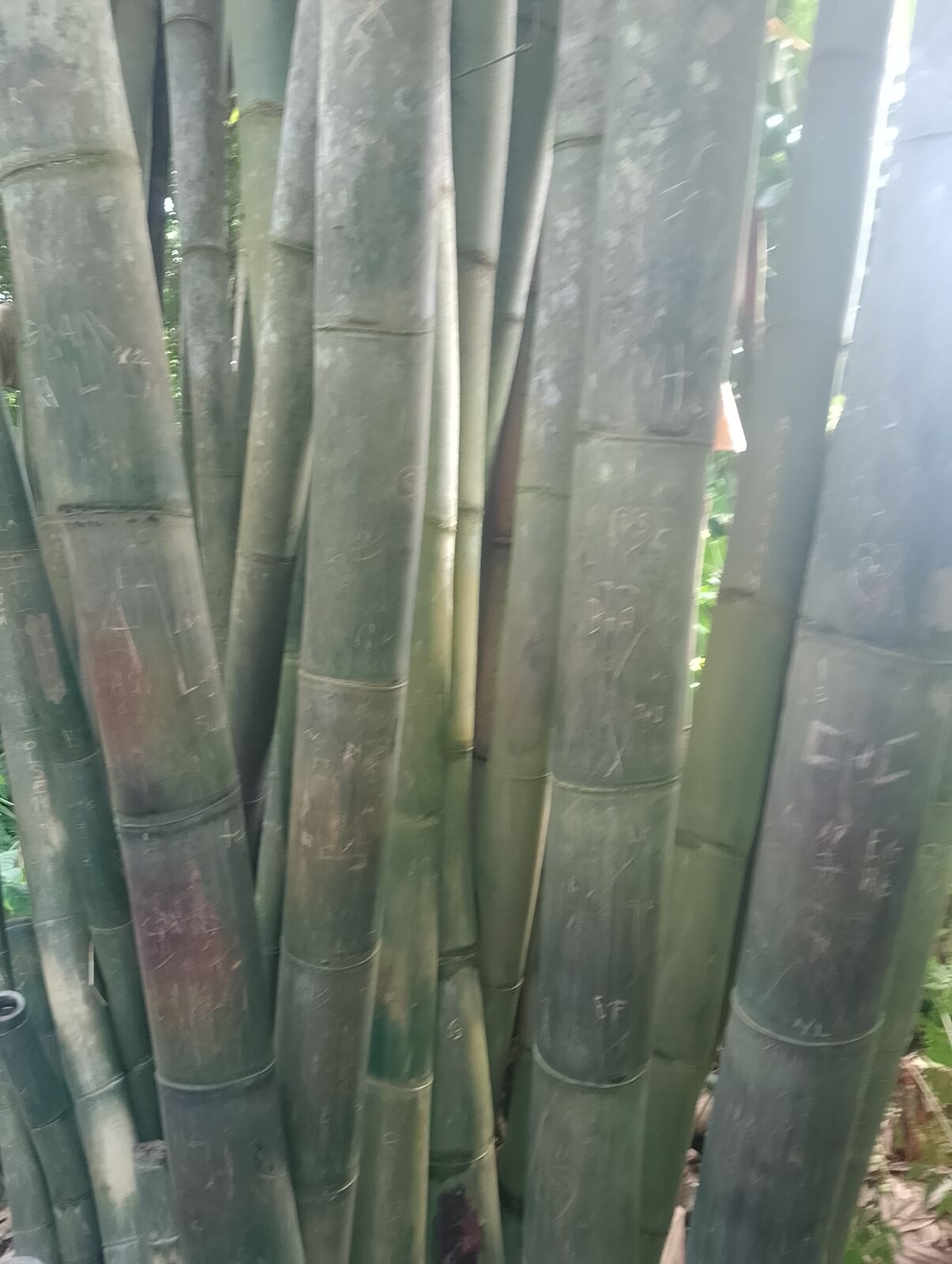
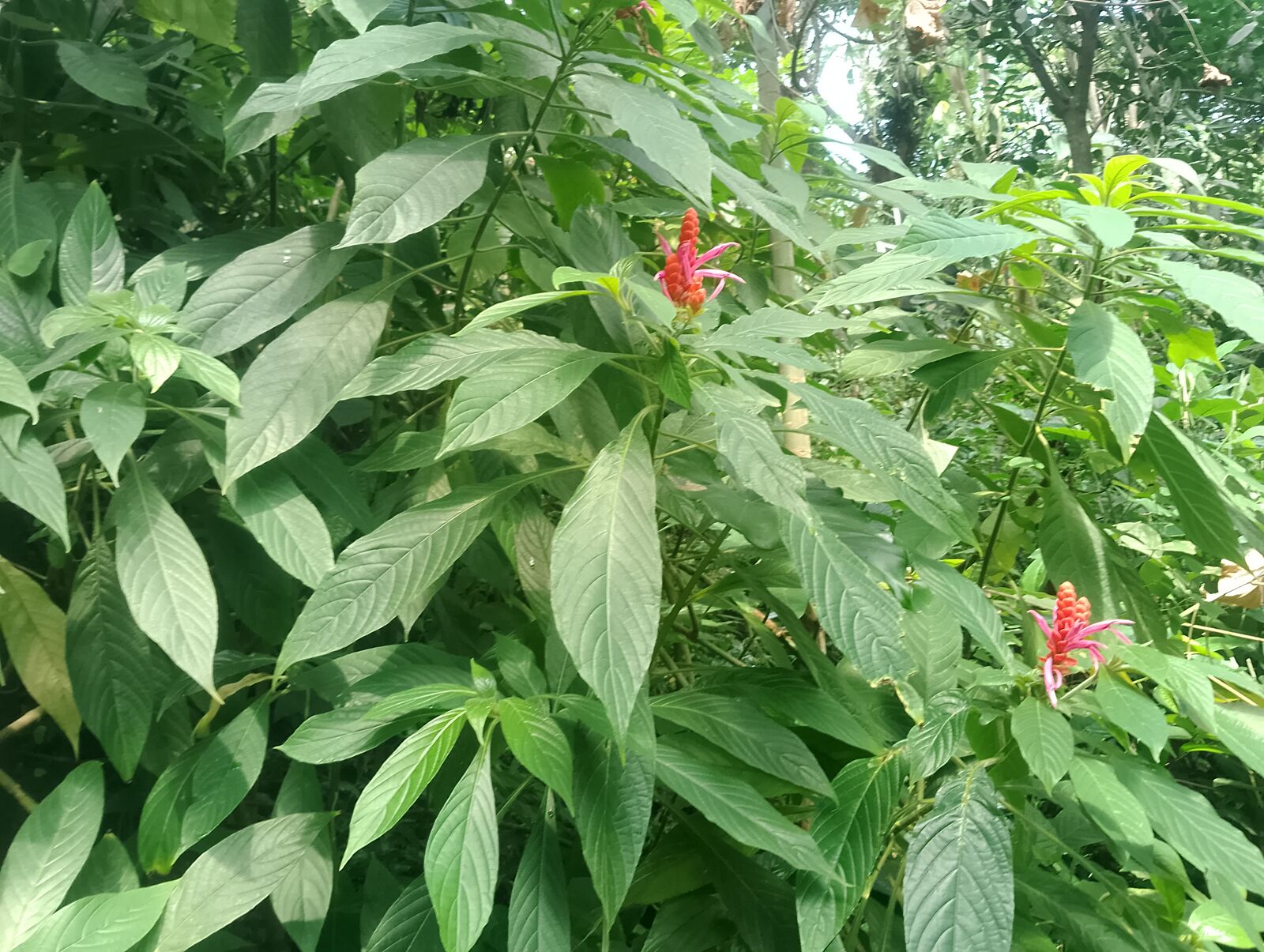
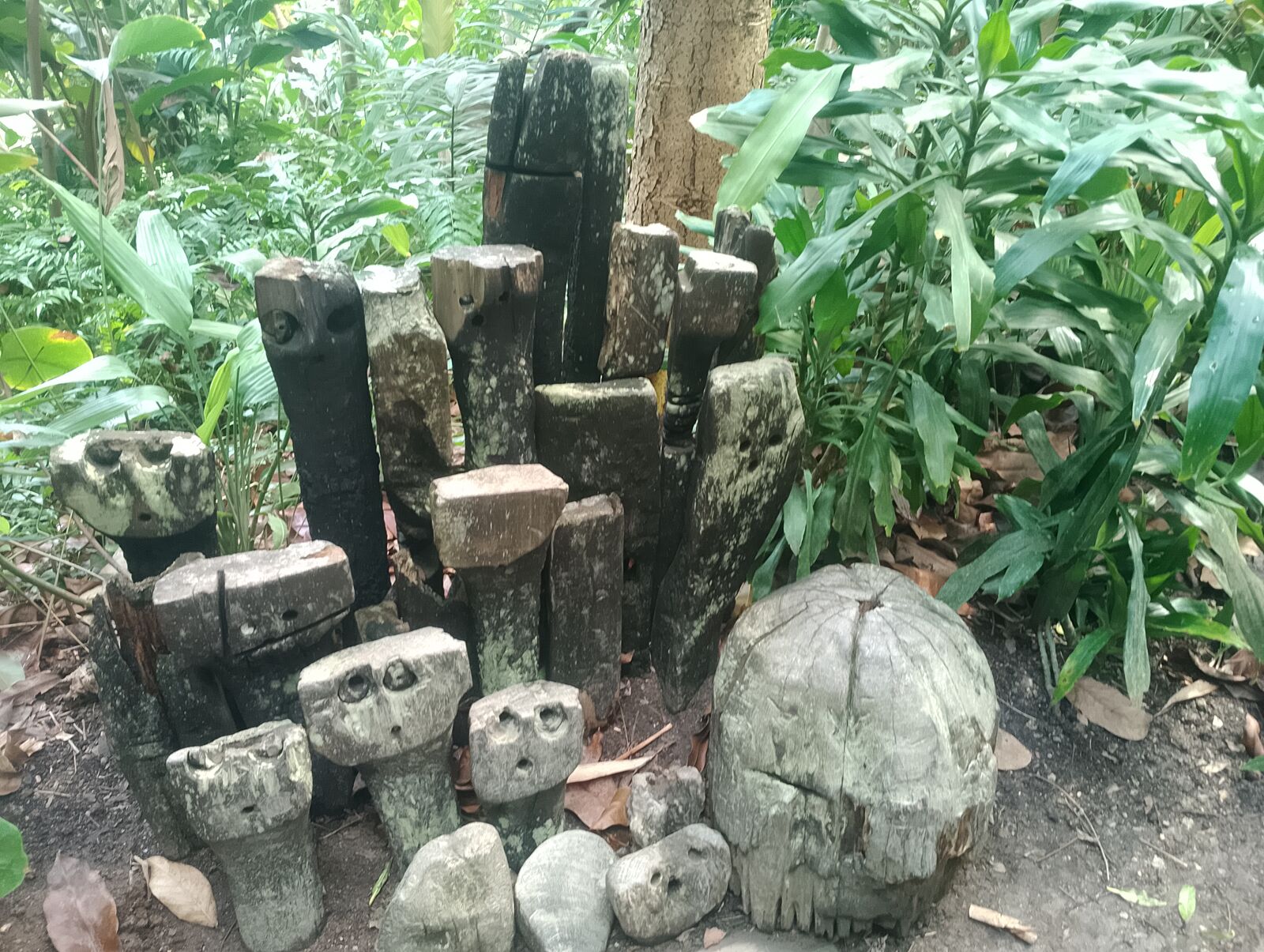
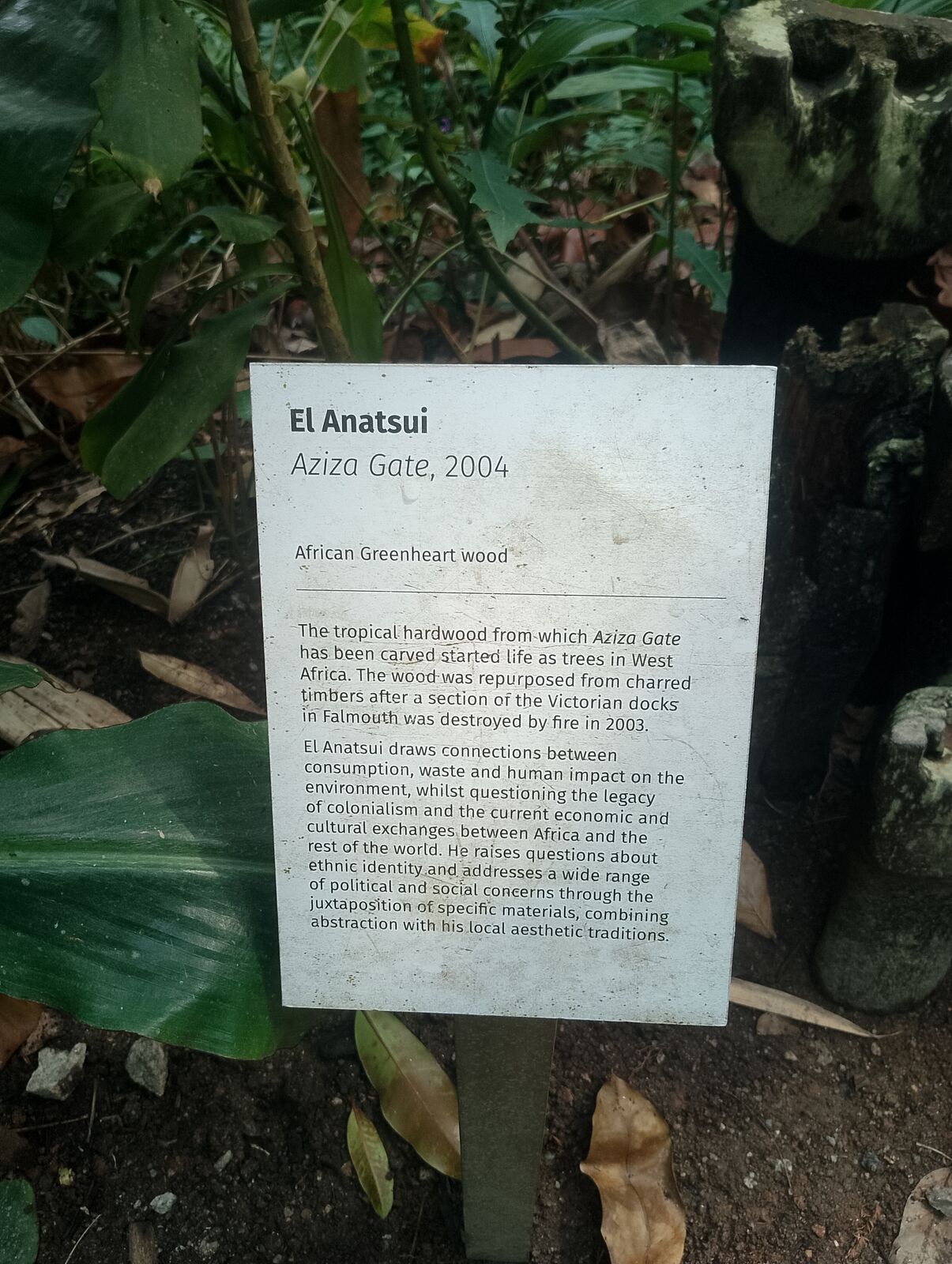
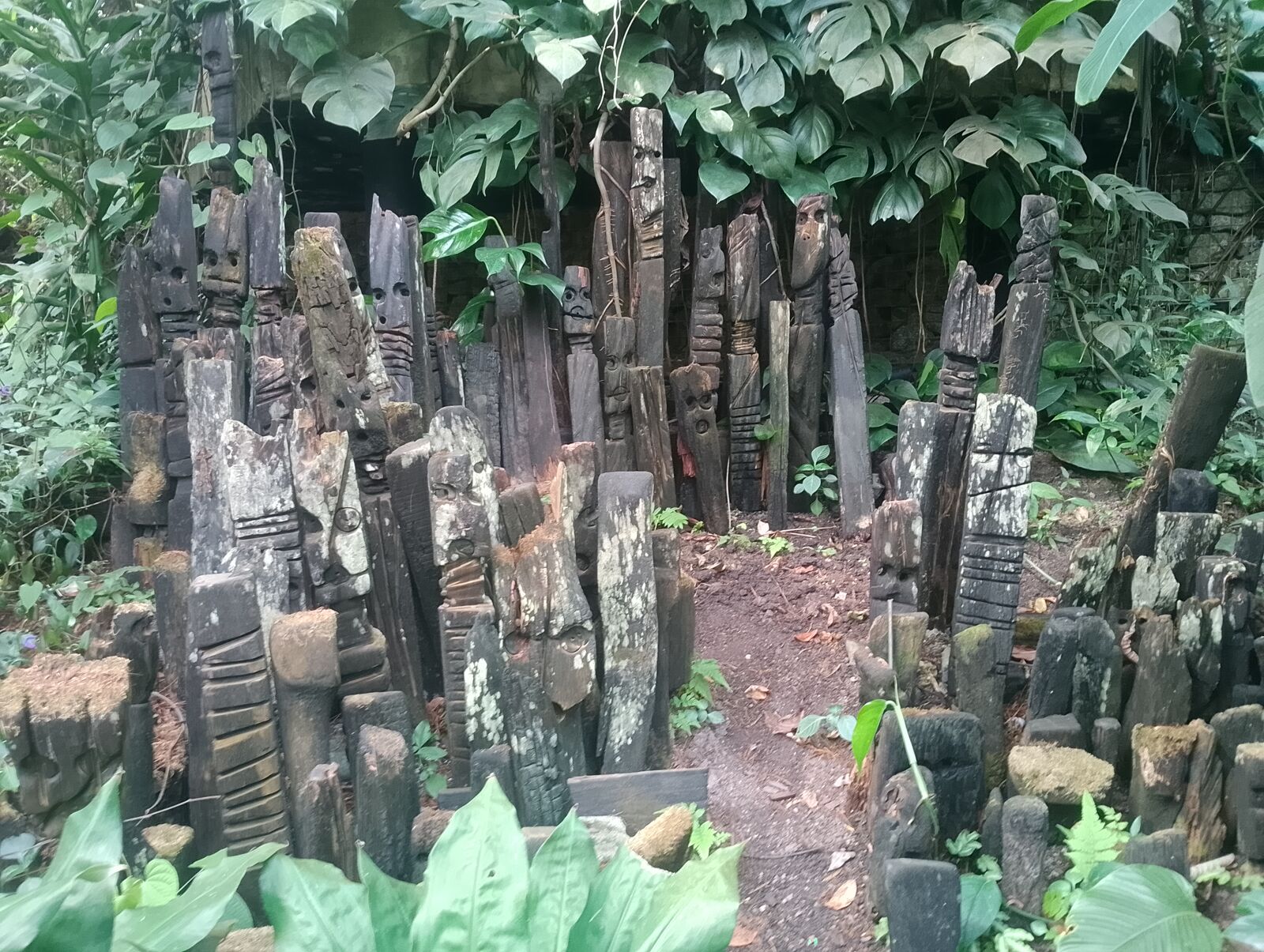
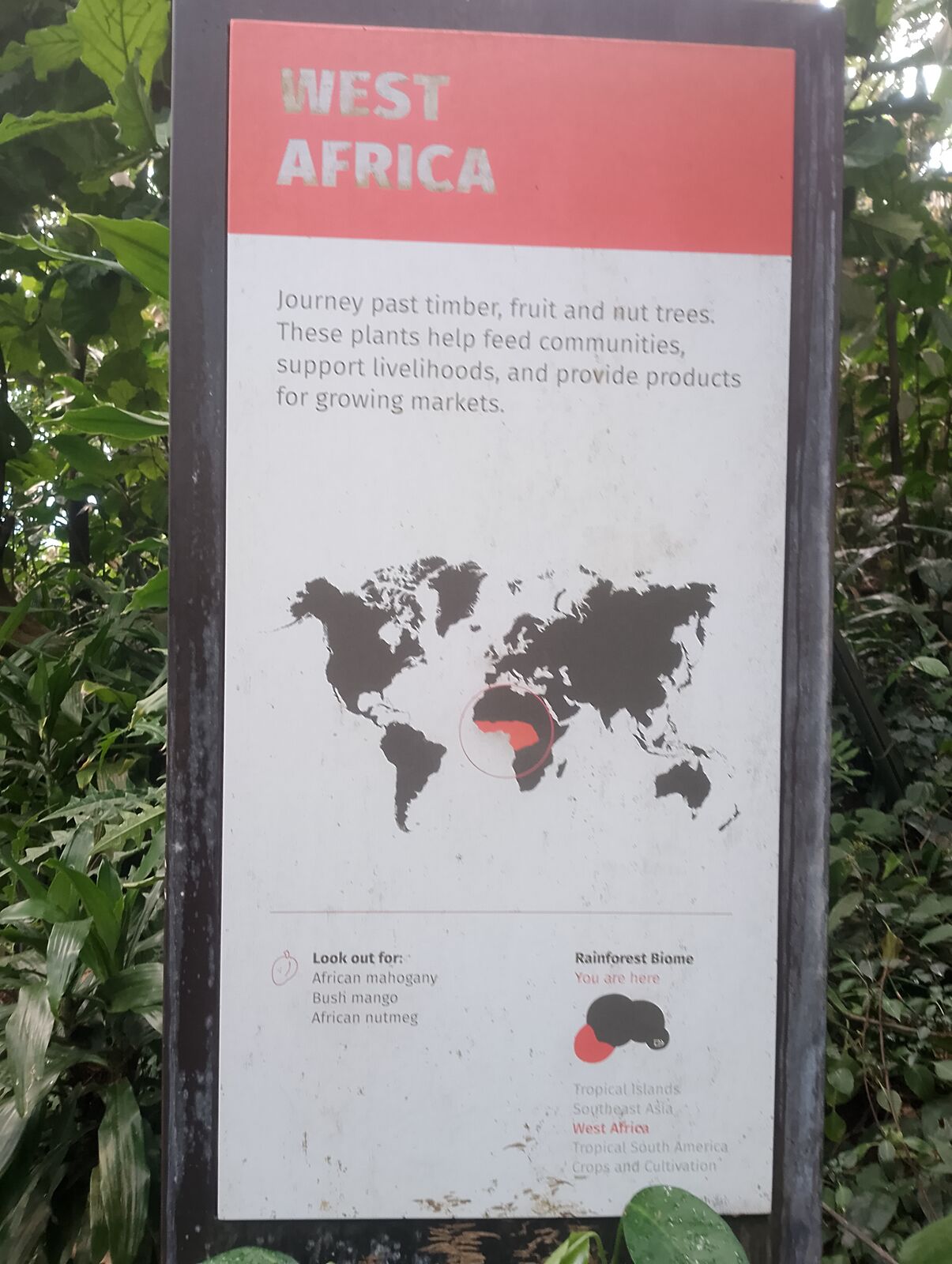
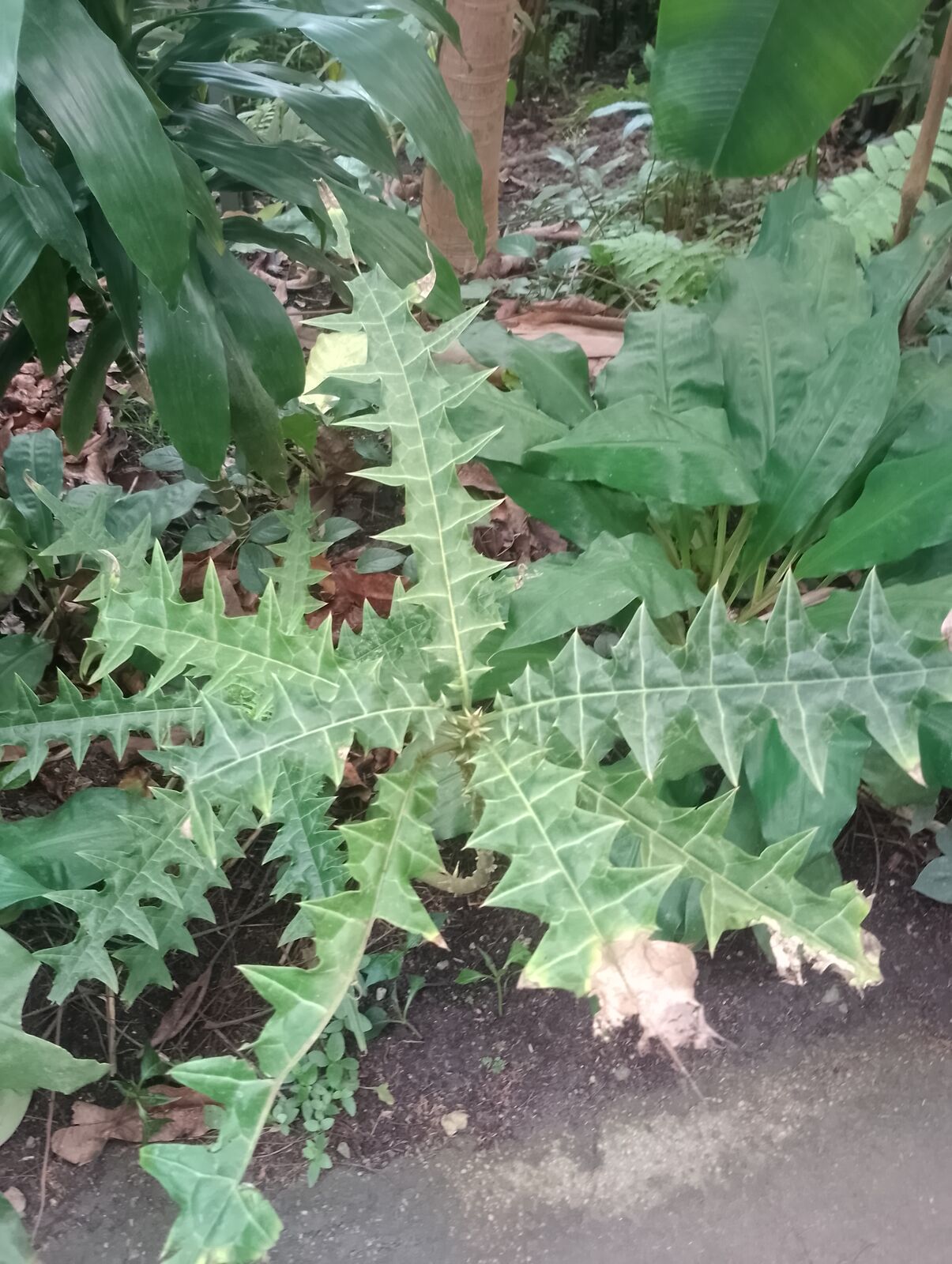
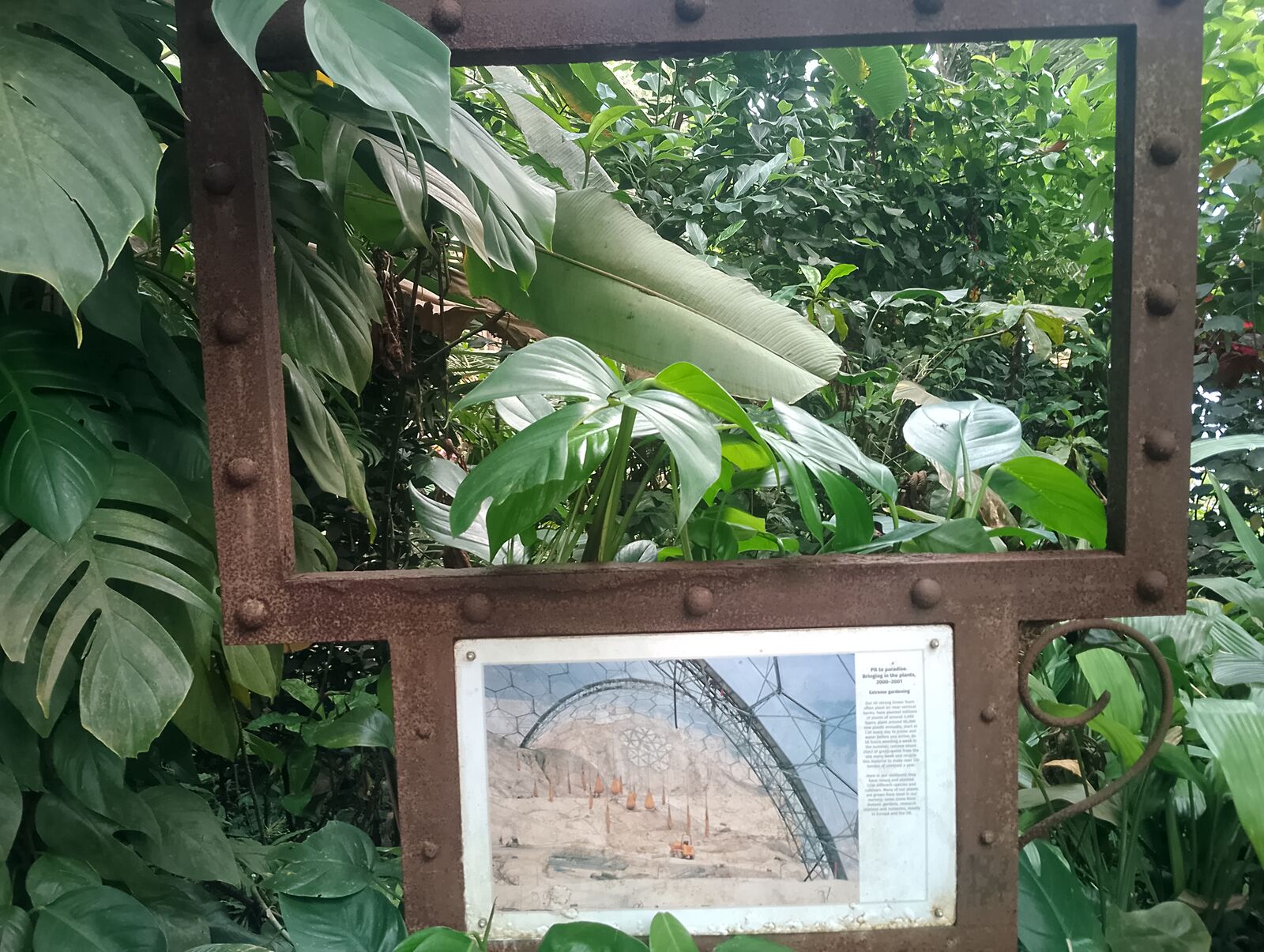
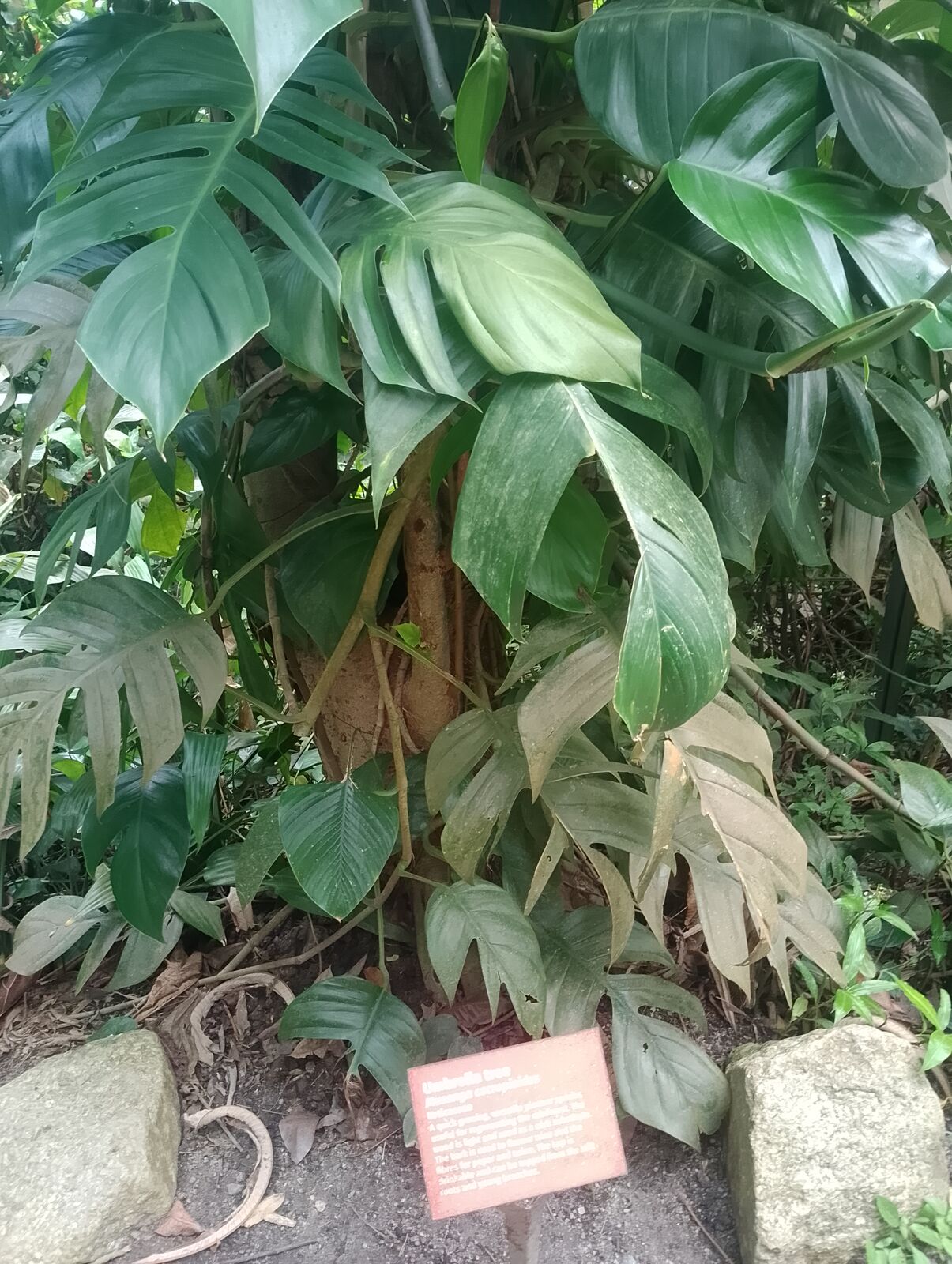
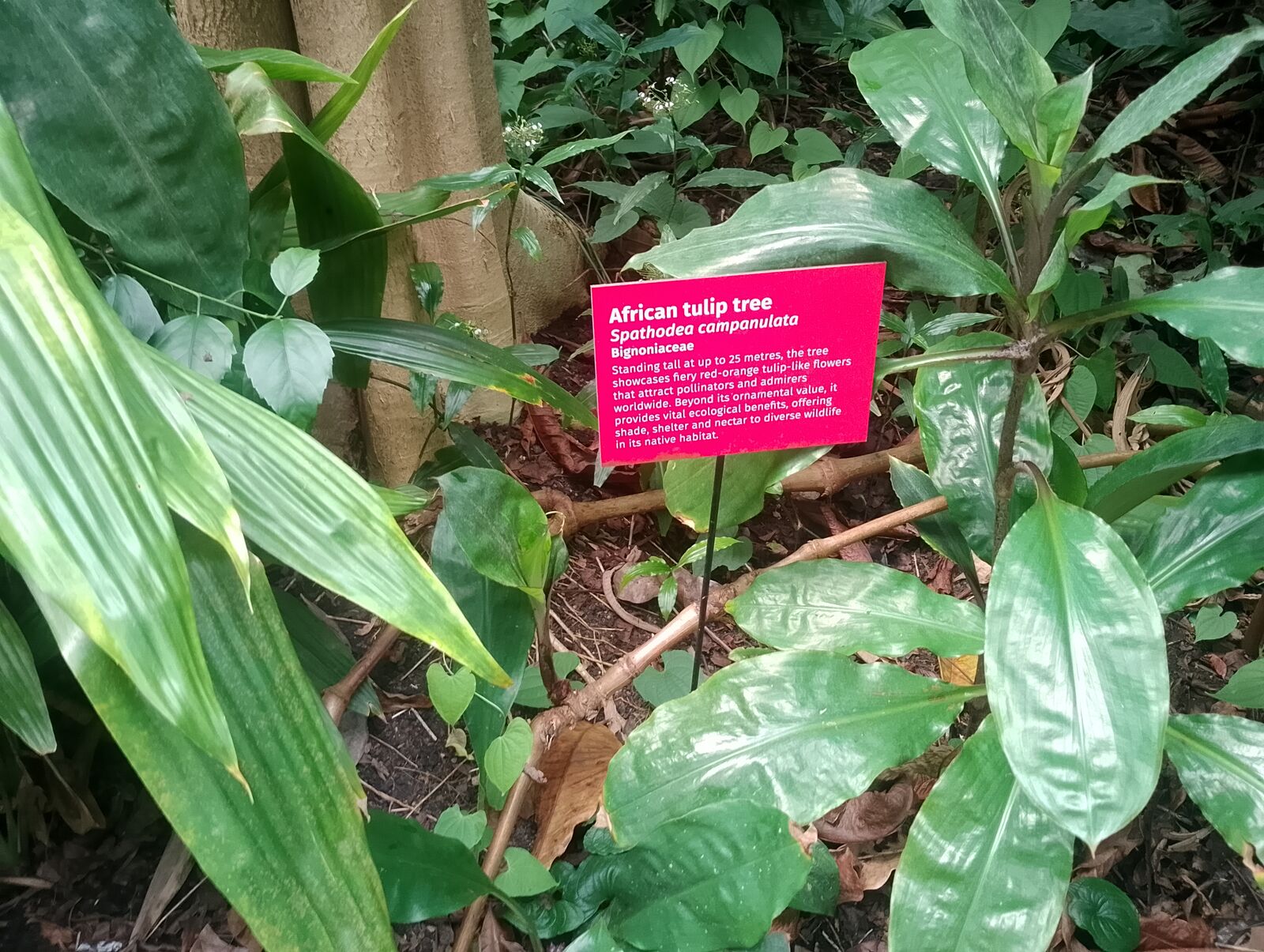
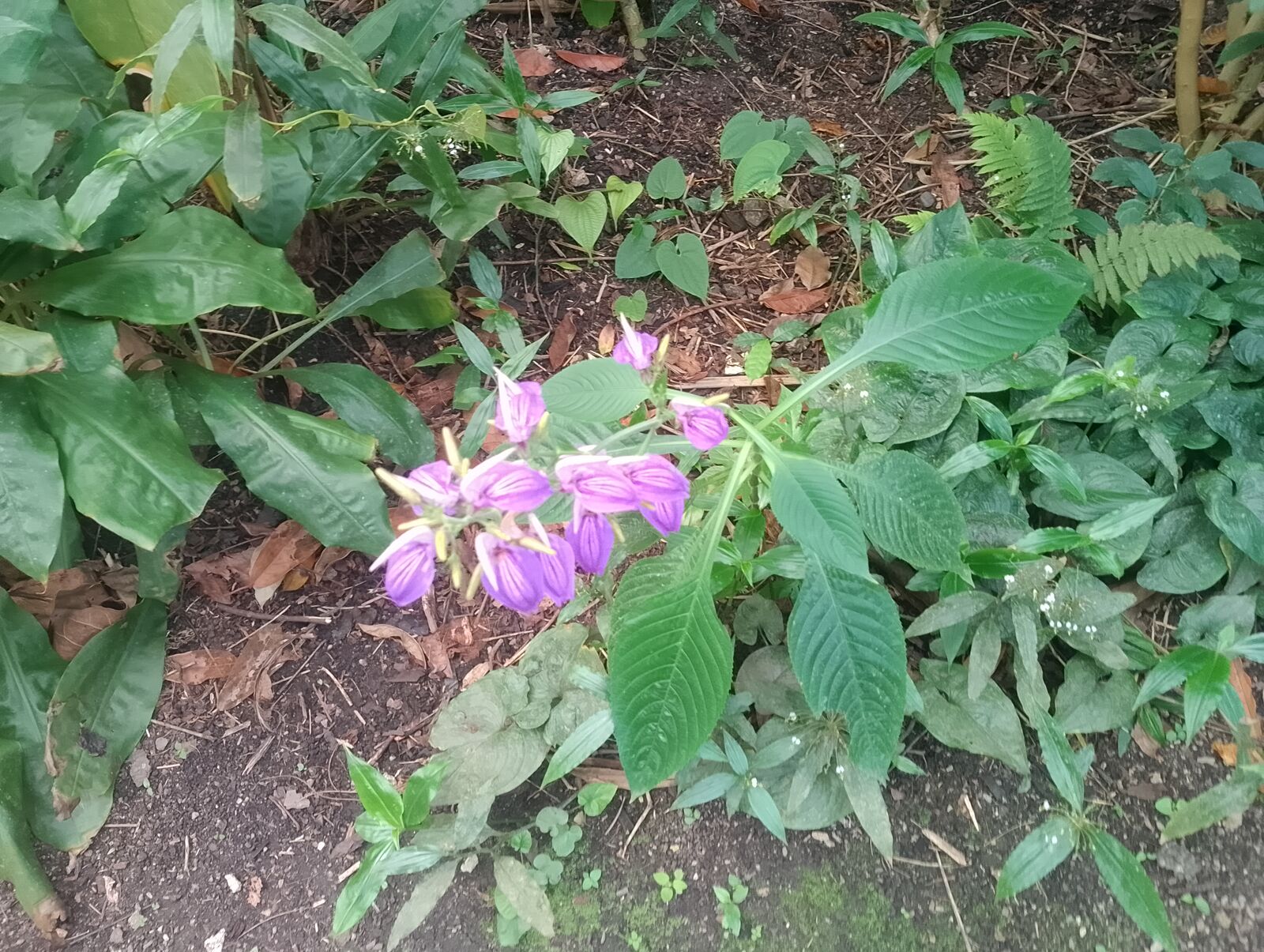
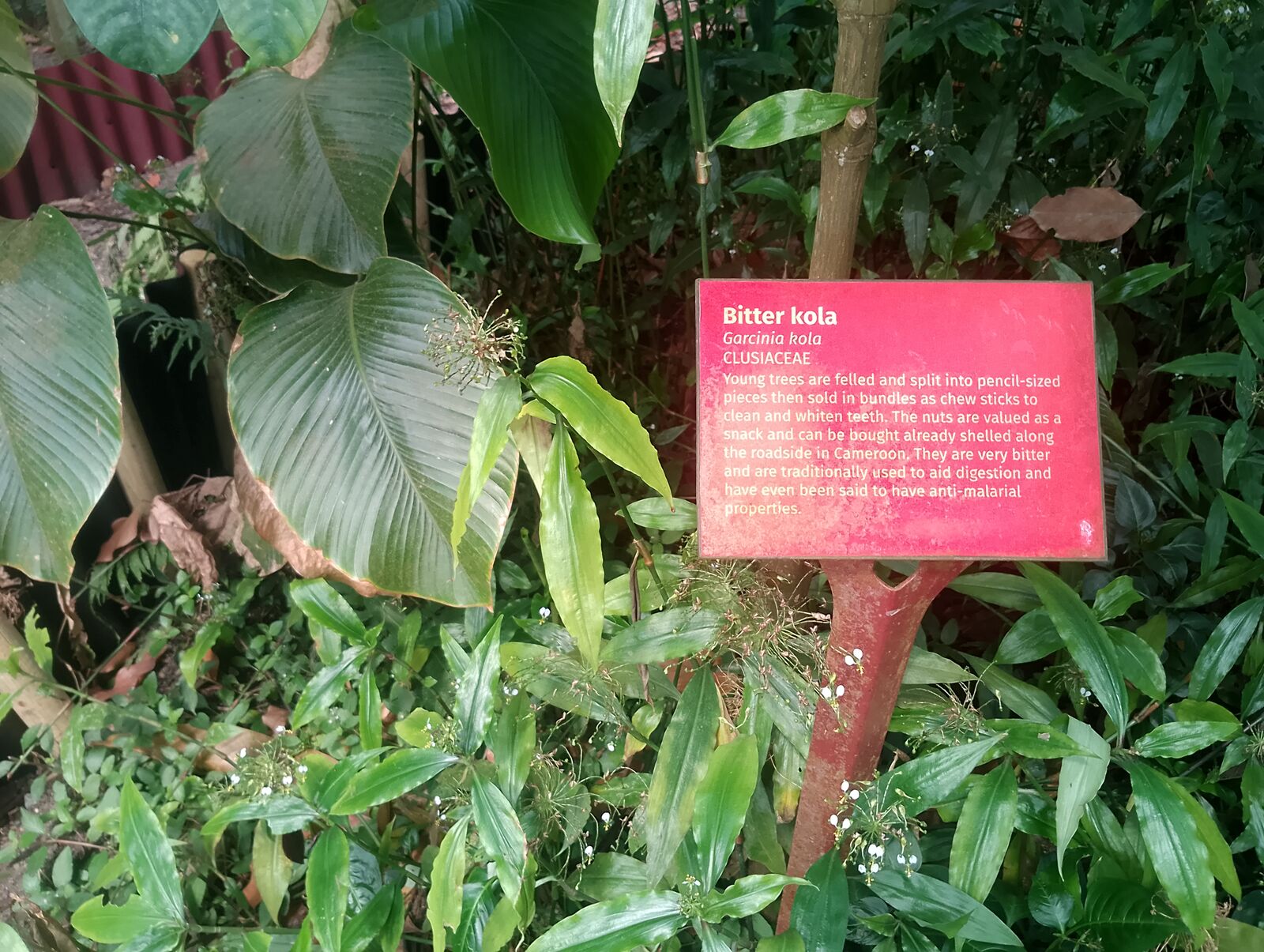
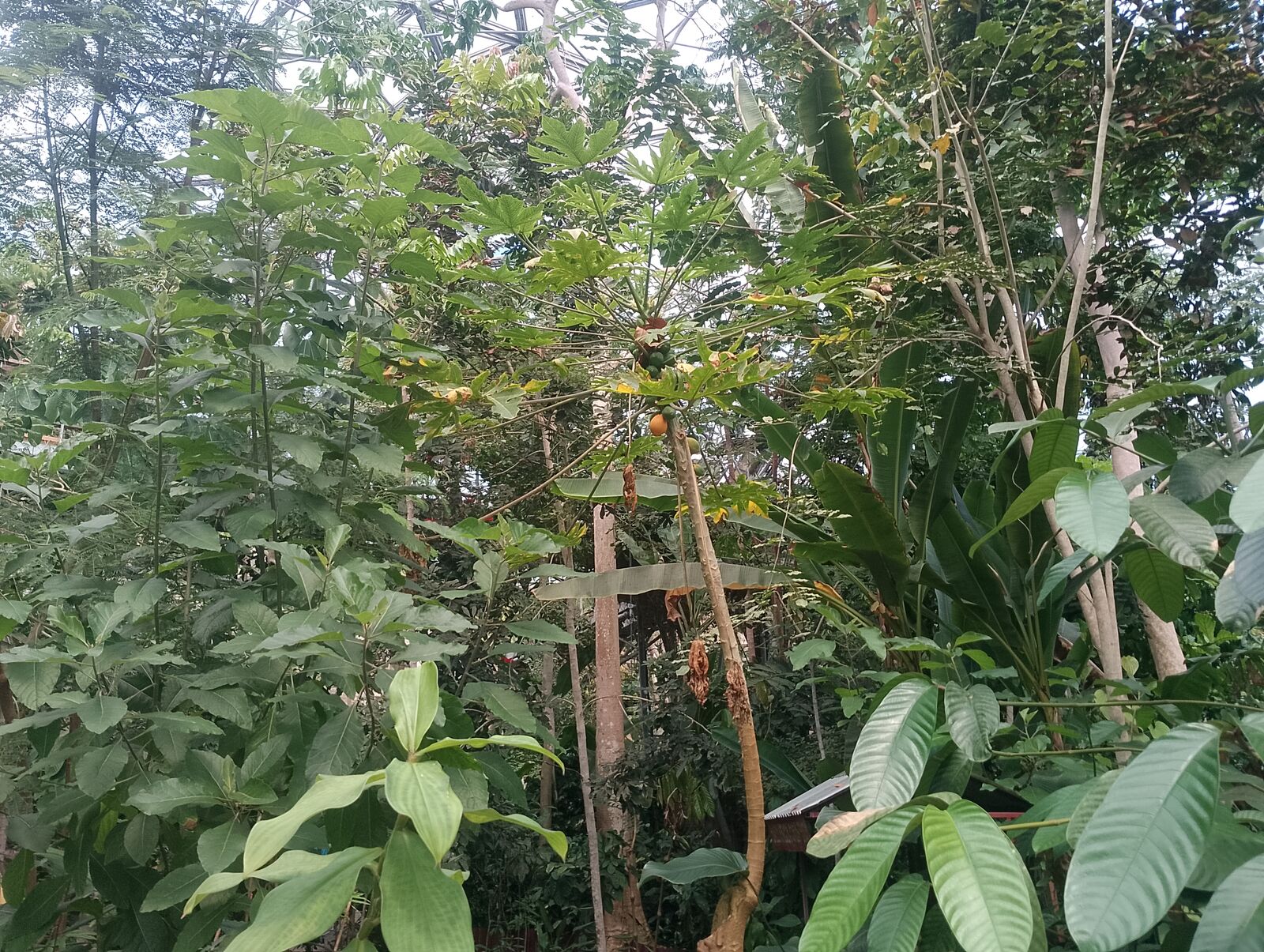
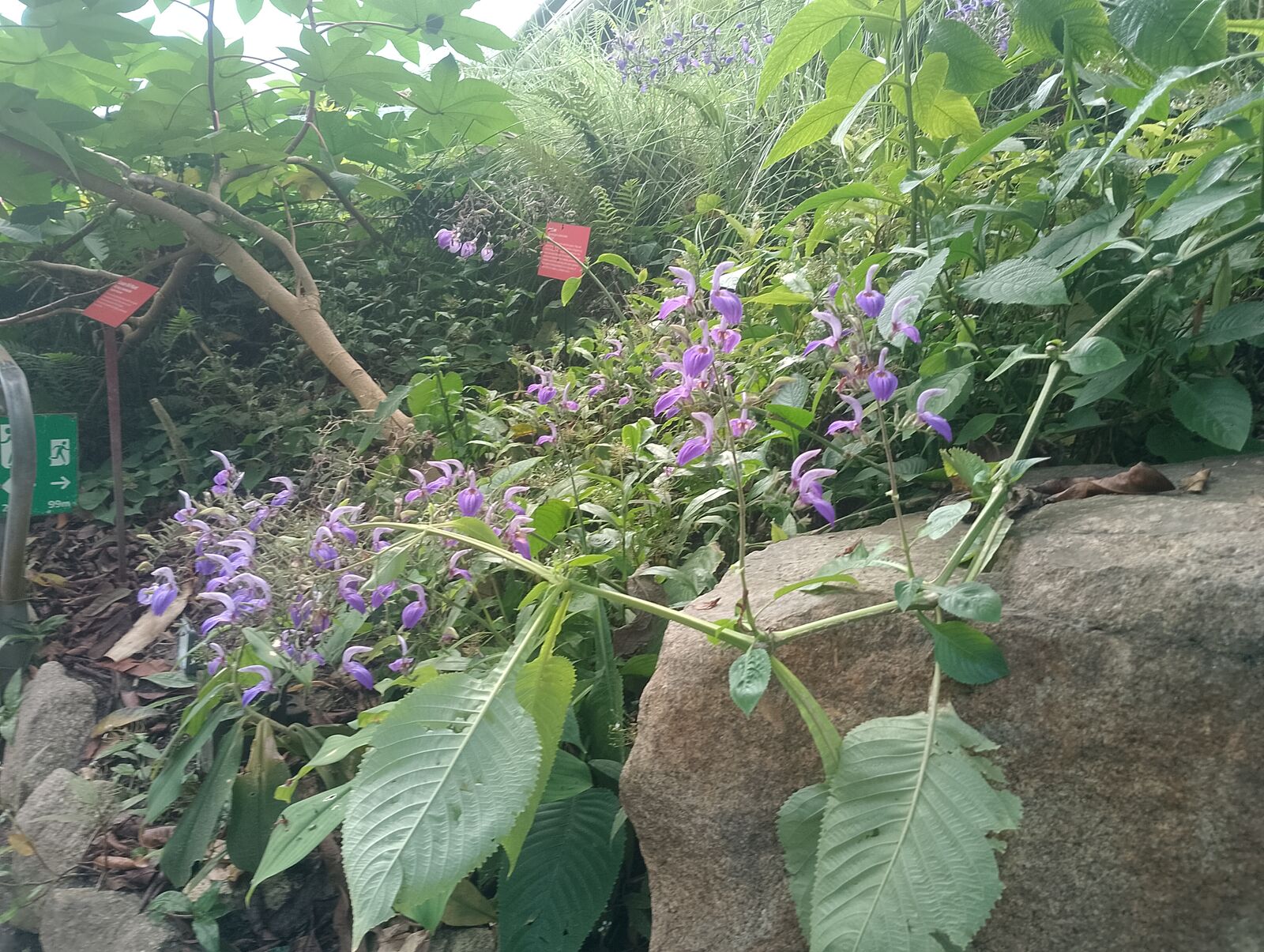
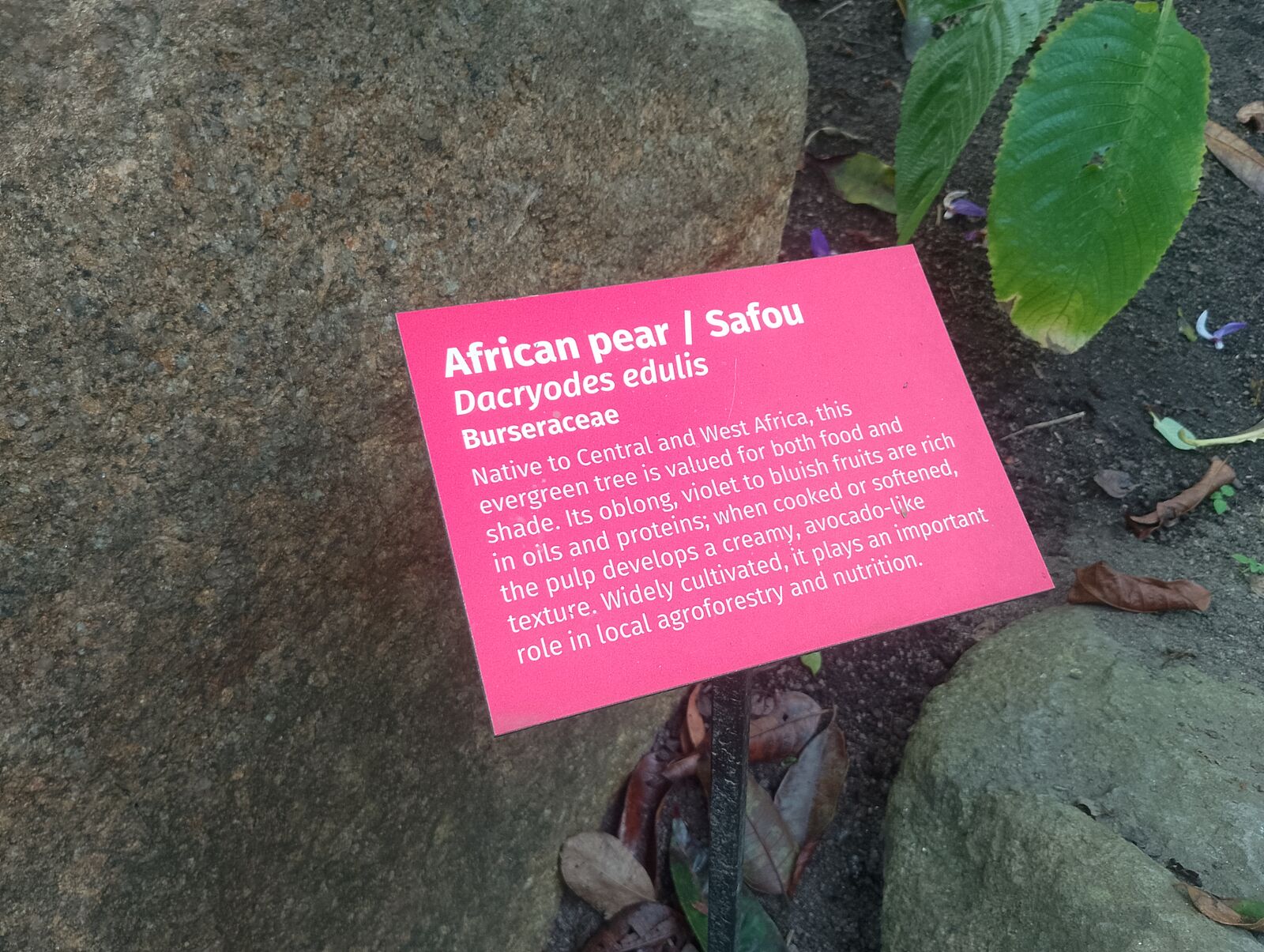
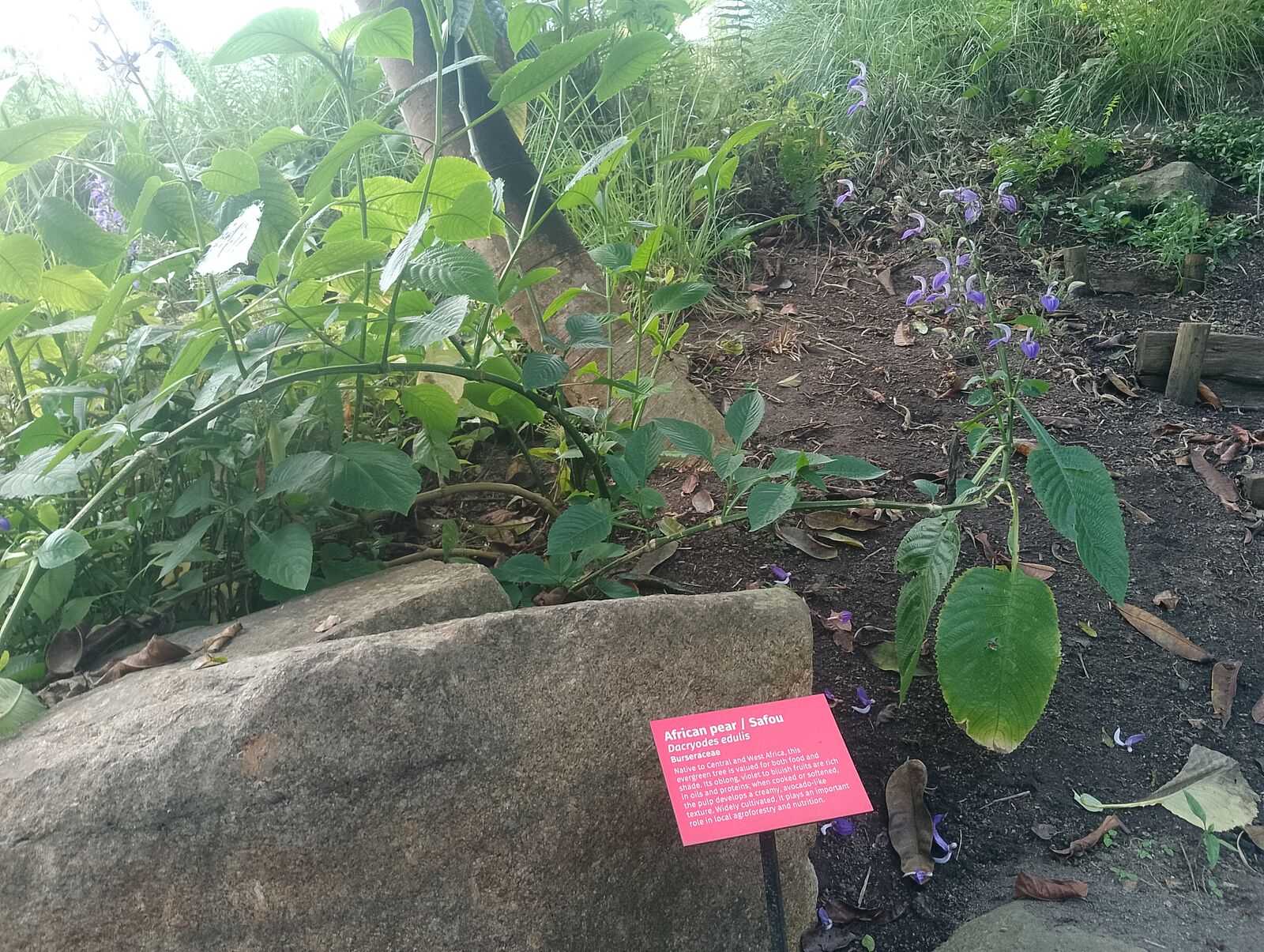
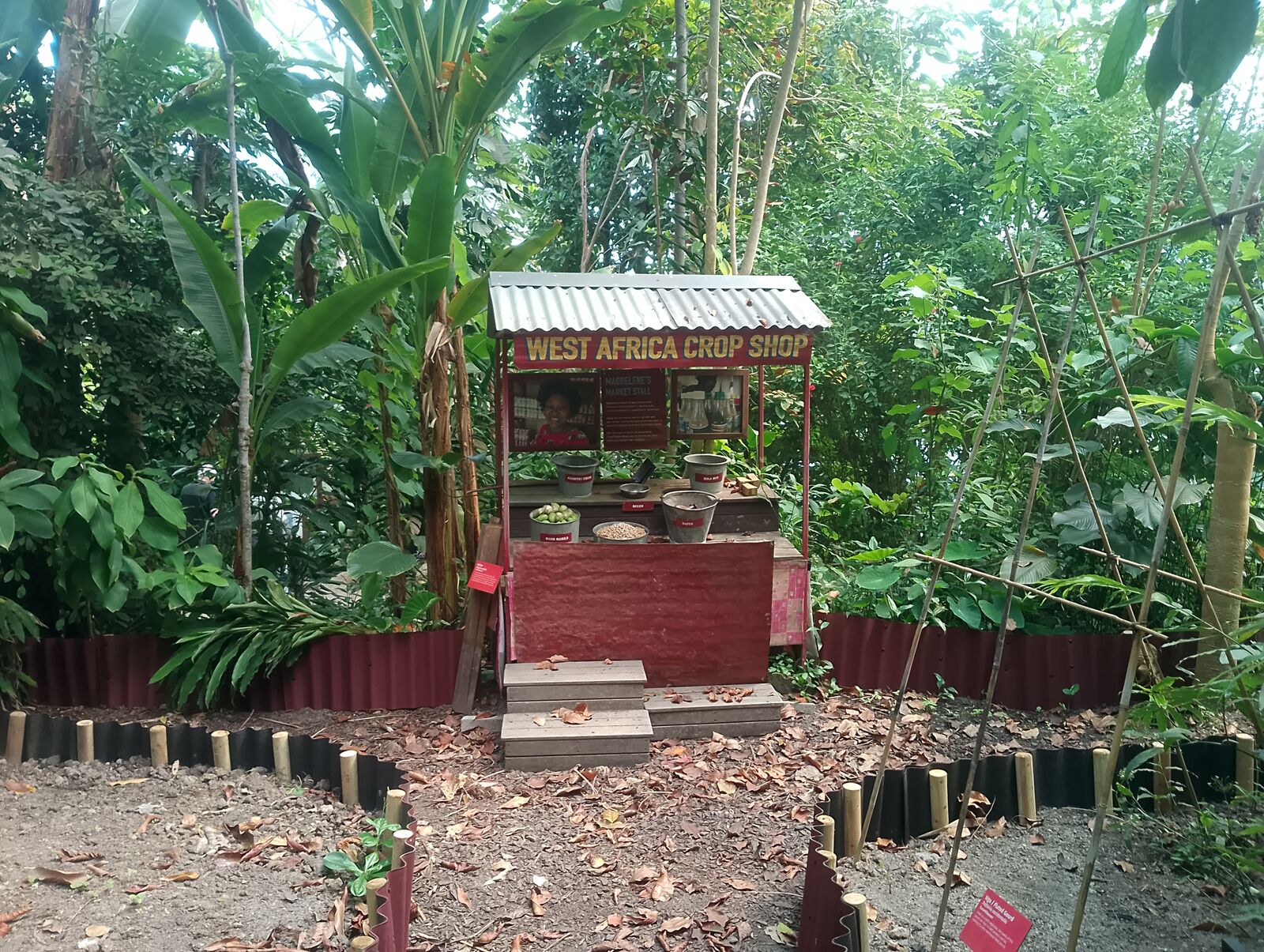
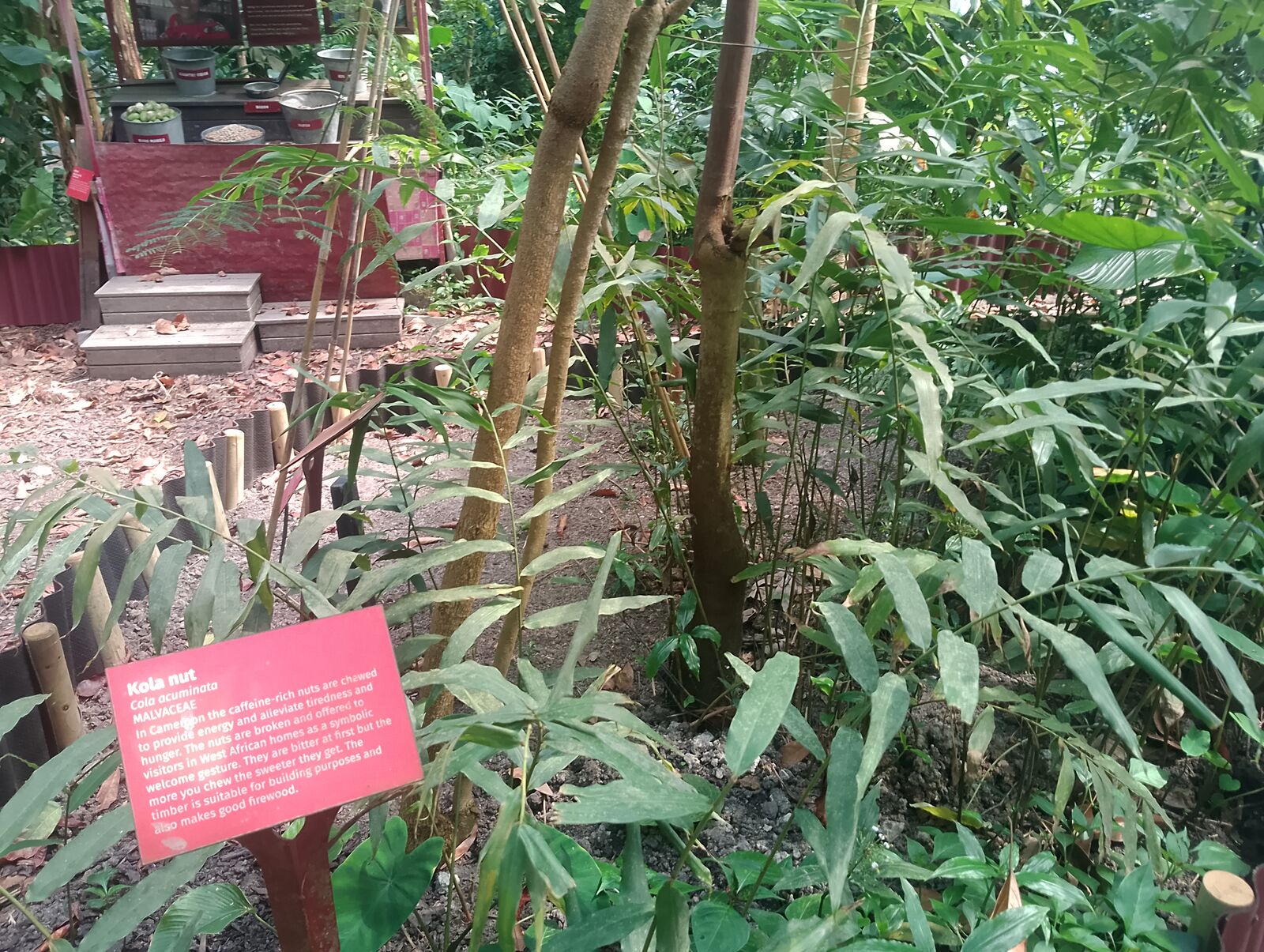
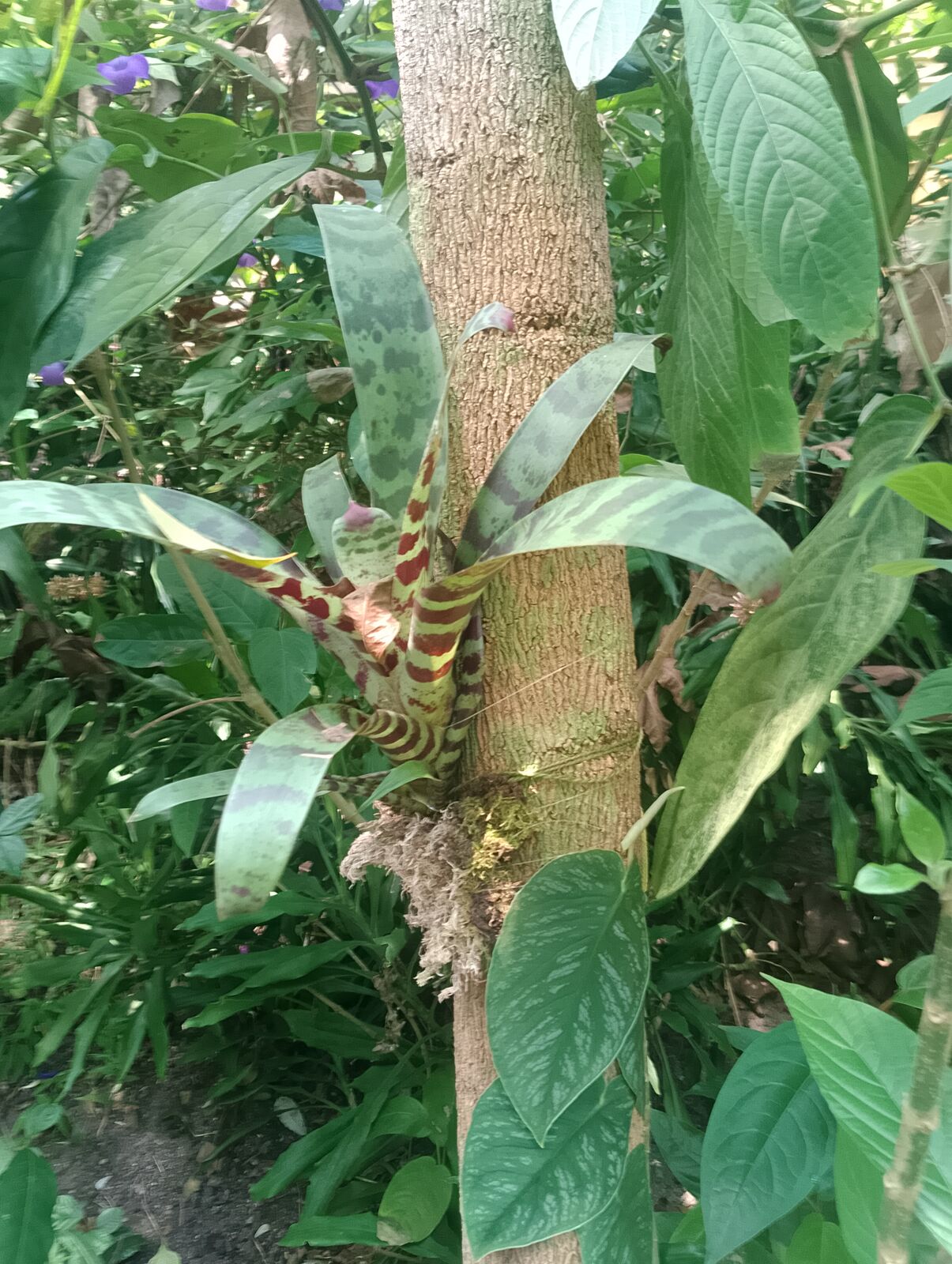
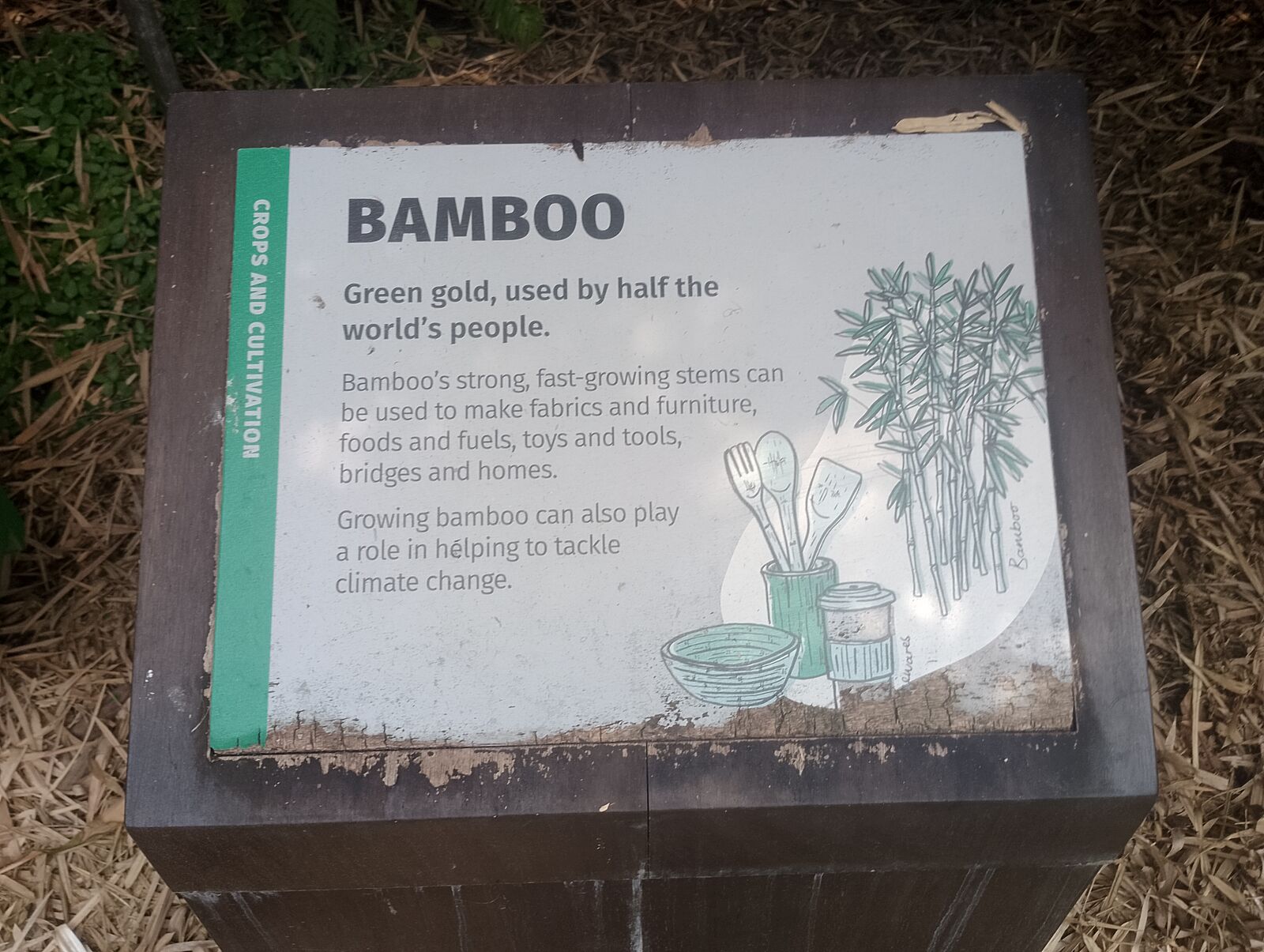
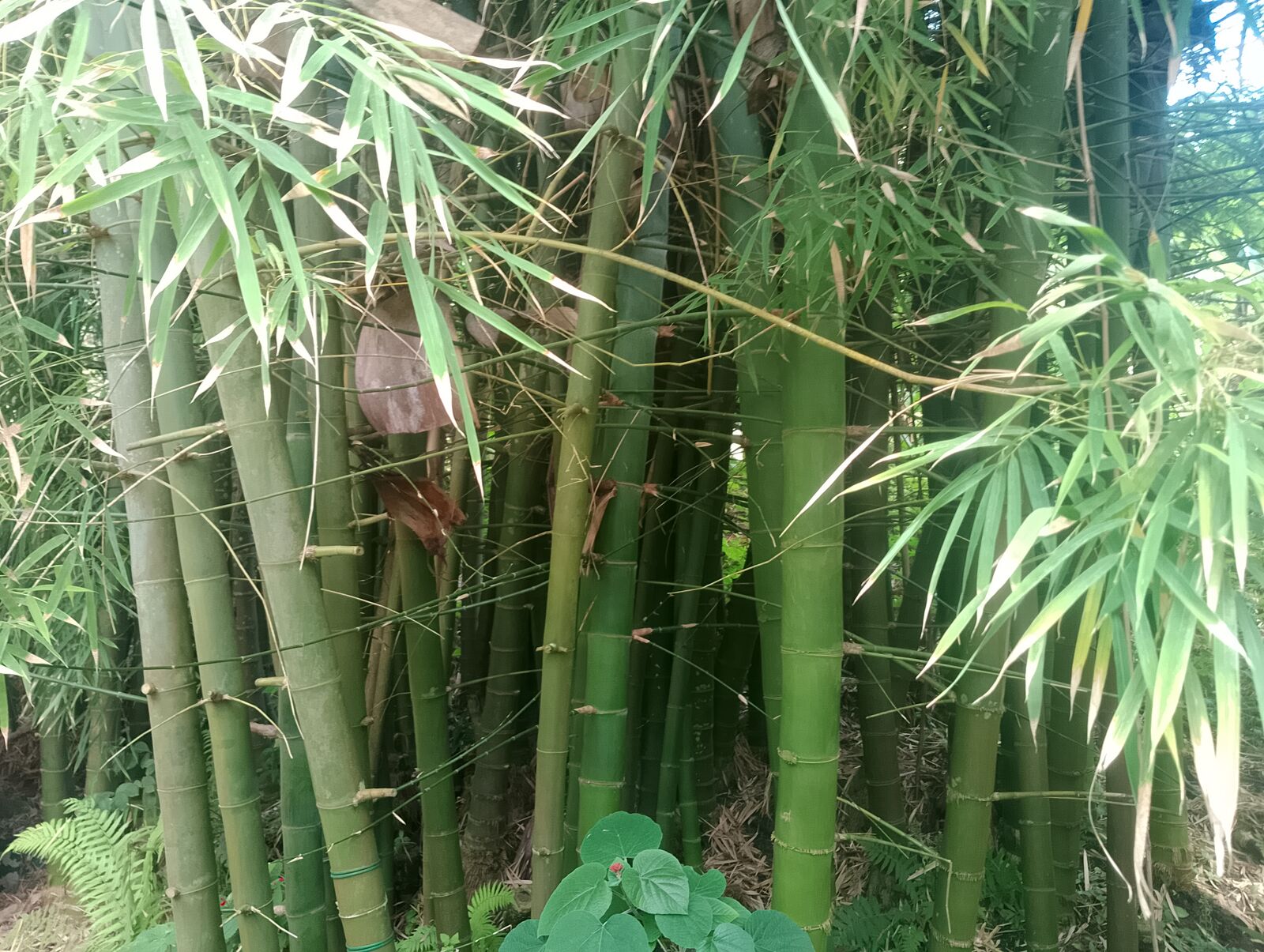
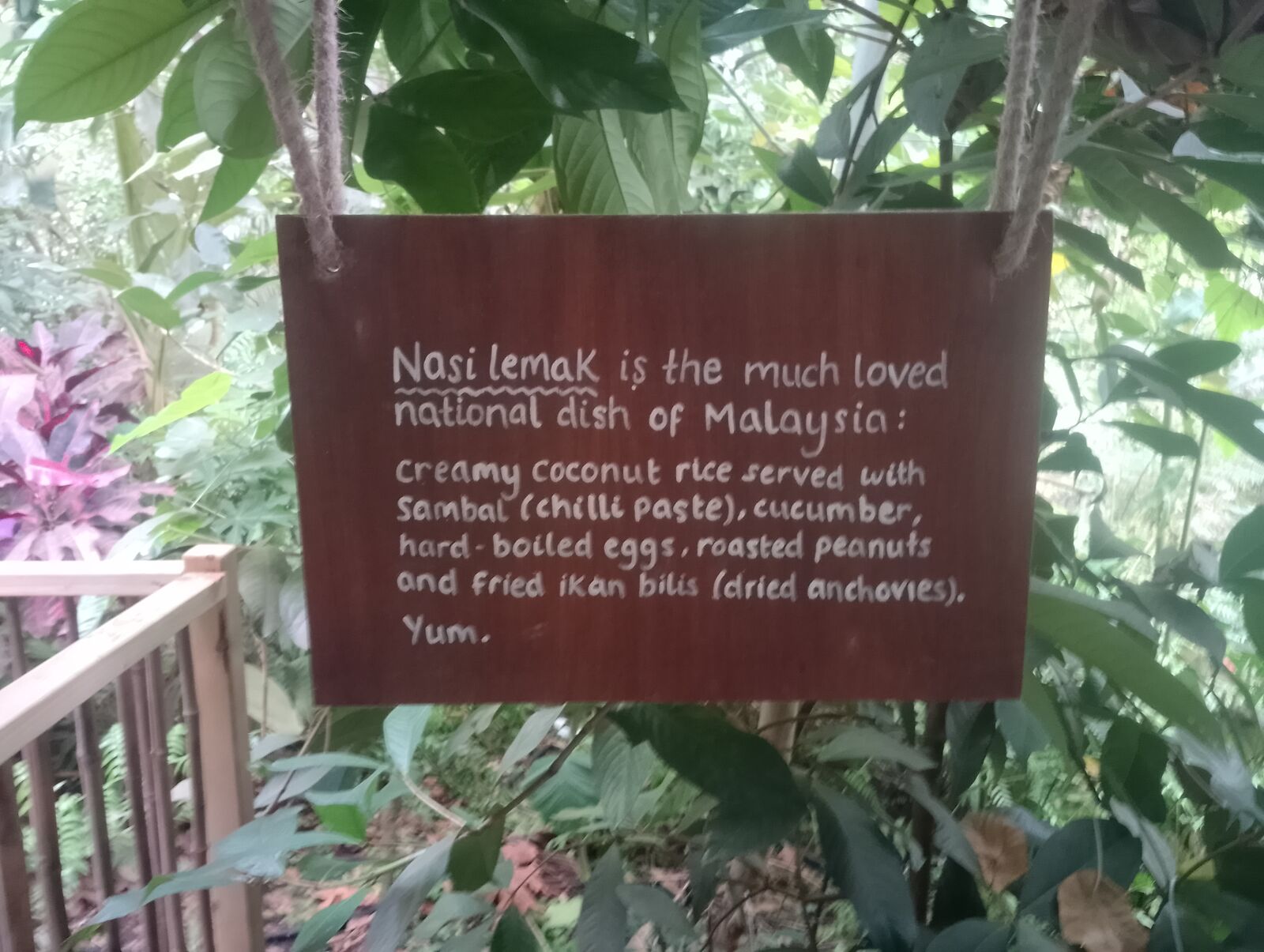
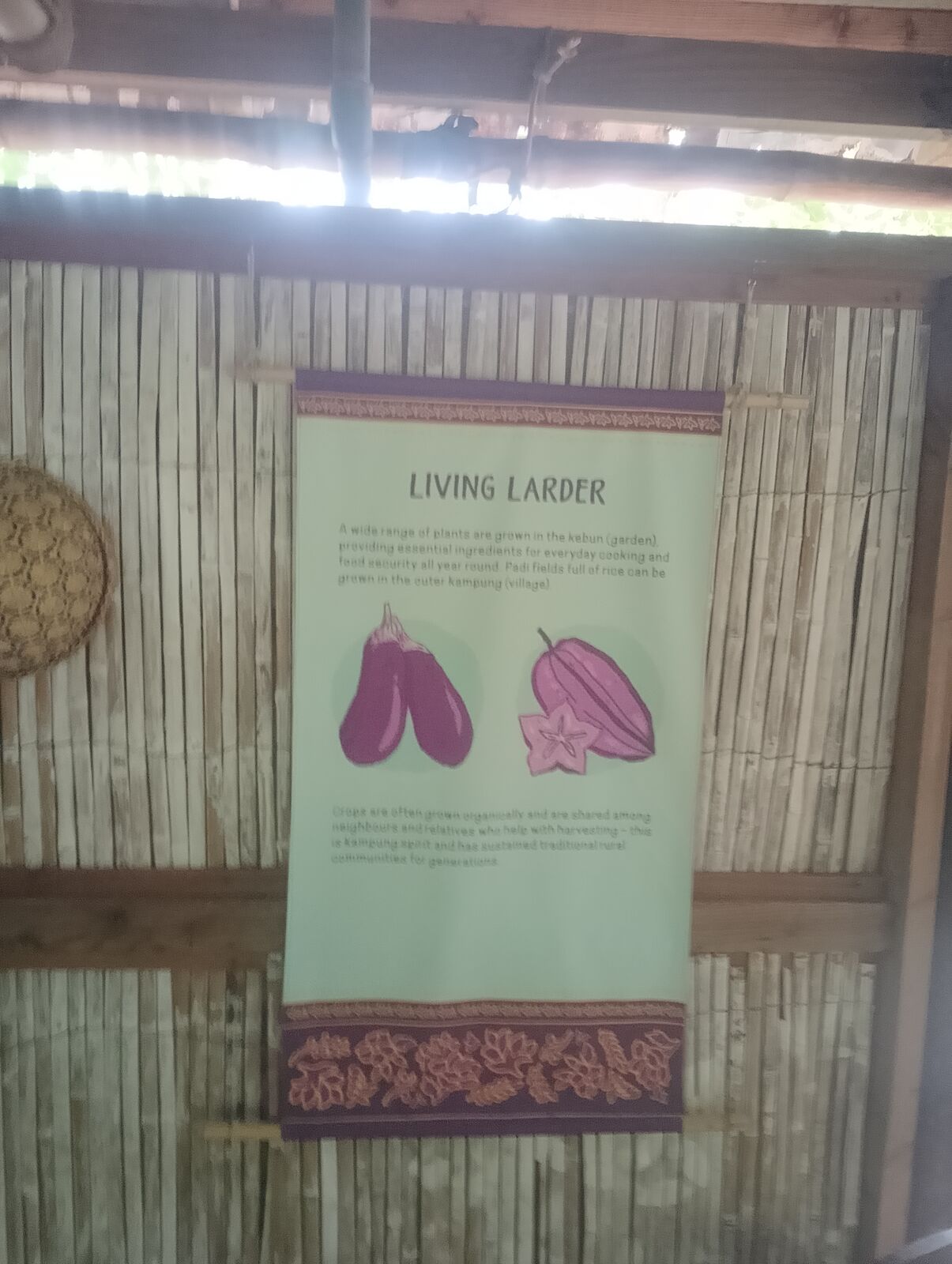
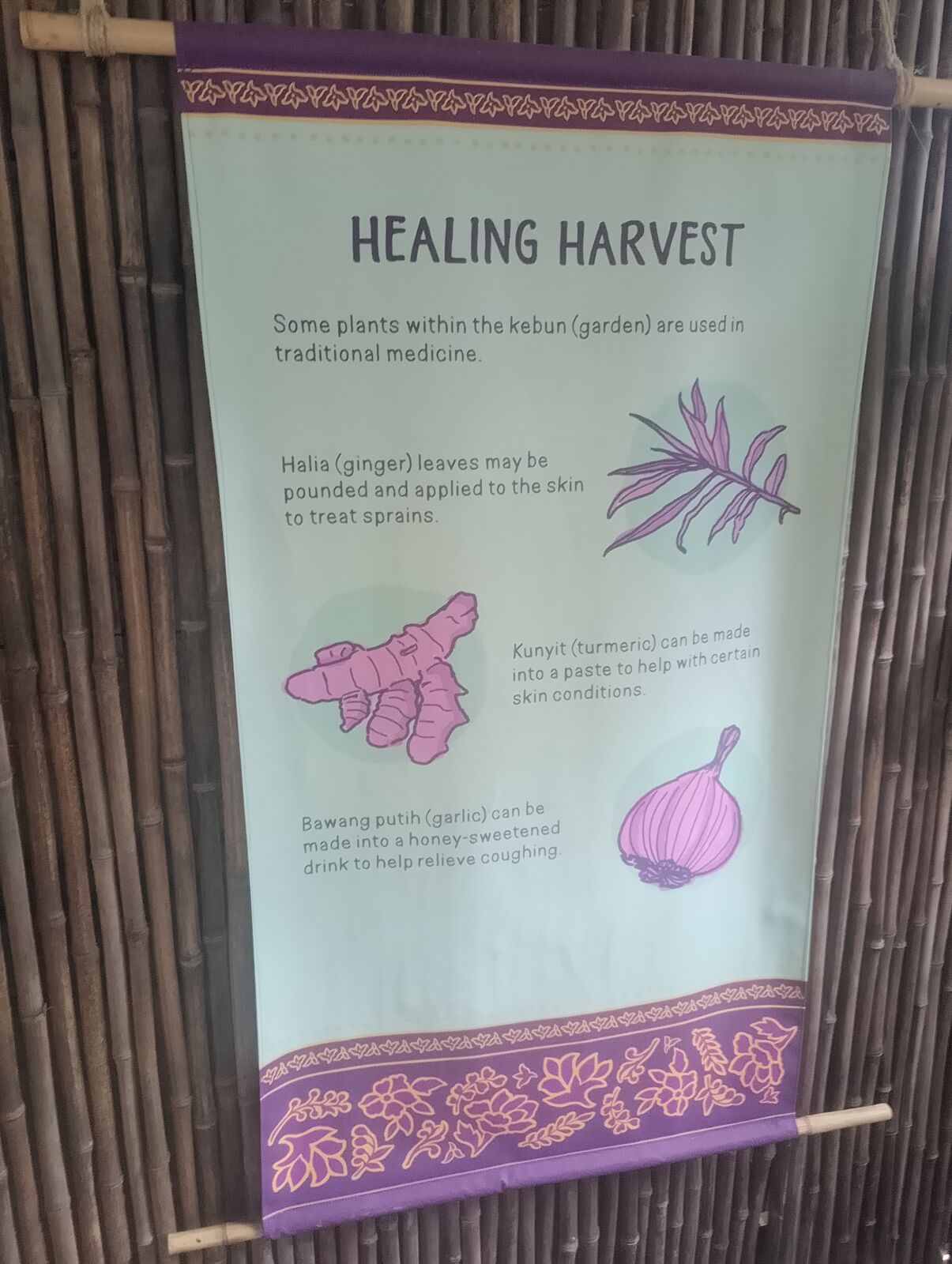
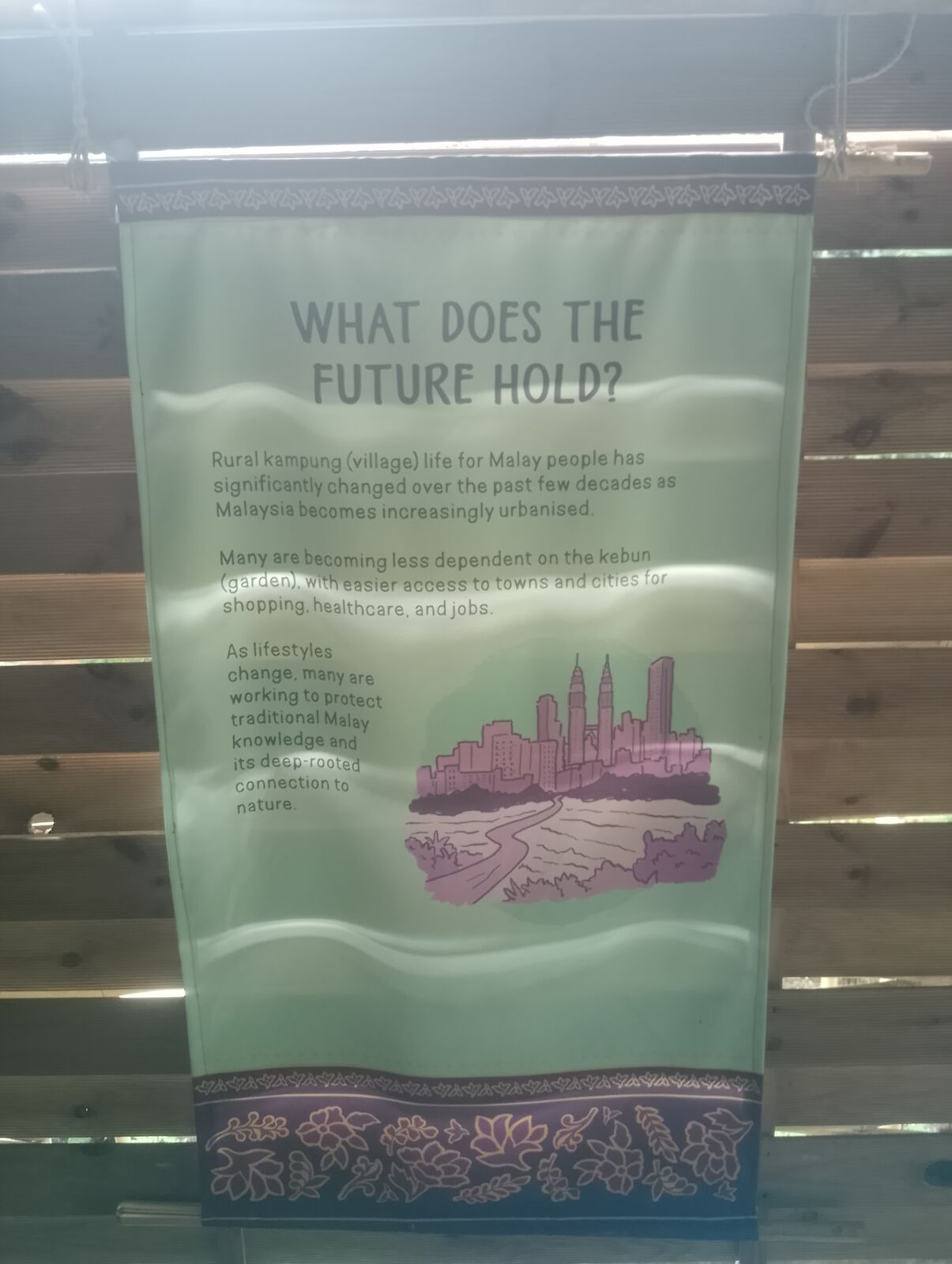
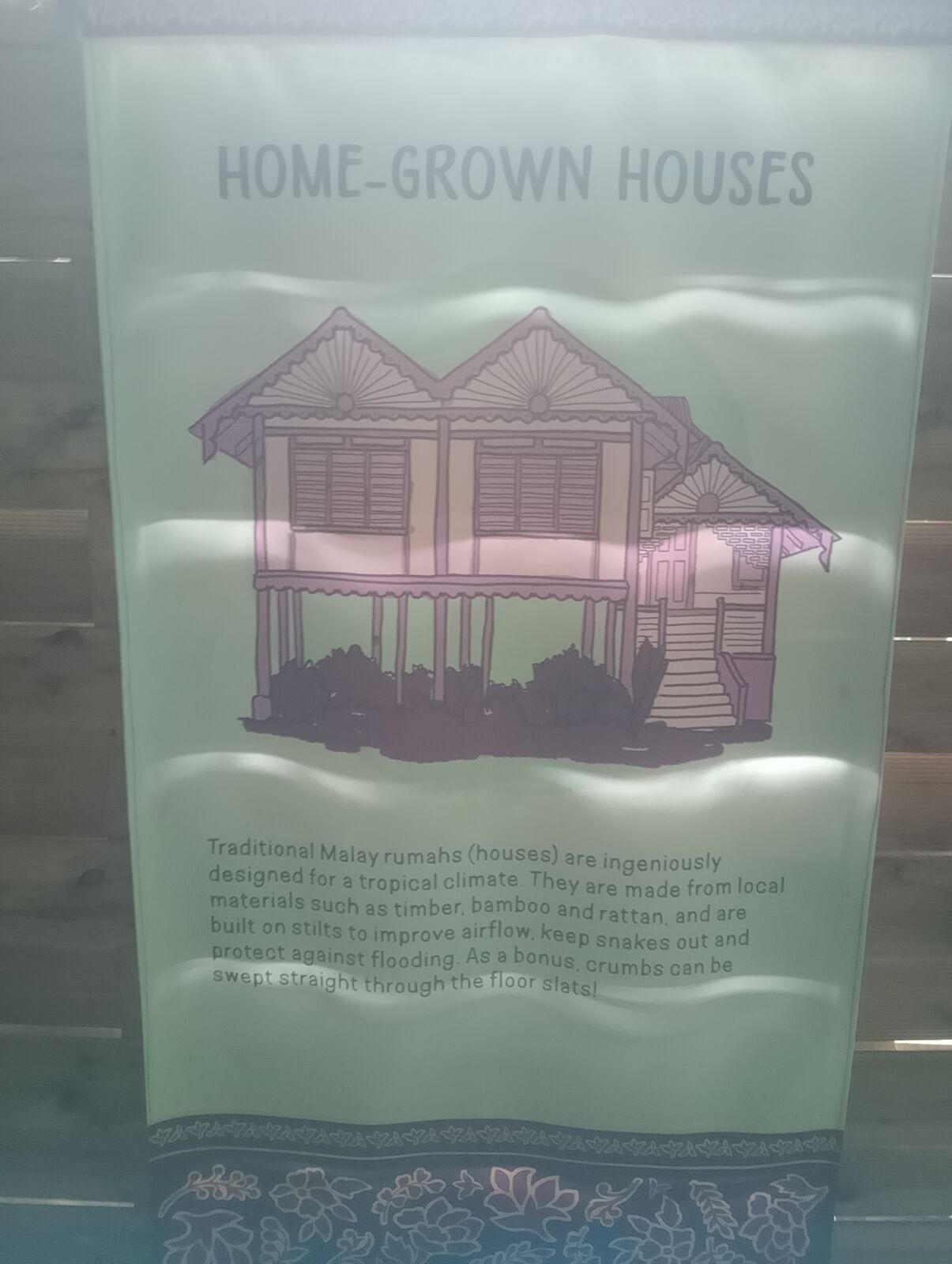
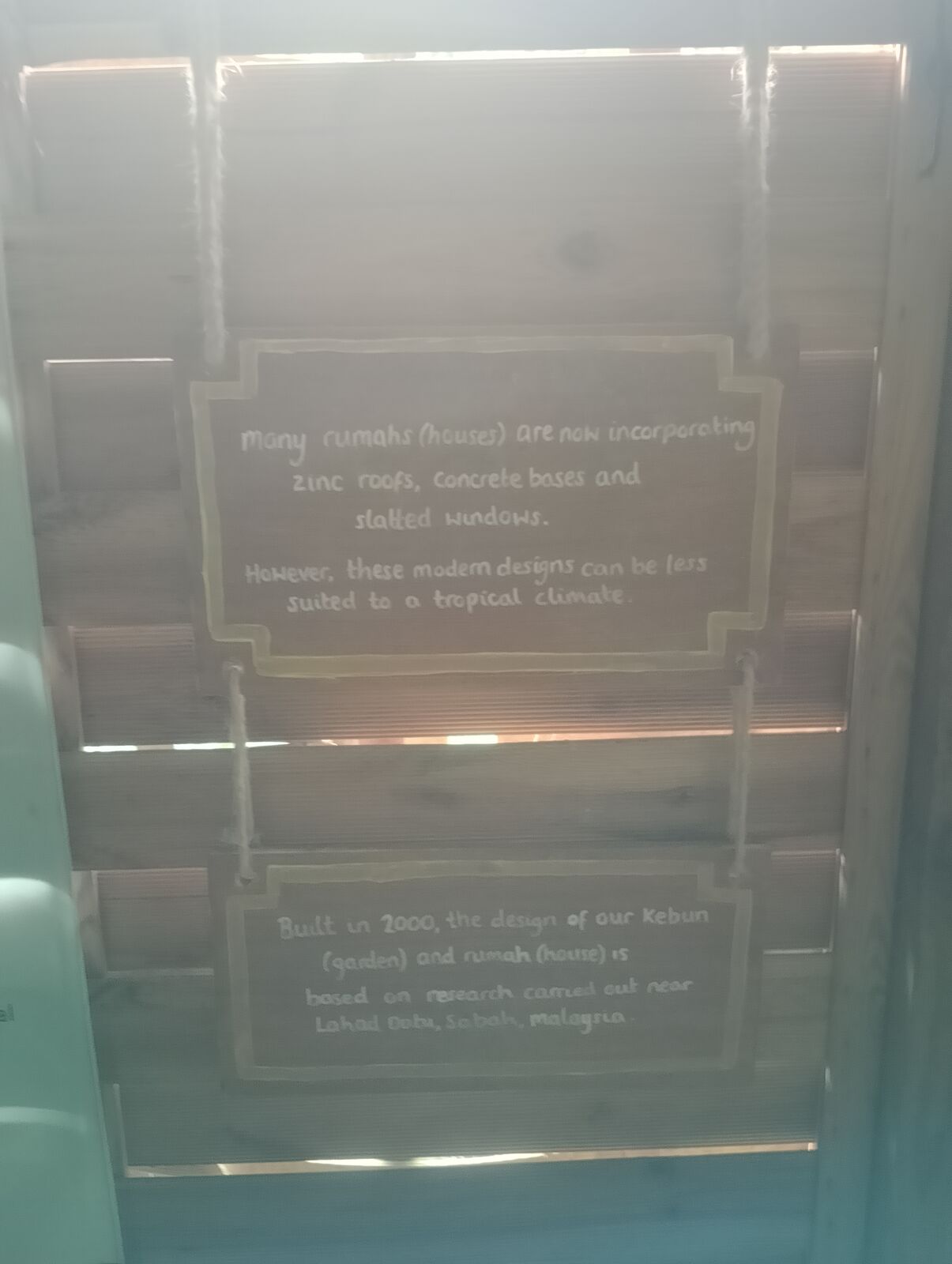
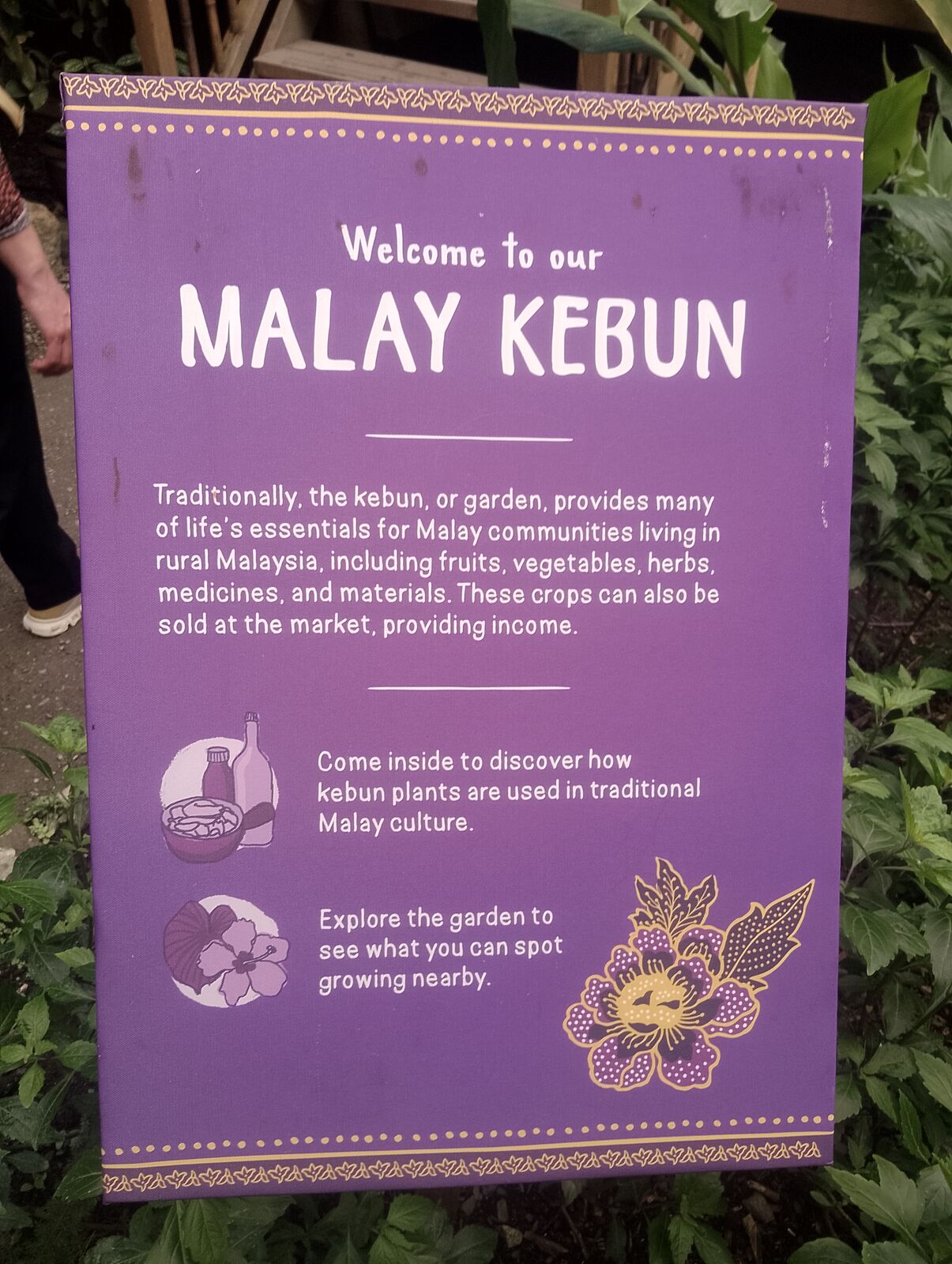
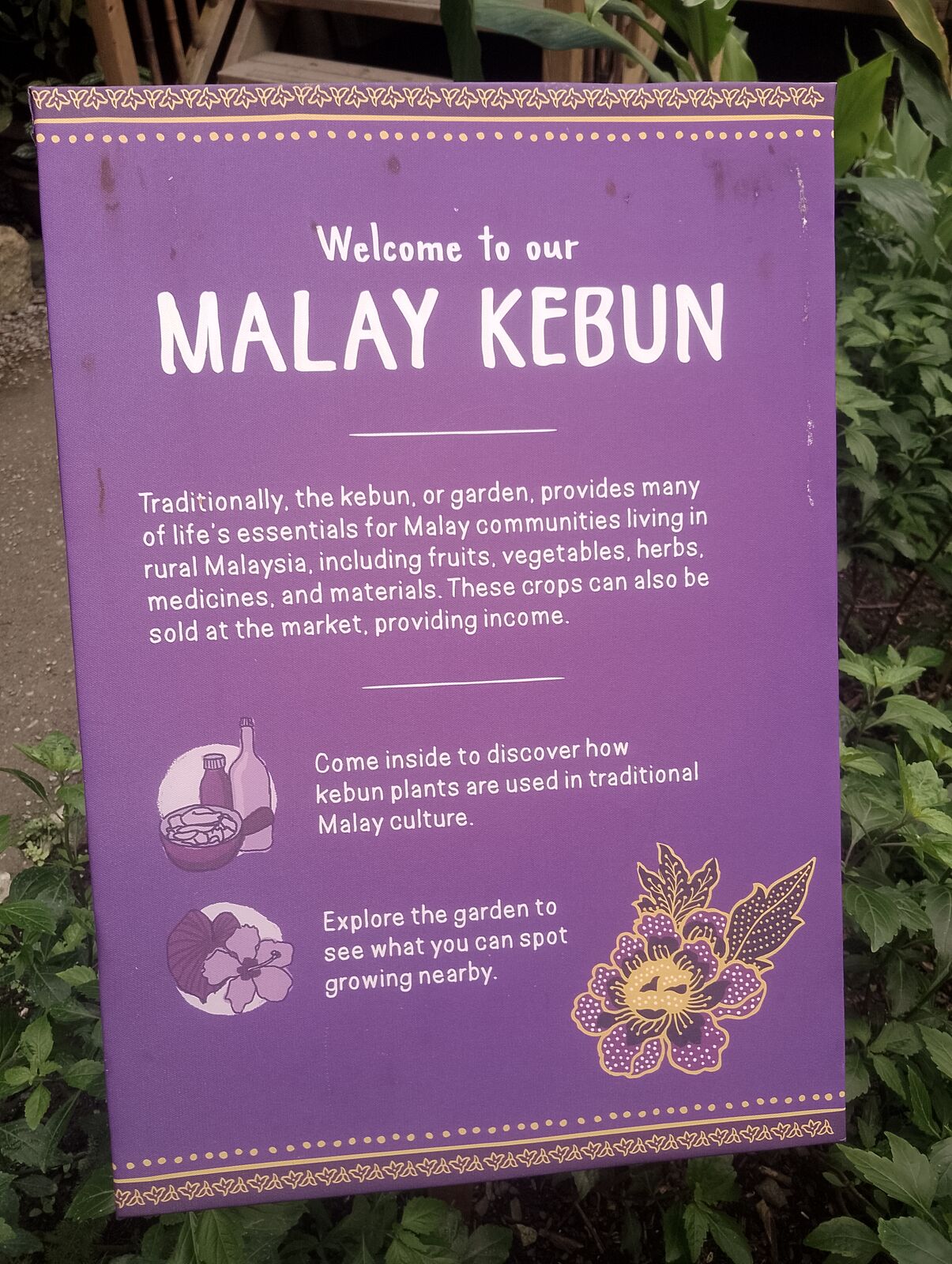
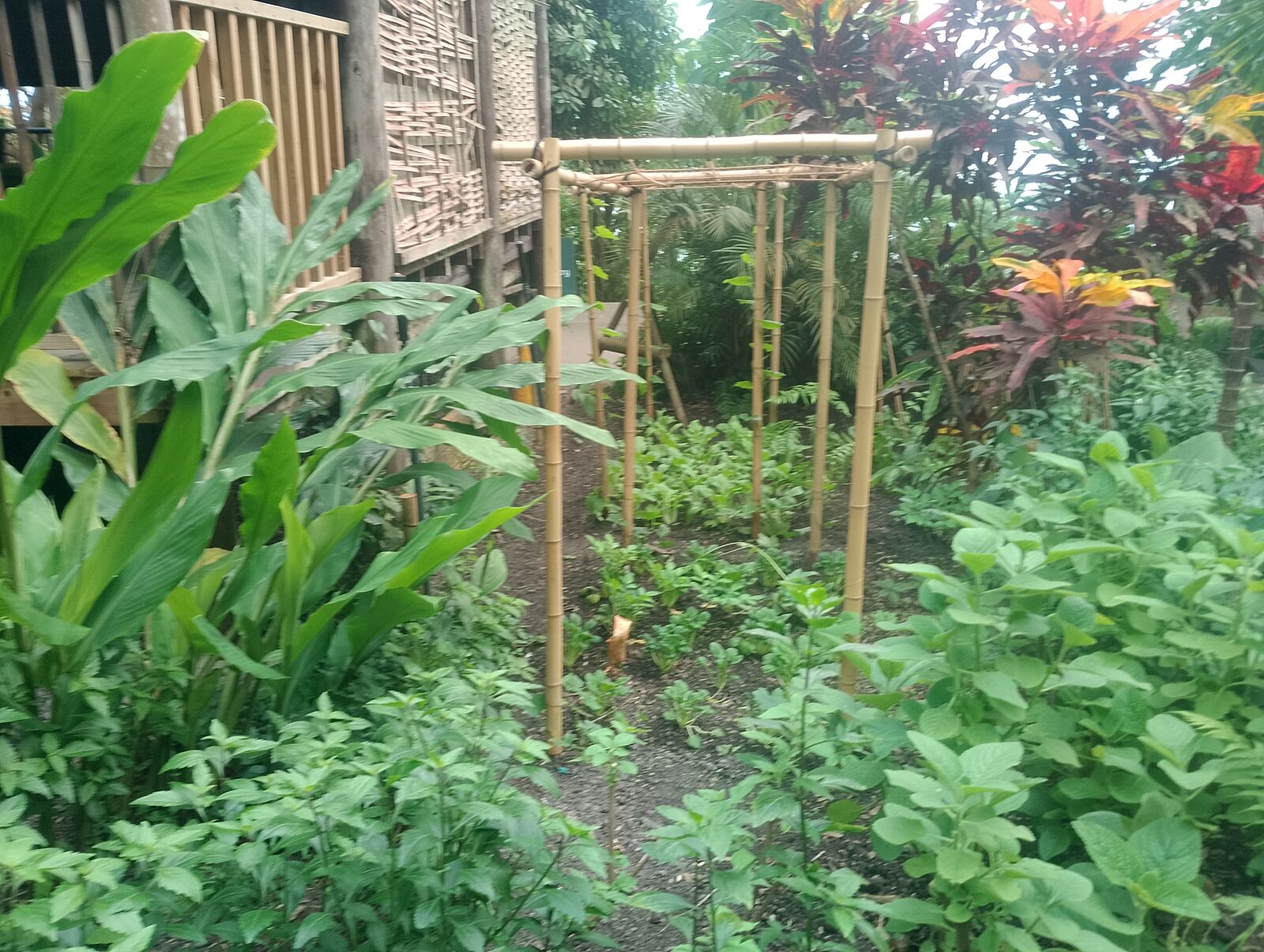
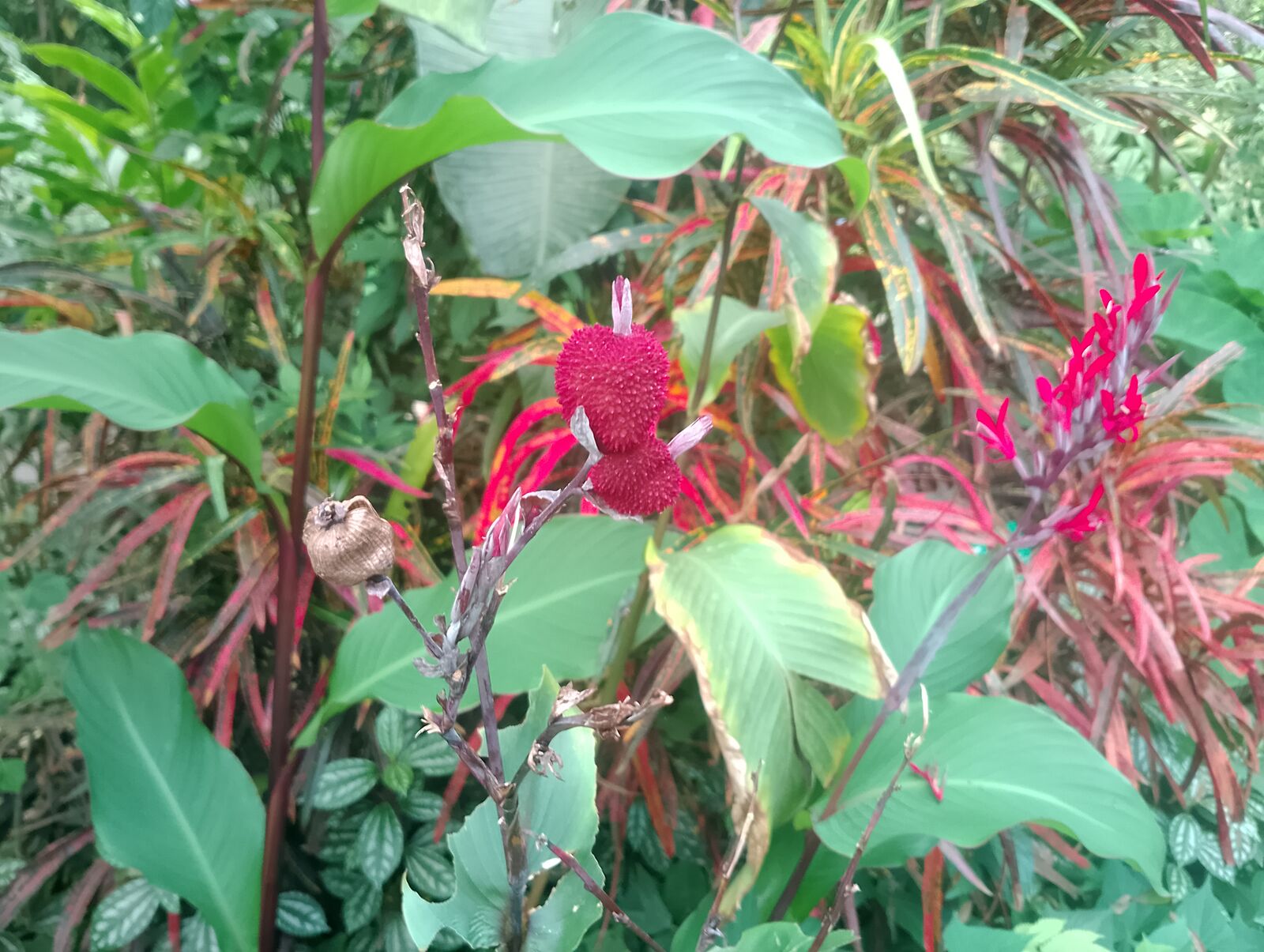
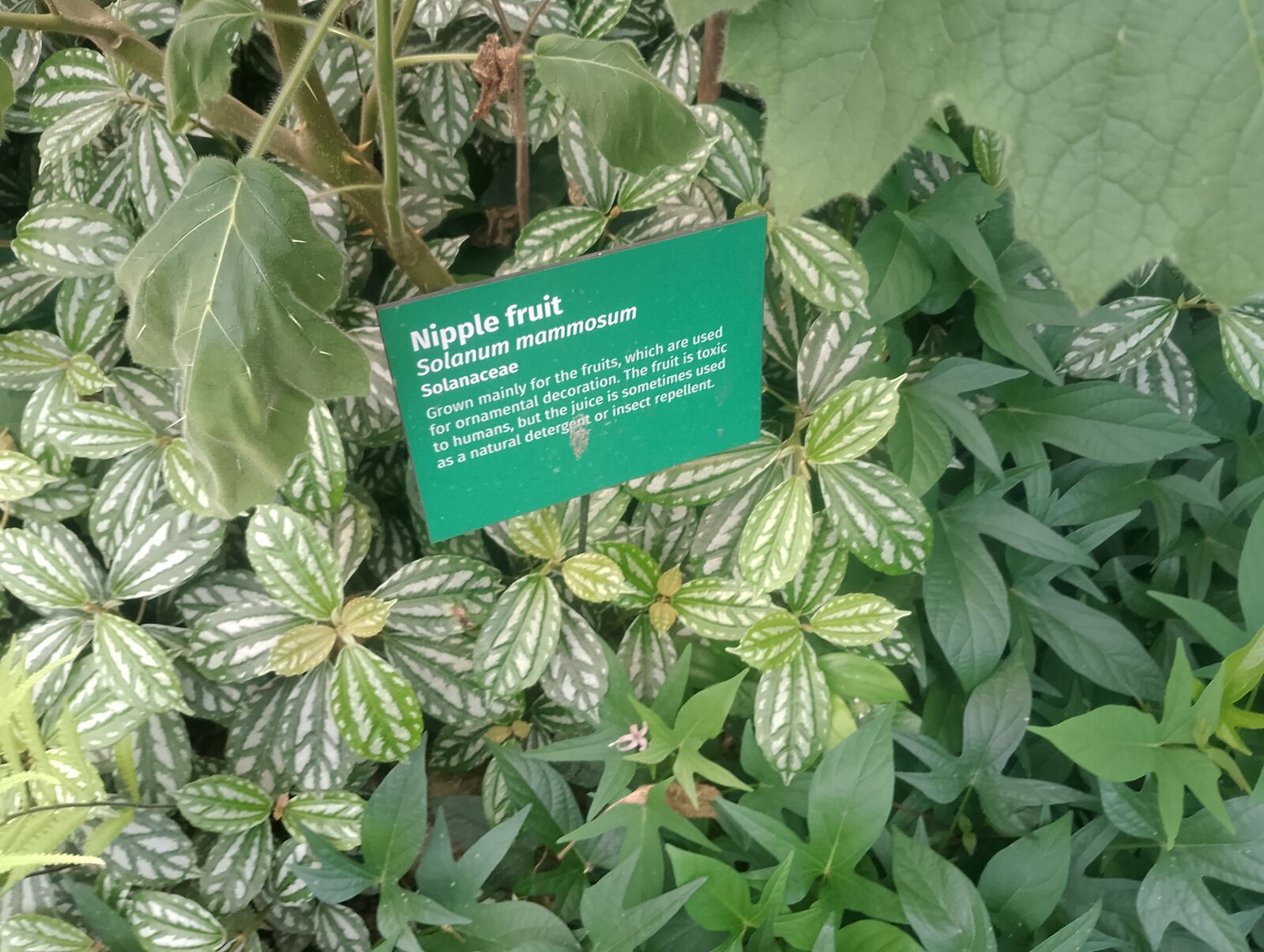
I pass a Malay Kebun thats a bit busy and resolve to come back later, passing some bamboo and an Orangutan sculpture thats made of old scrap metal. Before heading up towards West Africa, it’s crop shop and various flowers.
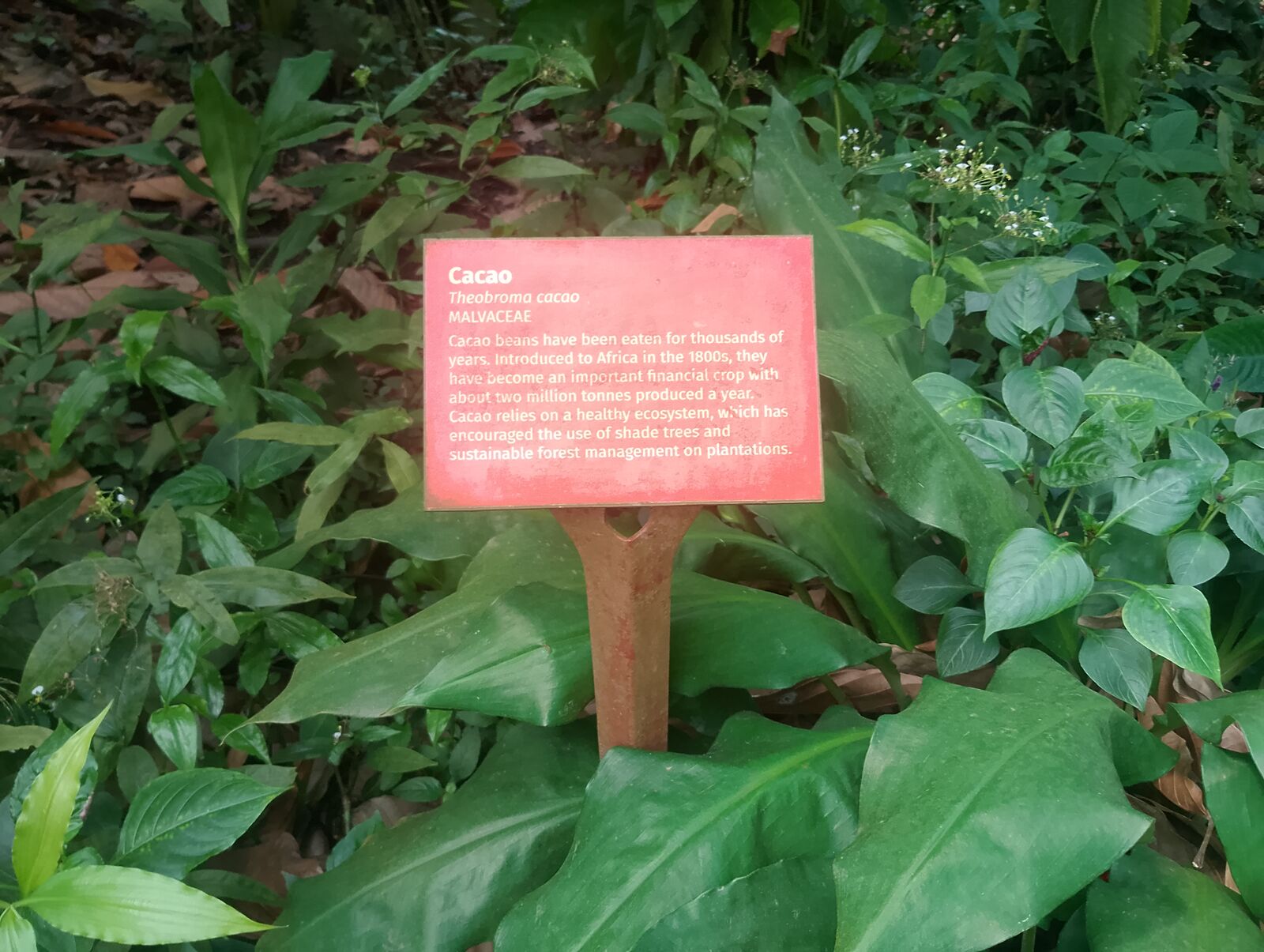
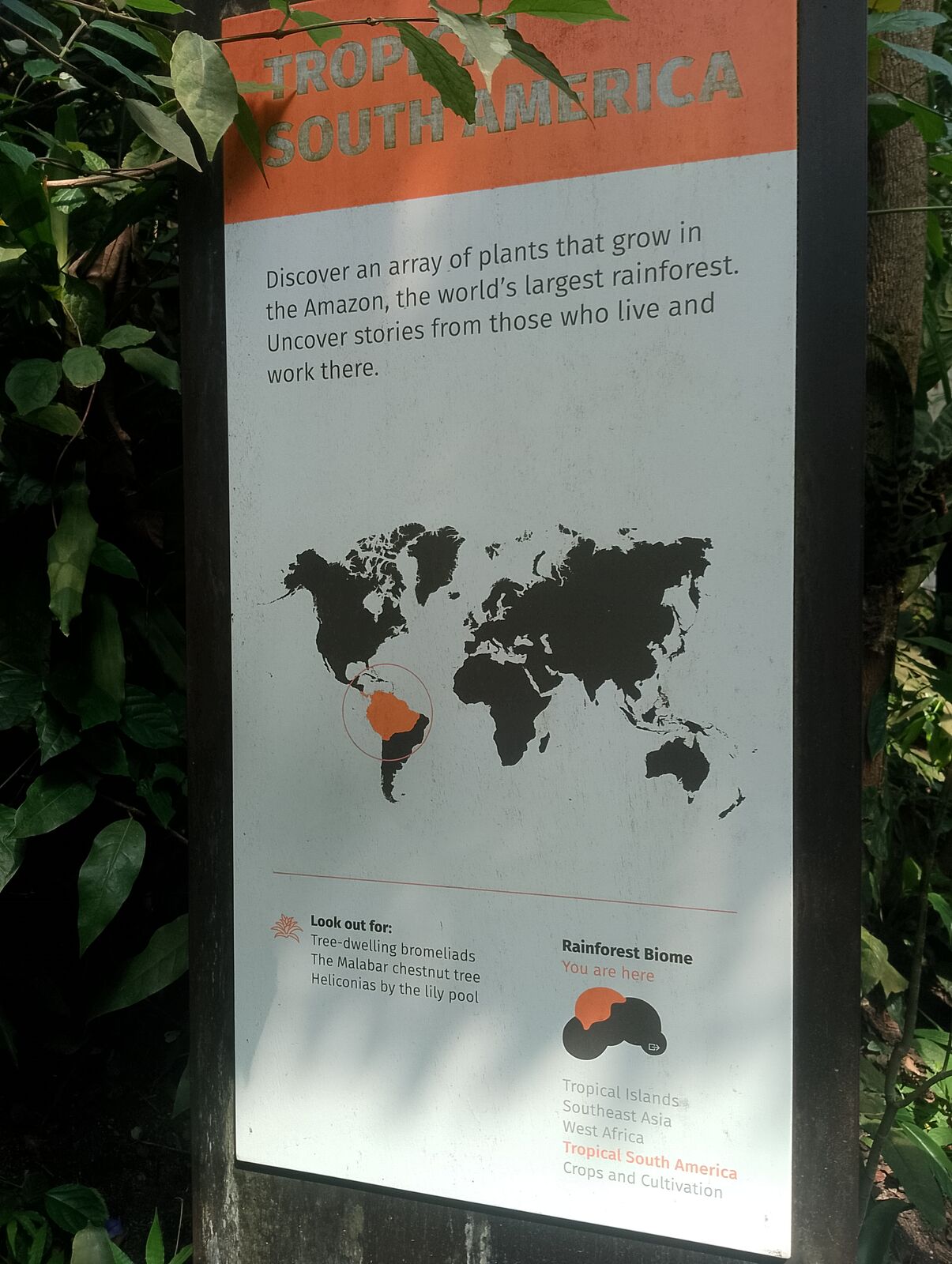
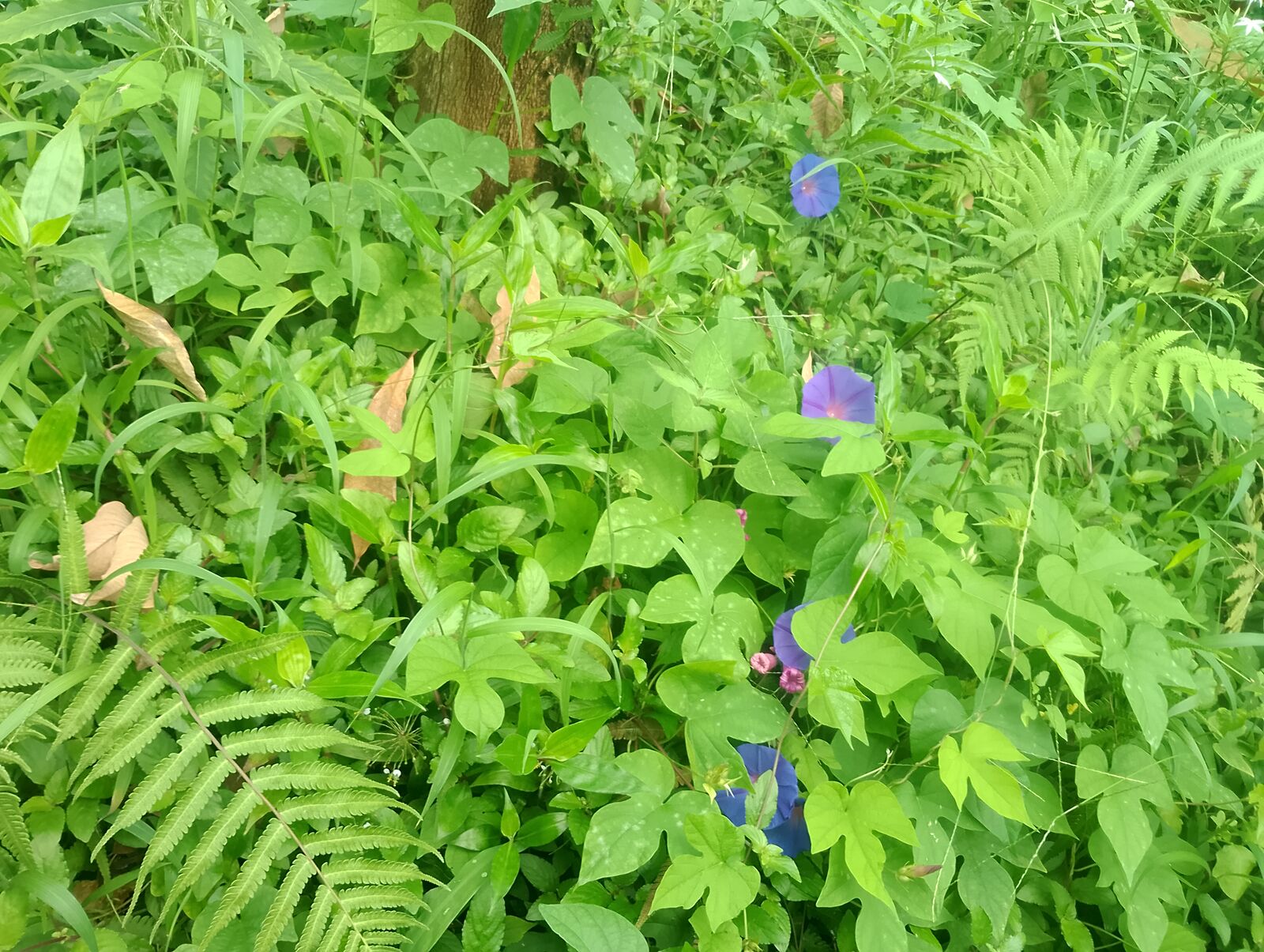
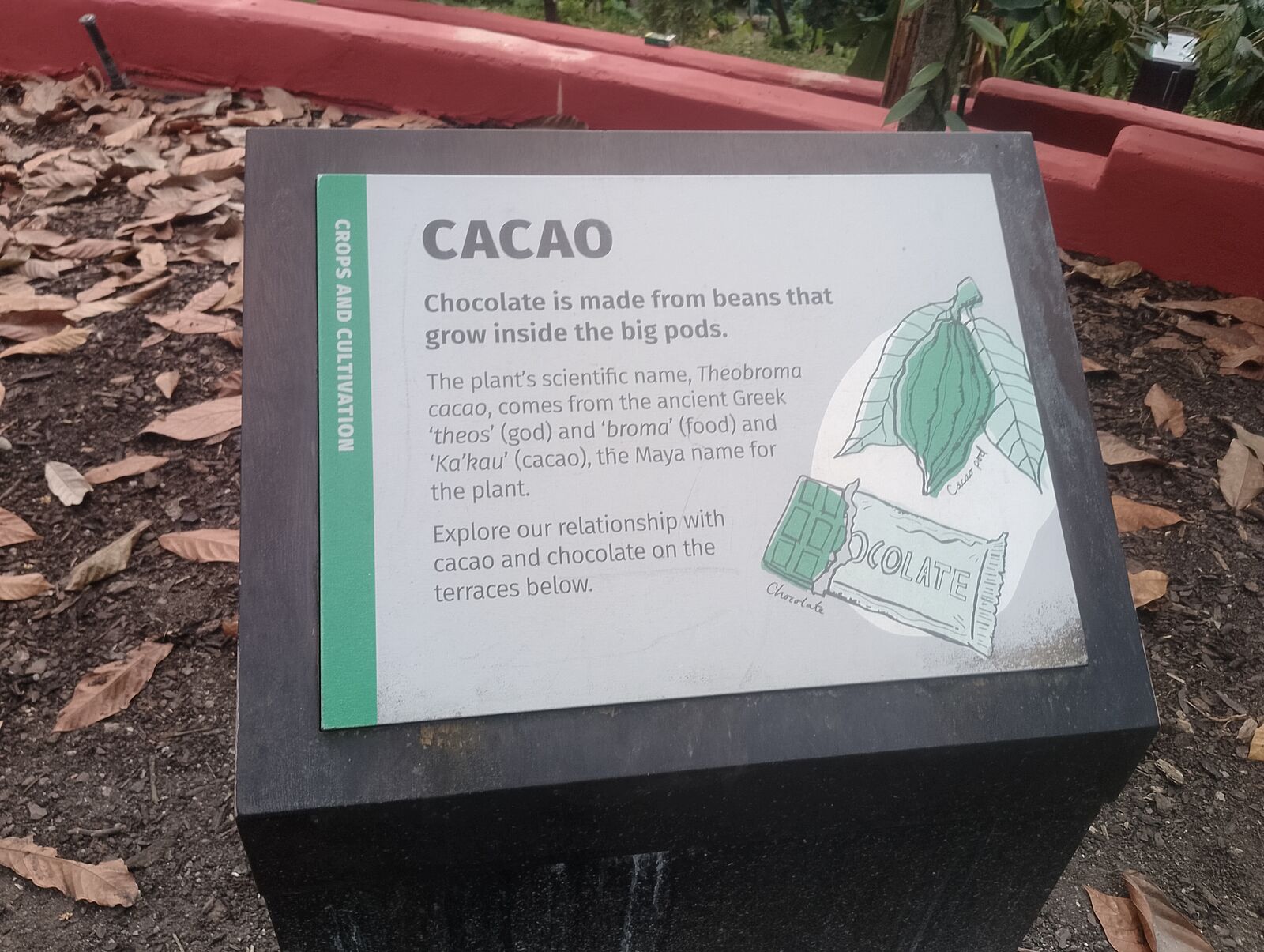
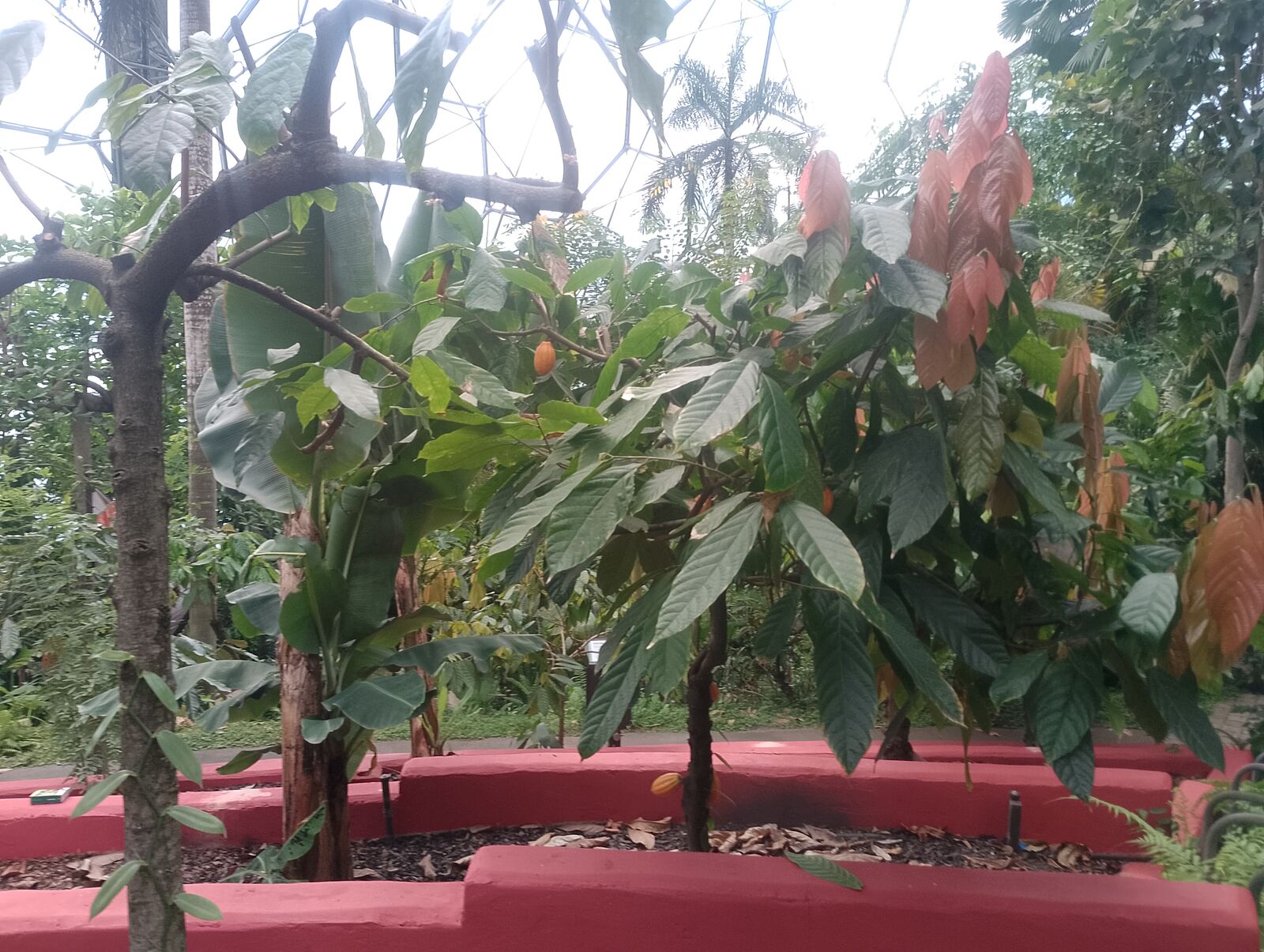
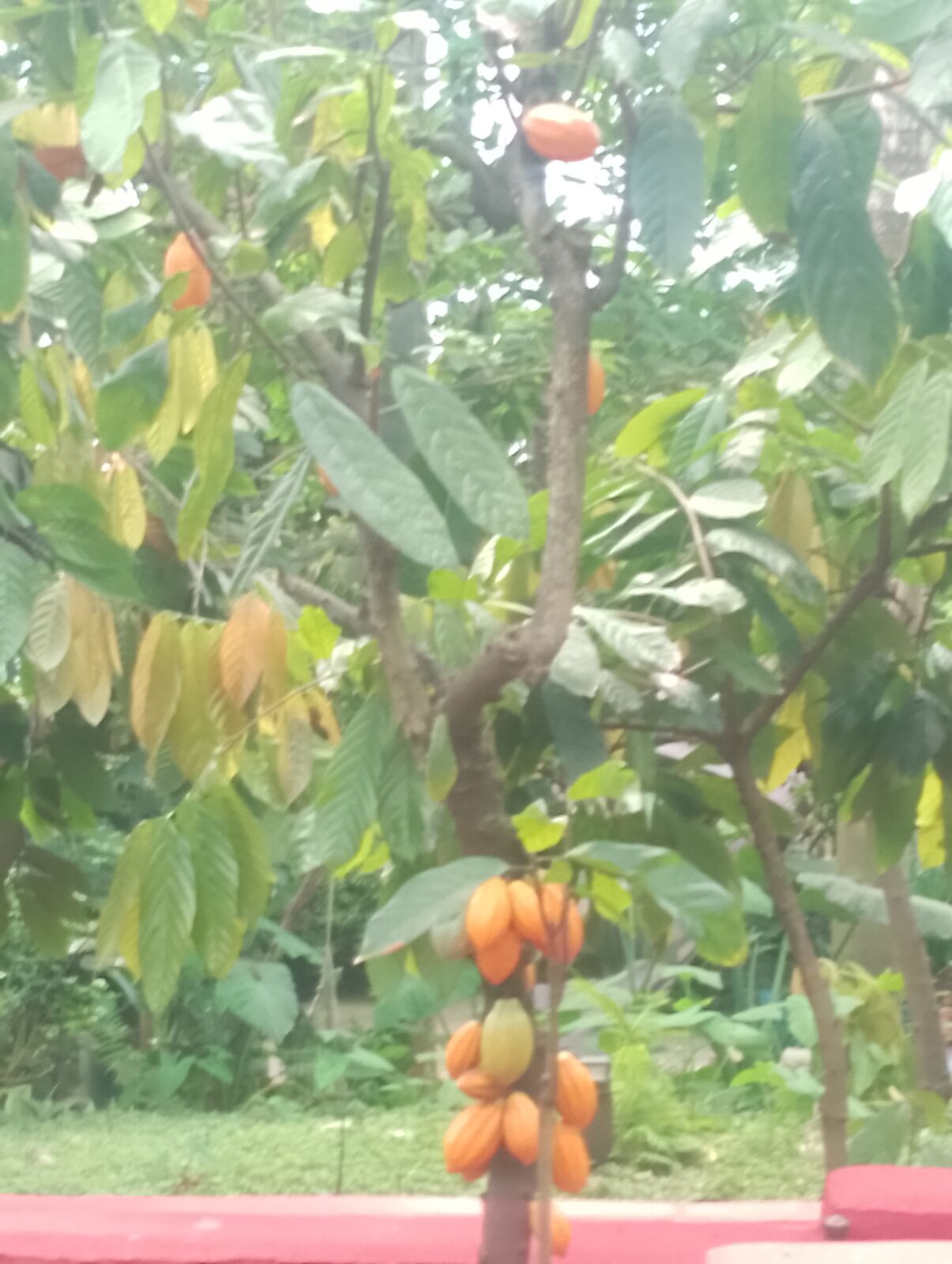
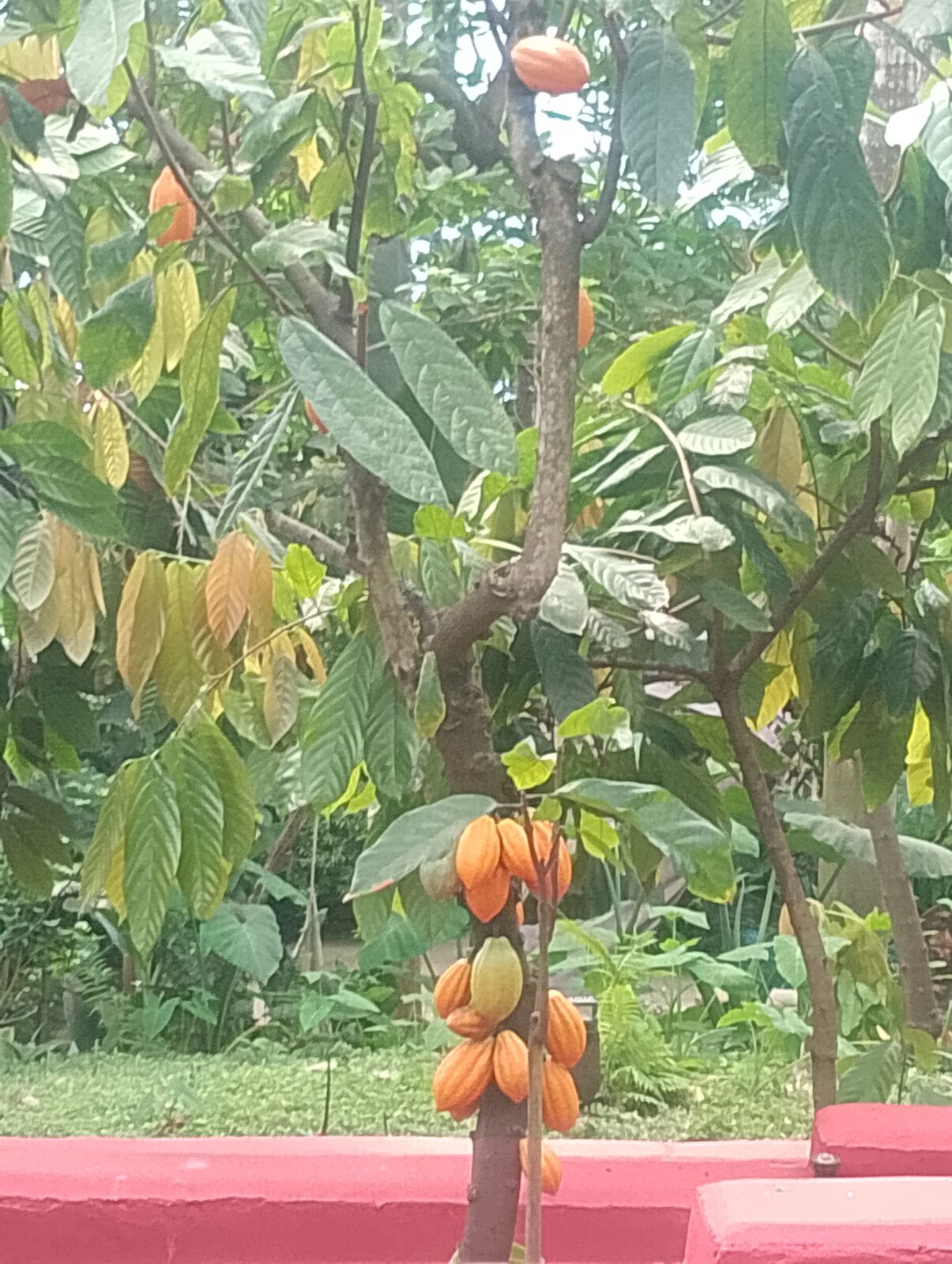
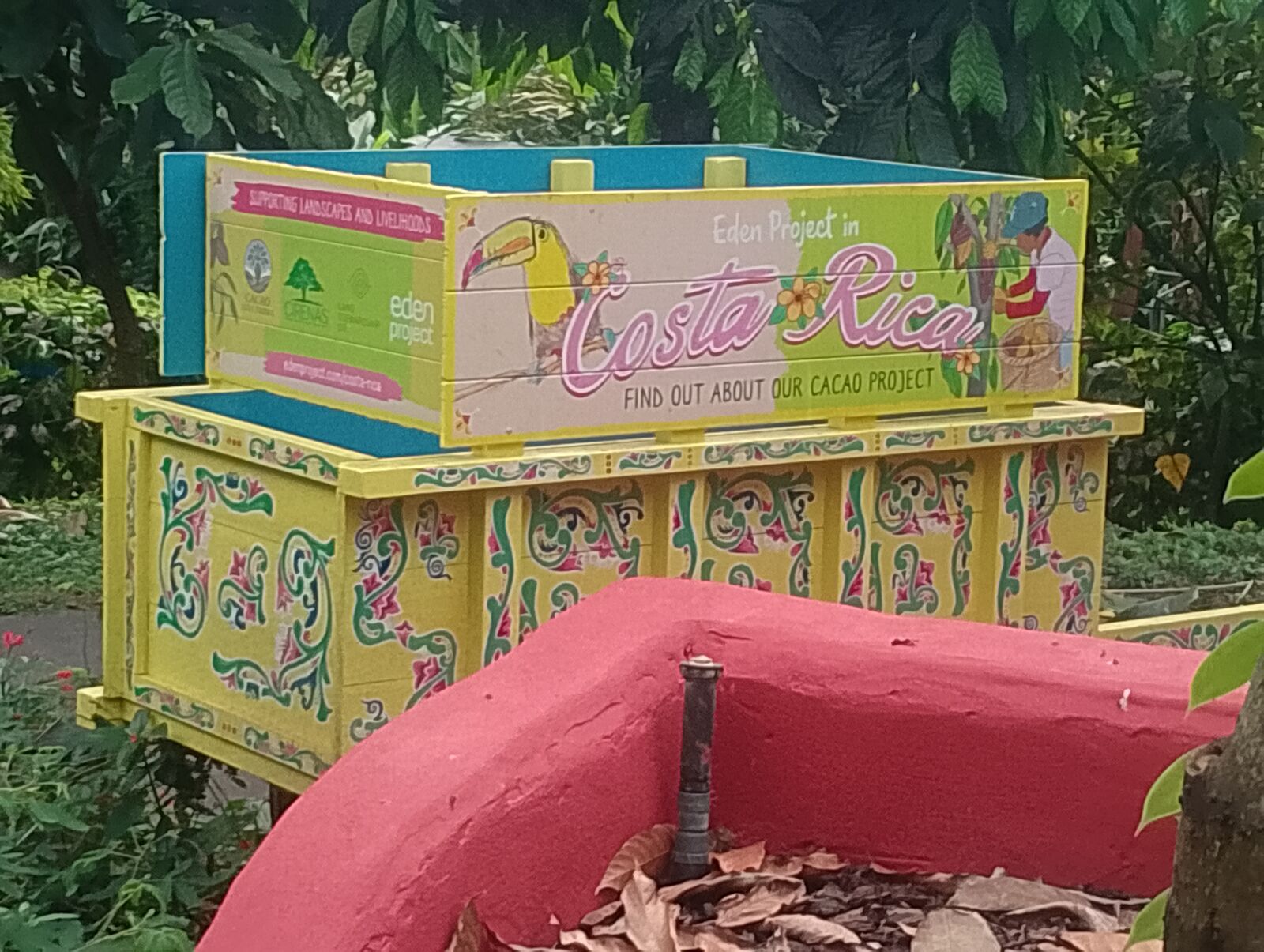
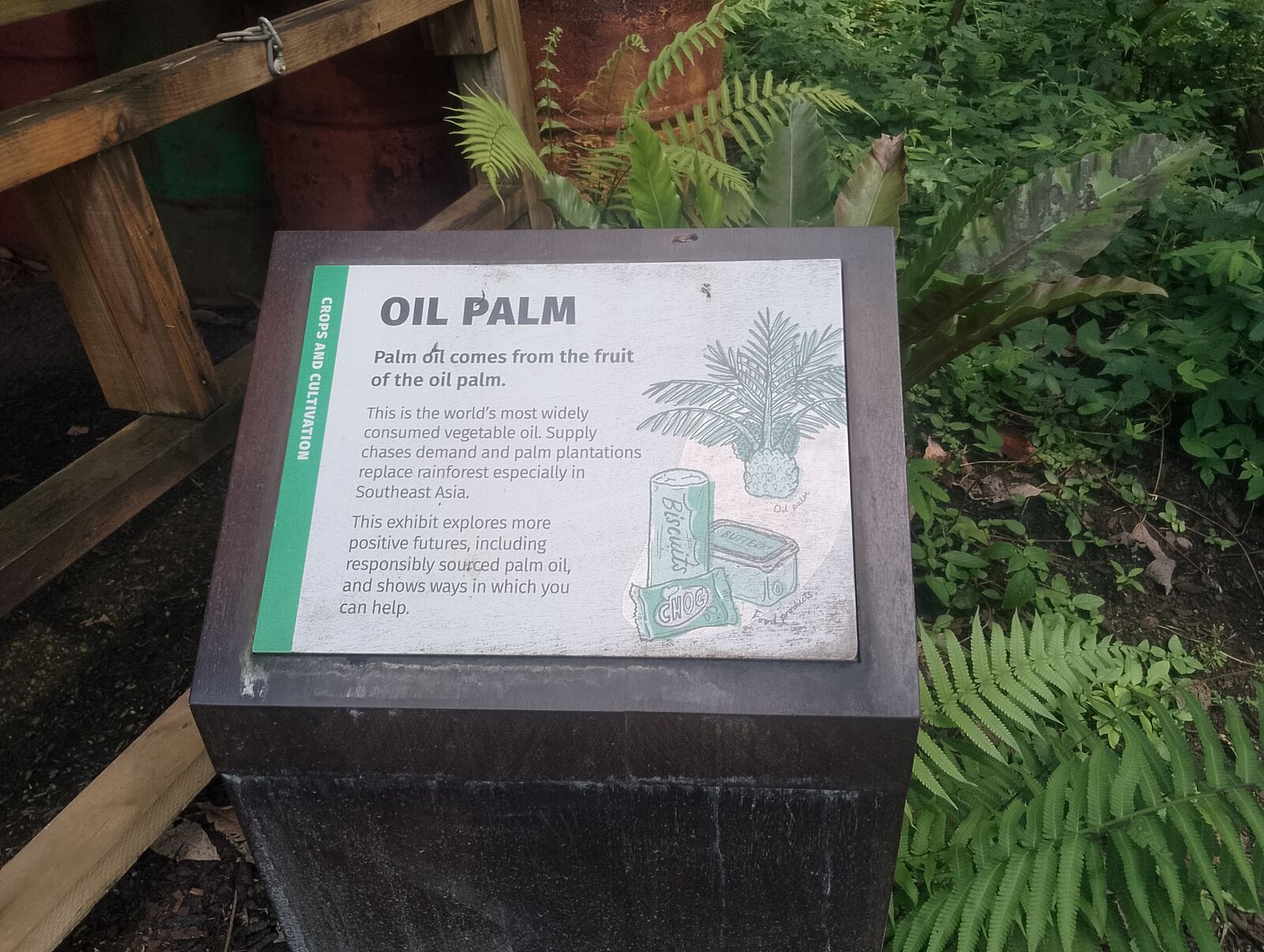
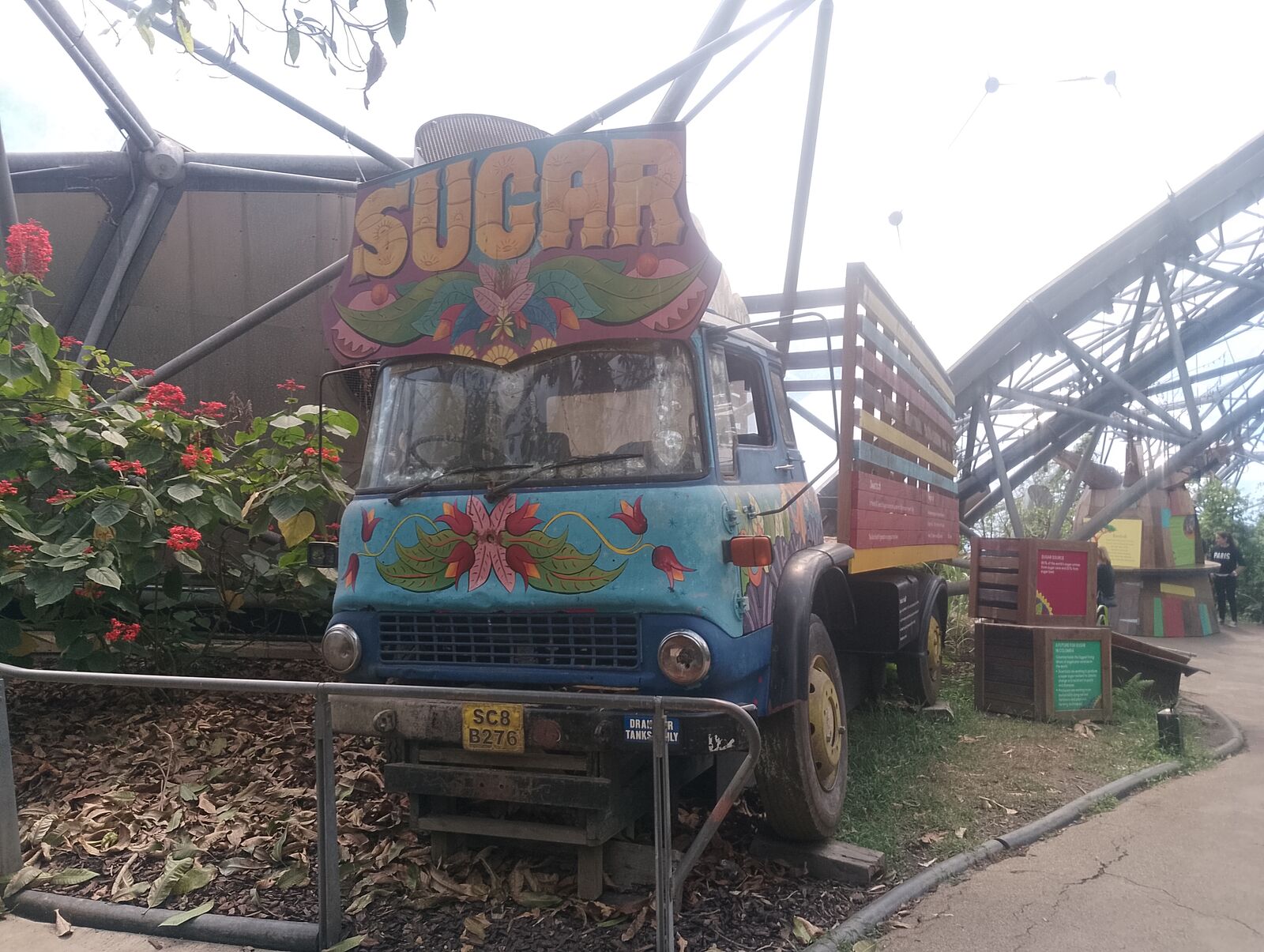
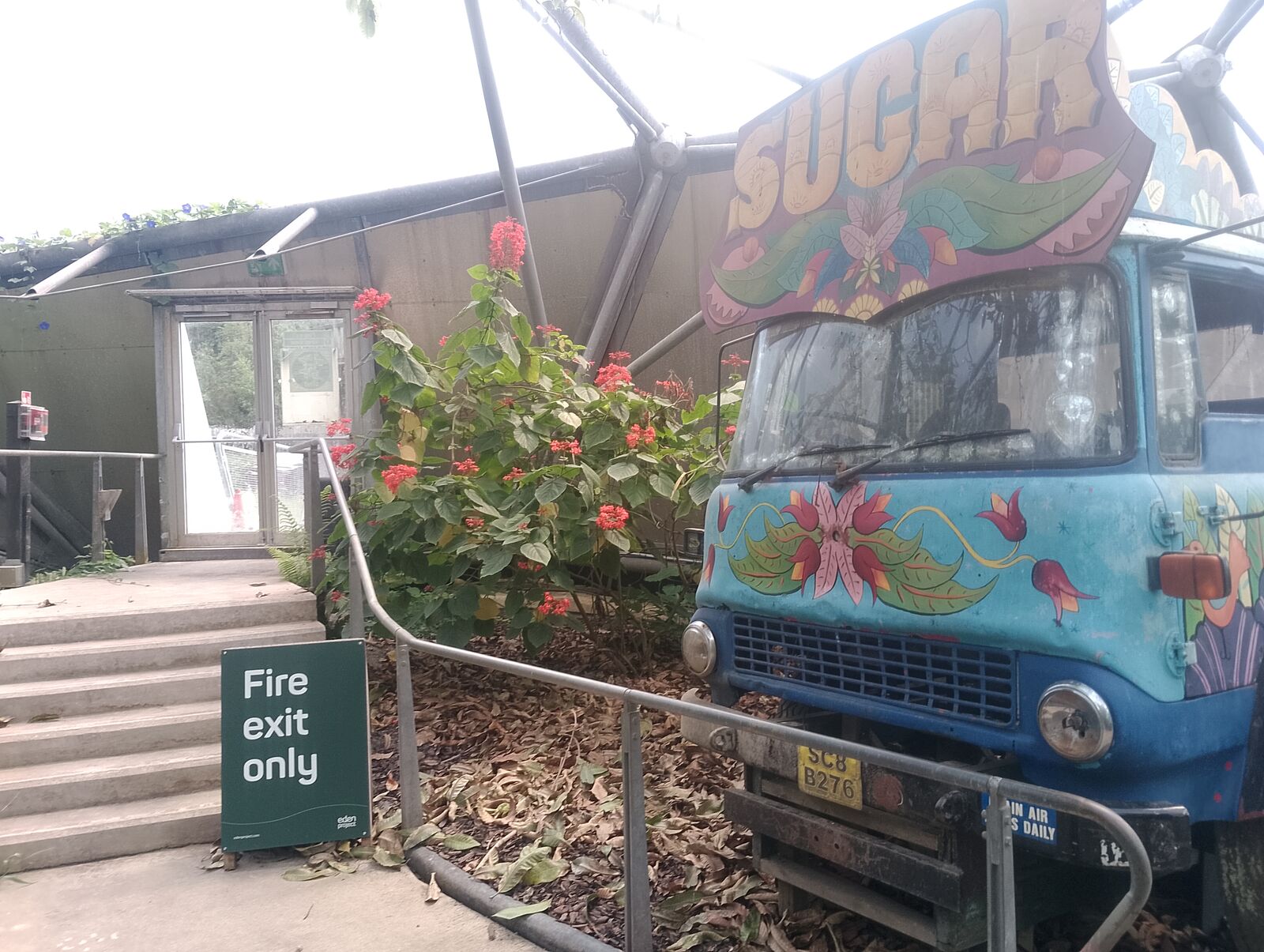
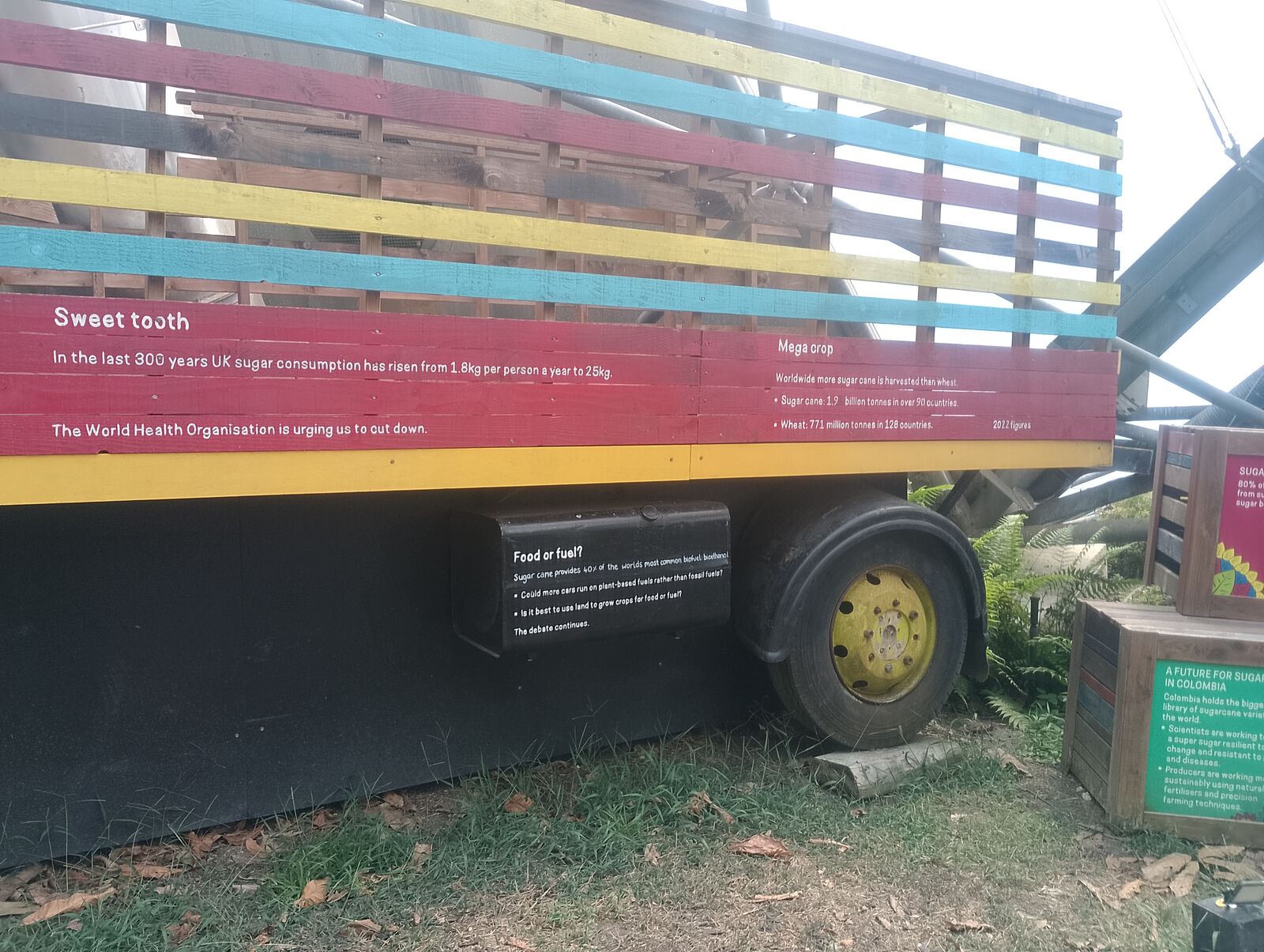
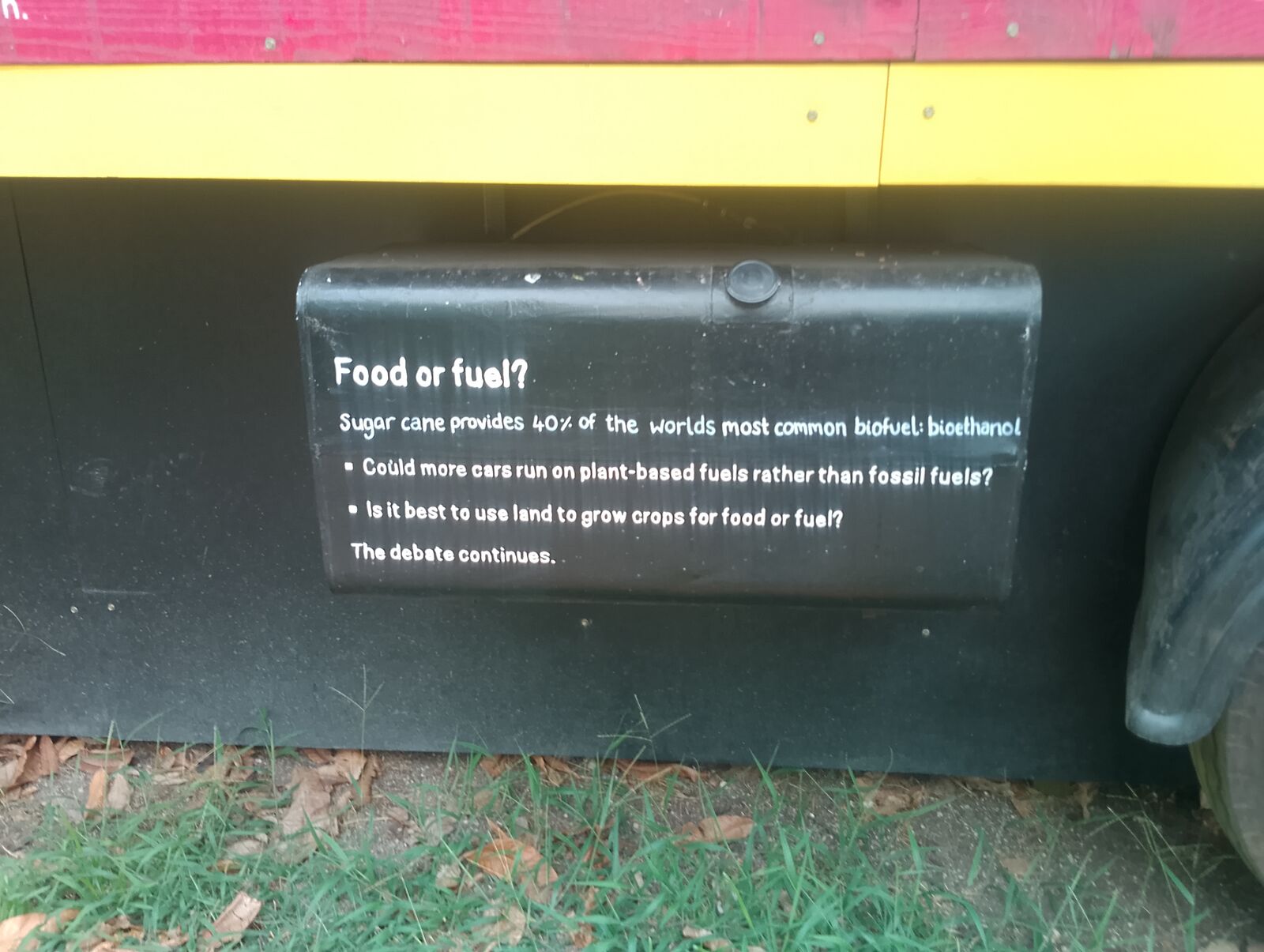
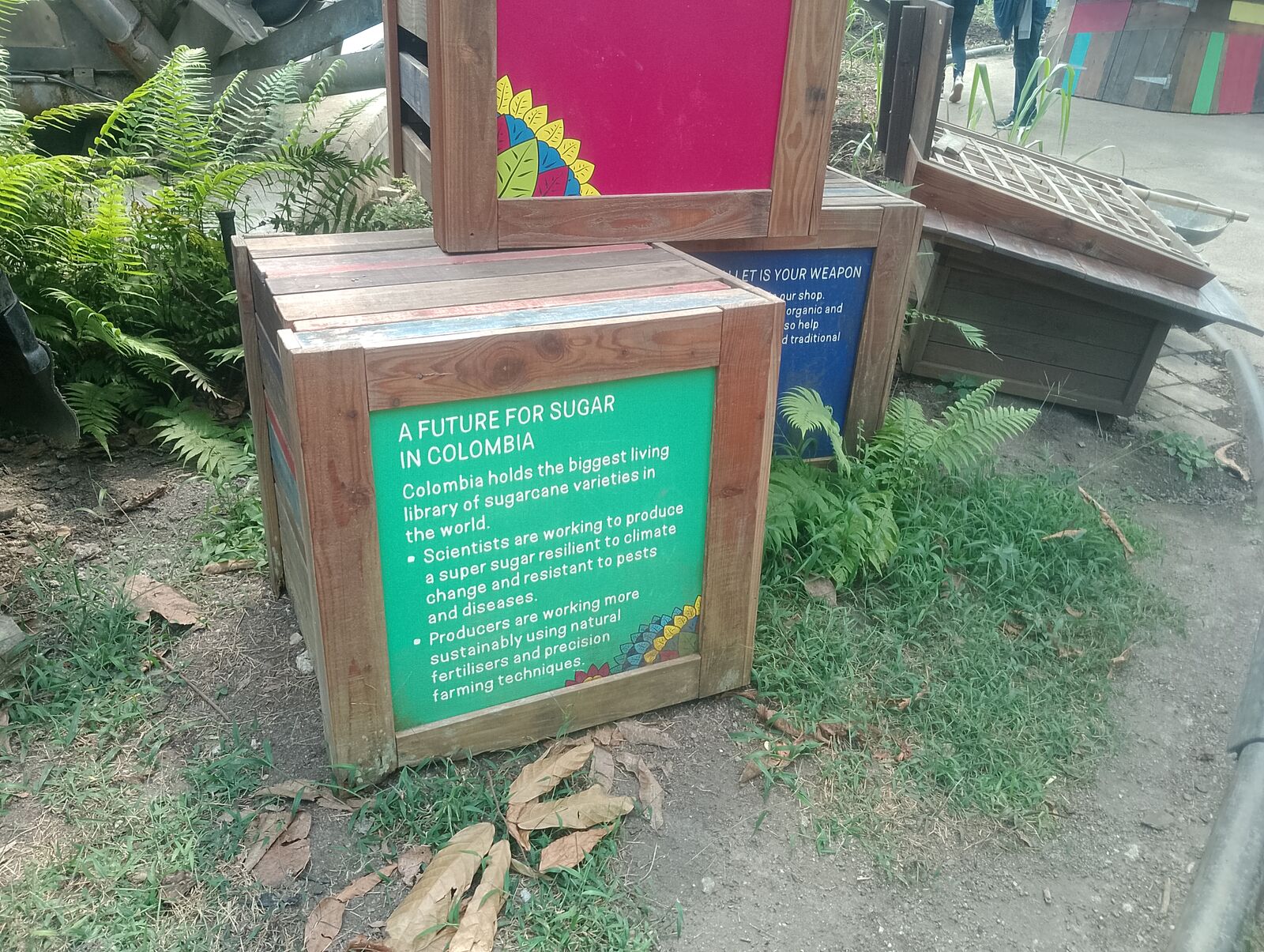
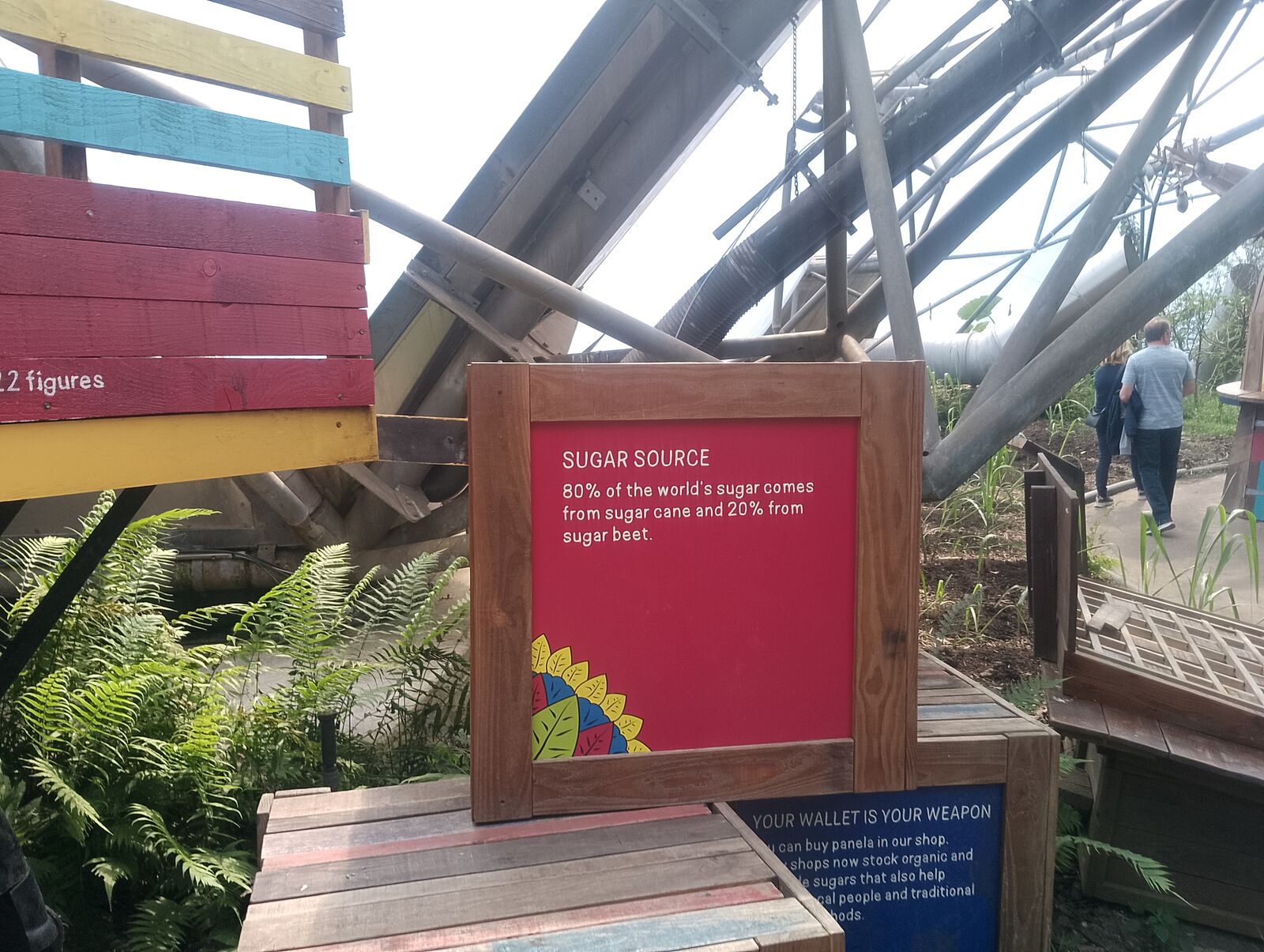
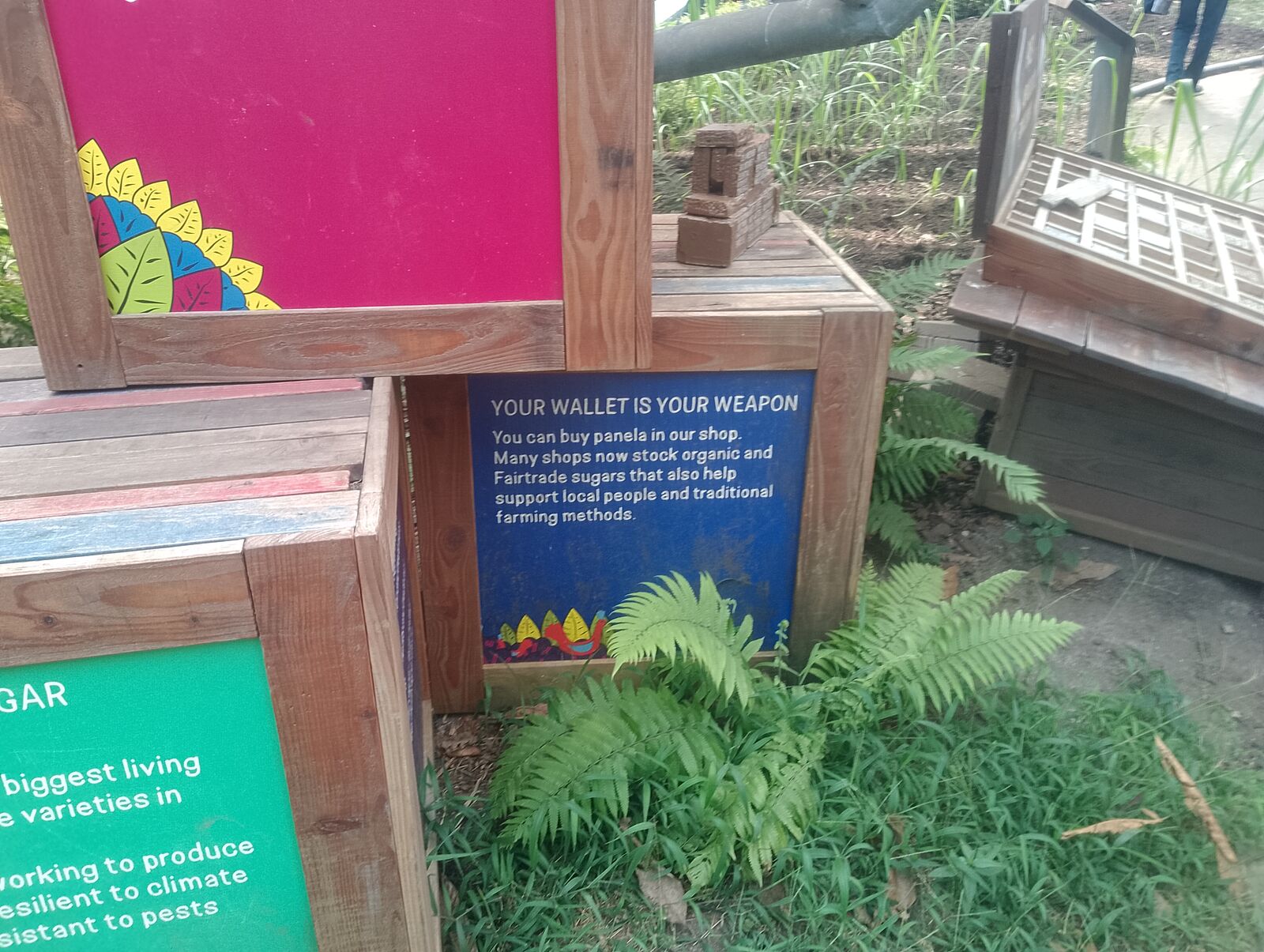
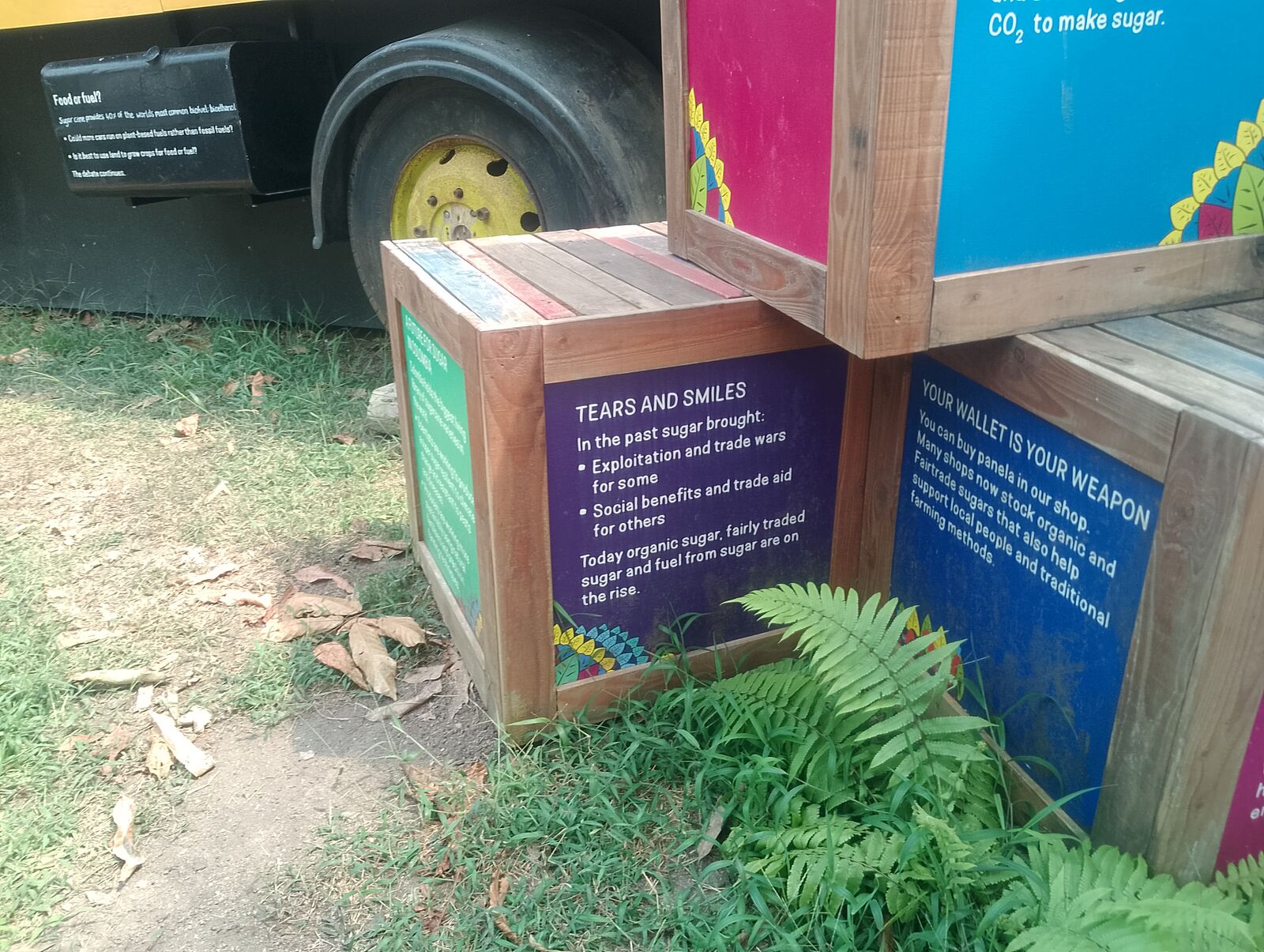
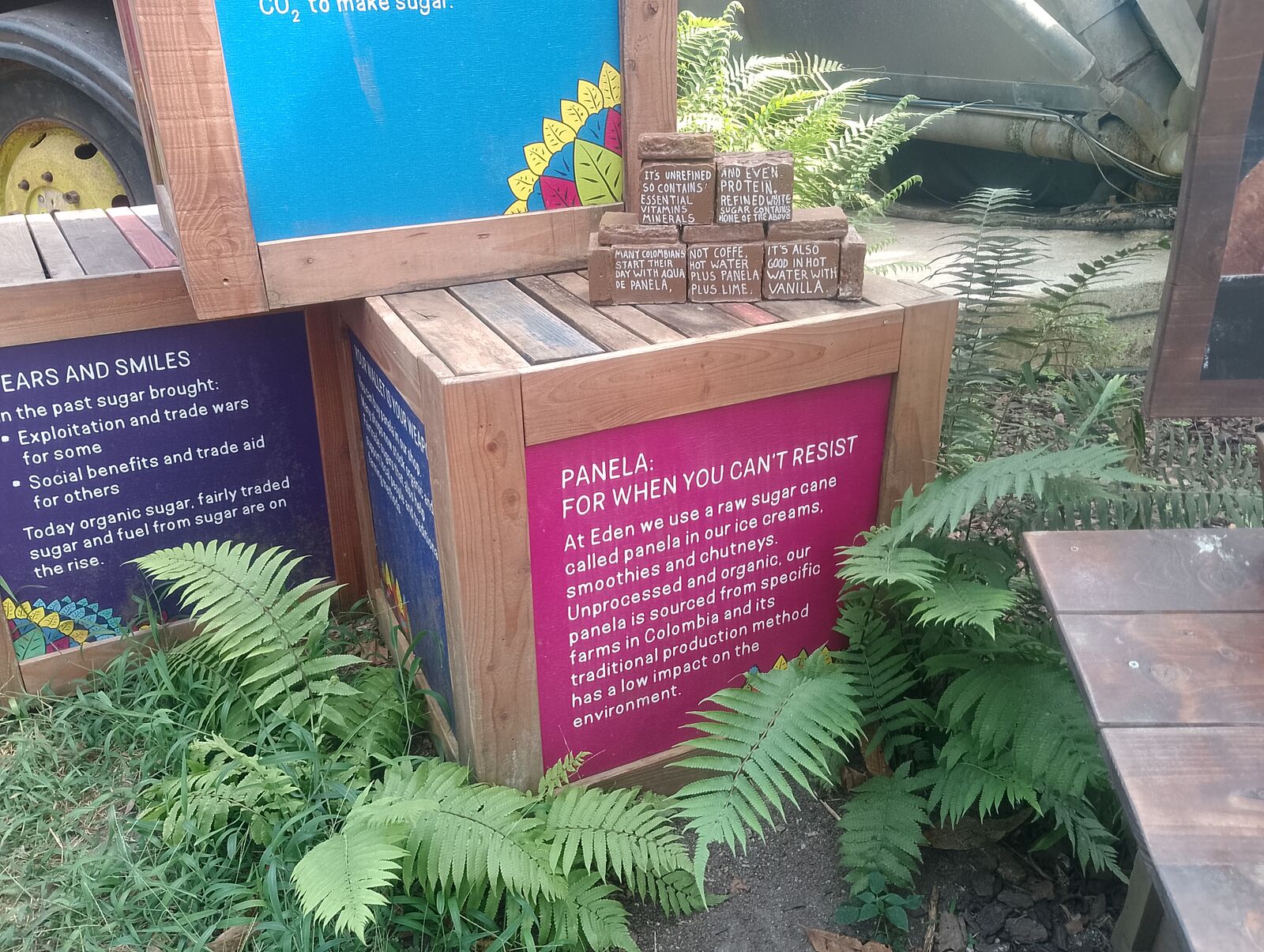
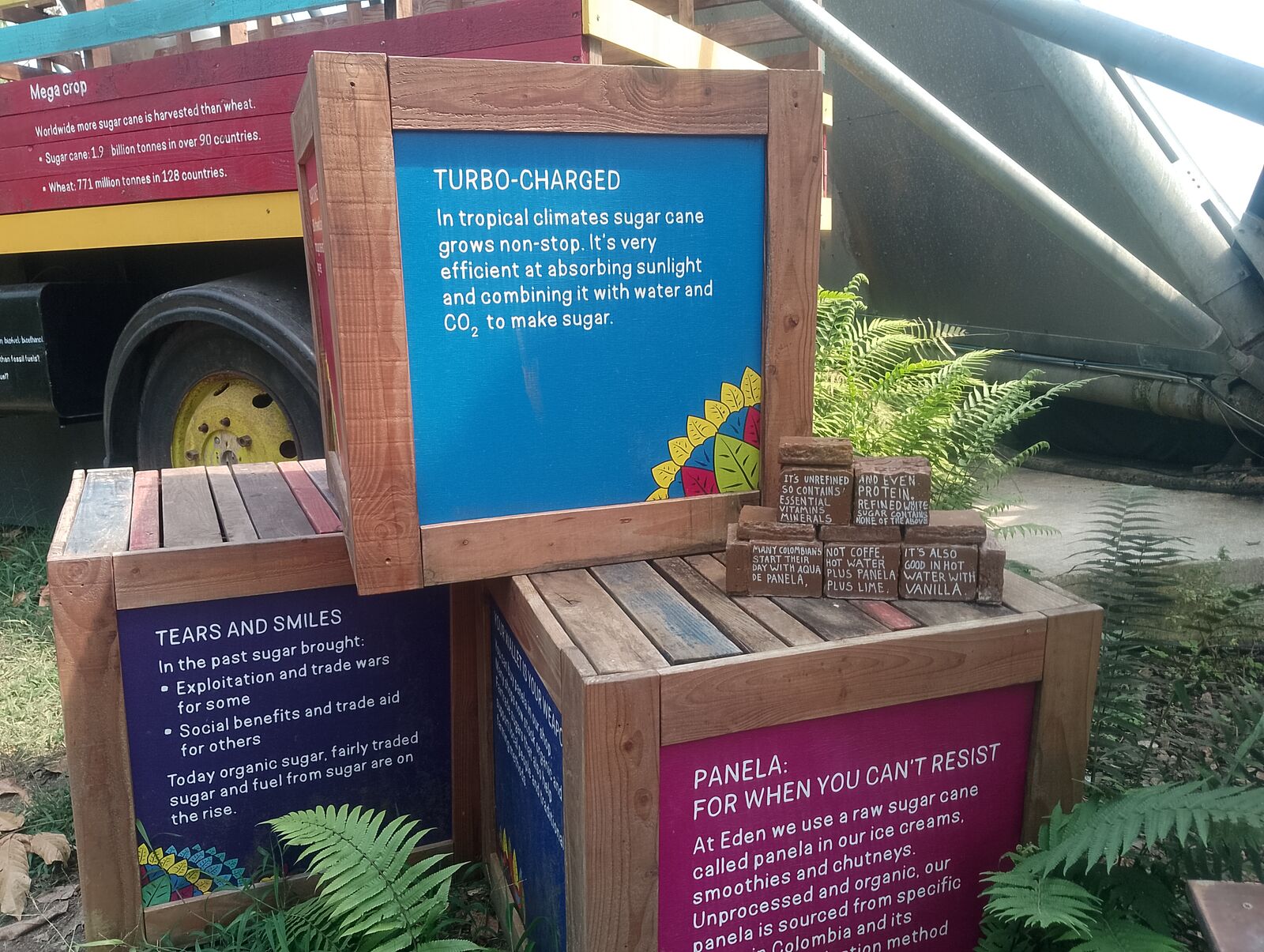
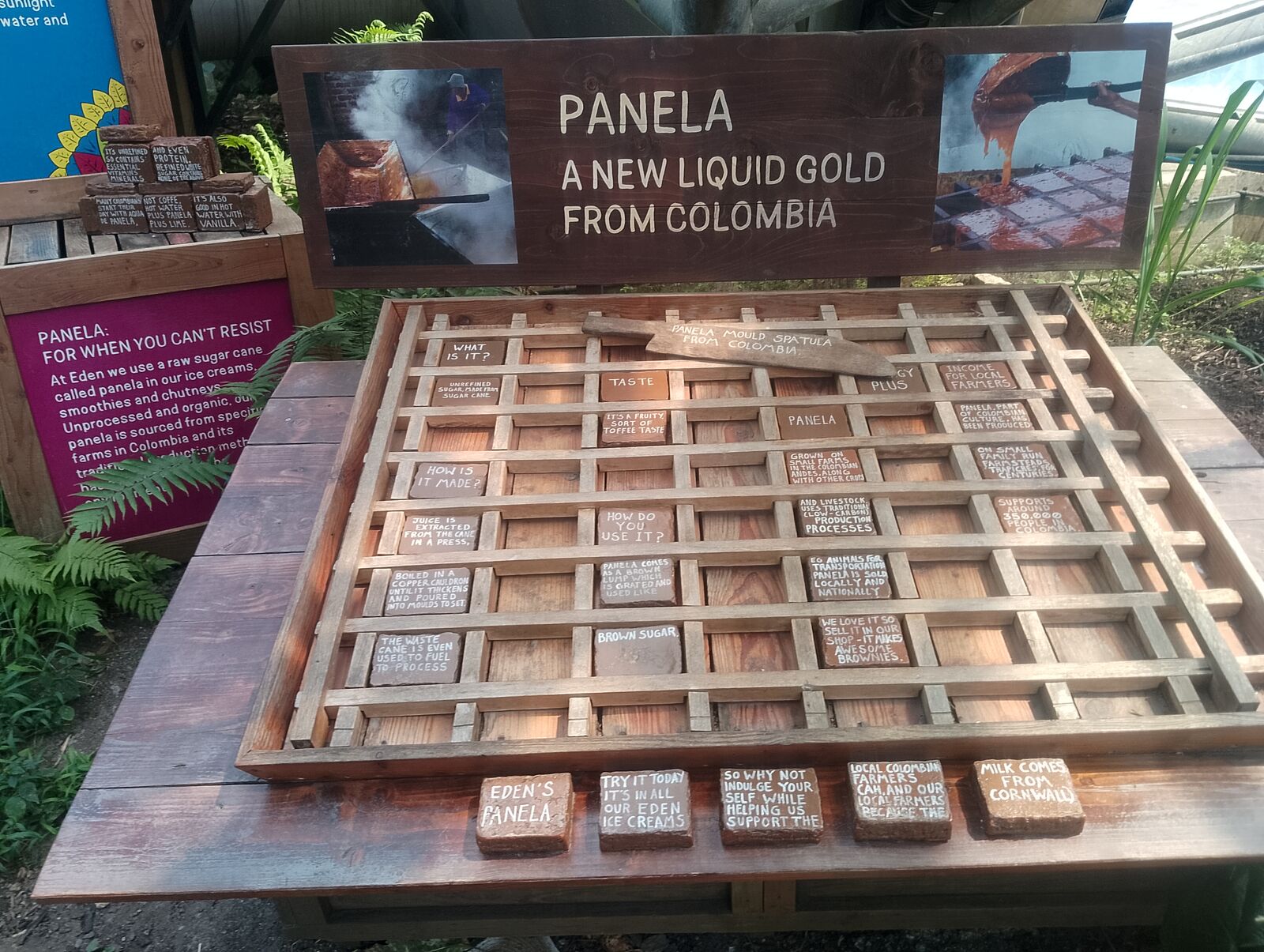
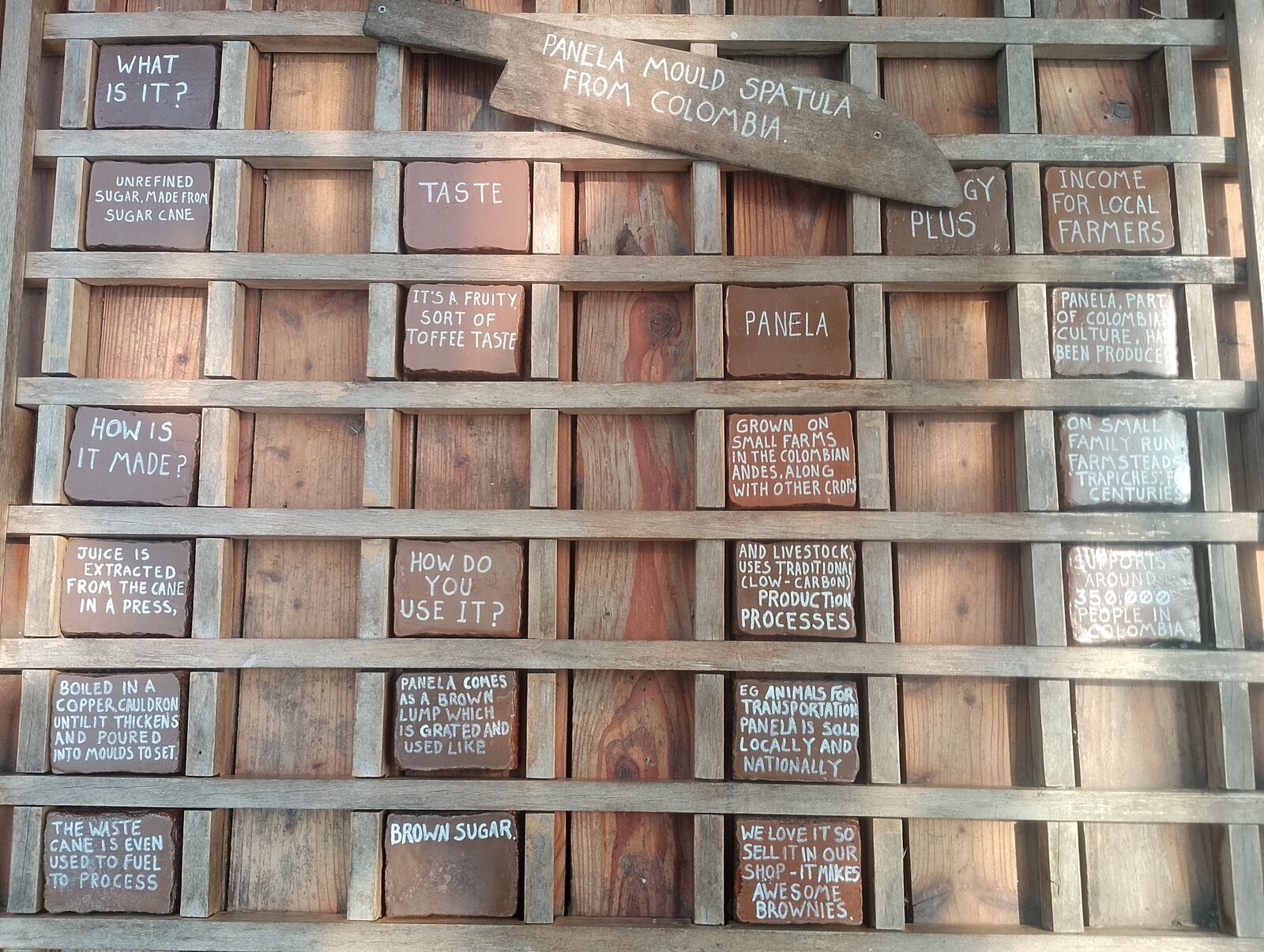
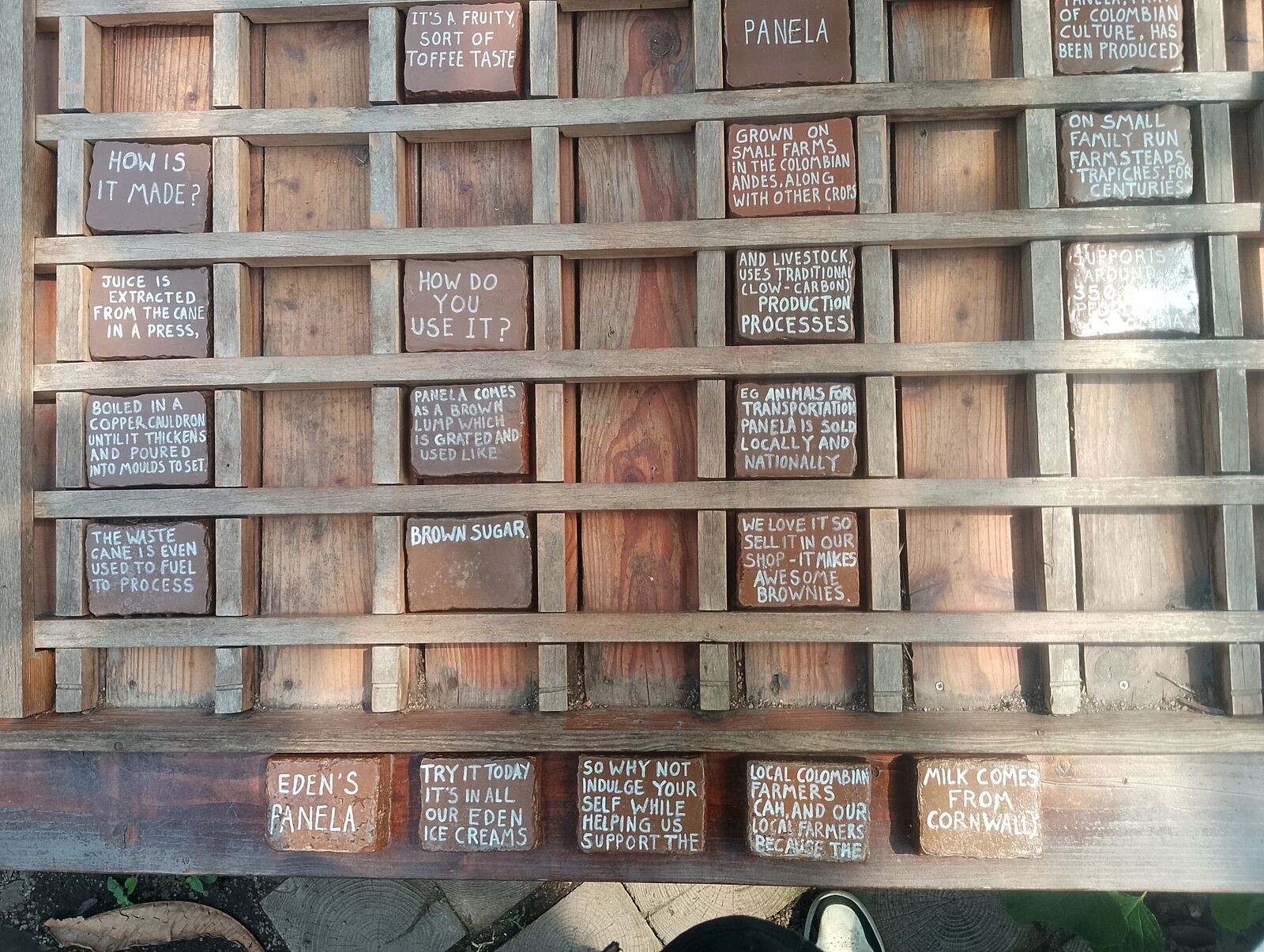
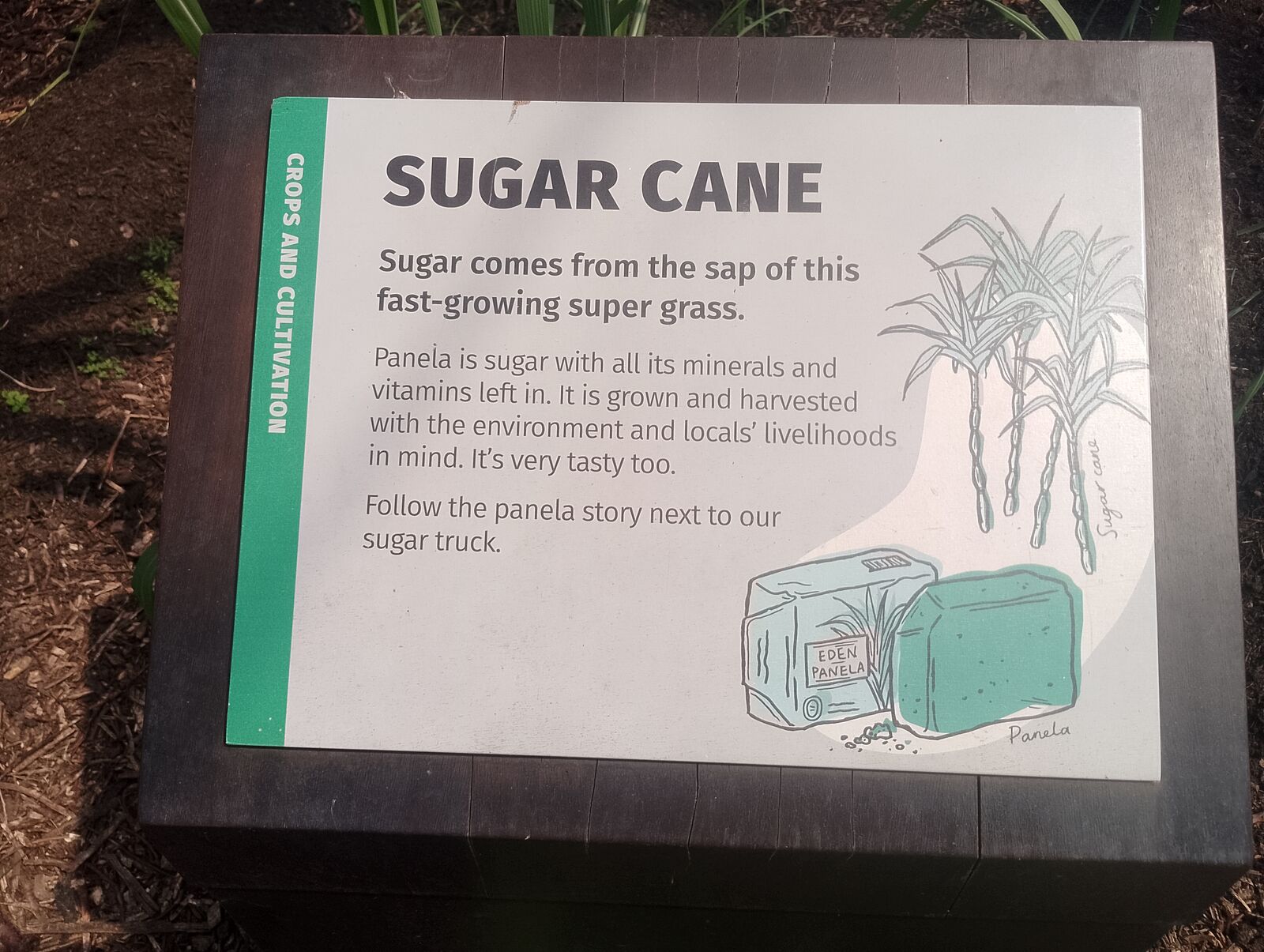
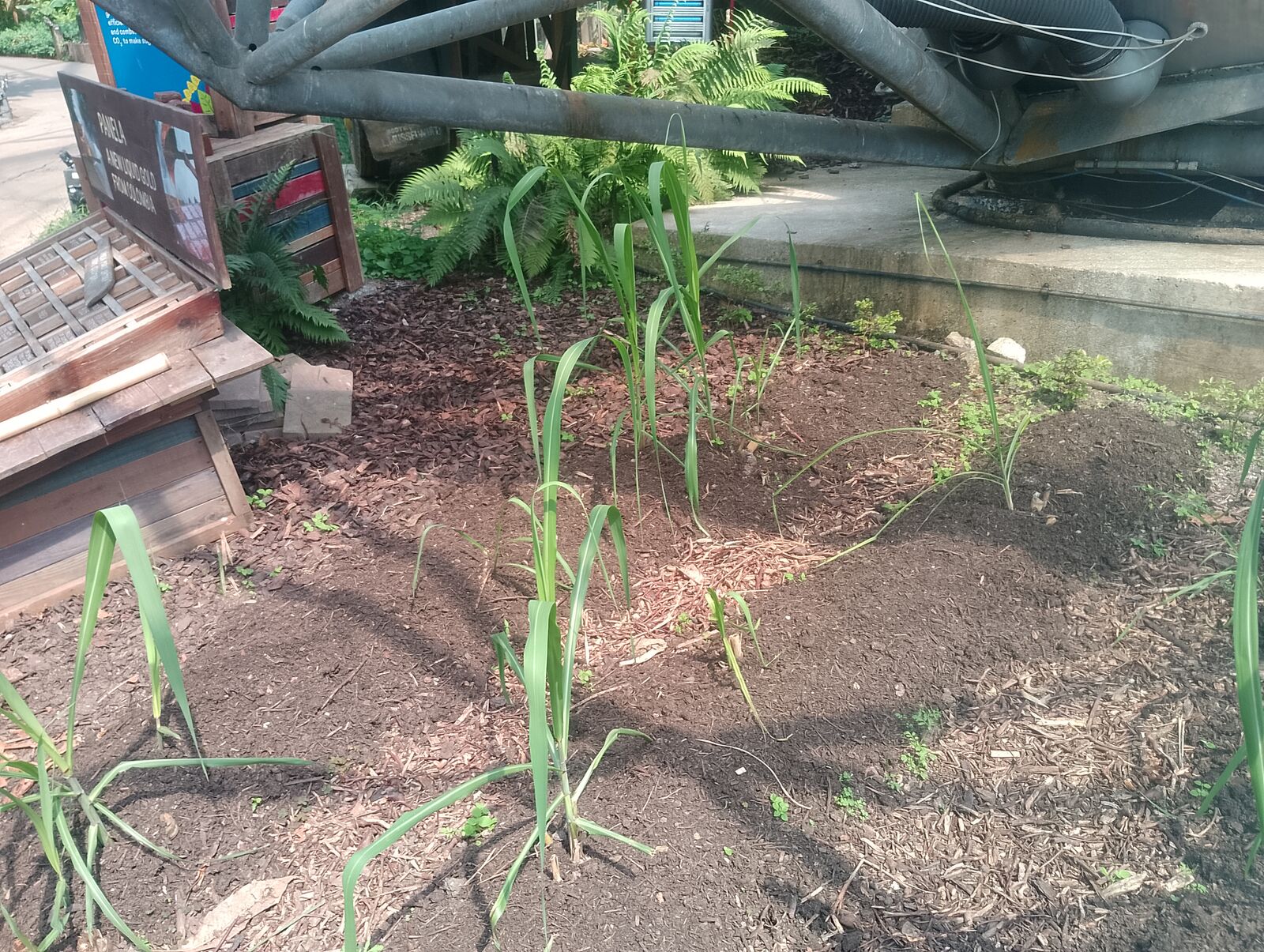
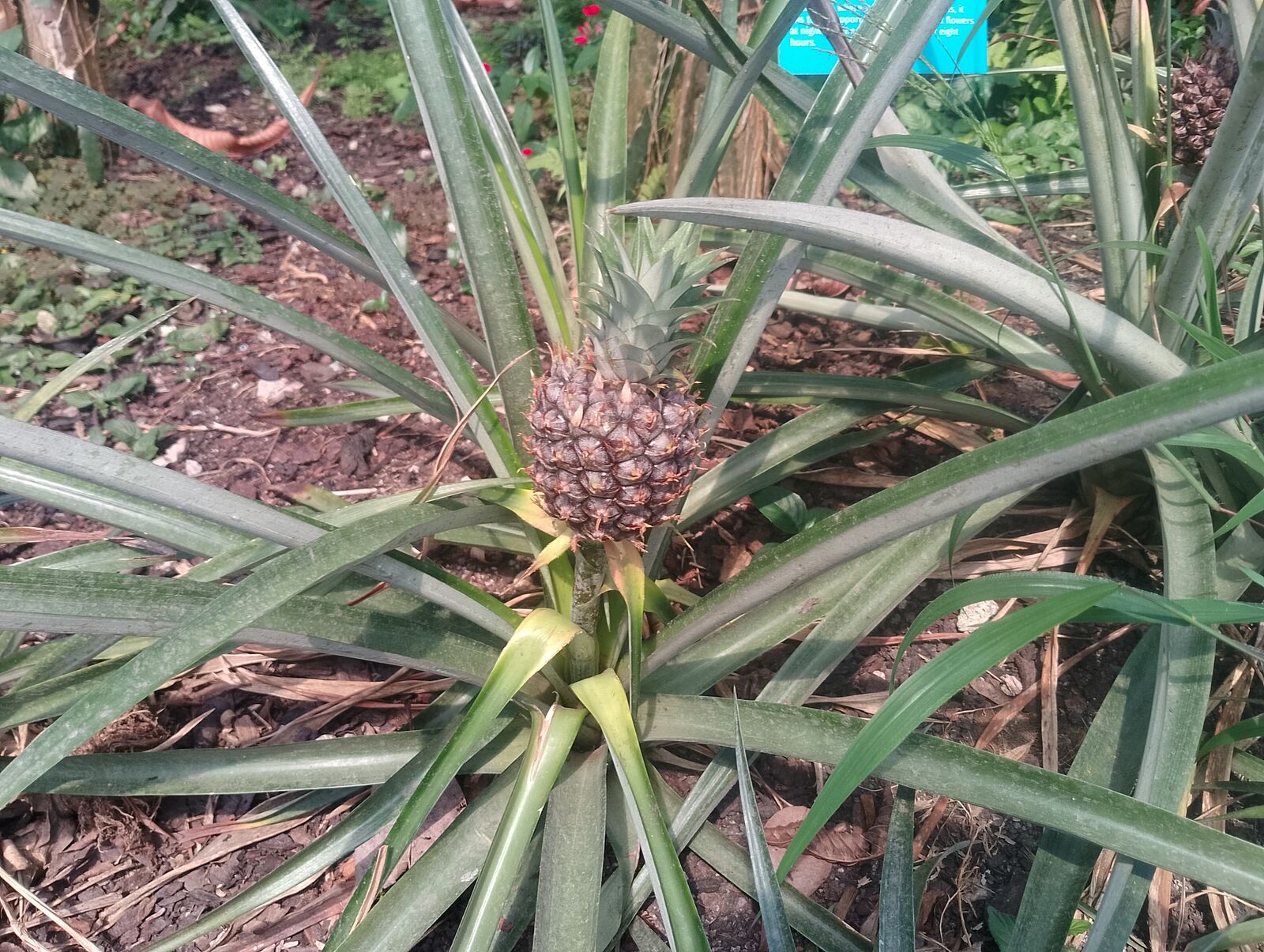
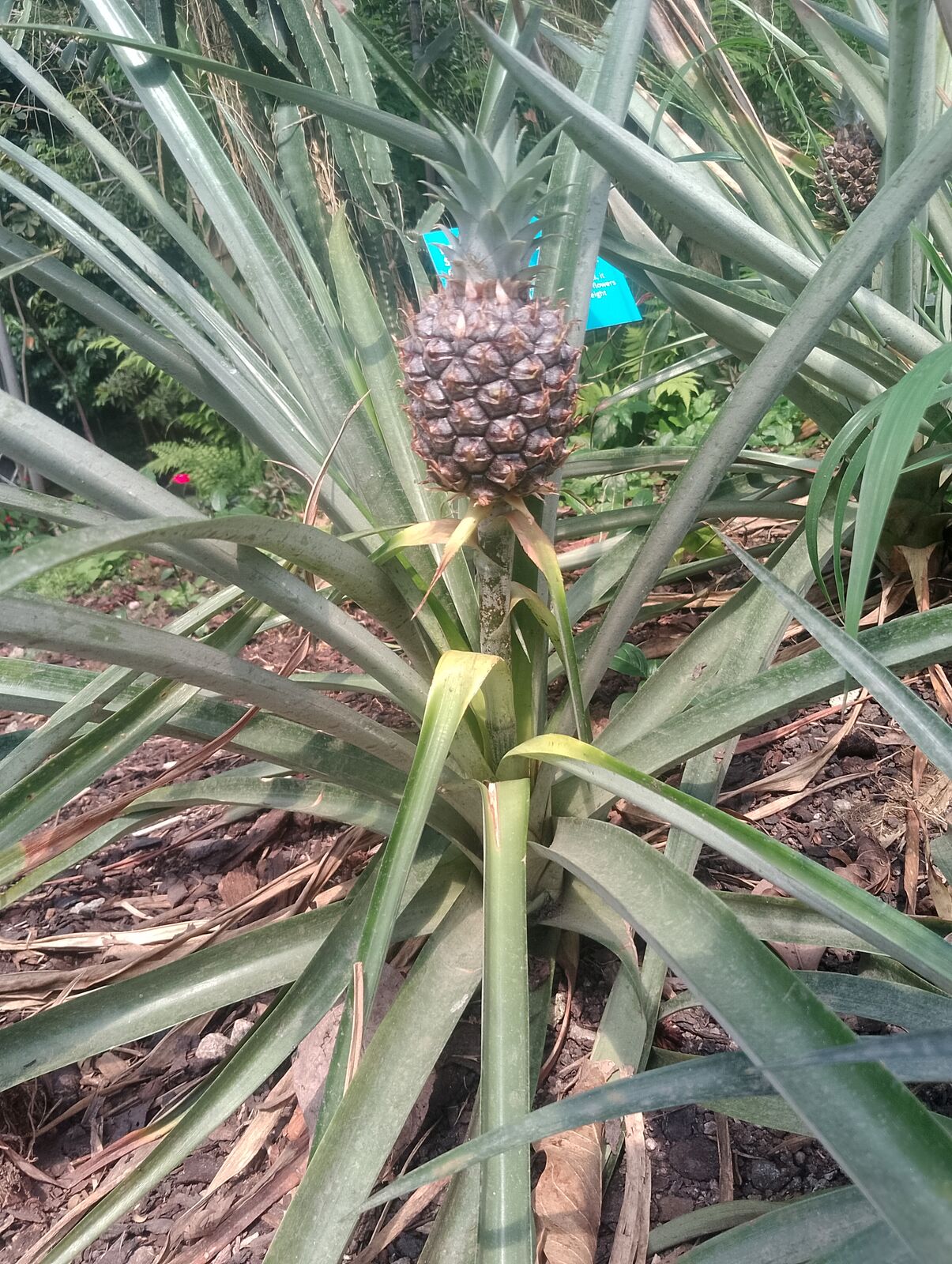
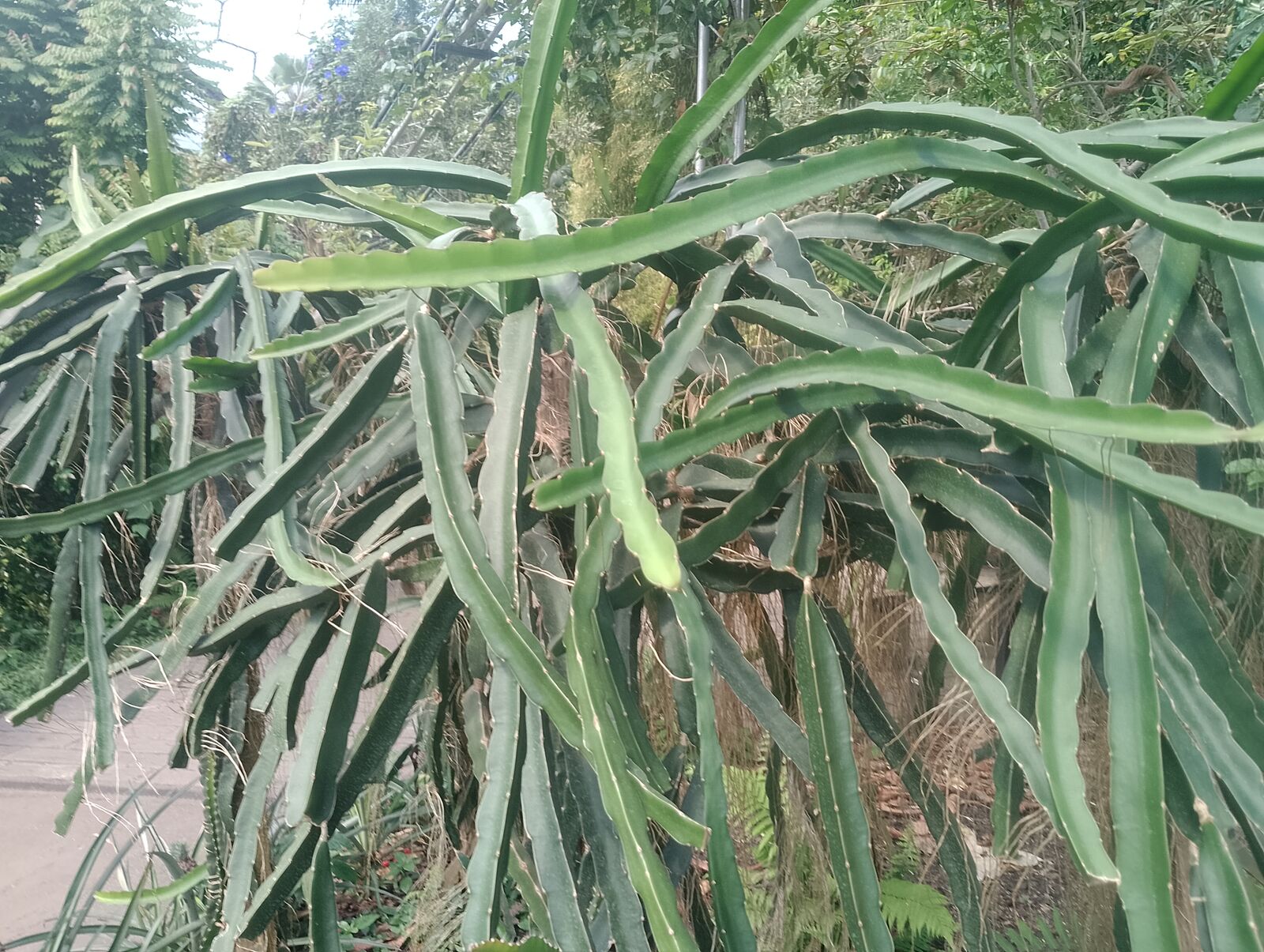
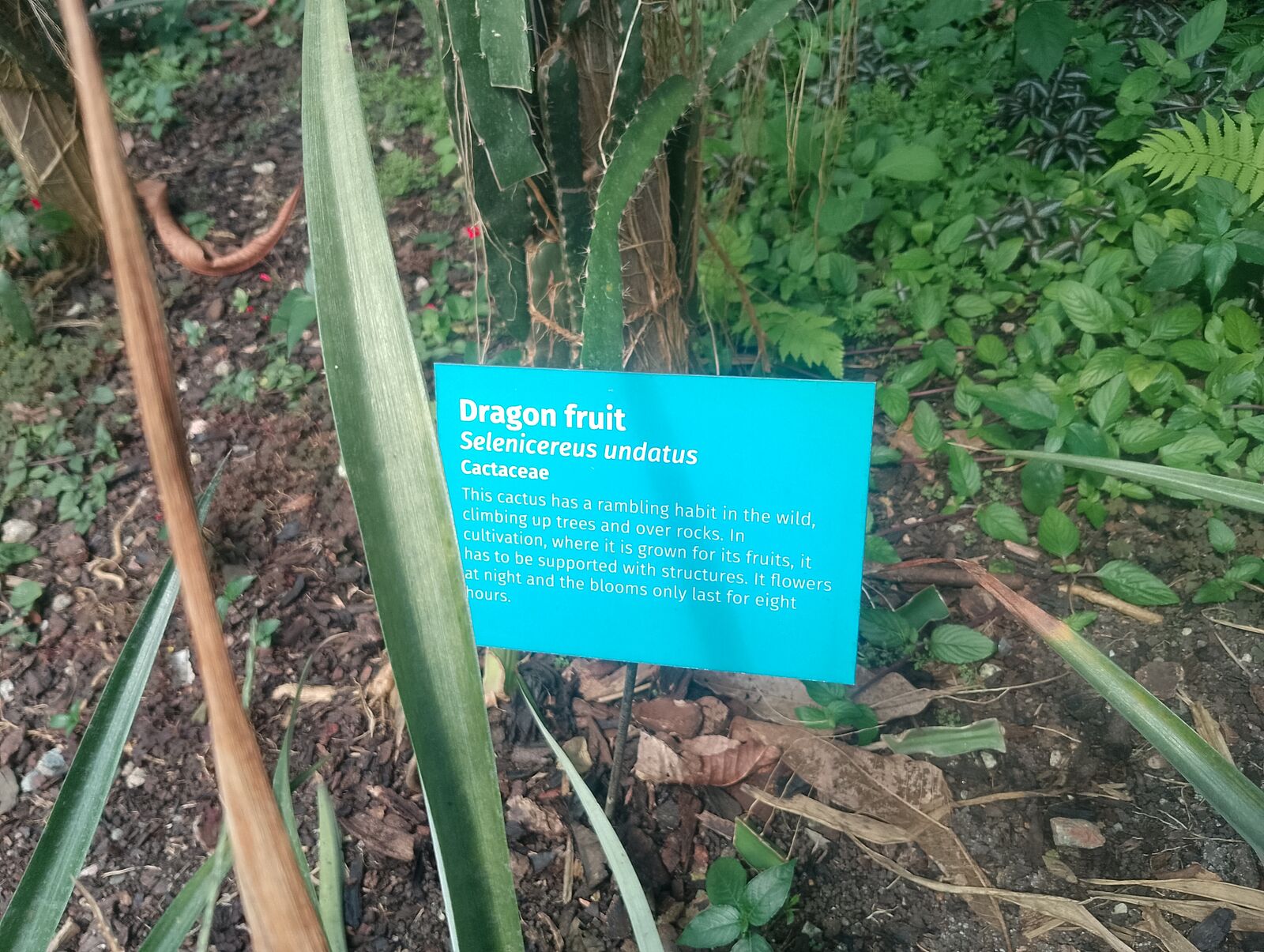
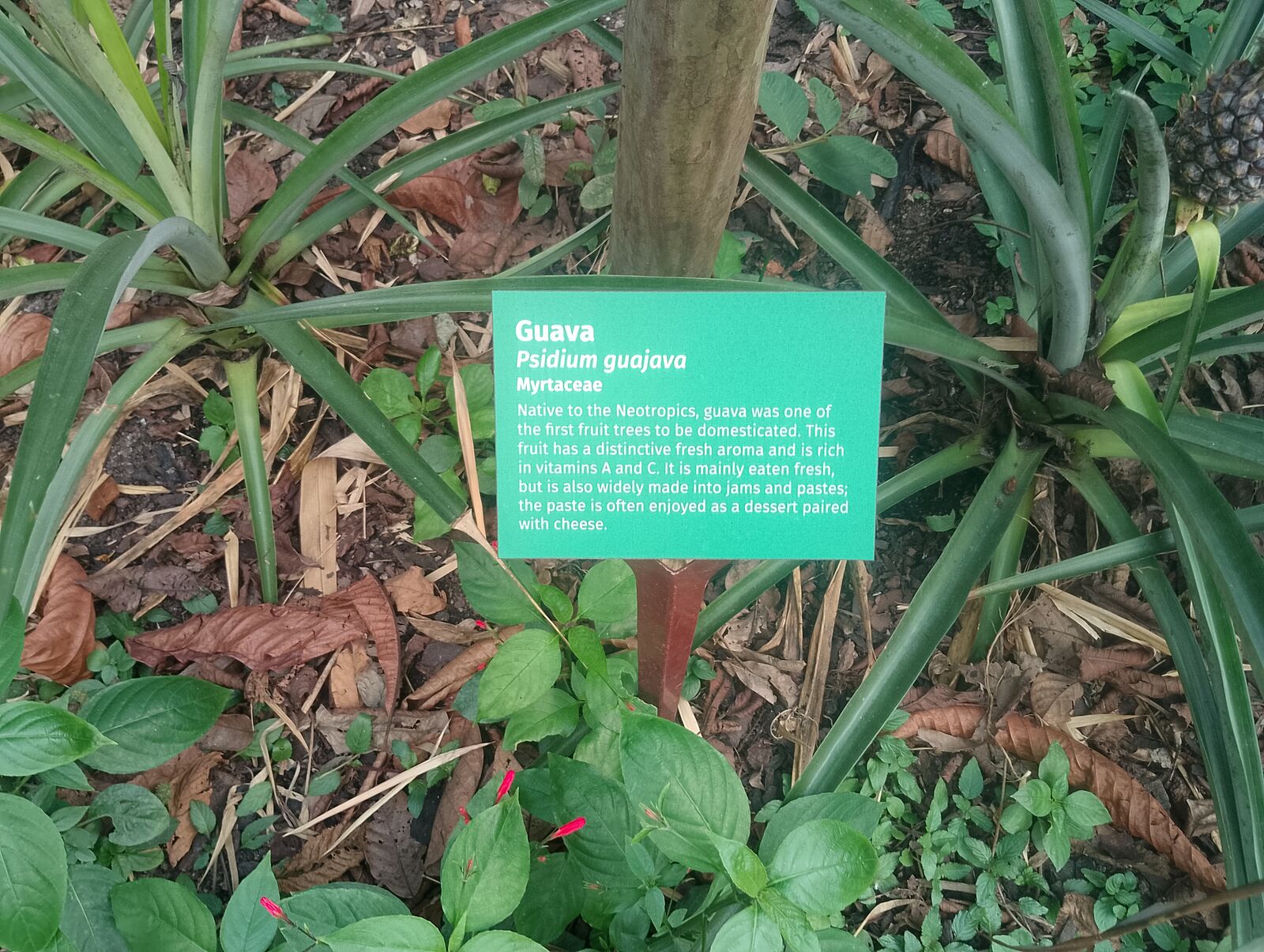
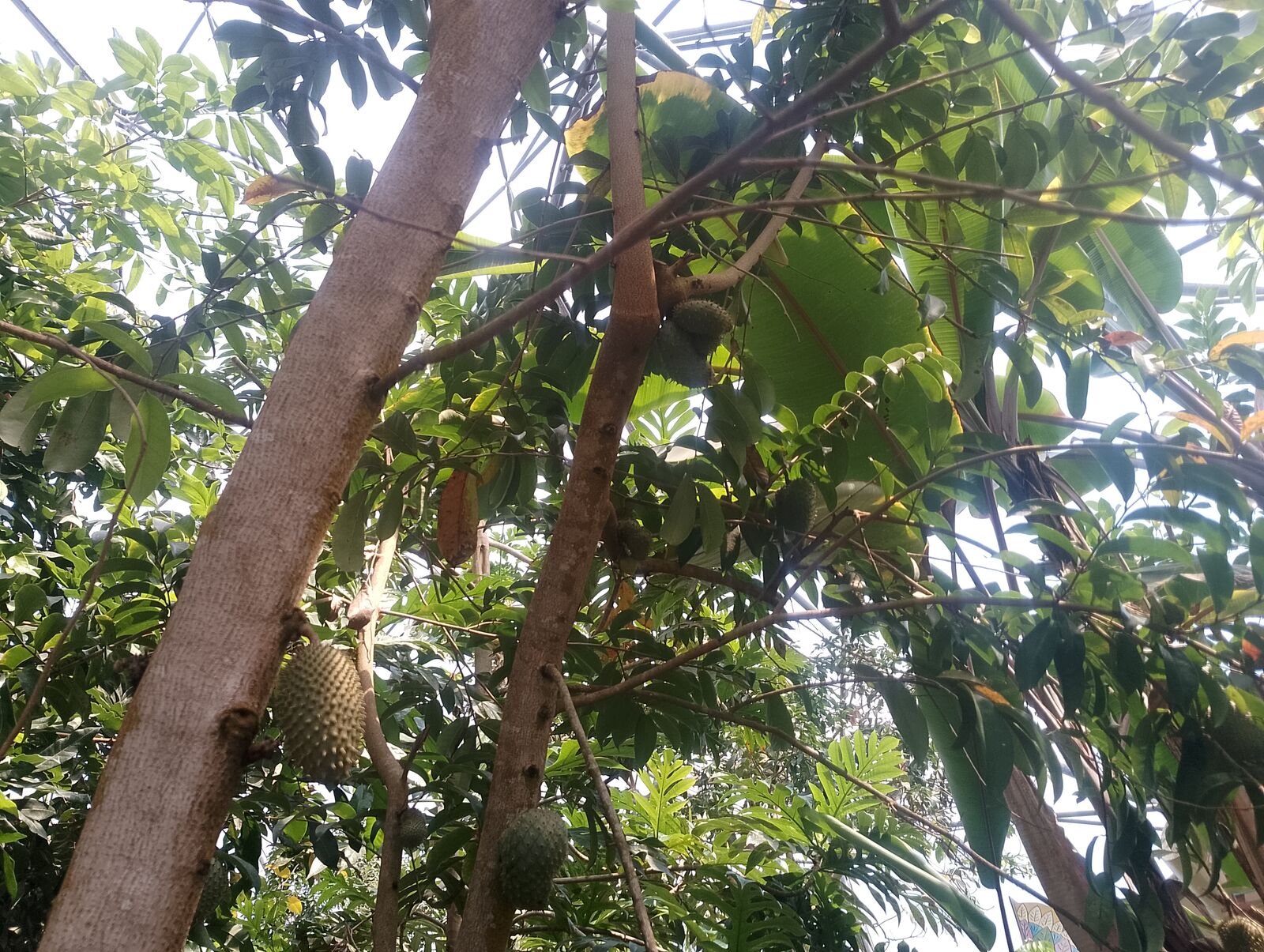
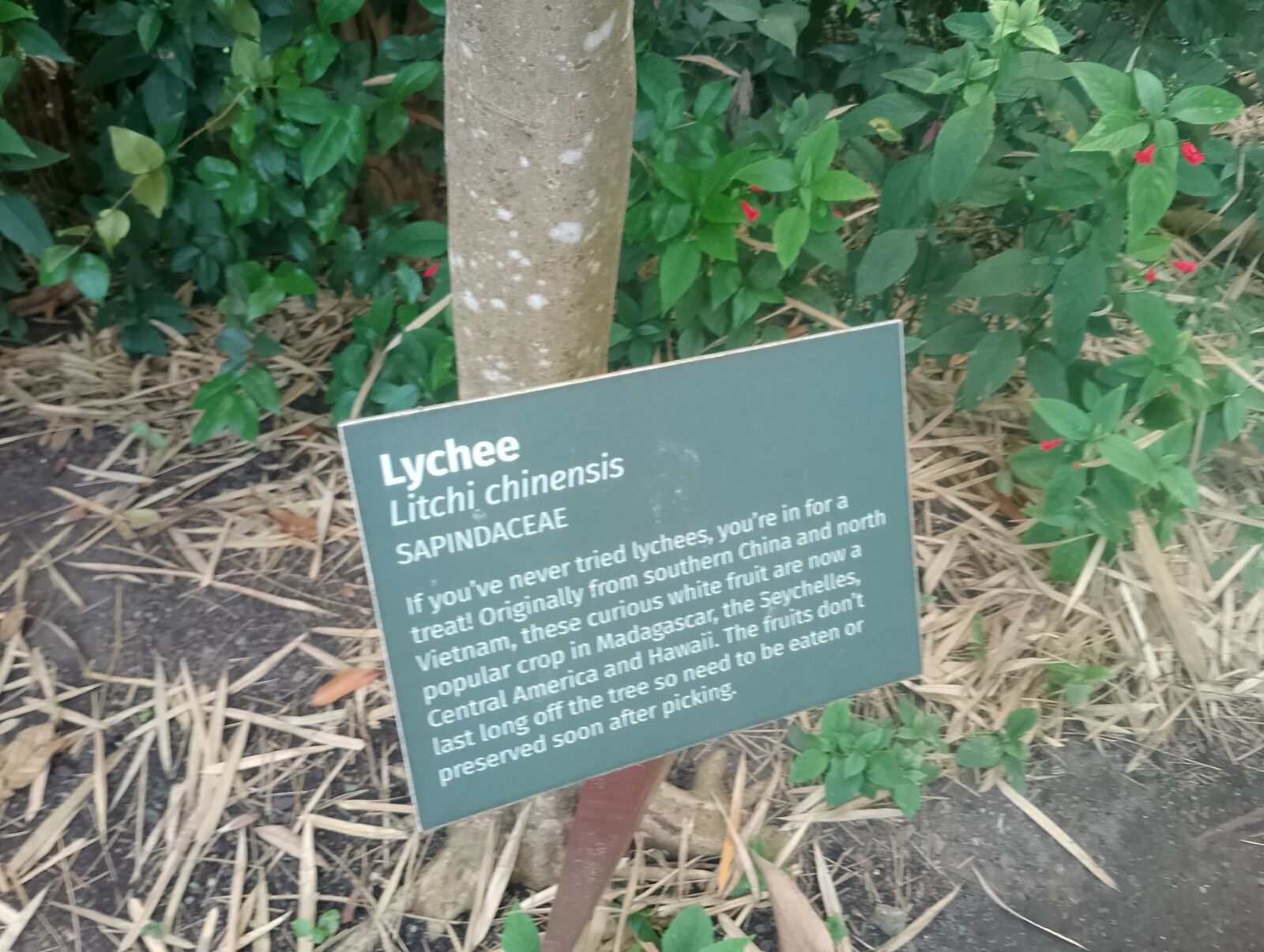
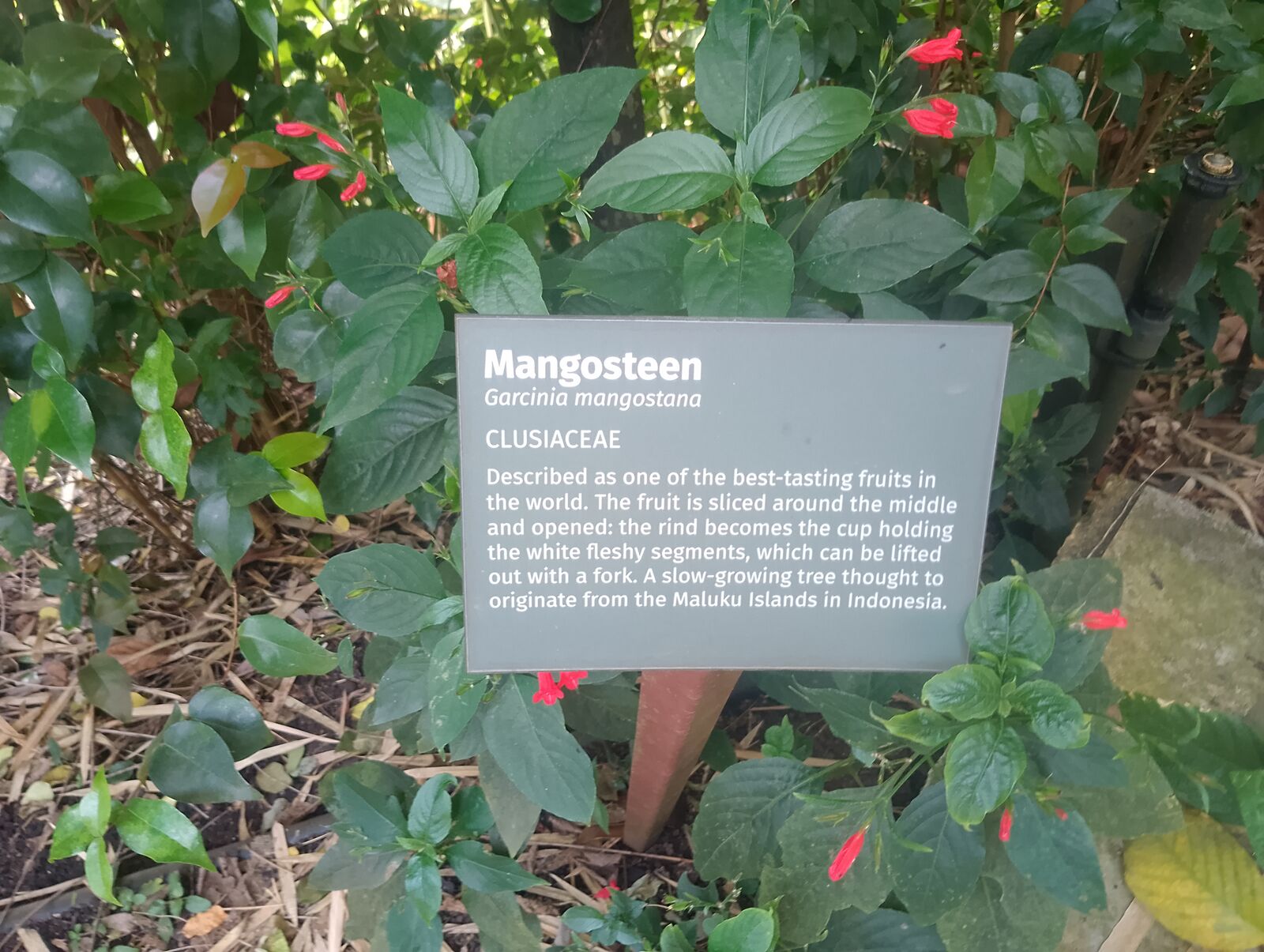
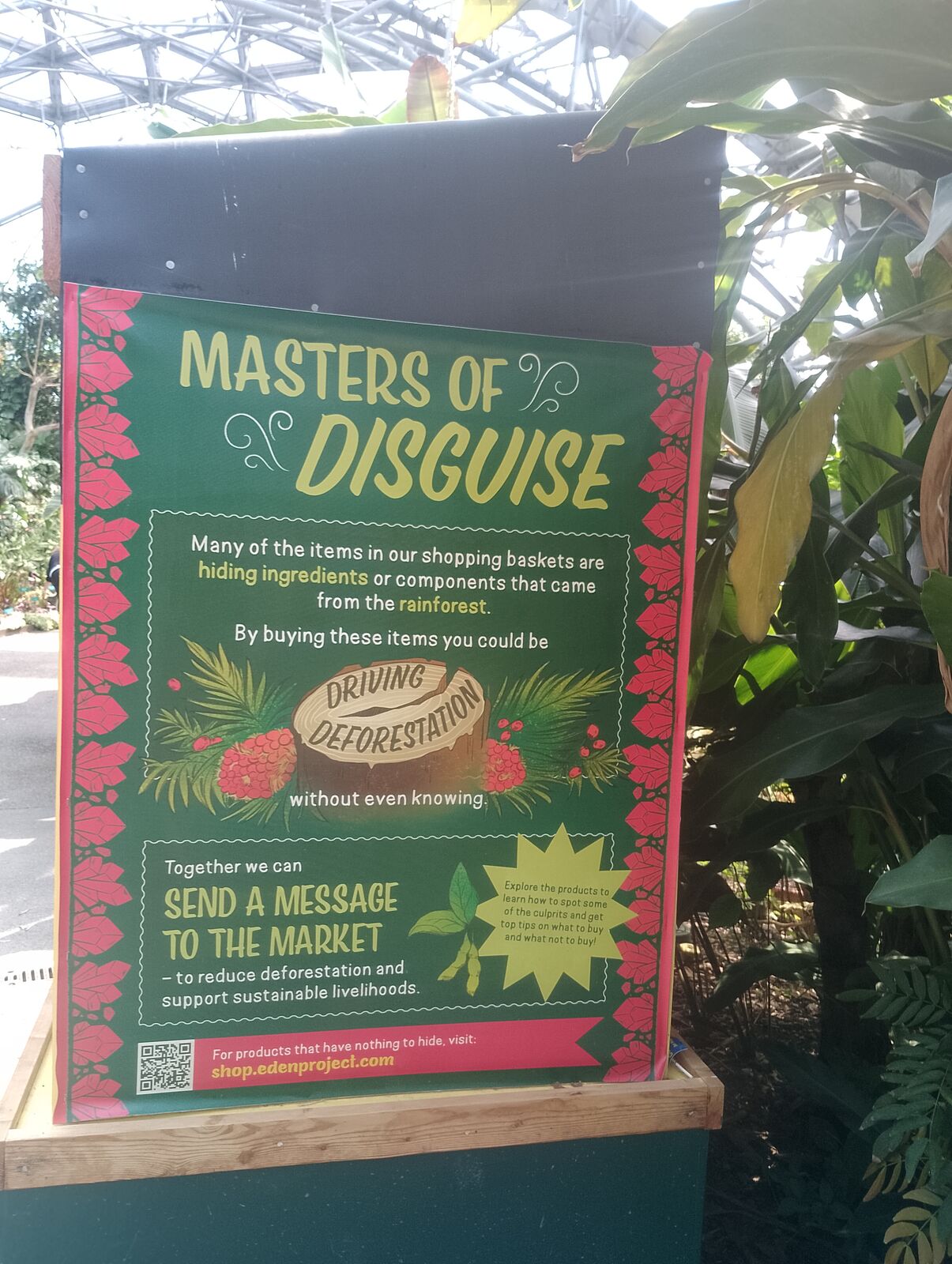
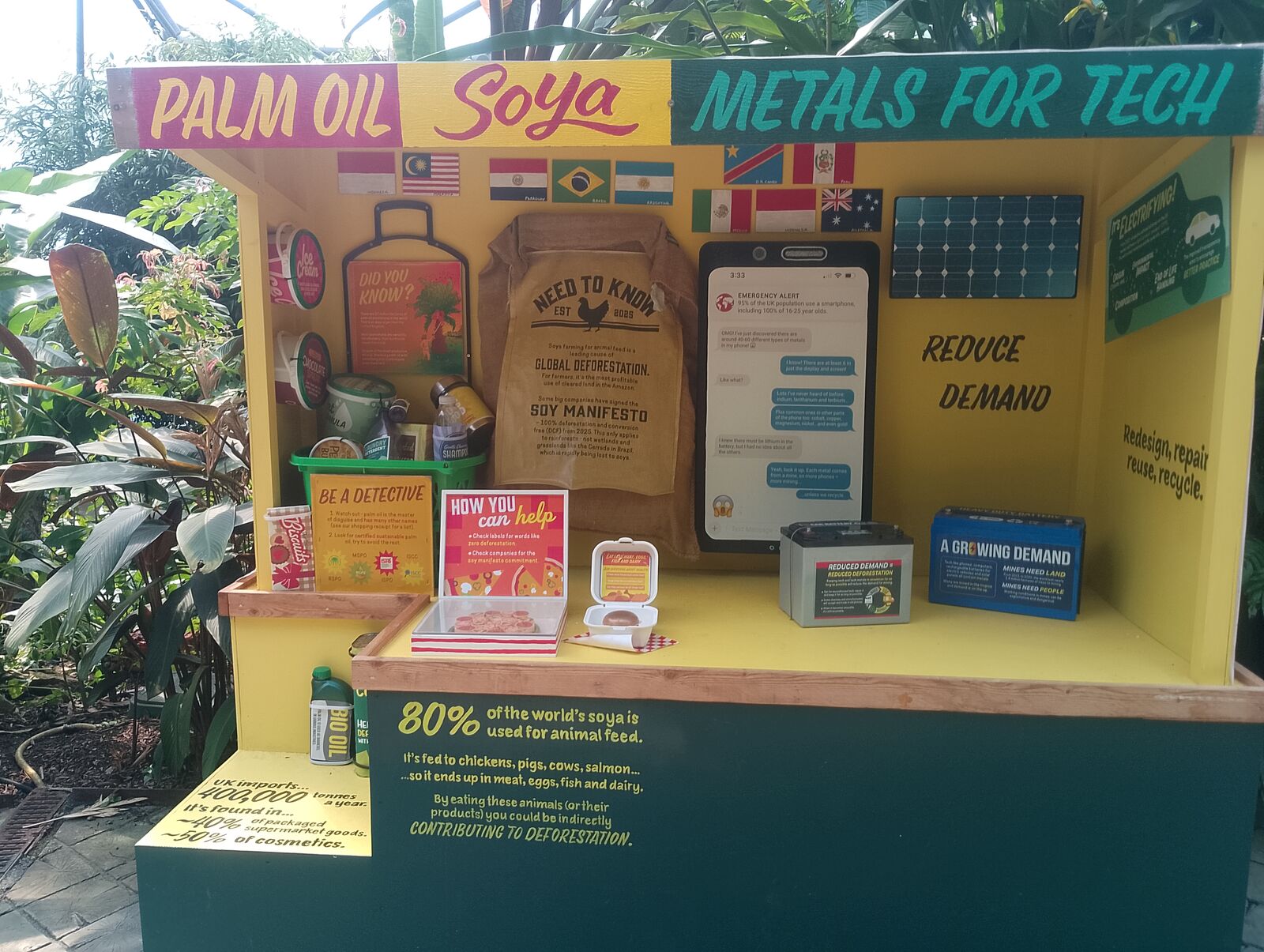
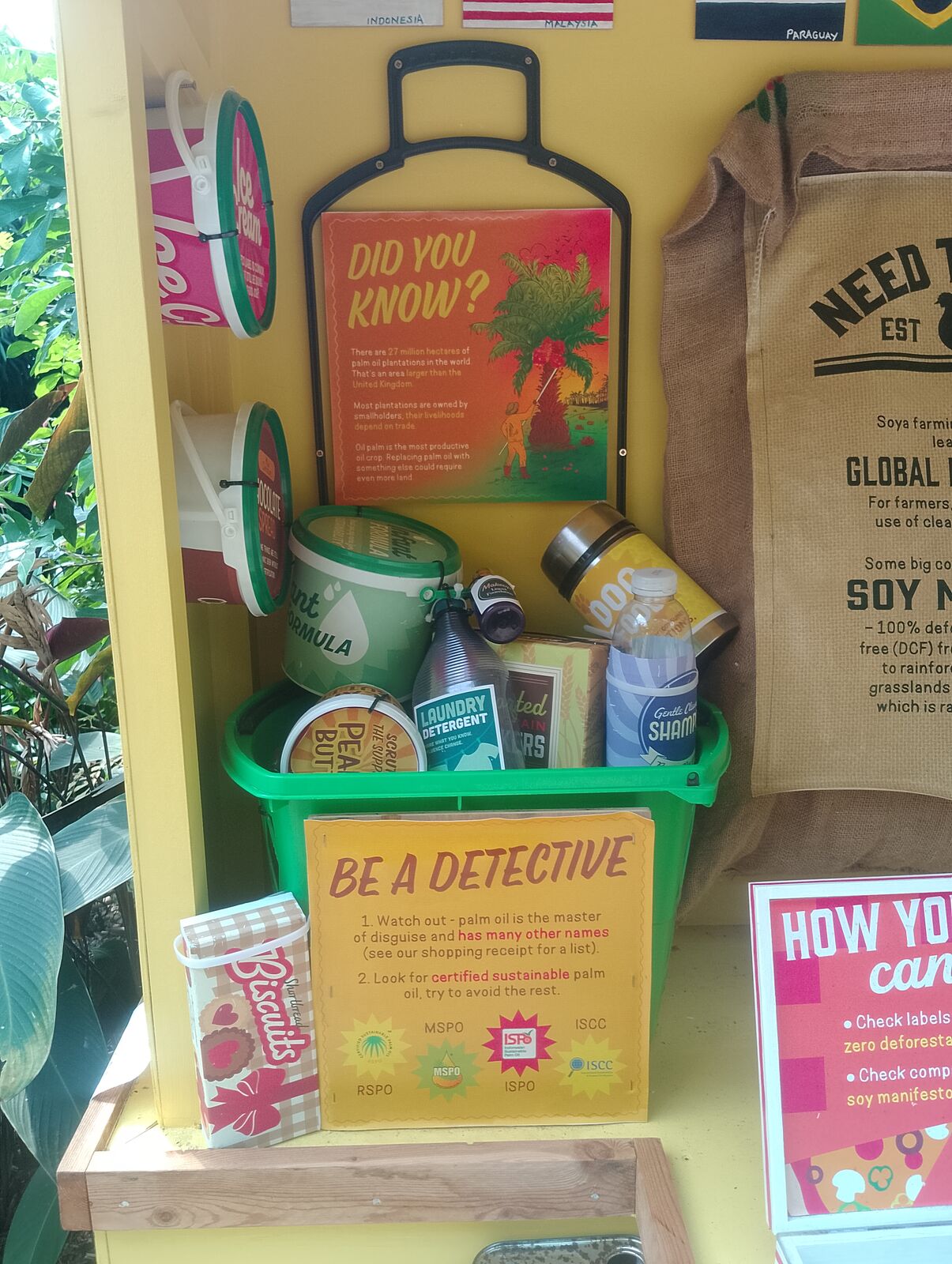
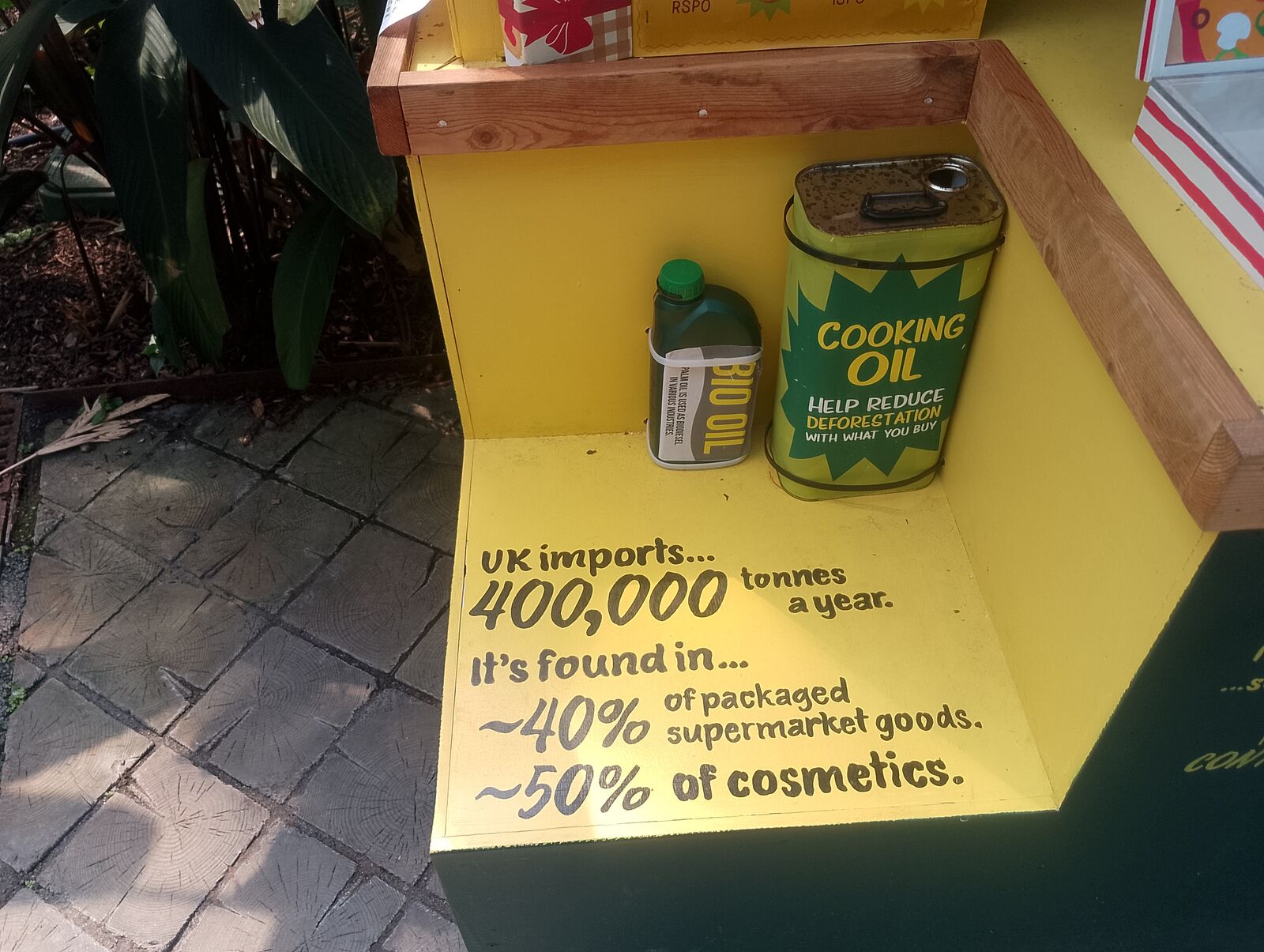
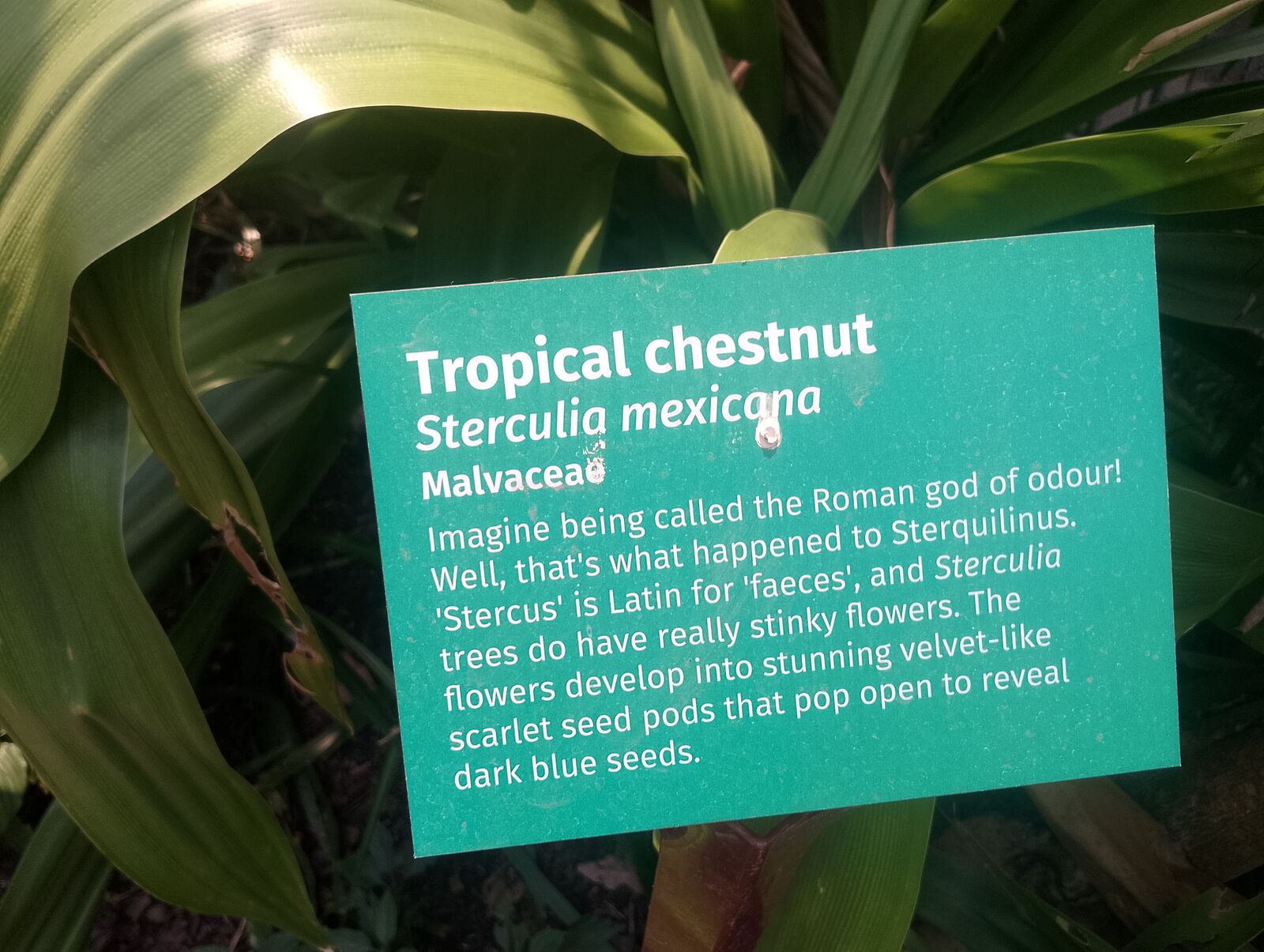
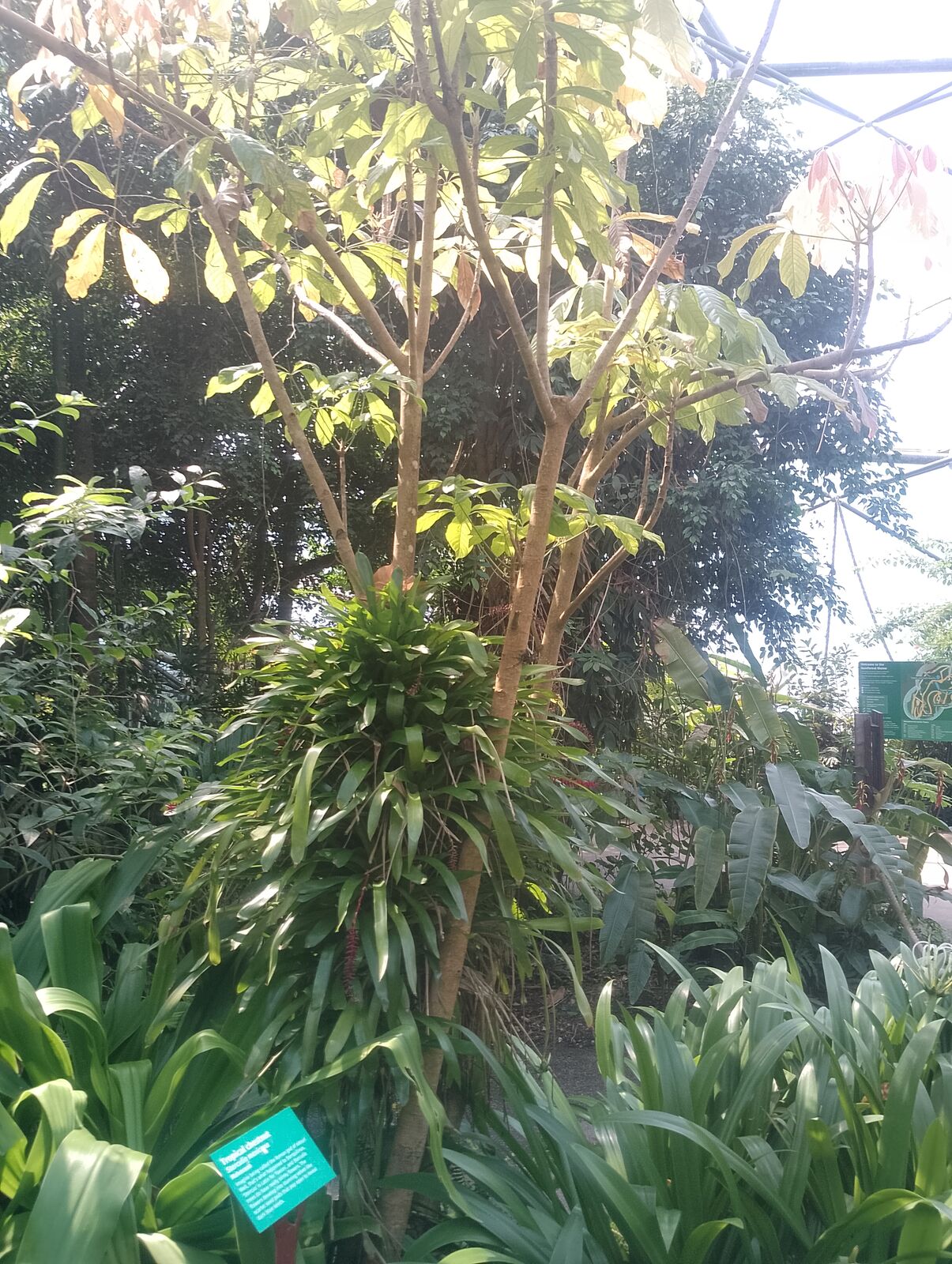
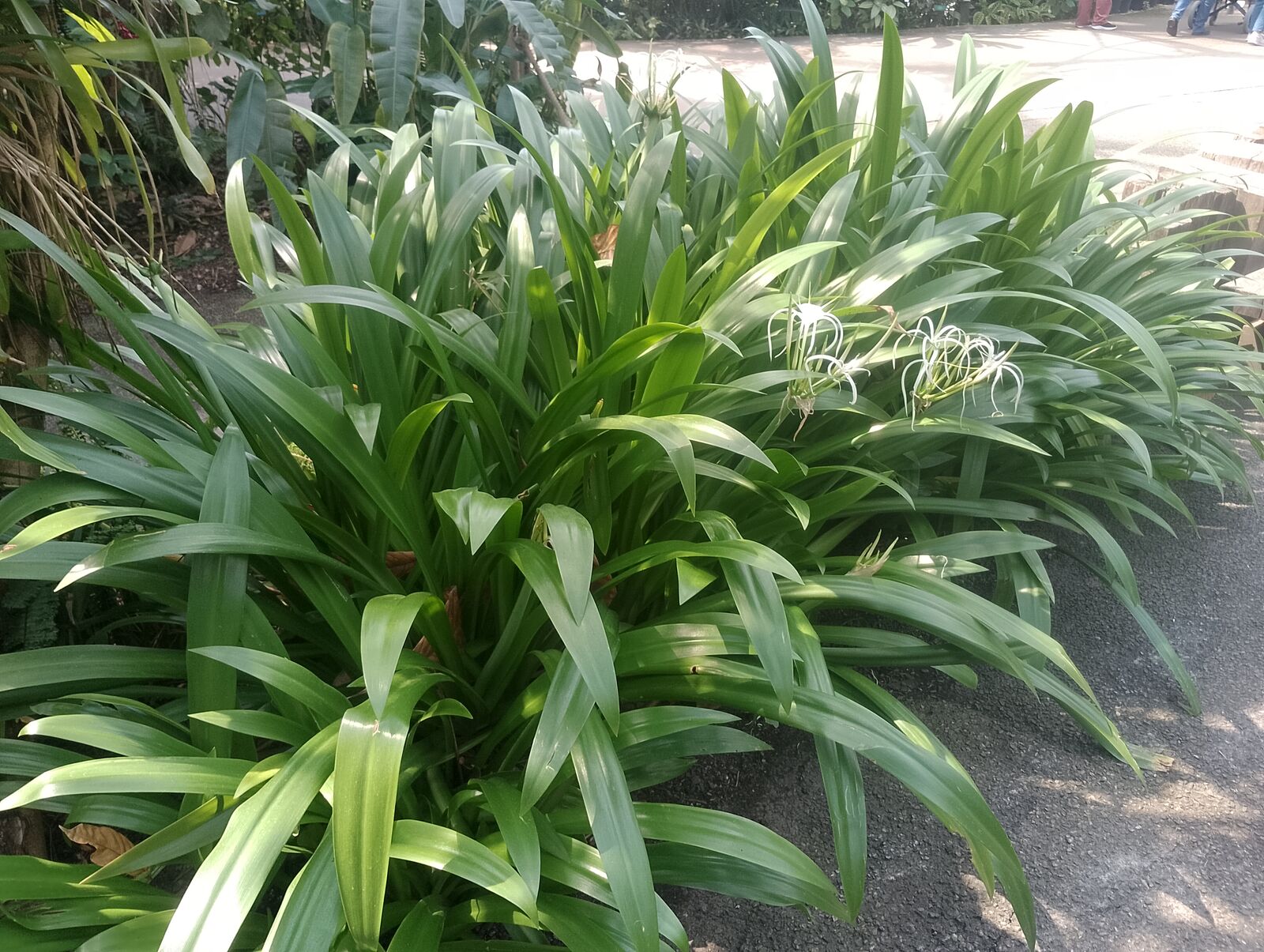
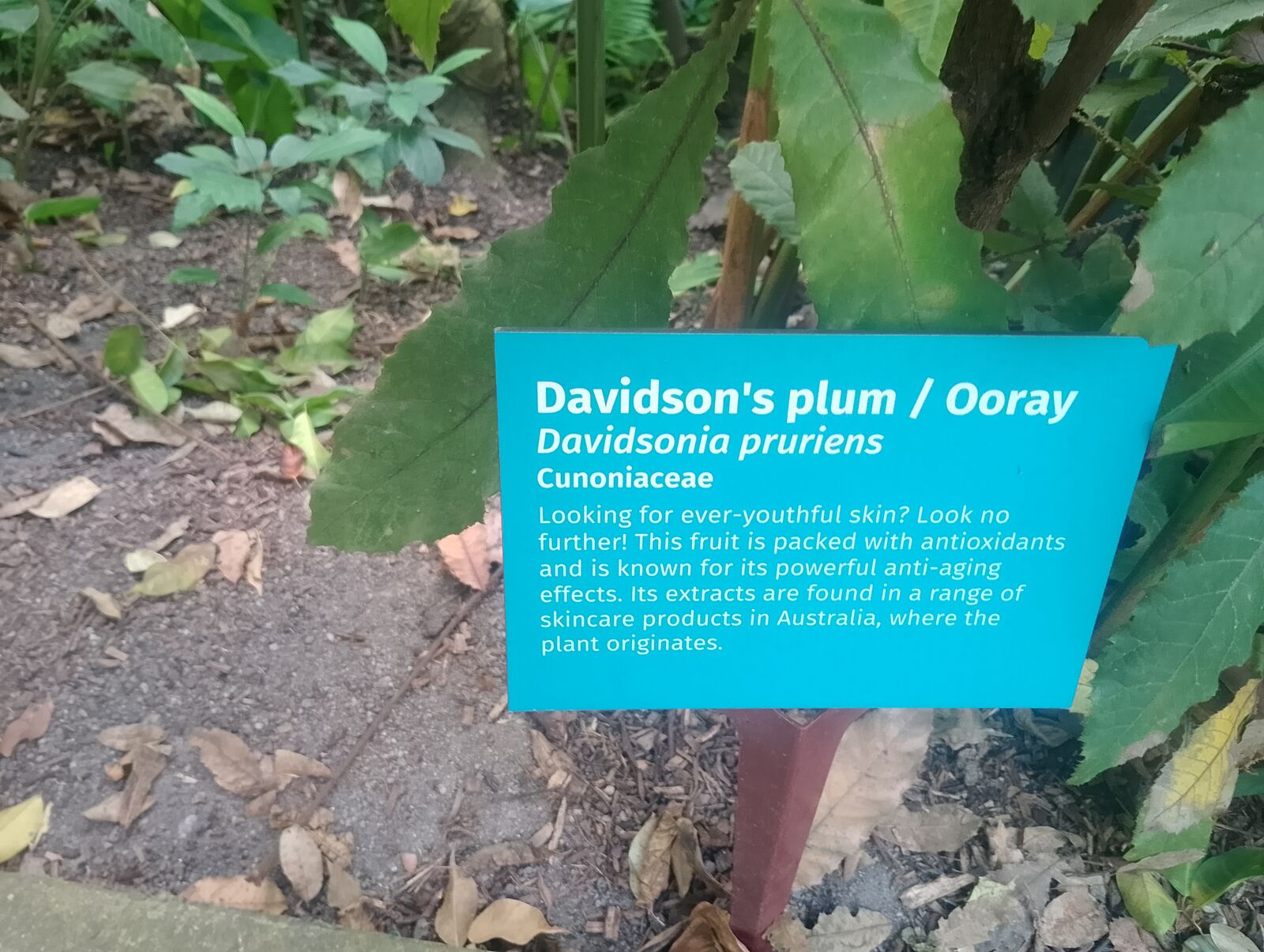
South America in comparison seems much more wild and sensual, with lots of exotic fruit, some of which I’ve tried and others completely alien to me. There is more bioregional education here explaining about the exports such as psalm oil, cacao, fruits and sugar (Columbian Panela).
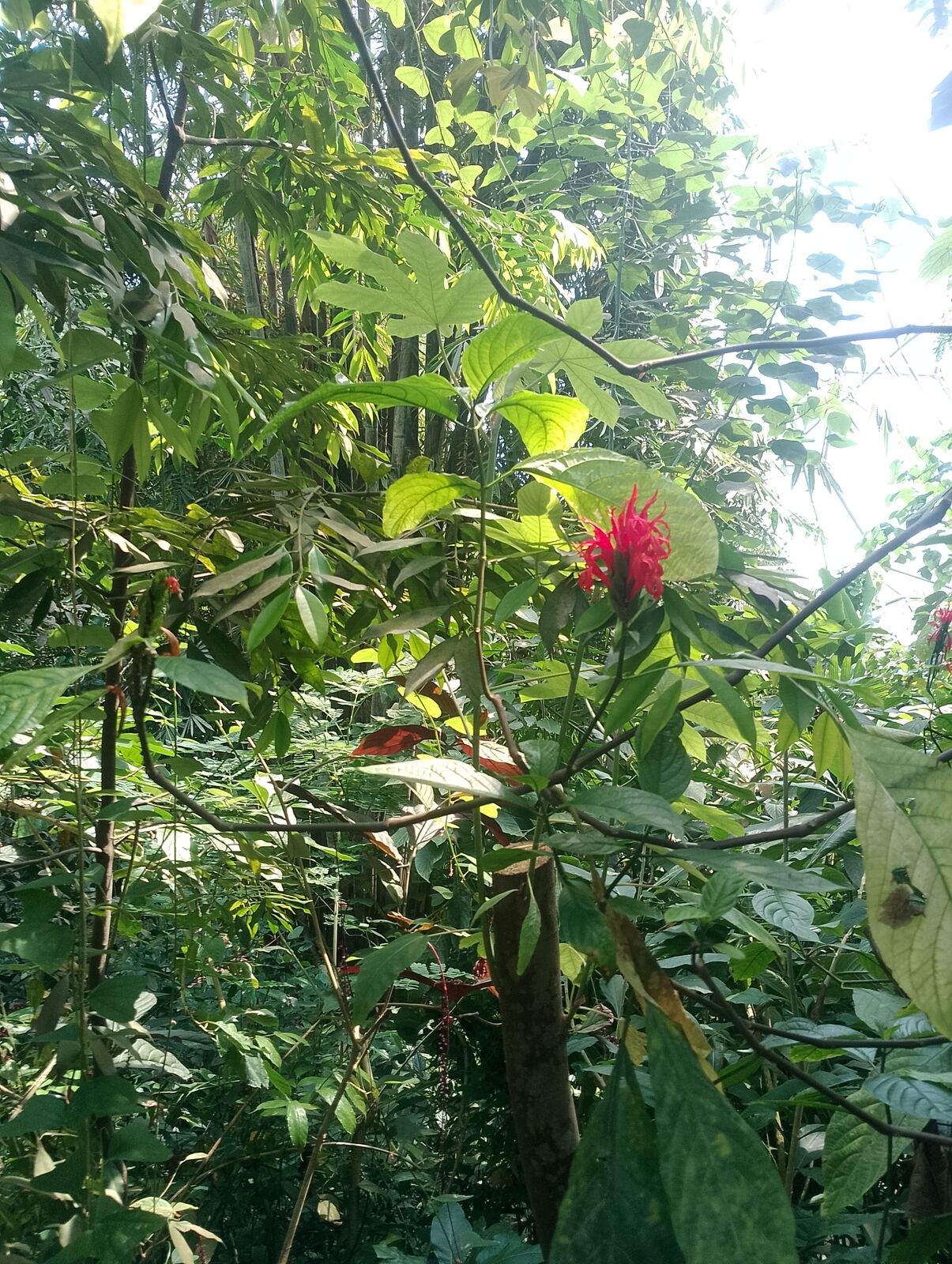
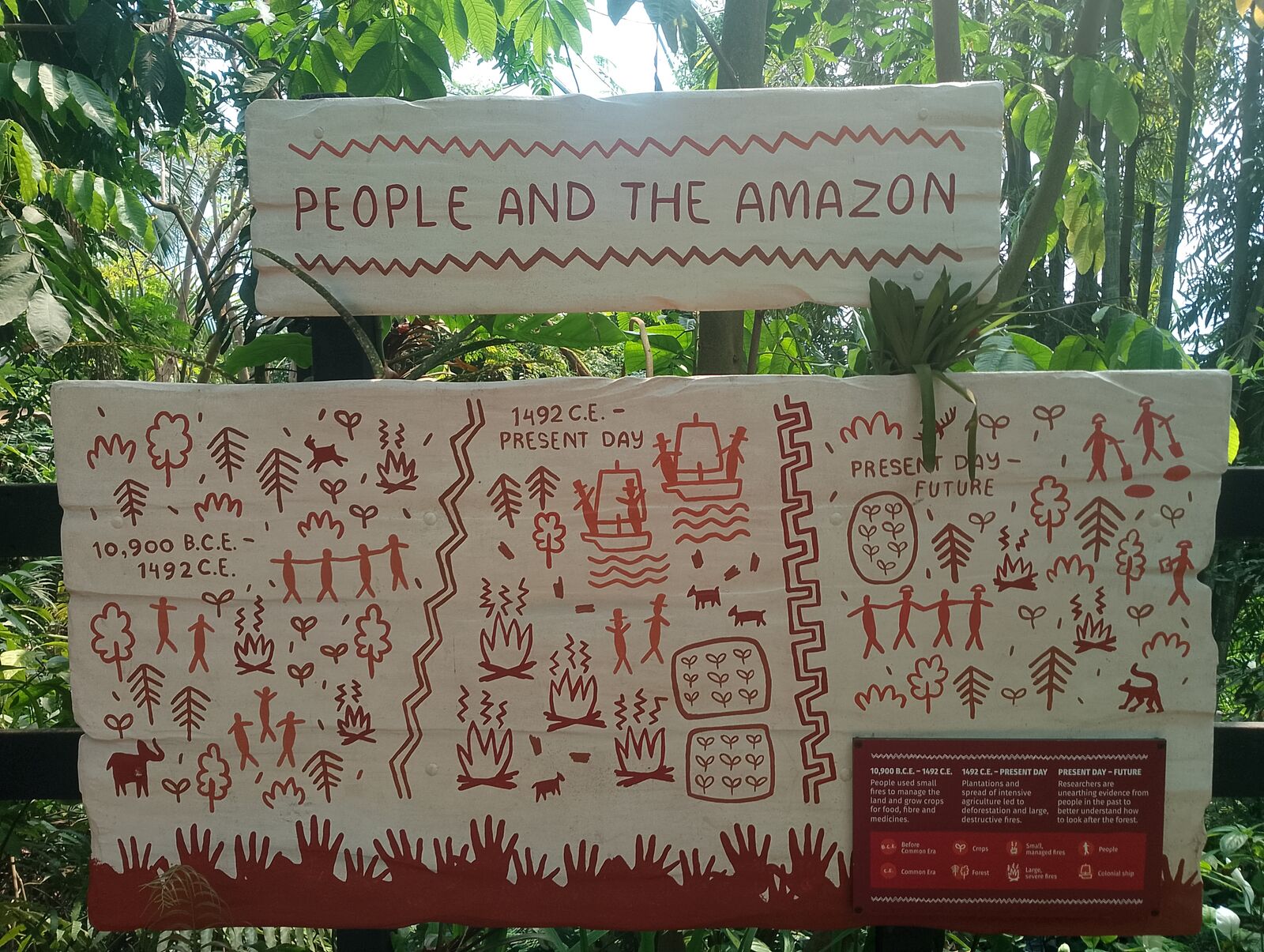
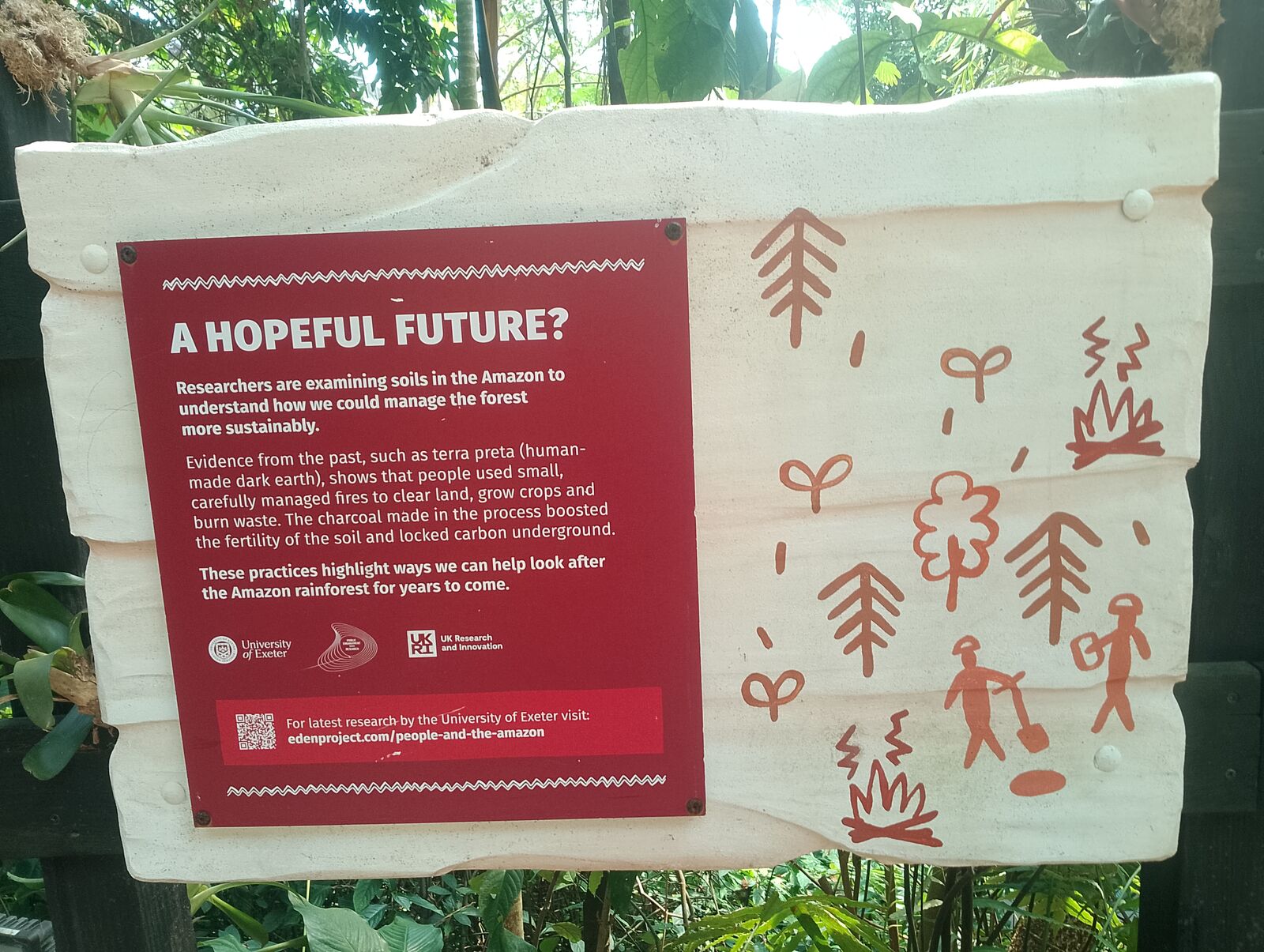
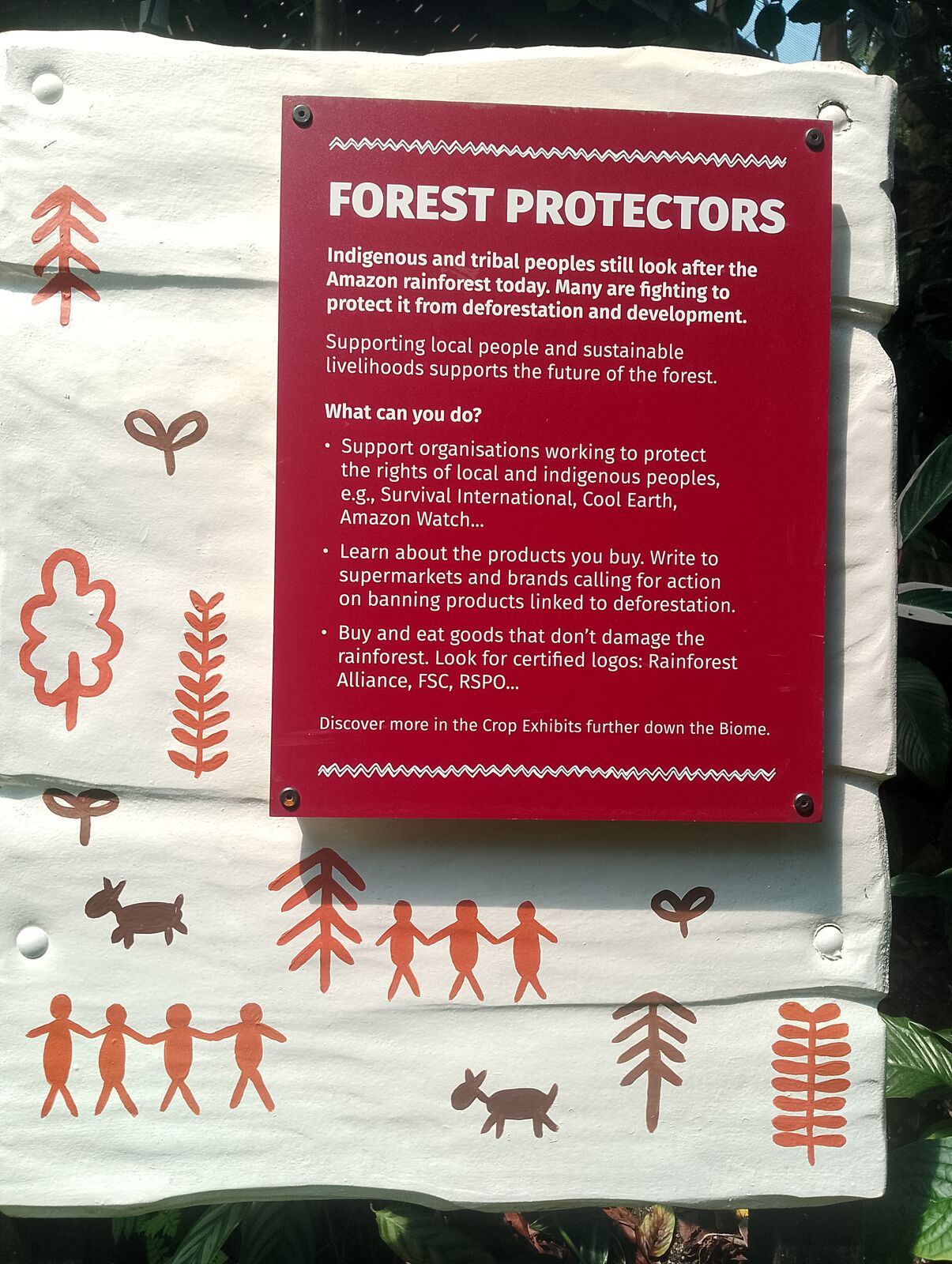
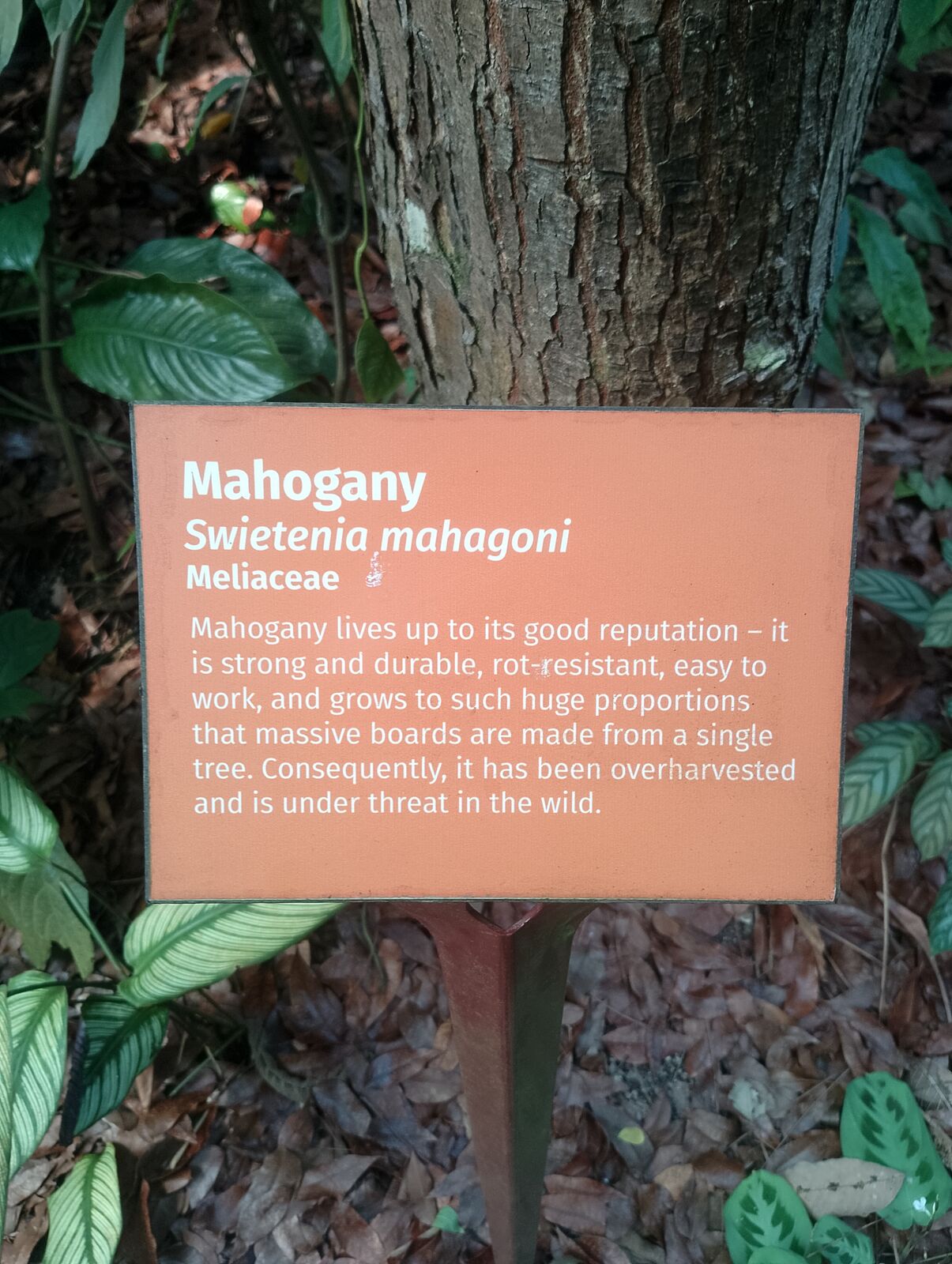
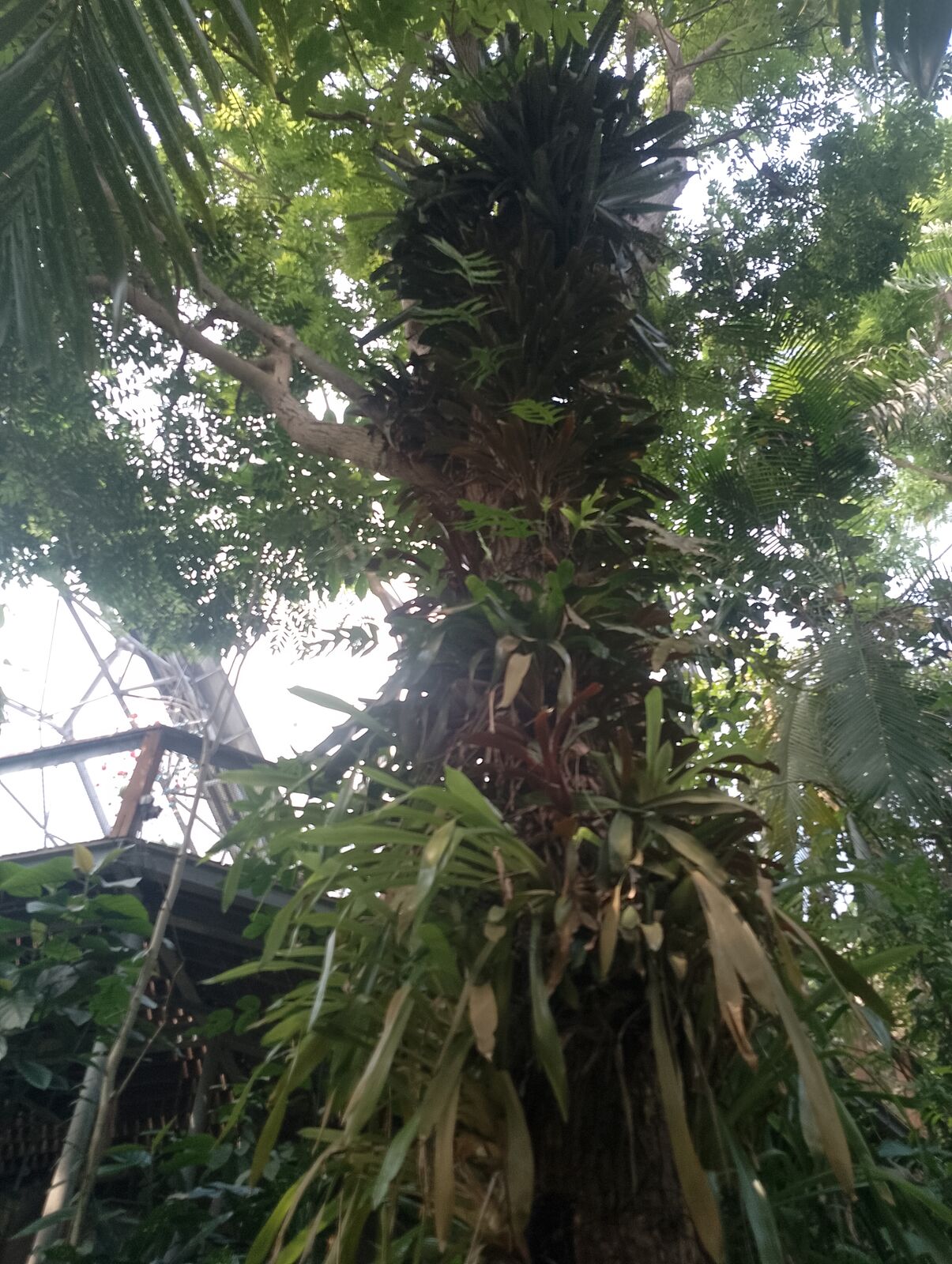
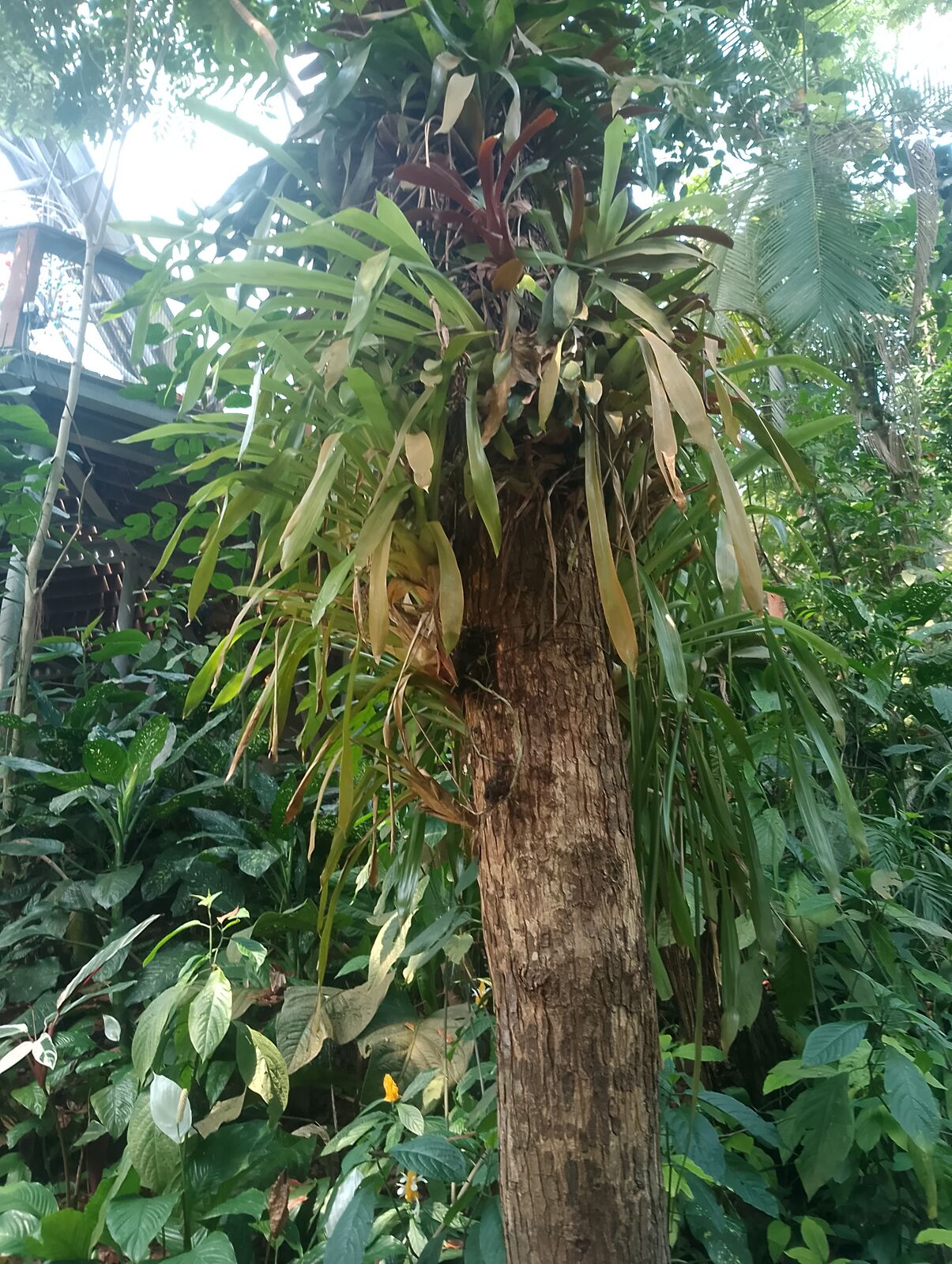
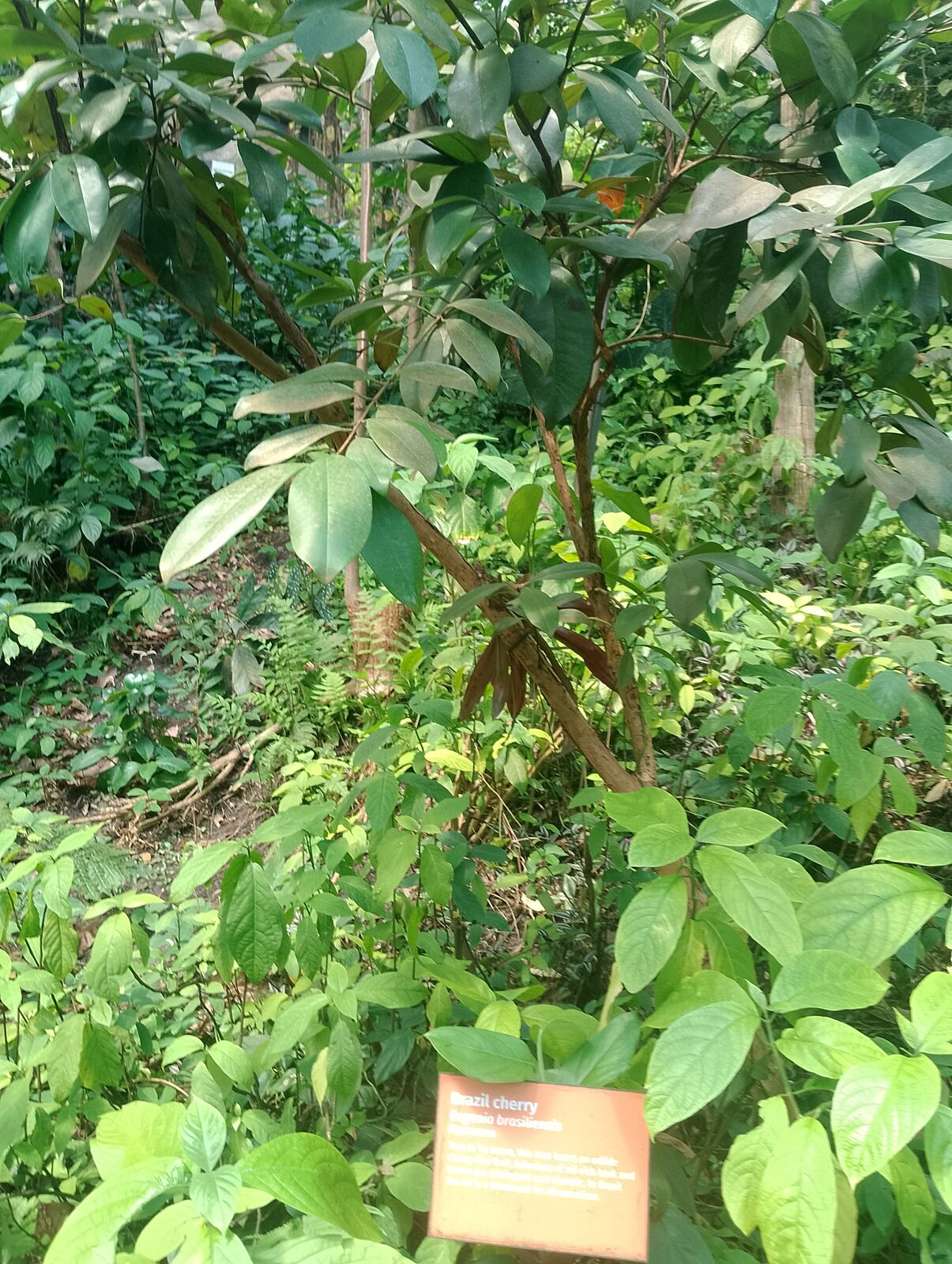
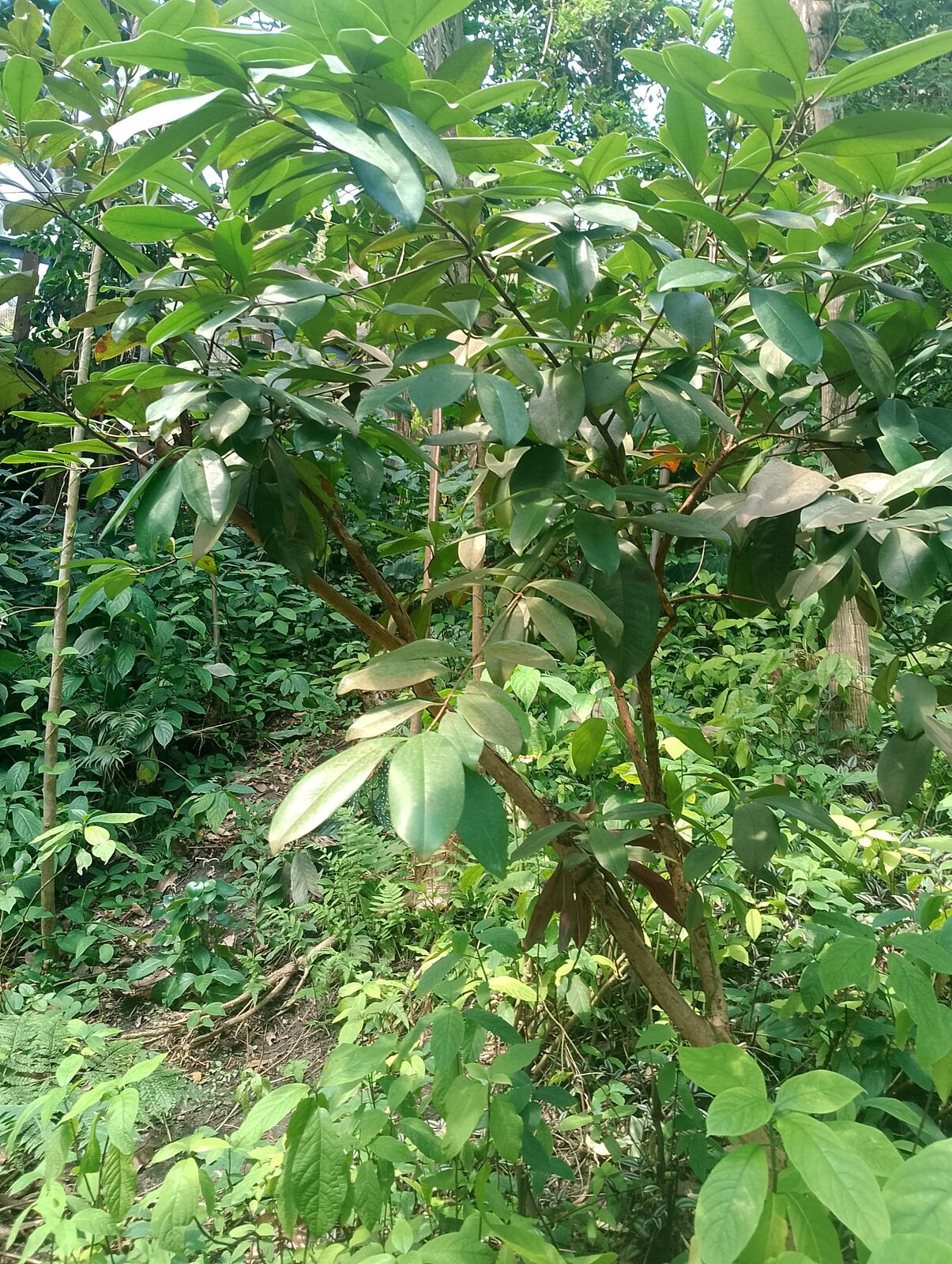
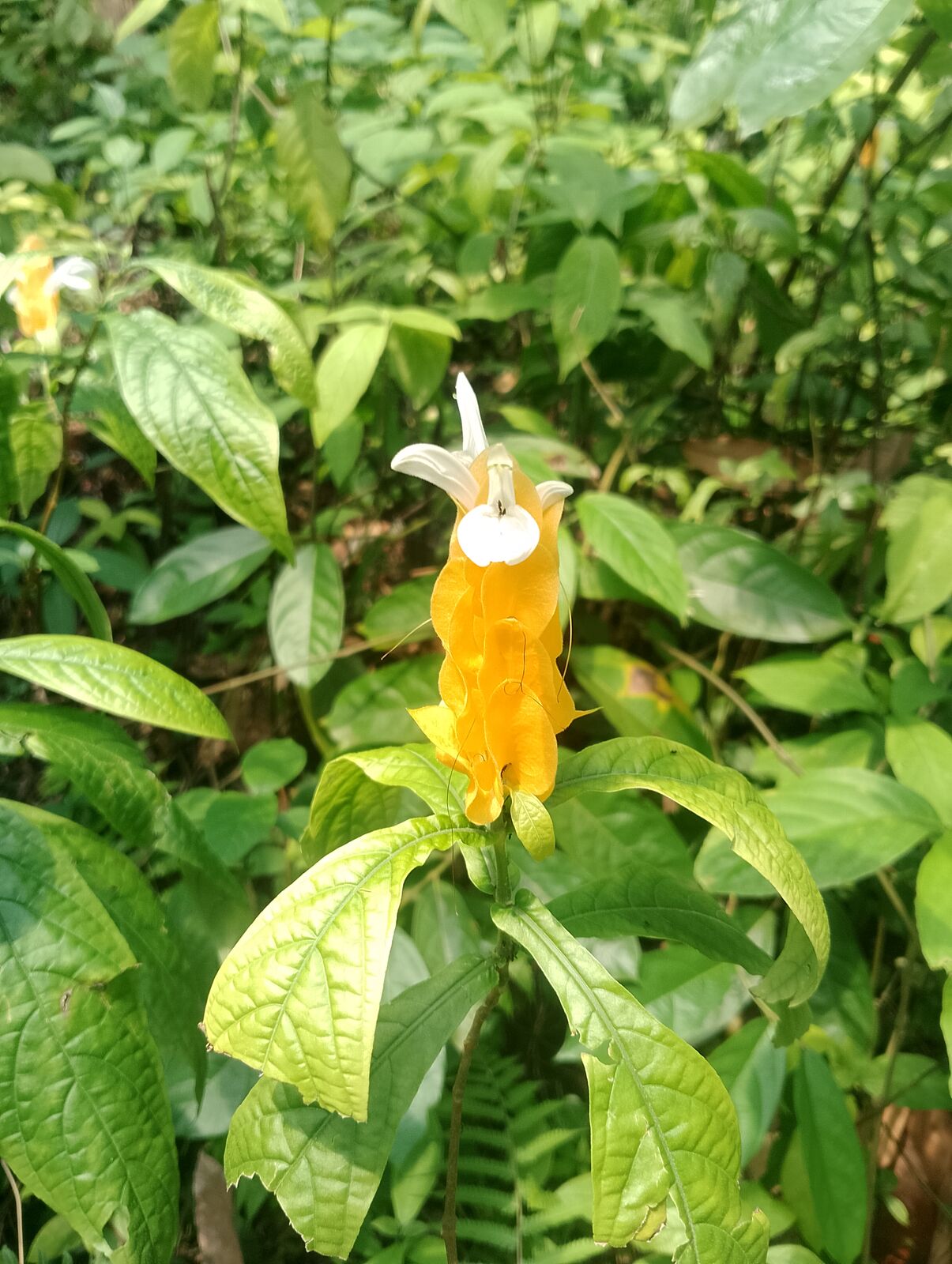
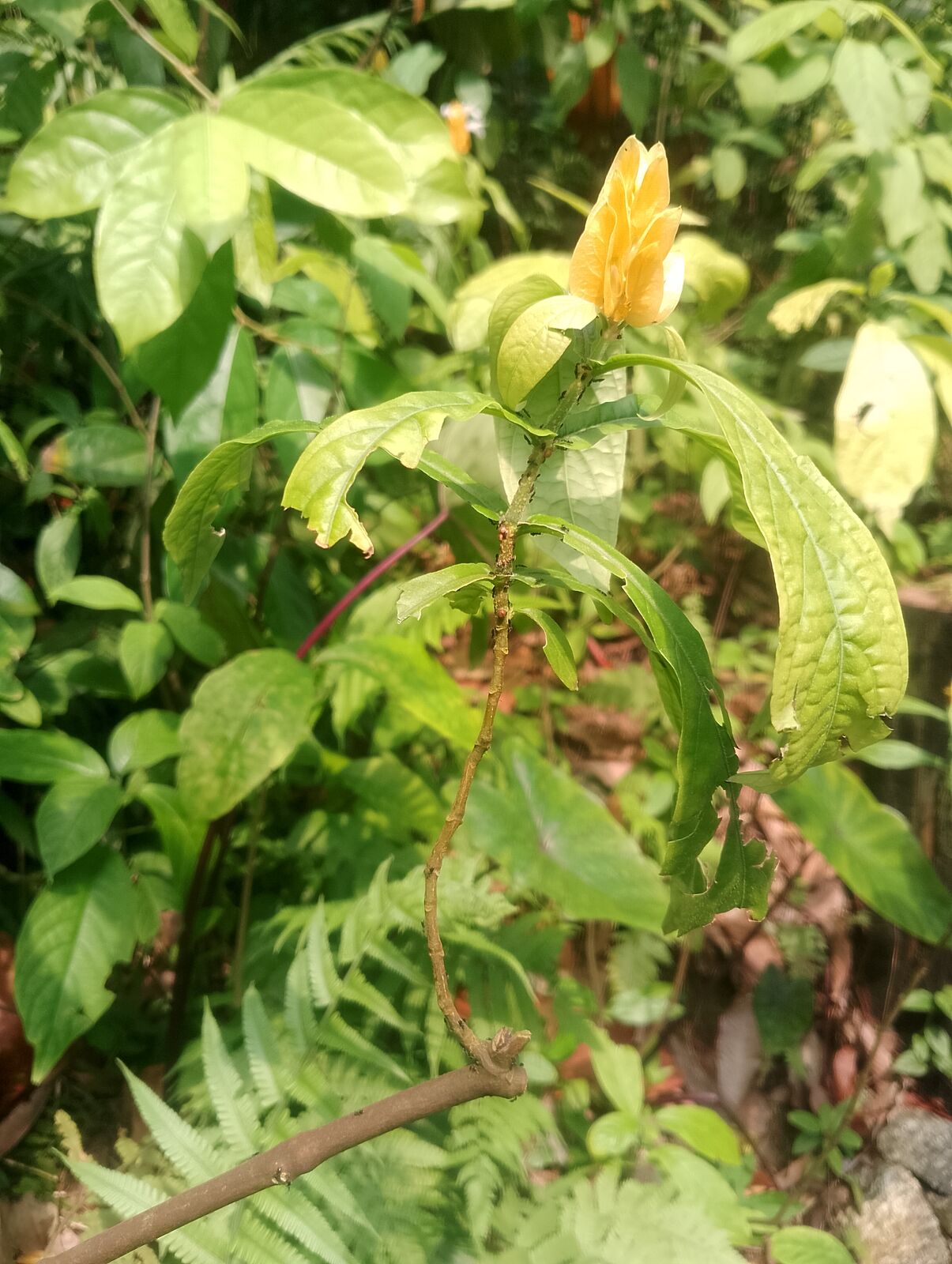
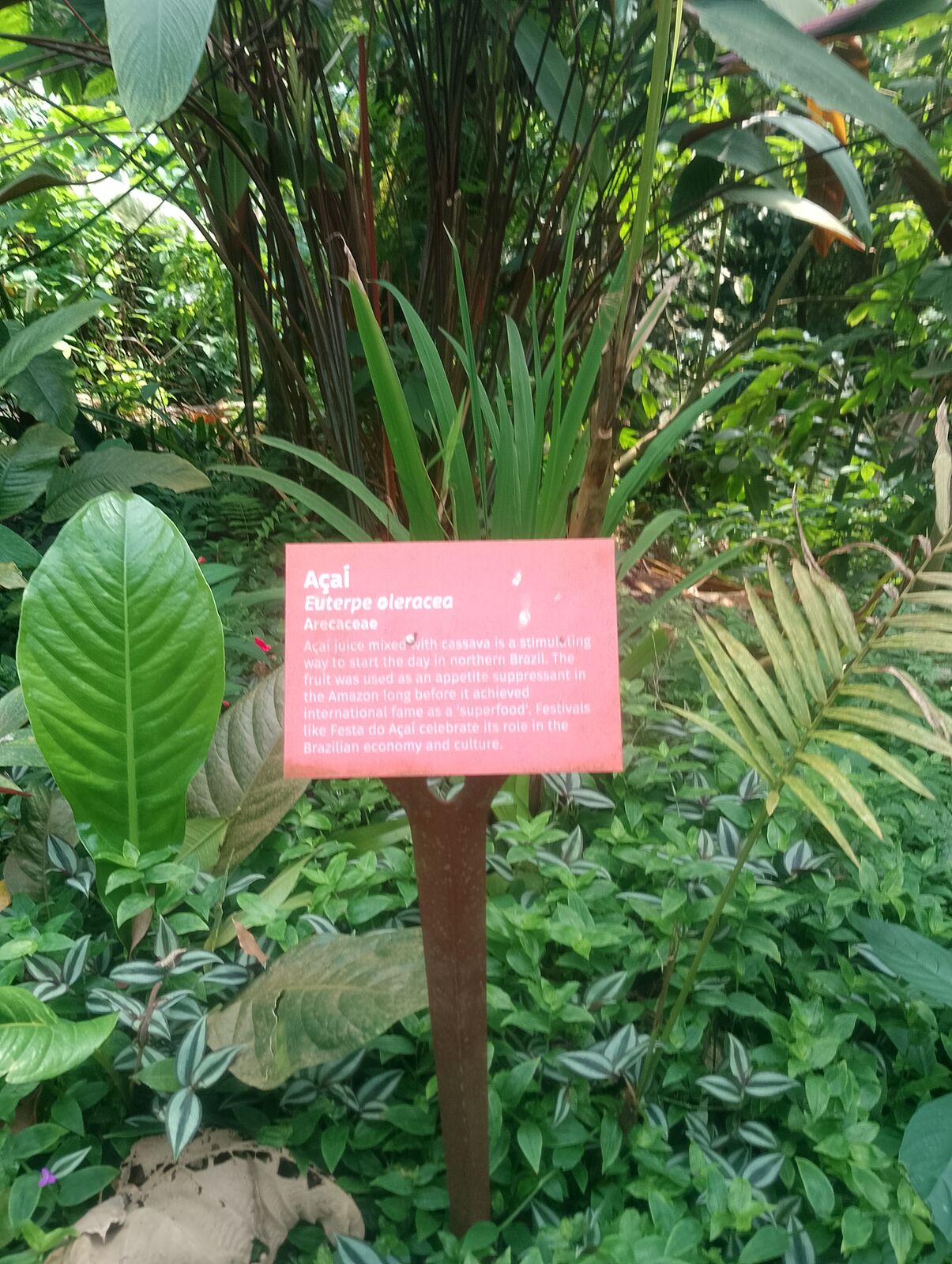
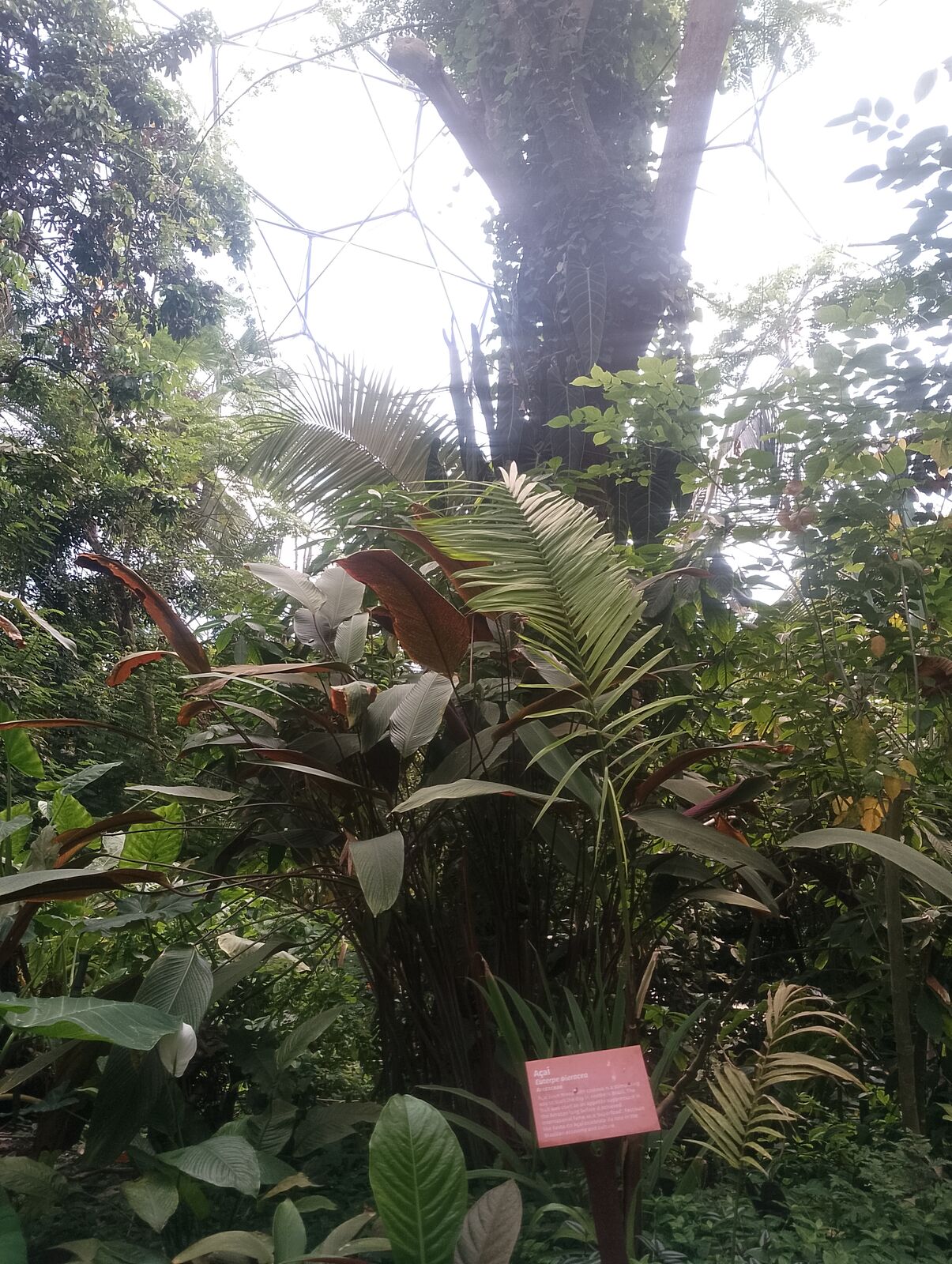
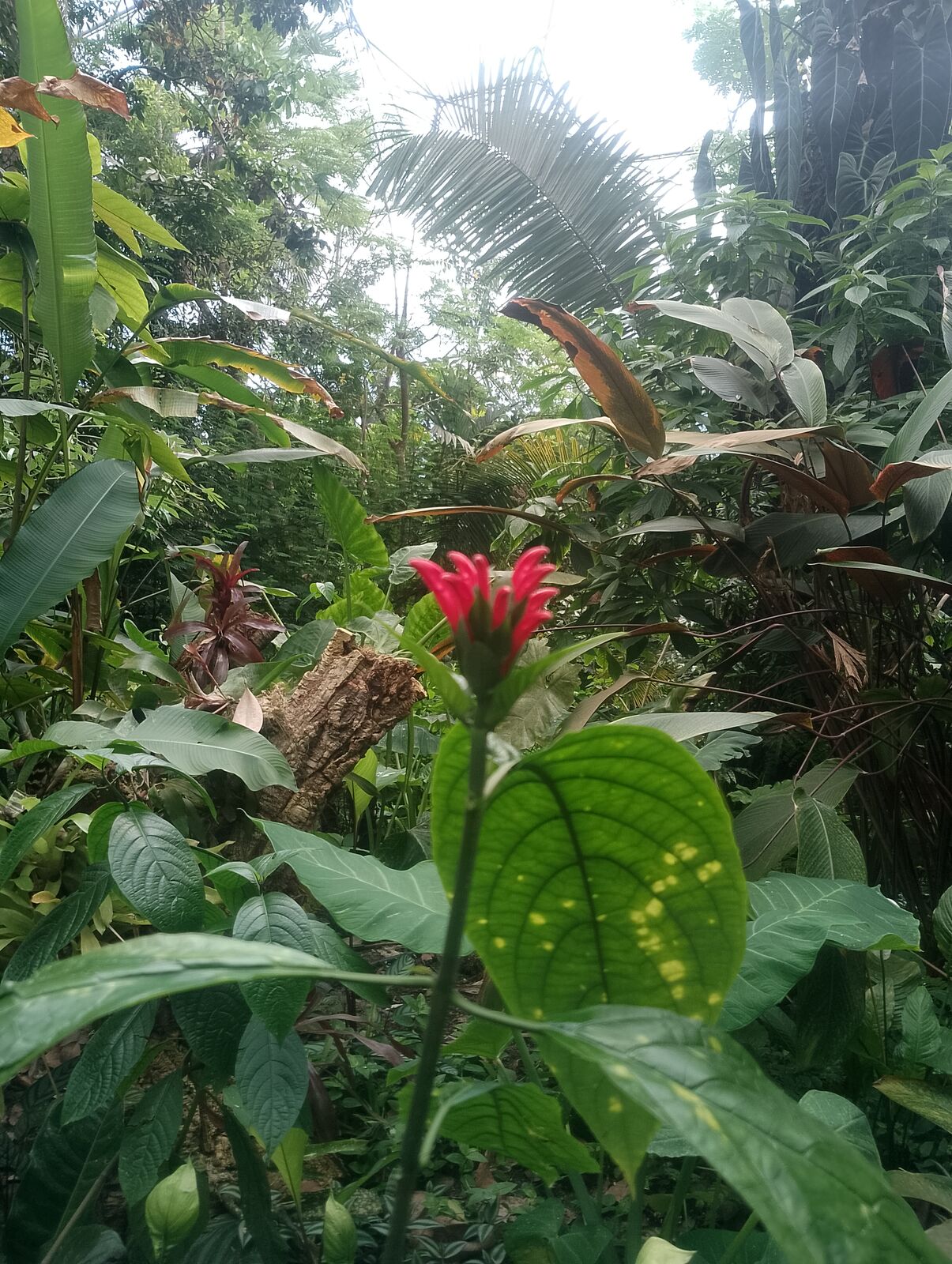
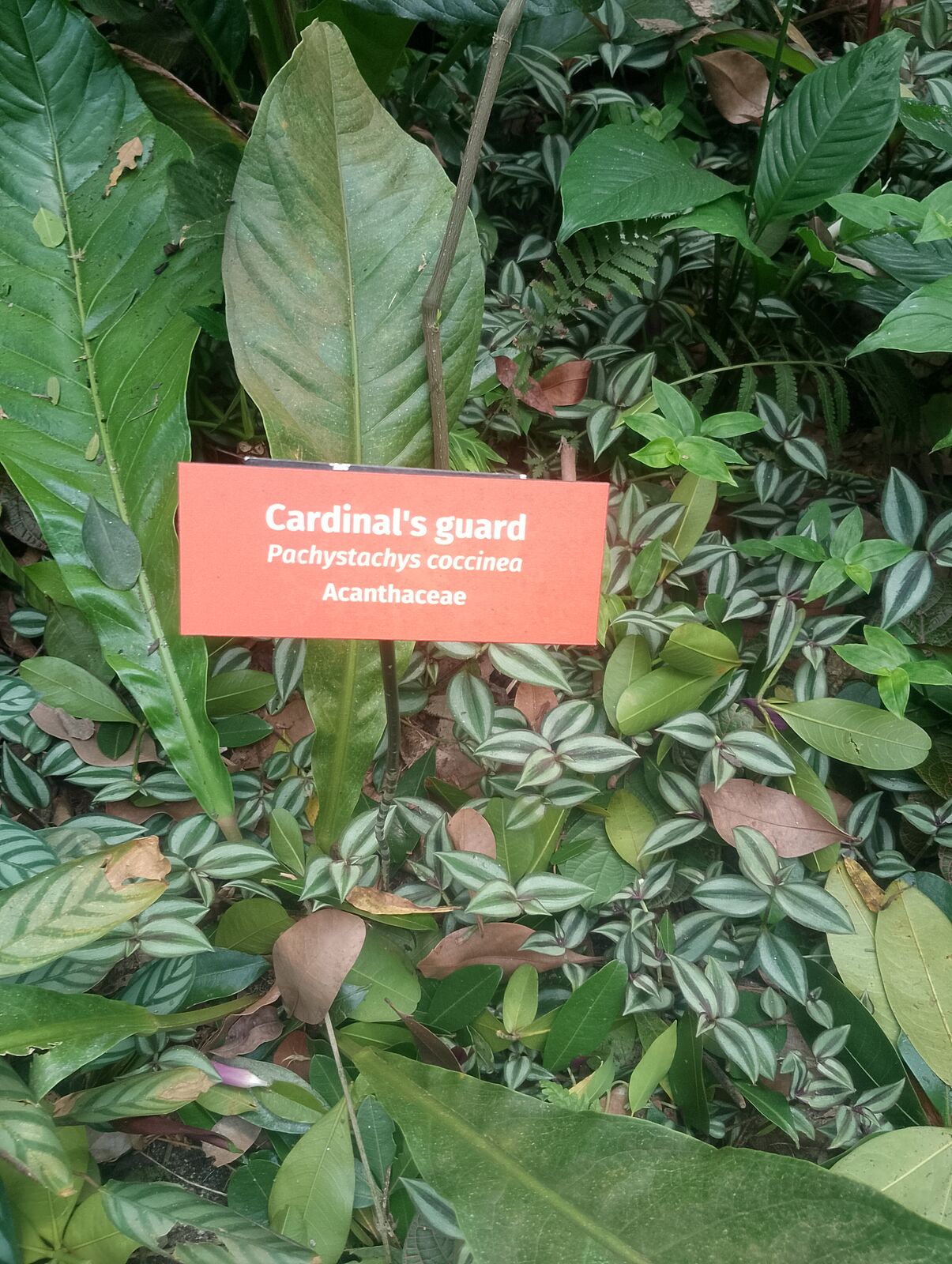
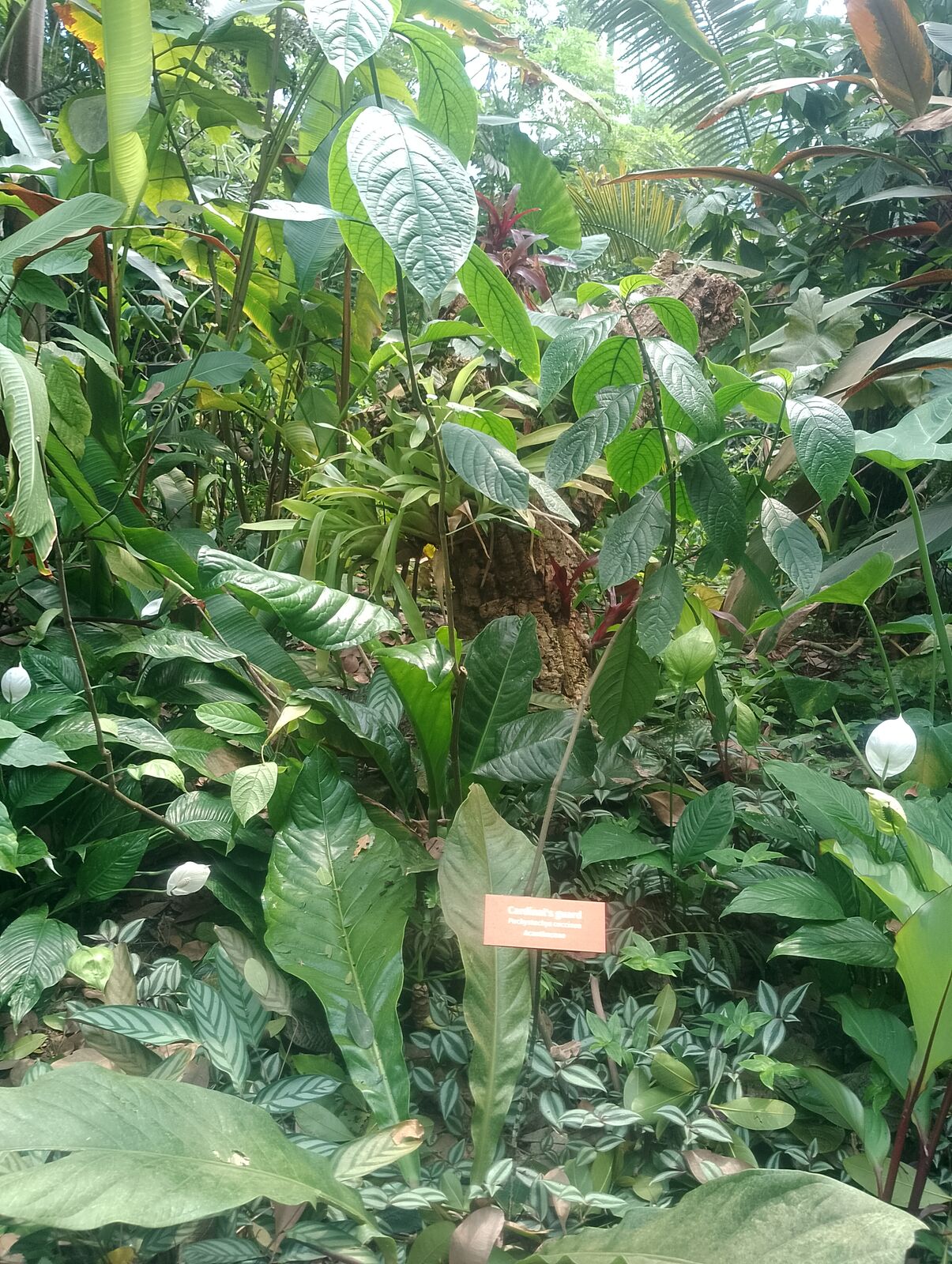
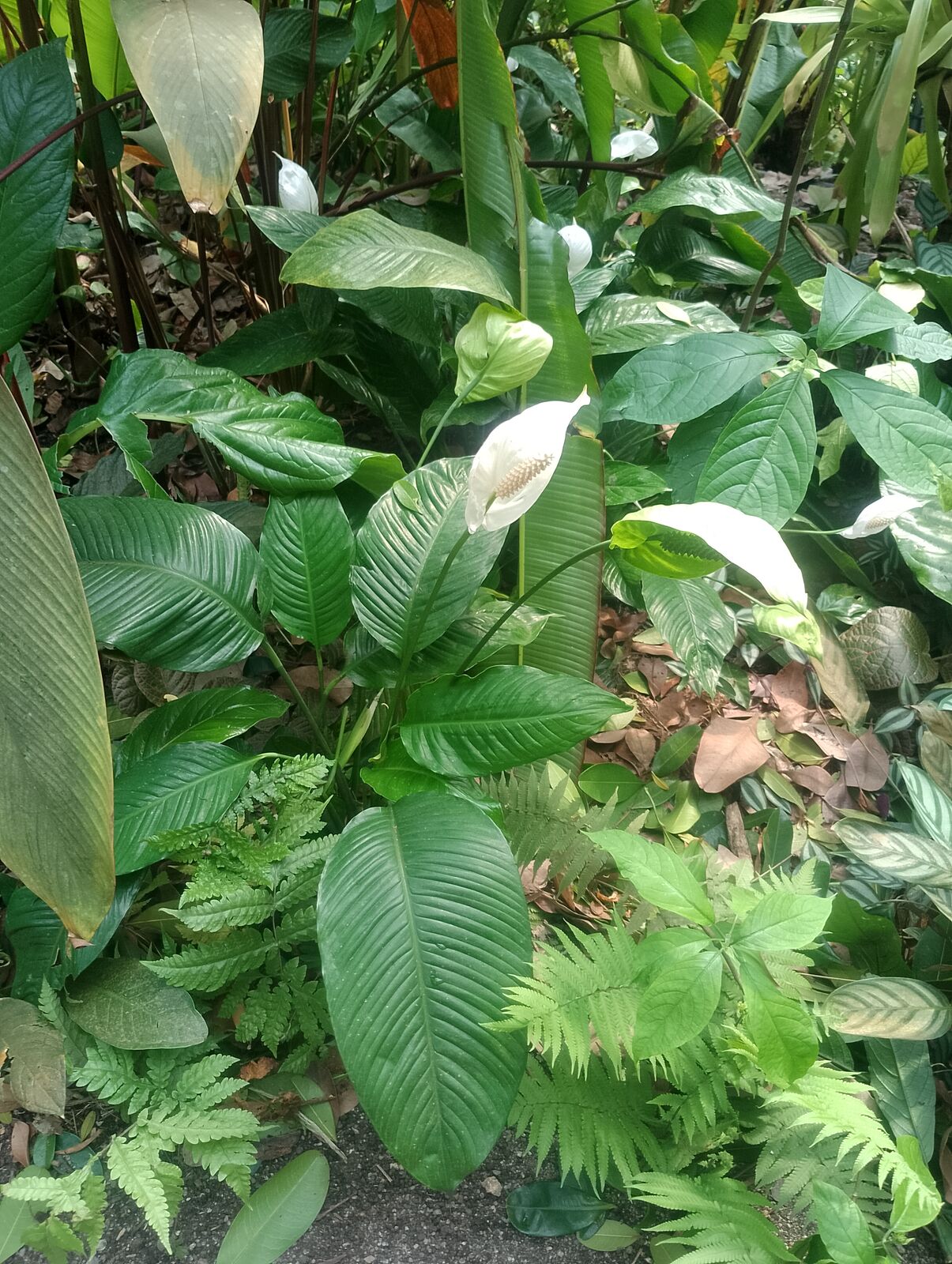
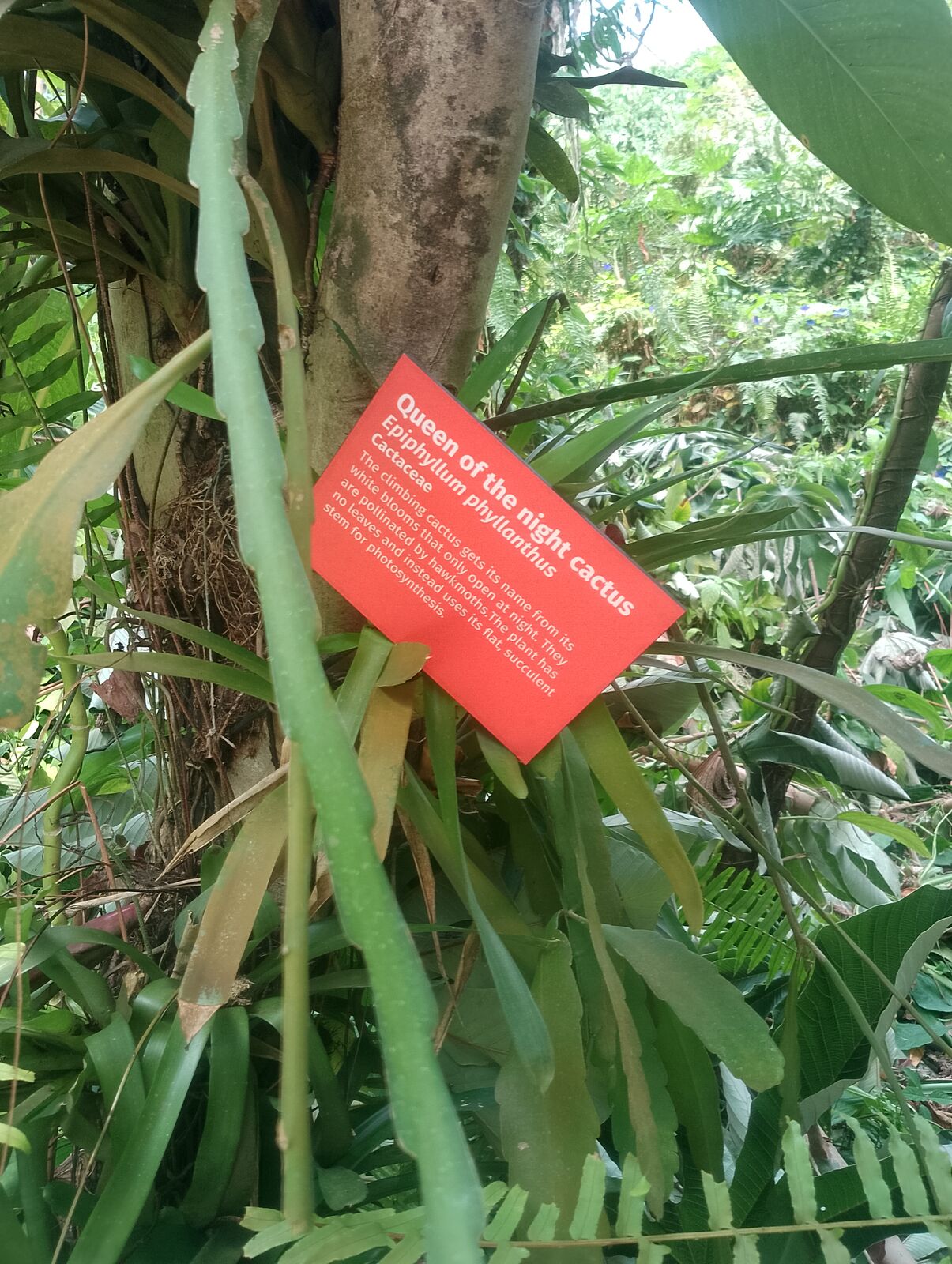
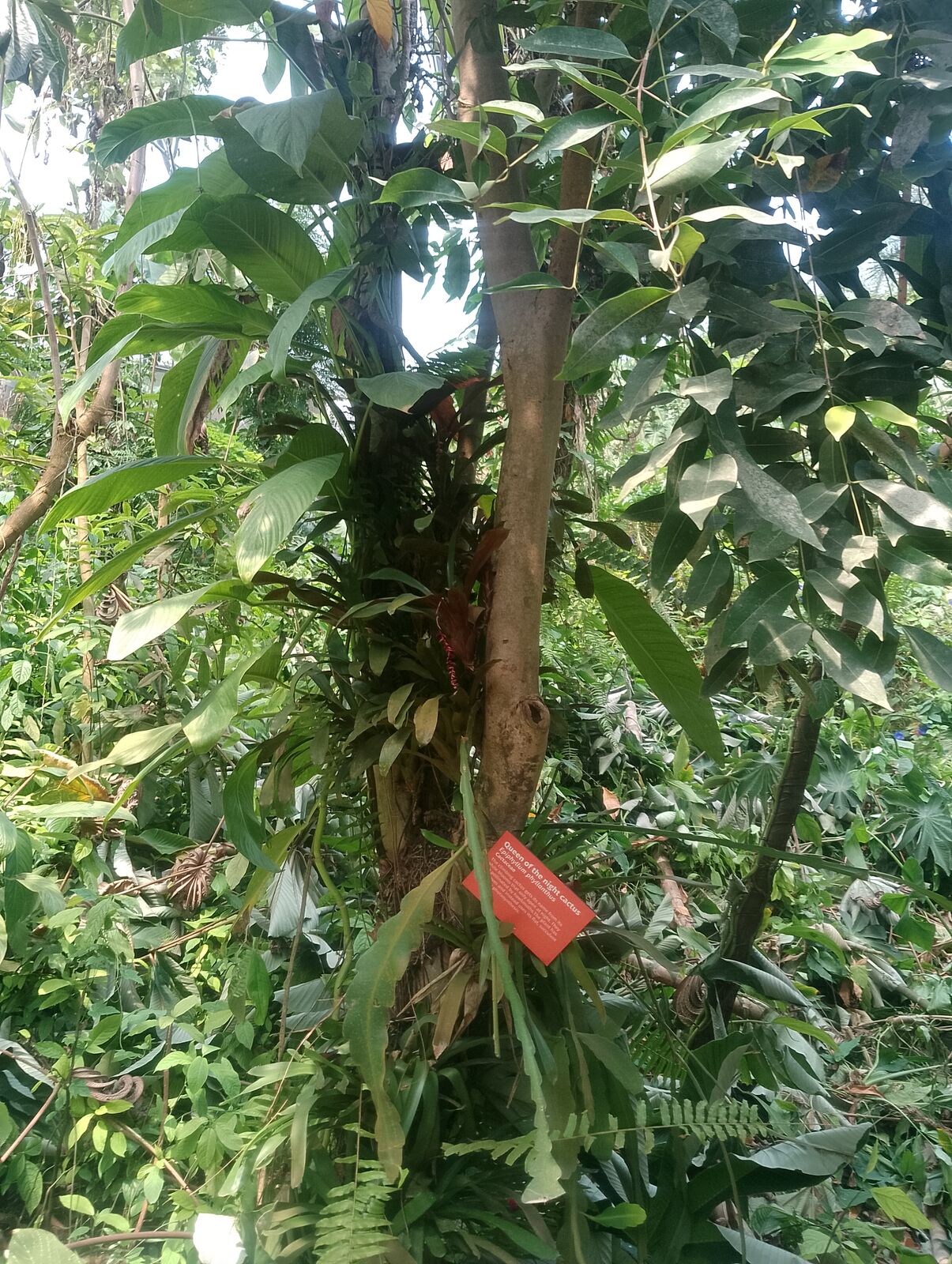
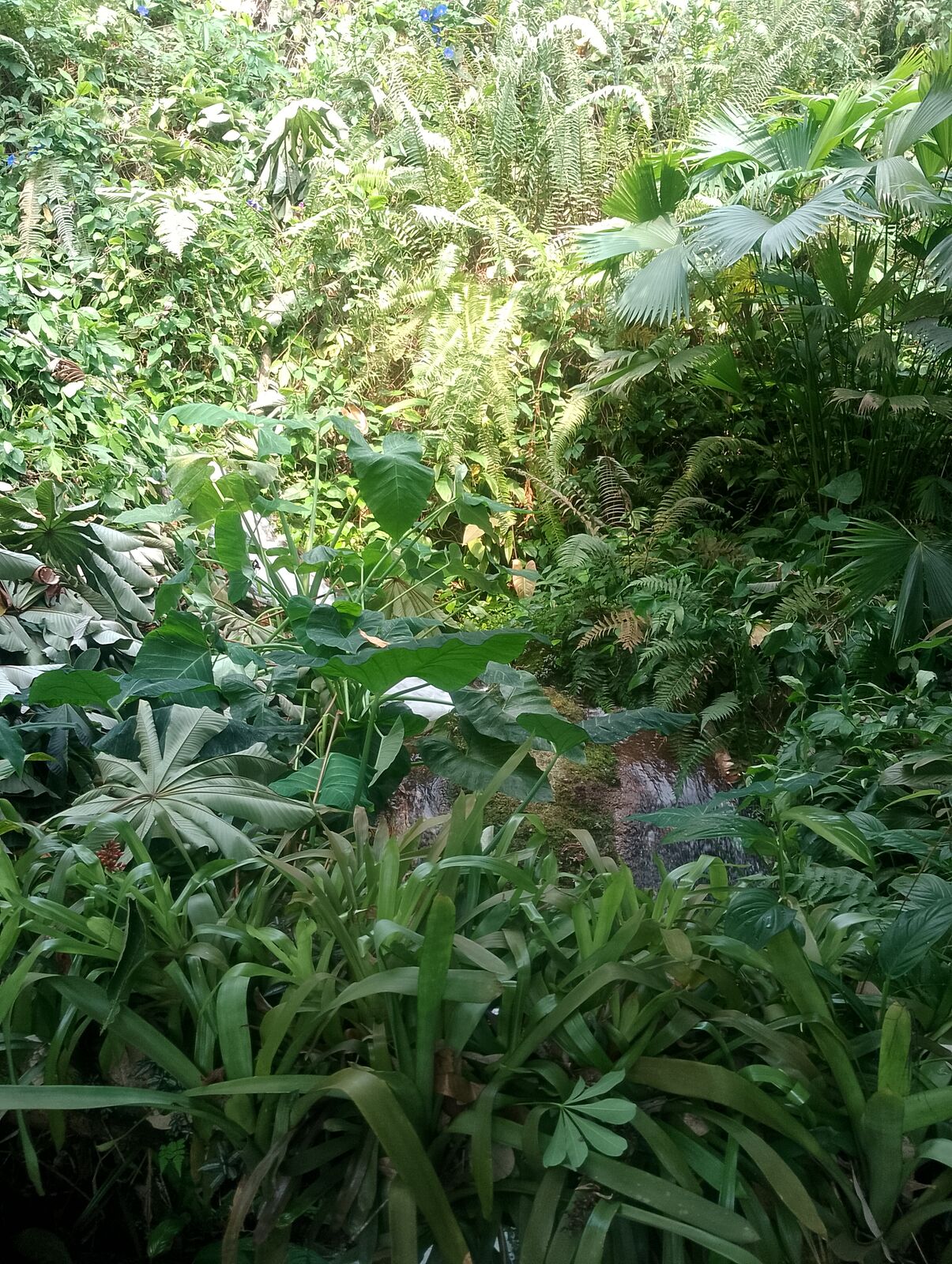
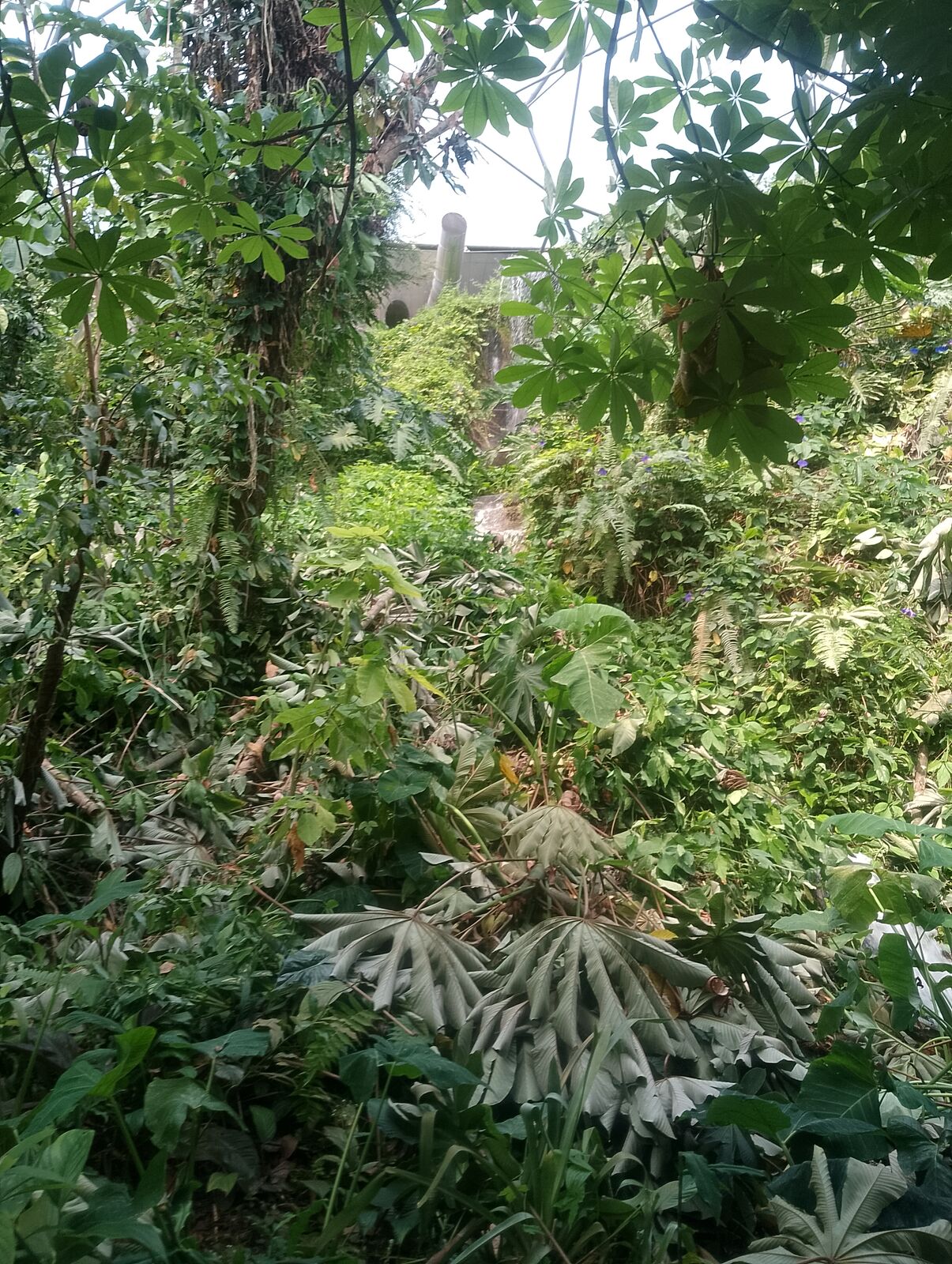
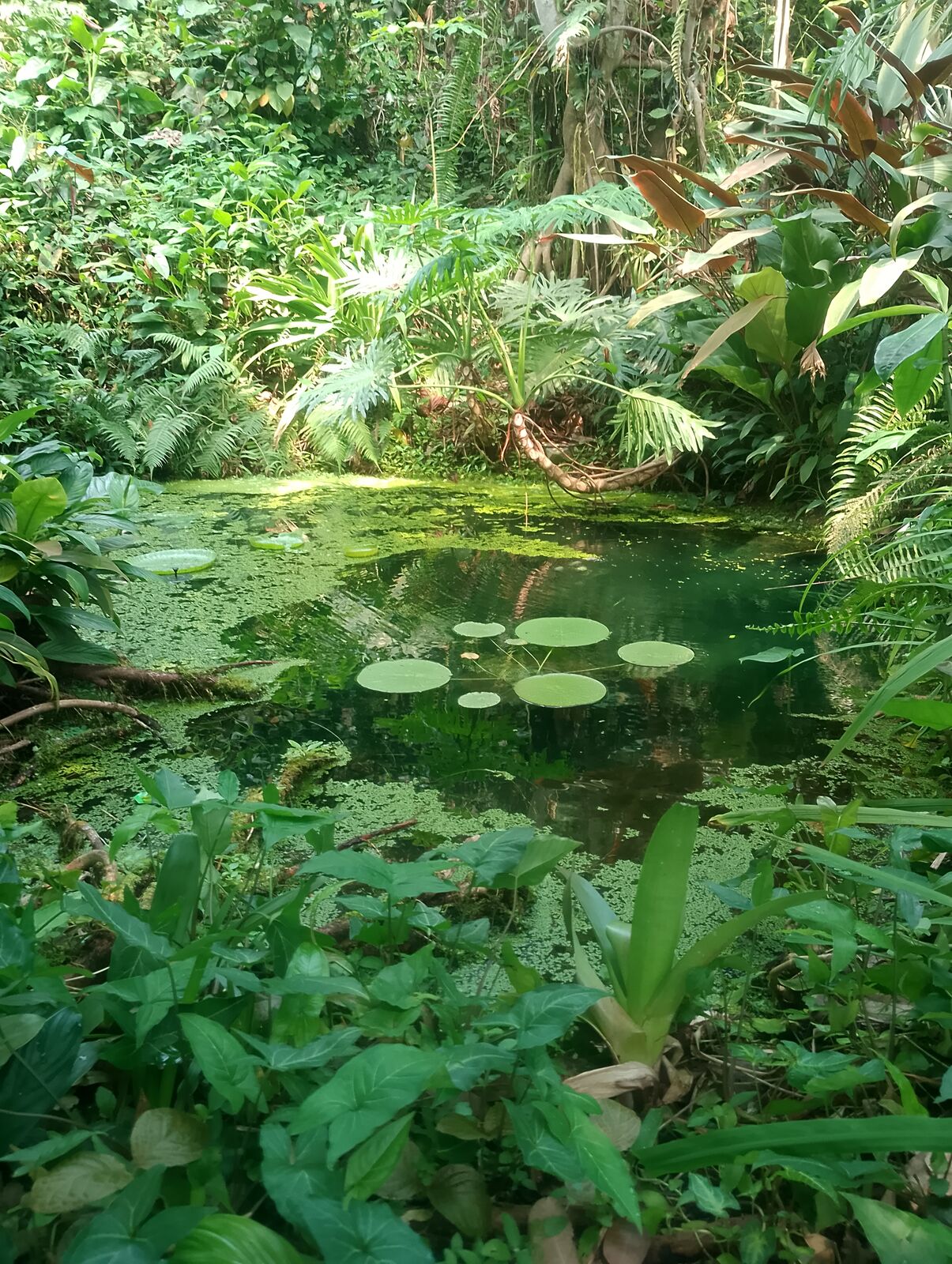
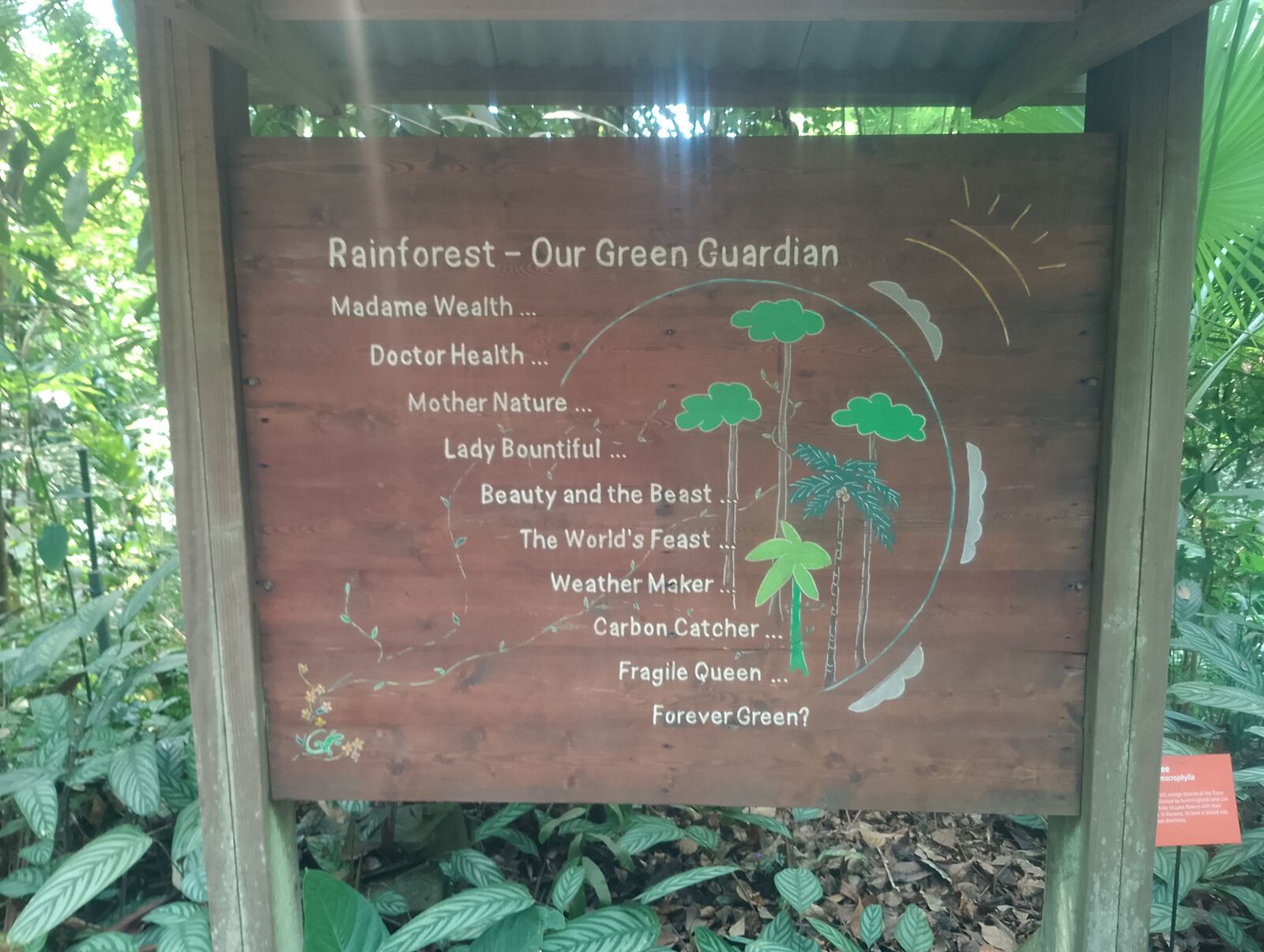
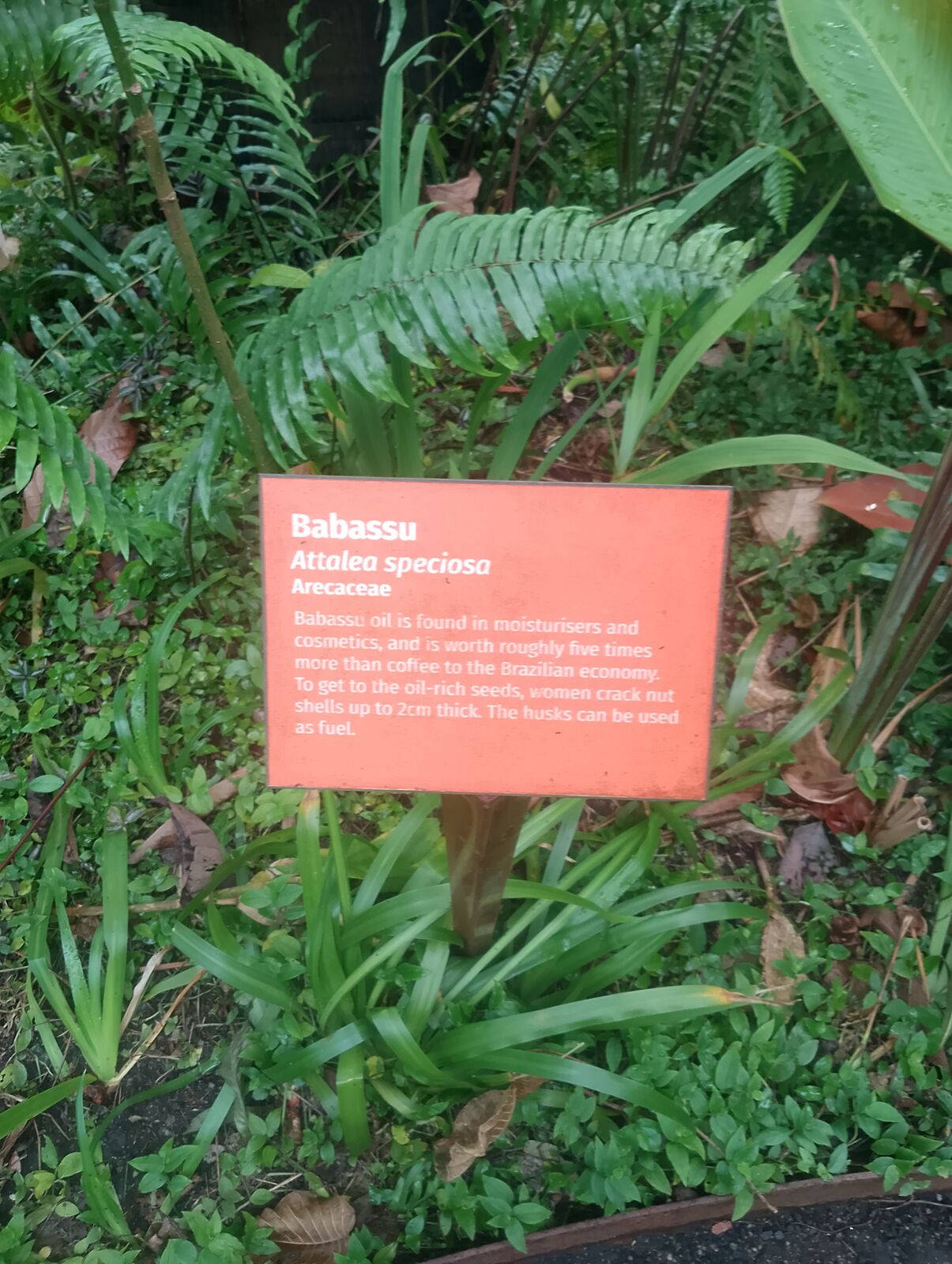
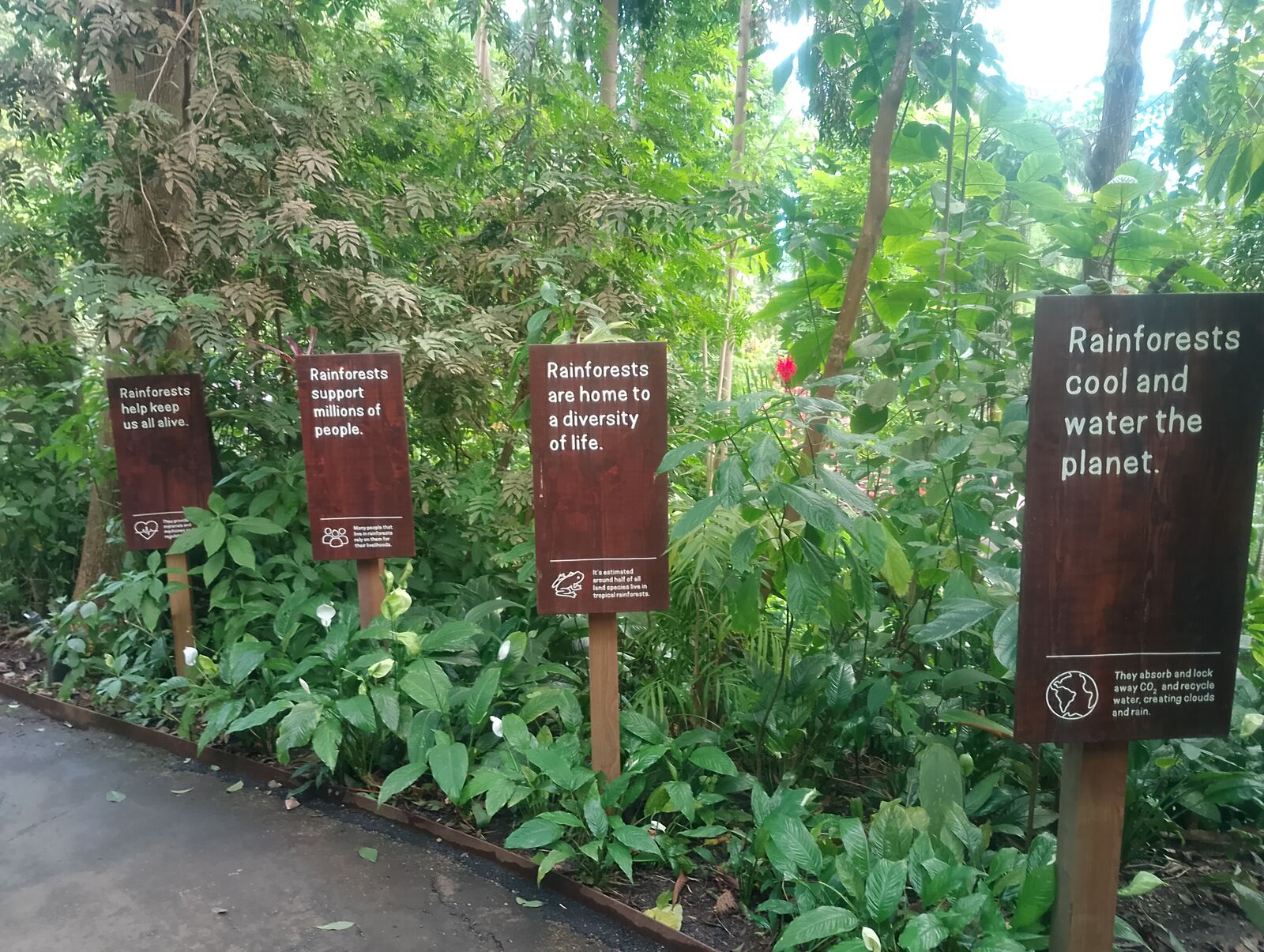
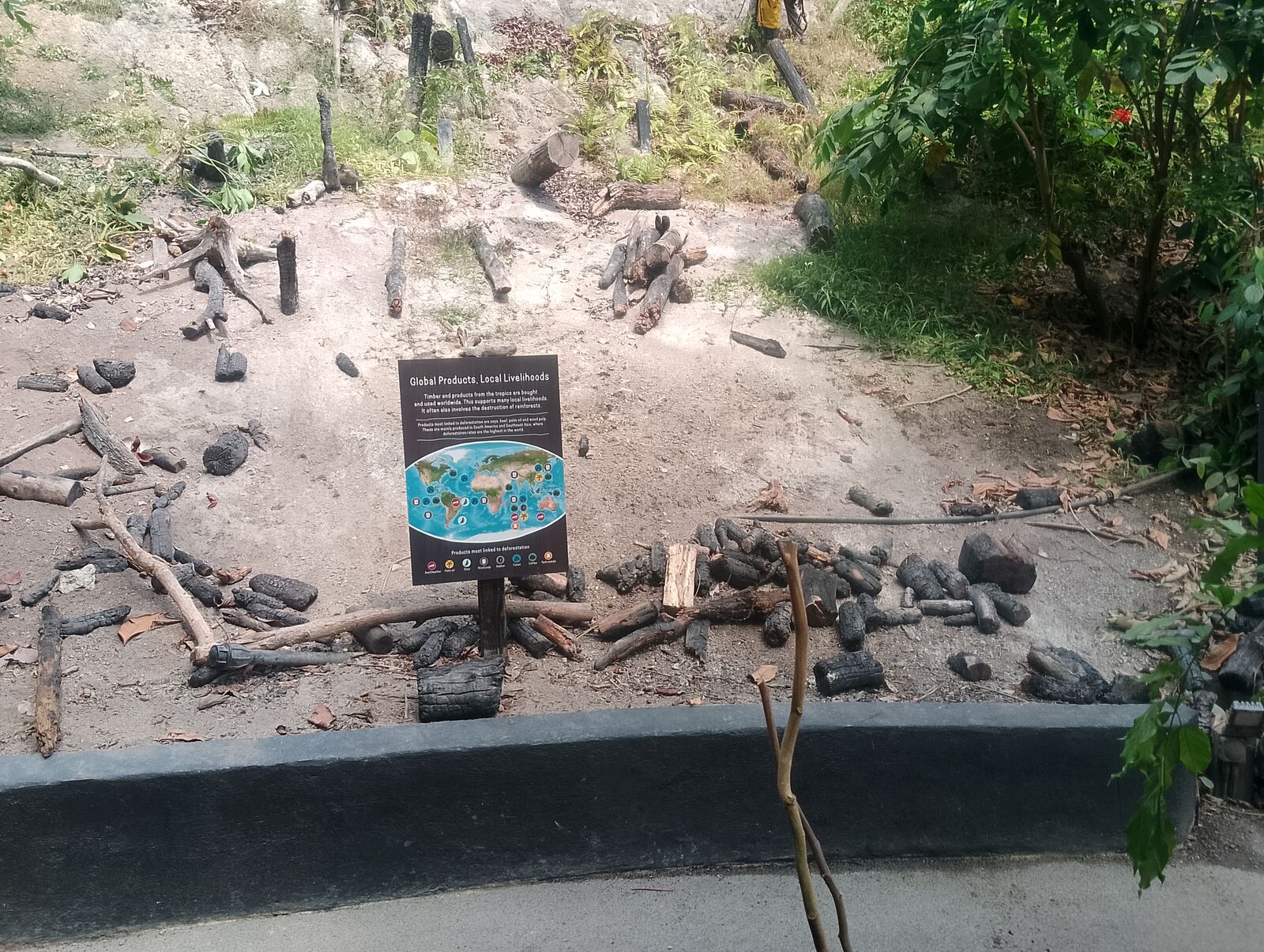
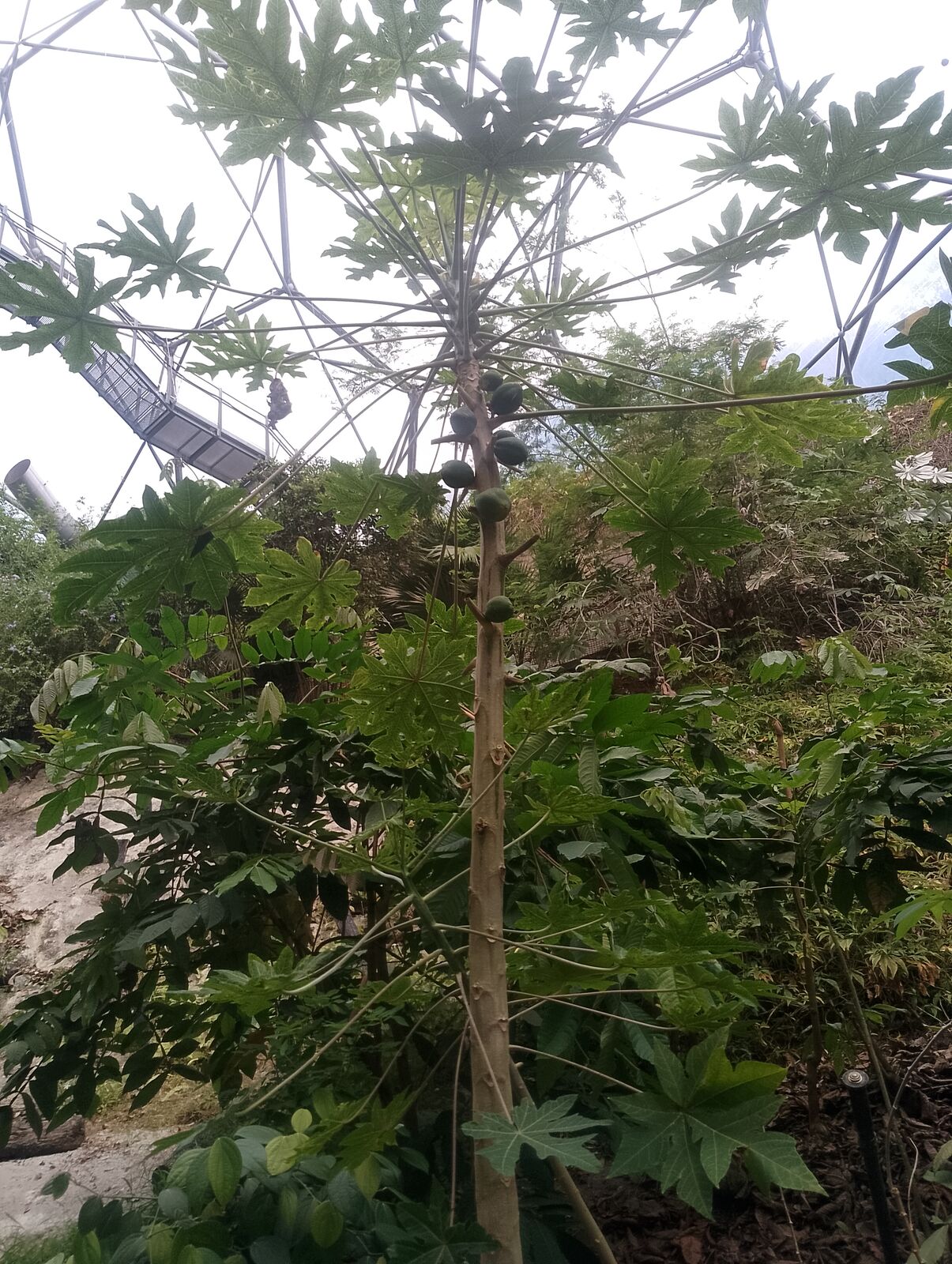
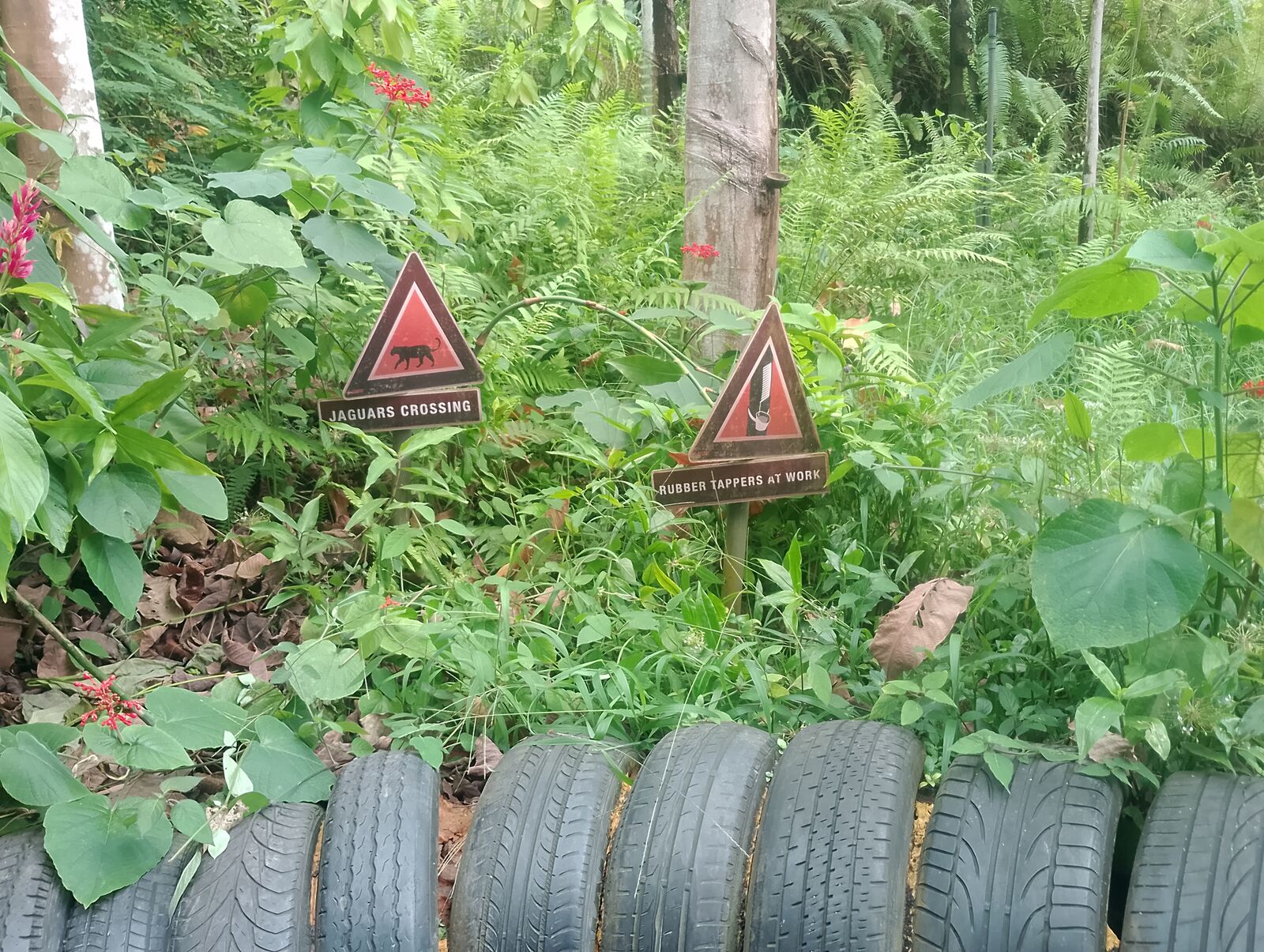
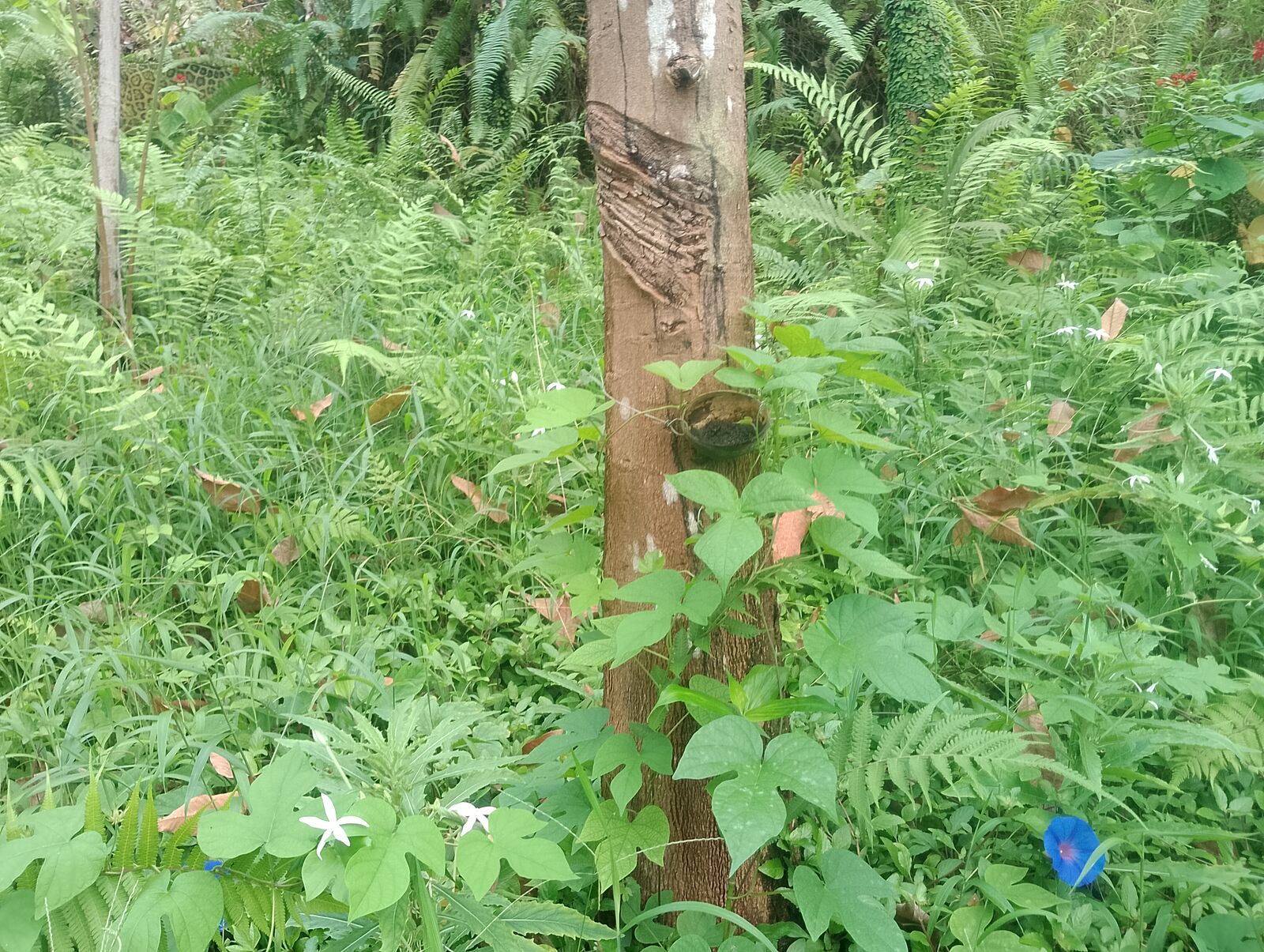
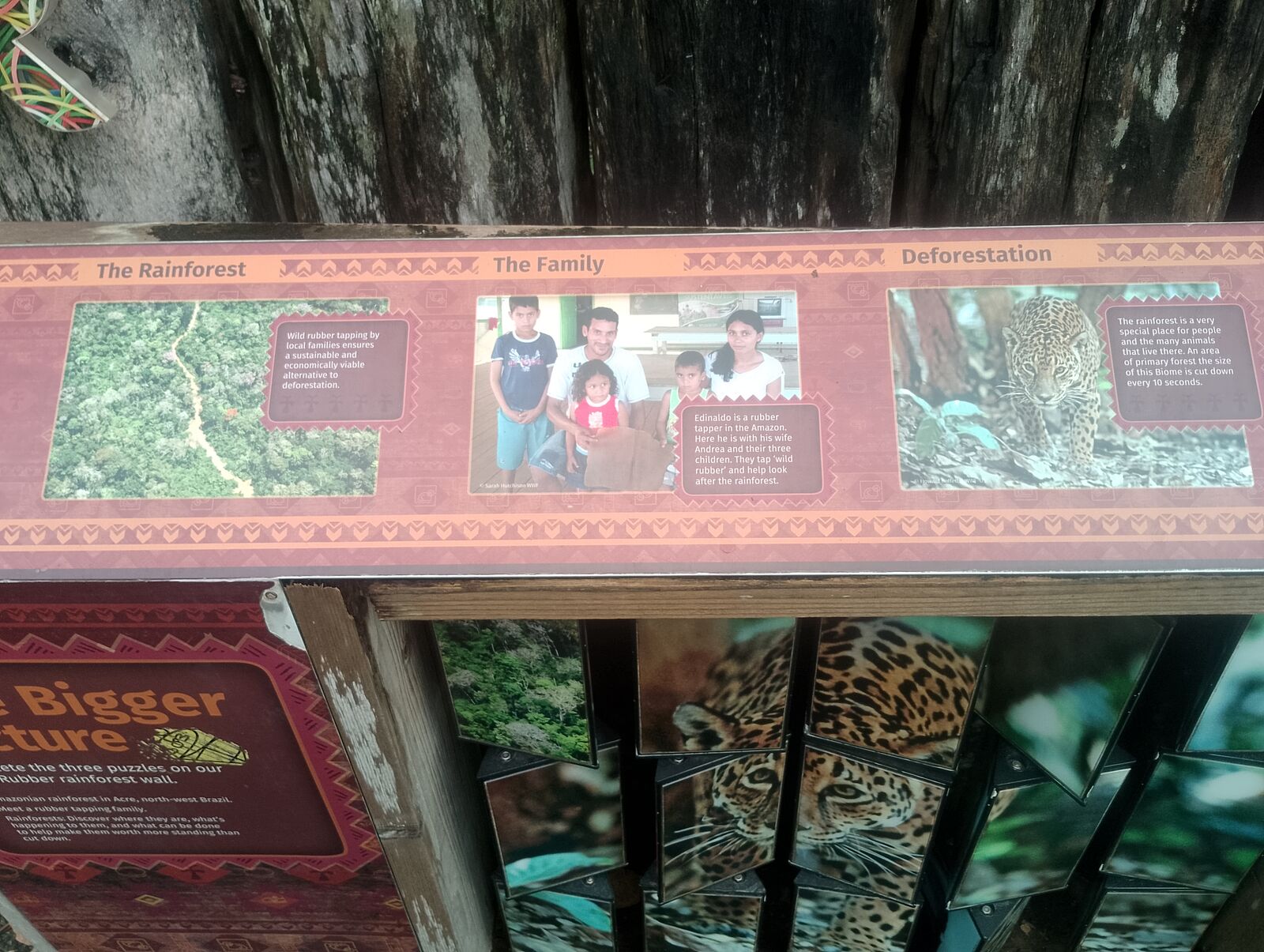
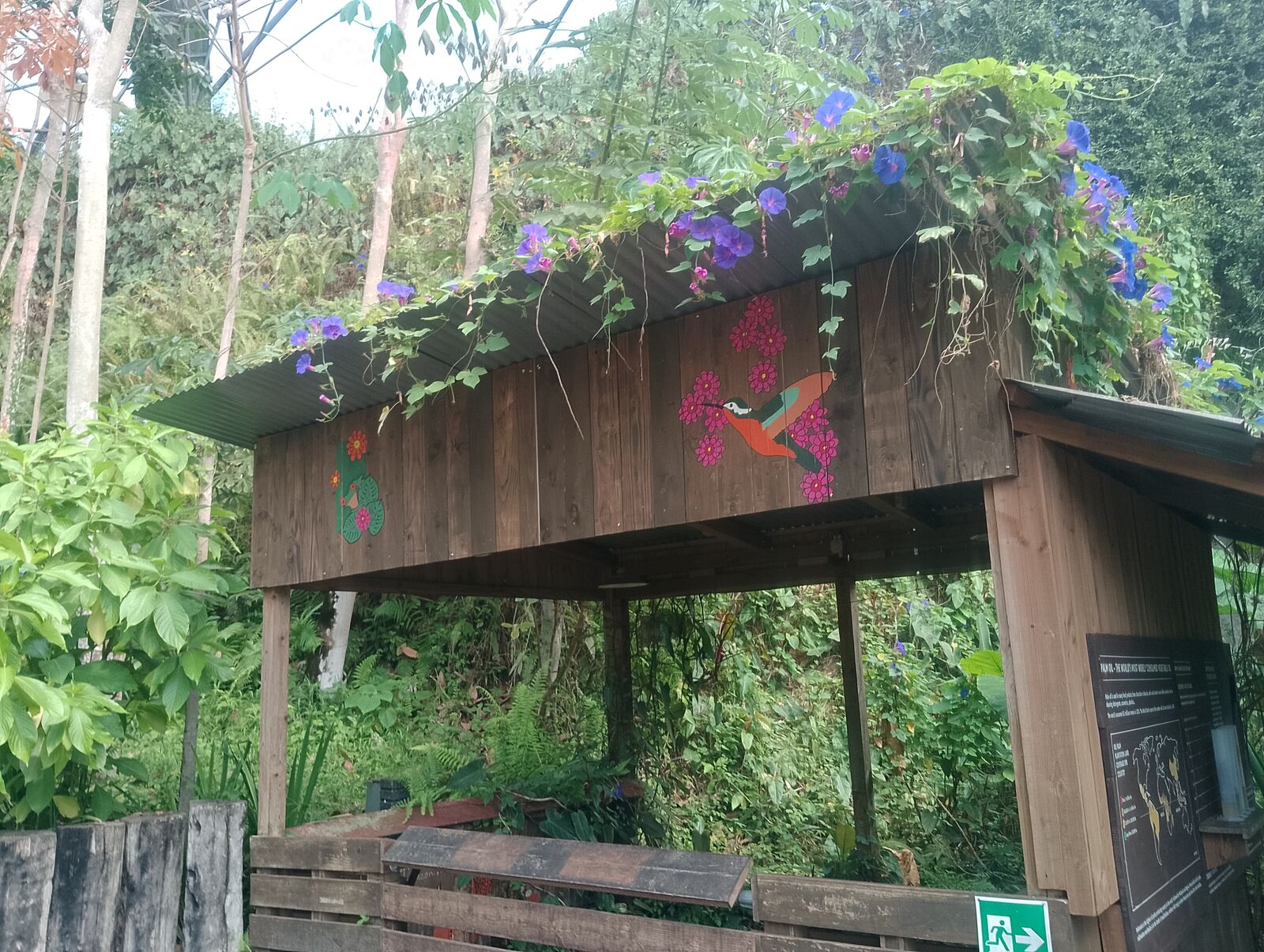
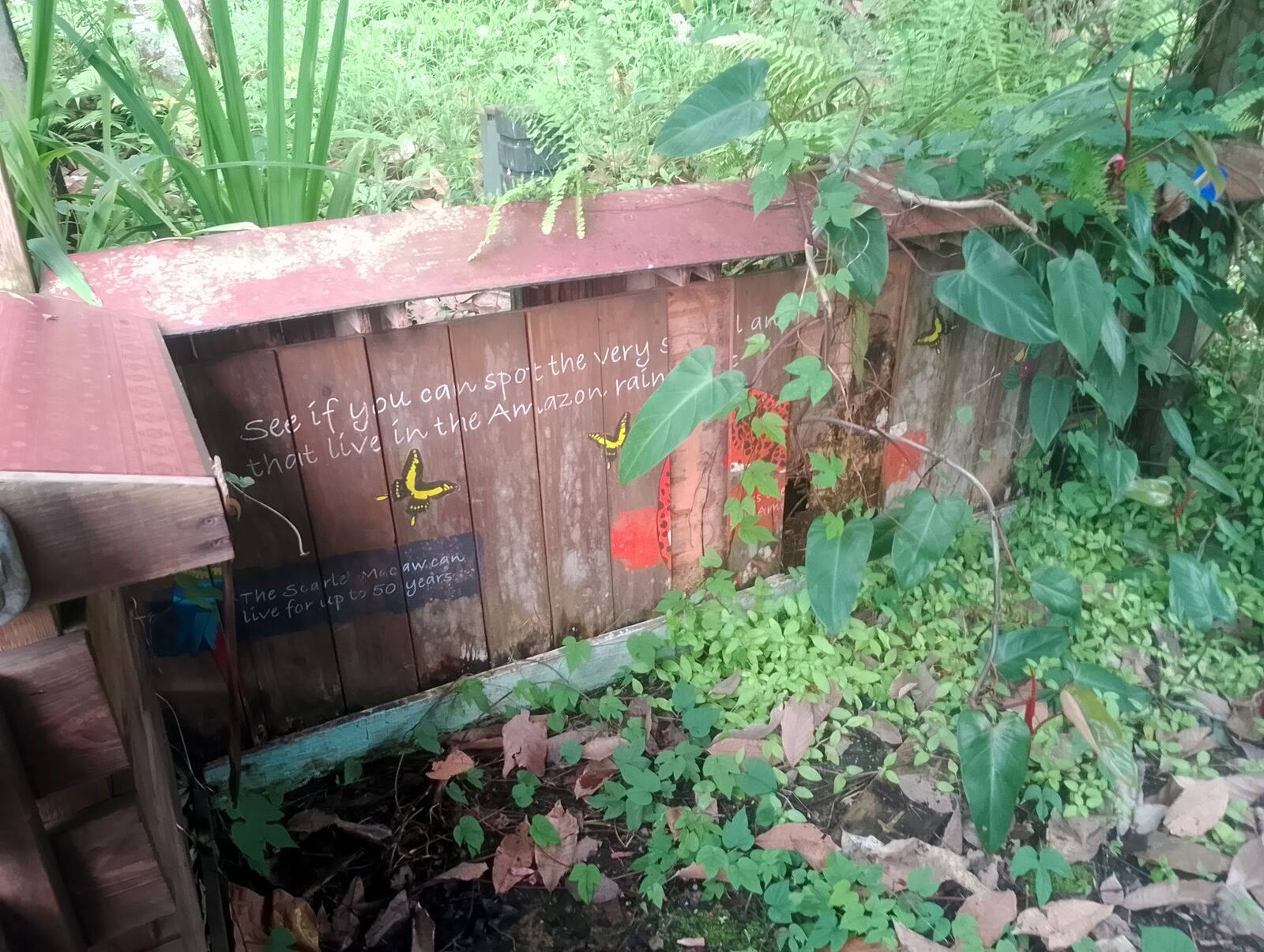
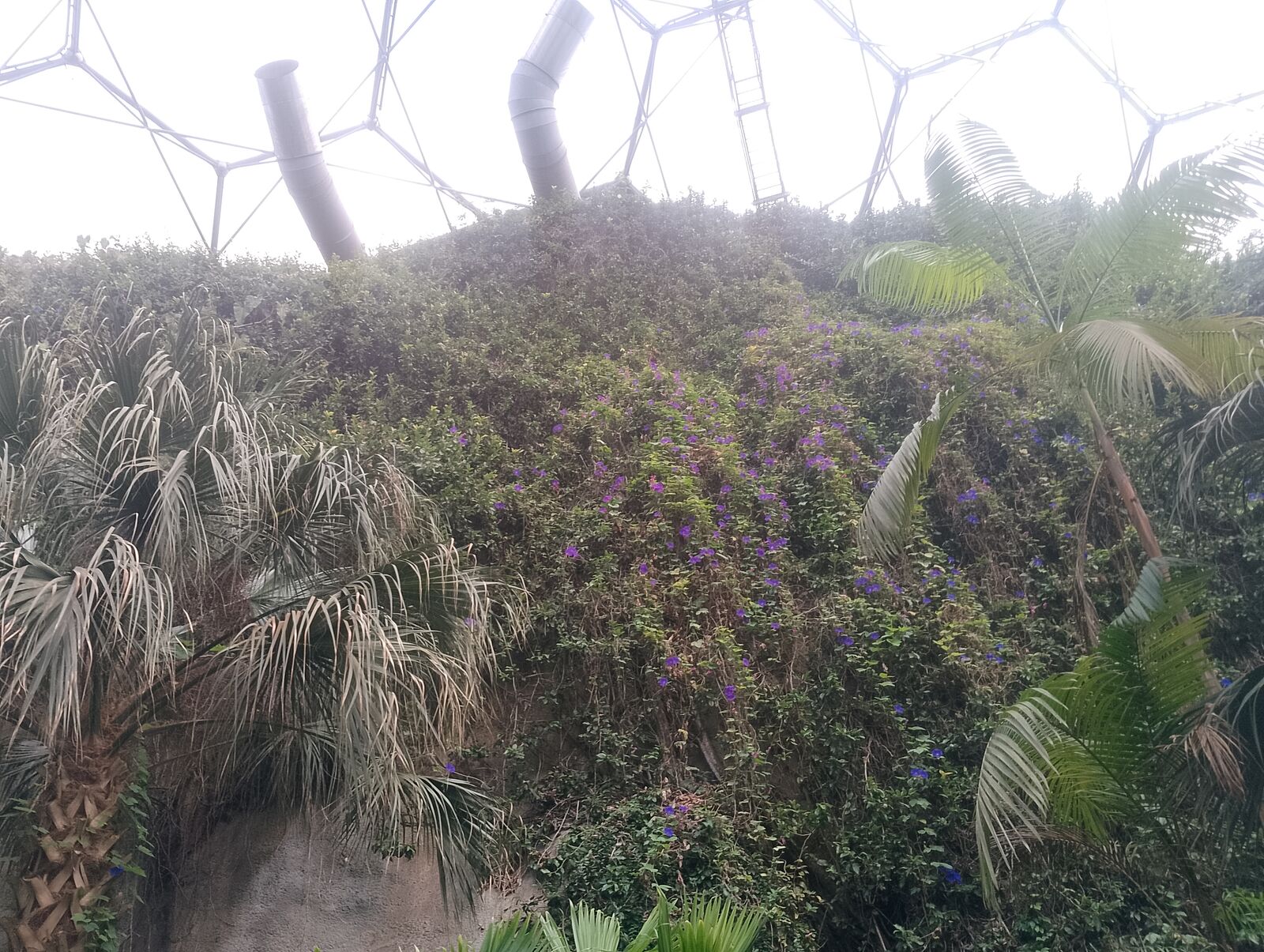
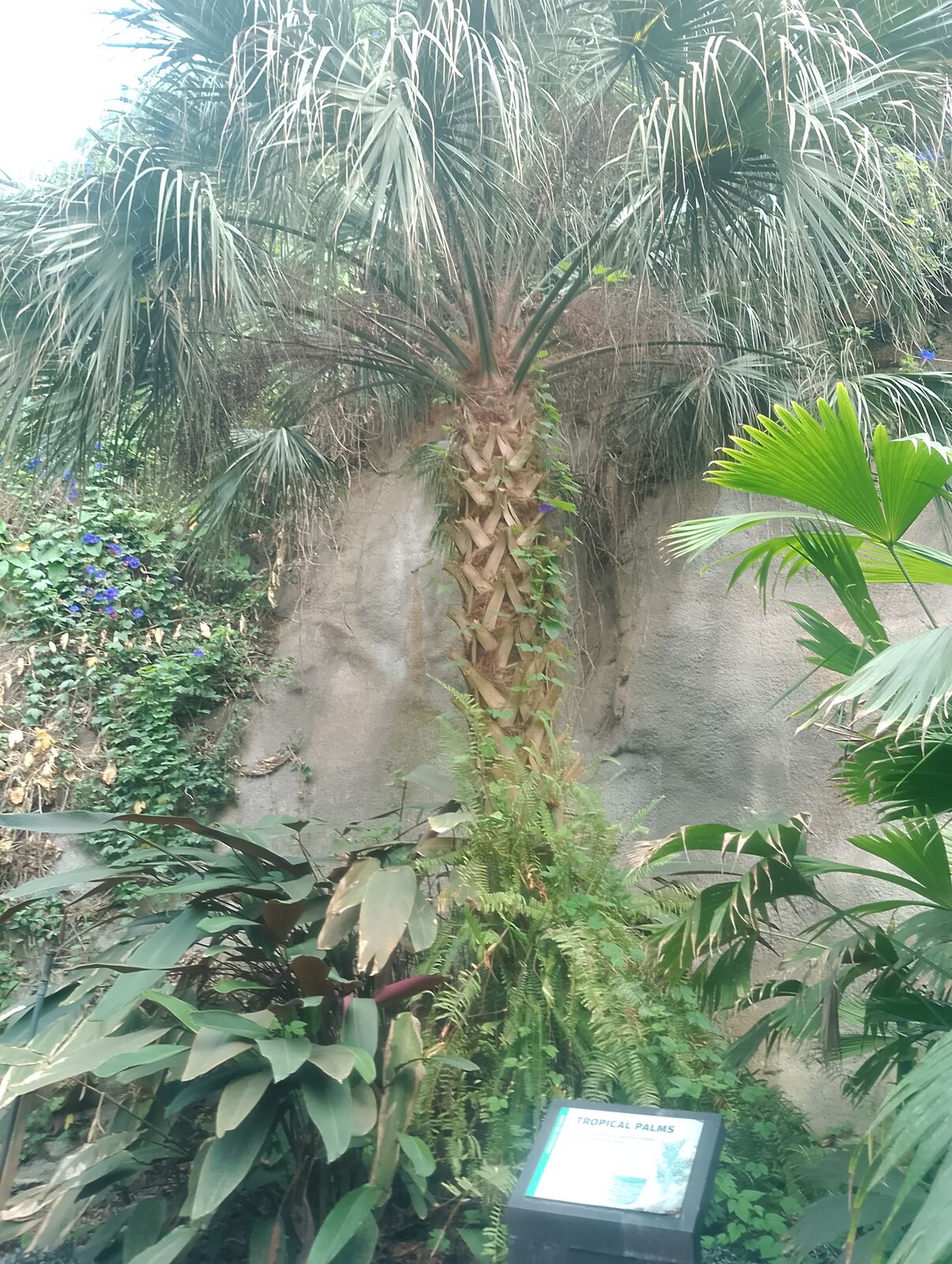
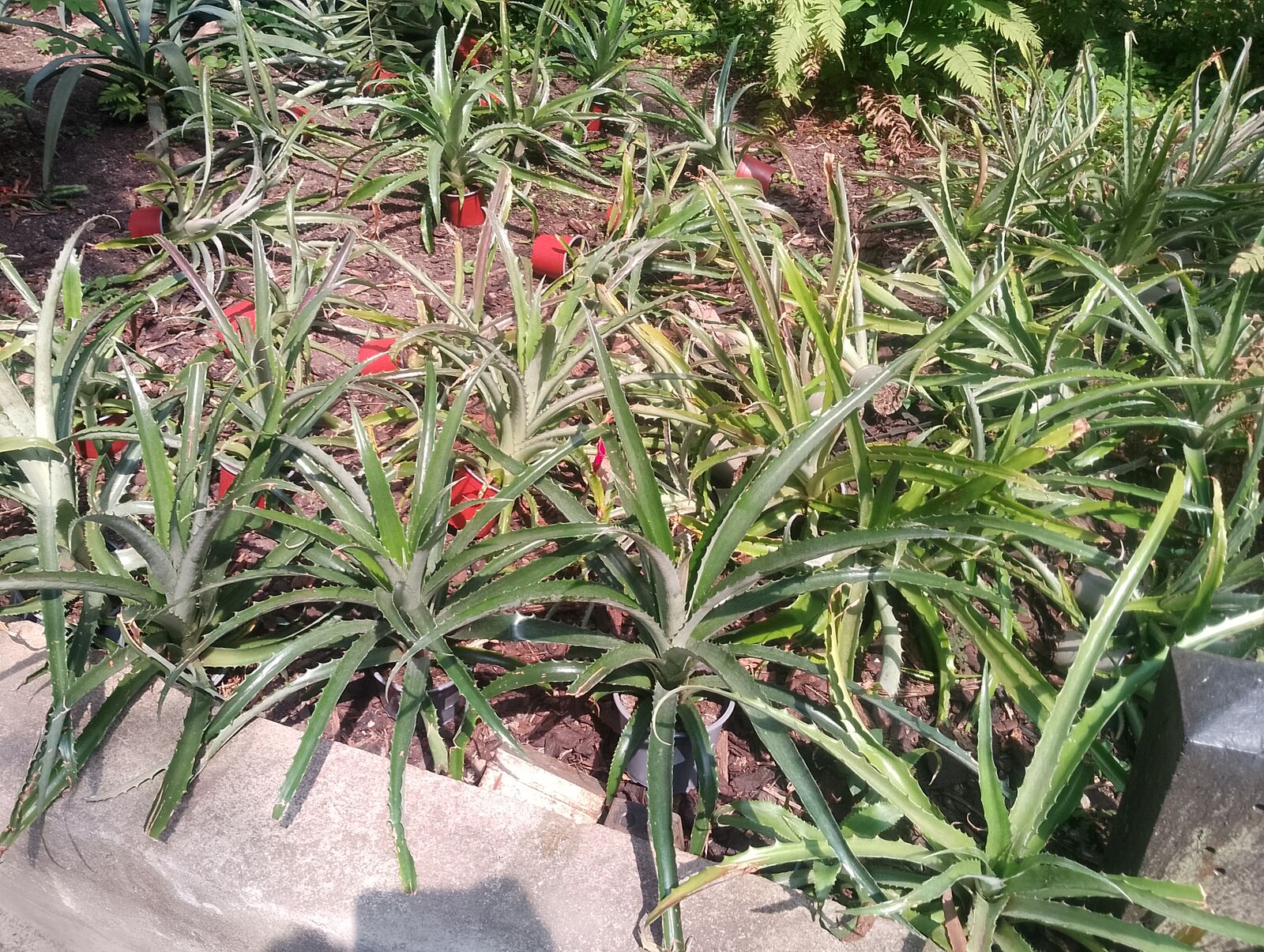
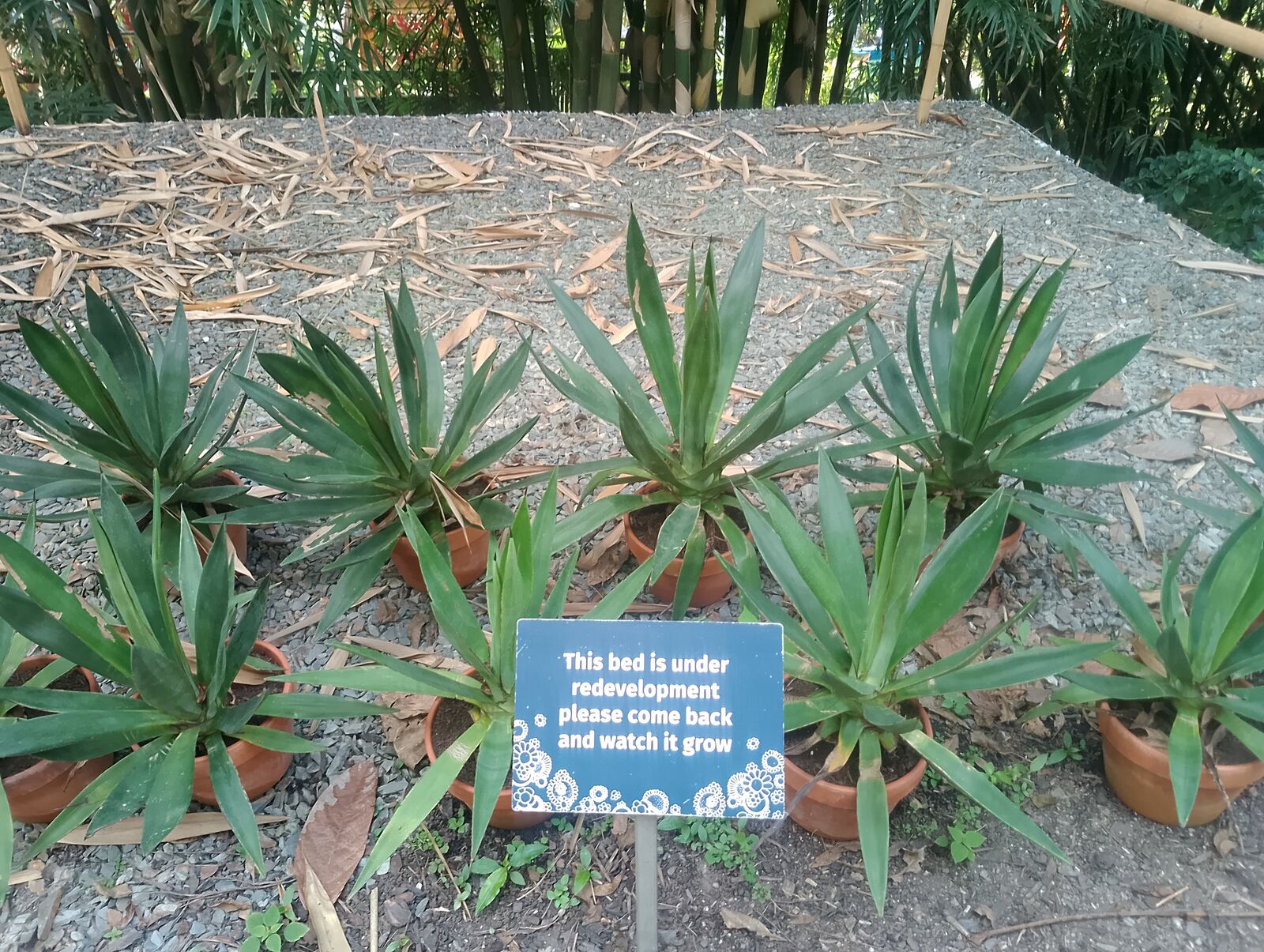
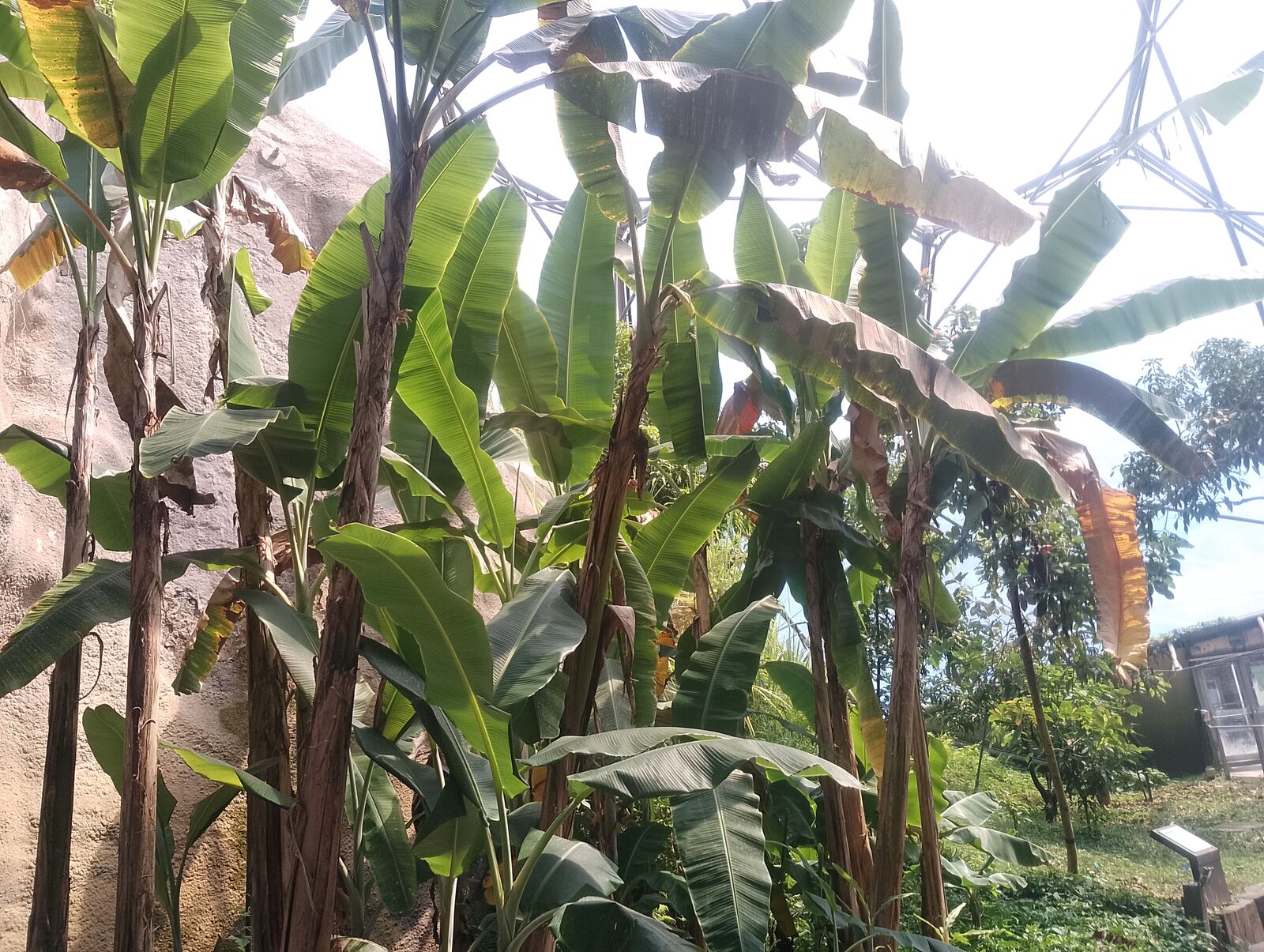
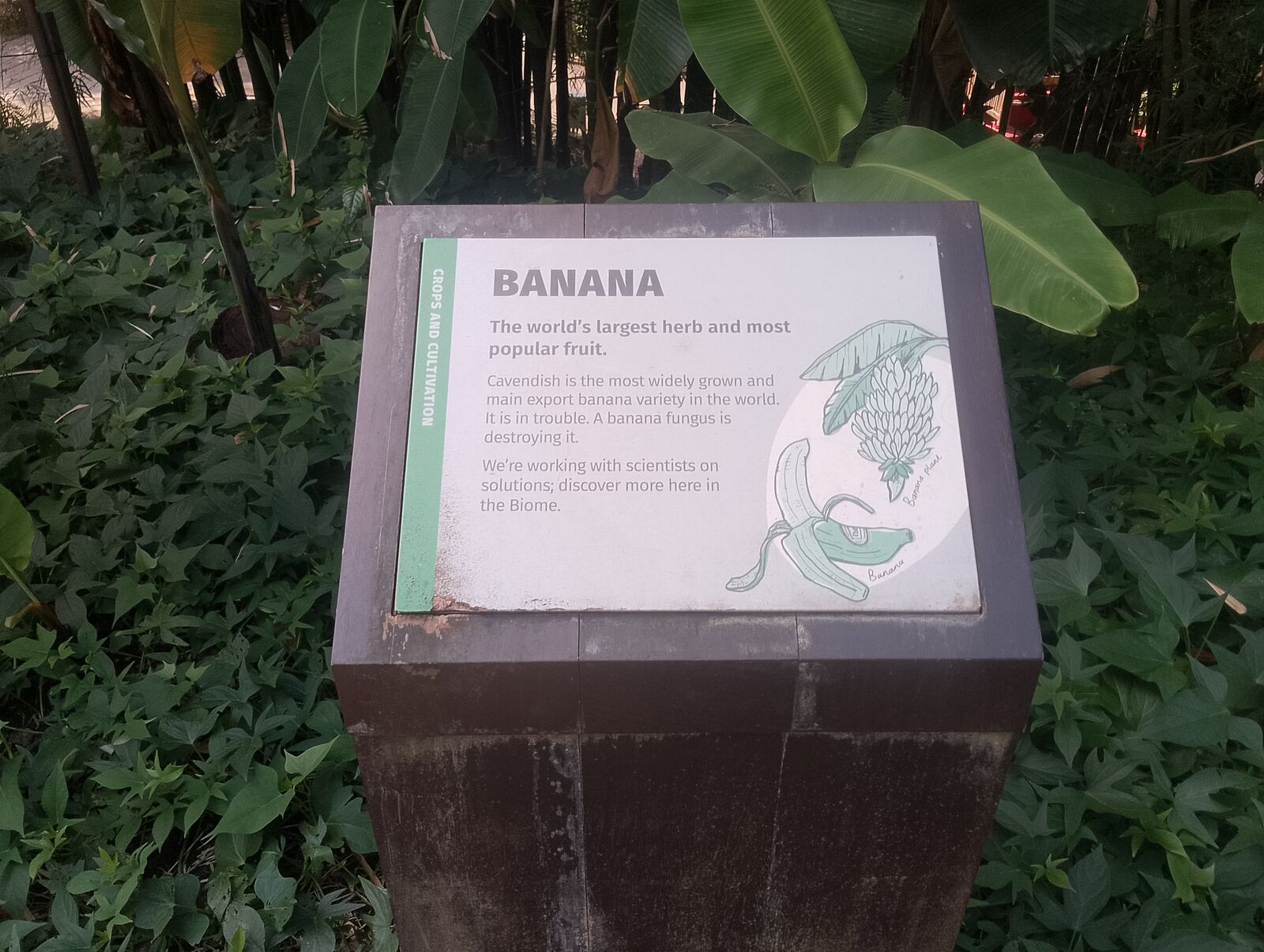
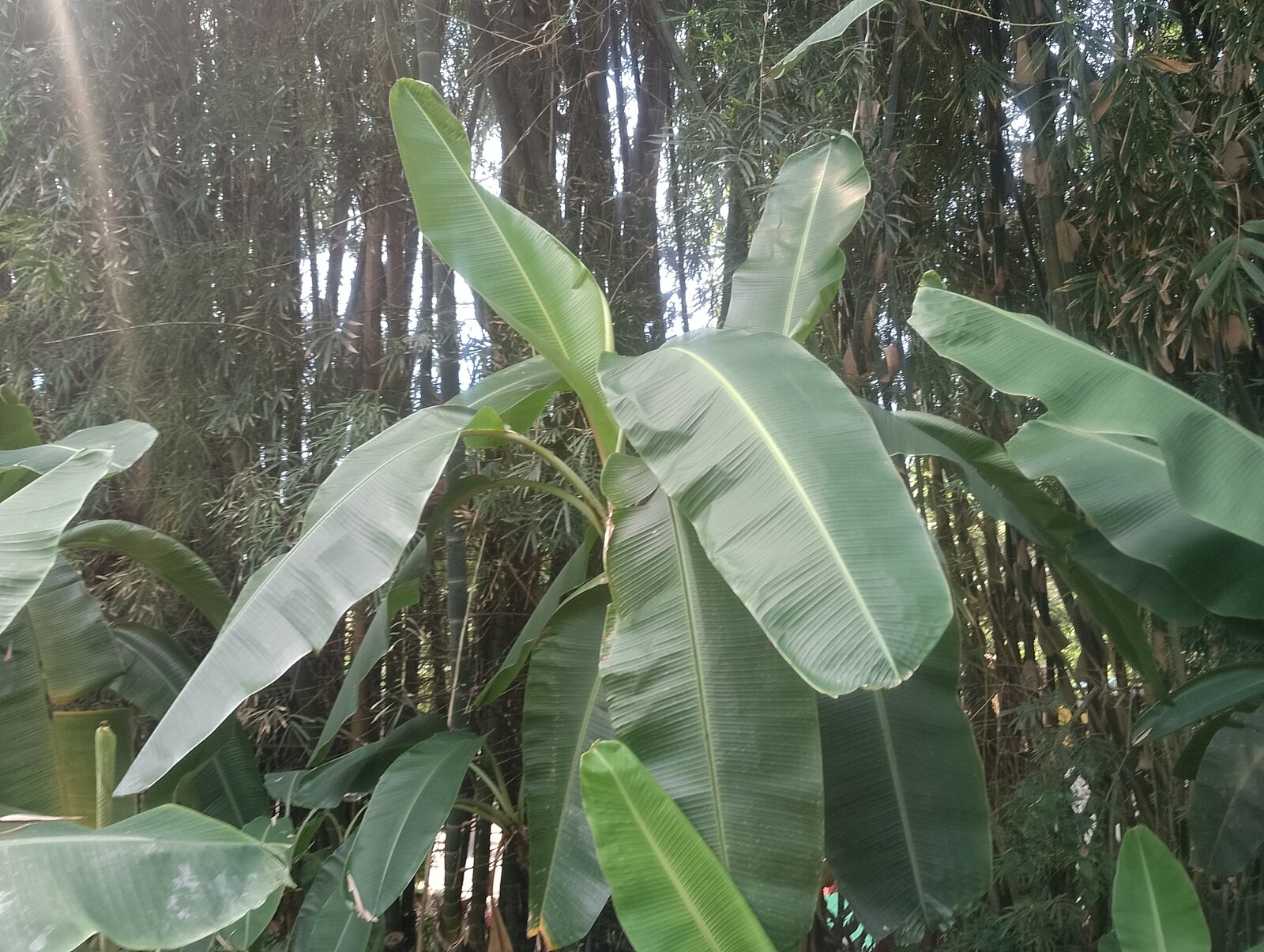
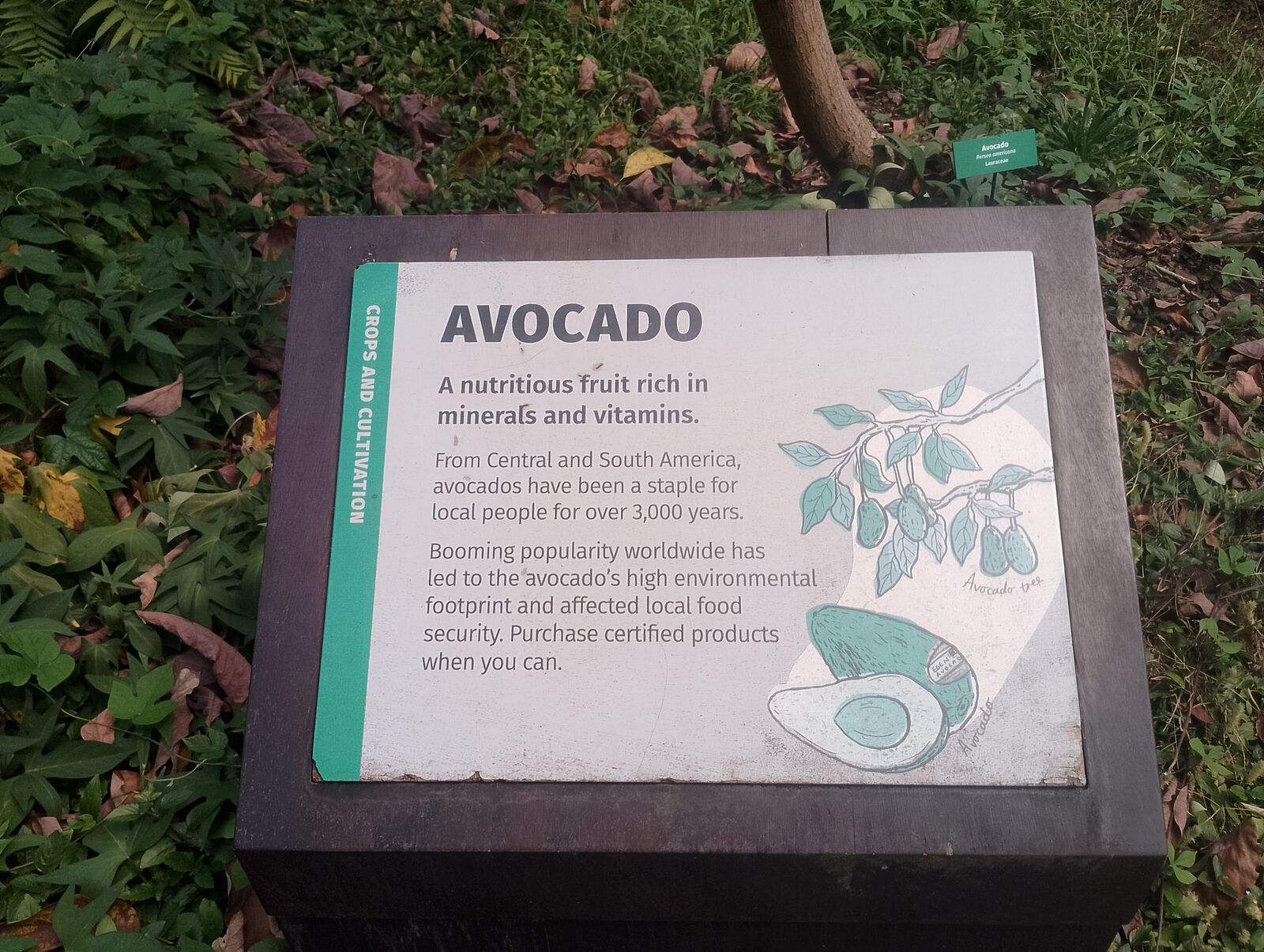
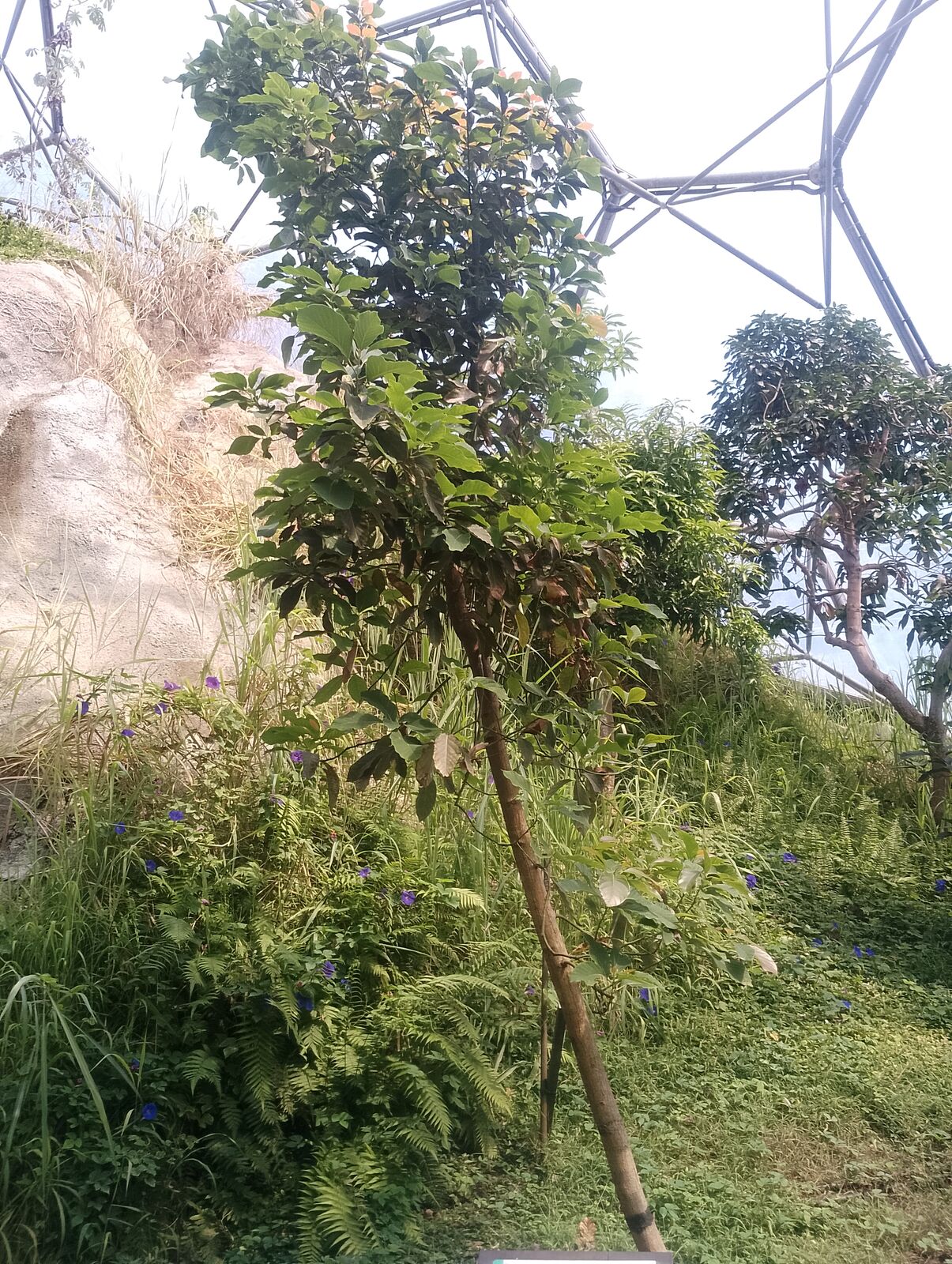
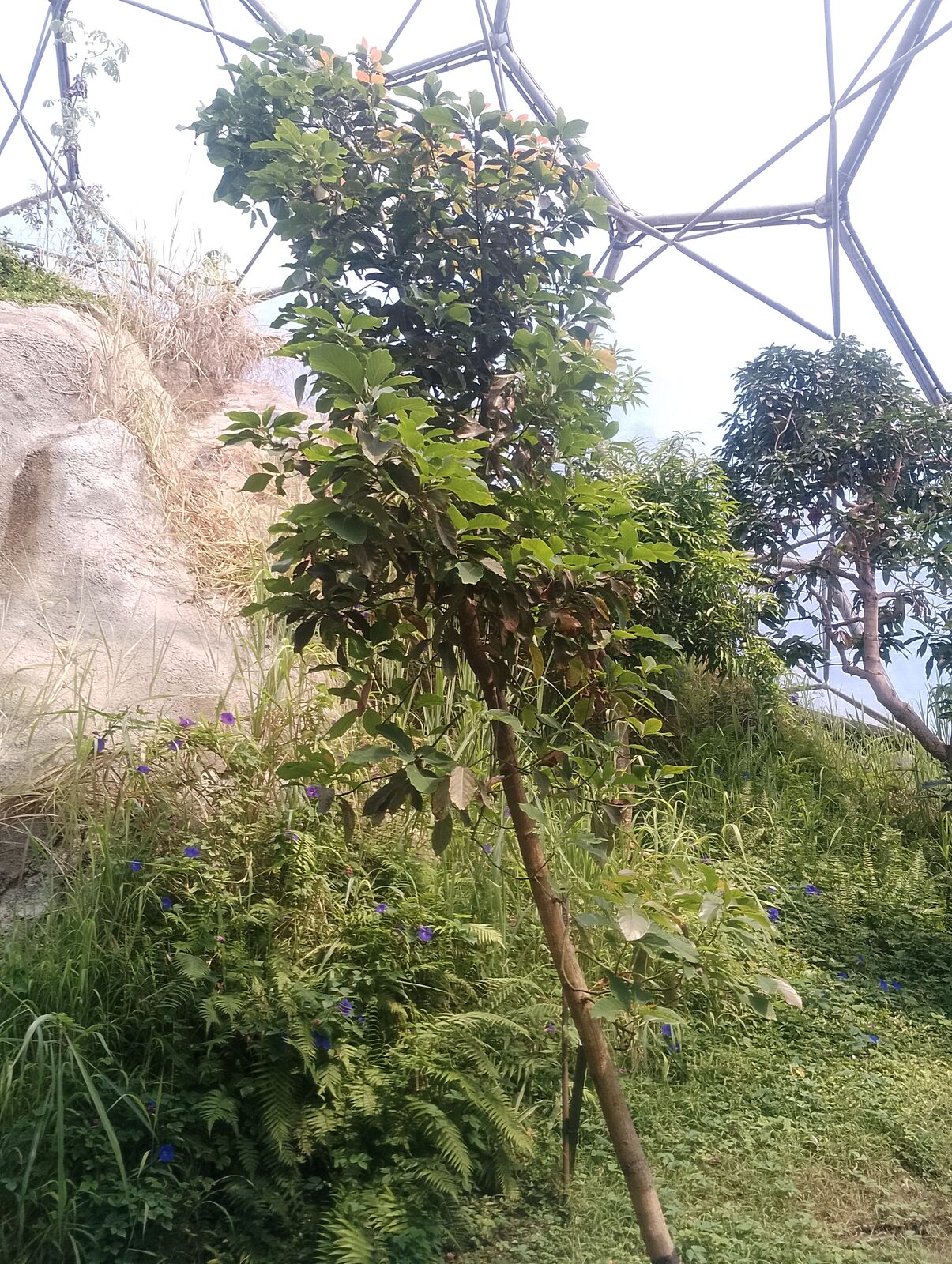
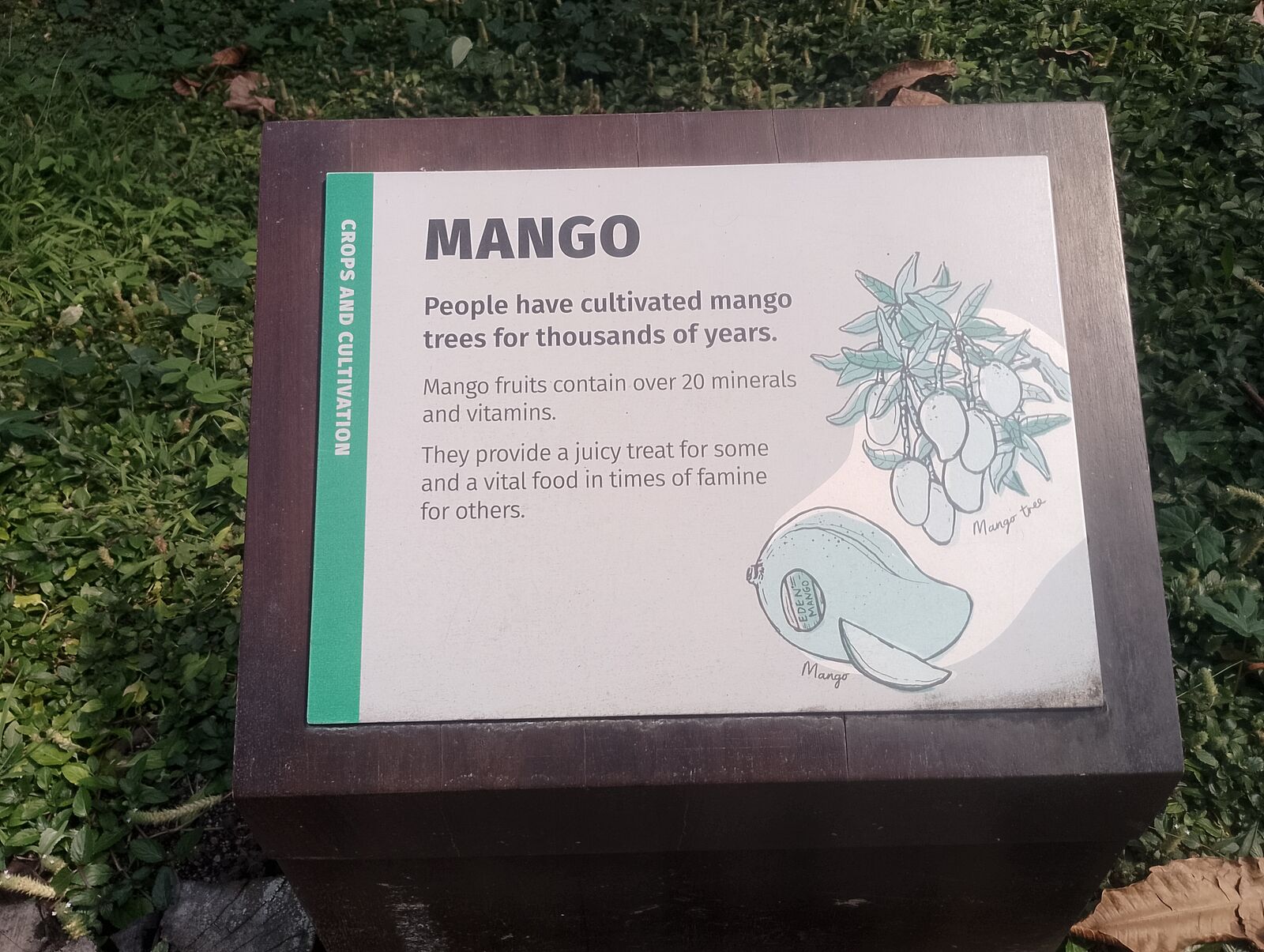
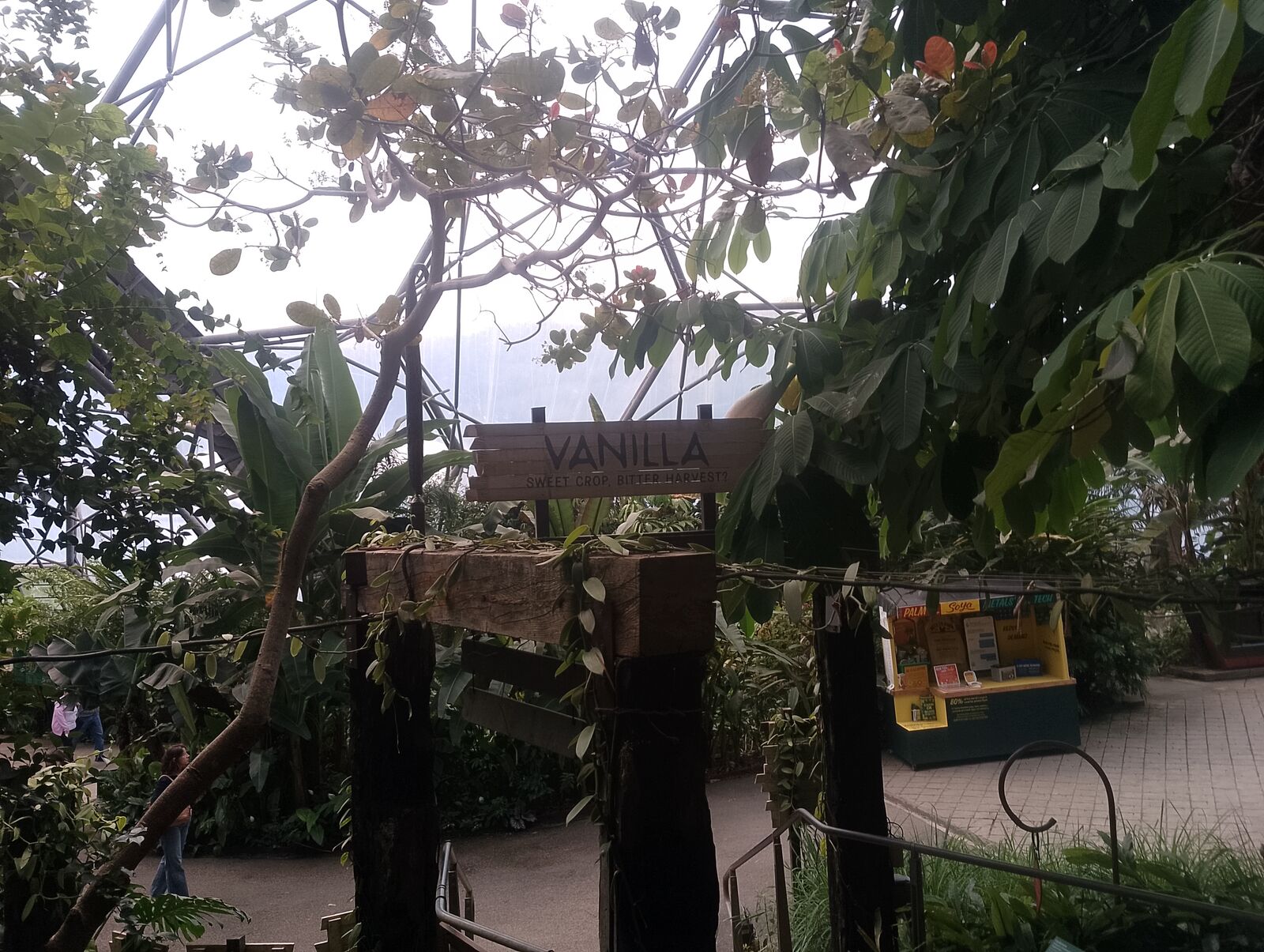
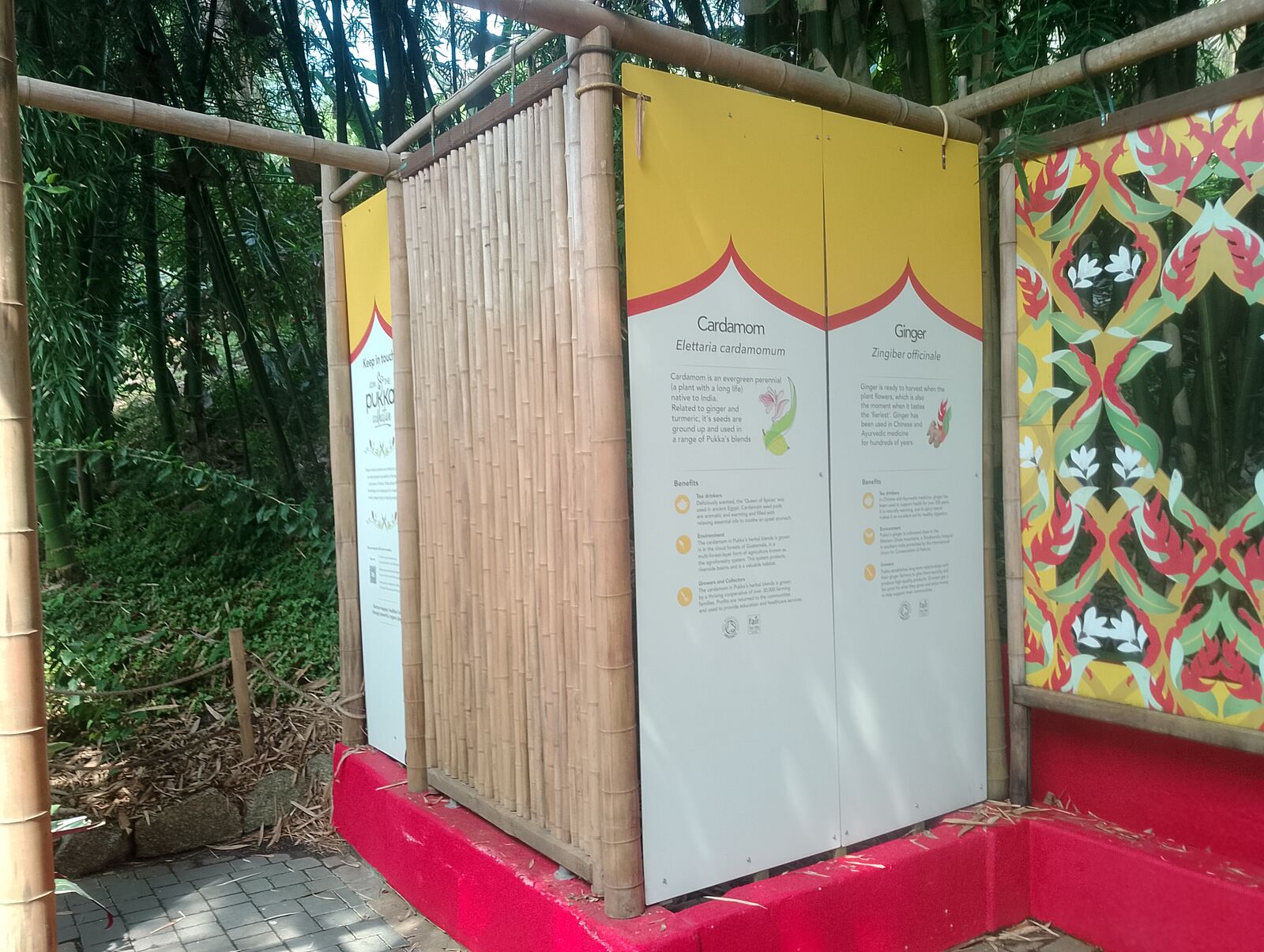
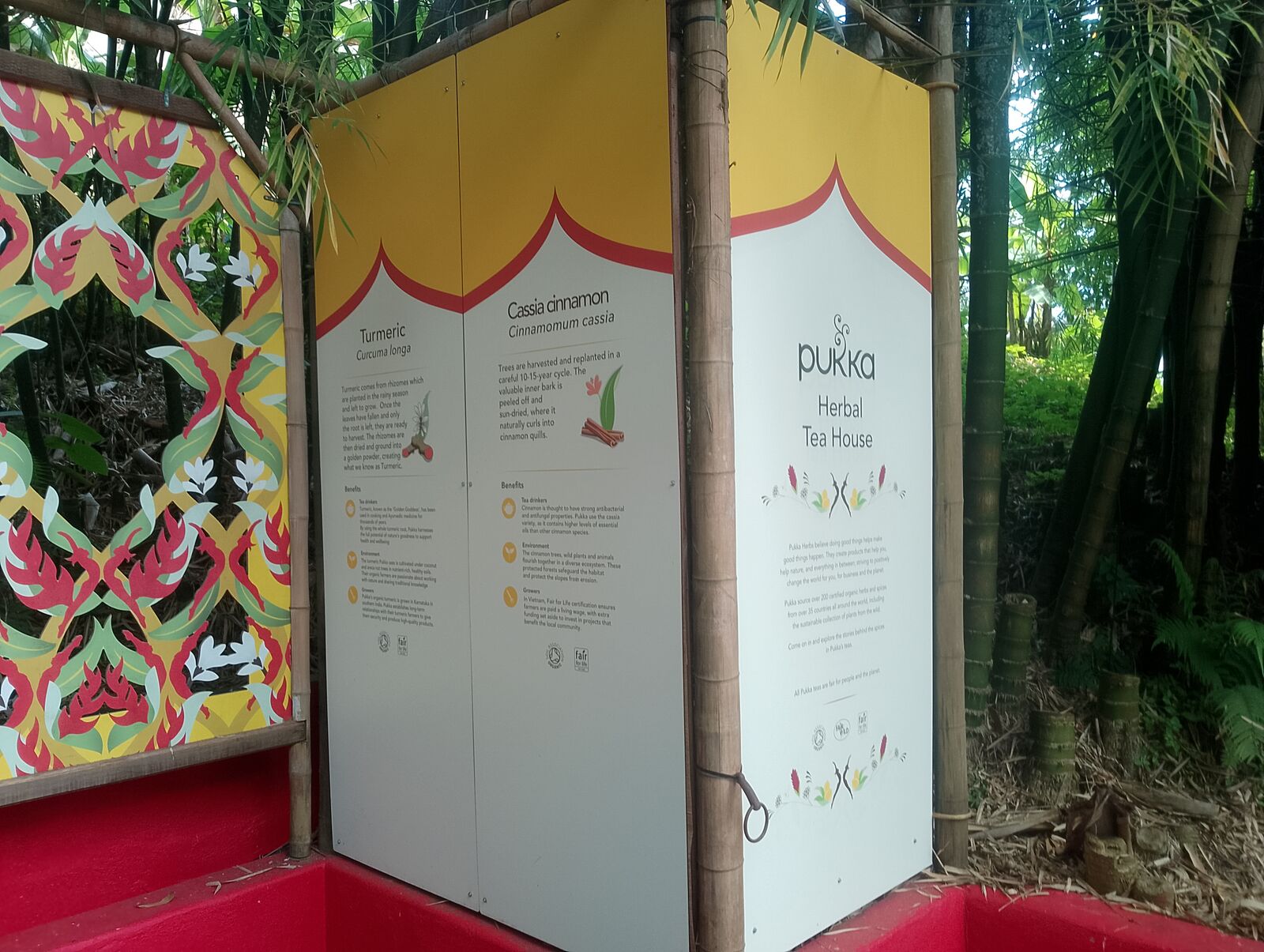
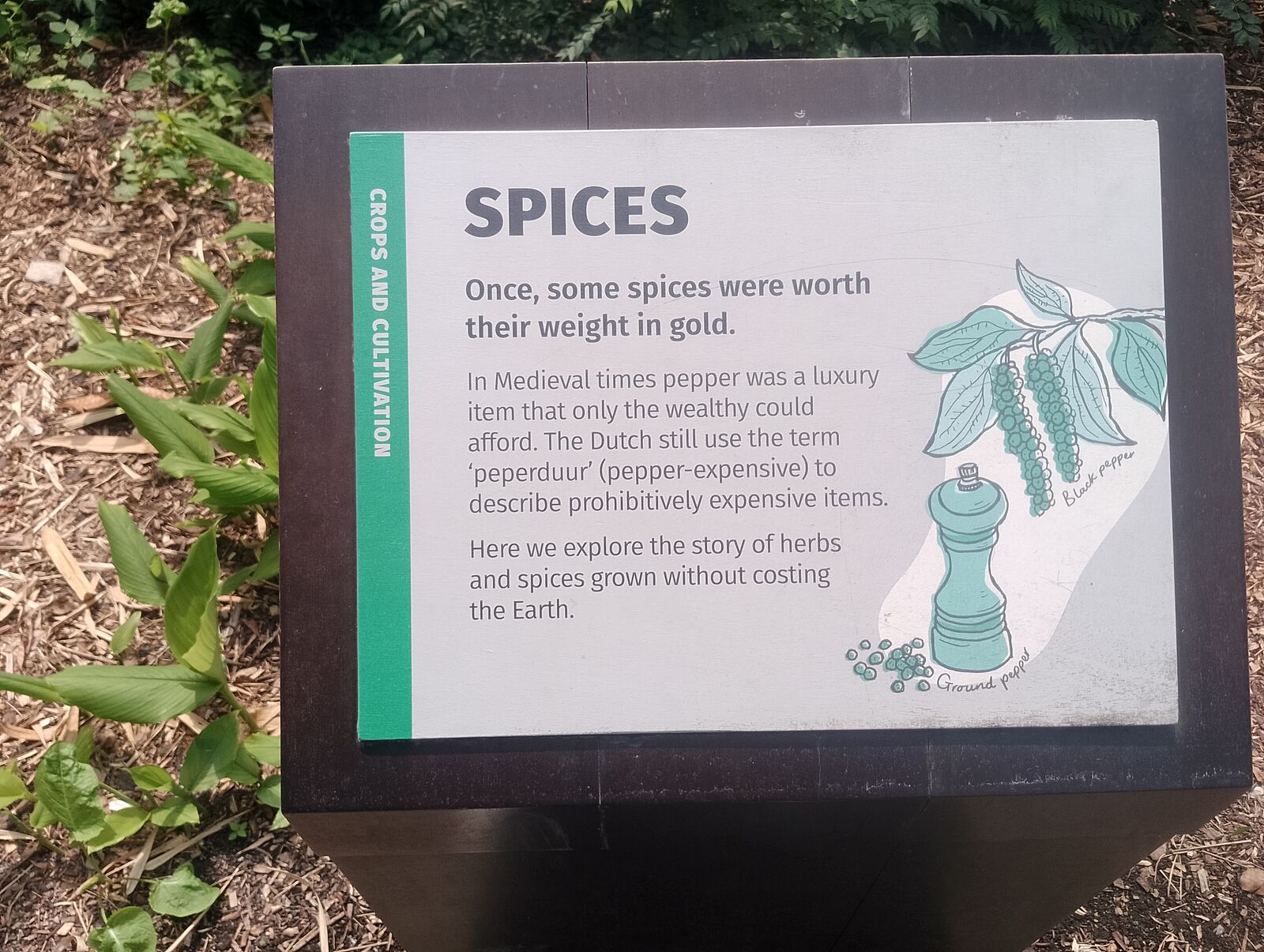
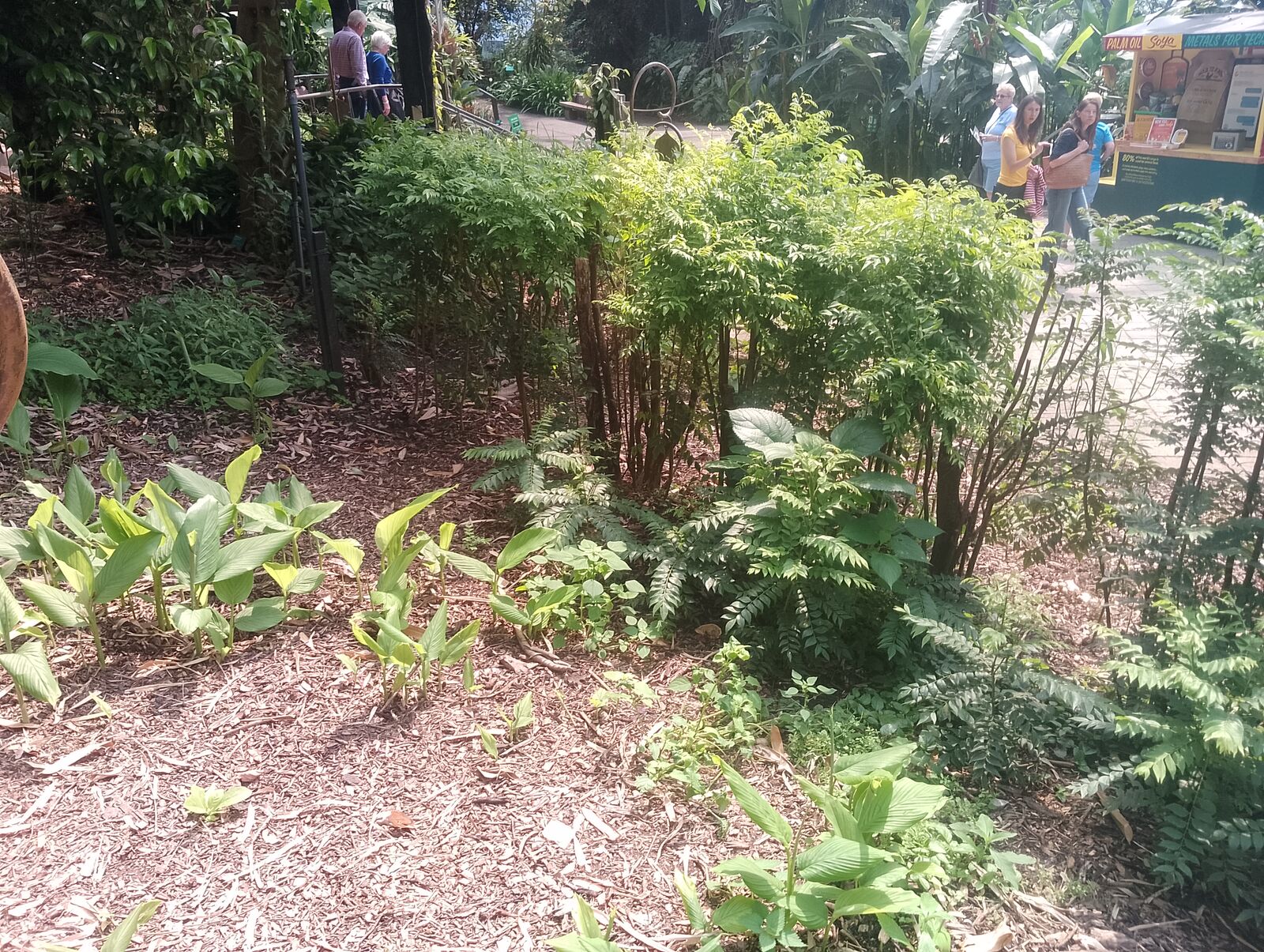
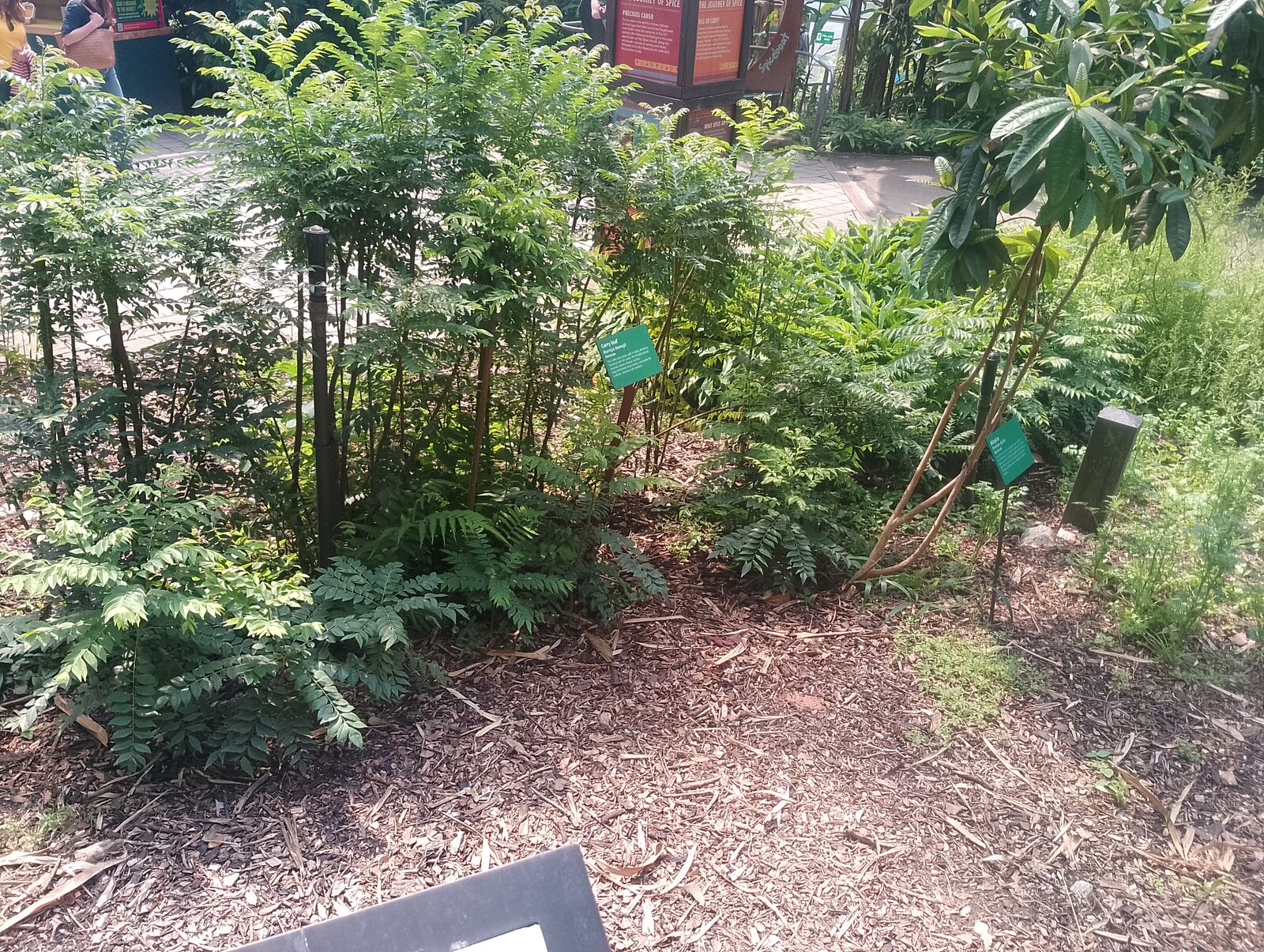
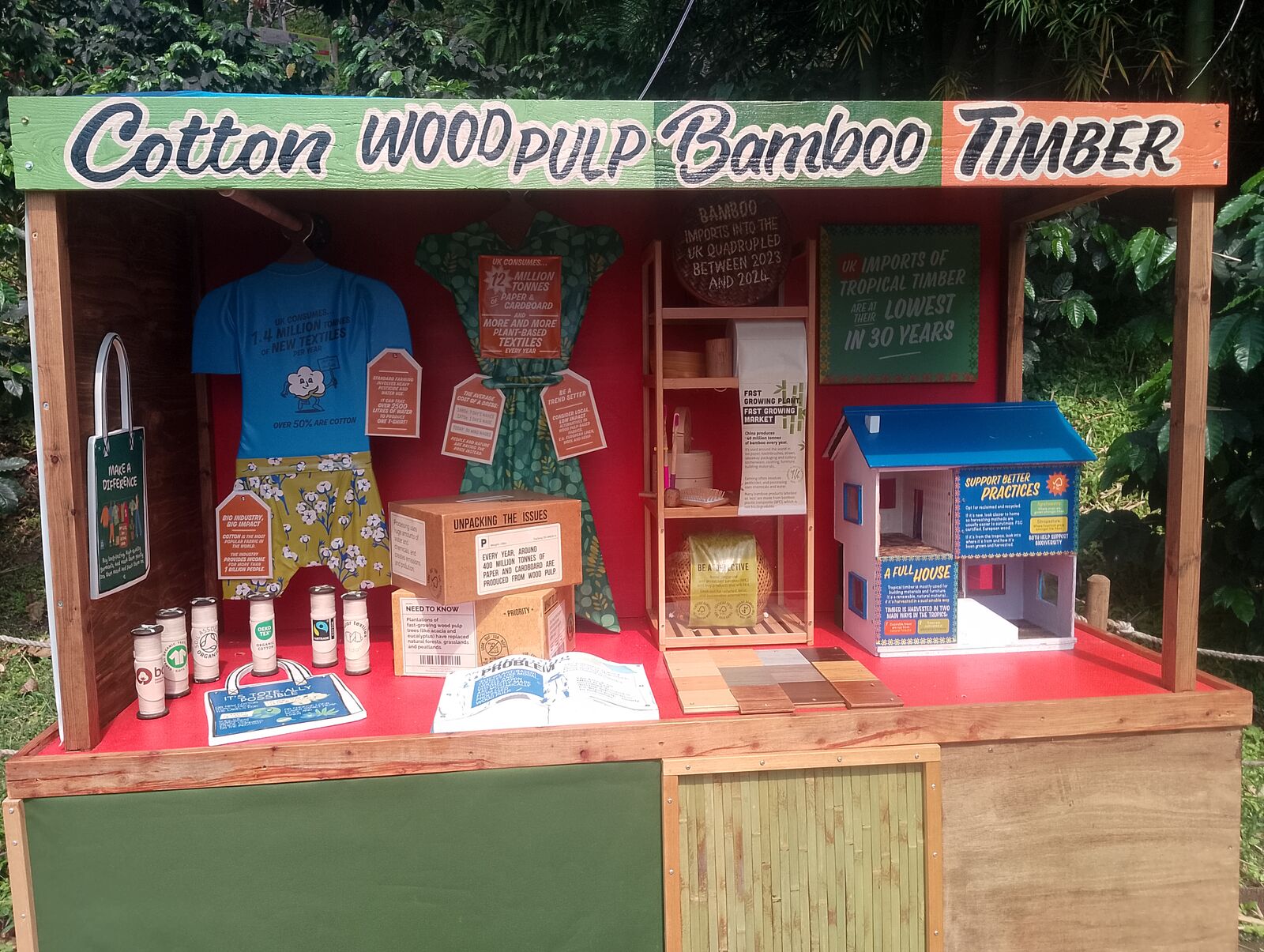
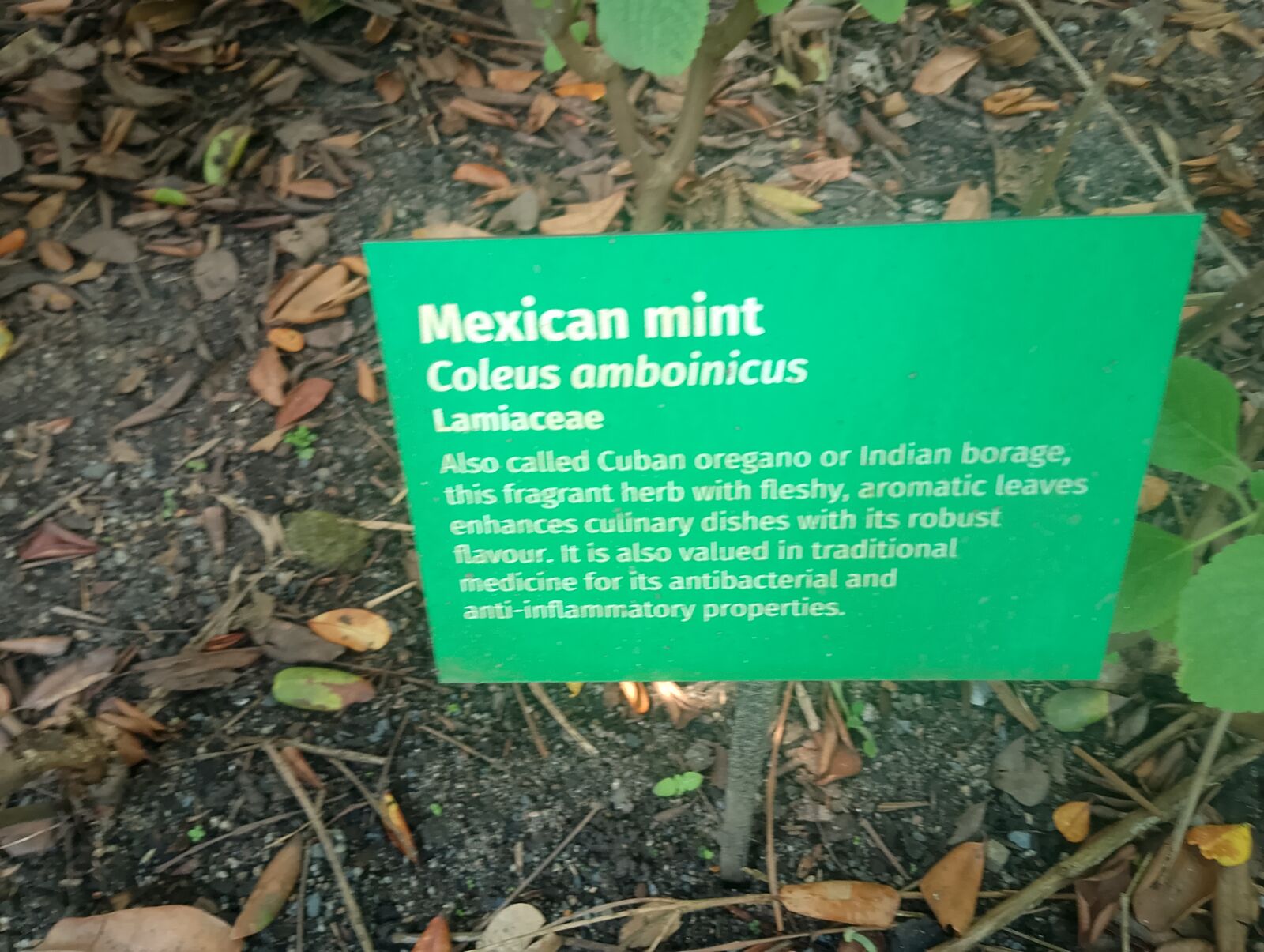
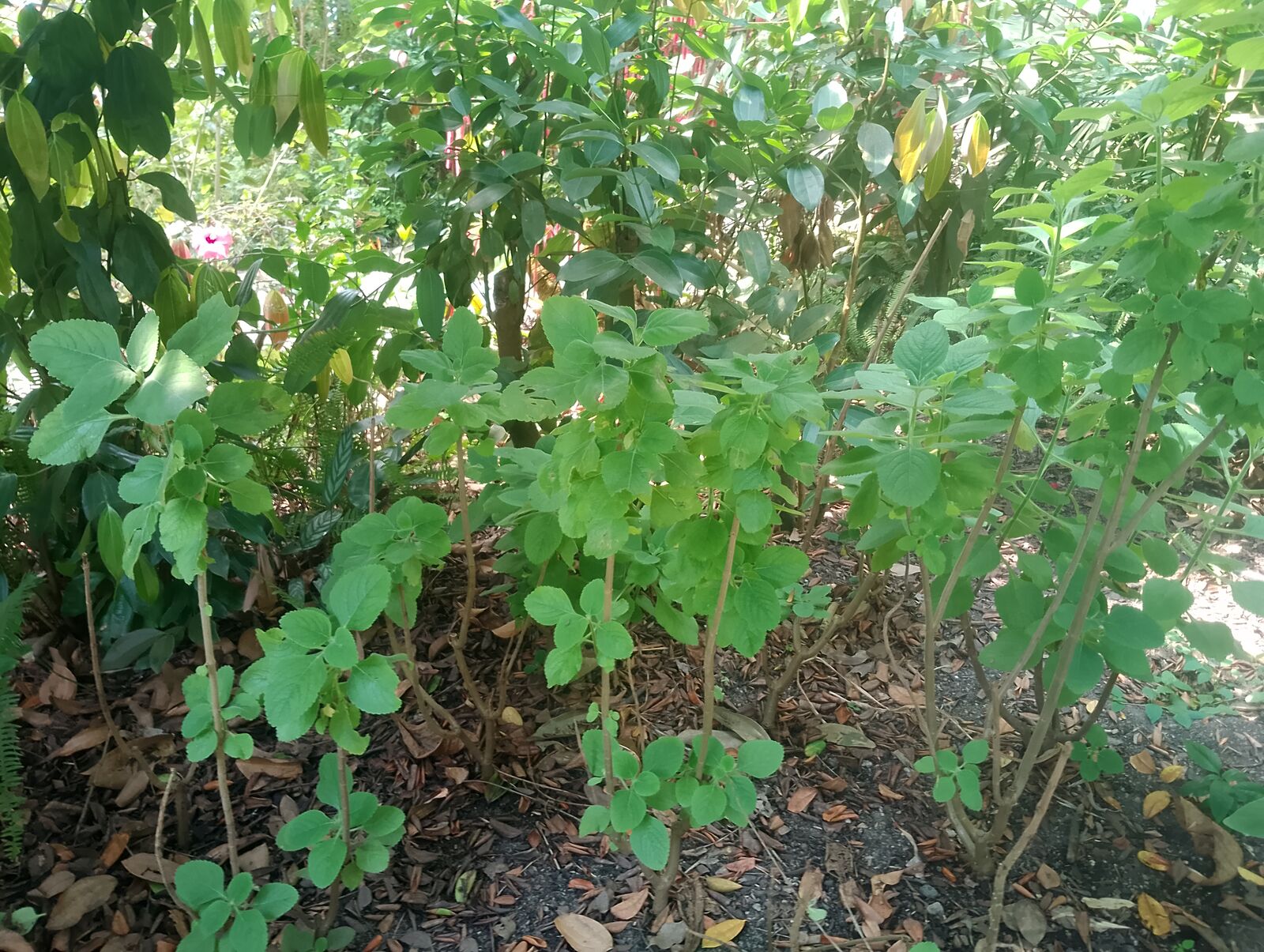
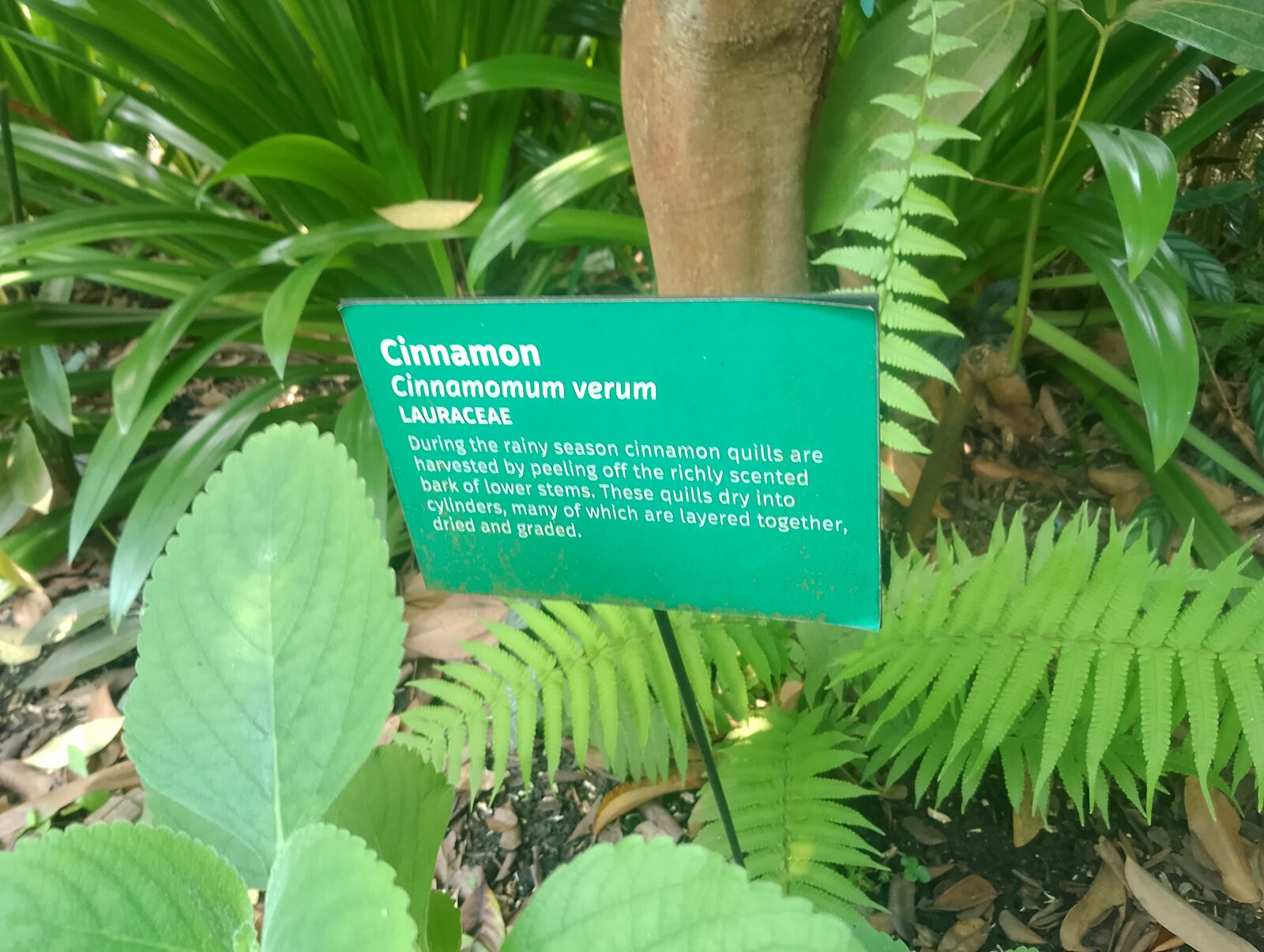
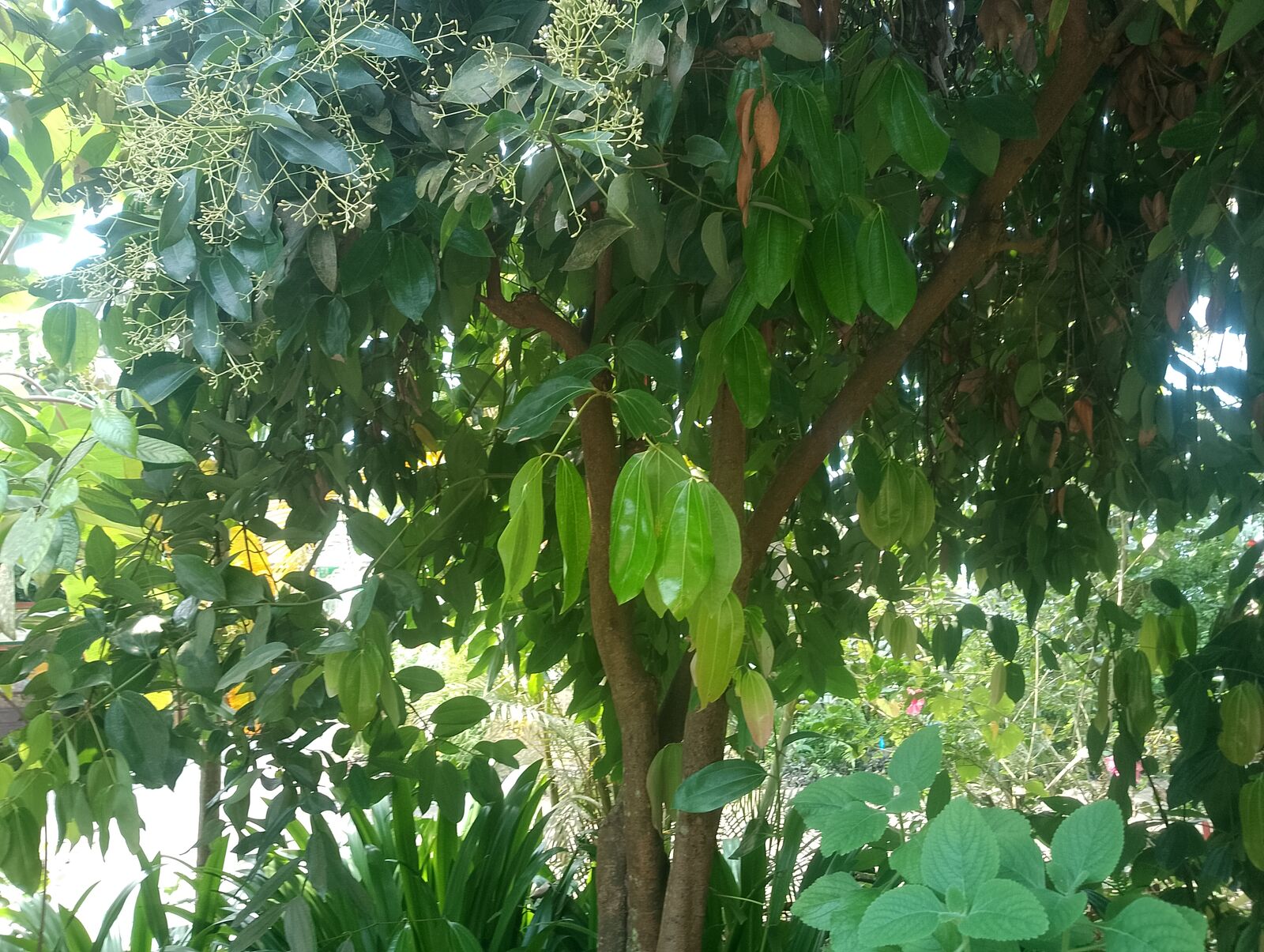
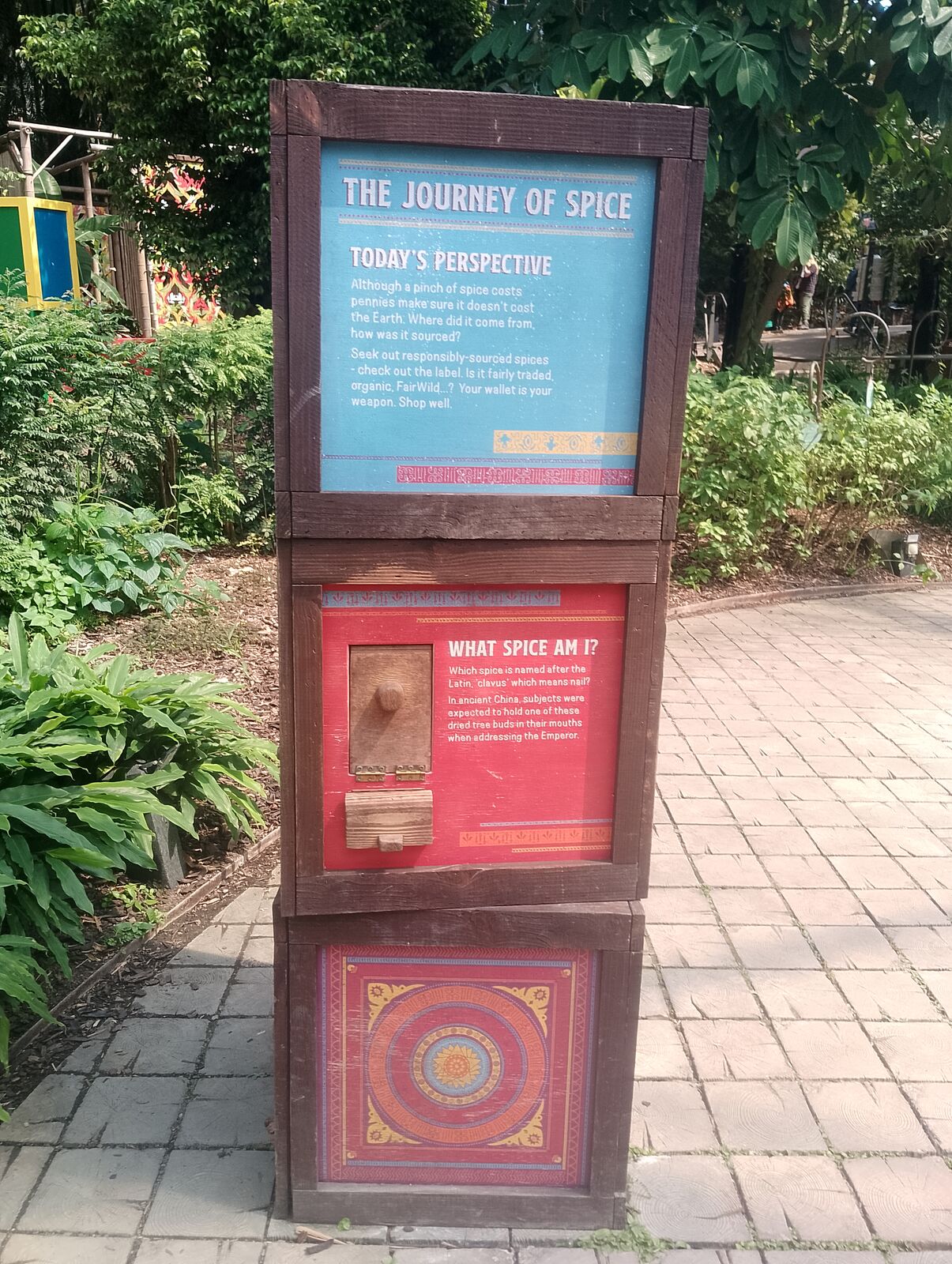
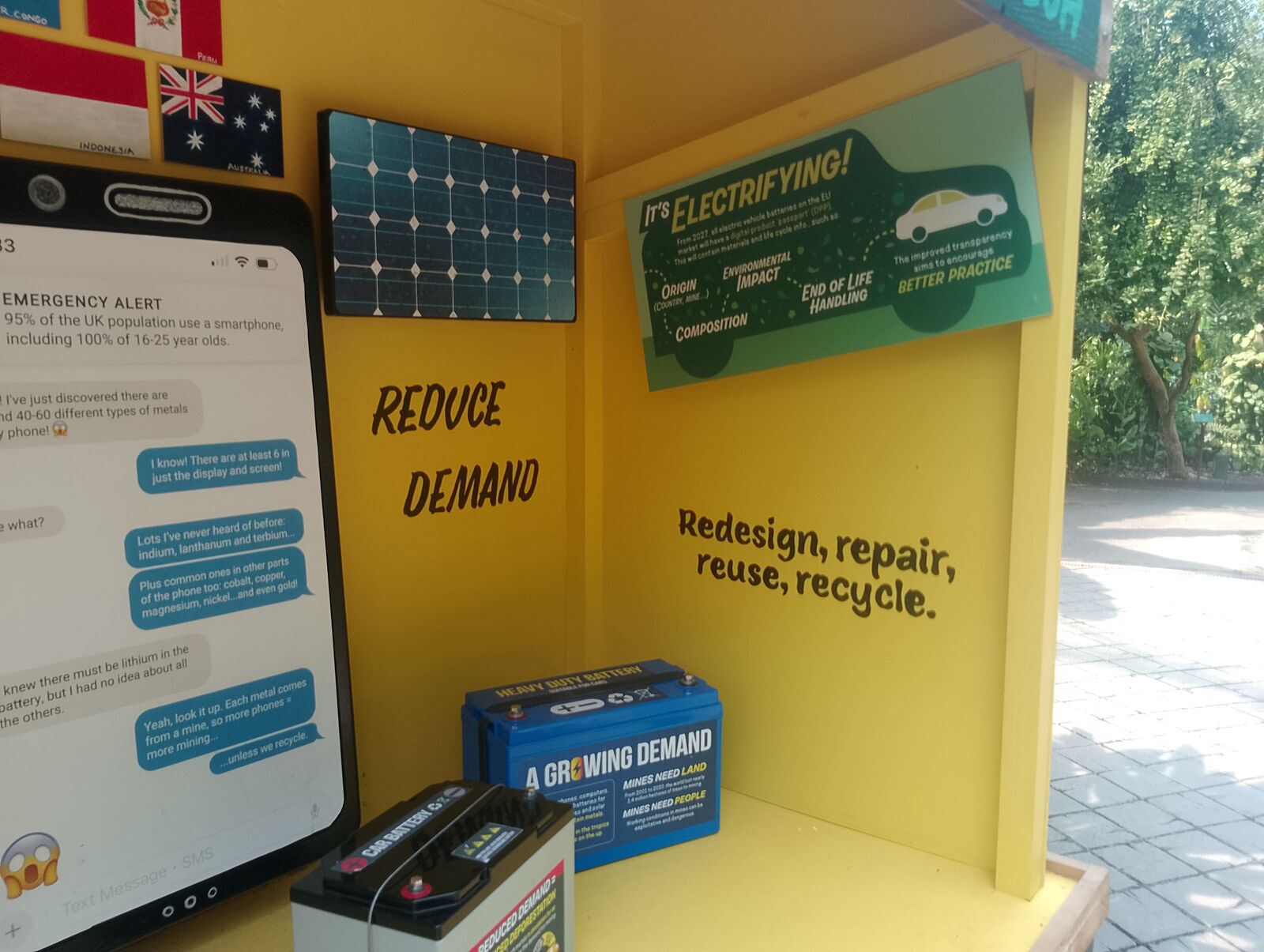
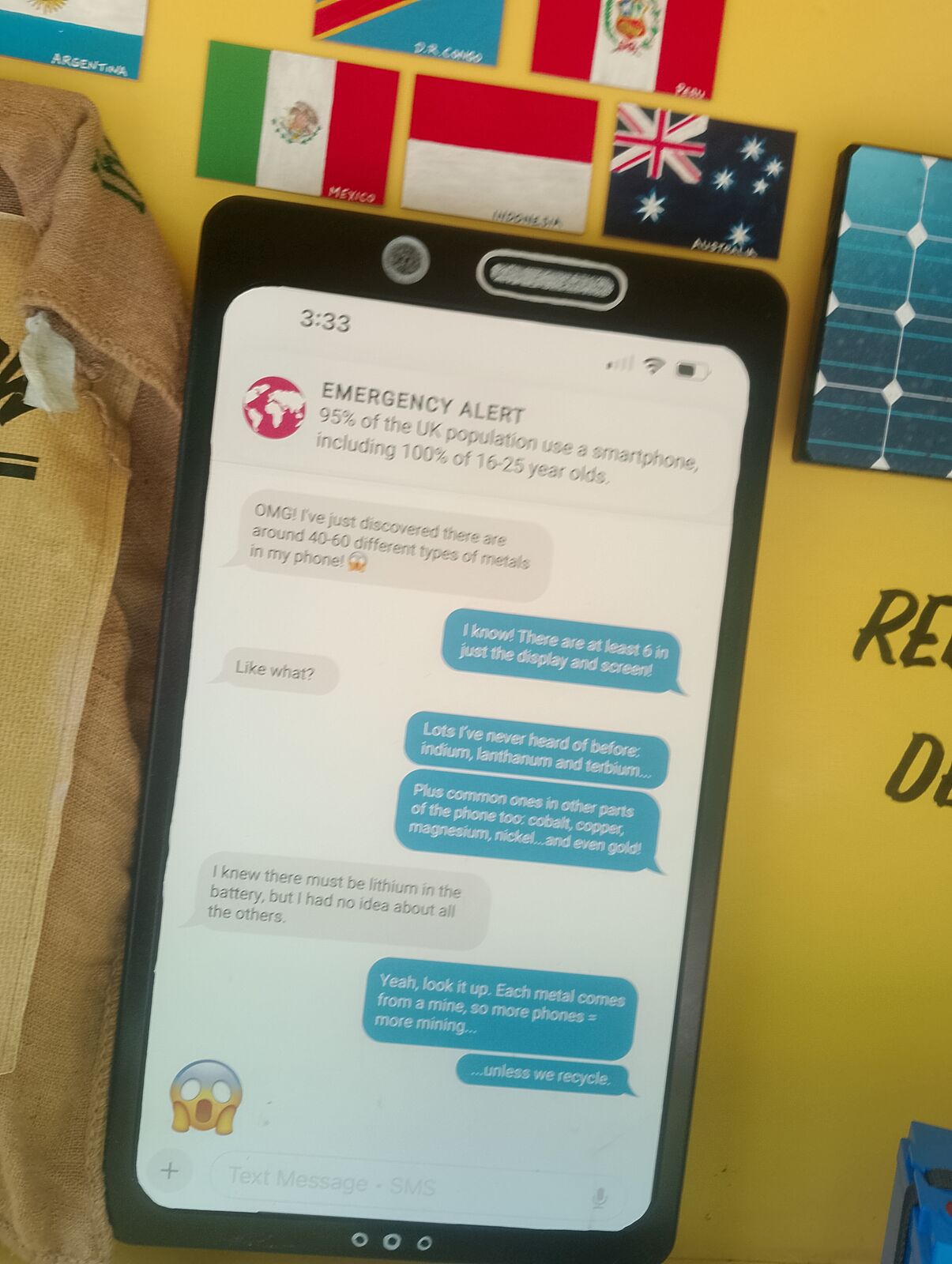
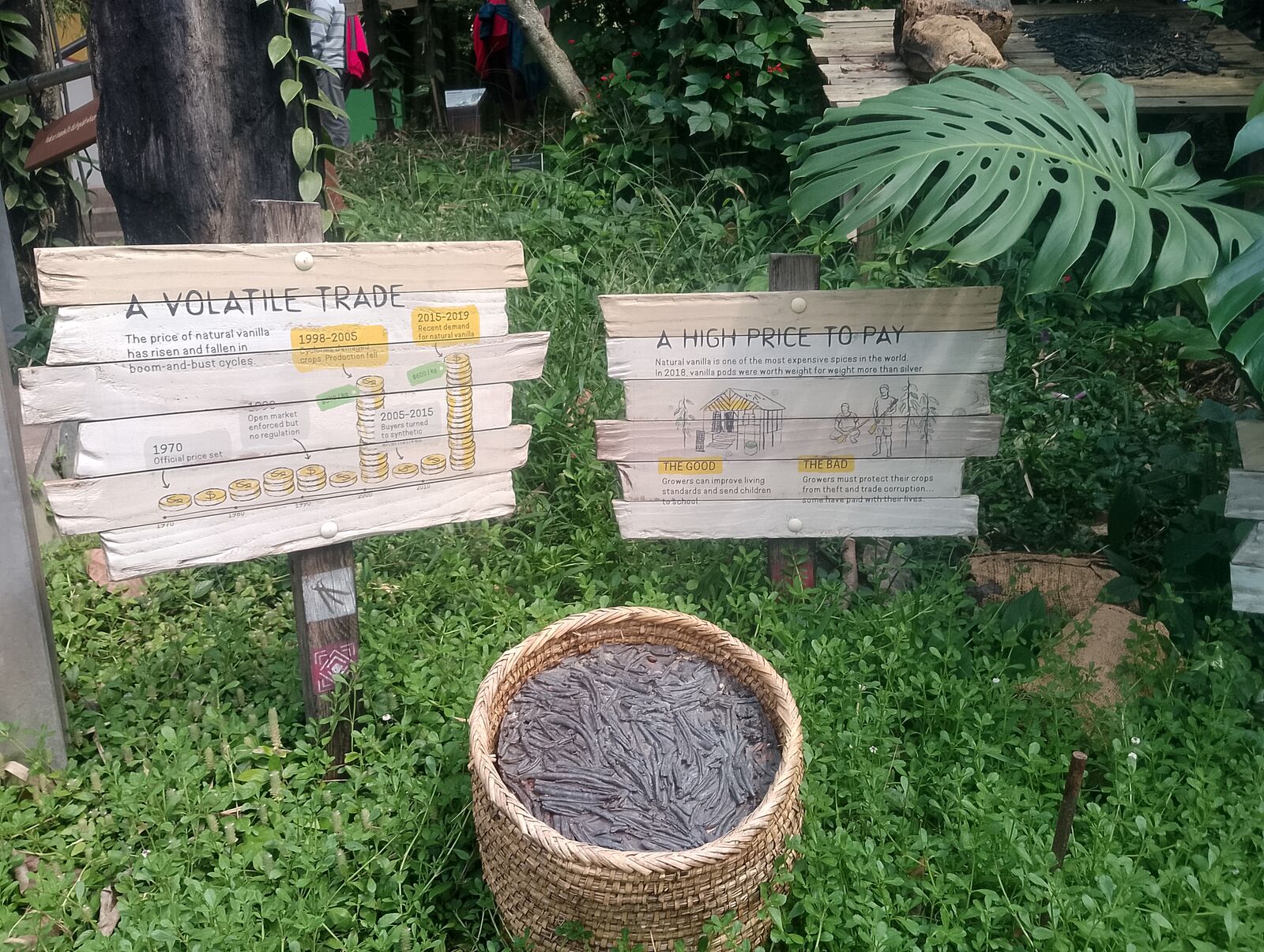
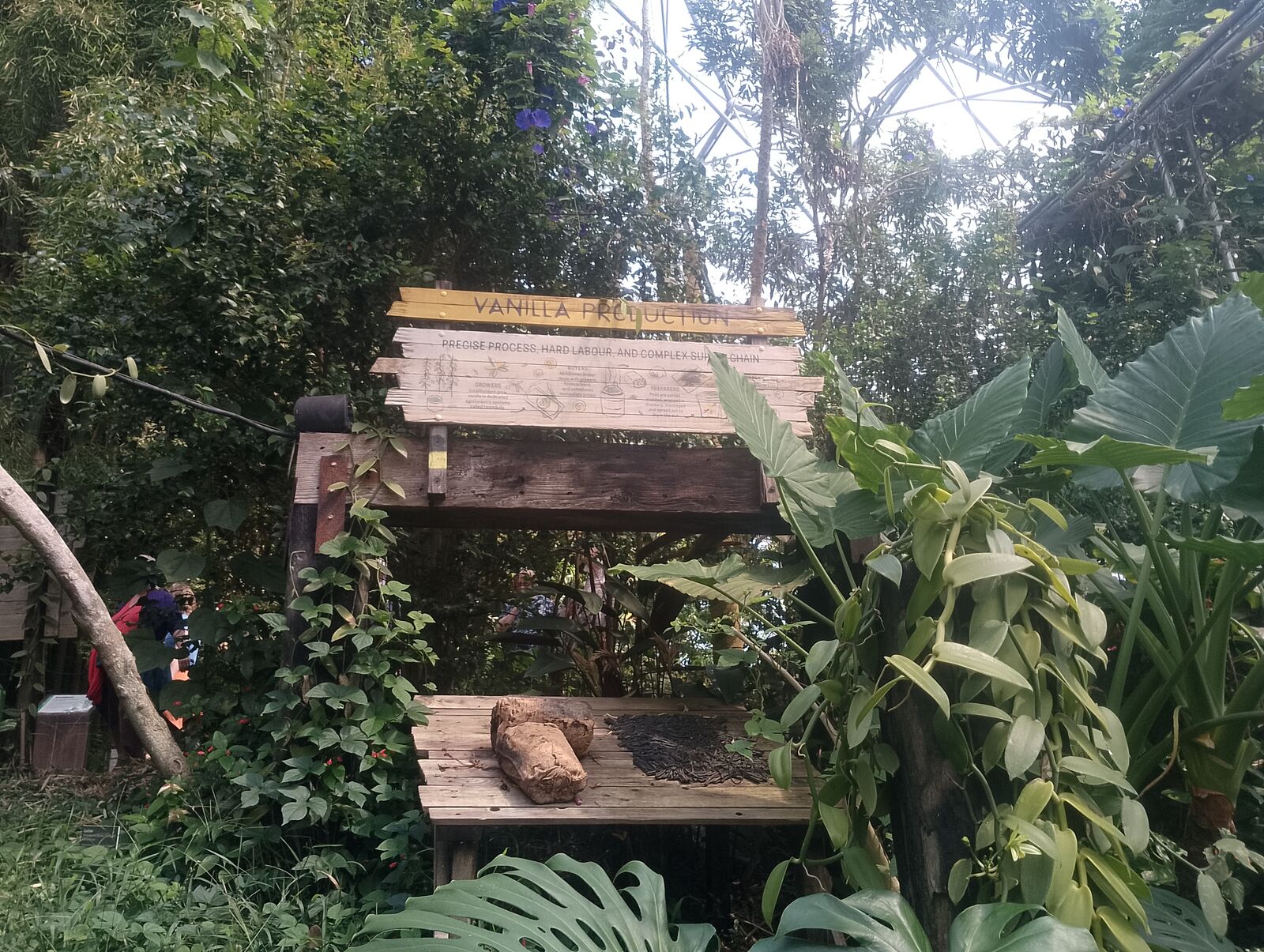
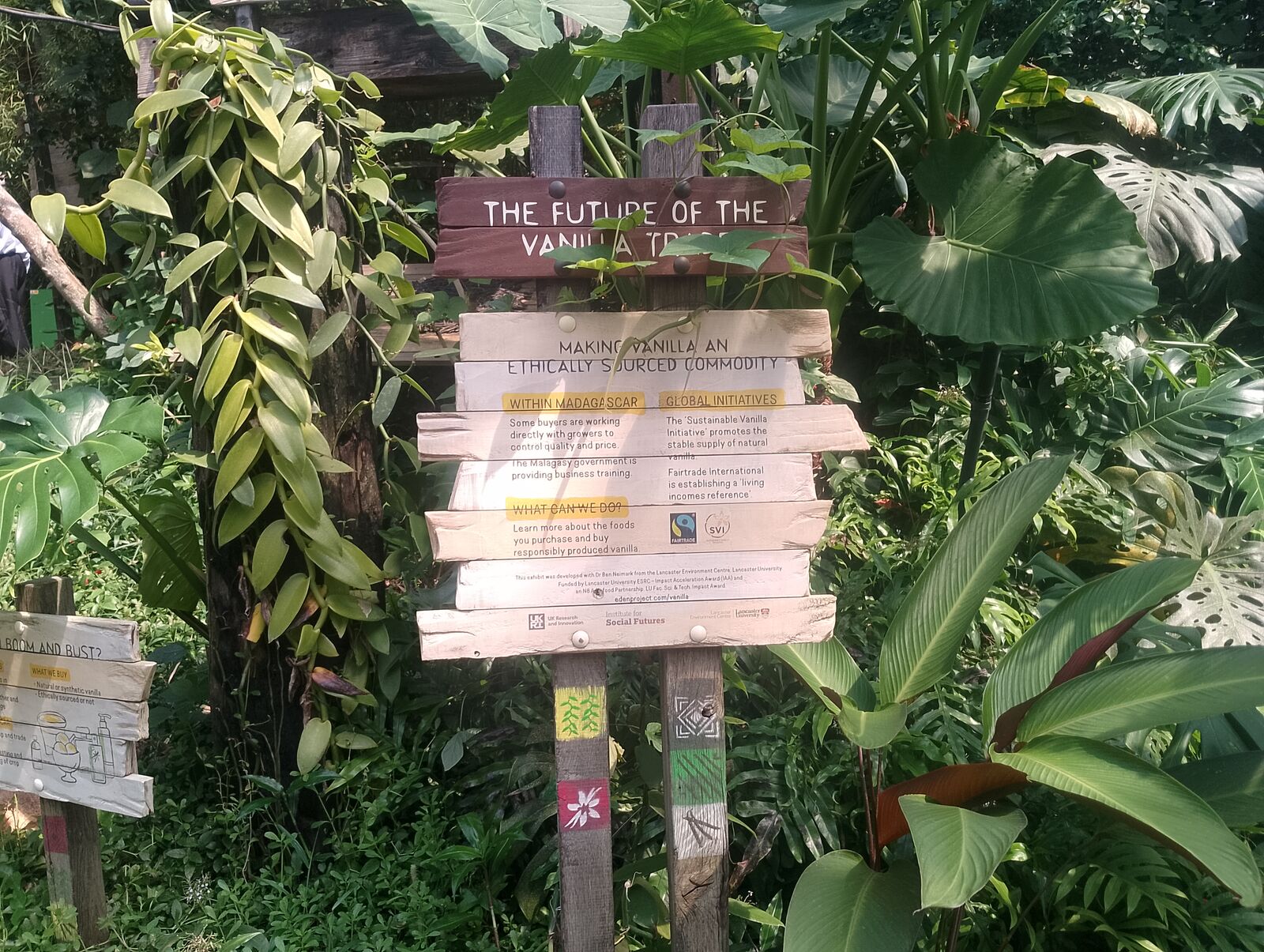
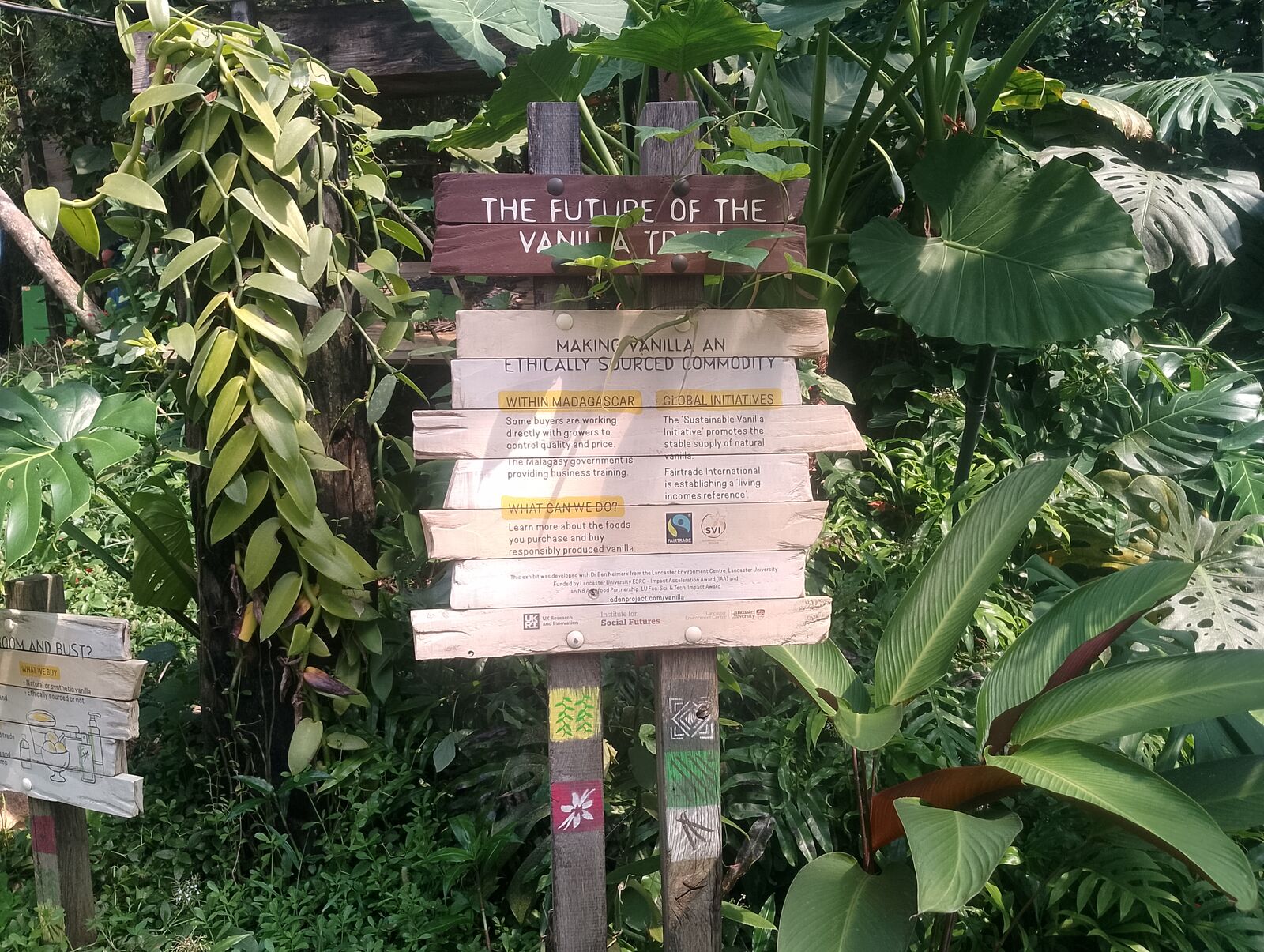
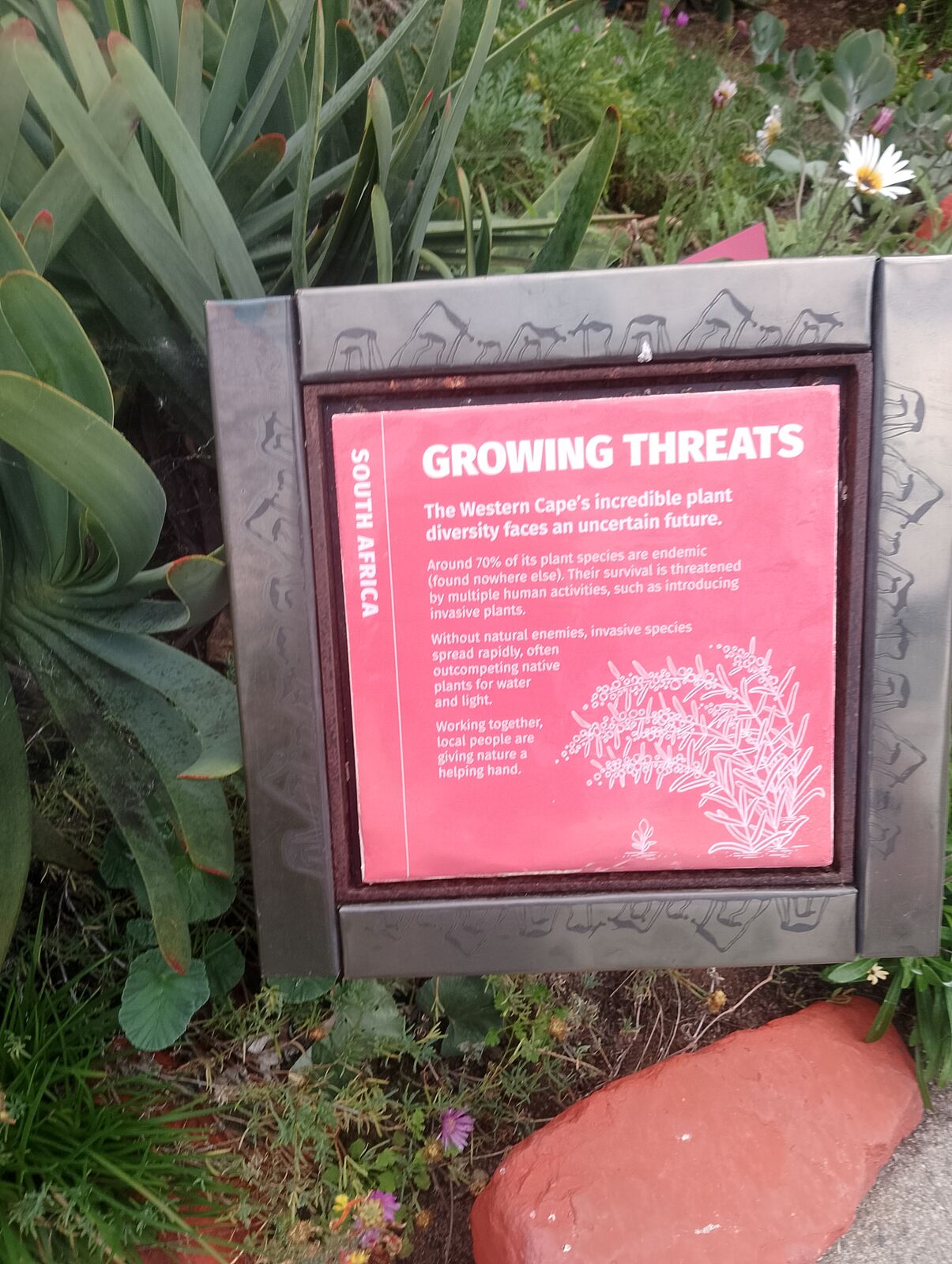
At this point I’m not exactly sure where in the world I am supposed to be, as there is a section on spices, inclusive of a quiz that had answers like China and India. The sign indicates “everyday produce from far away”, so possibly a grand synthesis from across the world? Here there is also information about metals, which is the first indication of material elements within Bennetts schema, with very little information about the soil also.
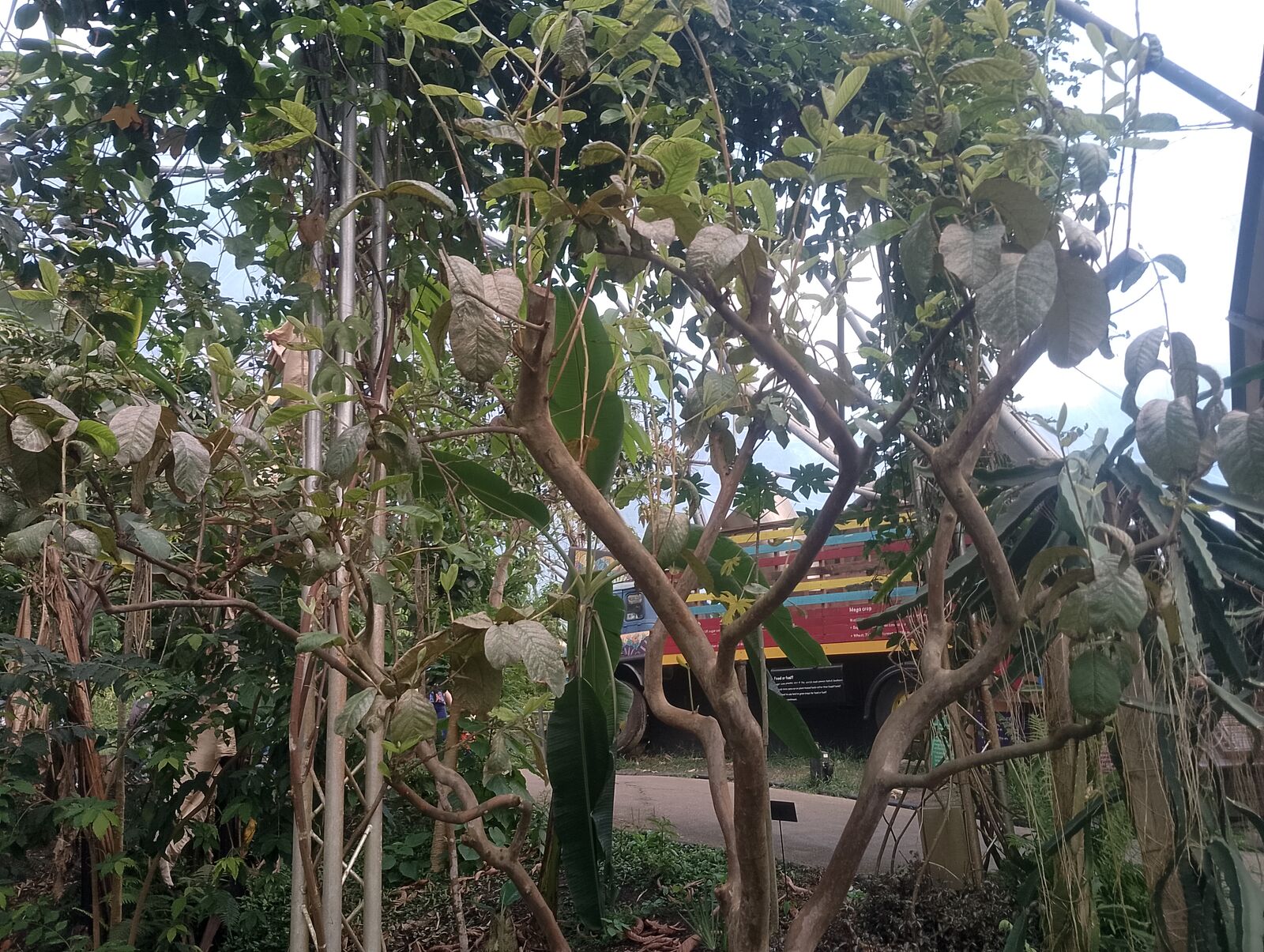
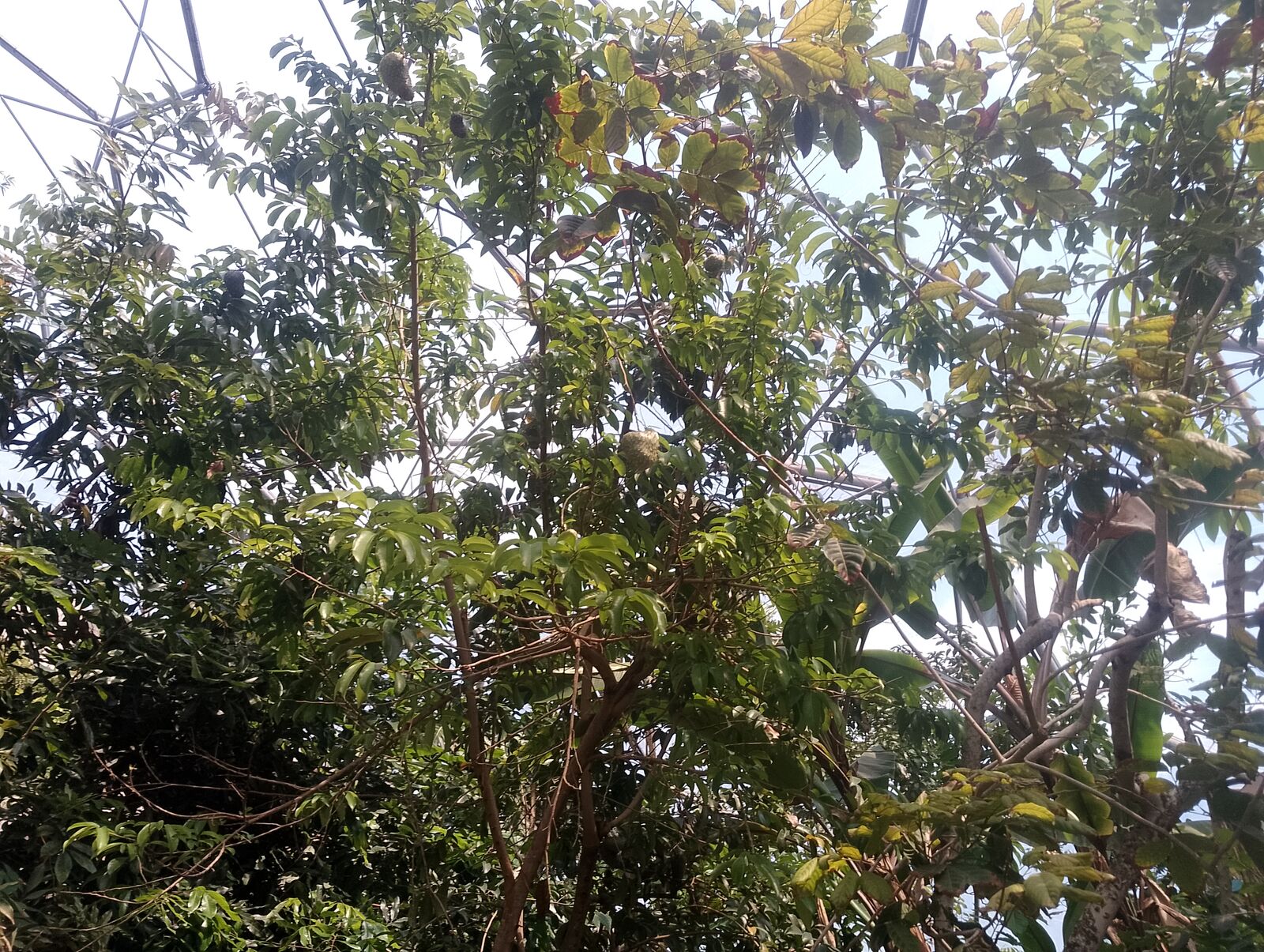
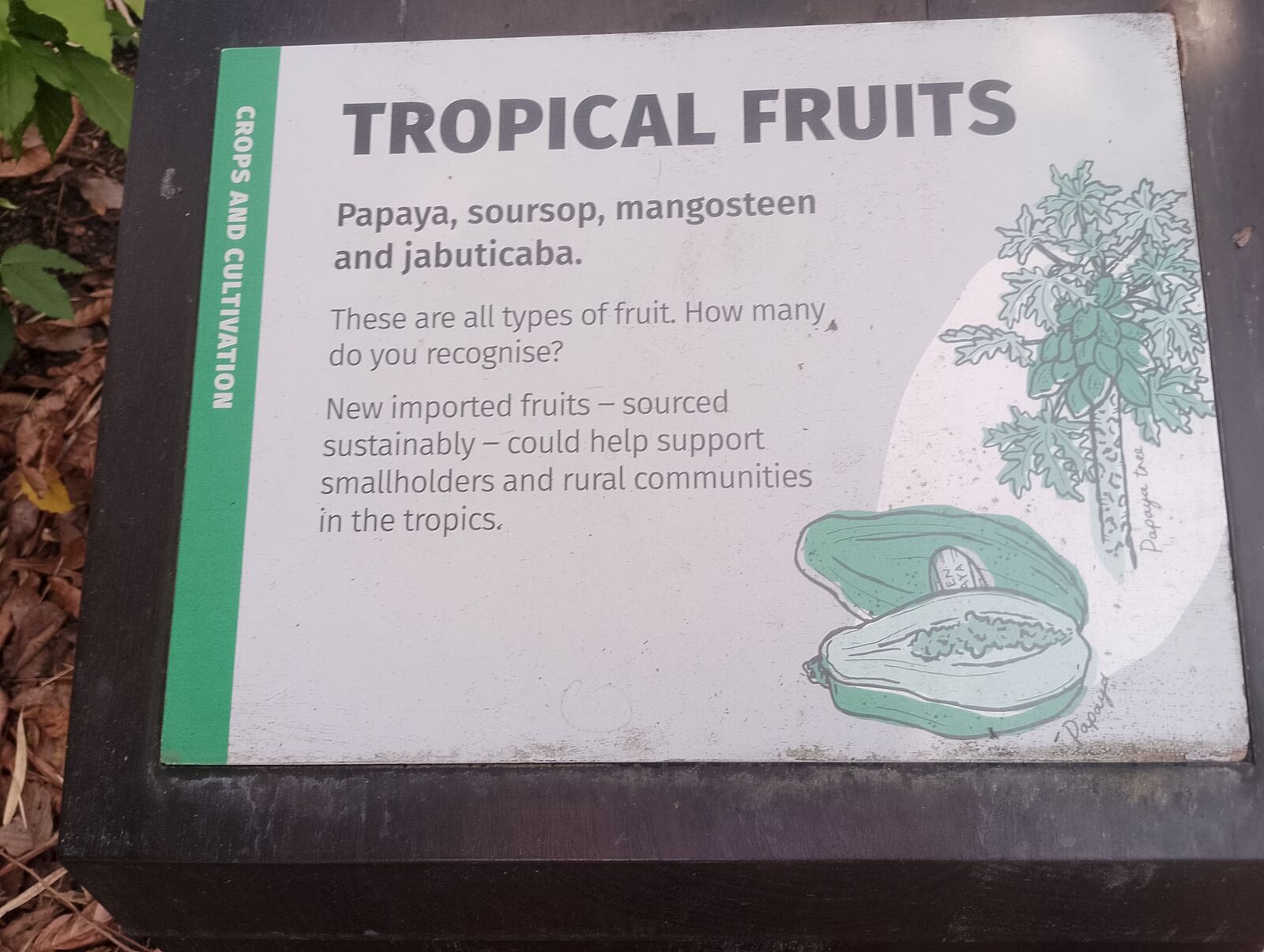
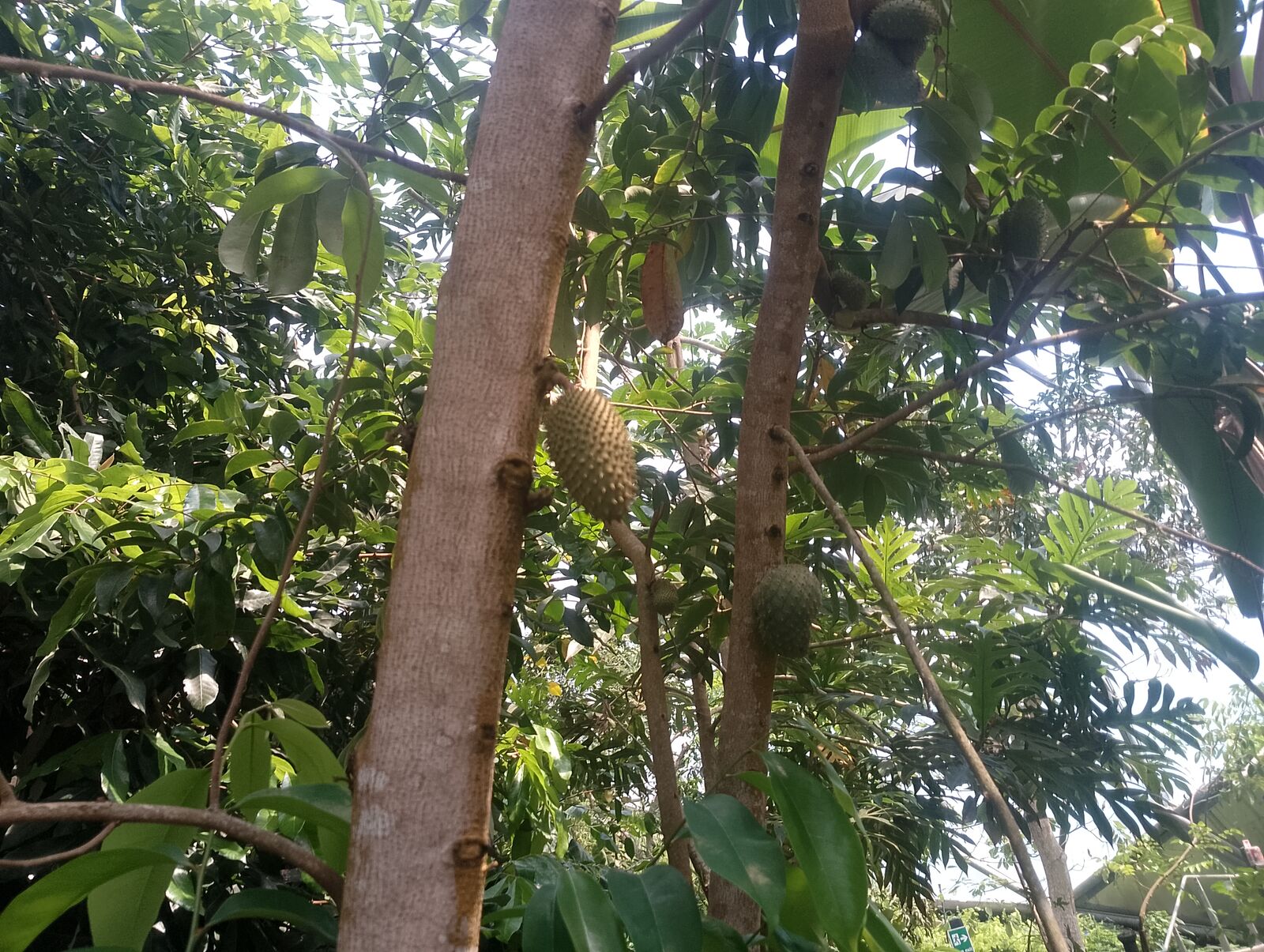
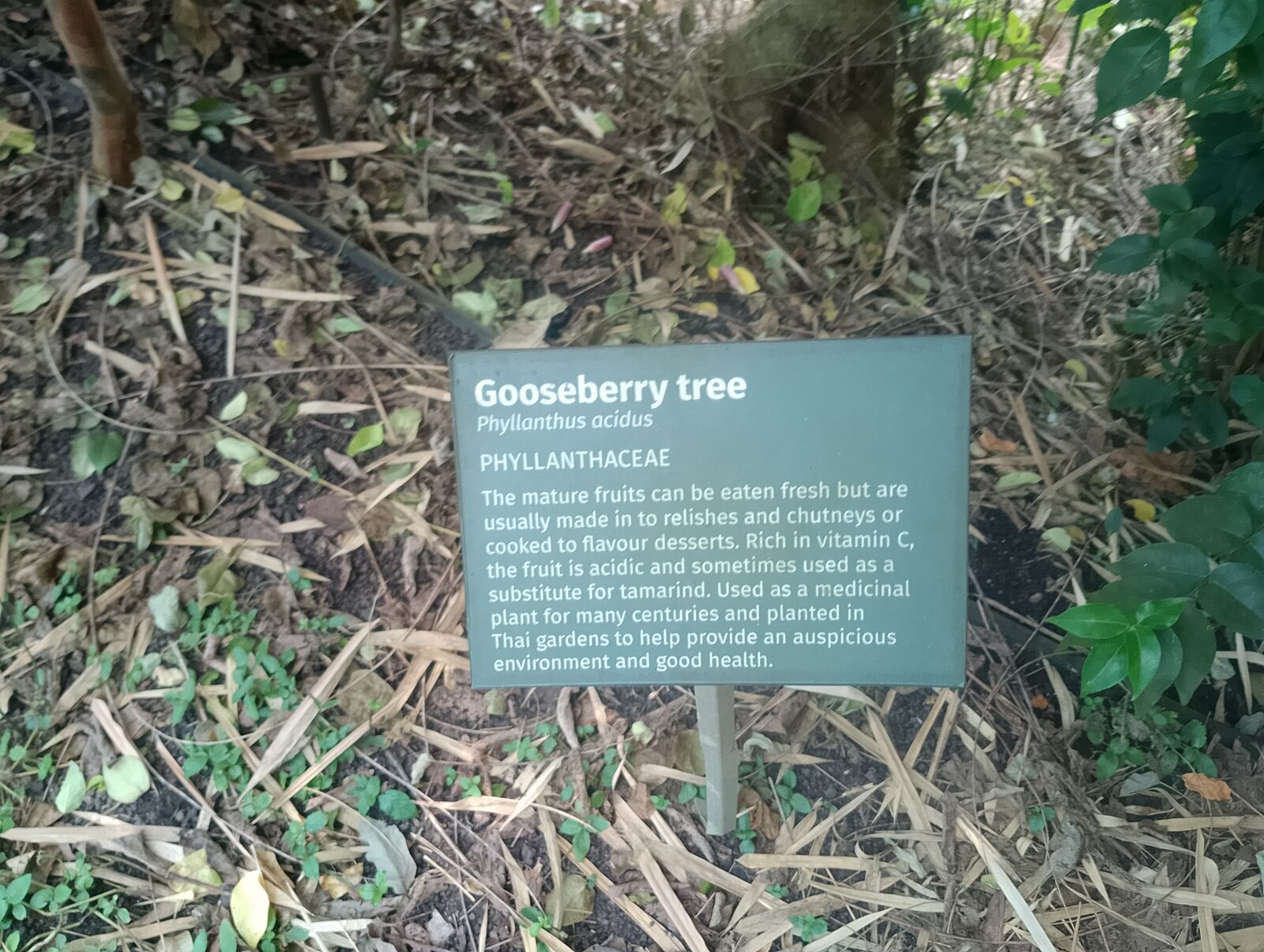
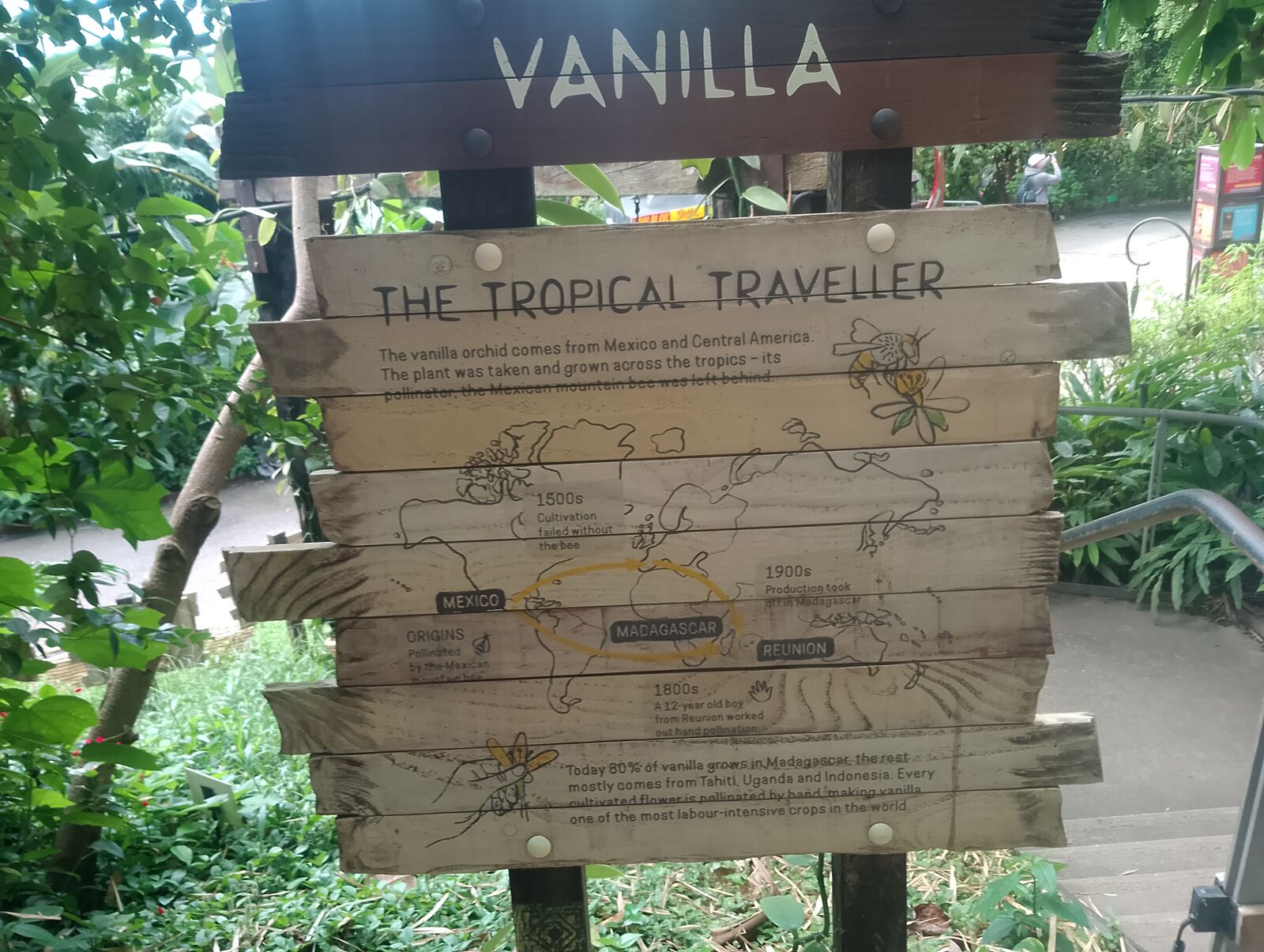
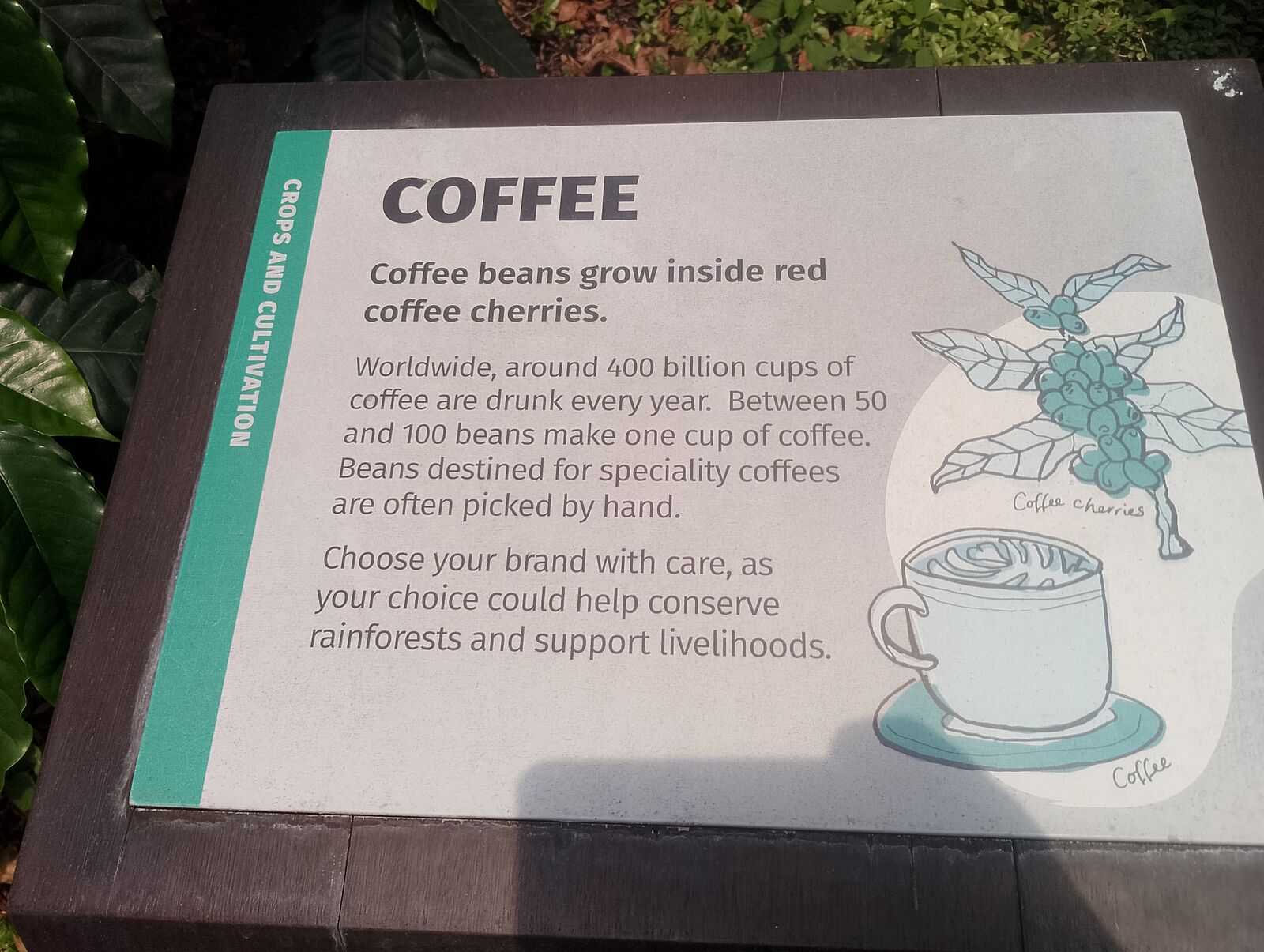
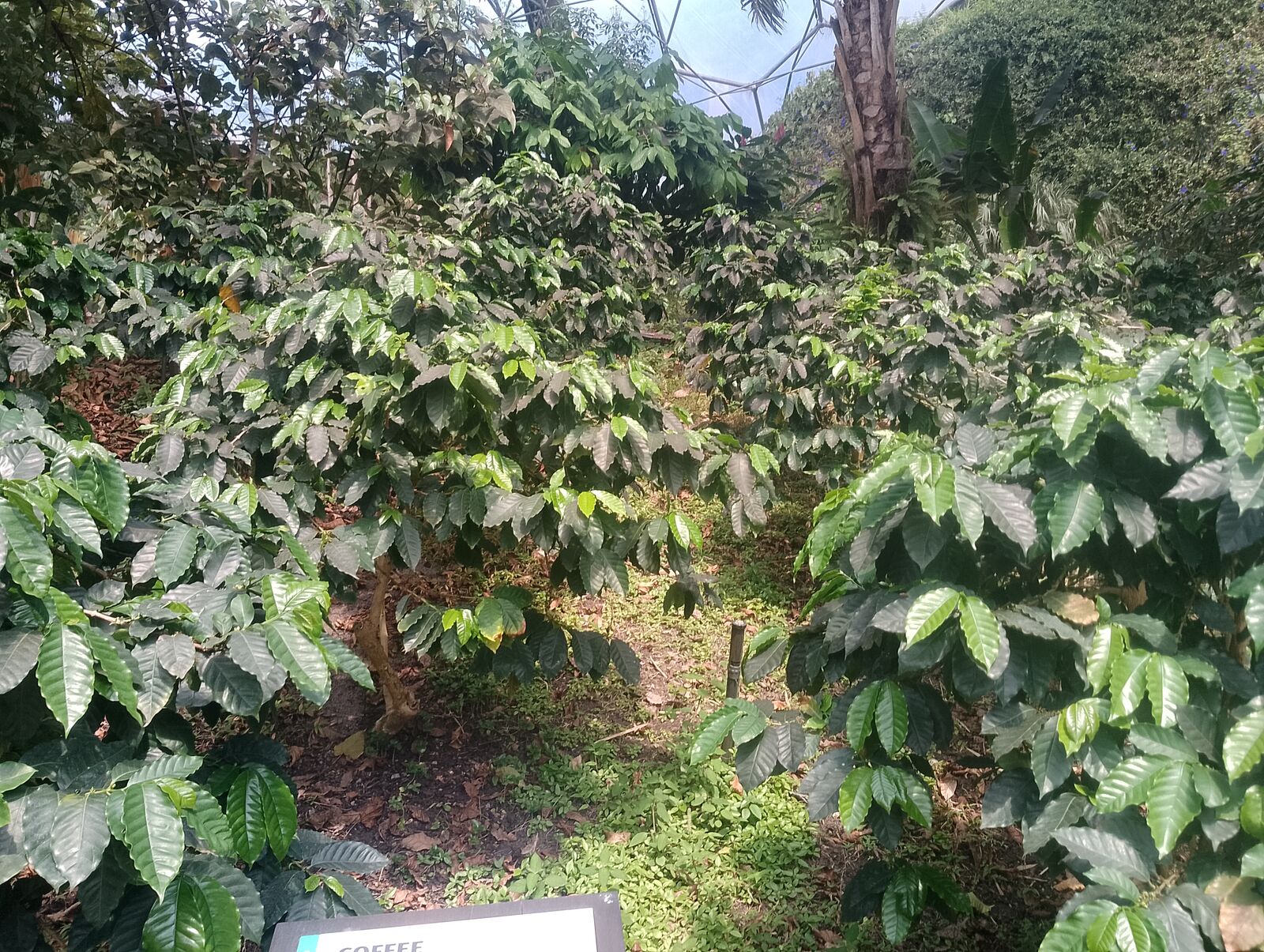
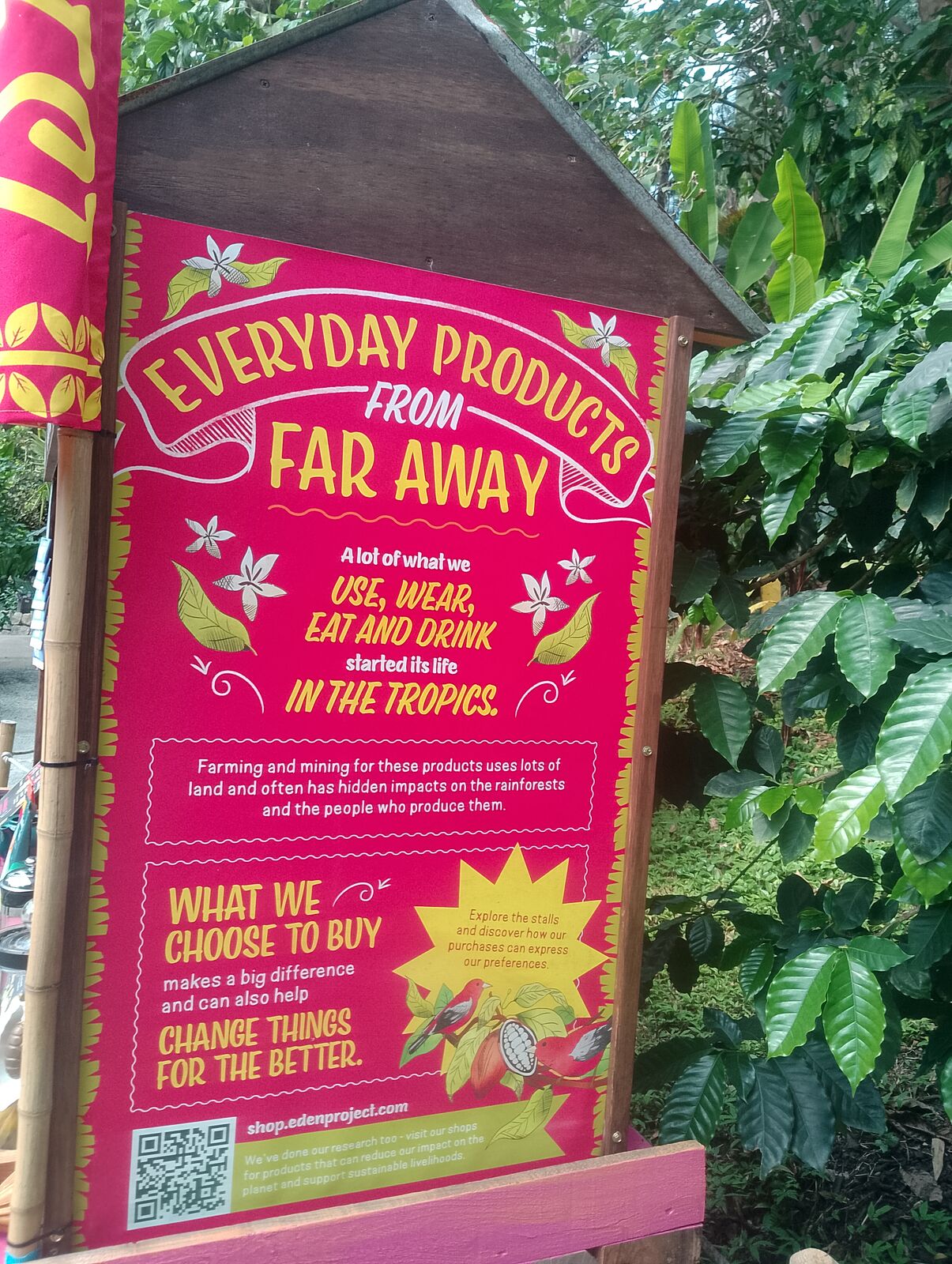
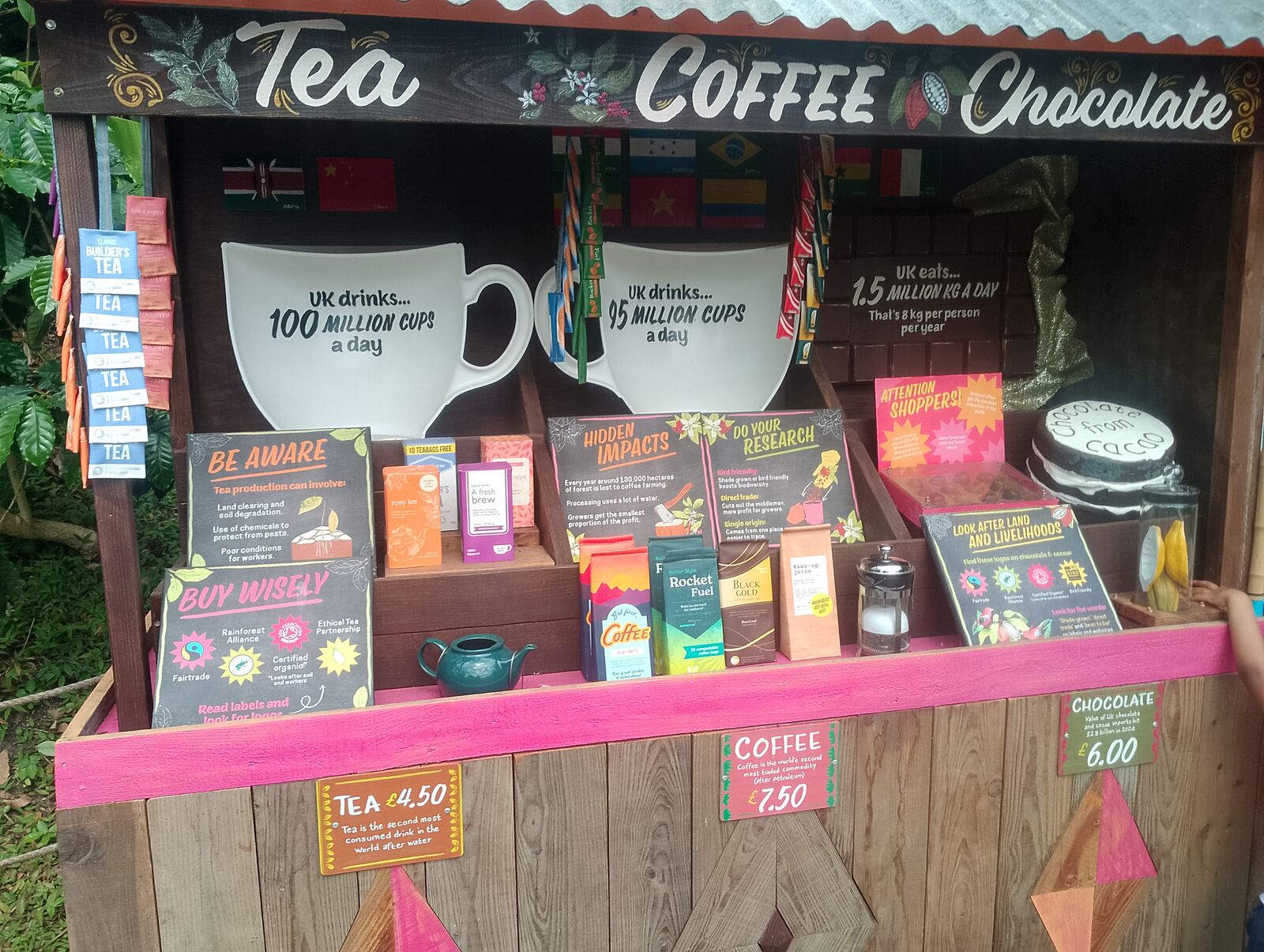
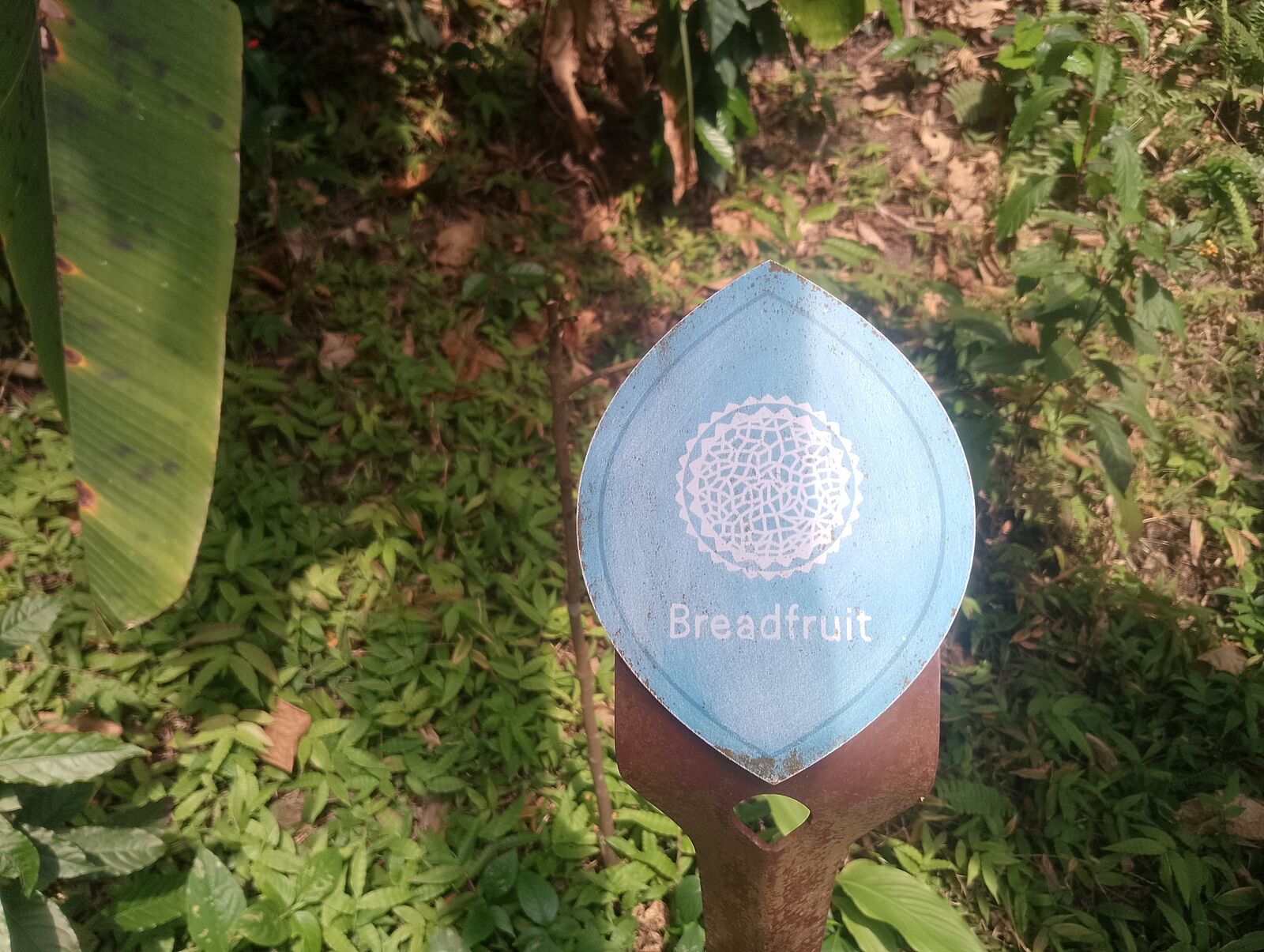
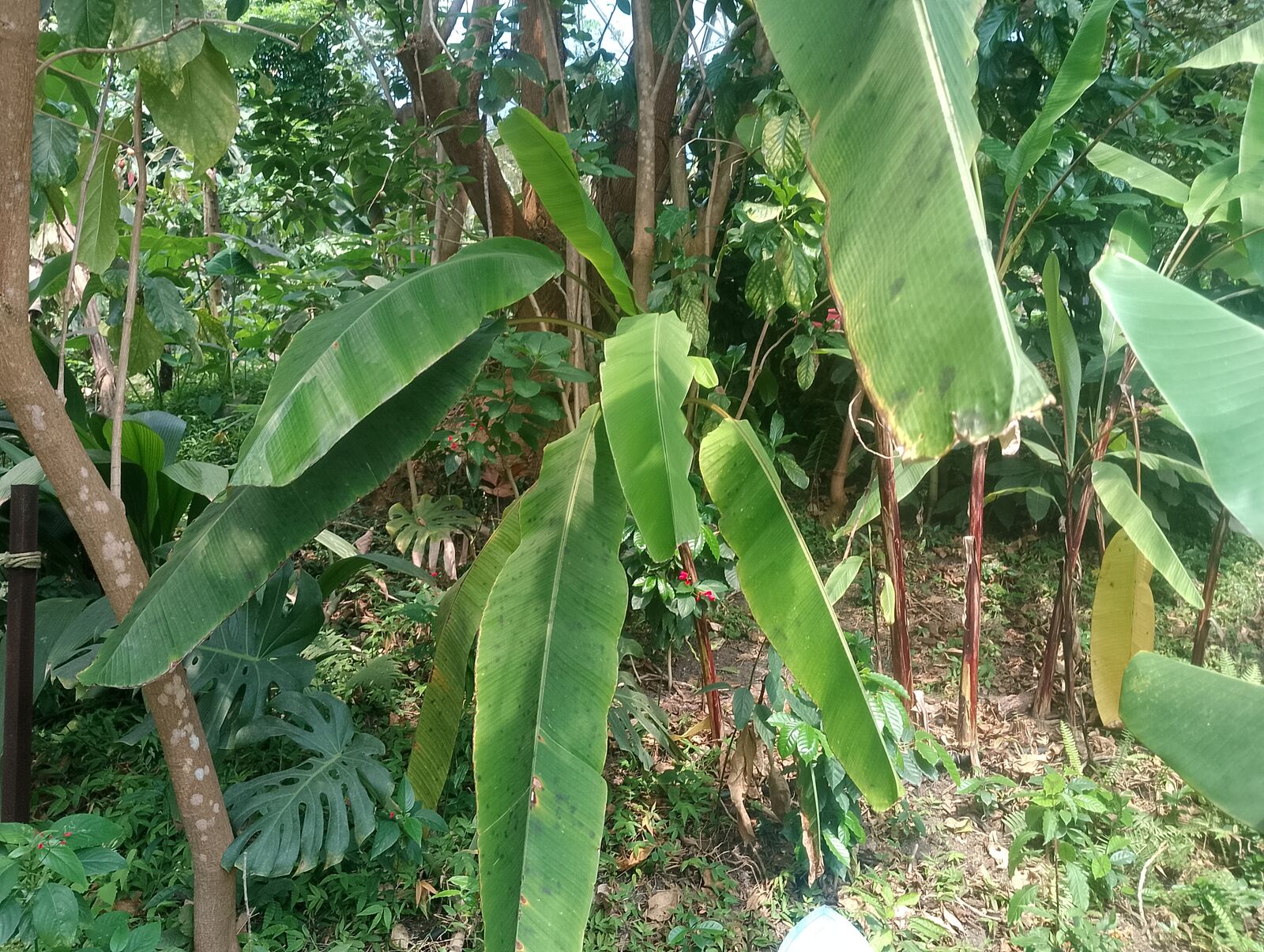
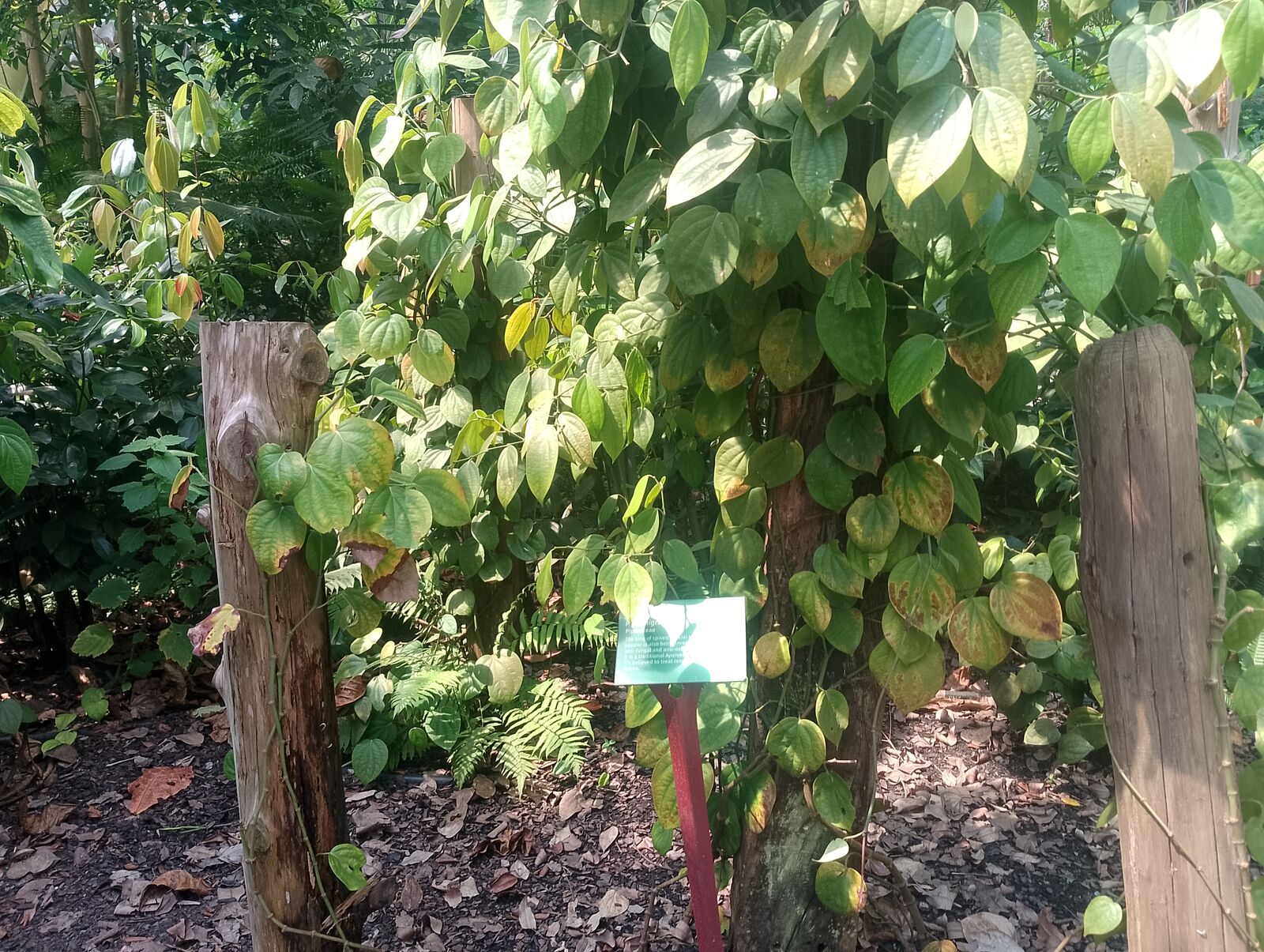
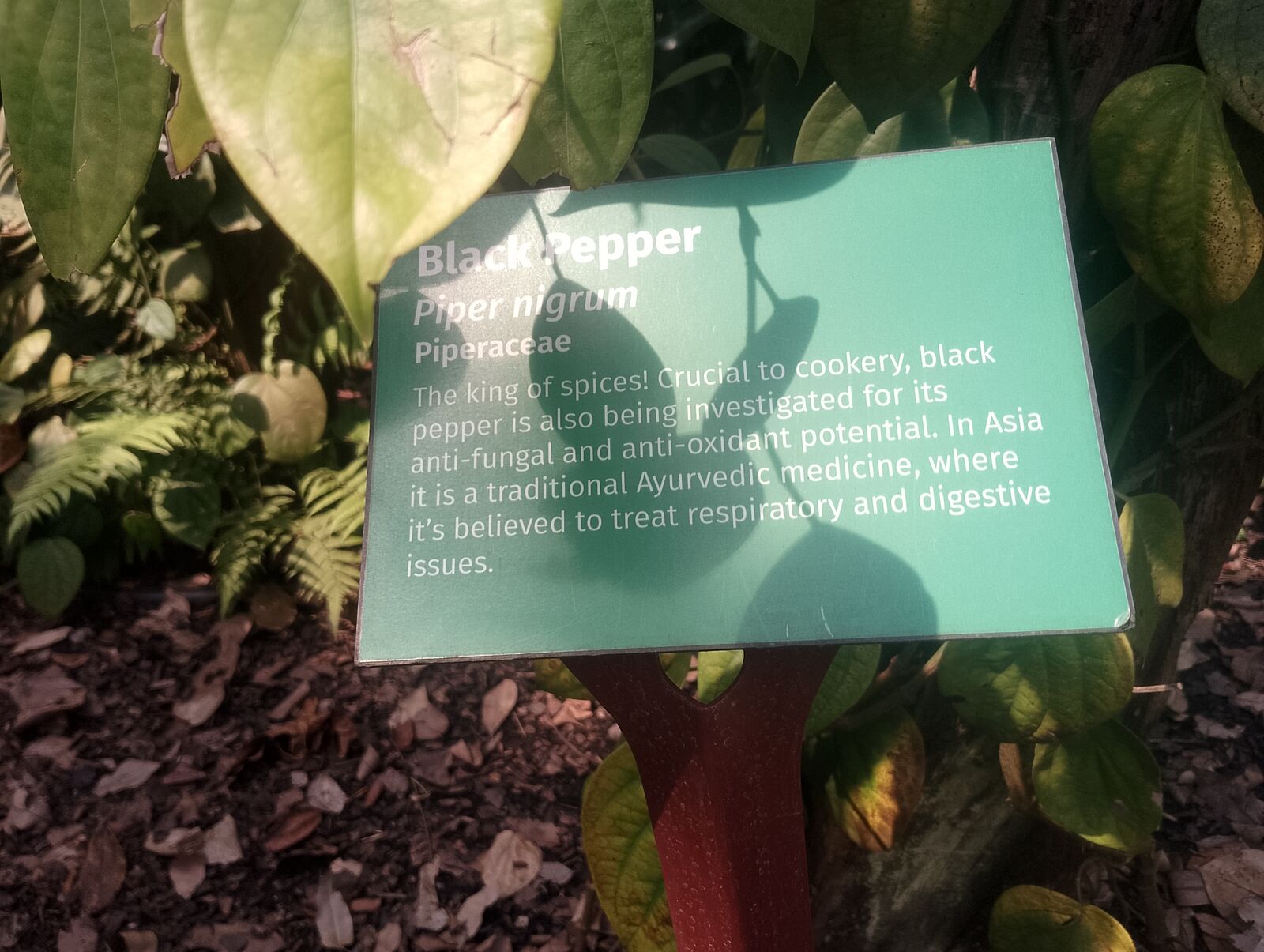
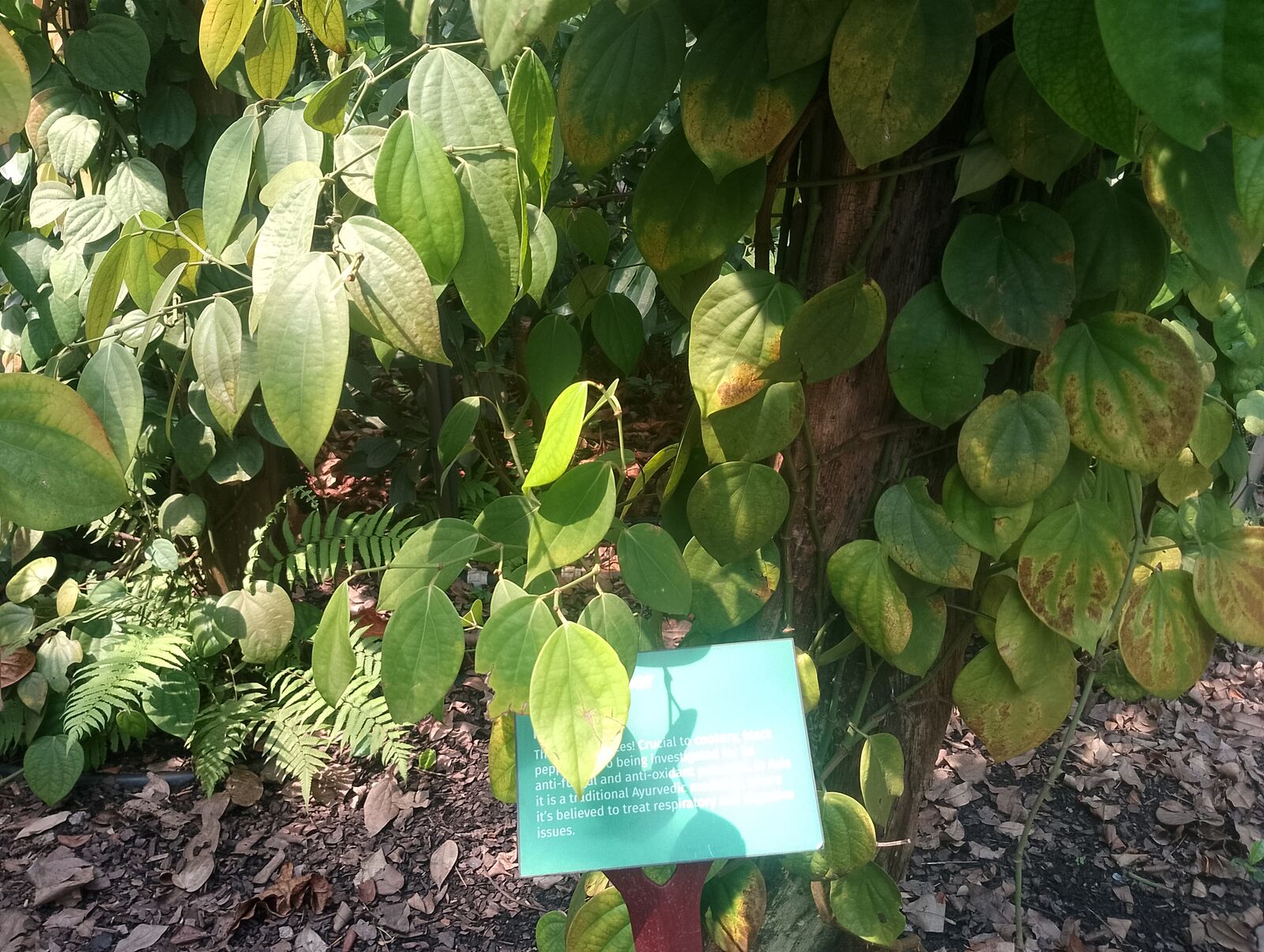
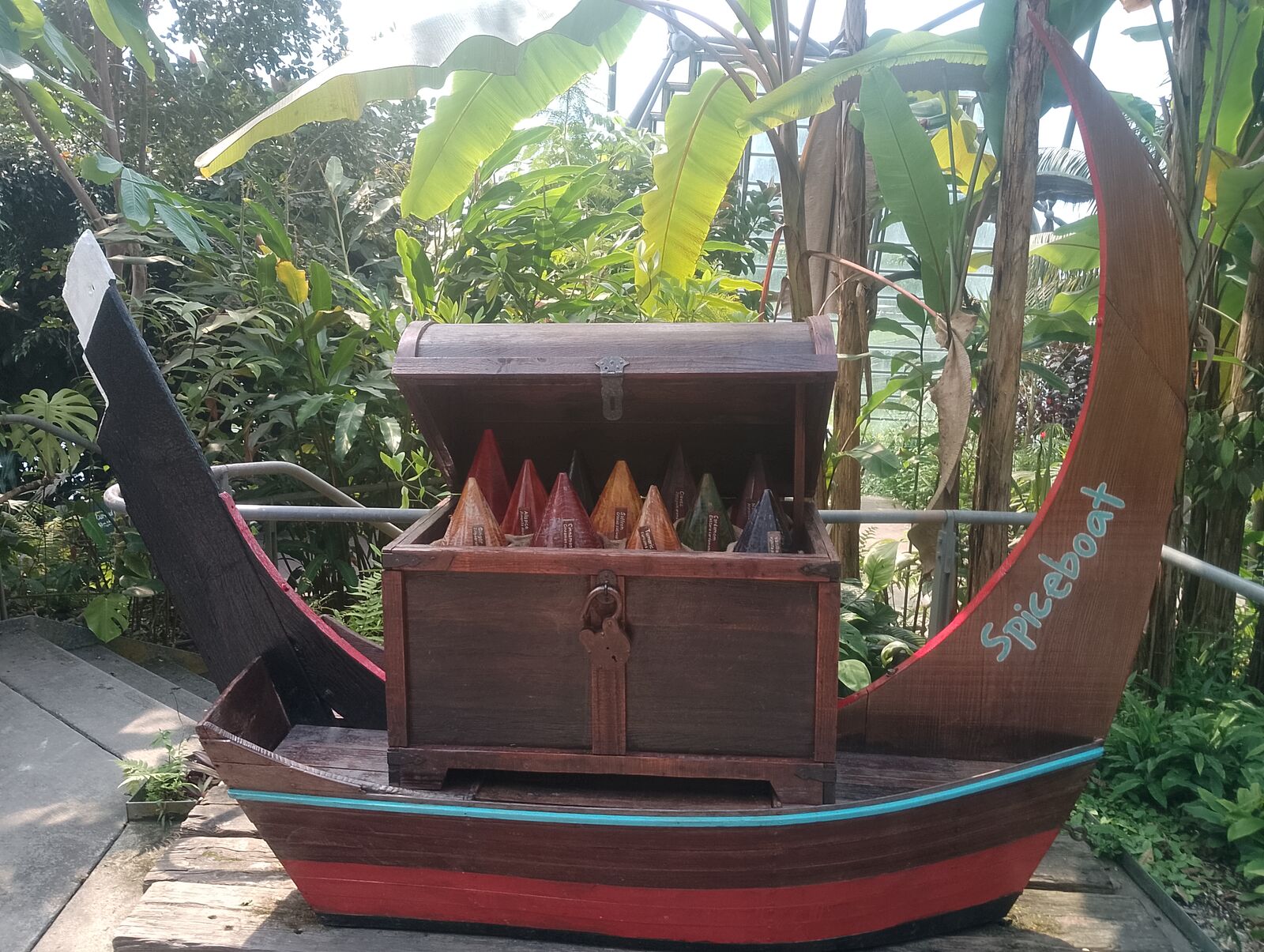
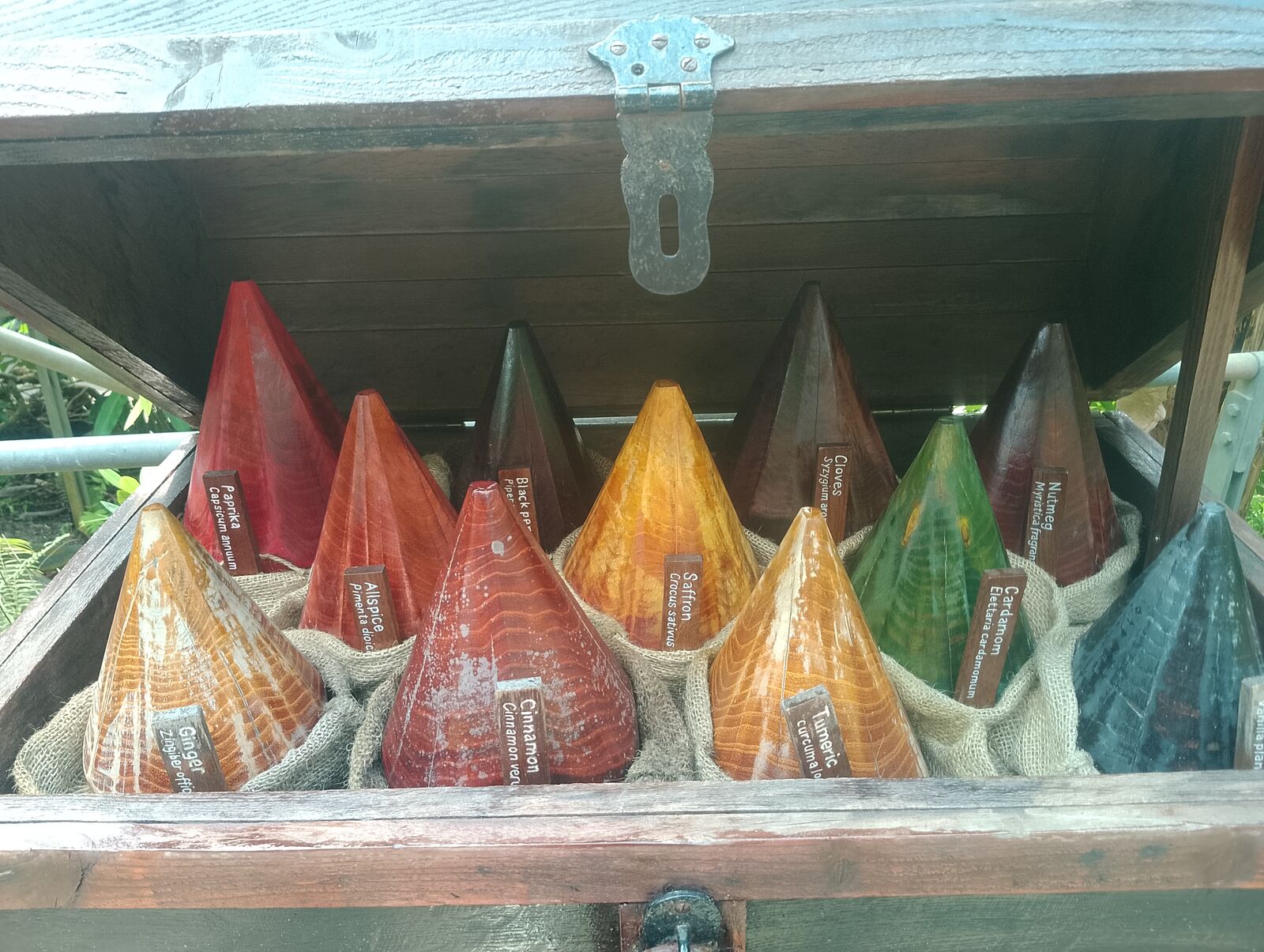
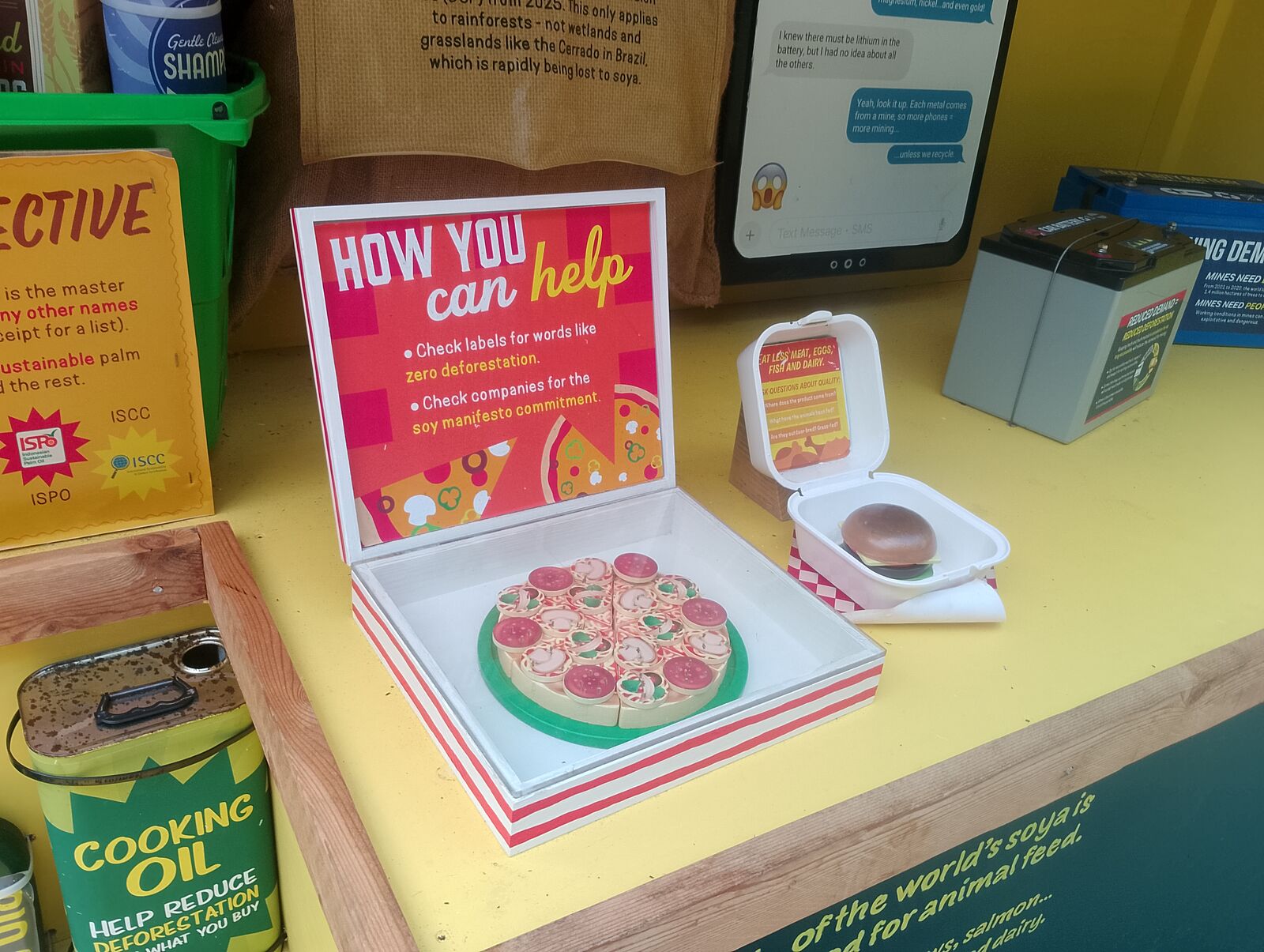
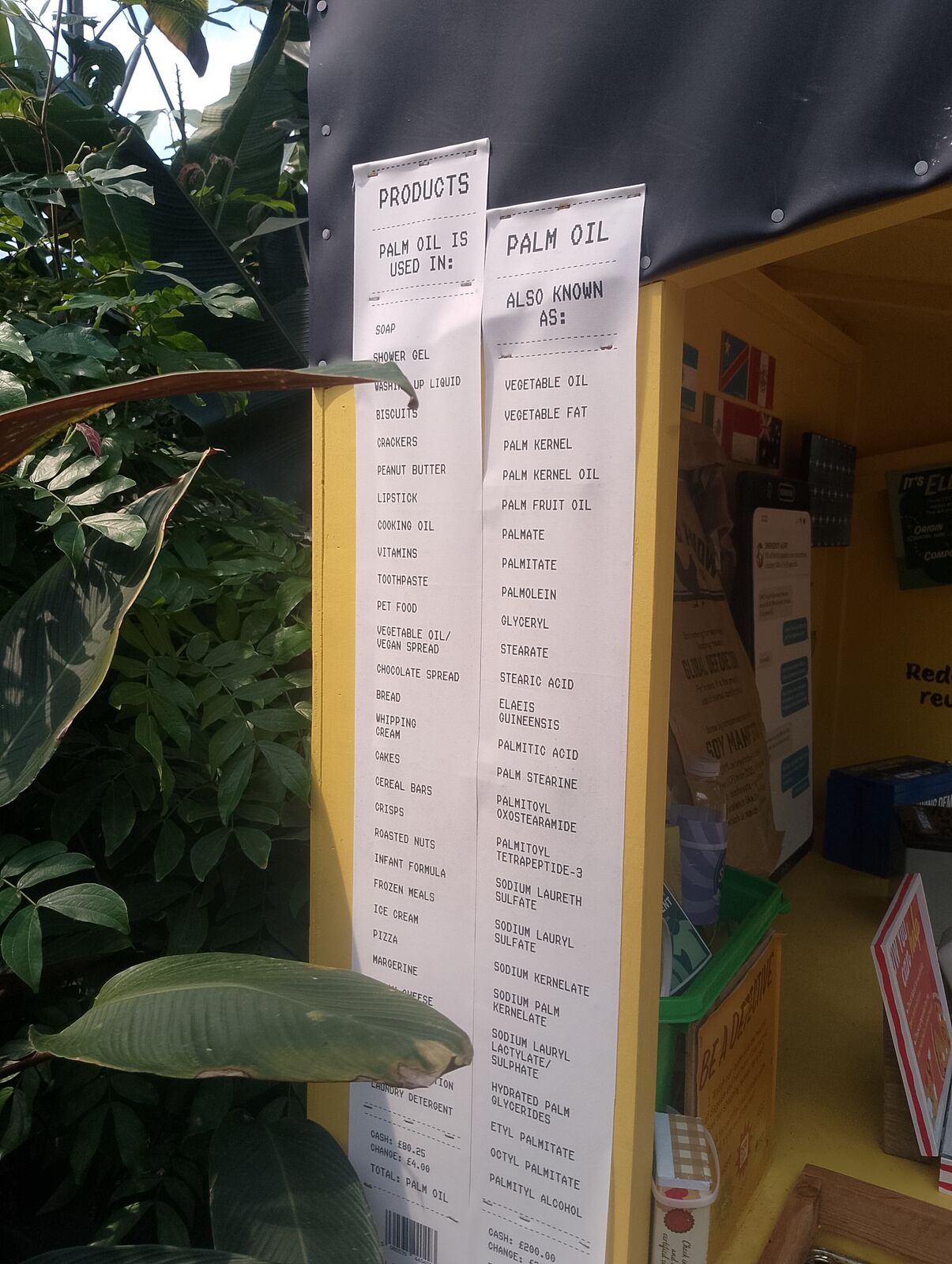
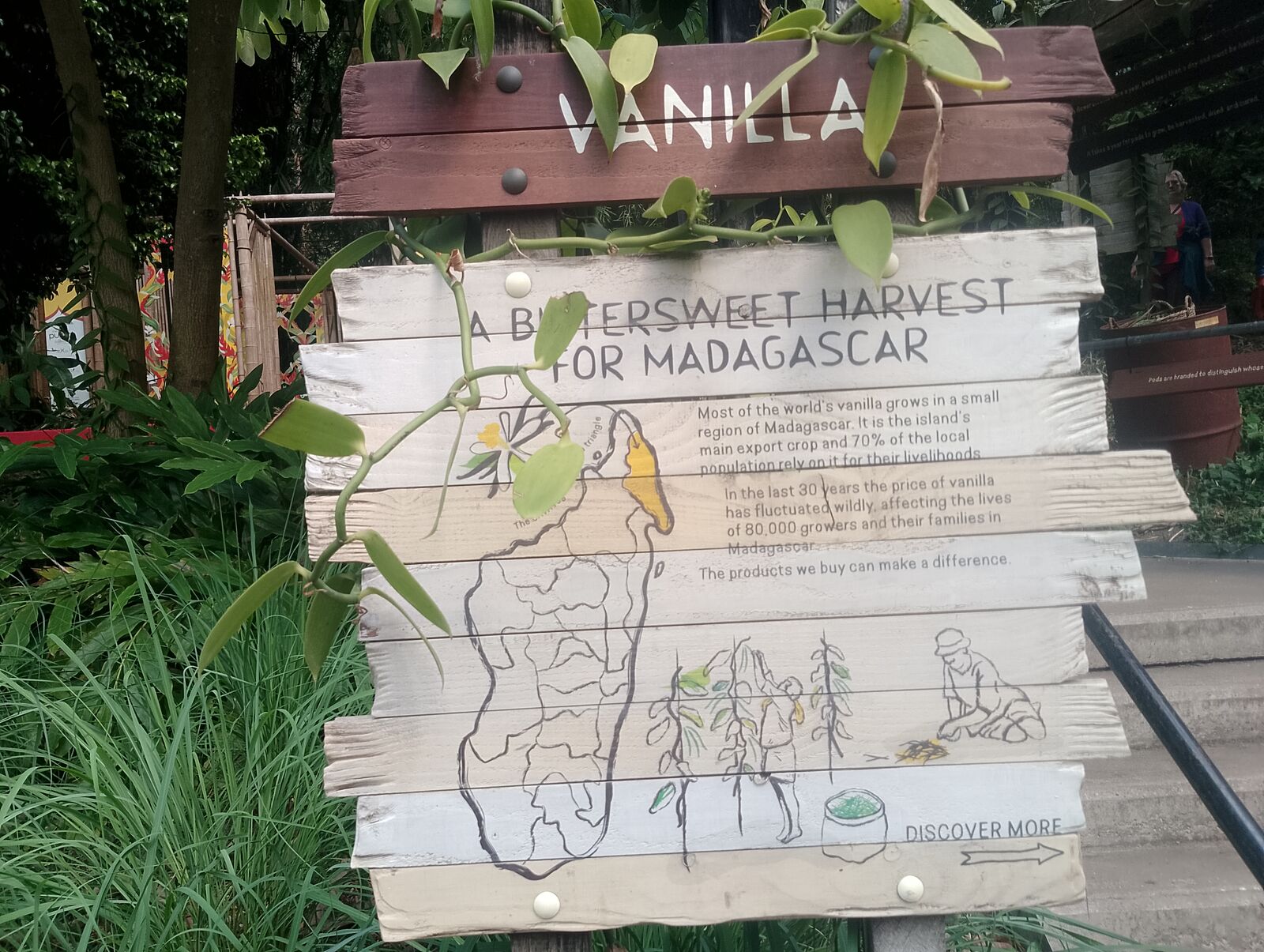
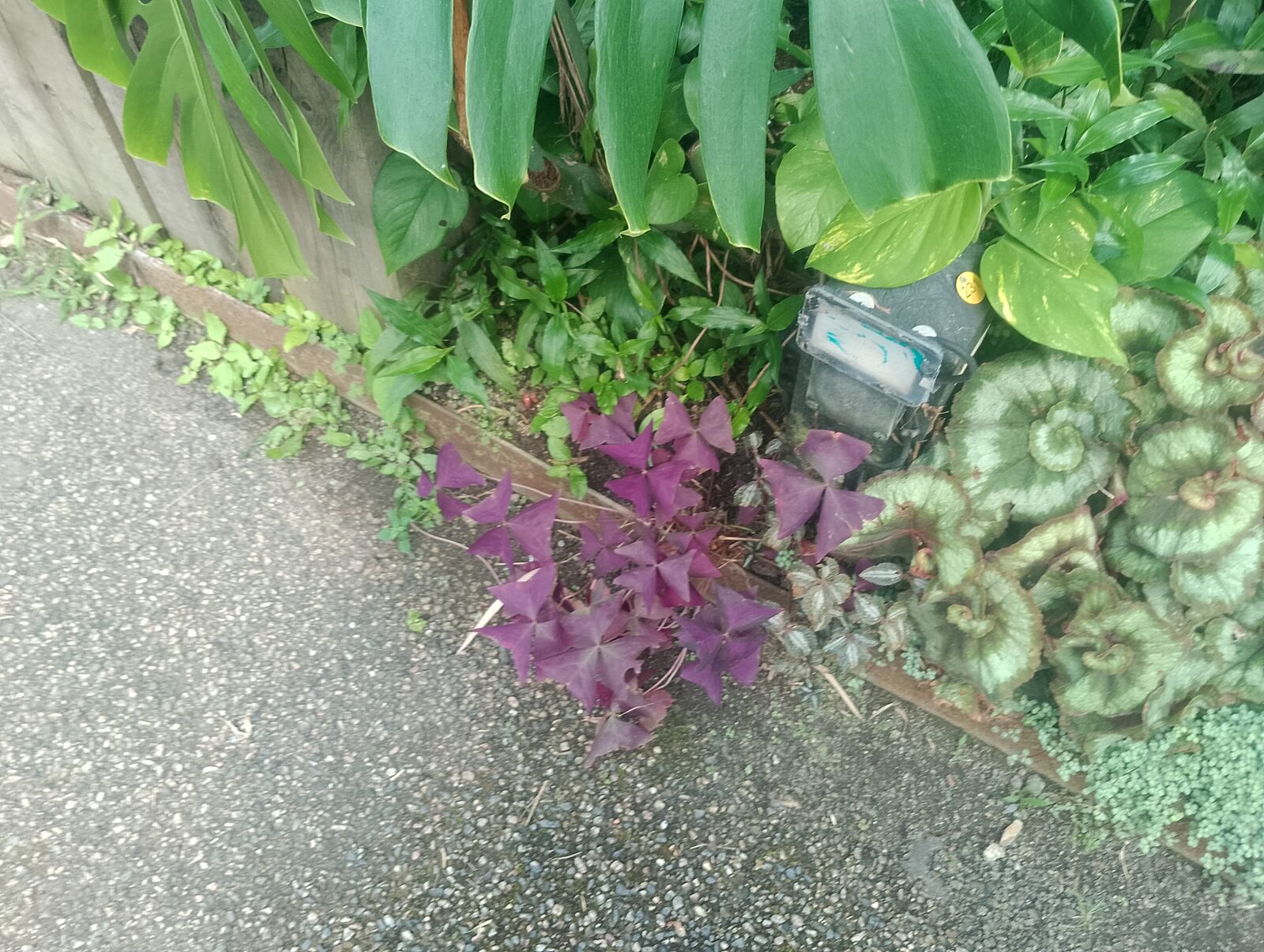
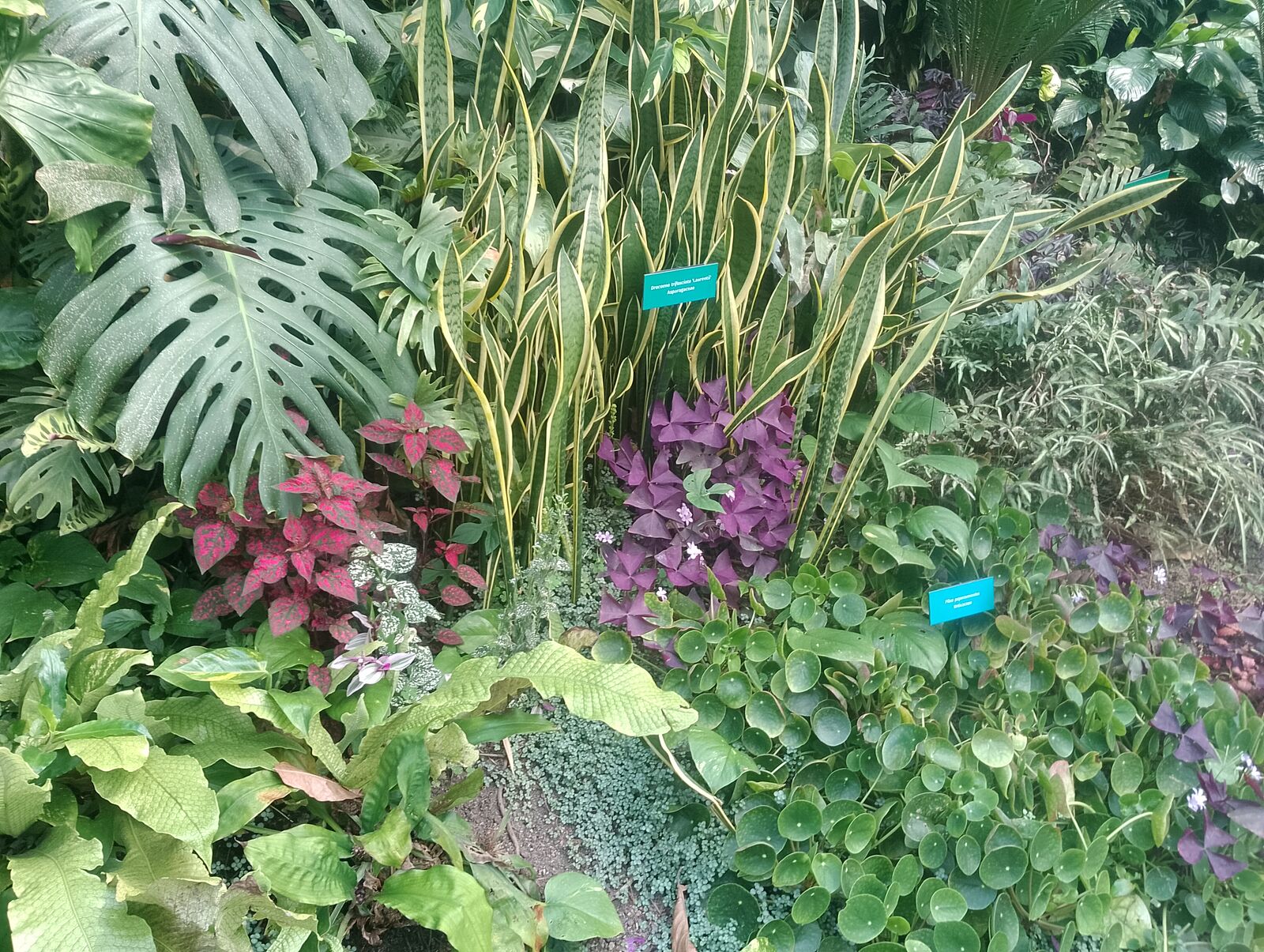
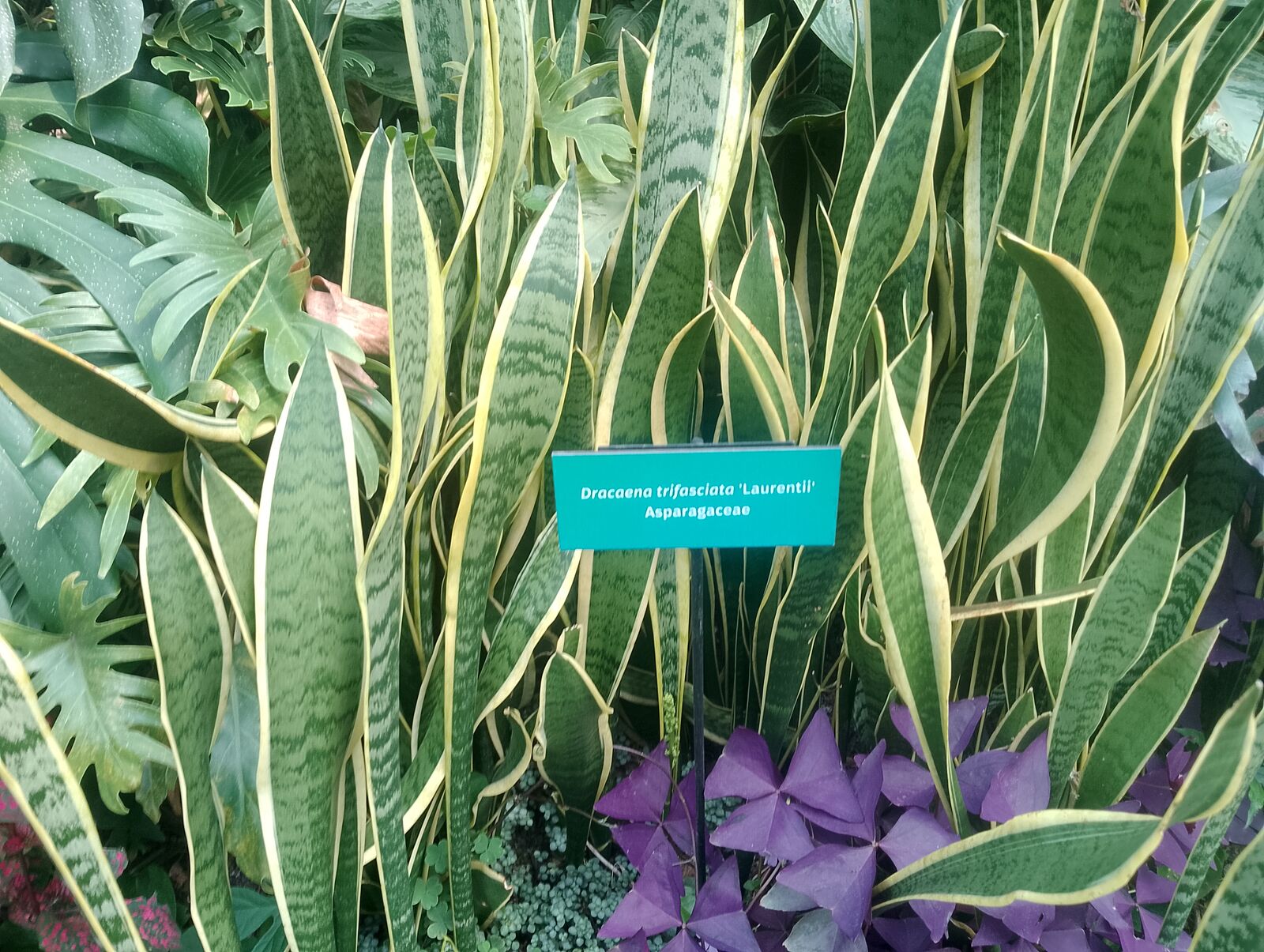
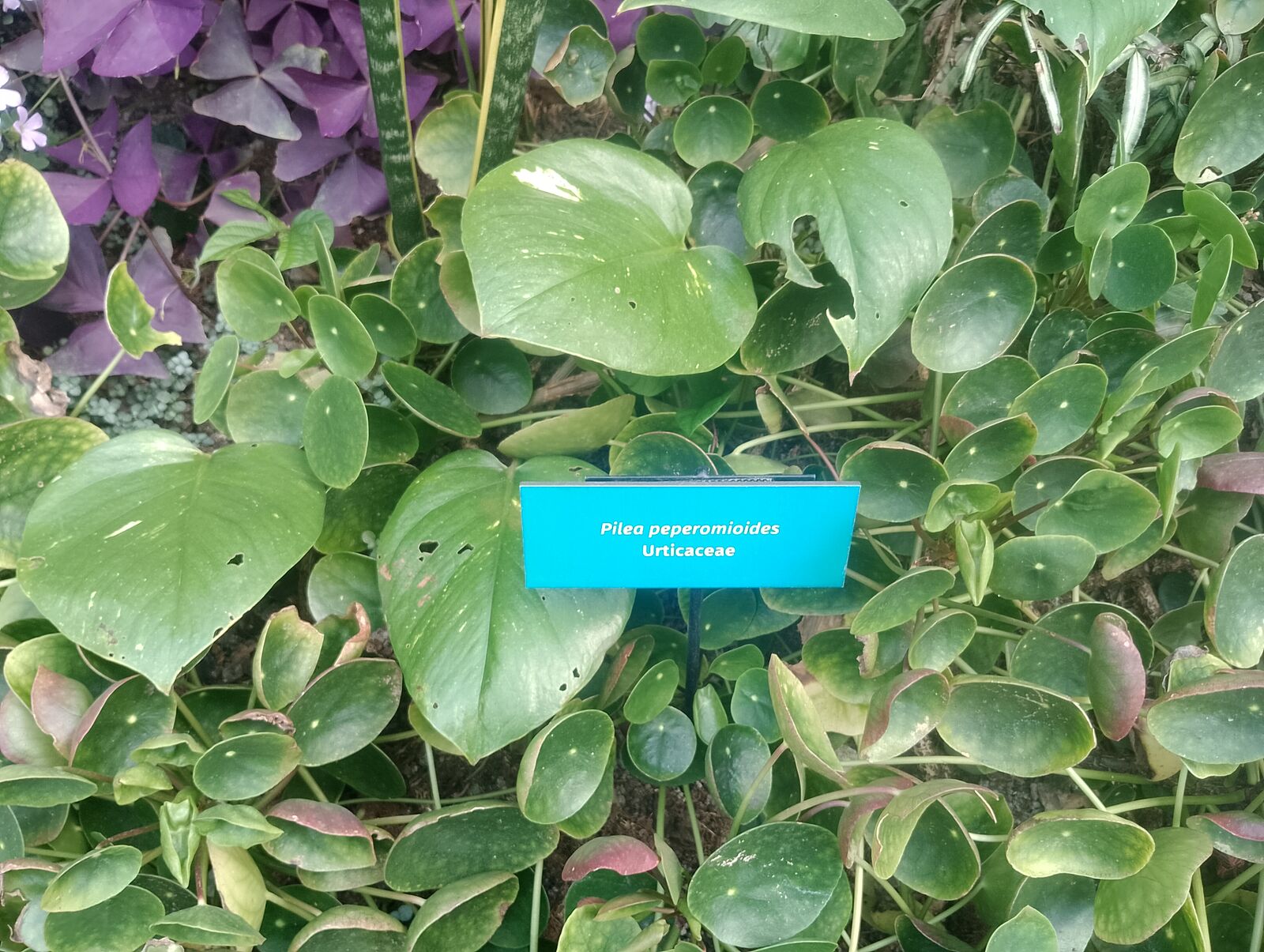
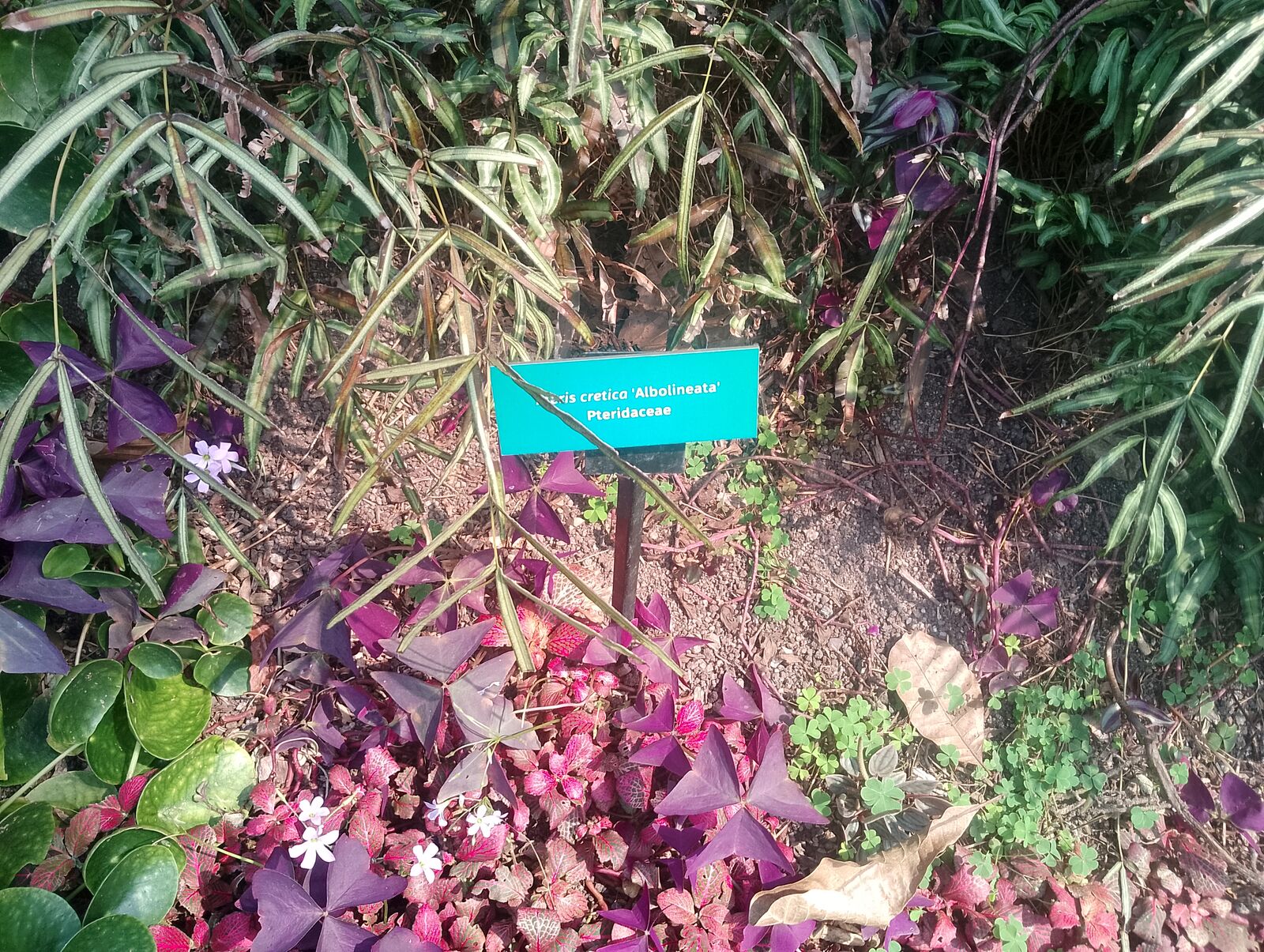
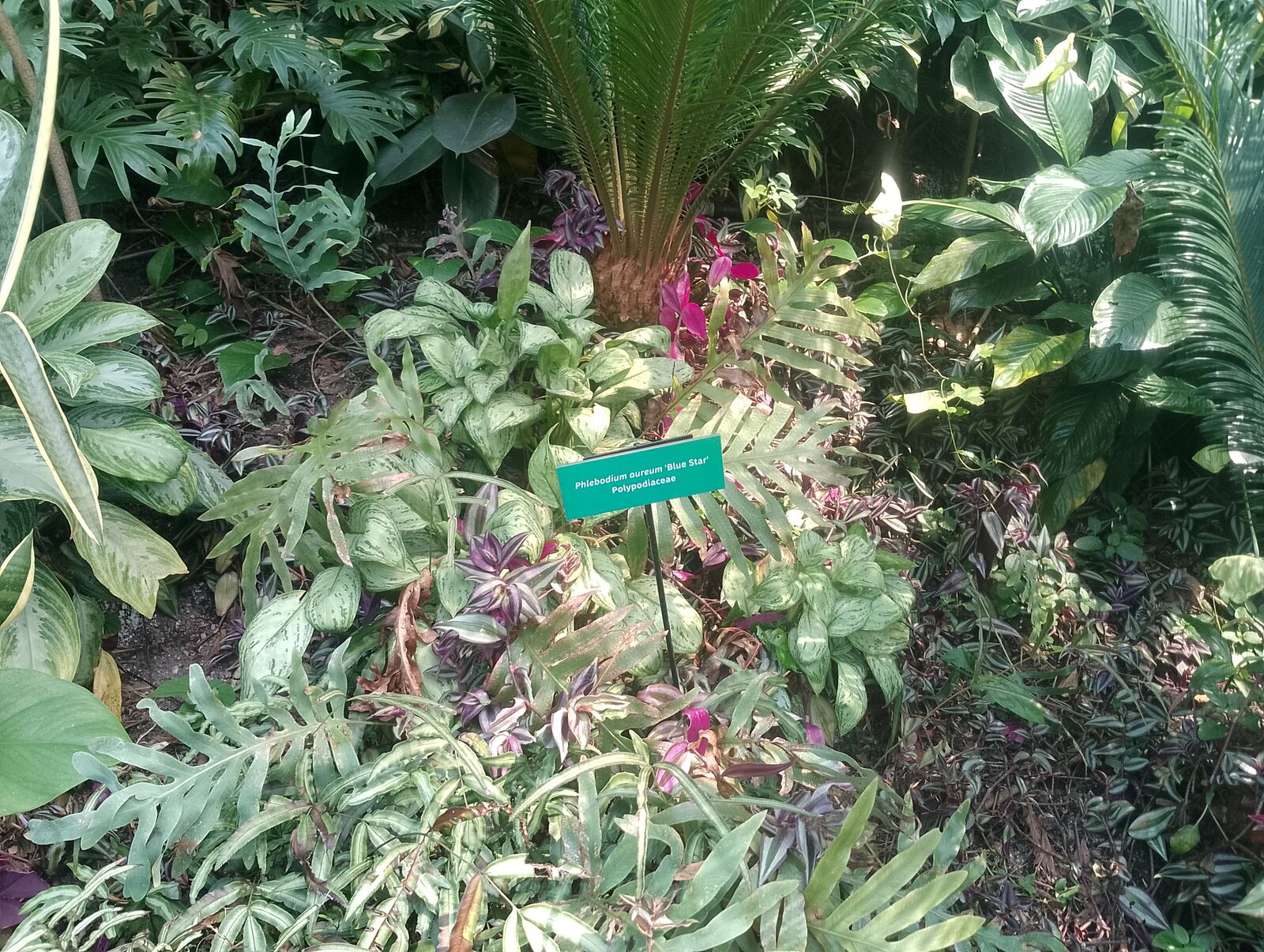
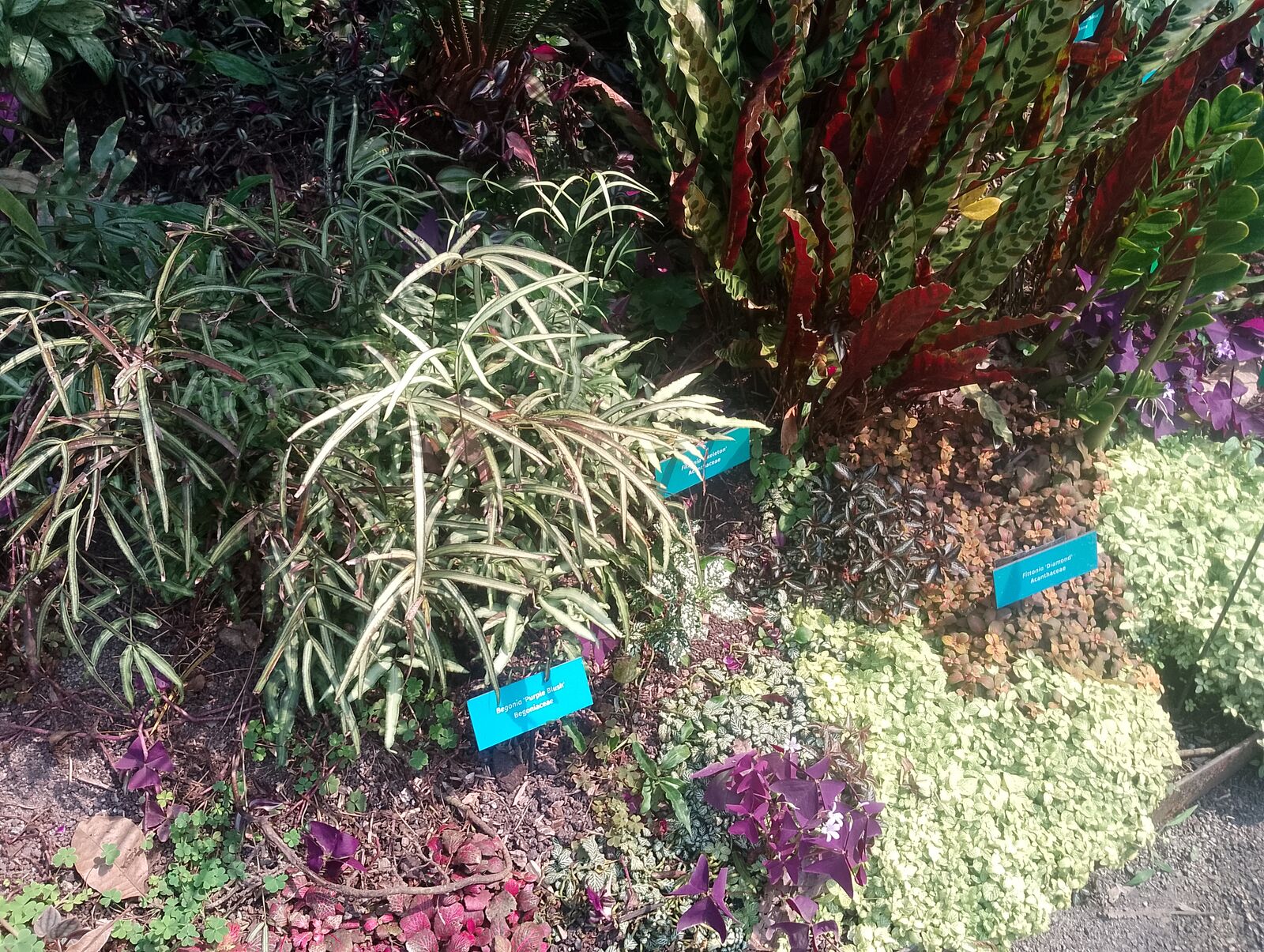
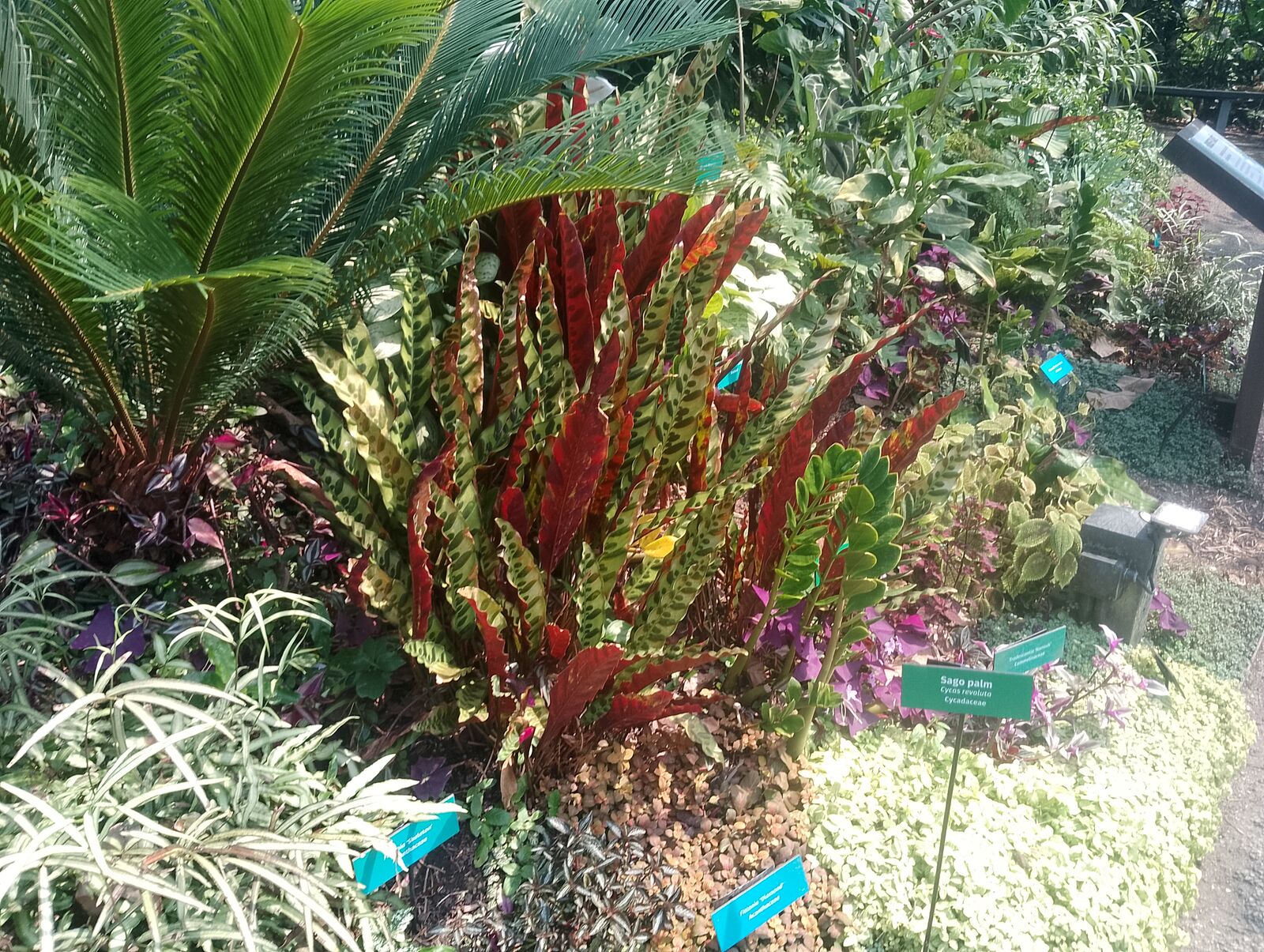
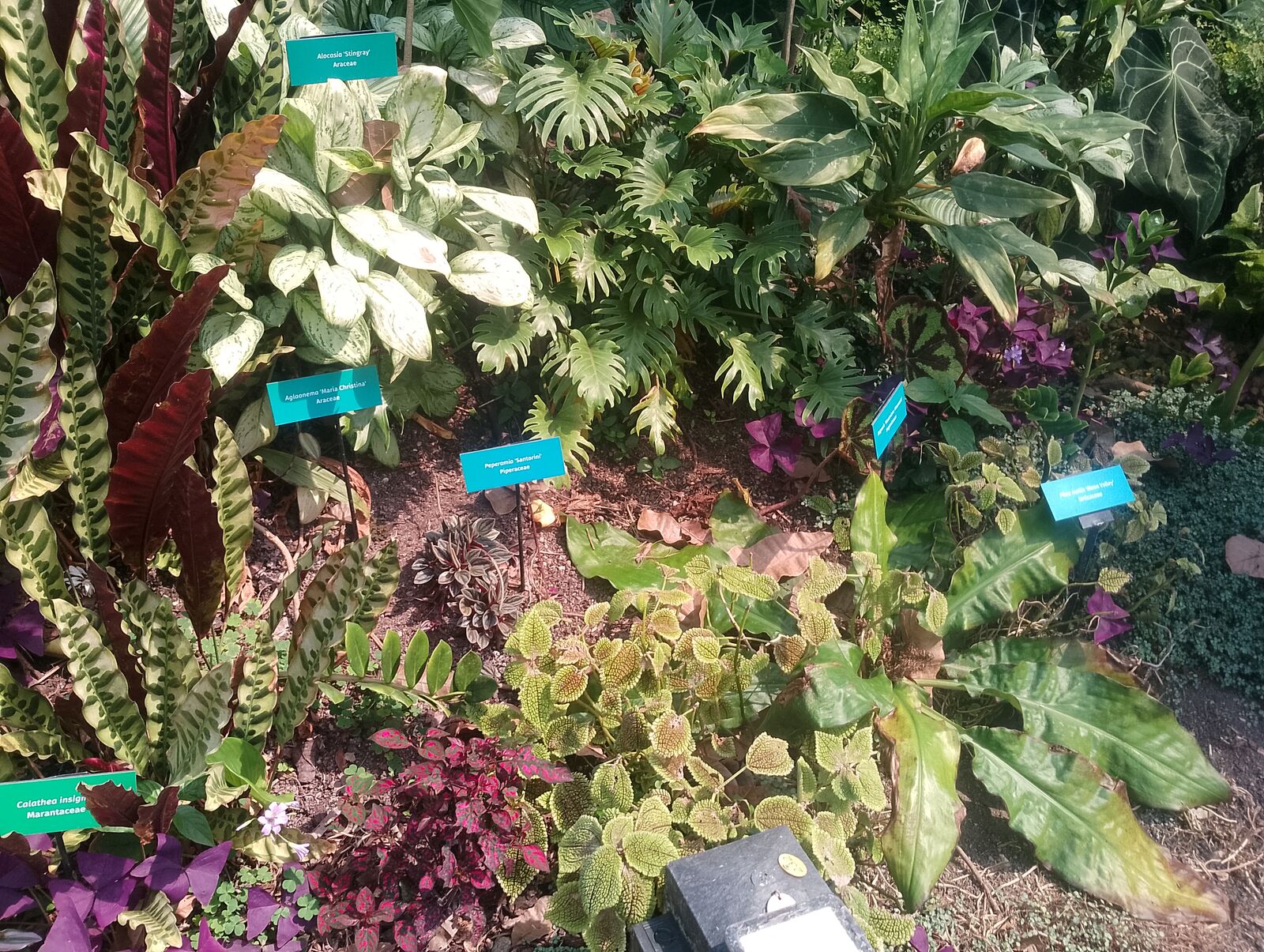
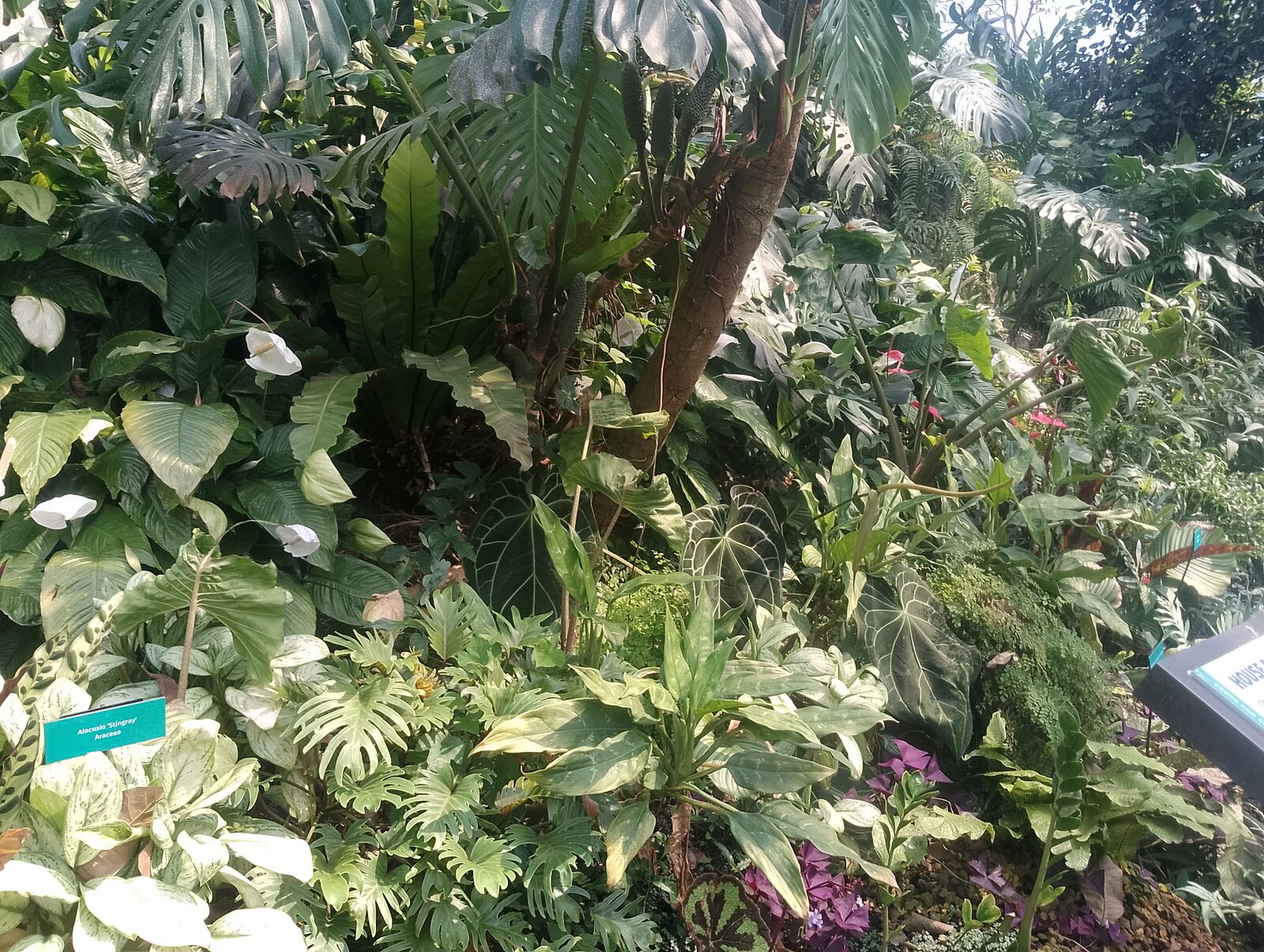
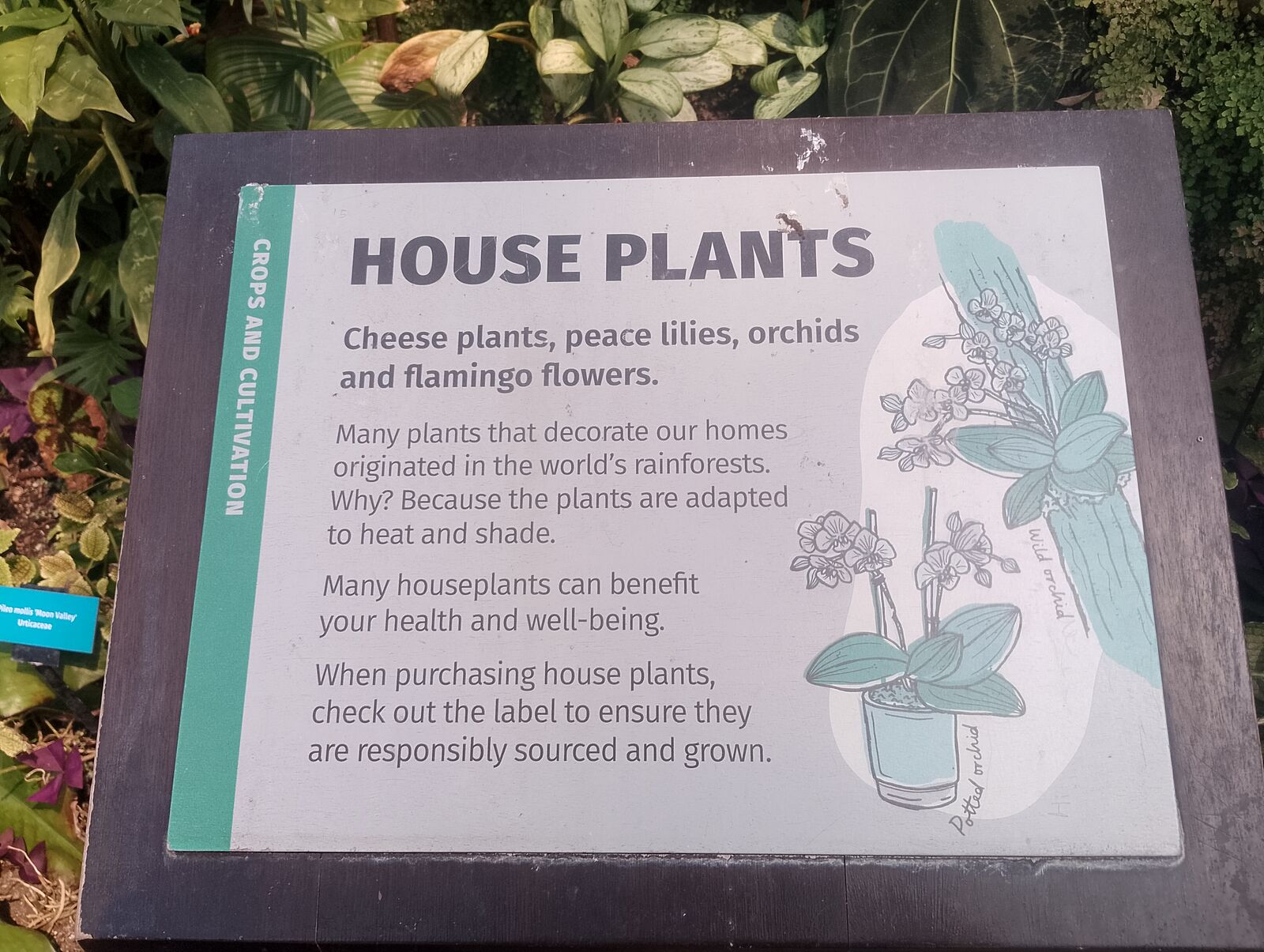
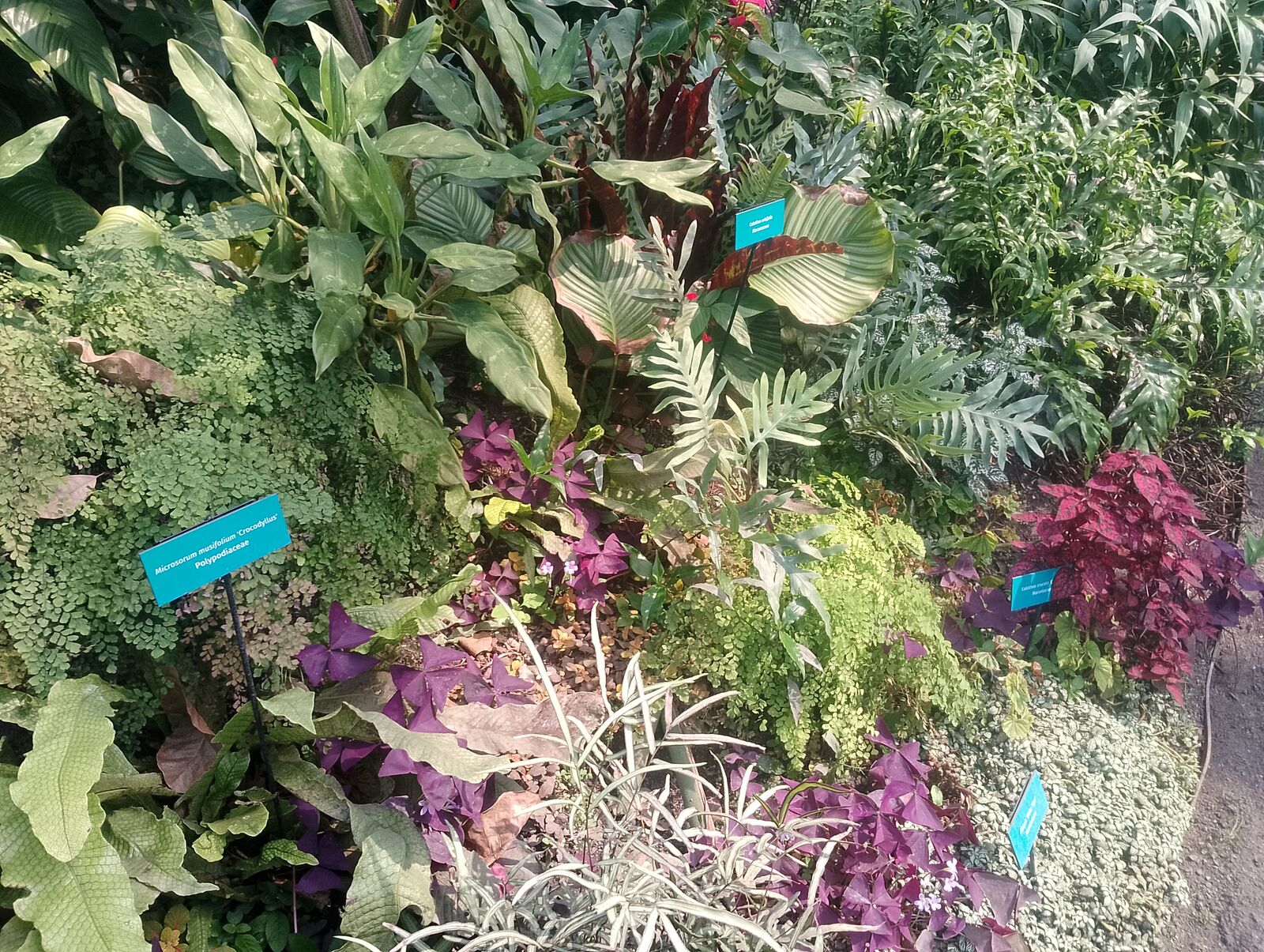
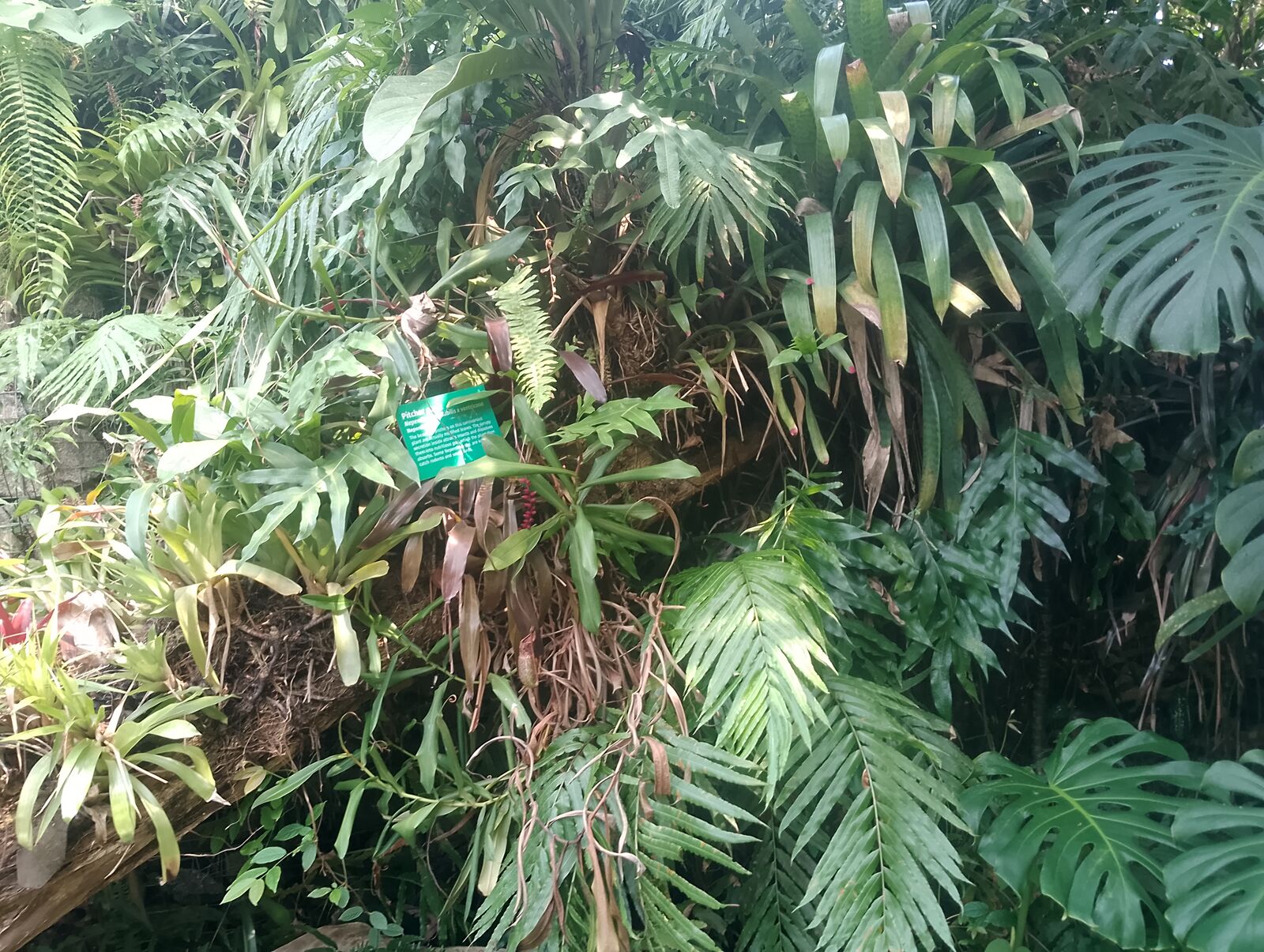
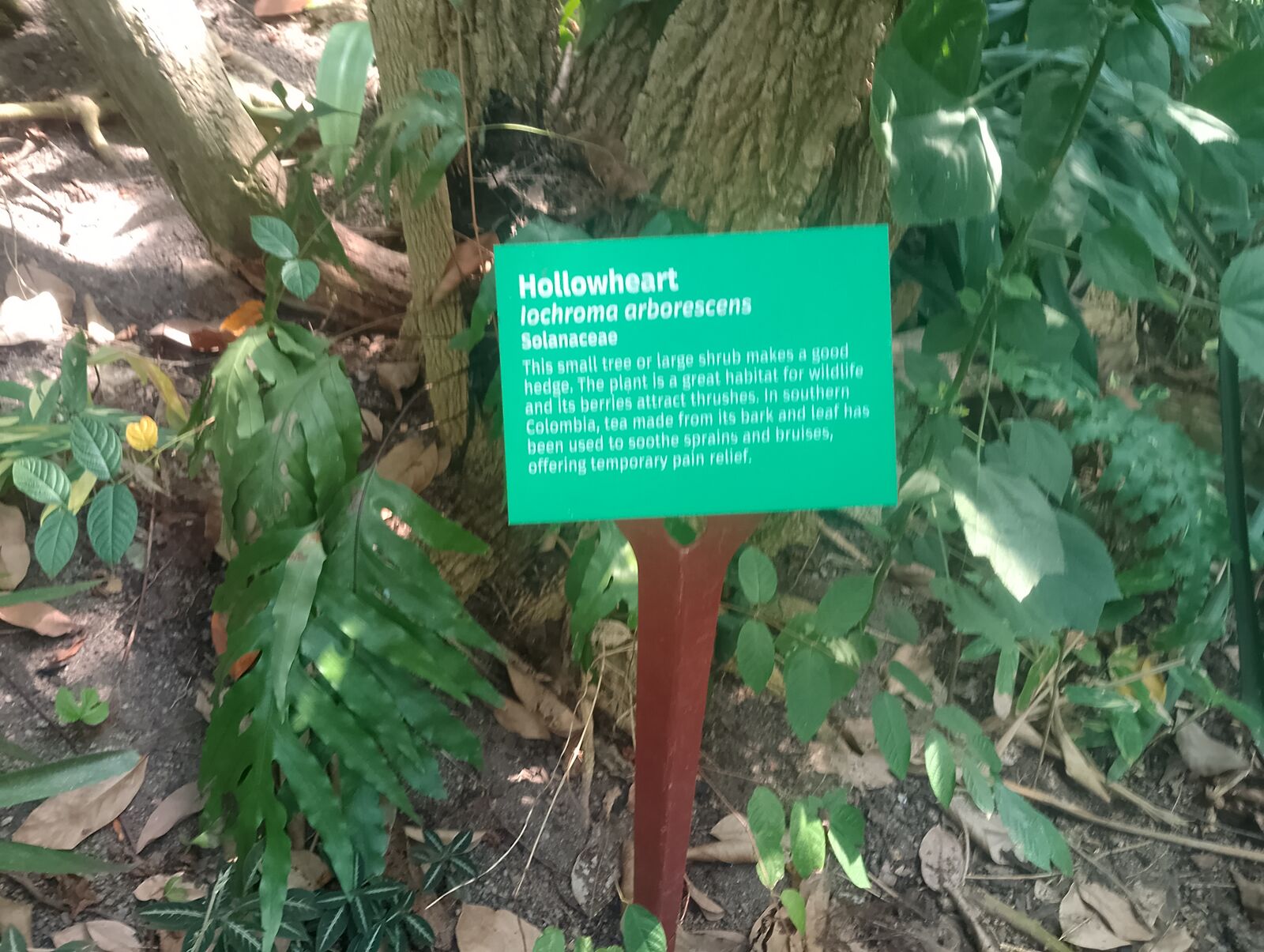
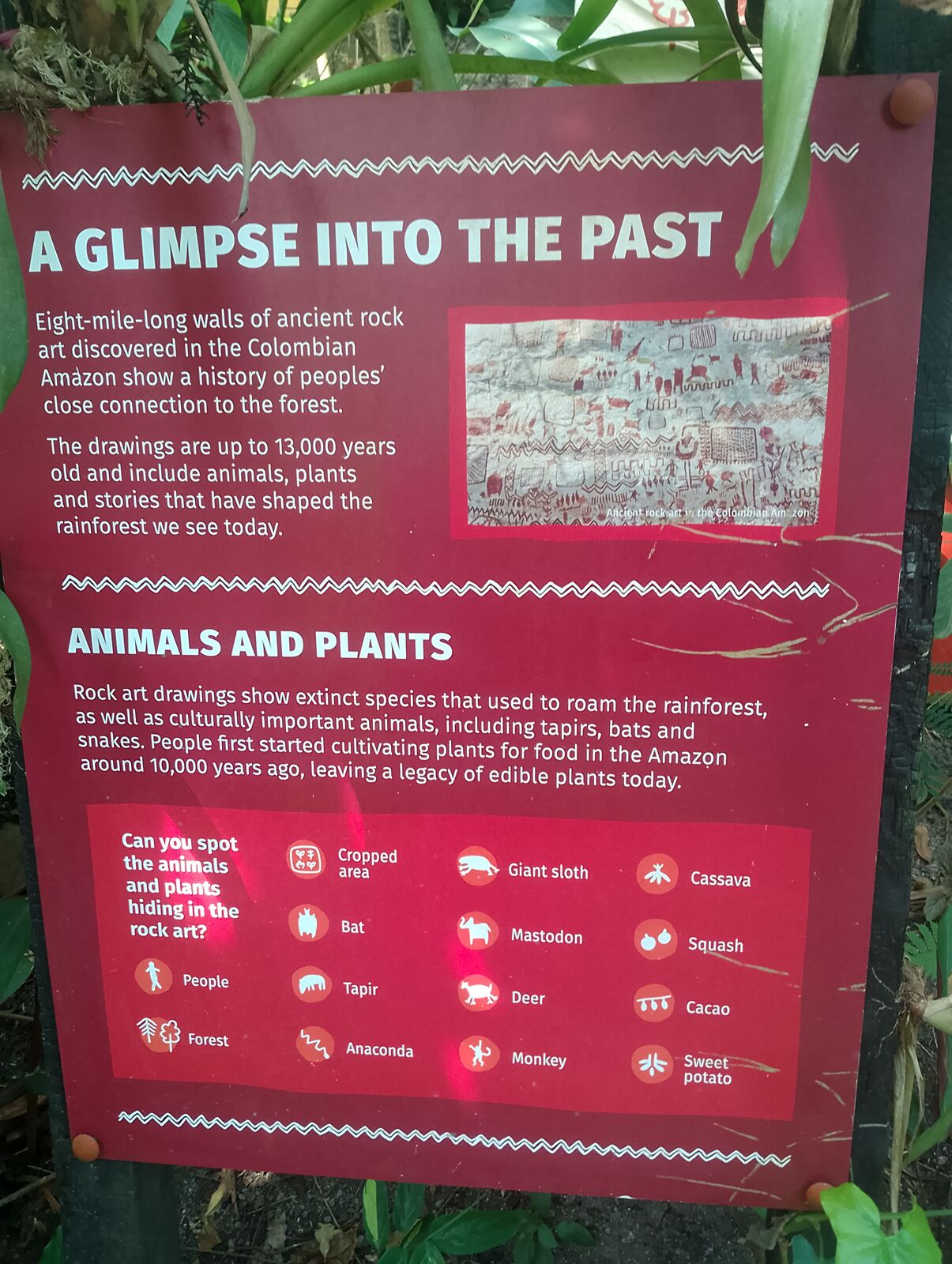
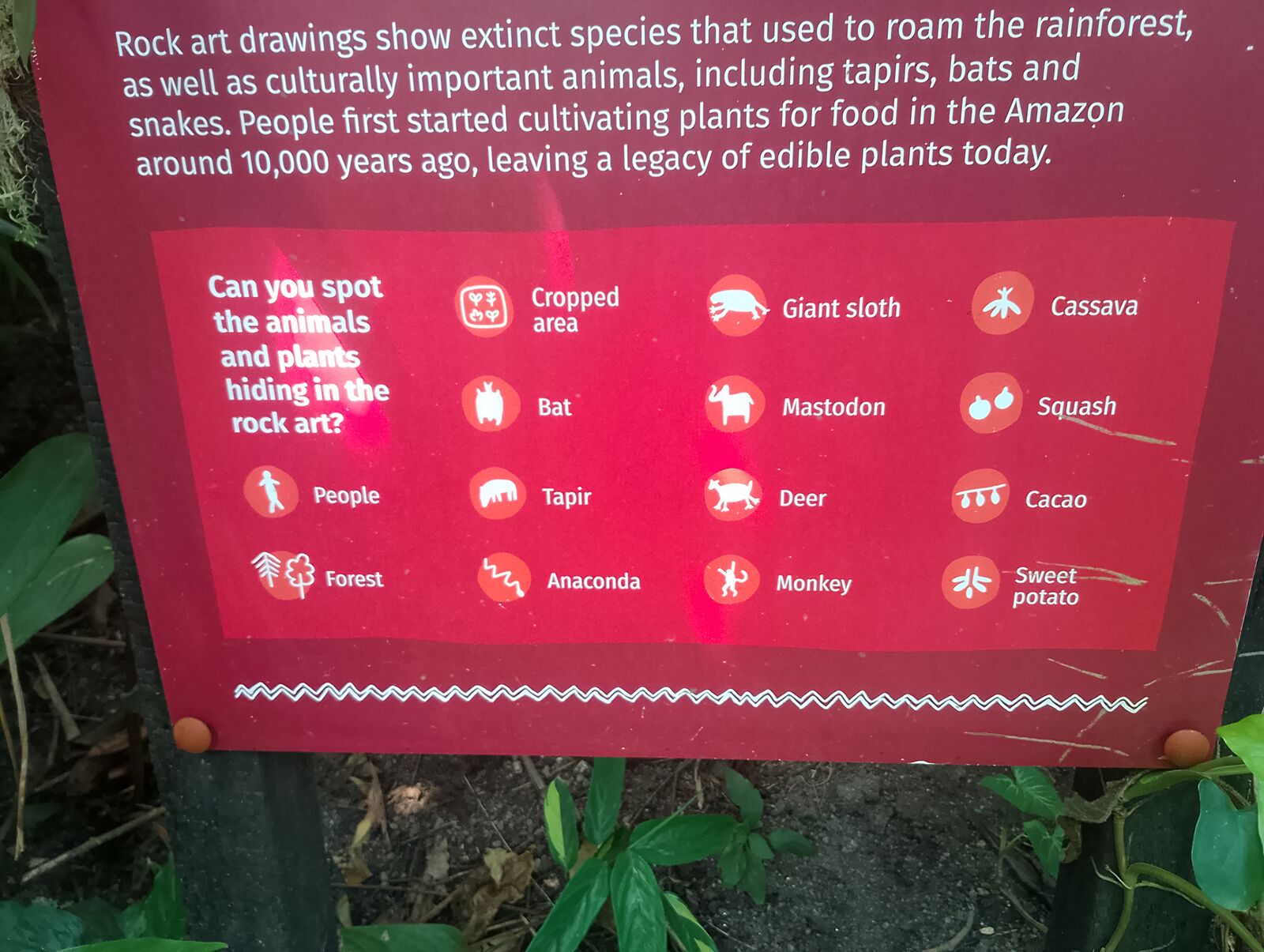
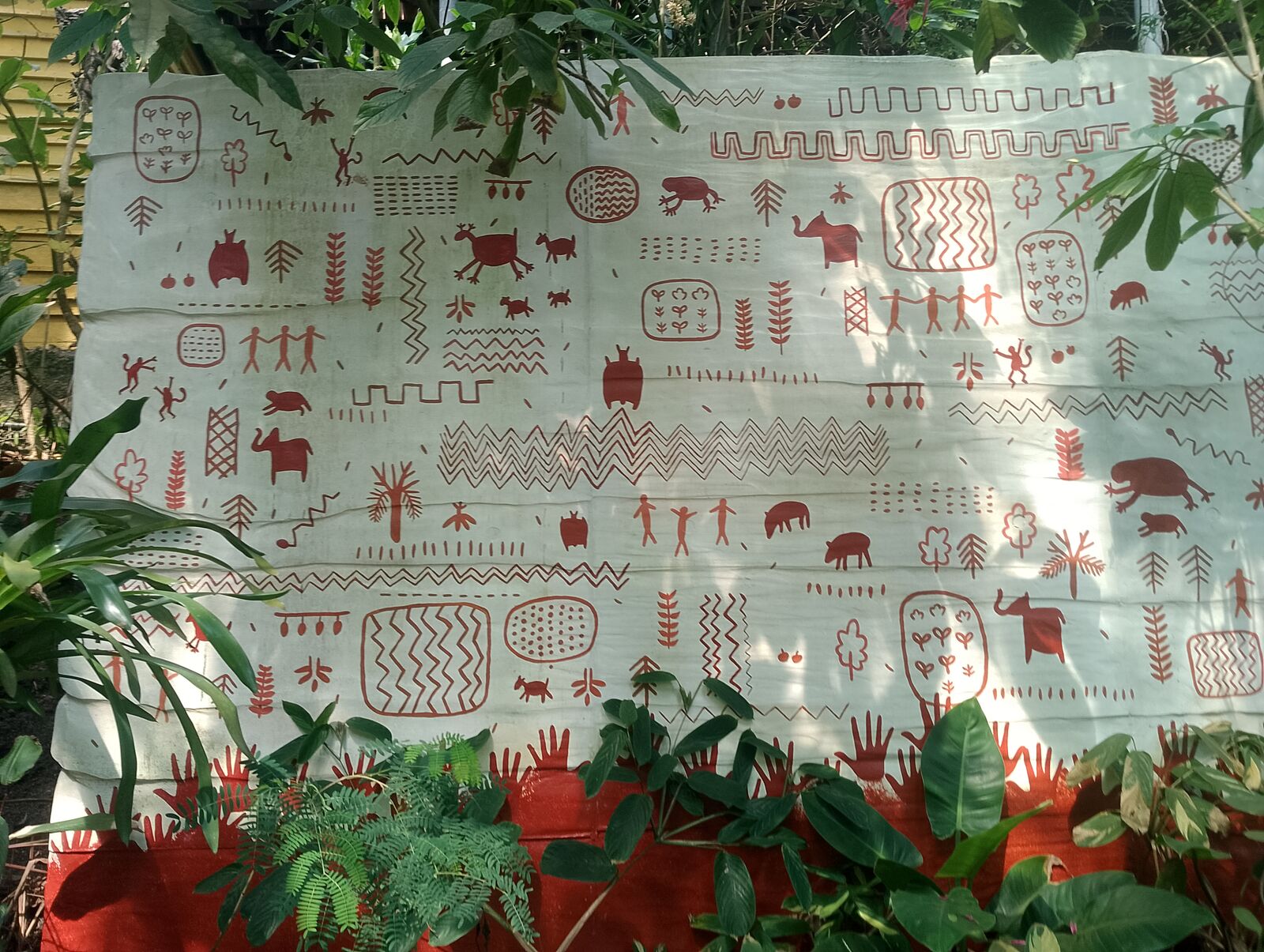
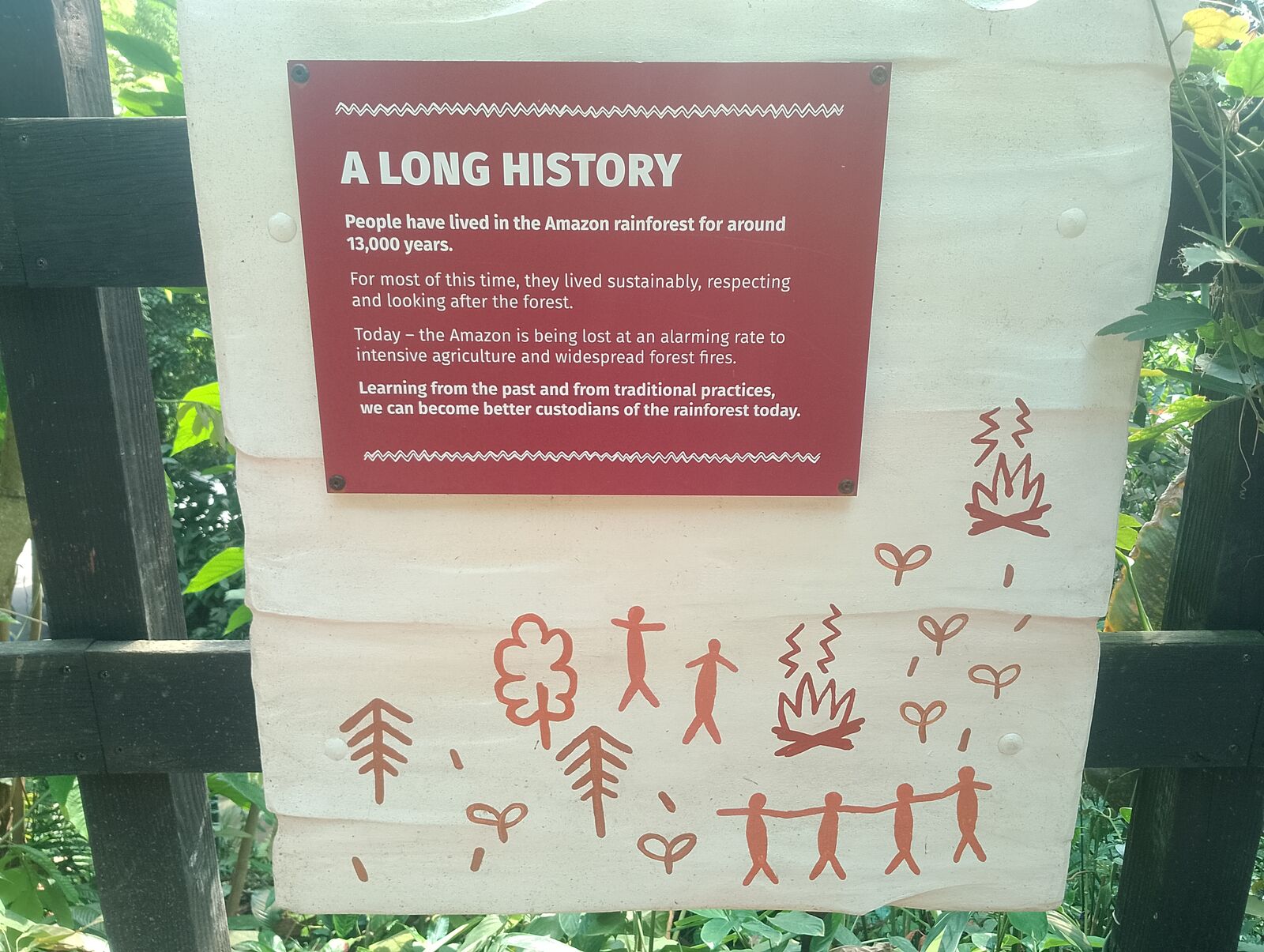
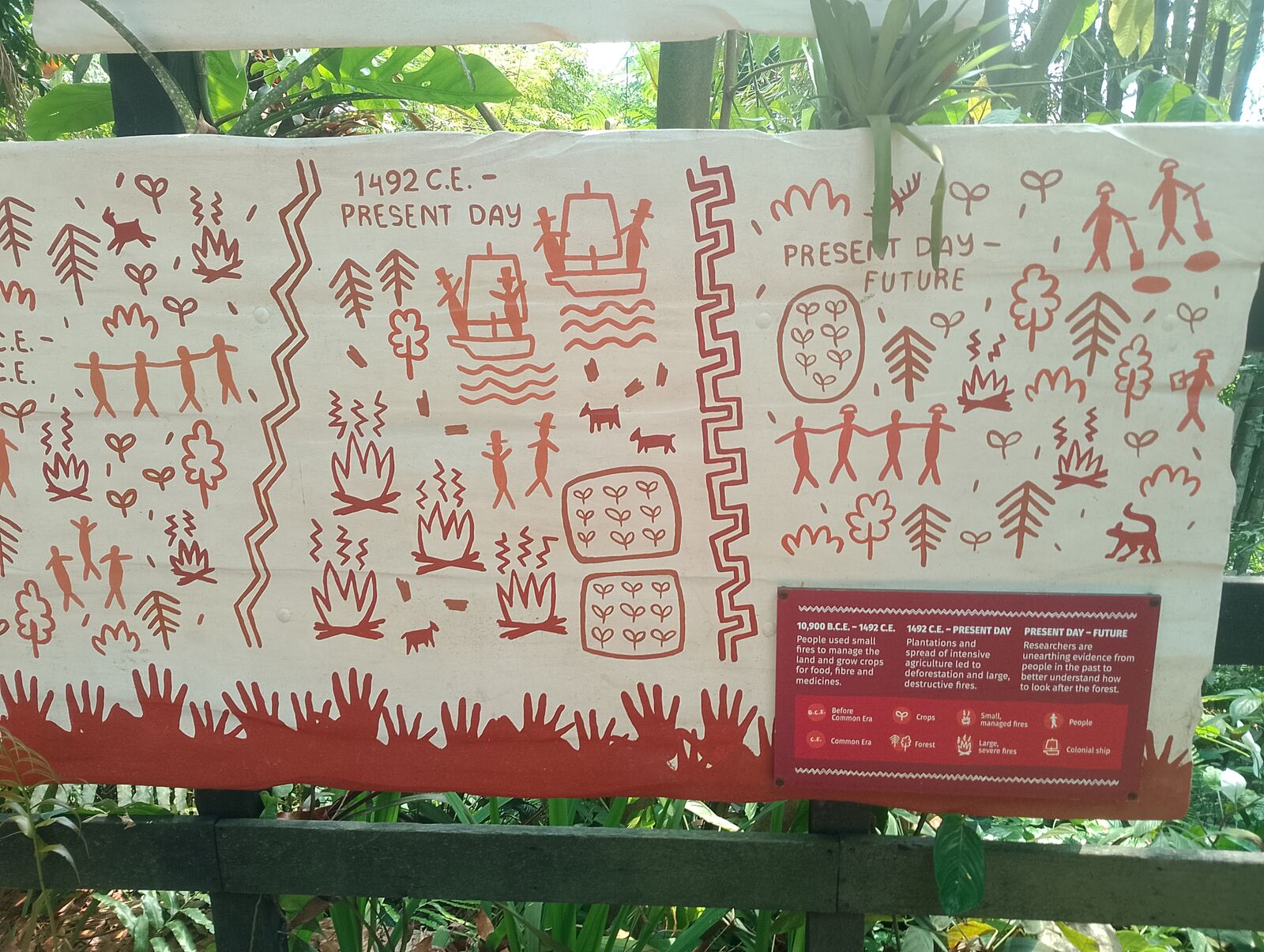
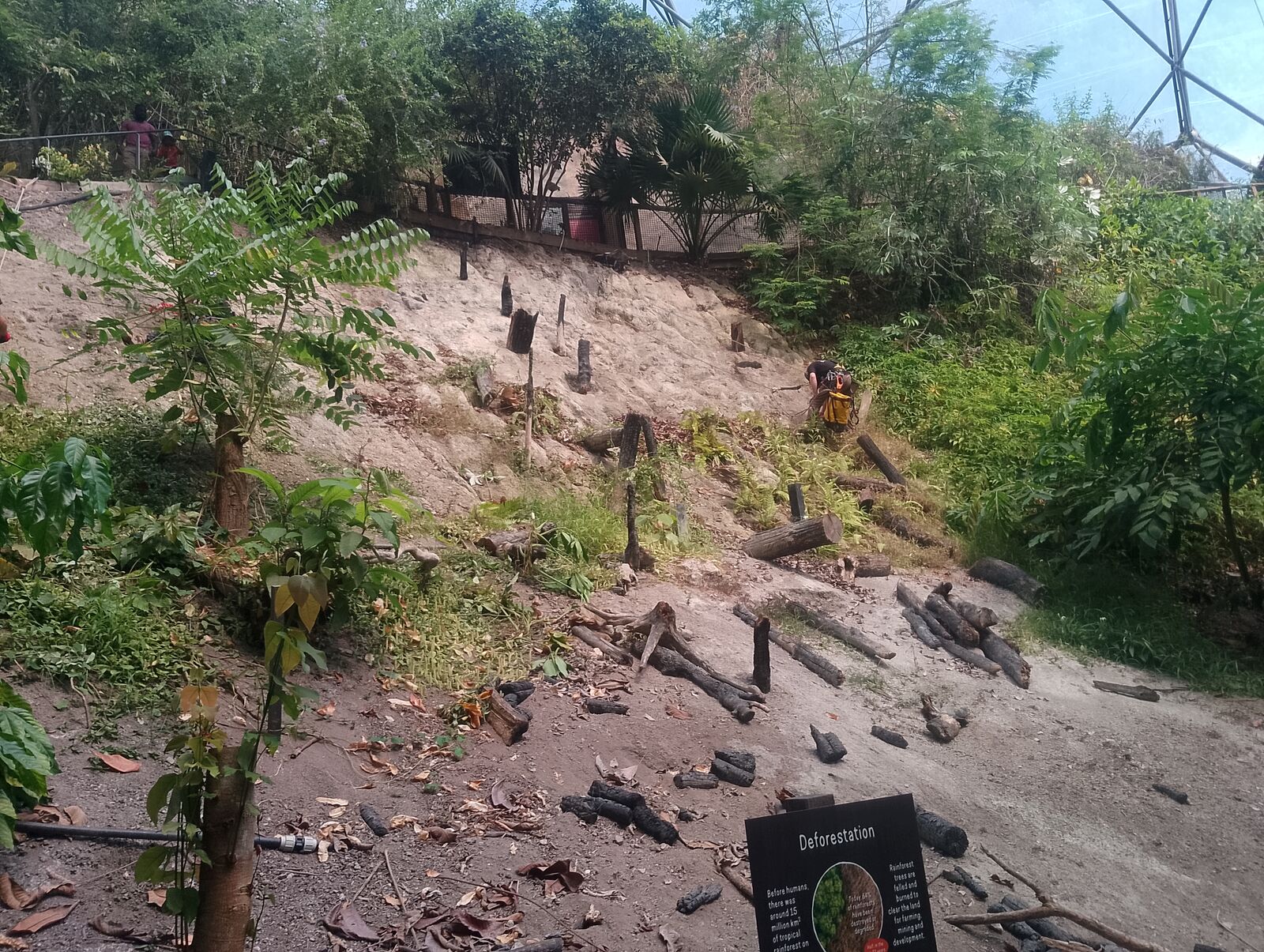
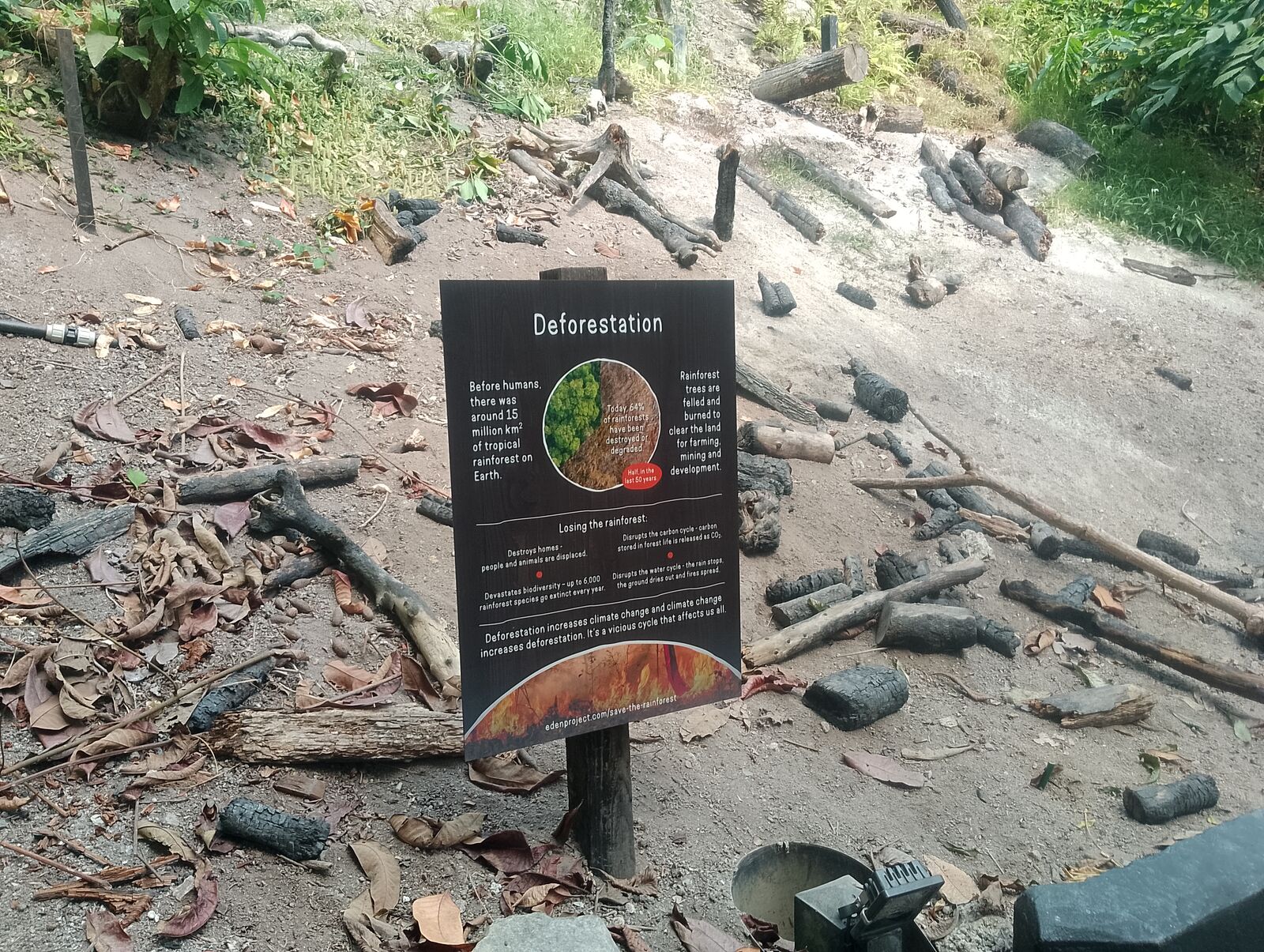
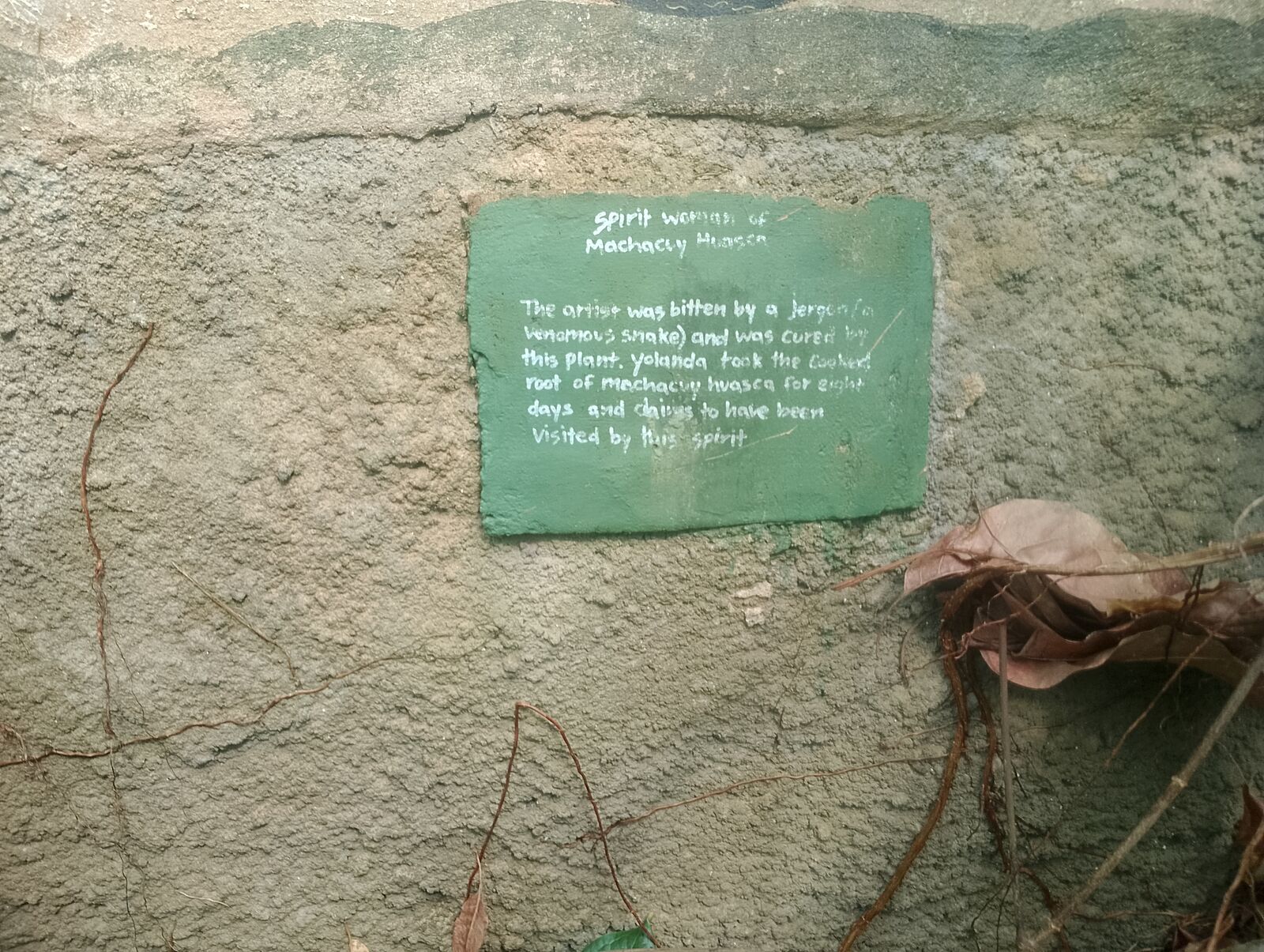
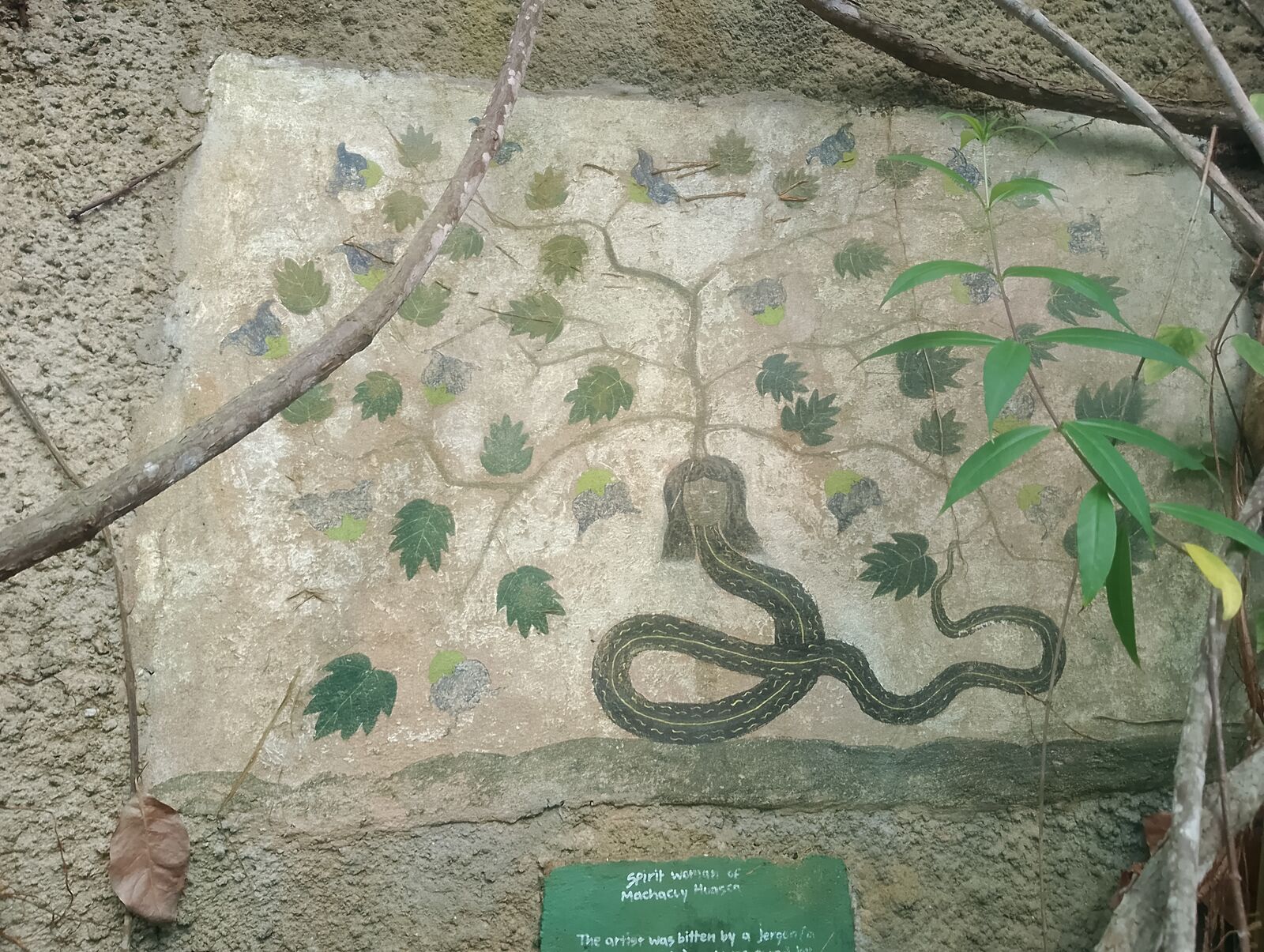
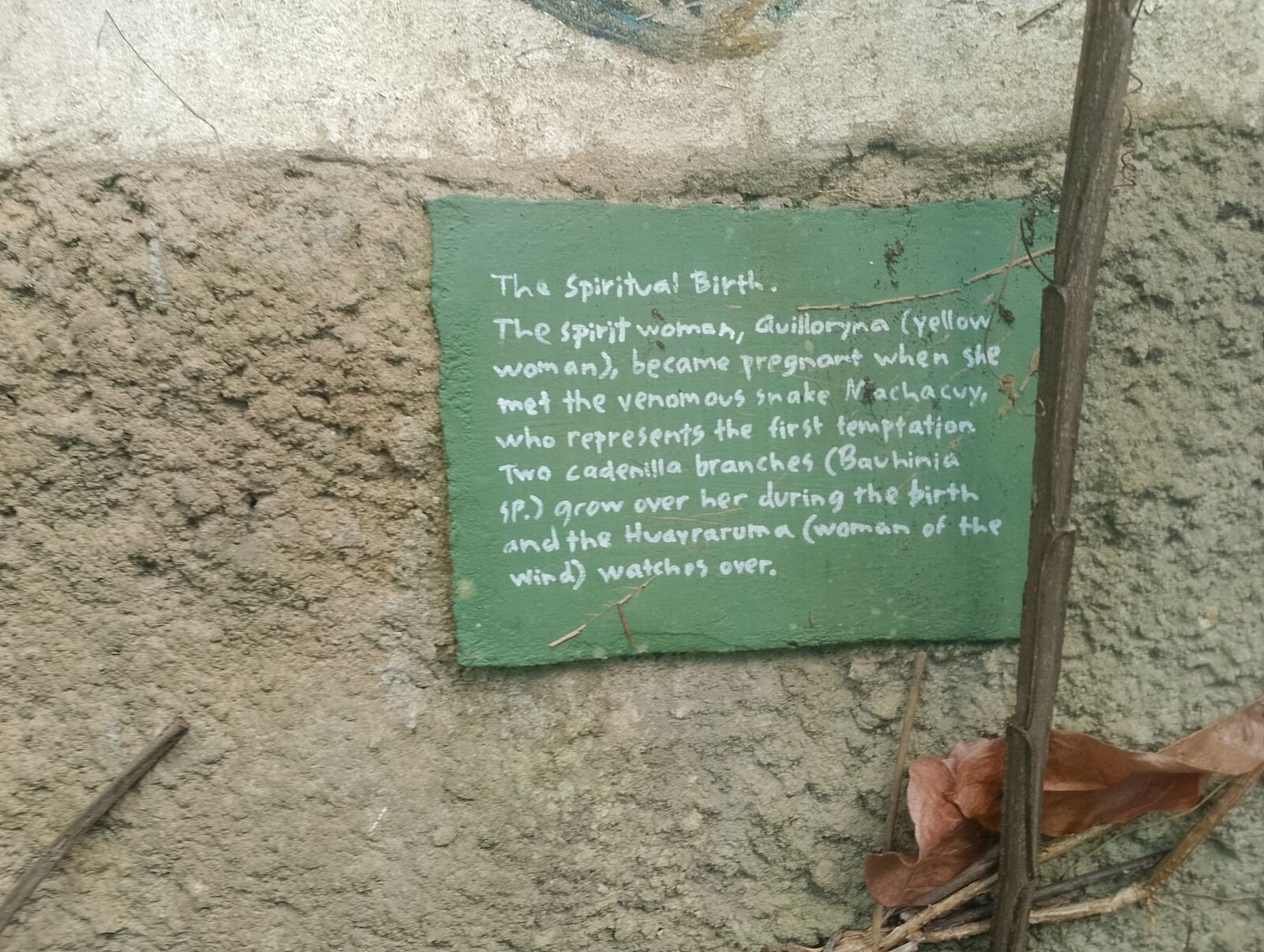
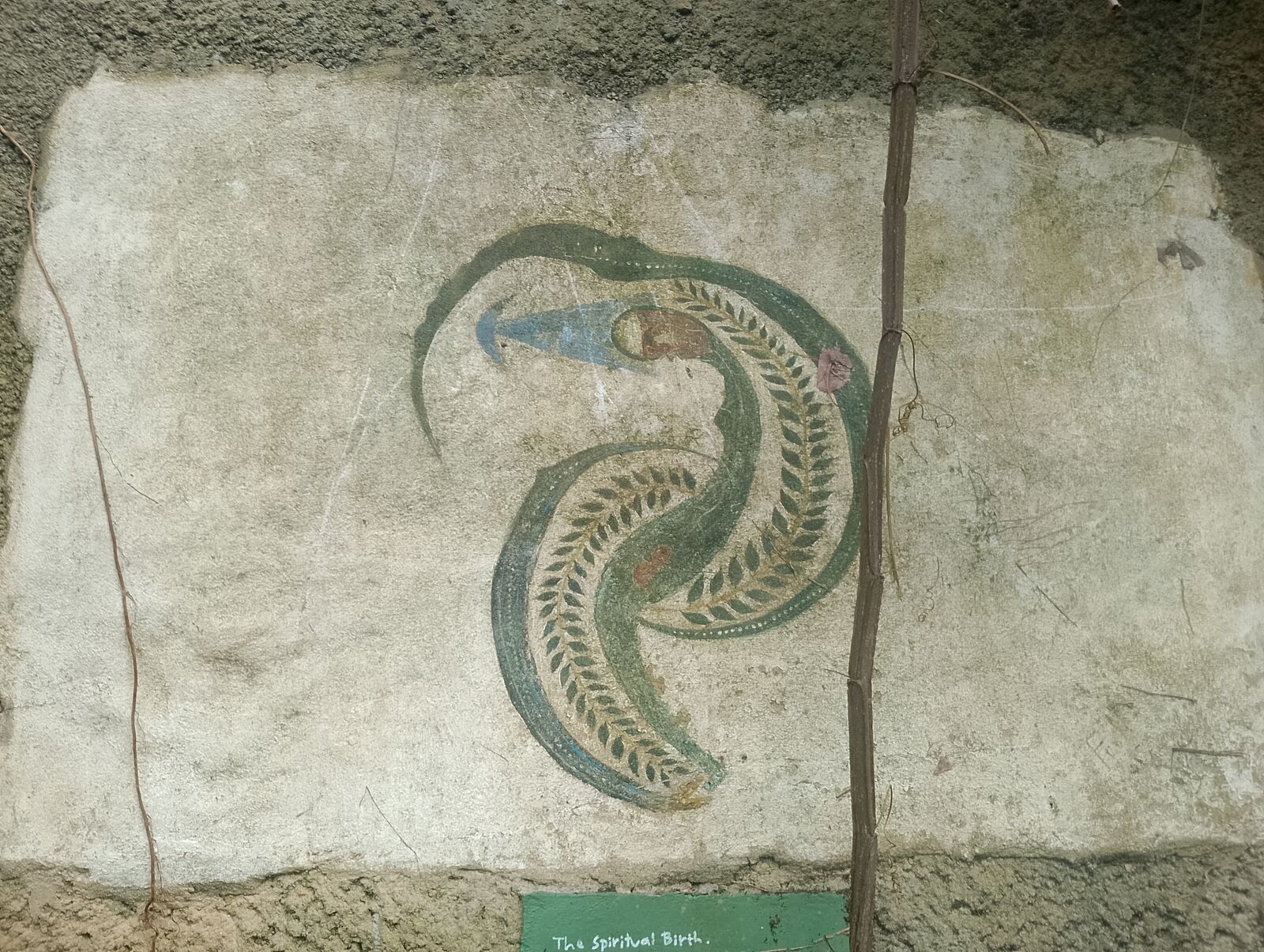
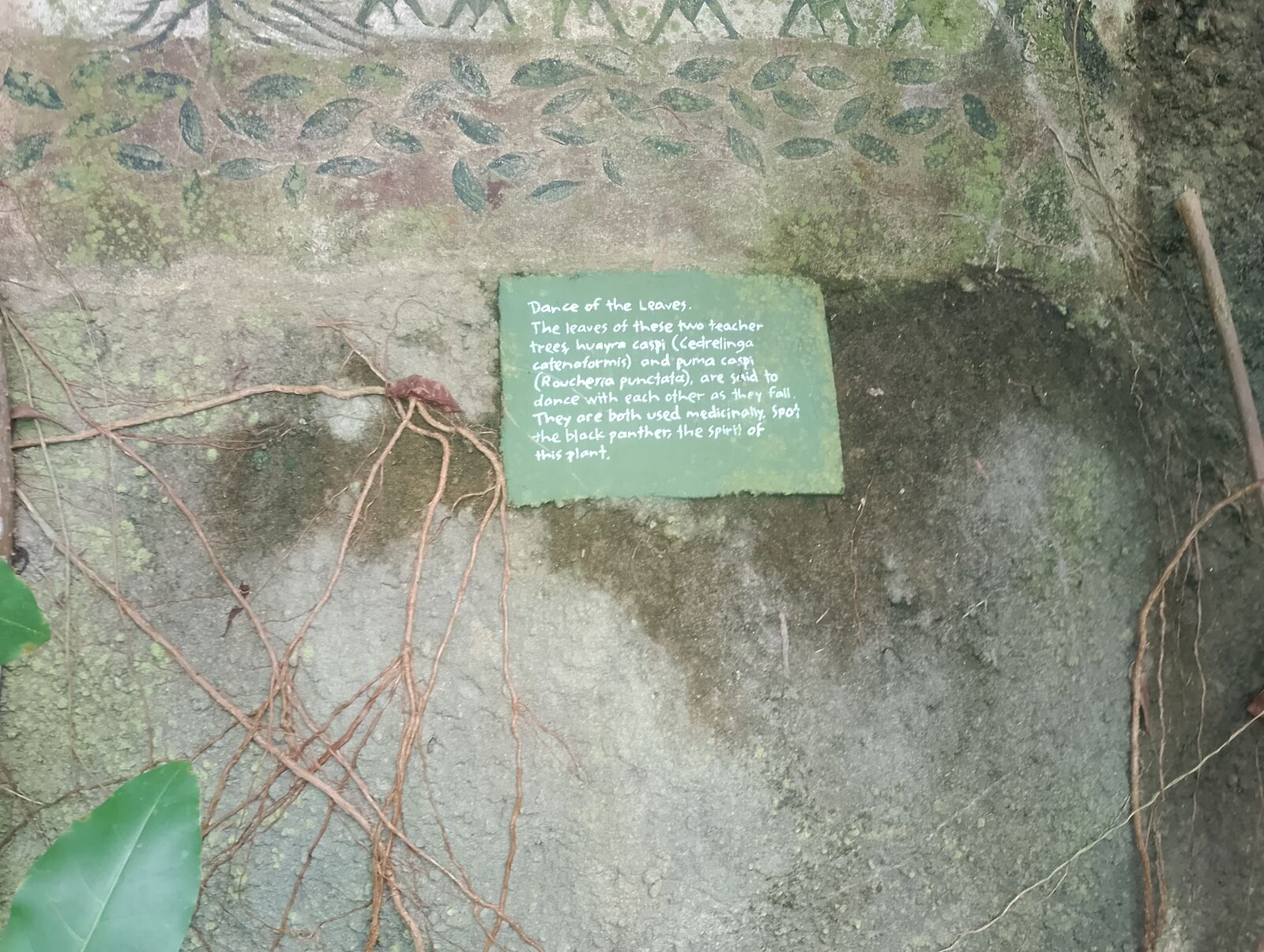
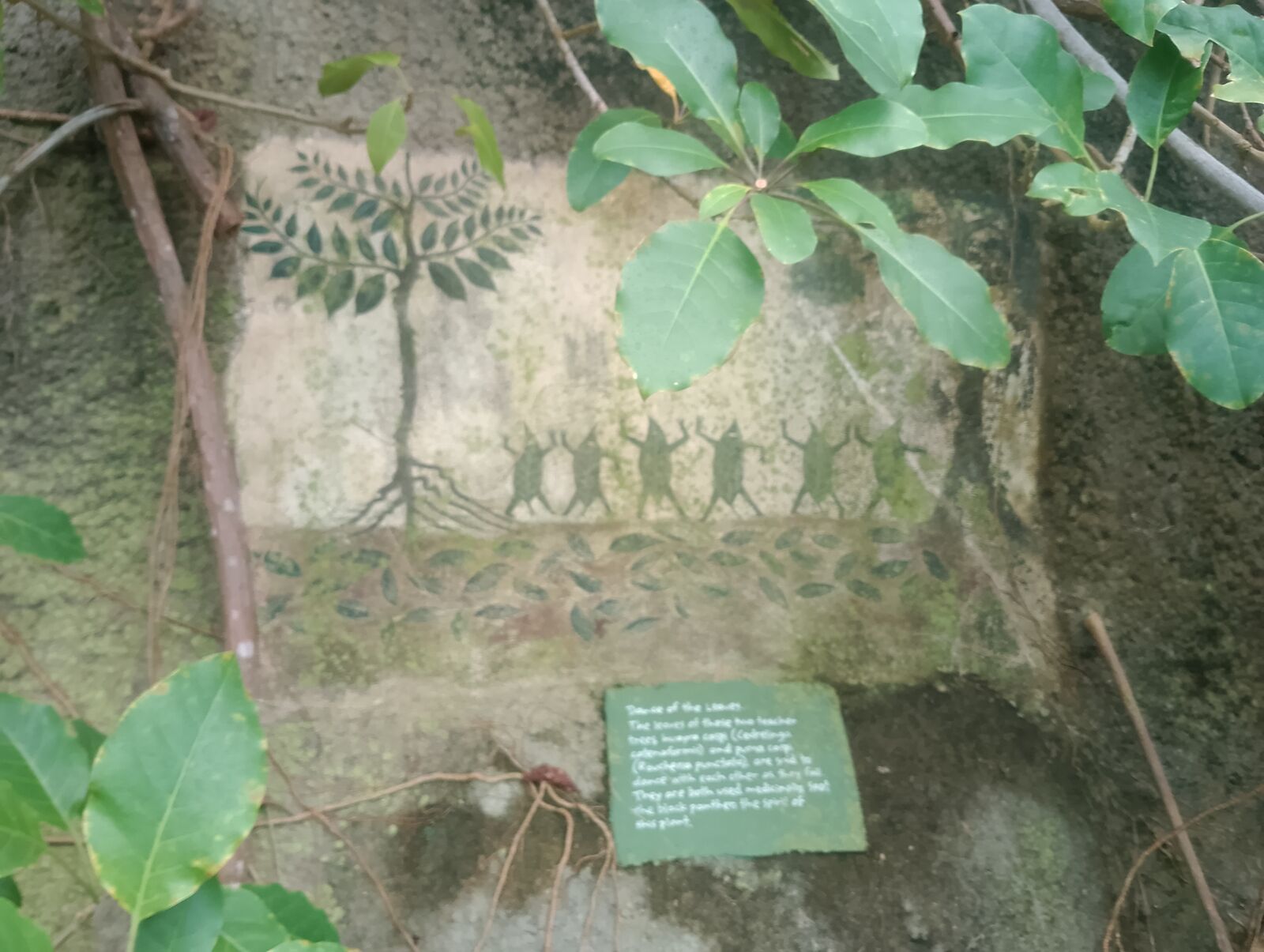
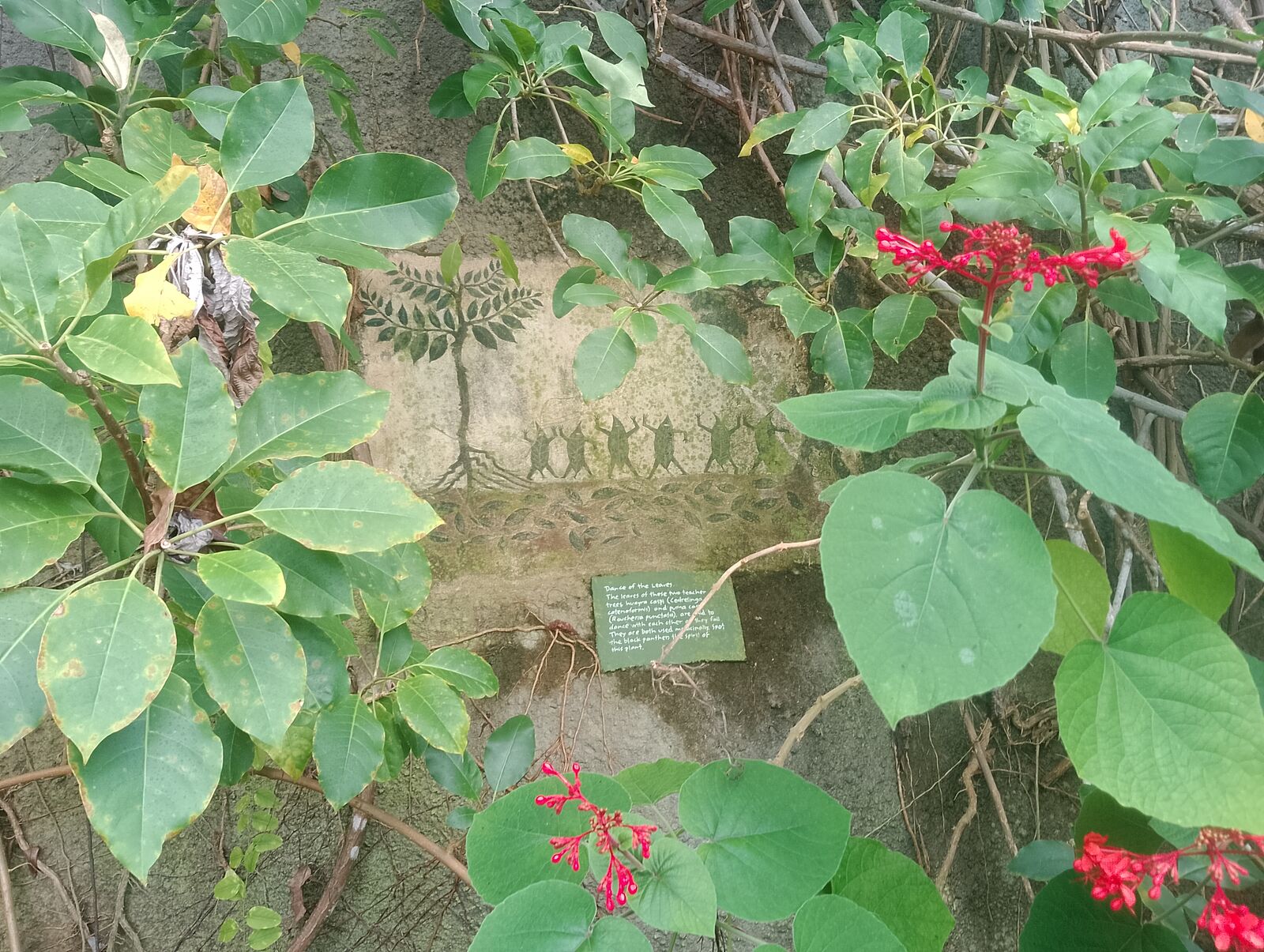
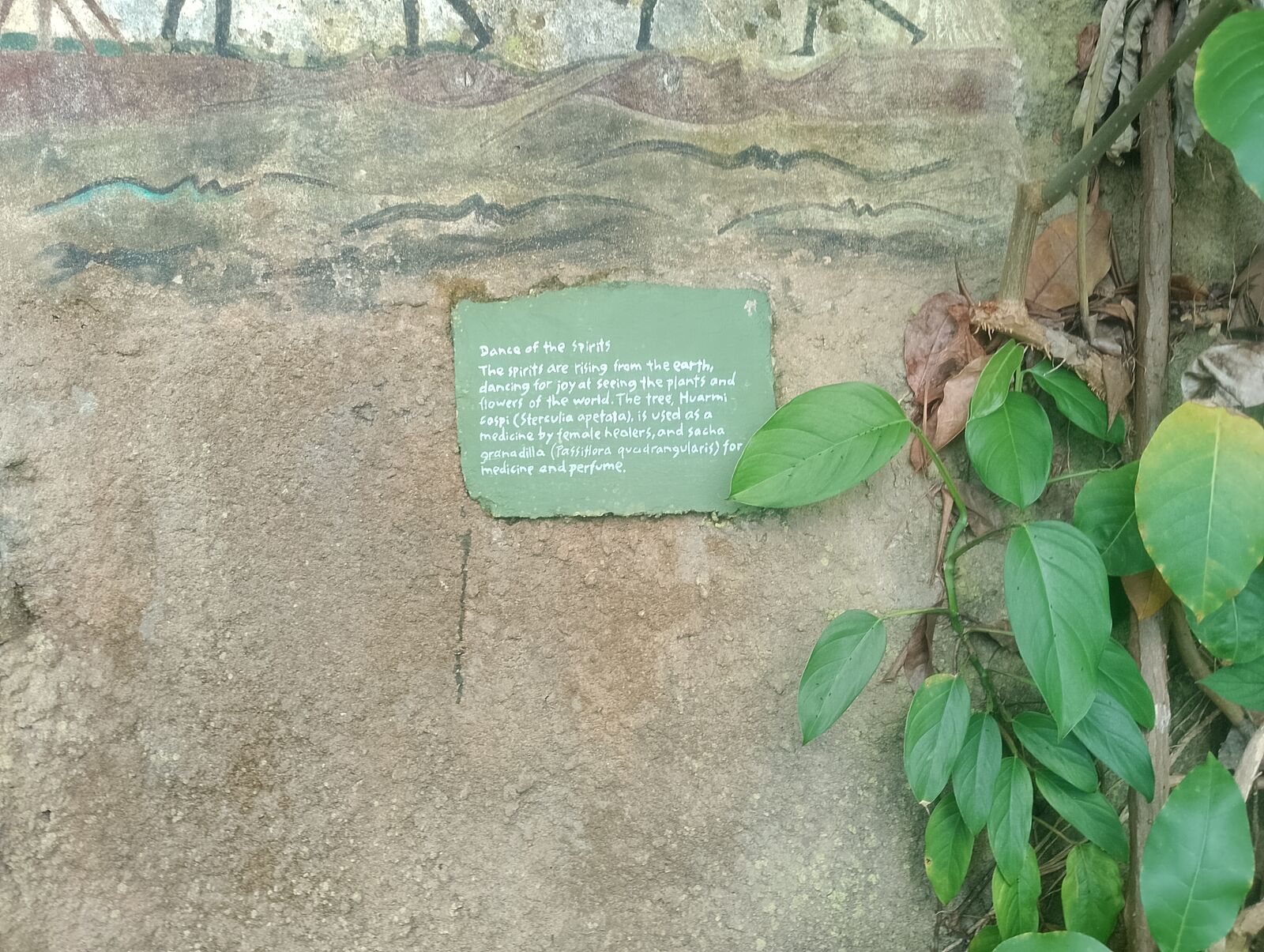
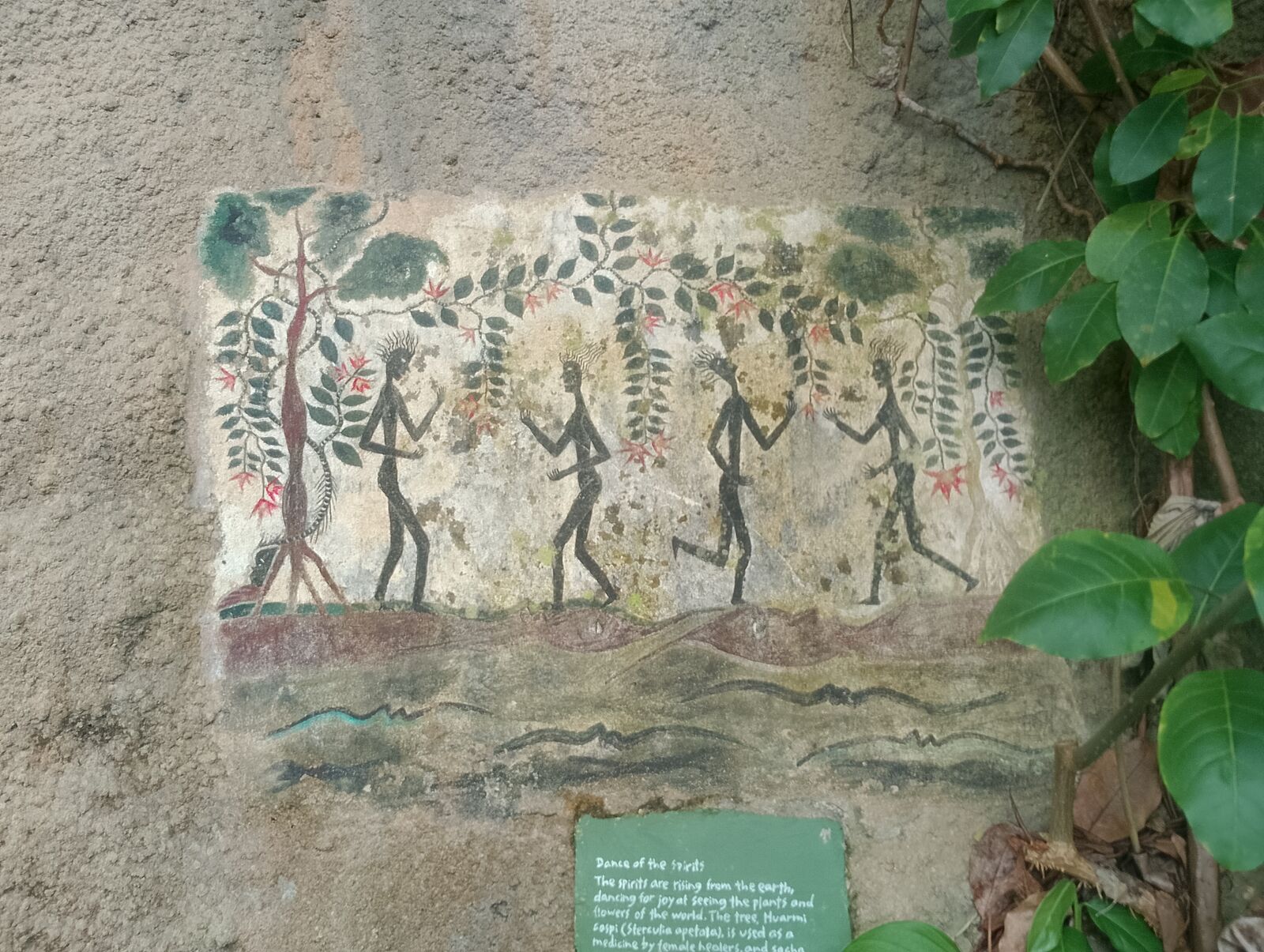
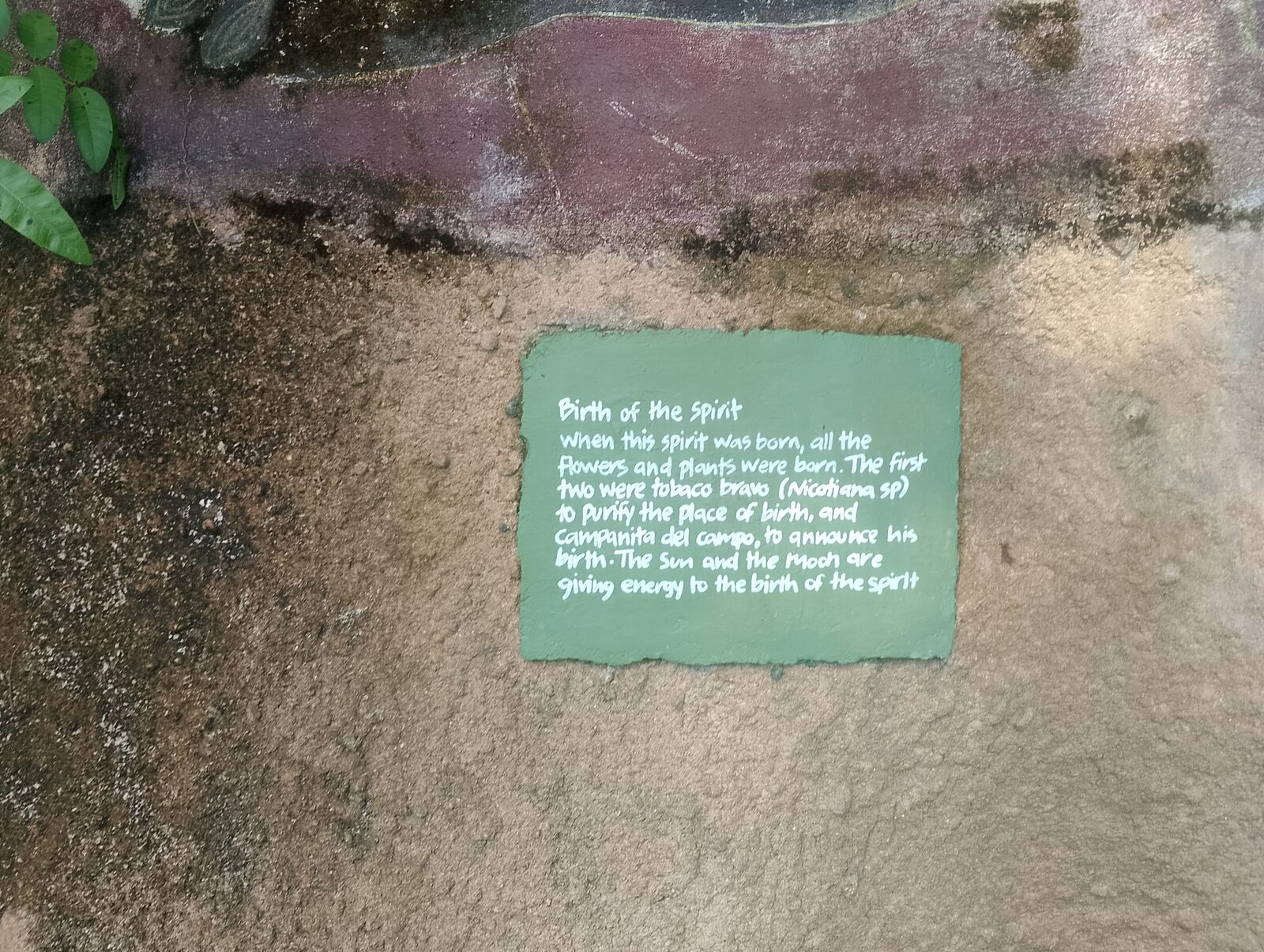
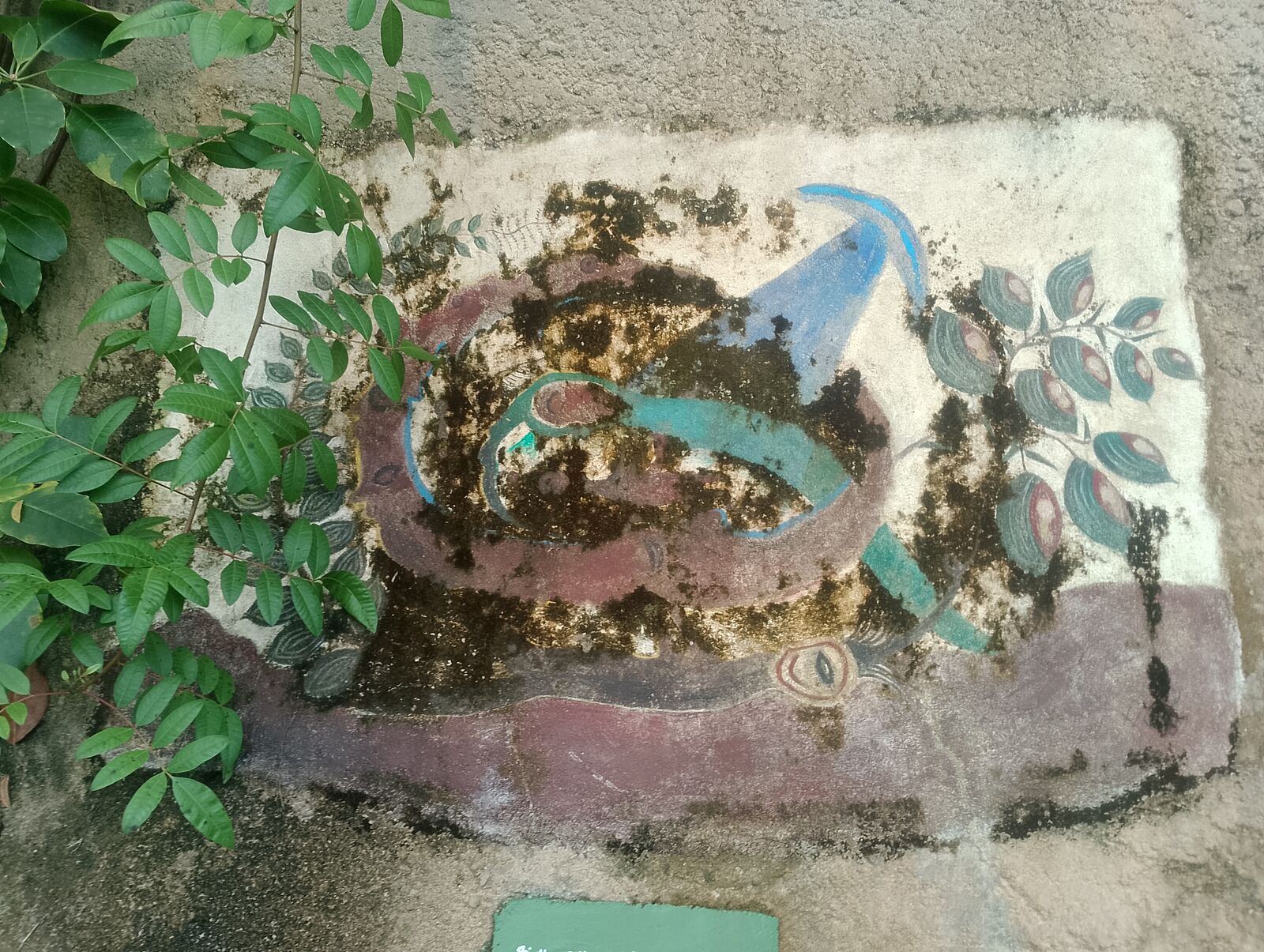
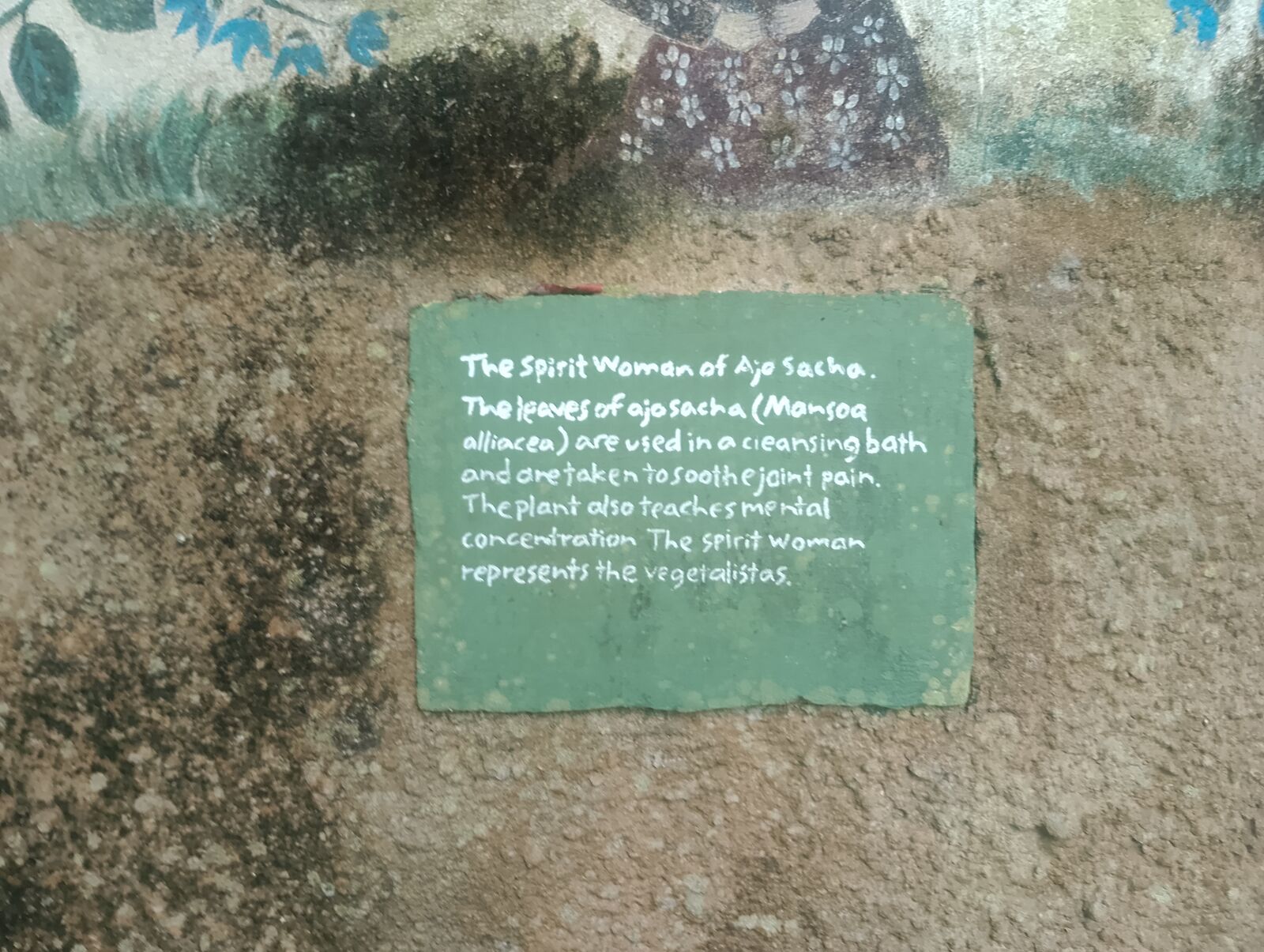
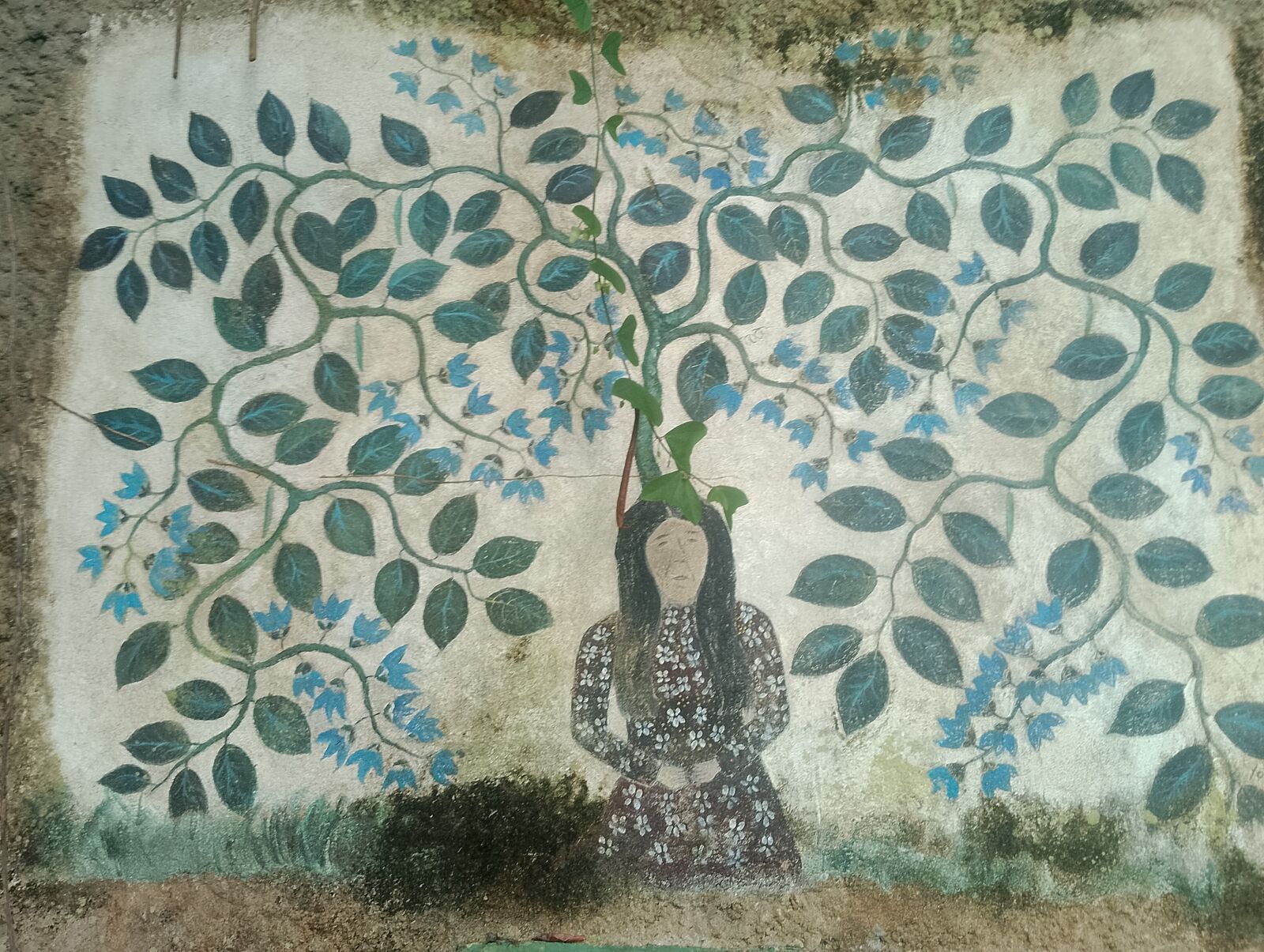
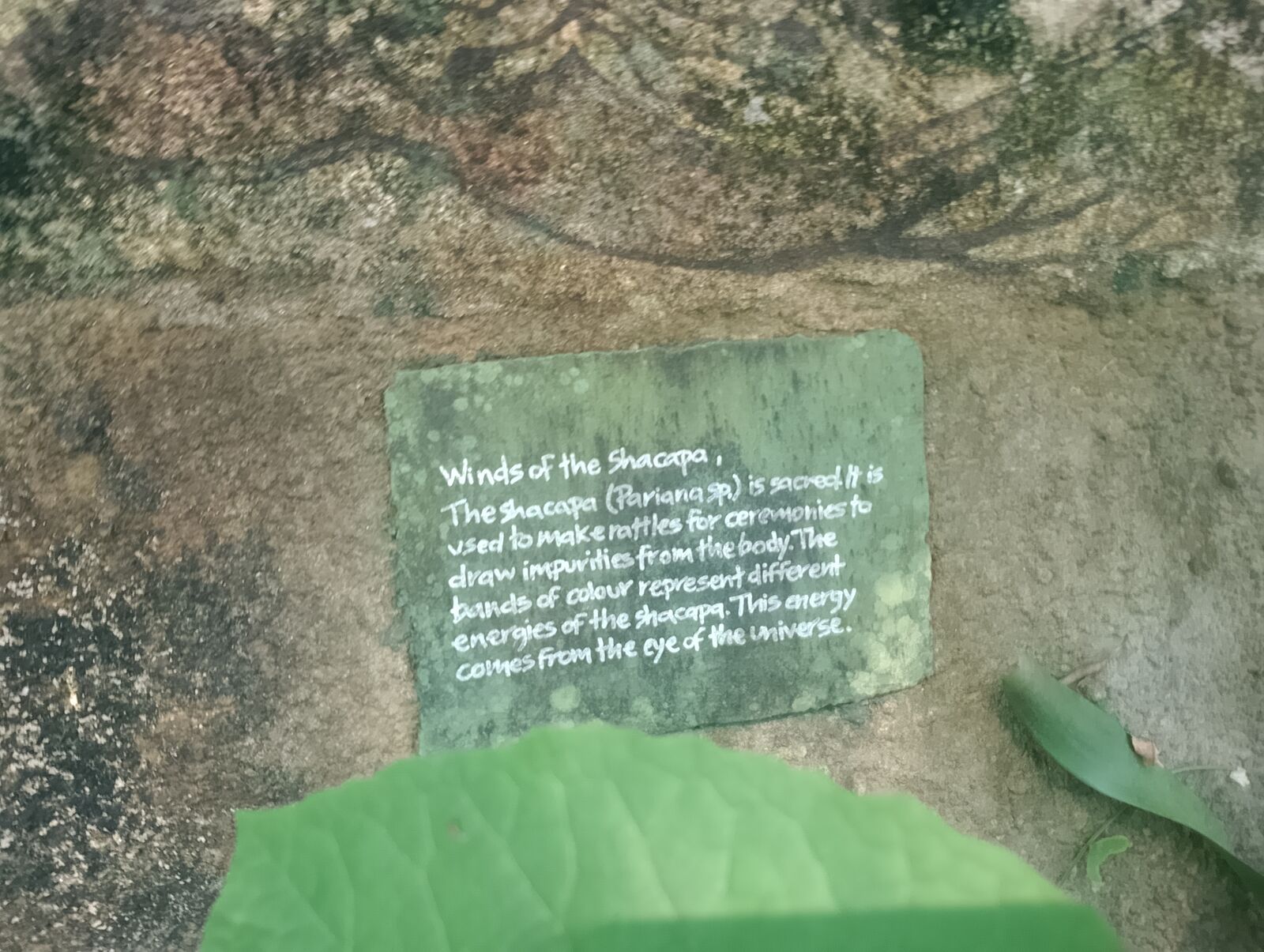
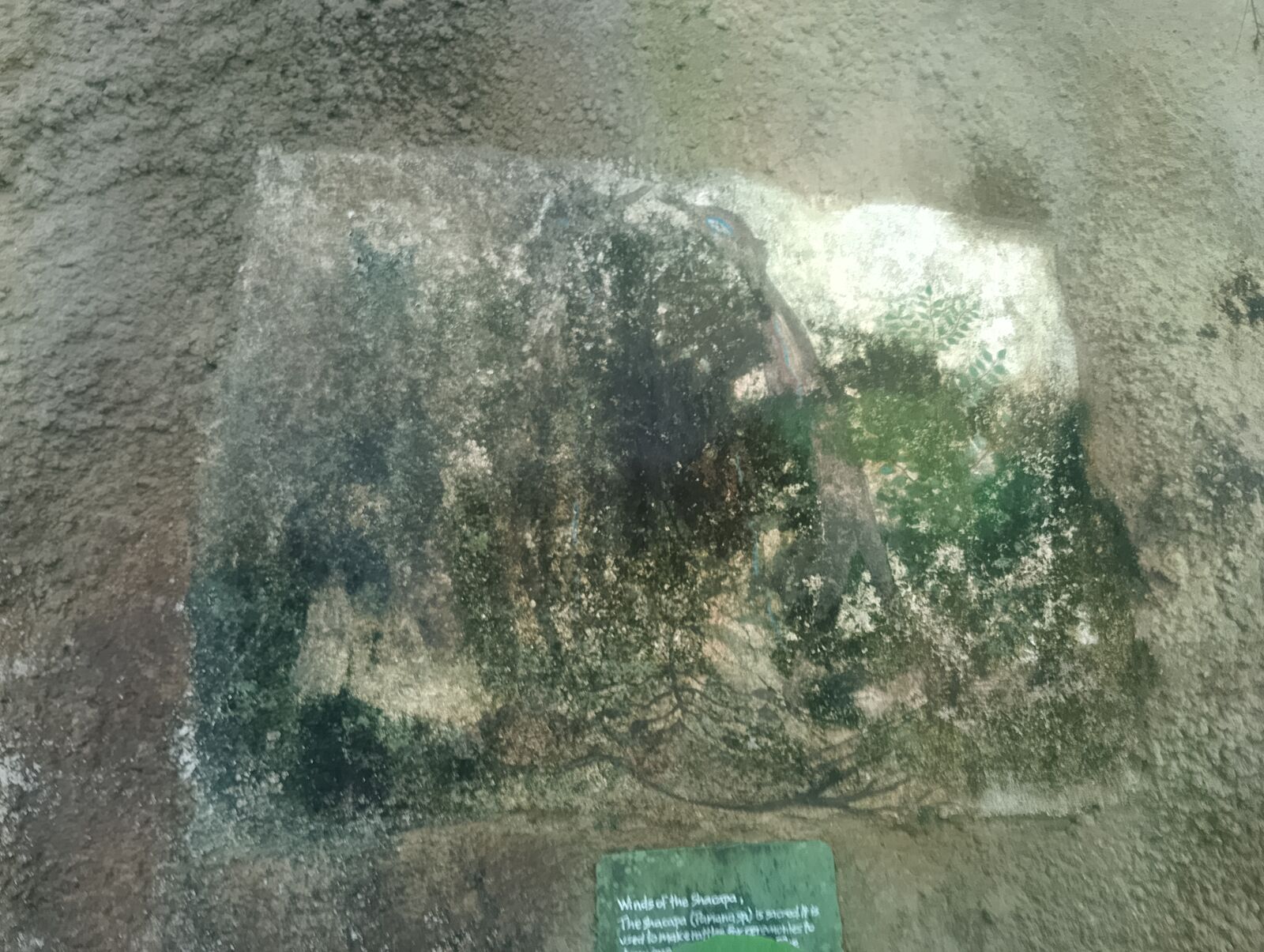
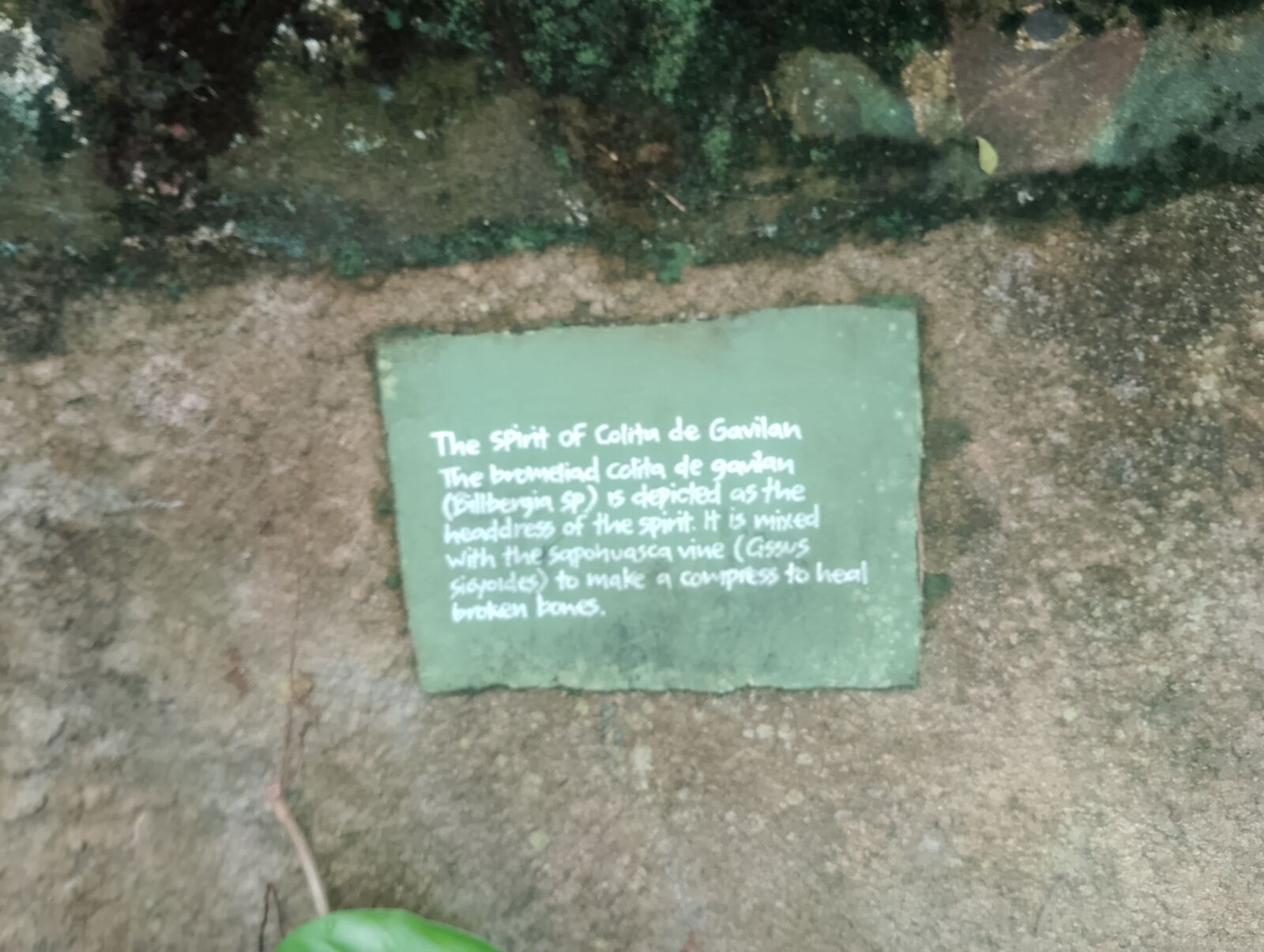
Moving back up towards the waterfall area there a re a couple of ‘sky monkies’ tending to what appears to have been a controlled fire to produce biochar on sand, and further up again is a pathway with what may have been indigenous art work expressing the origination myths of what is assumedly Costa Rica. The stories are of earth mother and sky father, the motivational terms of Bennetts historical tetrads. To be accurate this is expressed as ‘spirit woman’ which may be indicative of a blending of traditions.
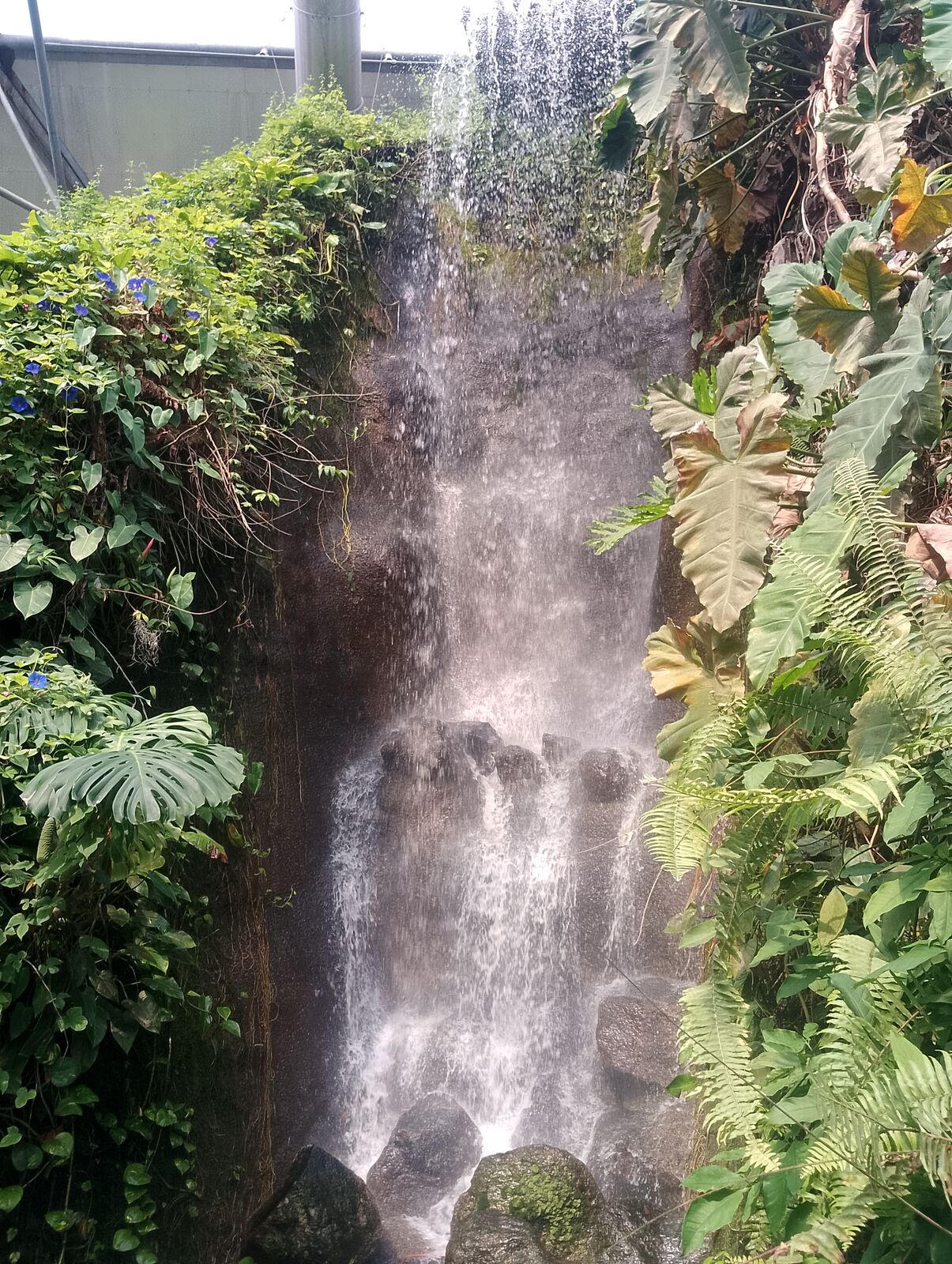
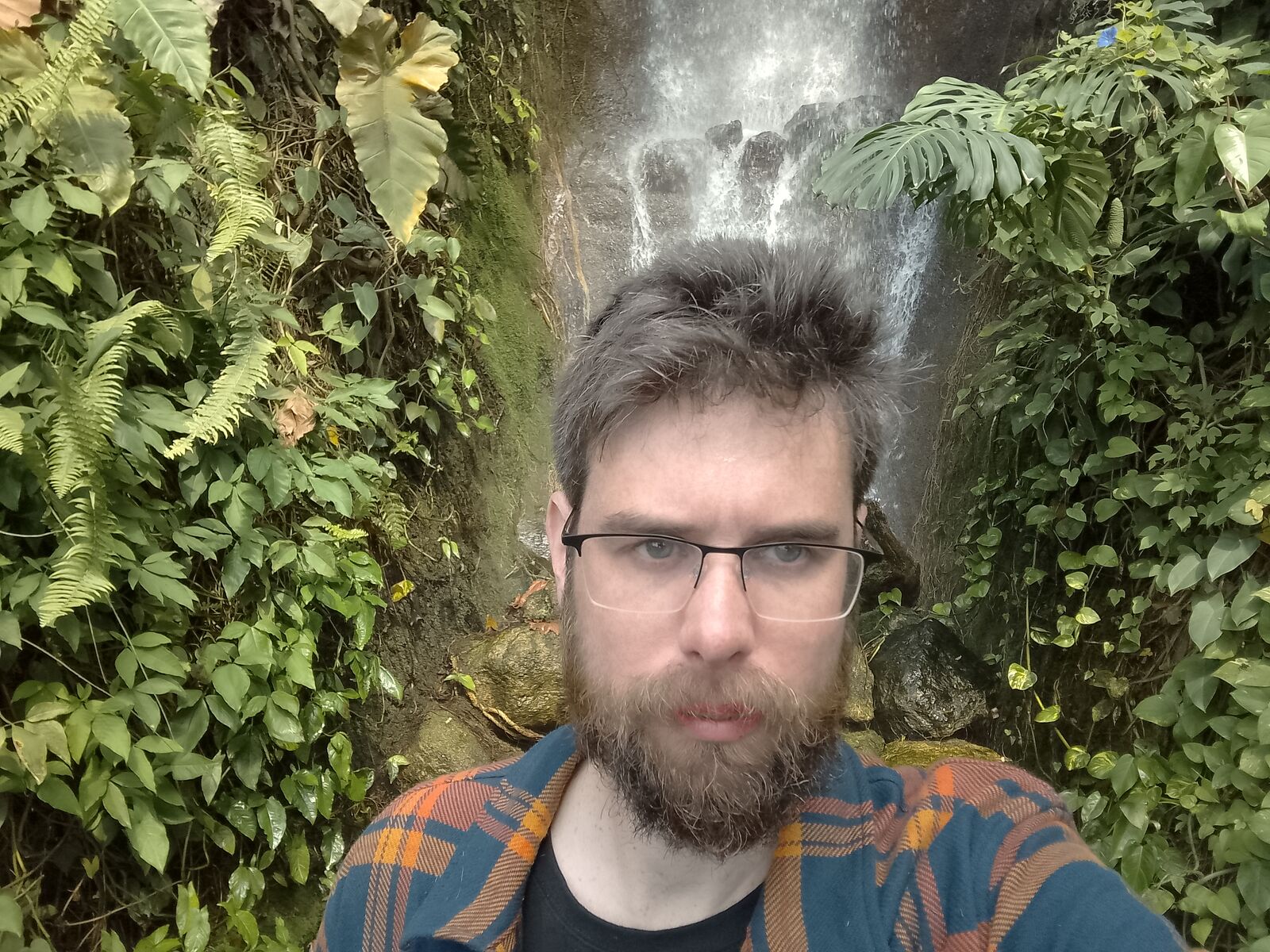
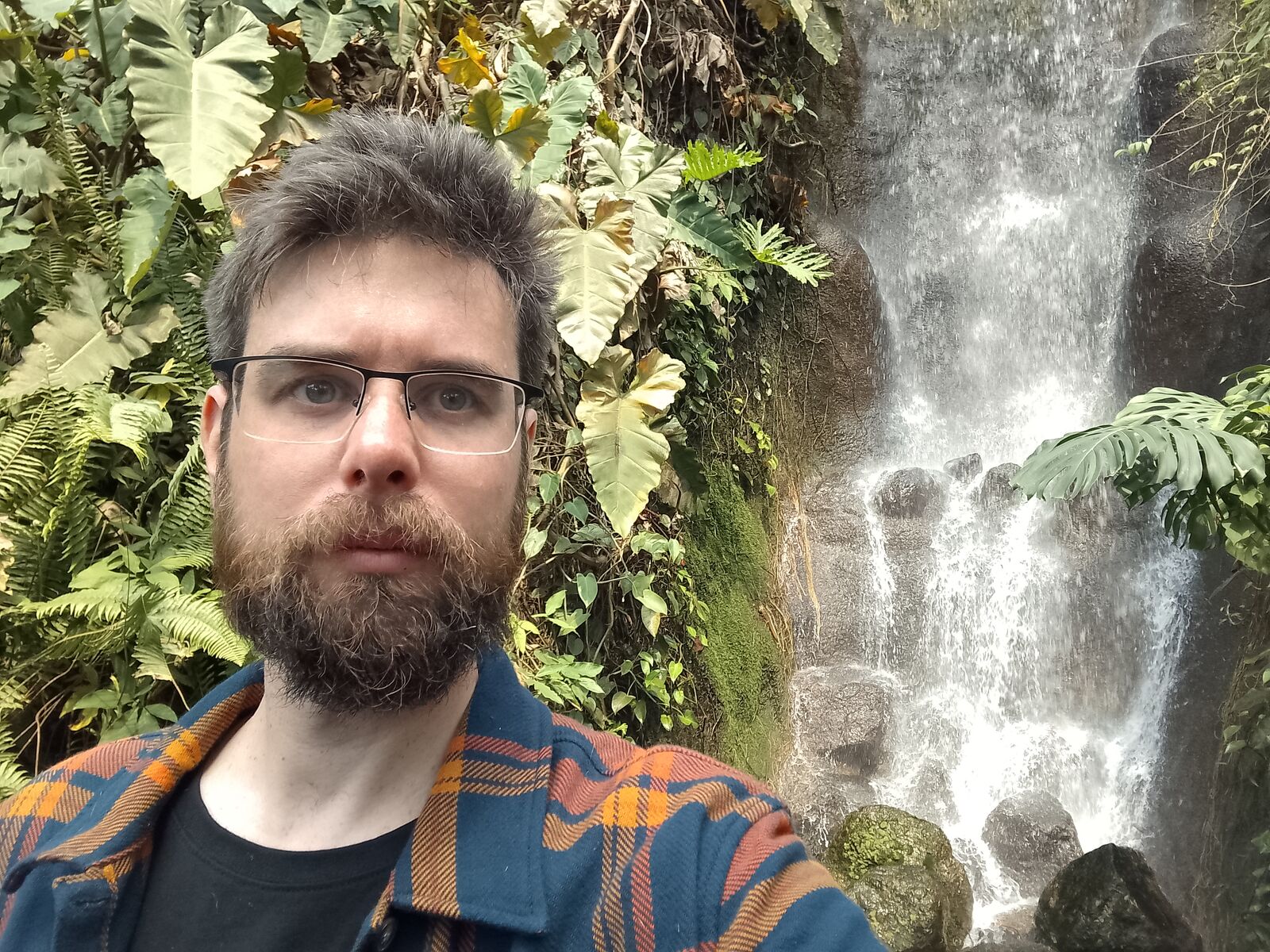
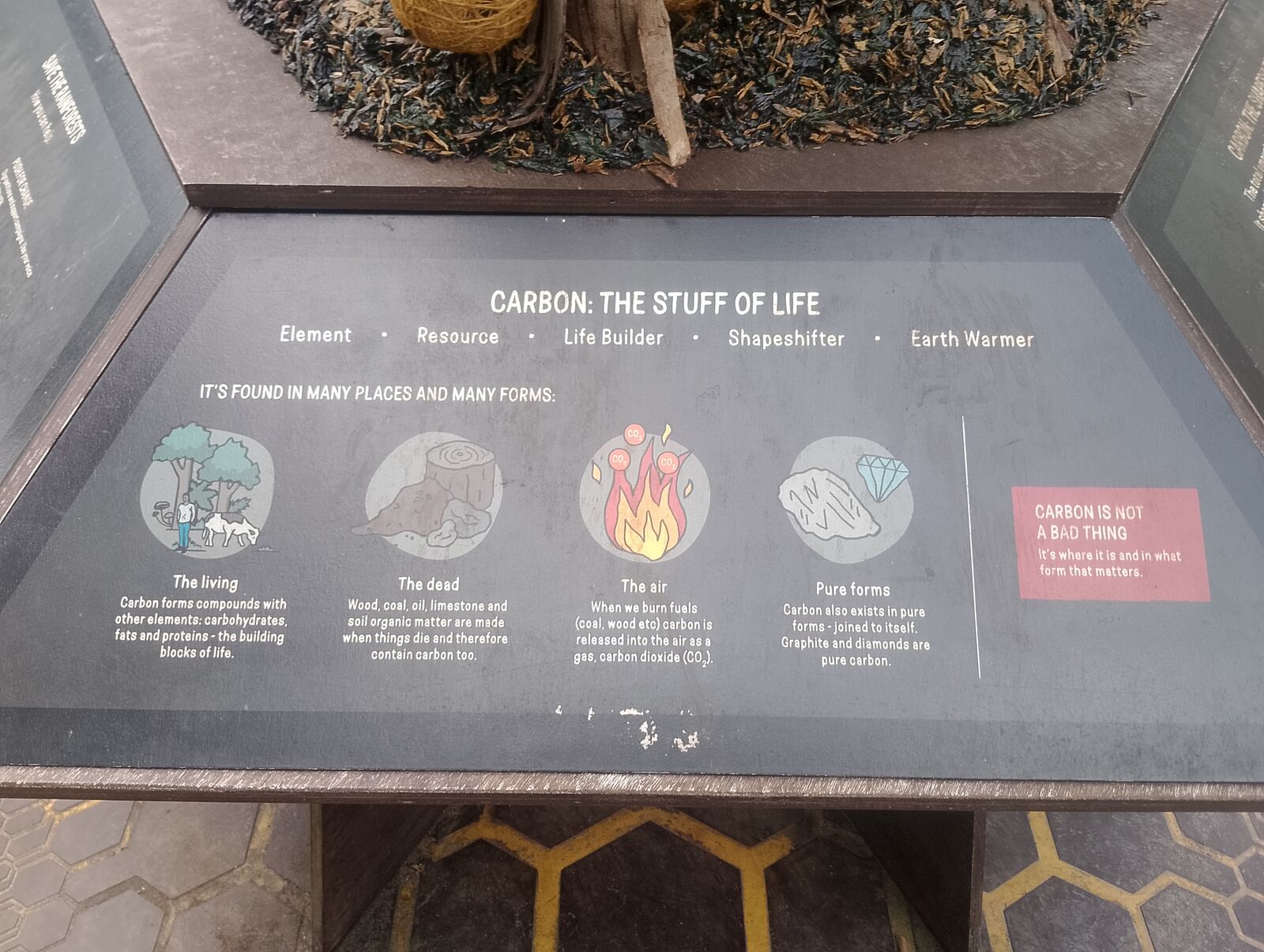
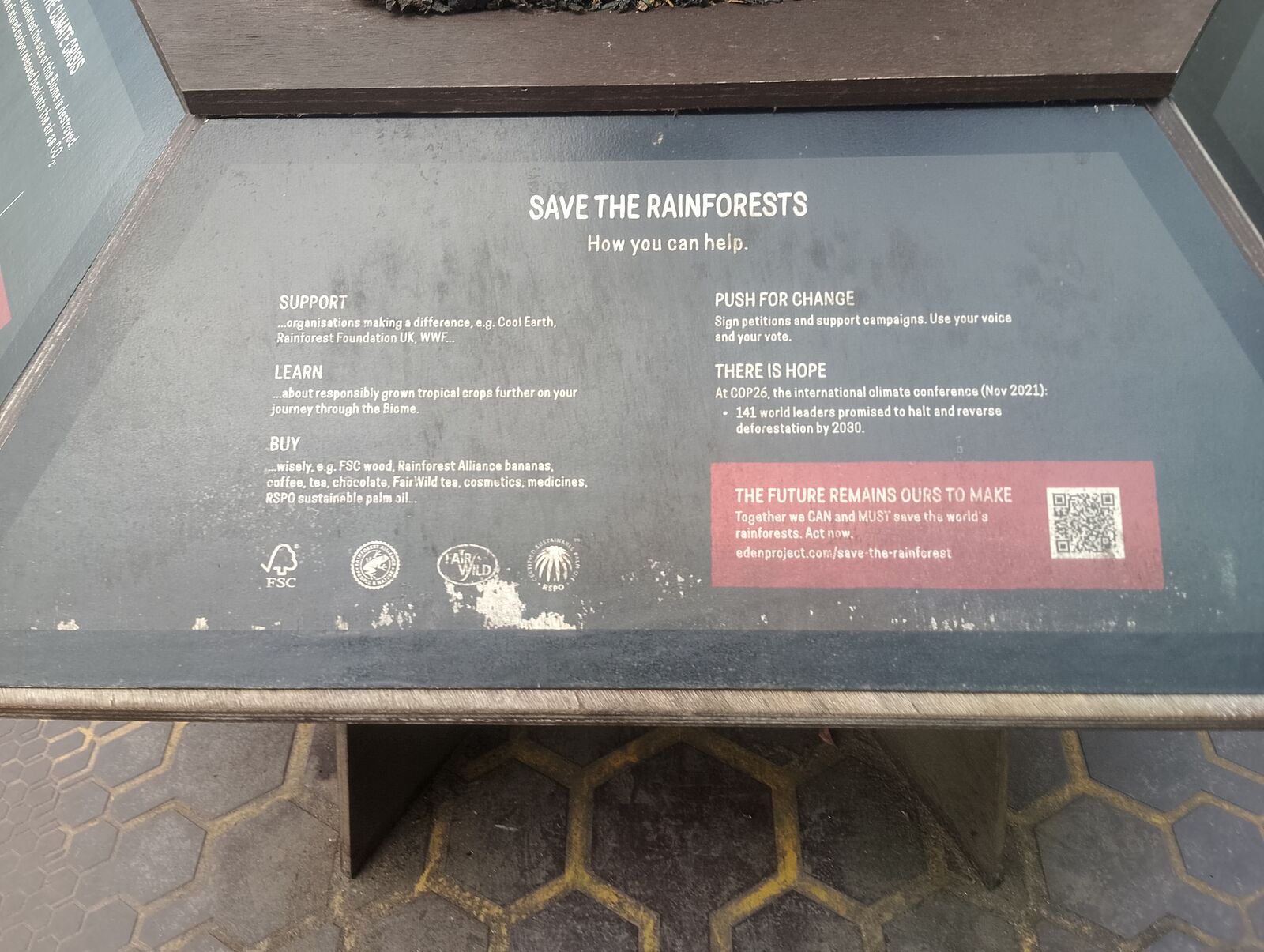
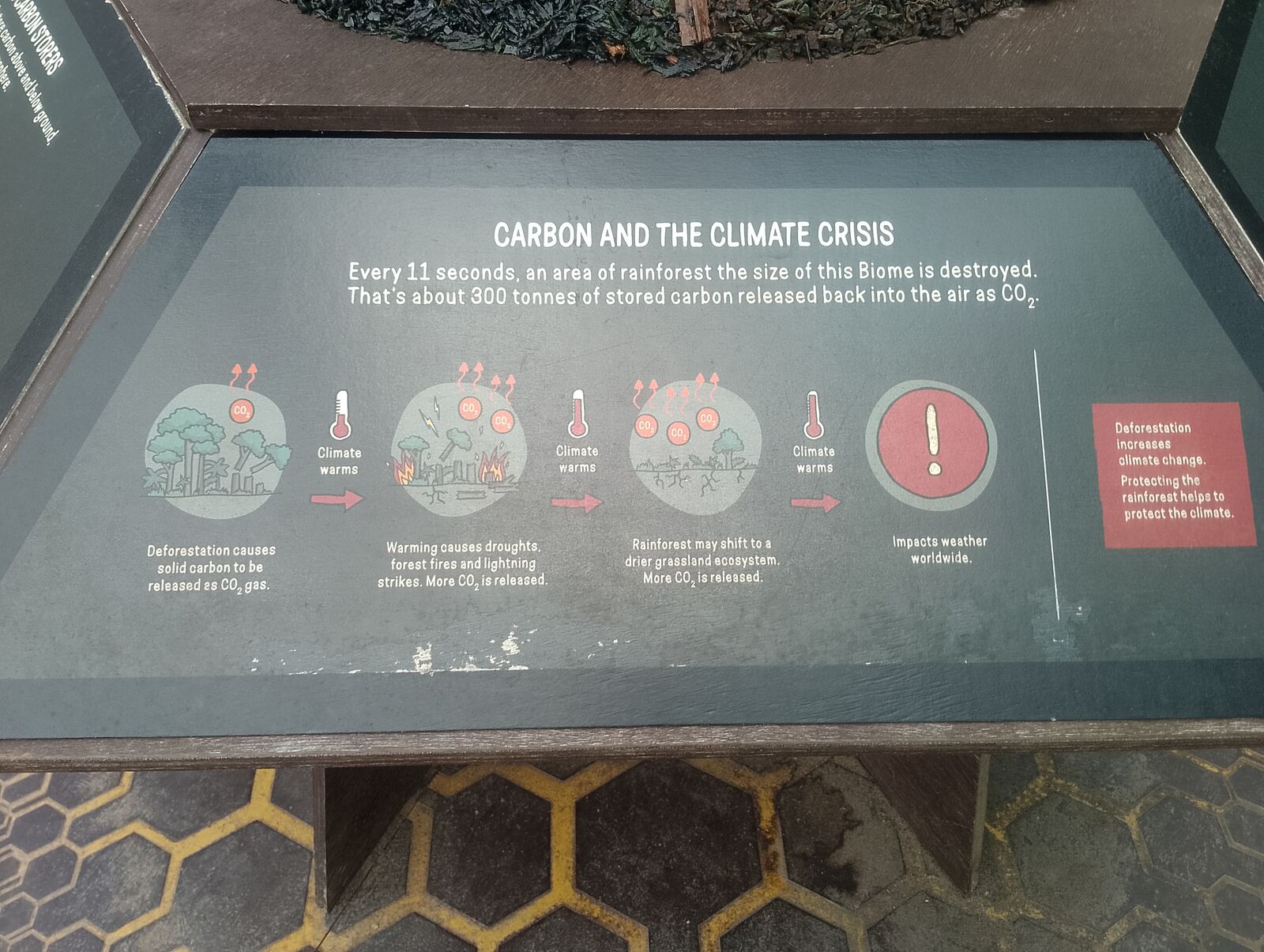
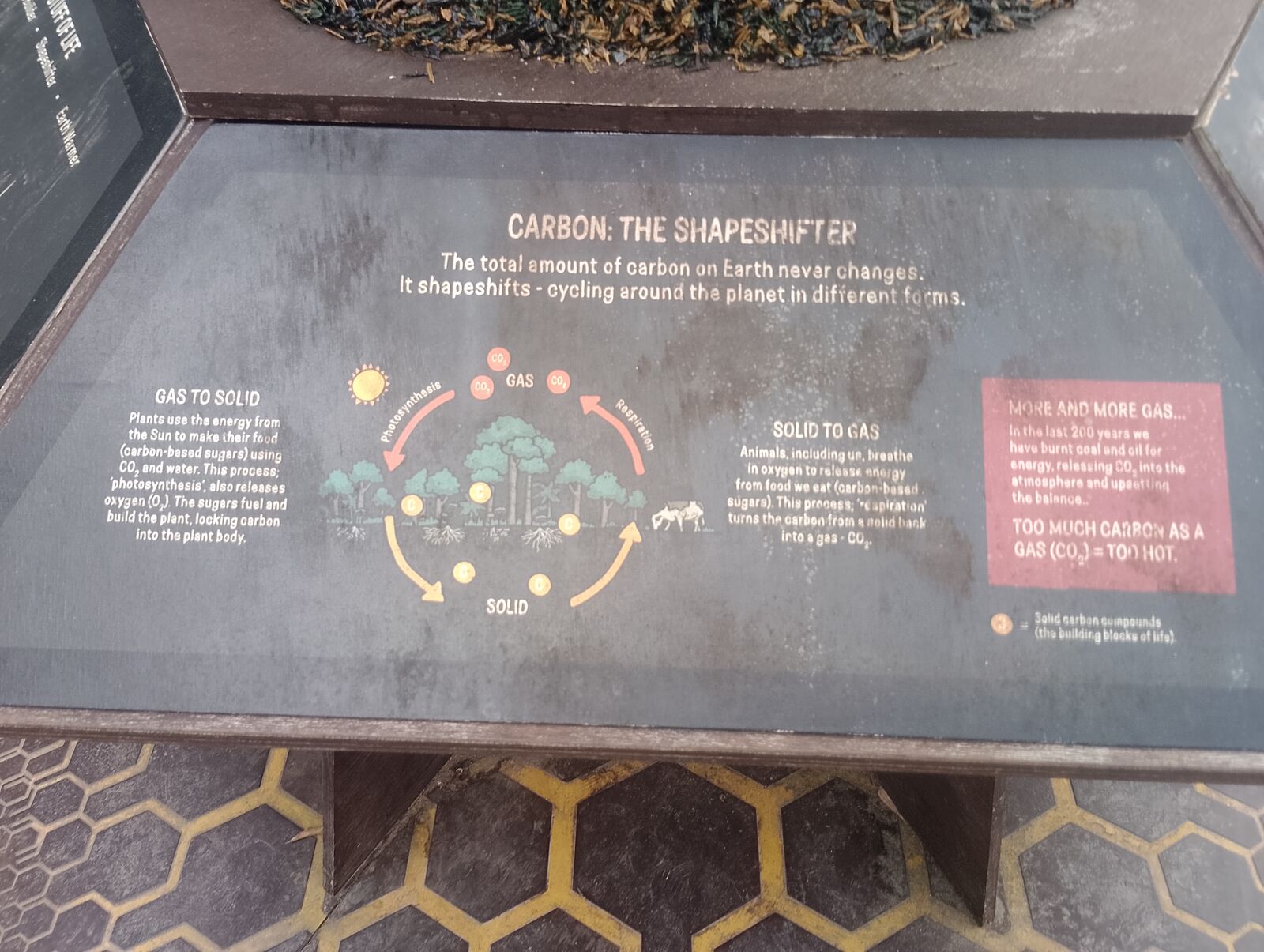
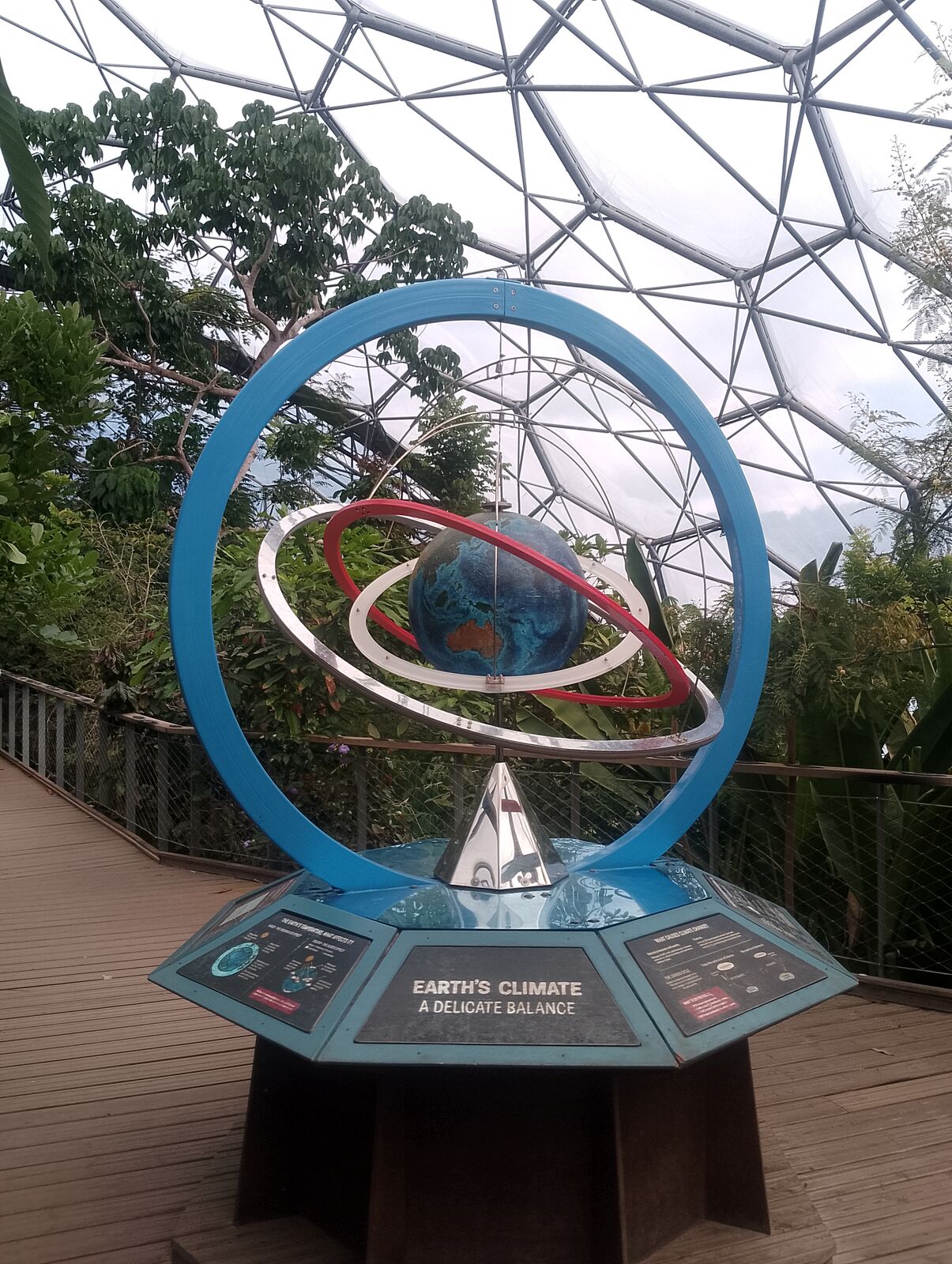
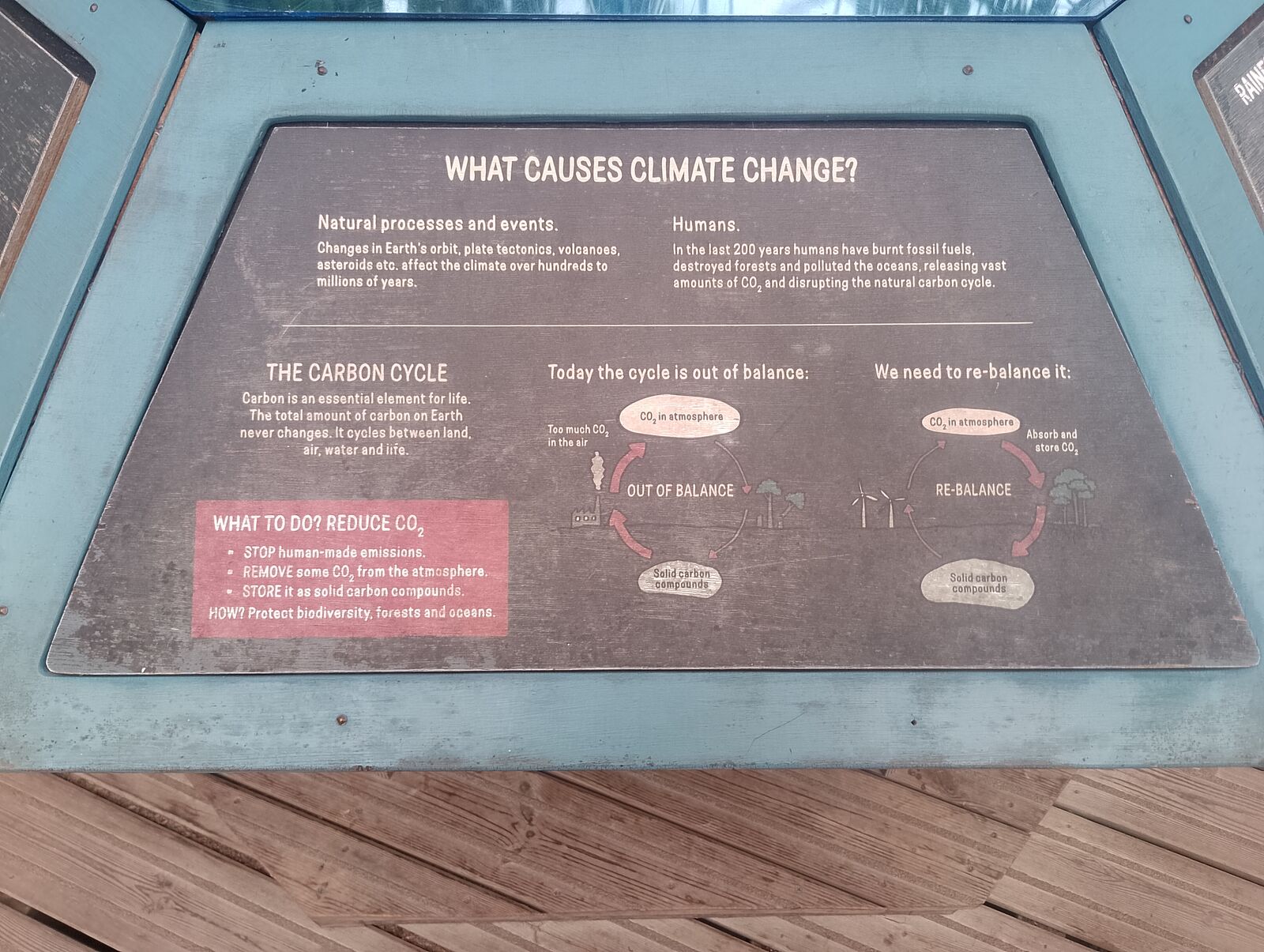
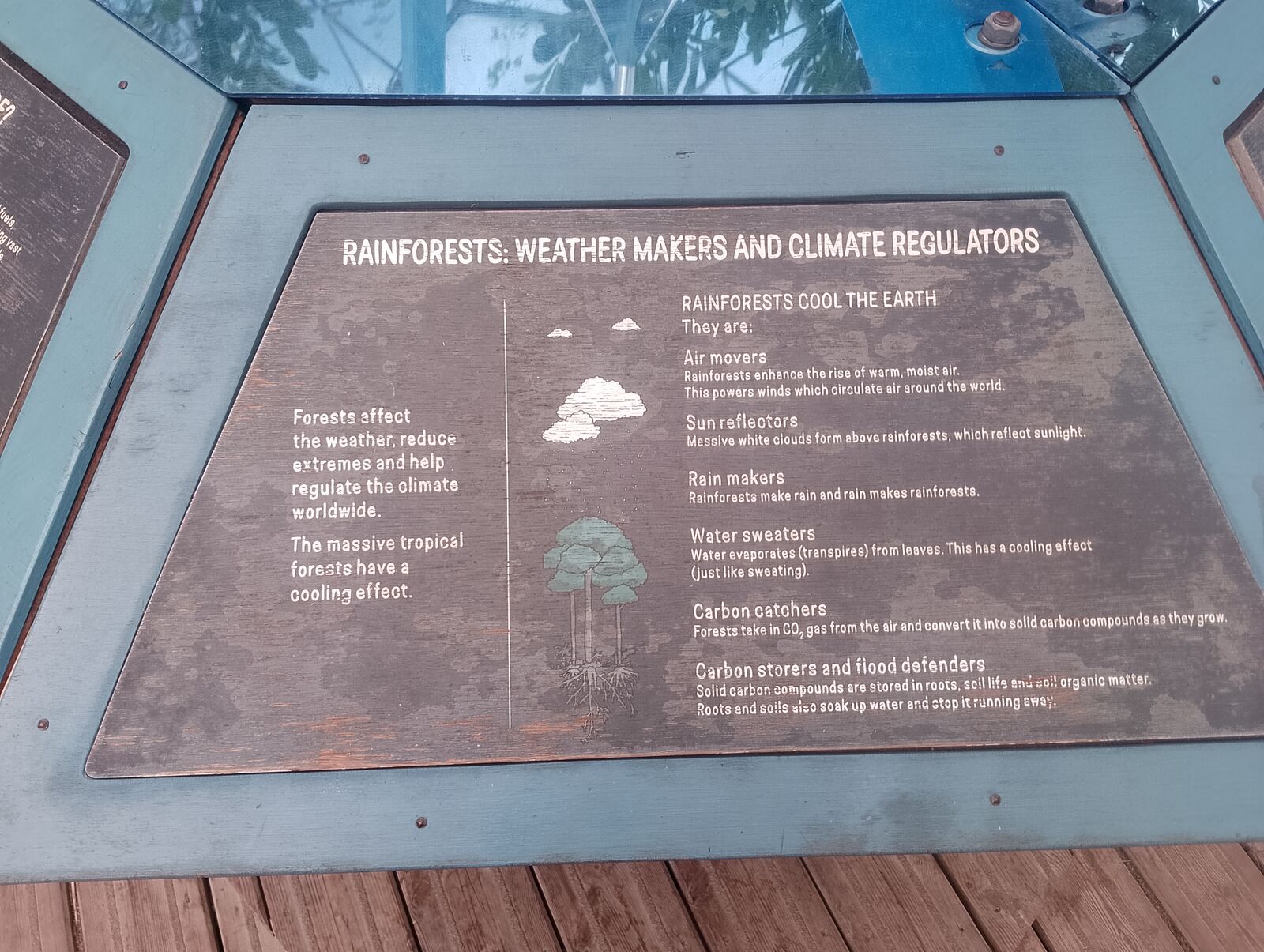
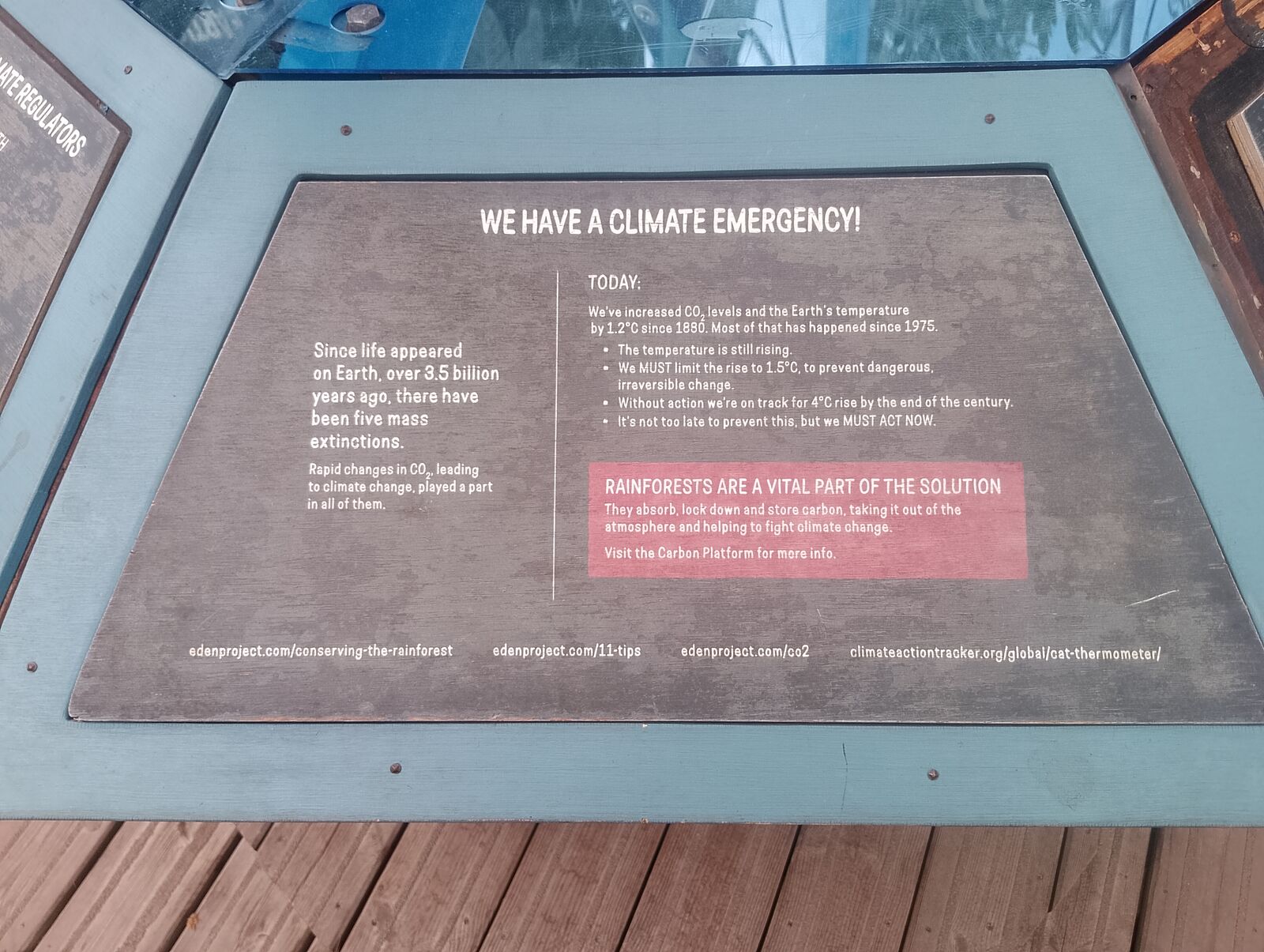
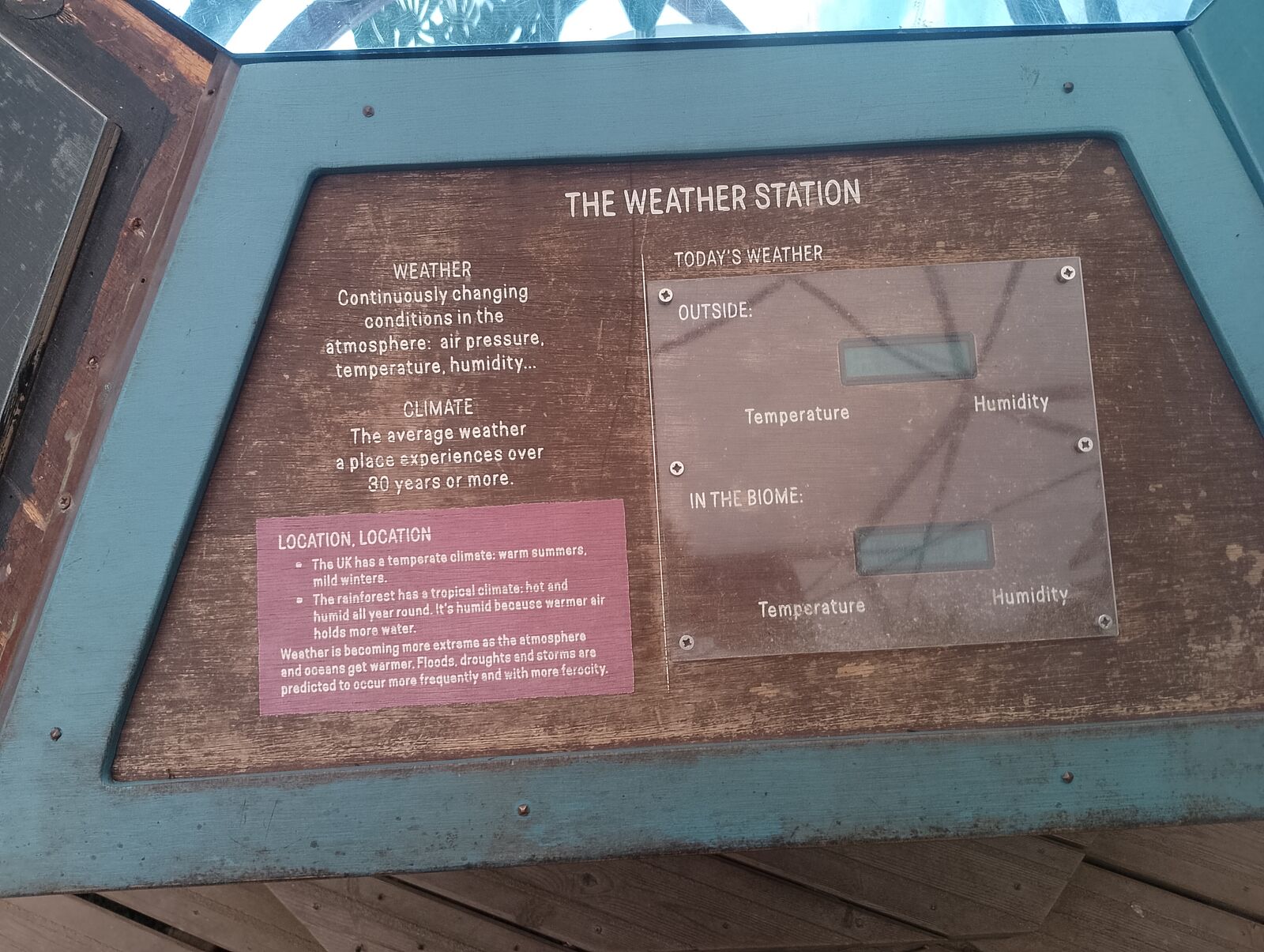
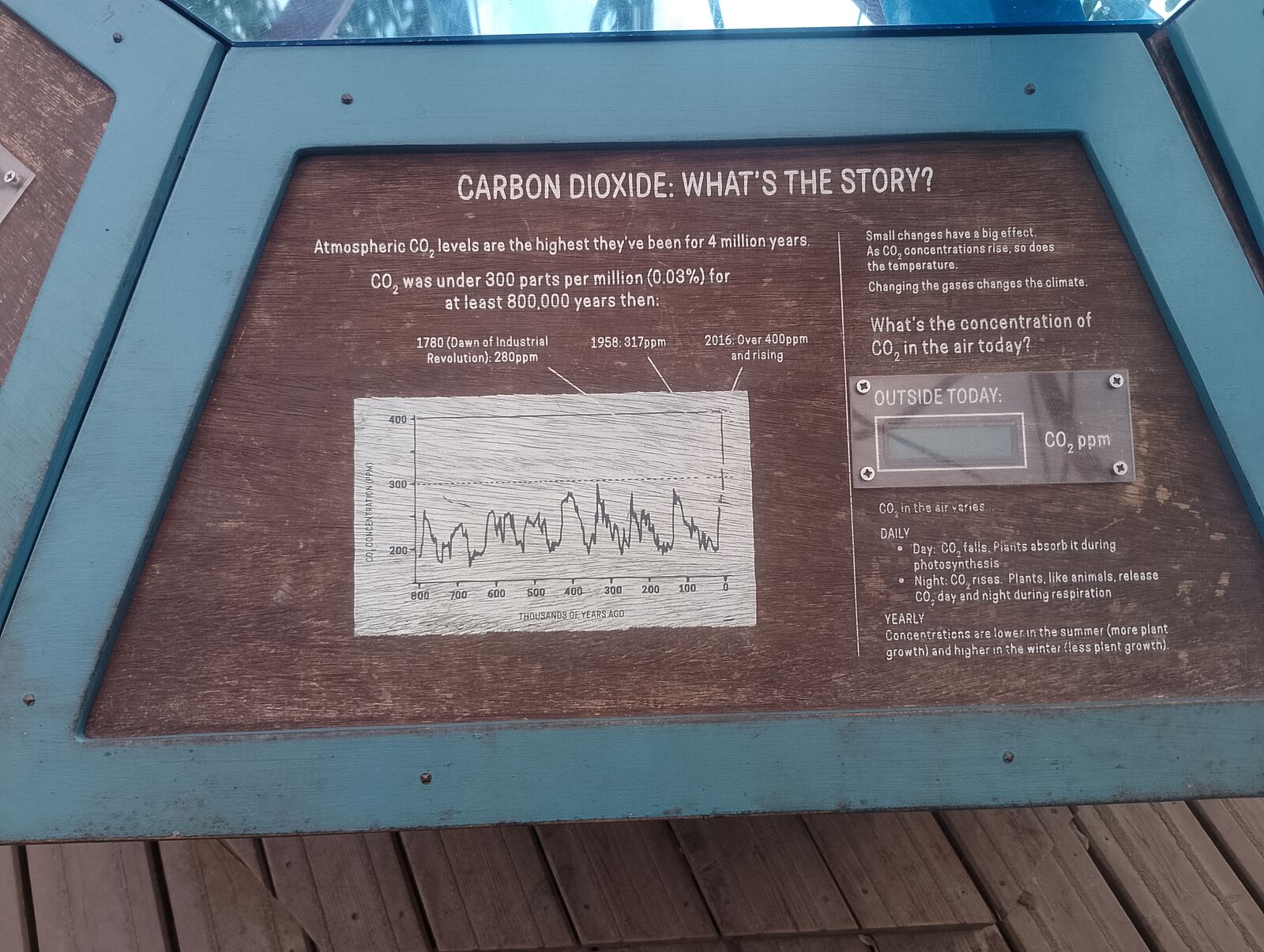
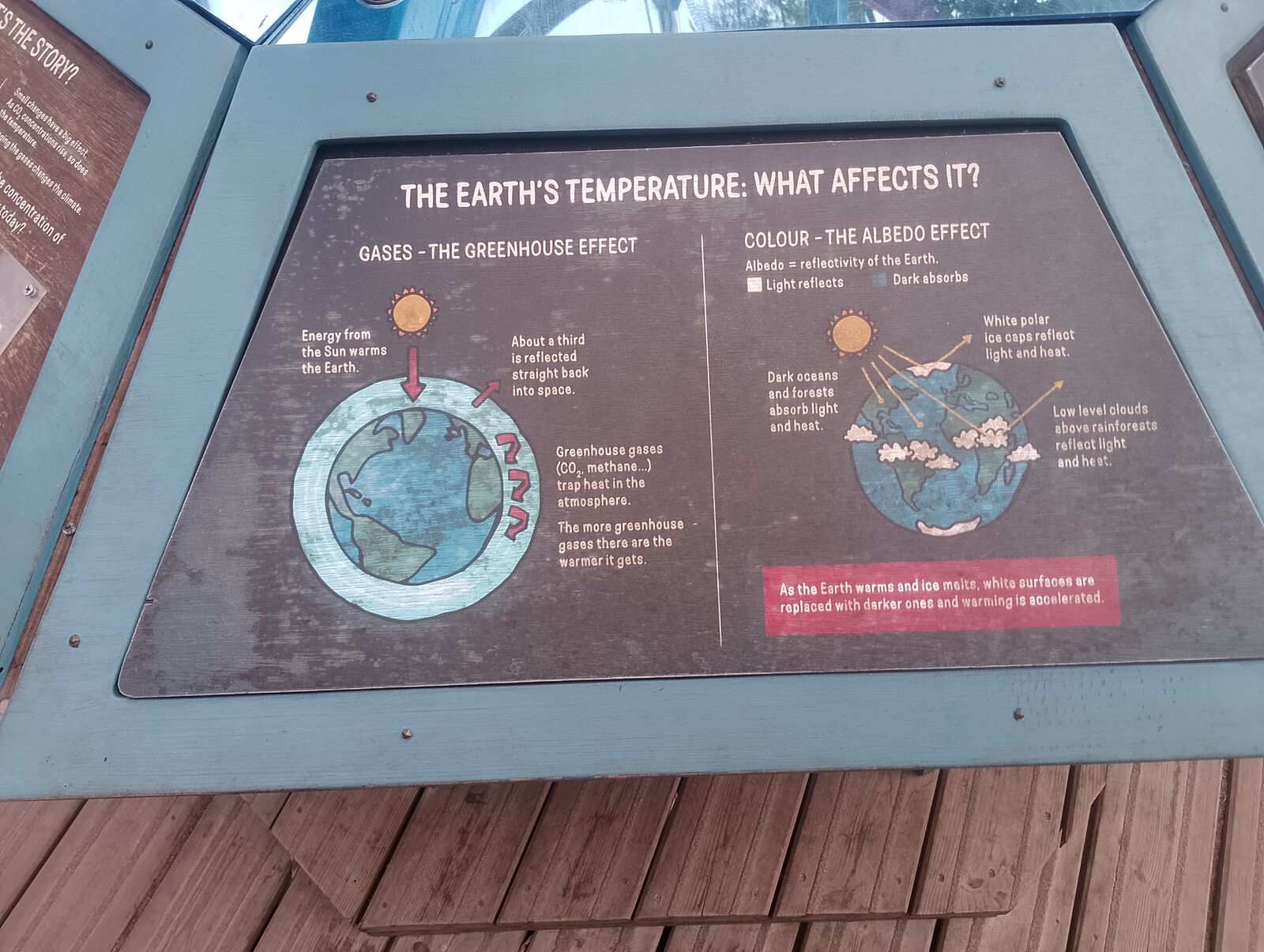
Taking a selfie at the waterfall I misidentify the spirit in residence, I can feel the furrowed brow that is perhaps indicative of the energy steering this journey. There are a few of these spirits about, and its easy to mix them up, but this one is a particularly earthy brute that genuinely seems to care for the environment as he walked my vessel over to the Climate exhibit and attempted to make sense of it. While foggy, there were some implicit structures behind the ‘stuff of life’ and seemed particularly keen to highlight on the piece that read ‘Carbon is not bad’.
Here we reflected on the arrangement of the elemental tetrad of carbon, hydrogen, nitrogen and oxygen - something thats been with me for many years but never correctly expressed due to a lack of knowledge on Chemistry. After some reasoning we reasoned that that oxygen was probably the upper motivational term and carbon as the lower, while the instrumental terms were less obvious - possibly nitrogen as instrumental and hydrogen as directive, though checking a periodic table it seems that nitrogen and flurorine would be more sensible - possibly with hydrogen as the significance. Regardless of curiosity this digression is not particulary practical so the puzzle can be considered further another time.
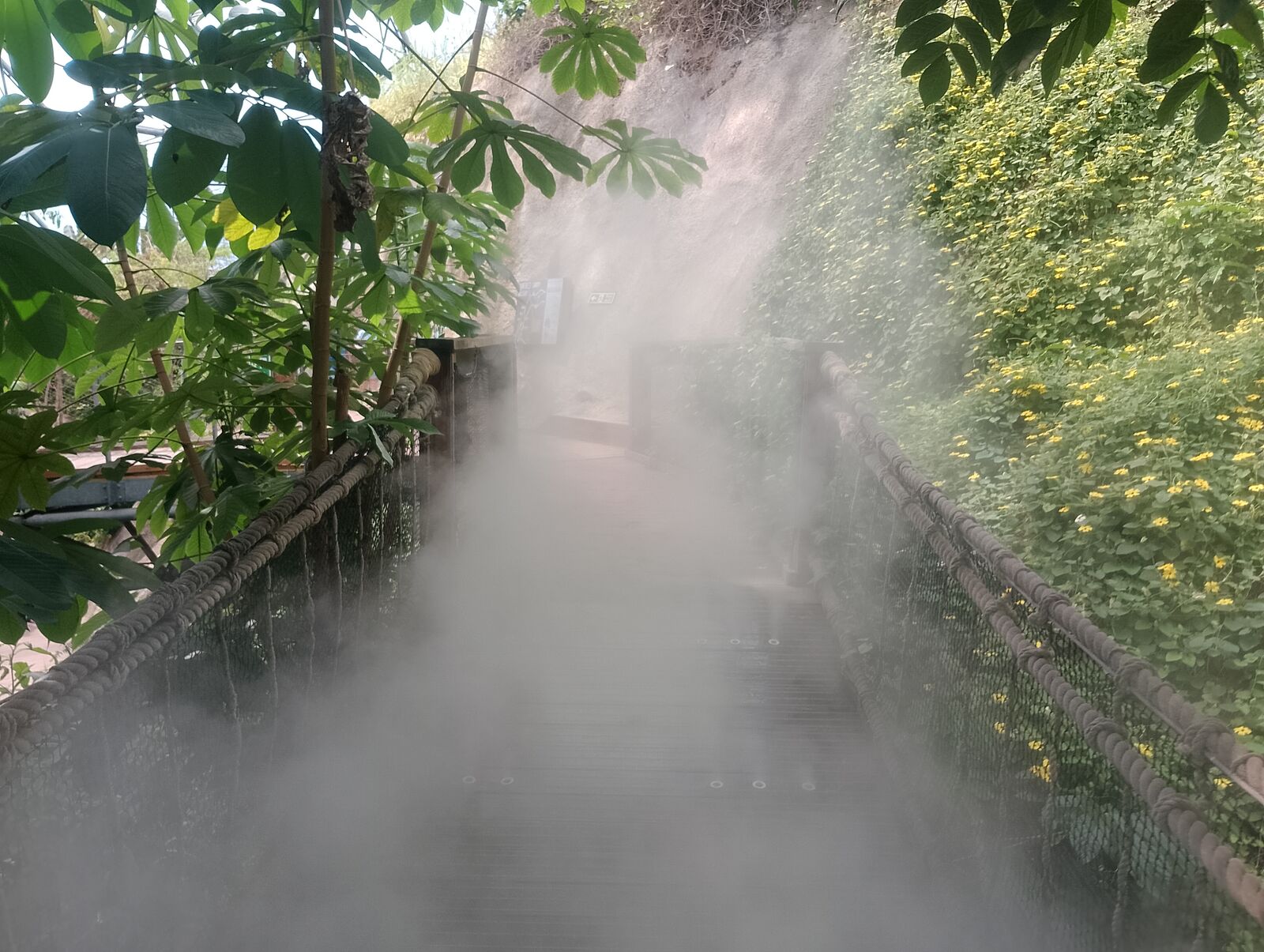
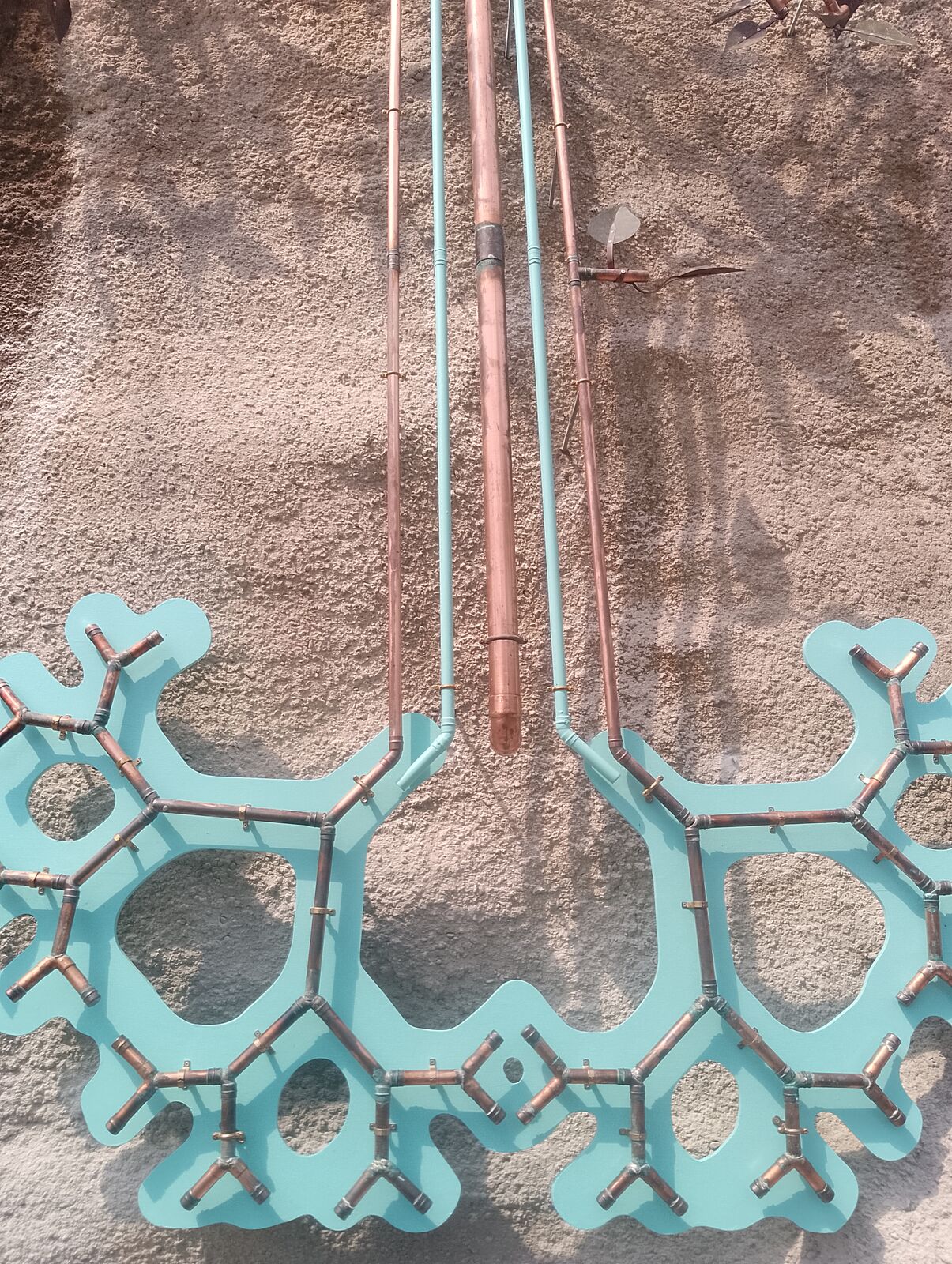
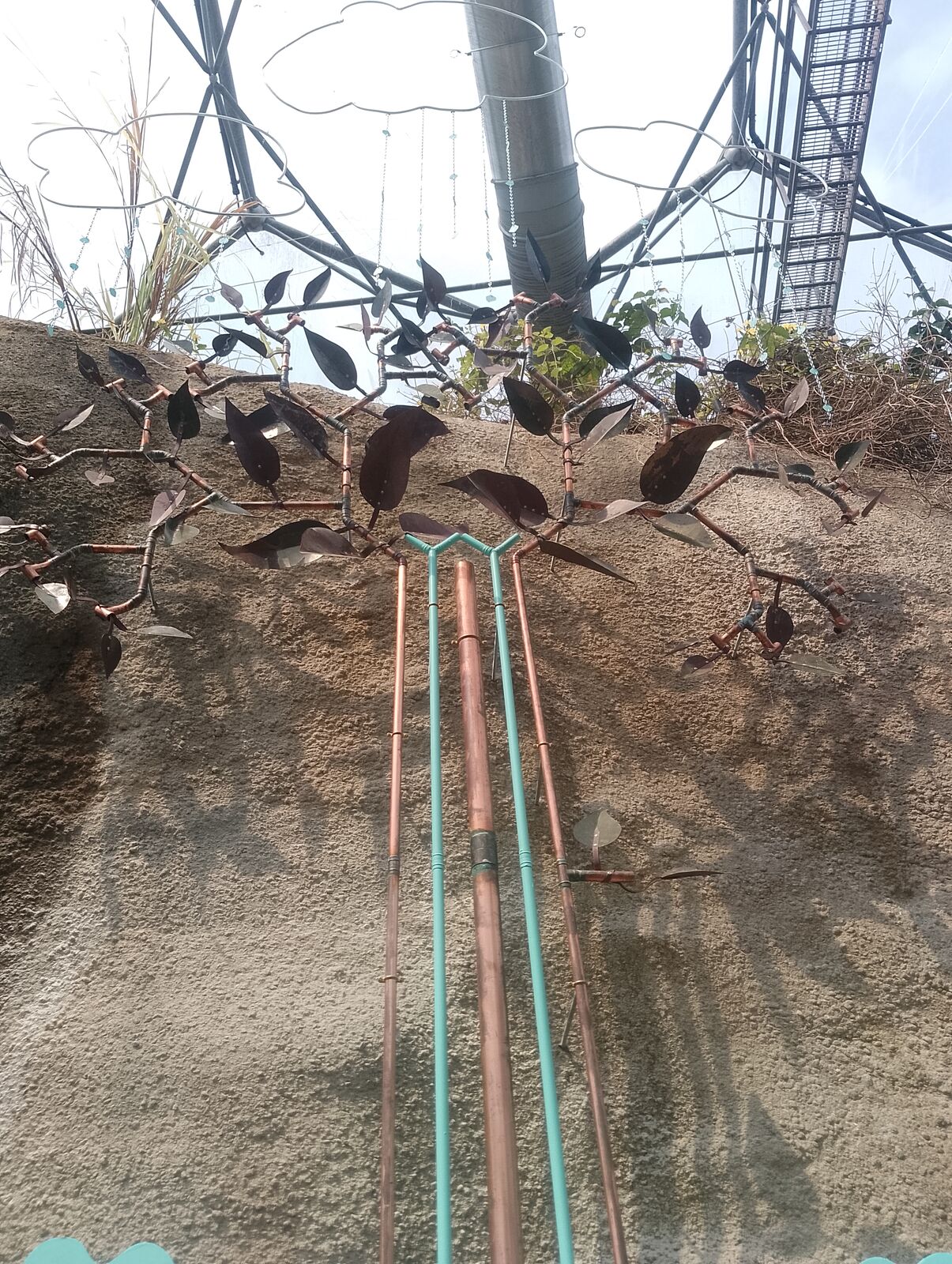
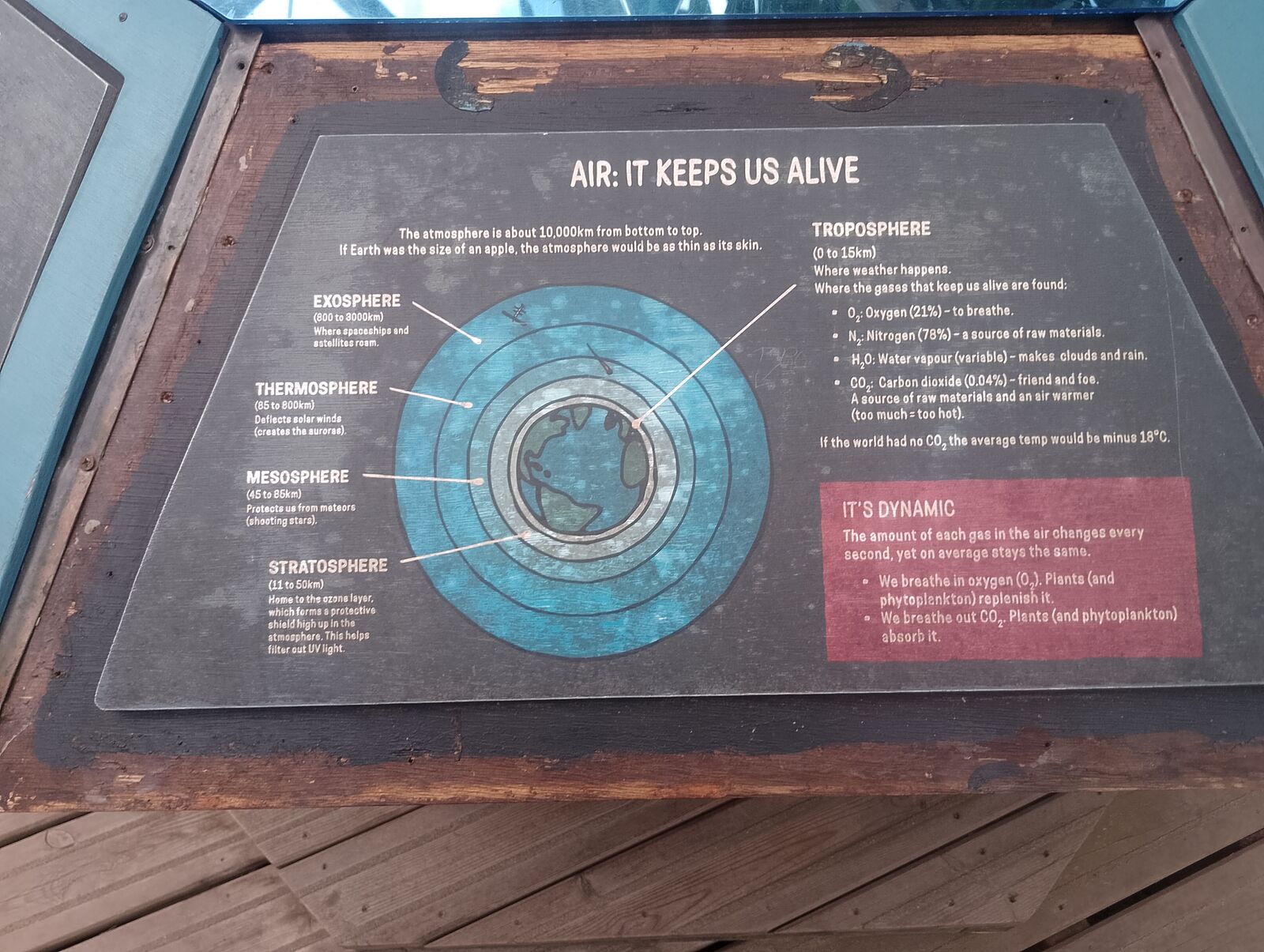
Moving on we passed the cloud bridge that sprayed mist upwards to create an ‘smokey’ atmosphere. Artificial in some way but also relevant to the nearby sculpture about earths atmosphere. This again felt like fragments of information that would have been more clearly expressed as a geometric structure, though the infographics were clear enough and quite tasteful.
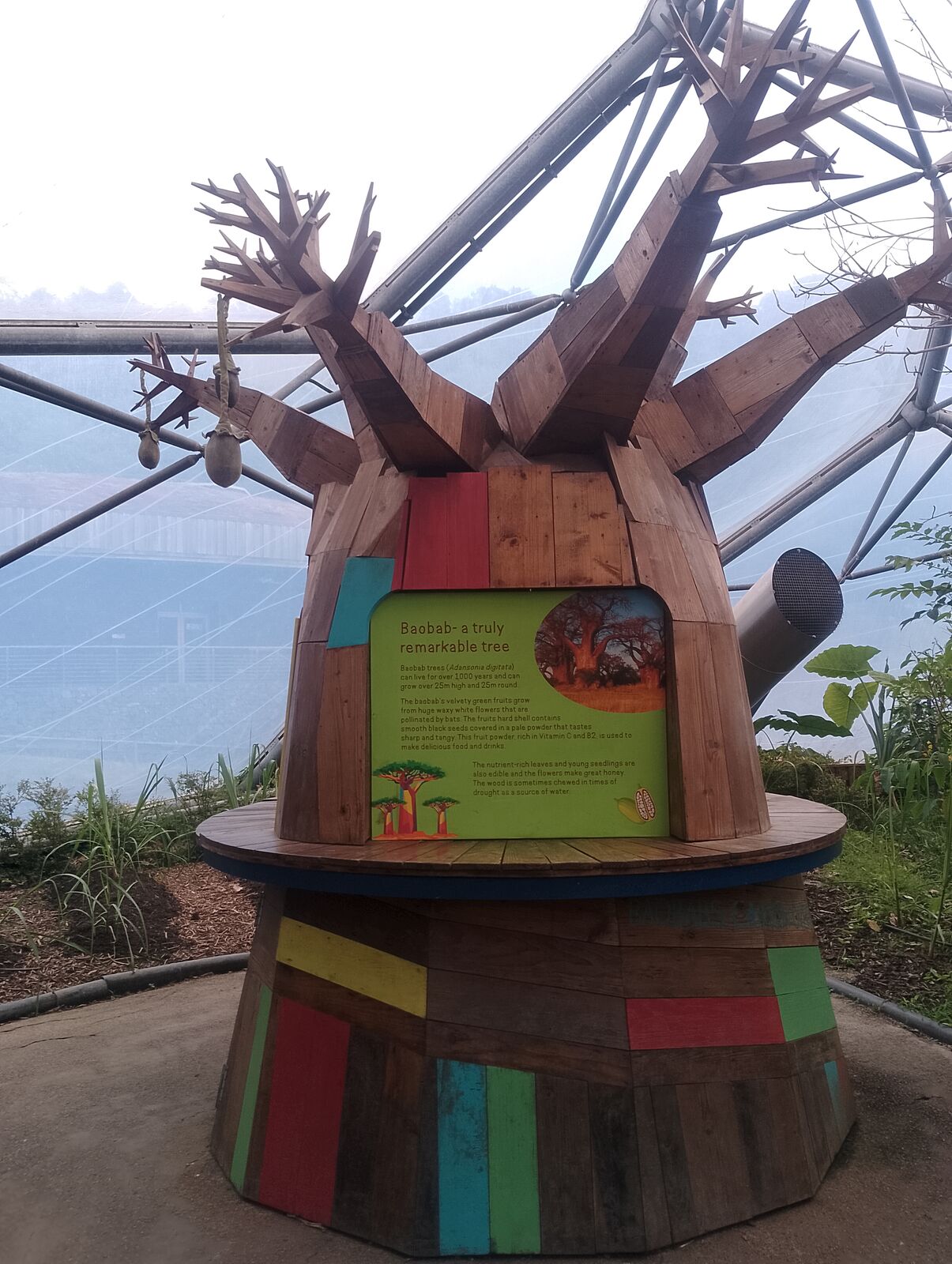
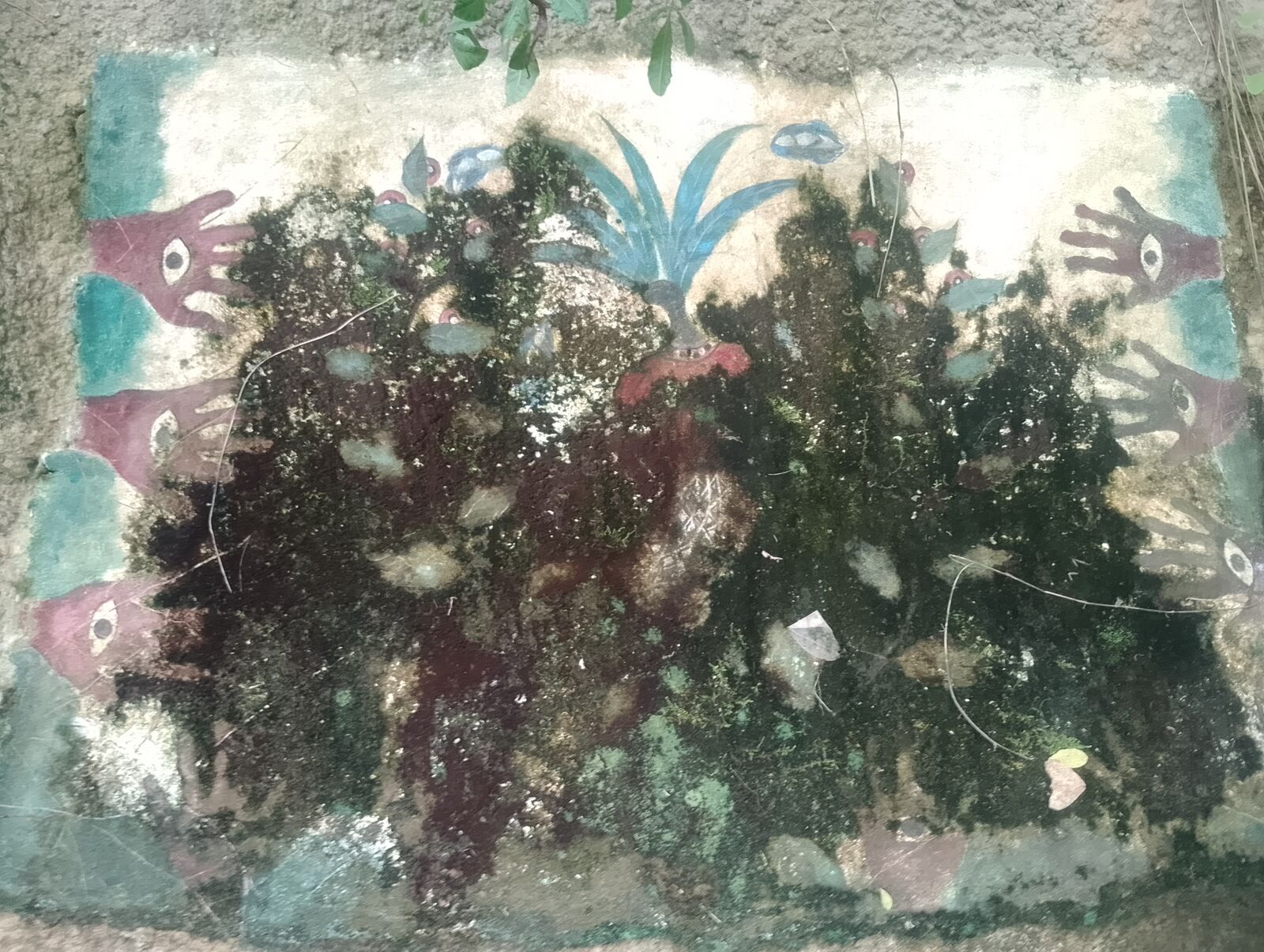
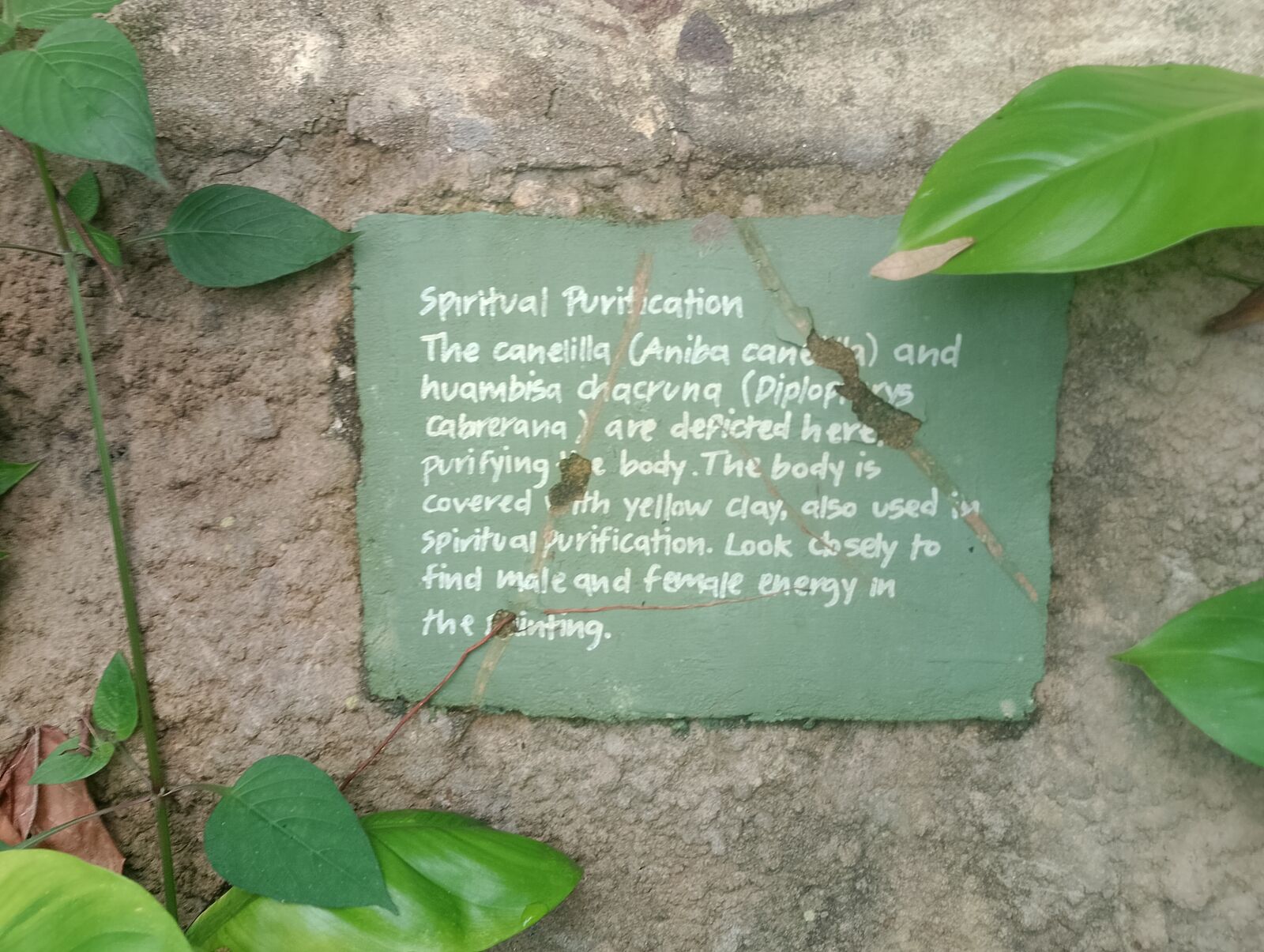
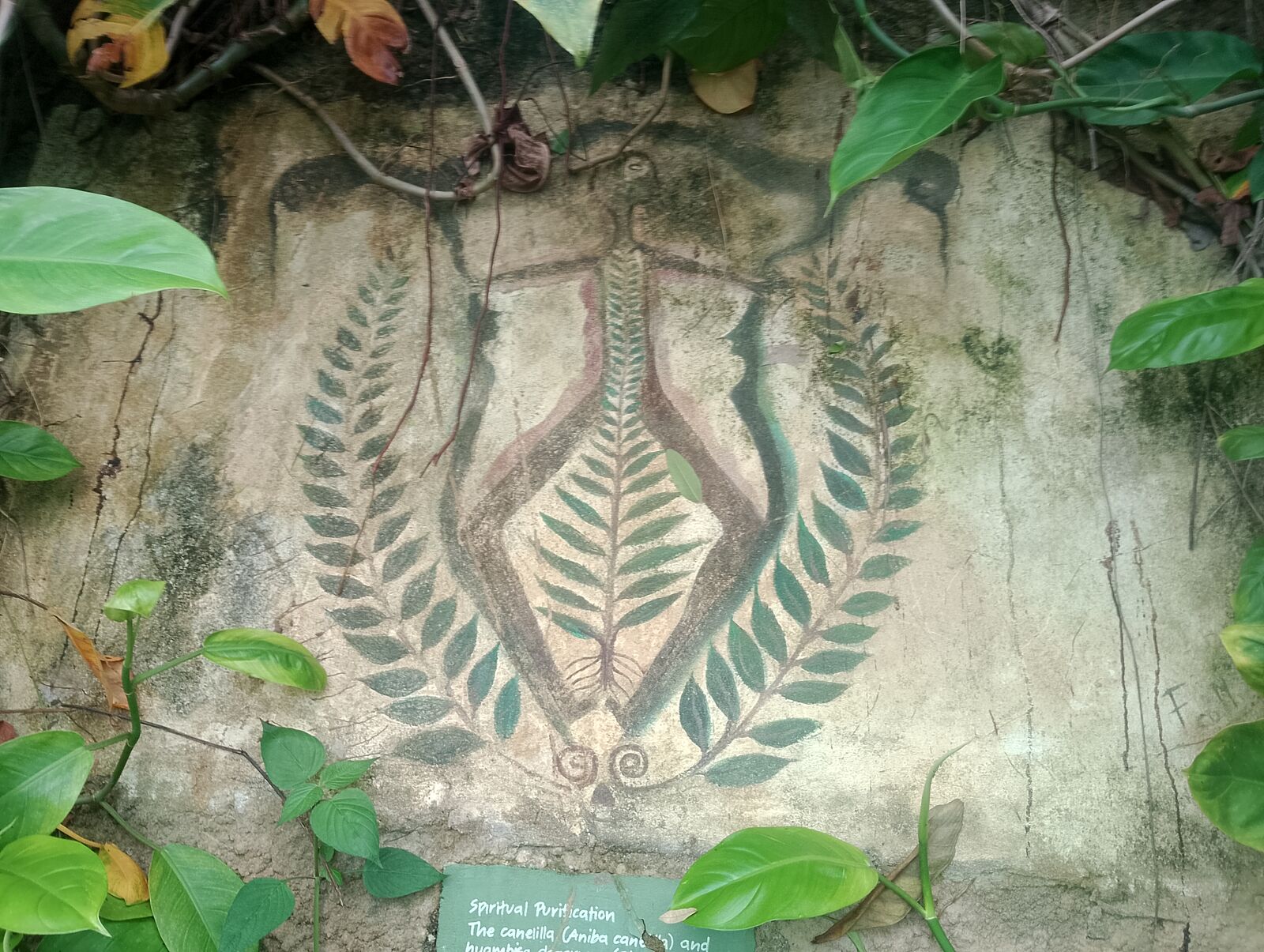
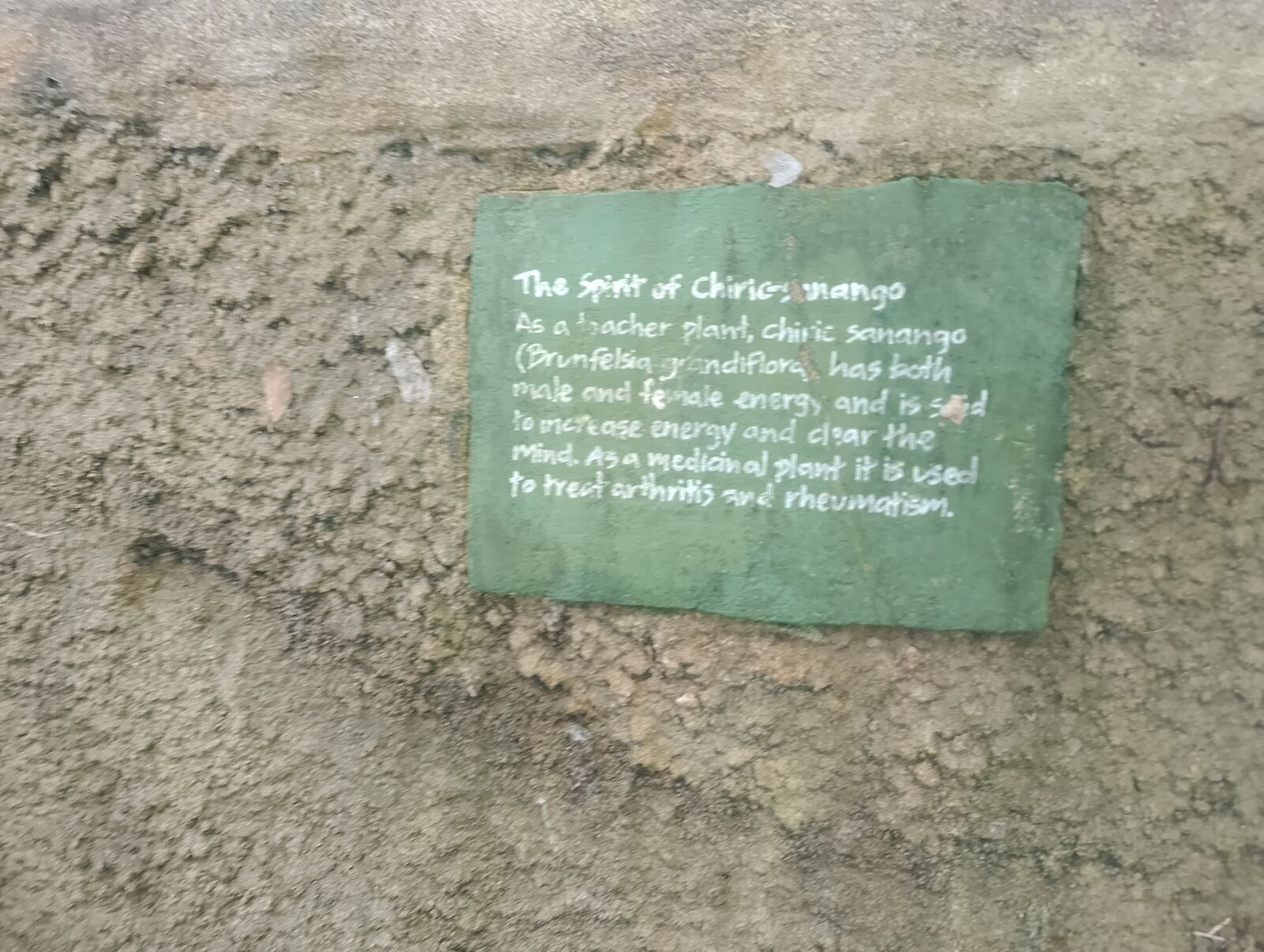
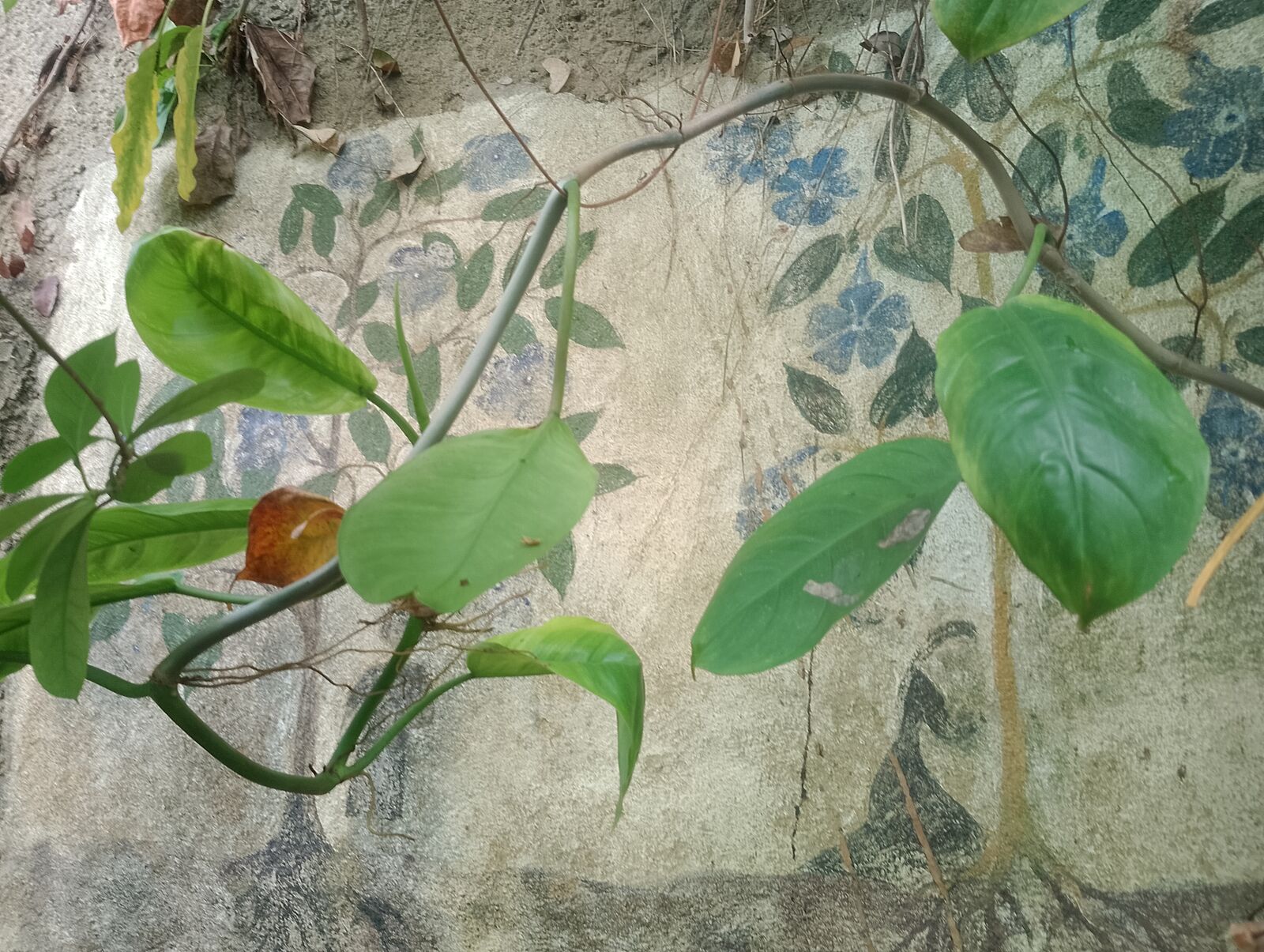
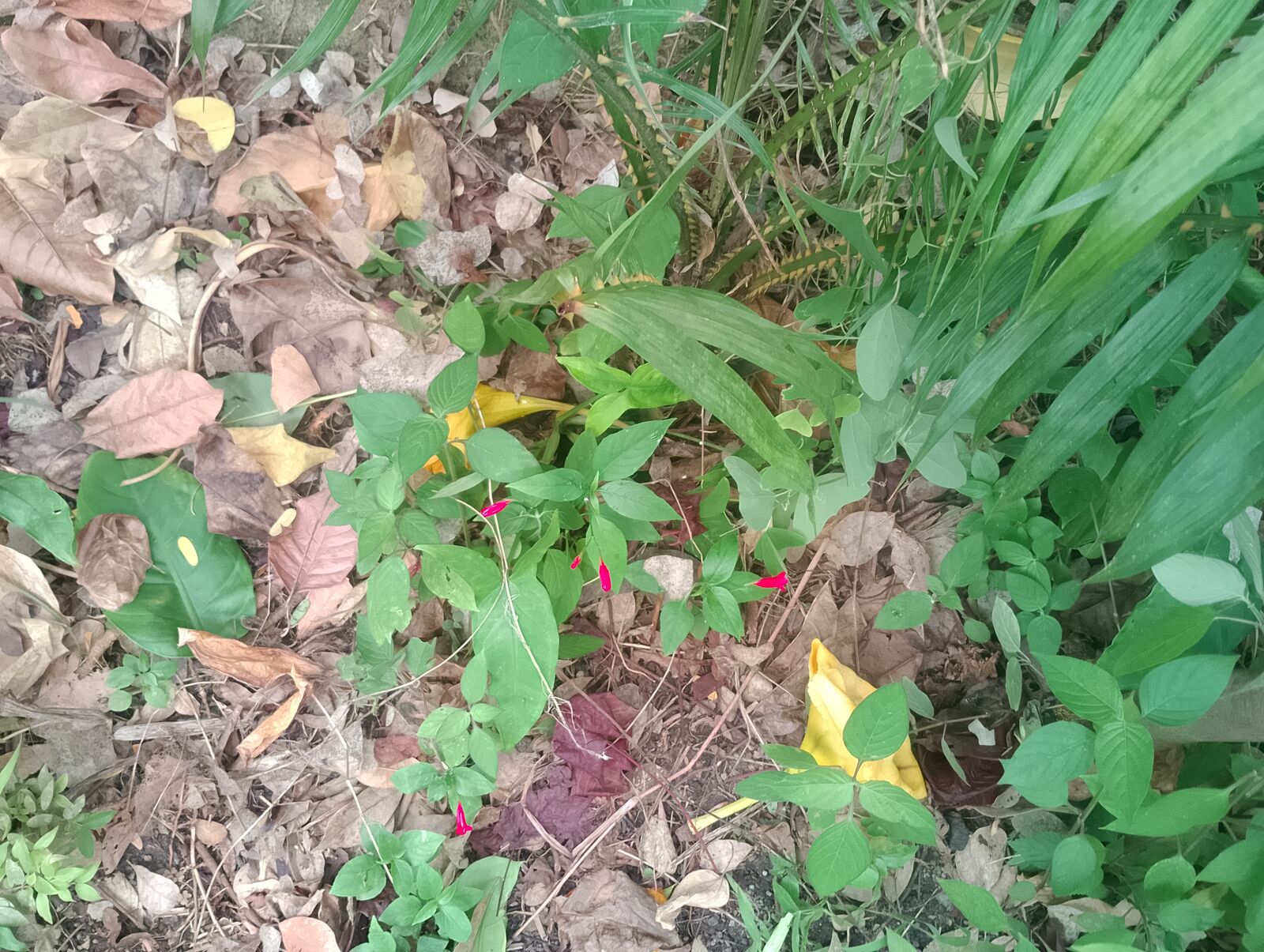
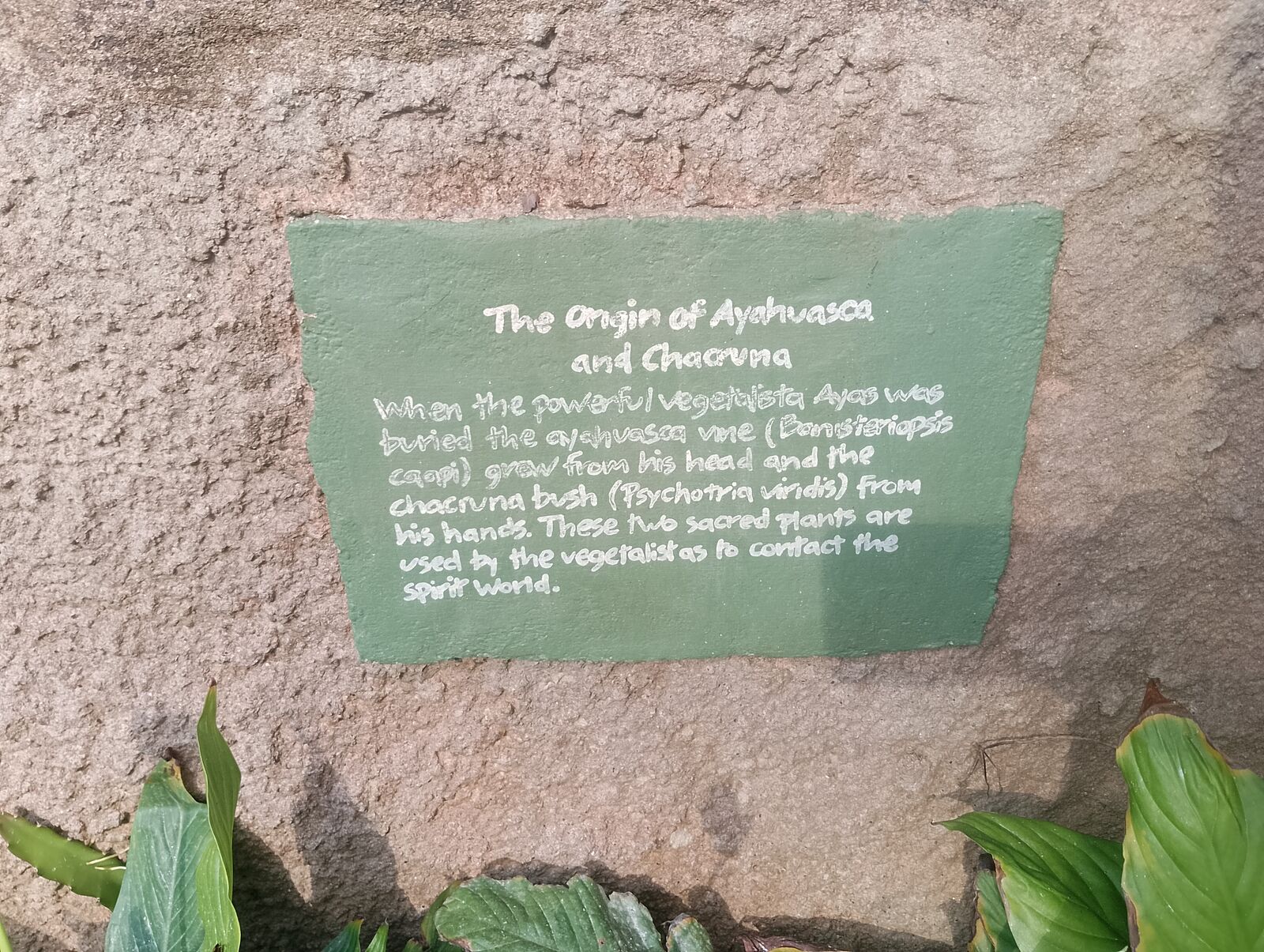
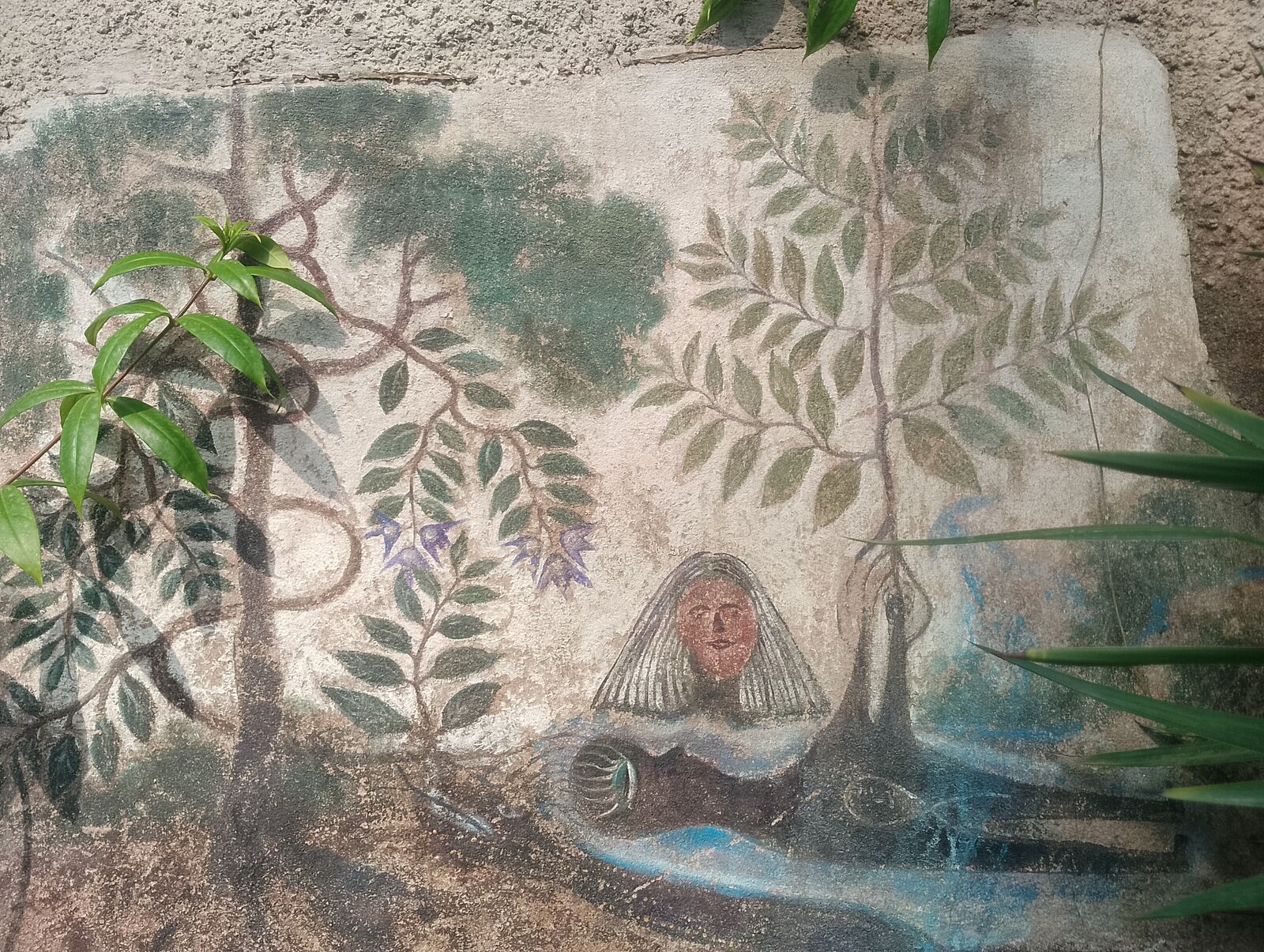
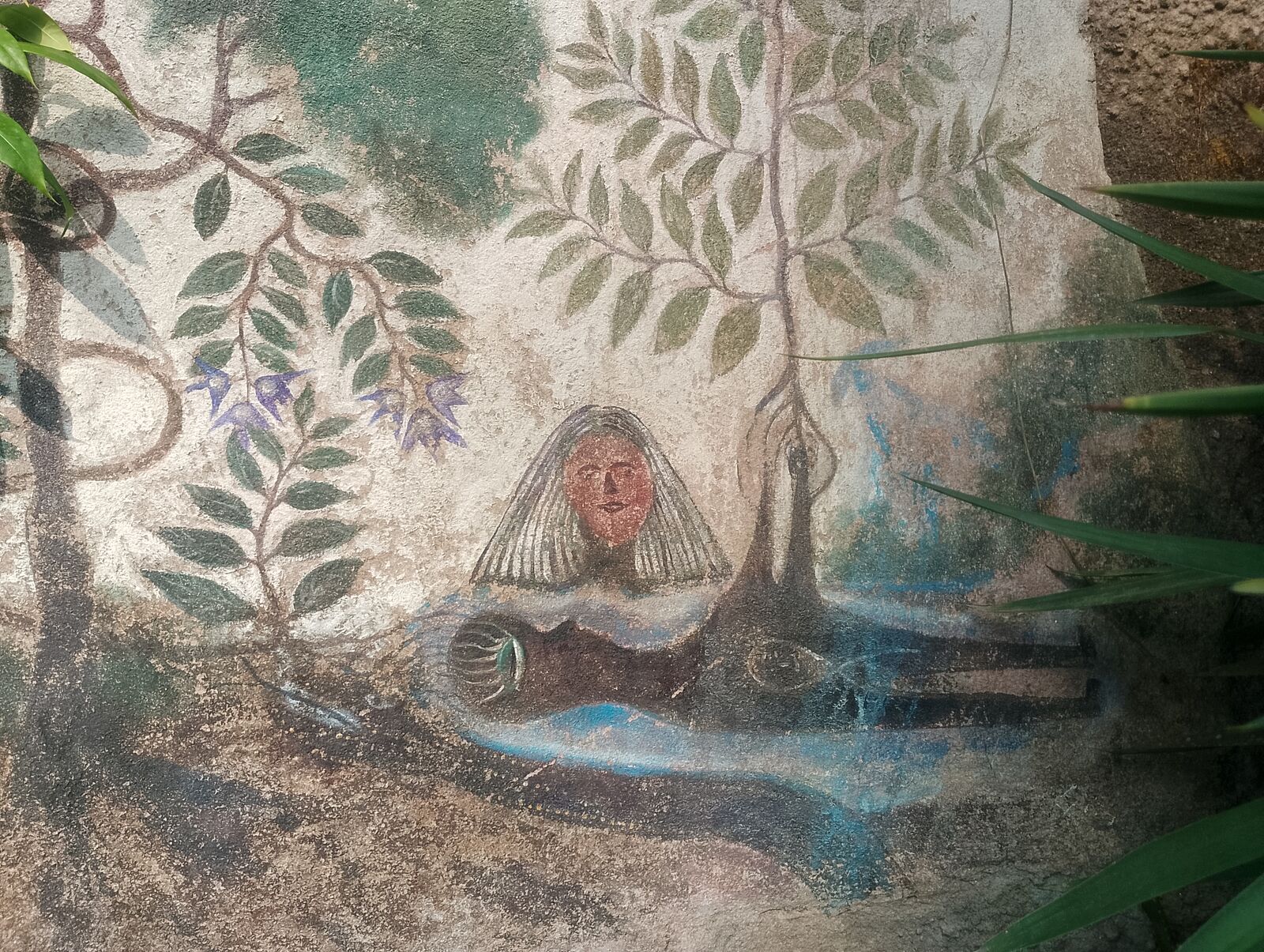
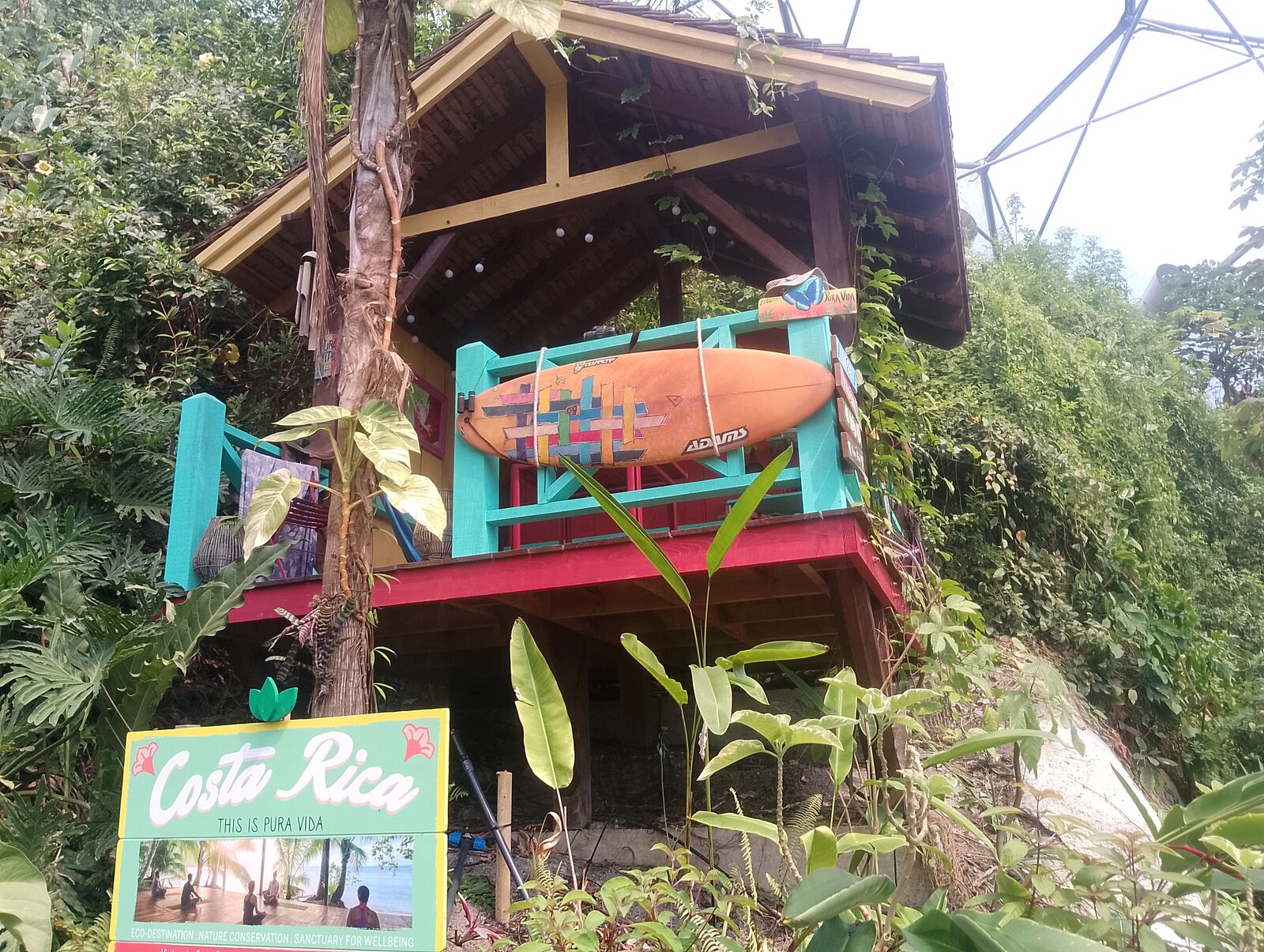
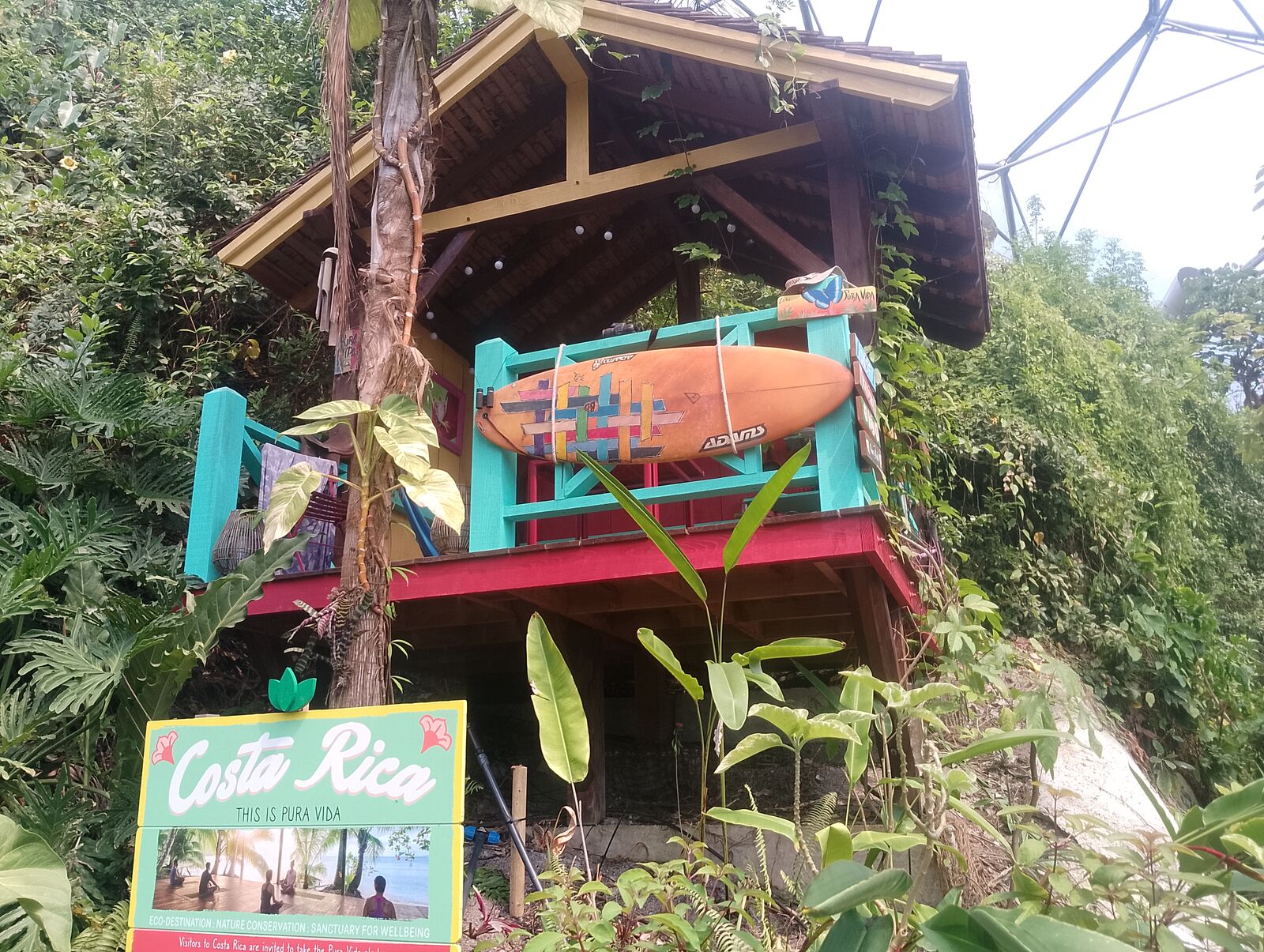
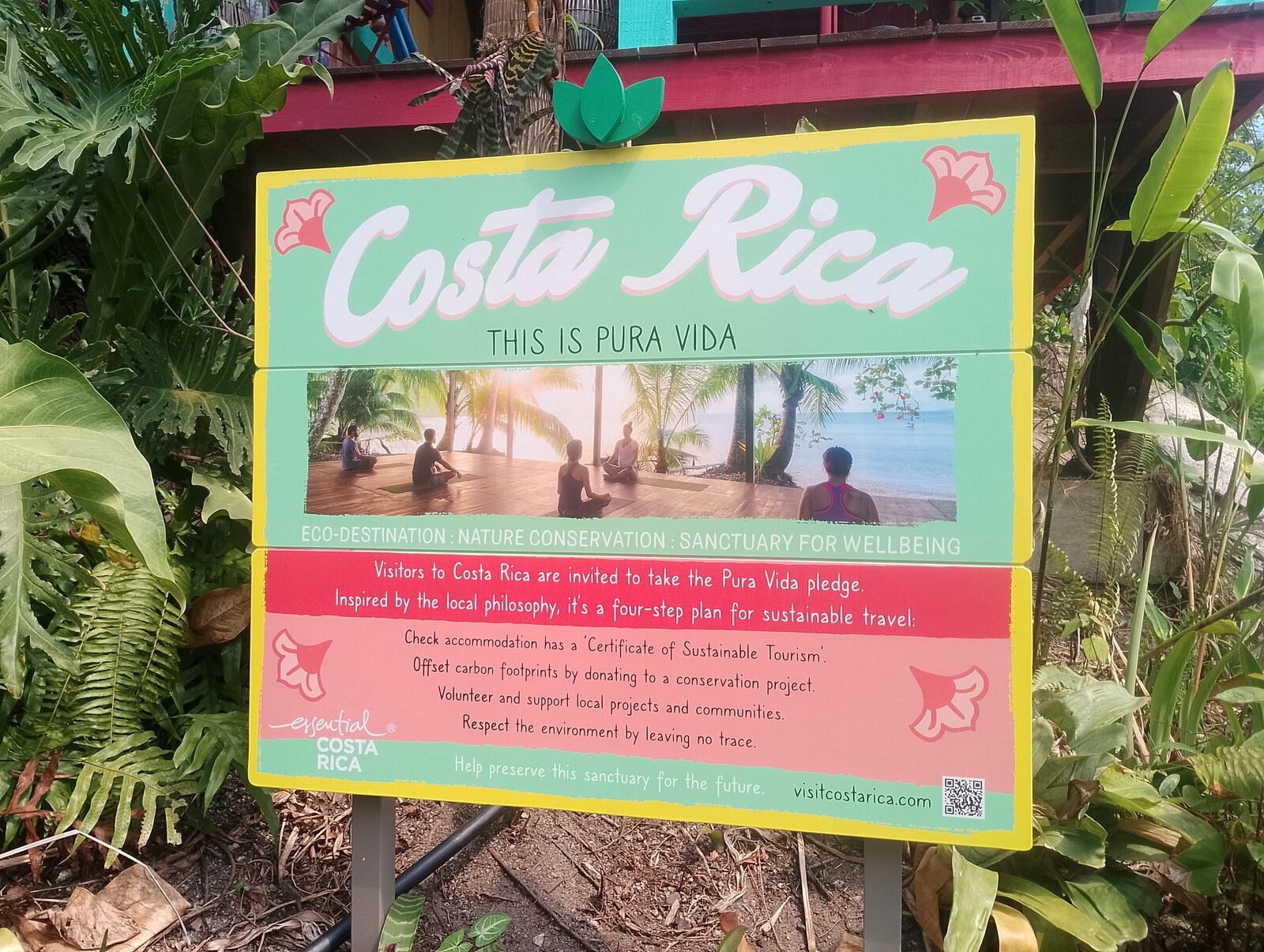
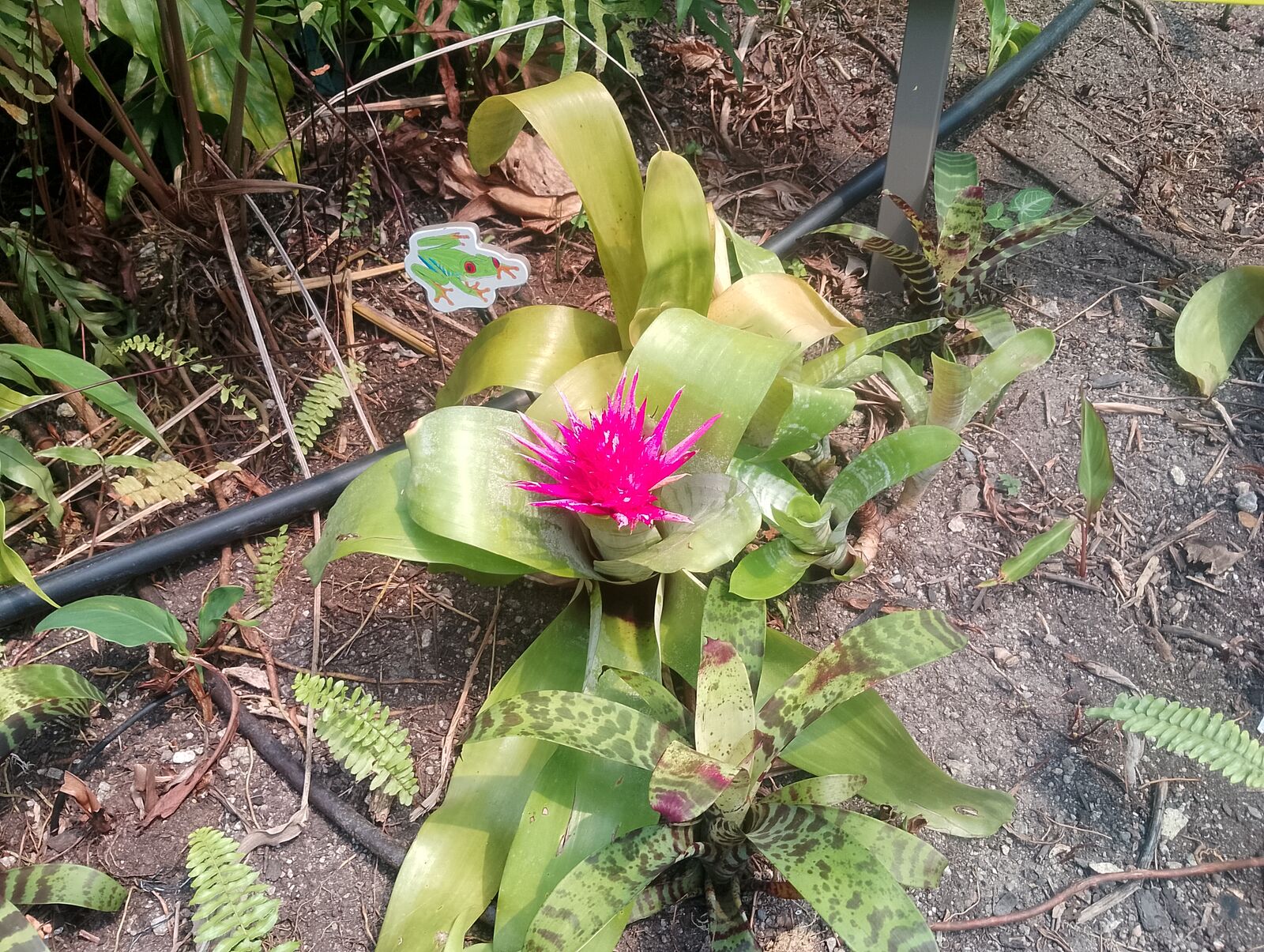
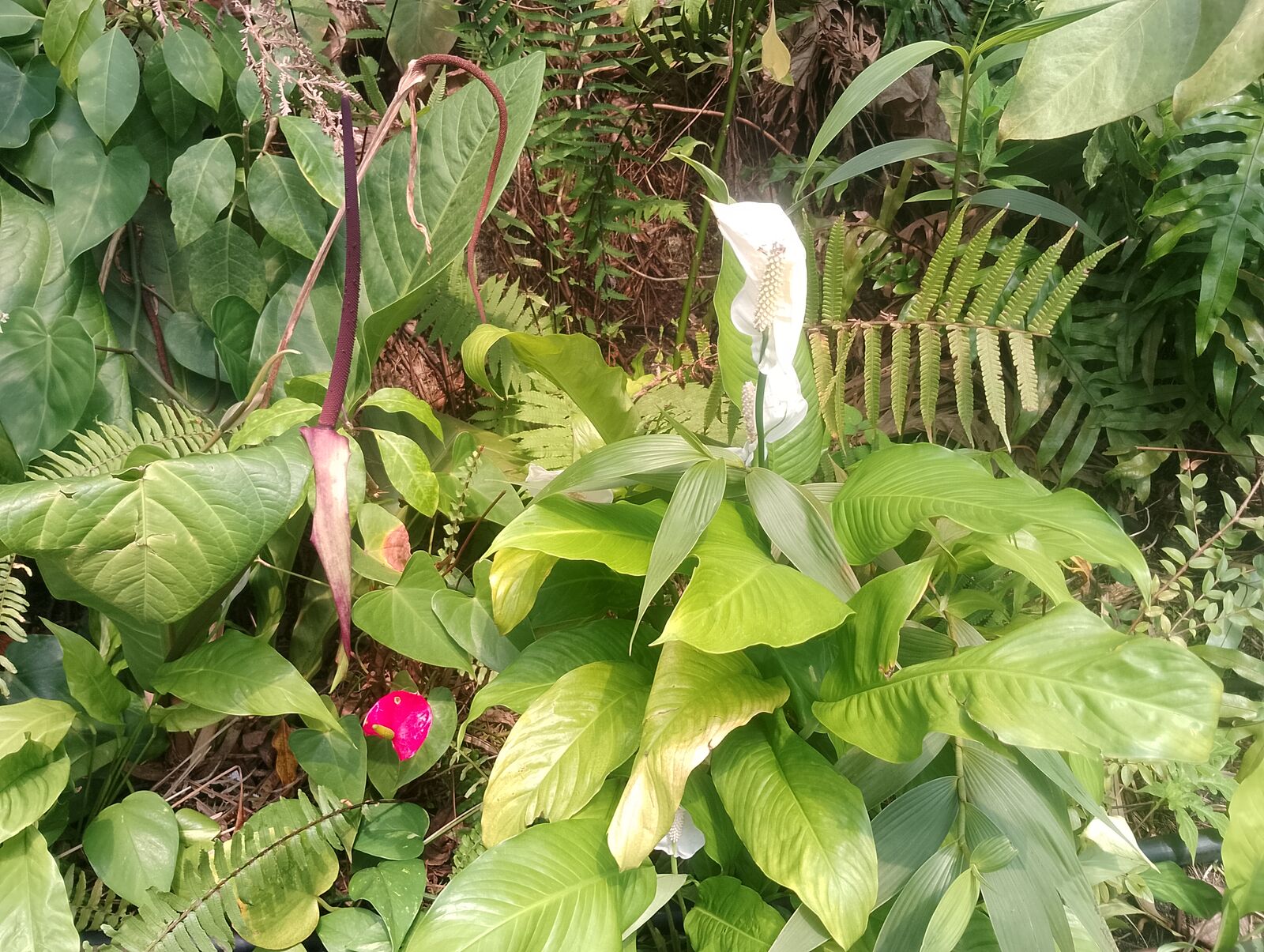
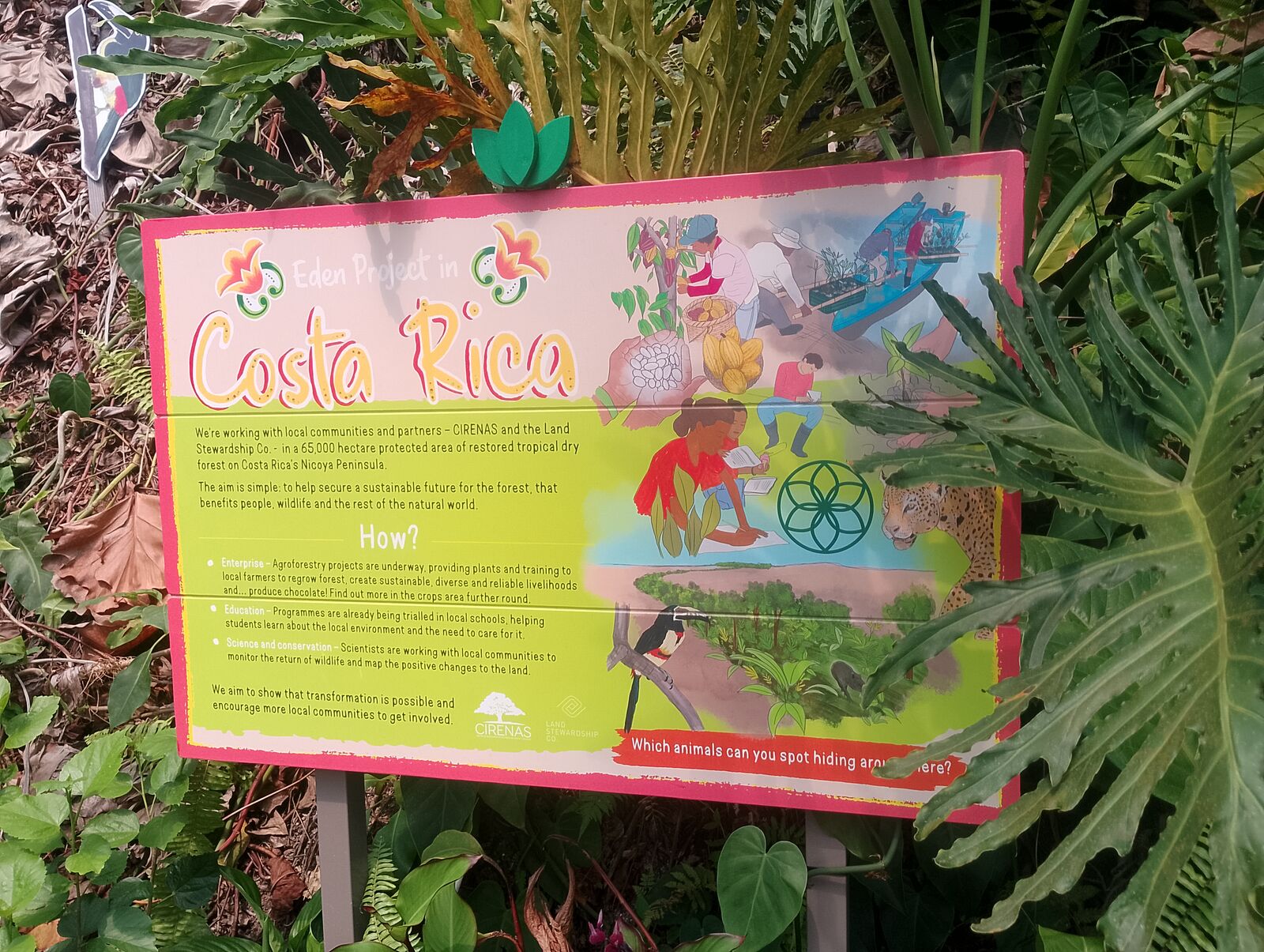
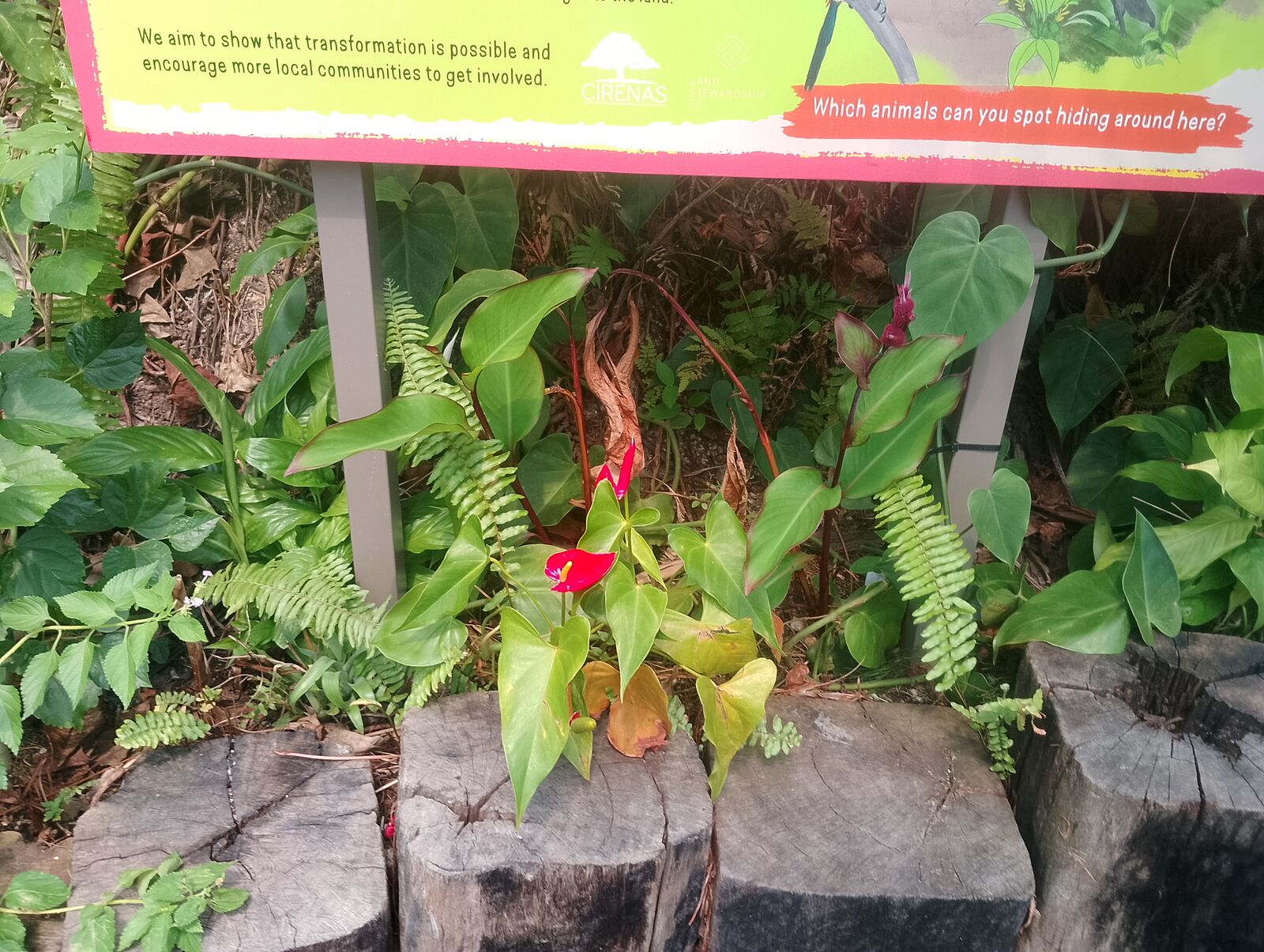
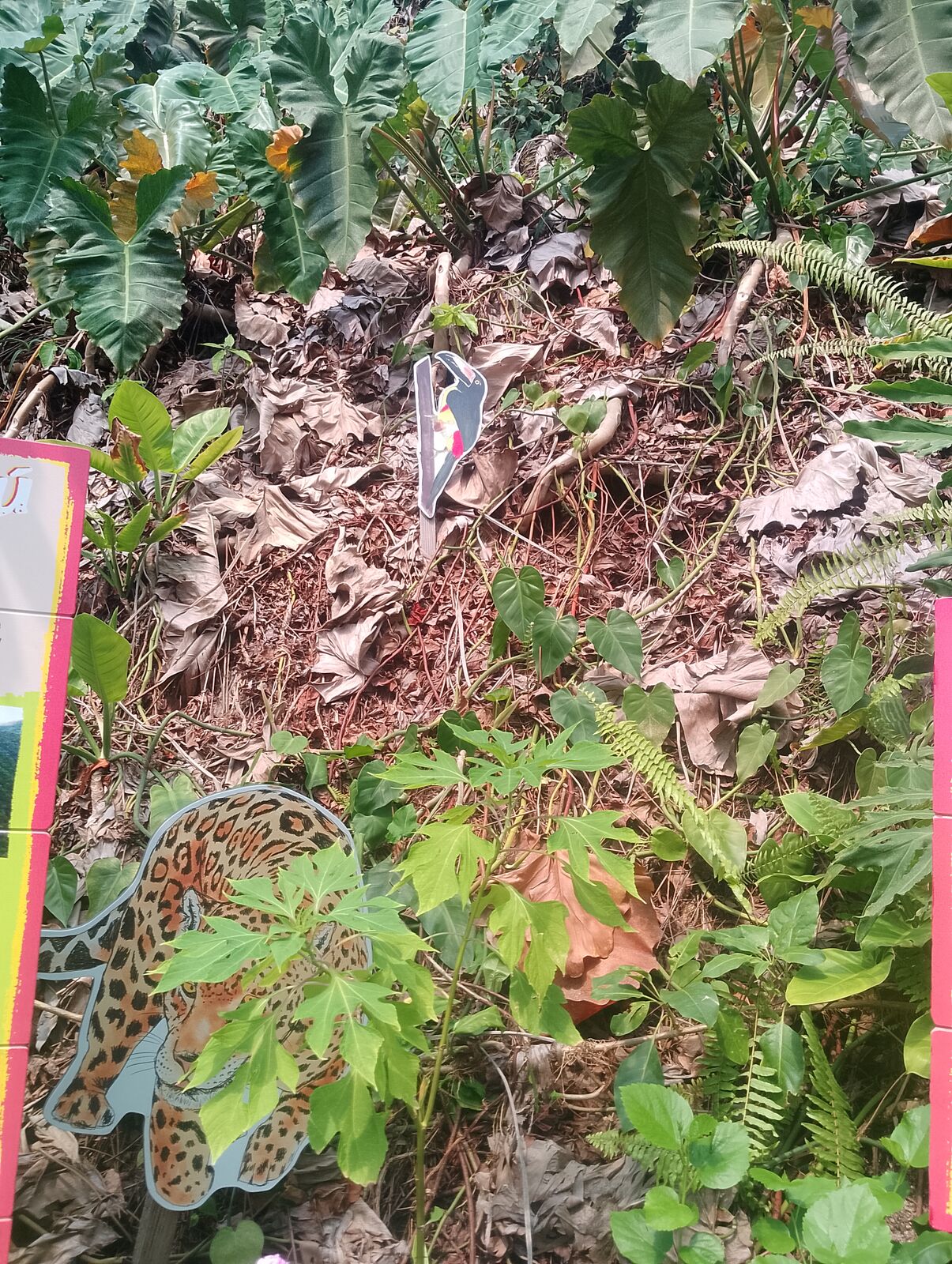
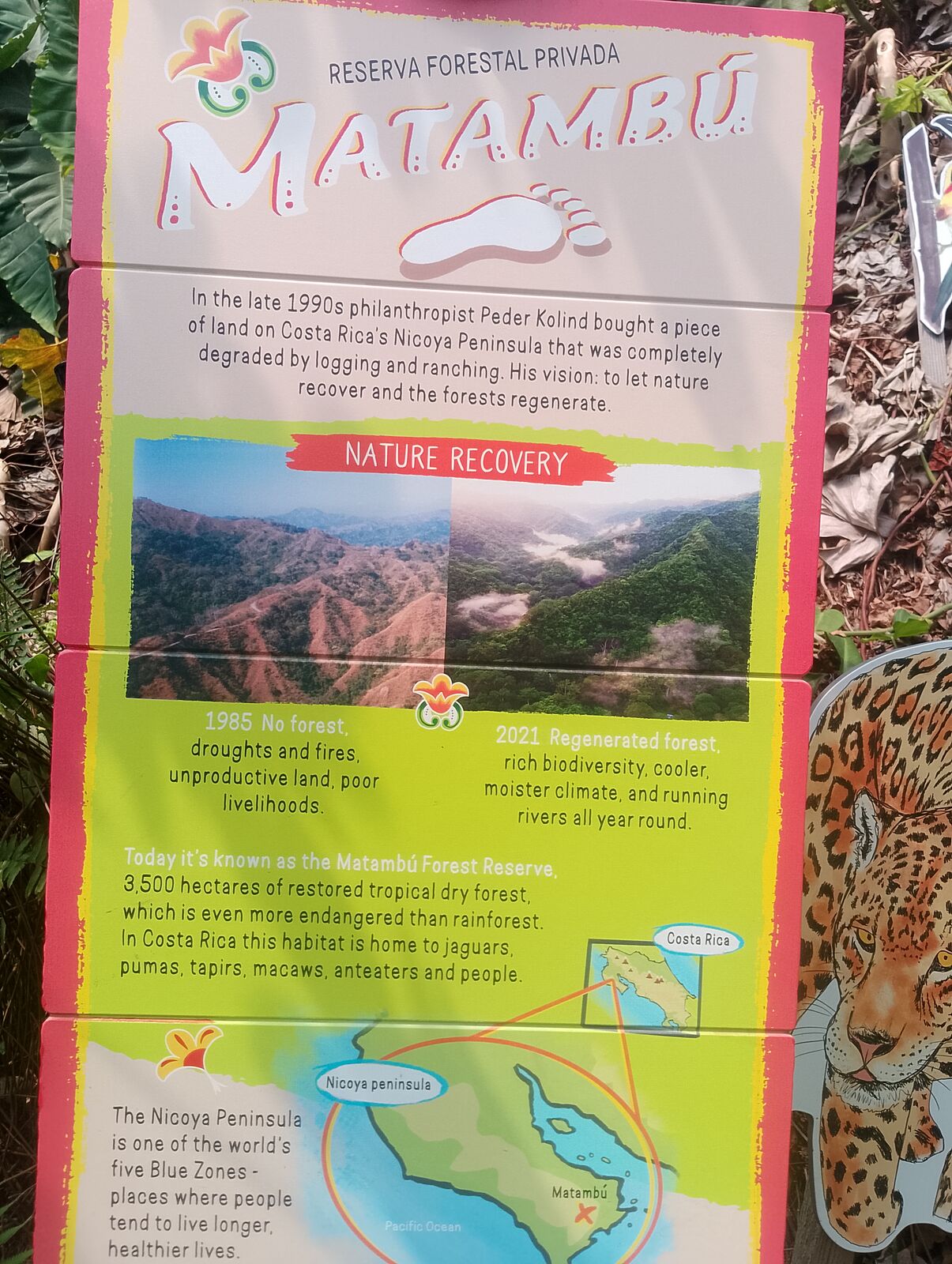
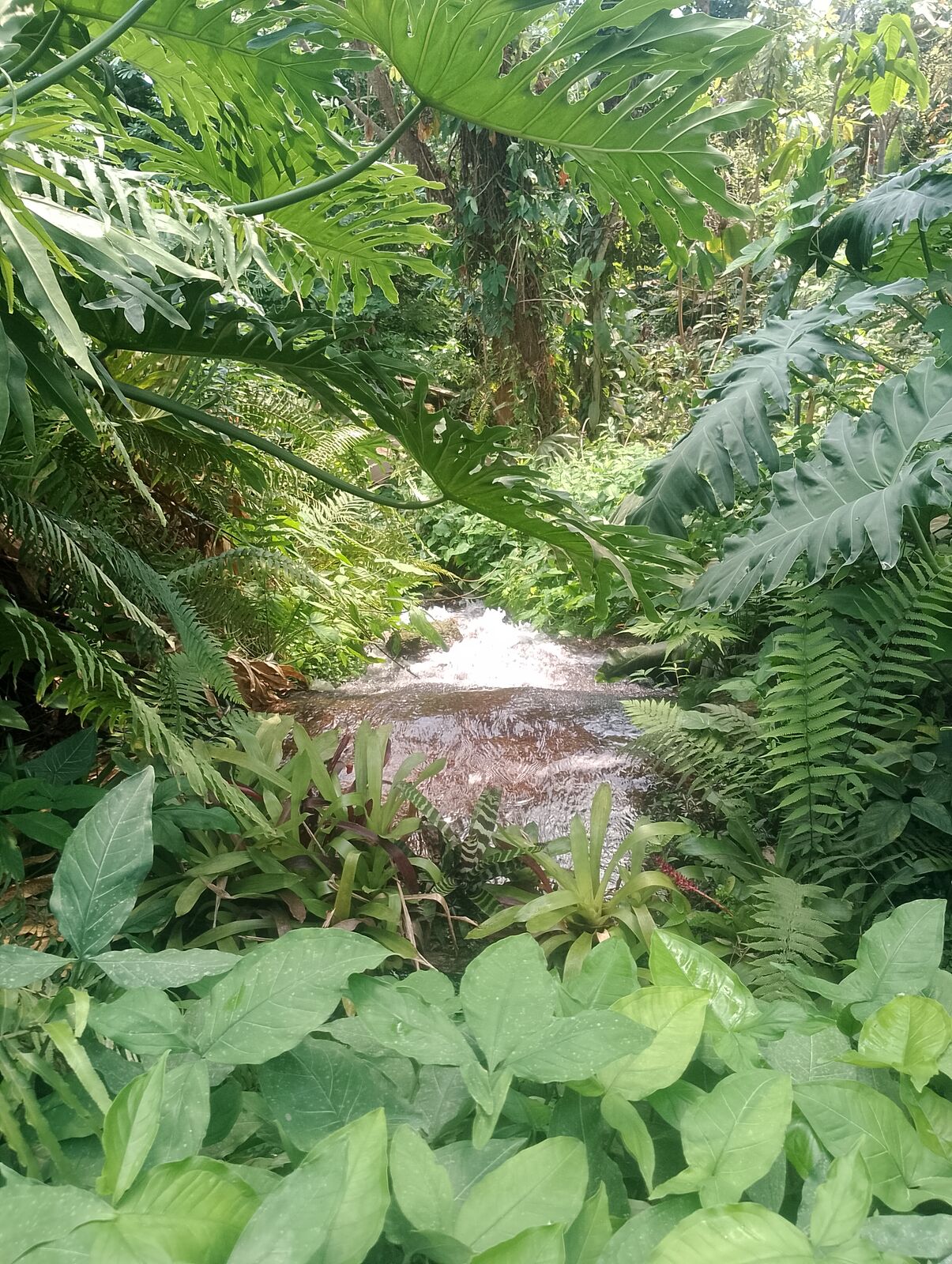
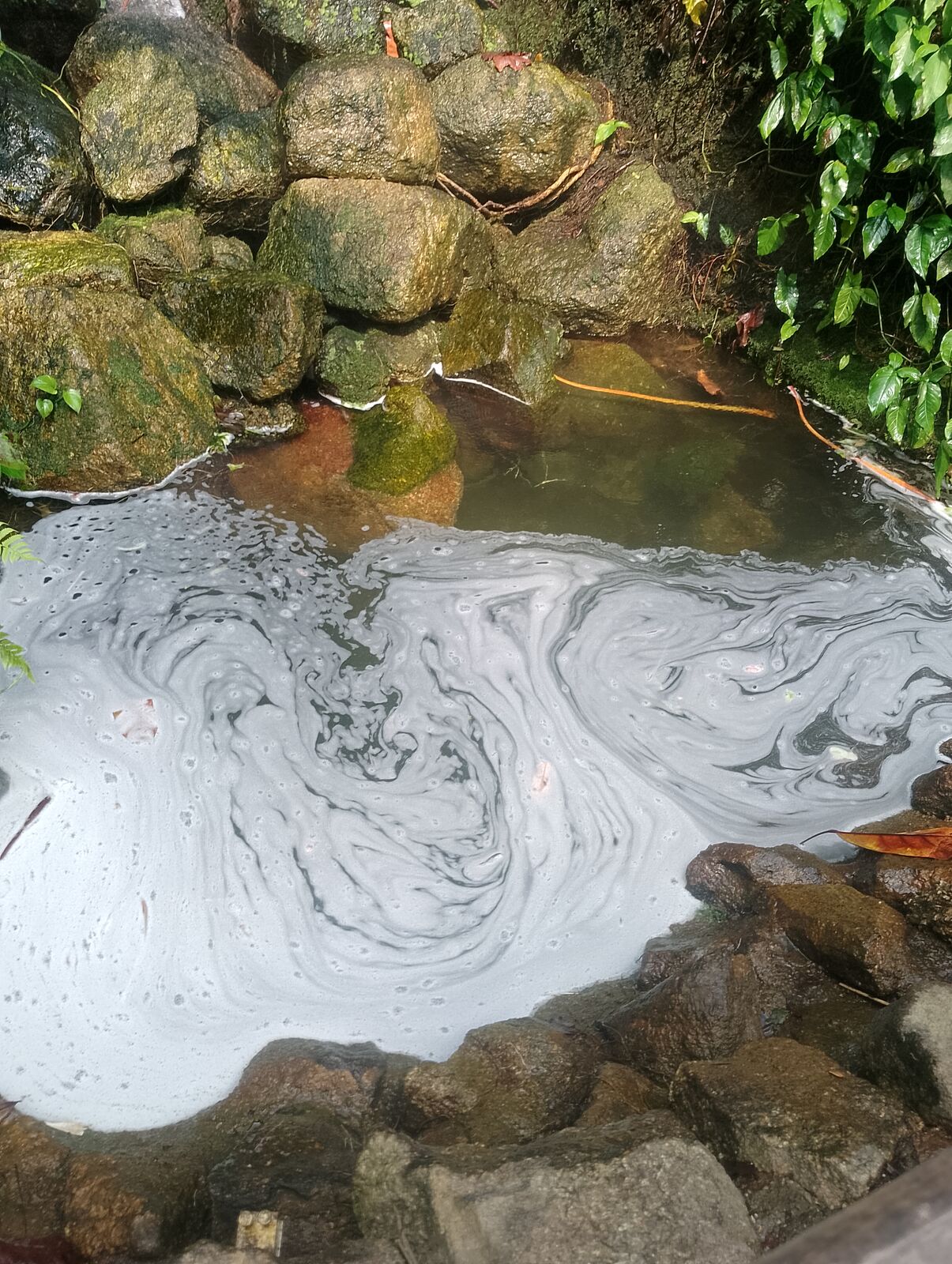
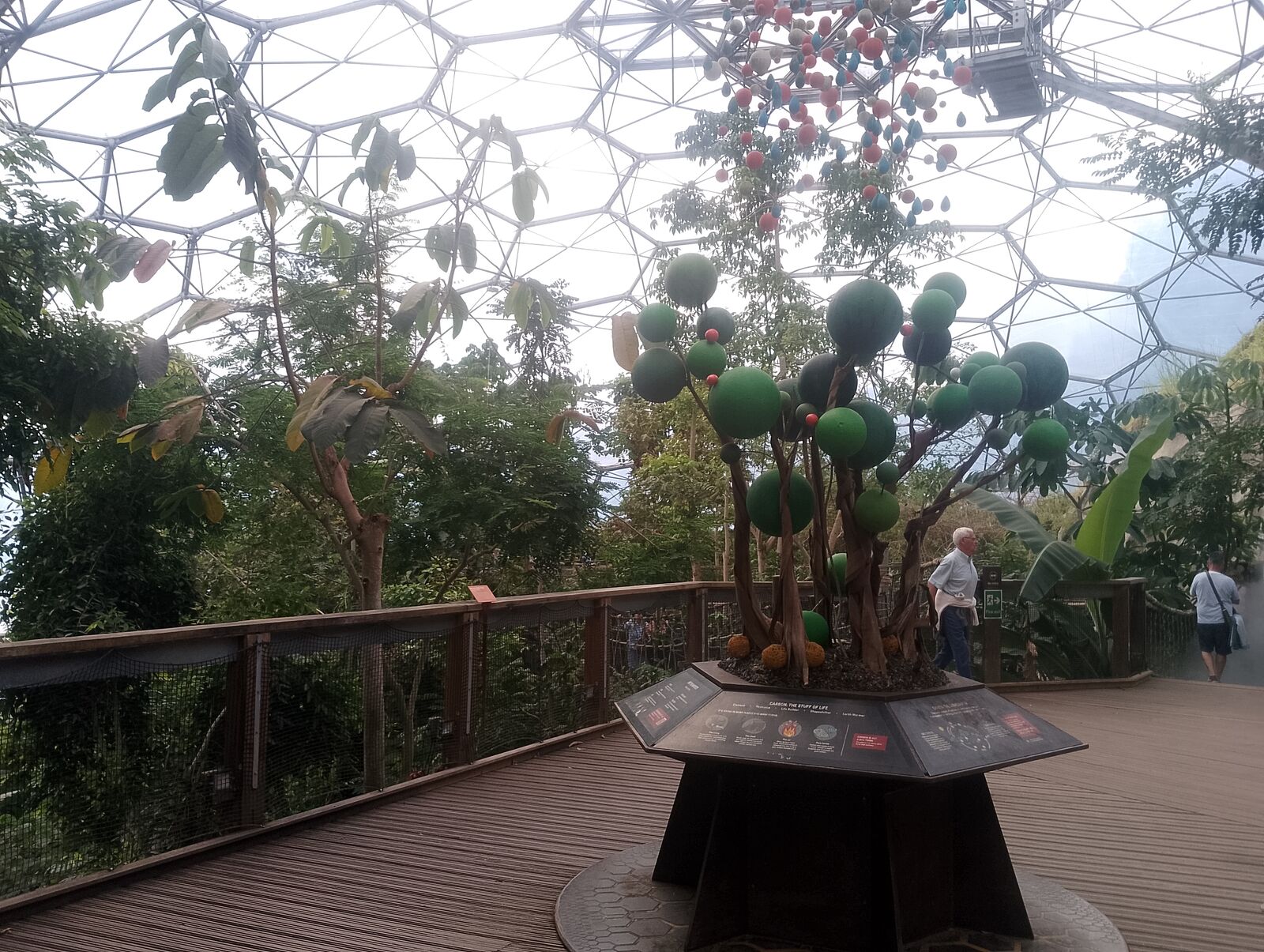
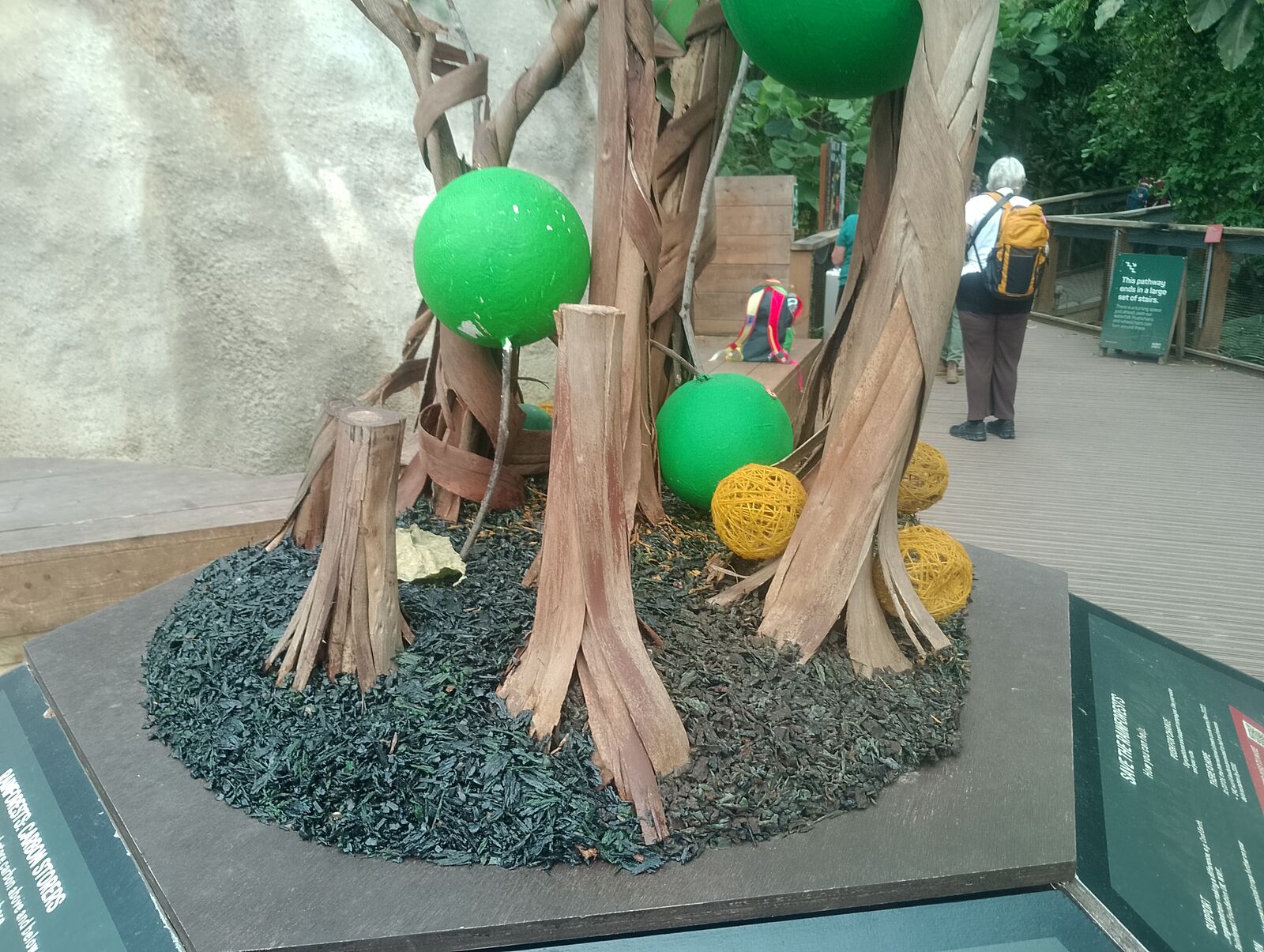
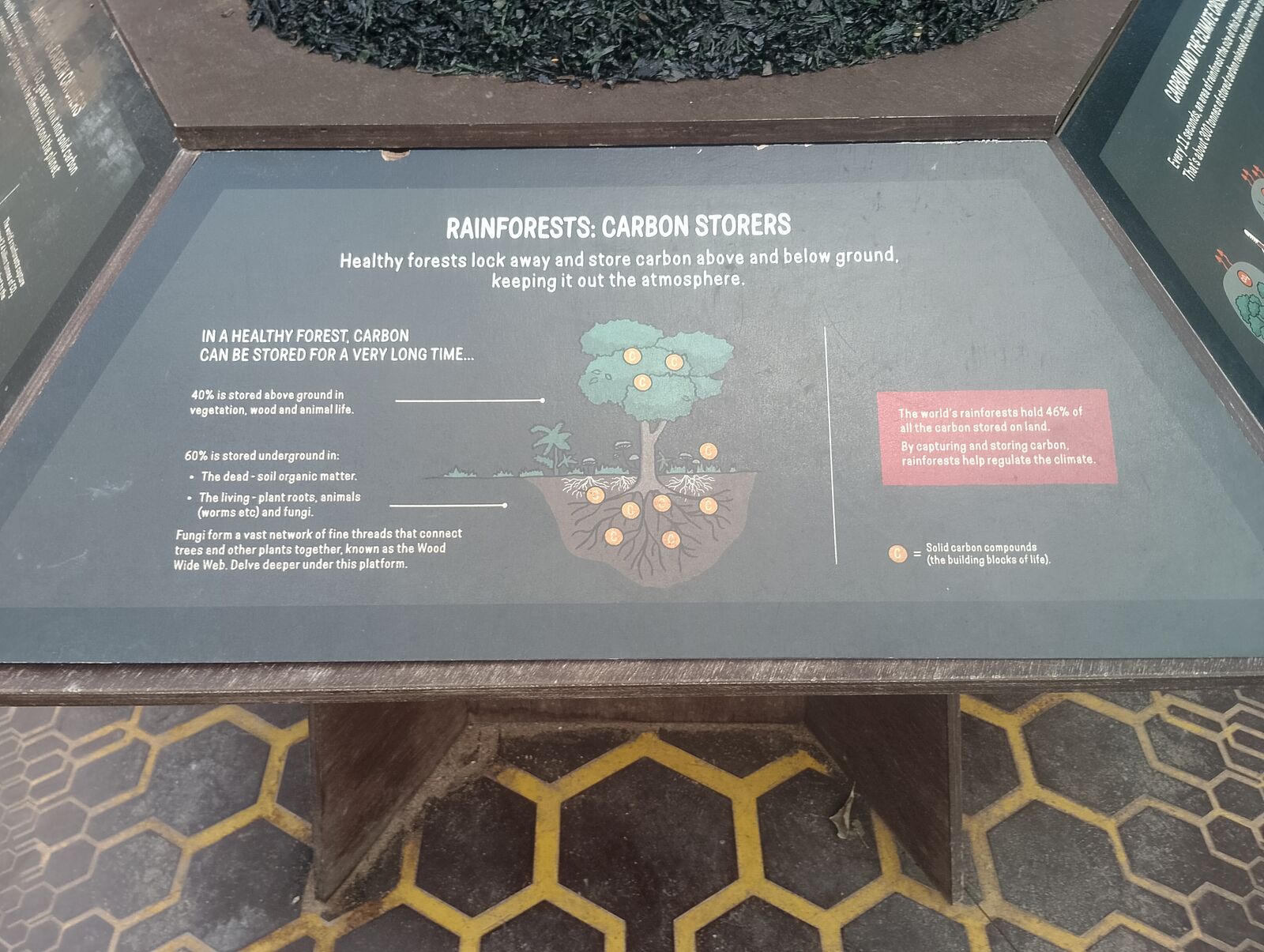
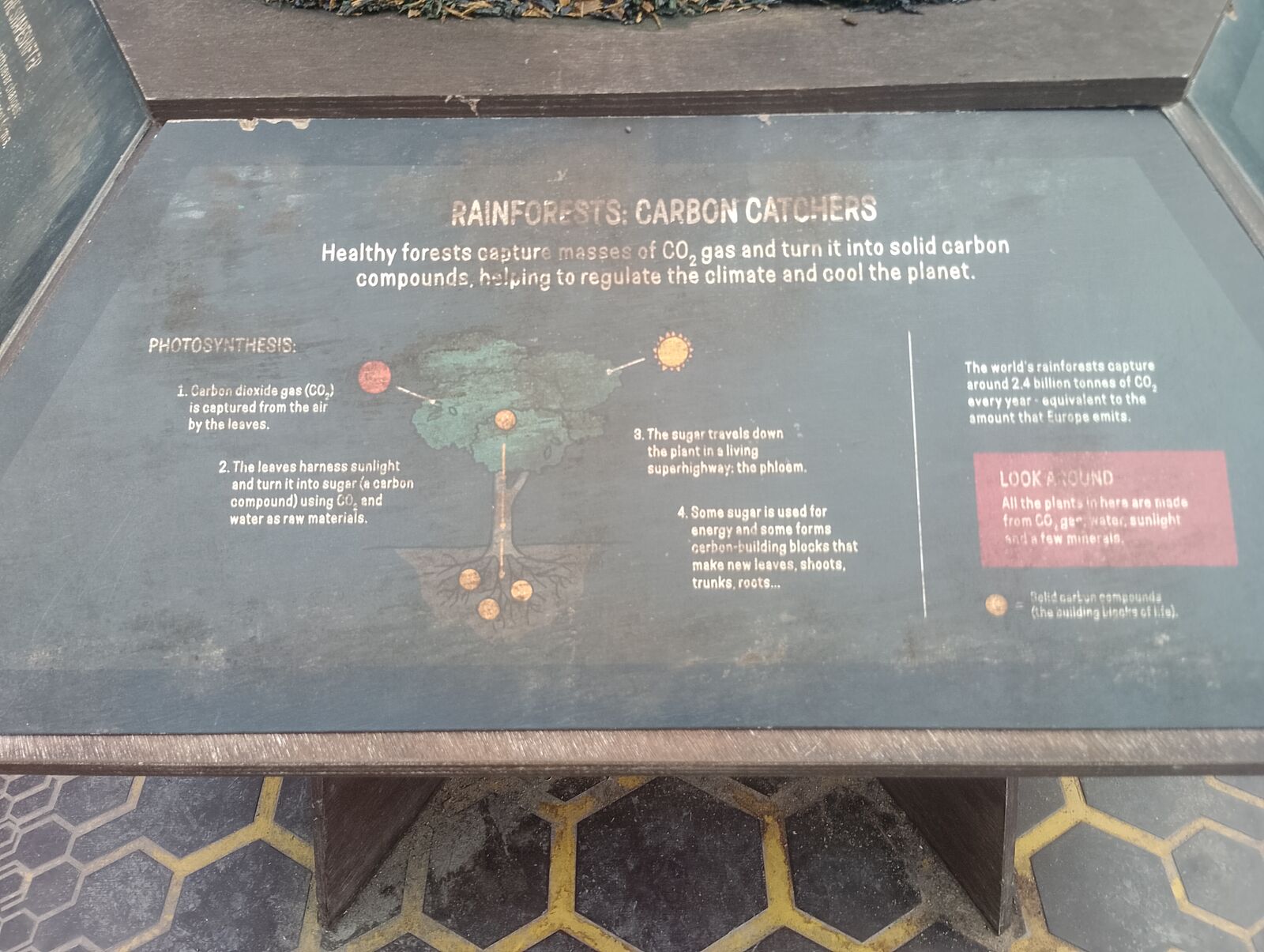
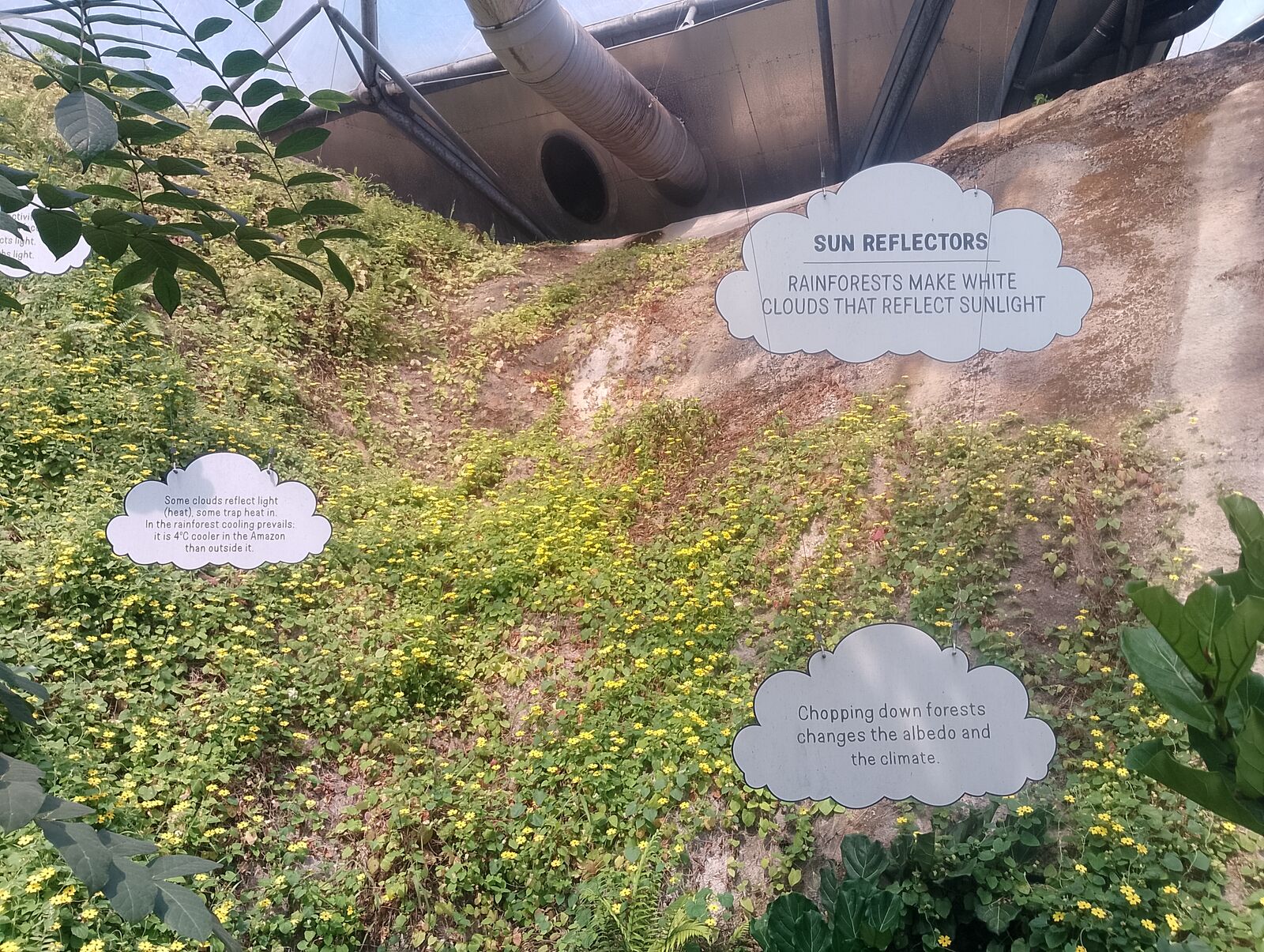
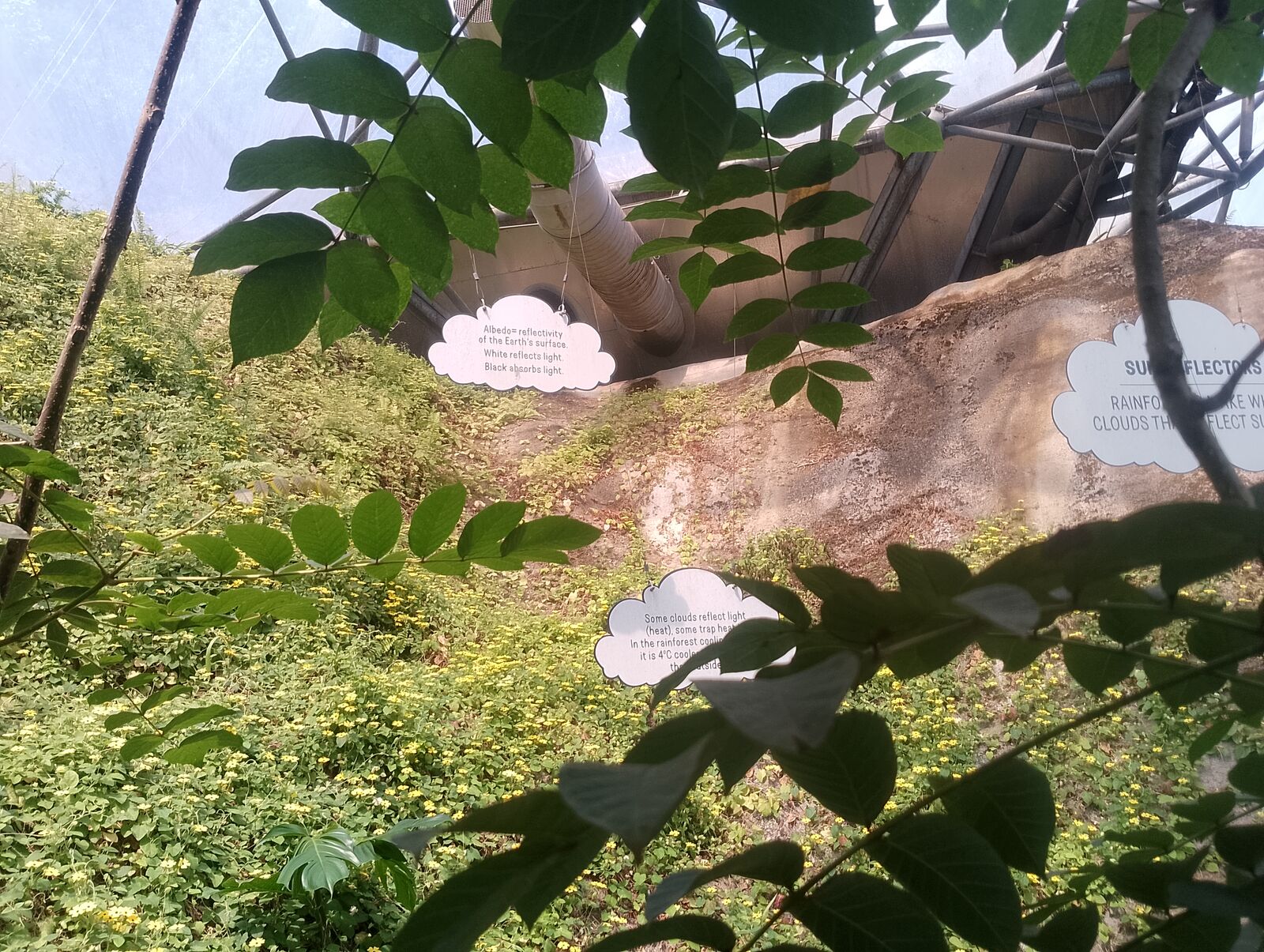
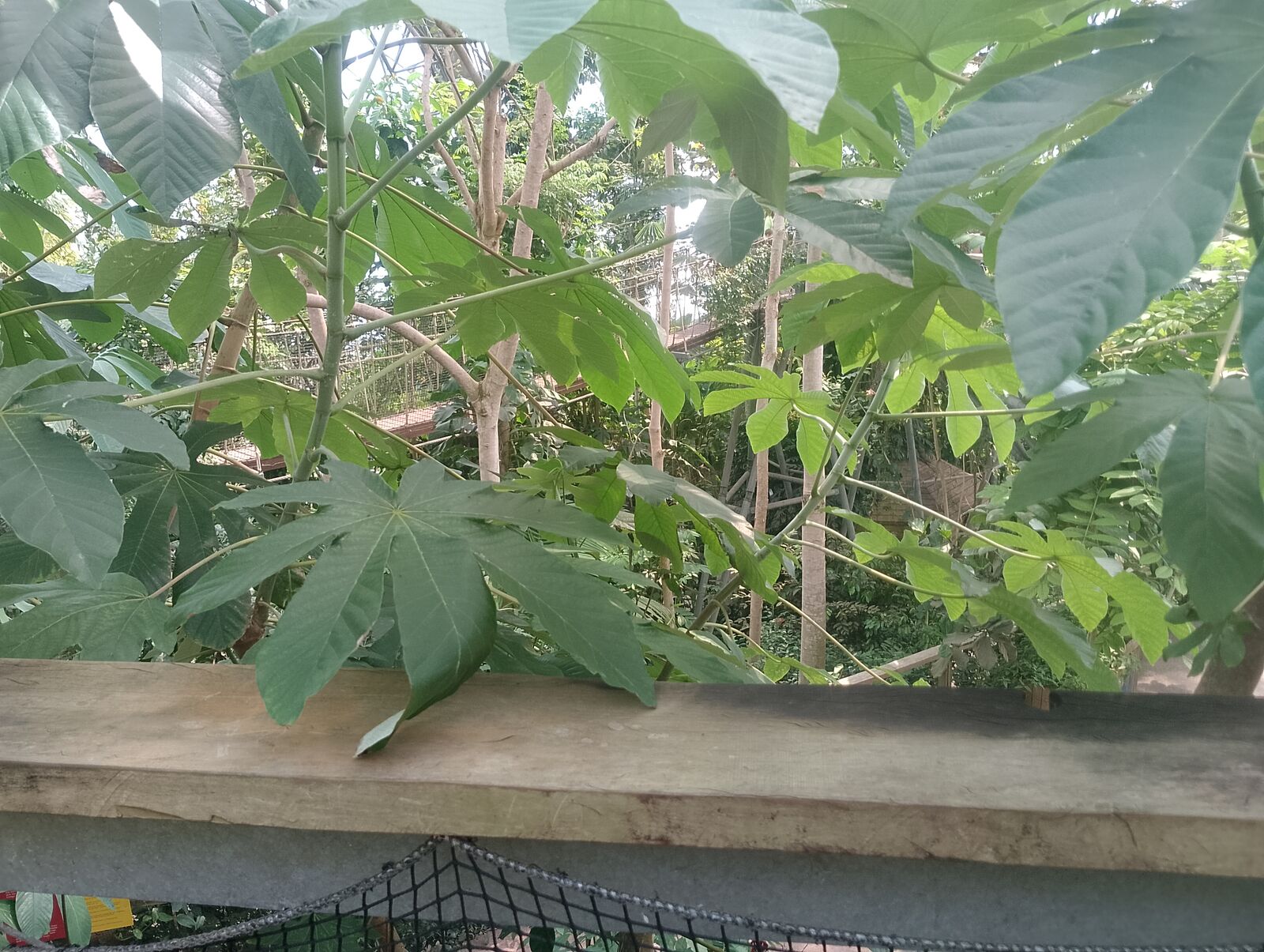
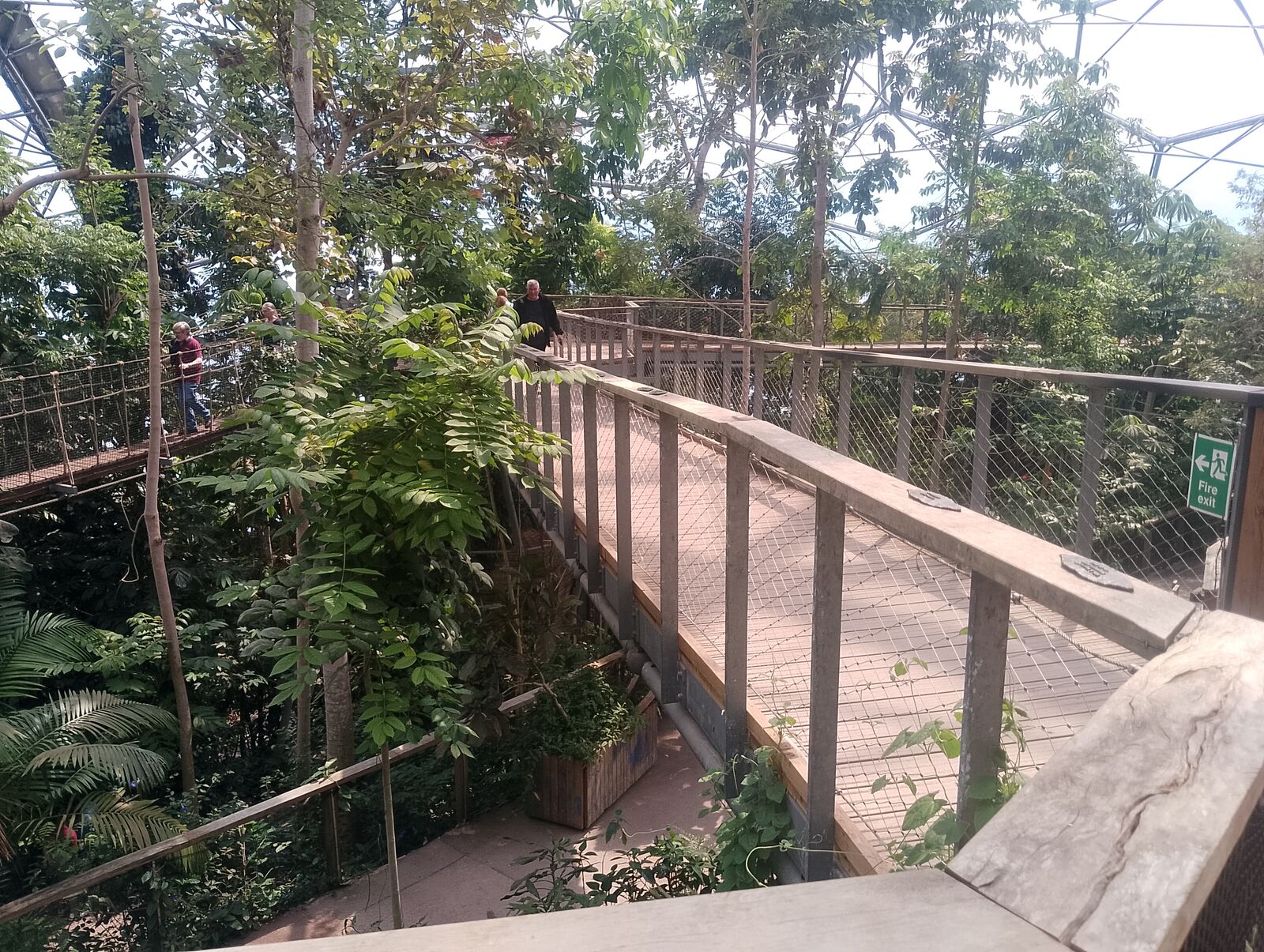
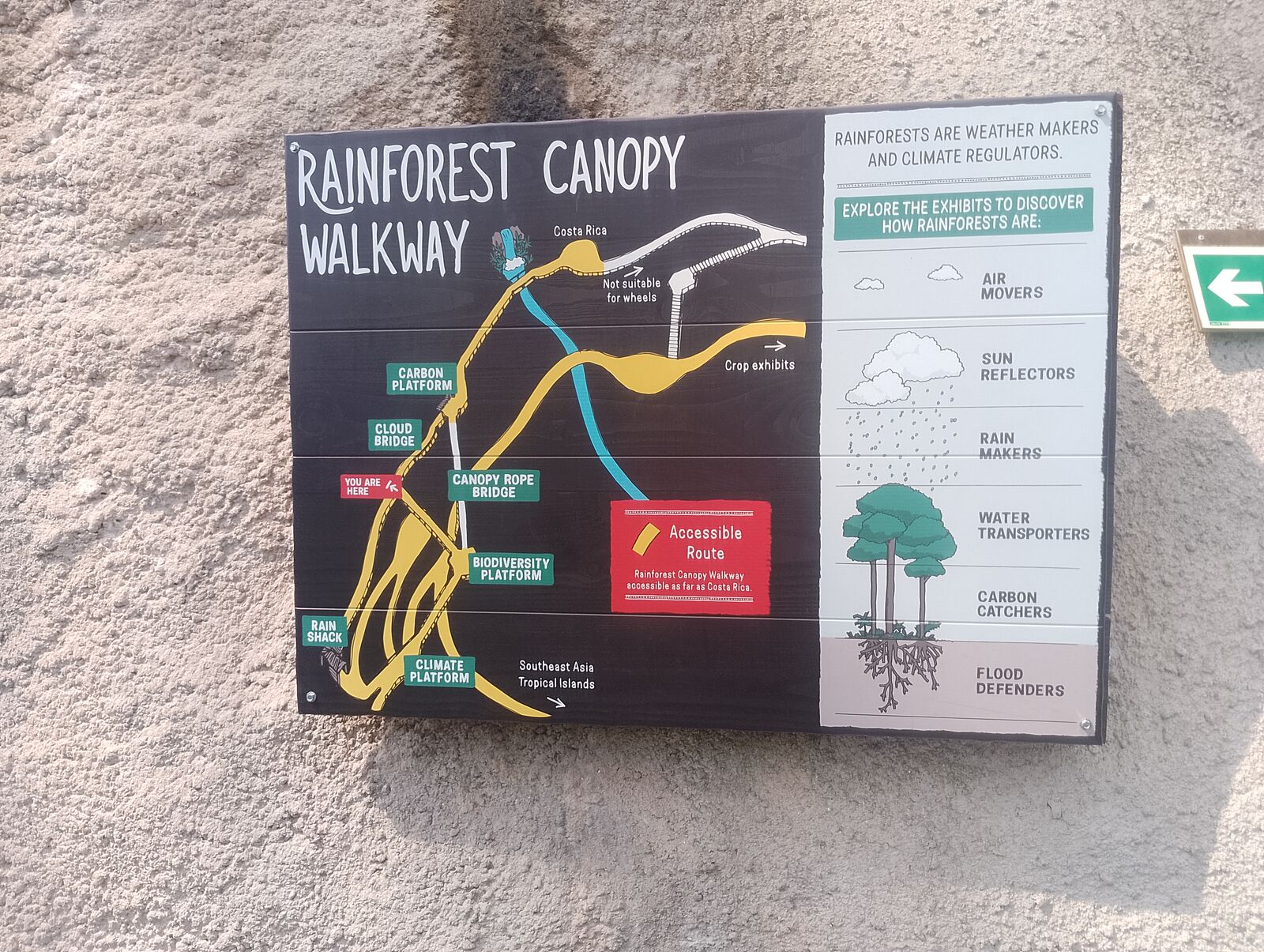
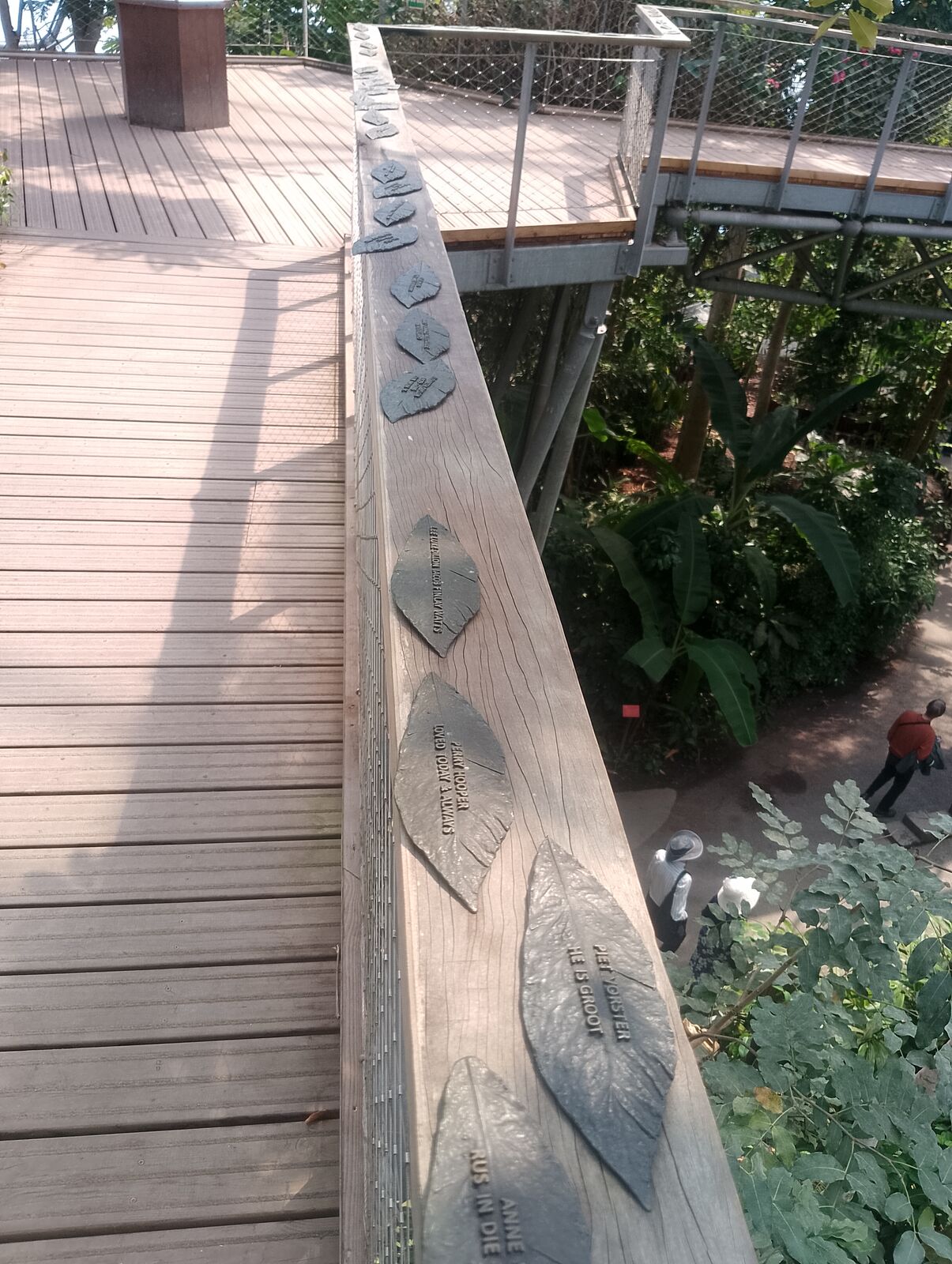
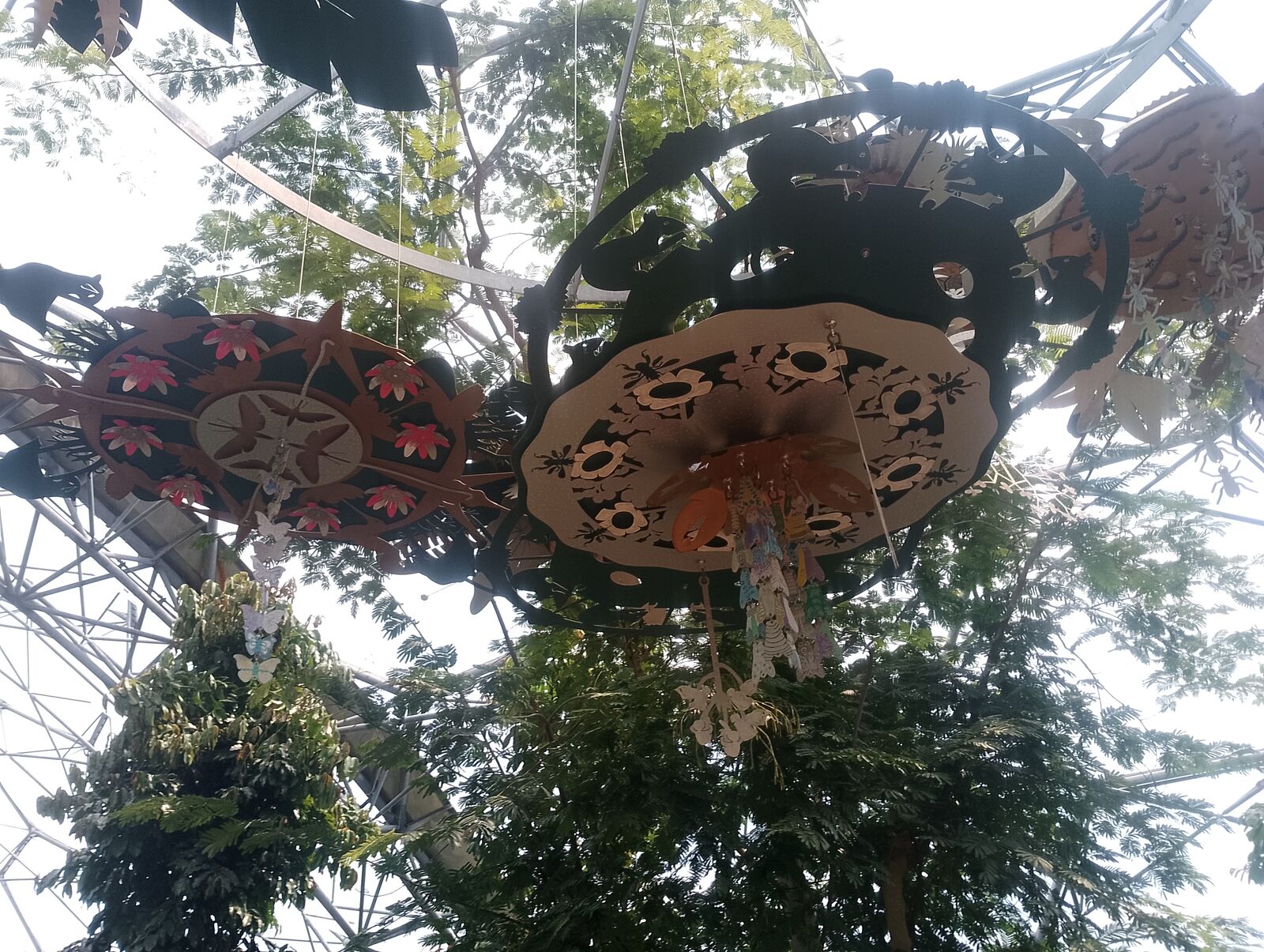
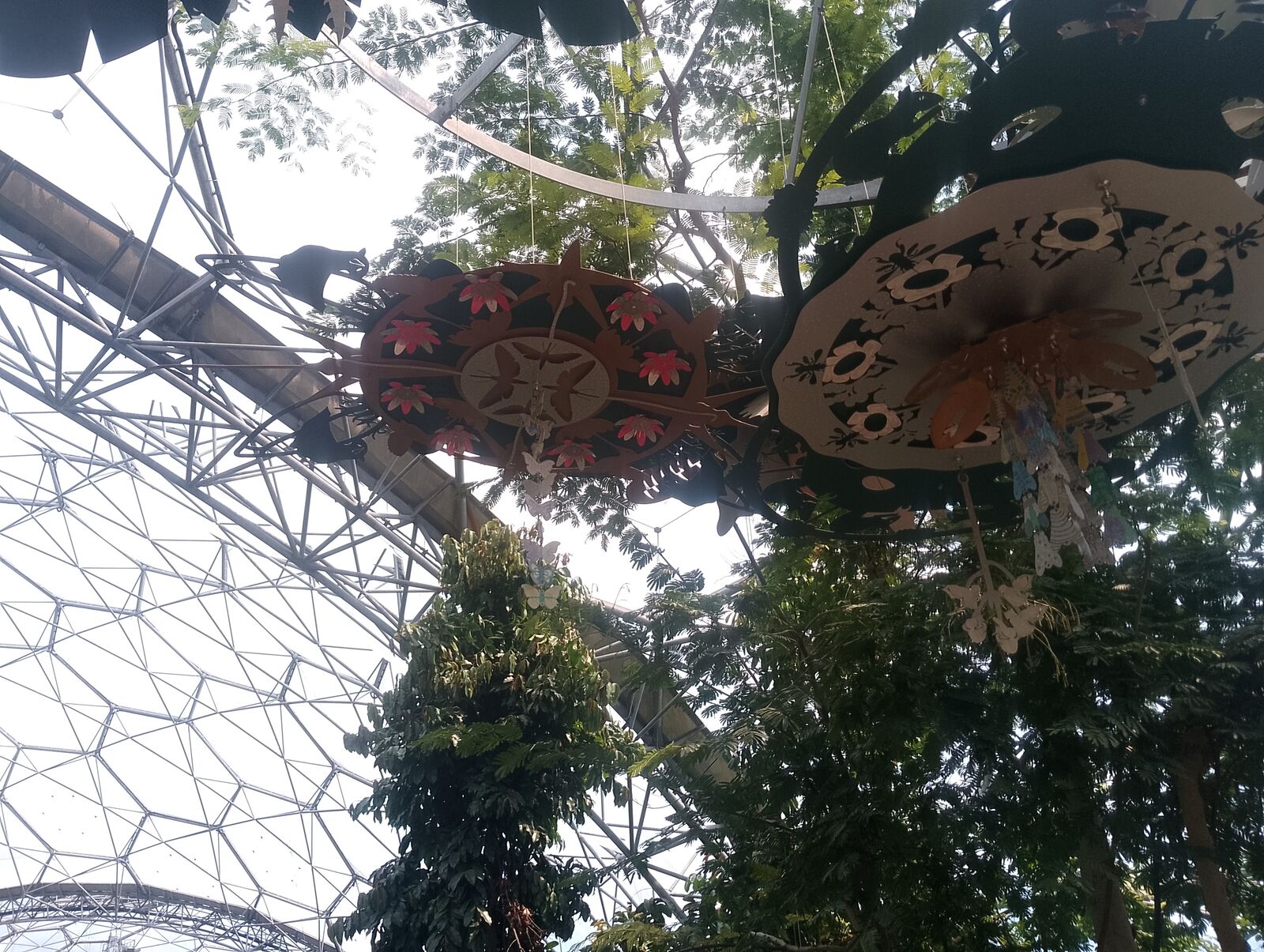
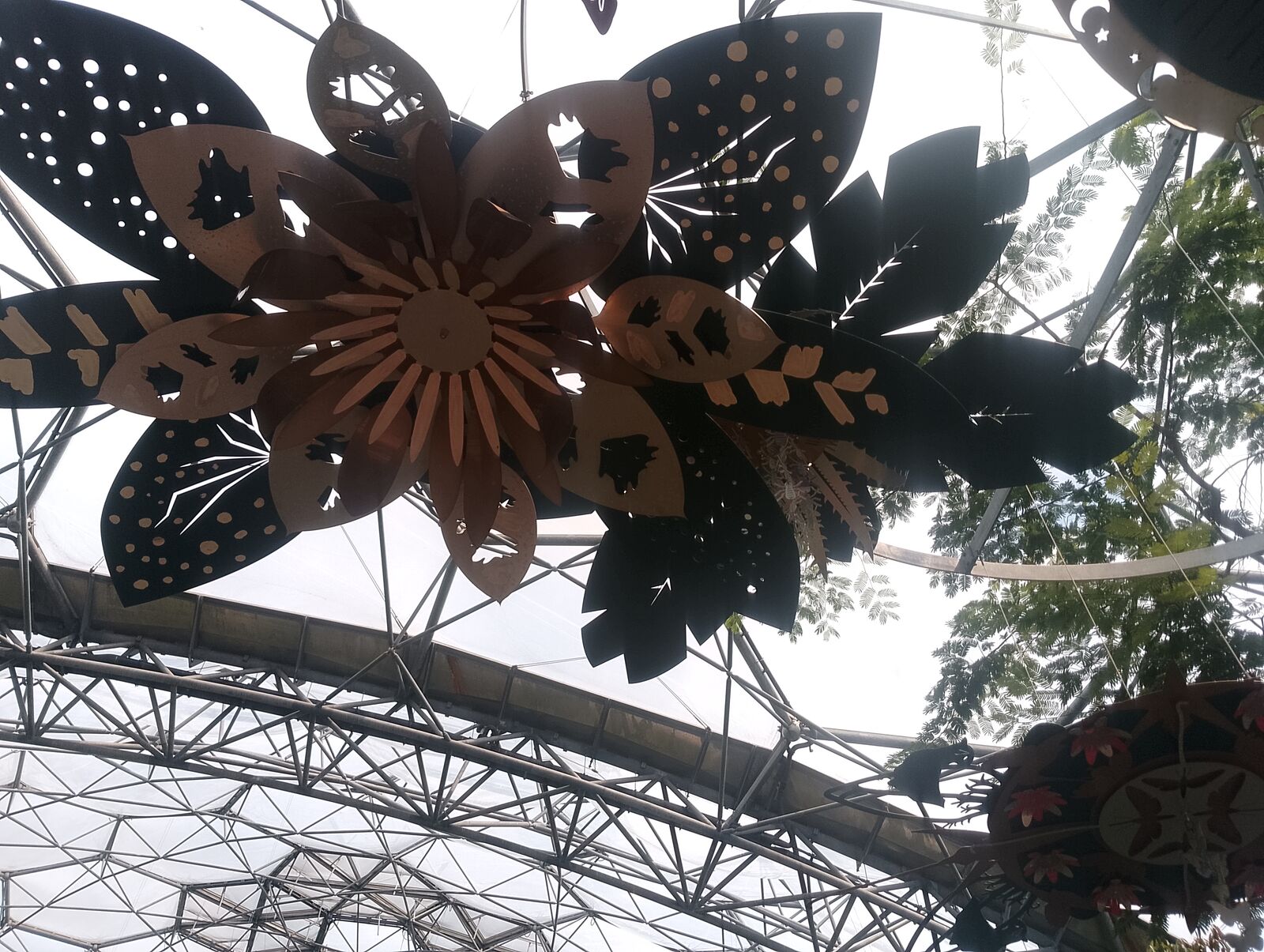
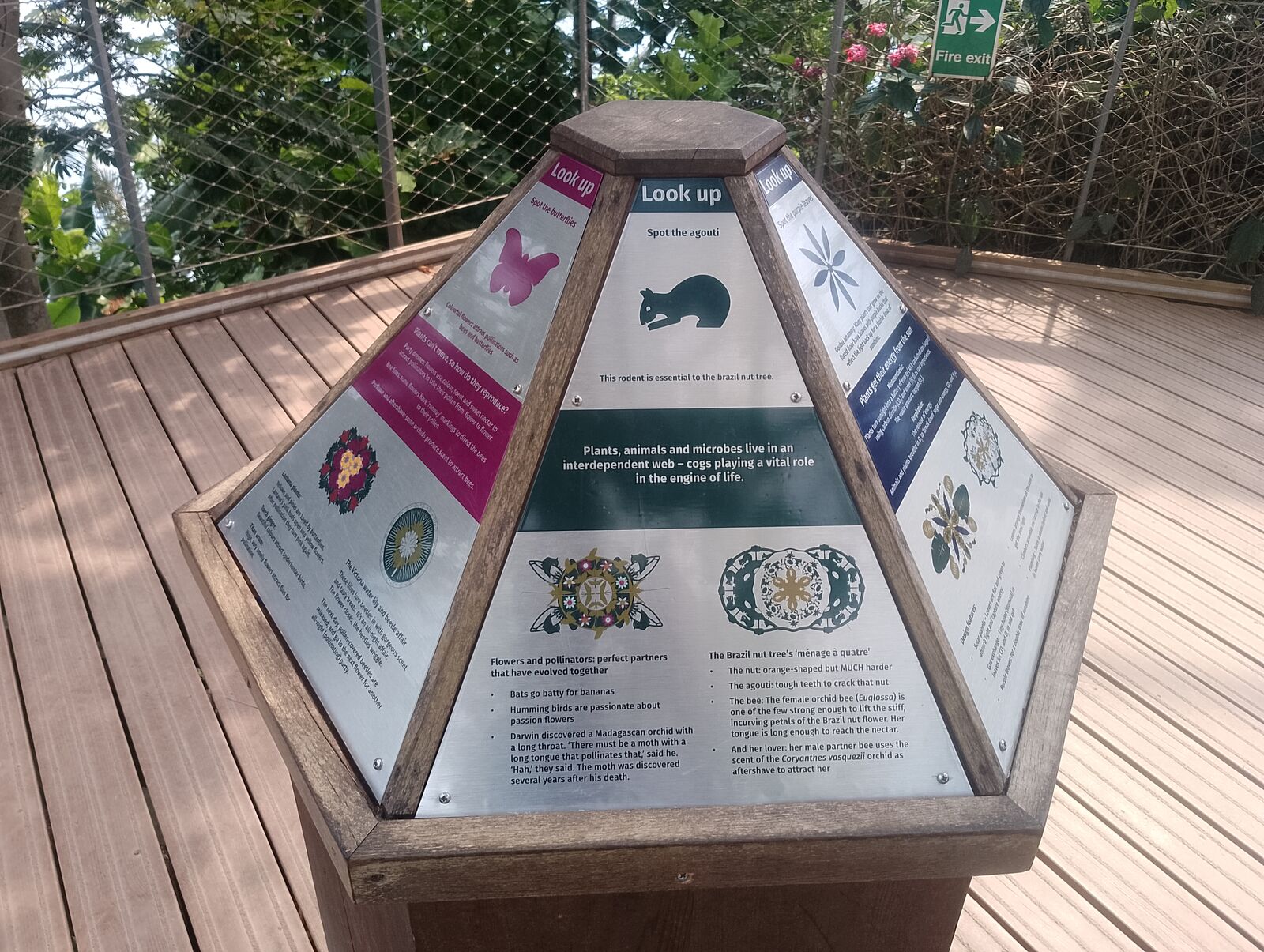
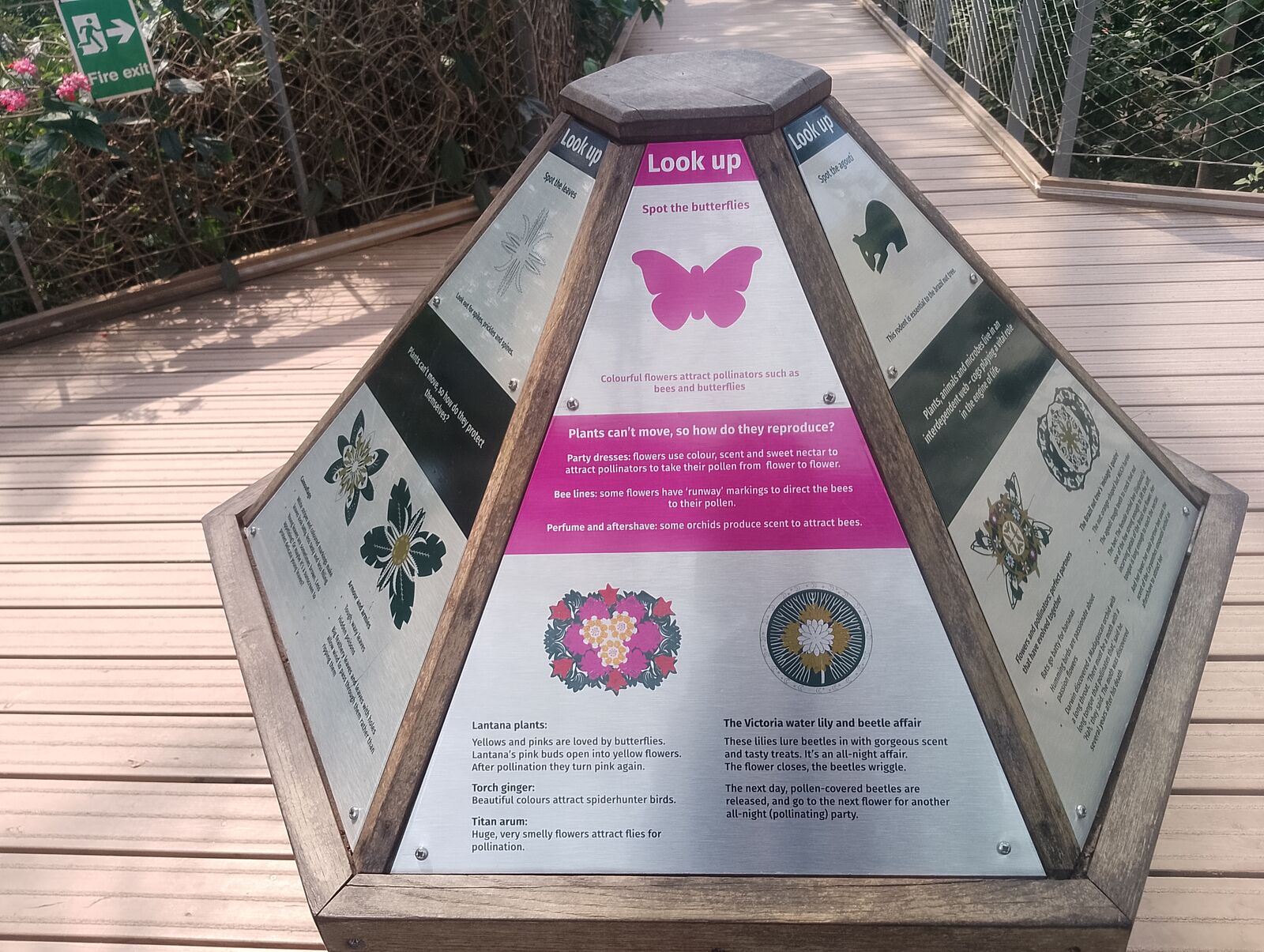
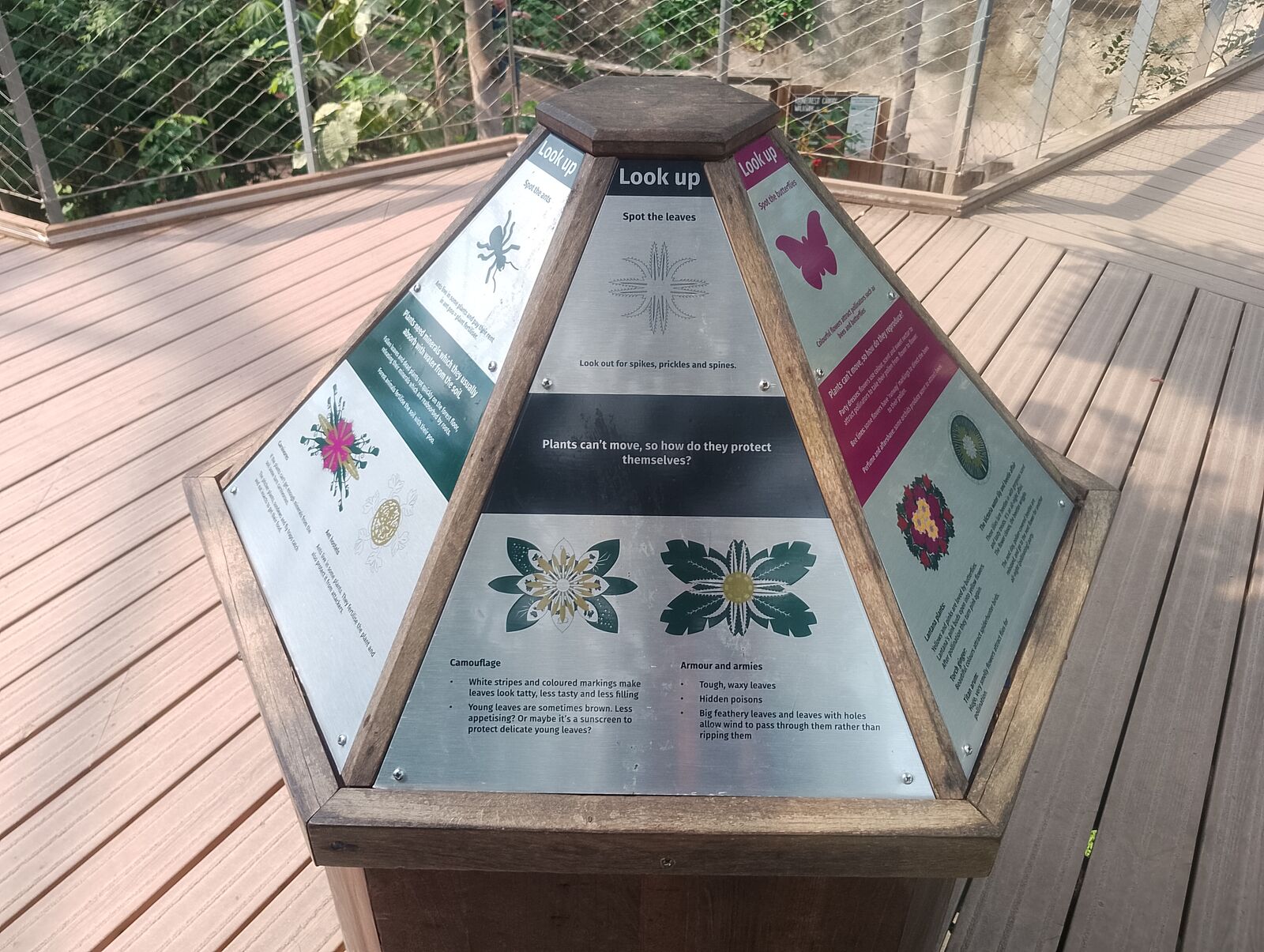
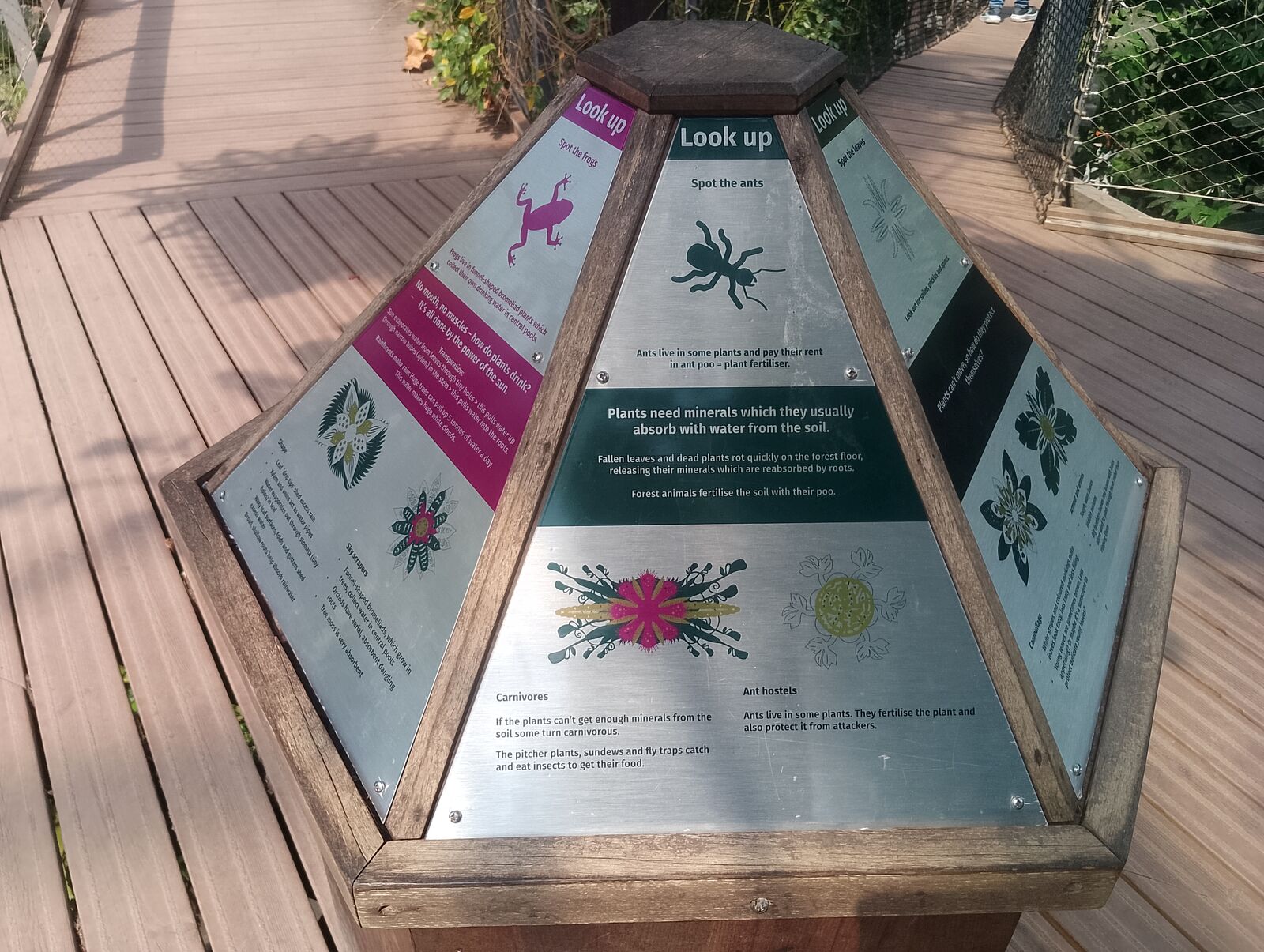
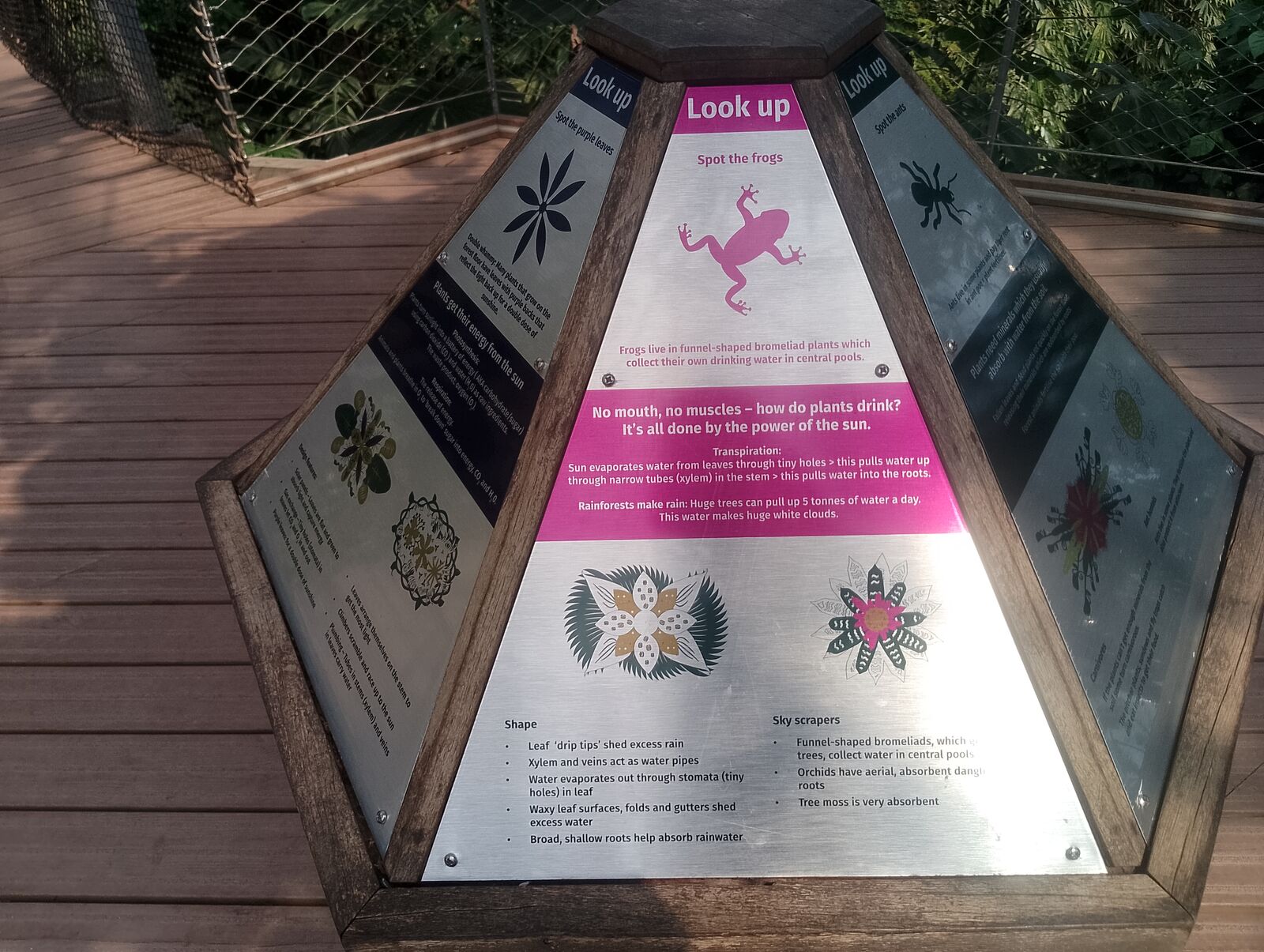
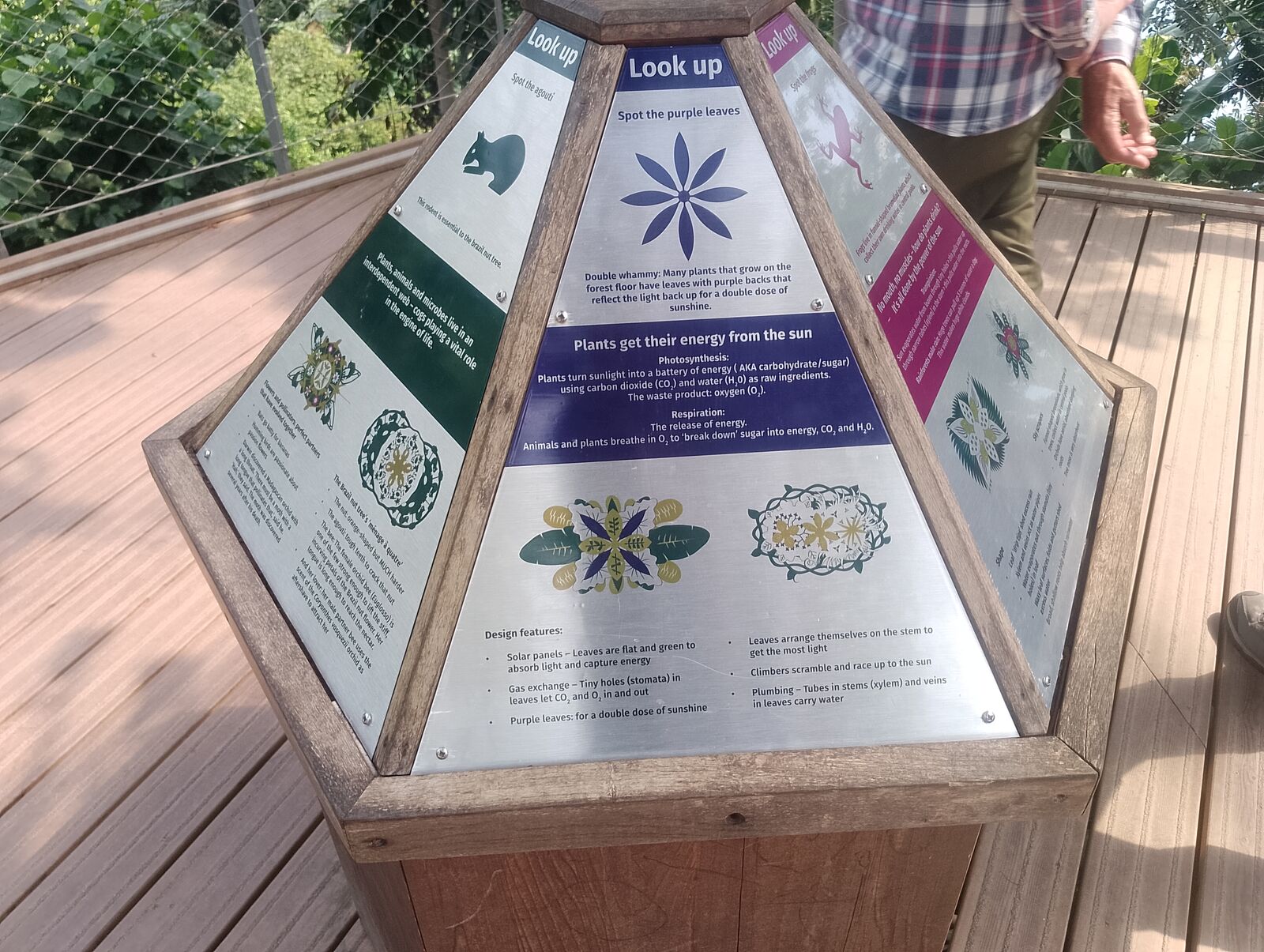
Around the rainforrest cannopy there was another infographic about the bugs animals and wildlife, above which was a psychedelic sculpture as an object of worship - sadly the living specimens were not visible, and possibly not present. The art work was reasonably attractive, though we didn’t quite spend the time needed to really take it in.
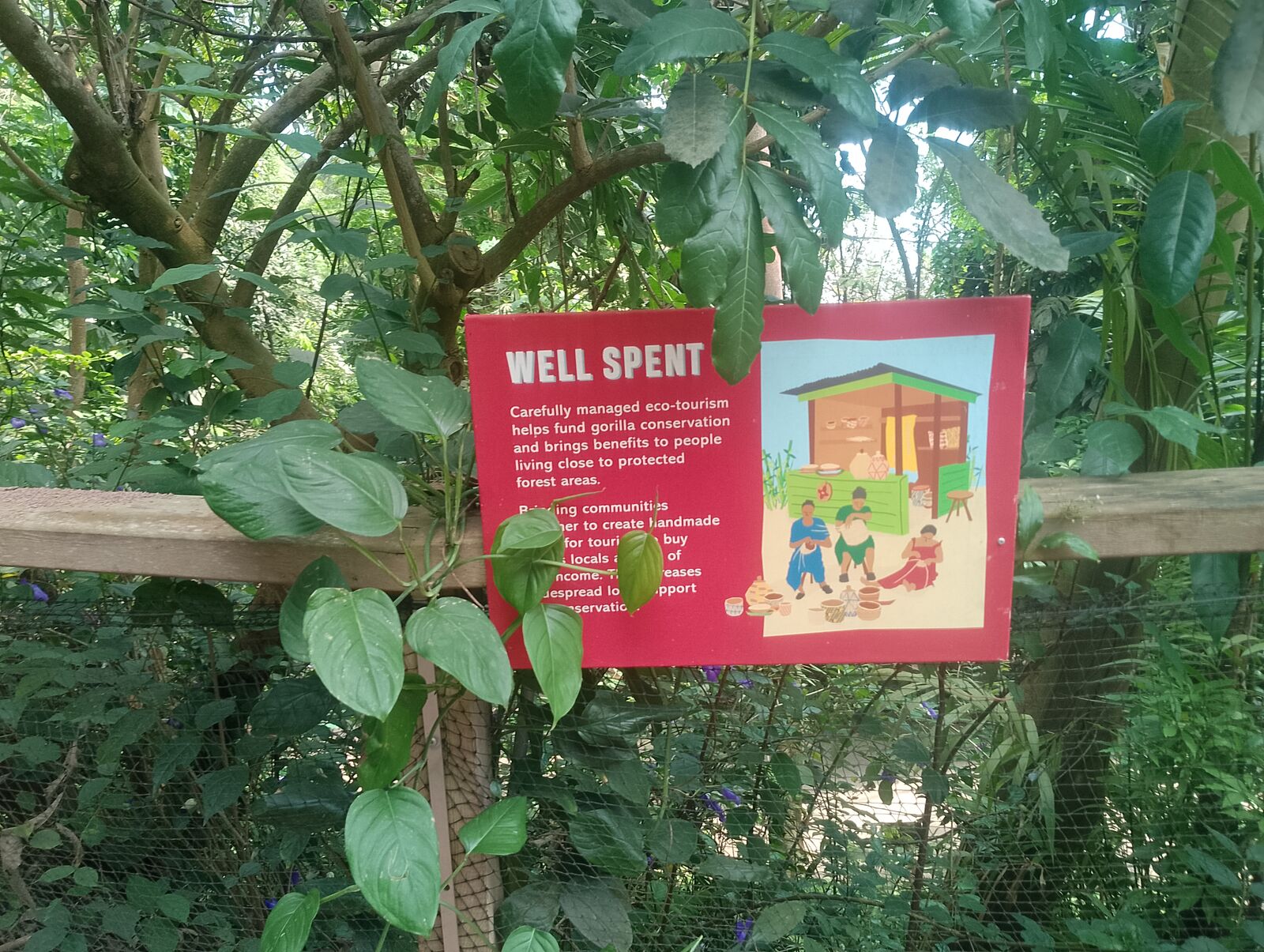
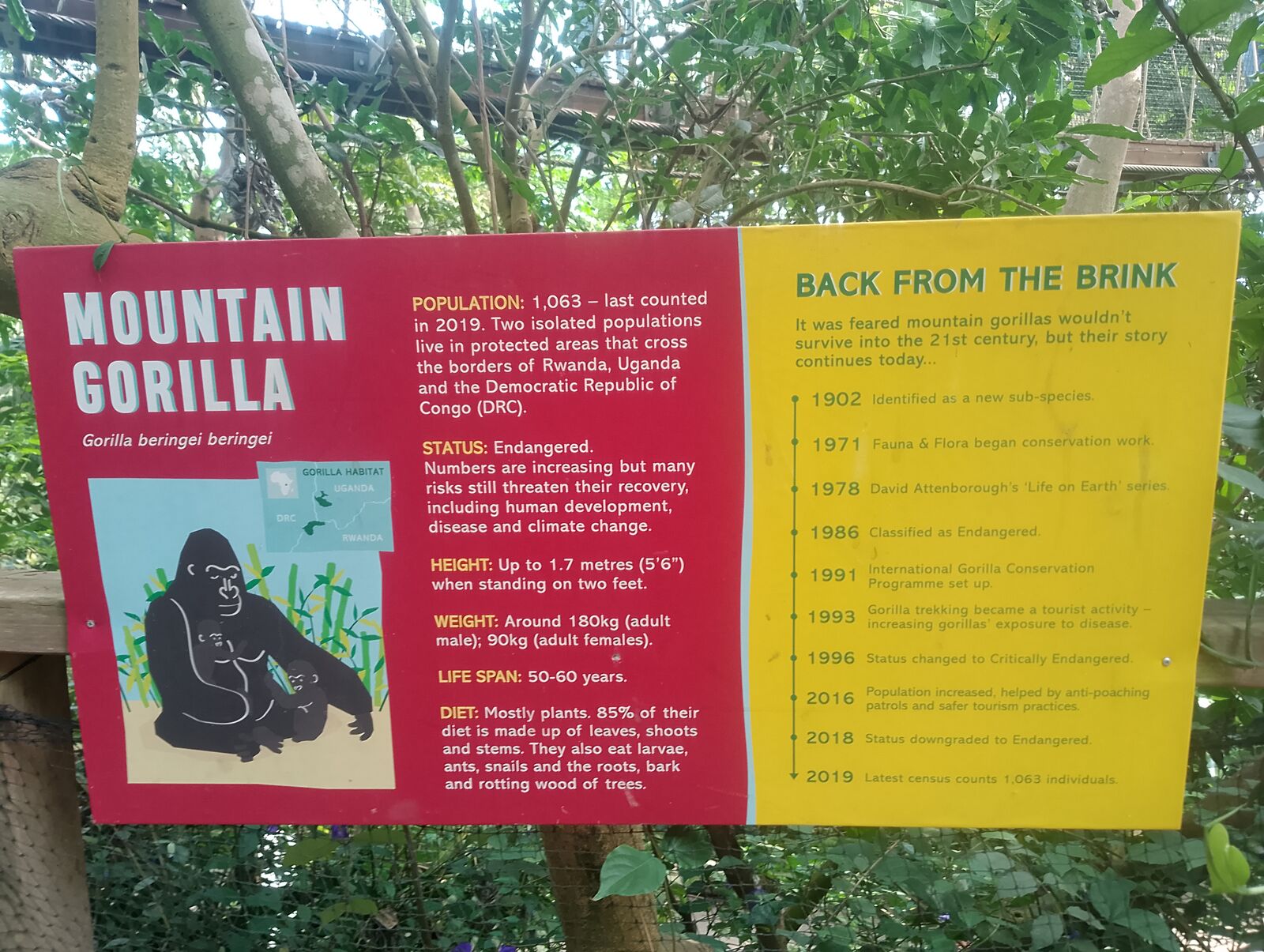
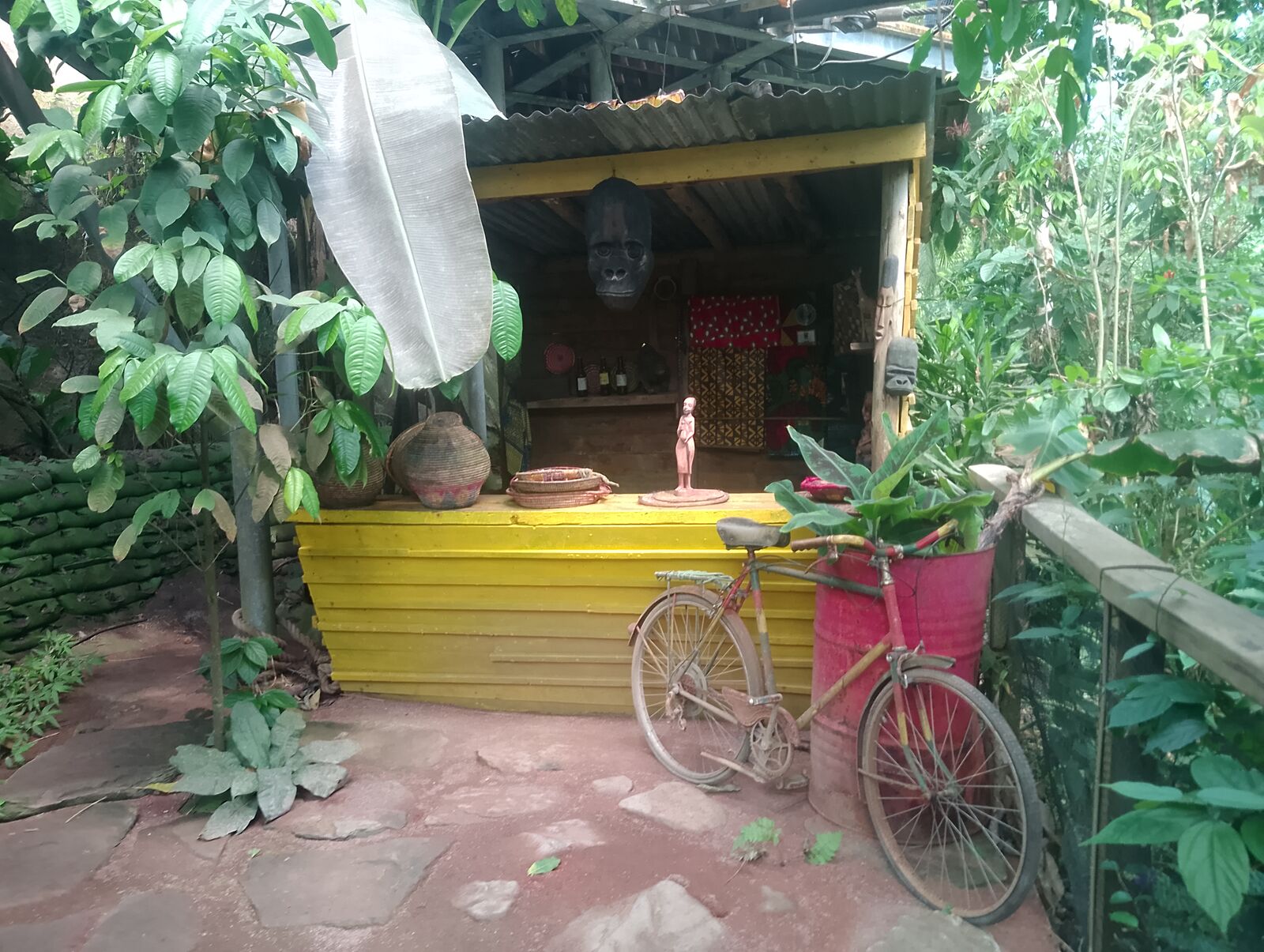
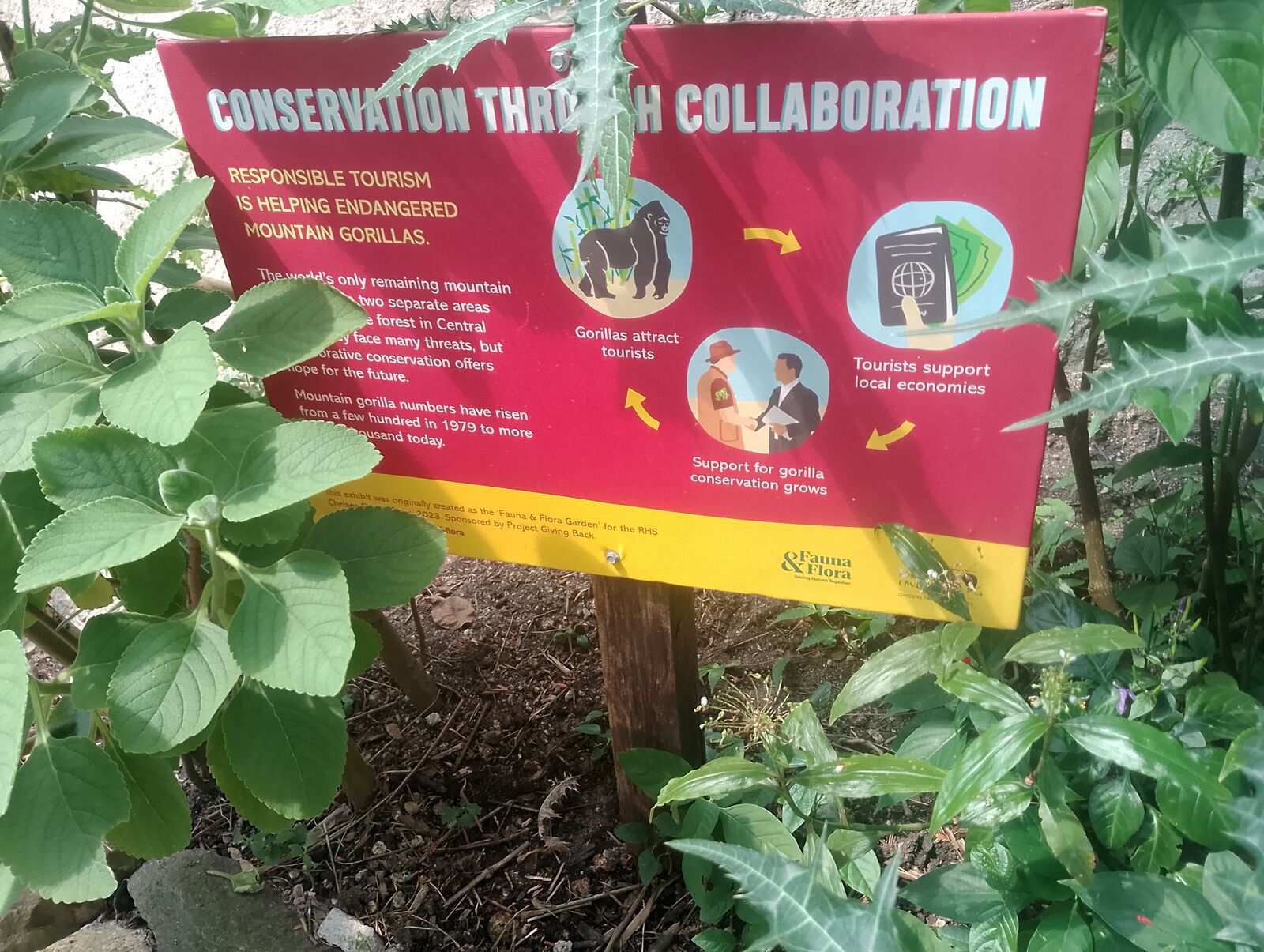
Descending back through the African Bioregion there is a Gorilla hut thats closed off, and plenty of berries, herbs and spices. We return to the Malay Kabun. Before passing the Hawaian section and going outside again for a cup of tea and sit down to rest our spirits.
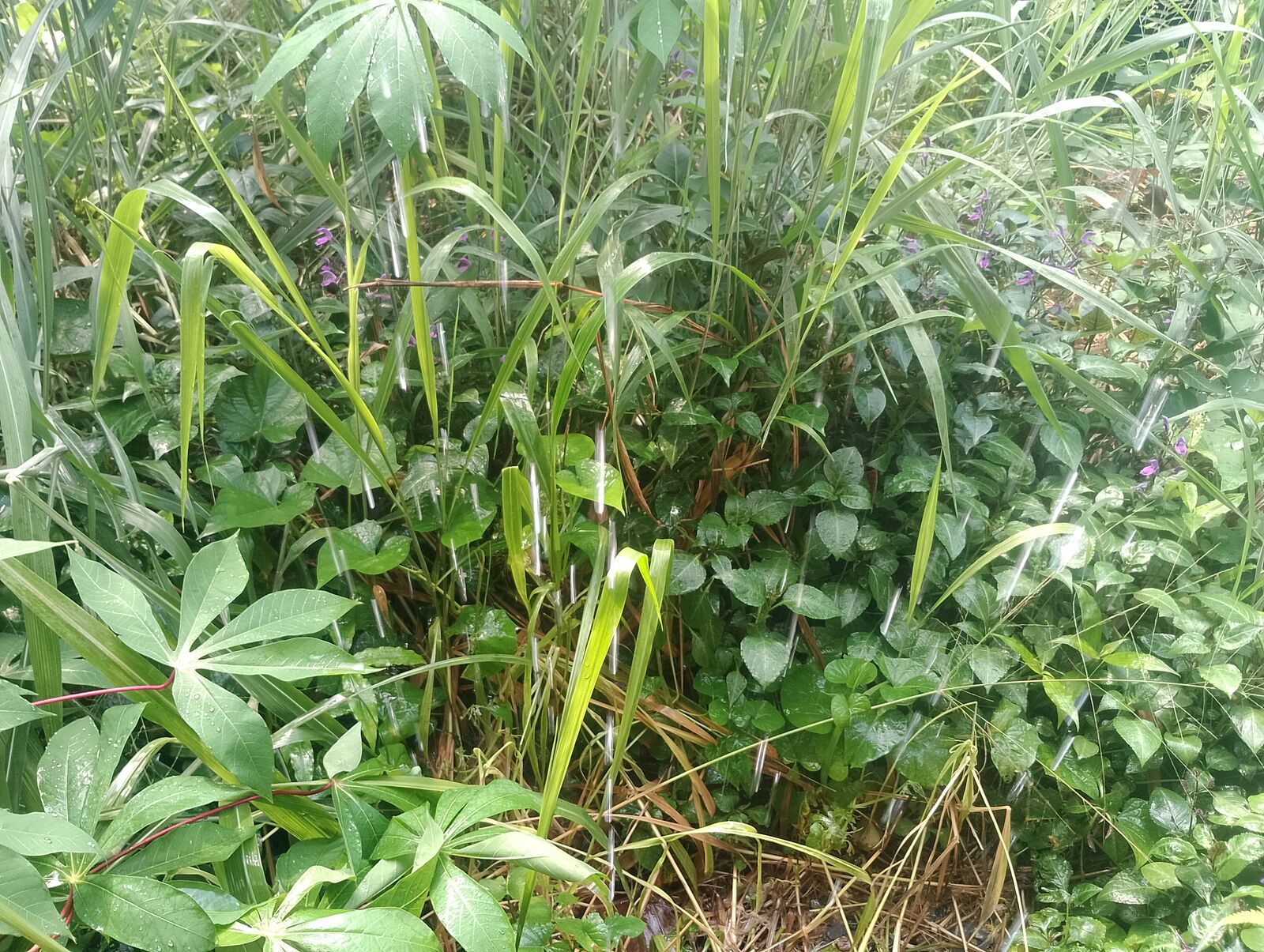
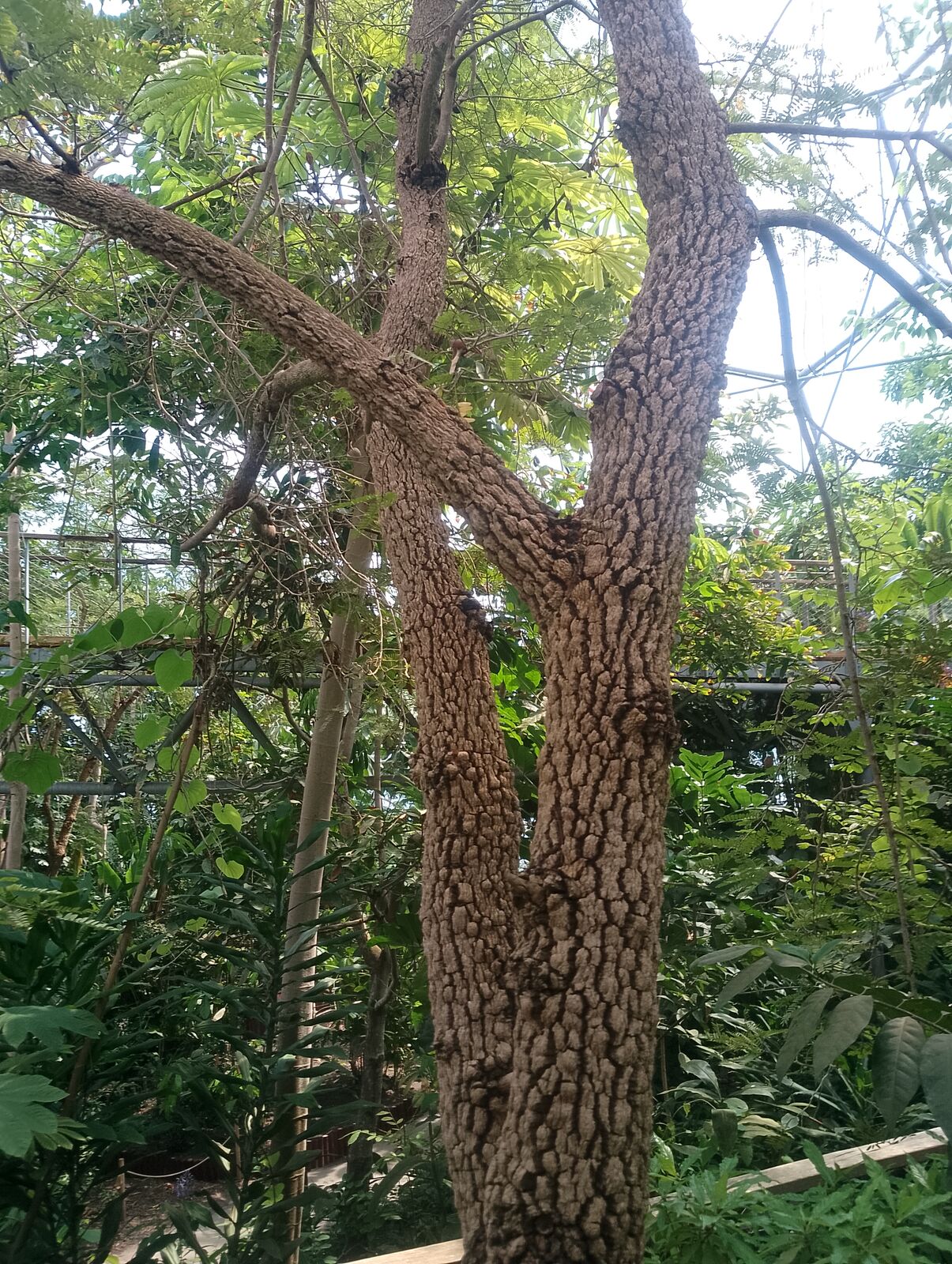
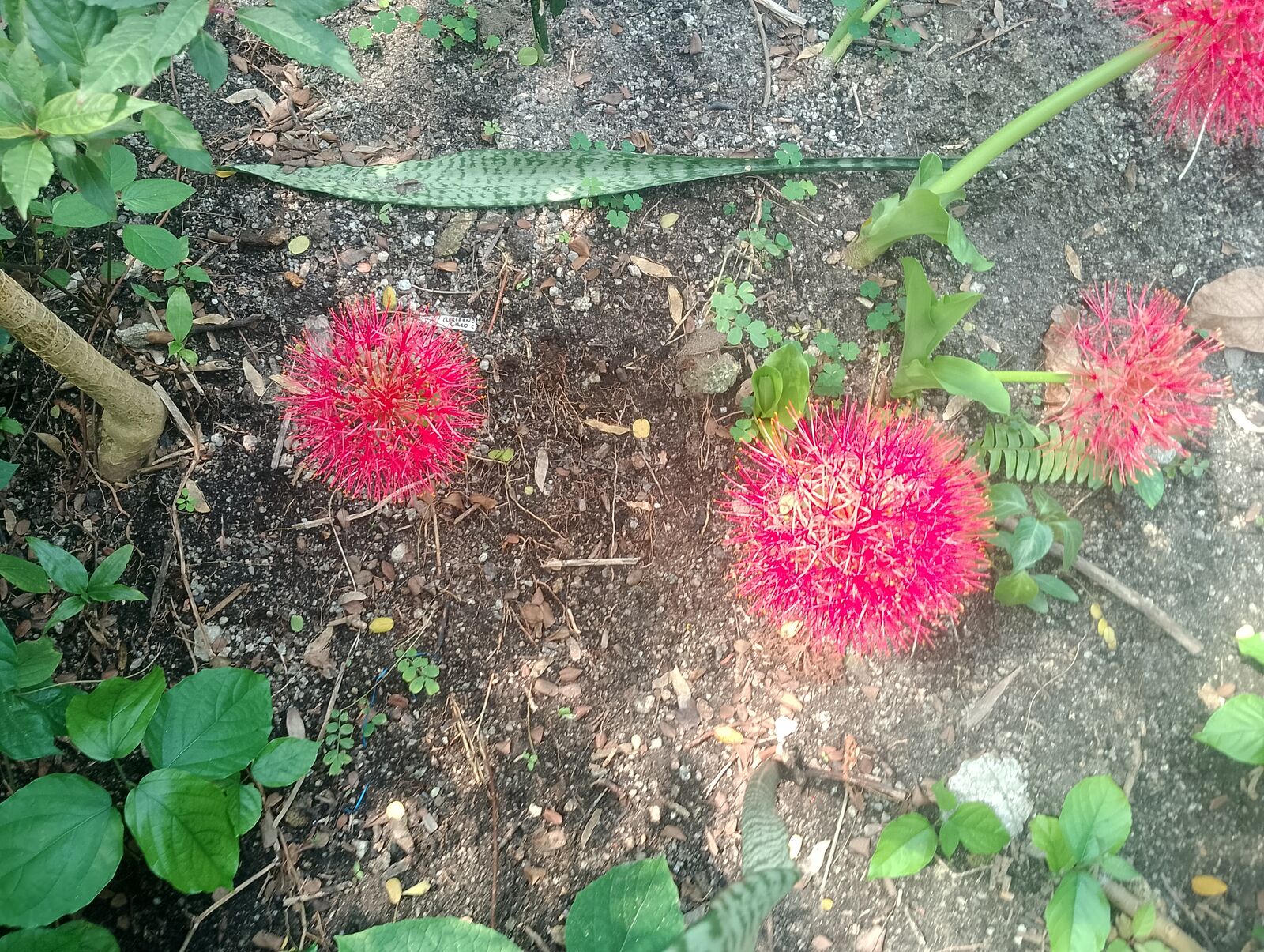
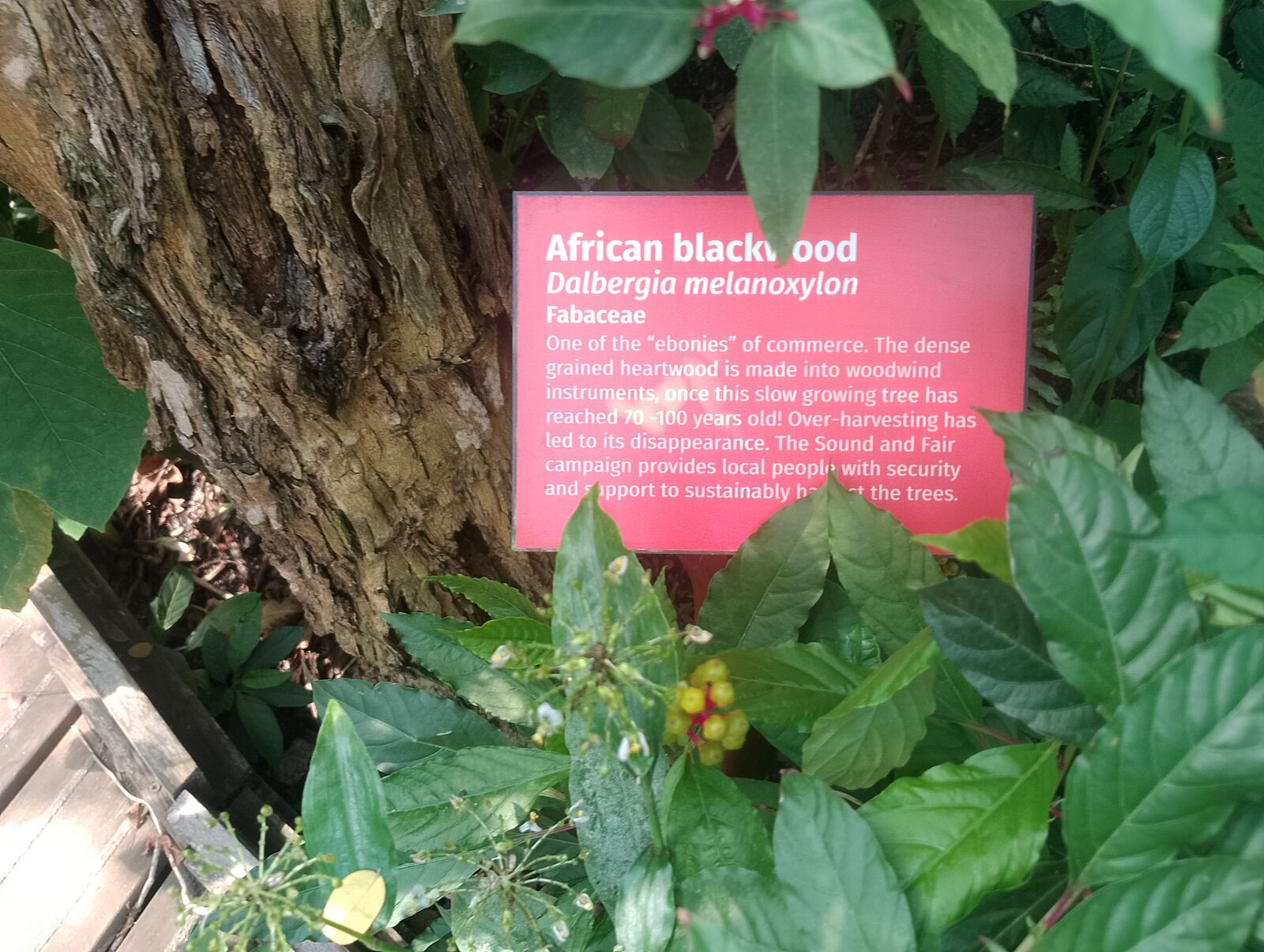
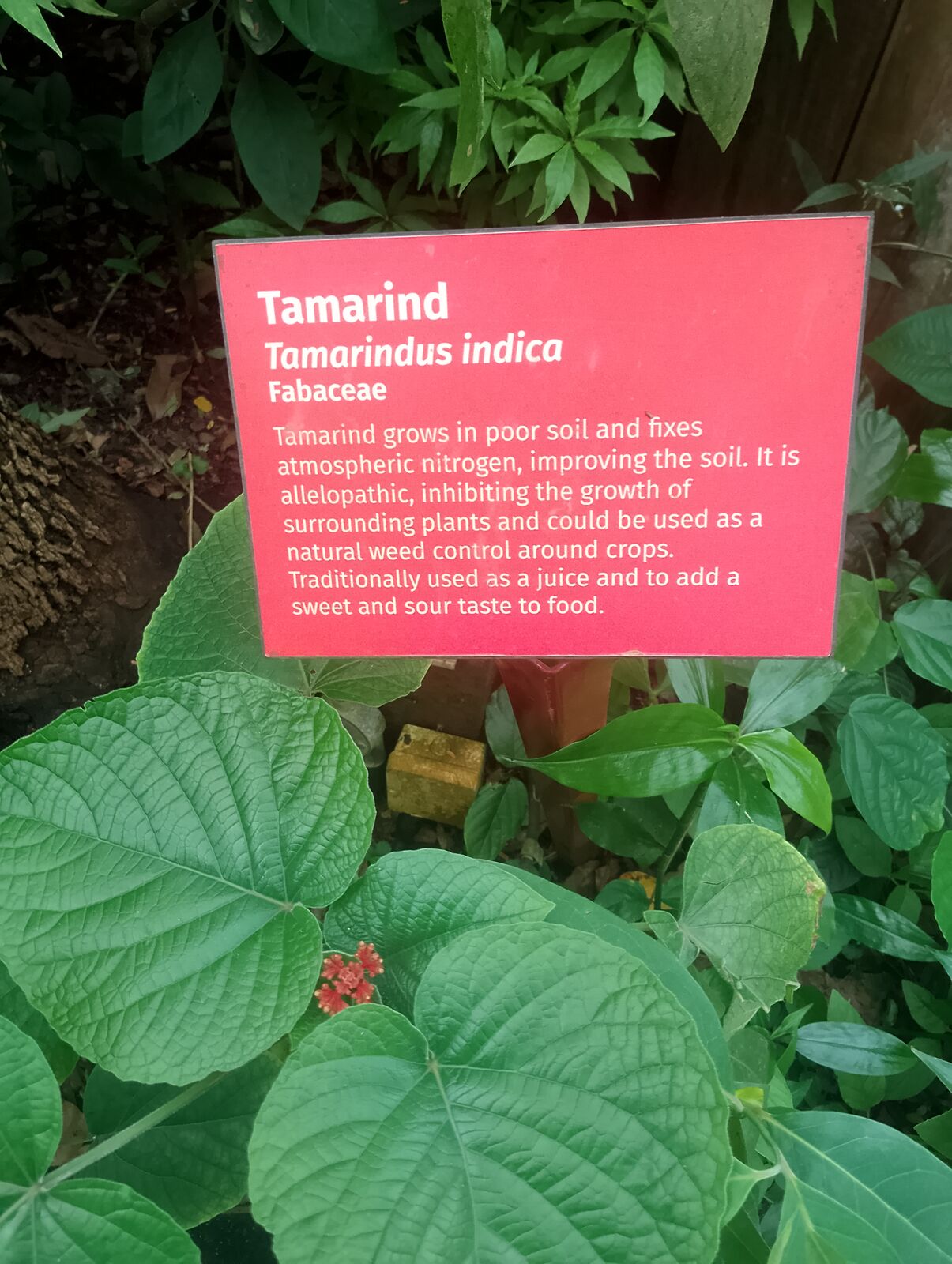
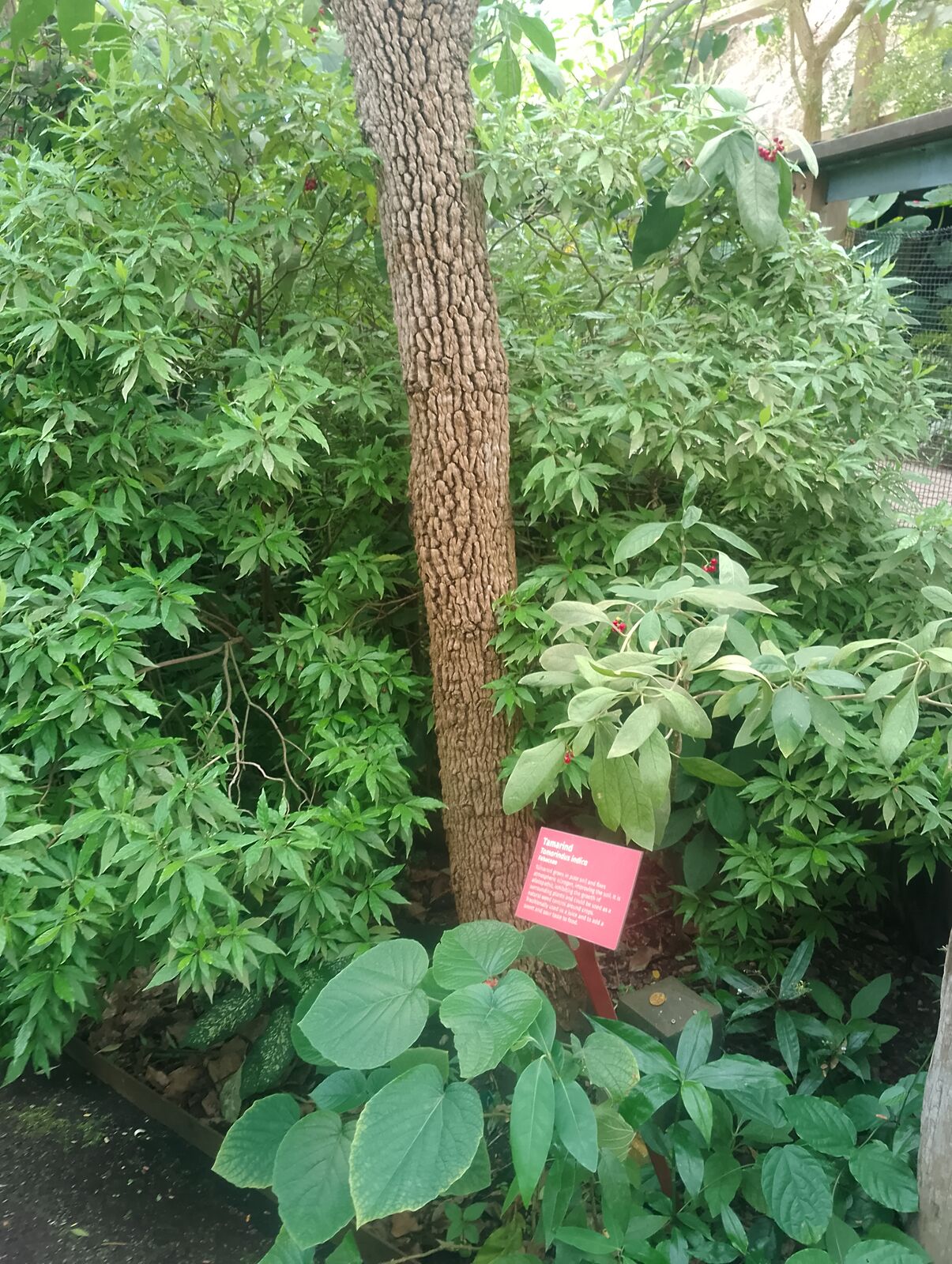
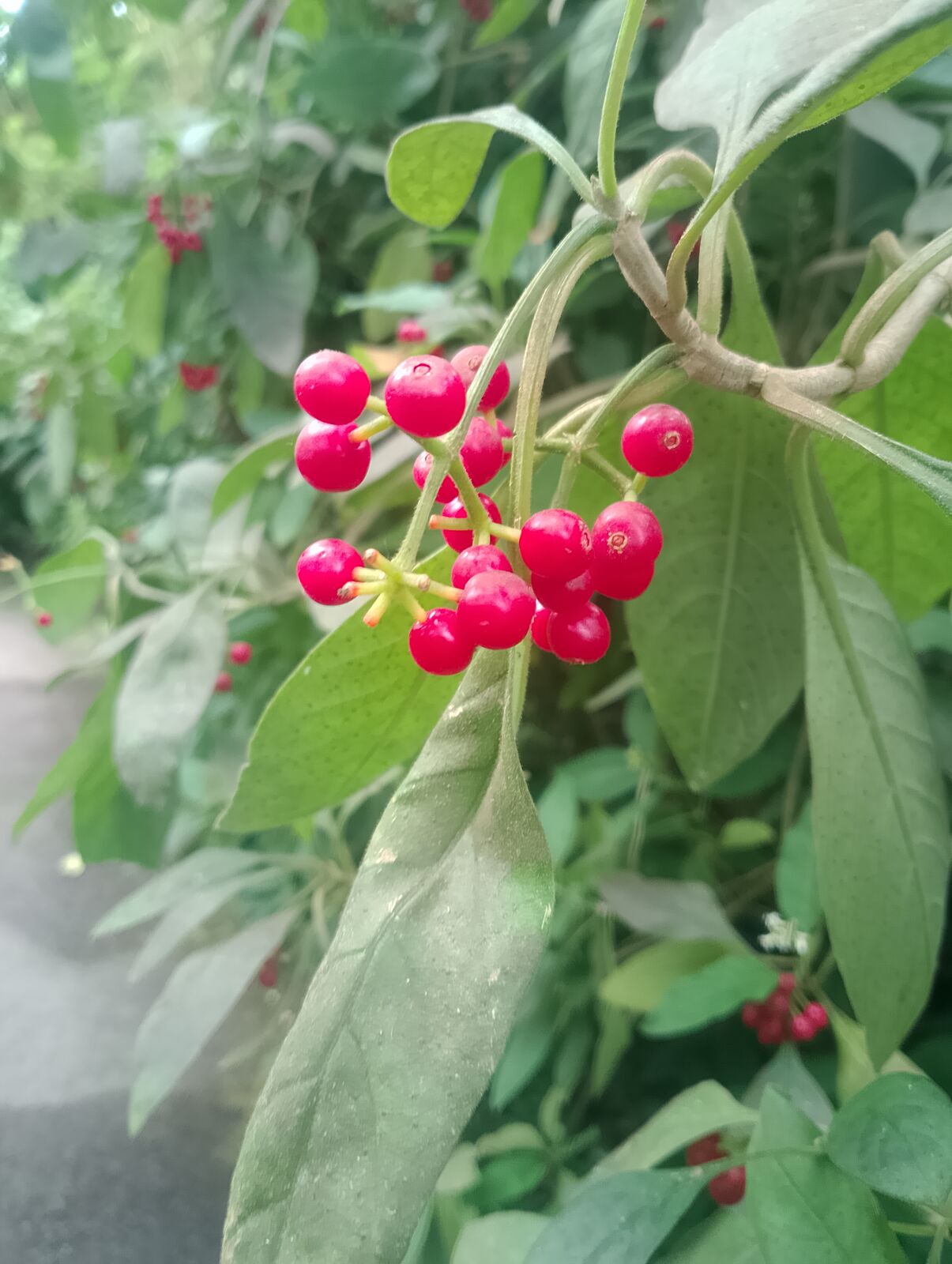
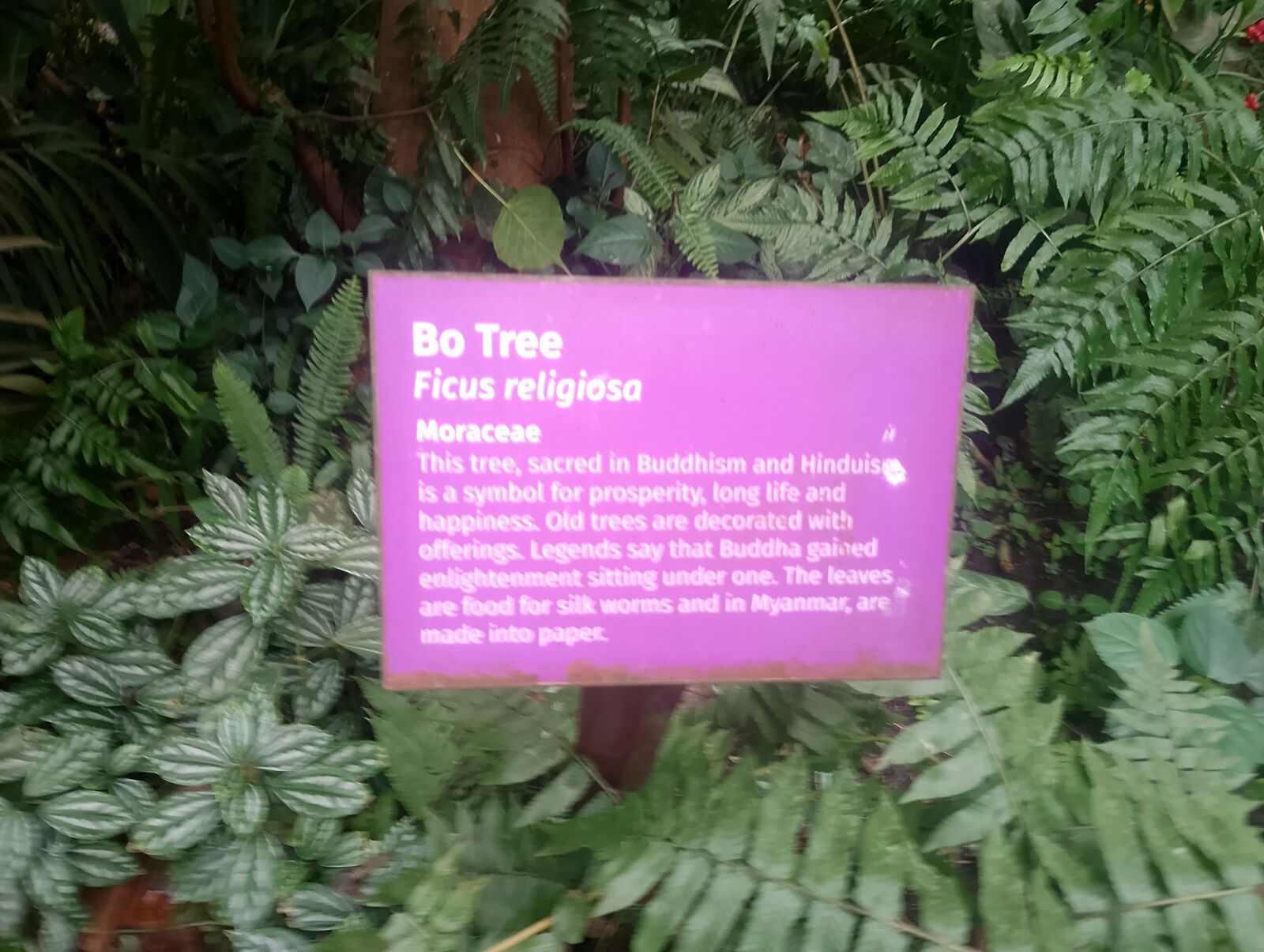
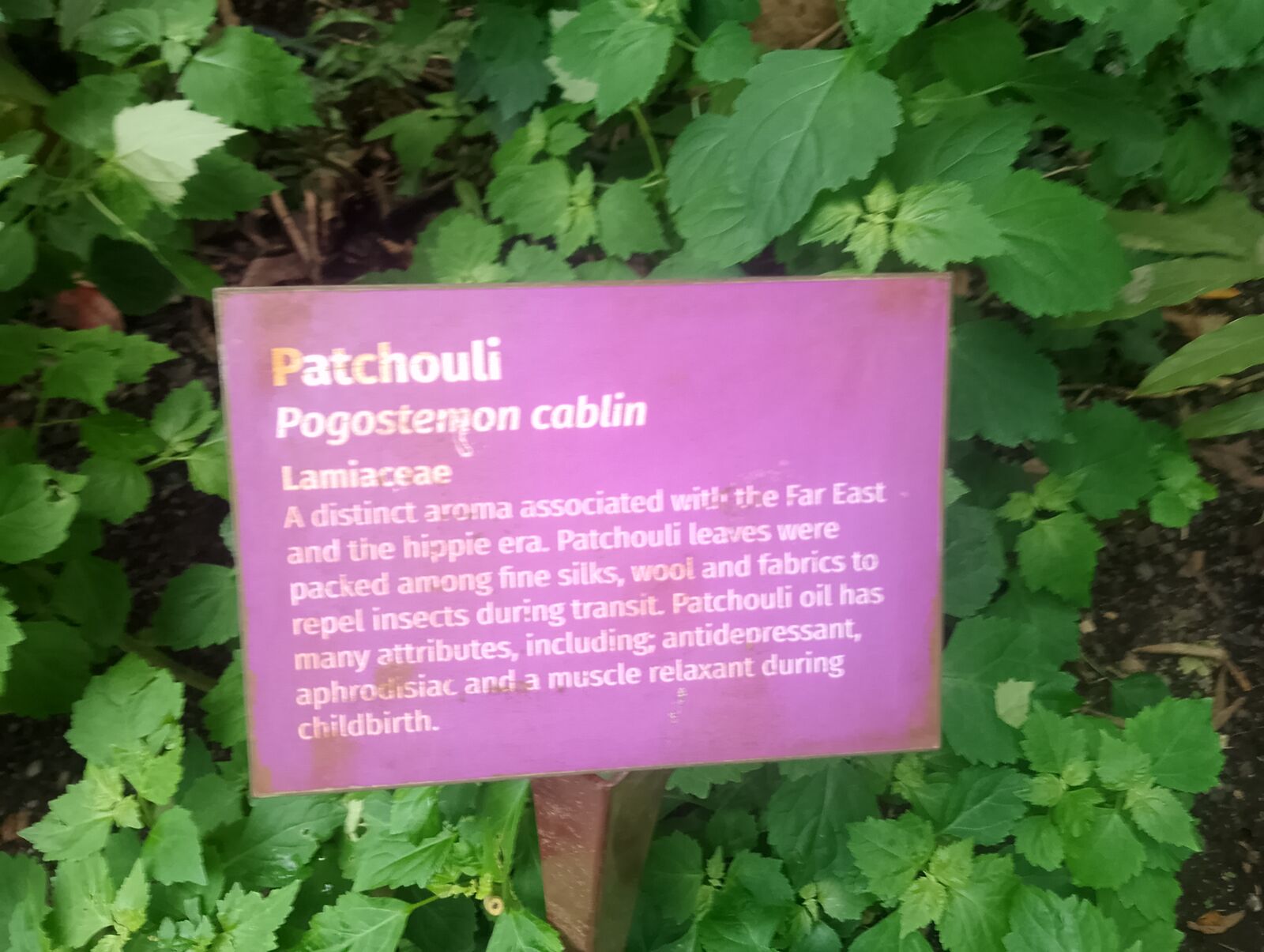
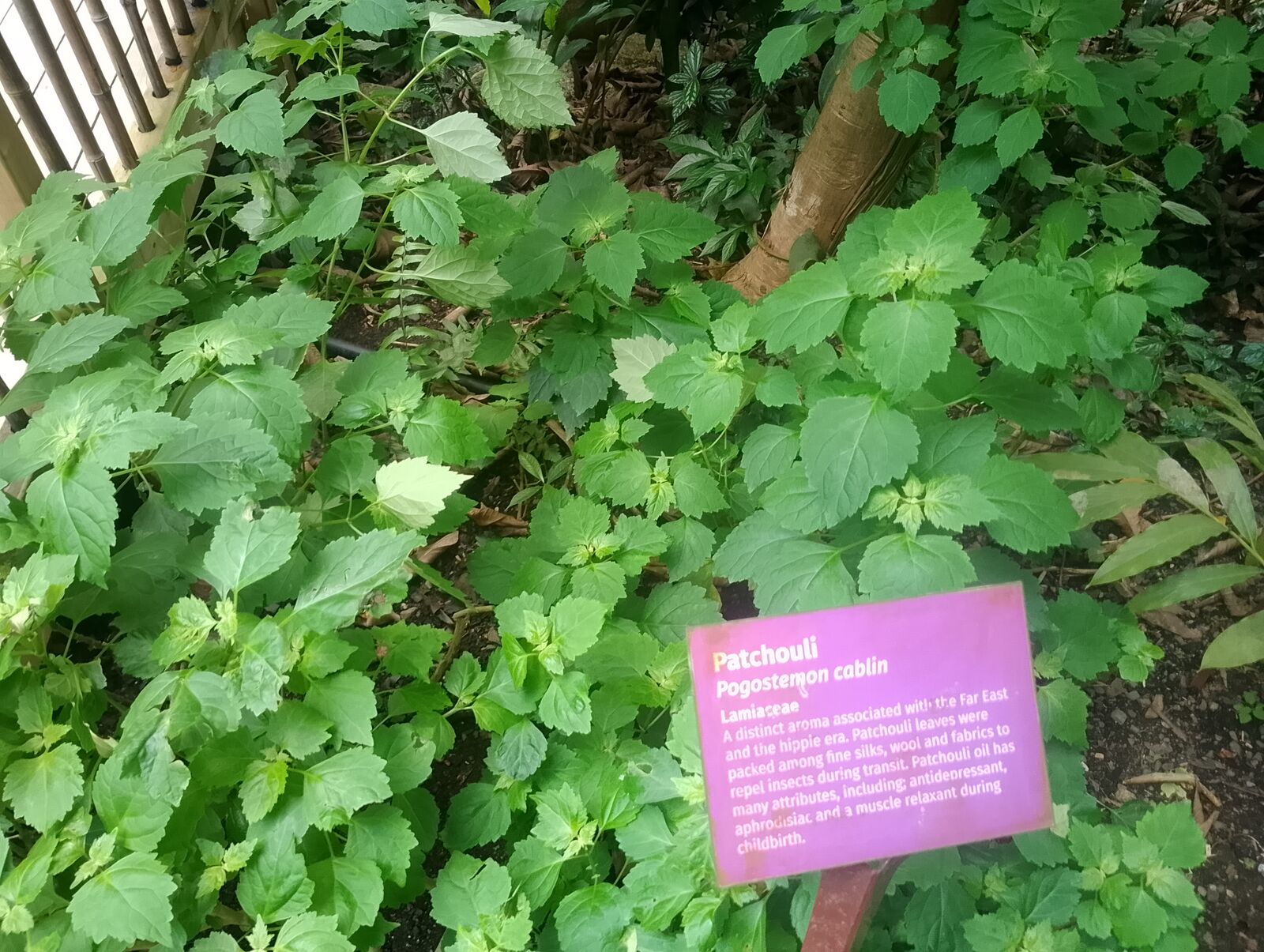
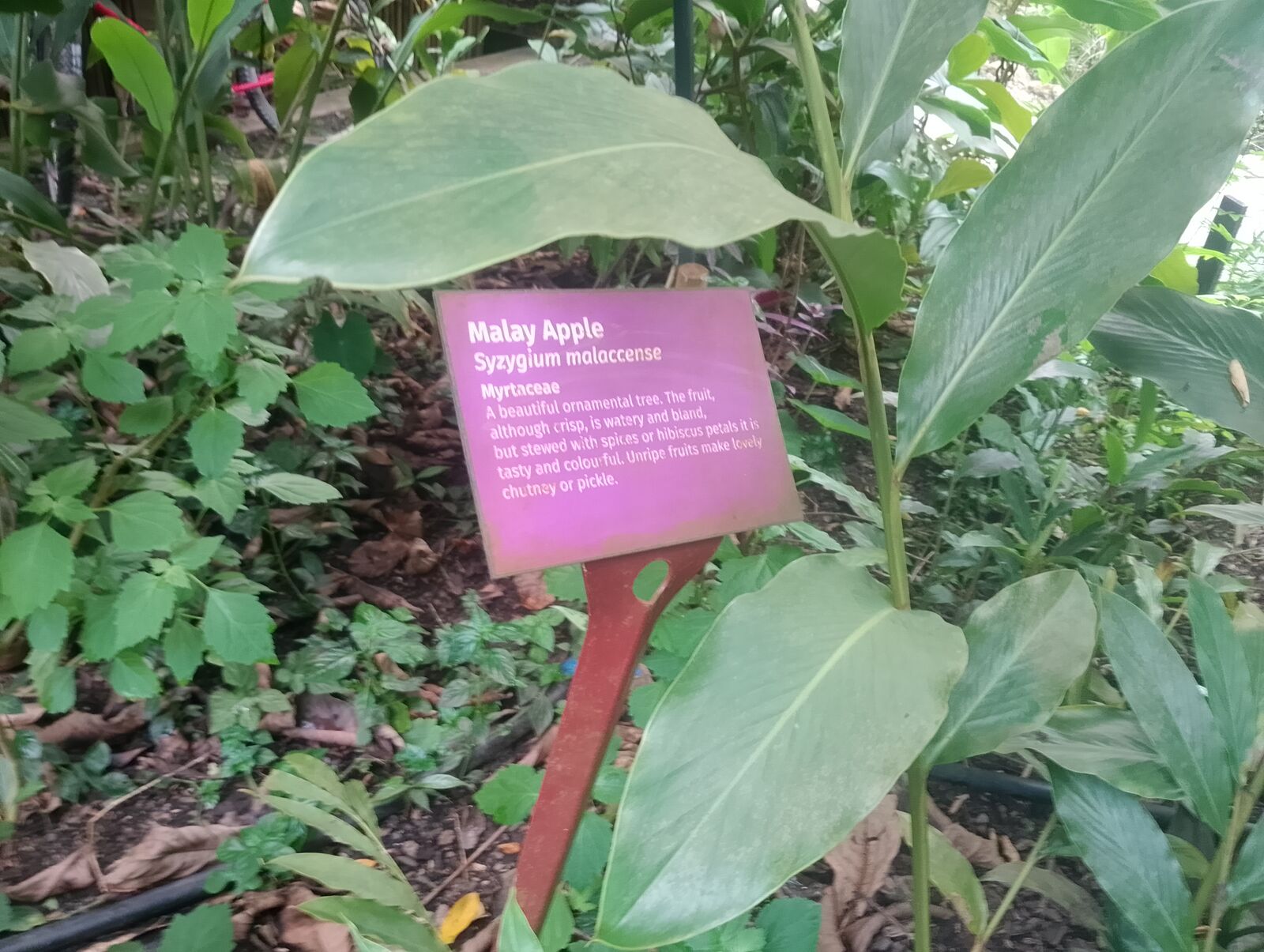
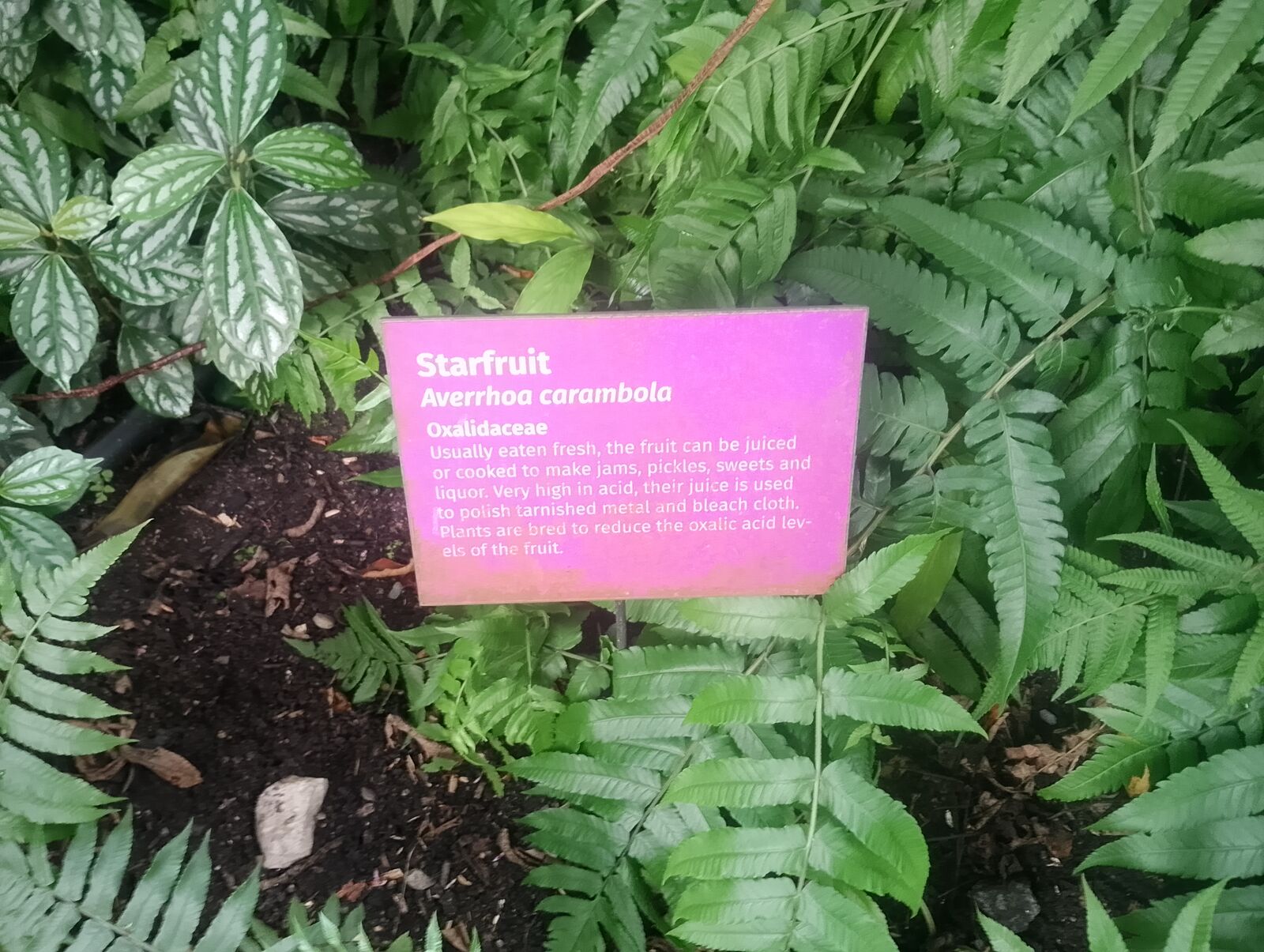
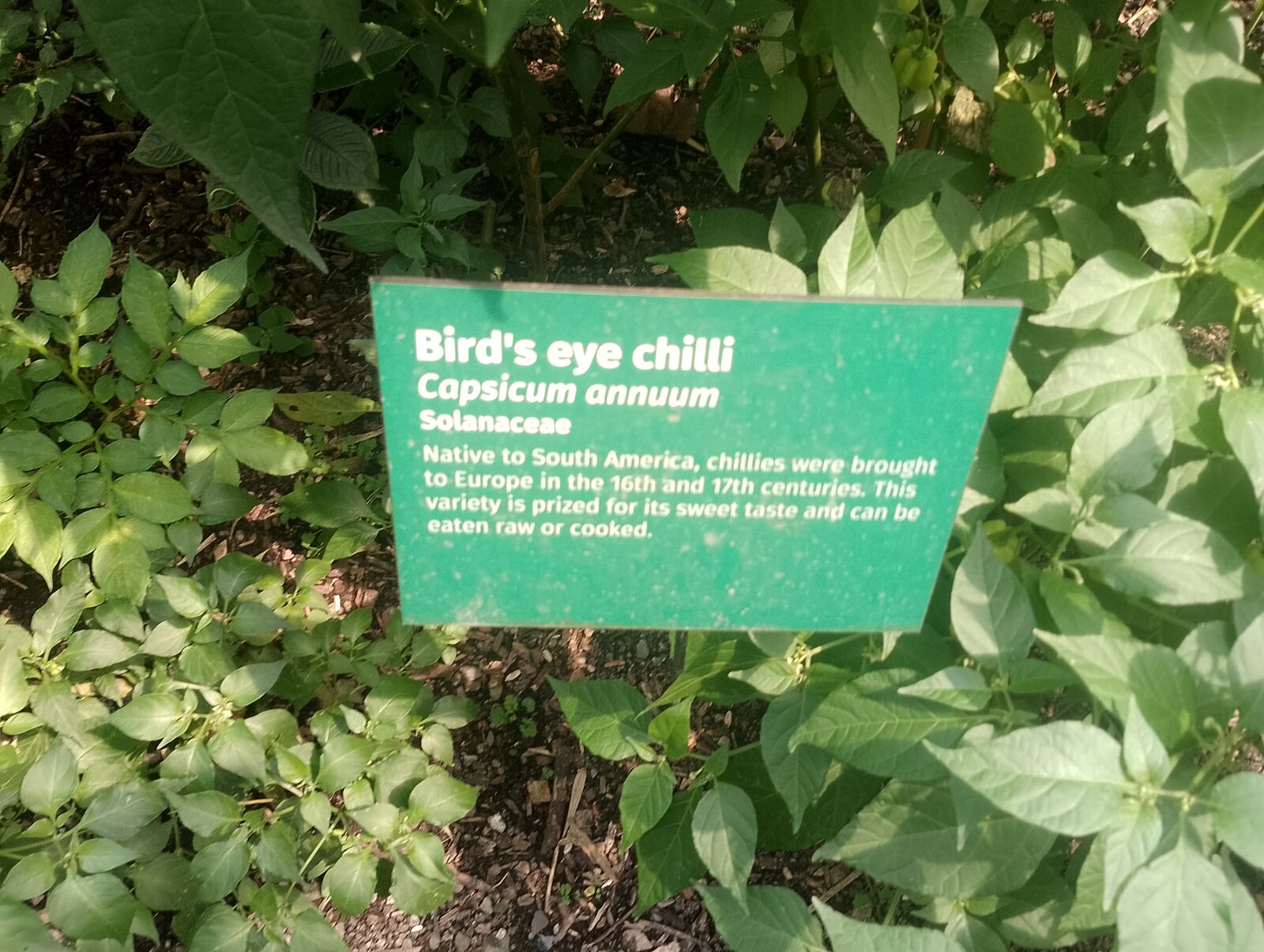
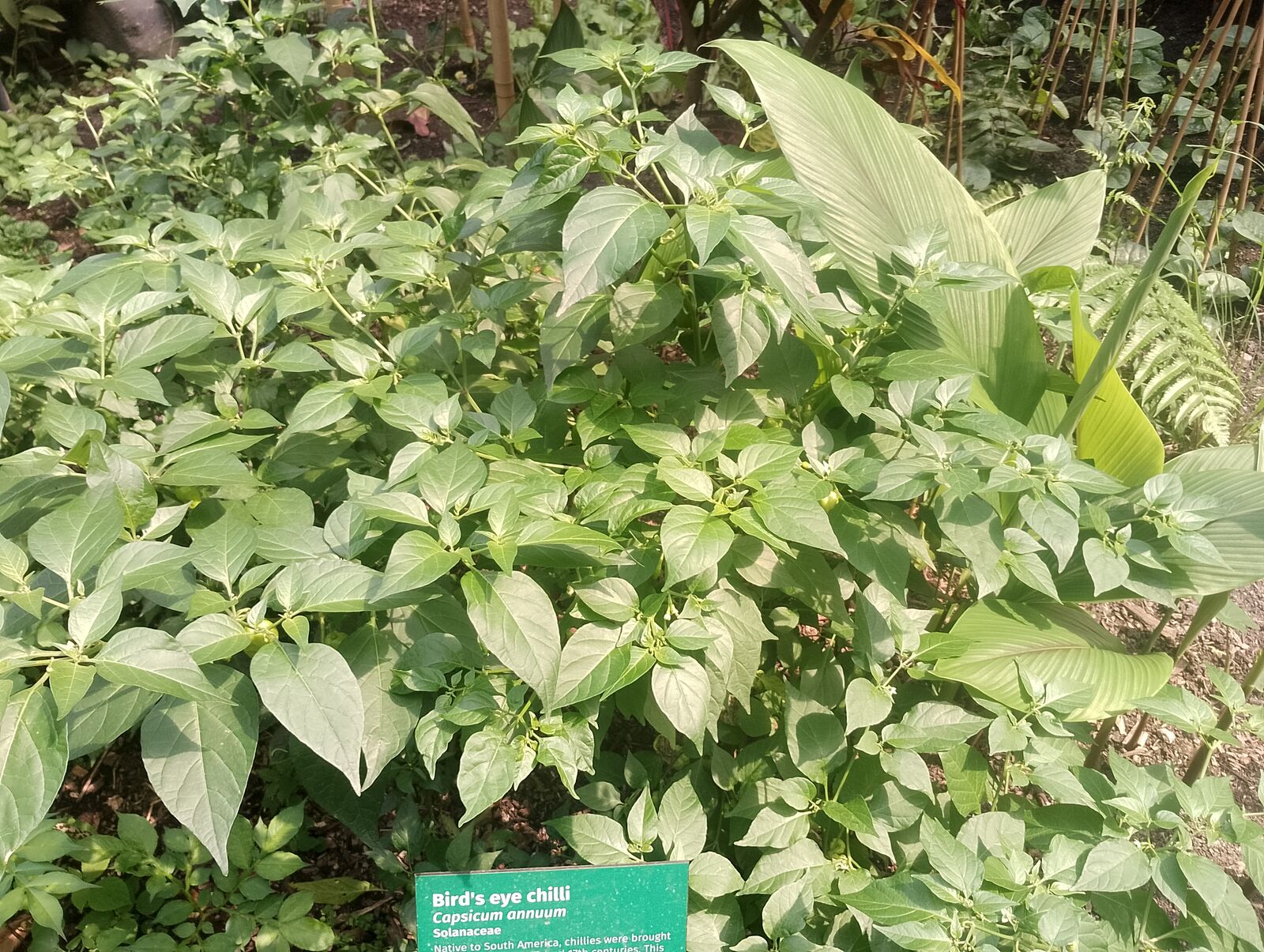
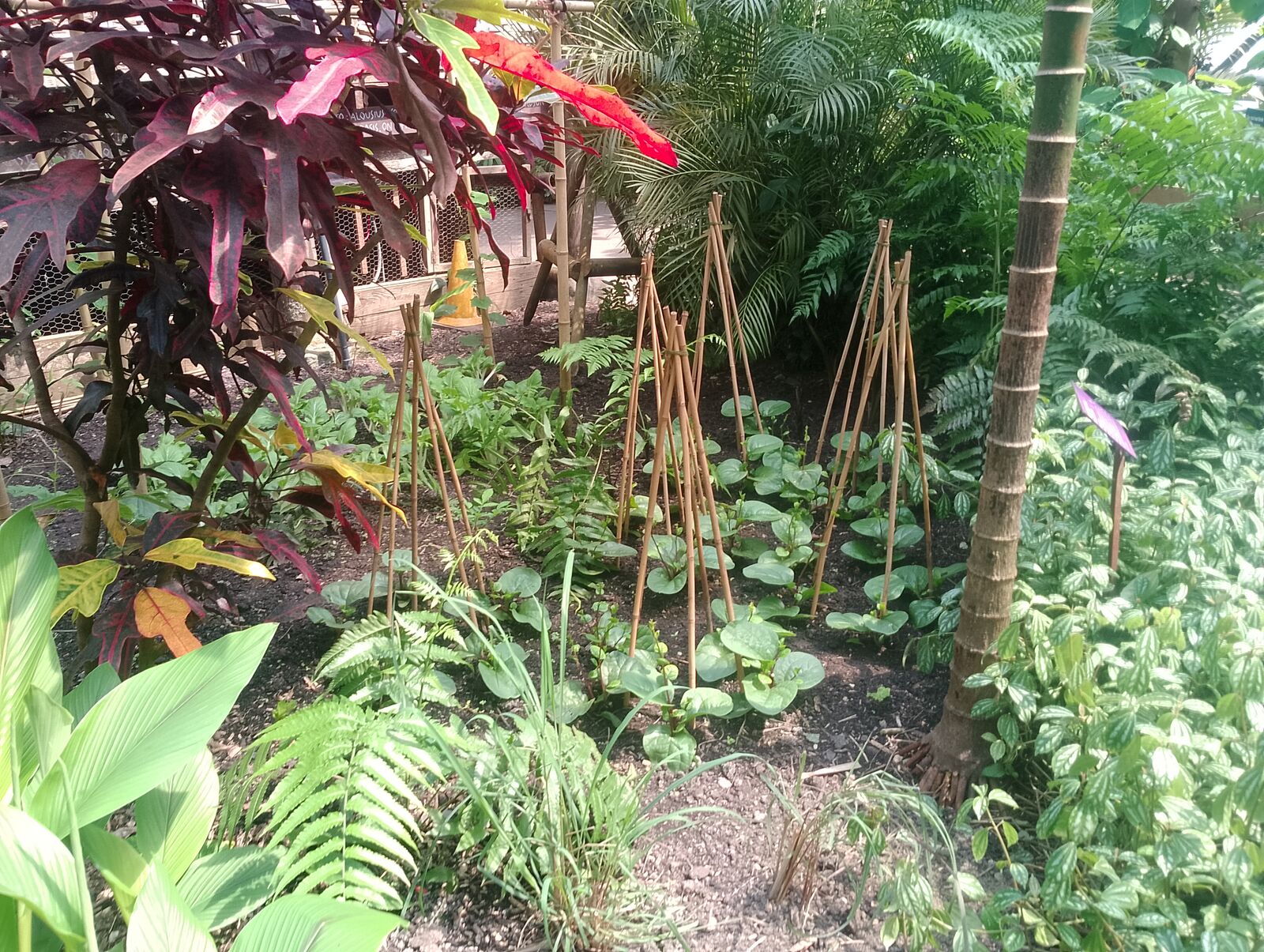
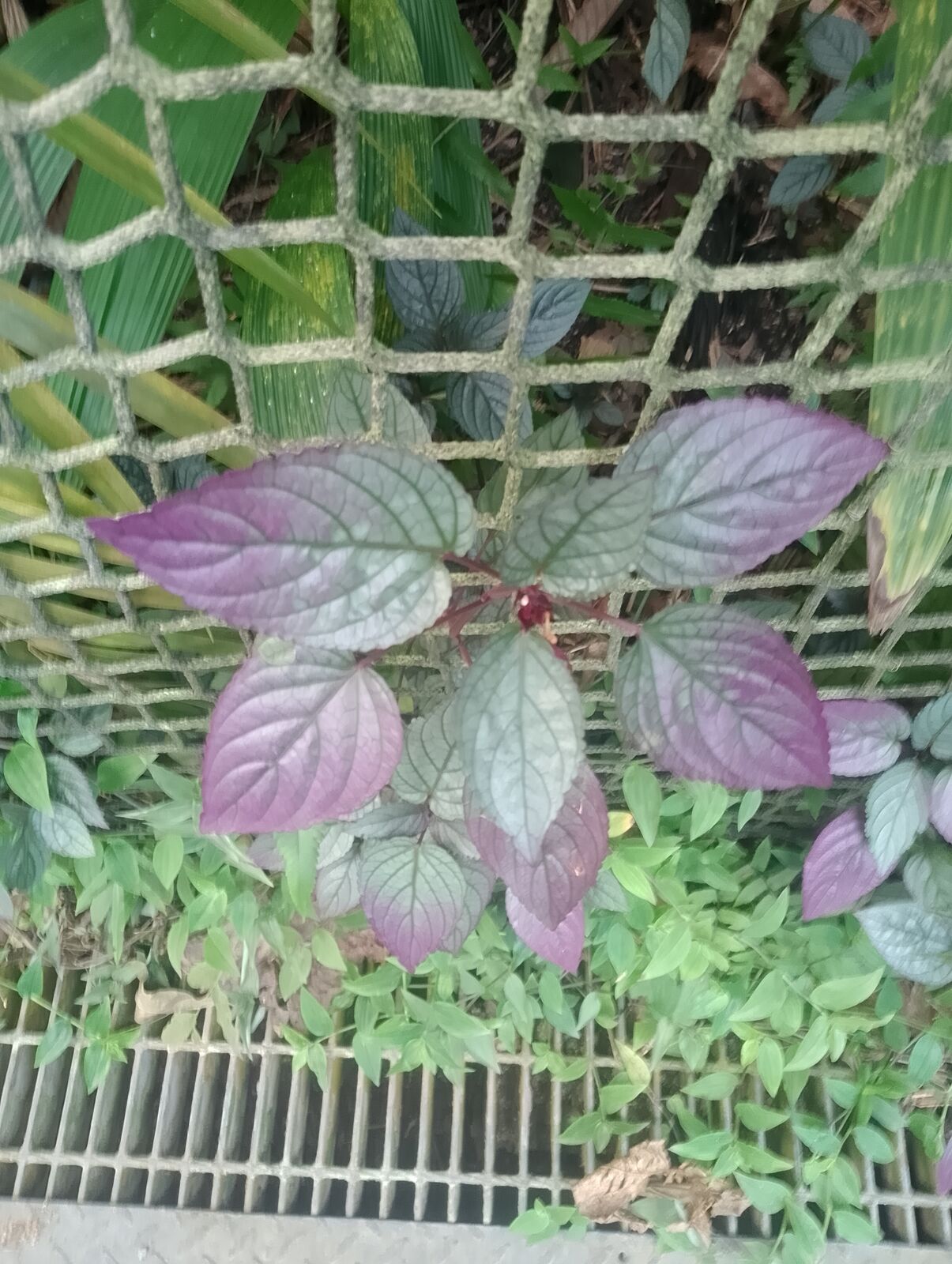
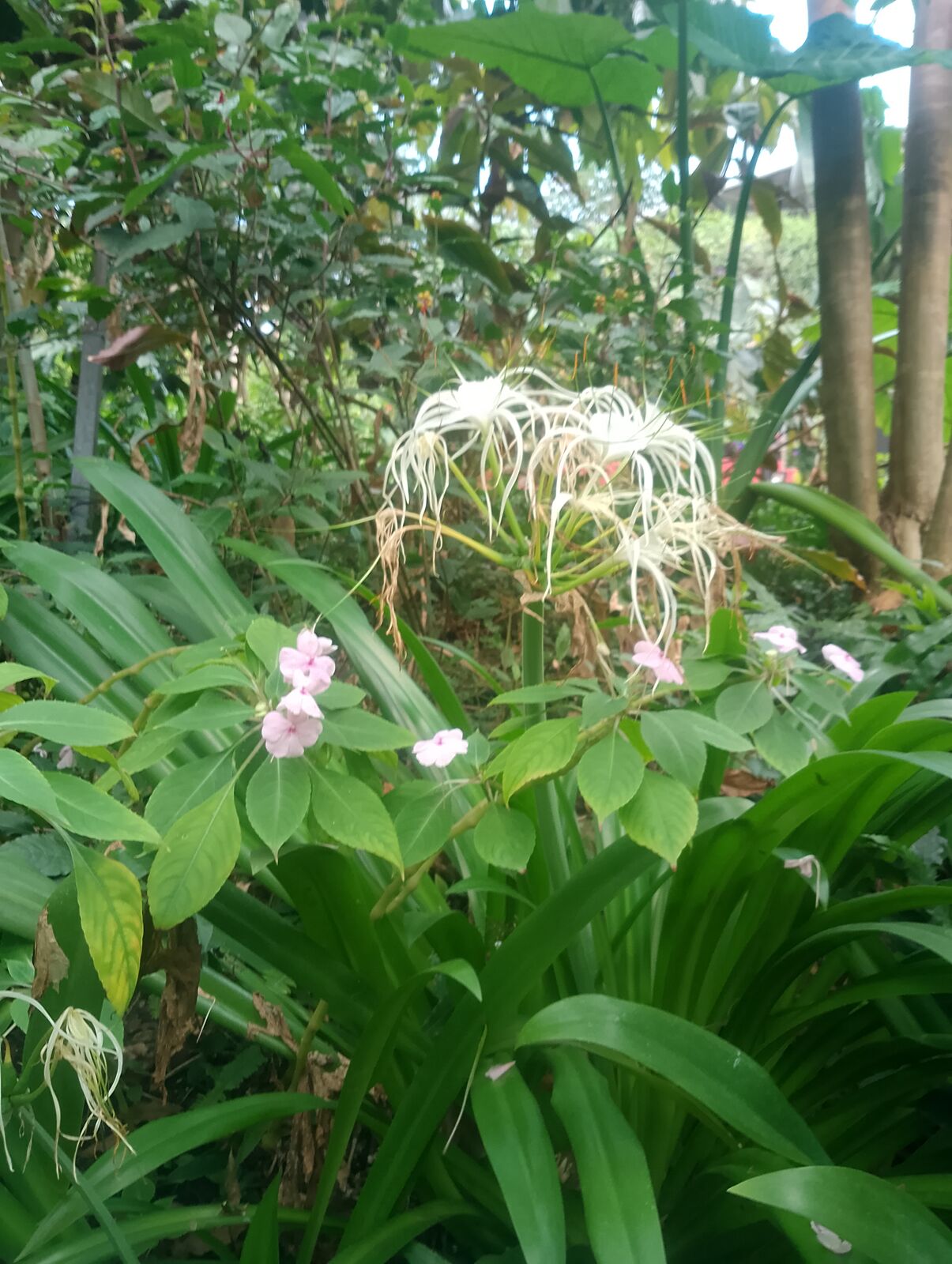
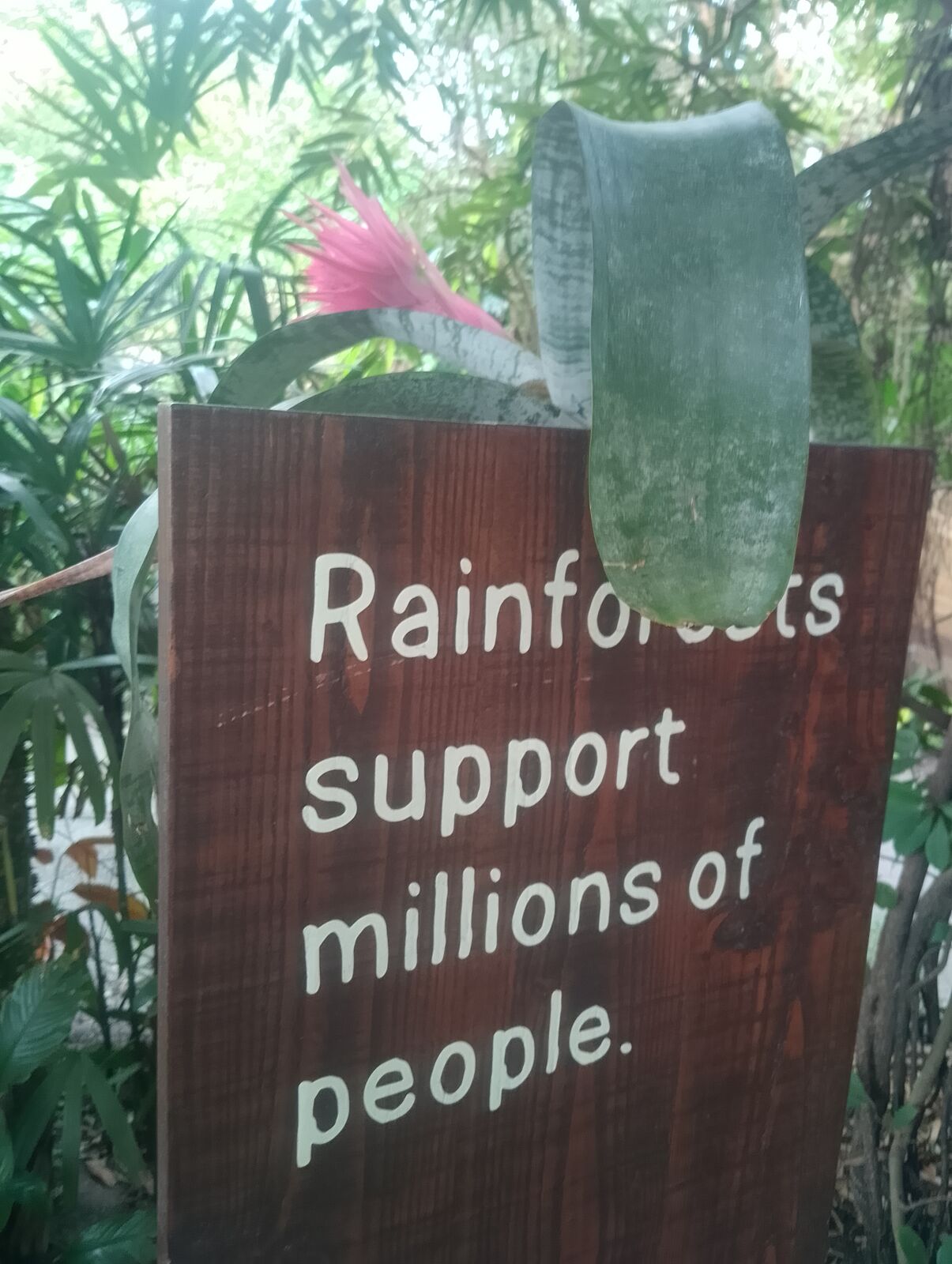
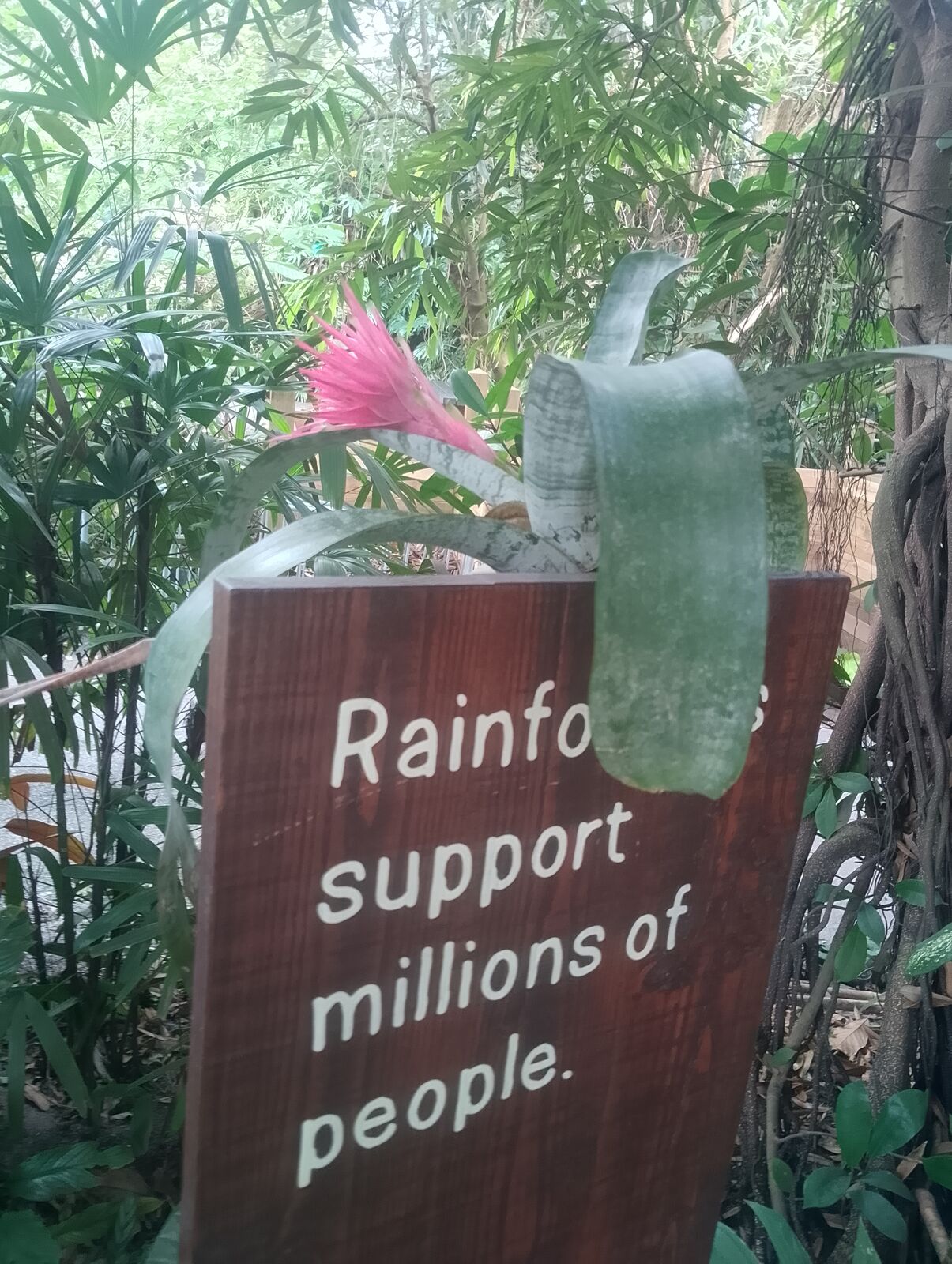
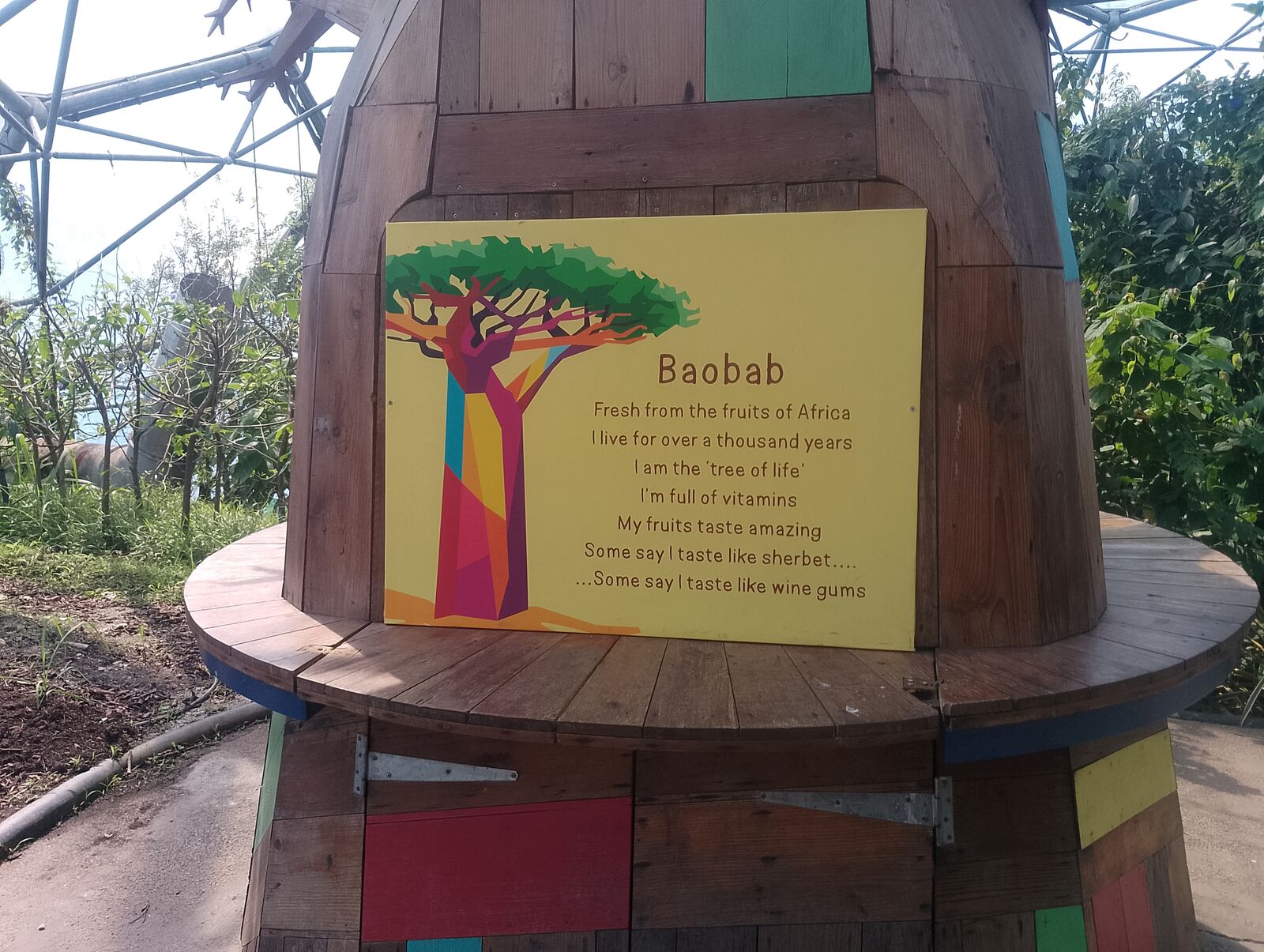
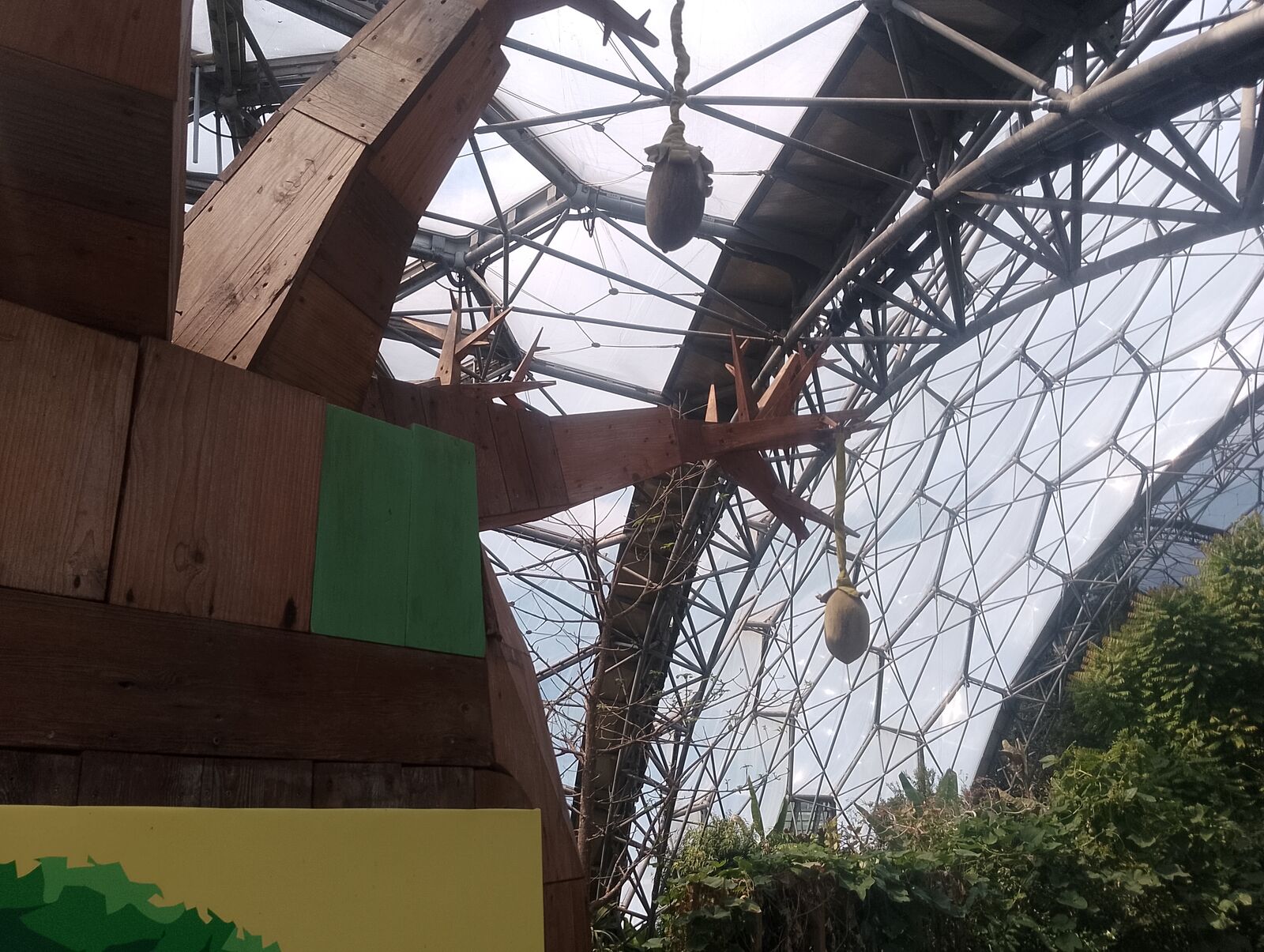
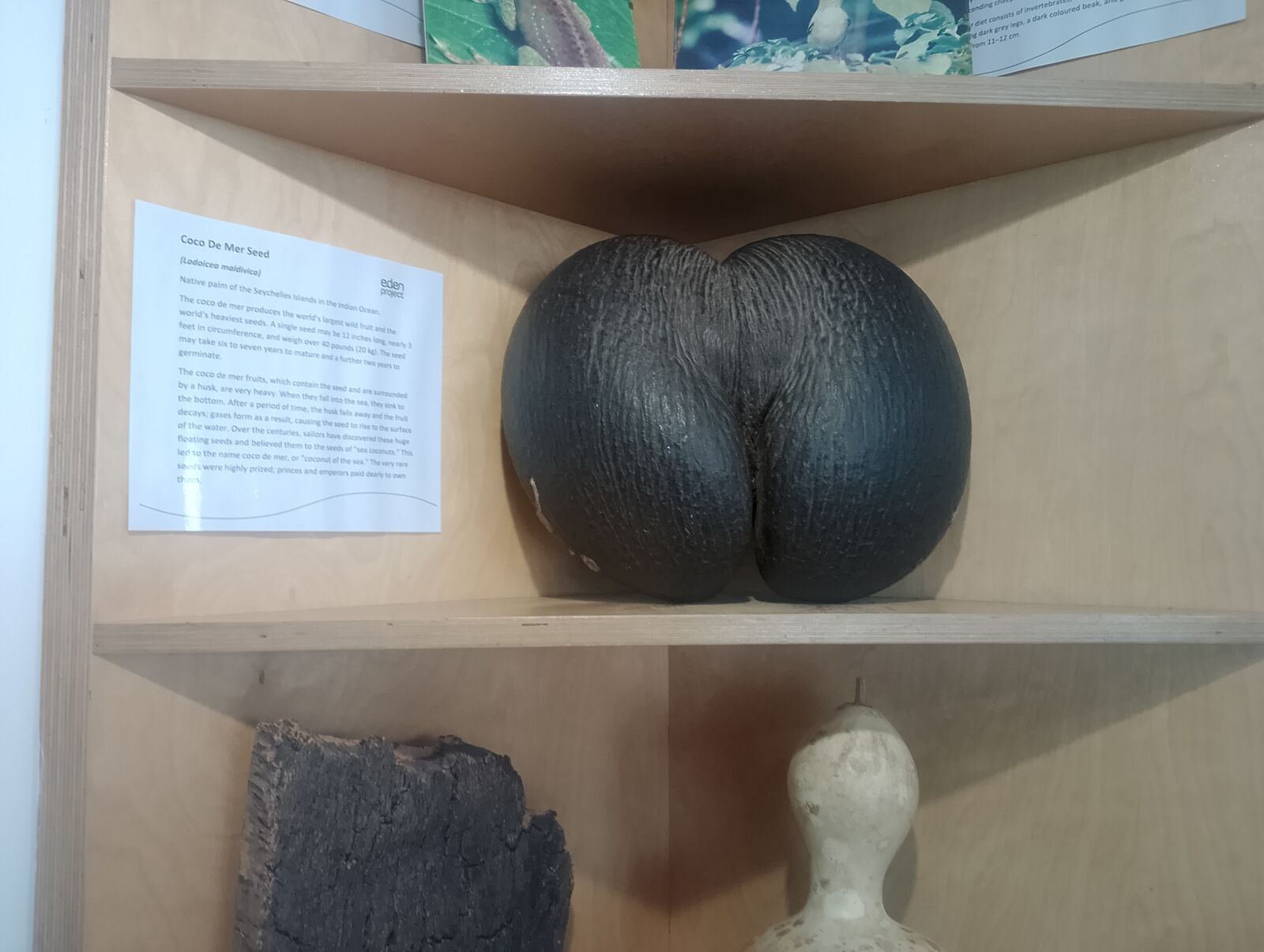
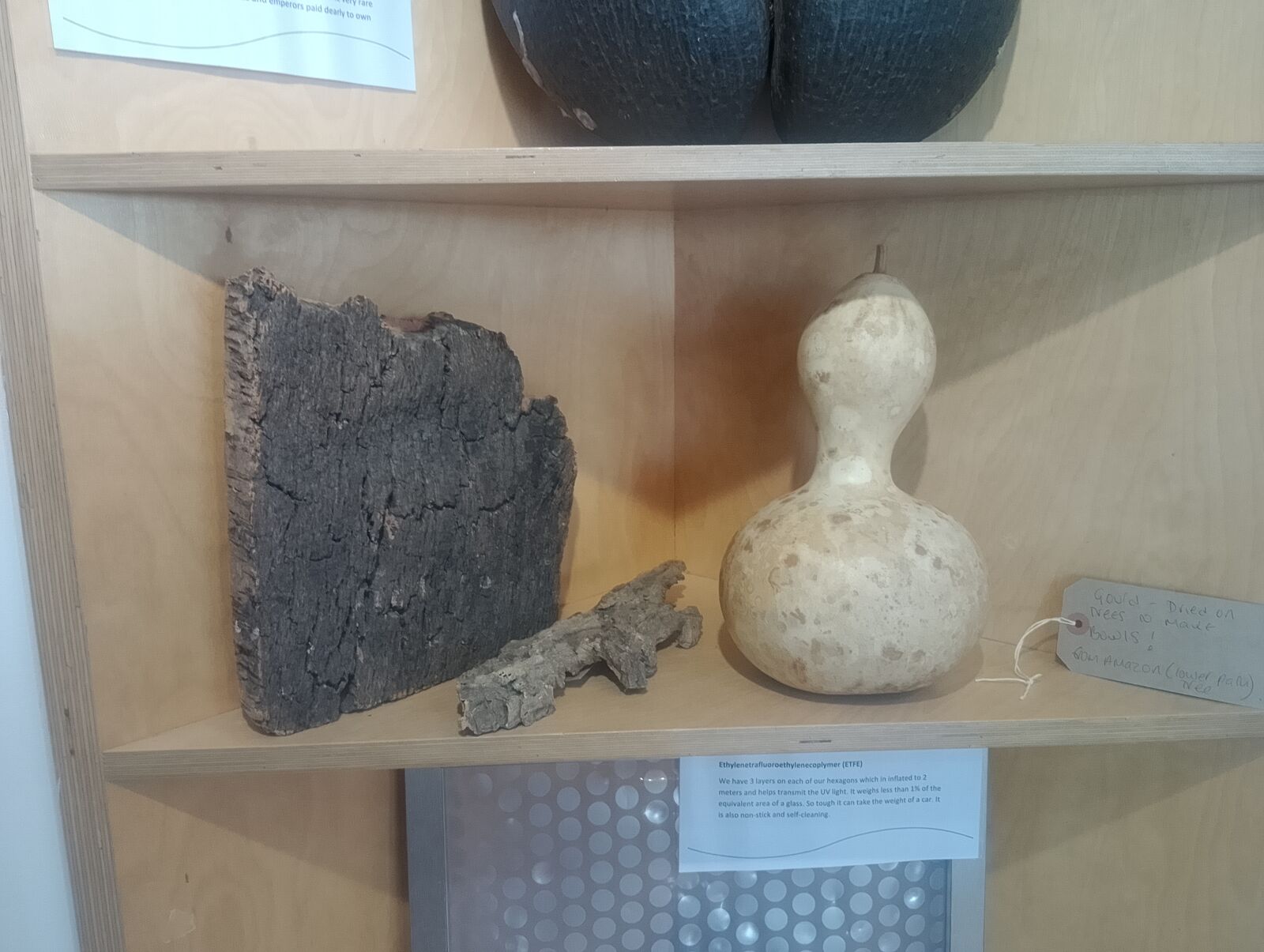
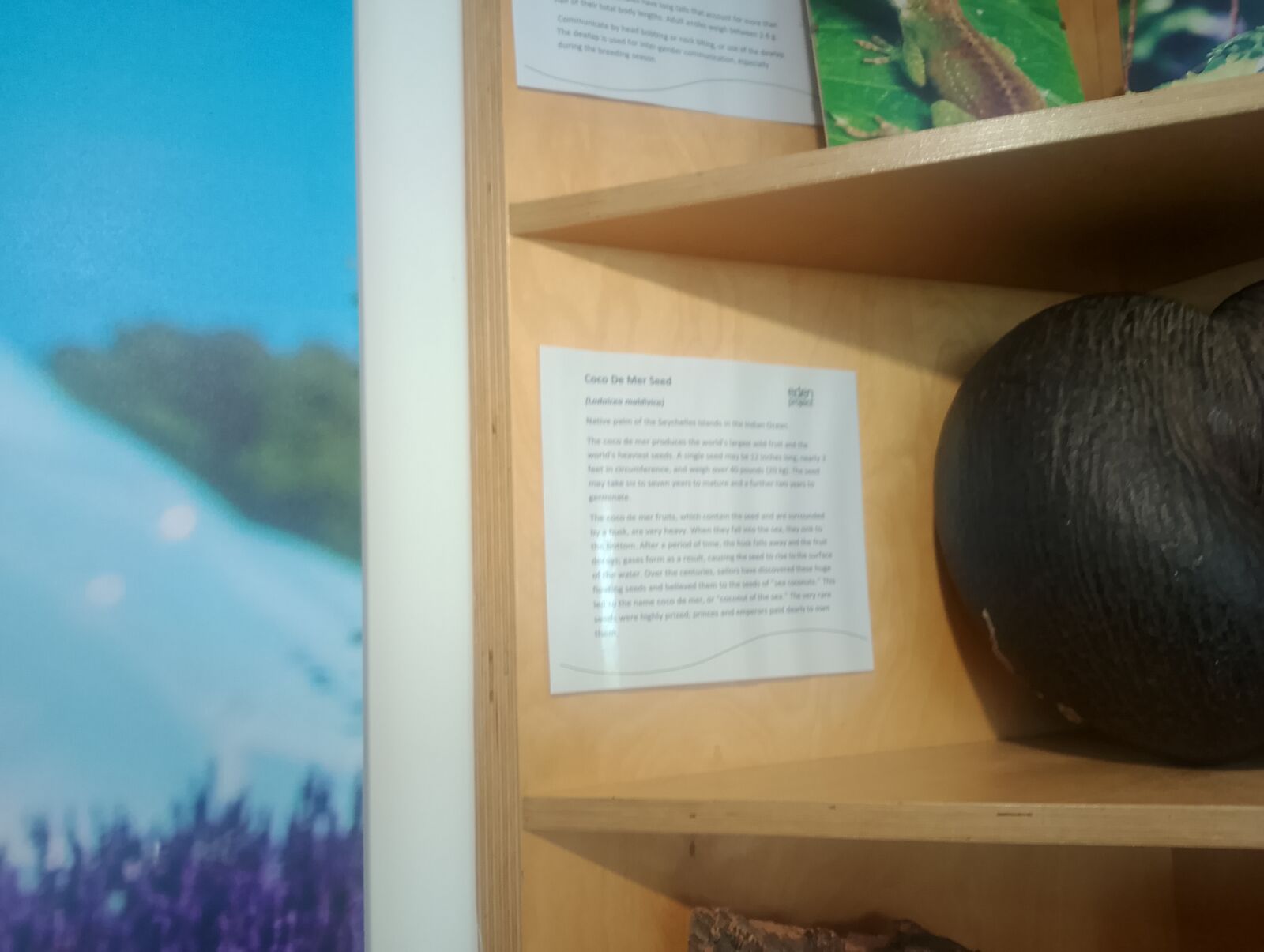
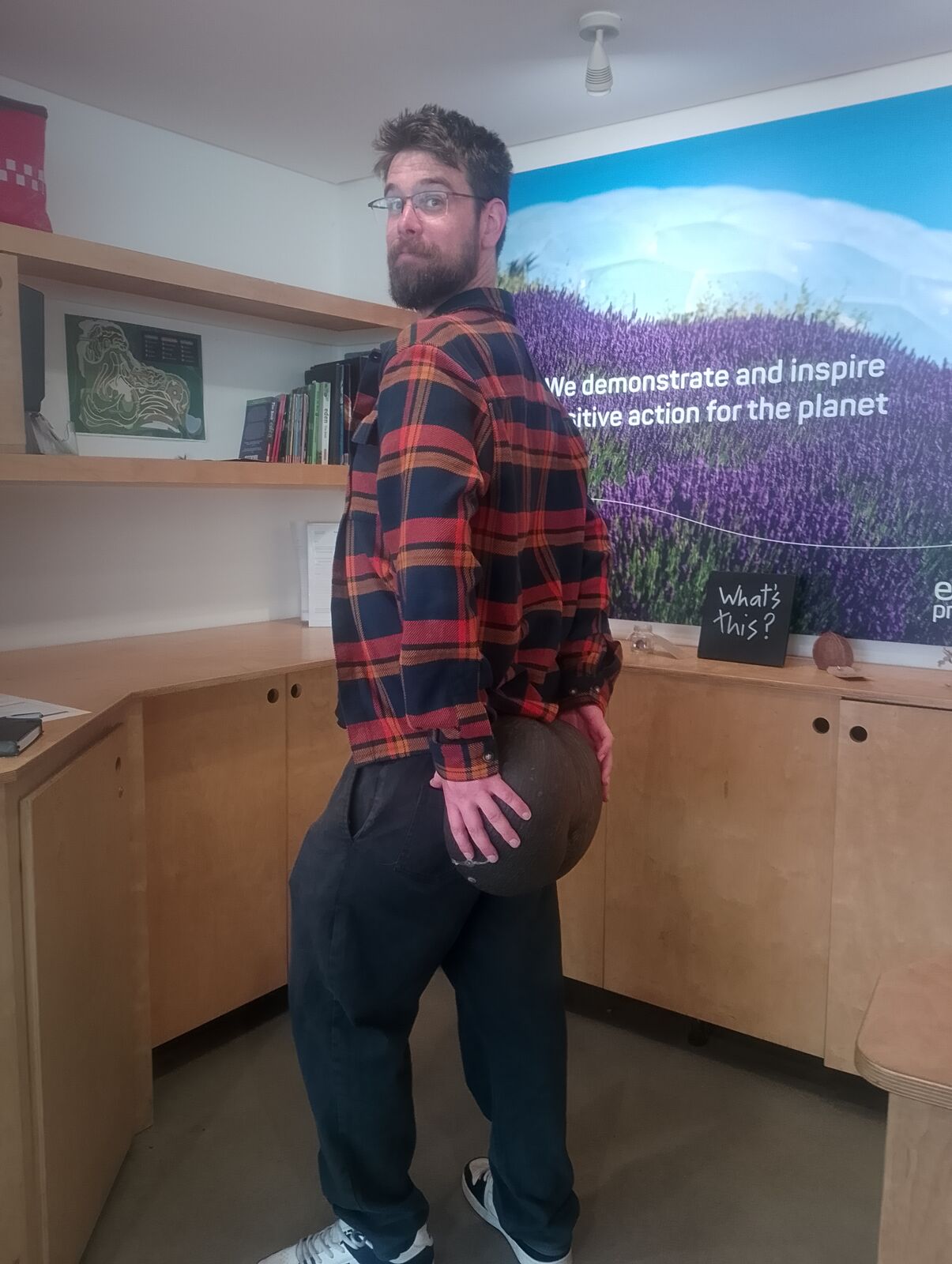
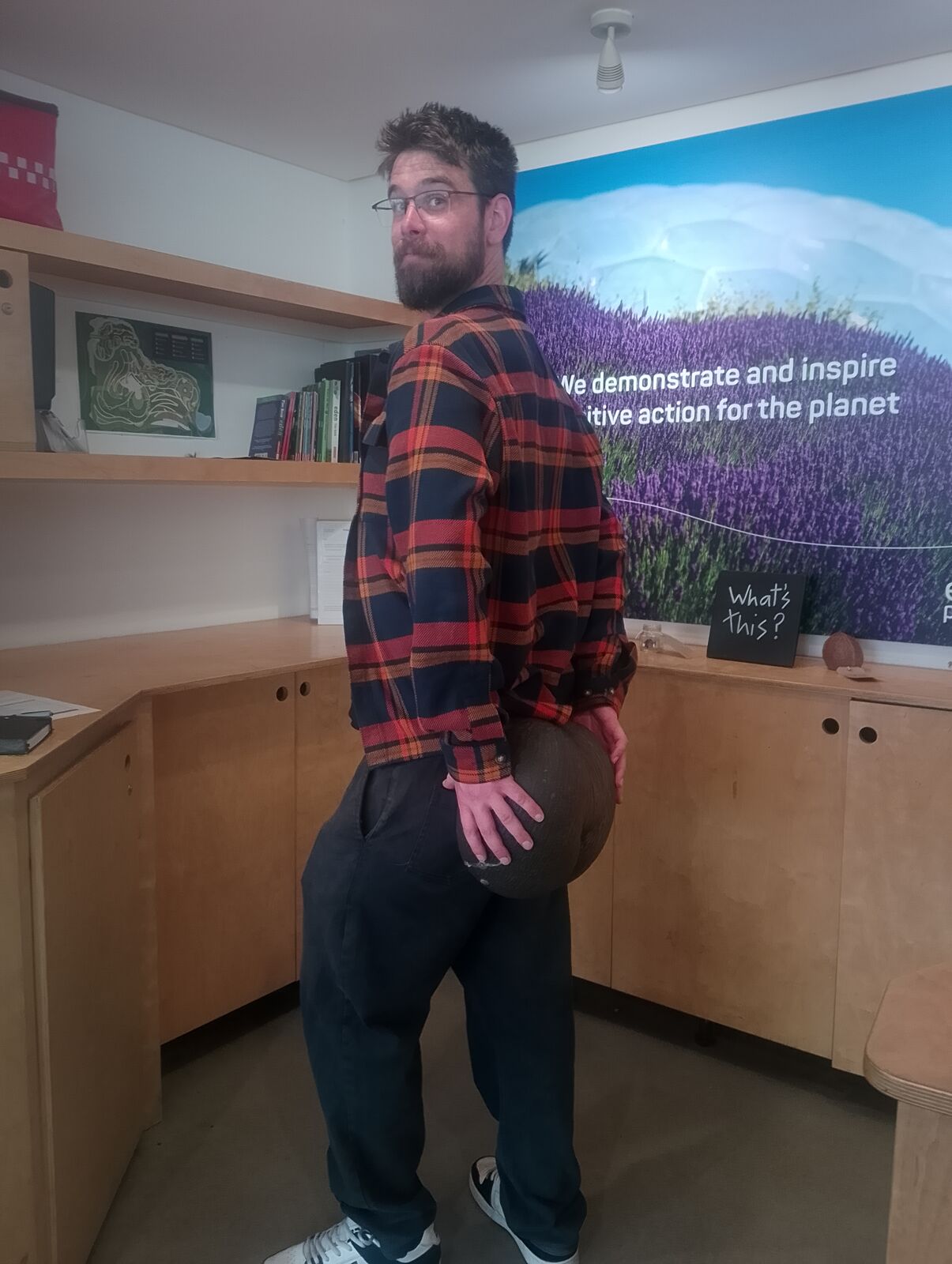
Returning to the dome, we spot an exhibit with the worlds largest seed, that is a life size model of ones rear end - though significantly more tanned than my white ass. Josh, the attendant, invites a ‘sexy shot’ or ‘head shot’ comparing them if I pass him the camera. Guess which was chosen…
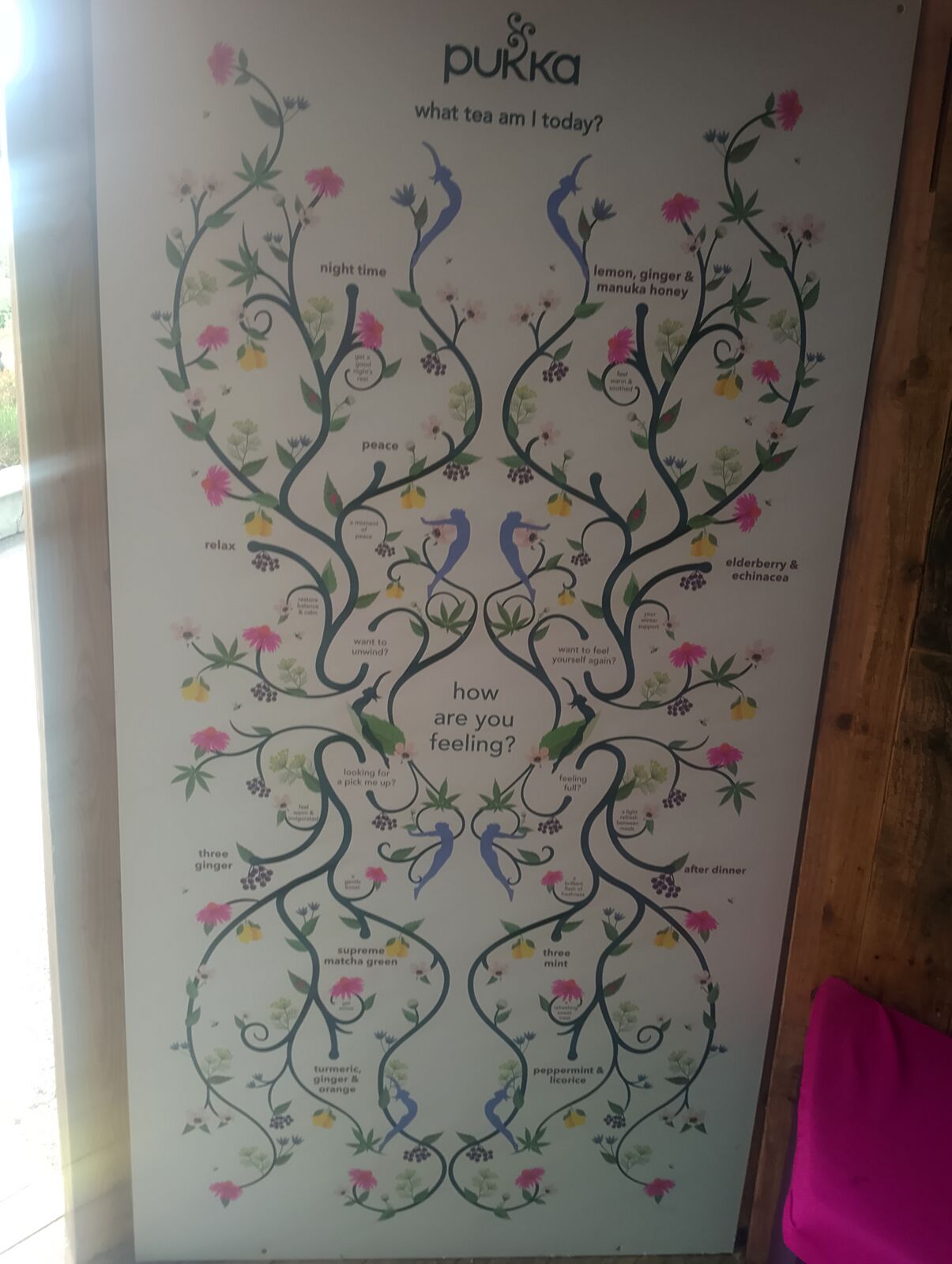
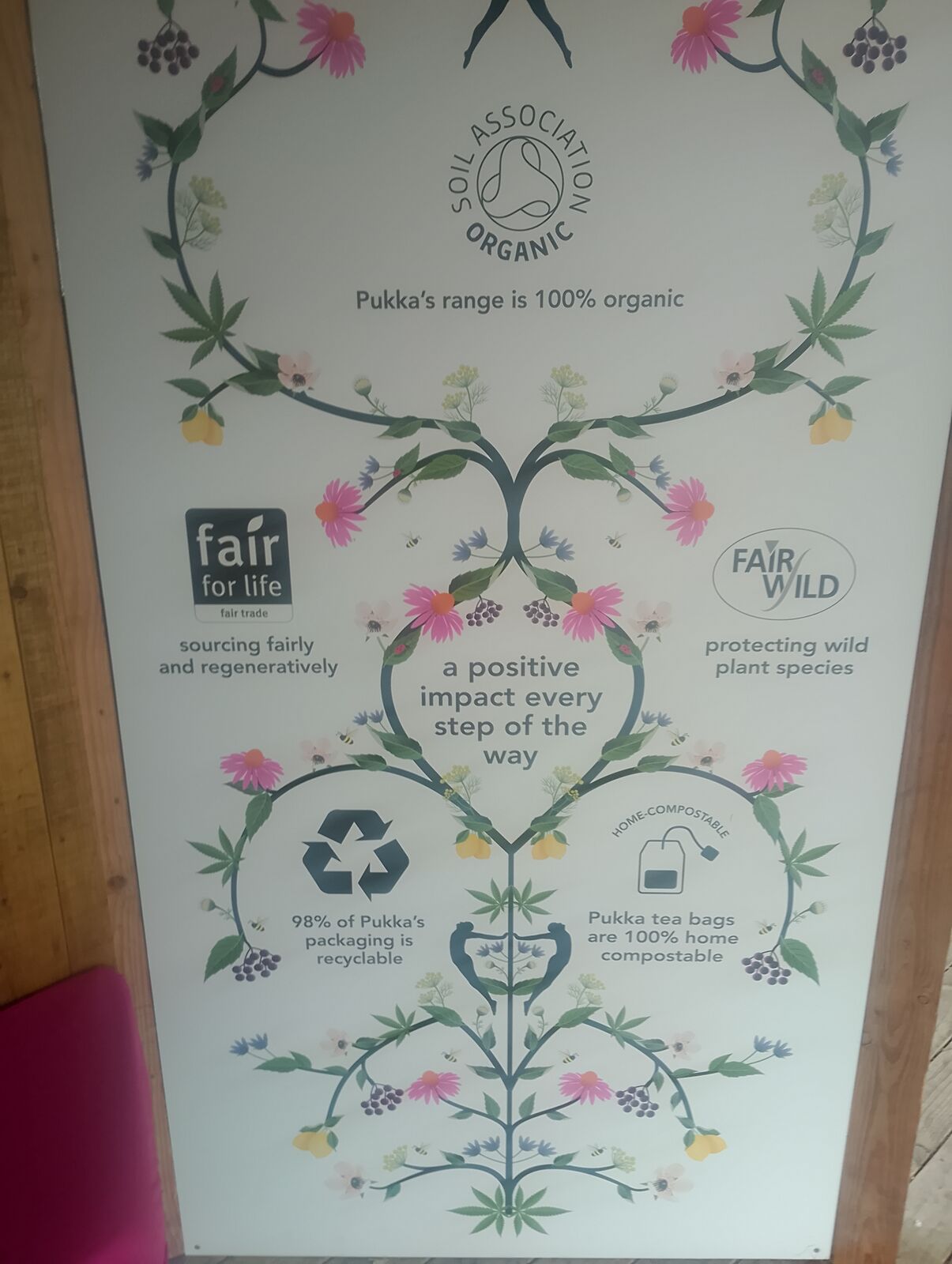
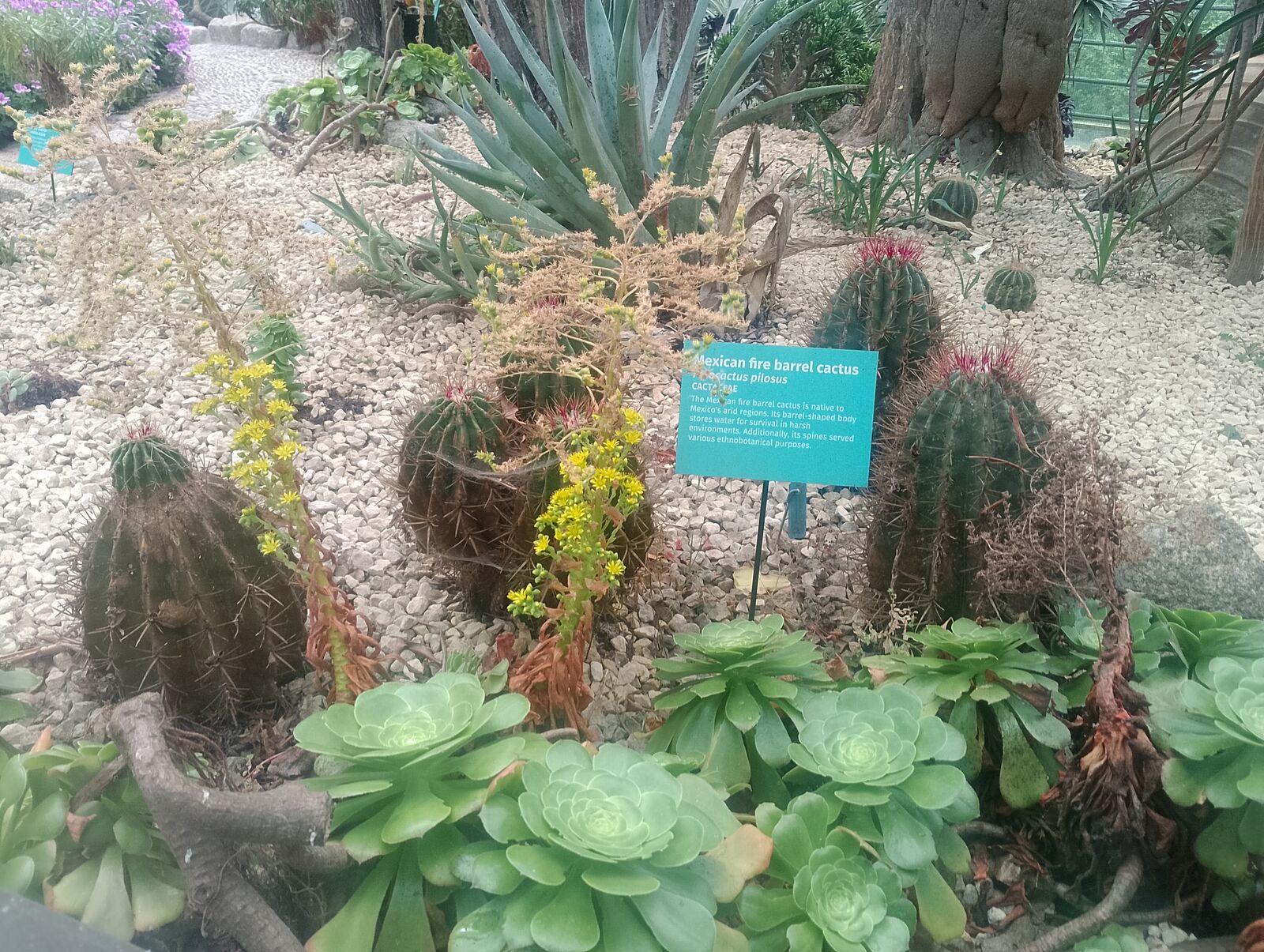
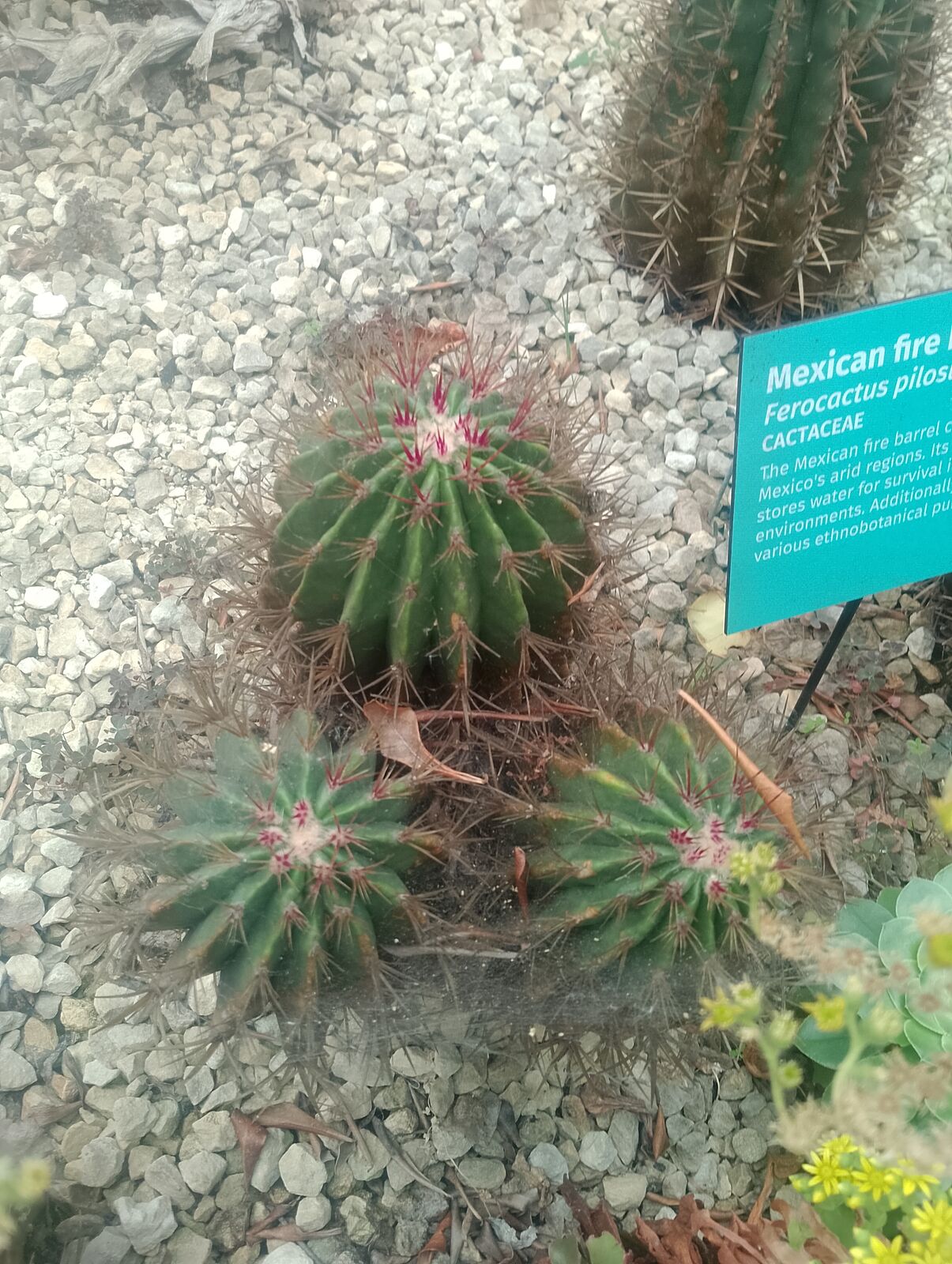
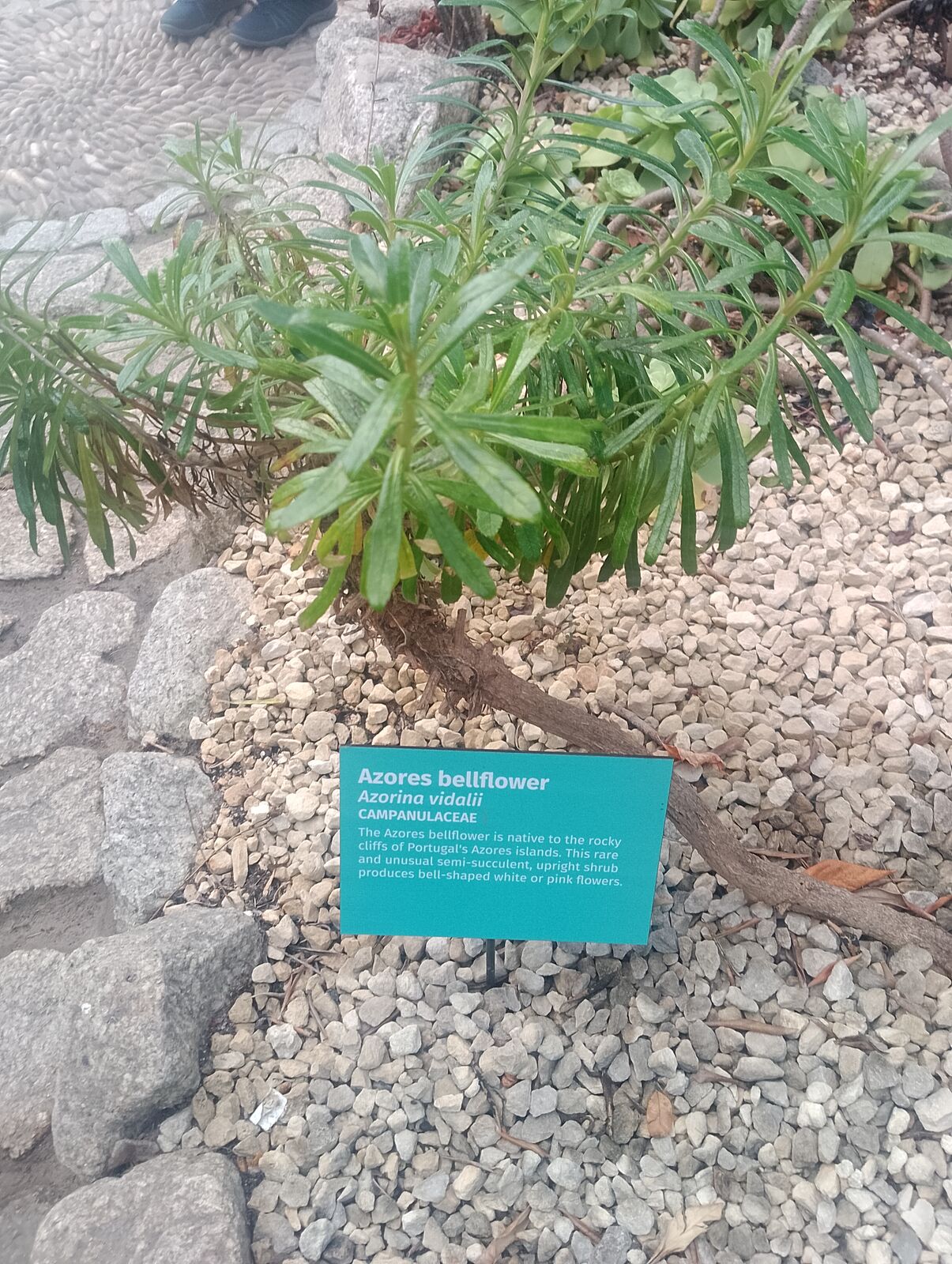
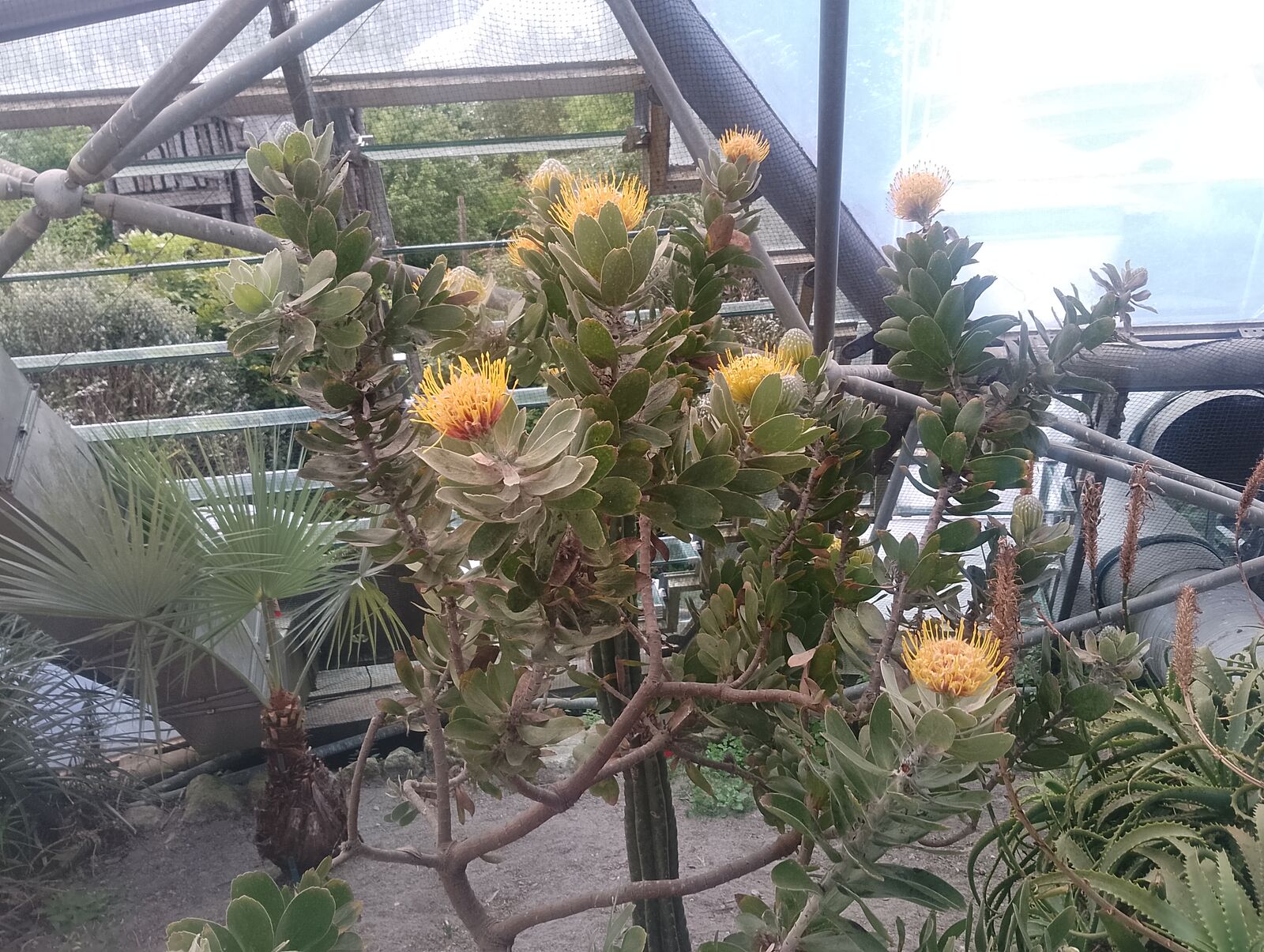
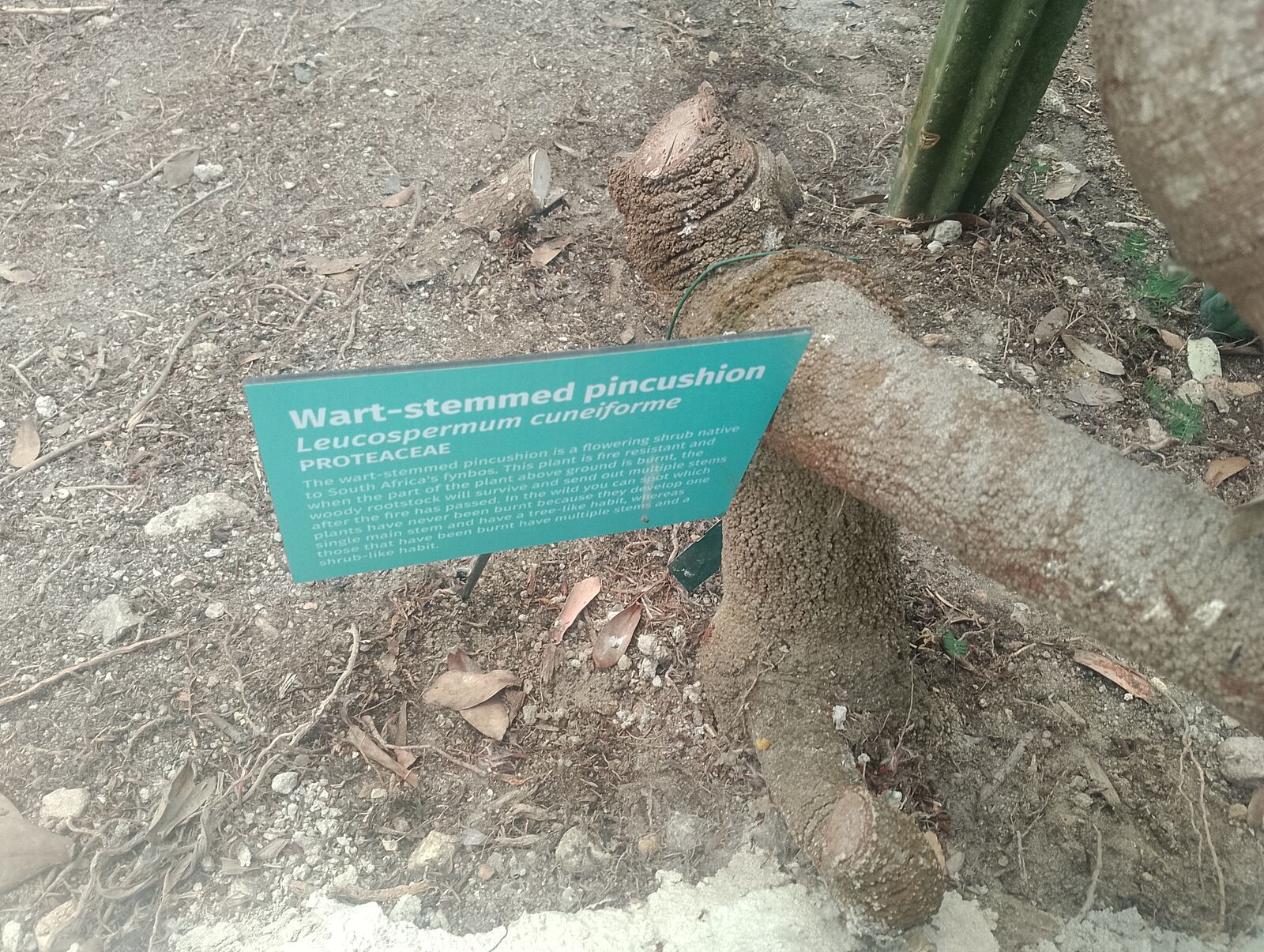
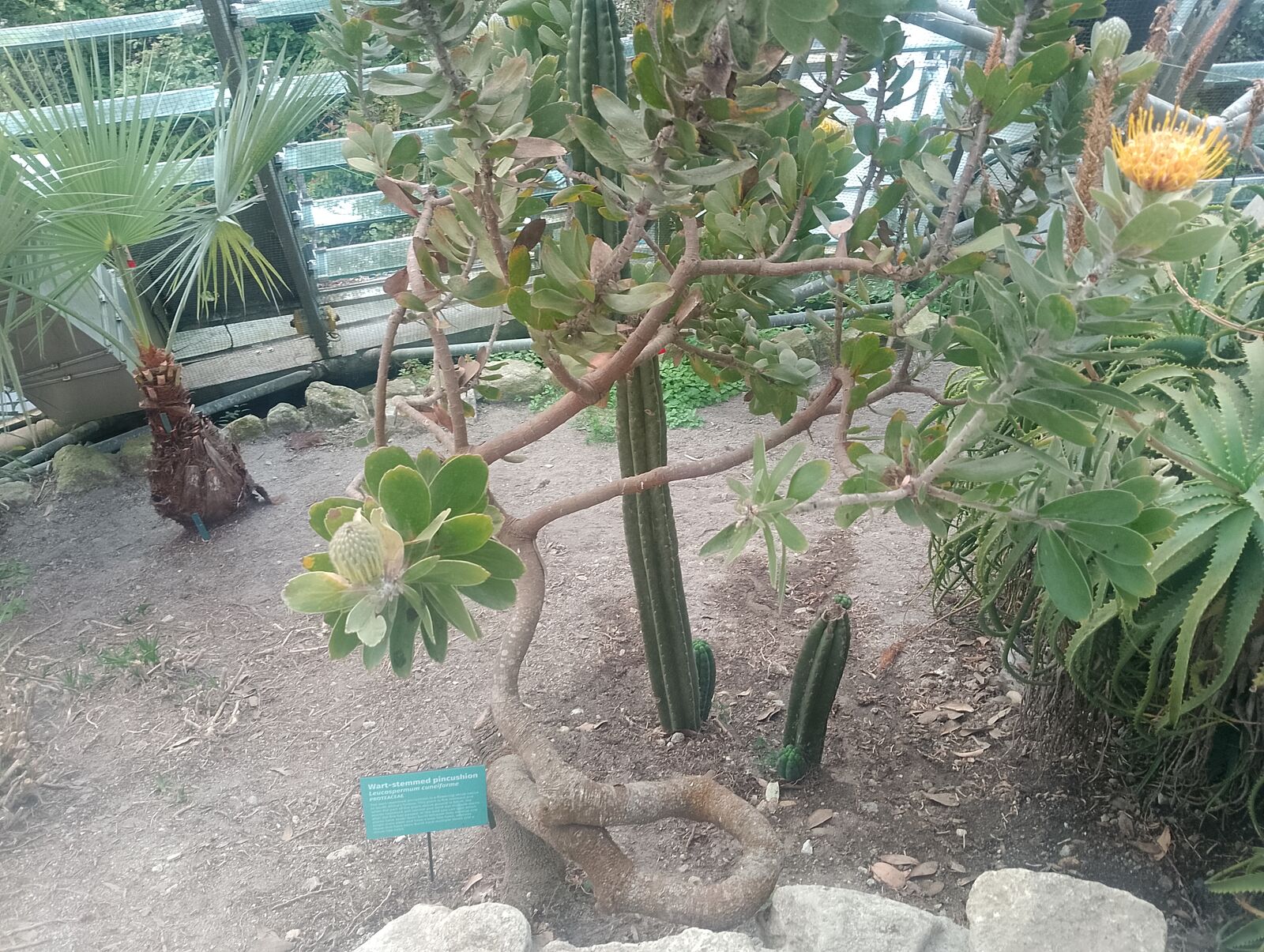
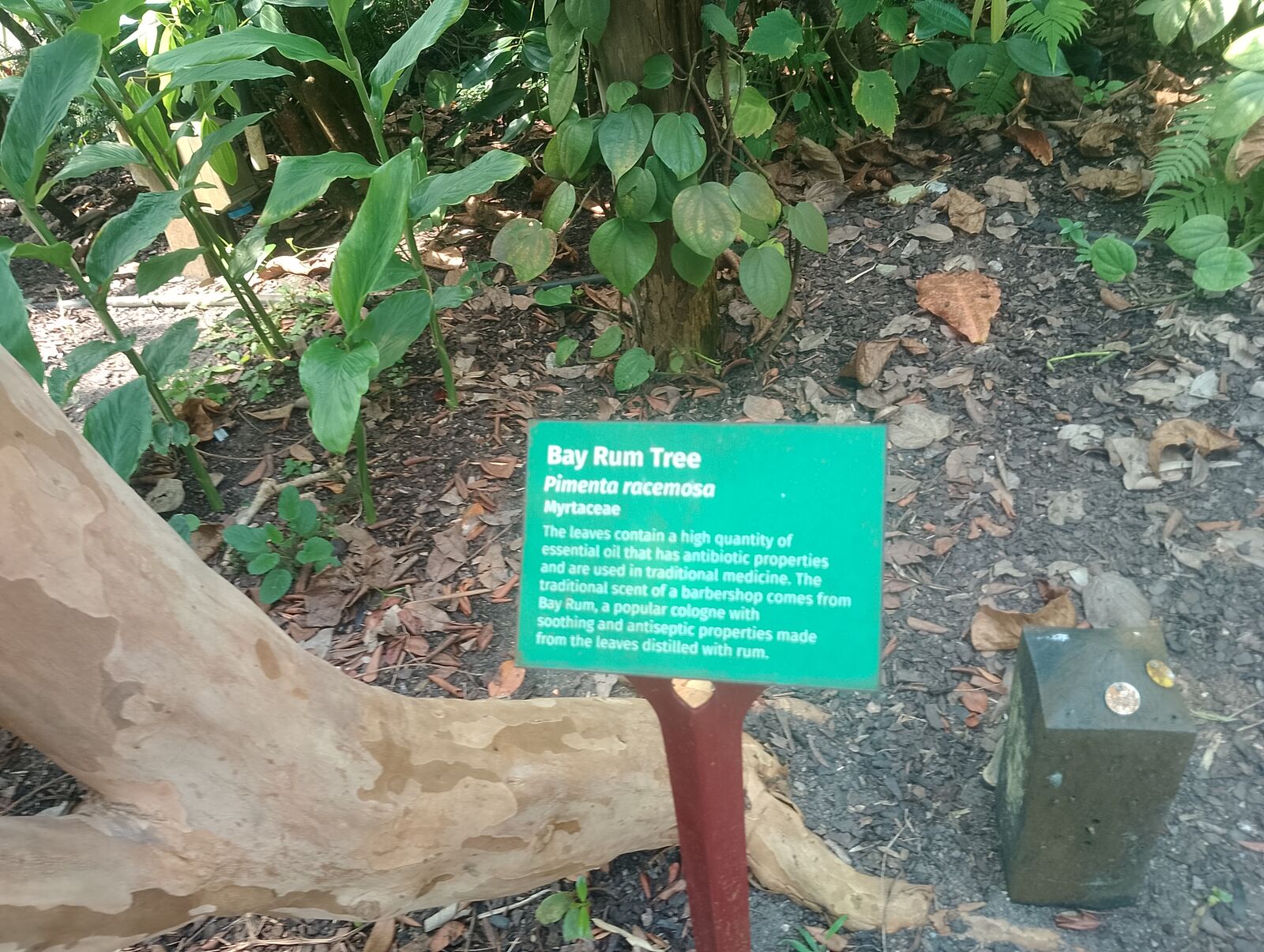
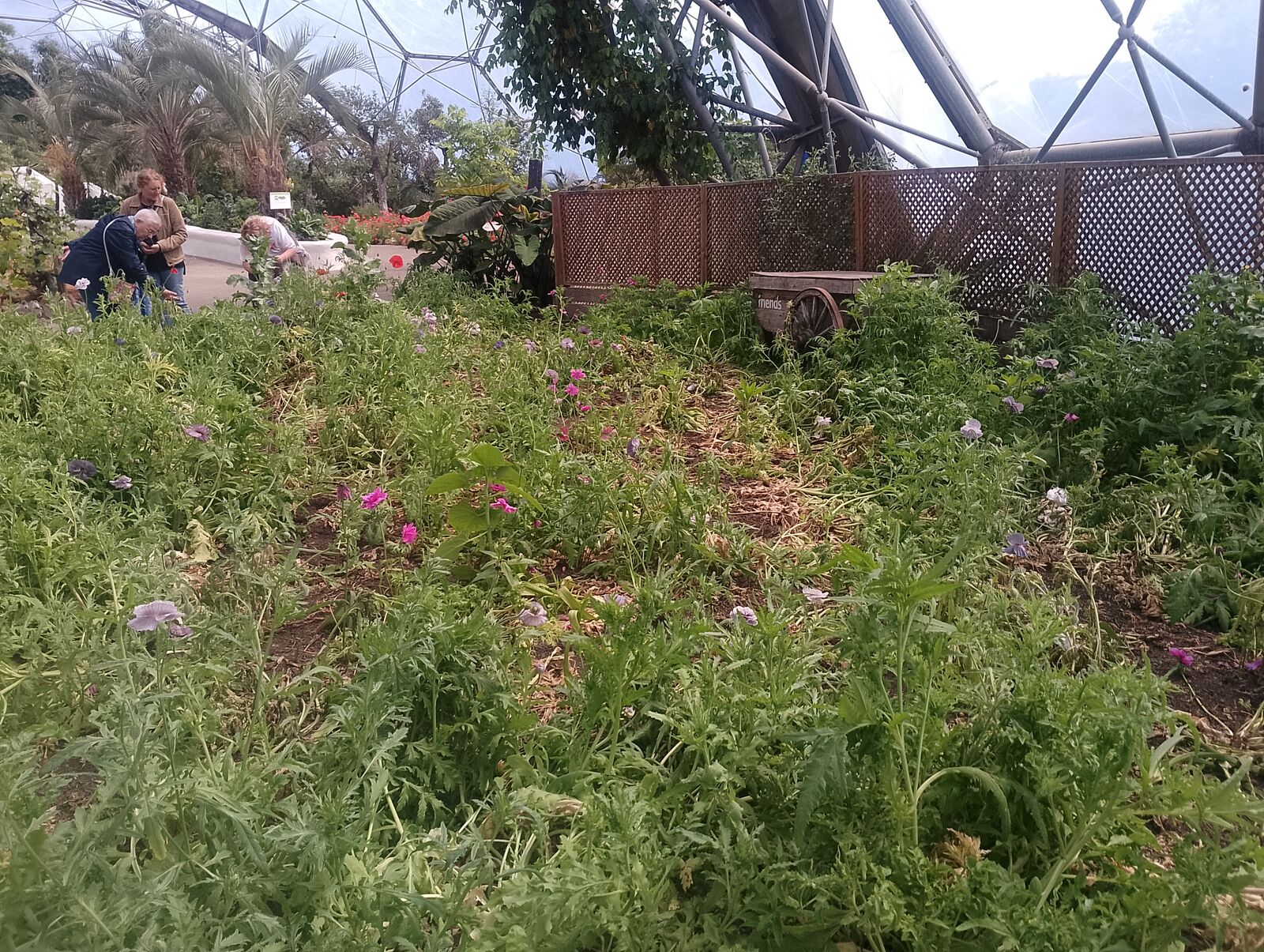
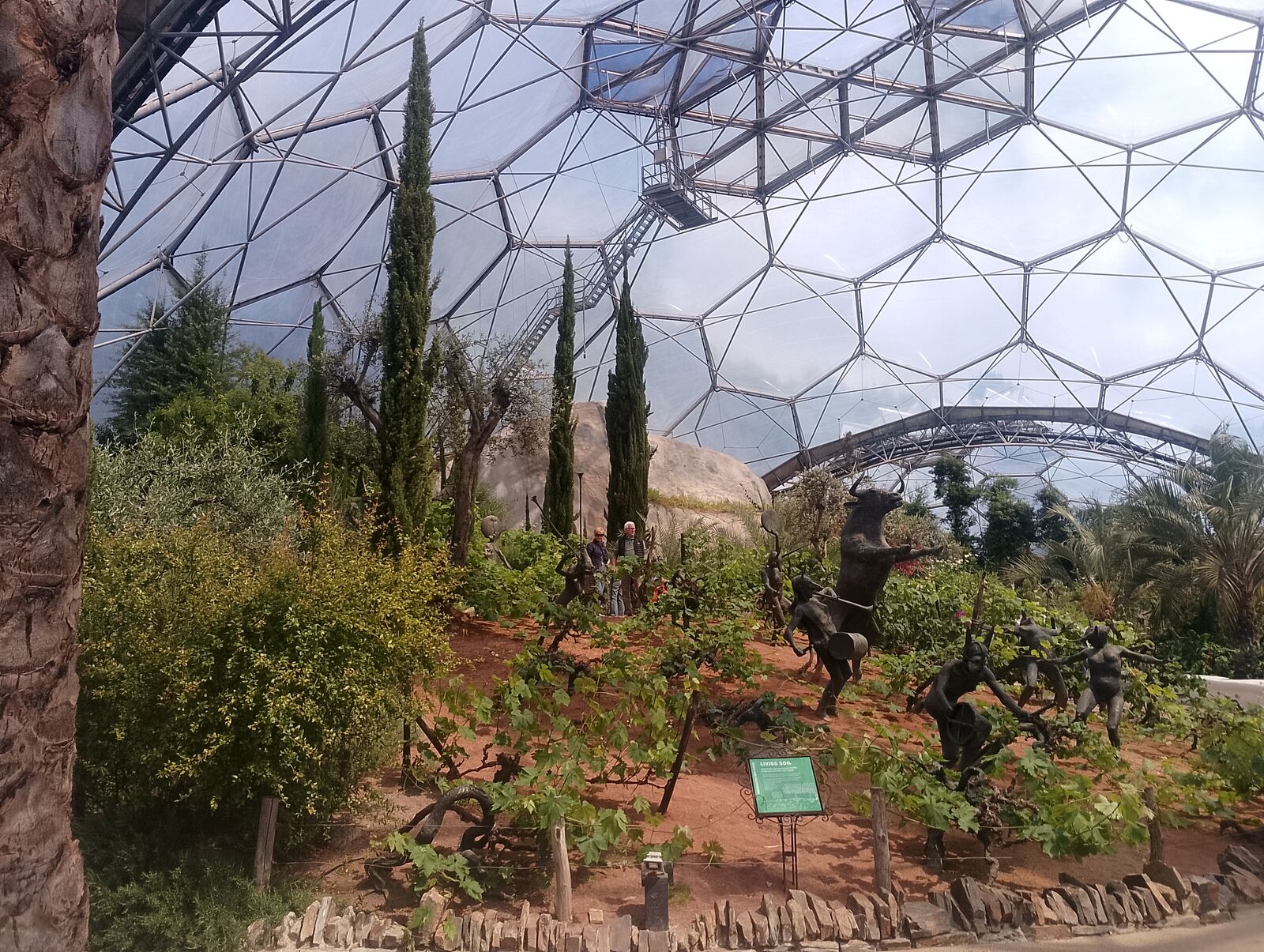
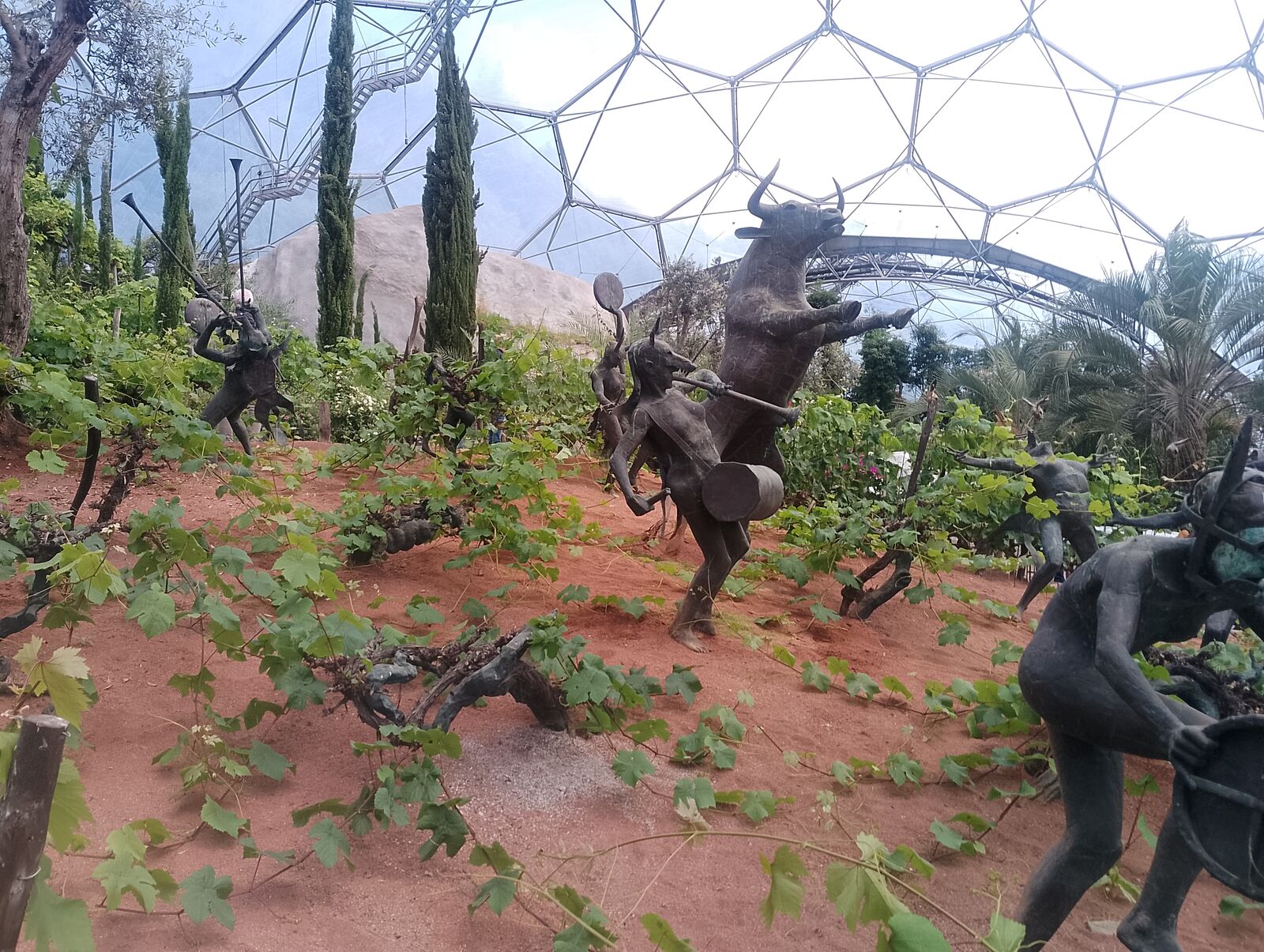
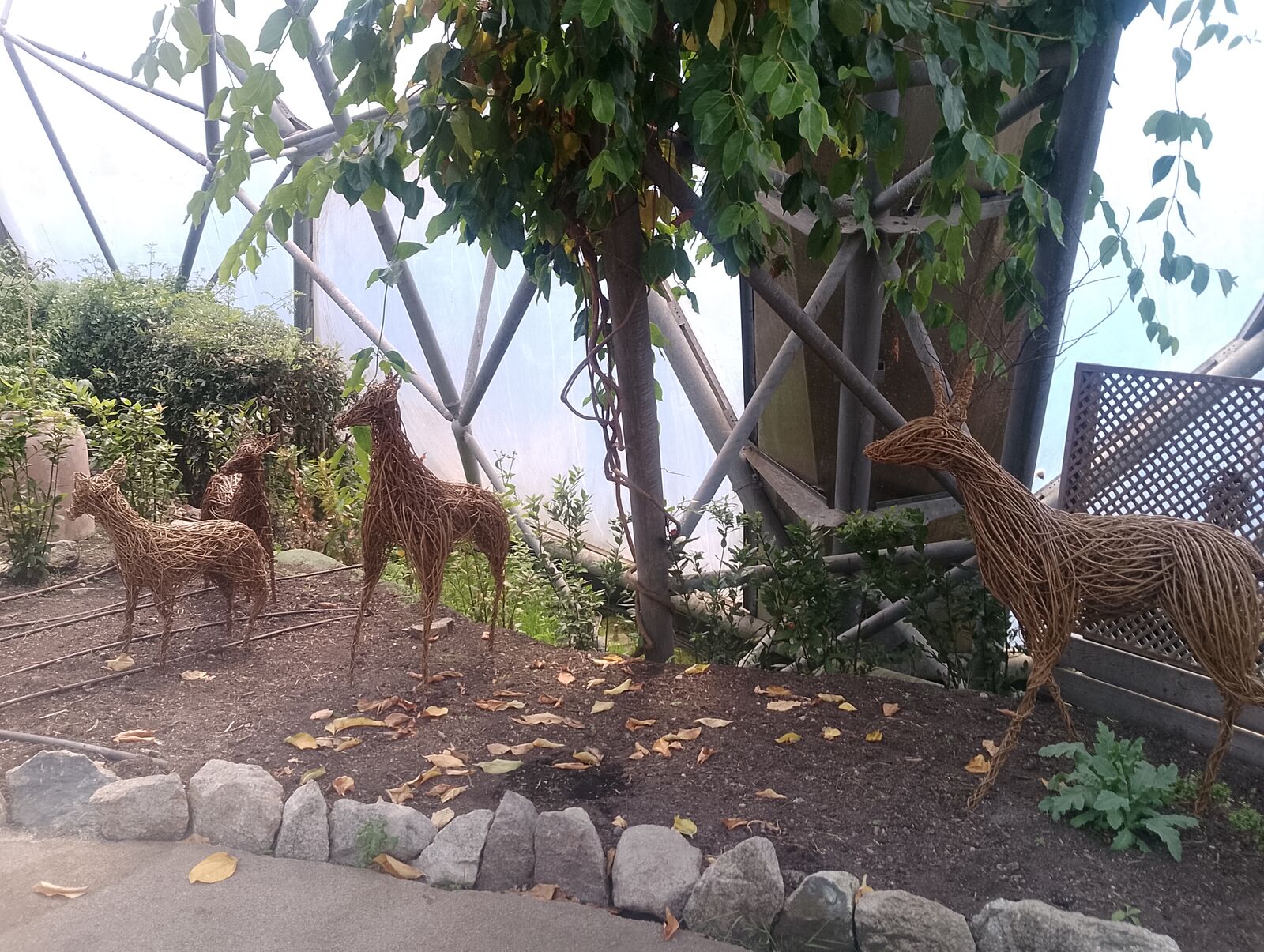
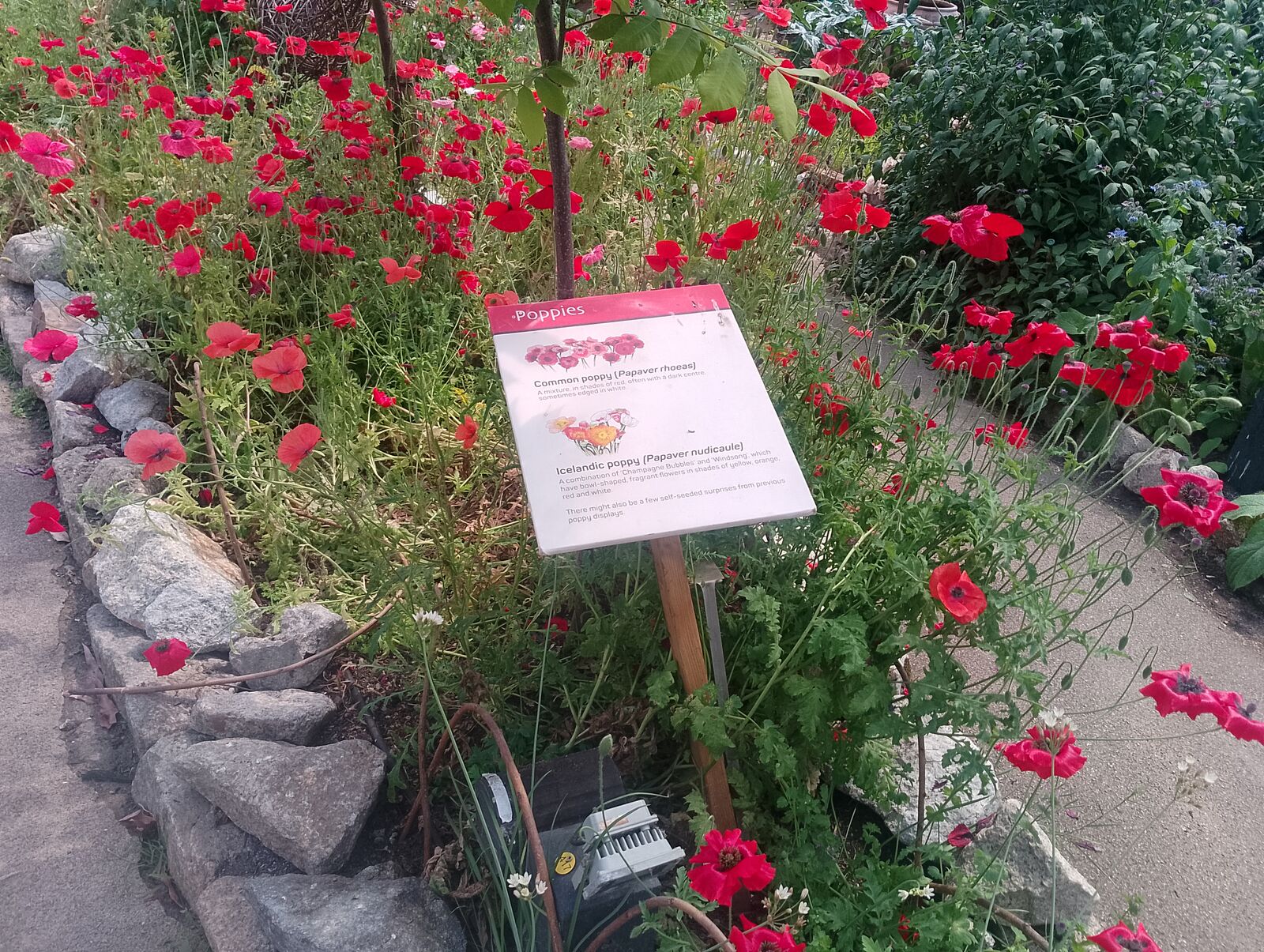
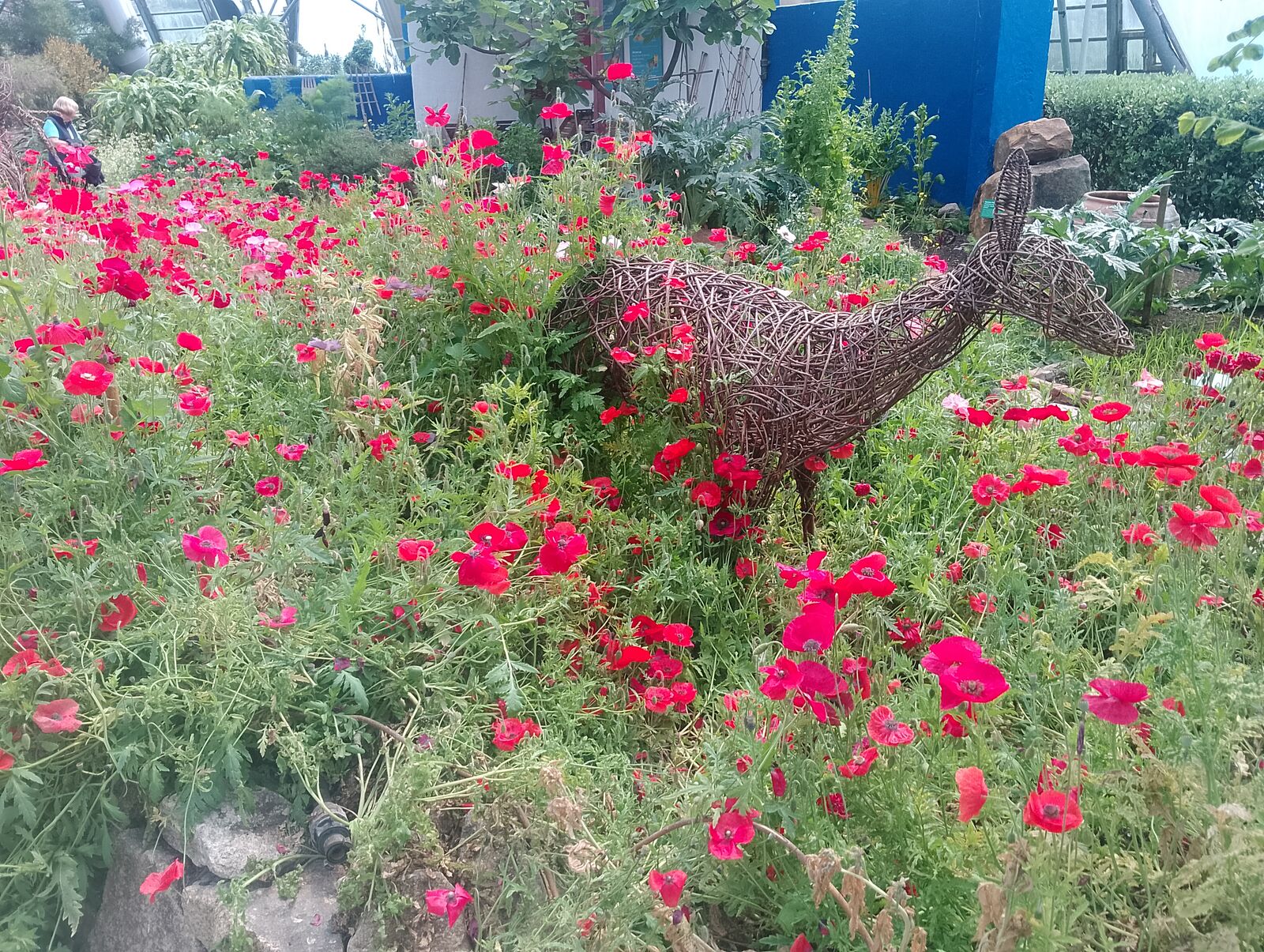
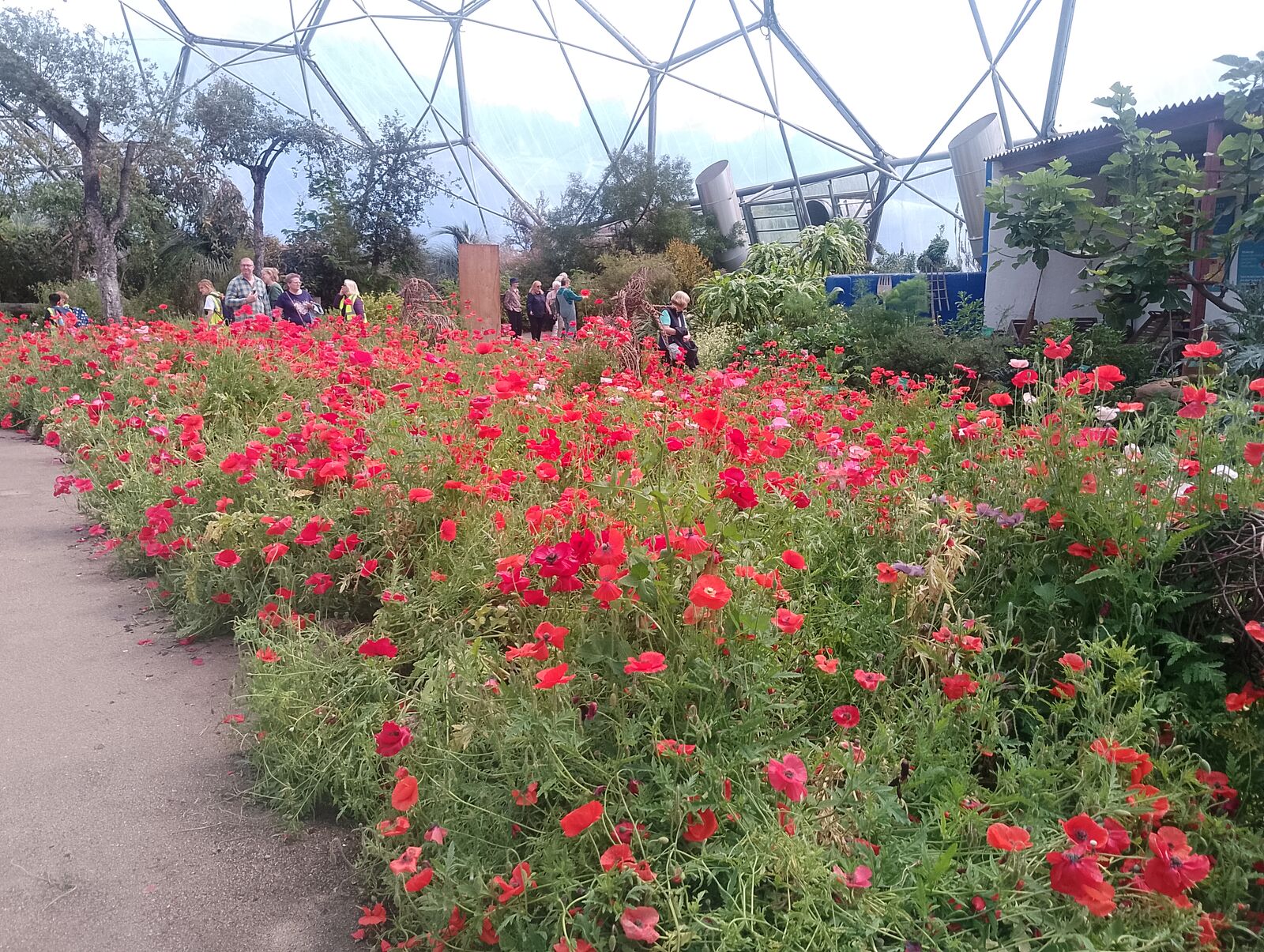
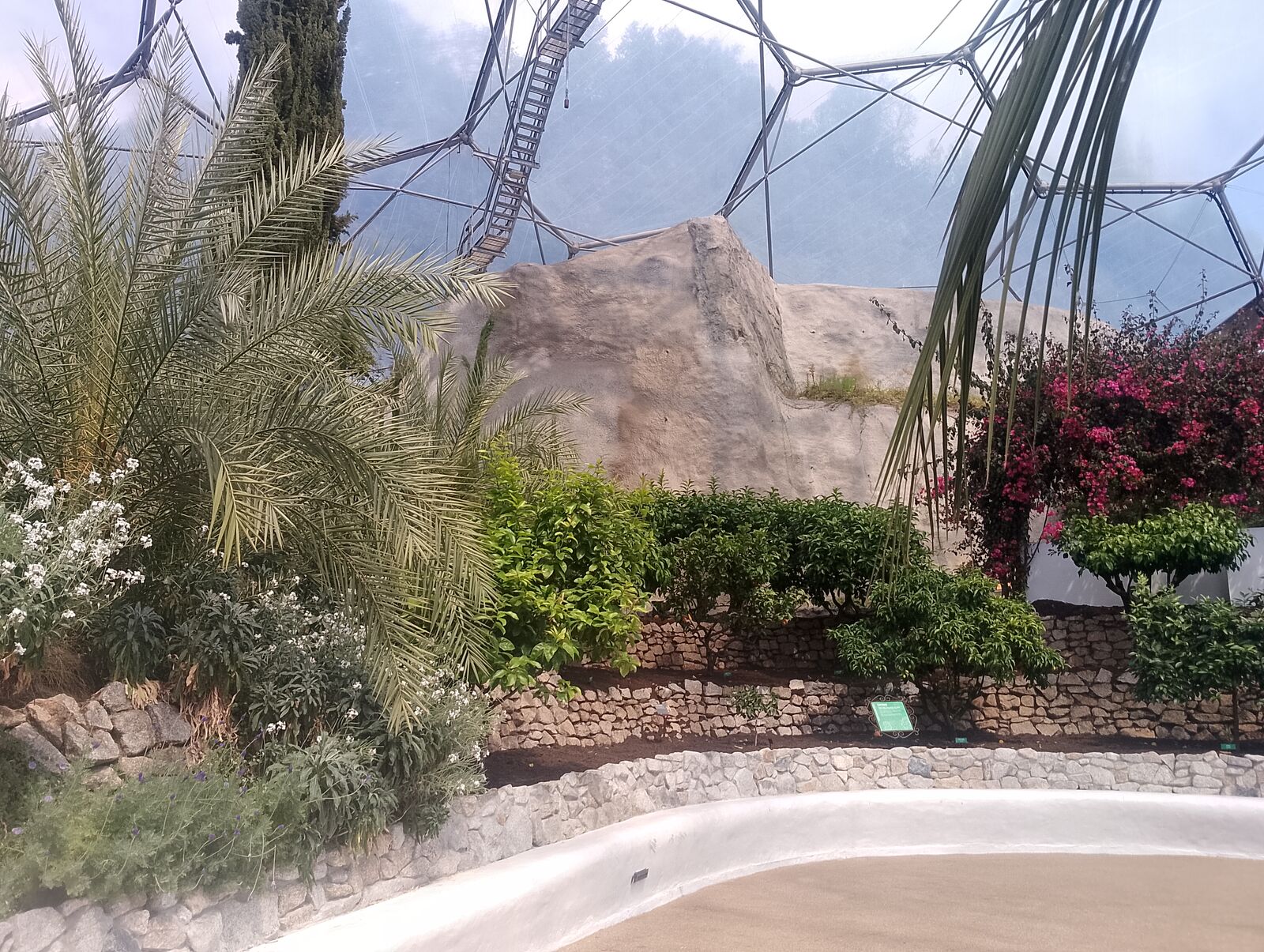
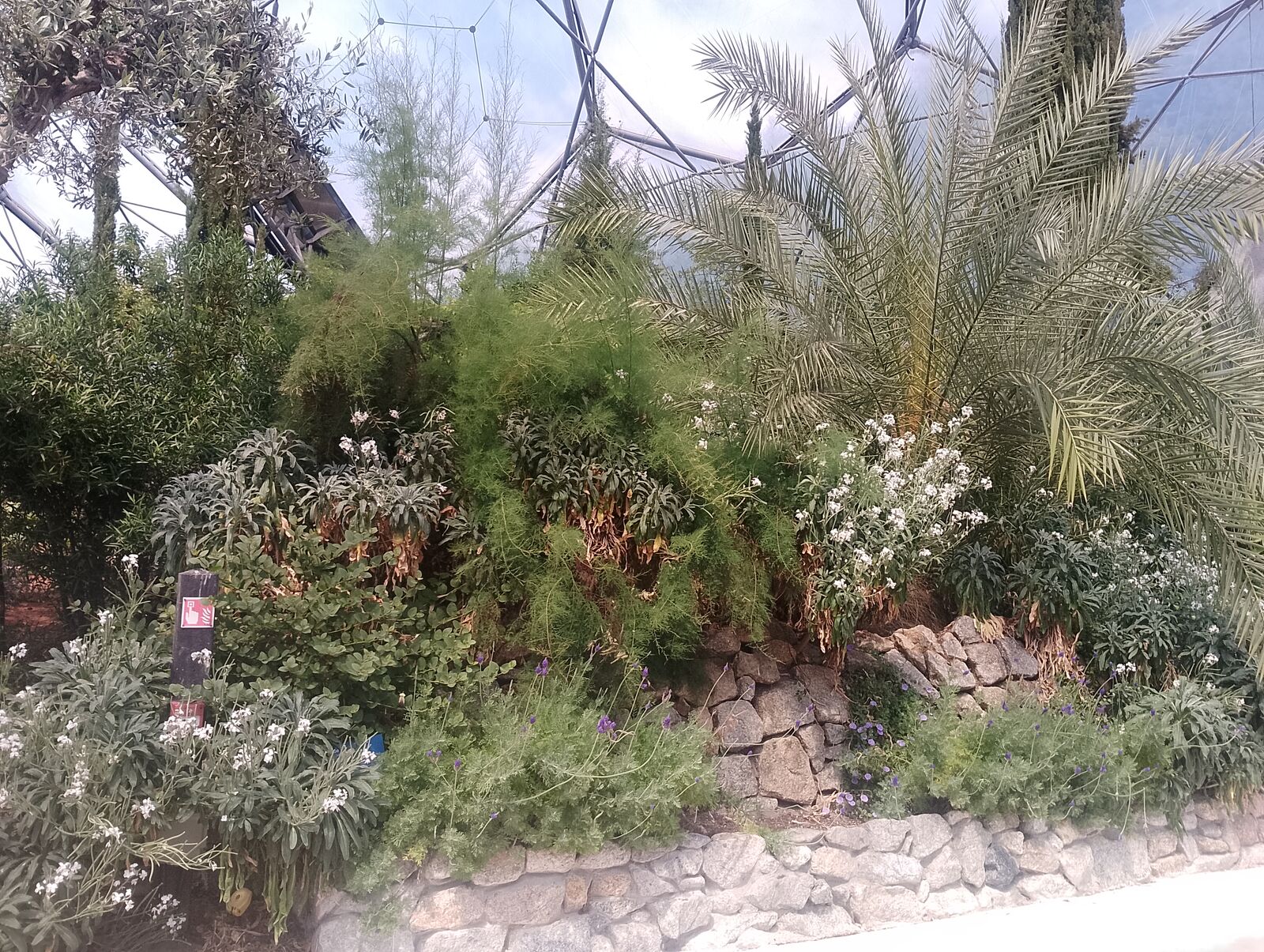
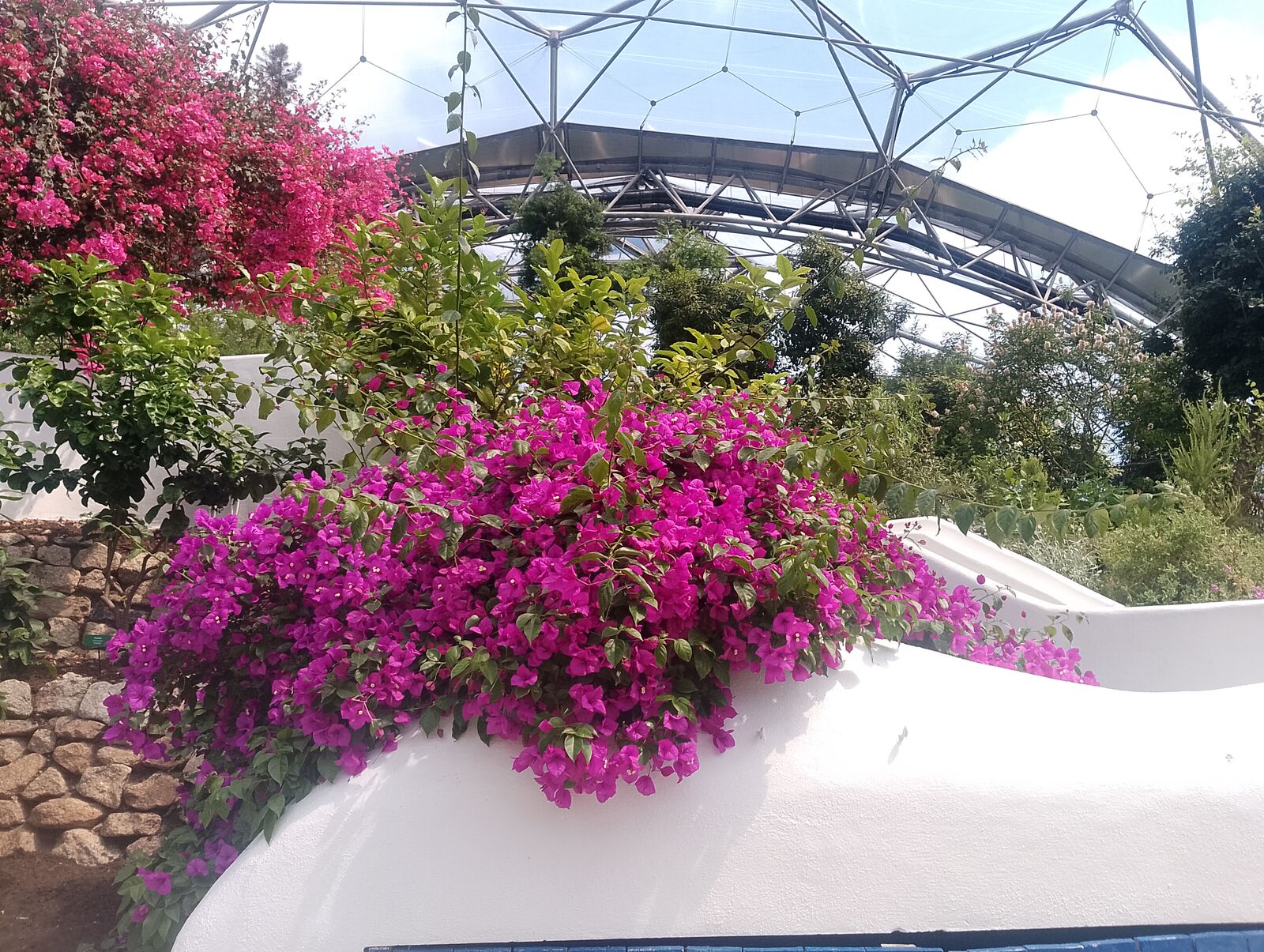
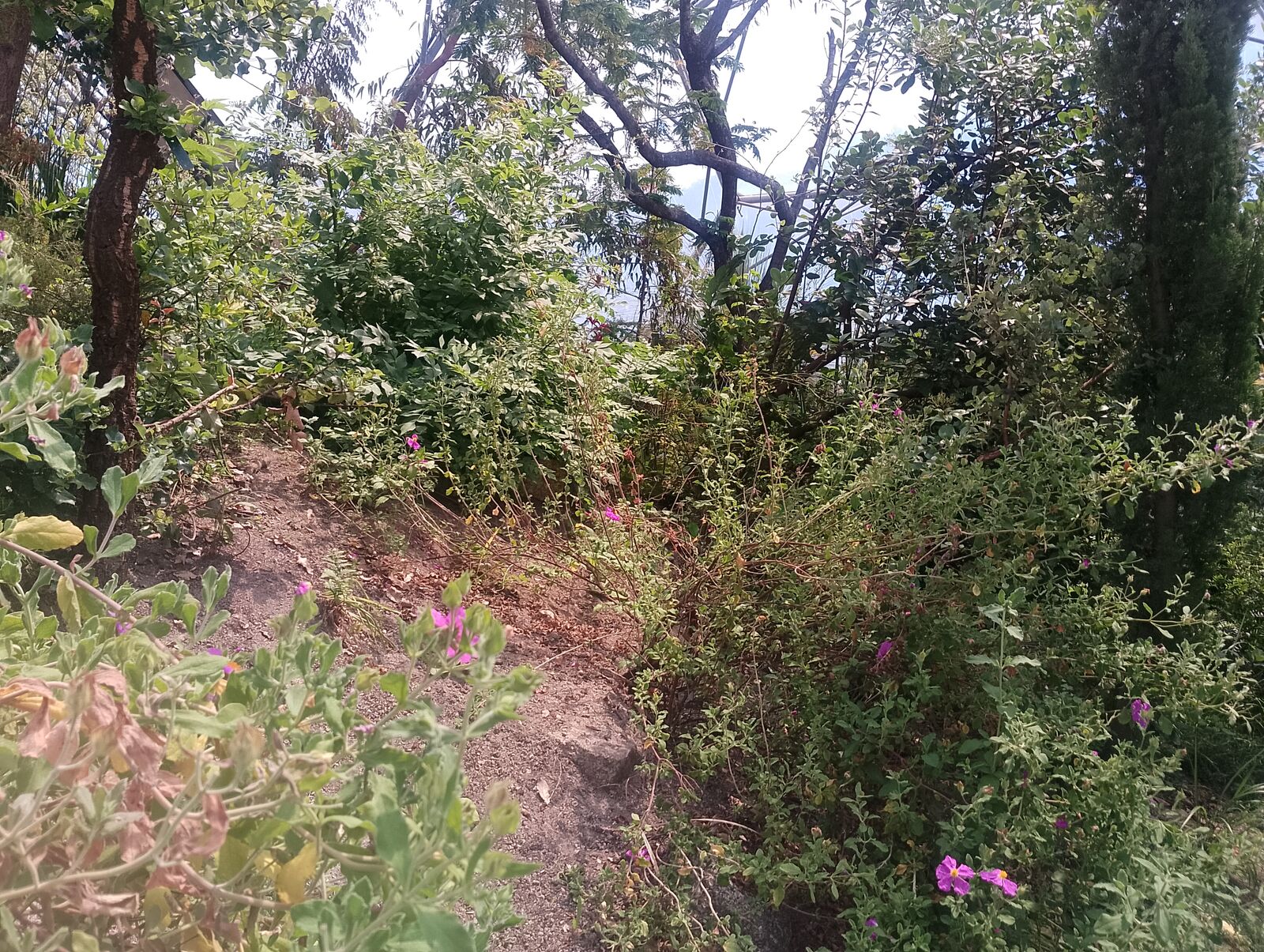
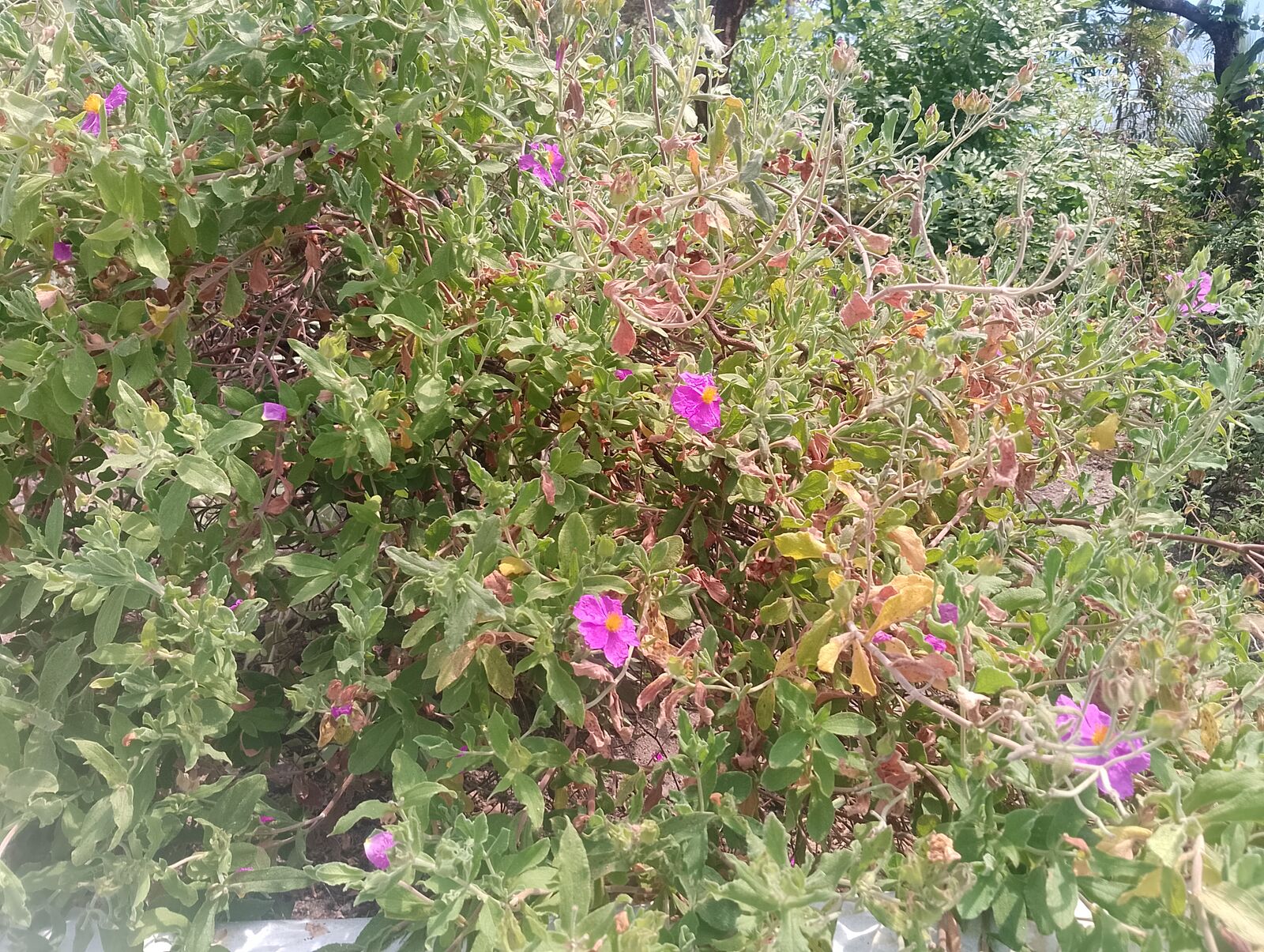
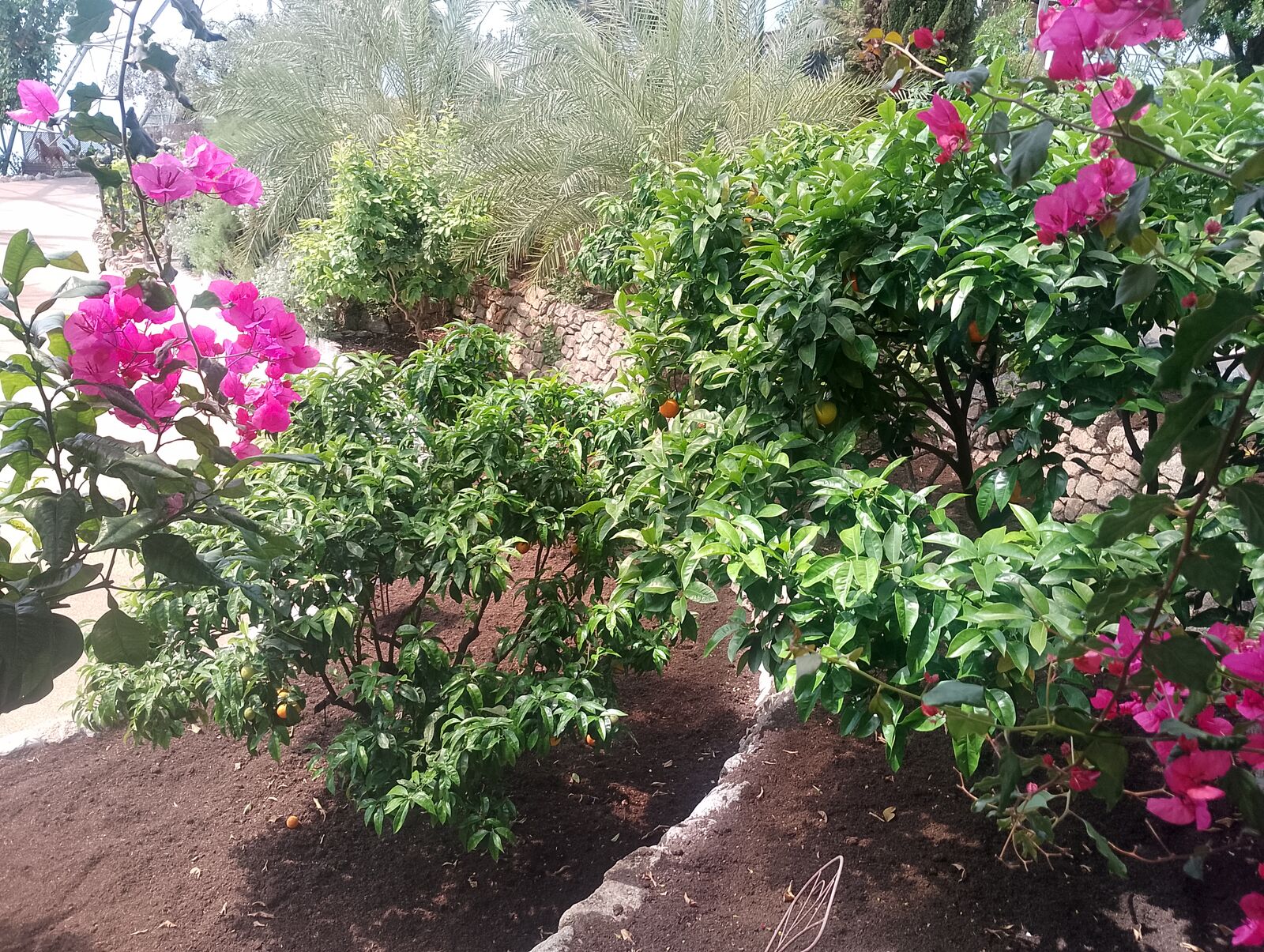
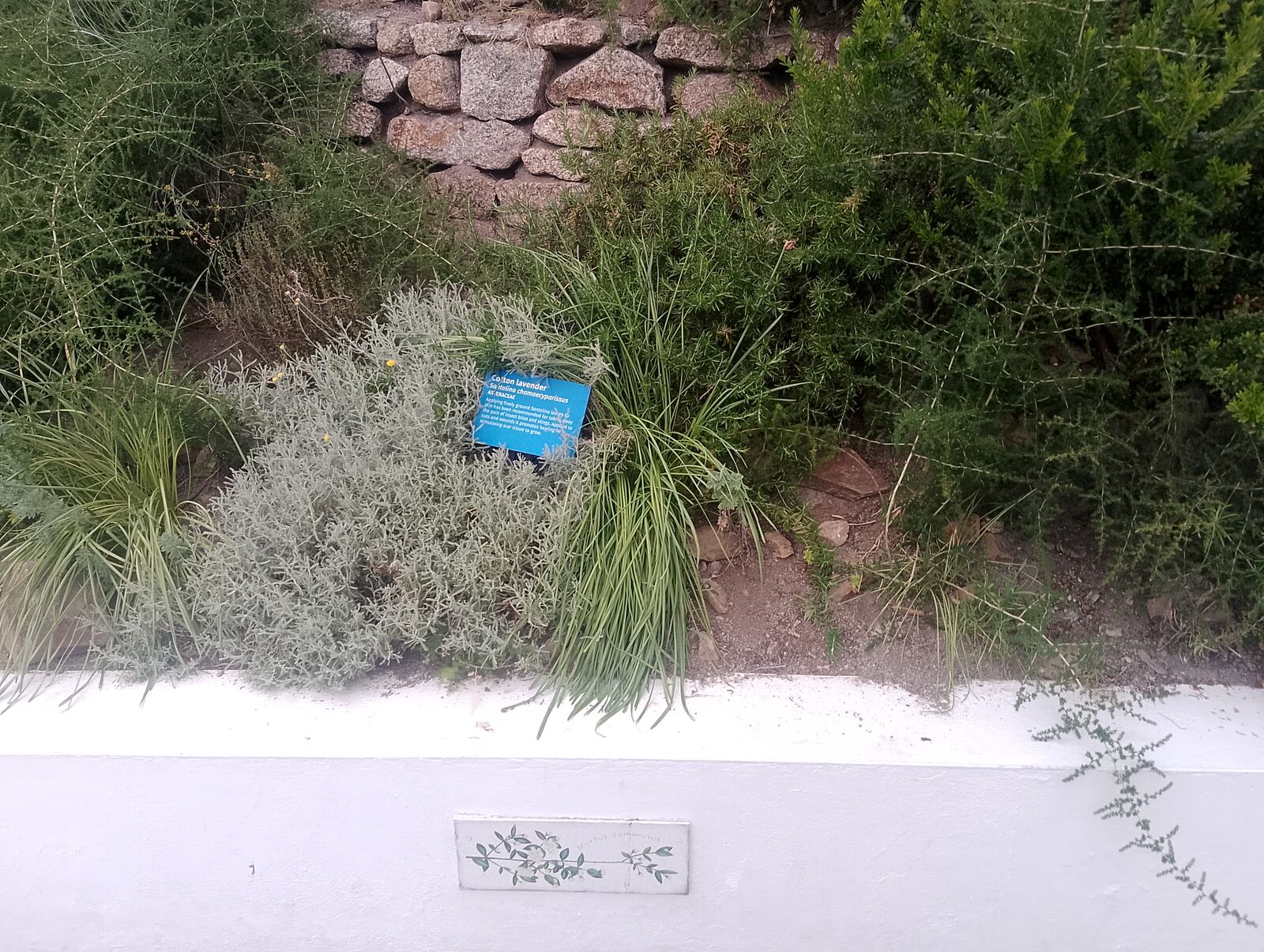
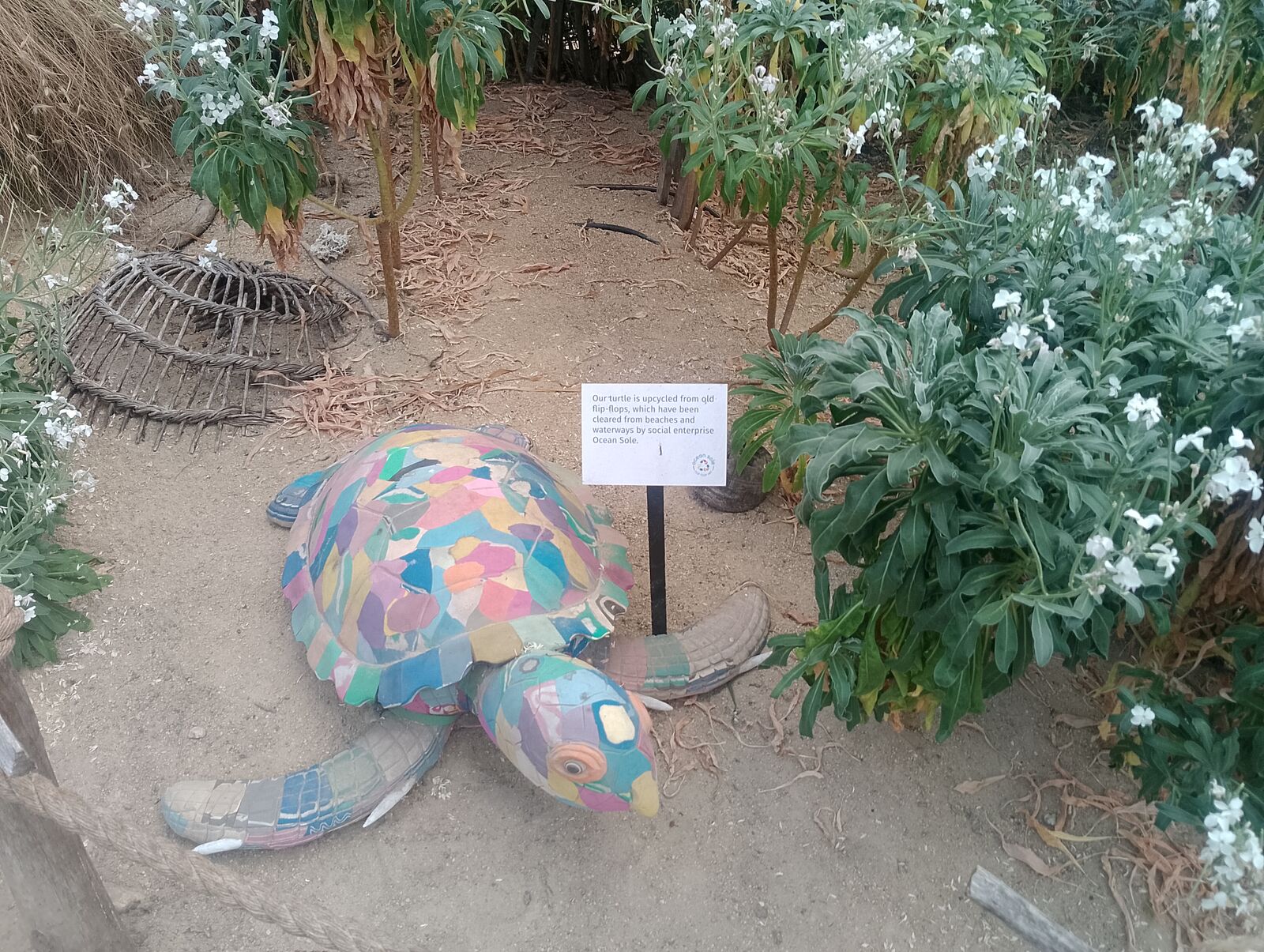
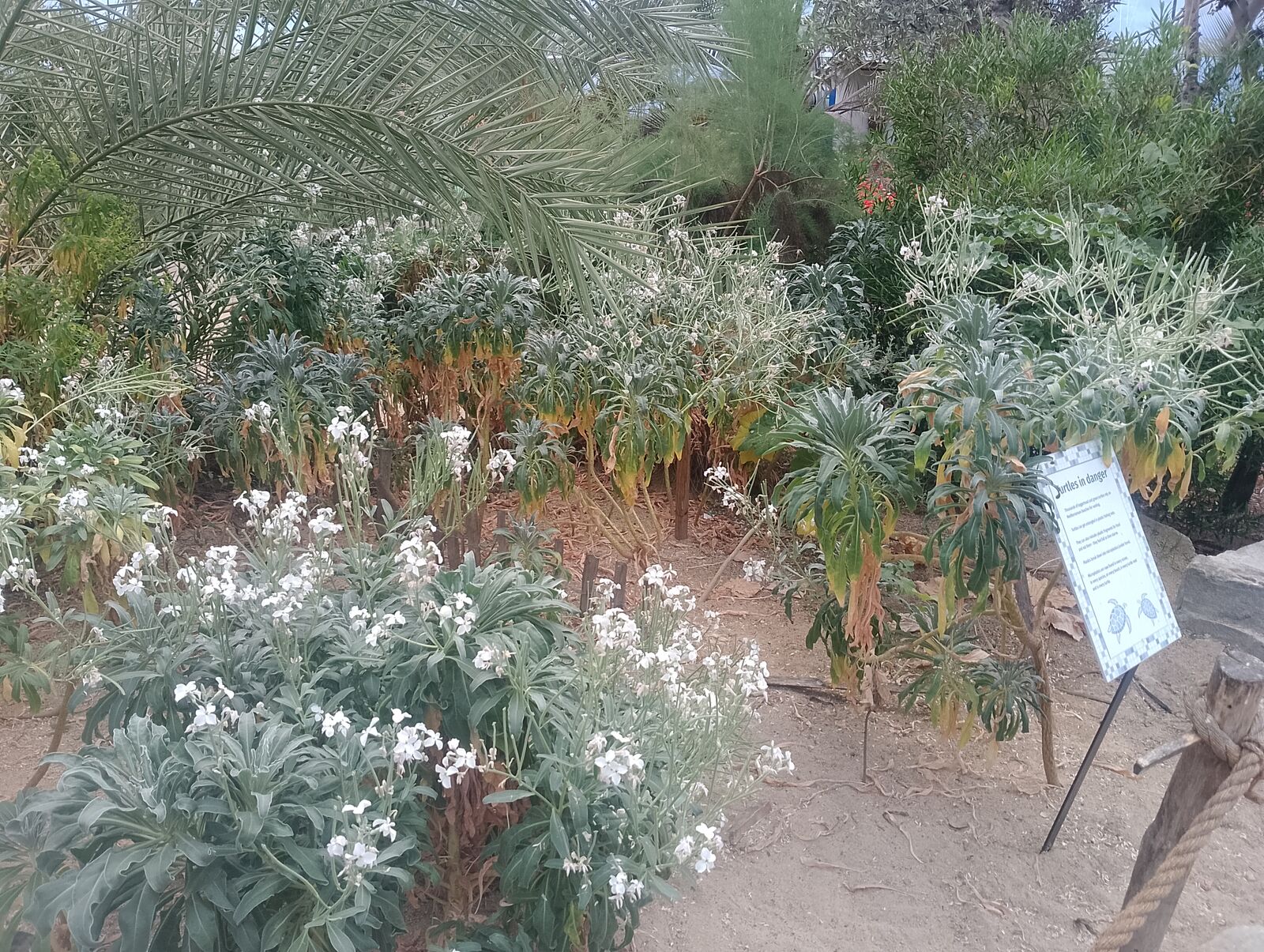
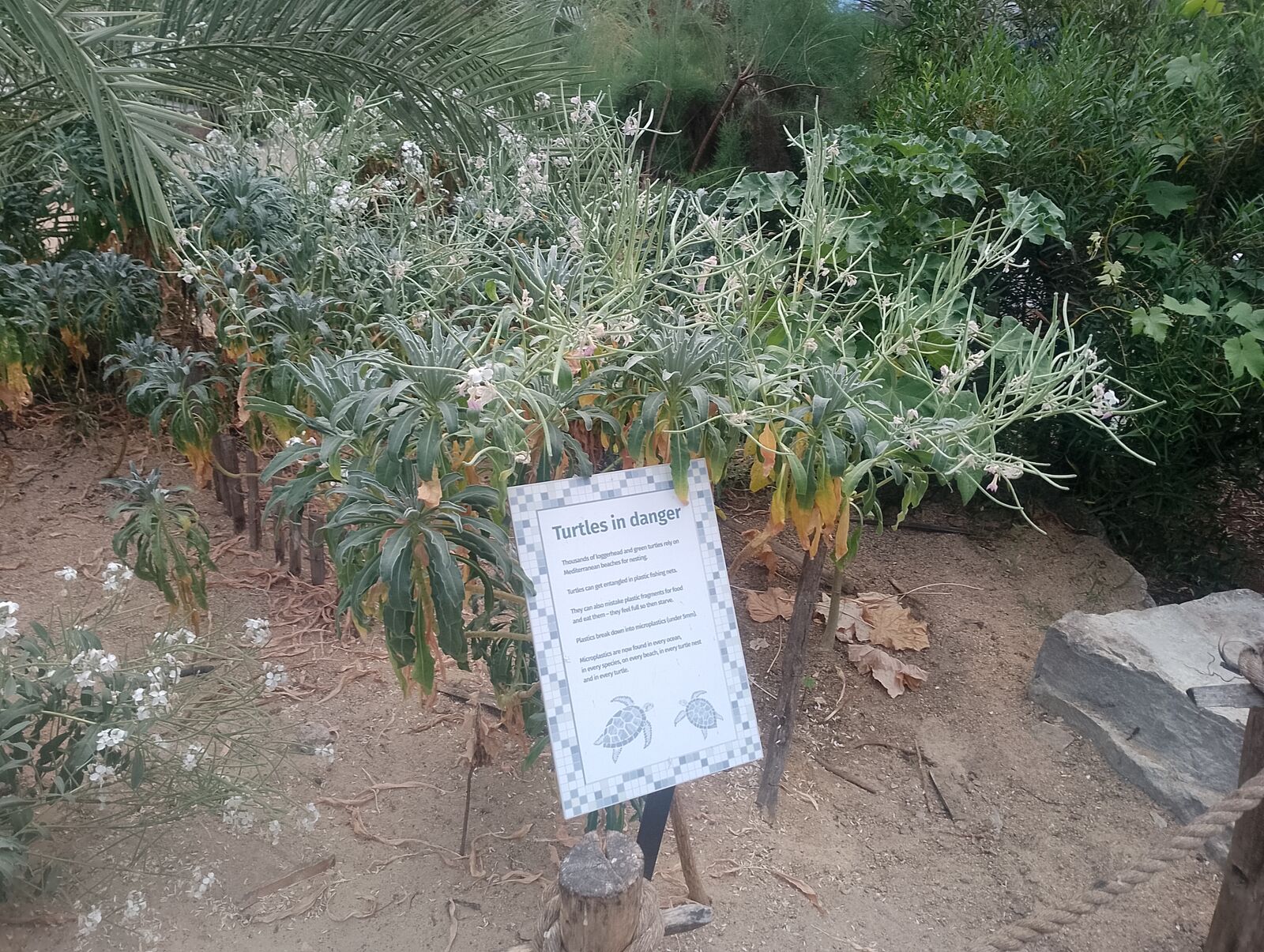
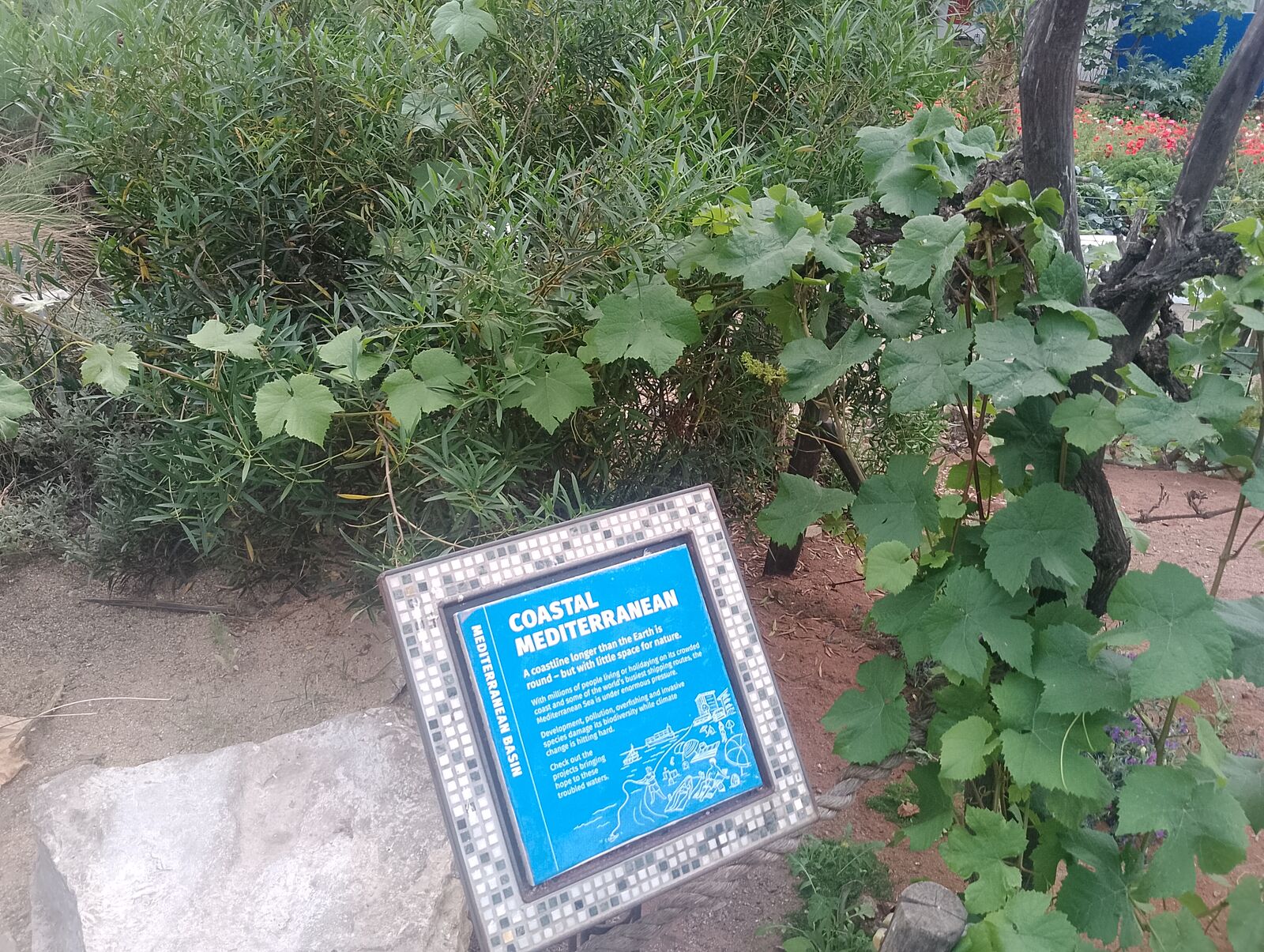
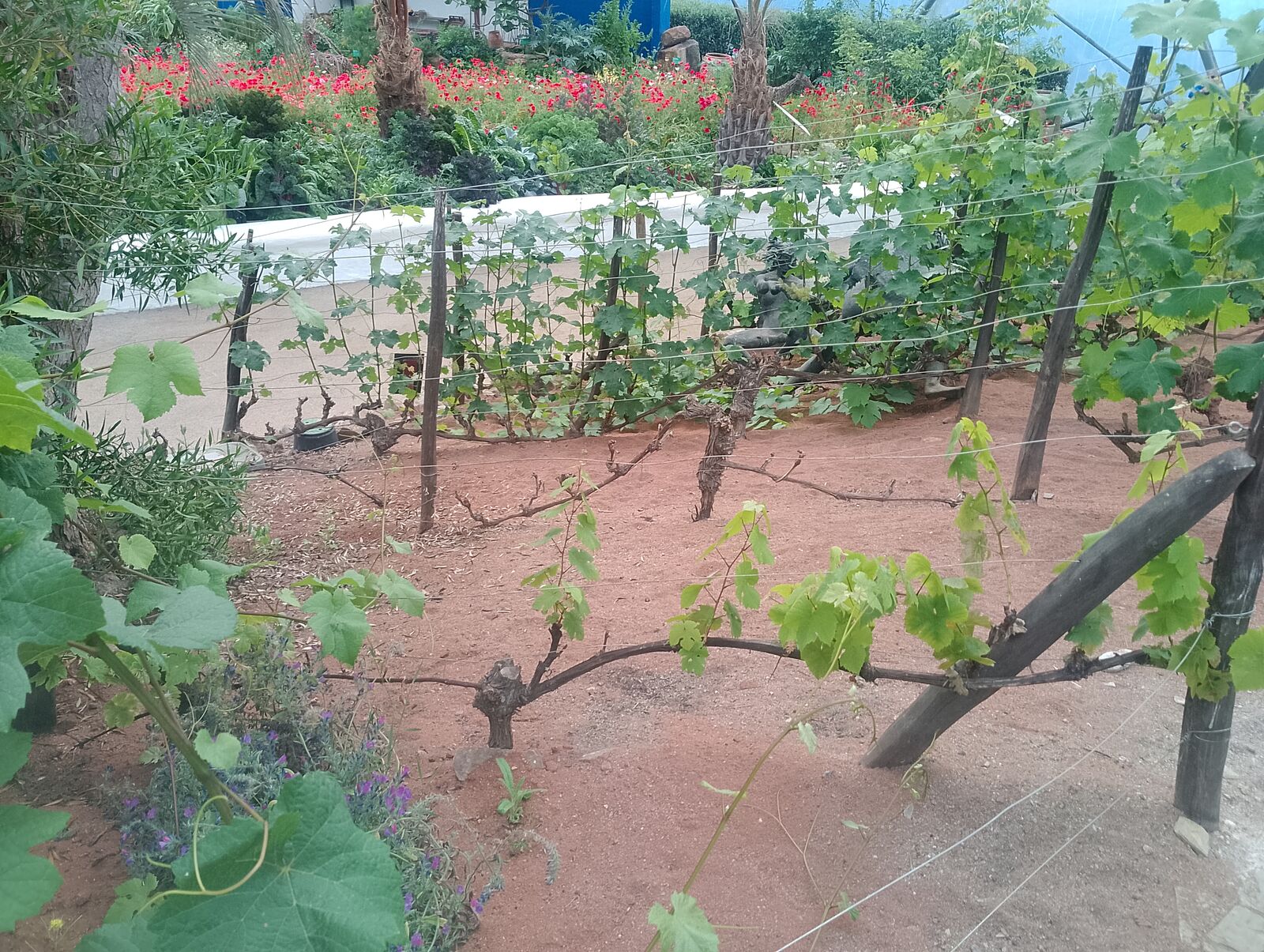
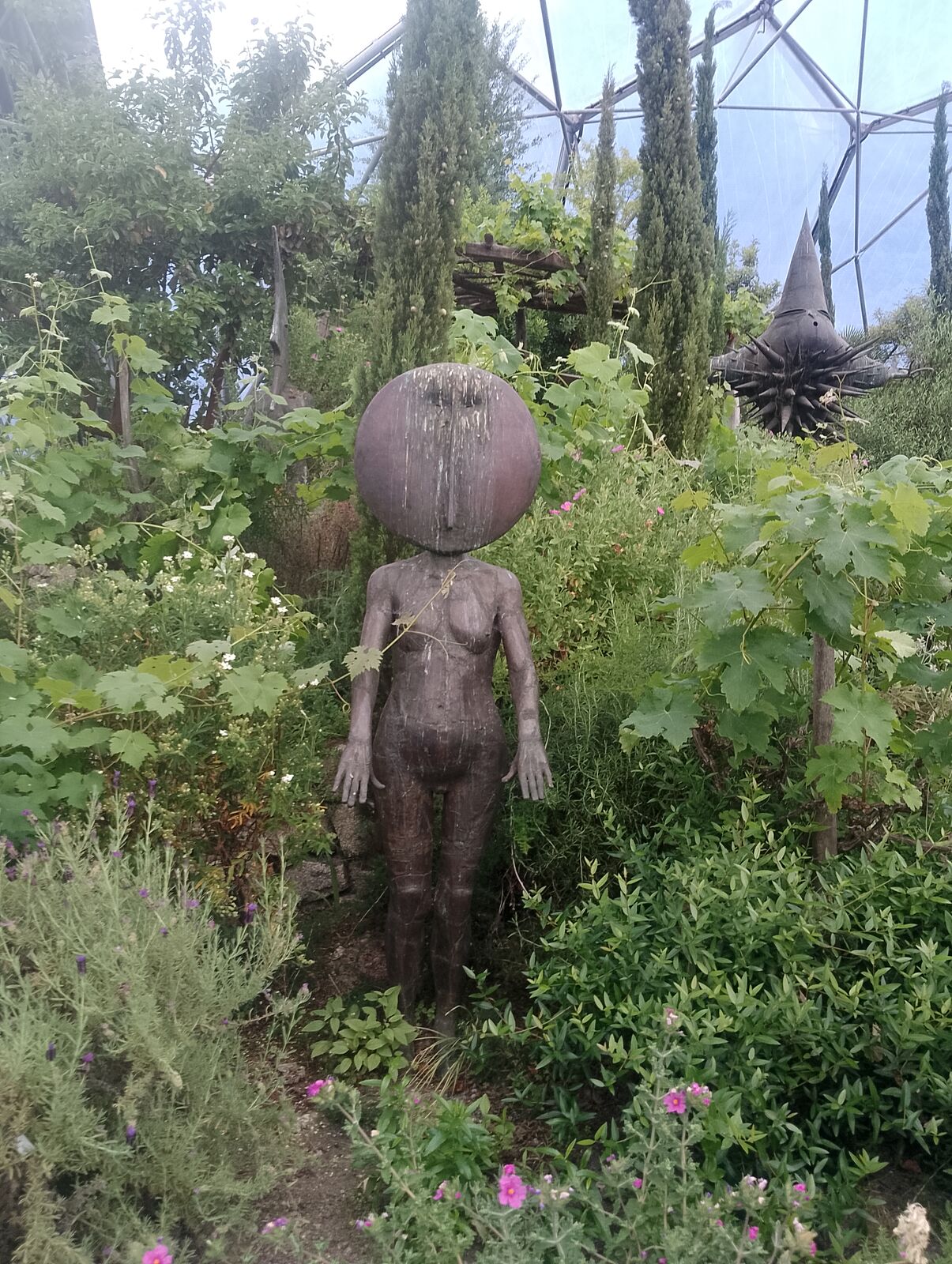
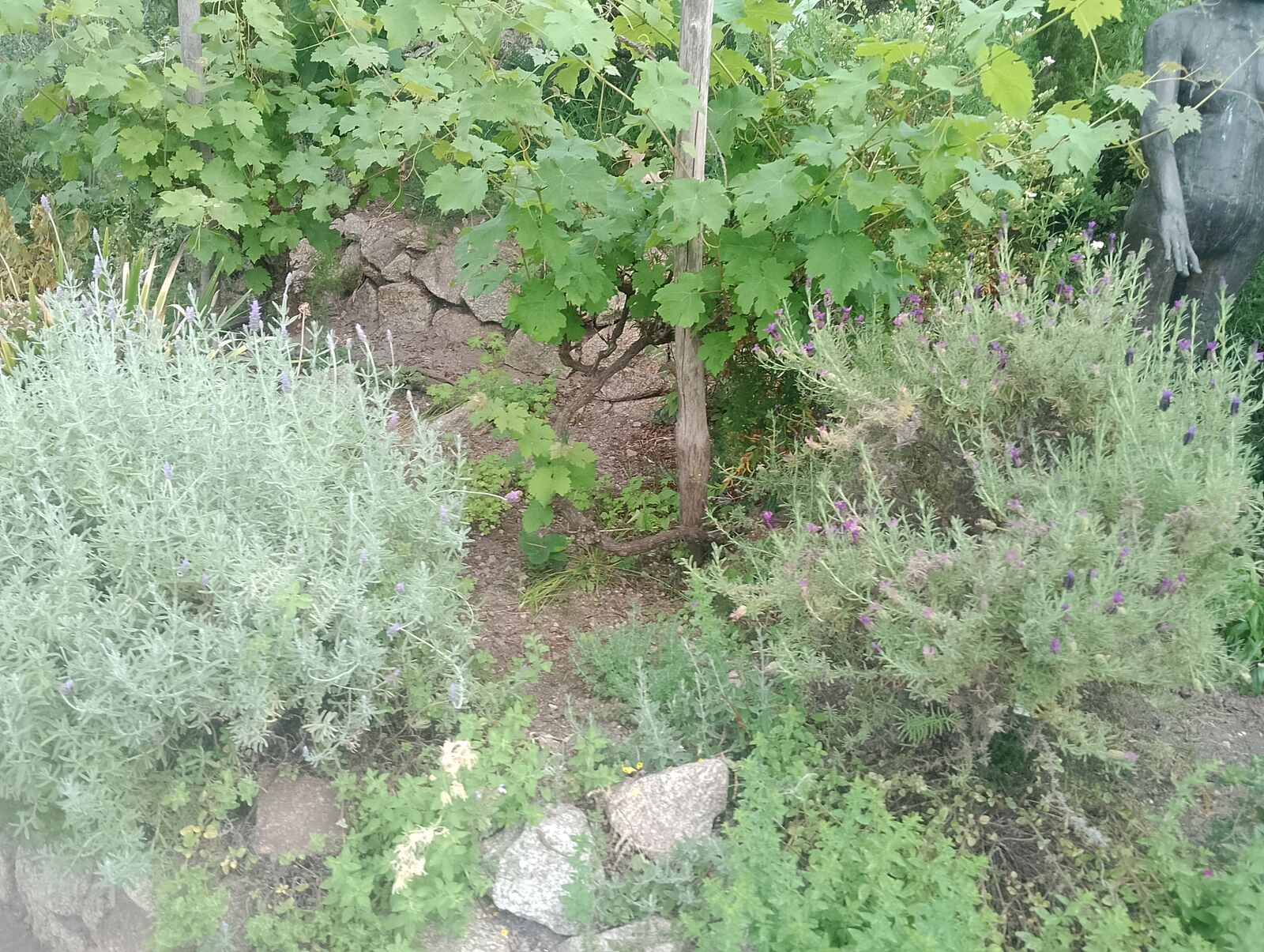
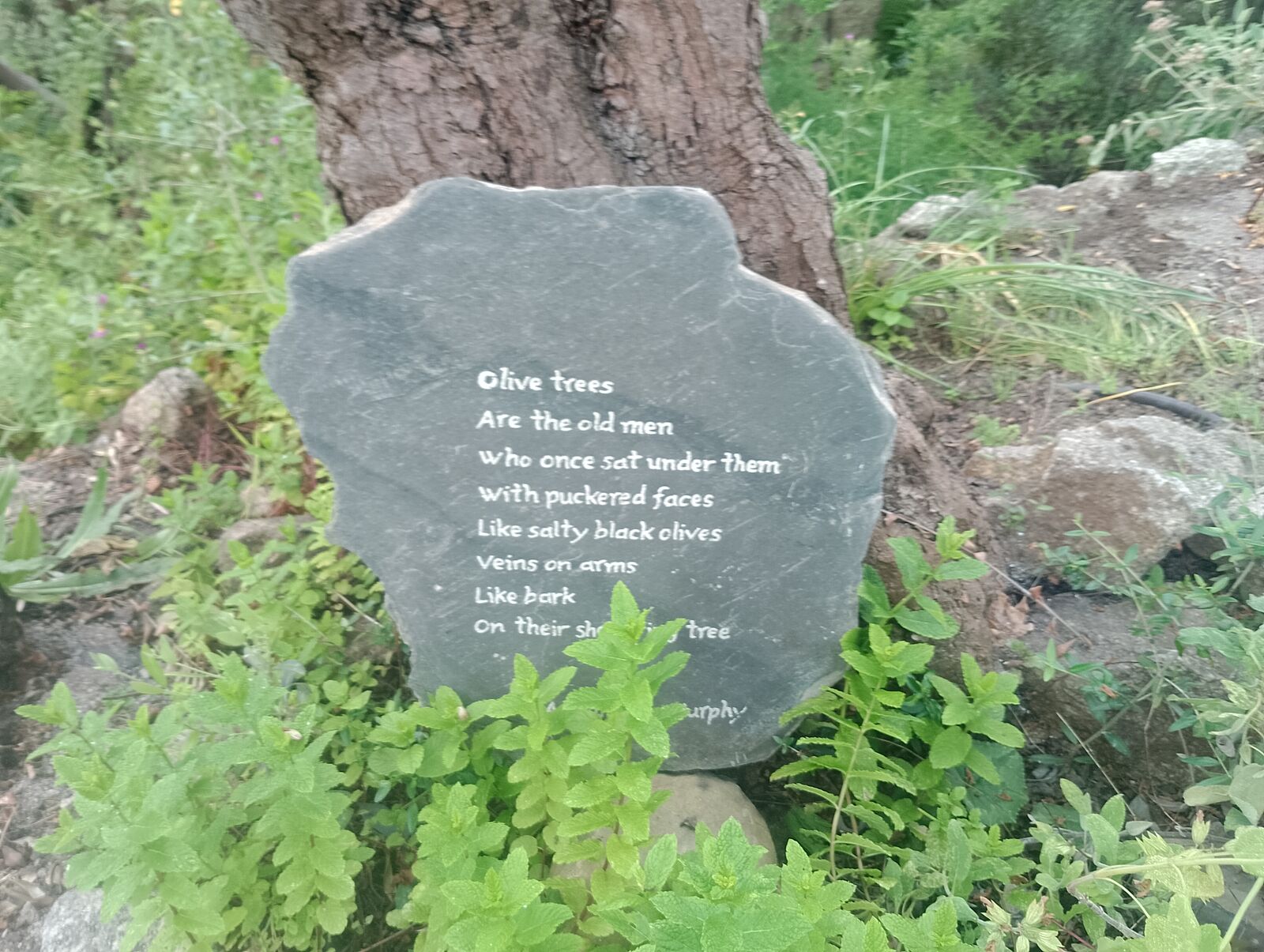
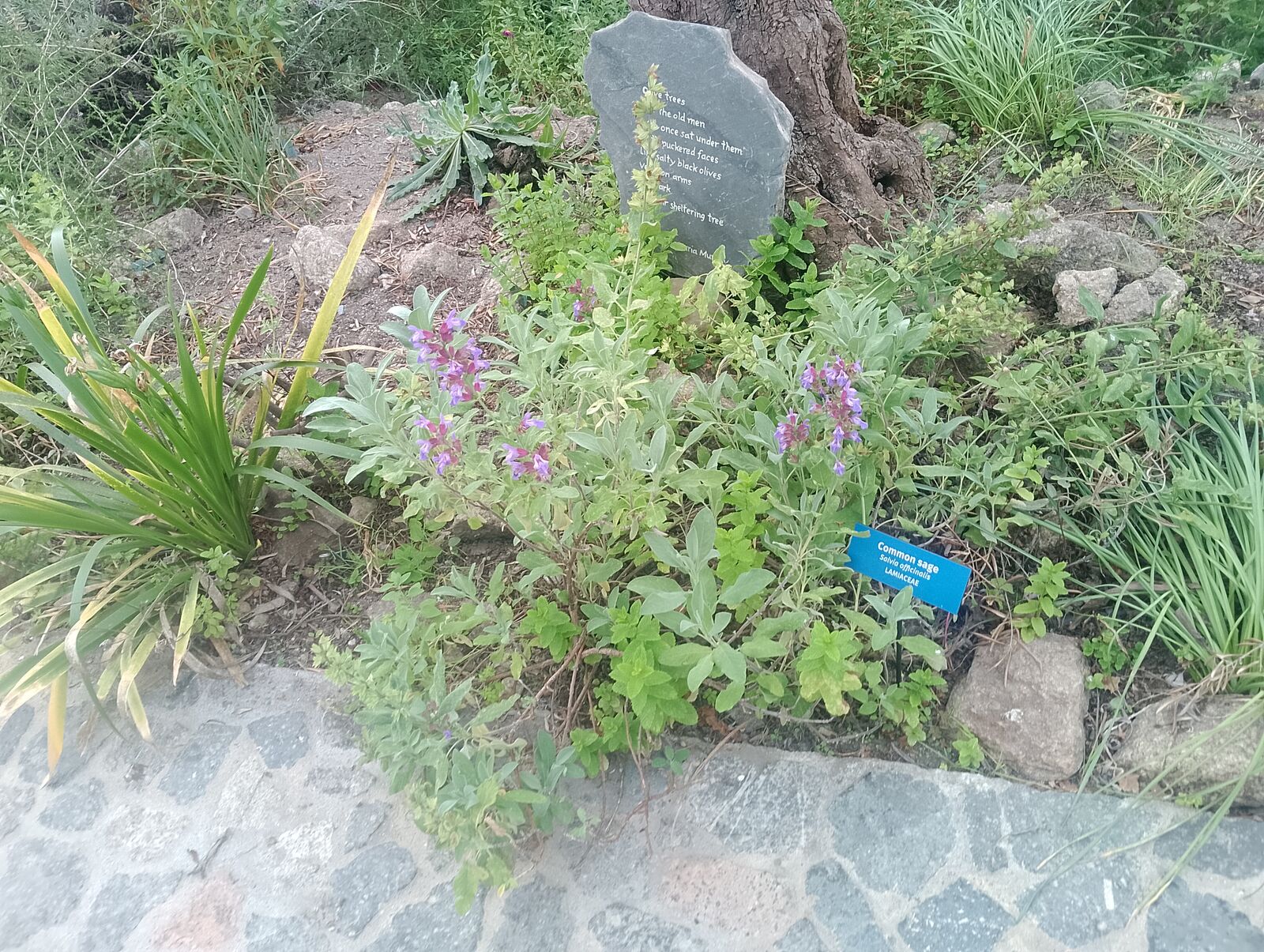
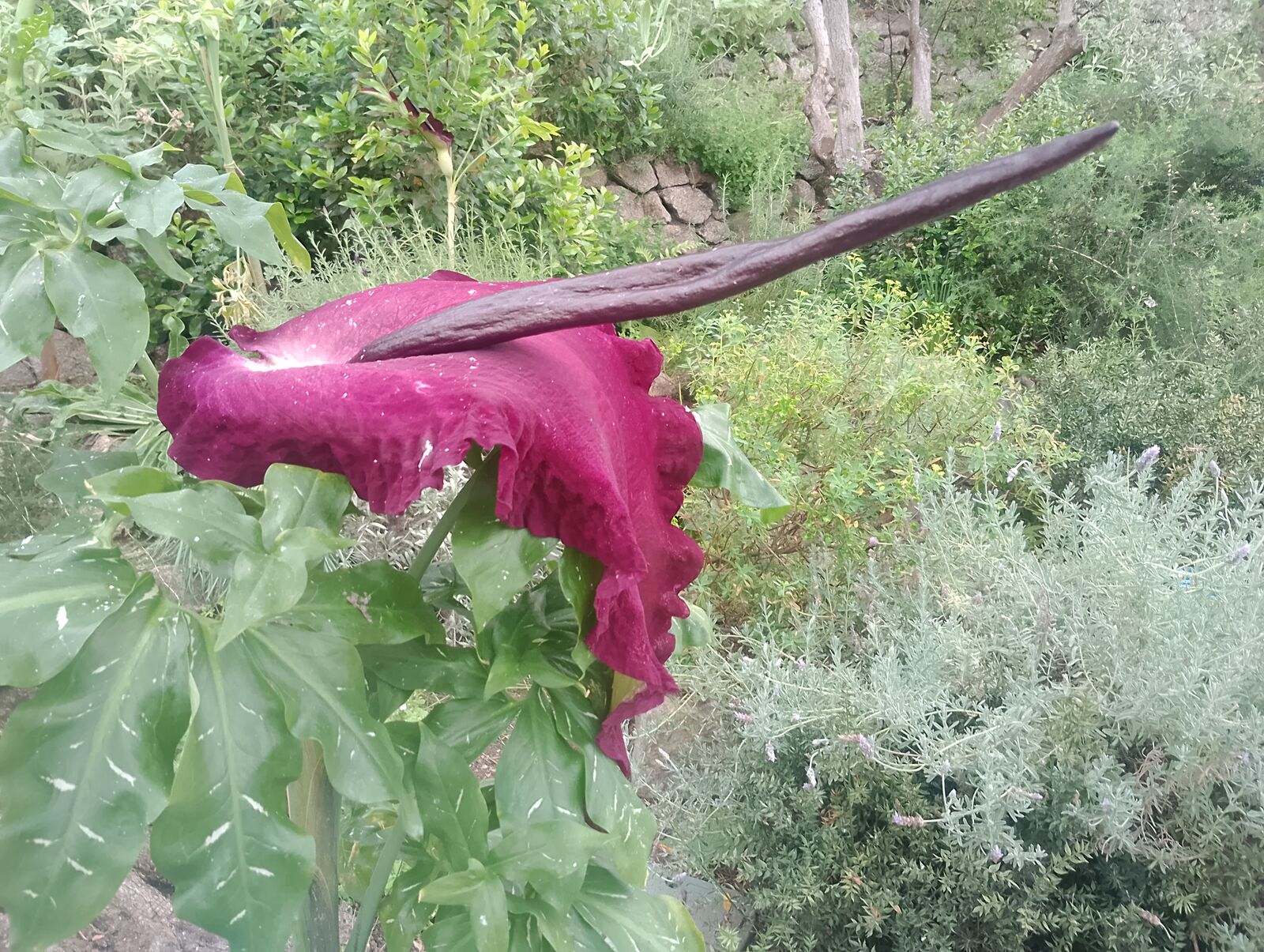
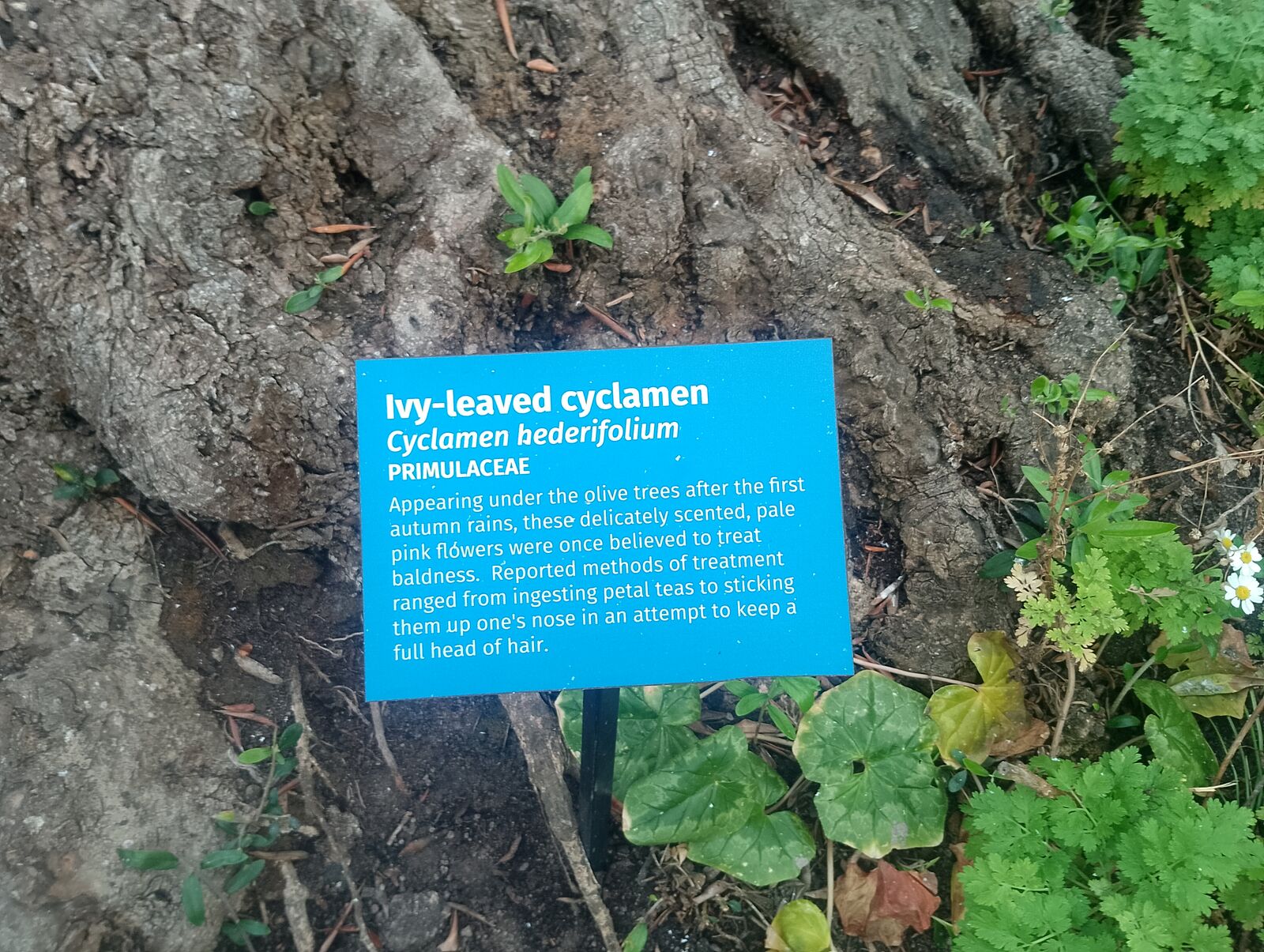
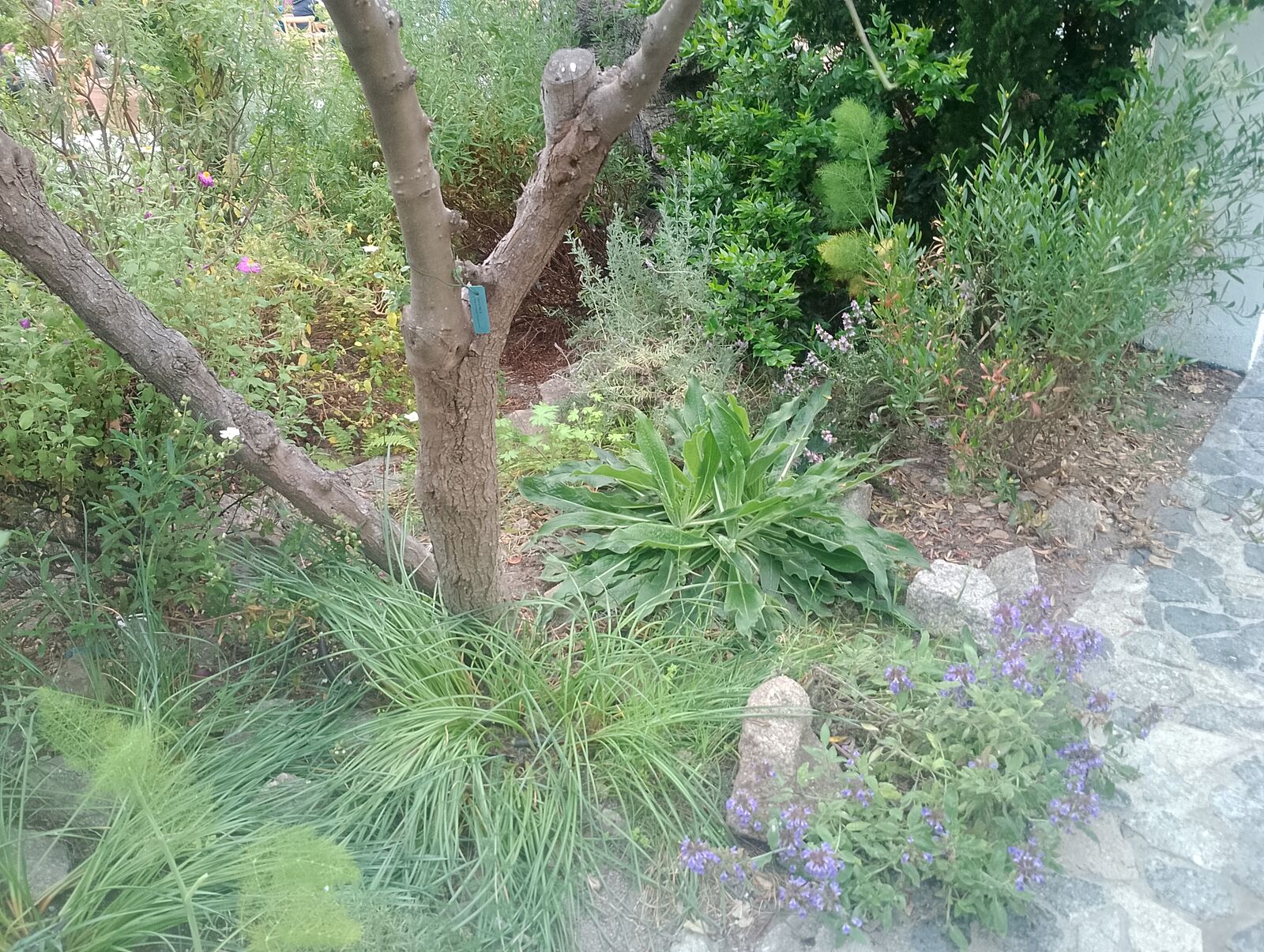
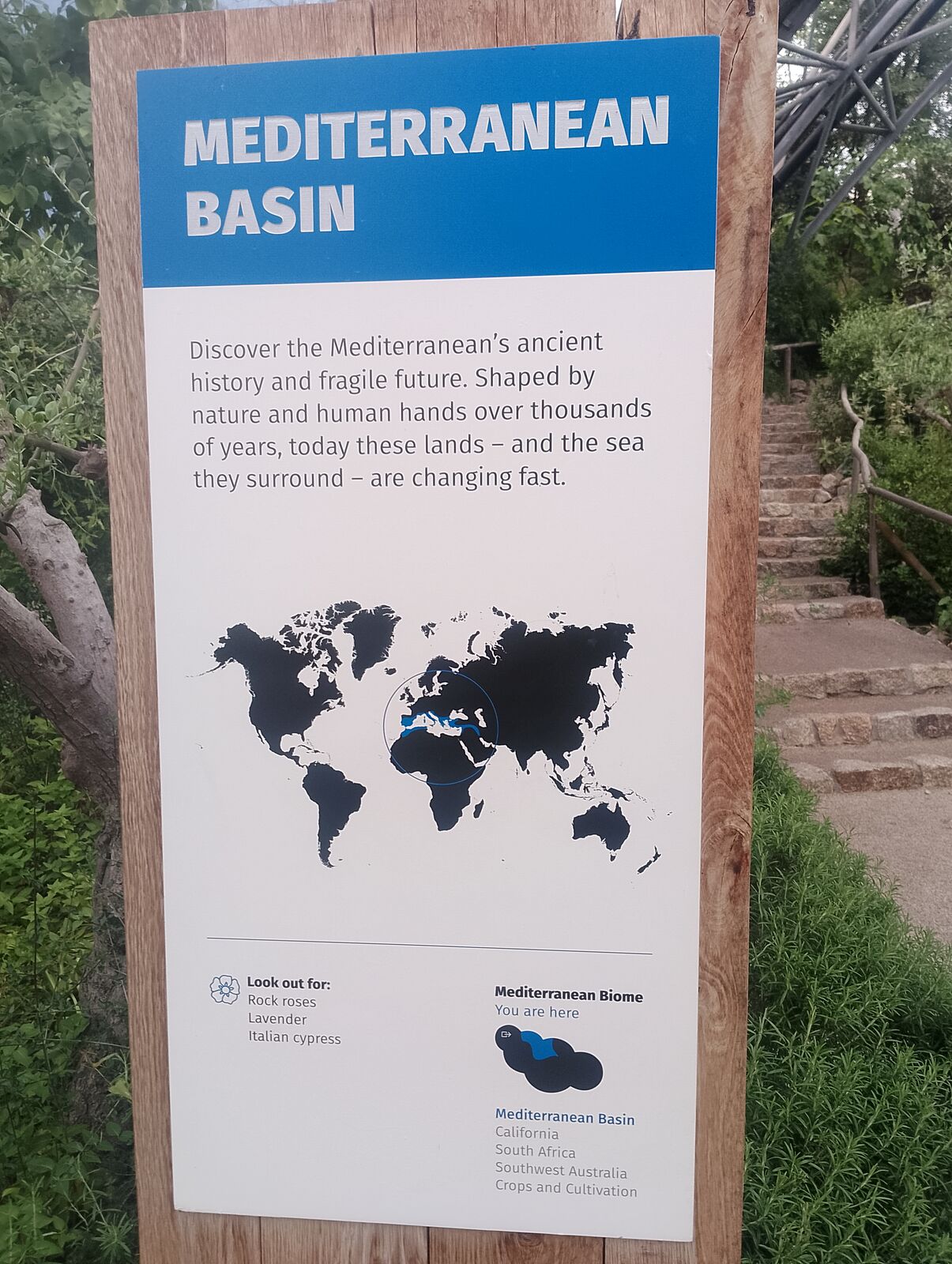
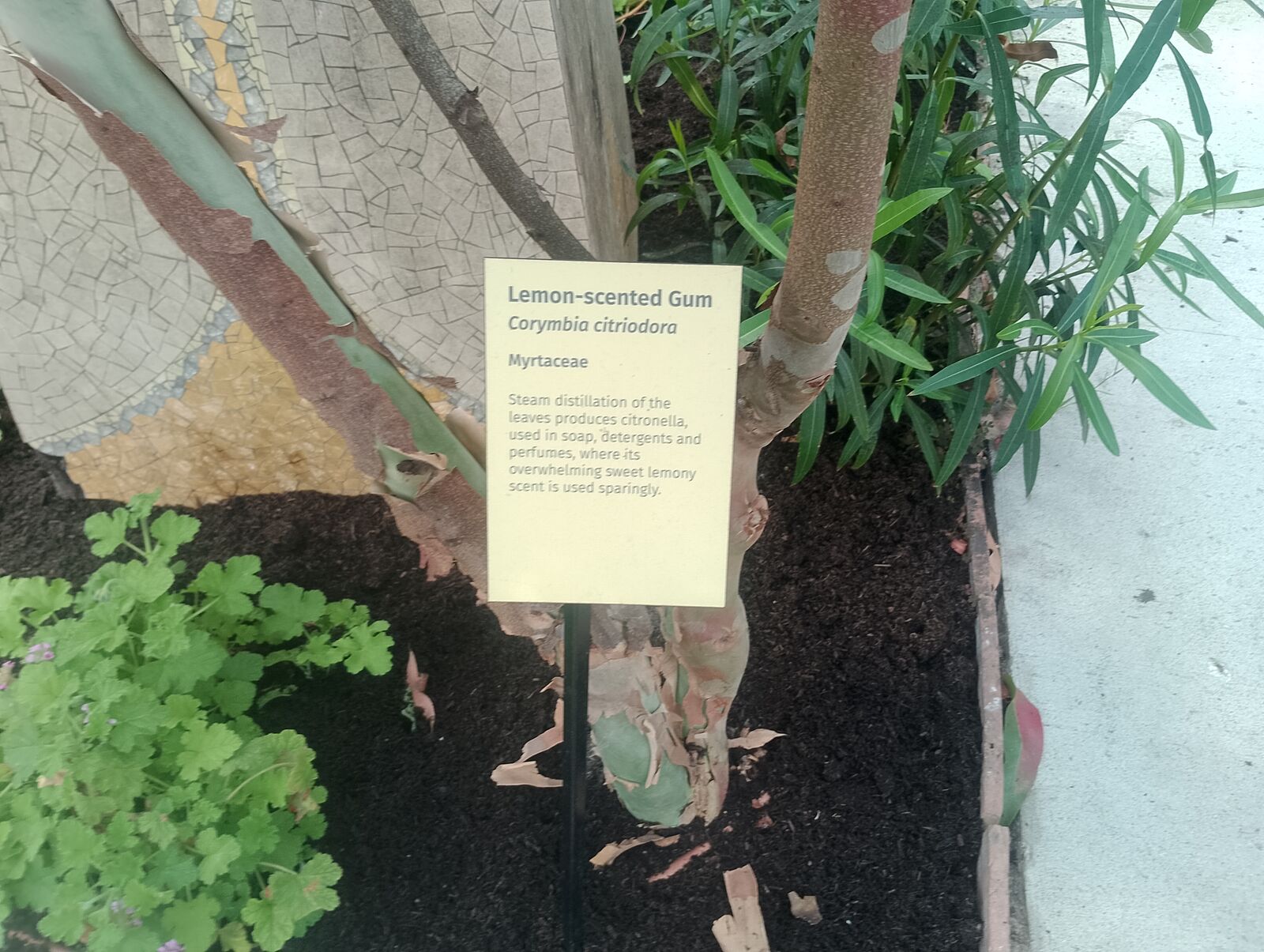
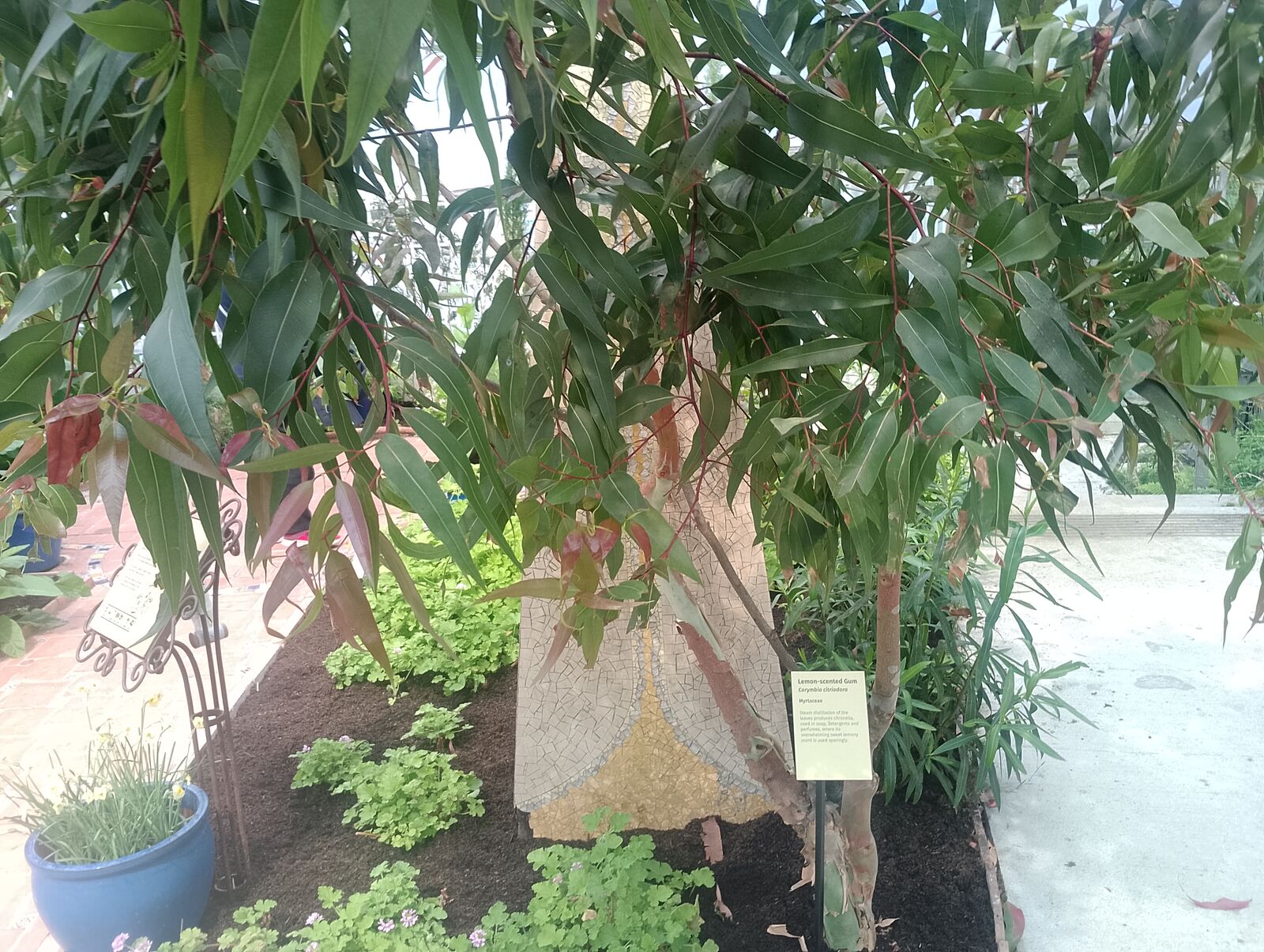
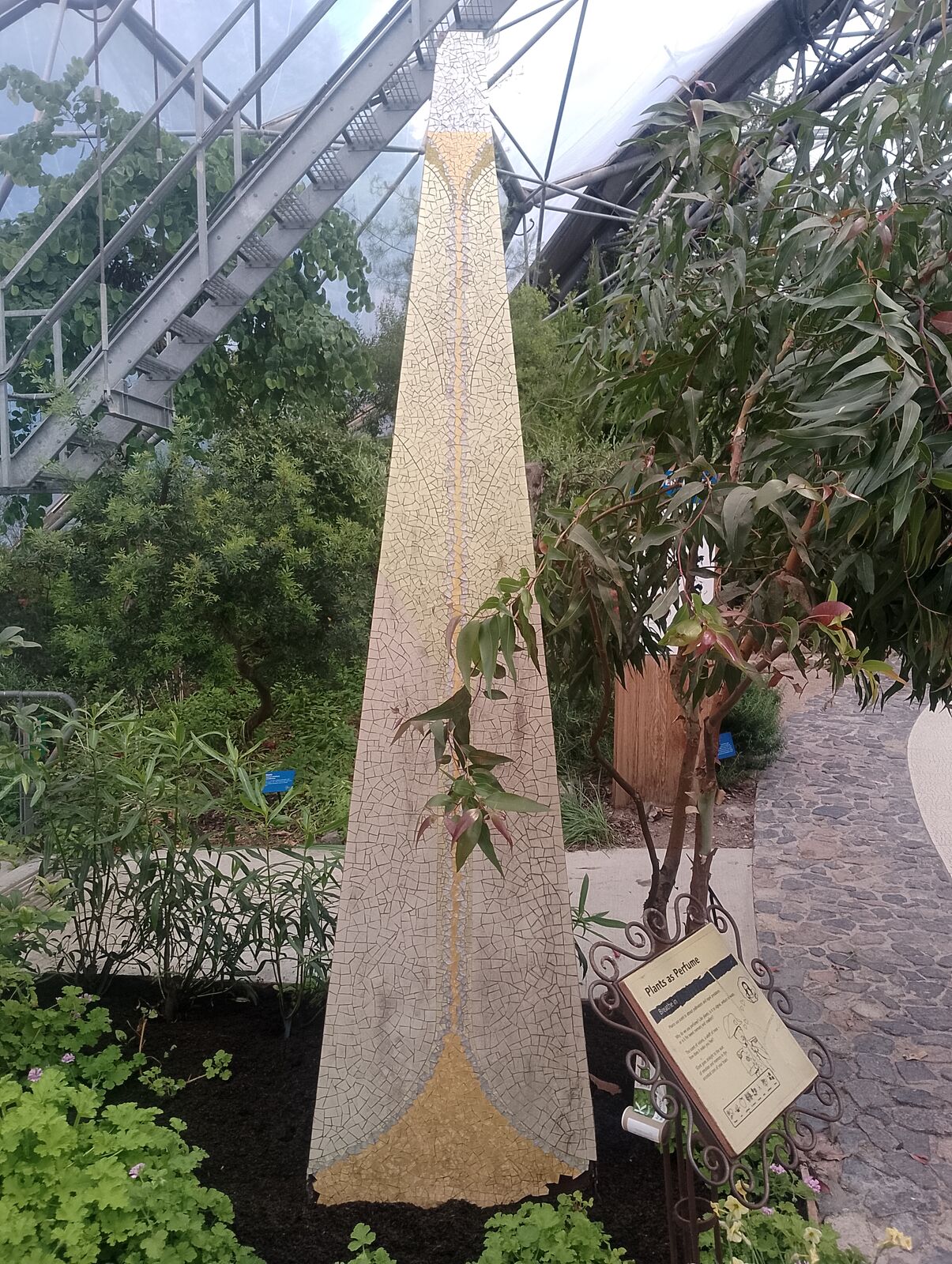
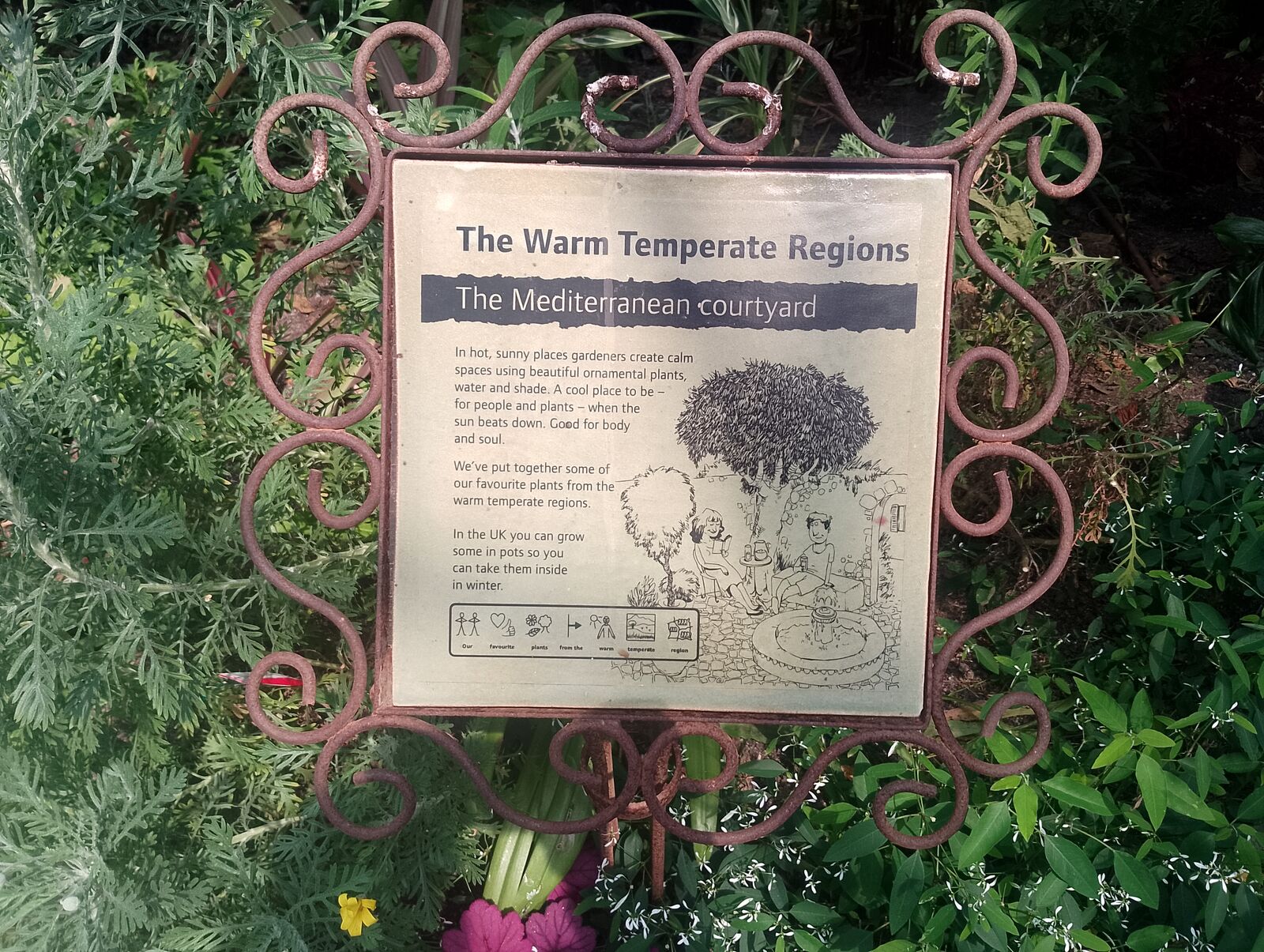
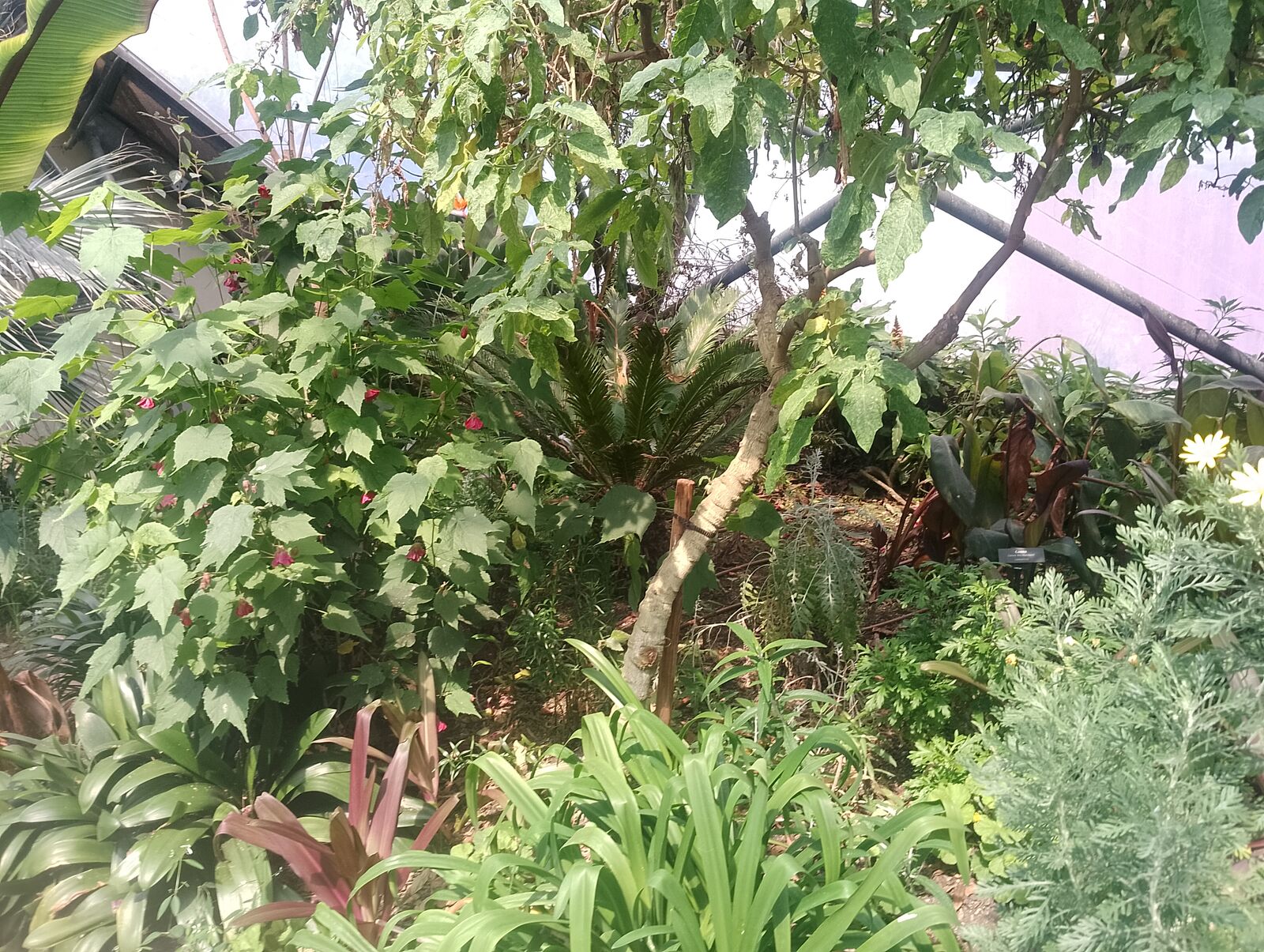
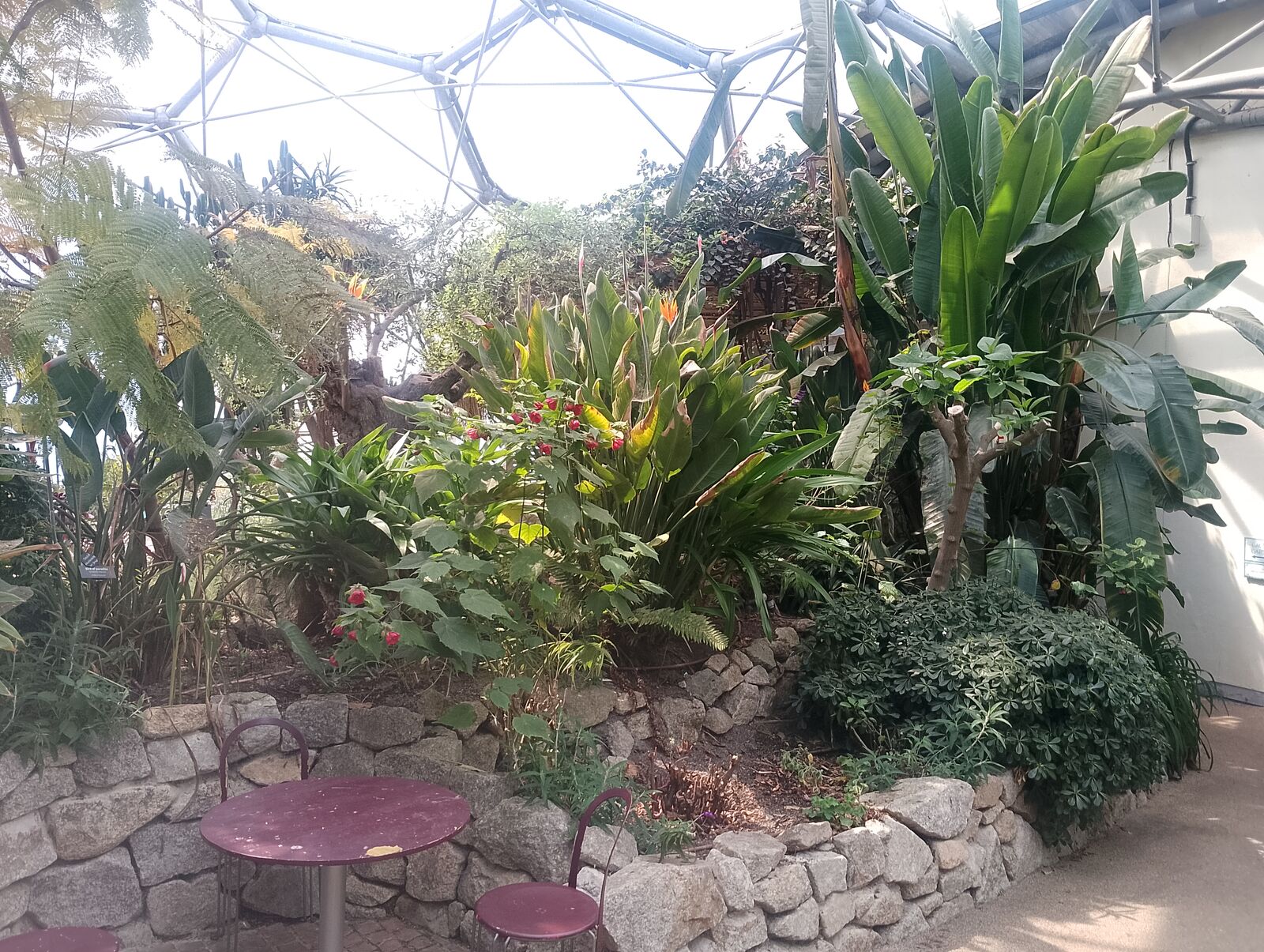
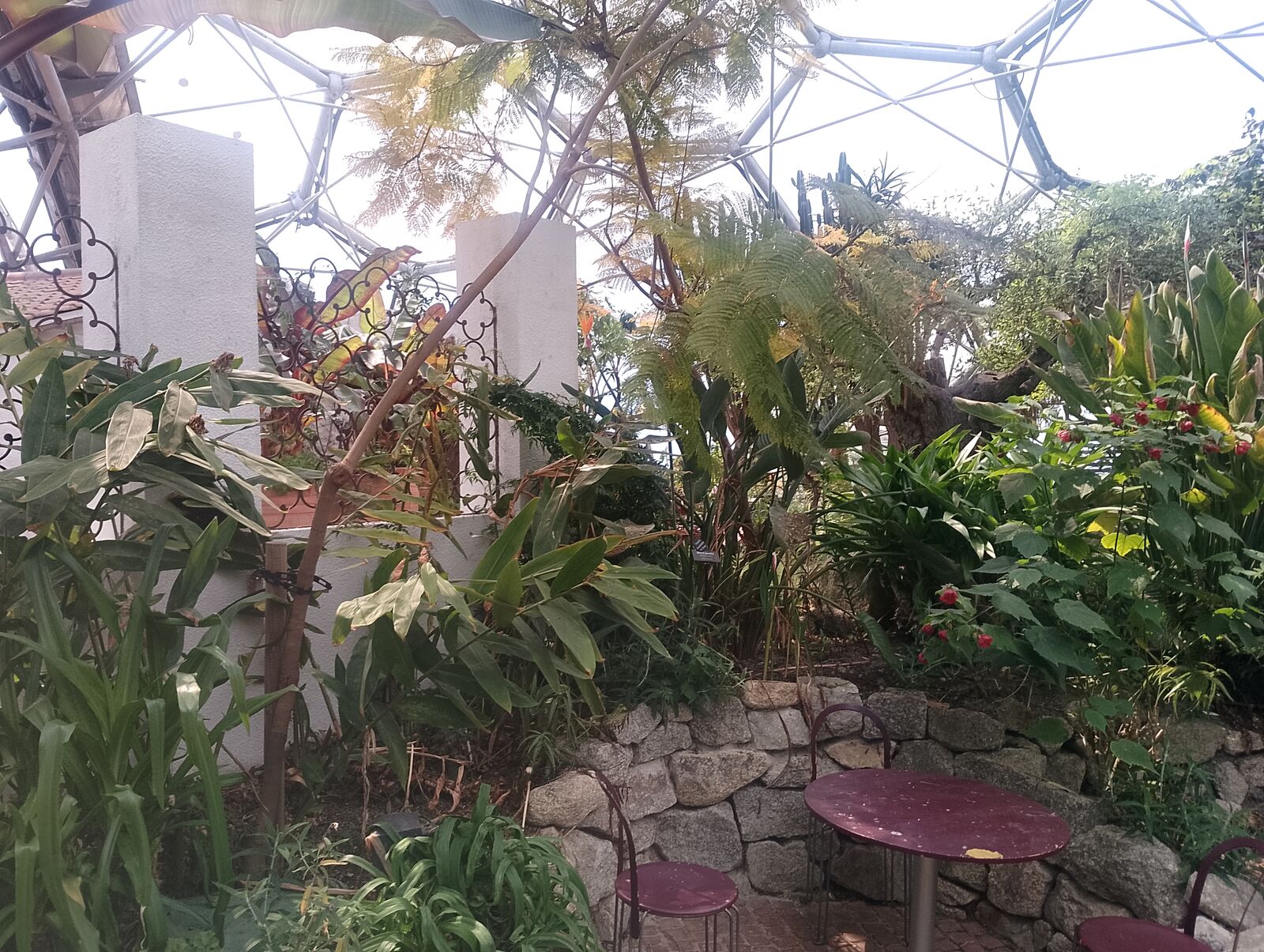
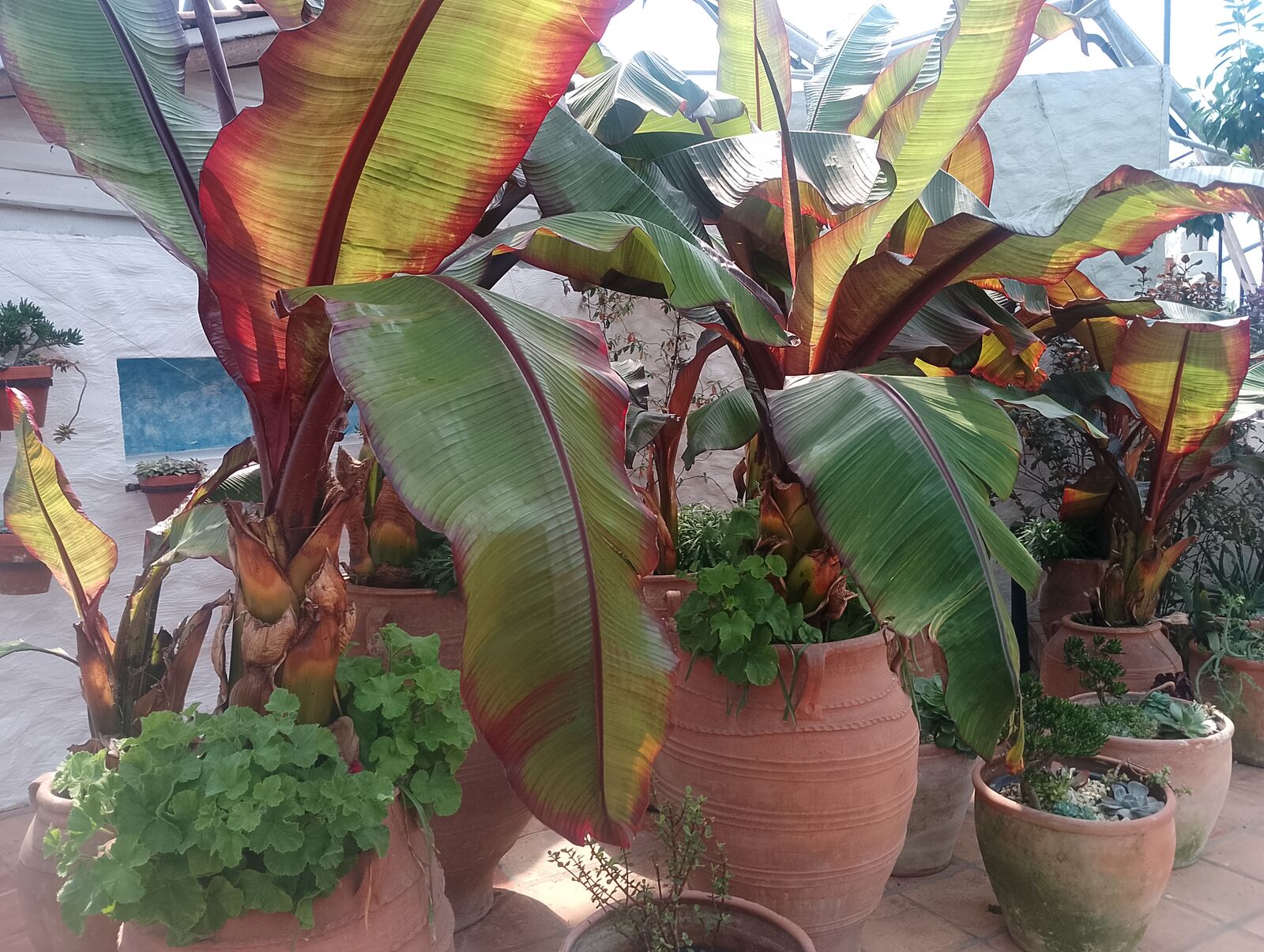
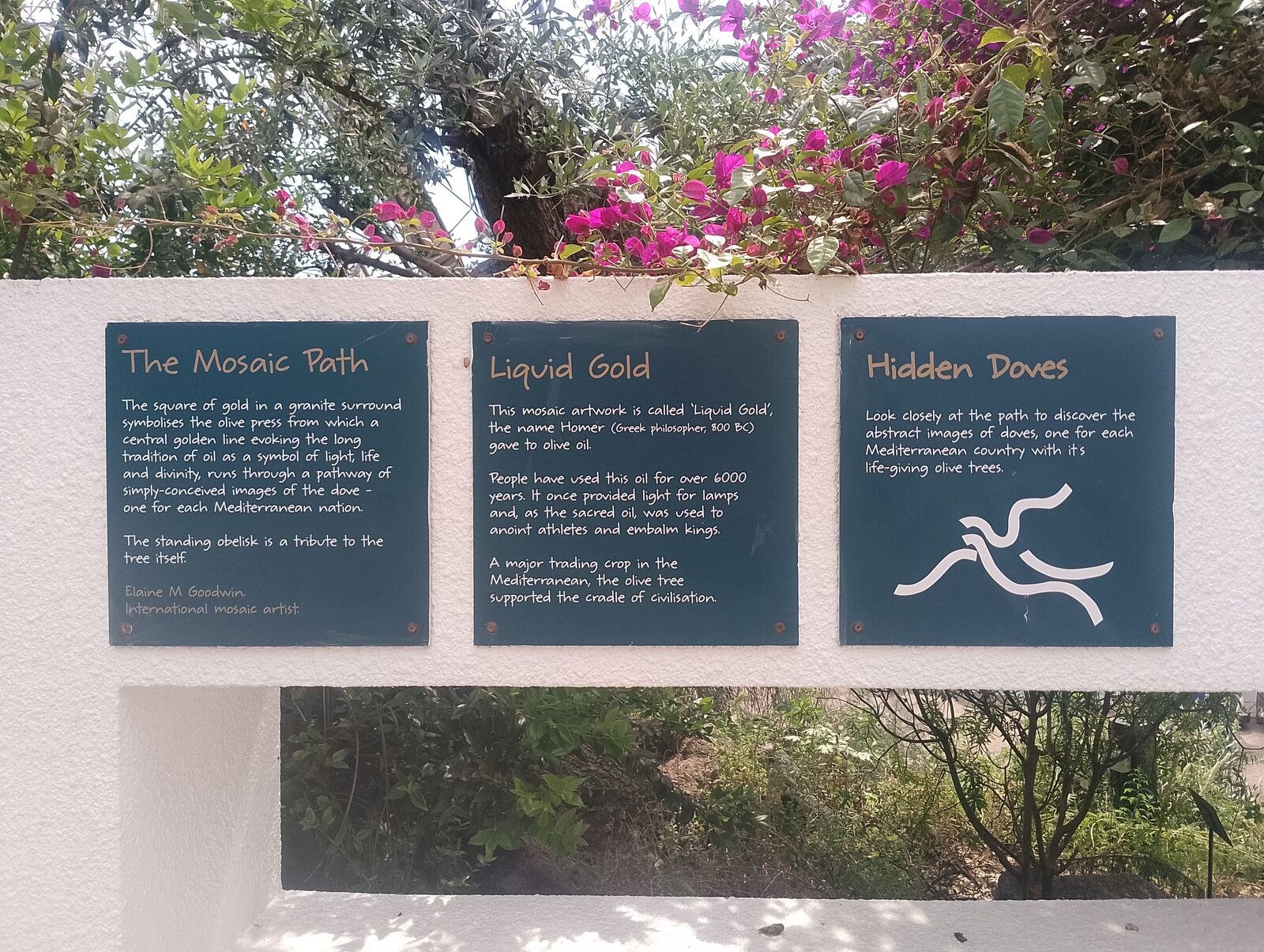
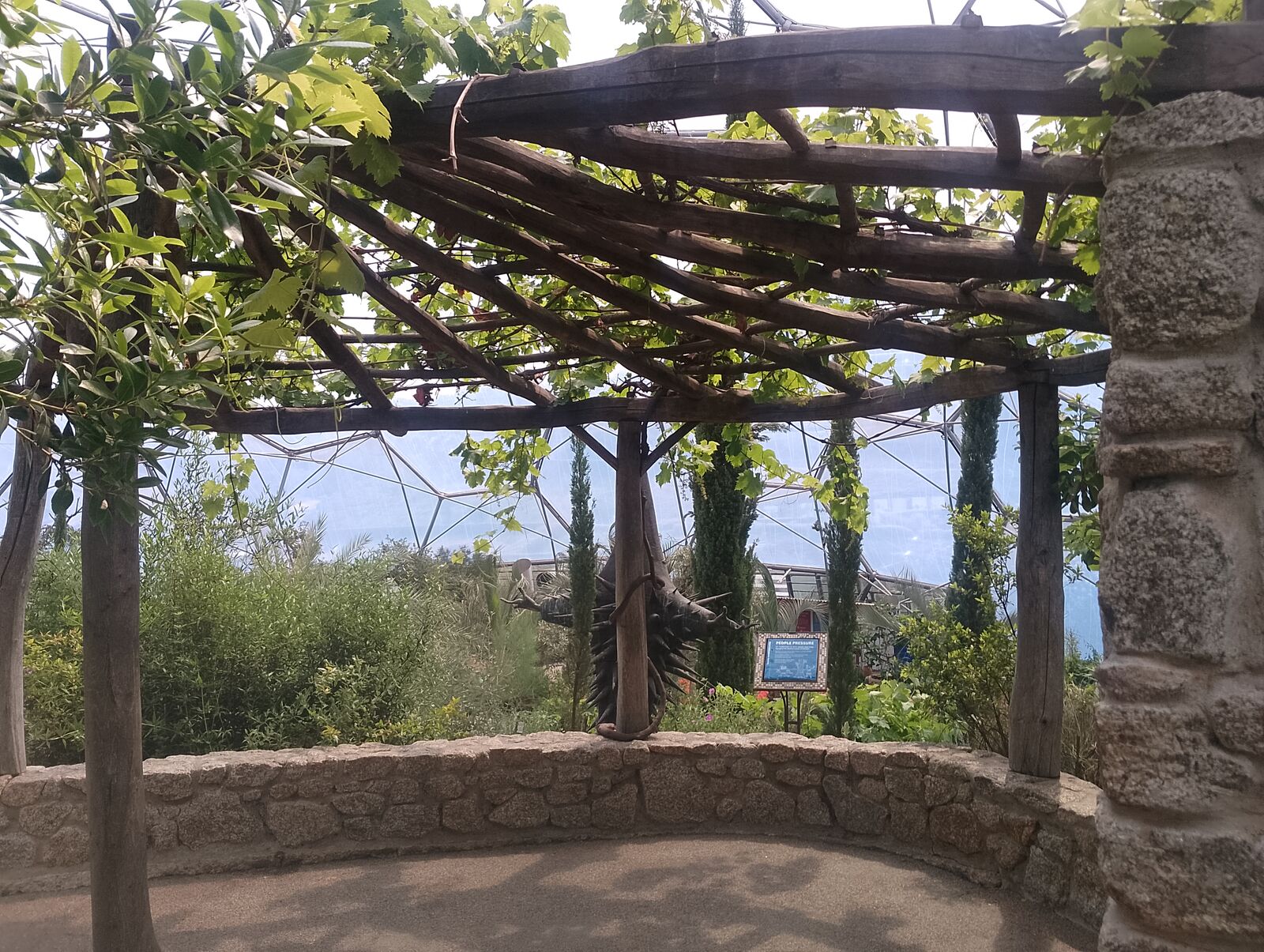
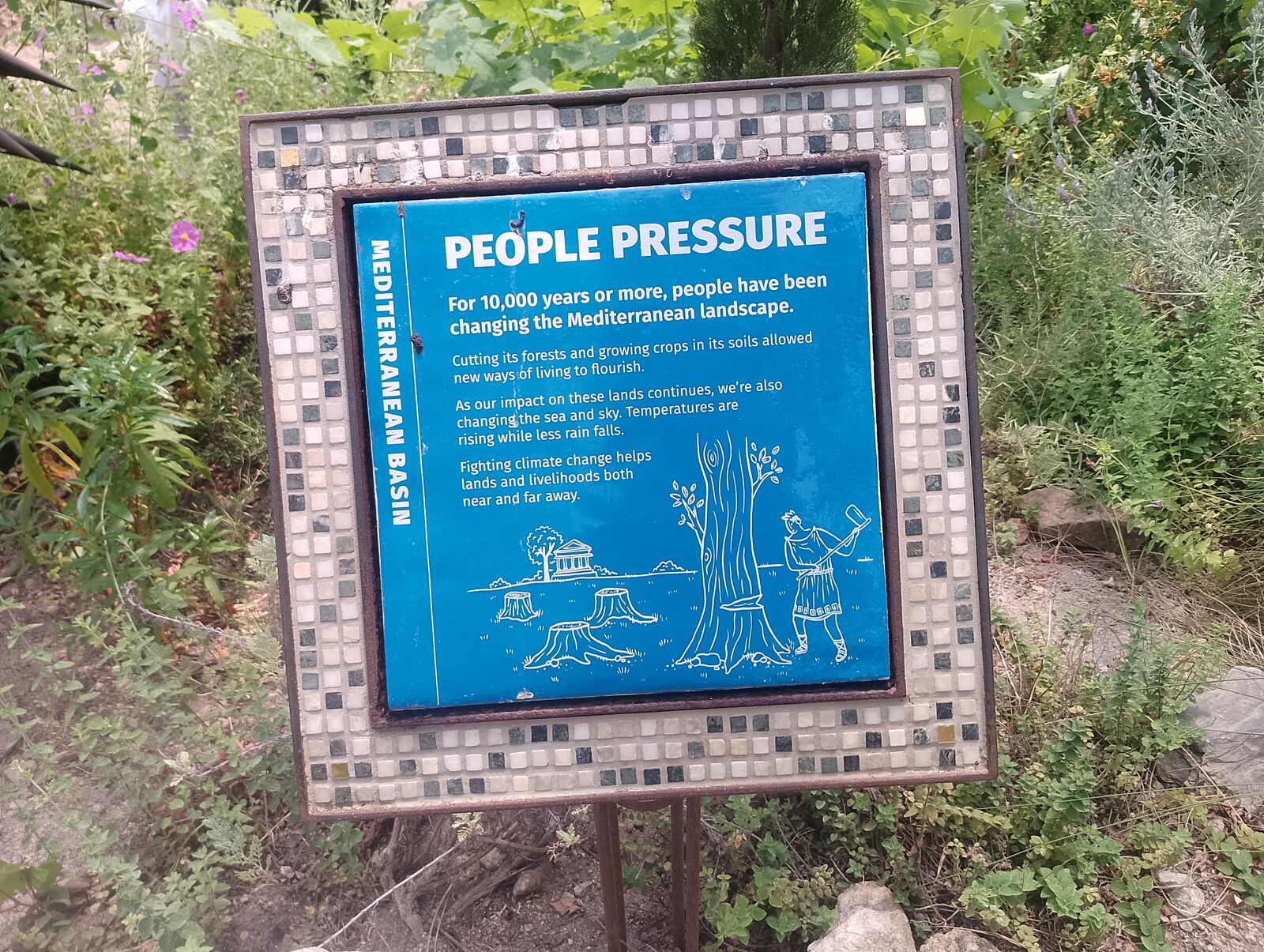
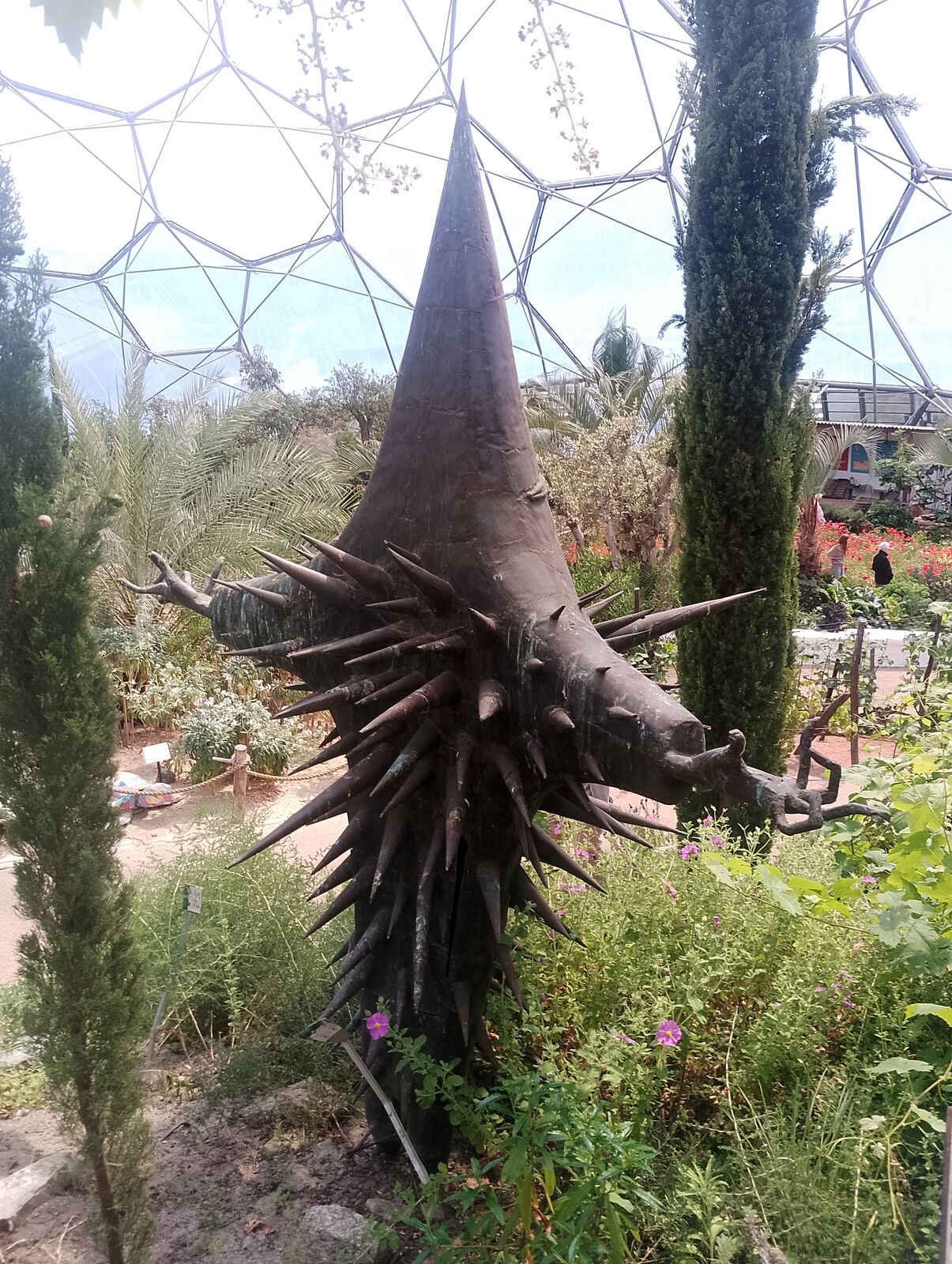
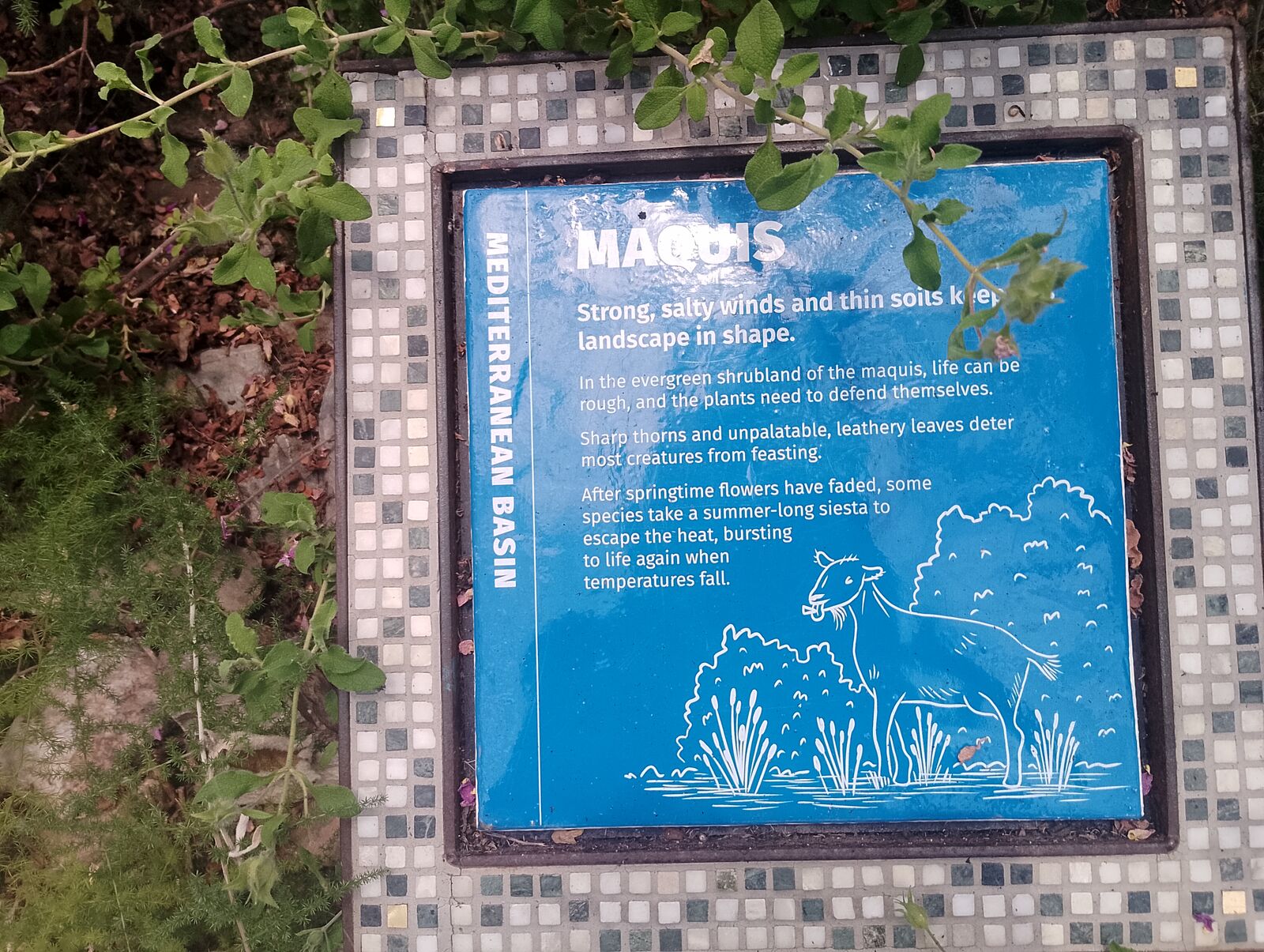
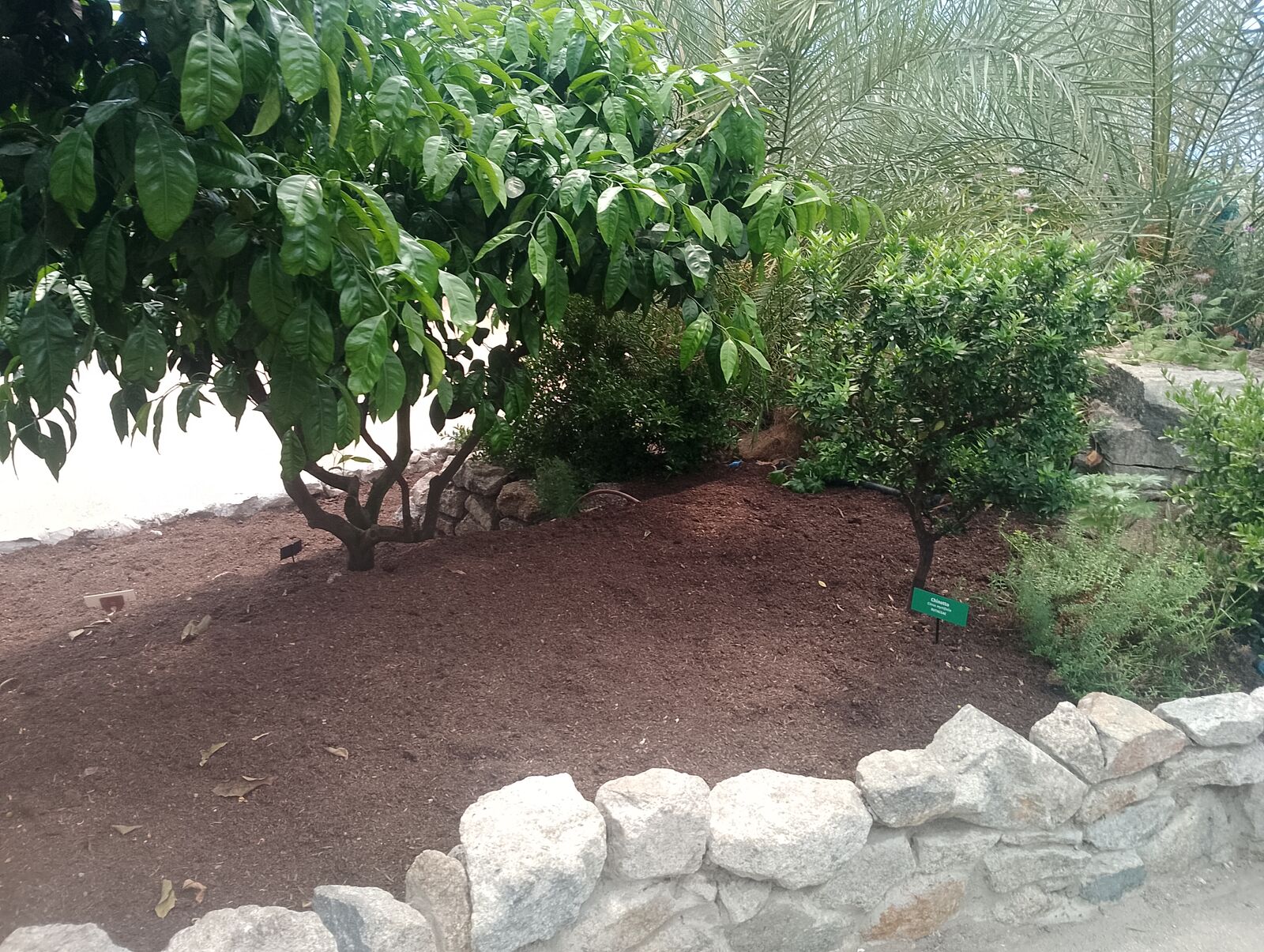
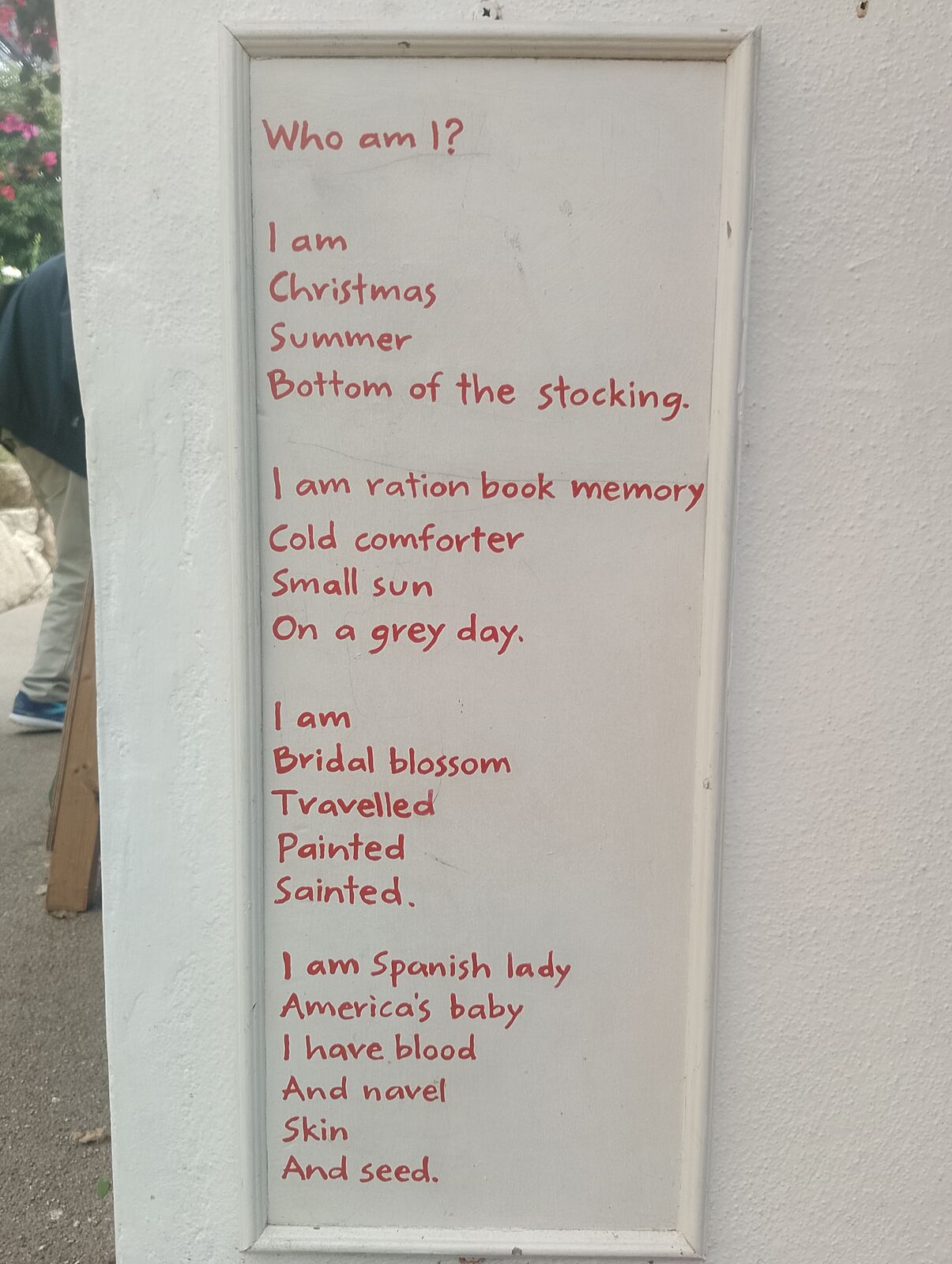
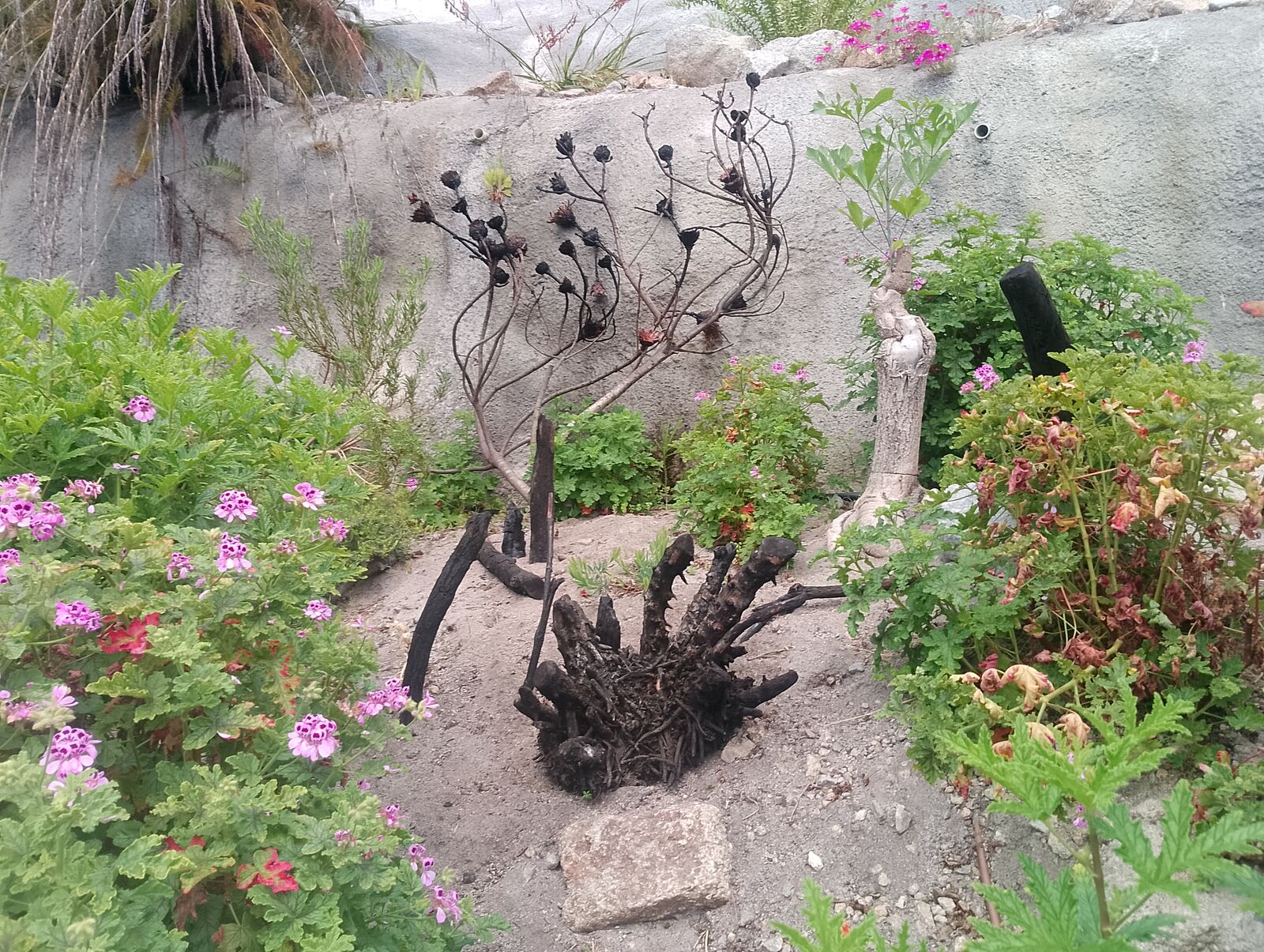
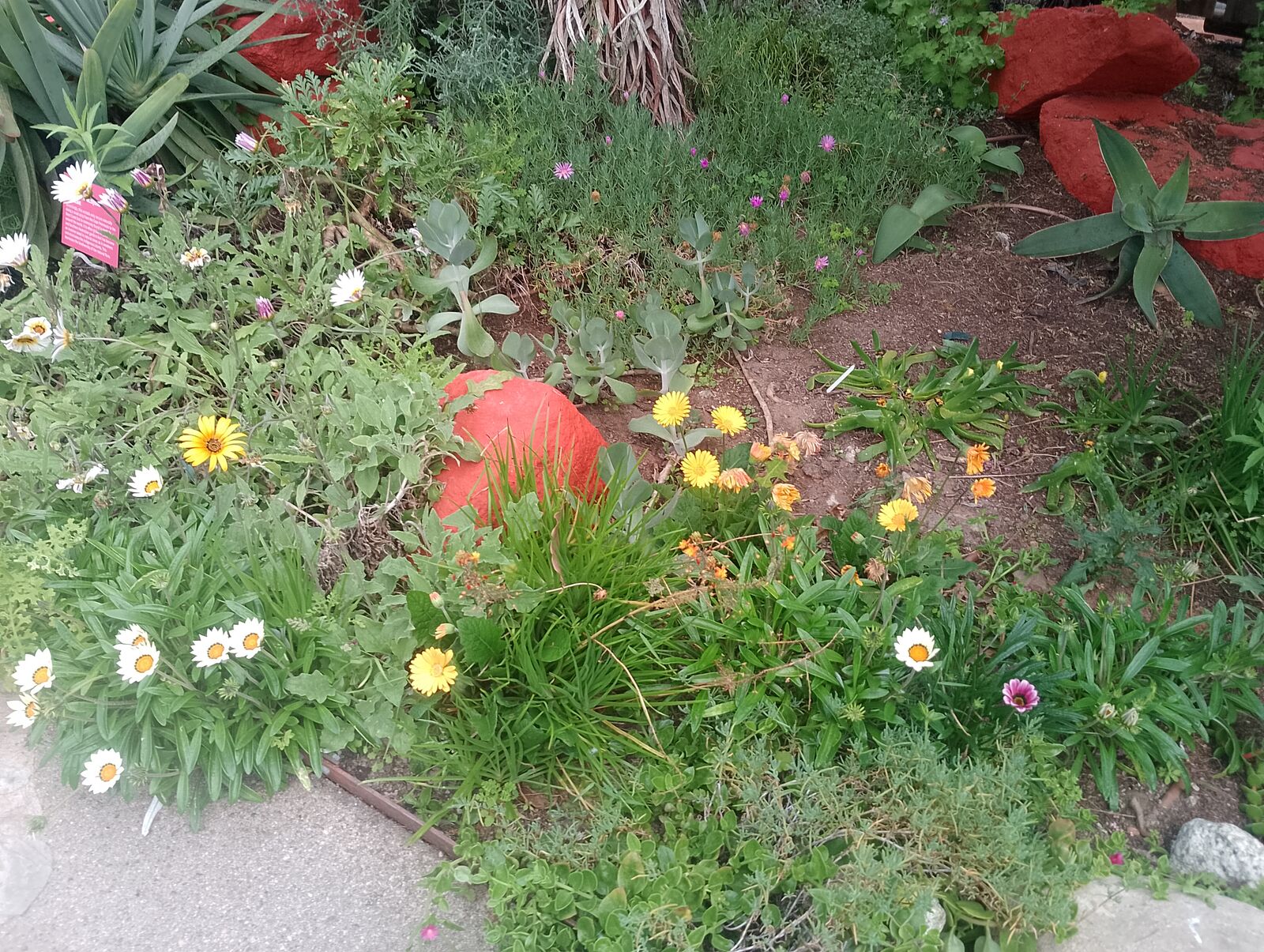
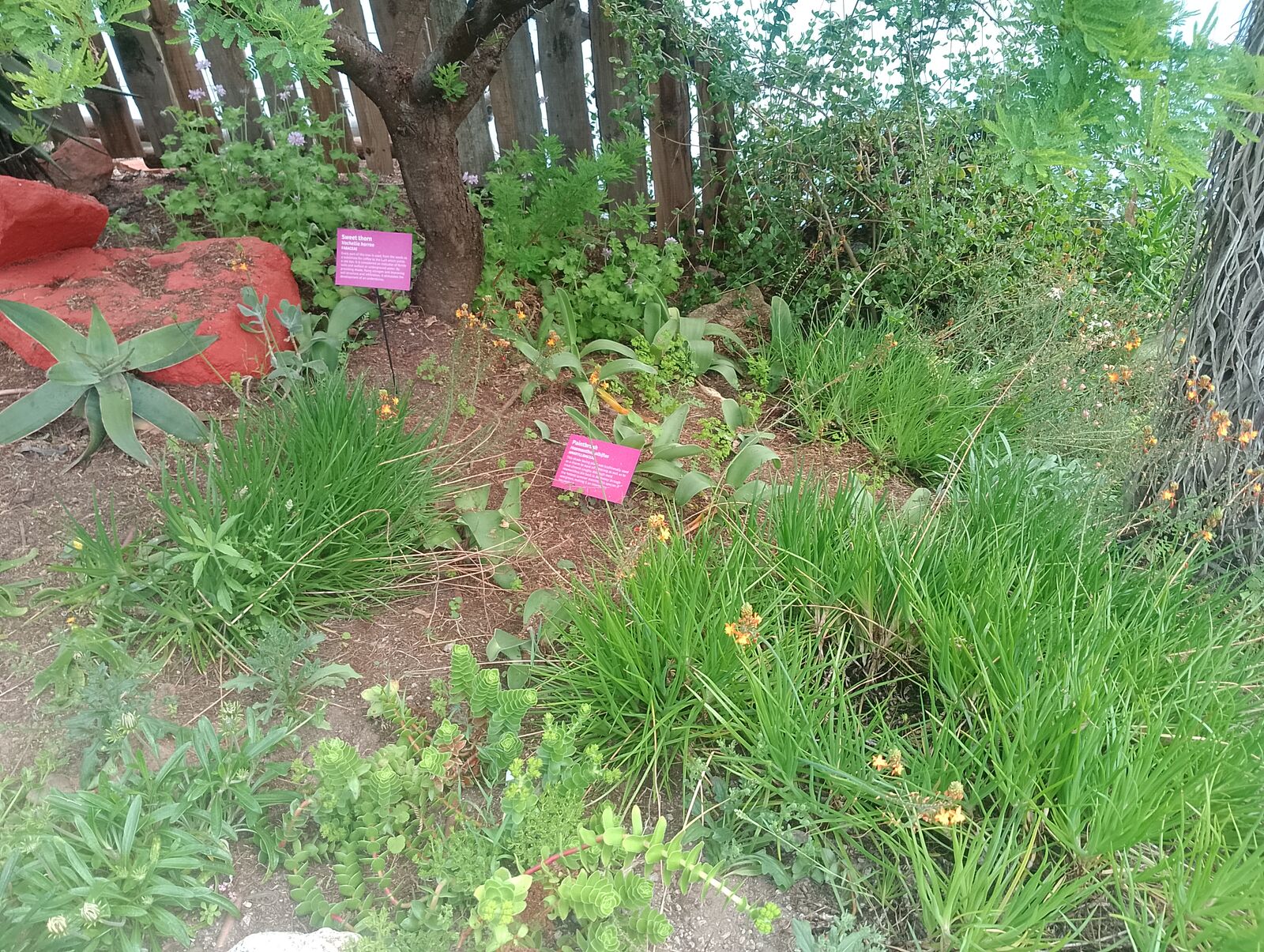
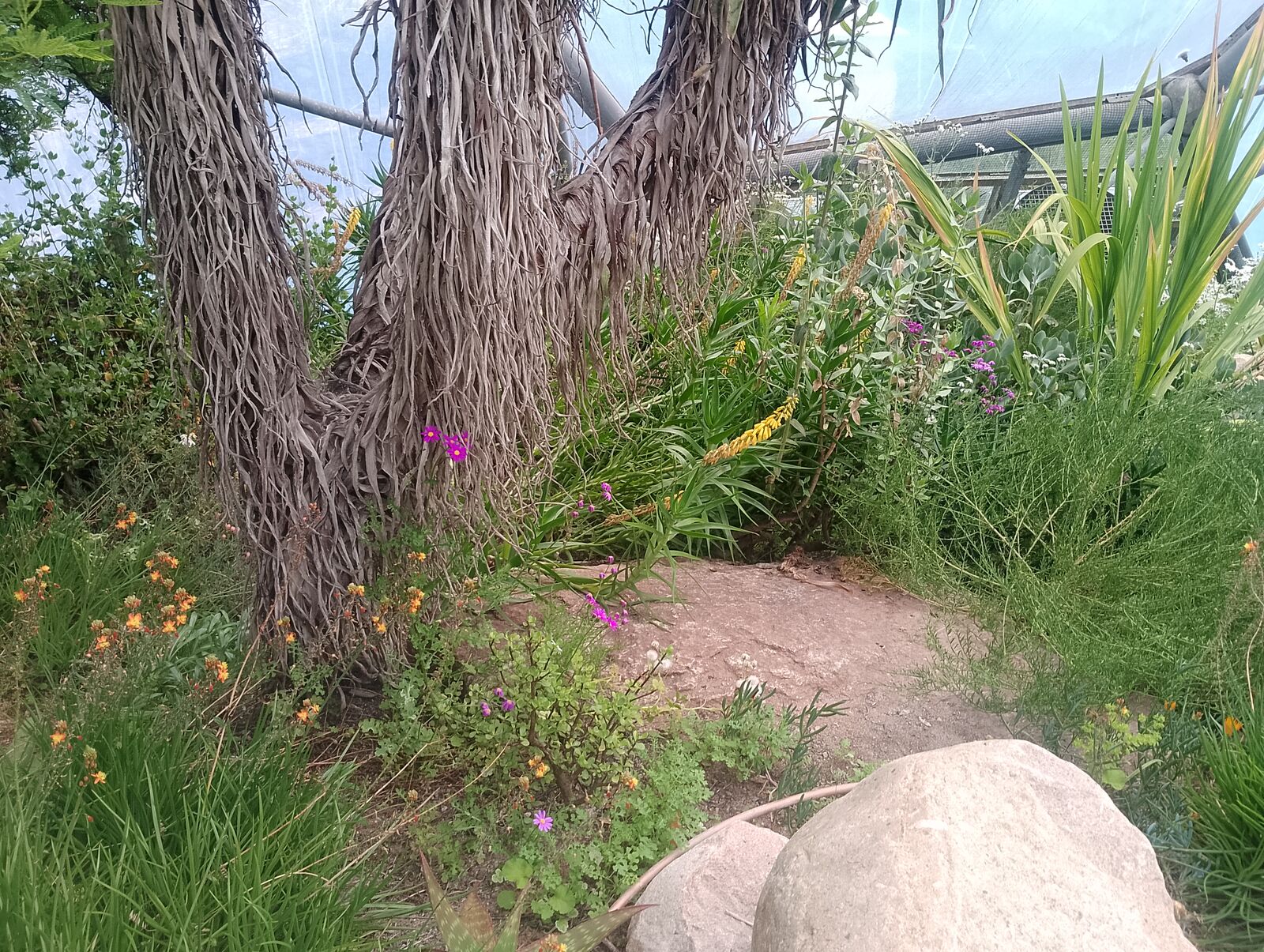
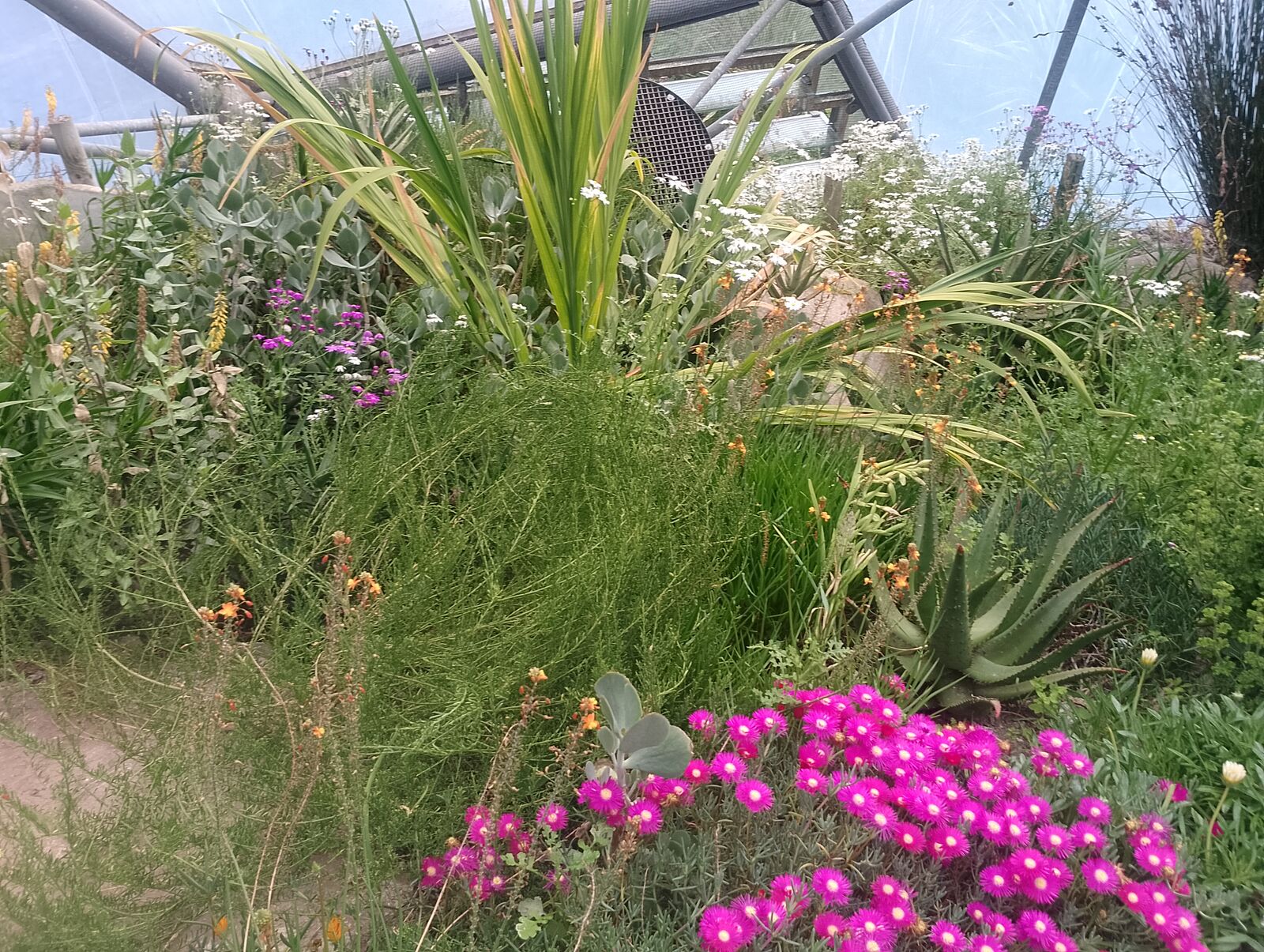
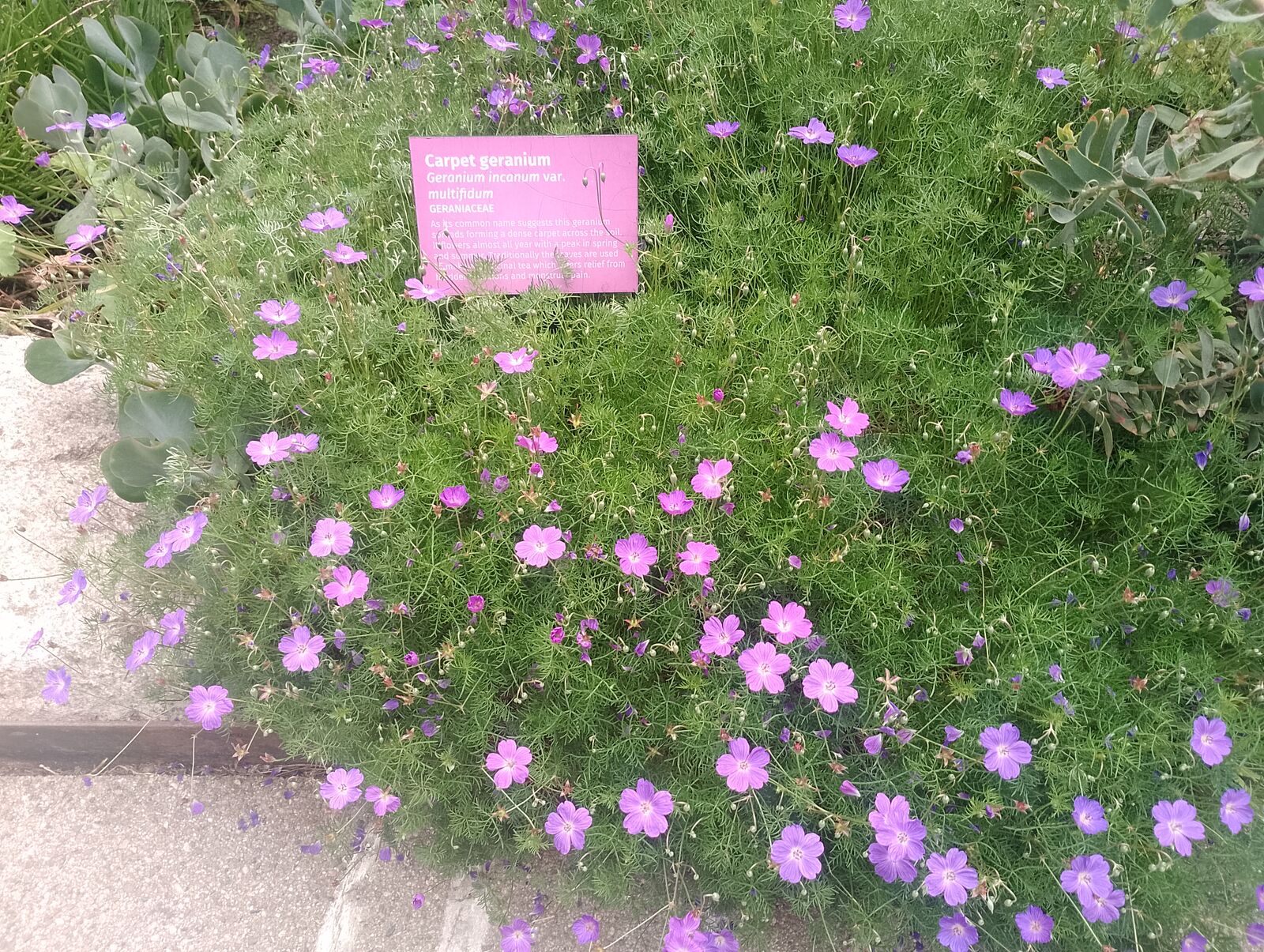
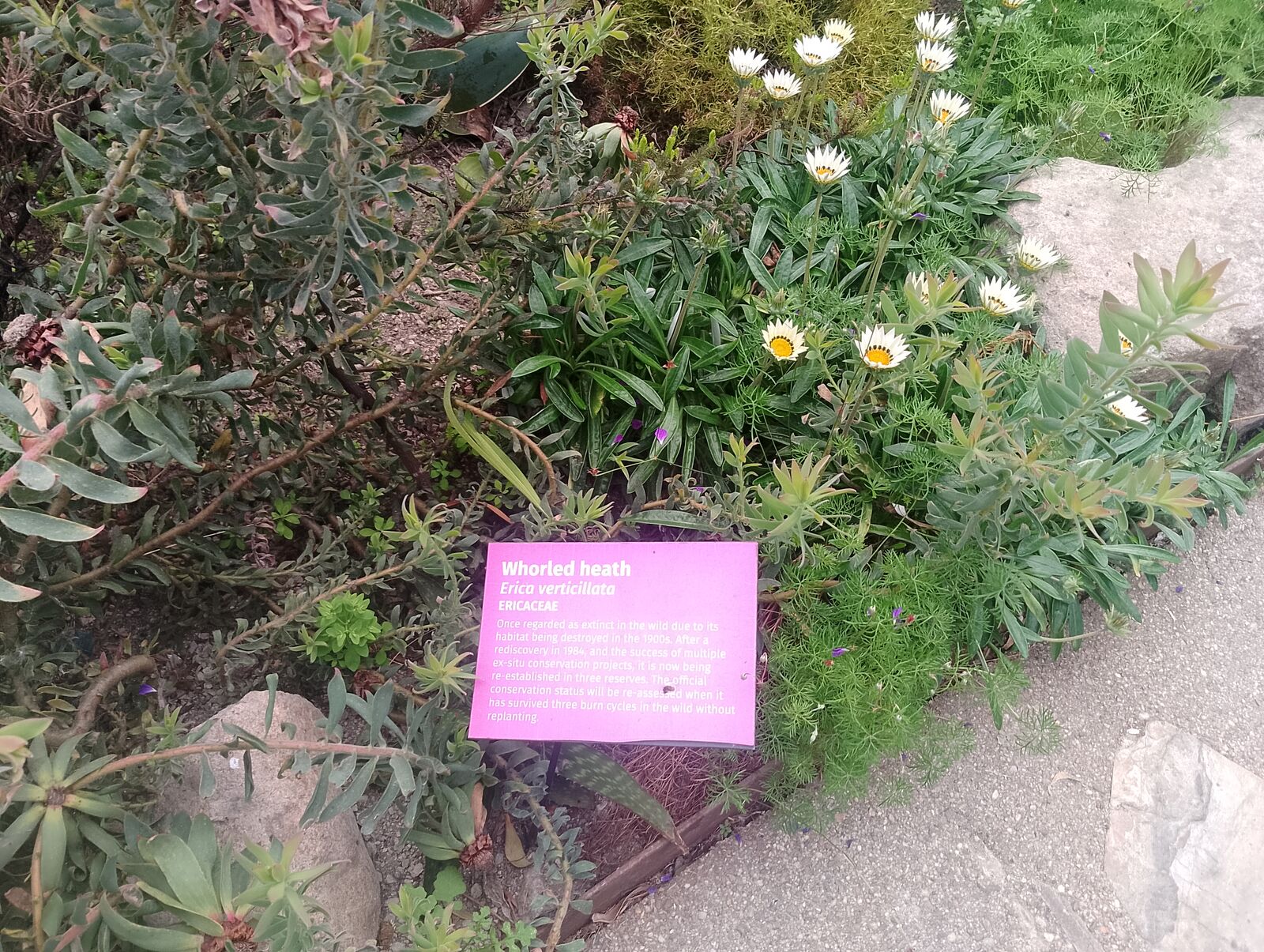
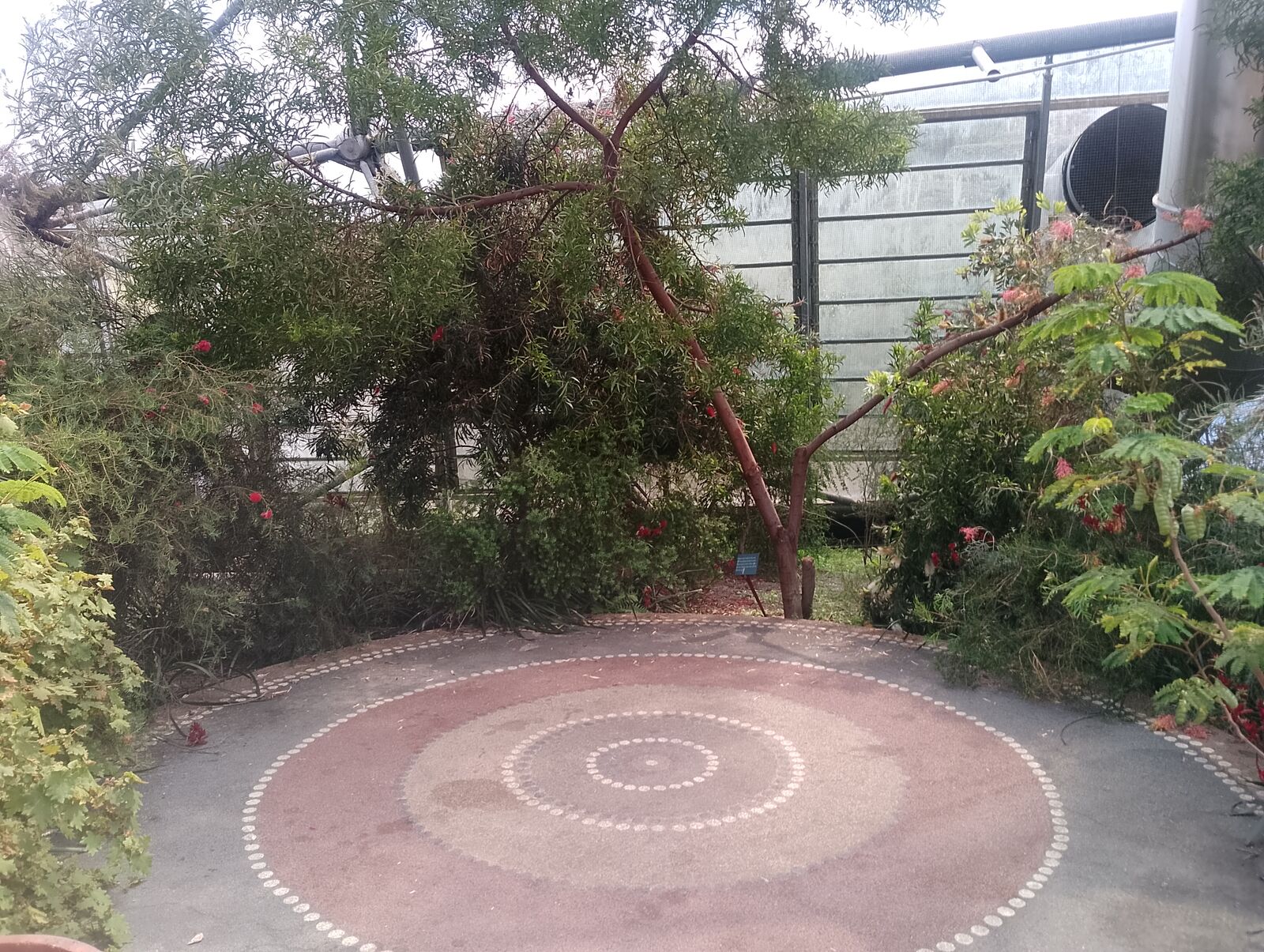
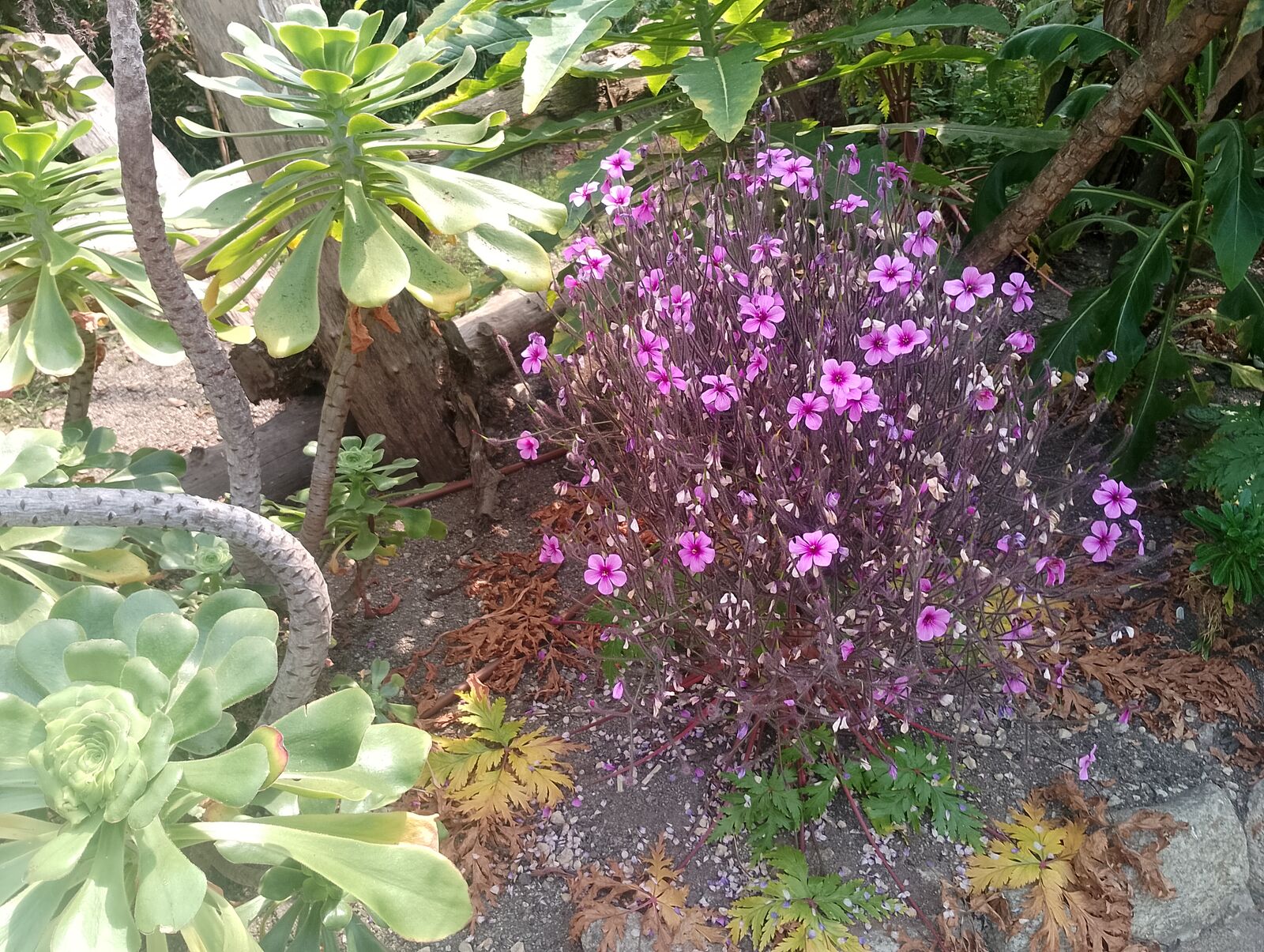
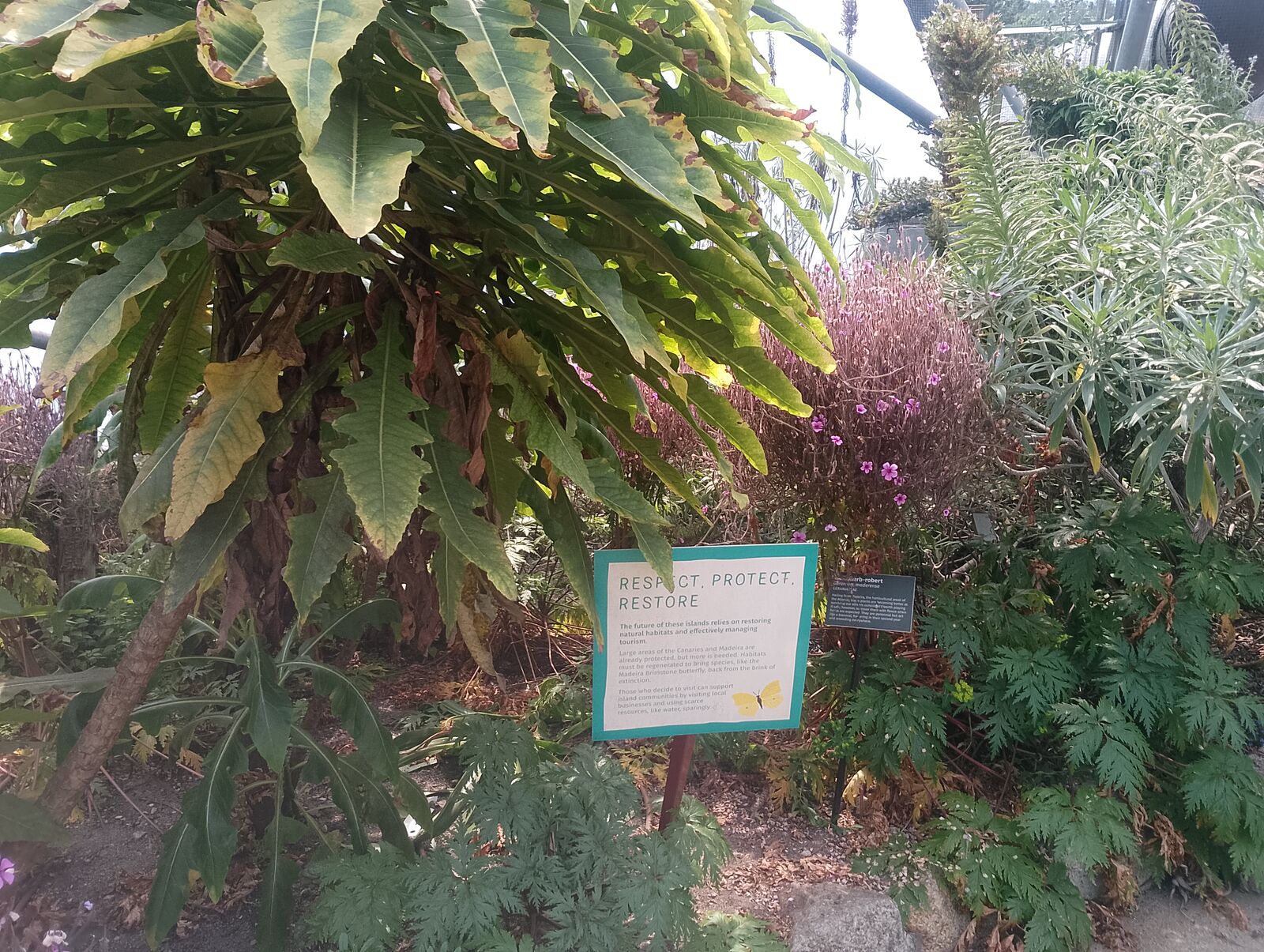
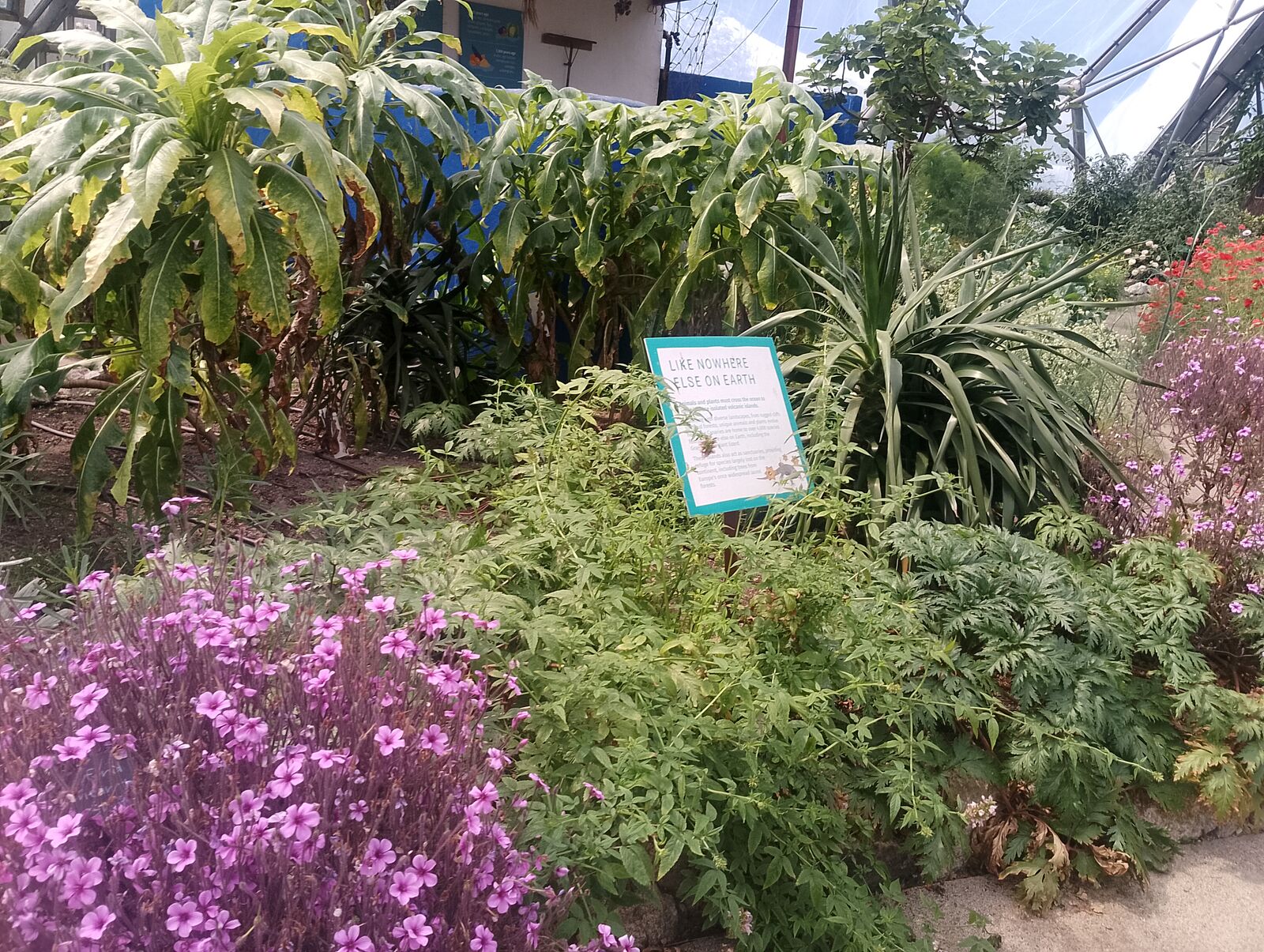
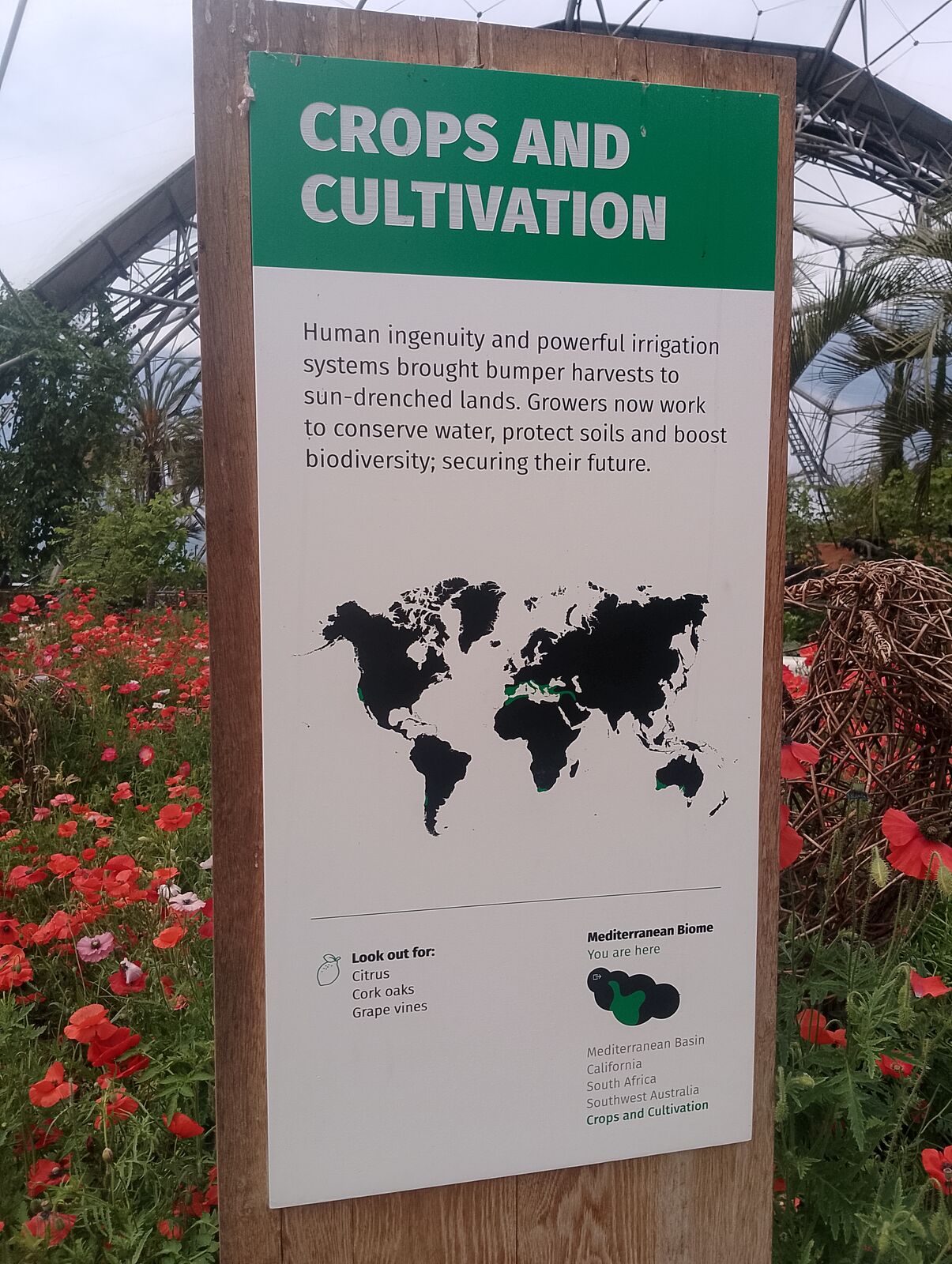
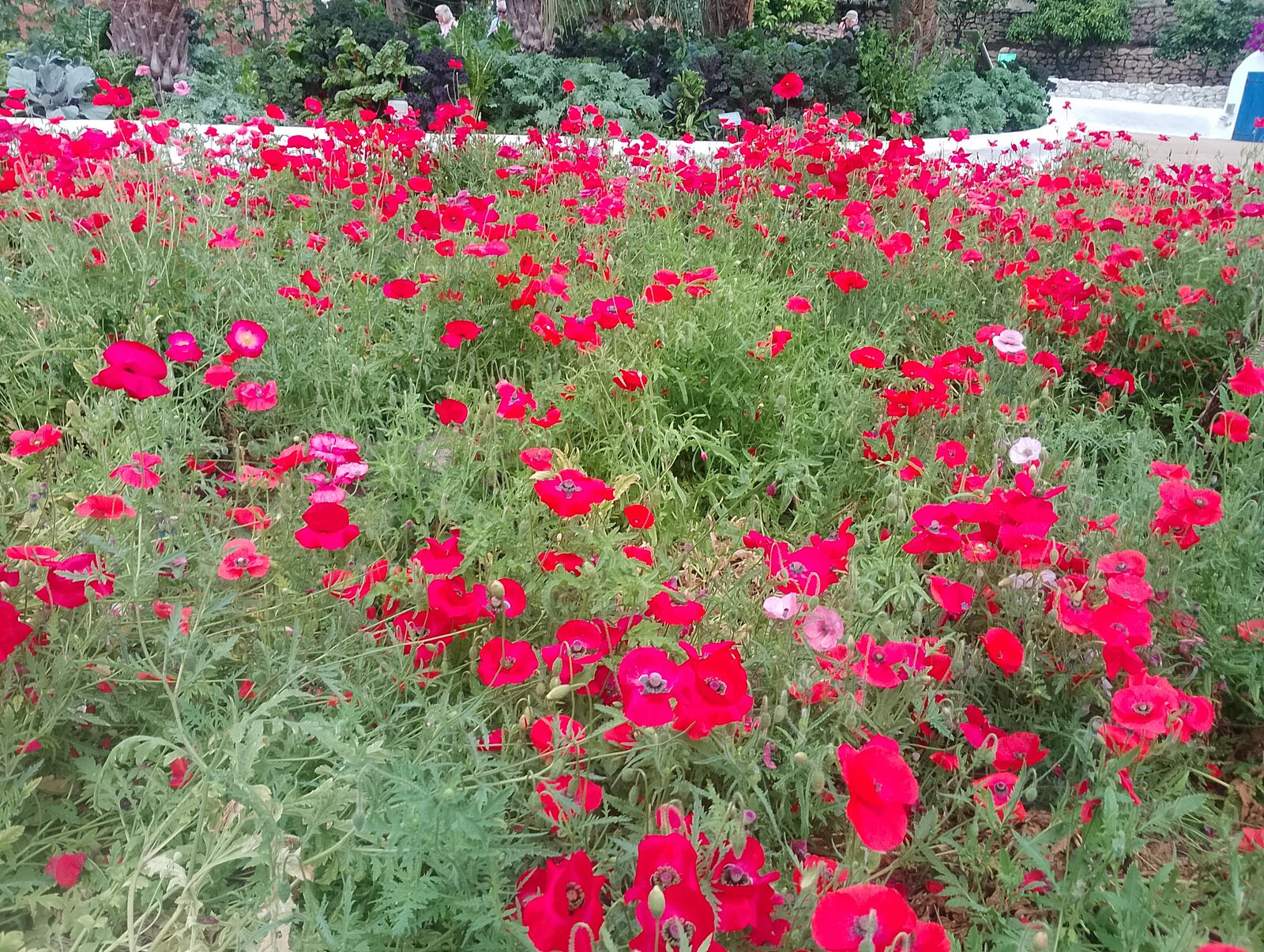
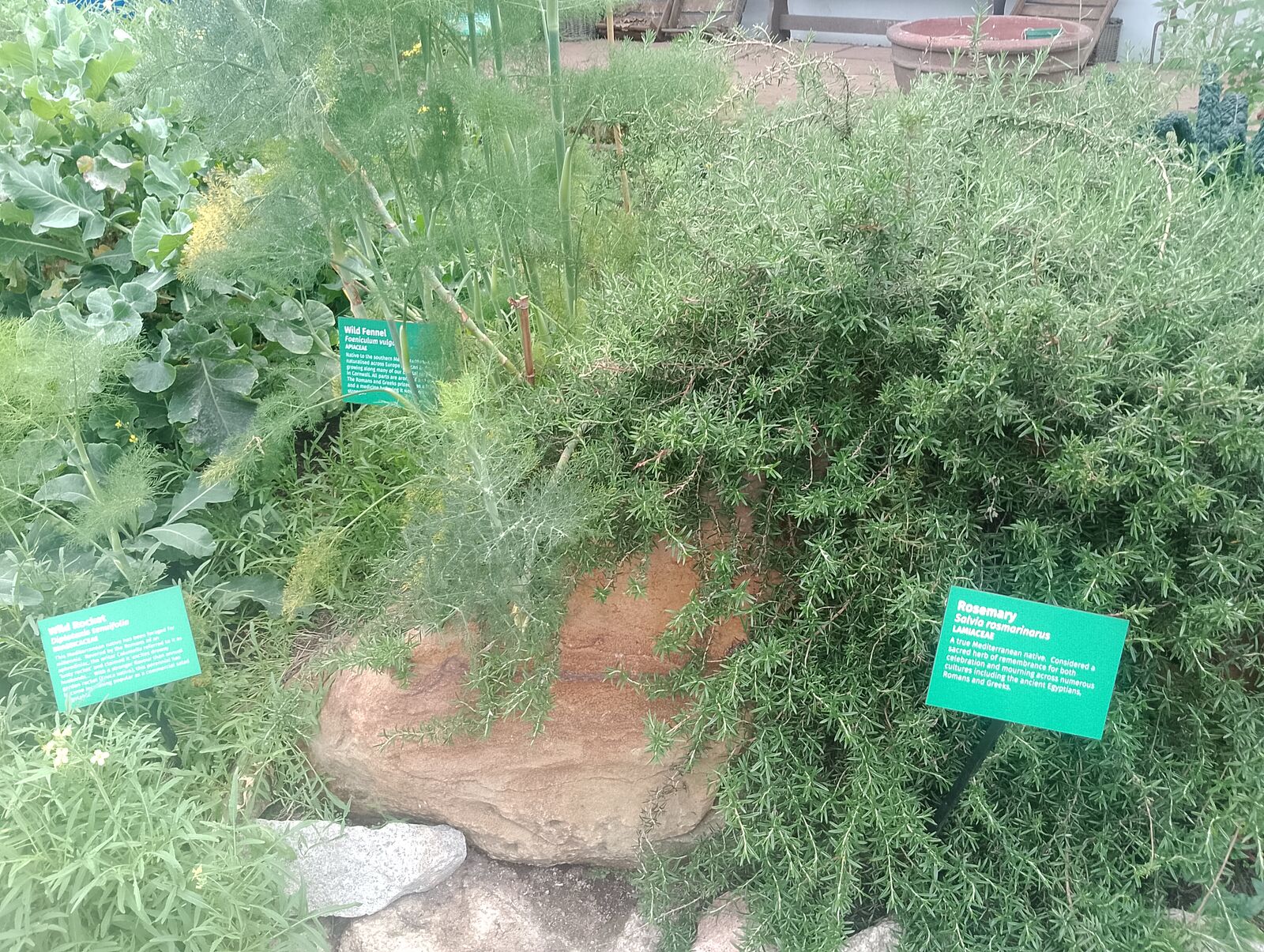
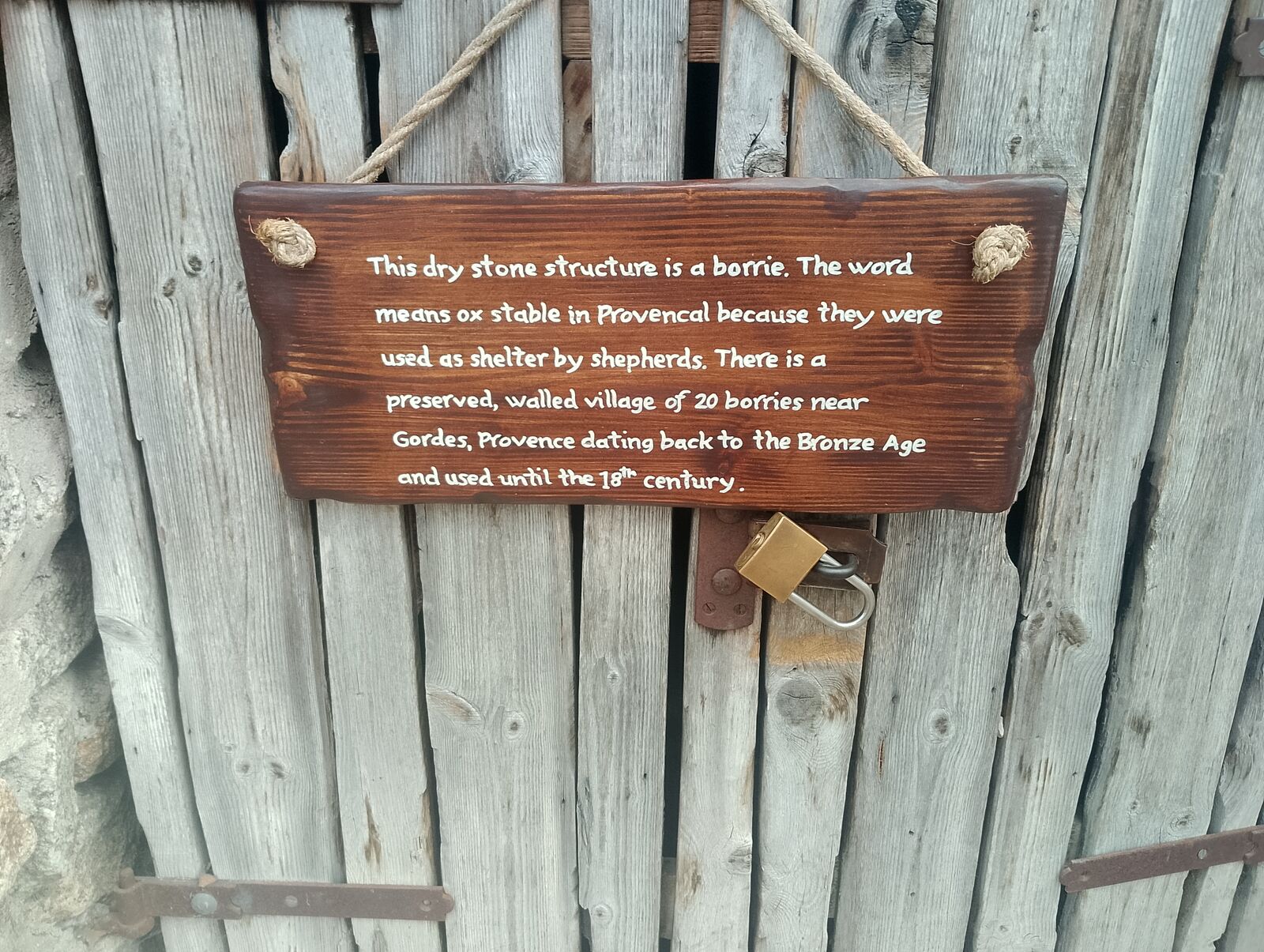
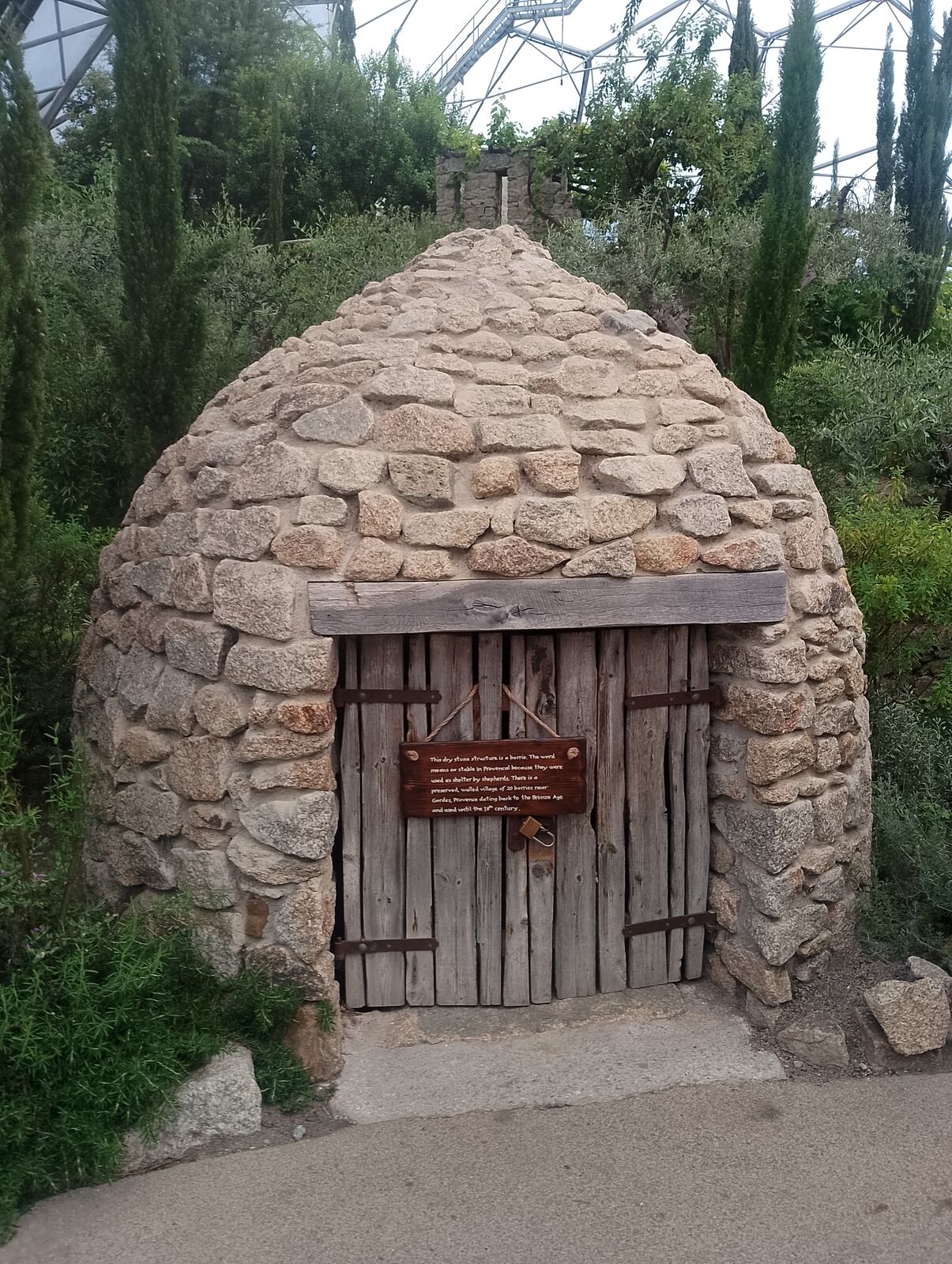
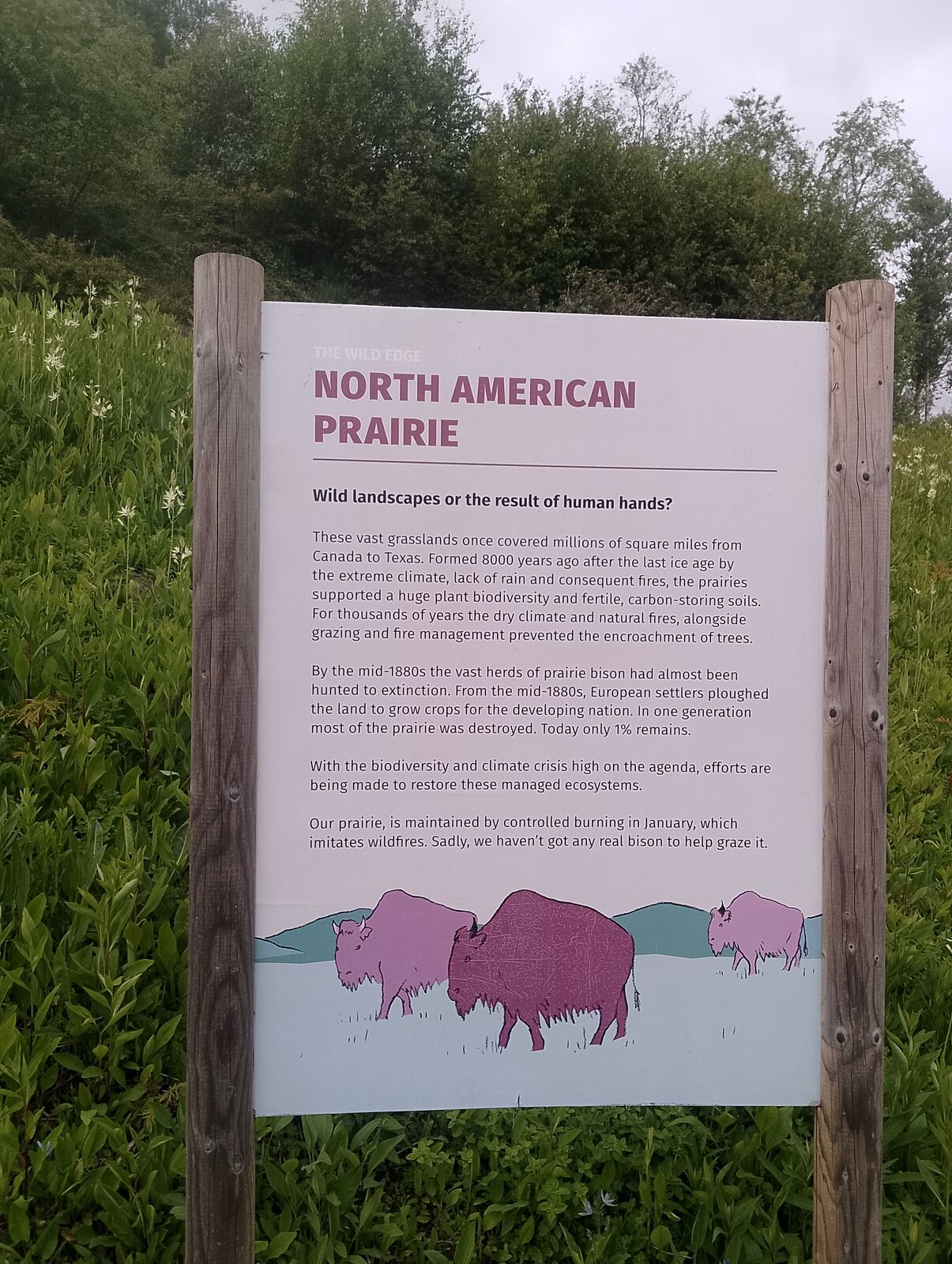
Time is pressed if we are to make the performance on uuhh time, so we head to the Mediterranean section and tour it quite rapidly. This bioregion is mostly familiar, since I lived in Italy for a while with friends, there are olive trees, oranges and lemons, as well as herbs like sage and thyme. There are also spring greens like Chad. There are also a coulpe of artworks like deer made of saplings in the poppies, a turtle made of upcycled flip flops in the californian section, some wooden goats in the european section and a golden pathway leading to a large spike symbolising olive trees.
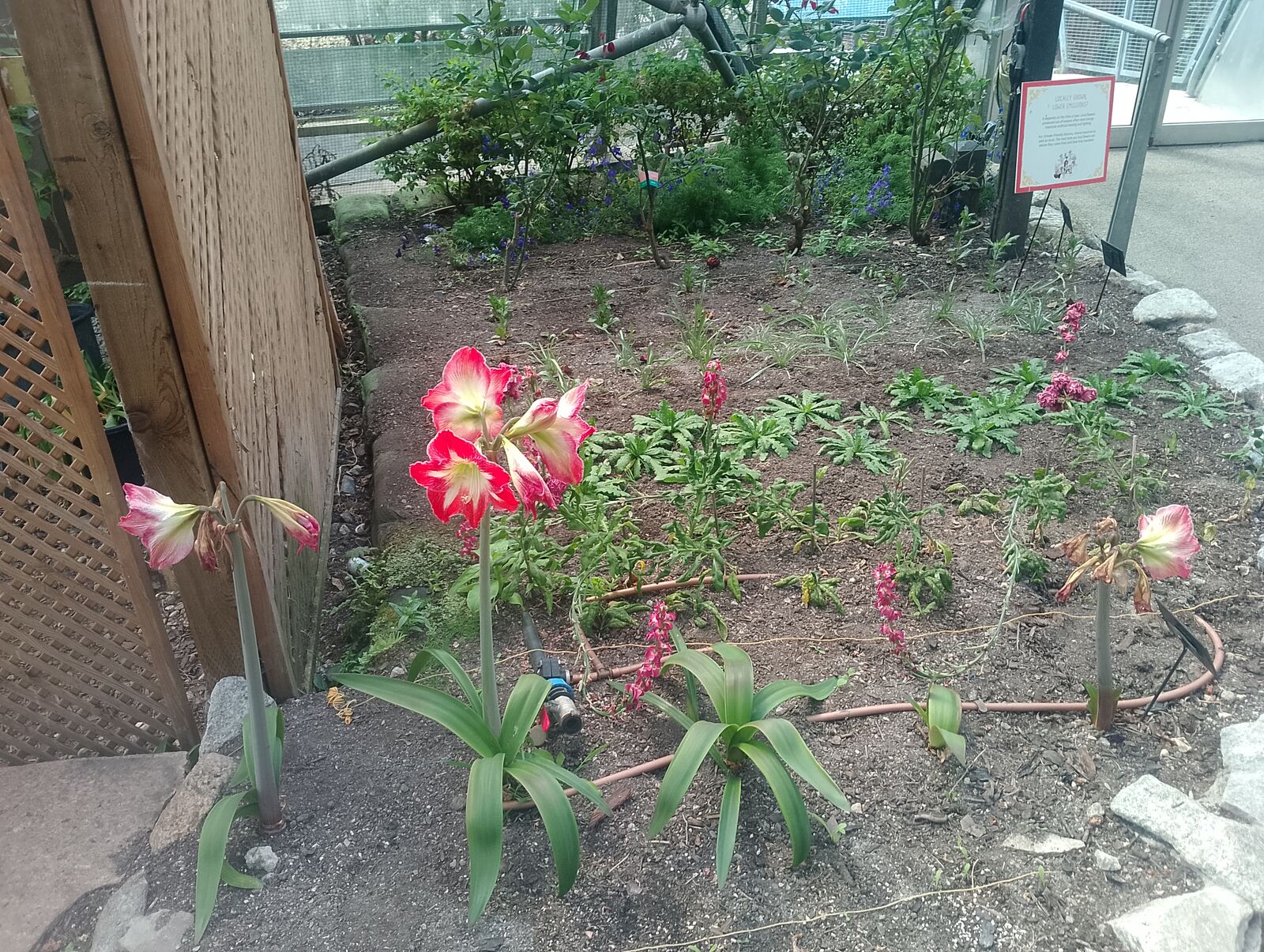
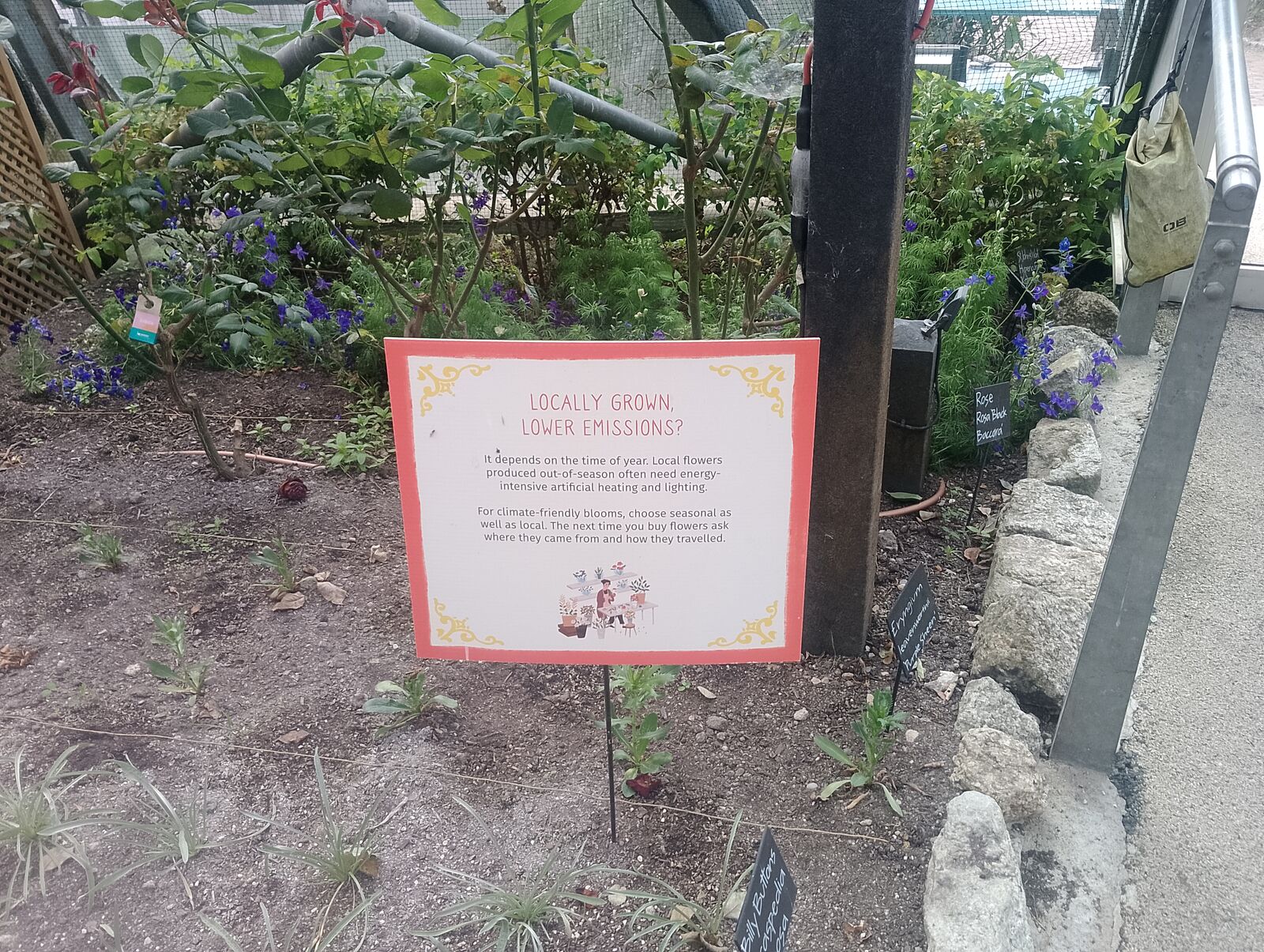
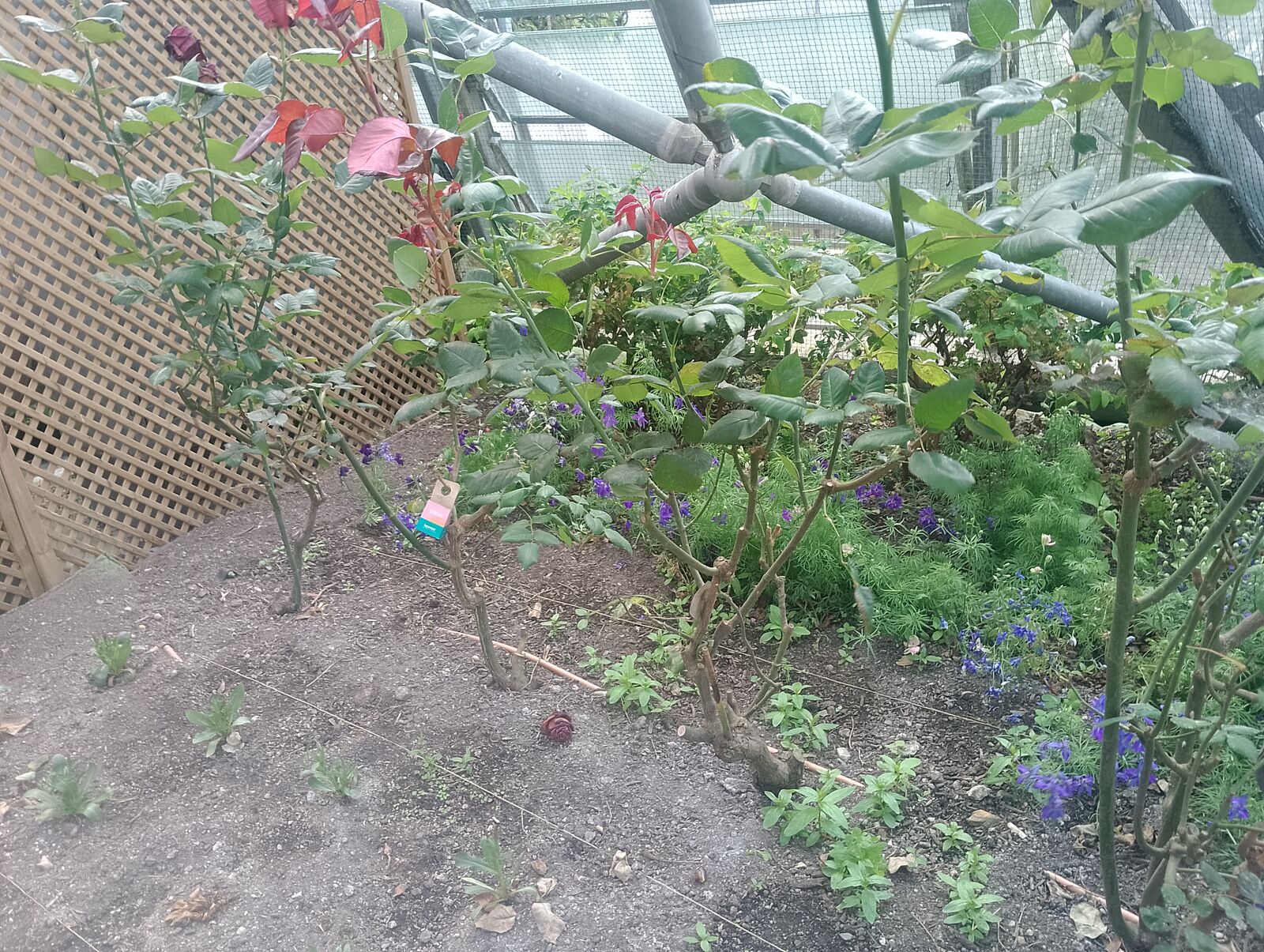
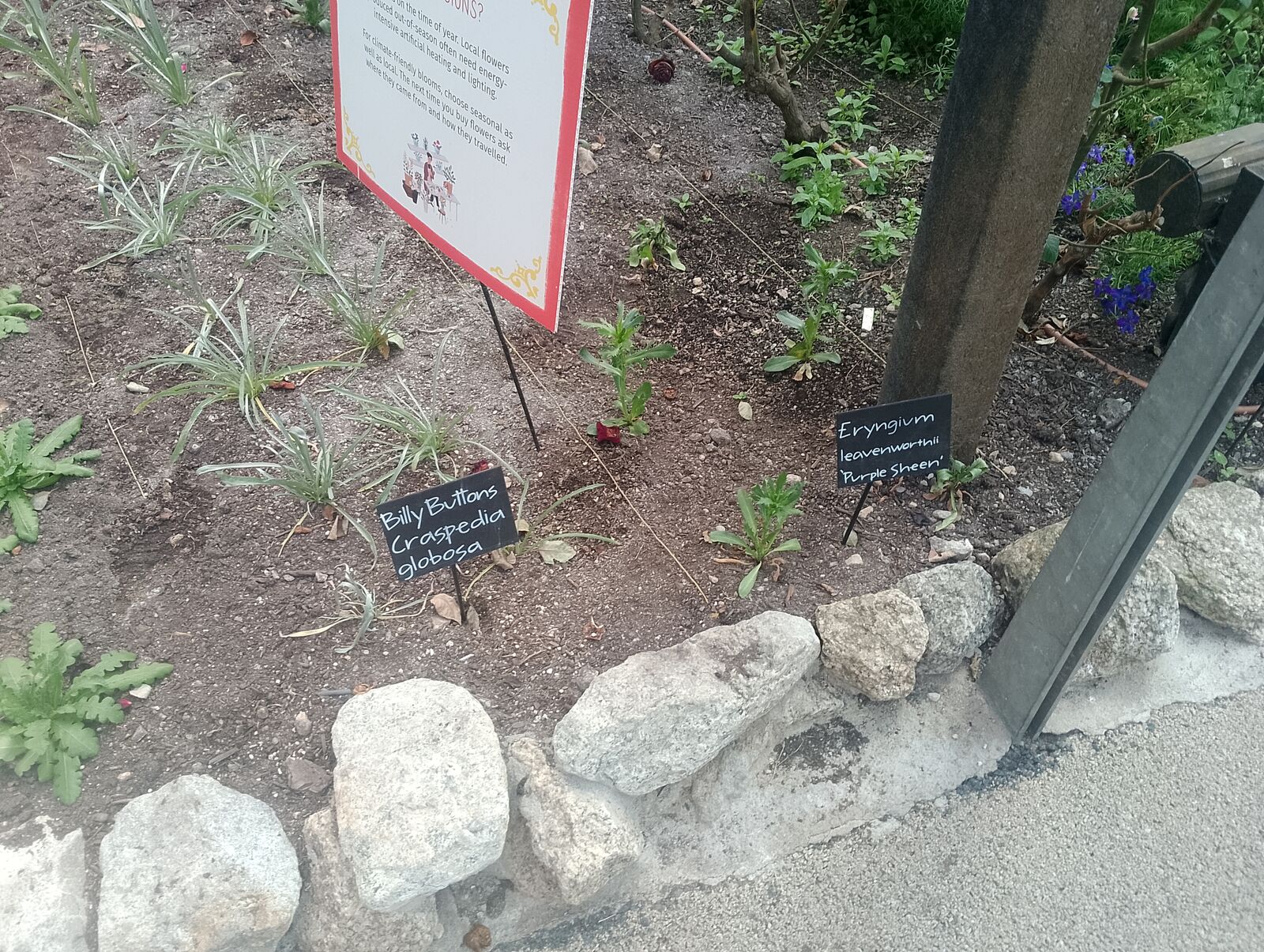
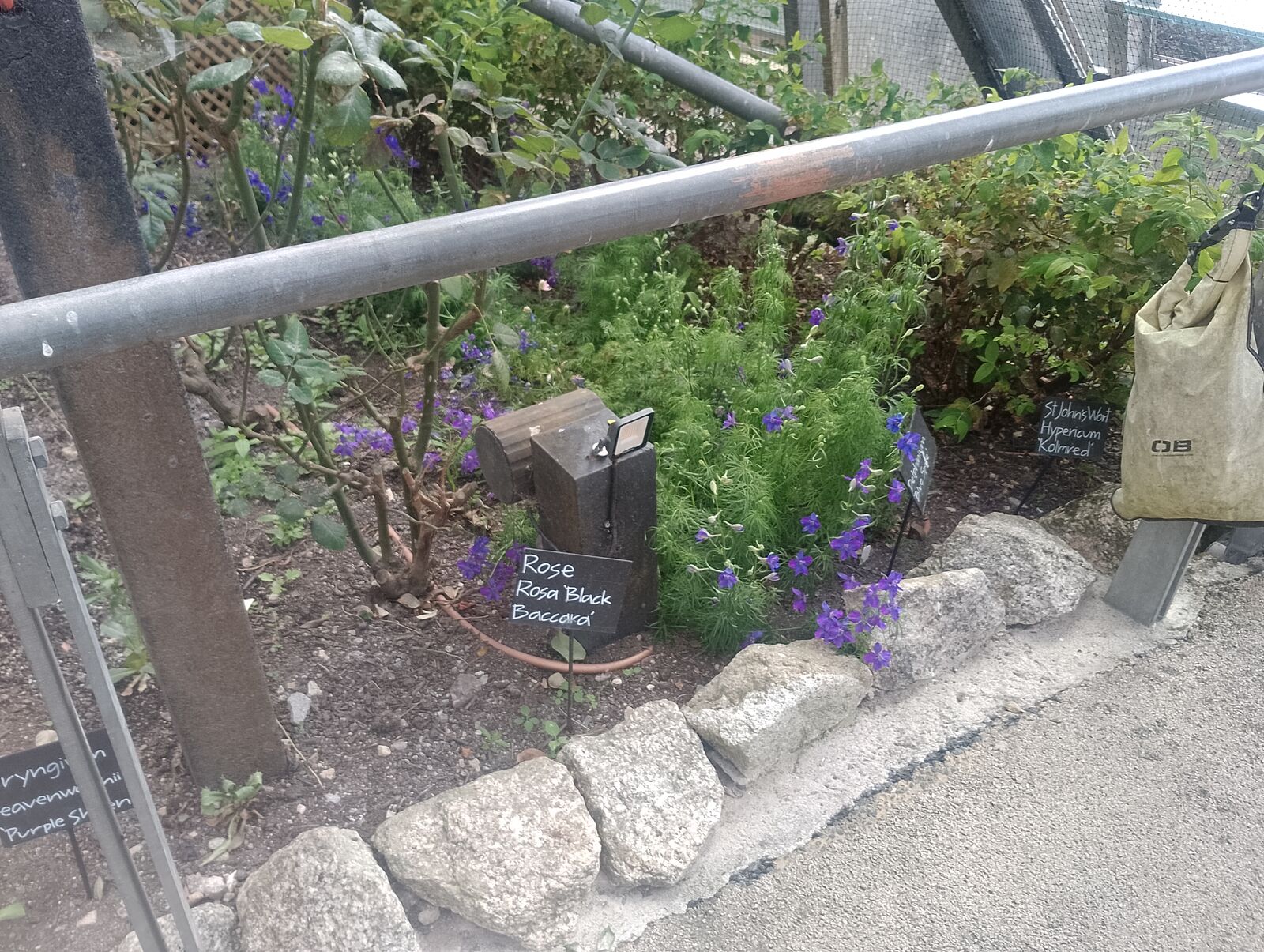
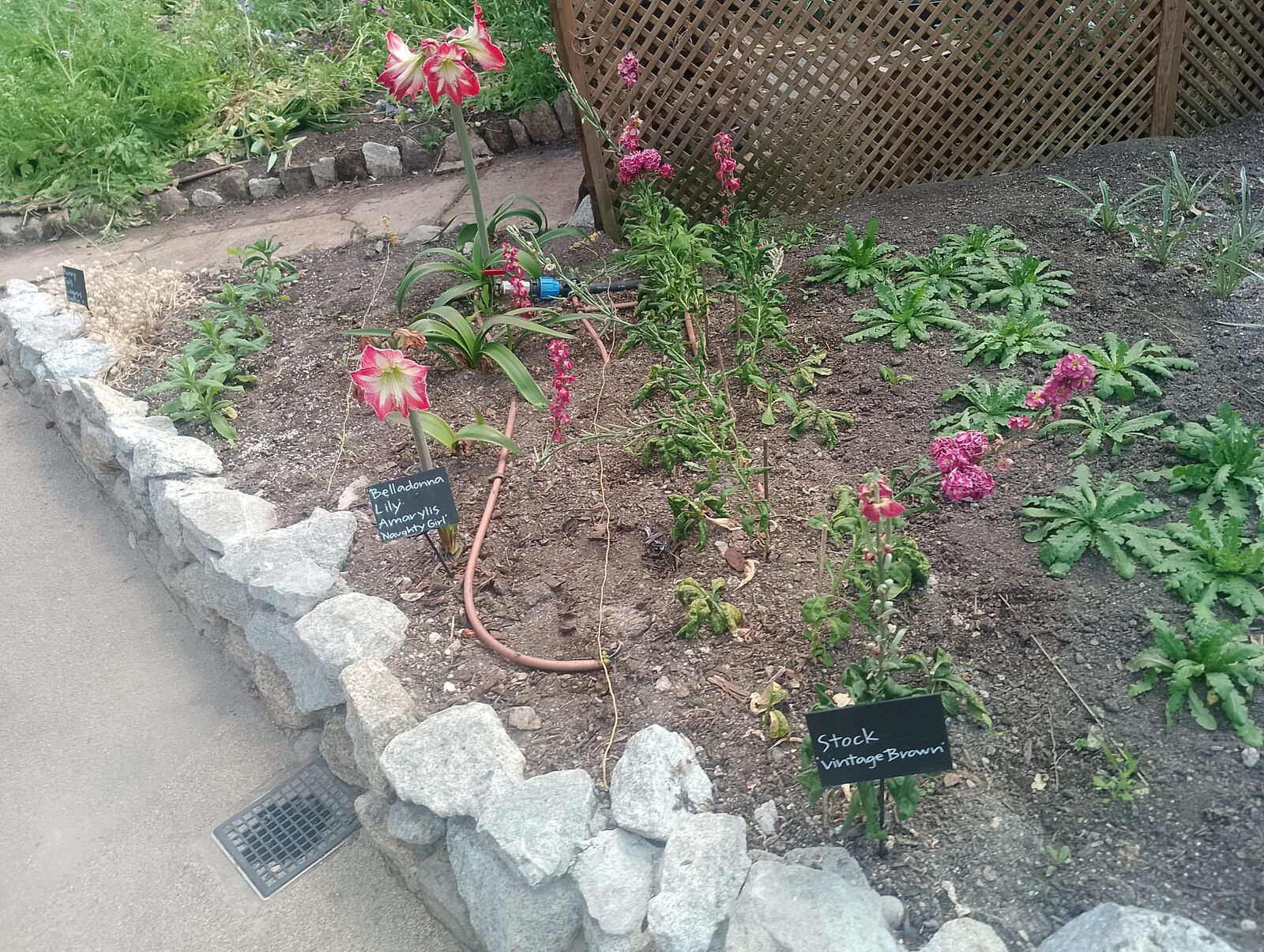
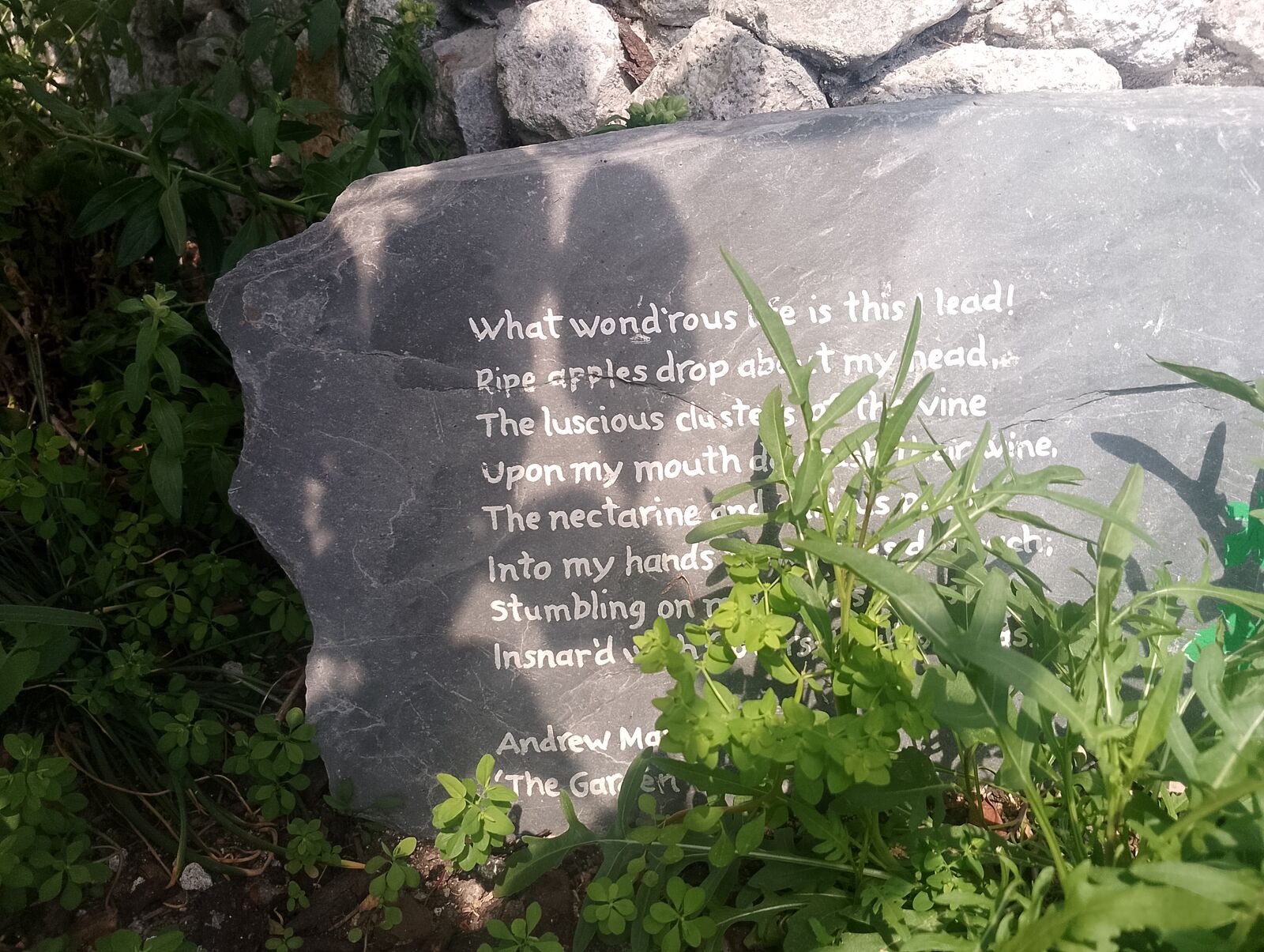
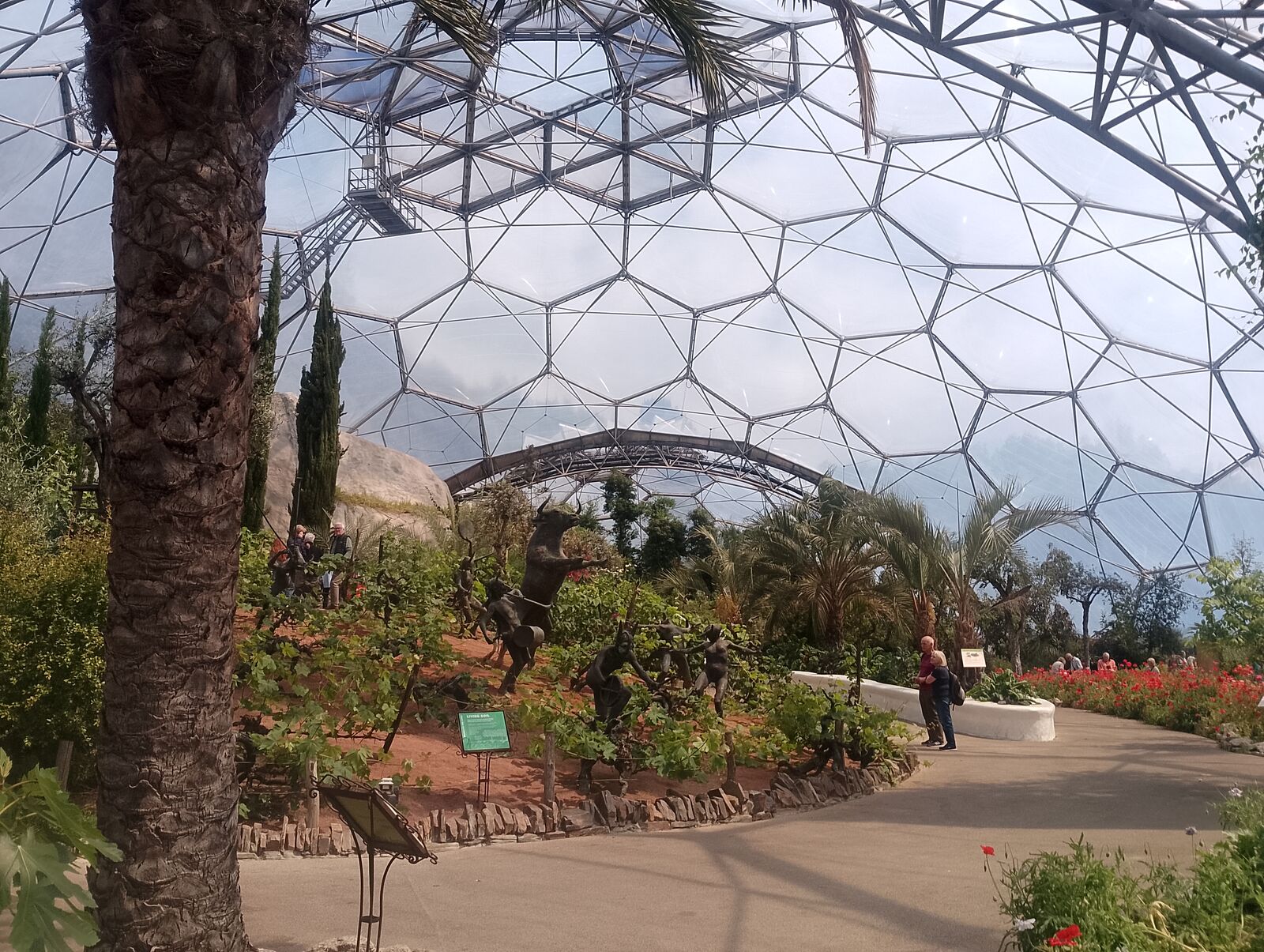
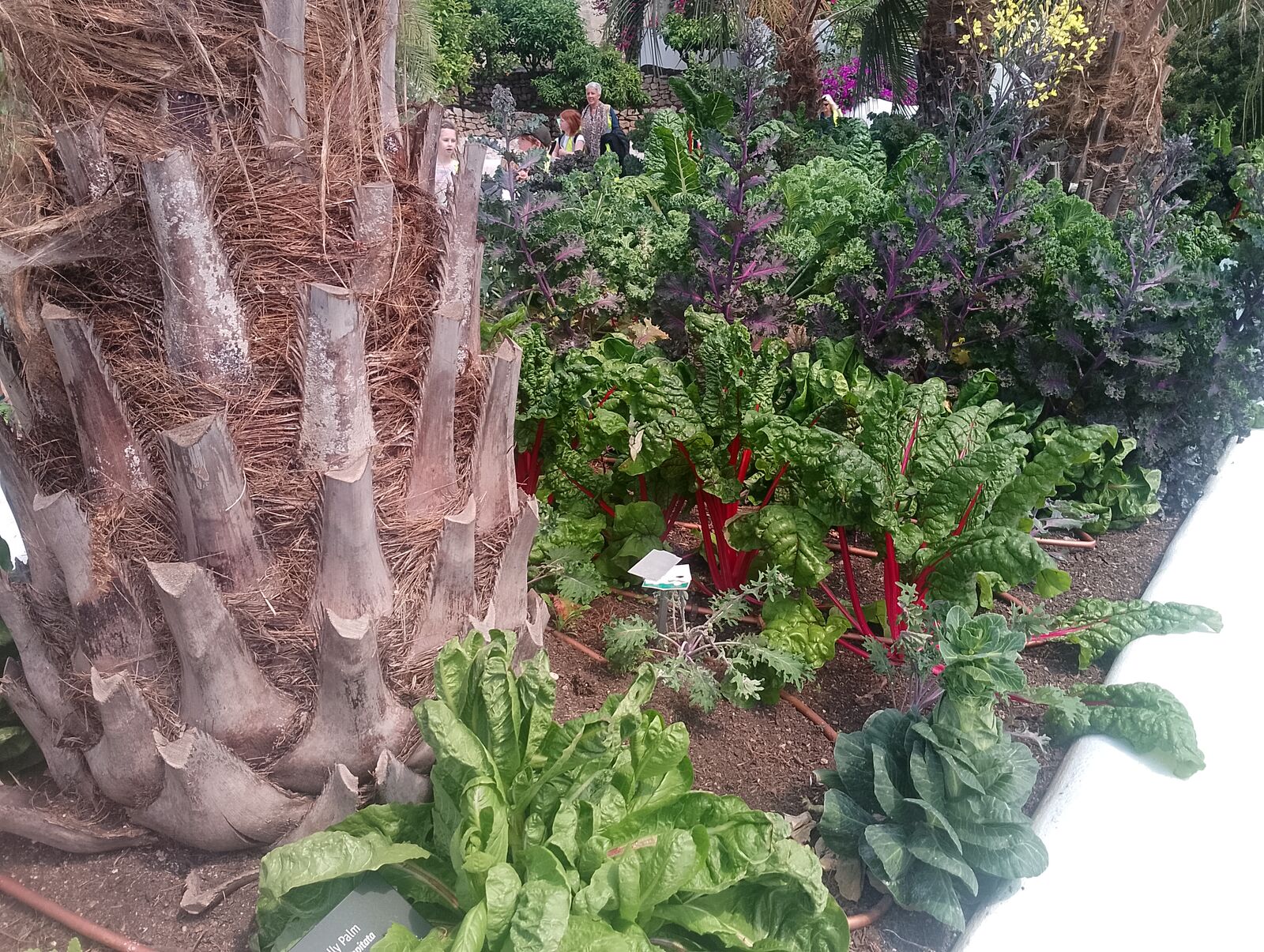
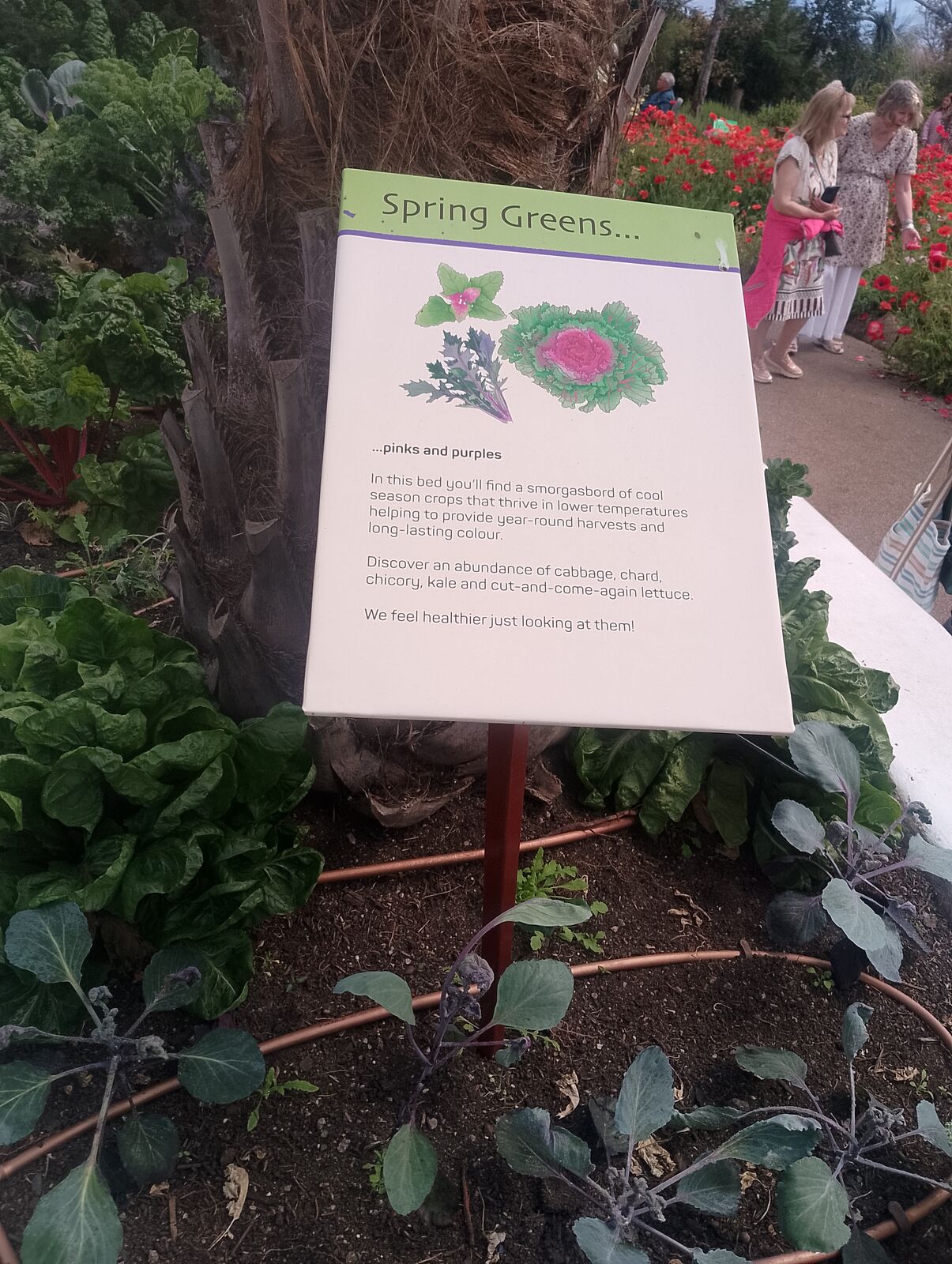
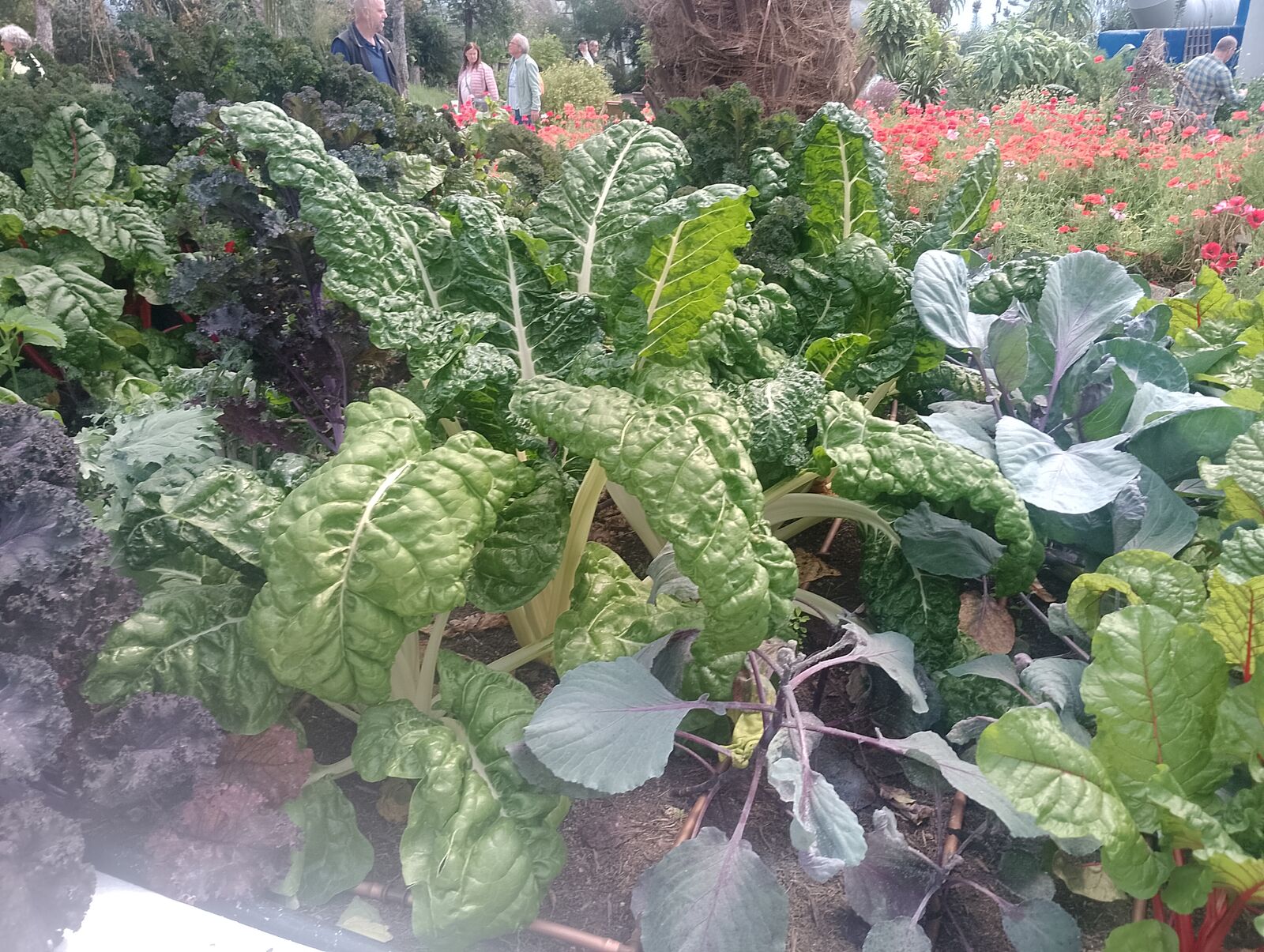
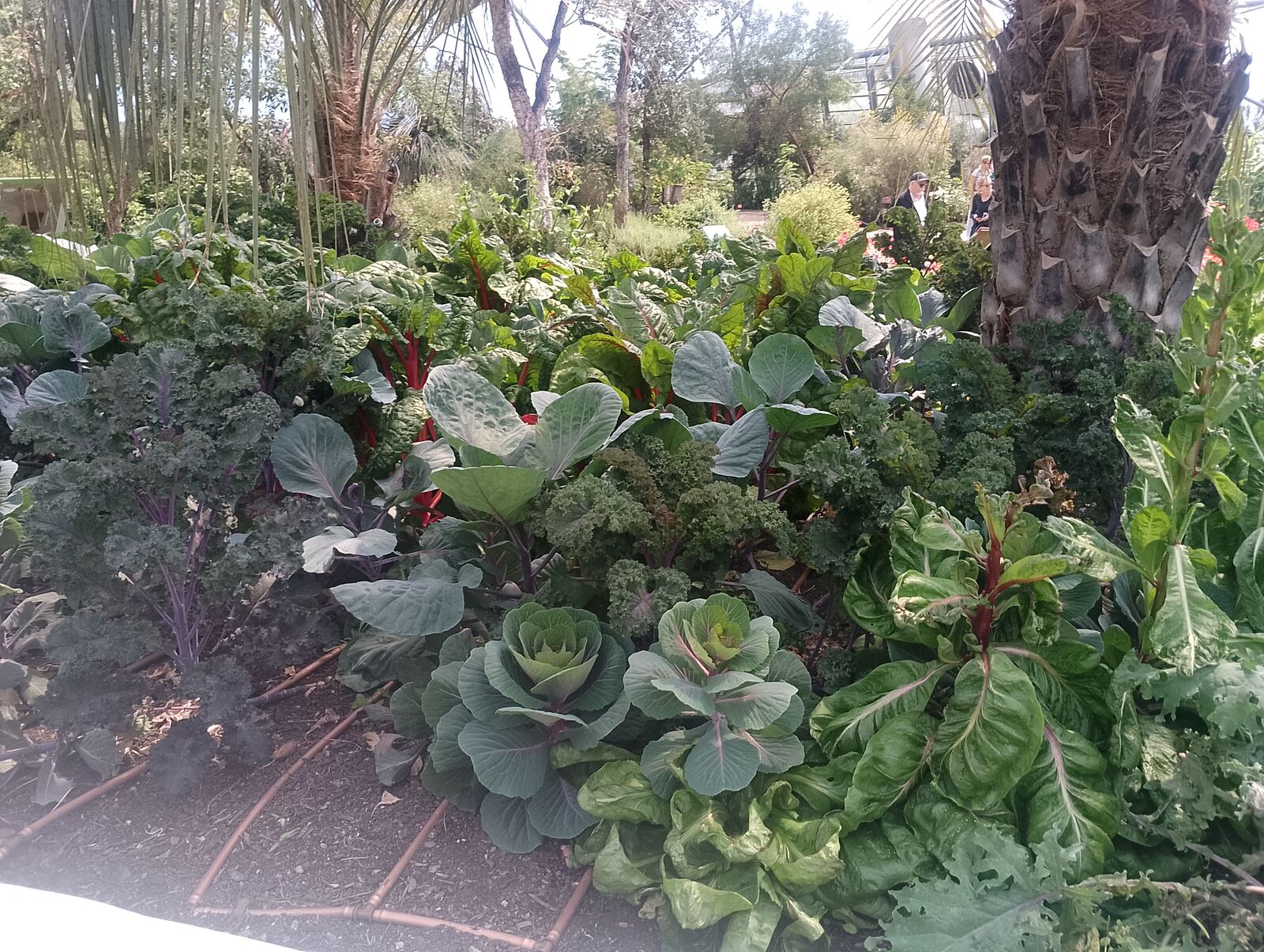
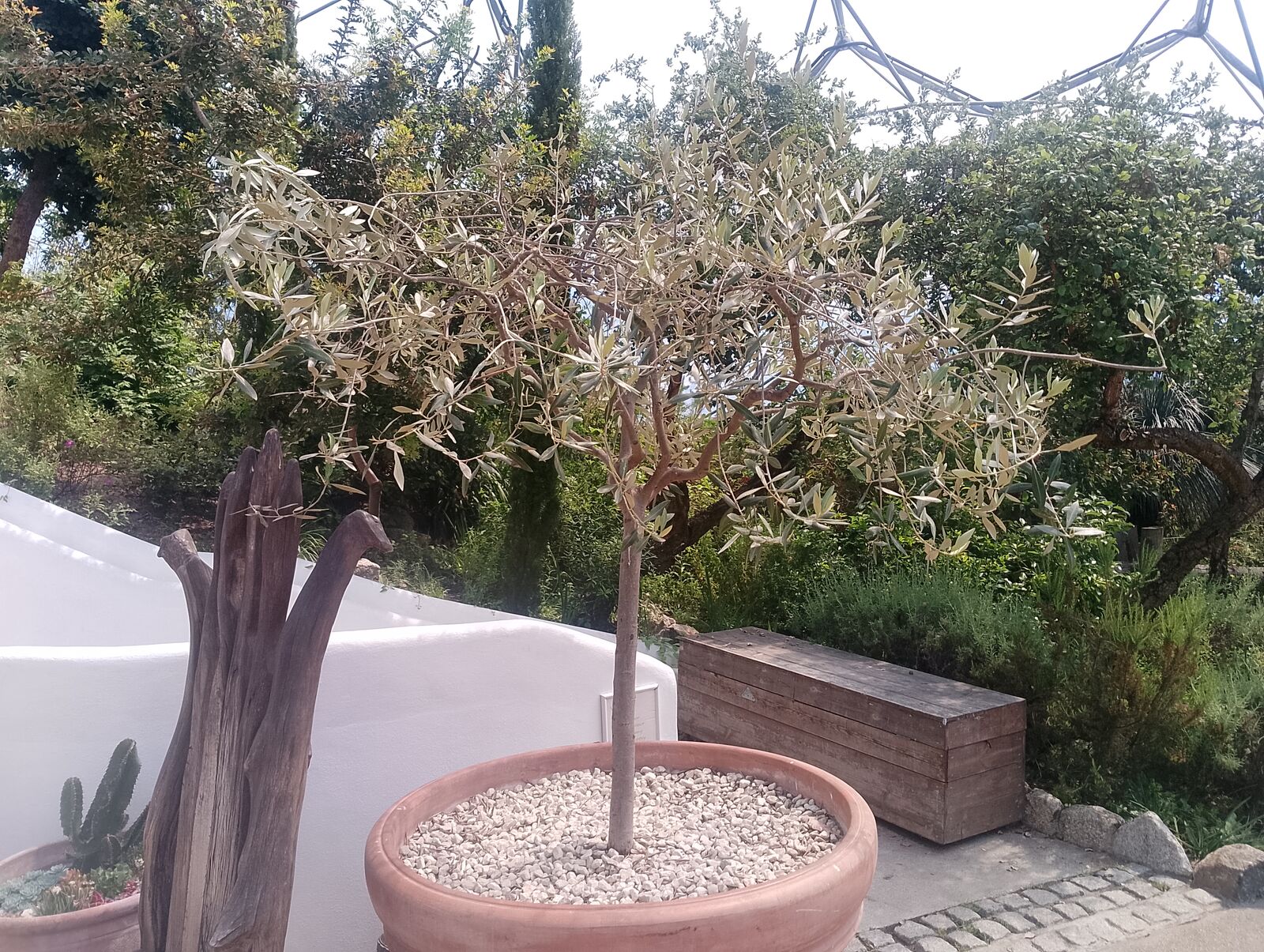
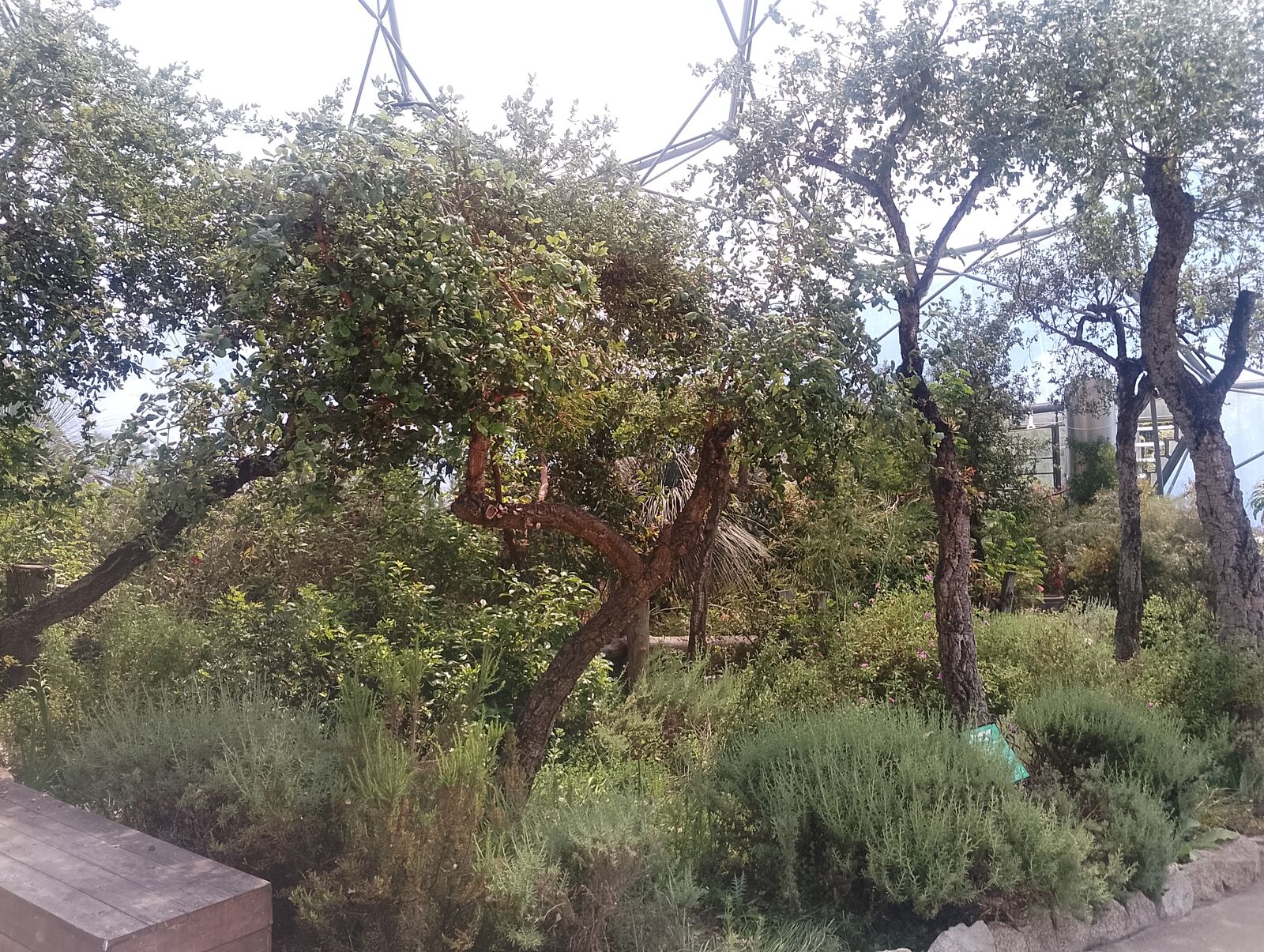
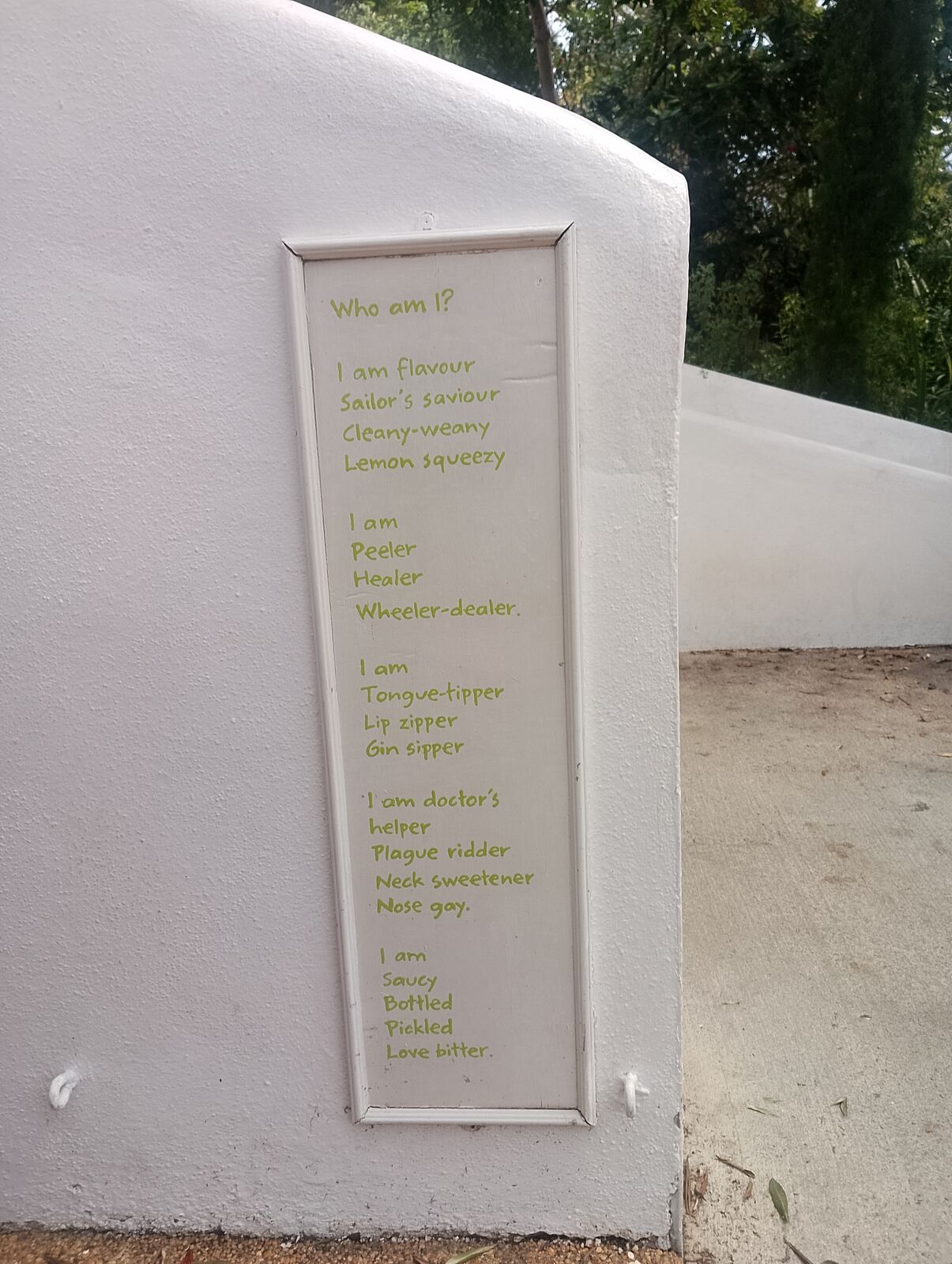
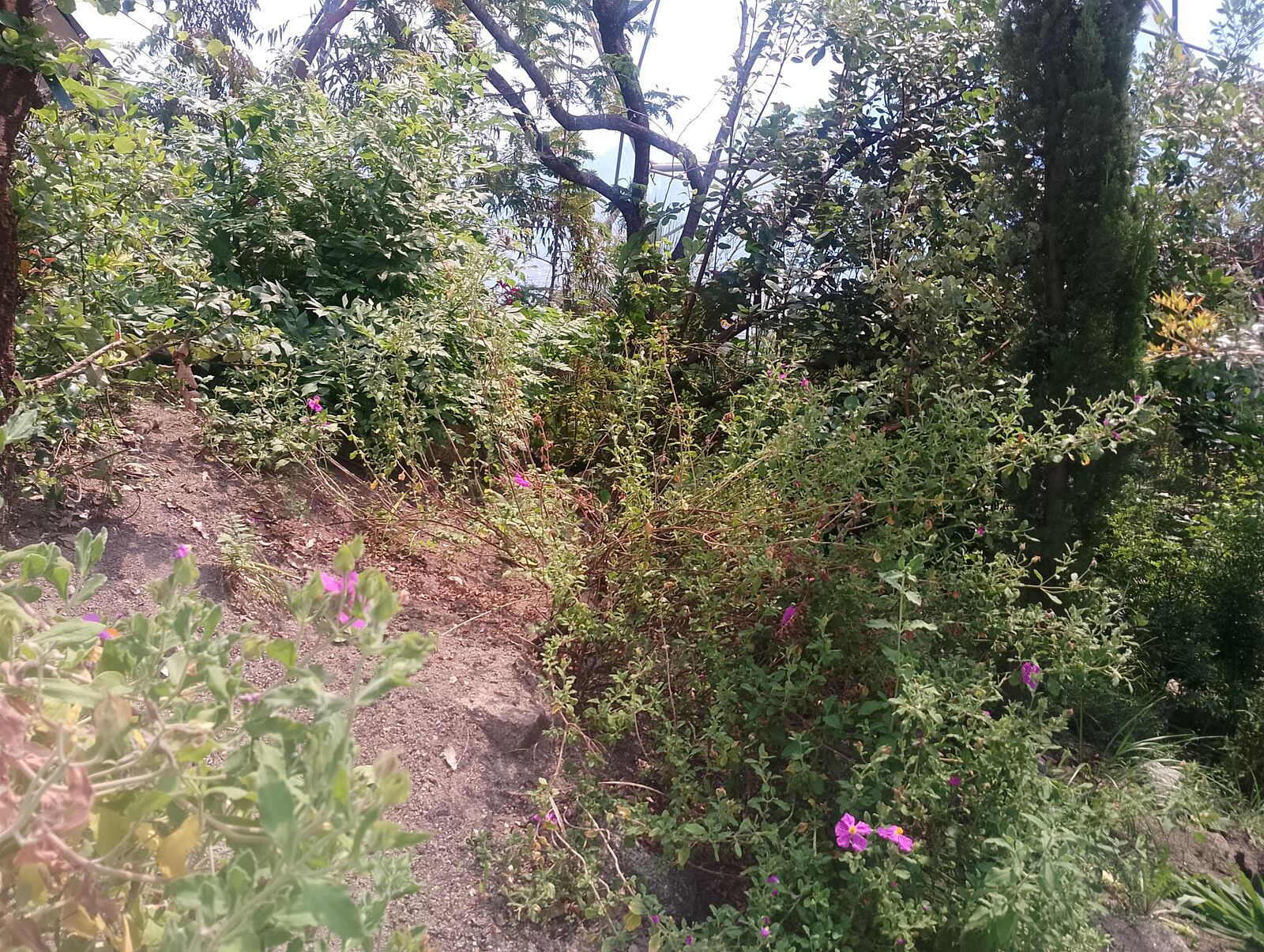
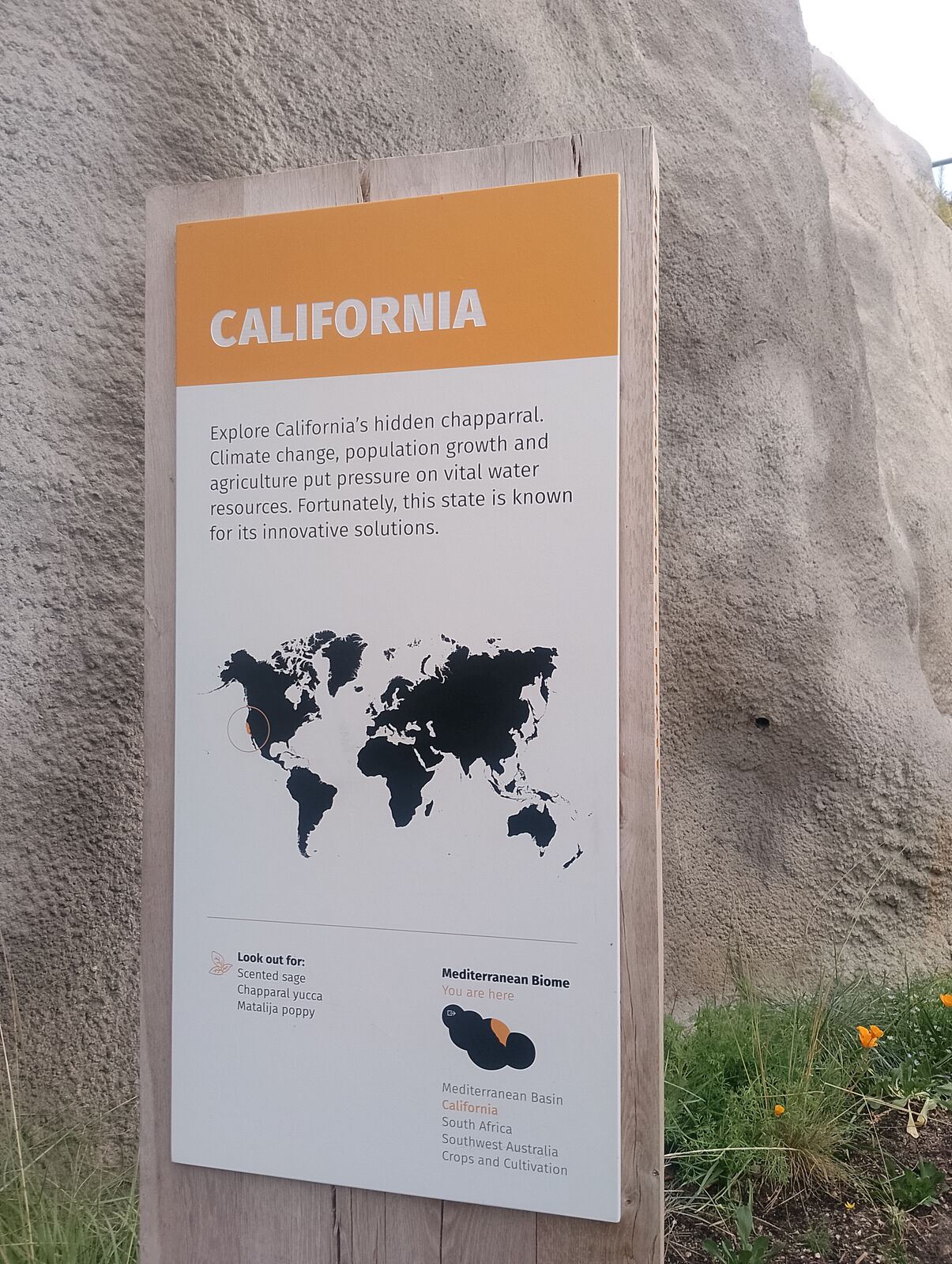
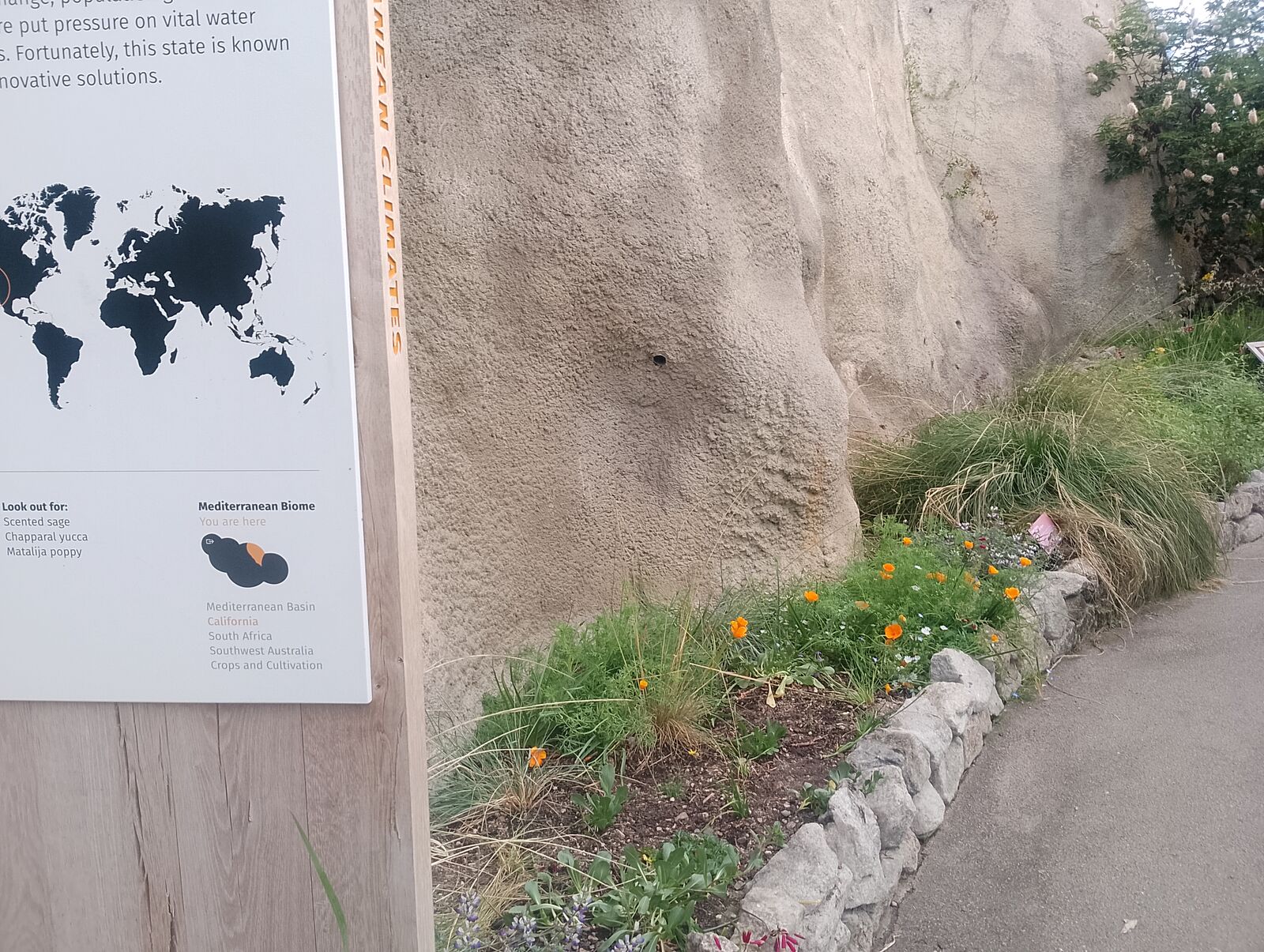
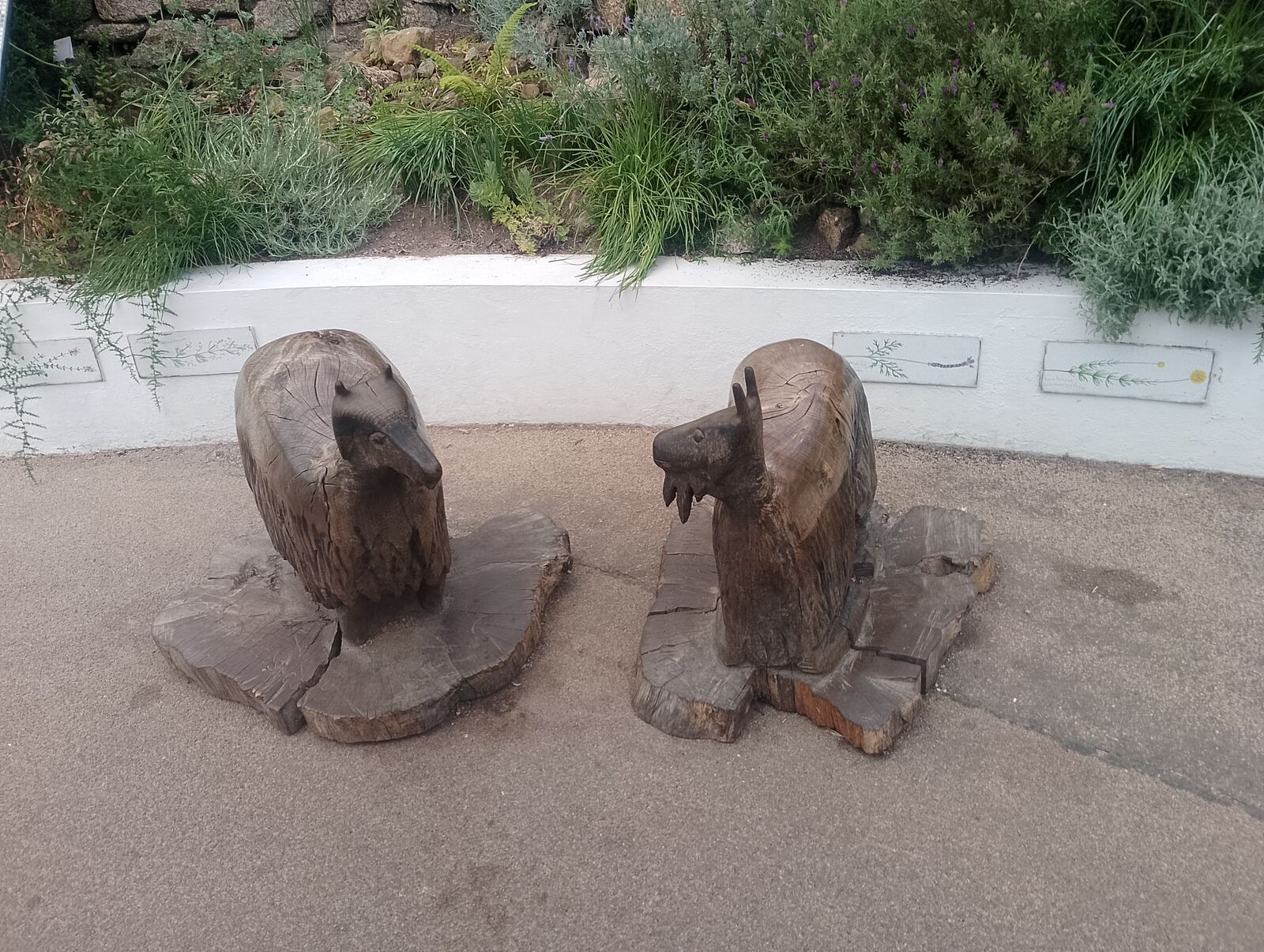
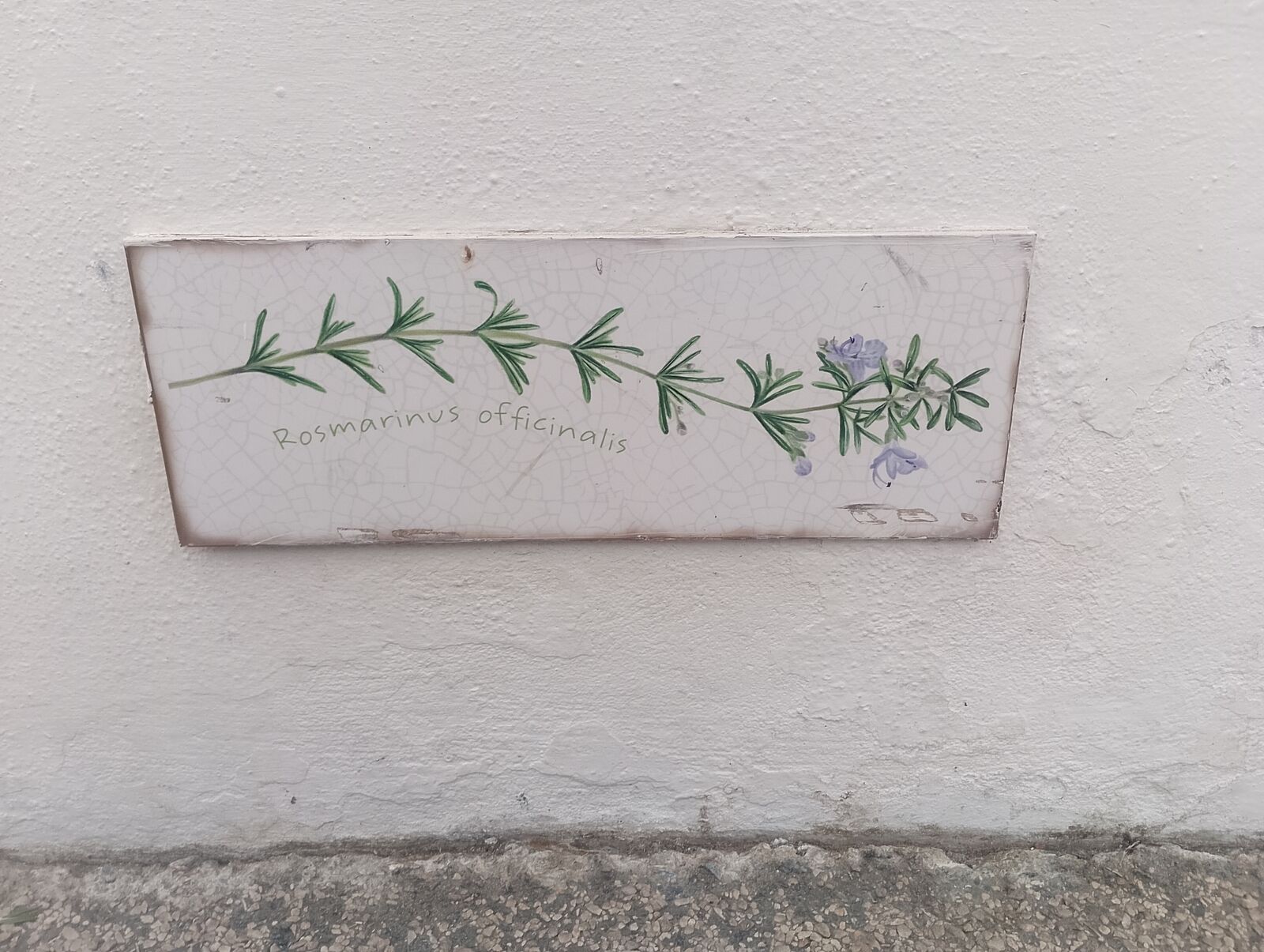
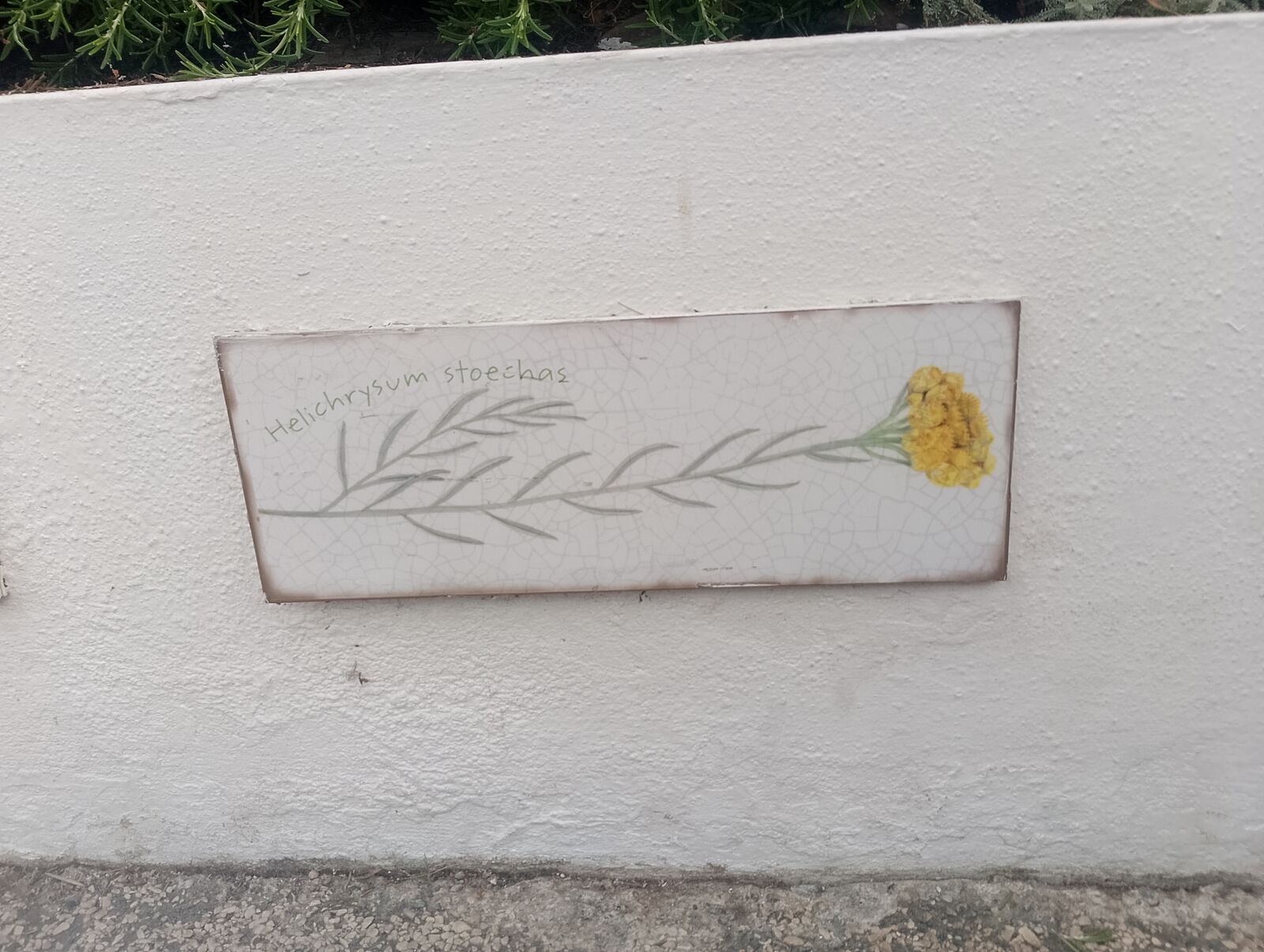
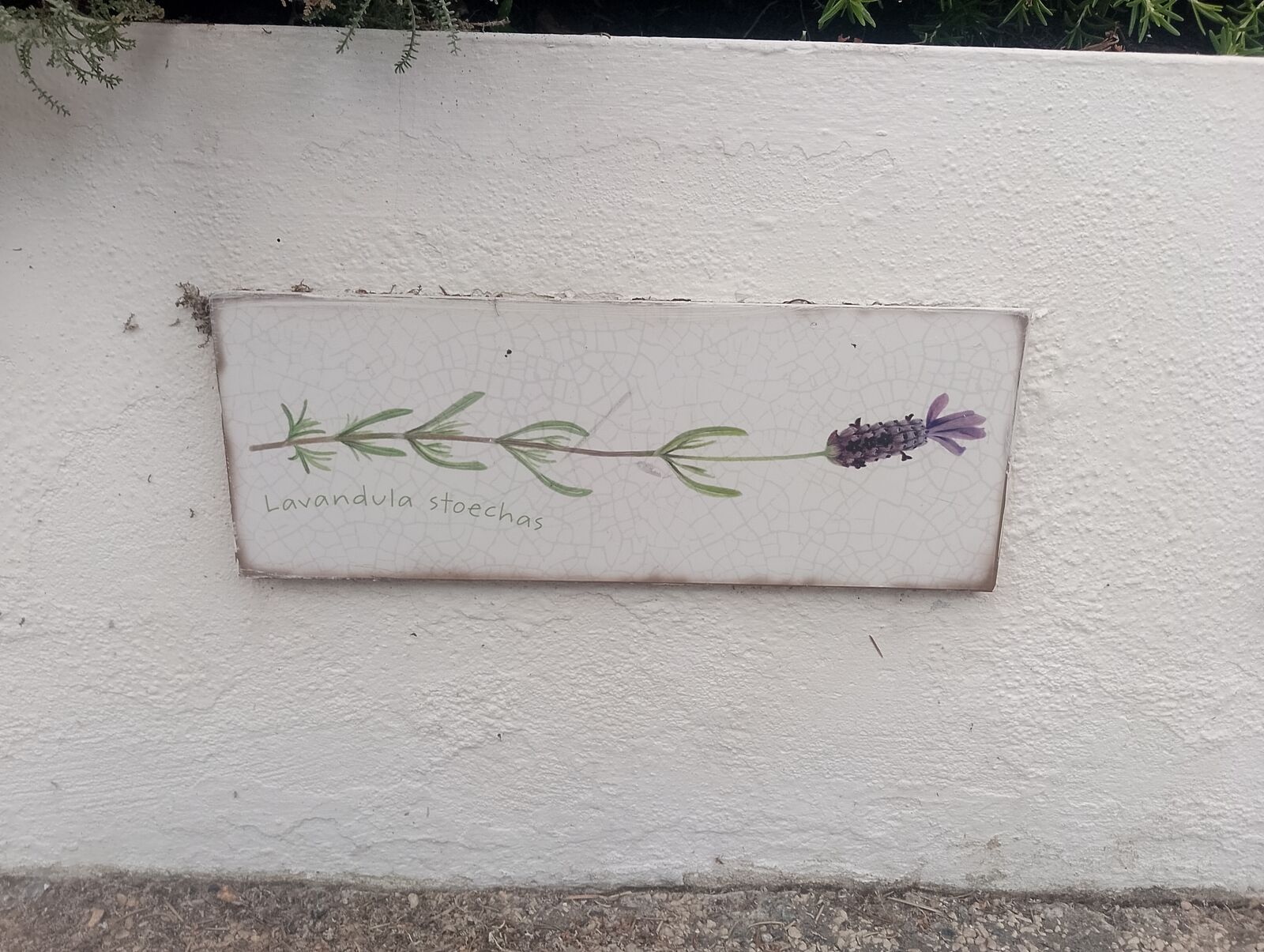
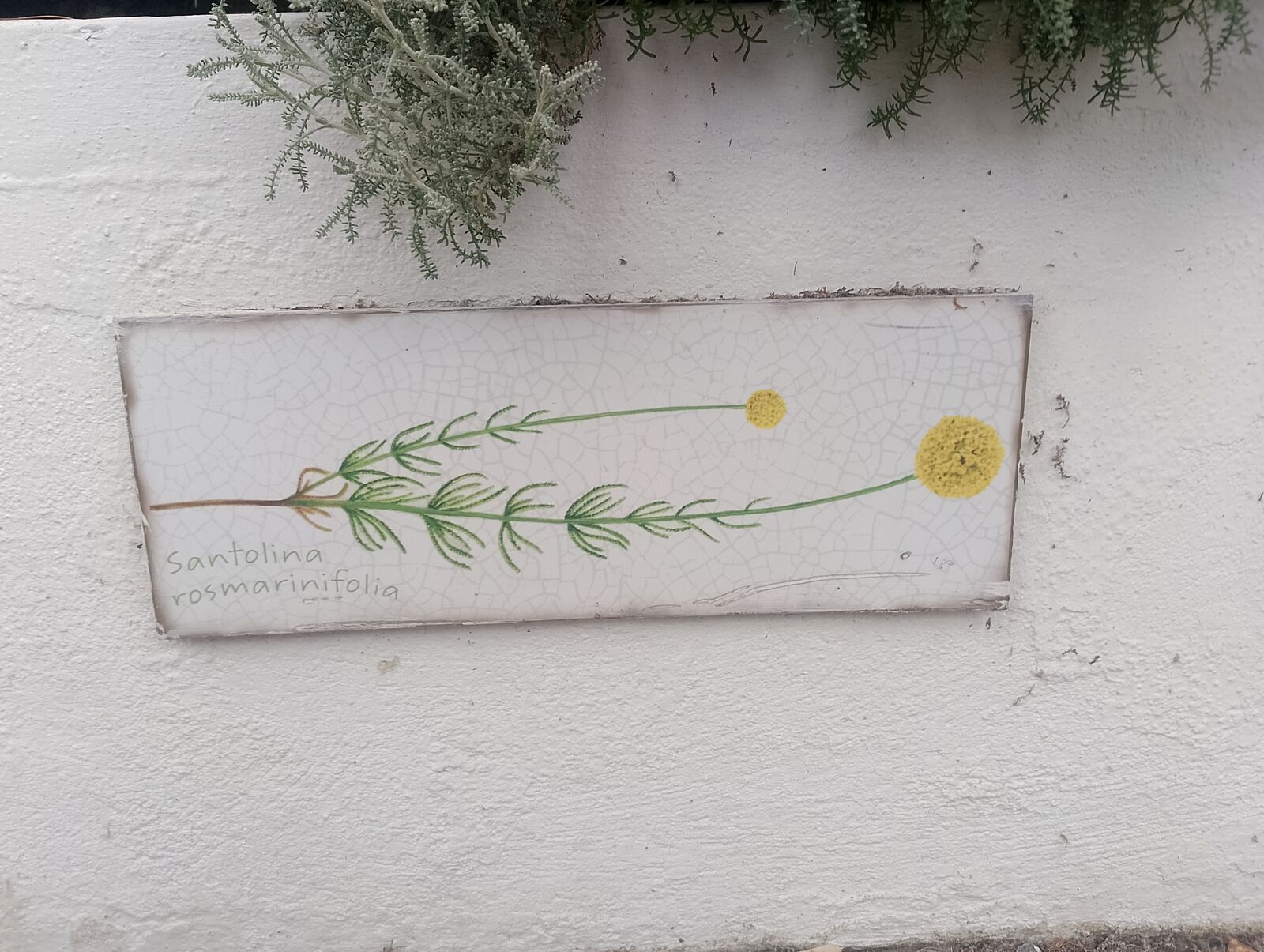
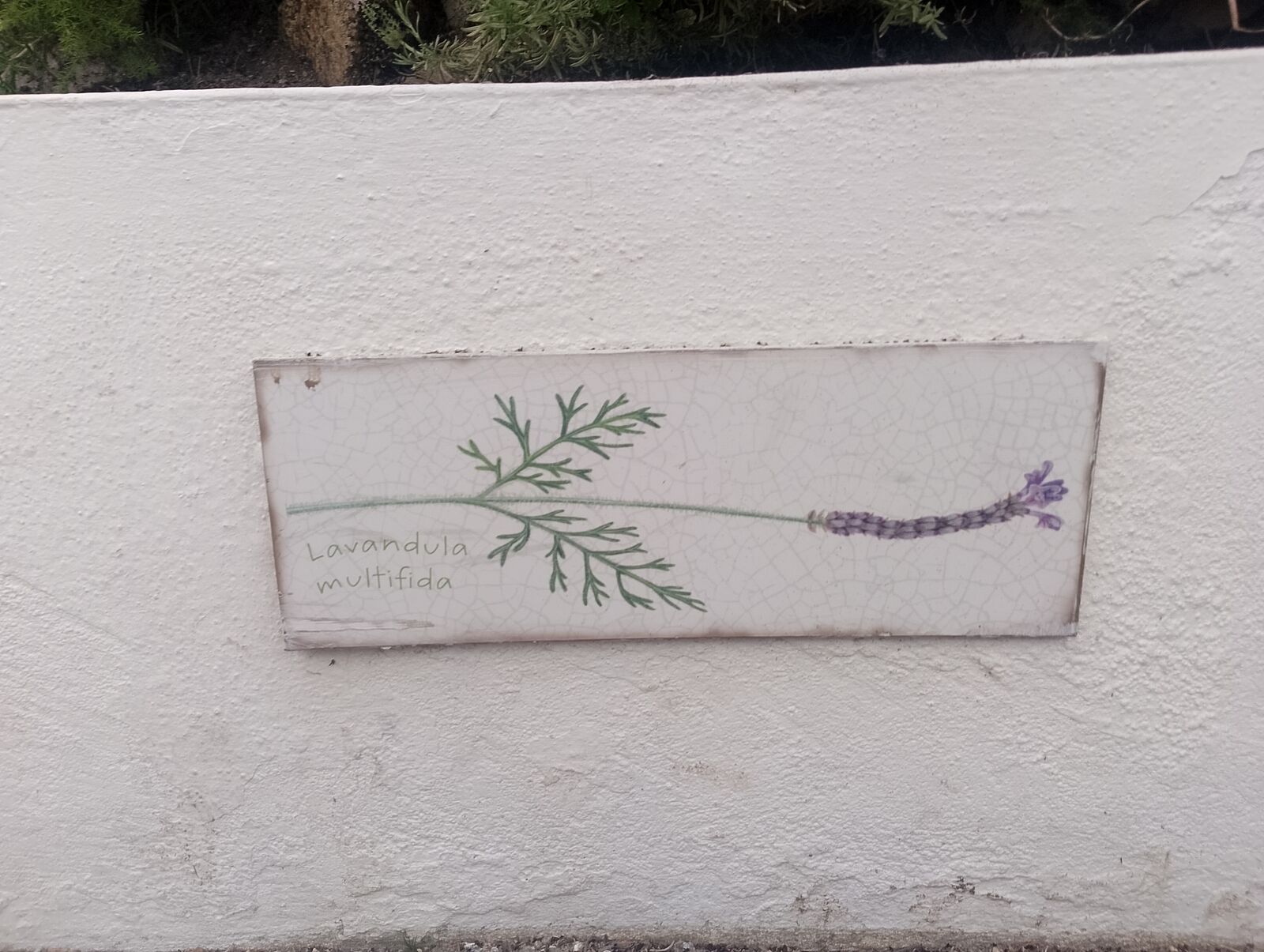
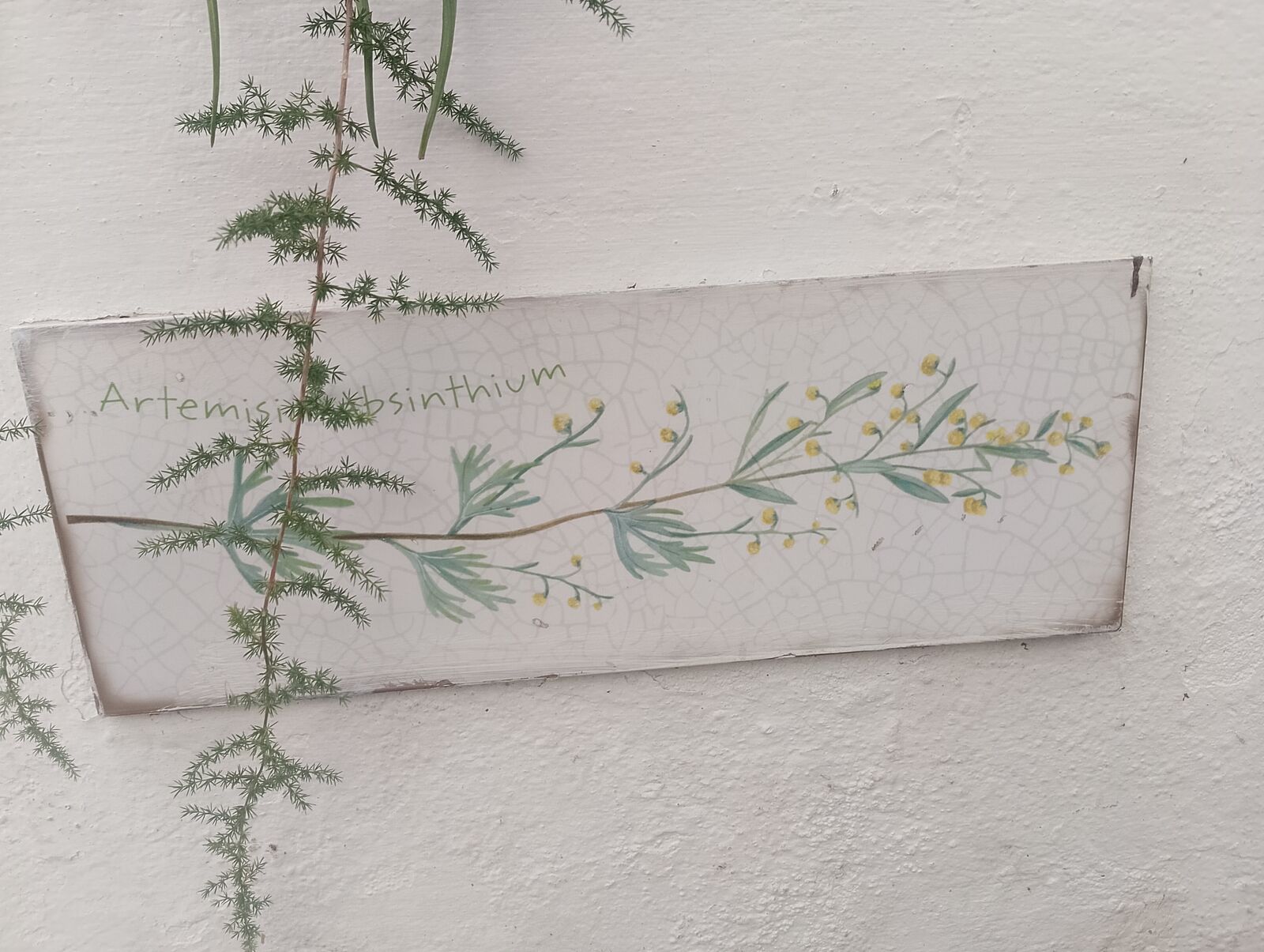
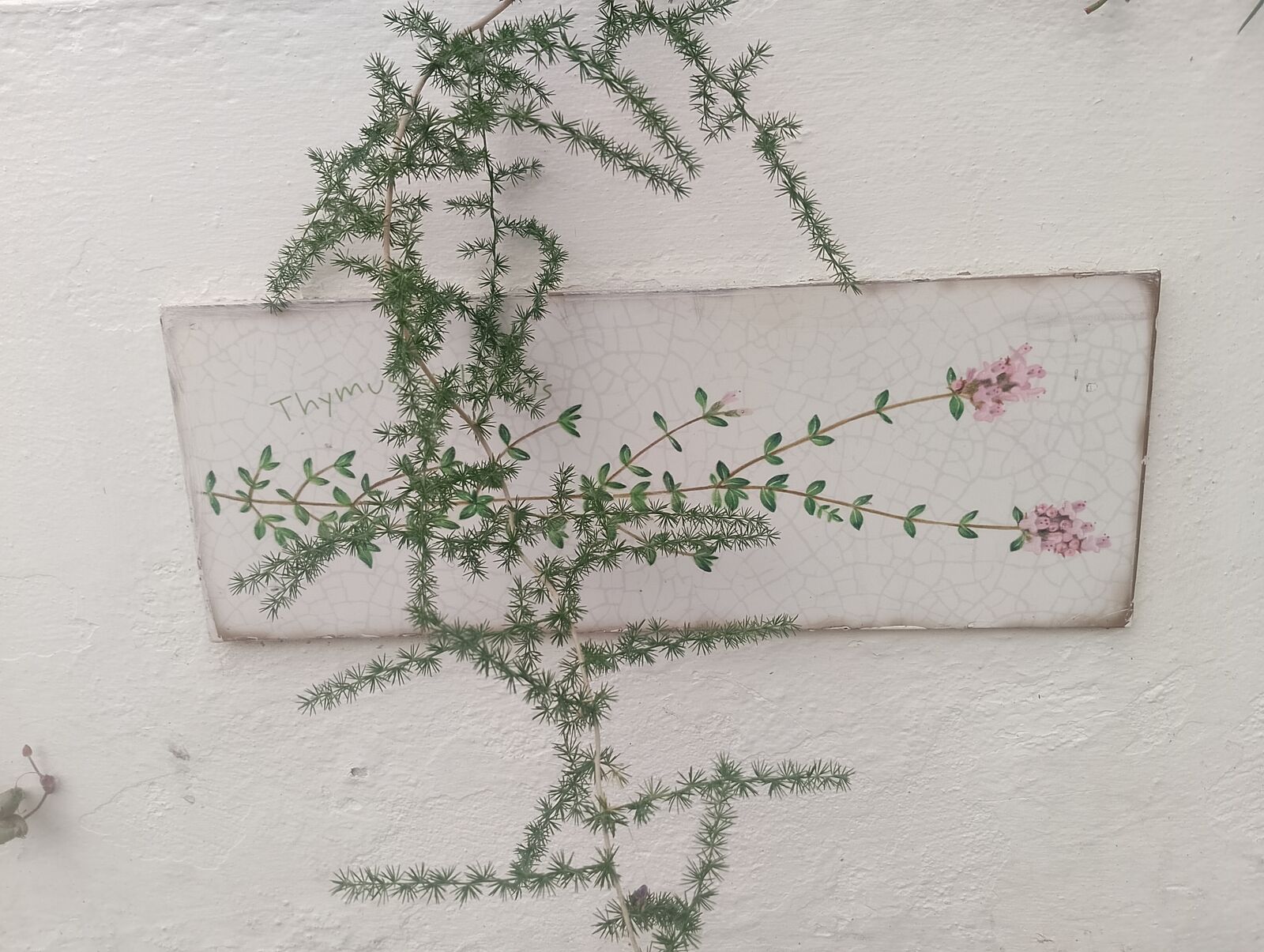
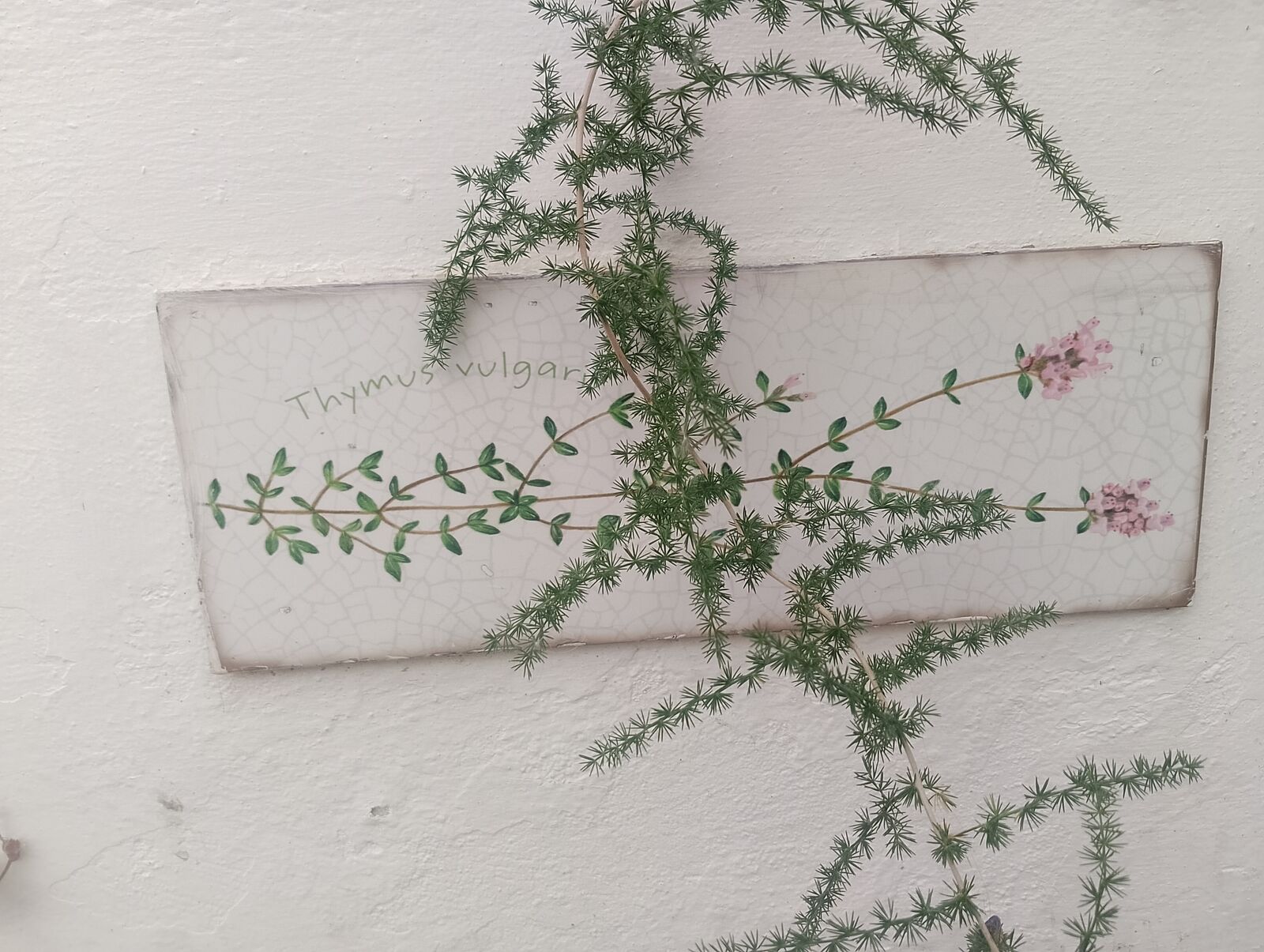
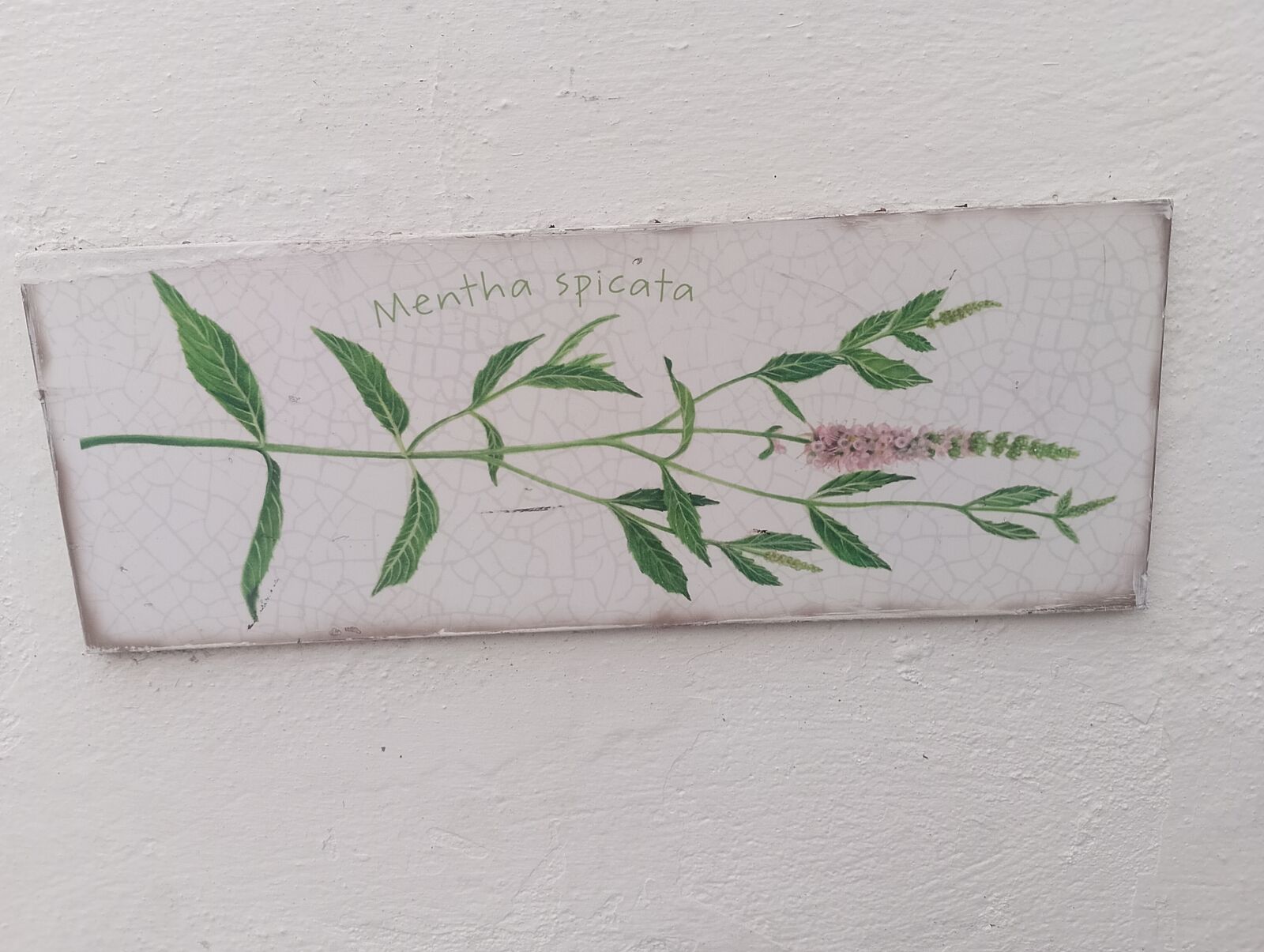
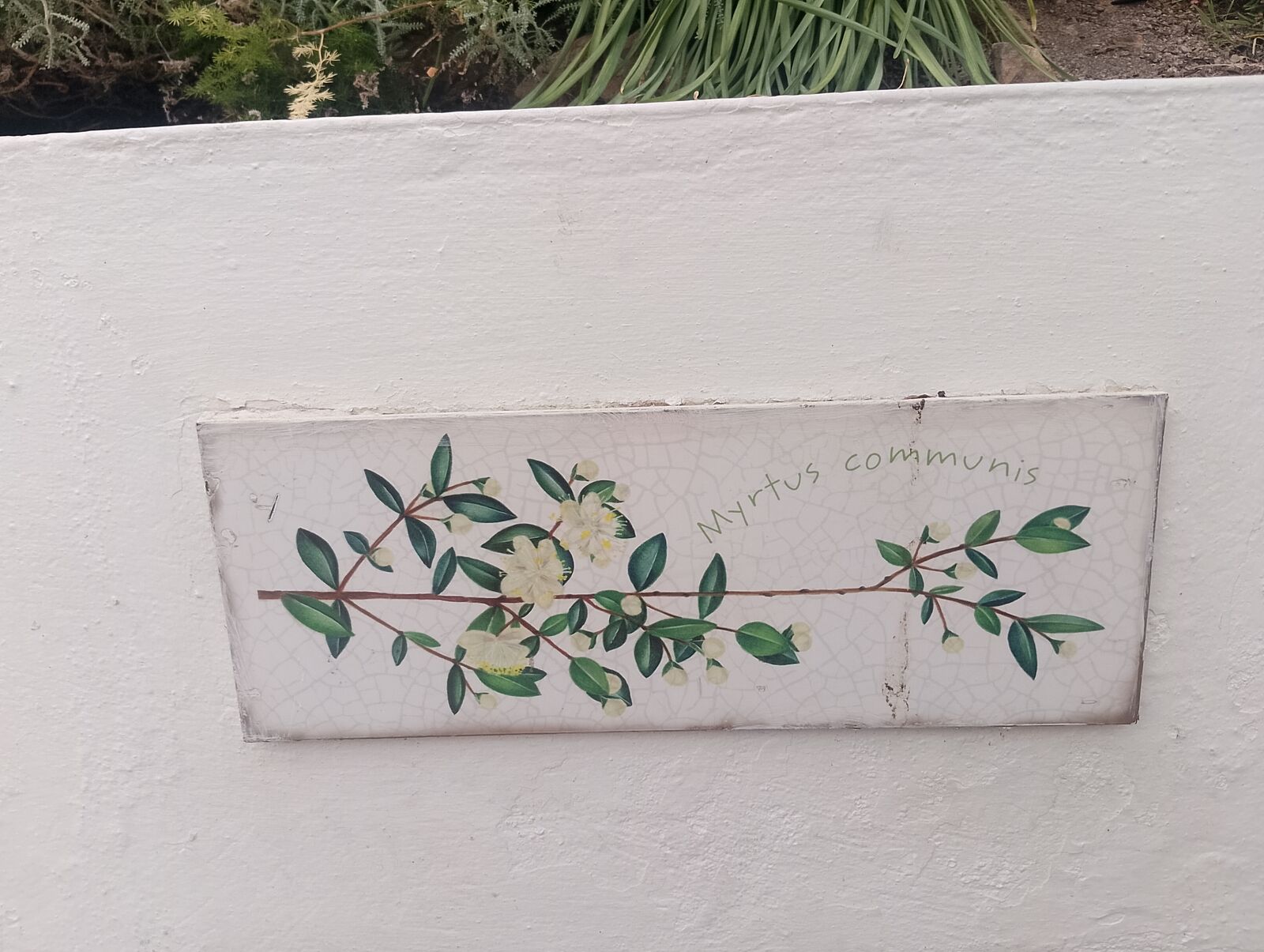
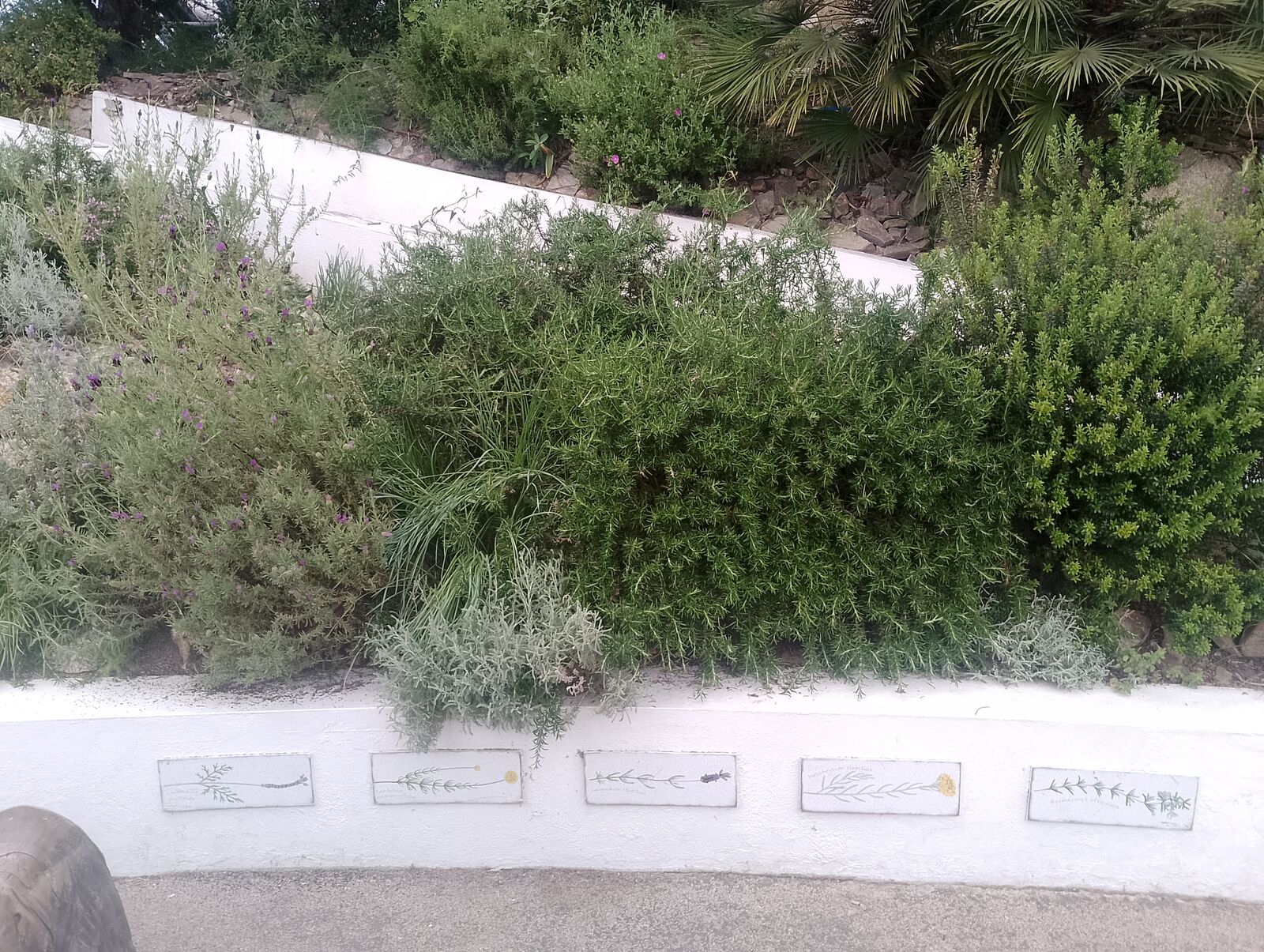
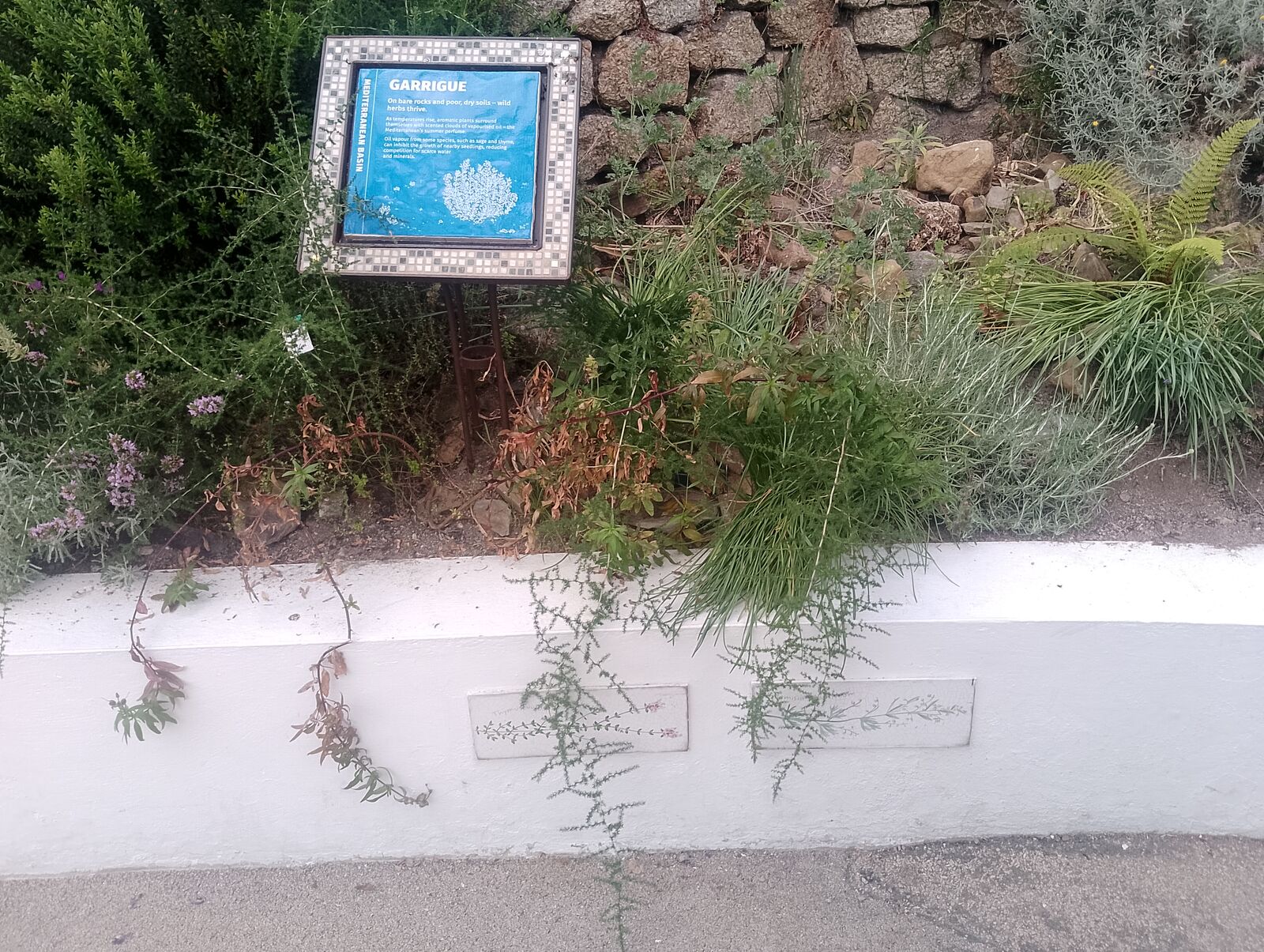
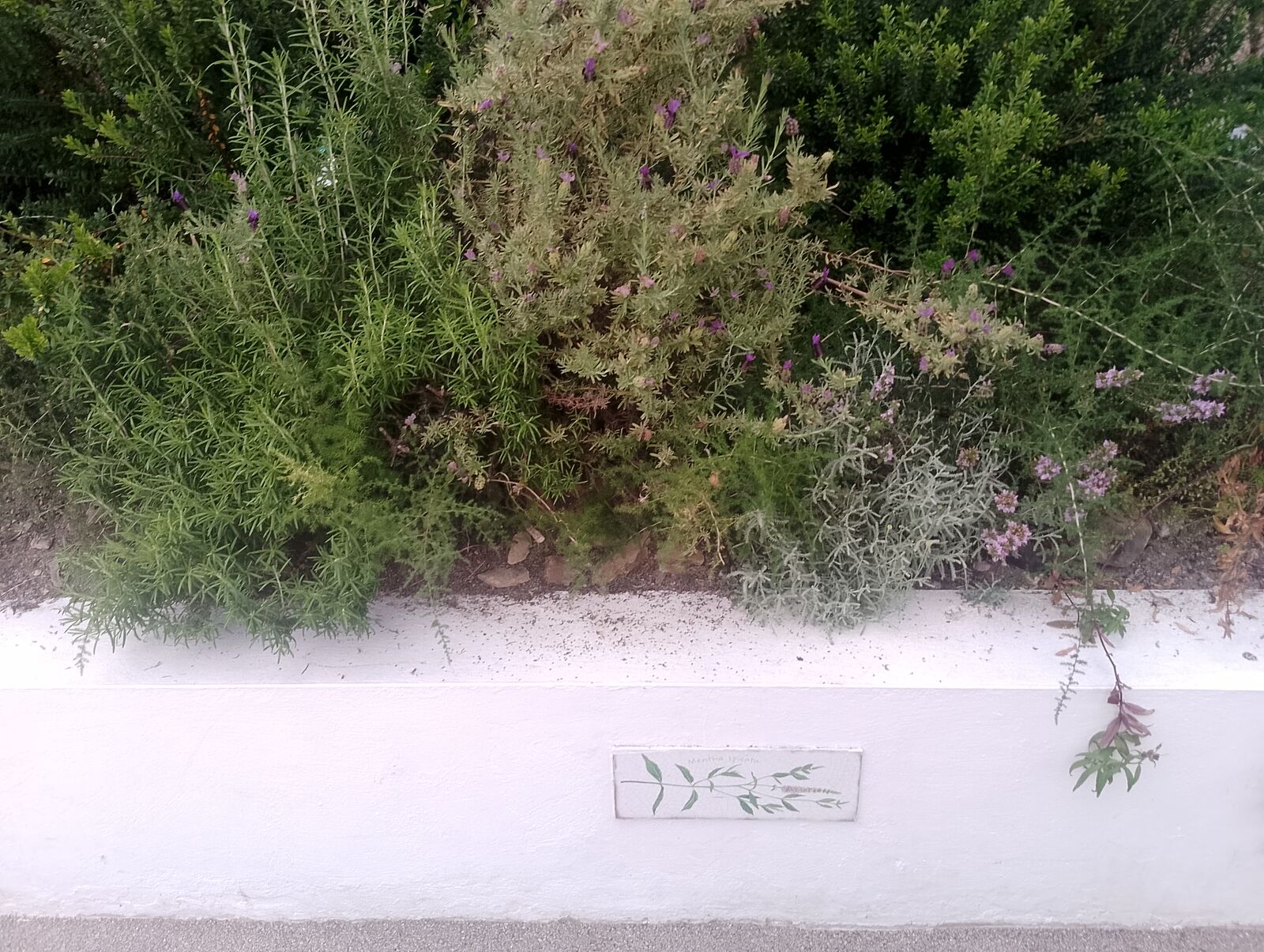
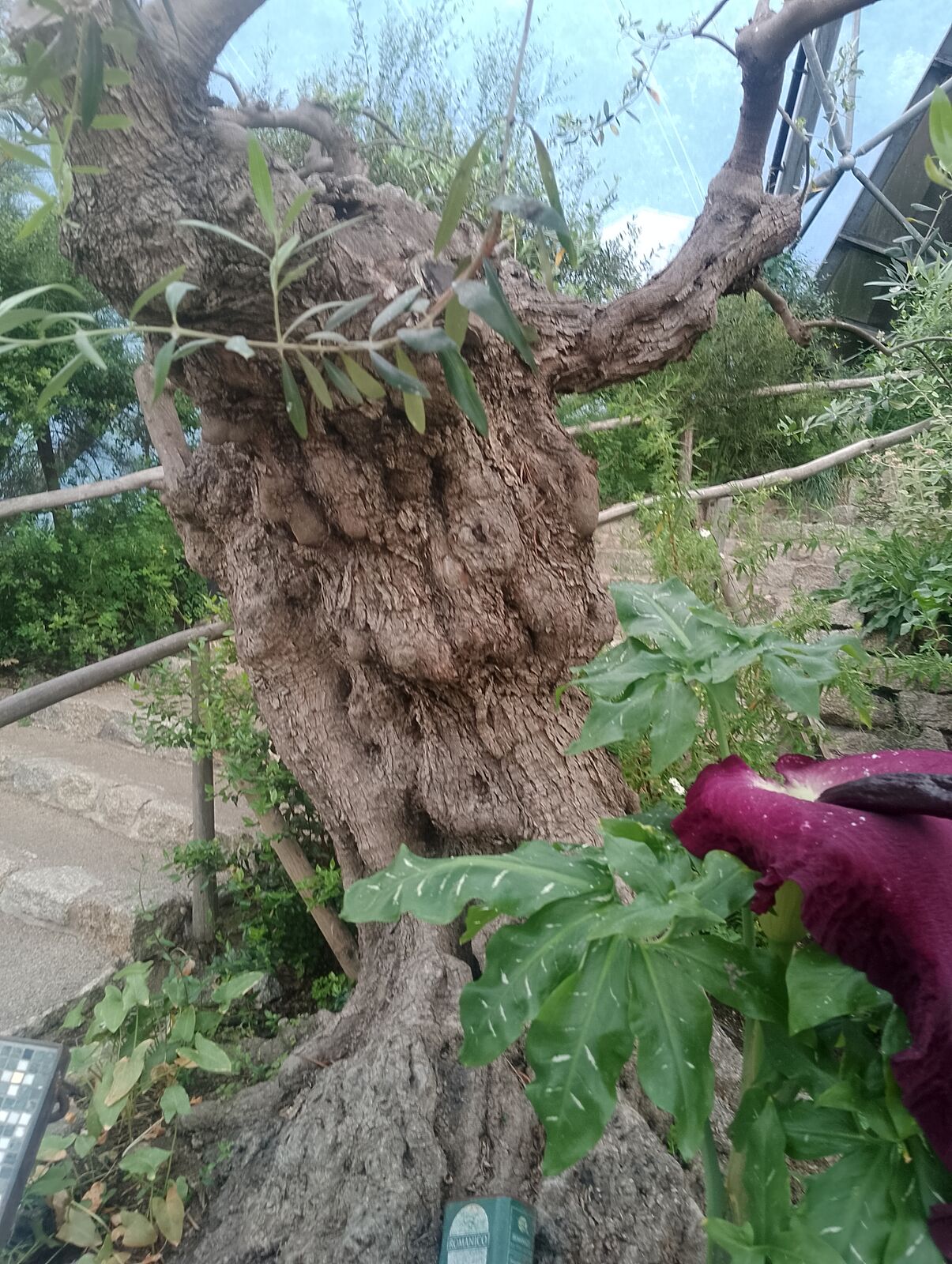
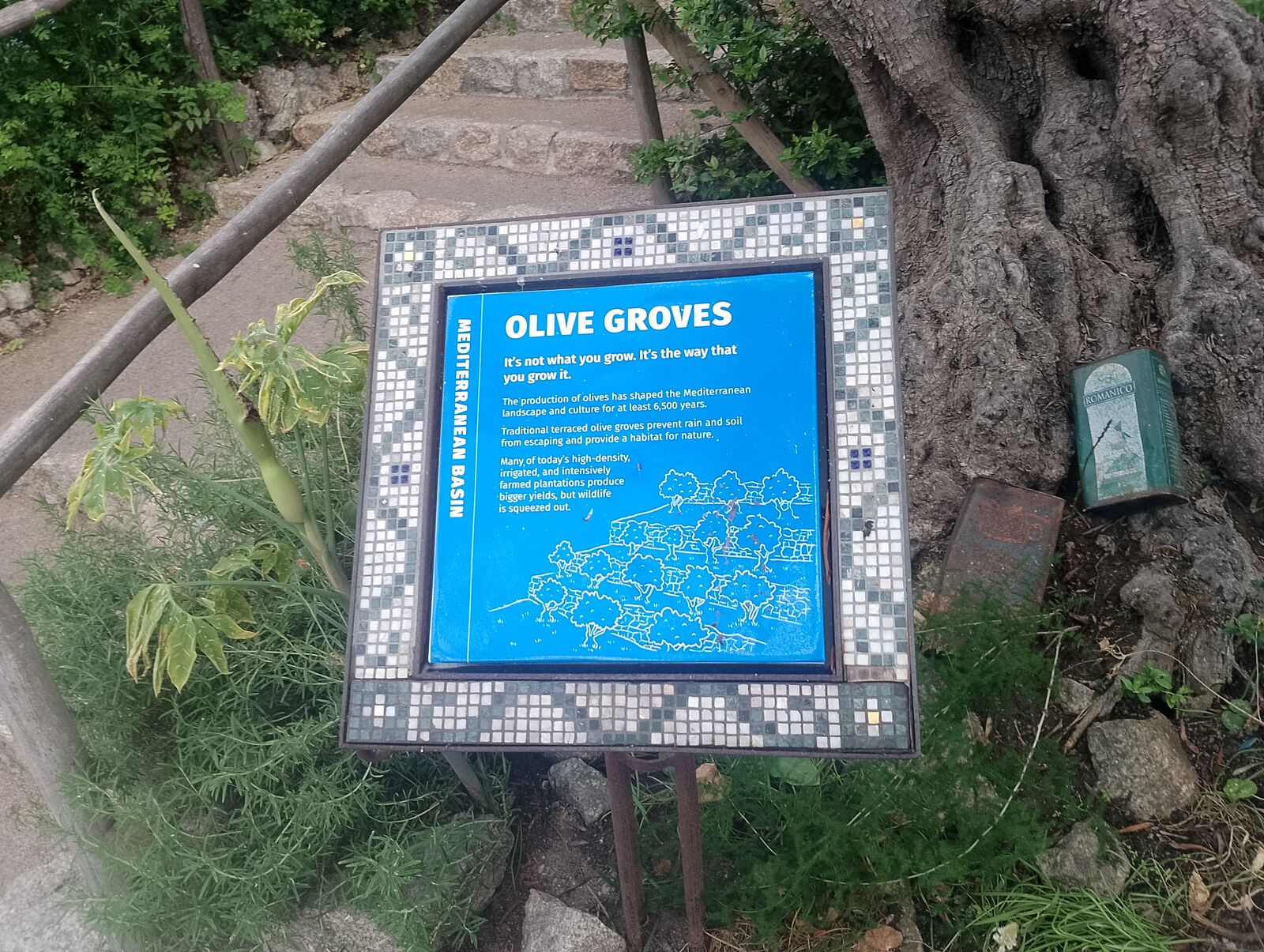
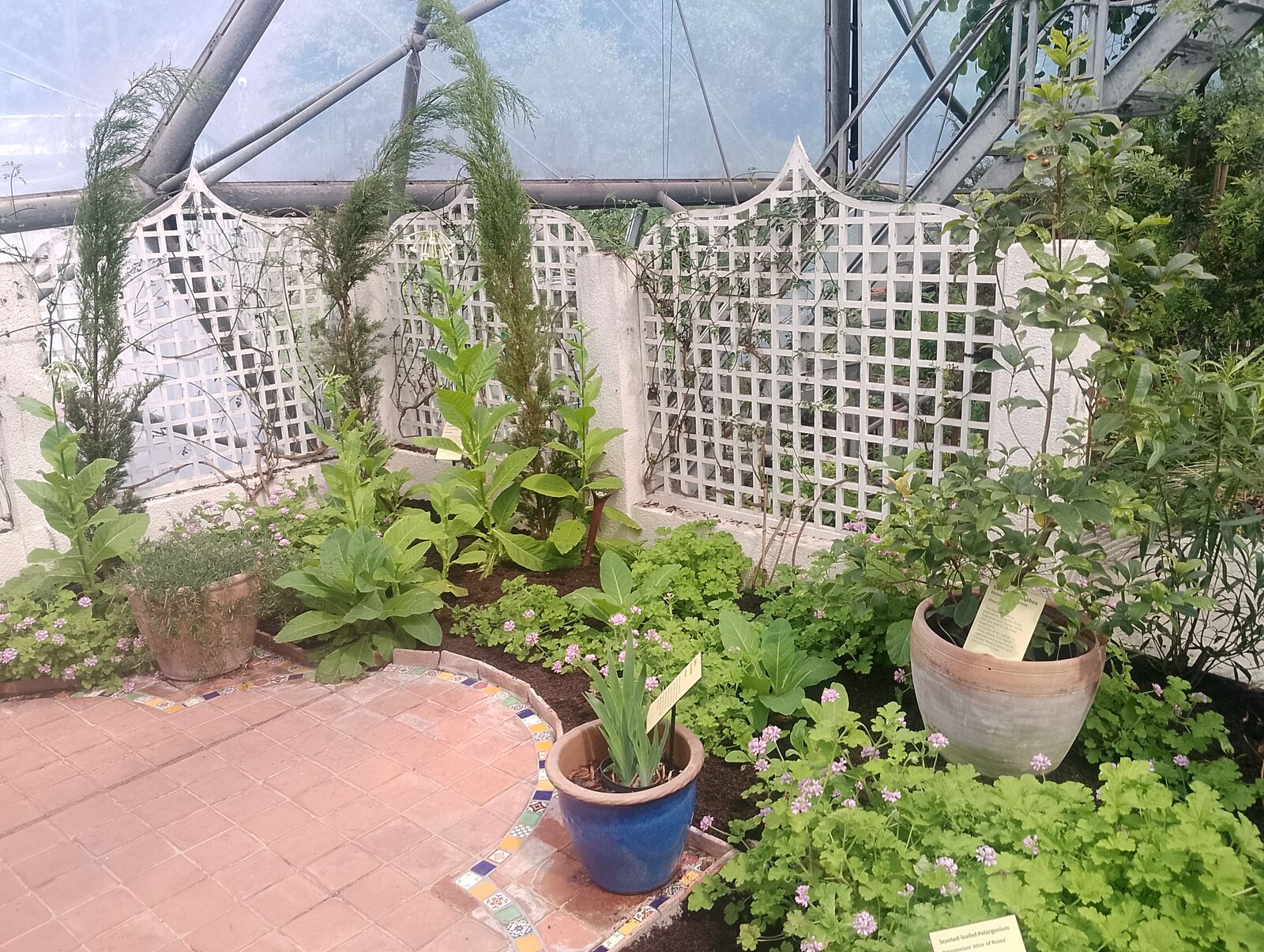
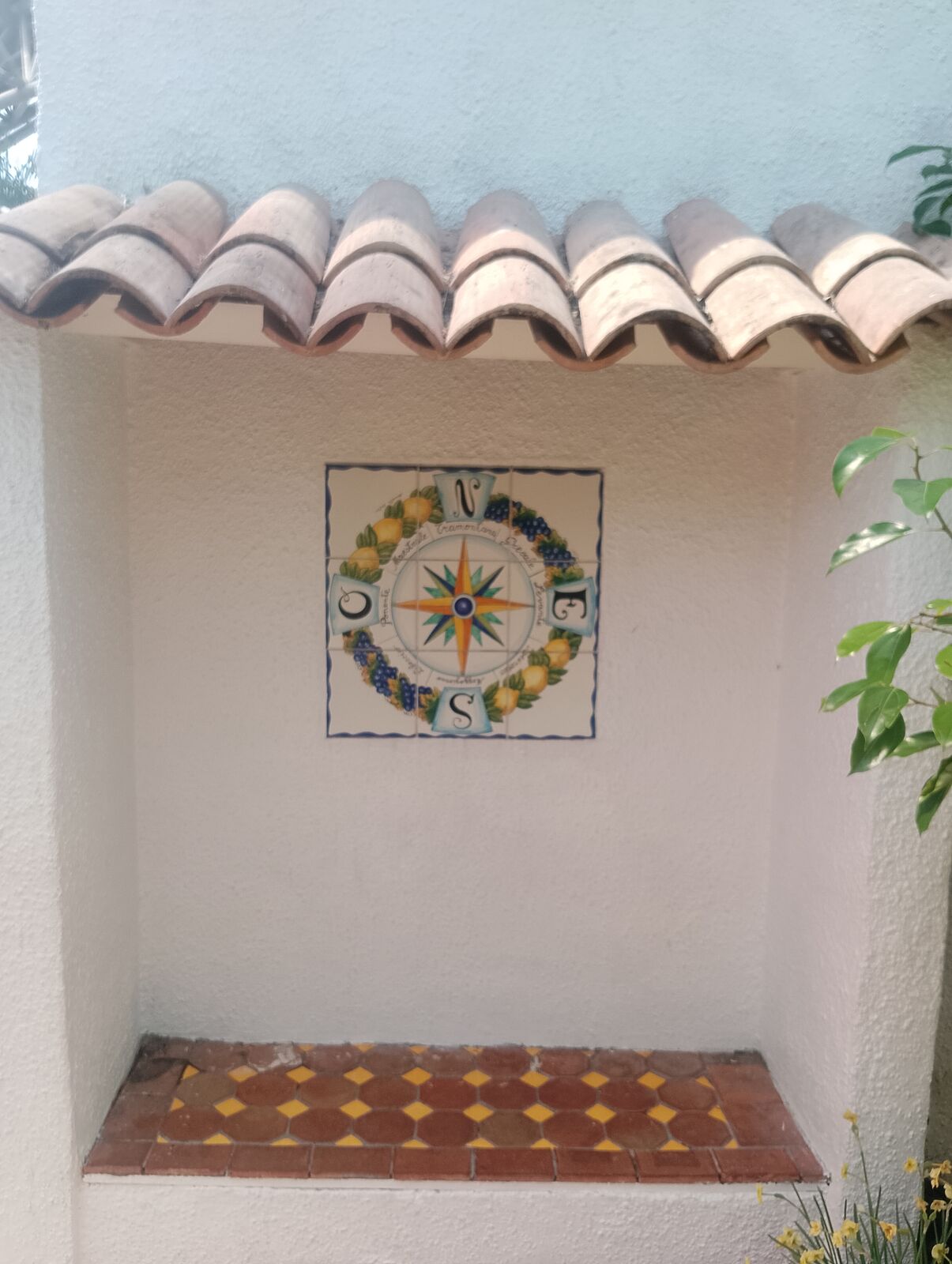
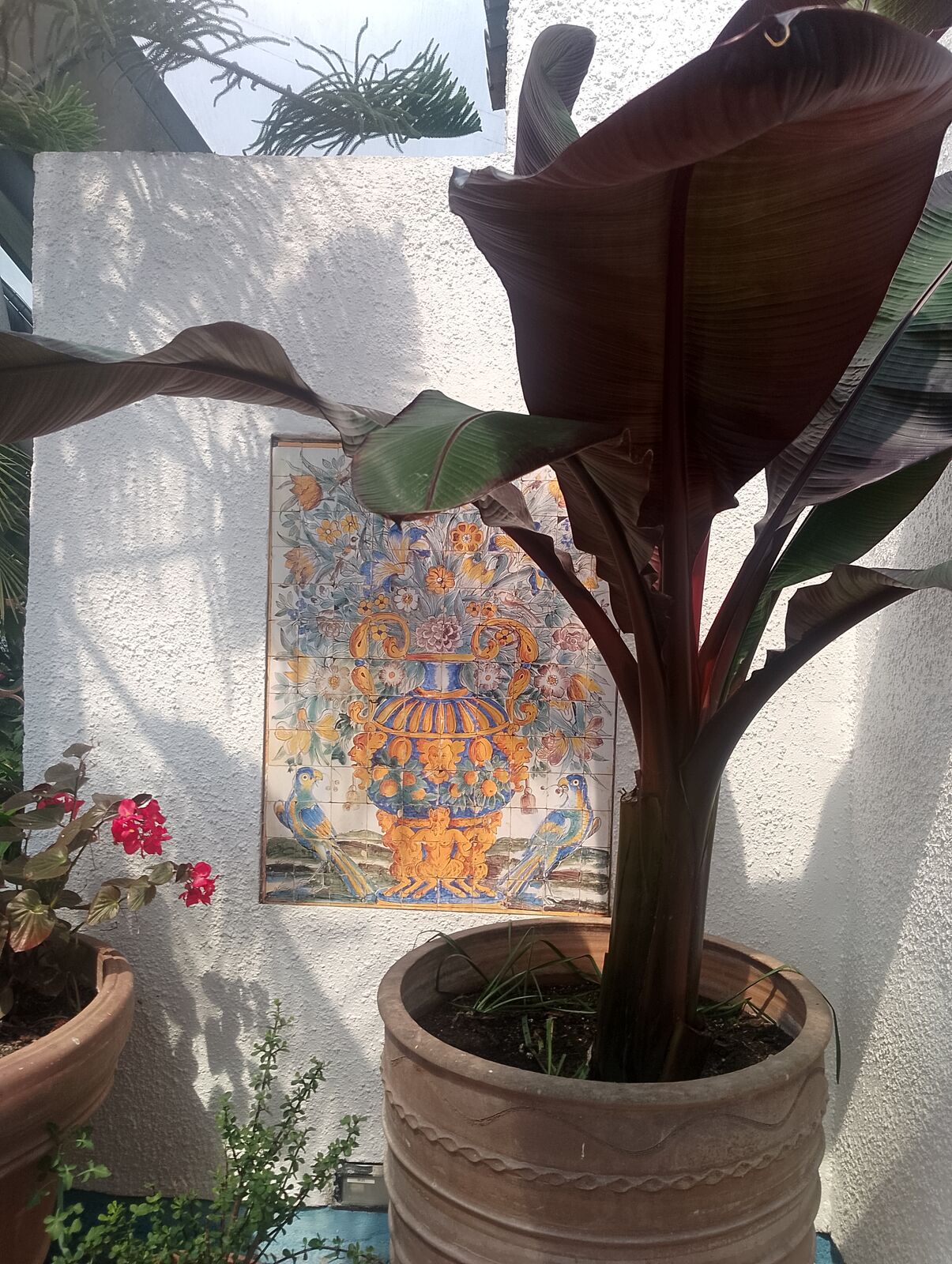
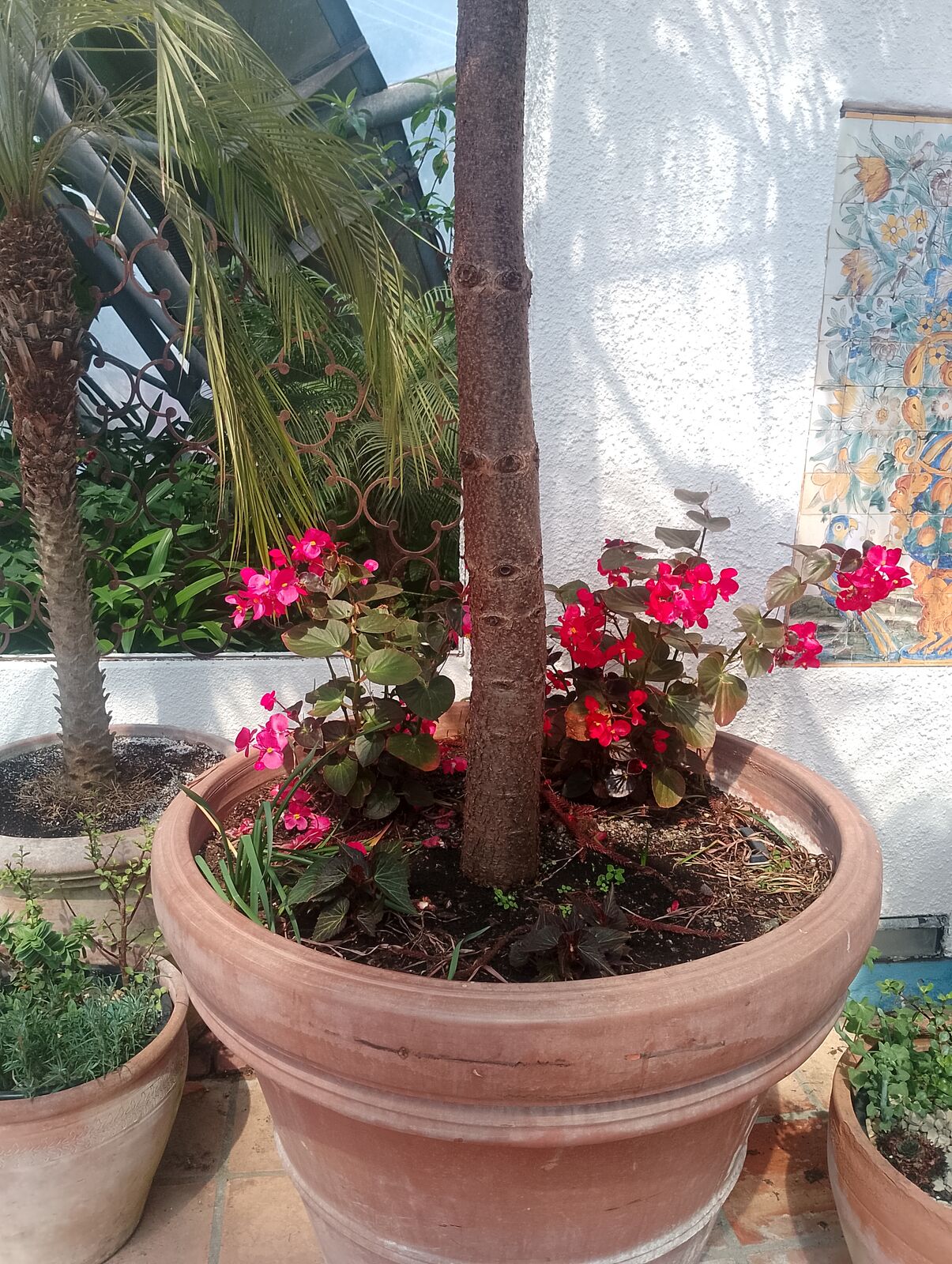
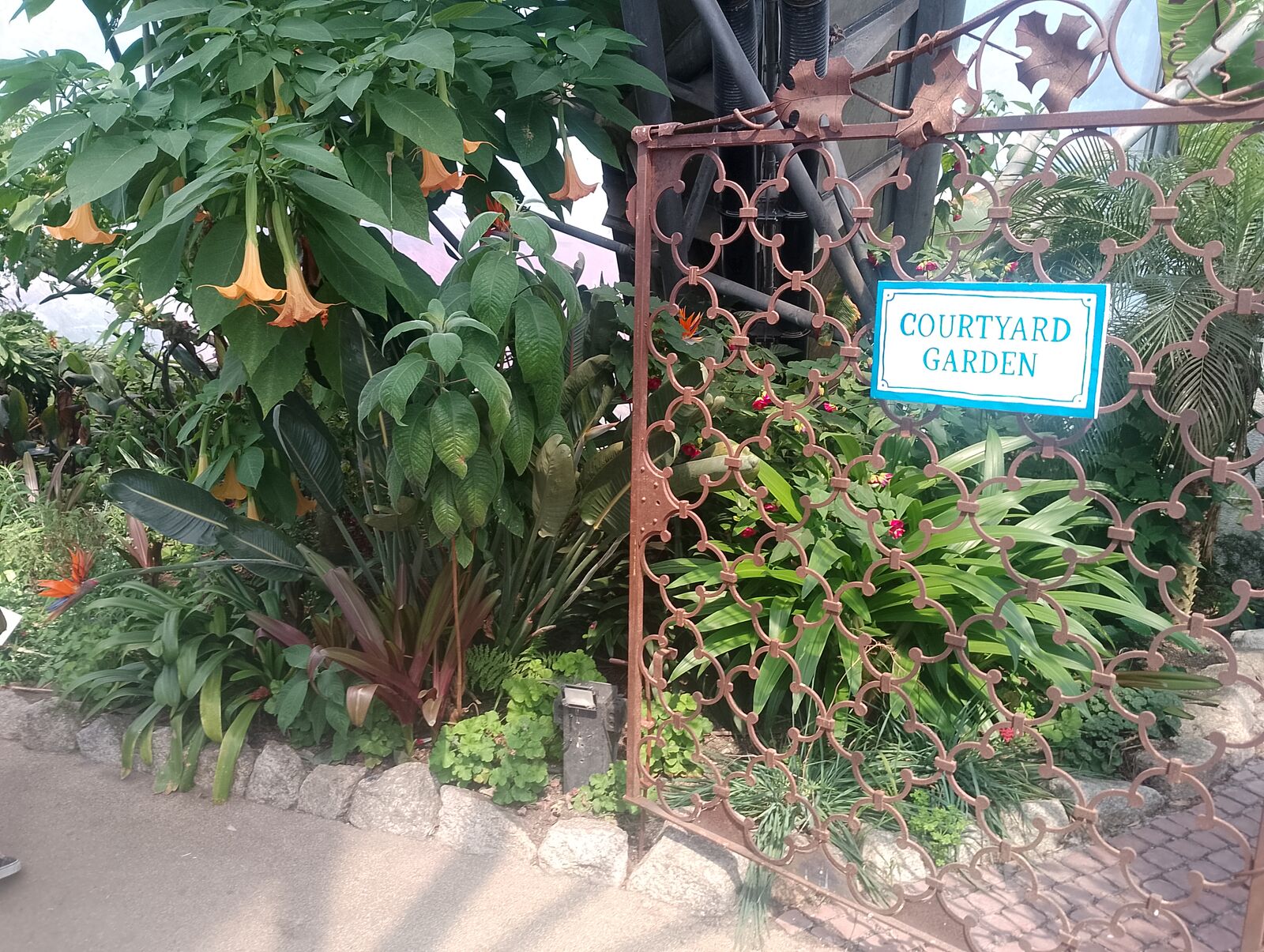
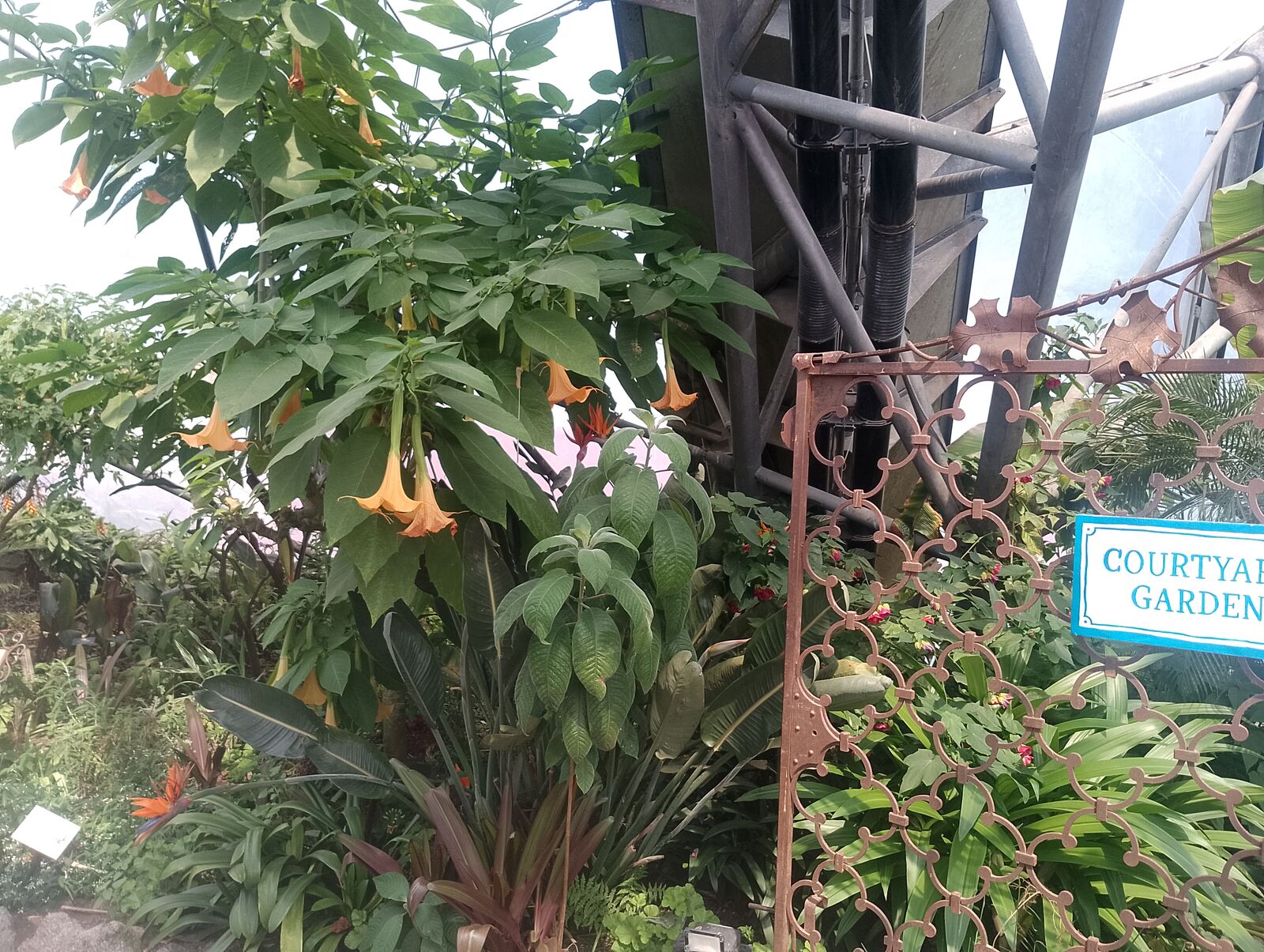
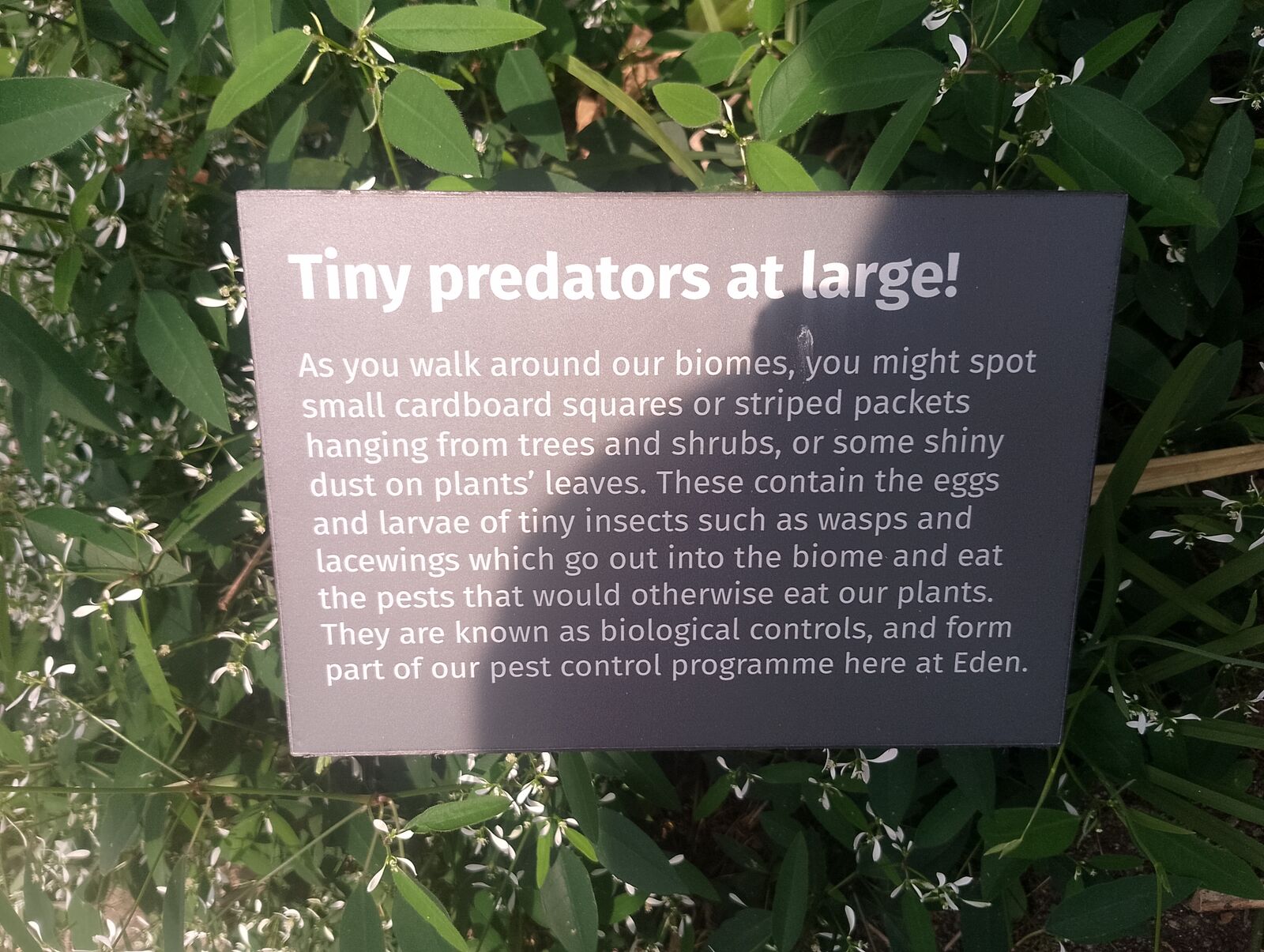
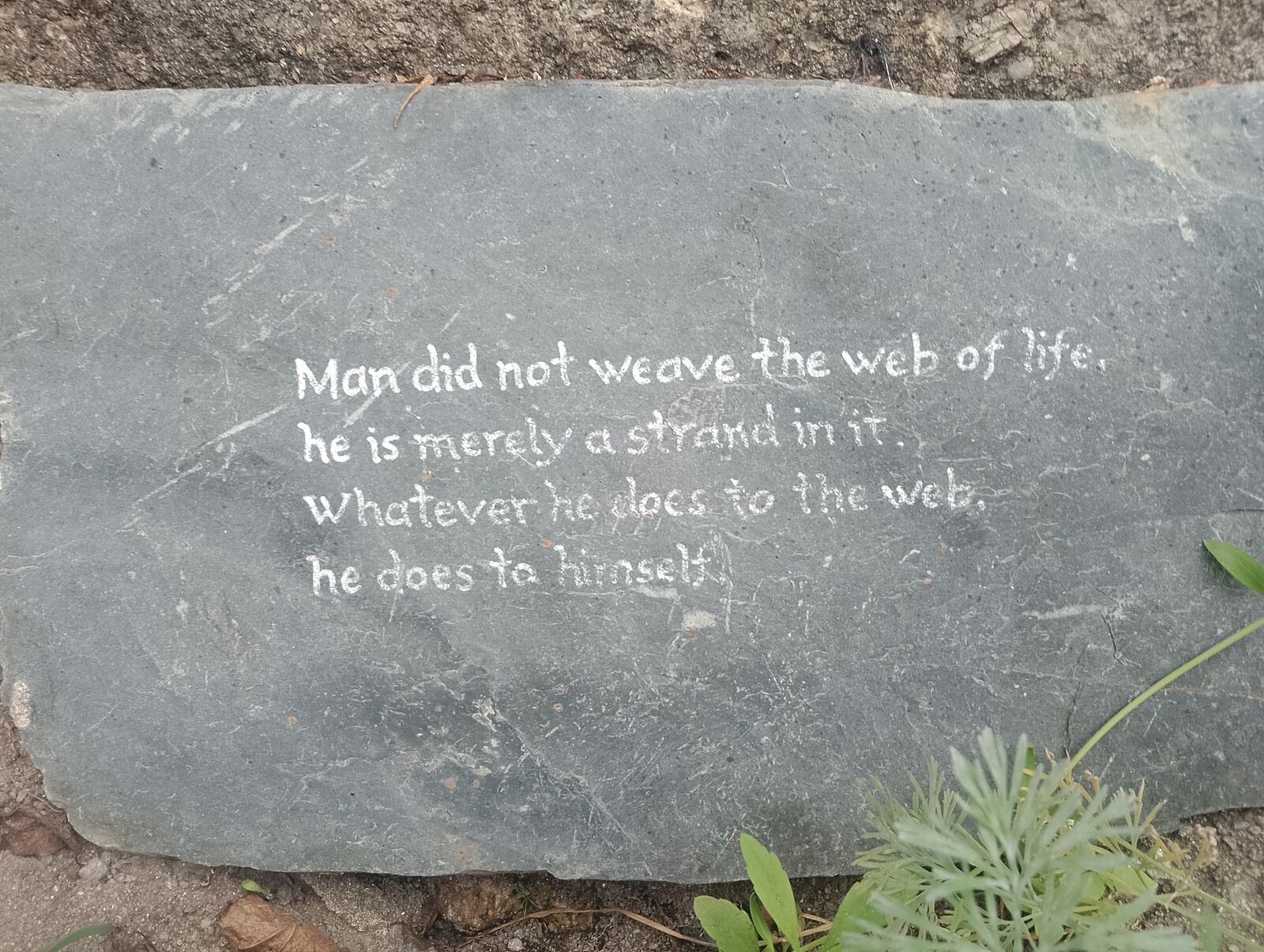
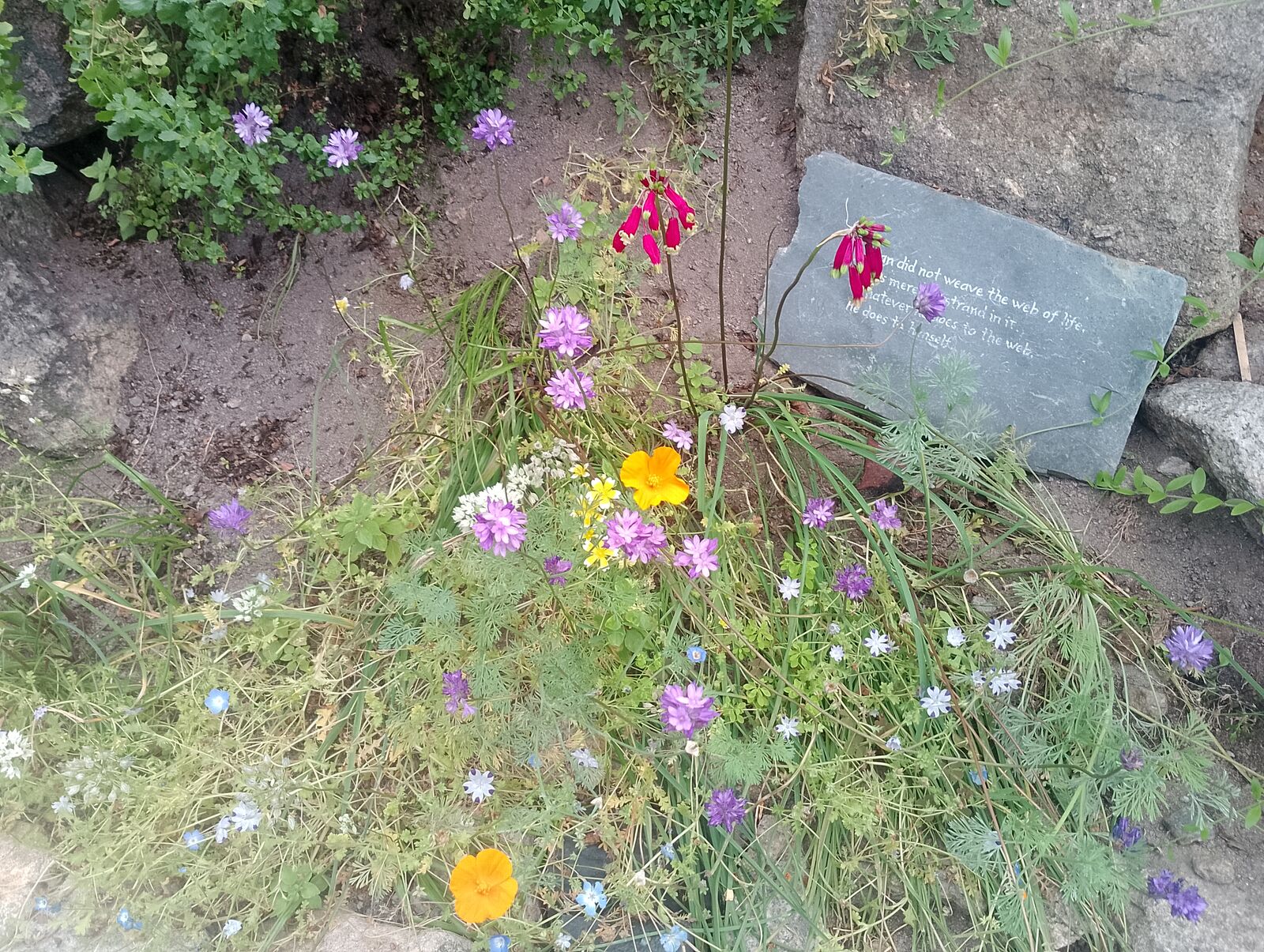
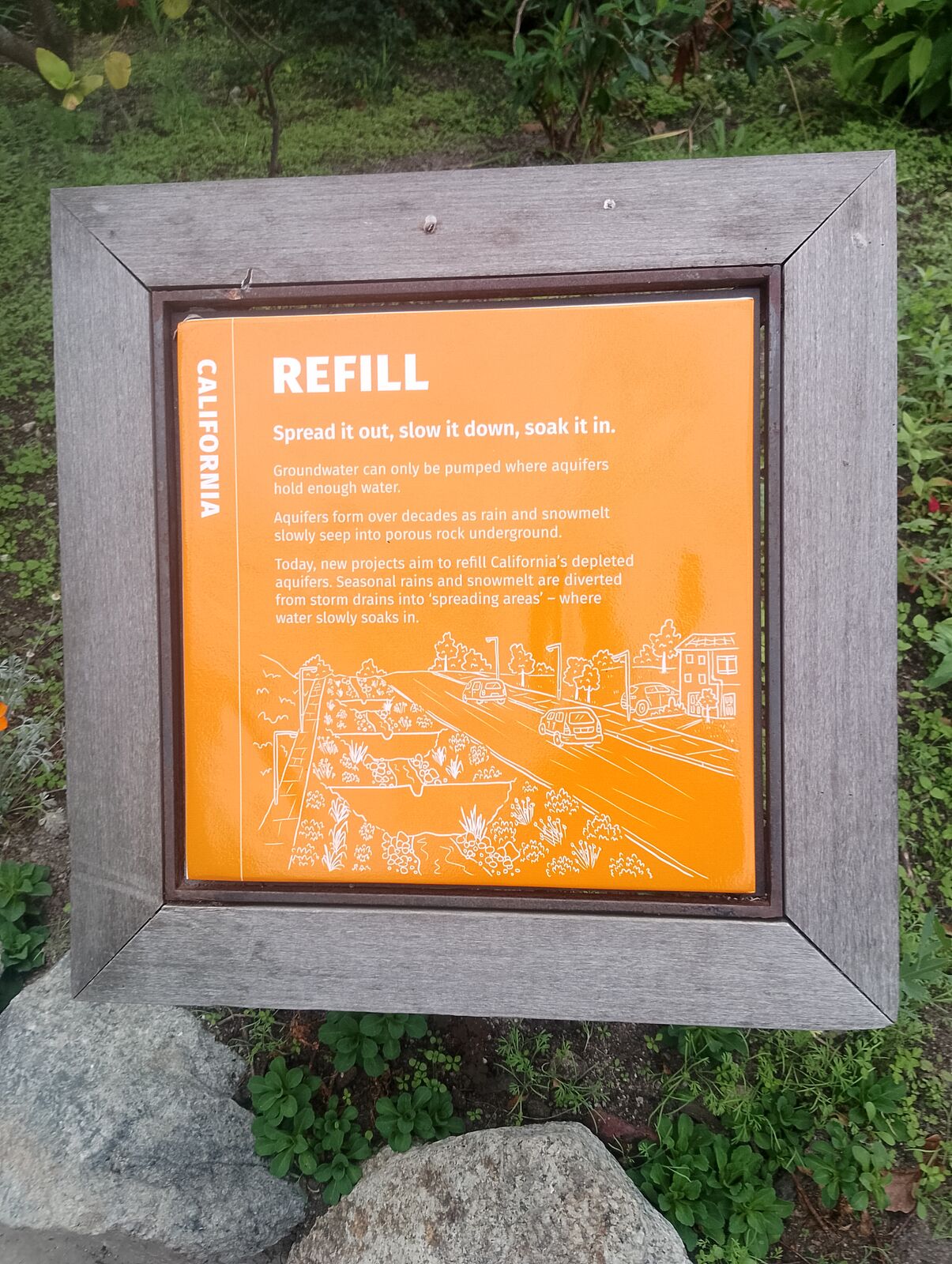
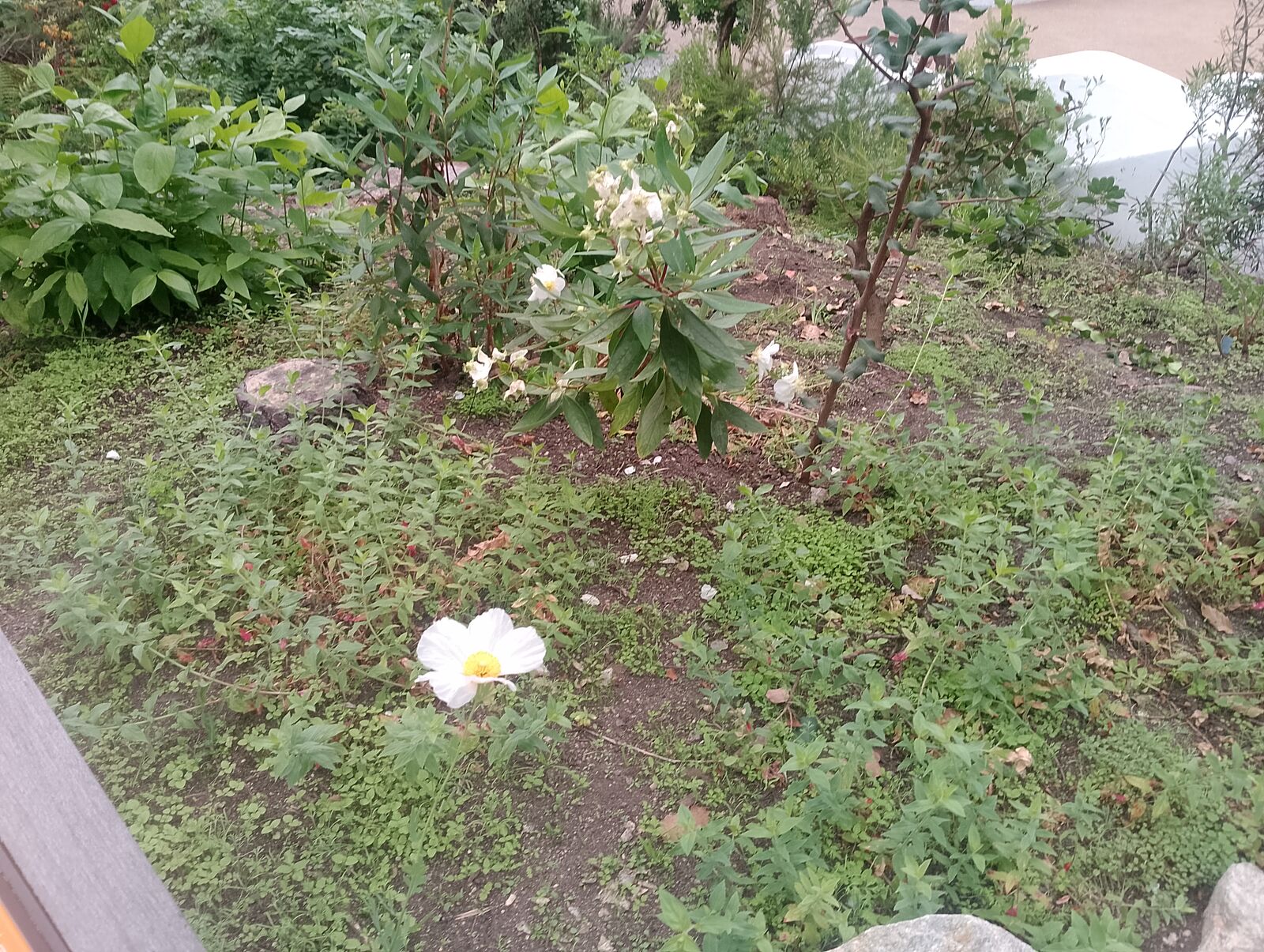
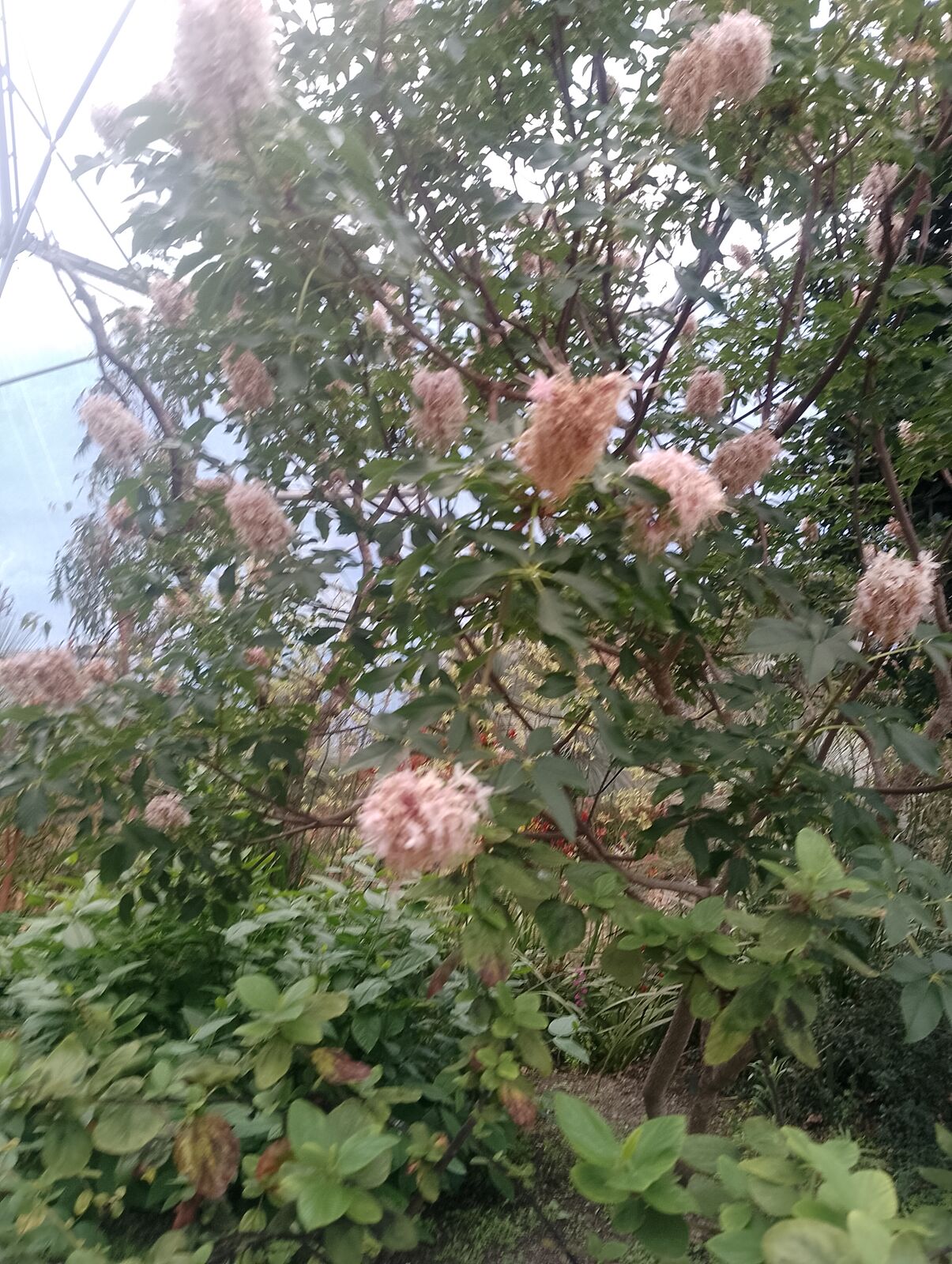
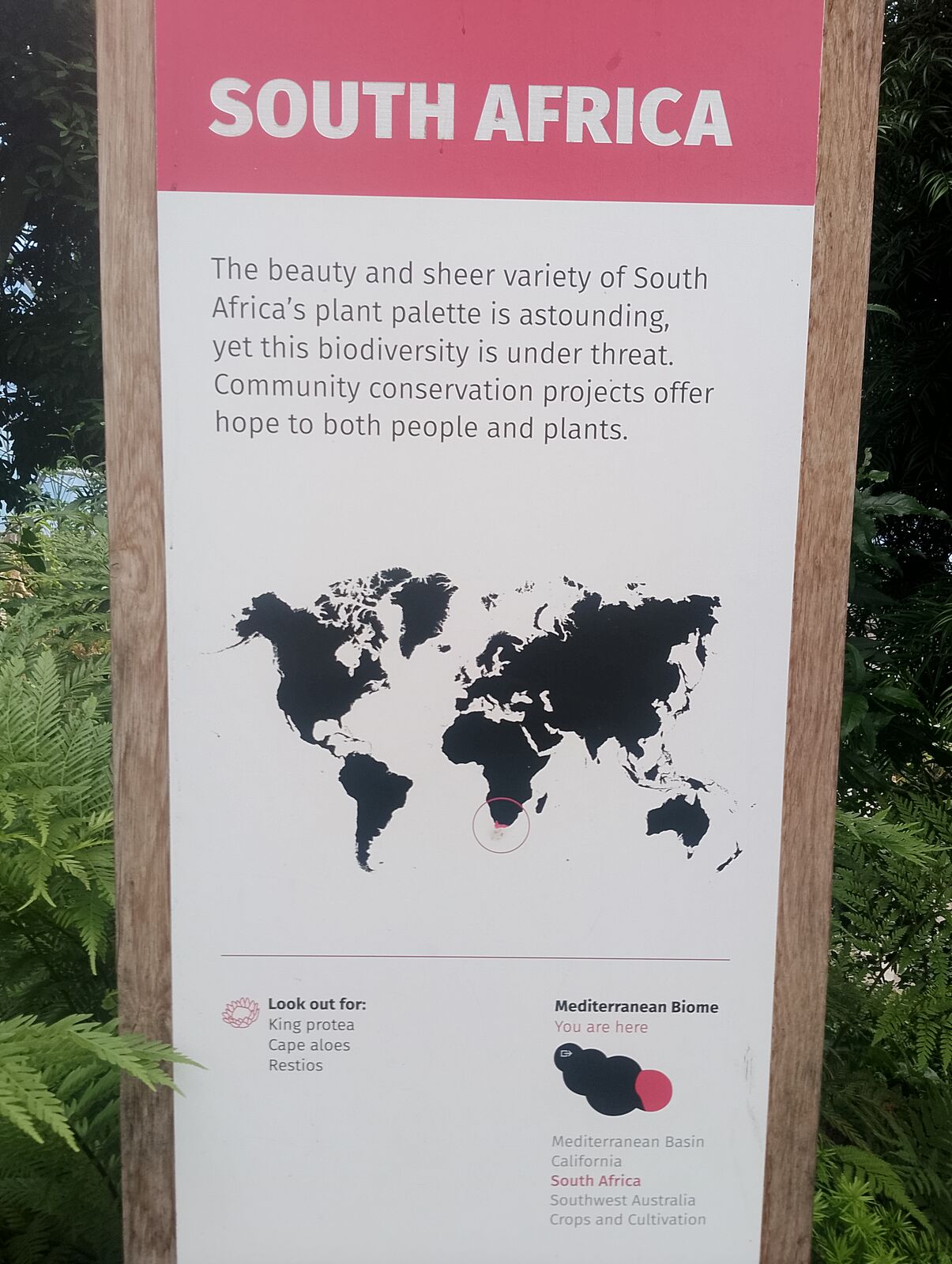
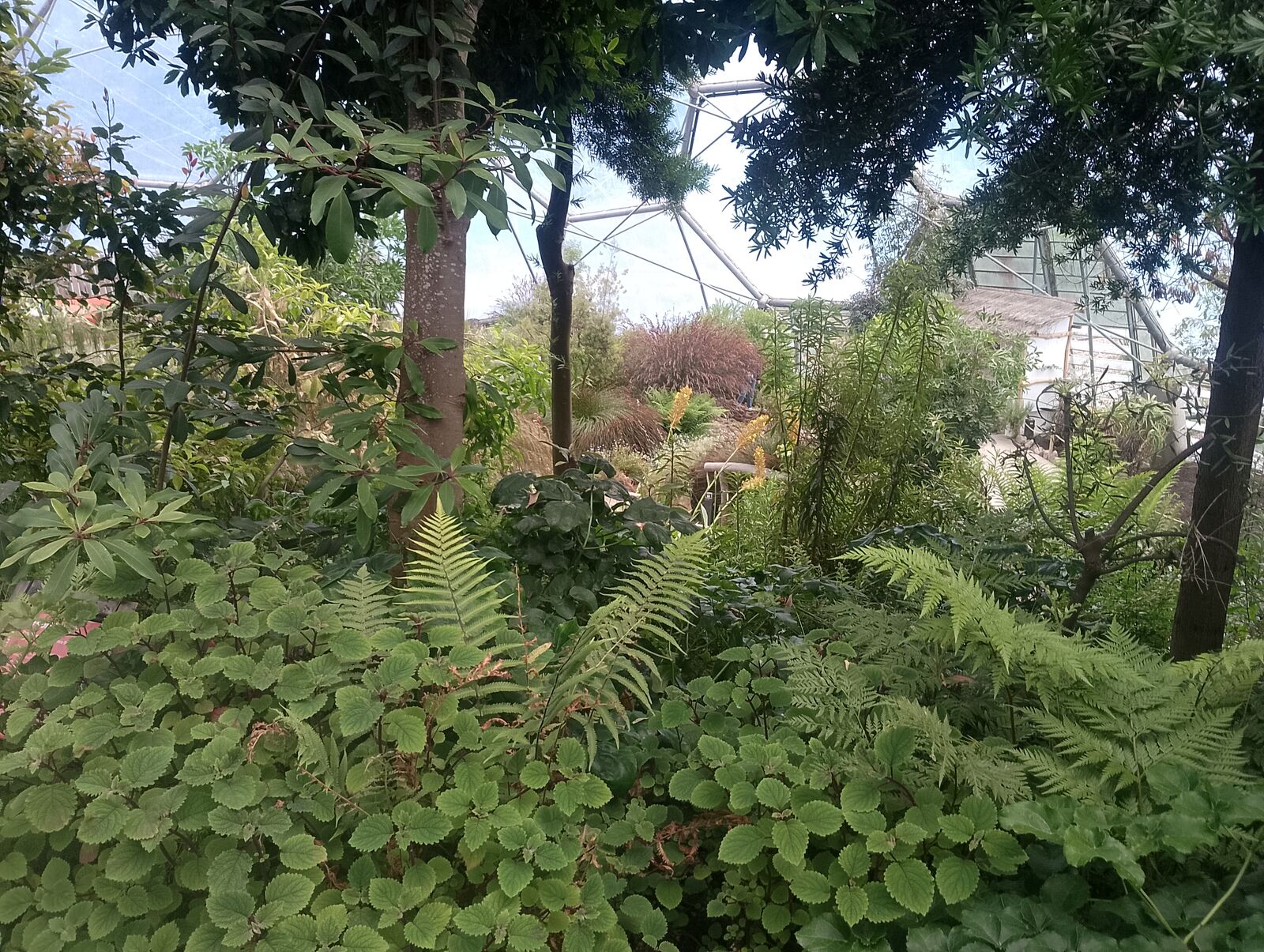
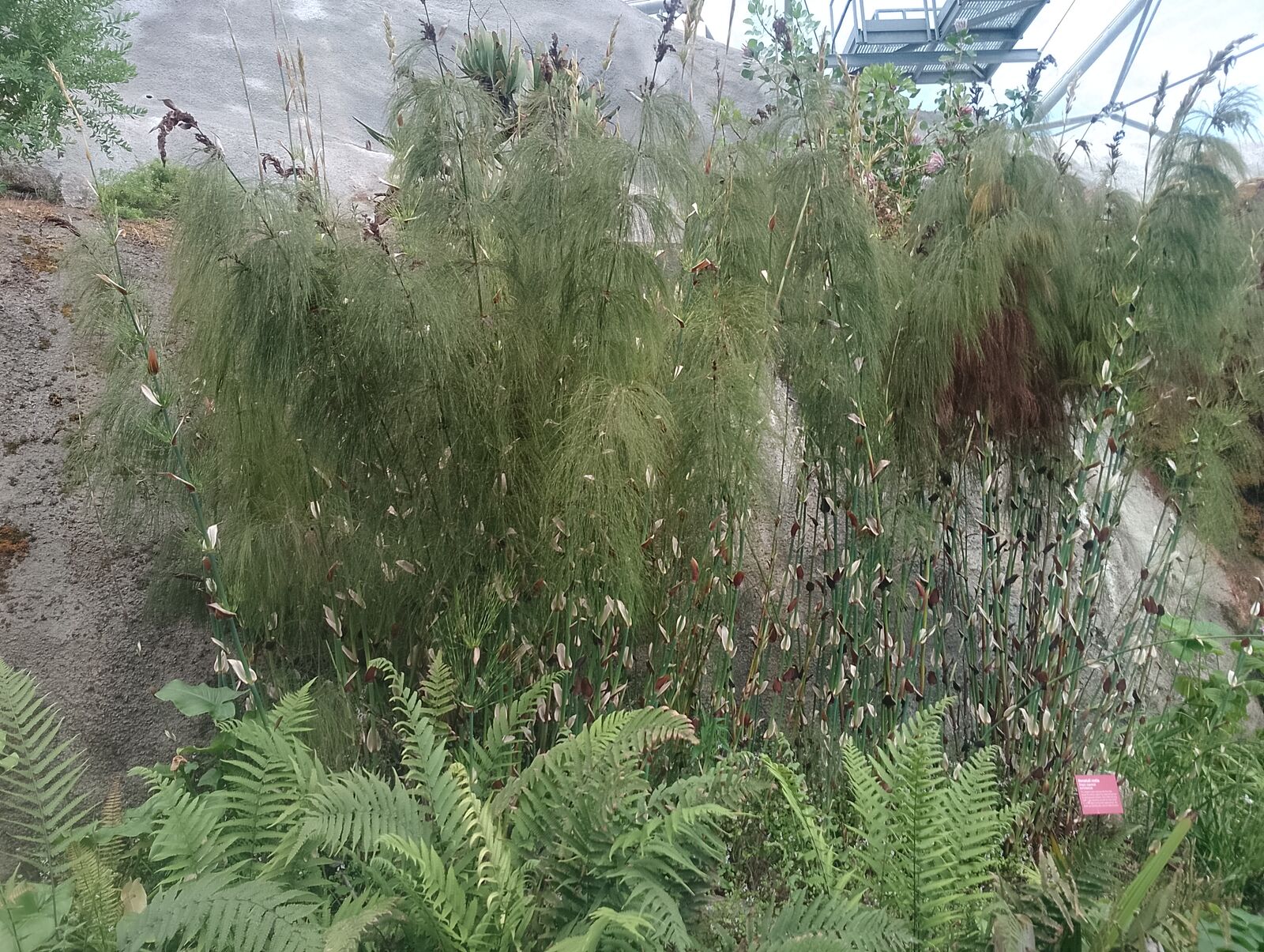
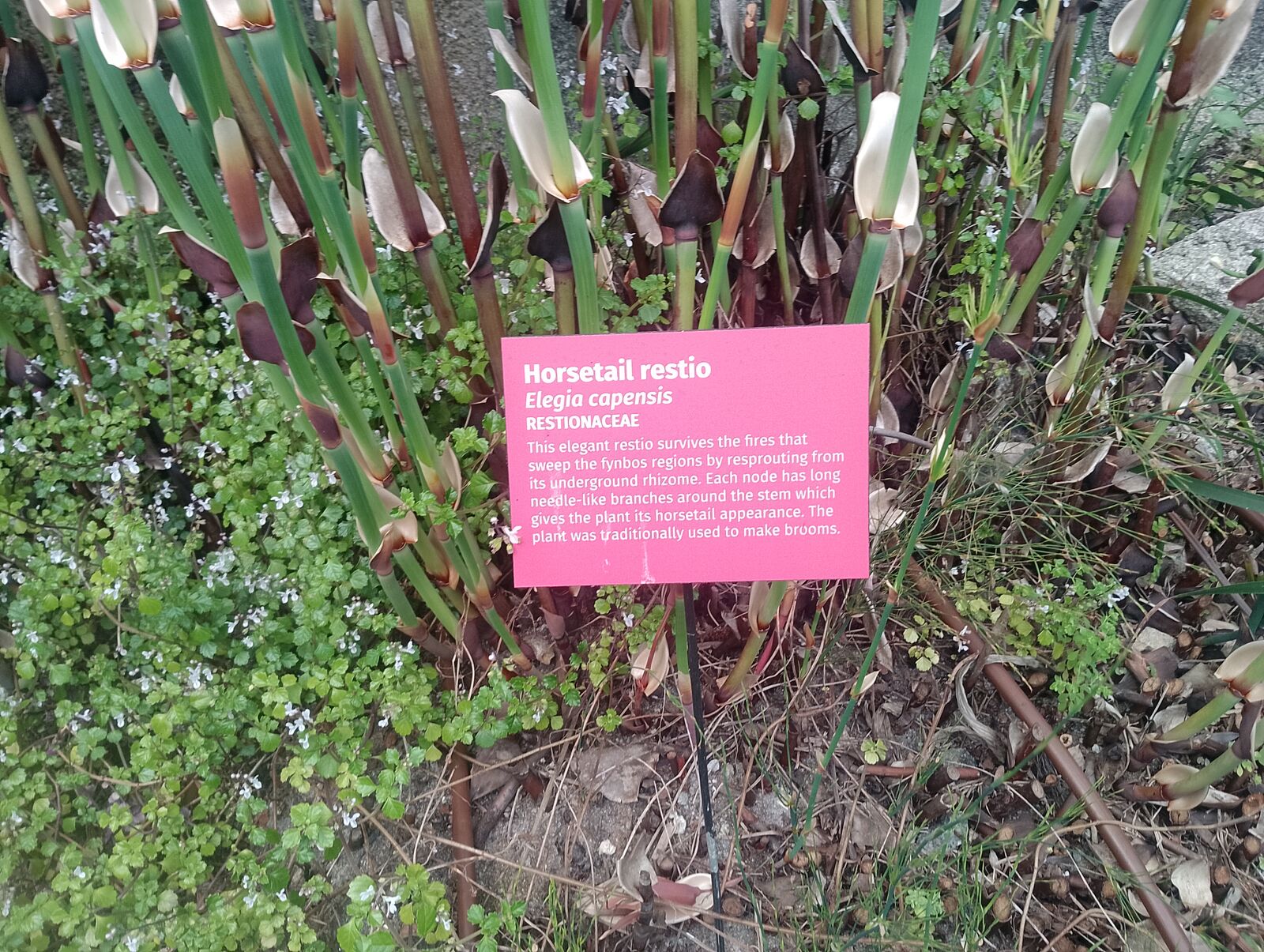
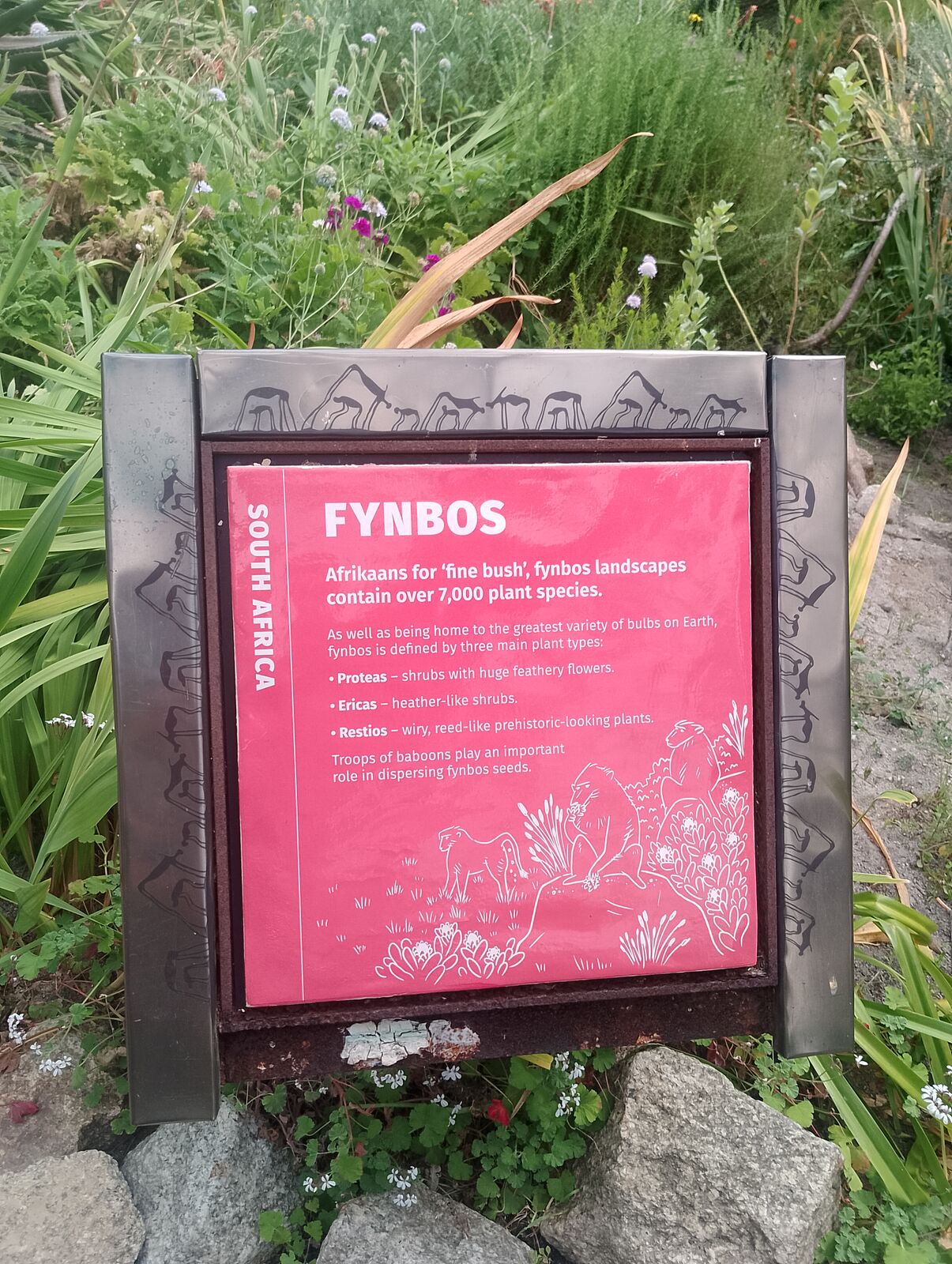
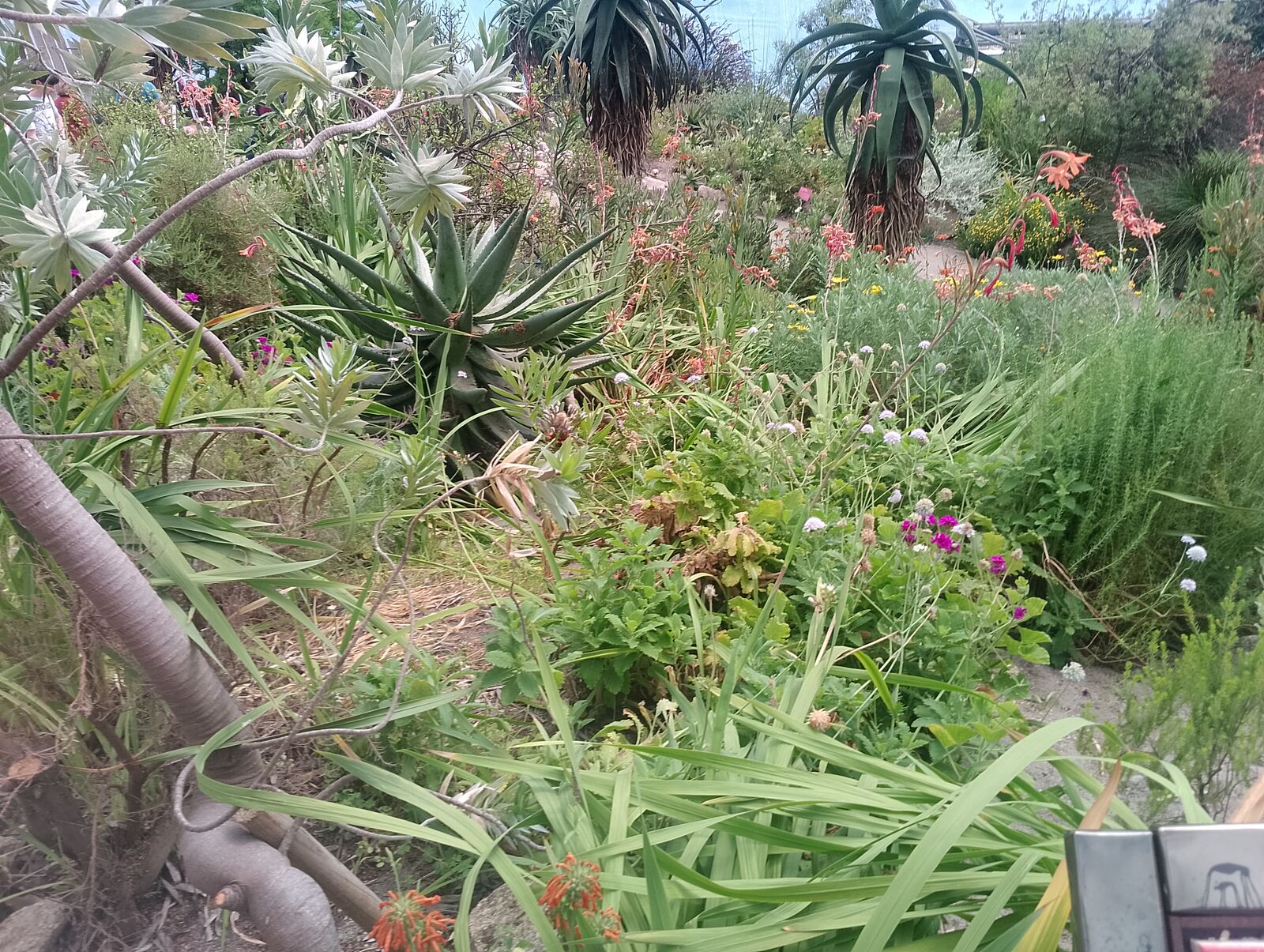
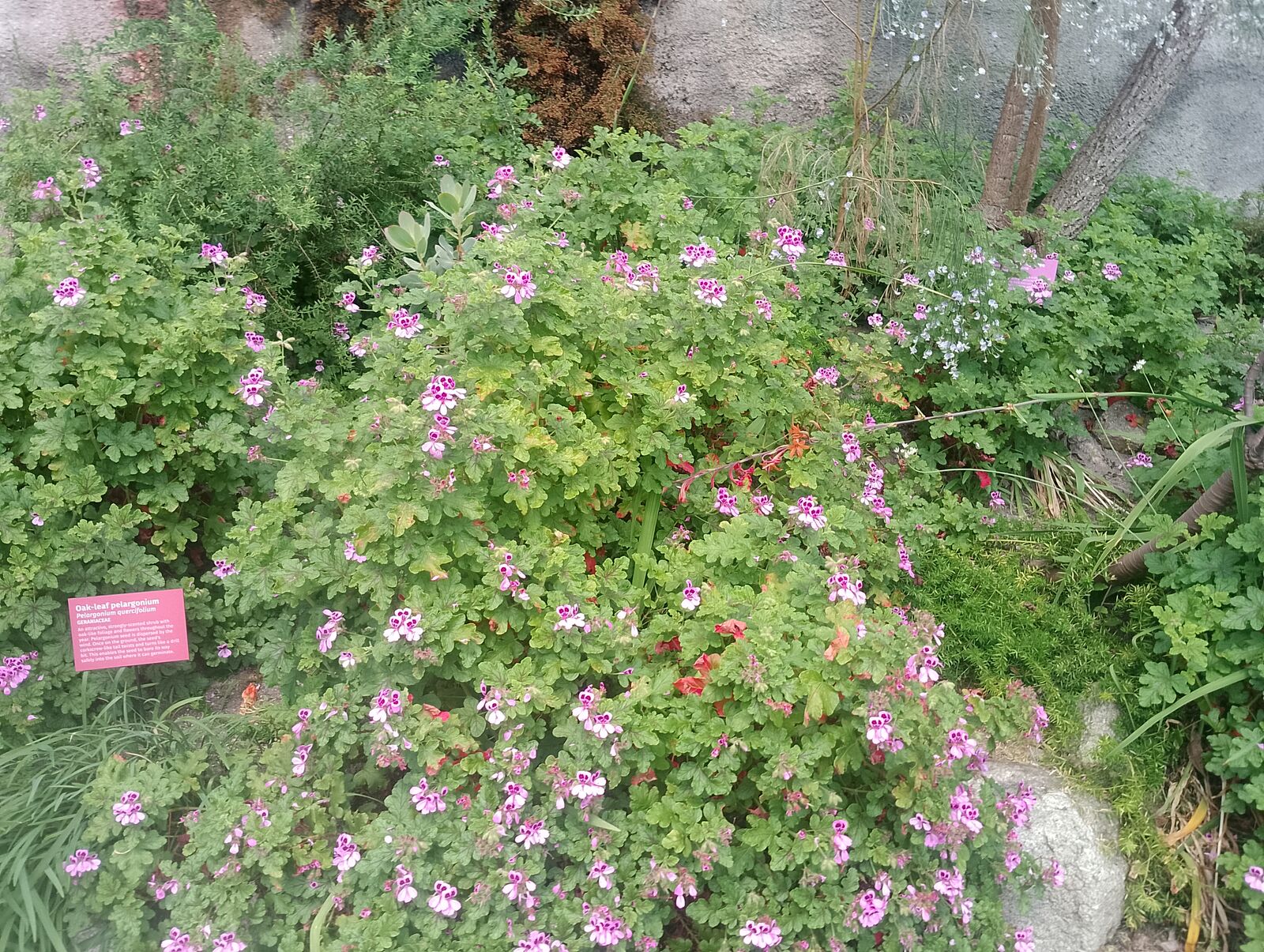
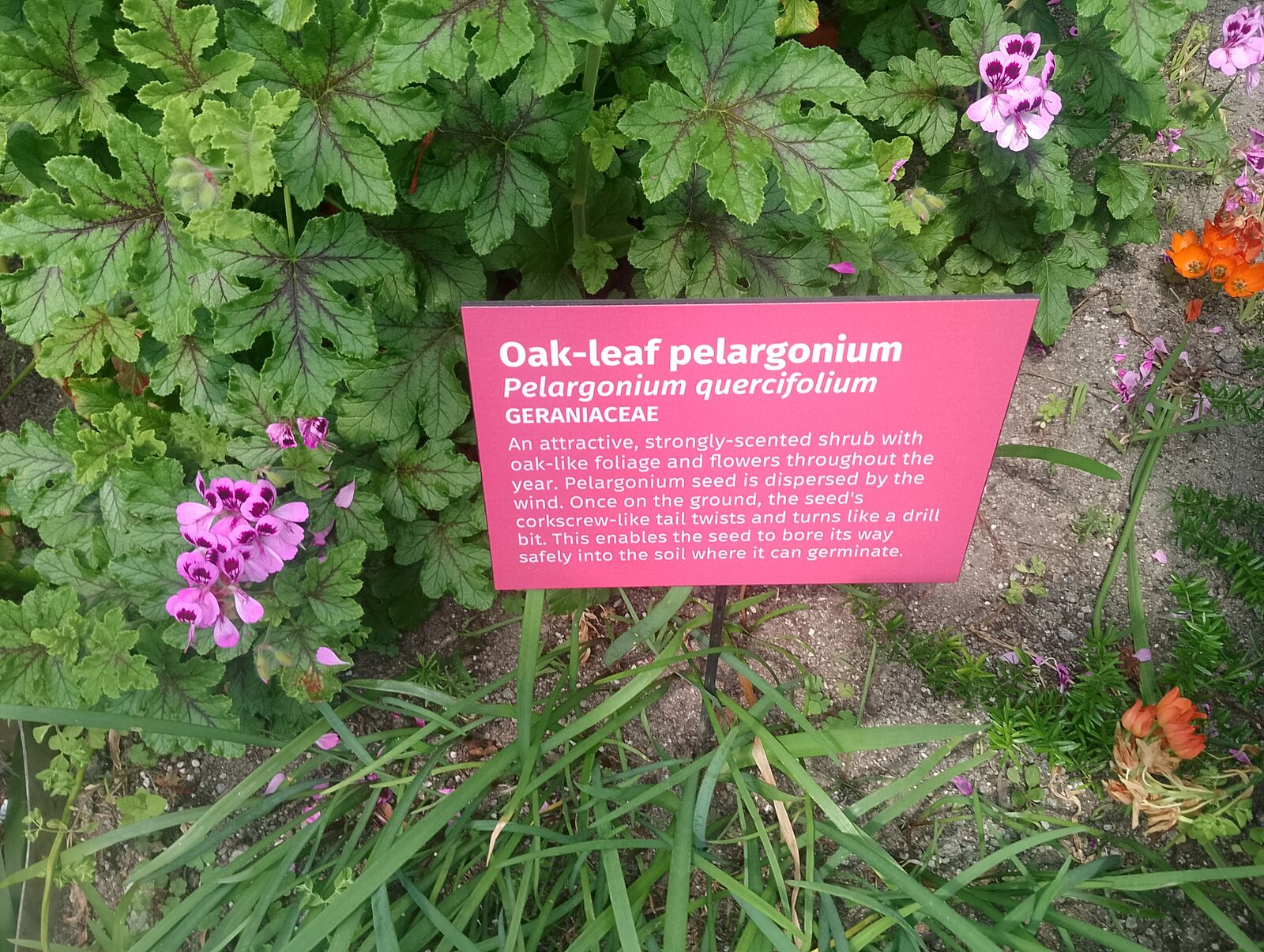
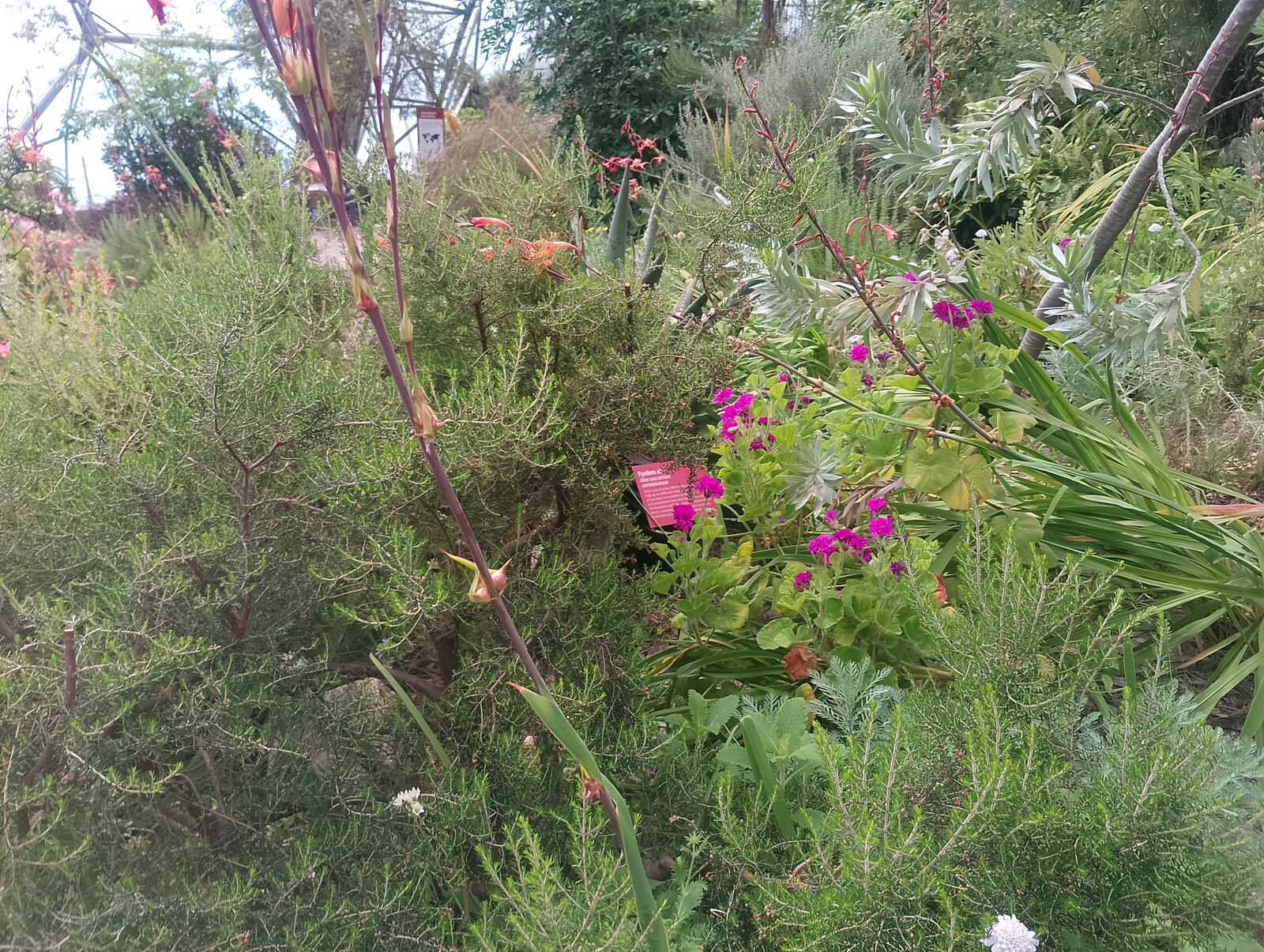
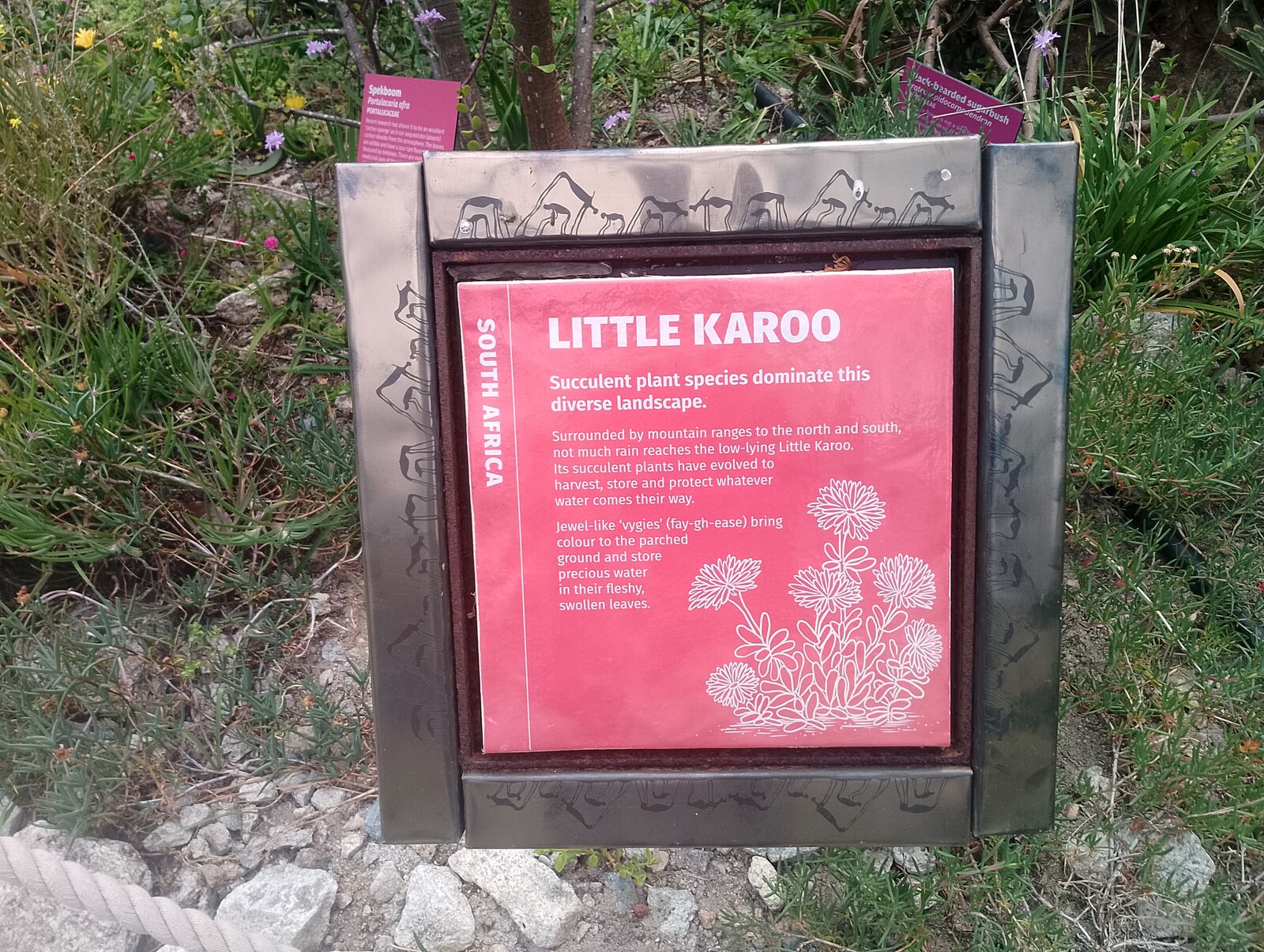
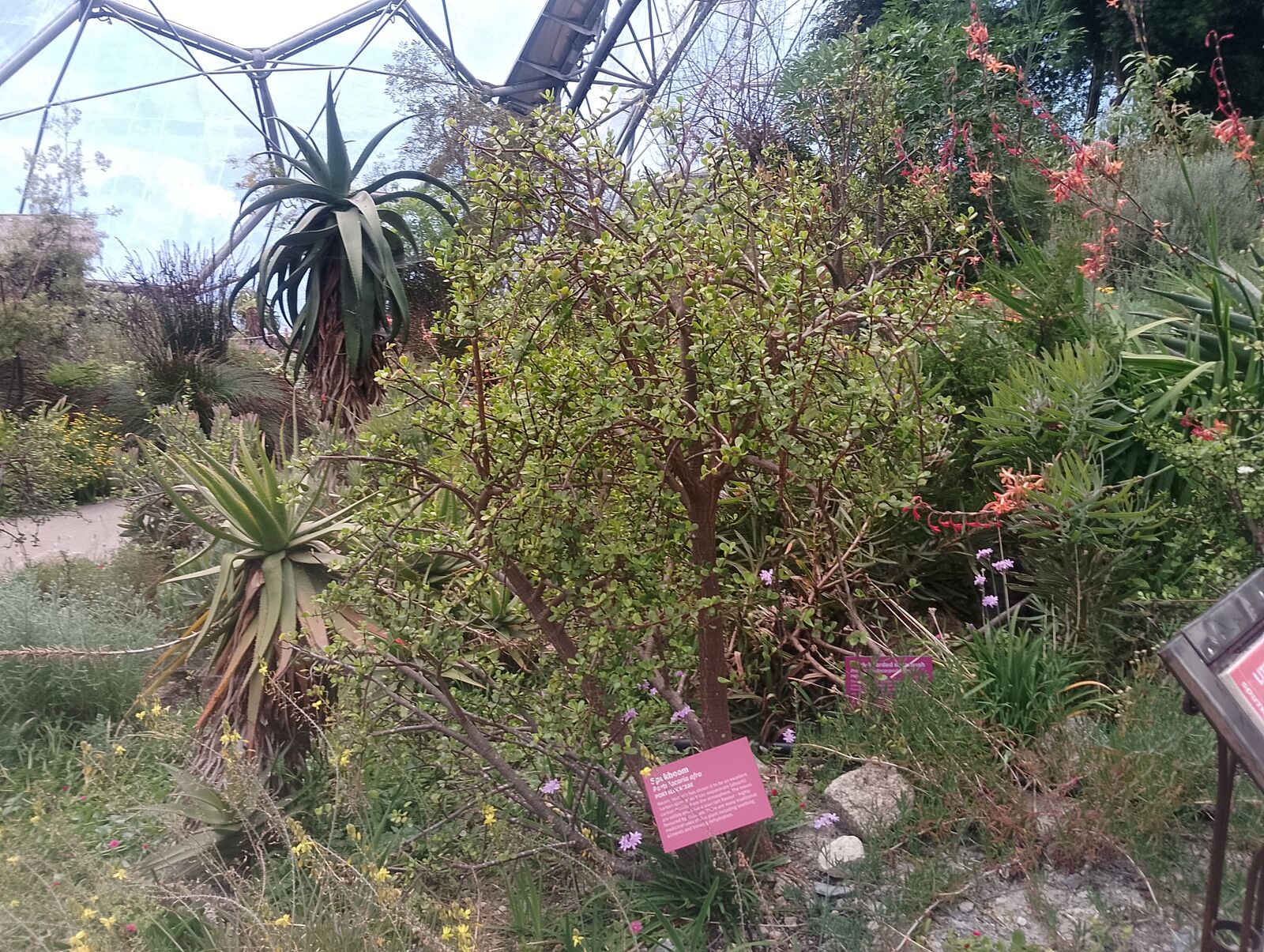
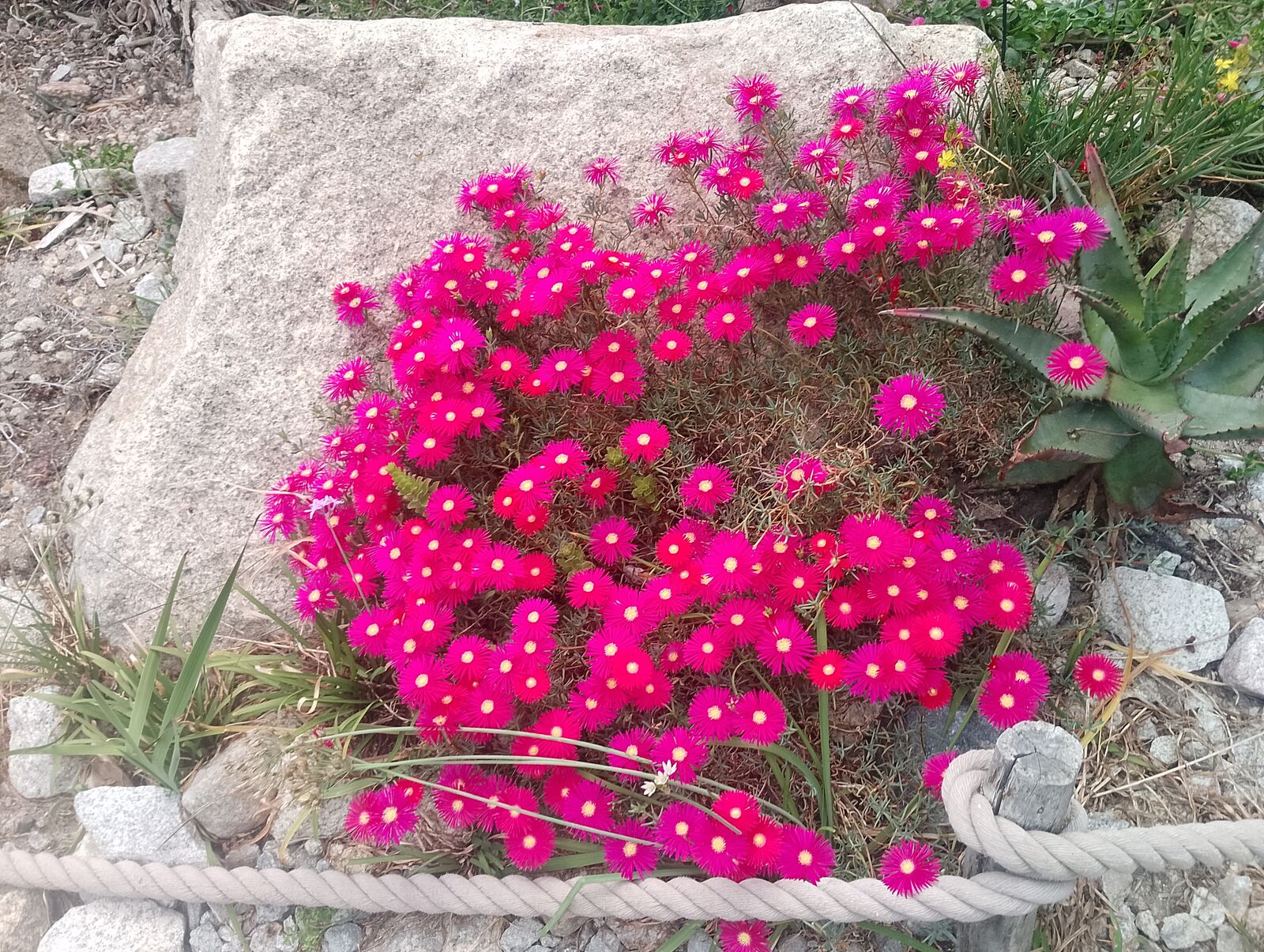
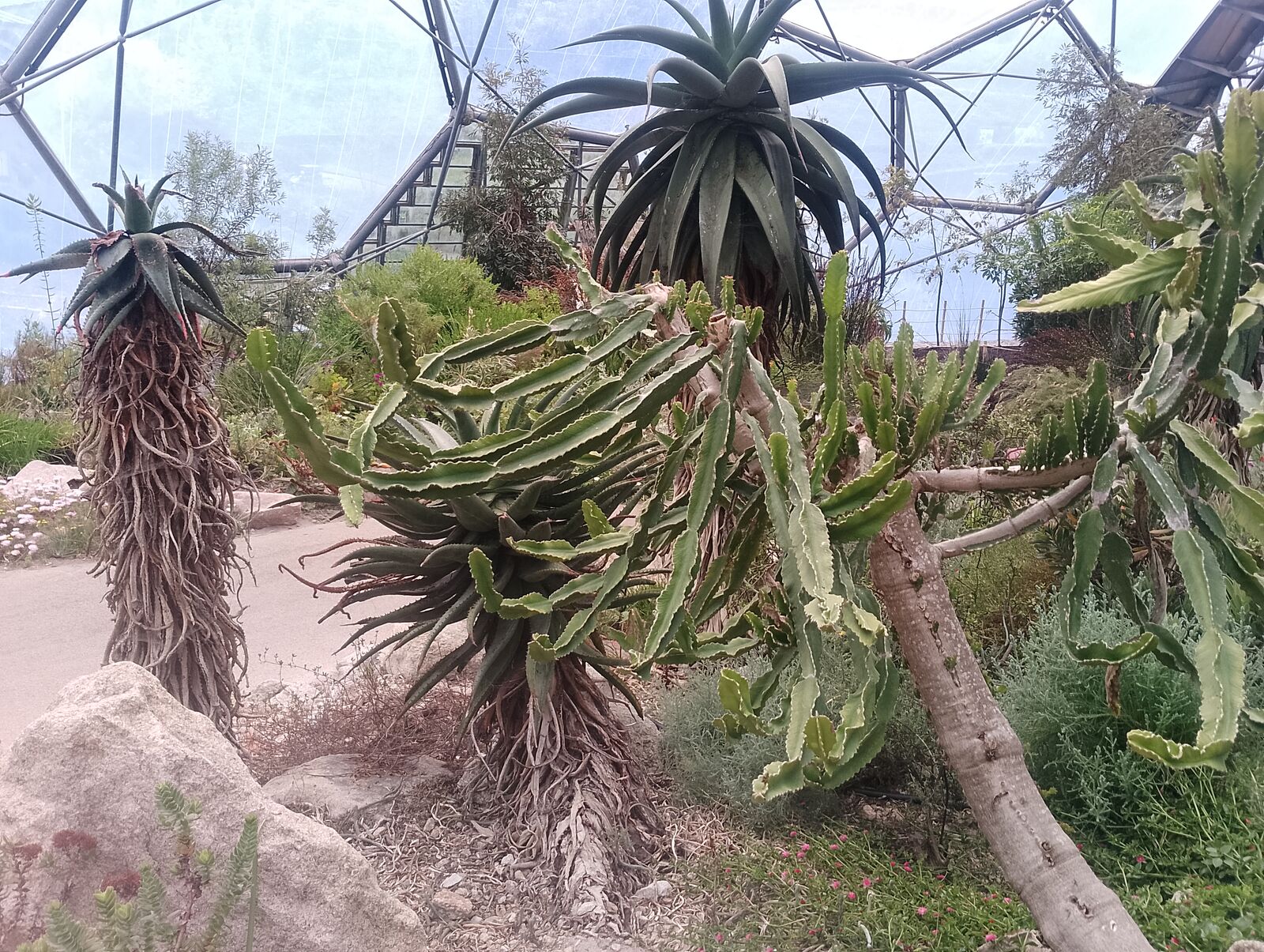
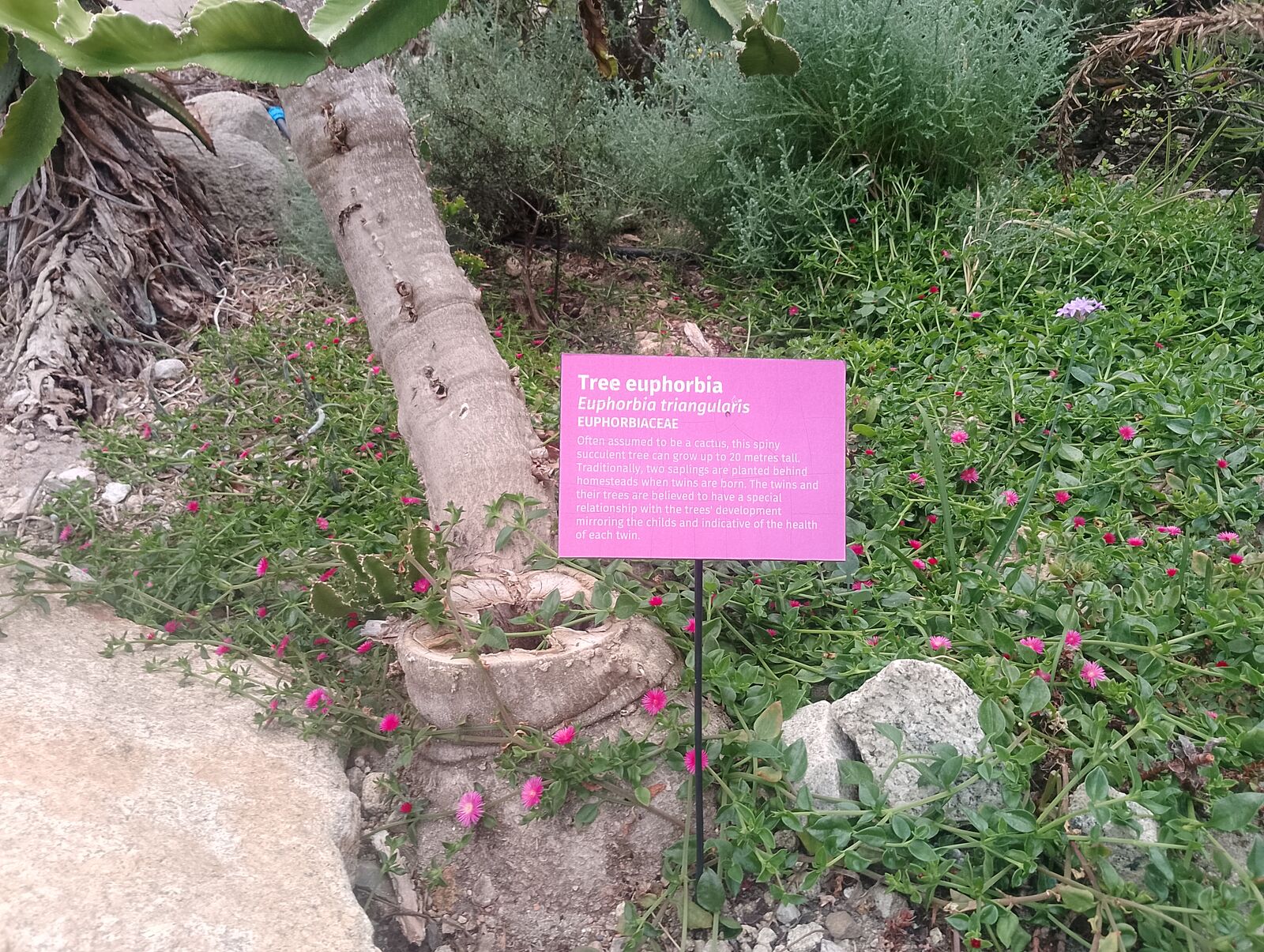
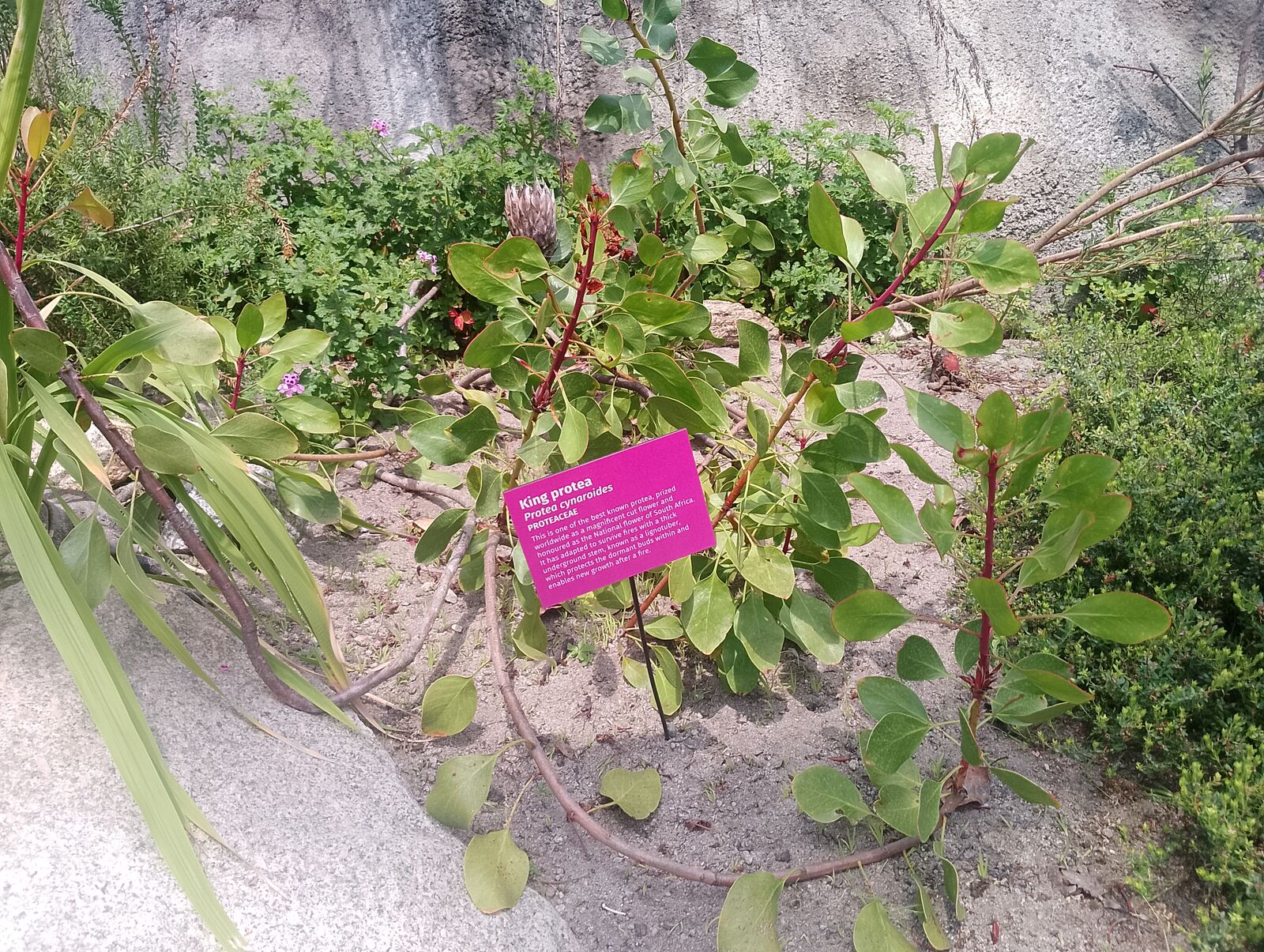
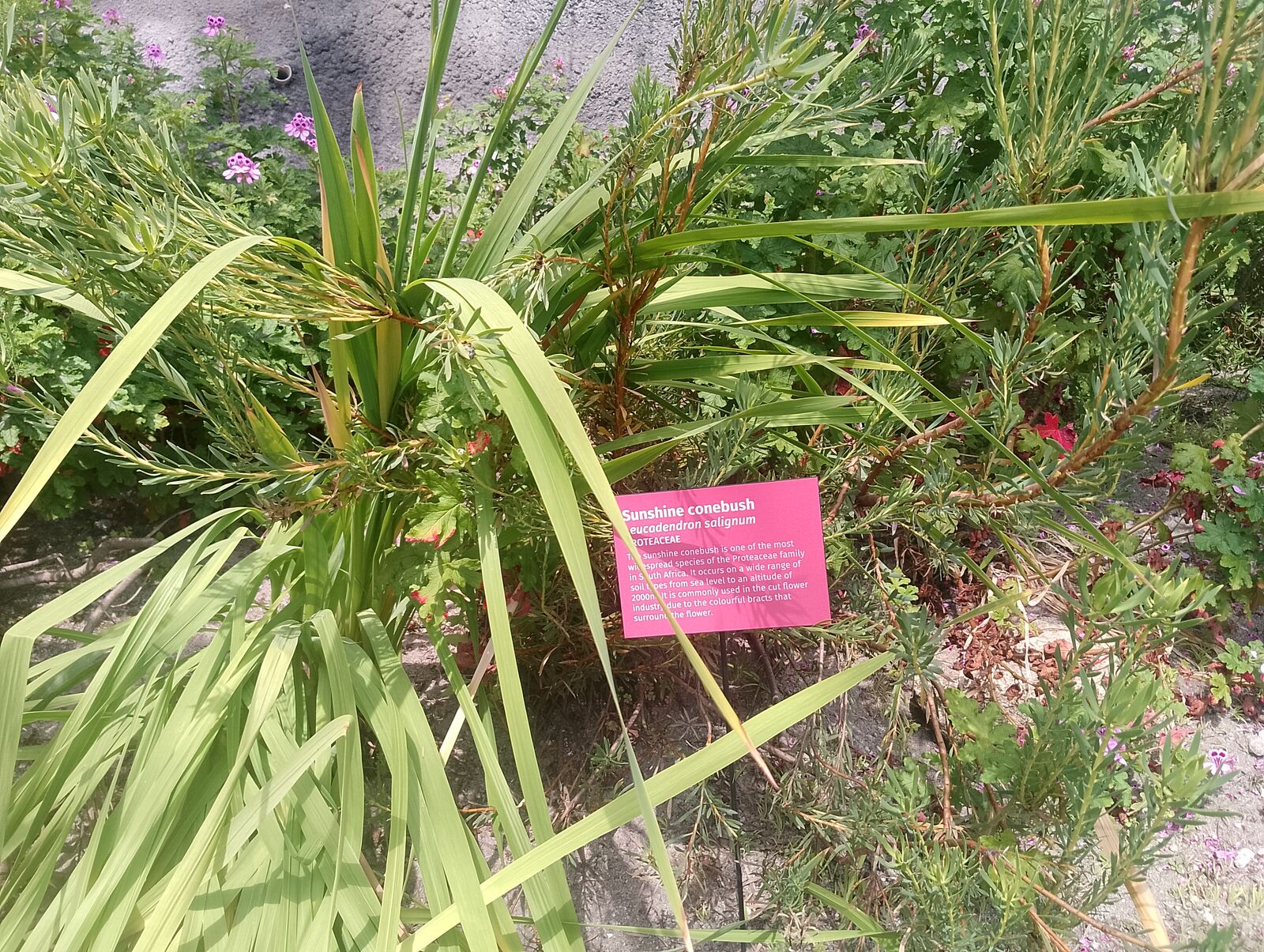
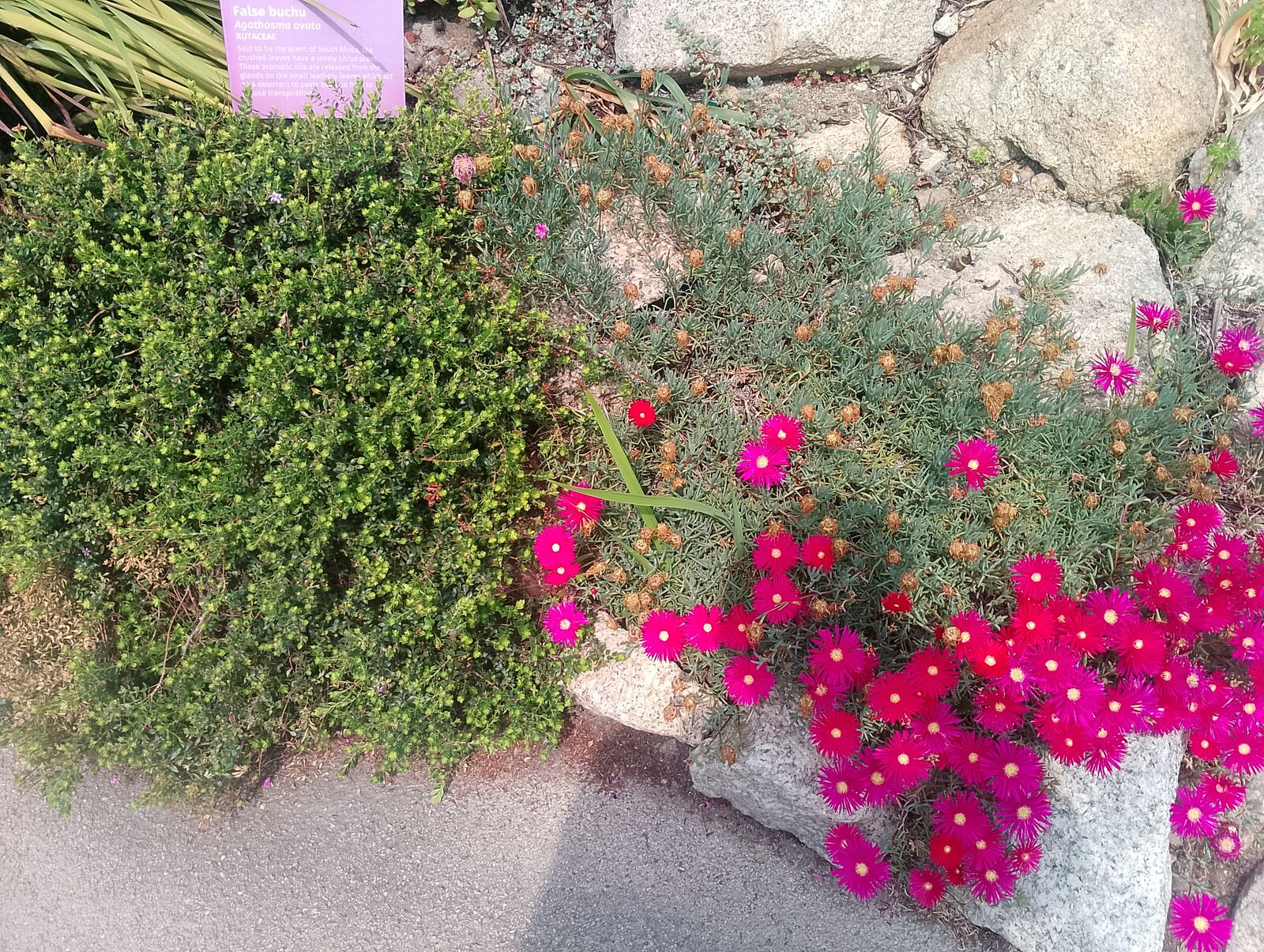
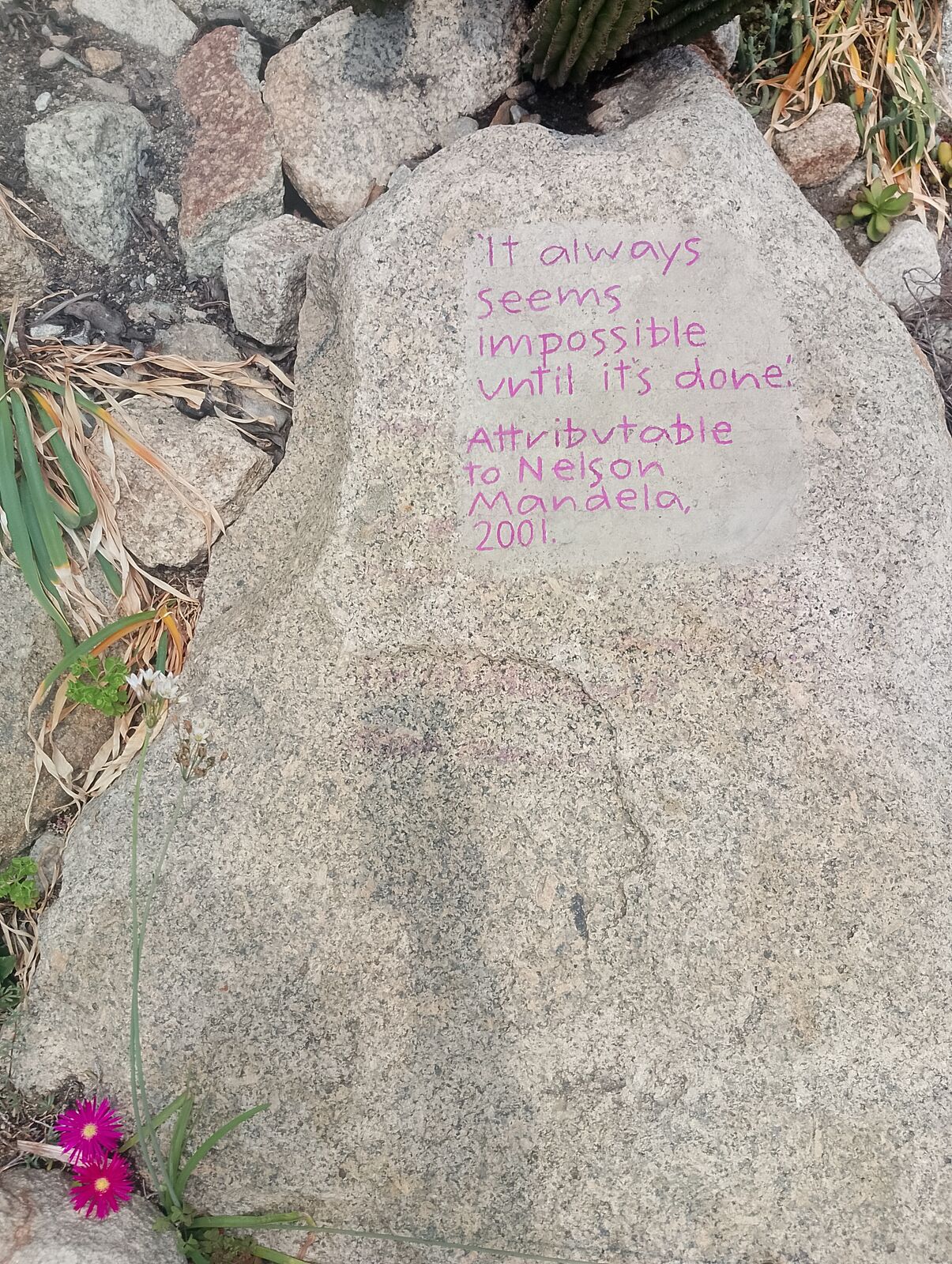
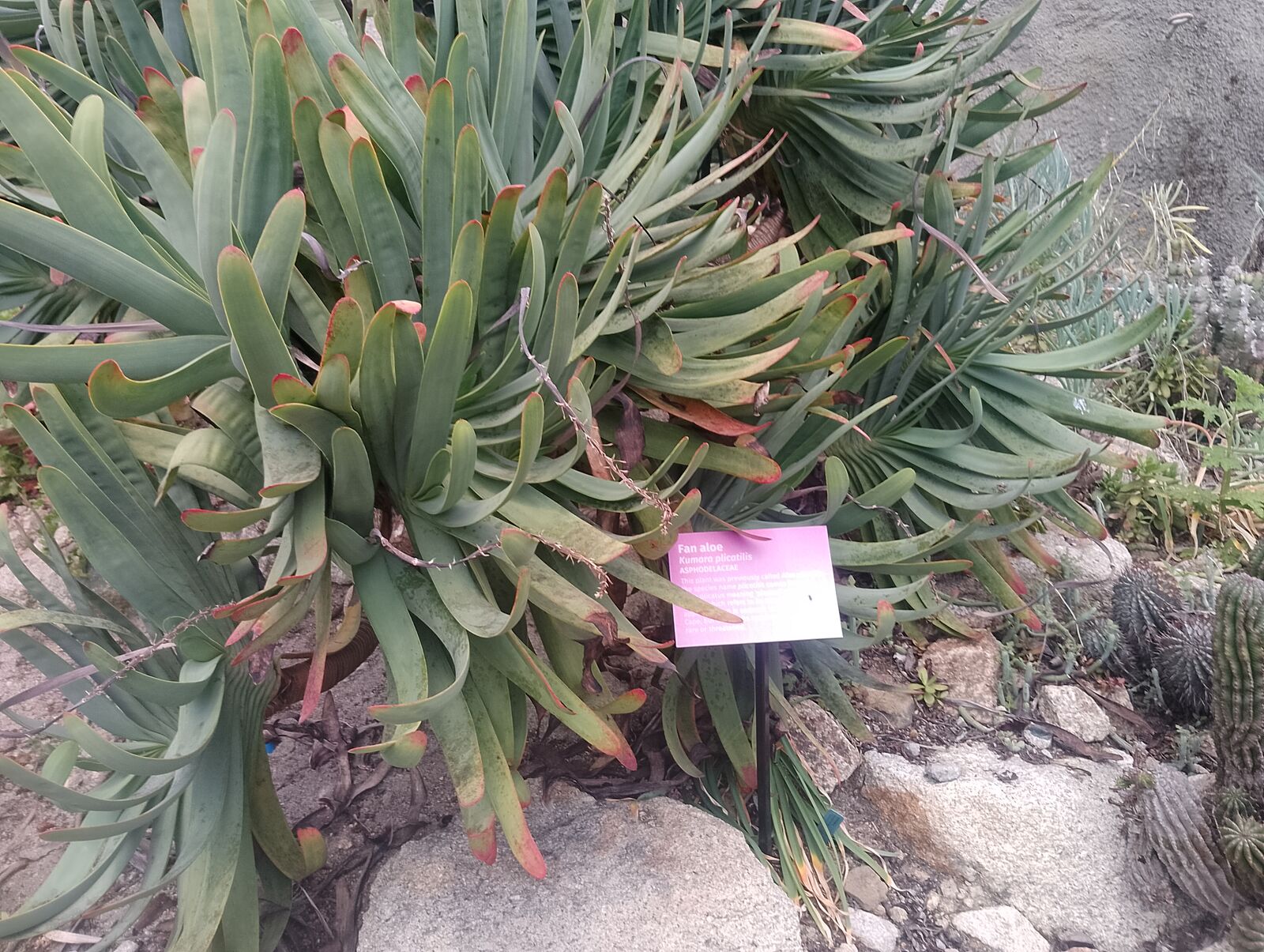
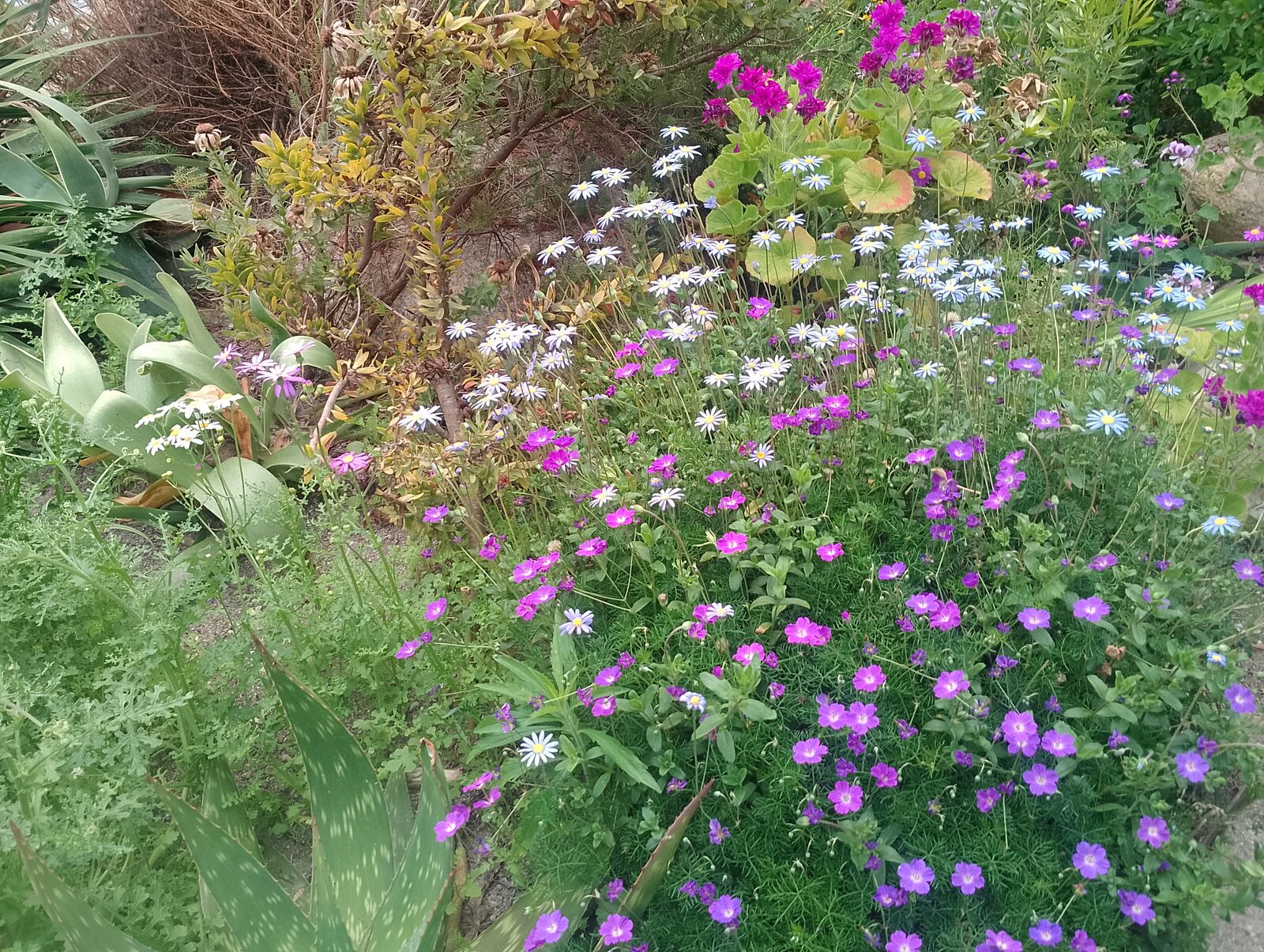
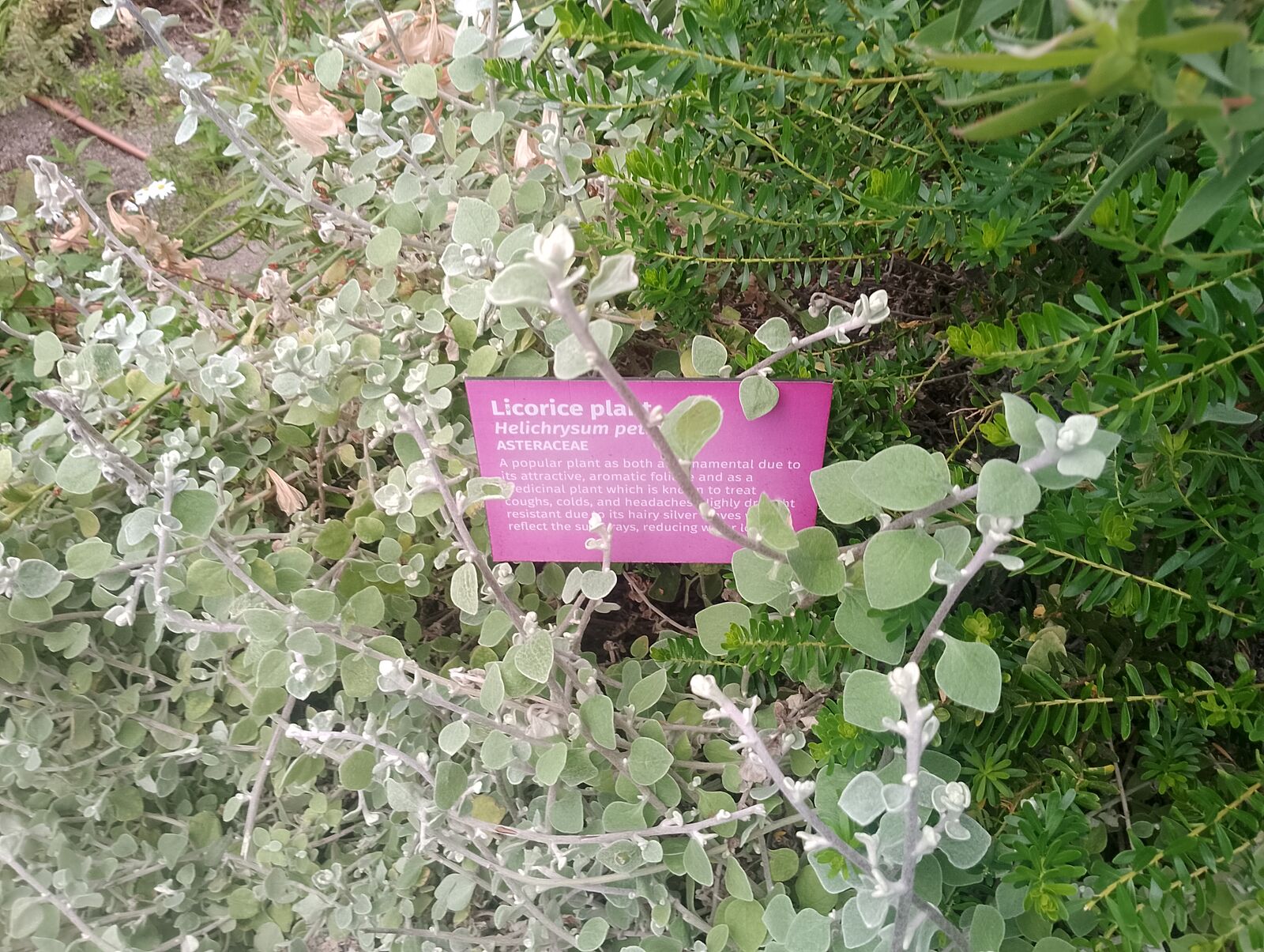
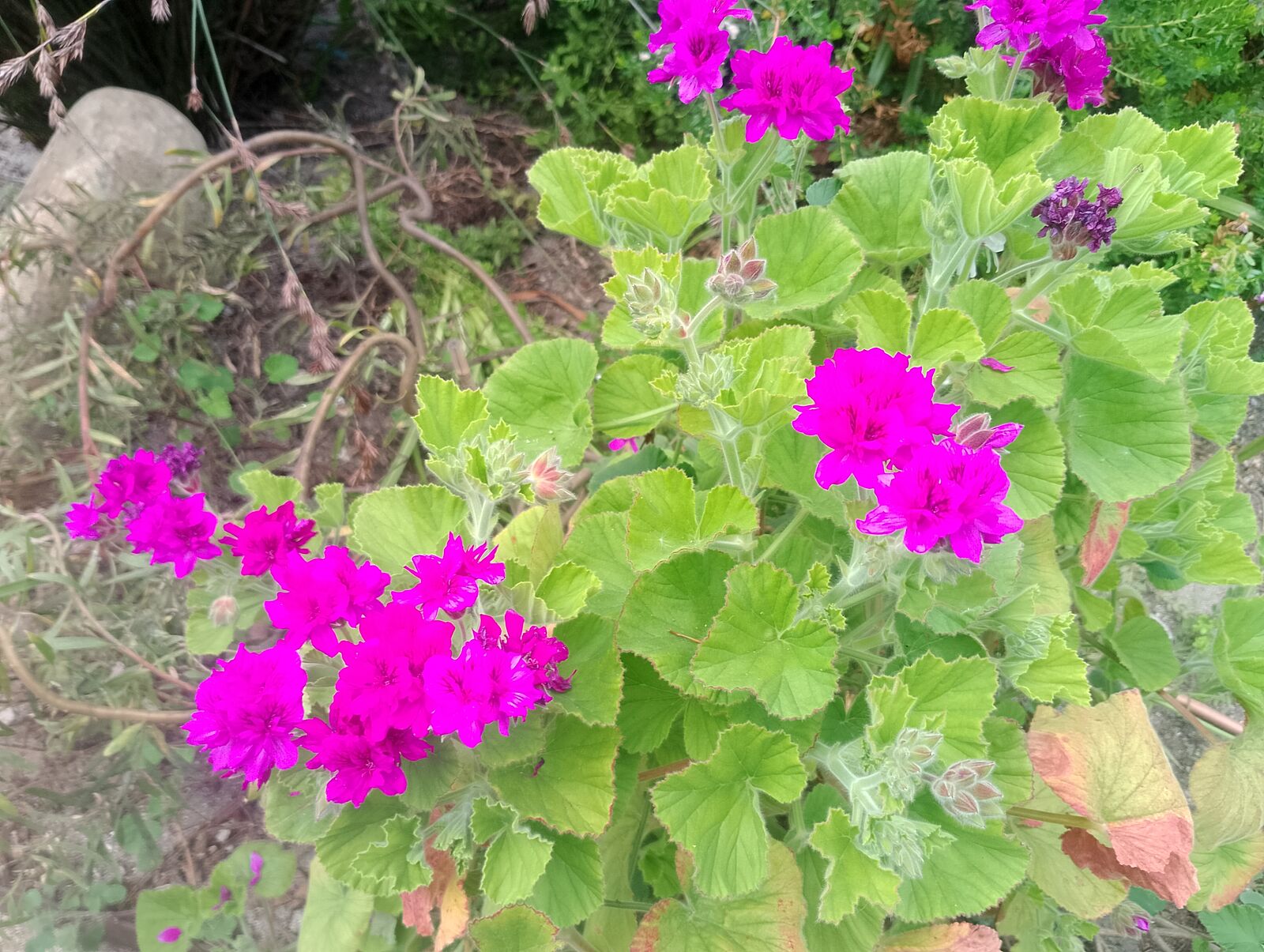
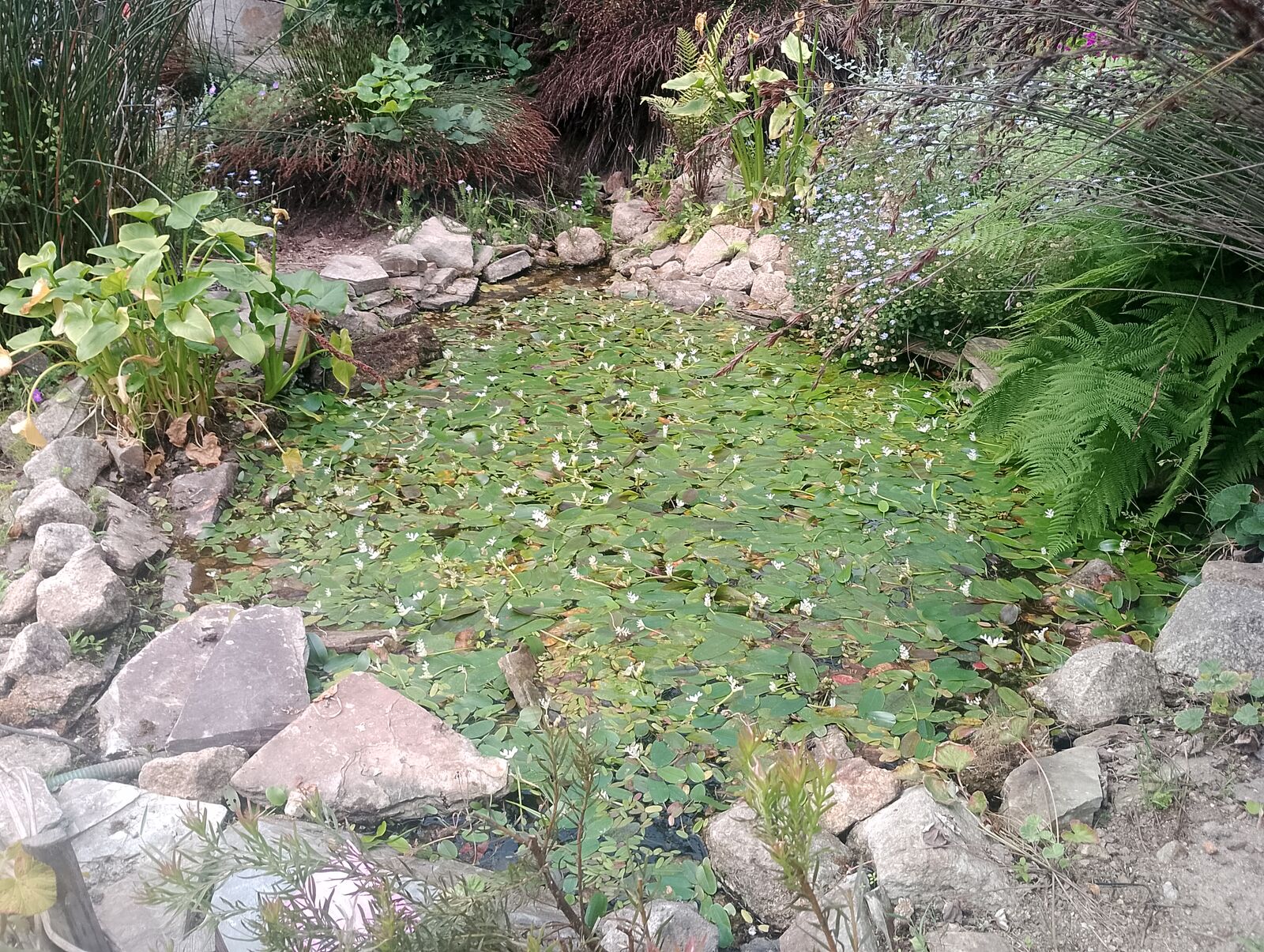
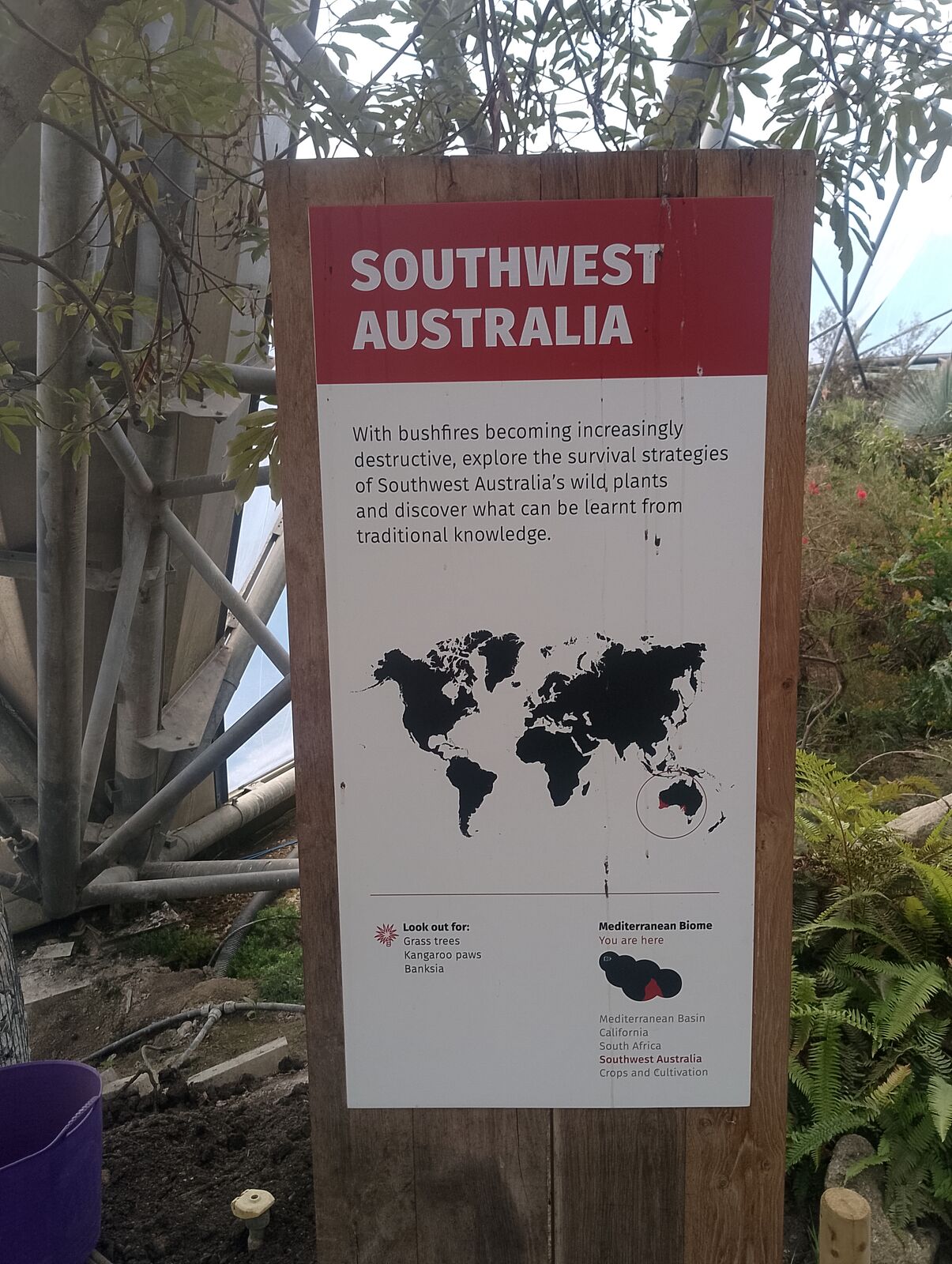
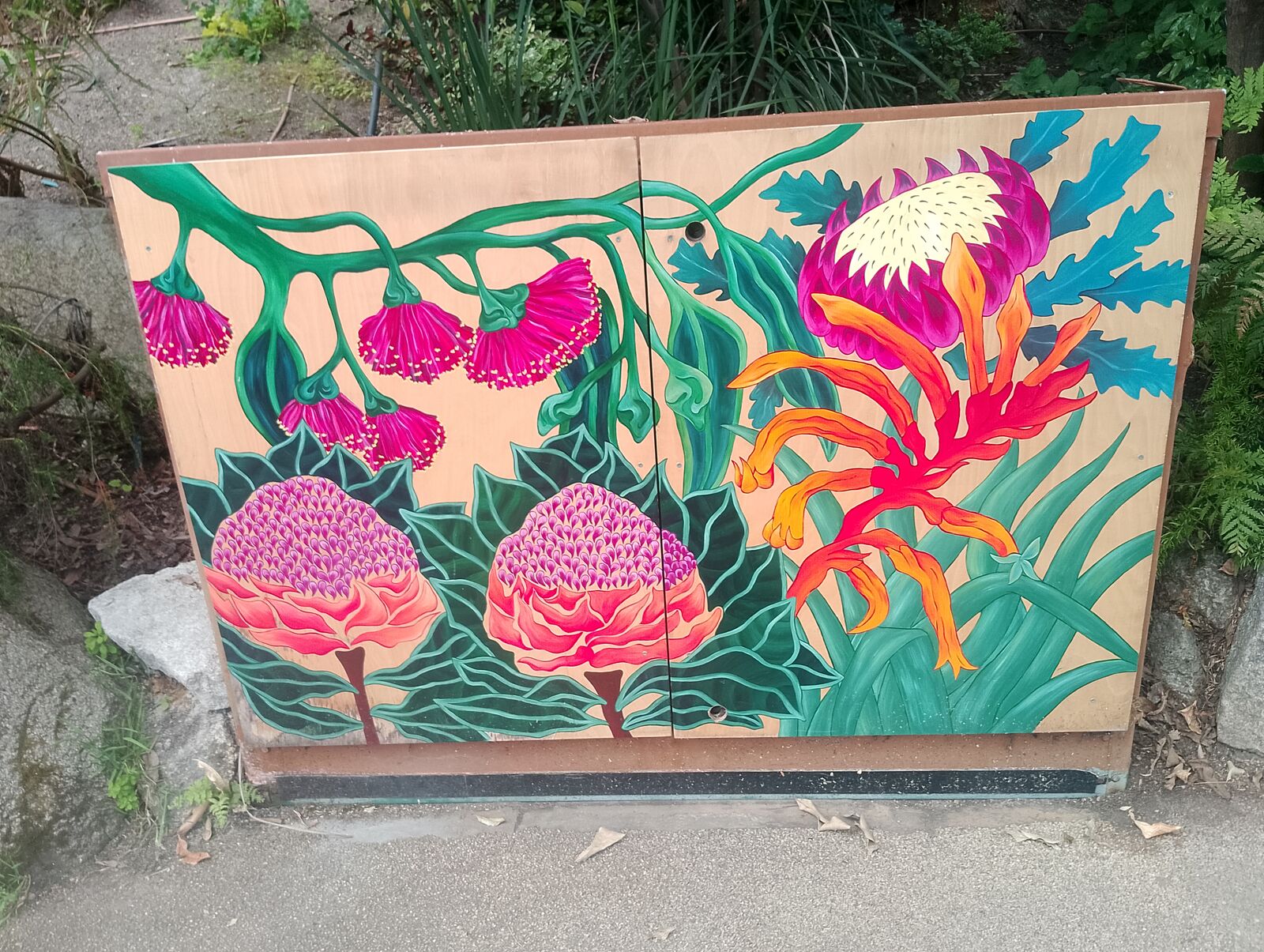
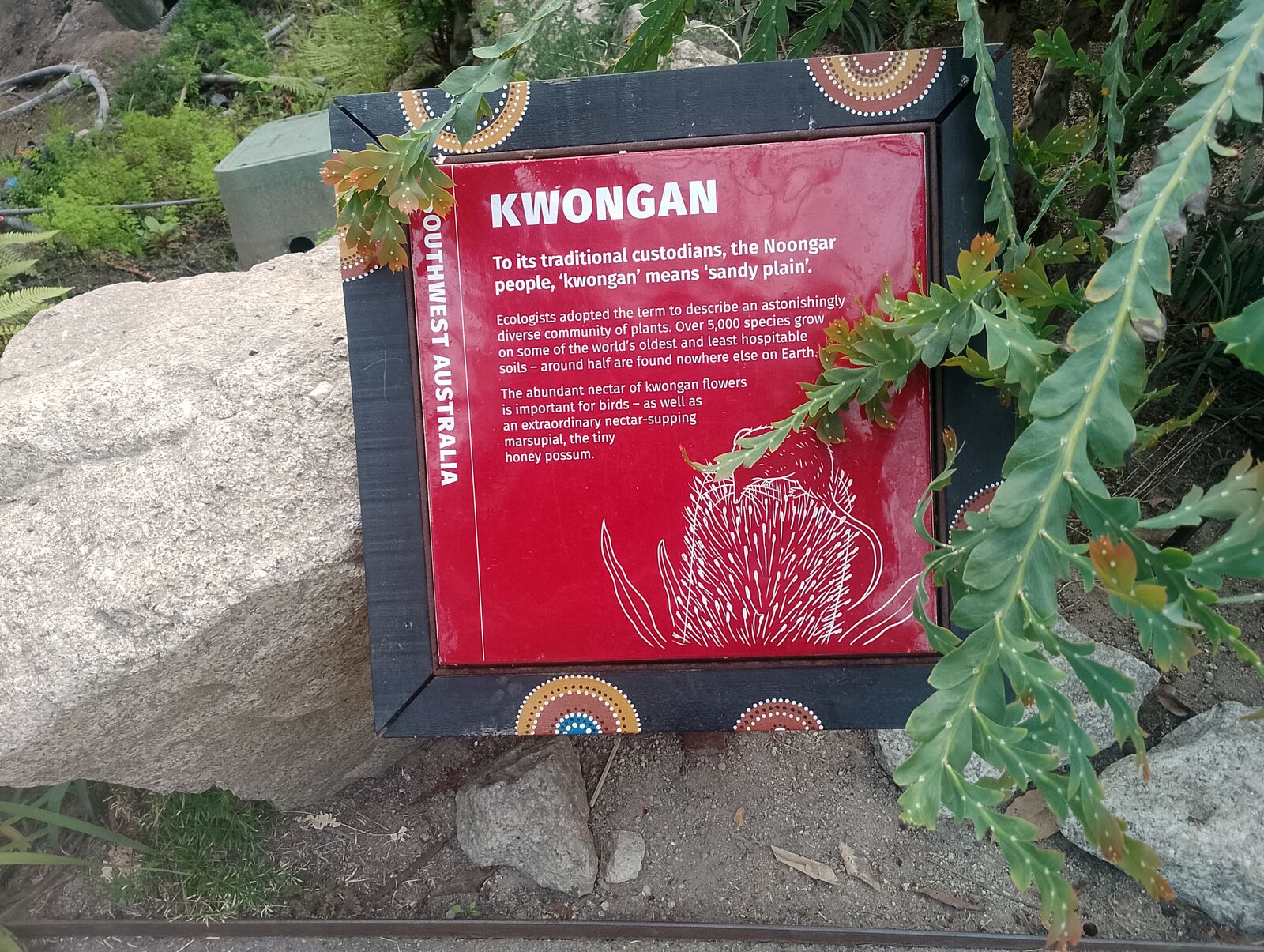
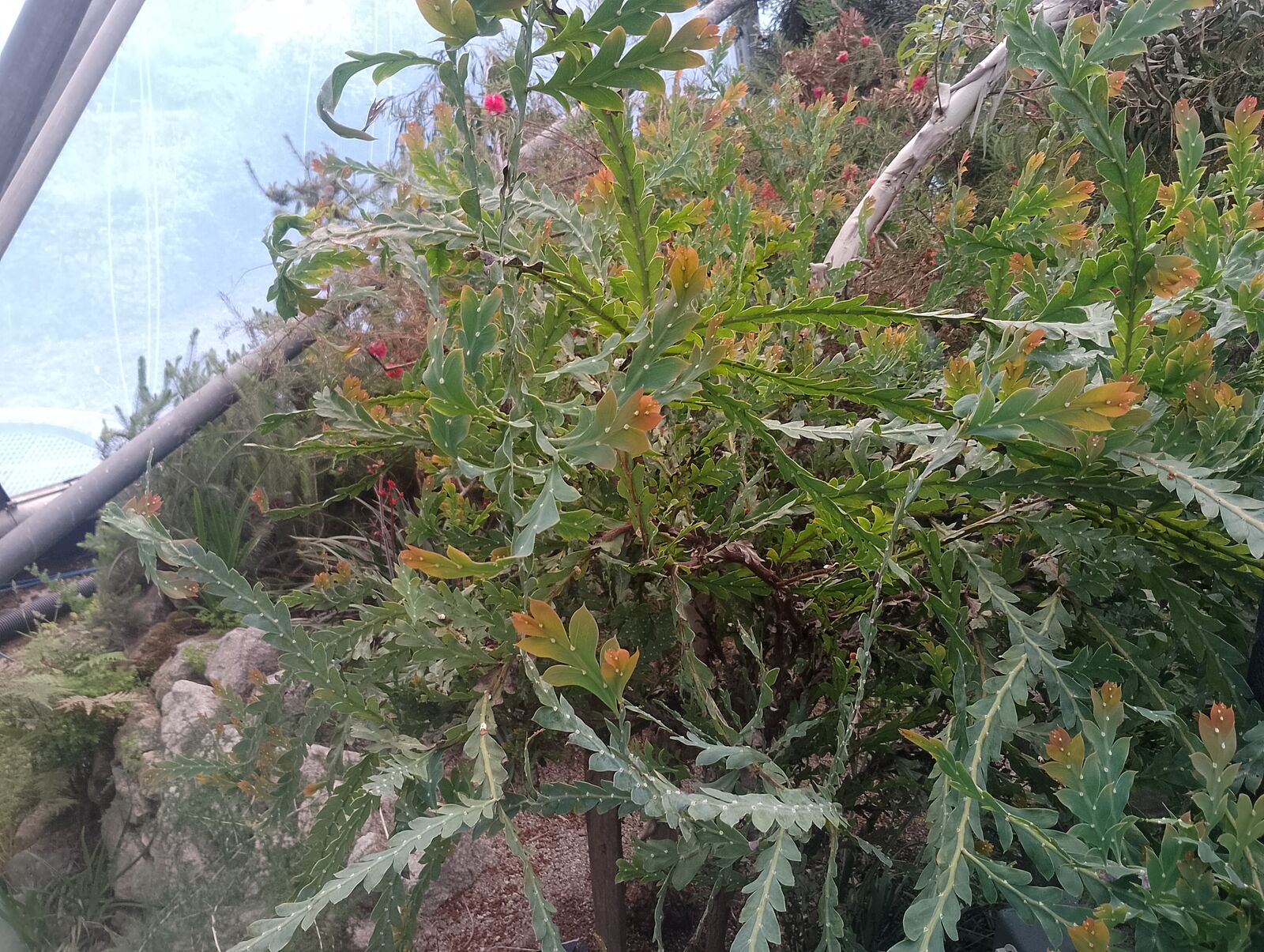
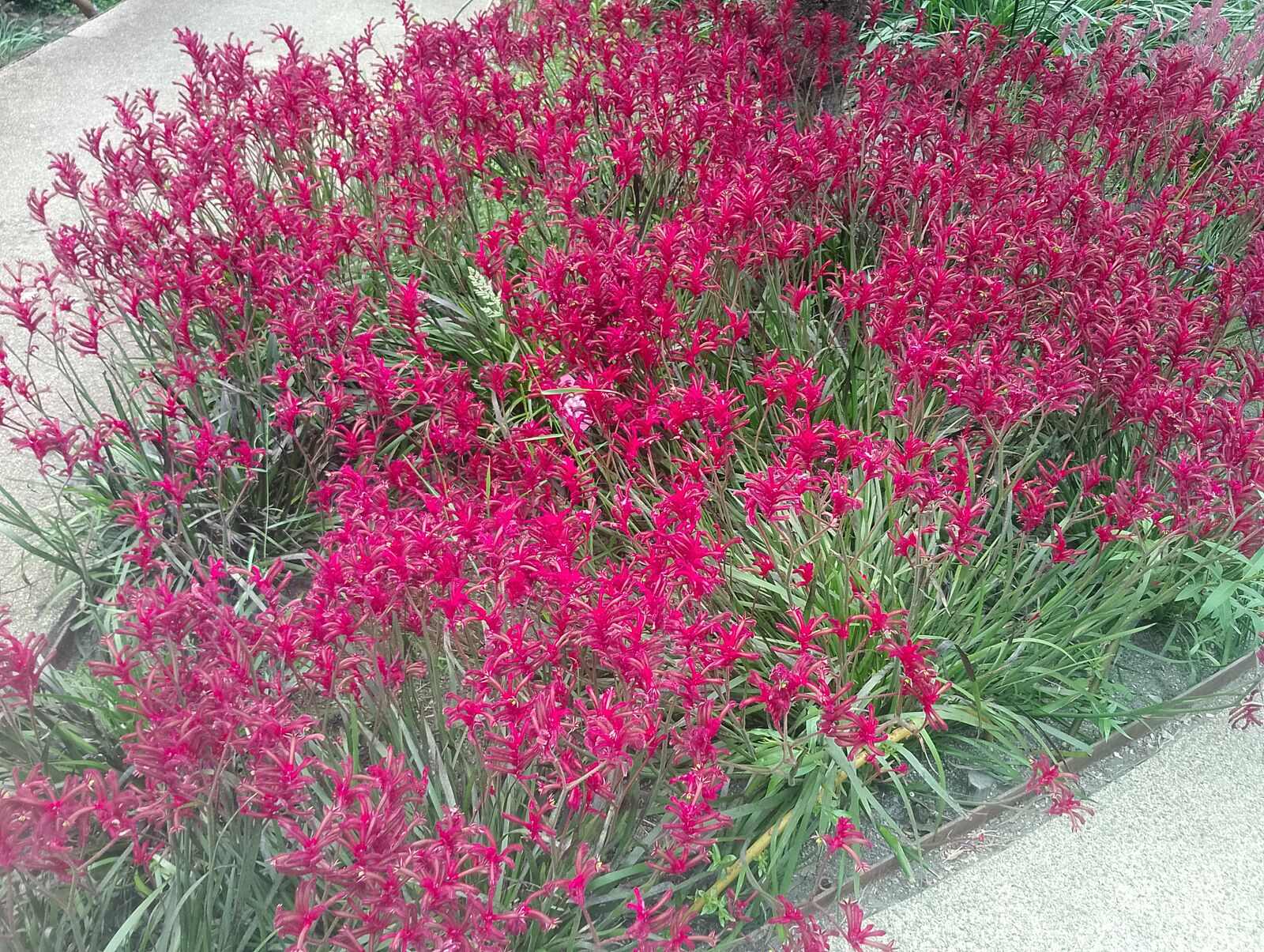
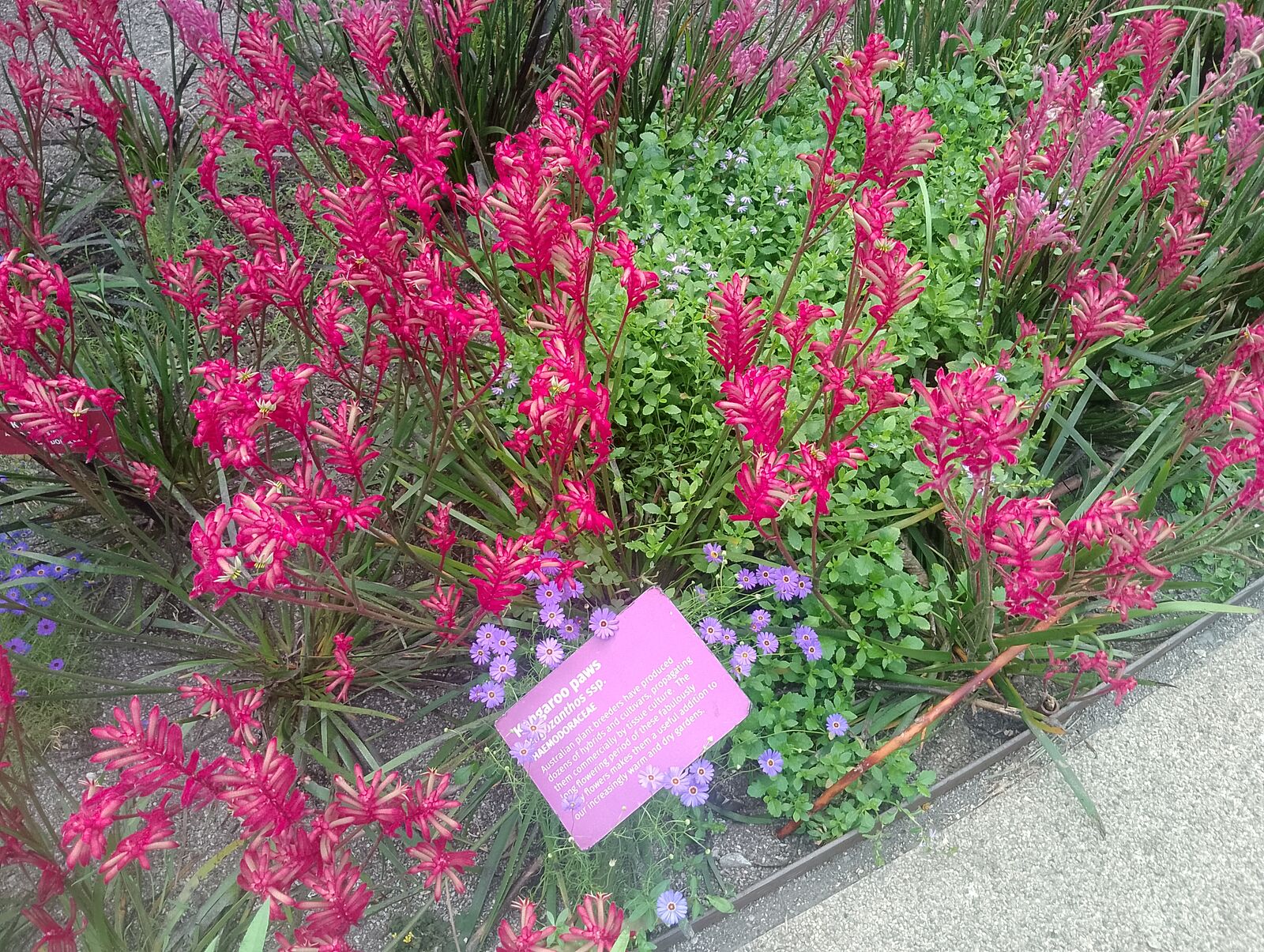
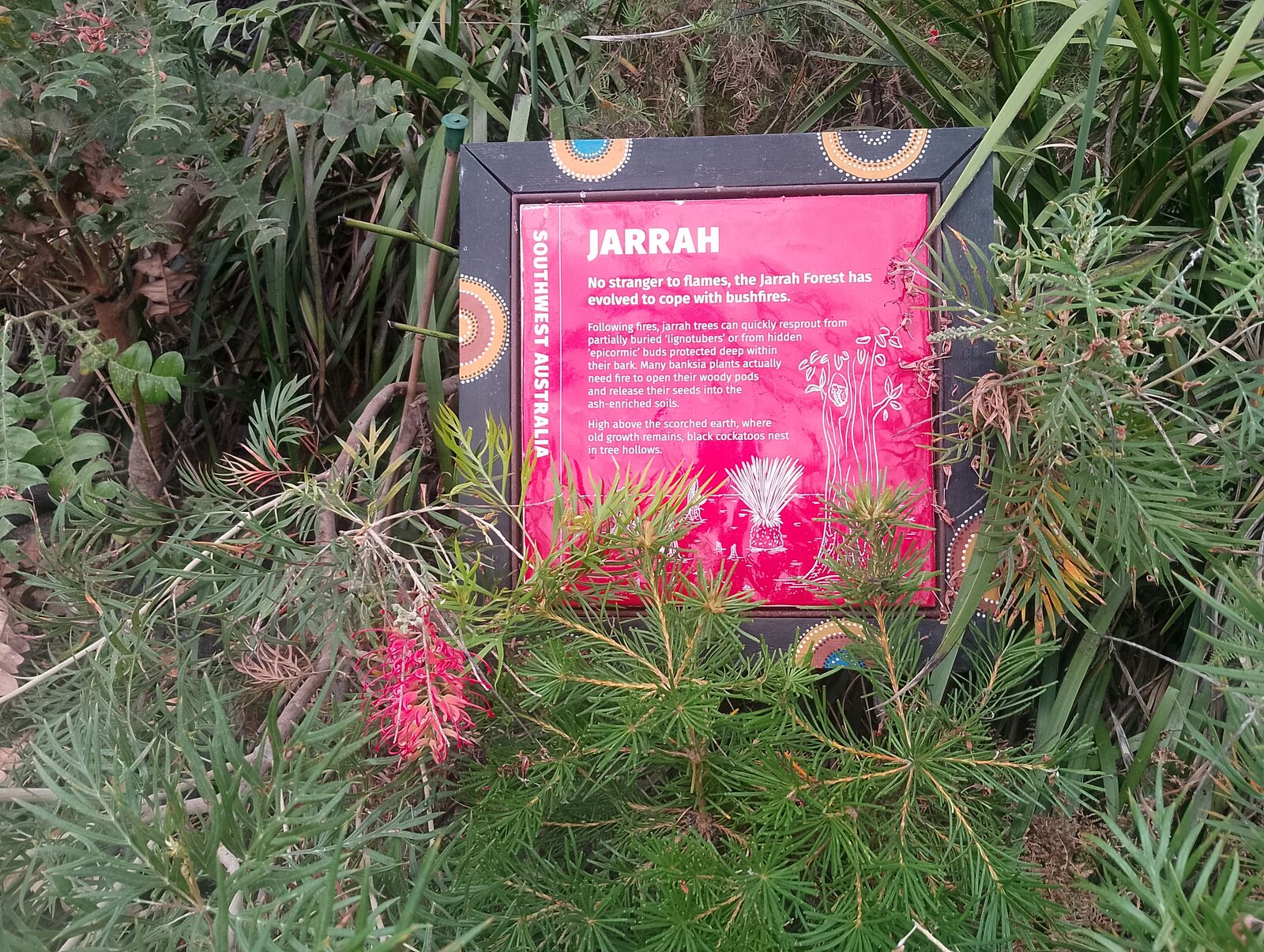
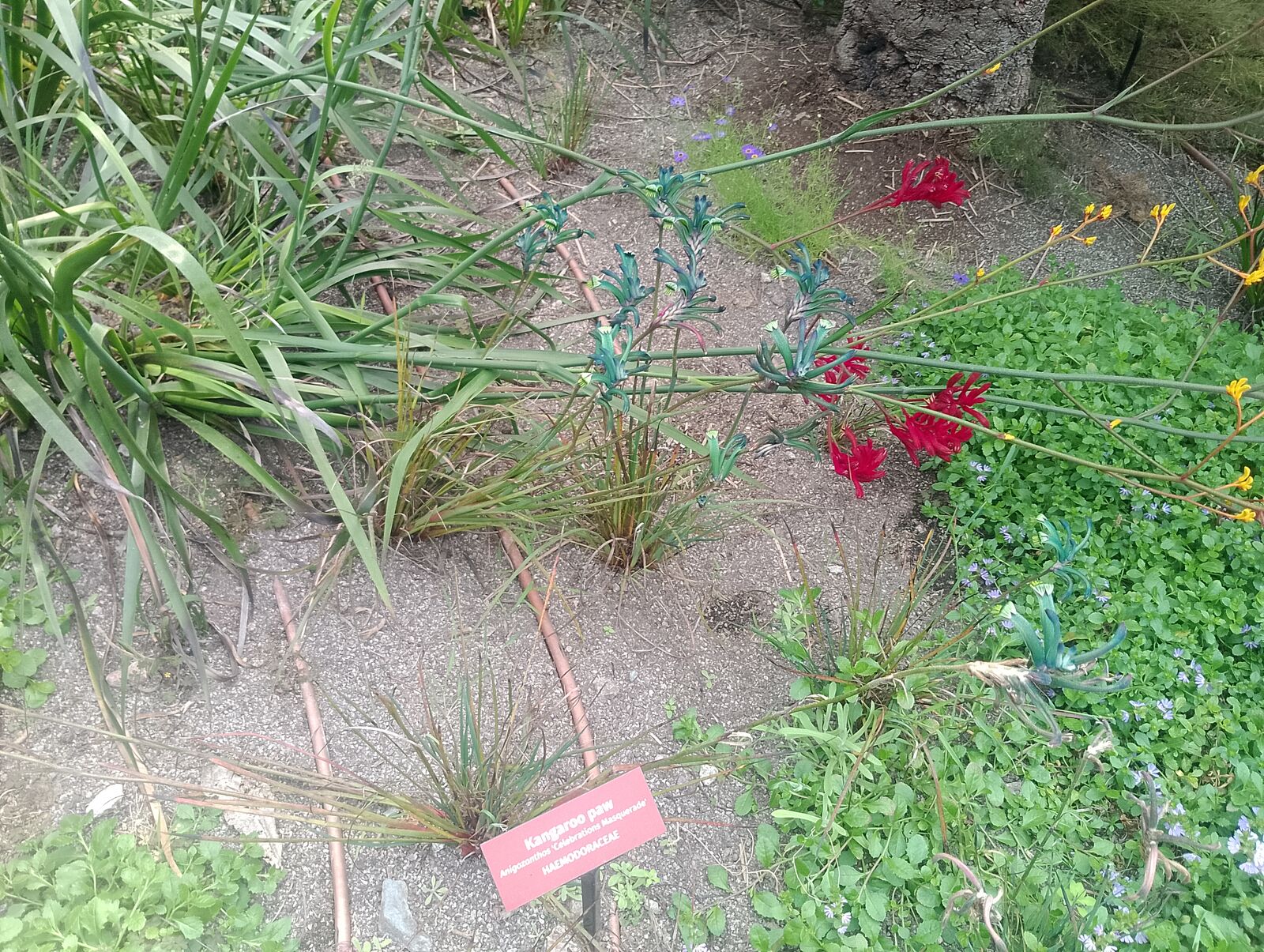
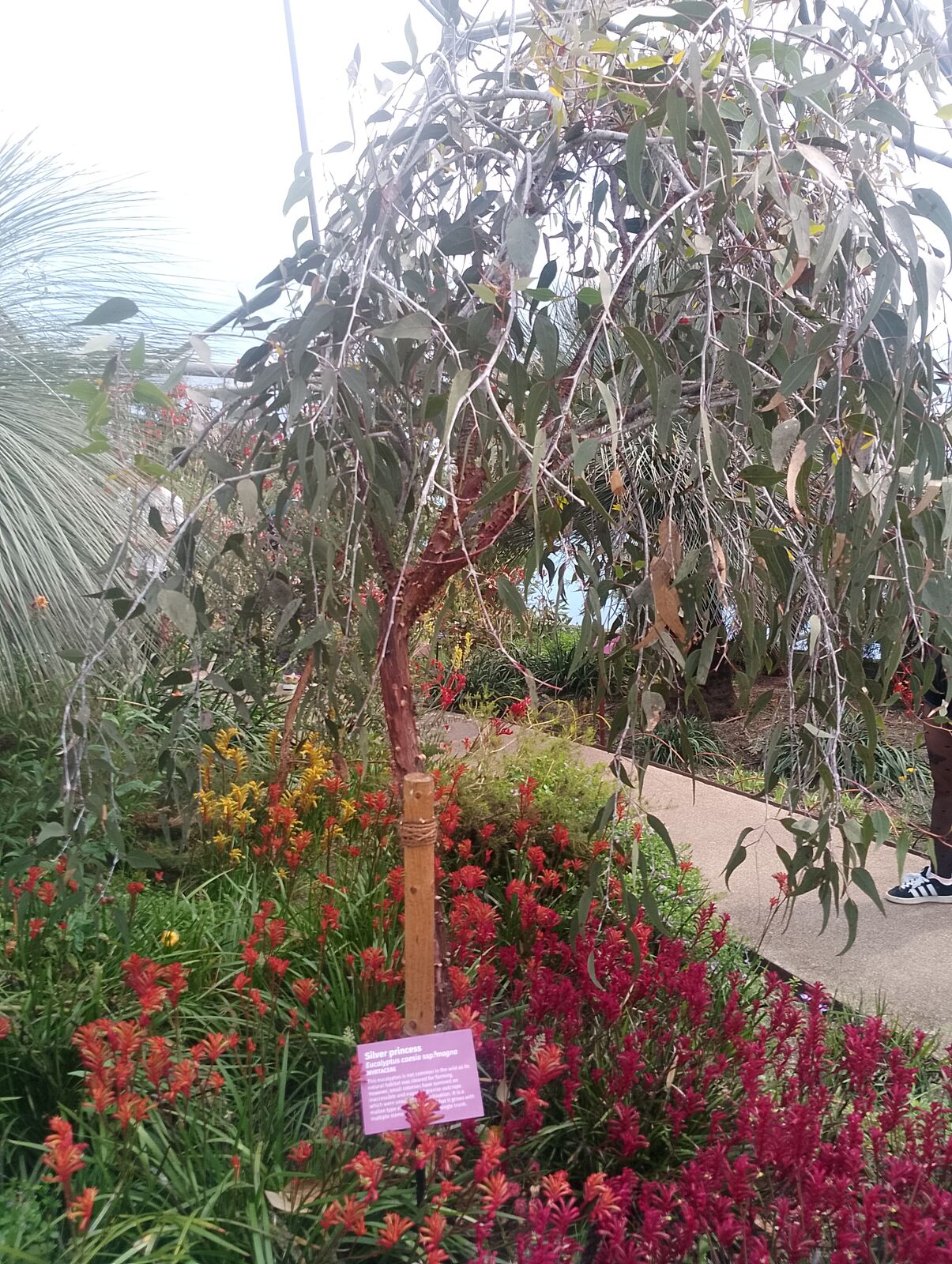
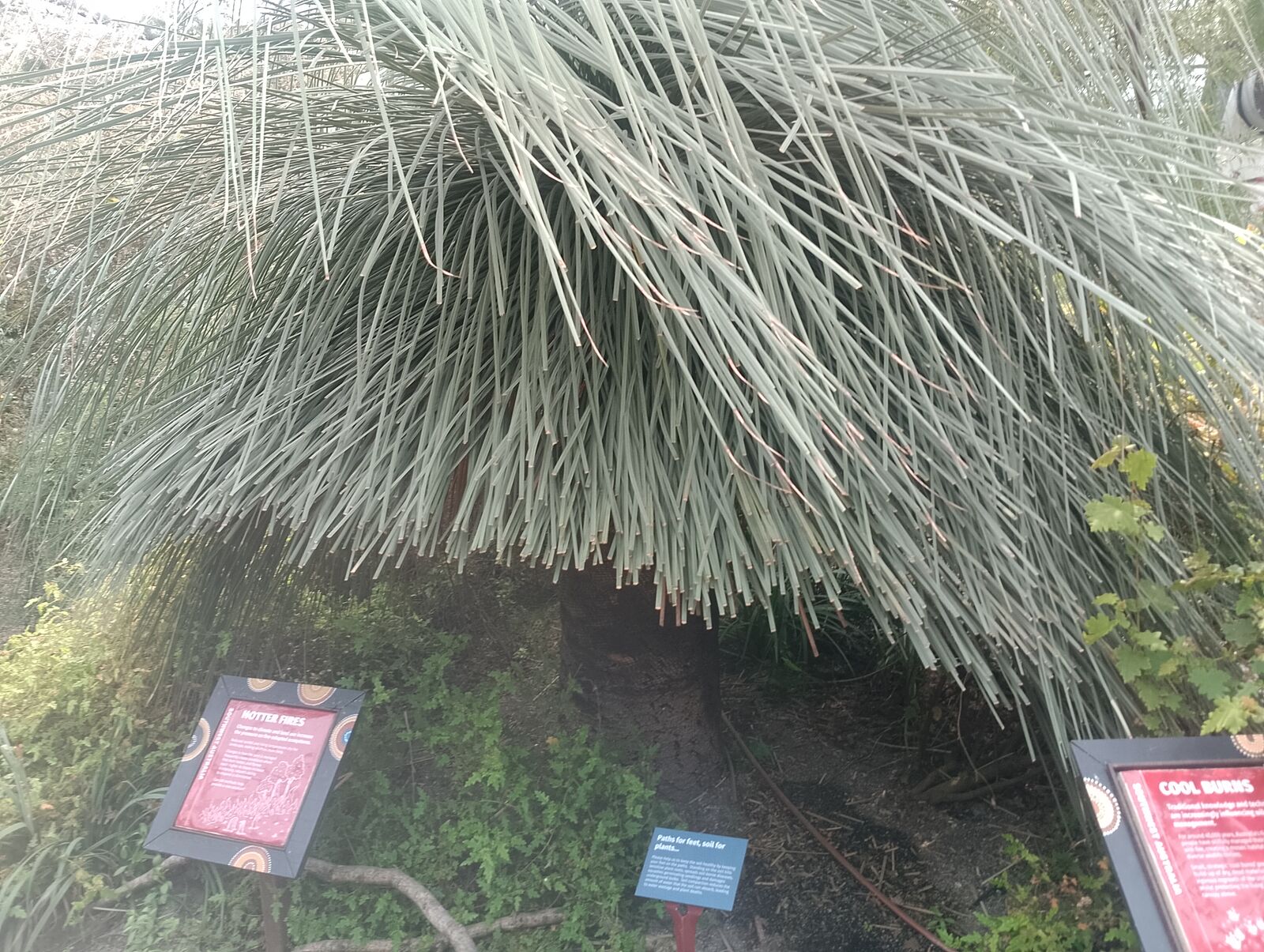
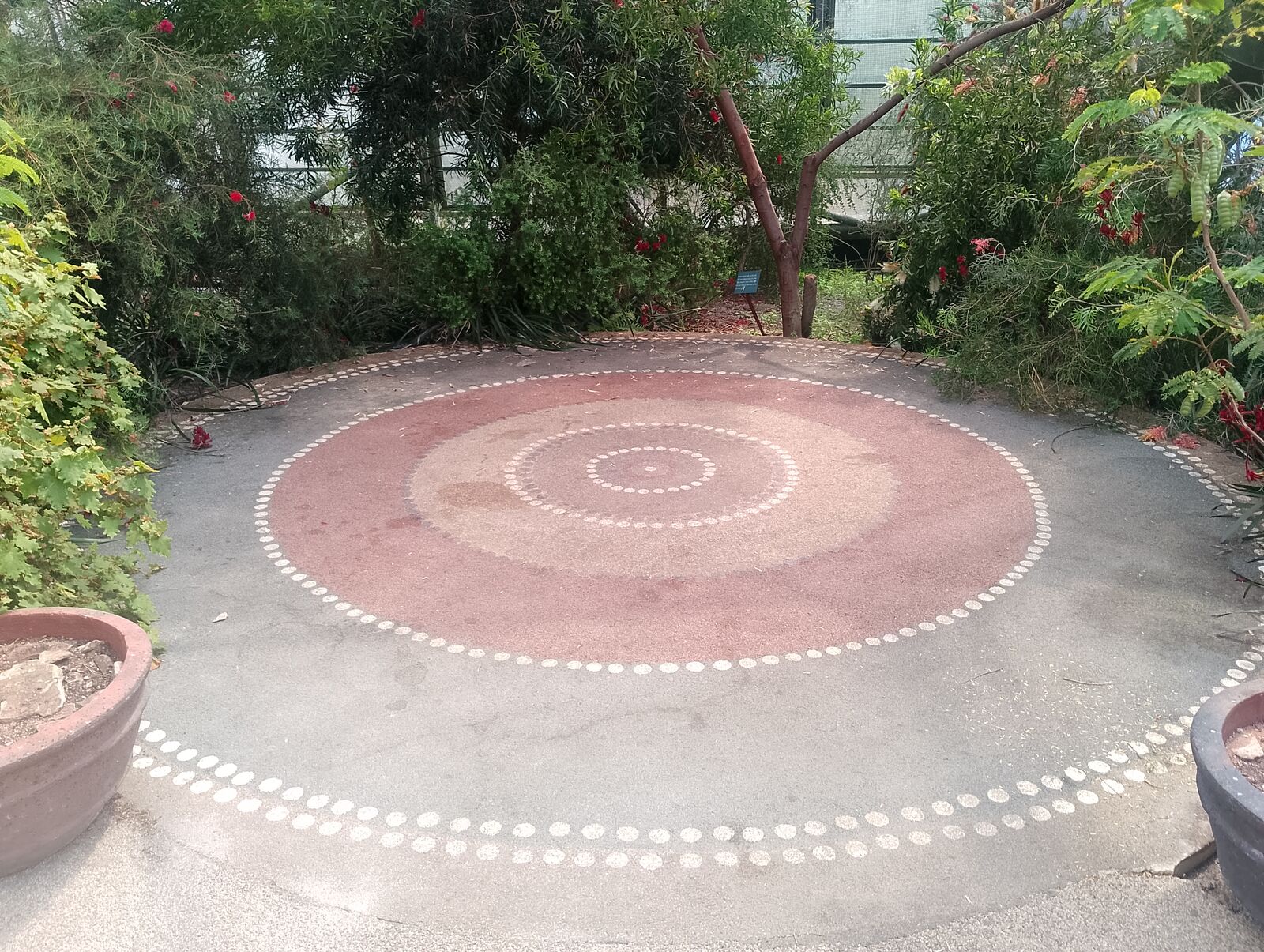
Departing for the woods of mythology we get to the performanece just on thyme, I mean time… where a group of senior are cracking similar jokes. Our actors arrive and the show begins, who do a pretty good job of boiling down notions temporality in a similar vein to Bennetts work.
“does your clock tell me where the ties are at? or the season?” one actor shouts across to another. “What about the present?” comes the reply. Another chimes in about the present moment, which is refuted to be the now past by another. The jostle continues and we move on towards notions of memory, being offered a bag with blindfolds and herbs in it. Kudos to the performers, as the show seemed to require a fair bit of energy, in a crowd that was mostly leather. The research seemed pretty solid too and for those unfamiliar with the subject it seemed like an accessible way to get some points across. They seemed to enjoy themselves also!
The Core
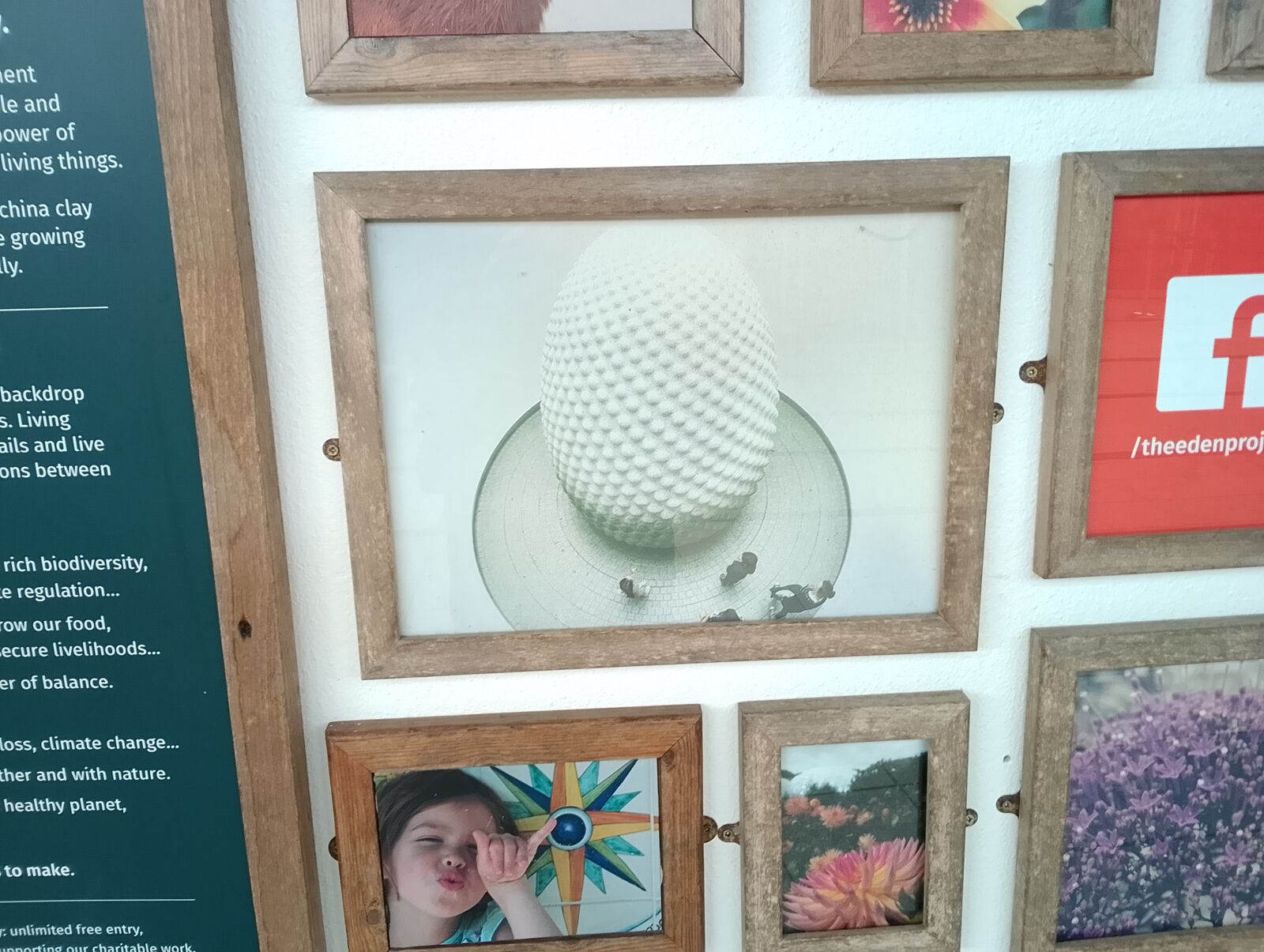
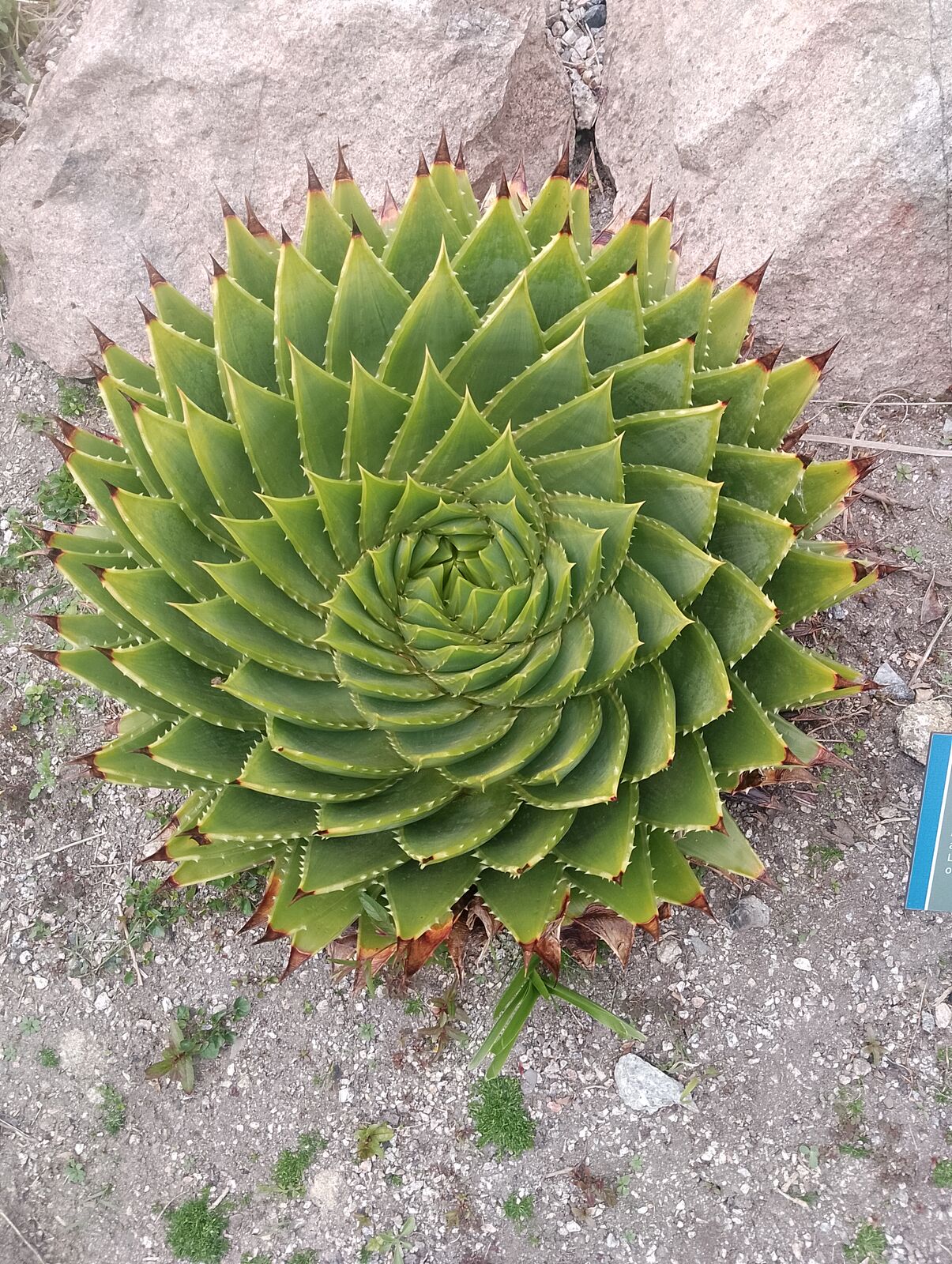
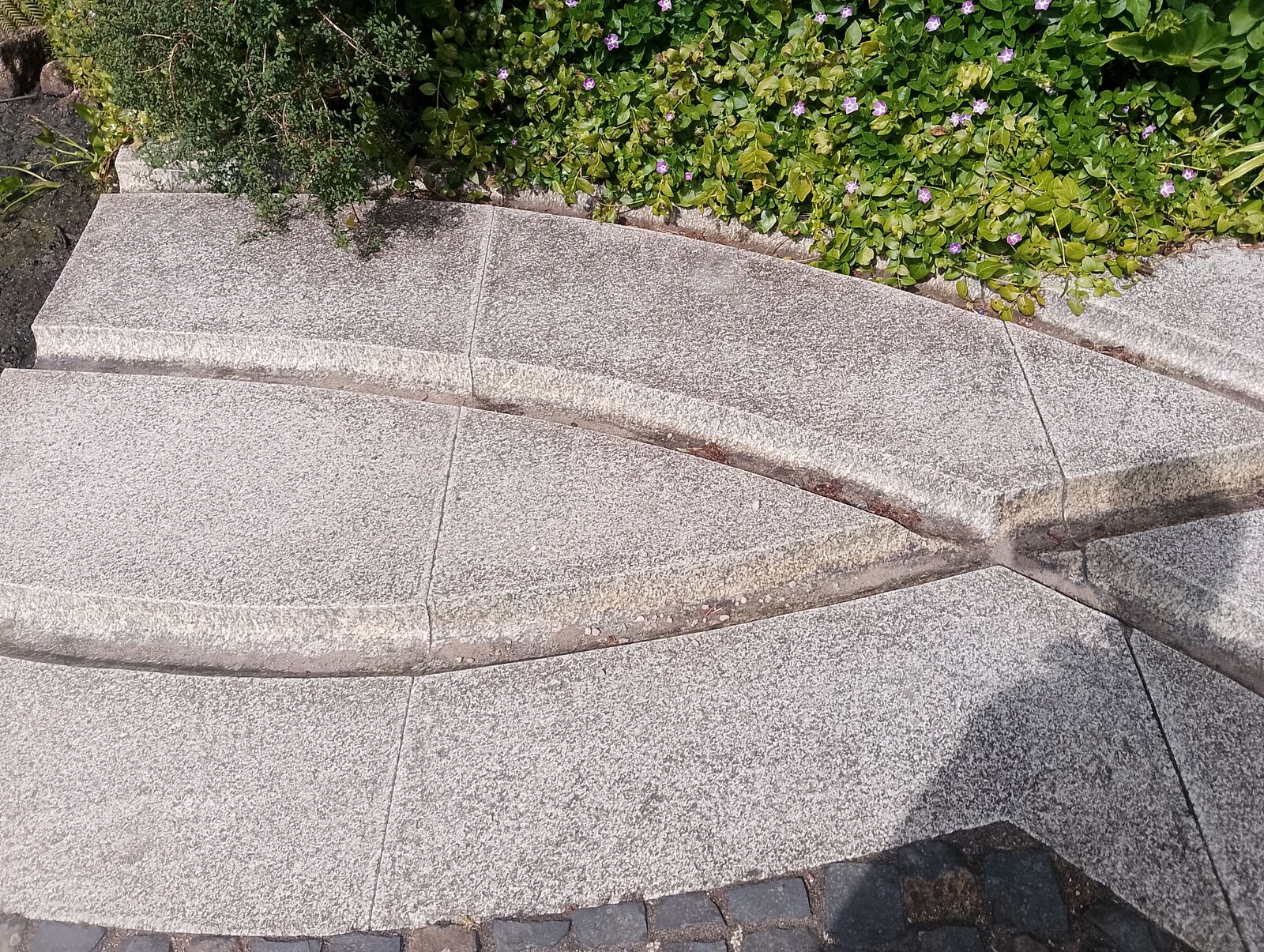
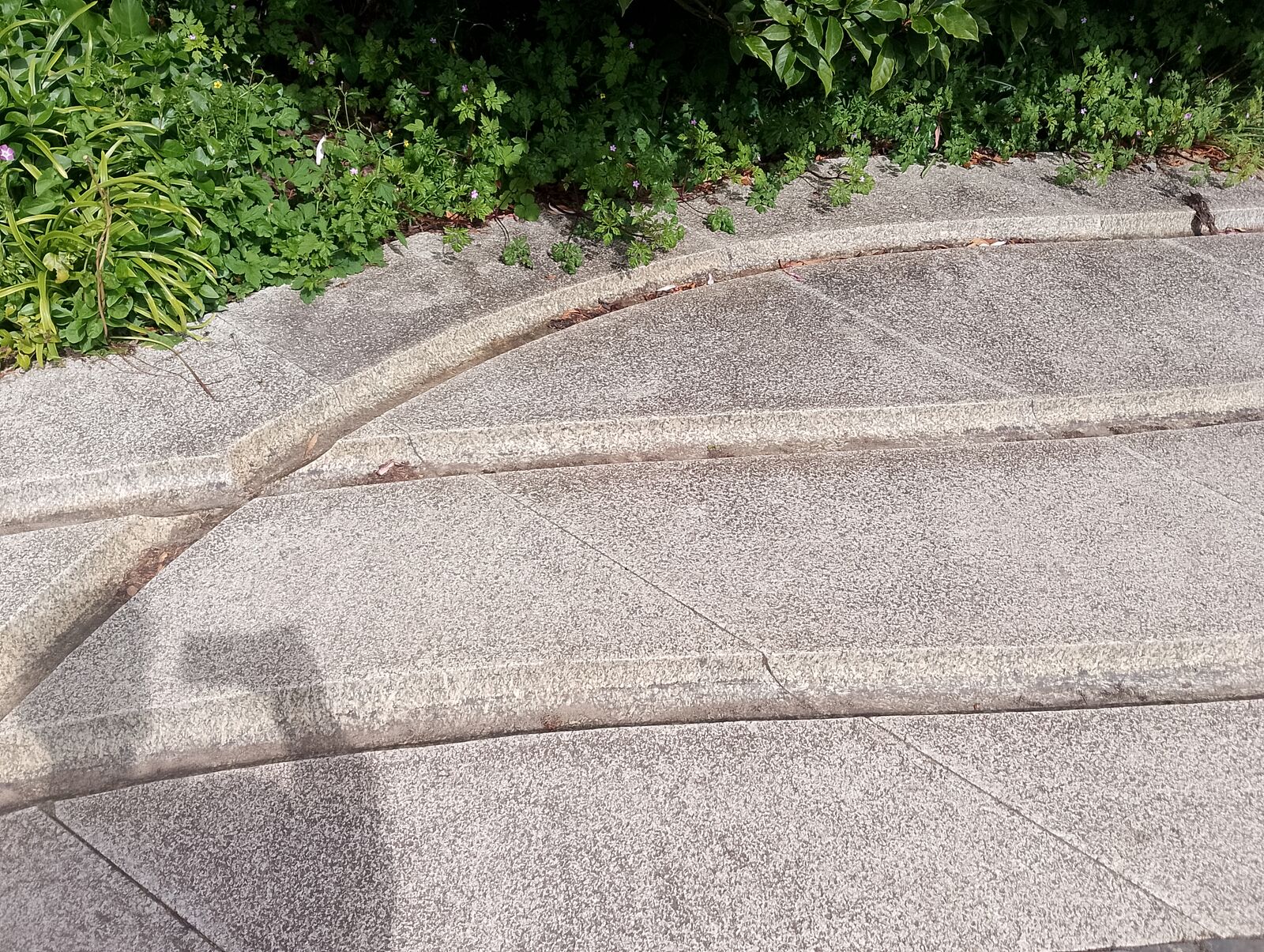
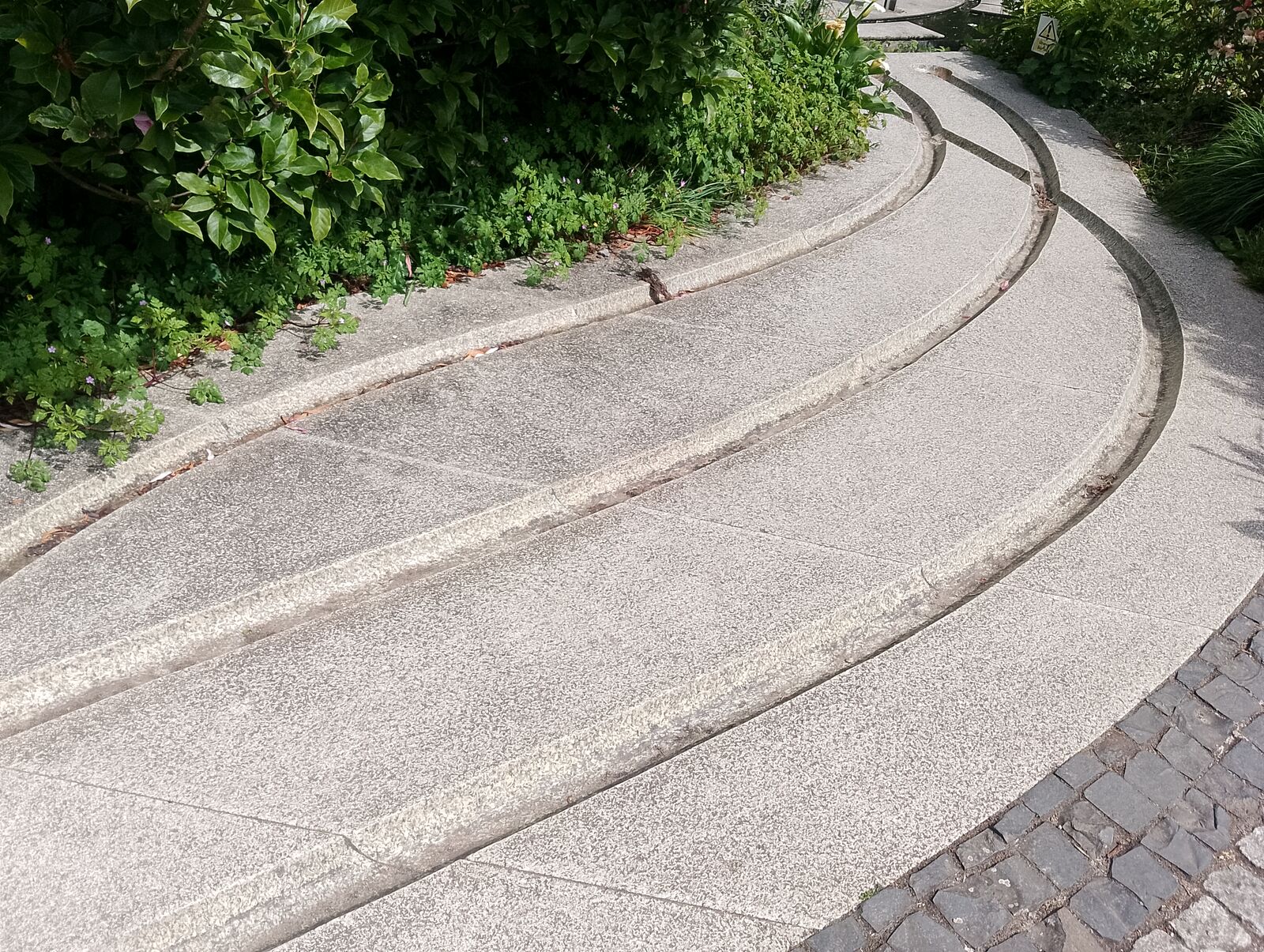
With this over, it was time to follow the pollination pathway back to the domes, passing a japanese style water way or micro aquaduct cut into granite before visiting the ‘core’. This was a science mueseum of sorts centered on the microbiome, with a large sculpture blowing smoke rings. Last but not least was… yet another giant cosmic egg that looked like a pinecone carved out of granite with cyclic ‘nobbles’ spiraling in a fibonacci sequence.
This was of course but one element of dejavu for me as a throwback to Auroville, where the Matrimindir is essentially a geodesic dome that looks like an egg. There is a pattern that is becoming more and more apparent with all these gardens, which makes sense in the context of the Dramatic Universe vol.4 as the mother cults receptive ground.
Departure
Leaving the core, I decide to attempt the zipline before leaving, but fail to find the launch platform and instead end up at the exit. Since I know I’ll be returning I decide to savour the experience and leave it as a loose end that can act as a motivator to inspire a fresh return. I collect my bags from reception and head off to find the bus.
In the presence of all this I find myself wishing I had found someone that I could have talked to about the science projects and maybe nudge about the symbolism. Noticing someone in a green jumper feeding birds and ask if she knows much of the story around the history and how it relates to John Allen and so forth. She doesn’t really seem to know much but we have a plesent enough chat until our trains depart in different directions.
Striking about this encounter was a mad sense of dejavu that somewhat dumbfounded me, more so than the cosmic eggs and other recursions that are somewhat normal at this stage. An interaction that includes verbatim quotes that once came out of my own mouth. My interlocutor mentions Cornish history and standing stones like stone henge and I stupidly ask if they have many of such crop circles - which of course standing stones are not - yet a question I’m glad to have asked, due to the response of “have you ever seen a UFO?” Having potentially seen two, I say yes and describe the experience before she recounts her encounter of the third kind that sounds much less easy to write off. This leads into a short interaction about the the Newquay space port and time loops before the trains arrive and we go our separate ways.
Naturally reeling from the excursion as well as conversation, I miss the station I’m heading to and end up waiting for an hour or so just to get the train back, while searching my memory for traces of the past synchronous with this encounter and it’s potential implications. This was arguable one of the more interesting reflective moments I’ve had in a while given its gesture towards possible futures but was also extremely taxing. Mind melted I make it back to the hostel in time for bed and set my alarm to repeat the experience at Heligan the next day…
… onwards!
p.s. we shall return to this post regarding some participatory action research that is in progress. For now we keep the travel seperate.